
Insights from recent episode analysis
Audience Interest
Podcast Focus
Publishing Consistency
Platform Reach
Insights are generated by CastFox AI using publicly available data, episode content, and proprietary models.
Most discussed topics
Brands & references
Total monthly reach
Estimated from 1 chart position in 1 market.
By chart position
- 🇧🇷BR · Alternative Health#1701K to 10K
- Per-Episode Audience
Est. listeners per new episode within ~30 days
500 to 5K🎙 ~2x weekly·65 episodes·Last published 2w ago - Monthly Reach
Unique listeners across all episodes (30 days)
1K to 10K🇧🇷100% - Active Followers
Loyal subscribers who consistently listen
400 to 4K
Market Insights
Platform Distribution
Reach across major podcast platforms, updated hourly
Total Followers
—
Total Plays
—
Total Reviews
—
* Data sourced directly from platform APIs and aggregated hourly across all major podcast directories.
On the show
From 12 epsHost
Recent guests
Recent episodes
9. 15-Minute Consult: New Research in Vestibulodynia with Dr. Jill Krapf
Jun 9, 2026
17m 24s
8. Weight Lifting & Prolapse with Dr. Jessica Jenkins
May 29, 2026
15m 12s
7. 15-Minute Consult: Acne and Facial Hair in Perimenopause & Menopause with Dr. Melissa Mauskar
Apr 15, 2026
12m 21s
6. Testosterone in Perimenopause & Menopause with Dr. Tami Rowen
Mar 16, 2026
22m 42s
5. Hormone Therapy in Perimenopause & Menopause with Dr. Rachel Pope
Mar 11, 2026
16m 45s
Social Links & Contact
Official channels & resources
Official Website
Login
RSS Feed
Login
| Date | Episode | Topics | Guests | Brands | Places | Keywords | Sponsor | Length | |
|---|---|---|---|---|---|---|---|---|---|
| 6/9/26 |  9. 15-Minute Consult: New Research in Vestibulodynia with Dr. Jill Krapf✨ | pelvic painvulvodynia+3 | Dr. Jill Krapf | Ketotifen creamNational Vulvodynia Association+1 | — | vestibulodyniapelvic pain+3 | — | 17m 24s | |
| 5/29/26 |  8. Weight Lifting & Prolapse with Dr. Jessica Jenkins✨ | weight liftingpelvic organ prolapse+3 | Dr. Jessica Jenkins | PTDPT+1 | — | pelvic floorheavy lifting+3 | — | 15m 12s | |
| 4/15/26 |  7. 15-Minute Consult: Acne and Facial Hair in Perimenopause & Menopause with Dr. Melissa Mauskar✨ | acnefacial hair+4 | Dr. Melissa Mauskar | UT Southwestern | — | acnefacial hair+6 | — | 12m 21s | |
| 3/16/26 |  6. Testosterone in Perimenopause & Menopause with Dr. Tami Rowen✨ | testosteroneperimenopause+4 | Dr. Tami Rowen | UCSF | — | testosteroneHSDD+5 | — | 22m 42s | |
| 3/11/26 |  5. Hormone Therapy in Perimenopause & Menopause with Dr. Rachel Pope✨ | hormone therapyperimenopause+5 | — | — | — | hormonesperimenopause symptoms+6 | — | 16m 45s | |
| 2/24/26 |  4. Disordered Eating in Perimenopause & Menopause with Lucene Wisniewski, Ph.D., FAED✨ | disordered eatingperimenopause+5 | Lucene Wisniewski | Harvard University | — | eating disordersmidlife women+7 | — | 31m 38s | |
| 2/10/26 |  3. Eating for Satiety & Longevity in Perimenopause & Menopause with Gretchen Spetz, RD✨ | perimenopausemenopause+4 | Gretchen Spetz | integrative and functional nutrition | — | perimenopausemenopause+5 | — | 28m 55s | |
| 2/3/26 |  2. GLP-1s & Metabolic Health in Perimenopause & Menopause with Ann Konkoly, WHNP-BC✨ | GLP-1 medicationsmetabolic health+5 | Ann Konkoly | OzempicZepbound+1 | — | perimenopausemetabolic health+6 | — | 31m 14s | |
| 1/21/26 |  1. Exercise and Nutrition through Perimenopause & Menopause with Jody Trostler✨ | perimenopausemenopause+4 | Jody Trostler | Just Train | — | midlifemetabolism+5 | — | 28m 26s | |
| 11/10/25 |  14. Perimenopause: Cardiology with Dr. Lisa Larkin✨ | perimenopausecardiovascular disease+3 | Dr. Lisa Larkin | Ms. Medicinelisalarkinmd.com+1 | — | perimenopausecardiovascular risk+3 | — | 31m 45s | |
Want analysis for the episodes below?Free for Pro Submit a request, we'll have your selected episodes analyzed within an hour. Free, at no cost to you, for Pro users. | |||||||||
| 10/20/25 |  13. Perimenopause: Cognitive Changes with Dr. Rita Shkullaku✨ | perimenopausecognitive changes+4 | Dr. Rita Shkullaku | Luminis Health | — | perimenopausebrain fog+5 | — | 25m 12s | |
| 10/7/25 |  12. Perimenopause: Kegels, Squats & Pelvic Floor with Dr. Karen Connor, PT✨ | perimenopausepelvic floor health+3 | Dr. Karen Connor | Pelvic Floor Physical Therapy | — | perimenopausepelvic floor+5 | — | 27m 47s | |
| 9/30/25 | 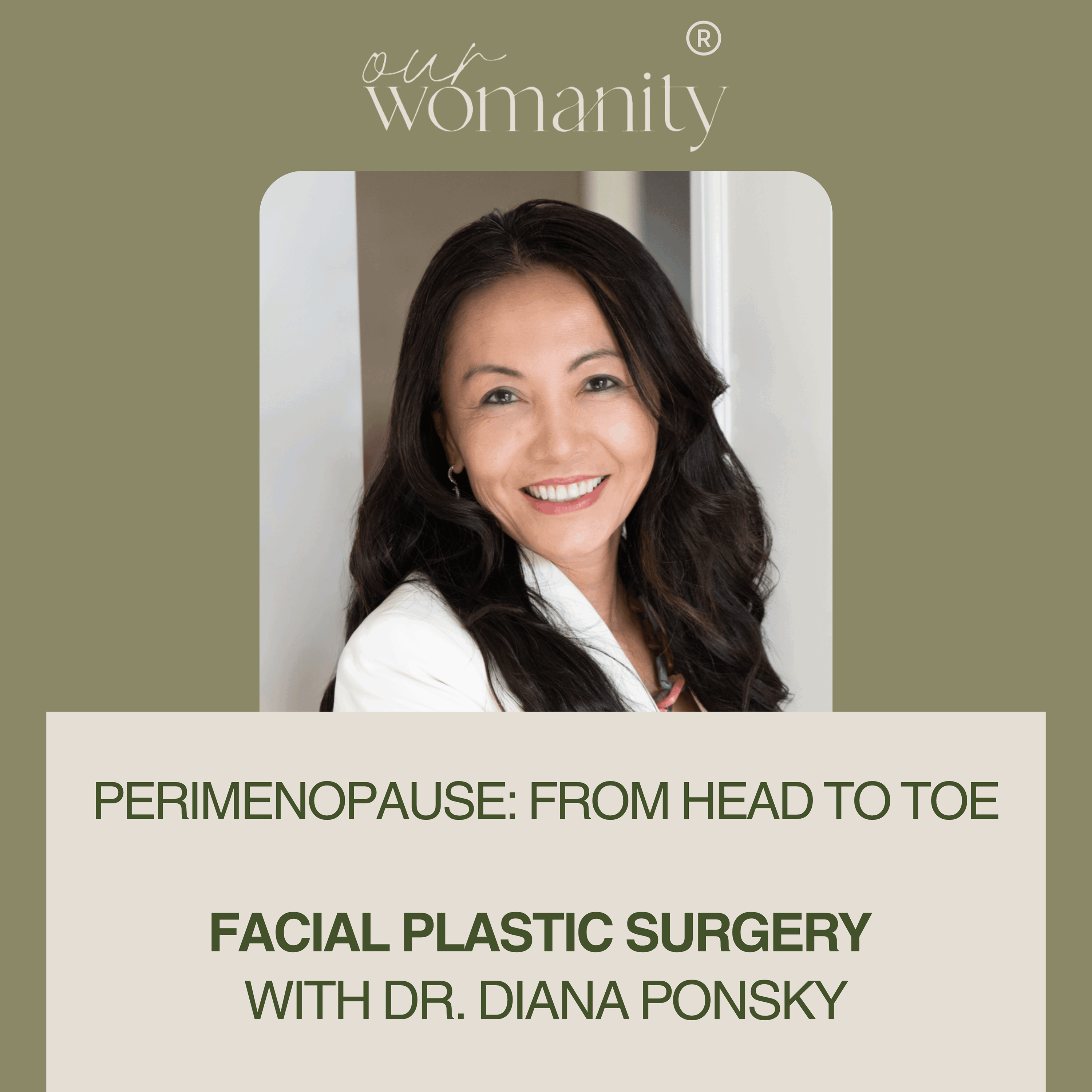 11. Perimenopause: Facial Plastic Surgery with Dr. Diana Ponsky | This episode features Dr. Diana Ponsky, [https://drdianaponsky.com/] a renowned facial plastic surgeon in Cleveland, Ohio, who leads Ponsky Facial Plastic Surgery. Double board-certified in Facial Plastic Surgery and ENT, Dr. Ponsky specializes in natural facial rejuvenation. She discusses how hormonal shifts impact the face and what women can do about it. The Hormonal Impact on Aging Dr. Ponsky notes that a sharp drop in hormones around menopause can feel like an "acute switch" in aging. * Collagen Loss: Women can lose up to 30% of their collagen within five years around menopause, followed by a 2% loss each year. * Structural Changes: Low estrogen affects receptors throughout the skin and bone. This causes skin to become coarser, fat to descend, and even facial bones (like the jaw and areas around the nose) to atrophy, which can flatten the brow arch. Prevention and Maintenance: The "Car Tune-Up" Aging gracefully is about slowing down the process, which Dr. Ponsky compares to constant maintenance on a car. * Proactive Care: Genetic predispositions mean some women benefit from early surgical prevention (like brow lifts or fat transfer). * Lifestyle: Rigorous skincare, sun protection, and avoiding repetitive motions (like drinking through straws) are crucial for maintenance. * The Role of HRT: Dr. Ponsky is a firm believer in Hormone Replacement Therapy (HRT), even starting in perimenopause, to slow the loss of muscle mass and bone density (including in the face). Treatment Options * Fillers: These are volumizing agents (like hyaluronic acid) that replace lost volume; they do not lift. Dr. Ponsky cautions against overuse, as too much filler can distort muscle movement. * Never Too Late: For those who missed the prevention window, aggressive treatments like deeper lasers and fat transfer can still yield great results, combined with a commitment to nutrition and a long-term care program. Dr. Ponsky reminds women that given we are living longer, tending to our bodies is necessary. It's not vanity; it's ensuring a high quality of life long after menopause. | 24m 05s | ||||||
| 9/22/25 | 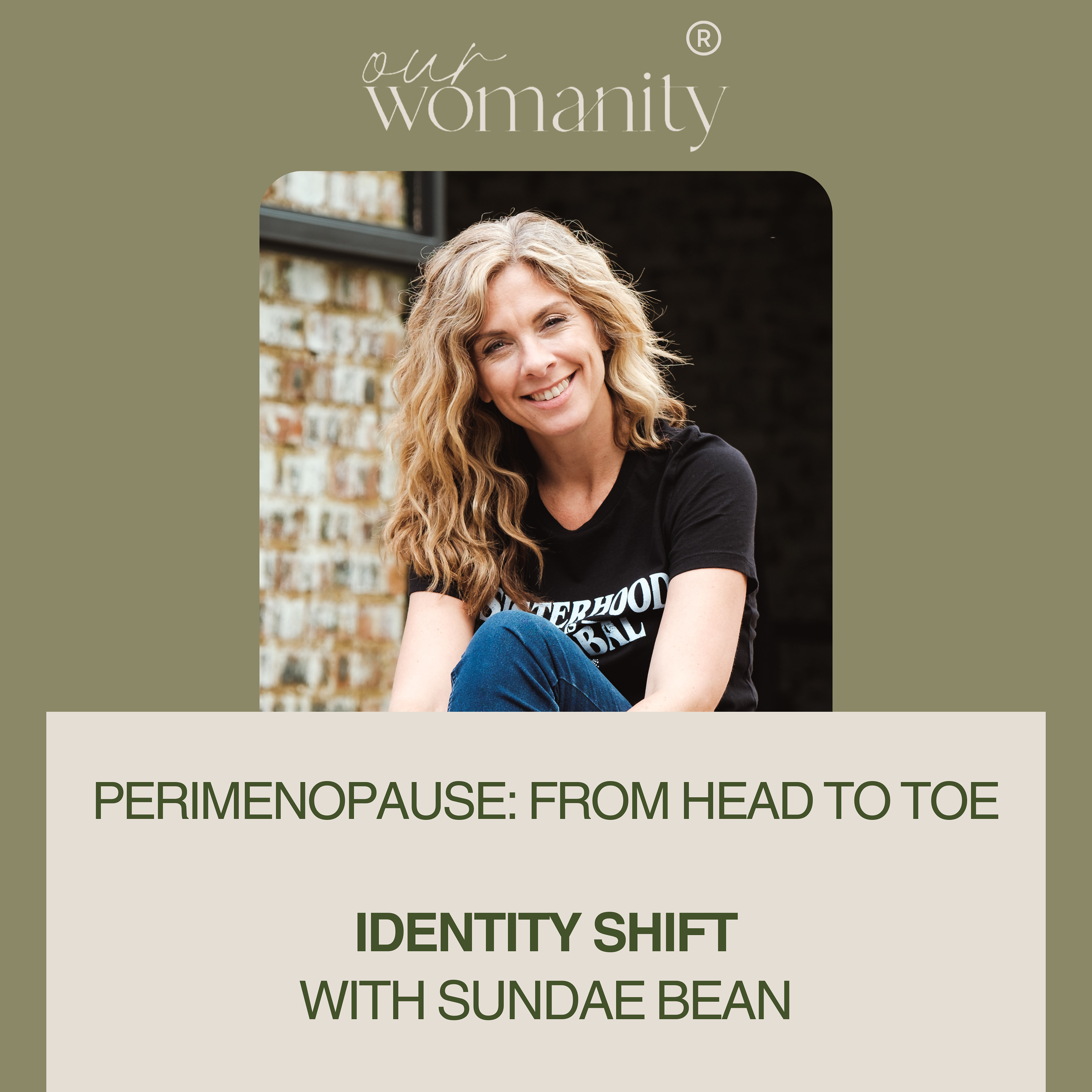 10. Perimenopause: Identity Shift with Sundae Bean | In this episode of Our Womanity features a conversation with Sundae Bean [https://sundaebean.com/], a transformation facilitator who supports individuals and organizations as they traverse through life quakes and other major shifts. A trusted voice for navigating life between worlds, Sundae is currently dedicated to organizational transformation in Switzerland and is widely known for her podcast, IN TRANSIT [https://www.sundaebean.com/in-transit/]. Perimenopause: A Biological Transition Sundae explains perimenopause as an externally led transition—something that happens to you, not something you choose. This can overlap with other life transitions: * Internally Led: Changes that come from within. * Performance Led: Pursuing a big goal, like a promotion. * Externally Led: Changes that come from our environments. She emphasizes the importance of distinguishing between a genuine emotional response and a biochemical one, noting that while feelings are real, their source may be hormonal rather than a true reflection of your reality. Strategies for Navigating Hormonal Shifts Sundae offers practical advice to help manage symptoms like "monkey mind": * Reality Check and Blood Check: Use this dual approach to test what's truly going on. Talk to a trusted friend to get an outside perspective, and work with your doctor to get yourself evaluated . * Trust Your Body: Sundae shares her own experience of listening to her body's "yummy yes" for yoga over a "hard no" for running. This highlights the importance of trusting your body's needs over external advice. * Find Your Body Compass: To counter feeling out of control, she suggests a simple exercise: take three deep breaths and hold the fourth until you can feel your own heartbeat. This grounds you and gets you out of your head. Perimenopause as a Growth Opportunity While difficult, perimenopause can be a time for growth. * Self-Advocacy: It may force you to become your own best advocate, taking charge of your health when the system feels unsupportive. * Adapting Strategies: Acknowledge that old strategies might not work now. A coach can help you develop new approaches. * Bending Reality: Sundae encourages listeners to honestly assess where they might be "bending reality"—acting as if there are more than 24 hours in a day. This awareness is the first step toward delegating and prioritizing. Advice for Healthcare Providers Sundae offers advice for healthcare providers to better support their patients. * Listen to the Patient: Ask, "How have you been?" to understand the full context of their life. * Validate Their Experience: Don't dismiss symptoms. A simple, "That sounds hard," can be incredibly validating. Refer When Needed: If you cannot provide the necessary care, refer patients to a coach or other specialist. | 28m 14s | ||||||
| 9/2/25 | 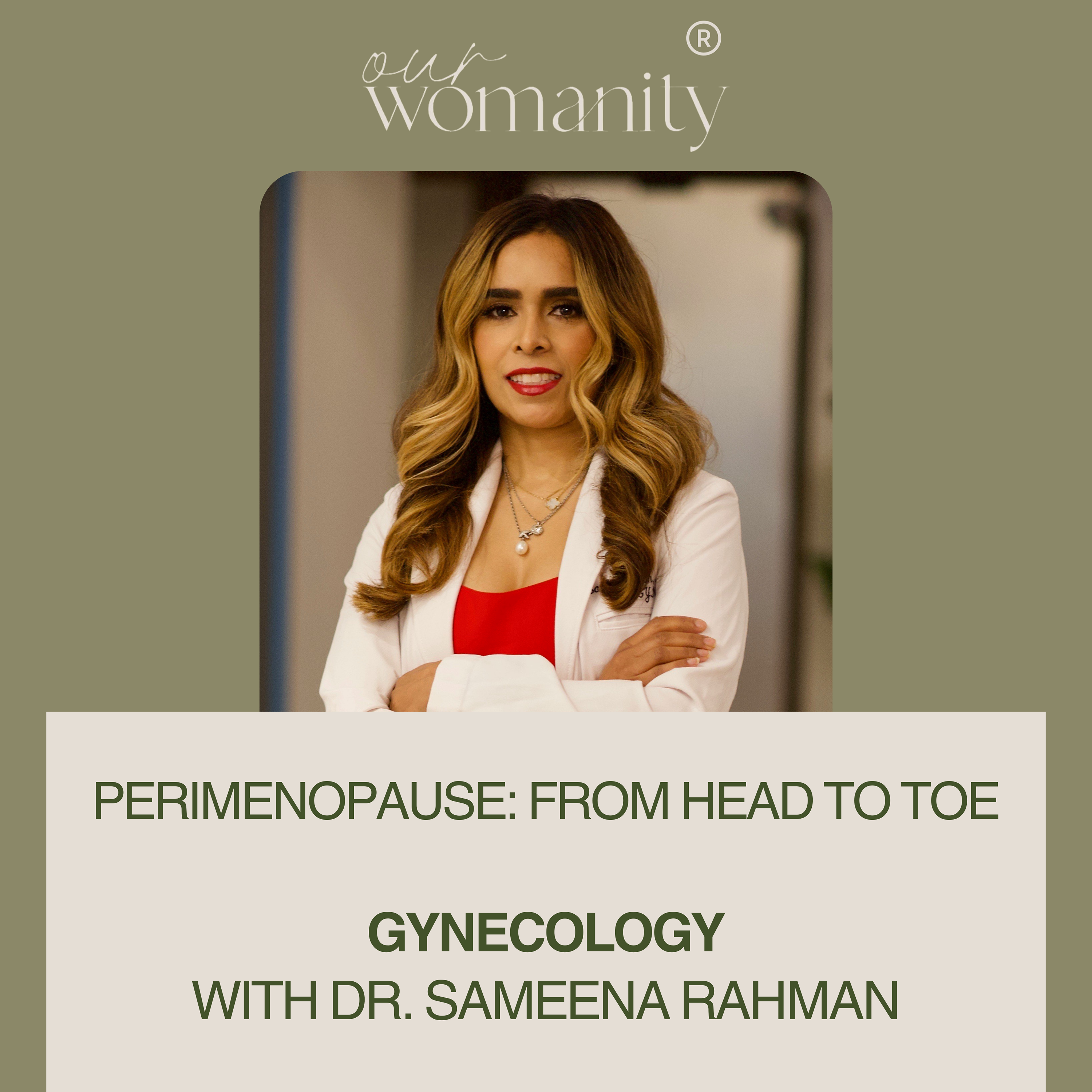 9. Perimenopause: Gynecology with Dr. Sameena Rahman | This episode of Perimenopause: Head to Toe features Dr. Sameena Rahman [https://www.instagram.com/gynogirl/], an OB-GYN and specialist in sexual medicine and menopause. She is also the founder of the GYN and Sexual Medicine Collective Dr. Rahman highlights that women in their mid-40s often experience confusing bodily changes. Symptoms include: * Menstrual Changes: Unpredictable periods, with some becoming heavier or stopping for months. * Physical & Emotional Symptoms: Intimate dryness, reduced libido, sleep issues, hot flashes, brain fog, and irritability. Systemic Issues in Women's Healthcare The conversation addresses challenges within the medical system. * A Patriarchal System: The doctors agree that the healthcare system is historically patriarchal, resulting in a lack of research and understanding of women's health. * Medical Training Gap: The doctors note that medical school training often overlooks the significant emotional and cognitive effects of perimenopause, focusing instead on hot flashes and irregular periods. * The "Double Whammy": They point out that because the OB-GYN field is largely female, there's an unspoken expectation to manage all aspects of women's health with limited resources, leading to provider burnout and inadequate patient care. Cultural Differences and Bias Dr. Rahman, who is South Asian, discusses unique challenges for women of color. * Earlier Onset: Women of color, including Black and South Asian women, often experience perimenopause and menopause earlier. This is linked to allostatic load, the cumulative "wear and tear" from chronic stress. * Stigma: Cultural factors like stoicism and taboos around sex lead to a reluctance to seek medical help. * Health Disparities: The episode notes higher rates of heart disease and diabetes in the South Asian population. About Dr. Rahman's Practice and Book Dr. Sameena Rahman [https://www.instagram.com/gynogirl/] is a board-certified OB/GYN, sex-med gynecologist, menopause specialist and a clinical assistant professor of OB/GYN at the Northwestern Feinberg School of Medicine. She is the founder of the Gyn & Sexual Medicine Collective [https://www.thegsmcollective.com/], a successful concierge practice that emphasizes evidence-based medicine and an affiliate of Ms. Medicine [https://www.msmedicine.com/]. Dr. Rahman is dedicated to evaluating and treating each patient with compassion, trauma-informed care, and an awareness of personal bias. Additionally, she hosts the podcast Gyno Girl Presents: Sex, Drugs & Hormones [https://podcasts.apple.com/us/podcast/gyno-girl-presents-sex-drugs-hormones/id1723087947]. Her upcoming book, "Brown Girls Disease? A Guide to Sexual Health and Empowerment Through a South Asian Lens [https://www.linkedin.com/posts/sameena-rahman-16065b1bb_browngirlsdisease-sexualhealthmatters-activity-7364277818127482882-lQlm/]," explores sexual health issues from a unique cultural and religious perspective. | 24m 56s | ||||||
| 8/21/25 | 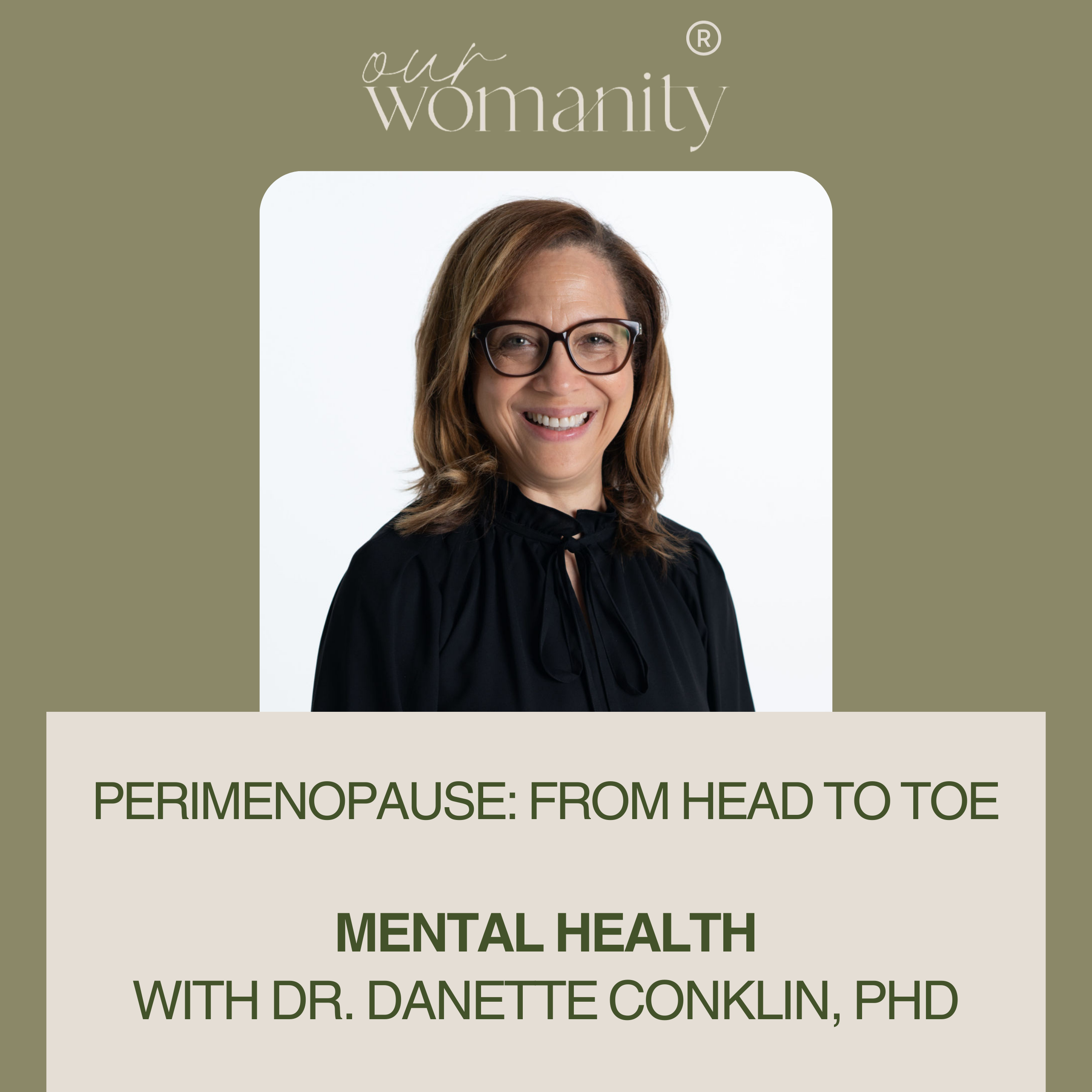 8. Perimenopause: Mental Health with Dr. Danette Conklin, PhD | In this episode of Perimenopause: Head to Toe, Dr. Rachel Pope welcomes Dr. Danette Conklin, PhD, [https://www.uhhospitals.org/doctors/Conklin-Danette-1881843274] a Clinical and Health Psychologist and Assistant Professor at Case Western Reserve University School of Medicine. Dr. Conklin shares her expertise on the intersection of behavioral health, weight management, and midlife transitions, including perimenopause and menopause. As Director of Behavioral Health Services for both surgical and non-surgical weight management programs at University Hospitals Cleveland Medical Center, Dr. Conklin has a unique perspective on how psychological and biological factors influence health during midlife. She has also contributed to establishing menopause clinics in Cleveland, helping women navigate the physical and emotional changes of this life stage. We discuss: * How behavioral health intersects with perimenopause and menopause * Managing weight, mood, and lifestyle changes during midlife * The role of psychology in supporting cardiovascular and metabolic health * Strategies for navigating stress, sleep, and emotional shifts * How to advocate for yourself and your care during midlife transitions * Practical ways to support wellness, including the use of non-prescription supplements like MiM [https://www.uhhospitals.org/doctors/Conklin-Danette-1881843274], which are designed to help with peri- and post-menopause symptoms With her extensive experience on national committees and advisory boards, including The Menopause Society [https://menopause.org/] and the American Society for Metabolic and Bariatric Surgery [https://asmbs.org/], Dr. Conklin provides practical guidance for women seeking to thrive during this transformative stage of life. | 27m 46s | ||||||
| 7/31/25 | 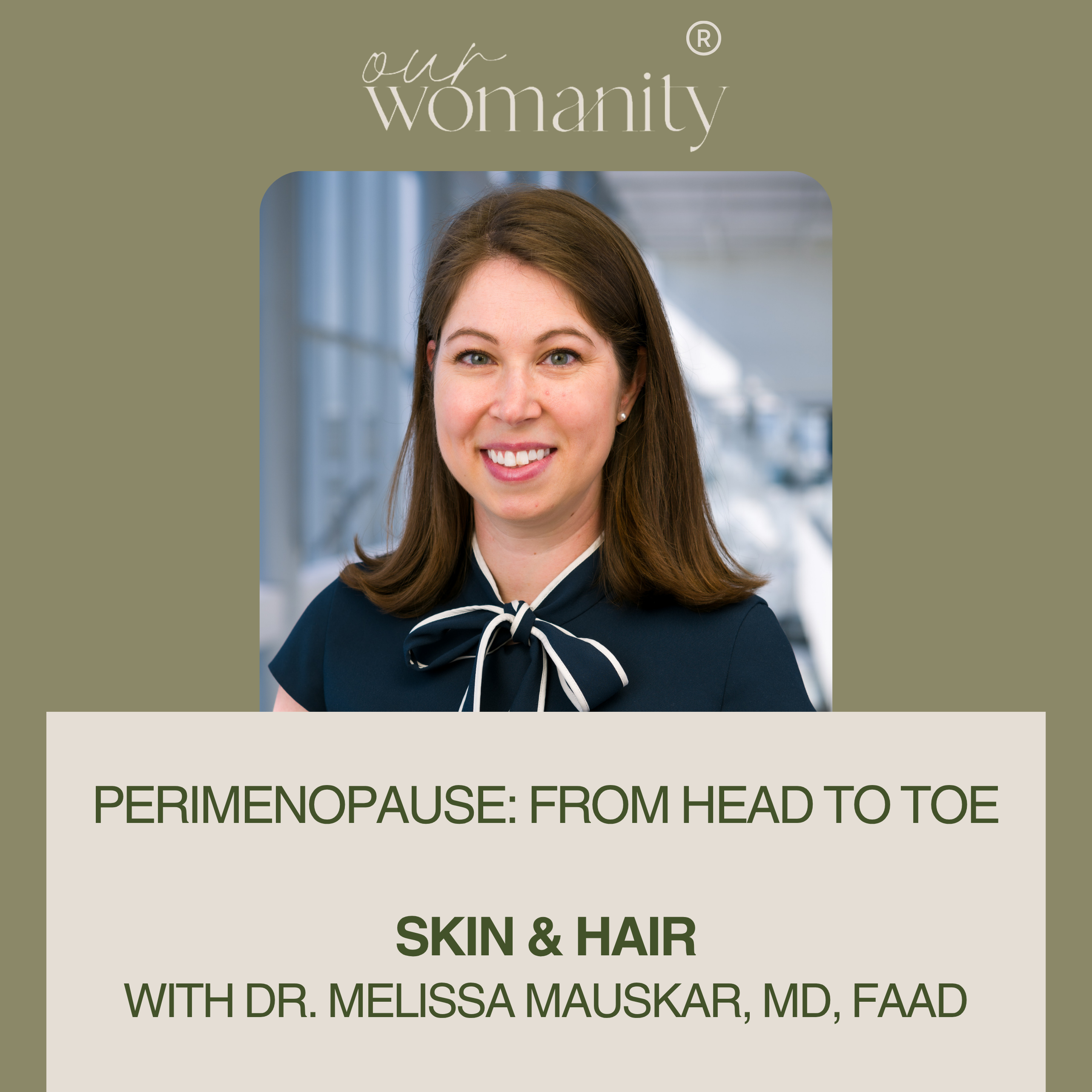 7. Perimenopause: Skin & Hair with Dr. Melissa Mauskar, MD, FAAD | In this episode of Perimenopause: Head to Toe, Dr. Rachel Pope is joined by expert dermatologist Dr. Melissa Mauskar [https://www.melissamauskar.com/], who dives into how perimenopause and menopause affect our skin. From changes in the face to thinning skin, Dr. Mauskar explains why skin and hair transformations during this time are not only inevitable but also manageable. Dr. Mauskar is an Associate Professor in the Departments of Dermatology and OB-GYN at UT Southwestern Medical Center [https://utswmed.org/doctors/melissa-mauskar/]. She specializes in dermatology, with a focus on vulvar health and dermatologic changes that come with different stages of a woman's life. In this episode, you'll learn: * How estrogen, progesterone, and testosterone affect your skin. * Why you might notice acne, dryness, or thinning hair in your 40s and beyond. * The importance of topical estrogen for maintaining skin thickness. * How perimenopause might trigger or worsen conditions like eczema, psoriasis, and even melasma. * Tips for preventing skin aging, including the importance of sunscreen and good skincare routines. If you've noticed changes in your skin, this episode offers expert advice on how to address them and what you can do to prevent further damage. About Dr. Mauskar: Dr. Melissa Mauskar is an expert in dermatology and vulvar health, with extensive experience in addressing the skin changes that women experience during perimenopause and menopause. She is the founder of the Vulvar Health Program at UT Southwestern and frequently presents at symposia on women's health dermatology. | 21m 26s | ||||||
| 7/15/25 | 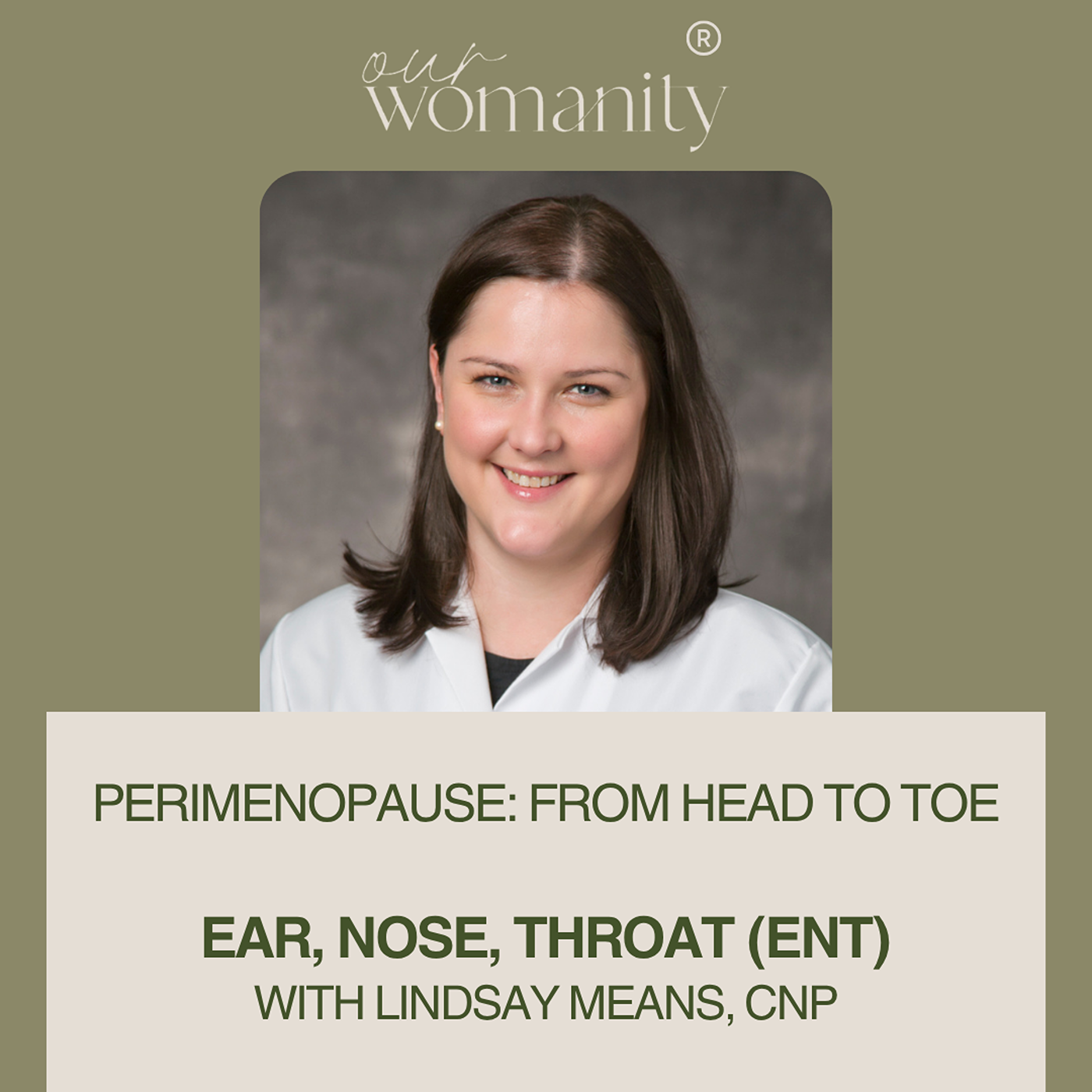 6. Perimenopause: Ear, Nose, and Throat (ENT) with Lindsay Means, CNP | Welcome back to Our Womanity! In this episode, Dr. Rachel Pope sits down with Lindsay Means, CNP [https://www.uhhospitals.org/doctors/Means-Lindsay-1487888004], a nurse practitioner at the Ear, Nose, and Throat Institute at University Hospitals Cleveland Medical Center. They explore how perimenopause and menopause affect ENT health and the common issues women face during this time. Lindsay Means earned her Master's in Nursing at Malone College and became a Family Nurse Practitioner in 2009. She began her career at University Hospitals in Cleveland in the department of Gyn/Oncology. She remained in that specialty until 2015, when she transferred to the ENT department, working for the division of Neurotology. She currently manages patients with a variety of ear-related issues, including dizziness. Key Takeaways: * Dizziness & Balance Issues: Lindsay discusses how dizziness is one of the most common complaints she sees in women during perimenopause and menopause, with a focus on vestibular migraines and balance problems. * Understanding Vertigo: Learn the difference between vertigo (spinning sensation) and other balance issues, and why many women mistakenly associate dizziness with vertigo when they're actually experiencing lightheadedness or unsteadiness. * Hormonal Changes & Migraine: How perimenopausal women may experience vestibular migraines without traditional headaches, with hormonal fluctuations potentially making these symptoms worse. * Meniere's Disease vs. Migraine: Lindsay explains the overlap between Meniere's disease and migraine-related ear symptoms, and the importance of proper diagnosis to avoid confusion between the two. * Ear Health and Dryness: Perimenopausal women may experience itchy ears due to dry skin and changes in earwax production. Lindsay shares practical advice, including oil drops to alleviate symptoms. Why You Should Listen: This episode highlights how perimenopause and menopause impact different systems of the body that are often overlooked, such as ENT health. Lindsay's insights into balance disorders, migraines, and ear-related issues provide valuable information for women navigating this stage of life. Remember, you don't have to suffer through it! Seek help if you're experiencing these symptoms, and don't hesitate to reach out to healthcare professionals like Lindsay who specialize in ENT and balance disorders. | 15m 30s | ||||||
| 7/2/25 | 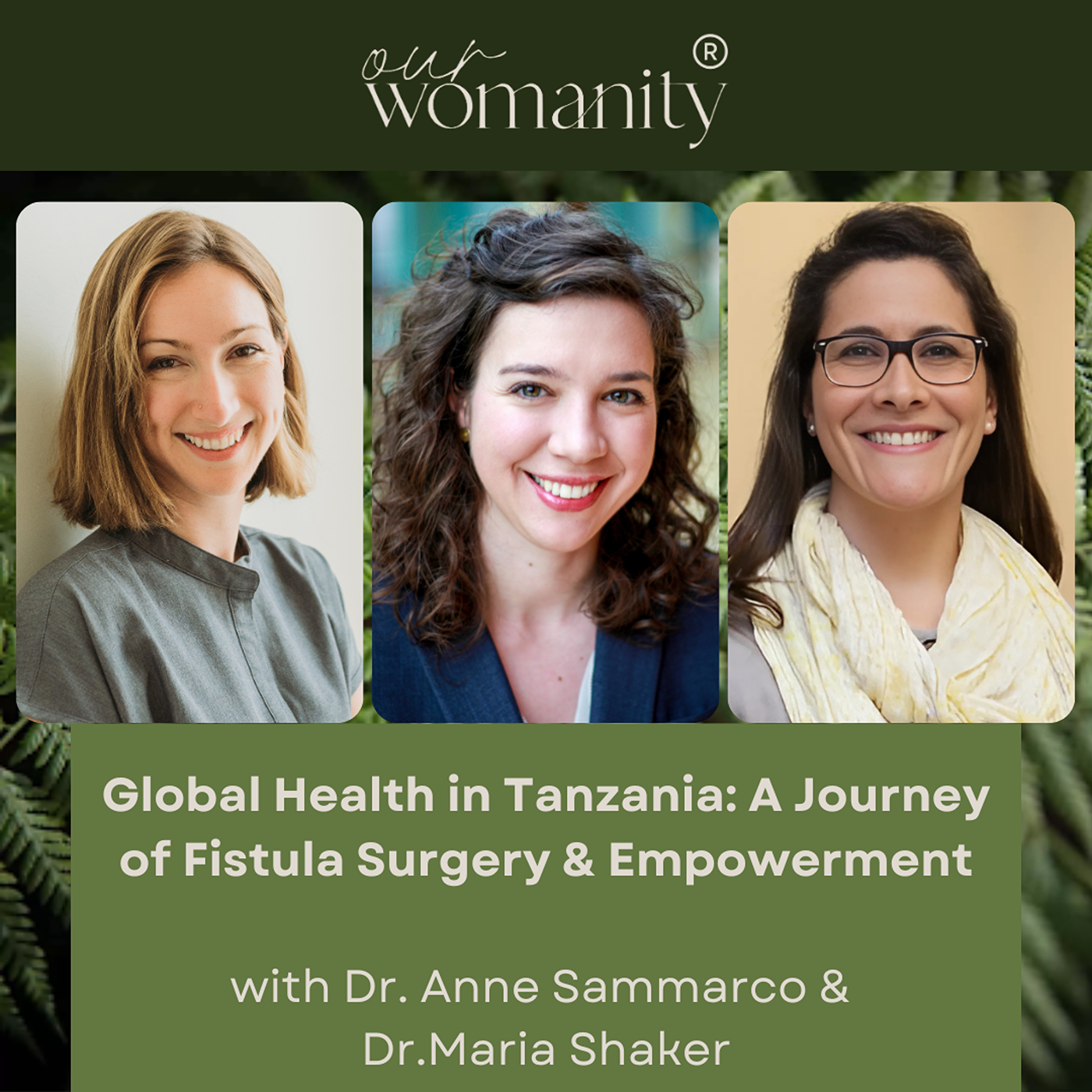 5. Global Health in Tanzania: A Journey of Fistula Surgery and Empowerment | In this episode, join Dr. Rachel Pope and her colleagues, Dr. Anne Sammarco [https://www.uhhospitals.org/doctors/Sammarco-Anne-1033400957] and Dr. Maria Shaker [https://www.uhhospitals.org/doctors/Shaker-Maria-1922325372], as they reflect on their recent trip to Tanzania. Dr. Pope shares the personal connection she has with the country, dating back to her early career when she worked on a research project about obstetric fistulas. Fast forward nearly two decades, and she returns with her colleagues to assist with fistula surgeries, childbirth injuries, obstetrics, and women's health care. Key Takeaways: * The Early Days in Tanzania: Dr. Pope recounts her initial time in Tanzania working with Utu Mwanamke (Women's Dignity Project) and conducting a study on the social reintegration of women who underwent obstetric fistula surgeries. * CCBRT Hospital: Now a much larger charity hospital, Dr. Pope reflects on how much the Comprehensive Community Based Rehabilitation in Tanzania (CCBRT) hospital has grown, offering services for vulnerable populations and providing high-quality care in a resource-limited setting. * A Team of Experts: Dr. Pope, alongside Dr. Sammarco and Dr. Shaker, shares their unique collaboration during the trip, combining their skills in obstetrics, gynecology, and urogynecology to provide critical care and training at CCBRT. * Cultural Exchange: The episode highlights the importance of exchanging knowledge with local medical professionals, offering education to Tanzanian medical students and residents while learning valuable insights from their practices. * Global Health Impact: The trio discusses the complexities of global health, including how resources and cultural factors shape patient care. They stress the importance of capacity building and sustainable healthcare practices that extend beyond short-term missions. The episode also covers the broader themes of women's healthcare advocacy, access to surgery, and the need for global solidarity in providing equitable health services to underserved populations. Resources Mentioned: * CCBRT [https://ccbrt.org/] – Comprehensive Community Based Rehabilitation in Tanzania * Roe Green Foundation [https://dgf.org/staff/roe-green/] – Support for global health initiatives * What is Obstetric Fistula? [https://whatisobstetricfistula.com/] If you're passionate about global health, women's empowerment, or the importance of providing sustainable medical care, this episode will inspire you to consider the ways we can all make a positive impact. A huge thank you to the Roe Green Foundation for sponsoring this impactful journey, CCBRT for hosting the team, and all the medical professionals involved for their dedication to women's health globally. | 37m 42s | ||||||
| 6/16/25 | 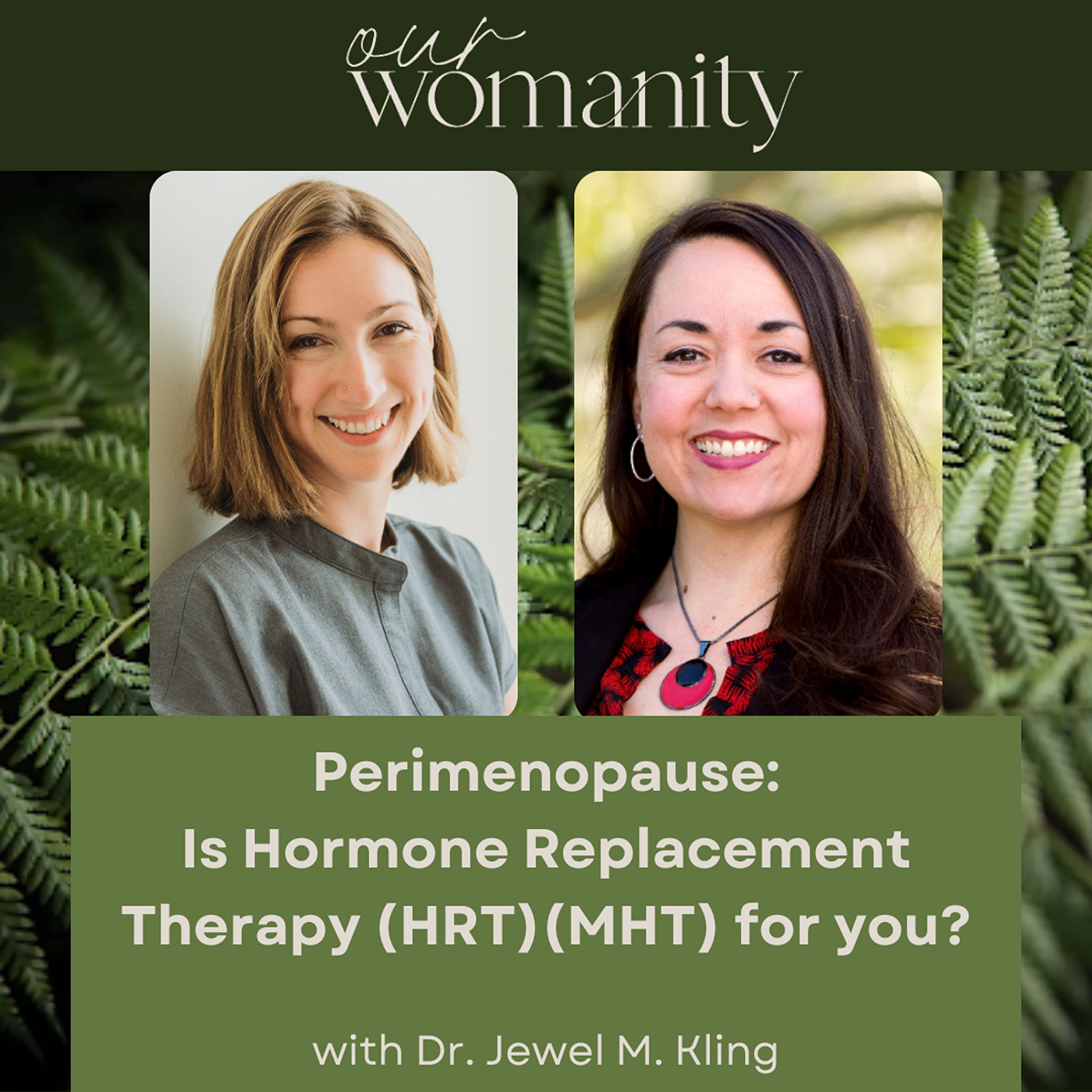 4. Perimenopause: Is Hormone Replacement Therapy (HRT) (MHT) for you? with Dr. Jewel M. Kling | In this episode, we welcome Dr. Jewel Kling, an expert in women's health and menopause. Dr. Kling is a professor of medicine, chair of the Division of Women's Health at the Mayo Clinic in Scottsdale, Arizona. She is also the director of the Women's Health Center and dean of the Mayo Clinic Arizona Campus. With a background in public health and internal medicine, Dr. Kling has become a recognized leader in the fields of menopause, sexual health, and LGBT care education. She speaks nationally on menopause and hormone therapy and has published extensively on the subject. Dr. Kling joins us to dive into the topic of perimenopause, shedding light on common misconceptions and discussing the best approaches to treatment. In particular, she offers her insights on the pros and cons of starting hormone therapy during perimenopause and how to address contraception during this transitional period. Key discussion points: * Perimenopause and Hormone Therapy * Managing Symptoms * Contraception Considerations * Individualized Care Throughout the episode, Dr. Kling provides evidence-based insights and reassures women that effective treatments are available, especially for those suffering from persistent symptoms beyond the typical transition period. As an advocate for women's health, Dr. Kling is also involved in advanced hormone therapy training through the International Society for the Study of Women's Sexual Health (ISWHISH), where she and Dr. Sarah Cigna offer a comprehensive course for healthcare professionals. See below! Resources Mentioned: * Advanced Hormone Therapy Course [https://www.isswshcourse.org/isswsh-advanced-hormones-course-2025-26/program] - A year-long virtual course for healthcare professionals, covering a range of topics, including hormone therapy and its effects on sexual functioning throughout different life stages, including pregnancy, lactation, and menopause. * The Menopause Society [https://menopause.org/] - A resource for menopausal health and guidance on finding certified menopause practitioners. If you're experiencing perimenopausal symptoms or seeking guidance on hormone therapy, this episode offers invaluable knowledge and practical advice for navigating this stage of life with confidence. For more information on the Advanced Hormone Therapy Course and other resources, visit ISWHISH [https://www.ishwish.org/]. | 20m 16s | ||||||
| 6/2/25 |  3. Reusable Pads, Community Wisdom & Period Justice with Maisha Sullivan Ongoza | In this powerful episode of Our Womanity, we sit down with Maisha Sullivan Ongoza, the visionary behind P.A.S.H.I. — the Pan-African Sisterhood Health Initiative. Maisha shares how this community-rooted organisation is tackling period poverty, reducing stigma around menstruation, and centering ancestral wisdom through eco-friendly, reusable menstrual products. From intergenerational teachings led by elders to engaging boys and men in the conversation, Maisha walks us through how P.A.S.H.I. is changing lives across the globe. What We Cover: * The origin and mission behind P.A.S.H.I * Why menstrual hygiene management (MHM) is a public health and dignity issue * The power of reusable pads and eco-conscious period solutions * The importance of involving elders as hands-on teachers * How P.A.S.H.I. is shifting cultural norms by including men and boys * Stories of impact from Philadelphia to Africa and the Caribbean * How you can support or replicate this model in your own community About P.A.S.H.I: P.A.S.H.I. empowers girls, women, and others by providing free, eco-friendly, reusable menstrual pads and education on life skills, reproductive health, and MHM. With over 47 global shipments and annual youth workshops in Philadelphia, P.A.S.H.I is restoring dignity and access one pad at a time. Impact Snapshot: * 47+ pad shipments to Africa & the Caribbean since 2019 Thousands of free menstrual and hygiene kits distributed * Annual youth workshops teaching reusable pad creation * Hands-on guidance from elders in the community Key Quote from Maisha: "We're not just handing out products—we're rebuilding a sense of worth, reclaiming ancestral knowledge, and reminding our young people they are worthy of care, dignity, and tradition." Resources & Links: Website: www.pashiglobal.org [https://www.pashiglobal.org/] Email: pashi.global@gmail.com Phone: (215) 385-0214 Subscribe to Our Womanity wherever you get your podcasts. Leave a review to help amplify women-led grassroots change around the world! | 24m 13s | ||||||
| 2/19/25 |  2. Breast Cancer Care: Myths & Barriers with Dr. Lily Gutnik | In this episode of Our Womanity Dr. Rachel Pope [https://ourwomanity.com/] sits down with Dr. Lily Gutnik [https://www.linkedin.com/in/lily-gutnik-89120665/], a breast surgeon and global health advocate dedicated to advancing equitable healthcare for women. Dr. Gutnik's journey is deeply rooted in her experience as a first-generation immigrant. After her parents fled religious persecution in the former USSR, she grew up in the United States, where she developed a profound appreciation for education and hard work. Her global perspective—shaped by extensive travel, multilingual abilities, and cross-cultural training—has reinforced her commitment to diversity, equity, and inclusion in healthcare. A firm believer in innovative, cross-disciplinary collaborations, Dr. Gutnik focuses on implementing high-quality, cost-effective breast cancer care, particularly for vulnerable women. She champions a convergence science approach to address the complex root causes of health disparities, using implementation science to develop interventions that drive health equity. For Dr. Gutnik, becoming a breast surgeon is more than a profession—it is a mission to empower women through health. Tune in as she shares her insights on building sustainable healthcare solutions, tackling systemic inequities, and the future of breast cancer care. Featured in this episode: * Stigma around breast cancer and mistrust in the African and African American community * Discovering Hands [https://www.discovering-hands.de/international/page-international] Initiative empowering blind women * Uninsured and underinsured patients still face barriers to care * Advancing breast cancer treatment in the US – But at what cost? * Tanzania leading the charge in education, awareness, and stigma reduction * Tuskegee Syphilis Study [https://www.cdc.gov/tuskegee/about/index.html] Follow us on social media: * Instagram: @drrpope [https://www.instagram.com/drrpope/] * TikTok: @vulvadoctor [https://www.tiktok.com/@vulvadoctor] * Twitter: @drrpope [https://twitter.com/drrpope] * LinkedIn [https://www.linkedin.com/in/rachelpope/] Want more from Our Womanity? If you enjoyed this episode of Our Womanity, please subscribe [https://ourwomanity.com/about/#join], rate, and leave a review. Your feedback helps us continue to bring you engaging and empowering content. | 33m 31s | ||||||
| 2/11/25 |  1. Healing & Empowering Women in Kenya with Habiba Corodhia Mohamed | With the changes unfolding in the U.S. under the new administration, I wanted to launch this season of Our Womanity with powerful stories of women uplifting women around the world. In this episode, I proudly welcome Habiba Corodhia Mohamed [https://wadadia-nonprofits.org/team/habiba-corodhia-mohamed/], Founder of WADADIA [https://wadadia-nonprofits.org/]. The journey of WADADIA began with a defining moment in Habiba C. Mohamed's life. Initially dedicated to veterinary medicine, her path took a transformative turn during a routine visit to a farmer's home. While searching for the farmer, she noticed a small face peeking from behind a house. When she approached, she discovered a four-year-old boy—disabled, tied up, and neglected. His only "crime" was being born disabled and out of wedlock. His teenage mother had been cast out by her family, exposing a deeper issue affecting marginalized women and girls. This encounter sparked Mohamed's commitment to social justice, leading her to transition from veterinary work to founding WADADIA, a nonprofit focused on women's health and empowerment. What started as a small village-level support group for sex workers has grown into a national organization, providing holistic fistula care (6,000+ cases), support for SGBV survivors (1,500+), and services for PLHIV (3,500+). Under Mohamed's leadership, WADADIA is dedicated to restoring dignity through psychosocial support, reproductive health advocacy, and socio-economic empowerment—ensuring that the most vulnerable have the opportunity to thrive. Learn more about Wadadia here. [https://wadadia-nonprofits.org/team/habiba-corodhia-mohamed/] Follow us on social media: * Instagram: @drrpope [https://www.instagram.com/drrpope/] * TikTok: @vulvadoctor [https://www.tiktok.com/@vulvadoctor] * Twitter: @drrpope [https://twitter.com/drrpope] * LinkedIn [https://www.linkedin.com/in/rachelpope/] Want more from Our Womanity? If you enjoyed this episode of Our Womanity, please subscribe [https://ourwomanity.com/about/#join], rate, and leave a review. Your feedback helps us continue to bring you engaging and empowering content. | 26m 32s | ||||||
| 11/12/24 |  23. Vulvar Cancer Screening with Dr. Melissa Mauskar | Vulvar cancer screening refers to checking for signs of vulvar cancer in individuals who may not have symptoms. Vulvar cancer is rare, and there isn't a standard screening test specifically for it like there is for cervical cancer with Pap smears. However, early detection often relies on regular pelvic exams and self-examinations to look for any abnormalities or changes in the vulvar area. Dr. Melissa Mauskar joins me to discuss vulvar screening in this episode. Dr. Melissa Mauskar is a Dermatologist [https://utswmed.org/doctors/melissa-mauskar/] and Associate Professor in the Departments of Dermatology and Obstetrics and Gynecology at UT Southwestern in Dallas, Texas. She is the Director of Genital Dermatology and Women's Health and is an International expert in Lichen Sclerosus and Vulvar dermatoses. Melissa is a fellow of the International Society of the Study of Vulvovaginal Diseases (ISSVD) and the Secretary General of the North American Chapter of the ISSVD. In addition to caring for patients with lichen sclerosus, she is active in clinical research and passionate about patient quality of life and health literacy initiatives. Melissa is the Founding President of the Vulvar Dermatoses Research Consortium (VDRC), an expansive group of healthcare practitioners and trainees in North America dedicated to advancing the field of vulvar health. Featured in this episode: * When to see your GYN or healthcare practitioner * Look at your vulvar once a month * Lichen Scelorus symptoms * Check out the vulvar poem here * Get Dr. Melissa Mauskar's free e-book on Lichen Scelorus here [https://www.lichensclerosus.ch/custom/data/ckeditorfiles/Dokumente/LichenSclerosusGuide2024.pdf] * Listen to the Vulva poem by Dr. Pope here [https://www.tiktok.com/@vulvadoctor/video/7179677087765122346?is_from_webapp=1&sender_device=pc&web_id=7348769972712654341] Follow us on social media: * Instagram: @drrpope [https://www.instagram.com/drrpope/] * TikTok: @vulvadoctor [https://www.tiktok.com/@vulvadoctor] * Twitter: @drrpope [https://twitter.com/drrpope] * LinkedIn [https://www.linkedin.com/in/rachelpope/] Want more from Our Womanity? If you enjoyed this episode of Our Womanity, please subscribe [https://ourwomanity.com/about/#join], rate, and leave a review. Your feedback helps us continue to bring you engaging and empowering content. | 21m 12s | ||||||
| 10/9/24 |  22. Breast Cancer Awareness with Dr. Cynthia Owusu | October is Breast Cancer Awareness Month! In this insightful episode, I am joined by Dr. Cynthia Owusu [https://case.edu/cancer/members/member-directory/cynthia-owusu], a leading expert in geriatric oncology. Together, we discuss proactive steps women can take to reduce cancer risk, the emotional toll of a breast cancer diagnosis, and the importance of early detection. Dr. Owusu shares valuable tips for lowering the chances of developing breast cancer: * Maintain a Healthy Body Weight: Learn how maintaining a normal weight can significantly impact your health and reduce cancer risk. * Increase Physical Activity: Dr. Owusu explains how regular exercise is crucial not only for boosting mood but also for lowering cancer risk. Aim for at least 30 minutes of moderate activity most days. * Limit Alcohol Consumption: Find out how reducing or eliminating alcohol can make a big difference in your overall health. Dr. Owusu also dives into the emotional challenges women face post-diagnosis, including anxiety, depression, and stress, particularly around the uncertainty of treatment options like chemotherapy. However, she reassures listeners that many women diagnosed with breast cancer do not require chemotherapy. The episode emphasizes that breast cancer is curable, especially when detected early. Dr. Owusu also sheds light on the common use of surgery and other treatments for breast cancer patients. Dr. Cynthia Owusu is a renowned expert in geriatric oncology. She is currently the principal investigator on a $2.8M research grant from the National Institute on Minority Health and Disparities. This important study explores the impact of physical activity on functional status, body composition, and biomarkers of breast cancer prognosis among African American and socially disadvantaged breast cancer survivors. Dr. Owusu is also actively working to improve participation of all women in clinical trials to help enhance breast cancer outcomes in this vulnerable population. Follow us on social media: * Instagram: @drrpope [https://www.instagram.com/drrpope/] * TikTok: @vulvadoctor [https://www.tiktok.com/@vulvadoctor] * Twitter: @drrpope [https://twitter.com/drrpope] * LinkedIn [https://www.linkedin.com/in/rachelpope/] Want more from Our Womanity? If you enjoyed this episode of Our Womanity, please subscribe [https://ourwomanity.com/about/#join], rate, and leave a review. Your feedback helps us continue to bring you engaging and empowering content. | 17m 12s | ||||||
Showing 25 of 67
Sponsor Intelligence
Sign in to see which brands sponsor this podcast, their ad offers, and promo codes.
Chart Positions
1 placement across 1 market.
Chart Positions
1 placement across 1 market.