
Insights from recent episode analysis
Audience Interest
Podcast Focus
Publishing Consistency
Platform Reach
Insights are generated by CastFox AI using publicly available data, episode content, and proprietary models.
Most discussed topics
Brands & references
Total monthly reach
Estimated from 1 chart position in 1 market.
By chart position
- 🇧🇷BR · Technology#1761K to 10K
- Per-Episode Audience
Est. listeners per new episode within ~30 days
500 to 5K🎙 Weekly cadence·241 episodes·Last published 1mo ago - Monthly Reach
Unique listeners across all episodes (30 days)
1K to 10K🇧🇷100% - Active Followers
Loyal subscribers who consistently listen
300 to 3K
Market Insights
Platform Distribution
Reach across major podcast platforms, updated hourly
Total Followers
—
Total Plays
—
Total Reviews
—
* Data sourced directly from platform APIs and aggregated hourly across all major podcast directories.
On the show
From 10 epsHosts
Recent guests
Recent episodes
445: Nails and Keys with Melissa Davis (The Mac Mommy)
May 13, 2026
1h 18m 05s
444: Projects and Pitt-falls
Apr 24, 2026
1h 07m 30s
443: Mixed Climate January
Feb 2, 2026
59m 17s
442: AI Agents and Political Chaos
Jan 27, 2026
1h 15m 43s
441: Promise Not to Whine
Jan 5, 2026
1h 10m 37s
Social Links & Contact
Official channels & resources
Official Website
Login
RSS Feed
Login
| Date | Episode | Topics | Guests | Brands | Places | Keywords | Sponsor | Length | |
|---|---|---|---|---|---|---|---|---|---|
| 5/13/26 |  445: Nails and Keys with Melissa Davis (The Mac Mommy)✨ | mental healthchronic illness+4 | Melissa Davis | Bartender 6 ProSortio+4 | — | mental healthchronic illness+5 | OneSkinOVERTIRED | 1h 18m 05s | |
| 4/24/26 |  444: Projects and Pitt-falls✨ | mental healthskincare+4 | — | Claude appGratitude App+7 | — | mental healthsurgery+4 | OneSkinOVERTIRED | 1h 07m 30s | |
| 2/2/26 |  443: Mixed Climate January✨ | mental healthblogging+4 | Erin Dawson | — | — | mental healthblogging+4 | Copilot Moneytry.copilot.money/overtired | 59m 17s | |
| 1/27/26 |  442: AI Agents and Political Chaos✨ | AI agentspolitical turmoil+5 | — | CrimethincGas Town+6 | — | AI agentspolitical chaos+5 | Copilot MoneyCODE | 1h 15m 43s | |
| 1/5/26 | 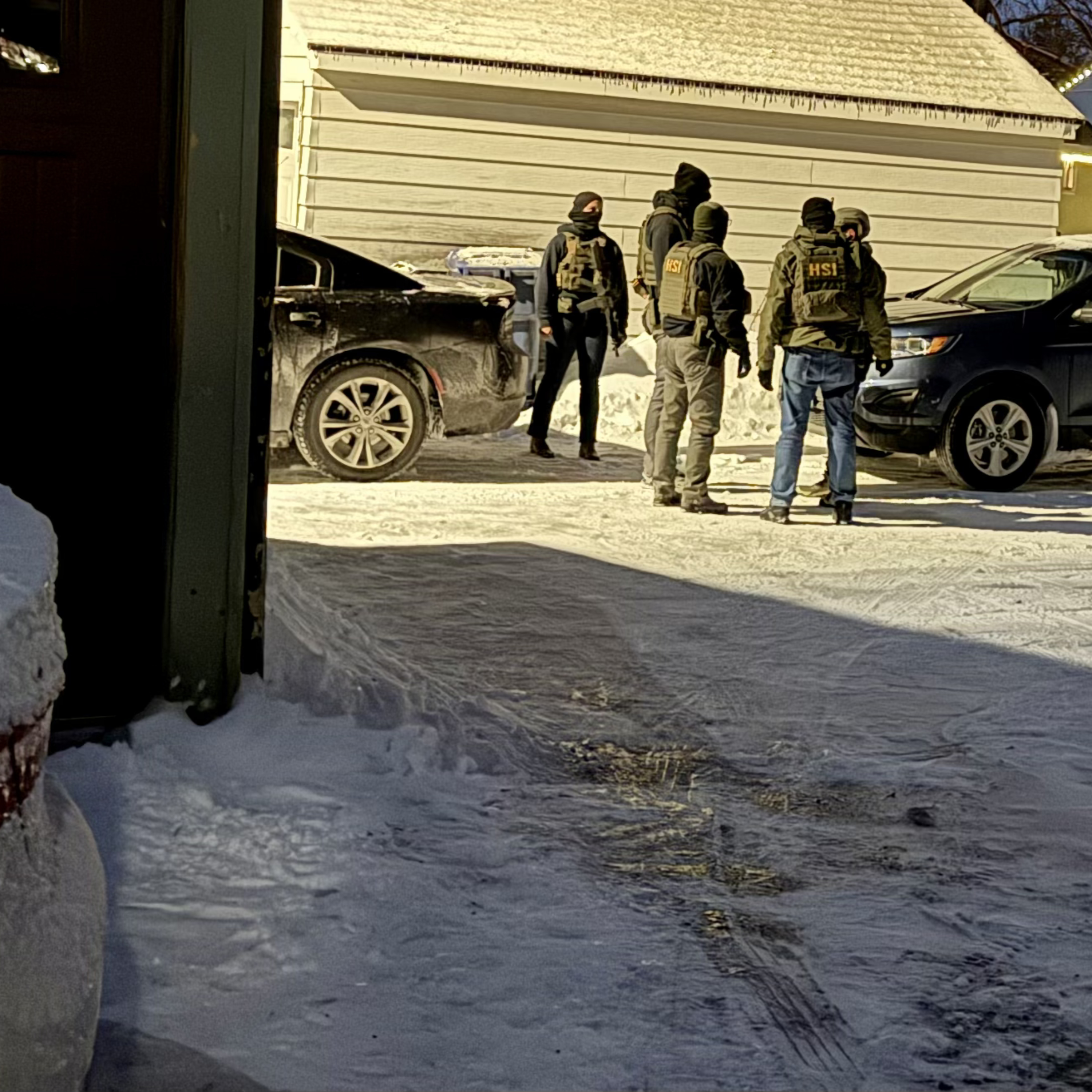 441: Promise Not to Whine✨ | mental healthsurgery+4 | — | The Artist’s Way | Homeland Securityalley | cervical spine surgerymental health+5 | Copilot MoneyOVERTIRED | 1h 10m 37s | |
| 12/22/25 |  440: Universal Serial Bitching✨ | healthtechnology+4 | — | KagiUmami Analytics+3 | — | spinal surgeryinsurance+4 | Copilot MoneyOVERTIRED | 53m 33s | |
| 12/9/25 |  439: 5K Sicko✨ | health updatestechnology+3 | — | Indigo StackApex+3 | — | healthtechnology+5 | Shopifyovertired | 1h 15m 38s | |
| 10/29/25 |  438: Chekov’s Roast with Merlin Mann✨ | humortechnology+4 | Merlin Mann | Max Richter Four SeasonsVivaldi Summer+5 | — | humortechnology+6 | Shopifyovertired | 1h 36m 53s | |
| 10/14/25 |  437: This Time It’s Love (with Jay Miller)✨ | technologynonprofit initiatives+4 | Jay Miller | Black Python DevsLinux | — | technologyLinux+4 | — | 1h 10m 59s | |
| 9/22/25 |  436: 100 Days Sober with Erin Dawson✨ | mental healthsobriety+3 | Erin Dawson | Mac OS X TahoeVS Code+2 | — | sobrietymental health+5 | — | 1h 08m 42s | |
Want analysis for the episodes below?Free for Pro Submit a request, we'll have your selected episodes analyzed within an hour. Free, at no cost to you, for Pro users. | |||||||||
| 6/23/25 |  435: Horror Movies and Heatwaves | Join Brett Terpstra and Christina Warren as they navigate through a Jeff-less episode filled with jet ski jealousy, nostalgic TV, and movie marathons. Delve into the highs of coding joy, the lows of tech troubles, and the steady rhythm of maintaining mental health. Plus, stick around for a dive into Mac shortcut tools and musings on the ever-evolving Apple ecosystem. | — | ||||||
| 6/17/25 | 434: Not As Nerdy As I Thought | In this episode of Overtired, Brett and Jeff go it on their own as Christina is out for the week. The duo kicks things off with a mental health check-in, then dives into Brett’s carpal tunnel surgery saga, the joys and pains of recovery, and the unexpected logistics of same-day surgery in small-town Minnesota. They swap stories about recent punk and metal shows, reflect on the enduring power of live music, and discuss the emotional aftermath of a shocking political event in Minnesota. The conversation weaves through tech, music nostalgia, and app recommendations. Sponsor The latest 360-degree camera from Insta360, the Insta360 X5, launched April 22nd and shoots full 360-degree videos in incredible 8K30 resolution. To bag a free 114cm invisible selfie stick worth US$24.99 with your Insta360 X5 standard package purchase, head to store.insta360.com and use the promo code overtired. Chapters 00:00 – Intro & Banter 00:38 – Mental Health Check-in 01:52 – Carpal Tunnel Surgery 09:51 – Napalm Death and The Melvins 16:53 – Political Events in Minnesota 28:35 – Sponsor Break: Insta360 57:35 – App Recommendations 71:08 – Show Wrap-up Show Links Napalm Death The Melvins soma-zone Ammonite Mac File Finding Gems Brett’s Web Excursions The Complete Collection of MTV’s Headbangers Ball Bullet Boys – Hang on St. Christopher Join the Conversation Merch Come chat on Discord! Twitter/ovrtrd Instagram/ovrtrd Youtube Get the Newsletter Thanks! You’re downloading today’s show from CacheFly’s network BackBeat Media Podcast Network Check out more episodes at overtiredpod.com and subscribe on Apple Podcasts, Spotify, or your favorite podcast app. Find Brett as @ttscoff, Christina as @film_girl, Jeff as @jsguntzel, and follow Overtired at @ovrtrd on Twitter. Transcript Not As Nerdy As I Thought [00:00:00] Brett: Hey, you’re listening to Overtired. I am Brett Terpstra. I am here with just, just severance gun. So Christina Warren, due to scheduling conflicts, cannot be with us this week. Um, so you are in for a Brett and Jeff nerdy episode. Um, not that Christina can’t get nerdy like she totally can and does, but something we get, we get weirdly like not productivity nerdy when it’s just the two of us. I don’t know. Jeff: Yeah. Brett: Yeah. Yeah. Mental Health Check-in Brett: So, um, we can kick it off with our, our usual mental health coroner. Mine is pretty short and sweet. Um, mentally I am. Finding myself just extremely happy with not having a job. Um, not enjoying the, like the health insurance loop, uh, [00:01:00] hurdles and not having like predictable regular income as, but not, I’m not, not enjoying it so much so that I don’t appreciate having all this time to just focus on like my commercial projects and all of this coding, and I’m finding it super rejuvenating to just like wake up in the morning and start coding and take regular breaks to do whatever the fuck I want. And then. Ultimately, like the, the next version of Marked is the biggest leap marked has ever made in functionality. And I’m super proud of what I’m about to release, and I think it’s gonna be profitable, but also like extremely useful. And that’s all just really good for my mental health. Carpal Tunnel Surgery Brett: I did have, um, carpal tunnel surgery. Jeff: Ooh, look at that. He just raised his fist in [00:02:00] the land of hypocrisy. Uh, Brett: It, I did the total like black power fist too, but yeah, I have a Jeff: you’re white, which makes it a problematic white power fist, but whatever. At least it’s got a gash in it. Brett: Yes. So they did just one small incision. They stuck a camera into my palm through that incision and snipped, uh, not, not, uh, ligament across the middle of my palm. And um, that led to a couple days of super achy hand and they gave me no painkillers. So I’ve just been working with Tylenol and Ibuprofen for a couple days, but today doing pretty good. I got the bandage off this morning. And, um, I will say as far as mental health goes, pain is, um, very detrimental to my mental health. [00:03:00] Uh, I, I am very sensitive to pain. Like I have tattoos, I have brands. I’ve, I’ve been through a lot of things where I intentionally like subjected myself to pain, but mostly because pain, because I’m so sensitive to pain. I also get like a major endorphin rush off of pain. And so like I kind of just seek it out. But there are a couple types of pain, like low lying aches and tooth pain that I get zero pleasure from. Jeff: Tooth pain is brutal. Brett: I hate it so much. I hate it. I hate it so much. Um, but yeah, so that’s my mental Jeff: Was the surgery like a outta nowhere thing or did you have it planned Brett: Um, so I’ve had numbness in my fingers, uh, especially on my right hand, but moving into both hands for like five years now. And I had had wrist pain a long [00:04:00] time ago and had been diagnosed with carpal tunnel syndrome and had, uh, completely revamped my working setup to be more ergonomic and changed all of my habits in the pain. Jeff: keyboards? Brett: Yeah. And the pain, the pain went away. Um, and then a while later, the numbness started and I didn’t associate that with carpal tunnel. And I finally got into, uh, neurology at Gunderson Health and they did some testing and they did, it’s called an EMG, where they hook up like electrodes and they shock your hand and it bounces all over the place. And they determined that, yes, I have bilateral carpal tunnel causing numbness in my two first two fingers, in my thumb on both hands. And so they said, when would you like the surgery? And I was like, well, anytime I’m, I got nothing going on. And they’re like, how about tomorrow? [00:05:00] Um, Jeff: Wow. Gunderson Health has some openings. Brett: right in Winona too, like Gunderson Health is mostly doctors that work out of the slightly larger lacrosse, Wisconsin, and they travel to Winona usually once a week. So if you want an appointment in Winona, and the, the clinic is literally a three minute drive from my house, so I prefer to just do it in Winona. But if you wanted in Winona, you gotta wait until a doctor is there for once a week and happens to be available. And in this case, the surgeon was there the next day and had an opening and it, it, I was in there at like seven in the morning Jeff: Wow. Brett: I was there until, like, the surgery takes five minutes, but, Jeff: minutes. Brett: but I, but I did the prep, which involved like a bizarre amount of mouthwash and nose iodine. Jeff: I mean, obviously, or maybe that’s just the Gunderson way Brett: What, [00:06:00] like they’re like, this Jeff: you want your surgery tomorrow. All right, here’s your mouthwash. Be ready. Brett: this has been proven to reduce infection. If you like, use all this mouthwash, clean your nose for like two minutes straight with iodine swabs and wash your hands from fingertip to elbow for three minutes per side. Um, Jeff: like Robert f Kennedy’s America. Brett: yeah. But anyway, but so like I did the prep and then I waited for like two hours and then they give me, it was partial and like I don’t, partial anesthetic, I think it’s called. They don’t put you completely under. So I remember the whole thing. I remember them putting a blue tent over my head and pulling my arm out and I remember being about to Jeff: thing sounds like you’re describing a dream about a carpal tunnel surgery Brett: I remember being Jeff: tent and then the mouth, the mouthwash was still leaking from my mouth and my nose.[00:07:00] Brett: it was a little dreamy. I remember being about to ask if I could watch the surgery and they, they pulled the te, the blue tent back and they’re like, okay, we’re done. But I didn’t feel anything. Like the anesthetic apparently worked really well. Like I was conscious, but I didn’t know they had even touched my hand. Jeff: That’s bizarre. Brett: Yeah. So anyway. Jeff: My God. That’s cool. I’ve always wondered about doing that surgery. I got the, I got the C ct, I got the carton, and, uh, and it’s very uncomfortable. And, uh, but I Brett: you have pain or numbness or both? Jeff: I have a little bit of numbness. I have definite pain. I, the problem is I hate mouthwash. That’s, that’s what’s kept me from doing the surgery all this time. Brett: you’re killing Jeff: you’re, you’re more brave than me, Brett. Brett: So I get the other hand done in a month, Jeff: [00:08:00] Oh, wow. Brett: I can’t submerge this hand in water for four weeks. So really by the time I’m able to take a shower without a bag over my hand, I’ll have to do the other hand and I’ll still be taking a shower with a bag over my hand. Jeff: Wow. Ugh. Well, I’m, I’m glad. I hope it helps. It’s awesome. I mean, it seems like it does help. Usually I have people I Brett: Yeah. I already, so like I. The, my fingers were numb to the point where I couldn’t button a shirt and I couldn’t, like zipping up my fly. They’re numb on my right hand and I zip a fly with a right hand and I could not feel the tab on the, on the fly. Jeff: but fuck it. You work from home Brett: sweatpants. That’s the answer. Um, but like, so I was zipping myself up with my left hand and. All these things that like you just take for [00:09:00] granted. Like my over the, my, uh, bone conducting headphones have buttons right behind the ear for turning them on and off and fast forward play pauses, et cetera. But you’re supposed to be able to feel them with your thumb and order to tell what button you’re hitting. And I couldn’t tell if I was hit a hitting a button, let alone what button. And now, and wait, hold on. It was supposed to take up to a year for me to get feeling back after this surgery. And even two days later, I can feel my zipper already. Jeff: Oh, that’s so good. Because you know what, if I can’t feel my zipper, I don’t even feel like I’m alive. I’m holding onto it right now. You know what, my, my son and I went and saw, uh, napalm Death in the Melvins at First Avenue and um, uh, it was about a two or three weeks ago now. Napalm Death and The Melvins Jeff: Um, napalm Death, I mean, they were both the Melvins and Napalm Death were both phenomenal. Um, but, uh, napalm death, their singer, [00:10:00] who’s, I mean, if you, if if you haven’t seen this guy in action recently or at all, you should people just Google like their recent shows ’cause he’s a trip. Um, and he is, and he is fantastic. And he is an incredible, just like, Brett: He’s gotta be 50, 55 Jeff: He’s gotta be older than that. But I don’t know. I don’t know. But anyway, um, he came out and he had these super skinny jeans on with like suspenders. He’s, he’s really skinny. He wasn’t always really skinny, but he was really skinny. Um, and, uh, and his fly was down a little bit. Like the kind of way that if your pants are weird, it just won’t go all the way up. Right? And, Brett: are pretty much all the time. Jeff: There’s a point at which the crowd just couldn’t stand it anymore. And, and they were yelling at him between songs. The S Fly is Down, which may not even have been something that translates to British, uh, English that well. And, uh, and he couldn’t make it out. And he just kept, he kept saying like, I can tell that what you are saying to me is important. I cannot understand what you’re saying. It seems that this is important to a lot of people. then he finally figured it out and he is like, oh, my zip. [00:11:00] Yeah. Brett: Oh, that’s Jeff: also just the fact that if you know nothing about Napalm Death, but the name, the fact that the singer is utterly delightful is, and, and just incredibly charming is not something that even I totally expected. Um, Brett: Napalm Death was one of my first metal albums after Cannibal Corpse Jeff: Who I’m also going to see at First Avenue. Brett: Nice, I can’t believe these guys are still around. But, um, the thing, I, I enjoyed it. It was okay. I was in middle school. I ended up liking Metallica better after I found, uh, and Justice for All. Um, but. Then, uh, alternative tentacles put out, uh, I can’t remember the name of the album, but it was all covers of Dead Kennedy’s songs and Napal death did Nazi punk’s fuck Jeff: Yep, yep, Brett: it re, it renewed my interest in Napal death, and, and I got back into them after that. [00:12:00] But Jeff: What a great band. It was a phenomenal show. I’m not a Napalm death person. I’ve barely listened to them in my life. I was there for the Melvins for sure. Um, and, uh, and they, man, did they win me over. Oh Brett: Should I, should I give the Melvins another chance? Like I never, Jeff: she give the Melvins a daily chance. Brett: yeah. Jeff: I mean, it’s a, it is a phenomenal band. There’s still no one that sounds like them. Um, and, and they’re, I mean, actually one of my topics, so let’s, let’s put a little like, as they say, pin in this. ’cause uh, my first topic is related to that show and a bunch of shows I’ve been seeing, and it is about age and all these things. Um, so we’ll talk about it. But, um, I mean, I’m a, yeah, I’m a huge fan and have been forever. Um, didn’t think I needed to see them again until I saw they were coming. And it was the best show over theirs I’ve ever seen. Um, it was unbelievable. Anyway, uh, I’m, you know, my, my, uh, my corner in my corner, uh, it’s kind of a similar like, uh, medical theme. I, you know, I, I go like months not tending to the things [00:13:00] that are just like barking out at me that need attention from a doctor or a specialist or something. And I kind of just beat myself up because I can’t figure out why I’m not just making the call. ’cause it’s pretty easy to make those appointments to stay and age. Um, you don’t have to call people. And, uh. I finally just kinda like had the right shift and made all this, I do this every year, made all the calls made about six appointments, you know, and so I’m going through like a three week period where I’m, well, some of them I don’t have till October, but, and it’s been awesome. It’s like a awesome, uh, it’s awesome to know I’m tending to myself, um, and, uh, and always like some new discovery where it’s like, oh, I’ve been suffering that for 10 years, but I decided to finally ask somebody about it and look, they have an answer, wouldn’t you know? Uh, well that was in Minnesota. Wouldn’t, you know, down here at Gunderson Health, we’ve got a solution for you. Uh, um, yeah, so that’s just been, [00:14:00] it’s been nice. It’s a relief every time I go into these. Places and, and have something tended to. So it’s really great. It’s a, it’s dispiriting how, how there are things that feel urgent that you can’t schedule before October for, um, apparently not at Gunderson Health, Brett: No. Uh. Jeff: in my system. Brett: In, in general, Gunderson schedules me a couple months out, but not until October. I Jeff: Oh yeah, no, and that was just like an endocrinologist. It’s not even like a big, you know, it’s like just, it’s a video visit. I mean, it is like, it’s, it’s just crazy. Um, but as a transition out of this, because we’ve said Gunderson so many times, which anybody not from Minnesota or Wisconsin or maybe Iowa, definitely Iowa, uh, doesn’t understand how it almost causes a Midwestern or a Minnesota person to like, release hormones or something. It’s like, it’s that, it’s, it’s that much Brett: that, or Mayo that Gunderson or Mayo both have, [00:15:00] both have, uh, endorphin reactions. Jeff: doesn’t get the Saudi prince’s, Mayo does, but that’s fine. That’s fine. That’s why Gunderson can schedule you same day for a heart surgery. Um, I heard there was some wildfires up, up this way and, uh, there’s an airplane going over my house right now. I don’t know if you can hear it. It’s extremely loud. Um. There was a, there were wildfires here, an amazing Minnesota moment on Minnesota Public Radio where there’s a sheriff, it’s up north. Everything you picture about Fargo and the way that they talked in that movie, it’s like little exaggerated, but not always much. Um, depending on who you’re talking to. And the further up north you get, the more likely you do. It’s true. You get that. Um, and uh, the sheriff was talking about having to go in and evacuate a couple people who didn’t wanna leave. And he is like, and there was one old guy over by the lake there, and uh, he told me the only way he’s leaving his house is toes up. It was, it was made my, like, my heart just so warm and it made me feel like this is my home. Brett: So like are [00:16:00] there wildfires in Minnesota or are Jeff: They’ve calmed down now, but there were some, um, up north in Minnesota and then there were definitely the ones in Canada, which made our, did you get the smoke all the way down in Winona? Brett: Our, our air quality, like a week ago we had like four days of poor air quality and then it was okay for two days and then right back to poor air quality. And I am, I cannot sleep without my CPAP right now. And I am short of breath all day and yeah, it’s killing me Jeff: Yeah. That’s brutal. Um, well, okay, so you put political murder on the show, uh, uh, on the list and, and I’ll wait ’cause we’ll come out of it with my, um, my punk rock shows topic ’cause that’ll be a nice thing to come out of. Brett: a as a, as a palate cleanser. Jeff: ’cause a palate cleanser from political from assassination. Brett: Yeah. I just, Political Events in Minnesota Jeff: We’re in Minnesota is the context. Everyone heard about Minnesota this past week. Brett: everyone heard about it. It was national [00:17:00] news, but, um, it was shocking to me. The whole thing is just fucked up. Like, I get assassination attempts, but the, like, the deliberateness of like impersonating a police officer going in and murdering, hitting multiple houses and having like a whole hit list of, of democratic representatives and governors that, that you wanna hit is, I wouldn’t, if this is ha if this had happened to Republicans, I I would not be gleeful about it. Like it is, it is not, I will admit, like there’s part of me that thinks that if Trump had been assassinated a long time ago, things might have been moving more slowly towards fascism than they are. Um, but I don’t, [00:18:00] I, I don’t think political assassination is an answer because I. New heads just pop up. Like if, if your goal is productivity in this space, um, Jeff: And this, this at some point was a productivity PO podcast, Brett: if your, if your goal is productivity, you’re not accomplishing anything by killing figureheads. Um, and it’s at that point it’s just murder that affects like real people. You’re not accomplishing political goals in the way you think you might be. And yeah, it was. And, and so, and then I guess the thing that I wanted to talk about was kind of the fact that like Waltz came out and said, don’t go to the no Kingsburg test, Jeff: as people were driving out to Brett: yeah. Jeff: was the state patrol first Brett: because the, at that point, the killer had not been caught still at large, and everyone felt [00:19:00] unsafe, especially in. Kind of the liberal sphere and, um, what, 80,000 people still showed up. Jeff: Across Minnesota 80,000. Yeah. There were like 25,000 in St. Paul. Um, and it was really just great vibes there. And, um, yeah. Yeah, I I, I feel like the state patrol kind of had no choice but to say, don’t go. It would be good negligent to not do it, but I didn’t, I didn’t get the sense anyone was, you know, it was great. Brett: Yeah. So I, and I bring this up because you were, you were much closer to all this than I was. I was watching it from afar. I was just kind of curious about your take and how you felt about it. Jeff: I, it’s really stunning and awful and, and, um, it’s, it’s just crazy when it’s your local legislature. Like it’s, it’s very, it’s not what you. Expect Melissa Hartman was great. Um, I don’t know much about John Hoffman. Um, doesn’t [00:20:00] matter that they were great, they shouldn’t have died. Uh, but it’s, it’s just, it was, yeah. And the, the, it was a little fascinating as those things tend to be, um, just this strange and bold way in which he did this, the difficulty in kind of tracing, he had a weird life. He’s sort of a intense dude, but trying to trace anybody’s life to political assassination is, doesn’t, you can’t find that road that easily. Right? Like, that’s the, that’s so strange to me. And he, and he went to two other, um, lawmaker’s homes between the two that, um, he shot up, which is something came out yesterday and it was fucking chilling. Like, one of those, one of those people were just, they were on vacation, uh, but he was knocking at their door for a long time. Like, I just can’t imagine. Yeah. My brain always goes to the like. Just to the human thing that we can murder. Like I’ve met a fair amount of murderers in my life just from work I did in death row. And um, it’s [00:21:00] really, I, because of that, I experience these types of things. I don’t know differently from a lot of people, but differently for most people. I know I’d see him when he was cuffed and being arrested and, or even in the security footage where he was kind of brilliantly hiding with a cowboy hat. Like, you wouldn’t think that would be a good idea, but then it was kind of like, well actually no, I’m not. That doesn’t seem like probably the guy. Um, but just knowing. I just looking at someone who’s killed in the last 24 hours and, and trying to, what are you even looking for? What are you, what can you even see? What do they feel like? It’s not like people who do that don’t feel anything afterwards, right? Like, he’s feeling something. I don’t know what he might be feeling. Numb or cold. He might be feeling a little confused about how he got there. He might be proud. I, I have no idea. But I get, I get pretty consumed by just the fact that as humans we can make this decision. And there’s been this really, I don’t know if you, you saw, [00:22:00] um, the interviews with his, he, he had a home in the, uh, you know, outstate. But then he had, um, he rented a room in north Minneapolis, um, with a couple of guys and, ’cause he would sometimes be in the city, it was apparently the story. And, um, one of the guys in that house was like his, his buddy since fourth grade. And he got, he was interviewed. Really as the day that it, you know, the news came out, he was interviewed and ’cause he got a text from the guy who was like, Hey, I’ve made some decisions. They were hard decisions. Uh, you know, I just want you to know I love you. Um, I may be dead soon. Um, and, and, and, you know, you had nothing to do with this or whatever. It almost was like, seemed like a very intentional sort of trying to help him be exonerated too, so that, ’cause this guy was so close to him. And, um, but he’s, you know, he is reading this text and he is just heaving crying. Um, you know, this is his friend who’s done this thing. And, and it was such a human moment and it, it humanized this guy that did this horrible, horrible [00:23:00] stuff too. And, and that guy was interviewed like every day for three days. And that was actually to me like. Kind of the most fascinating thread because it was, you were then seeing this. ’cause his family, we didn’t see his family. We don’t know any of his family. His wife, he has kids, they homeschooled them, but we don’t know, we never saw them, didn’t hear their names, nothing like that. But this guy just kept coming out for the reporters, um, on his, on his stoop and just sort of musing. Um, you know, and just, it all just unfolded. His processing unfolded in real time in, in these three or four interviews, and it was really intense to Brett: This is. This is, so this brings me to my big, uh, self searching question is, uh, with Luigi Mangione, I, I felt nothing for the victim, Jeff: Mm-hmm. Mm-hmm. Brett: um, or the victim’s family or any of the, the humans that [00:24:00] would be affected by this action. I saw it as a more, uh, political statement and one that I hoped would lead to revolution. And like I had a very different reaction to it. And I think, I think I’m searching right now to figure out why, uh, it’s on its face. It’s very hypocritical, and I’m searching for why I feel different about this. Like I said, like even if it had been, uh. A, a Democrat killing Republicans, like I would not have supported it. Like, I just, I don’t, I don’t see that being, just from a practicality standpoint, I don’t see it being useful. And from a human cost standpoint, I see it as terrible. Um, but I felt differently Jeff: Well, treading very carefully here. He the two. People who were shot and certainly their [00:25:00] spouses as well, which is, and, and they had to euthanize one of the dogs. And all this stuff is like, these were people that have a long history documented of helping people. Um, and so that, like, that could be one reason, right? Like, it’s just like, um, and I’m not, I’m not arguing for, um, lack of feeling towards the United Health guy who’s, by the way, name I can’t call up right now, which says its own as its own thing, right? Um, but you know, for me at least, like, it’s, it’s profoundly different. That doesn’t mean that I feel nothing for the victims in either case, but again, I end up weirdly thinking first about the people who, who did the thing. I mean, like, I, this is gonna sound kind of, I don’t this, I don’t want this to sound shallow, but like, if you’ve ever read Crime and Punishment. Sevki, which is an incredible sort of document of someone unraveling after committing a murder, a very strange murder that you can’t understand. But that he, it’s almost like this one. It’s [00:26:00] like I get the symbolism of what this guy did, um, over the weekend. Um, but I, I just can’t understand how he landed there, um, in any sort of, I don’t know why. Like with the Luigi Mangi thing, you kind of, you get, it’s very clear how he landed there on that person, on that, you know, it’s very easy to, for me and for you it sounds like, you know, easy to take in, but, um, but that is, yeah, I just get carried away honestly by the, I end up, it’s not even empathy exactly, but it’s just, that’s the victim is like that thing. It’s easy to instantly feel all the difficult feels about the victims and that was definitely the case here. Um, but anyway, and then the lighter, the, if I’m just being flip. Um, it occurred to me that Luigi, Luigi Magni was gorgeous, and this guy looked like every other middle-aged man walking through Brett: haven’t seen, I haven’t seen this guy. I don’t, I Jeff: You, you would recognize him as everybody’s [00:27:00] uncle in the western suburbs Brett: the Minnesota, every Jeff: Uh, everybody’s white uncle. I should be clear. Um, anyway, no, it’s really, it’s, it’s awful. It’s awful. My God. It’s just, it’s, it’s striking and what’s so, I mean, it’s striking. That was a stupid thing, but like the fact that he visited two others and just the weird chance of him, them encountering him when they did, not knowing how much further he could have gone. ’cause it was late, you know, it was like two or three in the morning. It’s like, eh, Brett: I will say it was nice to finally have people in authorities saying, don’t talk to cops. Jeff: Oh, that was so strange. Yeah. I don’t know if, I don’t know how much of this was, was in the national news, but what Brett’s referring to that was so striking was because this was a guy who showed up alone, impersonating a police officer. The thing that Minnesotans were told, and especially those in Brooklyn Park, which is a nearby suburb, um, actually it was more Plymouth, which where I lived in my last year of high school. It was like a [00:28:00] very unremarkable, um, suburb. Um, and, uh, everybody was told, if it’s a single officer that comes to your door, call 9 1 1. They’re, you know, everyone’s in pairs right now. And that was like a super interesting. That puts people, I mean, can you imagine being in that situation? Um, ’cause you can imagine, uh, there’s a scenario where they are out as partners, but suddenly they’re separated and want us to go to a door, whatever. Like it’s just, and if I’m the per, I mean, it’s just Jesus Christ. Like if it’s not two, it’s the killer. Like, fuck. Um, that was really, really incredible. Brett: I think it’s important for people to know that you can demand a warrant before you let any, before you even open the door for a cop, you can demand a warrant and you don’t have to talk to cops. And I think if people weren’t so trusting of police, maybe impersonating a police police officer wouldn’t be such an effective way Jeff: Yeah, but at the [00:29:00] same time, like just taking it as a a without this isn’t a rebuttal to what you’re saying at all. But at the same time, what was so striking about this is a, a cop shows up with sirens on at three in the morning, knocking on the door saying there’s been a shooting in the neighborhood. You’re opening the door. Yeah. Brett: I didn’t know Jeff: You’re opening the door like a, you know, and you’re a, you’re a state legisl, you’re a lawmaker. Right. Like you’re, you’re opening the door and, and that was. Brett: insidiously crafty. Jeff: He had a really freaky rubber mask on. Have you seen that Brett: No, I haven’t Jeff: ring camera photo. He, he was wearing like the rubber mask of a bald white man, and, but he had a big flashlight, so if he’s shining the flashlight, you can’t Brett: Uhhuh. Jeff: it right away, you know? Um, but yeah, it was a really just craven. Horrible, Brett: premeditated. Jeff: yeah, it was really awful. Brett: Wow. All right, so bring us back to some punk rock death metal. Jeff: Yeah. So, um, I have had such an interesting experience [00:30:00] over the last couple months ’cause I’ve been going to shows for the first time in a really long time. Um, and they’re exclusively the performances of men in this case who are. 10 to 15 years older than me, I’m 50. Um, and so it started with, I went to see, um, with Danny Gl Glamour, hi, Danny Glamour. I went to see Mike Watt, um, and his, and a group he’s in right now called MSSV, which was incredible. And it was at a small club here that Brett knows called The Turf Club. And so I could just stand right next to the stage and, and just, you know, I could hear, you know, I could, I could hear the guitar player click his pedals, you know, like you’re that close, which is just an incredible way to see music and kind of the only way mostly I’ve ever seen music since my, you know, since my arena days ended at about 17. Um. So we saw that show also, Greg Norton of Huskerdoo played with Charlie Parr, amazing blues guitarist from Minnesota in the, in the, [00:31:00] um, in the band. Before that, he had Greg Norton, another example. Then I went and saw Napalm Death and, and the Melvins. And um, and again, you got, you know, probably ranges are like late fifties to mid sixties there with all of those folks. And then, uh, we drove down to Des Moines, my boys and I, to see acid bath and high on fire. Um, Brett: either of those Jeff: yeah, I didn’t know acid bath, although now that I do, it’s bizarre. I didn’t, they were a band in the early nineties, kind of sounded like some of the, some of the early, like sub pop and SST and later SST and early, uh, sub pop, I, I guess later SST, they’re still around, but, um, but like, uh, maybe like, uh, early nineties. Sub pop, um, SST and Sub Pop. Anyway, they, um, they were a band that was from New Orleans, and they were, they’re, they’re considered what the kids call now, like sludge metal, but they have so many names for the metal now, these kids, um, and, and, uh, and, and they’re from New Orleans. And they, they put out two [00:32:00] records. And the reason they broke up was because their bass player died in a tragic car accident with his parents, actually. And so they broke up and, and now they’re back together after all these years. And my son came upon them and just really fell in love with the band and, and was like, if you heard these guys, he played, I’m like, what? I would’ve loved this. How did I miss this? Like 92, 94, I think with their two albums. Anyhow, so they’re, they’re doing this thing and that was amazing just because like, they have a, they have a following of fans who never thought it’s kinda like when Lint reunited never thought they would possibly see this band again. And this band was fucking vital. All these, and I saw High On Fire, which is. The guitarist and, and singer of sleep, the band sleep. Also just like an awesome, I don’t know if it’s sludge, metal, doom metal, I’m not sure. Um, but all of these people were, were older than me by 10 years, uh, I’d say on average. And they were so vital and so, so just completely present and, and mind blowing. And it was as good as any show I saw in the nineties when everyone was [00:33:00] 25, you know, and 30 and, and uh, and it kind of messed my head up a little bit ’cause like I, you know, I was in bands for shit Dale Kroger borrowed my drum set. Um, it was the Melvin’s drummer, uh, like I was in bands in those days. It was in the same label as the Melvins. Like I think of my rock days as over, they are over. And I’m not in a band. I haven’t been in a band since like 2007 or 2008. Um, and I just think of myself as like retired or something. ’cause like, I have no business playing loud punk rock music or something. But then here, here they all were and they were just. So fucking good. Brett: I saw, I saw Iggy Pop shortly after his 50th birthday Jeff: yeah. Which at this point, he was a child Brett: Yeah, come, yeah, that was, it was a while ago, but, um, but he was climbing Marshall Stacks and, and he, he cut his chest till it bled with his microphone [00:34:00] and like, was just all over the stage. And like, I had never seen, like I am old enough and grew up sheltered enough that this was the first time I had seen Iggy Pop. Live in any capacity. And I’ve seen videos. I, you know, I grew up in an an era of VHS bootlegs and like I had seen Iggy Pop, but I had never seen him live until he was 50 years old. And I swear it could have been, it could have been him from like the David Bowie era, like Iggy Pop. It was, yeah, it Jeff: well it’s because he is alive and an artist and that is sort of outside of time and he has been since he was, you know, 20 in The Stooges. He’s born in 1947. By the way, for anybody that doesn’t know Iggy Pop, like it’s a long time ago, he is still playing. I was just watching a TikTok of him yesterday, still playing shirtless at like [00:35:00] 400 years old. He is like a biblical character at this point. I saw him at First Avenue and, and he really, I mean, he is someone that changed me, um, just understanding Brett: Did, when did you see my first stab? Jeff: some at First Avenue on his American Caesar tour, which would’ve been somewhere around 94 or five, I think. Brett: I saw more like 2000, I don’t know, mid early two thousands. Um, Jeff: Yeah, Brett: it wasn’t the same show, Jeff: well he, he jumped off the stage and landed on me and I was holding him up by his chest and his head was, his forehead was pressed against mine and he had his microphone and he was screaming in those giant, if you haven’t seen it, he popped everyone probably has the beautiful giant eyes were just like in my eyes. And I think something happened to me that day. I think something passed into me. I can’t know what person I would’ve been without that, that moment, that cosmic moment. Brett: you know, who else is a really great performer, no matter how old they get is [00:36:00] Nick Cave. Jeff: Oh, unbelievable. Brett: Not, not your like punk rock jump off the stage kind of guy. But last time I saw him, he was. Over 50, maybe 60. I don’t know how old he is now, but I saw him a few years back and like, he was like, it was, it was at a smaller venue in Minneapolis. I can’t remember what the theater was, but like, it was a theater with like opera house seating. And like, he took his mic and he walked across the backs of the, the seats rows out into like eight rows deep in the audience. And like sang, um, I can’t remember the name of the new album, but he sang the title track like directly to a young woman in the crowd. And people are just like clawing at his legs. Like he’s not, he’s not huge. Most people I Jeff: skinny man. Brett: No, I mean like popularity Jeff: Oh, [00:37:00] popularity. Yeah. Yeah. Brett: I think most, most, most Americans ha haven’t heard of Nick Cave. Um, or at least haven’t heard Nick Cave. But for Jeff: be very confusing to you if you were watching him play. You would wonder how is it possible that I’ve never heard this man’s beautiful songs? Brett: for like his crowd, for his fans, it is a fanatical appreciation even for me, like I just. Like Nick Cave is like a God to me. Um, he, he, he commands, he’s like a tree. Jeff: yeah, Brett: the best, that’s the best metaphor I can come up with for Nick Cave. He’s like a tree that like protects you and, and weathers the storm. And he’s also like seven feet tall. At least it Jeff: he was short. Is he tall? He presents as very tall. Sorry, everybody. I Brett: tall. Jeff: and short.[00:38:00] Brett: He’s big. He’s hulking. Jeff: He’s um, he is one of those performers. Iggy Pop is one of those two that like you, it just pulls you out of yourself. Just when he walks on stage, it’s something you just, he’s so captivating and almost Brett: Yeah. No matter how self-conscious you are going into the show, you will forget about it and you will just be there to see Nick Cave or Iggy Pop or any of these vi vital characters. Jeff: from the Melvins Brett: Yeah. Any of these Jeff: Wearing a giant moo with eyeballs on it. Brett: draw you out of your own shit and into their show. Yeah. Jeff: And that’s, that’s been incredible for me too, is like, I, I stopped going to shows. I mean, I’ve gone to a few every, you know, maybe I don’t know what I’ve, I’ll go a year with no shows. I’ll go a year with two shows and now I’m just buying up tickets. Just bought, bought tickets to the acid bath show in Minneapolis. ’cause they have this amazing. Metal band I love called Wind Hand, which is the rare metal [00:39:00] band with a woman singer. Um, and I bought tickets to go see the Jesus SLIs. And by the way, most of my music listening is like folk and jazz. But if I’m gonna go to a concert, I want it to be so visceral, um, because that is the experience. You can’t, you can’t recreate. Brett: seeking. Jeff: Yes, exactly. And I got to be on the edge of mosh pits at all these shows, which was really delightful. Brett: But not in mosh pits. Jeff: Well, I got pulled in once and I could not get back out. You know, once you’re in, everyone thinks you want to be in, so you try to get out and they push you back in. I’m like, no, no, no, I’m not. I’m gonna die in Brett: belong here. Jeff: I don’t belong here. Look at me. Look at me. Brett: Yeah. Jeff: But I love that, I love the, the physicality of that too. Just getting banged into and, you know, whatever. I think that’s, it’s awesome. I thought those days were done for sure. ’cause I didn’t think my body could handle it. My body handled it great. Brett: That’s awesome. That’s Jeff: People like having a big guy in the, you know, along the edge of the pit that they can bang into. [00:40:00] Anyway, so that’s been really delightful. And I’m, and I’m just now I’m just all about going to, going to shows. great. Brett: We should do a sponsor break. Jeff: Oh yeah. Brett: Oh yeah. Jeff: Yeah. We should, I’m gonna stall Brett: this week, despite all of our health concerns, scheduling issues, we showed up anyway because I. Sponsor Break: Insta360 Jeff: because today’s episode is sponsored by Insta 360, a leader in 360 degree action camera technology. You don’t wanna be a follower. Field, you gotta be a leader. So their latest 360 degree camera, it’s crazy that that kind of thing exists. Do you remember, like, when they first came out, they were, they must have been like the, the price of an F 16. Brett: Sure. Yeah. Jeff: looked like, so, I mean they looked like the Google cars, Brett: And, and the only people who seemed to have them were the reviewers that they sent free ones to. Jeff: That’s right. That’s right. That’s right. That’s good. Yeah, that’s true. So their latest 360 [00:41:00] degree camera, it’s called the Insta 360 X five, launched April 22nd. It shoots full 360 degree videos and incredible eight K three oh resolution. That is such good resolution. I don’t know what it means. Brett: second, 30 frames per second. Jeff: So, see, we gotta fix that in the script. I’ll tell you what, not that I’m reading from a script, I’m talking from my heart here. Let’s be clear. Uh, so eight K resolution, 30 frames per second. That’s good stuff. And since it films in all directions at once, which is bizarre and terrifying, you don’t even need to aim the camera obviously. You just hit record. You live in the moment and you choose any angle you want in the edit. With Insta three Sixty’s mobile app, it’s easy, smooth, packed with AI tools, what isn’t these days. Uh, for a faster workflow, you can even get these impossible drone like third person shots. Using the invisible selfie stick that Christina Warren has told us is pretty cool. It [00:42:00] disappears from the final video. Which is super weird and cool and probably some crazy ass algorithm and cheers to whatever team had to work on that over there. Insta 360. Um, so from immersive POVs to unique third person shots, X five is every camera you’ll need in one. It’s an efficient triple AI chip, which means seriously smooth performance, plus huge sensors and a dedicated low light shooting mode. They deliver unmatched detail and quality day and night. The X five also features Insta three sixty’s toughest ever lenses, which are completely replaceable. So you can risk the shot with confidence. So to bag a free 114 centimeter, that’s really funny. Do I have to talk? Hold on. I’m gonna open up, um, I’m gonna do another sponsor. Brett: that in Inches Jeff: I’m gonna open up, uh, what is my, um, what is my launcher called right now? Brett: Oh, quick, uh, what do you use? Launch Bar Alfred Jeff: Starts with an R. Brett: [00:43:00] Raycast. Jeff: Ray casts. Okay. 115 centimeter. That’s 40. Everybody listen to me now. That’s 44.8 8 1 8 8 9 7 6 3 8 inches. Okay? That is a serious selfie stick. It’s worth 24 99. By that I mean $24 and 99 cents. I don’t have to convert that, do I with your Insta 360 x five standard package per purchase. Brett: what is that? In Euros. Jeff: um, please hold h how, how tolerant of a sponsor is this, Brett? Brett: Oh, we’re gonna, I think they love us. I think we’re good. Jeff: Okay, great. I don’t know how much it is in euros. Isn’t it usually fairly close? I, let’s just say it’s fairly close. We’re America though. We don’t need to worry about really anything internally or externally. Okay. So to bag of free 114 centimeter invisible selfie stick worth 24 99 with your Insta 360 X five standard package purchase. Head to store dot insta. 360. The numbers three six [00:44:00] zero.com. So that’s store dot insta three six zero.com and use the promo code Overtired. It’s available for the first 30 standard package purchases only. Hurry up 360 camera. Buy-in people. For more information, please be sure to check out the links in our show notes. Brett: Well done, I think. I think they’re gonna love that. Read. Who wouldn’t love that read? Jeff: I mean, look, do you want, do you want me to bring myself to this read or not? That’s the question. Brett: I did. I did specifically ask you to do this read, so Jeff: Yeah. Brett: I was, that’s what I was looking for was the Jeff treatment. Jeff: Yeah, I think I killed it. Brett: think you did. Jeff: I think I deserve one of these. 1 1 4 CM Invisible selfie sticks worth 24 99. Brett: It doesn’t do much good without the camera. Jeff: Yeah, that’s true. And I just remembered they’re a sponsor, so they are giving us money either way. Brett: They are, they’re giving [00:45:00] us money, but not enough to afford one of their cameras. Jeff: Right. And if this, and if this were early two thousands podcasting, we’d have one of these cameras in our pocket right now. Yeah. Yeah. And I’m not saying Insta 360, that you ought to do that, but I’m not saying we wouldn’t make good use of it. Brett: Yeah. Yeah. They have my address. They asked for my address. They Jeff: Lemme ask for your address. Yeah, yeah. Selfie stick shows up. You just went, your sound just went away. Unless you’re just, um, stretching your lips. Everybody. I can’t hear Brett right now, but we’re not gonna edit this out. I’m gonna describe Brett. Okay. Brett’s got some clear frame frame glasses on right now. He seems a little frustrated. He’s, uh. He’s got headphones with like kind of blue ear things. He’s got a nice blurred background. He’s kinda got a YouTuber background. Oh, he just [00:46:00] left. Listen, I’m glad we’re here together right now because frankly I’ve been waiting for a chance to get you alone for some time. I want to talk about Insta 360. Okay, fine. We’re gonna have to edit this. This is getting a little ridiculous. I feel very self-conscious, but you look great. I think you look great. I think, uh, it looks like you’re having a nice time. I hope you’re having a nice time. Um, you know, call me sometime. Uh, you can text me too. I’m not good at texting if you call. Brett: Hey. Jeff: Yeah, yeah, yeah. Brett: my God. I don’t know what’s up. Jeff: Well, Brett: I’m back. This is gonna take some editing. Huh? Jeff: you’re gonna enjoy, you’re gonna enjoy the Brett: A good were were you a good DJ While I was Jeff: I wasn’t that good. No, but I did play everybody. Do you know about the five second? It’s actually a two second Napalm death song. Brett: Um, this sounds familiar, but my brain is skipping to wiener. Wiener schnitzel by the [00:47:00] descendants. Jeff: Oh, it’s different. Listen, here it is. Ready? It’s called You Suffer. That’s it. Brett: Wow. That Jeff: then, and then I did my impression of the weaker then. So you wanna hear that? Brett: Sure. Jeff: Okay. 1, 2, 3, 4. Talk just a minute about Vibe coding. But yeah, edit it how you want. Please edit all that shit out that I did. ’cause I was just entertaining myself. Brett: see now, like this was gonna be a hit it and forget it. Kinda. Jeff: was, especially with that sponsor read I did. We were looking at no edits. Brett: Yeah, it was gonna be amazing. And we’re supposed to have this out same day, and now I’m worried. But anyway, Jeff: Well, Brett, I know I happen to know that for Gude, you have like a really big thing and I had just a question for you that may or may not be fruitful. Um, before we do Brett: I, I am curious what you have on your mind. Jeff: and at some point I, when we have, when we have time, again, [00:48:00] I, I wanna, I wanna talk to you on this podcast about questions that come up for me as I create several of my dream apps just for my local use using Bolt new all, just almost all text reference stuff. Literally all of them, basically Brett Terpstra apps that don’t exist can’t be scaled. But it, it’s so interesting because it’s like, it’s the closest I am not a developer, but being able to work through. We’ve talked about this already and, and end up with a, a little app I can use that I’ve always wanted something like this is fucking incredible. But it raises all these questions that I want to ask you anyway. But I’m actually curious because you have marked coming out and you’ve been working hard and you’ve been able to work in your own, completely in your own environment ’cause you’re not working for a major corporation. What does your, how does your sort of development, uh, environment differ now from [00:49:00] say, when you were building marked or last working unmarked and, and were a free, a free man? Brett: So, so like cutting out like the oracle years. And so I guess the biggest difference is now that I have cursor Jeff: Hmm. Brett: and I don’t rely on cursor for most of my coding, but when I hit a wall and Google isn’t giving me the answers I need. Cursor often can, and it means that instead of spending a day pulling my hair out, trying to get one little thing to work, I can have cursor write me a couple new classes, add some methods, and then I can work those in and I can figure out how, how things should have worked. Um, cursor is often wrong. Um, right now I’m trying [00:50:00] to debug an issue where the first time you try to open a markdown file in Mark, if you drag it onto the icon or you use the open recent menu the very first time, nothing happens. Like the app doesn’t activate no, no delegate methods are called. It just nothing happens. Um, but the second time, everything is fine and the first time works. If it’s a Scrivener file. Not a Doc X file or any of the other formats that can open other than markdown, Jeff: Yeah. Brett: but if it’s a Scrivener file, it works. So I’ve been going back and forth with Cursor, and Cursor has been infinitely infuriating, just trying the same things over and over. And I’ll be like, no, we already tried this. This doesn’t work. This is why. And it’s like, oh yeah, sorry for my mistake. Let’s try this and it’ll be the same fucking thing Jeff: Yeah, yeah, Brett: And like, it’s not a solution. [00:51:00] But in general, my current rate of productivity owes a lot to, um, ai, specifically to like Claude sonnet, uh, models. And, and that has, that has changed the game a lot. Jeff: That’s awesome. That’s awesome. And the Cloud sonnet models also Power Bolt. And are just fantastic. Brett: Yeah, I’m considering trying some different models to see if this particular bug can be answered. But did I tell you Mark can export perfectly, uh, like a hundred percent valid, a hundred percent accessible UB files now, Jeff: Amazing. You did not tell me that that was not in the last, uh, episode’s update. Brett: which means because Mark can open Doc x Scrivener and markdown, uh, and can handle lean pub and GitBook formats, you [00:52:00] can write, uh, an entire book in whatever editor you choose, and Mark can serve as your final eub conversion with styling and footnotes and document structure and table of contents and all of that. Jeff: That’s amazing. Brett: it’s so good. Jeff: You know, it’s funny talking about your struggles with Cursor and how it, you know, continually thinks it got. Something right this time and it didn’t Brett: It always, it always starts it with, oh, I see the Jeff: Yeah. Oh, I see the problem. Yeah, exactly. Which is a little bit like what a life of therapy is like, or like, oh, I see the problem, what I meant to do was this. No, that’s not it. Oh, I see. The problem. Uh, it’s funny because like, as someone who, who has like no skills in this area and for, and really depended on stack overflow for really basic stuff like trying to write a bash of script, right? Um, the hair pulling of that is not eliminated, right? Like, although it, it, it puts you into a, a place in my opinion, where it’s hair pulling plus critical [00:53:00] thinking. And so you’re actually needed a little bit more than, than I’m, I feel like I’m needed more in the process than I did when I was, you know, wrestling with Stack overflow answers. And I think that’s something that’s, that’s missed or not intuitive by people, um, is that there’s still a a, an incredible amount of critical thinking that has to happen in order to figure out, yeah. Brett: there are all these times I’ll ask it to do something and I will watch the diffs that it creates as it edits my code and I’ll be like, wait, so here’s, here’s what I just saw you do, and that is absolutely not what I want. And it’ll be like, oh my gosh, I apologize for the aggressive edit. Let me try again with a more focused edit. Jeff: I’ve, I’ve had an experience and there’s a term that I first heard from. Merlin, and I’m not sure if it was Merlin’s term, but the idea of a cursed thread where sometimes you’re so deep into a thread that you [00:54:00] just, there’s no hope. You’re not gonna extract yourself from it. And I’ve had experiences with bolts, so the like, fundamentally what I’m ever doing is just looking, I’m creating things that help me navigate text basically. Right. But I also usually want to be able to pull from and write to some markdown file or a CSV or something like that. Right. So my, well, the first thing that I, that I built, I needed it once. I was running it locally. I wanted it, I was running the browser. I wanted it to be able to write to this file that it was reading from. And it’s like, I’m sorry, browsers cannot write to to file. Which is like in a certain sense true. Right? But I could not get it to realize the thing that it must certainly know, which is we can do this buddy. Right. It took creating a whole nother app. For it to, for it to be like, oh, you know what I can do, I can create like a little node server here and whatever, but the other one would not get there. And so then I went back to that one. I’m like, you know what you could do? And so that kind of stuff, you just get into a cursed thread where you’re like, we’re never gonna get out of this. Also like a lifetime of therapy [00:55:00] sometimes. Brett: I mean, ultimately they’re very stupid, Jeff: Yeah. But it is fun and amazing and that’s cool that it’s, I like hearing you talk about it from your perspective as like an experienced developer. It’s not like you’re taking anyone’s job. Brett: right? Yeah. Jeff: Awesome. Well that’s cool. I’m very excited to talk about Mark that length once we’ve had a chance to see it and I can play with it and stuff. Um, so Brett: I am considering doing a beta, like the changes are so extensive. It feels like before I release the new version, I should do a beta. Jeff: what’s a co-host gotta do to get on a beta list? Brett: I’m thinking about just making it a public test flight beta, Jeff: Yeah. Brett: um, that I can just get a bunch of people testing all of the new features. I can run it for just like two weeks. Um, and Jeff: Have you done it as a public test flight beta before? Brett: I have done it as a. Public beta before, way [00:56:00] back in like Mark 2.2 era, which was like six years ago. Um, and I did it outside of test flight. Um, I like the idea of doing it through test flight just because it so easy to expire everyone’s beta with the click of a button and then just go on to sell it as a paid app. Um, ’cause otherwise I have to hard code in dates and ex expiration functions and kill switches and it’s a pain in the butt. But test flight I hope will make it easy. So I will post on Brett turf.com when that, if, if, and when that is available. And I will send you a special text message. Jeff? Jeff: Yes, yes, yes. That’s why I’ve been doing this for the last two and a half years. I’ve been waiting for this moment. I get nothing, Brett: And you’ll be able to turn your Microsoft [00:57:00] Word files into EPUBs, Jeff: which the whole Microsoft thing and this new mark is extremely exciting. Not because I would on my own care at all, but because I have to work with Brett: Nobody, nobody chooses to work in Word, but the fact is, so many of us have to, and if I can provide tools that make that more bearable, Jeff: Amazing. Brett: I’m all in. Jeff: Amazing. Yeah. Alright, so we’re gonna do GrAPPtitude. Brett has like a, Brett has a whole universe, uh, he wants to introduce into GrAPPtitude here. And so I’m just gonna like, say, take it away, Brett. App Recommendations Brett: Okay. So I’ve talked about at least one of these apps from this developer before. Uh, but there is a developer called Soma Zone, SOMA dash Zone, and they, they have four primary apps. Um. Actually in all of this rebooting, I closed my browser, but they are [00:58:00] go to file and ammonite and backup loop and launch control. And the main pick I had today was Ammonite, which is a uh, tag base. So I do a lot of file tagging. Anyone who’s known me for the last 10 years knows that I love tagging files and my, like most of my file organization is built around tags and there are only two apps that I know of that create like a good navigable tag cloud of all of your file tags. And that is leap and. Uh, Amite and Amite is kind of my current choice because it also works really well with Devon Think, which is another favorite of mine. Jeff: Hmm. No. Is it a coincidence that they’re both these seashell [00:59:00] things as Brett: what Leap and Amite? Jeff: No. Amite and Devon think. Brett: Oh, that could, that honestly don’t know if that’s a coincidence, but it may have originally been developed as a specifically Devon think companion. Um, it also works really well with obsidian. Um, but the, the general idea is it gives you a tag cloud with like your most commonly used tags, a little bit larger, and you can kind of drill down and you can set date ranges and, uh, a couple other parameters and just display files based on their tags. And, uh, it allows for nested tags, so. Um, they originally allowed for, you could type publisher, left angle bracket O’Reilly, and it would create a publisher tag and then a SubT tag of O’Reilly. [01:00:00] And that was great. But the way I’ve always tagged SubT tags is with colons. And in a recent blog post, which I’ll link in the show notes, show notes about my Mac file, finding gems, um, I mentioned it would be so great if I could change the separator from the left angle bracket or Yeah. Right angle brackets, I’m sorry. Right, right angle bracket to a colon. And, uh, about three weeks later, the developer emailed me and he is like, that’s a great idea. So as of as of yesterday, um, Amite now allows configurable separators between, um, tags, uh, like nested tags in. So you can create, it’s one long tag, but you include separators in it, and that creates a hierarchy of tags. But so amite aside, uh, [01:01:00] find any file, not find any file. Got to file is like a fantastically fast way to navigate files that you kind of already know the name of. And you just wanna like, rapidly search through huge stacks of files to find a file all from like a little popup quicksilver type of interface. Backup loop is hands down, the best way to work with time machine backups. If you’ve ever used the time machine interface through Finder, you know, it’s. A bear, like it takes forever to load. And then you have to like be like, Nope, I had to go back one revision. And then you wait another five minutes. And to backup loop gives you like all the revisions all at once, lets you navigate in, uh, like, uh, kind of, uh, hierarchical finder way of, uh, seeing all your files. It [01:02:00] is, it is, it’s, it’s tits. Do people still say tits? It’s Jeff: Someone just used that word in conversation with me yesterday, and not in that context, but let’s just say that today and yesterday. People still say it. Brett: And then finally, um, launch control is, so what’s the lingen? If you’ve ever used Lingen, uh, you know that it got a little weird with like version three and. It’s good. It’s a good app. It’s worth some money, but Launch Control gives you finite control over launch D jobs, which are kind of Max equivalent Toron, um, but way more powerful than Kron. And if you wanna run tasks at intervals at on events, uh, with any kind of arguments, [01:03:00] uh, standard out, standard, standard air, standard out output, like all of these configurable options, launch Control gives you a EY for managing all of it. And I swear by it, Jeff: Awesome. Brett: all of this is from Soone. So if you’re not familiar with the developer, you should check them out. Jeff: Awesome. Brett: Yeah. Jeff: Cool. Um, mine is kind of a funny thing ’cause I, you know, Brett, you’ve done this feature on your website forever called web excursions, and as I understand it, it is generated, is it still generated through your Pinboard account or are you, are you fully Brett: through a, um, link LinkedIn. I switched from Pinboard to LinkedIn. Uh, but it uses the same script just with the LinkedIn API. Jeff: So it’s now we call ’em woke web excursions now. Brett: Sure. Jeff: [01:04:00] Okay. Um, and, and when you’ve bookmarked something, you write a little something. When you get so many, you’ve got a fucking whole pipeline where all of a sudden there’s web excursions. And, and what I have loved about these since way before I knew you, is they are a great sort of like, look at what Brett’s brain is drawn to and also just like an amazing, uh, there are so many things that I’ve learned about so many apps and whatever else because of your web excursions. The recent ones have been fantastic, but I’m gonna talk about something that’s not an app at all that I didn’t know existed, which is the complete collection of MTV Head Bangers Ball, um, which you, you linked to and, and from what I could tell looking at it, it is, what that means is it is the videos played in the order they were played over the years. I think, um, it does not involve Ricky Rackman, the host, um, at all, who was a really important part of my life. But it’s amazing because I just, just went in and scrolled again, which is delightful. You start in the very early days, you’ve got balls to the wall. The great, not the, let’s just say it’s a ballad by the band, except [01:05:00] you’ve got Wasps song, I Don’t Need No Doctor, right? Amazing Rock of Ages by Def Leppard, right? And you can, you can follow it all the way to the nineties, where now all of a sudden you’ve got like outshine by Sound Garden. An ill-advised inclusive, including uh, uh, uh, even flow by Pearl Jam. I think that was when everybody was trying to figure out what the hell do we do with this moment where Pearl Jam has overtaken hair metal while still having hair. Um, and uh, and it’s amazing. It’s amazing to look through all these videos. Oh my god. I watched probably most of the broadcast of Headbangers Ball on MTV, which if you don’t know, was the late night heavy metal, uh, video show on maybe Friday, Saturdays. I can’t remember. There was like 120 minutes for the cool kids, for like your older siblings that was like the, you know, all the really cool college rock. And then for the dip shits like me who were trying to grow my mullet into a beautiful, just straight up, you know, the hair’s all the same length. You had head bangers, ball, Brett: [01:06:00] Yeah. Jeff: loved it. Brett: what I discovered in going through that was, uh. I rediscovered a love of typo negative Jeff: Oh, nice. Brett: I never, I never remembered black number one being on head banger’s ball. Um, but like that era of Typo negative was typo Negative was a weird band, man. They came out of, what was their, it was Crow Magnus, I think Jeff: think Brett: before, before they were typo negative. And they went from like, kind of thrash punk to like eventually like Vampire goth metal and, and Peter Steele, tragic death and all that. And sure, like some of their lyrics were straight up like neo-Nazi, which was weird. ’cause Peel, peel, Peter Steele was Jewish and like, he took a [01:07:00] lot of offense when people started calling him a Nazi. And I can’t defend. Their lyrical content for some of their work, but as a band, as a sound typo negative was like they led nothing sounded like typo negative when Typo negative sounded like typo negative. Jeff: actually don’t think I’ve ever heard. I mean, I know who they are, but I don’t think I’ve ever heard them. Brett: Um, yeah. I will send you a few, a few specific tracks to listen to, to give you a feel for. They did an album or is that a plane? You have a Jeff: Yeah. Sorry. I have an airport nearby everybody, Brett: they didn’t, um, origin of the Feces that they wanted to make it, it purported to be a live album, but it was actually a studio album that they added a bunch of crowd noise into and like they added people booing and like it sounded, if you listen to the album, it sounded like a [01:08:00] really shitty. show in a small bar. Like it was, it, like I listened to it and I was like, oh man, these guys had a really rough night in like Bumfuck, Iowa and Jeff: Hey, I’m from Iowa. There’s no such fucking town. You’re thinking of Wisconsin Brett: Sure, sure, sure. Um, but like, but it was all, it was all engineered to be that way and like it was all, it was mostly like the first album came out as typo negative, and Peter Steele immediately decided he didn’t like it and he wanted to redo it, and they basically put out the same album again. But rerecorded with like, uh, with like a, with like a new shtick and uh, like they were, they’re kind of a fascinating band, but like he’s got, he’s, he’s this, the lead singer, Peter Steele [01:09:00] plays bass and he was seen in multiple videos playing a double base, like a standup base as an electric base, like holding it. ’cause he’s seven feet tall and he’s just like playing and he’s got this deep voice that just appealed to your typical vampire, obsessed, gothic girl. So like all the girls loved Typo negative. Not all the girls a very specific type of girl loved typo negative. But yeah, I found them fascinating and, and scary. Like in the way that the first time, like when you’re a kid and you first hear heavy metal and it’s scary, but also like, yes, this is it. Like, like typo negative had that effect on me. Jeff: Yes. I love it. That’s awesome. Um, well, while we’re recommending from Head Banger’s Ball, [01:10:00] um, I just wanna say, and I, I’ve already put a link in the, in the show note, um, show notes, but this, there was this kind of, kind of hair metal band that kind of, it was a hair metal band called The Bullet Boys. Um, and, uh, I went to see him at the Mirage Club here, that’s now a bakery, but it’s a good hair metal club here. Um, and, uh, they did a cover of Tom White’s. Hang on. St. Christopher, stay with me. Should not be good. Really, really good. And I just wanna, I just wanna put that out there. Um, and then the last thing I want to ask about here is a copy edit question, head bangers Ball, no apostrophe when in, in my thinking, there should be an apostrophe, but I don’t know if it should be before or after the s We’ll let the listeners, Brett: That’s a really good question. There should be an apostrophe. I would assume it’s after the S. Jeff: I think after the Yes, that’s absolutely my vote. And yet there’s none at all. And I don’t know what the history is probably got, maybe if I do my oral history of Headbangers Ball, which [01:11:00] probably has already been done, but is my dream, uh, I could, I could do that. Um, that sounds, sounds good. I’ll work on that between now and the next episode. Show Wrap-up Brett: All right. Well, thanks Jeff. Jeff: Yeah, it was a pleasure talking to you. Brett: That didn’t get nearly as nerdy as I thought it Jeff: well, we ran out of time because I ended up talking to myself for a Brett: Well, and yeah, I just, I disappeared. I left you on your own. I’m sorry about Jeff: No, that’s fine. I’ve got, I’ll leave some of my nerd questions and, and I will ask you to leave in just minimal, uh, content of me speaking alone to the listeners. Um, thank you. Just minimal. Brett: All right. I love you. Get some Jeff: Uh, love you back. Get a sleep, brother. | — | ||||||
| 6/9/25 |  433: Magic Mike Food Pr0n | In this OG episode of Overtired, Christina Warren and Brett Terpstra navigate through sleep habits, medication discussions, and mental health struggles. They reminisce about theatrical experiences with Magic Mike, the allure of cooking shows, and gardening adventures. Brett's journey into movie recommendation tools and Christina's nostalgia over MTV highlight a fun and chaotic discussion. Plus, they reflect on the legacy of computing pioneer Bill Atkinson. Tune in for a blend of tech tips, personal anecdotes, and community app brainstorming. | — | ||||||
| 6/2/25 |  432: Rotten Soffits | In this episode, Brett reunites with Christina and Jeff after a few weeks' break. Jeff talks about boundless curiosity and Christina shares her excitement over Taylor Swift reclaiming her masters. Brett details his tiring job search post-Oracle and explores new avenues as an independent developer while updating the team on the latest features of his app 'Marked'. The conversation covers 'cheesy' movies, health insurance options, and sports fandoms. You know, the conversations of three ADHD podcasters. | — | ||||||
| 5/12/25 |  431: The A Capella Episode | Jeff Guntzel and Christina Warren, along with guest Bryan Guffey, dive deep into a capella groups, vibe coding, and AI tools. Mental health journeys and new therapies, plus tech tips, including the use of granola and the Limitless pendant for recording conversations. This is what happens when Brett's not around. | — | ||||||
| 4/14/25 |  430: Undiagnosed Dialog | In a hilariously ADHD (or just friendly chat) episode of Overtired, Christina wants everyone to know she’s definitely not an anarchist, while Brett and Jeff dive deep into the world of tech and political activism. Amid laughs and nostalgia, they discuss everything from the pitfalls of memory at work, lock boxes for protests, and the anarchist vs. black bloc debate, all while petting cats and reflecting on TV shows that keep them sane. Tune in for tech tips on carabiner and Kali Linux, and find out why Jeff treasures his time in the car with his sons. It’s chaotic, heartfelt, and genuinely overtired. Sponsor Rogue Amoeba has been making the highest quality audio apps for Mac for over 20 years. Save 20% off any purchase with the code OVERTIRED at macaudio.com/overtired! Chapters 00:00 Introduction and Reunion 00:30 Memory Lapses and Work Challenges 01:56 Utility Guy Story 03:42 Flipper Zero and Productivity Tools 04:57 ADHD Conversations and Podcast Dynamics 07:32 Mental Health Corner: Brett’s Turn 30:29 Sponsor: Rogue Amoeba 32:14 Mental Health Corner: Jeff’s Turn 37:45 News Consumption and Mental Health 43:20 Finding Meaningful Ways to Help 46:53 Personal Protest Experiences 47:04 Transition from Journalism 49:37 Protest Dynamics and Personal Involvement 53:27 Debate on Protest Tactics 01:00:51 Reflections on Anarchism and Activism 01:08:05 TV Shows and Entertainment 01:17:50 grAPPtitude Show Links Ultimate List of Lorem Ipsum Generators Text Blaze Child Jeff interviews Noam Chomsky in the WTO protest era Kali Linux Karabiner Elements Dia Join the Conversation Merch Come chat on Discord! Twitter/ovrtrd Instagram/ovrtrd Youtube Get the Newsletter Thanks! You’re downloading today’s show from CacheFly’s network BackBeat Media Podcast Network Check out more episodes at overtiredpod.com and subscribe on Apple Podcasts, Spotify, or your favorite podcast app. Find Brett as @ttscoff, Christina as @film_girl, Jeff as @jsguntzel, and follow Overtired at @ovrtrd on Twitter. Transcript Undiagnosed Dialog Introduction and Reunion [00:00:00] [00:00:04] Christina: Well, hello again. You’re listening to Overtired and the three of us are back. I’m Christina Warren and I’m joined. Yay. By all three of us, uh, or by my other two co-hosts, Brett Terpstra and Jeff Severns. Guntzel. Hey guys. [00:00:17] Jeff: Hello. [00:00:18] Brett: episodes in a row have we had? Three of us. Is it just two? [00:00:22] Christina: I think this is [00:00:22] Brett: like a bunch, [00:00:24] Christina: I think this is just two. [00:00:26] Jeff: Not enough [00:00:27] Brett: have such, I have such a short memory. Memory Lapses and Work Challenges [00:00:30] Brett: Like as far as I’m concerned, we’ve never missed an episode with all three of us. Like I, I don’t wanna talk too much about work, but that’s bitten me at work. The fact that I don’t remember, like last week, [00:00:43] Christina: Yeah. Yeah. I have to, like, I, I, I tend to have a good memory, but sometimes I’ll forget certain things. And so in that regard, I have to like, um. Like write things down, like keep like a running list of like, these are things you need to do, these are things you [00:01:00] have done. Like these are things you didn’t get to do. [00:01:02] Christina: Whatever. [00:01:03] Brett: This is not my gratitude pick, but I’ve started making liberal use of timing the app. Um, ’cause it tracks like what document I have open for how long. And I can, like, I can just, I can drag a whole bunch of different, uh, stuff like, uh, documents, websites, et cetera, into one task. Um, because I am currently in a position where I have to report my, my workday to people and, um, so I can, I can easily scrap together, uh, a daily report and then I, it pops up and asked me what I was doing when I was away from my computer so I can write like, surprise visit from the utilities company that took half an hour. [00:01:55] Brett: Um. Utility Guy Story [00:01:56] Brett: Dude showed up at my house, just pulled into the [00:02:00] driveway and started banging on shit. And I walked out and I was like, Hey, what’s up? And he said that the meter reader had reported tight wires. [00:02:15] Jeff: That sounds like an amazing code in like the Cold War. Cold War, the meter reader has recorded tight wires. Got it. I’ll meet you at the place [00:02:25] Brett: So he was, he was pulling on shit, banging shit. And, [00:02:30] Jeff: to loosen the wires. [00:02:31] Brett: and ultimately he said, and I quote, I’m not gonna fuck with it. Um, [00:02:37] Jeff: just, you just bang on it for a. [00:02:40] Brett: well, he was like seeing like, are these wires tight? Um, and like I, my, my, uh, power comes in. I have like a rooftop, not an antenna, but like a post. That it’s all overhead, uh, power that comes in from the [00:03:00] cables on the street into the top of my house and down in, and that mast, I guess we would call it, um, has started to lean. [00:03:08] Brett: It’s at about a 15 degree angle and it is not currently pulling up any roofing tiles. Um, but he said, you should probably keep an eye on that. And I said, oh, it’s been in that angle since I moved in, so I never gave it a second thought. But yeah, that’s not a great sign. [00:03:29] Jeff: That’s not a great sign. [00:03:30] Christina: No, not at all. Not at all. I just shared this thing in our chat. Um, ma made me think of this not so much about, you know, like the, uh, utility guy, like banging on your door and just being like random and like, I’m just checking stuff out and you’re like, what the fuck? Flipper Zero and Productivity Tools [00:03:42] Christina: Um, but, but in terms of keeping track of time and like busy things, there’s, uh, so you guys are familiar with Flipper Zero, right? [00:03:49] Jeff: Well, what’s funny yes. Is you, you sent this, I looked at it, I’m like, it looks like a flipper. And then saw that it was a flipper device. [00:03:54] Christina: Yeah, so, so, so, so the flip, [00:03:56] Brett: this before. [00:03:57] Christina: So the Flipper Zero people just launched like [00:04:00] two days ago, like this new thing called, um, a busy bar. And, and it’s a little expensive, um, but it’s, you know, fully open and hackable and whatnot, so that’s pretty cool. Um, but it’s basically, it’s, it’s like, um, it’s, they’re calling it like a, a productivity multi-tool with like an LED pixel display. [00:04:18] Christina: And so it can integrate with software both on the desktop where that you write for it. And it includes like an offline API and stuff, JavaScript and Python, so that you can, it can be like an on air sign, um, and, and do shit like that. So like, if you’re recording a podcast, you could have it like outside your office and it would show like, Hey, I’m like. [00:04:33] Christina: Recording, but you can also have like, has like a button on it that you can like press and start and pause to have like a, a pdo, you know, type of thing. But it can also, I guess, probably work with other types of tools where you’re customizing things so you could like, you know, show like how much time you have left of a task or whatever. [00:04:50] Christina: I don’t necessarily know if this would be useful for you, Brett, but I saw this the other day [00:04:54] Brett: it’s a fun toy. [00:04:55] Christina: it’s a fun toy. Yeah. ADHD Conversations and Podcast Dynamics [00:04:57] Brett: For, for the listeners, I [00:05:00] will, um, acknowledge that our topic list this week has zero items on it. We all showed up [00:05:07] Jeff: I don’t think people need to know that it’s not it. [00:05:09] Brett: I, I feel like, I feel like it’s, I feel like it’s fair warning that this is gonna be just an a DHD conversation with zero limitations, zero guidance. We’re just gonna, we’re, we’re gone with the flow. [00:05:23] Jeff: I’m gonna argue with calling in an A DHD conversation ’cause I think it’s just gonna be a chat between friends. [00:05:28] Christina: Yeah, I think so. [00:05:30] Jeff: We don’t have to, we don’t have to diagnose [00:05:32] Brett: it’s like [00:05:33] Christina: I was [00:05:33] Brett: it’s not a gay wedding, it’s just a wedding. [00:05:36] Christina: well, exactly, exactly, because like every conversation with like the three of us, it’s gonna be an a DH ADHD conversation. You should just know that going in. So this is just a convo amongst friends. Like, I don’t feel like we need to, again, like to, to, to Jeff’s point, we don’t need to diagnose this. [00:05:49] Christina: We don’t need to like pathologize it like just a fucking convo. Um. [00:05:54] Jeff: podcast. It will be bullshitting. Welcome to [00:05:56] Brett: So here’s, here’s what makes an A DHD [00:06:00] conversation to me is my partner is autistic and is all about deep dives. Um, they like to, if a topic comes up that they’re interested in, they wanna drill down on it and they want to, like, they could talk about the same thing for the length of the party, like all the way through. [00:06:22] Brett: And for me as an A DHD person, I’m much more surface level. Like I wanna, like a topic reminds me of another topic, reminds me of a personal experience, reminds me of something I wanted to tell somebody. And like I just kind of skim along the surface. And it’s not to say I don’t enjoy like depth to things, but my mode of conversation is much more skimming and I guarantee you. [00:06:52] Brett: That unless Christina goes down a K hole for some reason, which could happen, um, UN unless that [00:07:00] happens, we’re just gonna jump around. It’s gonna be a bunch of topics and to me that’s an A DHD conversation versus maybe a normal or autistic conversation. [00:07:11] Jeff: It’s, it’s such a limited spectrum of options. Like I, I am just gonna say that I am gonna sit in my, I like to talk about a lot of things and whether I have a diagnosis or not, that’s just me talking about a lot of things. But it’s fine. It’s fine, it’s fine. Let’s do it. [00:07:27] Christina: have interest. It’s fine. Um, [00:07:29] Jeff: call this, let’s have it. [00:07:30] Christina: yep. All right. Mental Health Corner: Brett’s Turn [00:07:32] Christina: Let’s start with, uh, with, with Mental Health Corner. Who wants to go first? [00:07:35] Jeff: Hmm. Rock, paper, scissors. [00:07:38] Christina: Mm-hmm. [00:07:38] Brett: I can kick it off. [00:07:39] Christina: All right. Kick us off Brett. [00:07:40] Brett: Overall life is really hard right now. Um, I have found solace in, um, so I’ve been writing a, uh, Lauren Ipsum generator that is easily, um, adapted [00:08:00] to different styles. [00:08:02] Brett: Like there used to be like a bacon lipson generator and a hip sum, uh, like a hipster lips sum generator. [00:08:10] Jeff: someone that made one outta Metallica lyrics. [00:08:13] Brett: can do that. I just made a 19 84 1 this morning. Um, it’s super [00:08:19] Jeff: outta transcripts of this podcast. [00:08:21] Christina: Oh my [00:08:21] Brett: you go. [00:08:22] Christina: I was gonna say, I was like, I was, I was like, I’m gonna make a tailor of some gen. I’m sure. I’m sure someone already has, but Yeah, I should, yeah. [00:08:28] Brett: Yeah, like I, I’ve been using chat GPT, I’m, I’m just like, give me 100 plural nouns related to this topic and then like pacing them into the configuration files. And it’s a, it’s a pretty damn good Lauren MSO generator. I’m publishing it as a gem, um, um, that can be used as a library, but also comes with a binary and I’m incorporating it into my MD Lipsom project that outputs [00:09:00] markdown Laura sso. [00:09:01] Brett: Um, but I have found solace in that. That’s like, I wake up at between two and four in the morning and I code on that and it’s like the only comfortable part of my day while I’m coding that I can forget about. Um, I can forget about the last email from my manager, and it is, it’s all I have right now. [00:09:32] Jeff: That’s awesome. You caused me to look up, uh, a list of Lauren Ipsum, uh, generators, and I’d like to just, I’d like to just share a few, if that, if that’s, uh, okay. We’ve got the, um, Obama Ipsum, which, which fills out a paragraph as that is the true genius of America, A faith in simple dreams, an insistence on small miracles. [00:09:52] Jeff: Okay, that’s one. We’ve got a, uh, busi as in Gary Busi, [00:09:56] Christina: in Gary. [00:09:57] Jeff: uh, which is [00:10:00] Busi Ipso. Ah, met. Have you urinated, have you drained your bladder? Are you free? Because if you haven’t, it will only come out later. I’m giving you some information that your bodily fluids may penetrate your clothing fibers without warning. [00:10:10] Jeff: That’s that [00:10:10] Brett: that’s very thematic. [00:10:13] Jeff: Let’s, uh, let’s pick, let’s just pick one more please. Hold on, please. Hold on. Um, let’s see. We got Sagan, uh, we got Heisenberg. Um, we’ve got, uh, tuna journo. Okay. Anyway, you get it. It’s a lot of fun. Uh, I’ll put this list in the, [00:10:30] Brett: So, yeah, and I made this, I made this tool that I’m making, you can add user dictionaries to it. So anything that you can compile, you have to each, there, there are a bunch of text files and each one is a part of speech. You get your articles, you get your, uh, verbs, your plural verbs, your singular verbs, et cetera. [00:10:55] Brett: And, um, and you just, you fill in all of those [00:11:00] files and you’ve created a dictionary that then you can call by its directory name and. This is outside of the GEM Configuration directory, so it’s completely static for the user [00:11:14] Jeff: Can I. [00:11:15] Brett: anyone who makes a good, a good one. I’ll add to the default repo [00:11:21] Jeff: So the question is what makes, uh, an app cross the line into being a Brett turp app? And the answer is, it starts with the sentence I made it so you can add your own blank. [00:11:33] Brett: that is, that is a principle I learned from TechMate up until I switched to Mac and started using TechMate. I had never. Really experienced the idea of extensibility. I had used Home Seer and I had developed like visual basic scripts for home automation, and that was, that was technically a extensibility, but this idea that you could [00:12:00] actually change the way an app functions and add your own features to an app blew me away. [00:12:06] Brett: Um, like a ogar became my hero because like his whole focus was extensibility. It was the giving power to his, admittedly very technical user base. But [00:12:21] Christina: Right. [00:12:22] Brett: I just got a review on set about basically how it was too complicated to configure, marked and set up. Set only allows a thumbs up or a thumbs down. Um, so it, it was a thumbs down. [00:12:40] Brett: Um, and he, dude, in this review, he listed at least four bugs that I wish he had reported through the bug tracker, but they were admittedly real bugs, so I’m not mad at him. [00:12:56] Christina: Well, no, I mean, and honestly, I’m sorry. We can’t [00:13:00] expect users to go through official bug reporting channels. Like, unless you make it super fucking easy. Like where people know, like as part of onboarding where a bug [00:13:08] Brett: when you’re on Set App or the Mac App store, it just, it isn’t easy [00:13:13] Christina: No, it’s not. No, it’s not. And, and frankly, like book reporting is a hard problem to solve and like you, and you [00:13:19] Brett: If you go to [00:13:20] Christina: you can. [00:13:21] Brett: if you go to the help menu and Mark, there’s a submit a, uh, submit an issue item that will take you directly to the ticket site. But yeah, that’s not obvious to your average end user, so yeah, I get it. The most common review I get on Set App is, um, when I create a new file, it’s just a blank page and I can’t type into it, even though the Descript is very clearly, clearly this is a previewer, not an editor, [00:13:56] Christina: Right, right. Well, but the [00:13:58] Brett: in the title [00:14:00] of [00:14:00] Christina: no, and, and, and I, and, and you’re not wrong, but you know, people don’t read. It might have to be one of those things that, like, even as a popup, like if you’re getting enough of that, even on the setup version where you can say, you know, note [00:14:13] Brett: Yeah, there’s a whole splash intro screen. There’s a, there’s like a whole first time you launch it, it explains all of this. These people are clearly just canceling out of the splash intro screen. And then trying to do what they, for some reason, assume it should do because they saw the word markdown in it and just plus it’s set up. [00:14:37] Brett: You didn’t pay for this shit, like, not directly. Anyway. [00:14:42] Christina: Yeah. I mean, never underestimate how entitled people are about stuff, right? Because in their mind they’re like, well, I pay for setup and everything I get on this should be valuable, otherwise I’m gonna cancel my, you know what I mean? Like, [00:14:53] Brett: I don’t, I don’t hate that idea. I, I think setup should be a curated set of [00:15:00] apps that should work and do what they say. You just should read what they say they do. If, and this, this last review that I’m talking about, he clearly knew what Mark did. And like I said, I’m not mad at him. He, [00:15:16] Christina: No, he reported a bunch of bugs, which are good. Yeah. [00:15:18] Brett: Um, and it’s useful information. Uh, it does bum me out to get negative reviews in general, but yeah, as far as negative reviews go, this one was legit. [00:15:30] Christina: Are you able to, um, uh, respond and at least be like, thank, thank you for the, you know, the, the, the, the bug reports. Um, I’d like to. [00:15:39] Brett: I always wait a day before I respond to a negative review just so I can like, absorb and like what I’m telling you right now is what I should reply with. Um, when I first got the review, my response was, yeah, it’s a complicated app. Of course it’s complex to set [00:16:00] up. [00:16:00] Jeff: Is this a good time to talk about your text expander expansion for, for responding to people who complain about the app? [00:16:06] Brett: Yeah, I feel like this, we have no topics. This whole thing could be one weird long mental health corner. I [00:16:13] Jeff: the story. Tell the story of that. I don’t know if that’s been talked about in a long time [00:16:16] Brett: Wait, which one? [00:16:17] Jeff: you used to have a text expander snippet when you had to respond to somebody writing you and being mean about the app that I think you typed like fuck right off and then it expanded to a very like, diplomatic response. [00:16:29] Jeff: I’m not sure [00:16:30] Brett: Yeah. I don’t have that one anymore. I’ve lost it, but yeah, uh, I can, I had it so that I could type my instantaneous reaction and it would expand to you. Thank you for your feedback, [00:16:45] Jeff: it’s a really, I mean that’s like a kind of a powerful move. [00:16:49] Christina: Honestly, I was gonna say, like, I was gonna say like, so I, I can’t use Text Expander, um, at, at work, but I, I could probably use like the, the built-in, um, macros [00:17:00] thing, or I could find another, you know, macro tool to, to, to use. Um, we just can’t use other people cloud stuff. Um, on, on a [00:17:08] Jeff: can use a Mac. [00:17:09] Christina: Yes, yes. Can use a Mac, but it’s just third party. [00:17:13] Brett: a Chrome pc, [00:17:14] Jeff: Well, Chromebook. [00:17:15] Christina: no. They, they, I mean, I, I mean they, they would like that I’m sure, but no, I, I was able to get a a, an M four, um, pro with 48 gigs of ram, um, only, um, 16 inch only, um, five 12 SSD, so that’s, you know, uh, [00:17:32] Brett: My work computer is a 256 gigabyte Intel 12 inch MacBook Pro. Yeah. [00:17:40] Jeff: Wow. Yeah. [00:17:43] Christina: Um, yeah, [00:17:45] Brett: Christina, you were saying you couldn’t use text [00:17:48] Christina: Yeah, I couldn’t use, but I could use something similar and No, but that, that could be like a useful thing where like sometimes you see stuff and you’re like, okay, I’m just gonna type in like my default reaction and it’ll, you know, expand to something nicer. [00:18:00] Like, um, and, and that would be useful in, in certain like, actually plenty of non-work scenarios too. [00:18:07] Christina: Like, I, I, I like that idea of being like, okay, go fuck yourself, can become I’m here. Your feedback and you know, I’ll take this [00:18:15] Brett: I, uh, I mentioned this last episode, um, but I shadowed this person who currently administers the AI and data science blog and no longer, I now administer the AI and data science blog, and they had a Confluence page with all of their response snippets, [00:18:41] Christina: yes, [00:18:41] Brett: and it takes, like, it takes that page, I’m not kidding, 20 to 30 seconds to load. [00:18:49] Brett: So you have to go to your bookmark. You wait 20 to 30 seconds, and then you manually copy the response out of the page, add it to [00:19:00] Wrike, which also takes 20 to 30 [00:19:02] Jeff: But gives you the time you need to breathe and settle down. [00:19:07] Christina: Yeah. Cc? [00:19:09] Brett: and then you paste it, and then you edit it. But with I, I copied that entire page into text. Expender [00:19:15] Christina: Yep. [00:19:16] Brett: added a bunch of fill-ins so that I could modify, like, based on the context of the reply. And I feel like this is exactly what text expander and text plays were made for is customer service replies, [00:19:32] Christina: Oh, no, totally. [00:19:34] Brett: what I’m doing. [00:19:35] Christina: No. No, totally. I mean, and I think that’s why like text expander, like pivoted, like to the enterprise market and, and some of those other, you know, things have too because, and, and consumers always get pissed off about that ’cause they’re like, what do I have to pay for a subscription and why do I have to do this and that? [00:19:48] Christina: And you’re like, I, I mean, I get it. Um, and, and there are, um, like there’s, um, who, who makes it text? Uh, it’s not text place. It’s, uh, [00:19:56] Brett: Um, type ator. [00:19:57] Christina: type in inter Yeah. Type it, which, um, if [00:20:00] I were going to use one, probably would be the one that I would be able to use at work. Like I, because I could make that work locally. [00:20:05] Brett: no, there’s no cloud. [00:20:07] Christina: Right. And so, and, and I have a license for it and it’s a great app. Um, also it’s lower resources, which sometimes matters like, it doesn’t matter like on my stuff, but it is lower resources. But like text expander. Yeah, you’re exactly right. Like for a customer service scenario where you have like a kind of a internal shared set of snippets that people can edit or just like take definition of an add to, like, you can imagine that if you’re in a call center or something, you have to have a tool like that, you know, in your responses. [00:20:38] Christina: Well, who am I kidding? Is all about to be AI soon, but like, assuming you still have a call center staffed by, you know, pseudo humans. Like this is totally, whether you’re doing email responses or chat or tickets or whatever, like if you know that you have, you know, the, the top like, like 30 or 50 most, you know, common things like having [00:21:00] like that library of stuff that you can just auto insert, you know, with a few keys has to be very useful. [00:21:07] Brett: I would like to take this opportunity to say that Text Blaze is a very good product and is very low resource. Um, I. Like, it doesn’t even show up on my activity monitor. It’s way down at the bottom and it has a few, I’ve like, it can’t expand after Whitespace the way text expander can, which has taken a lot of getting used to and it can’t run scripts, which is why I have been developing so many different APIs, like the Markdown Lipsom, API, because if I wanna, if I wanna alarm Ipso snippet, that’s truly dynamic. [00:21:48] Brett: I need, it can, it can pull from a web API, but it can’t run a script locally. So I just build web [00:21:56] Christina: So you, so you just, okay, so you’re, so basically [00:21:58] Brett: which is not accessible to [00:22:00] every user. [00:22:01] Christina: not at all. Not at all. Because most, most, most users are gonna be like, well, where am I hosting this? Or where is this being done? Or Do I have these API keys in my environment? Yeah. Um, but like, yeah. ’cause at that point, yeah. Um, is, is that like a design decision? [00:22:13] Christina: Do you know, from their like perspective or? [00:22:17] Brett: I think it’s just a shortcoming. Maybe they’ll get to it eventually. Um, I, the, the expand after spaces thing, I think is just a shortsighted, [00:22:29] Christina: Yeah. [00:22:29] Brett: um, [00:22:30] Christina: That seems like a [00:22:31] Brett: design. I think it seems like a design decision, but I think it was shortsighted, whatever it [00:22:37] Jeff: Is there anything about it that you would say it does, that text expander doesn’t, that you like? [00:22:45] Brett: Um, I had an answer to this question previously, but like when I, so Text Expander sponsored my blog for like a decade and, and I would [00:23:00] never use anything other than text Expander because they were so supportive of my work. Um, but then like Greg was. Greg left, retired, left the company, and when they reevaluated all their sponsorships, I didn’t make the cut and I don’t think they’re doing many sponsorships [00:23:21] Christina: No, no, I, no, I, I, I think, yeah. ’cause yeah, they used to, you know, sponsor like my podcast back in the day and things like that too. Like, and it, [00:23:28] Brett: then I started, yeah, I started exploring like other topics and a former employee of Text Expander was now working for Text Blaze and he got me in with a free, like enterprise level account. And at that time I felt it was important to let my readers know why I was even trying out text Blaze after a decade of evangelizing text expander. [00:23:58] Brett: And I had all the [00:24:00] reasons, but I’ve forgotten them. [00:24:03] Christina: Yeah, I mean, I think the resource thing is probably a good one. Like, again, like it’s not, it’s not a problem for a lot of people. I think the fact that, um, yeah, I mean, similar to me, like, like I use, well, so, and actually, you know what I could use ’cause we, ’cause people have it set up. What I could use at work and what I should use at work is, uh, Alfred, um, just, just set up Alfred, um, stuff for, for text expansion. [00:24:26] Christina: Right? [00:24:26] Brett: Yeah, well, launch Bar has [00:24:28] Christina: launch part does too. Yeah. Launch [00:24:30] Brett: or snippets anyway. [00:24:31] Christina: Exactly. And, and, and, um, uh, like Alfred’s allowed, um, Raycast is allowed, albeit not with the AI stuff. Um, [00:24:40] Brett: about keyboard Maestro, which can expand based on regular expressions. [00:24:44] Christina: Oh yeah. All that stuff is allowed. The, the, the only thing. [00:24:46] Jeff: keyboard. [00:24:47] Christina: Yeah. Yeah. The only, the only thing that is, is kind of like band at work is like if it’s, you know, relying on kind of like a, a, a third party cloud. [00:24:54] Christina: And even then, like, it’s not as if they, so the way I have mine configured it so that I is, is [00:25:00] that I have an exception because I’m a package managed user, which means that I use home brew. So I don’t have to like, go through this process of getting apps approved or not approved, like whether they’re allowed to run in your system or not. [00:25:11] Christina: And it, and it’s not that heavyweight of a process in comparison to how it could be, like, they actually do it pretty well, but they take security seriously. And like, I don’t wanna ever have anything that would be work related, stored in any cloud that is not like the corporate cloud that we use. Right. [00:25:27] Christina: Like, so, so like obsidian is allowed to be used, but you can’t use it. Um, like you can’t sync with your mobile device unless you have like a a, a [00:25:37] Brett: What about like, [00:25:38] Christina: device. [00:25:39] Brett: oh, you could use Google Drive to [00:25:41] Christina: Yes, yes. But it would have to be corporate drive. [00:25:44] Brett: Yeah, [00:25:45] Christina: Which, which the problem with that is, is that corporate drive then, like, I, I couldn’t use it on any other computer, but I could use it like, just on [00:25:52] Brett: what’s the point then? [00:25:54] Christina: Right. [00:25:54] Christina: Right, exactly. So, well, I mean, the point would be, I guess that if, if, if I needed to set up a new computer or if I used [00:26:00] multiple machines, right. So, which, which, which I don’t. So, but, but again, that, this kind of goes back to like, what’s the point? So like, you know, but, but at GitHub we didn’t have the same level of restrictions. [00:26:11] Christina: Um, because I mean, I think they would’ve liked to, they’re just the IT team’s not that big and, you know, they’re not gonna have the resources to, to be able to put that stuff in place. Um, but yeah, but I used, I used Ator, frankly, more for the resource usage stuff than kind of anything. Because if I had a lot of stuff running, like I did note that, you know, and I, I pay for tax expander. [00:26:33] Christina: I still do out of kind of loyalty. But, you know, it, it, it can, it, it can, um. Be kind of a resource hog where it’s like type data. Not having that wasn’t an issue. And then I, and then with the add additional thing, I’m like, okay, I know that I’m never going to have this, you know, um, I’m not syncing across multiple machines and I, I don’t need a cloud aspect. [00:26:57] Brett: you know, so, okay [00:27:00] vs. Code is a resource hog, but what shocked me last time my computer froze up. Um, and this is a computer with 128 gigabytes of Ram and it froze. And I got the, the force quit dialogue that listed all of the apps that were Resource hogs, Flo Todo, which I used to run like a Facebook SSBA single slate browser. [00:27:28] Brett: Um, so I just have a single Facebook app that is sandbox from everything else, and it was taking up 128 gigabytes of Ram. [00:27:39] Christina: So, so clearly has a bug. Yeah. [00:27:41] Brett: It has a leak, and it was ob, it was paging out, and it, it locked up my system. So negative for Flo Tado. [00:27:51] Jeff: That’s crazy. [00:27:52] Christina: Yeah. That is sense. I’ve, when that happens, I always, when we’re talking about like bug reports and like I try to be like the good [00:28:00] user who’s like, okay, if I notice that that this has happened, like yeah, there’s clearly a memory leak or there’s some sort of other thing going on if this is happening. And I usually try to report it and sometimes it gets responses and sometimes it doesn’t. [00:28:11] Christina: But Yeah, [00:28:12] Brett: I will, I will report it to Flo Tado, even though I’m not sure that app is actively, uh, in development right now, [00:28:21] Christina: Yeah, that’s always the hard thing about stuff like that. Yeah. Um, and um, yeah, um, SSBs are actually the hard thing at Google because obviously we can create progressive web apps. But we can’t, at least for work resources, um, for, for non-work resources, you can use whatever browser you want. And some people who do testing, which I don’t, can do testing on other browsers. [00:28:43] Christina: Right. If like that’s what their job is. But like, work stuff can only be used in Chrome, like period [00:28:50] Brett: Are you allowed to add extensions to Chrome? [00:28:53] Christina: Yes, yes. Now there are some that are going to be like, that are like unilaterally banned that they like, you know, full [00:29:00] on like block, but that’s few and far between. And then they do have like a curated Chrome store. [00:29:07] Christina: Stuff that maybe they’ve altered. Right? So there might be like, like versions, like people maintain forks. Sometimes it’s part of their job. Sometimes it’s just people wanting to do it because they’re, you know, committed to it, who will maintain a fork of a popular Chrome extension internally only. Right. [00:29:22] Christina: So that it doesn’t exfiltrate anything. Yeah, no, I mean, the, it, it’s weird ’cause like I, I go through this process of being both frustrated sometimes by the, the, the barriers that are set up, even though I understand why they are, and also being insanely impressed at like how much infra, like is internally built up. [00:29:42] Christina: Like, the fact that like so much, so many internal tools exist, or, or, you know, whether they’re recreations of things that exist elsewhere or not, is, I’ve never seen anything like it, like in, at least in terms of competence, like Microsoft. For has like internal versions of a lot of stuff, but [00:30:00] most of it is very similar to the, the stuff that they sell externally. [00:30:04] Christina: Um, and, and GitHub, um, obviously develops GitHub on GitHub but uses a lot of third party tools. Google like, does a tremendous amount of stuff all internally and sometimes they, there are like external versions and sometimes there’s not, and you’re just like, oh shit. Like, a lot of people way smarter than me work at this place and maintain [00:30:26] Brett: that’s so much cooler than working at Oracle. Sponsor: Rogue Amoeba [00:30:29] Brett: This episode is sponsored by one of our favorite developers, RBA makers of powerful audio software for the Mac. They’ve been developing audio focus apps for the Mac for over 20 years, going all the way back to OS. So Harold, Chris, Harold corrected me. [00:30:49] Brett: I always say iOS apparently, and this time I’m going to get it right, going all the way back to OS 10.2, which is Jaguar, since [00:31:00] it’s been a while. Their latest versions make it a snap to get started with. No need to restart your Mac. I personally love Sound Source and loop back and use them all the time. [00:31:10] Brett: Sound Source puts per app audio controls, including the ability to apply effects right in your menu bar and Loop Back is an amazing tool for routing audio signals and working with and multiple audio devices. And I would be remiss not to praise Audio Hijack the all purpose tool for recording and routing audio on [00:31:32] Jeff: All praise. All praise. Audio hijack. [00:31:36] Brett: It can do just about anything with application audio or microphone input and has a ton of automation possibilities. Learn more about all of Rogue Amiga software@macaudio.com slash Overtired. That’s mac audio.com/ Overtired. Listeners of Overtired can save 20% off any [00:32:00] purchase through the end of May with the coupon code Overtired. [00:32:04] Brett: Just go to mac audio.com/ Overtired and use the coupon code Overtired. [00:32:11] Jeff: Yes, you should. [00:32:12] Christina: Hell yeah. Mental Health Corner: Jeff’s Turn [00:32:14] Brett: Fucking A. All right, so we’re half an hour in and we’re still on what is technically my mental health corner. So how are you guys doing? [00:32:25] Christina: Jeff, go ahead. [00:32:26] Jeff: abdicating your mental health corner? Is that what we call it? Abdicating? Um, I’m doing good. It’s, you know, it’s sunny and warm. It, it makes everything go away for a minute. Um, but there isn’t too much to go away. Uh, yeah, I’m doing, I’m doing well. I’m, I had a really nice, I feel like I always report this when it happens, but I had a nice trip. [00:32:46] Jeff: It took my youngest son to spend a couple days alone with his older brother at college. Uh, it got to and stay in his dorm ’cause there was an empty bed there and stuff. And so it was really, it was really cool to be able to do that. And he went to some classes and [00:33:00] they went and saw a movie and hung out and who knows what else. [00:33:03] Jeff: I mean, I actually don’t think there was much else, but it’s not my business anyhow. Um, so it was really sweet. Uh, and, and just nice to have that time. My, you know, it’s like an 11 hour drive to where my son goes to college and I’ve found that those are just the best. Times with my kids because you’re not, it’s nothing’s forced. [00:33:24] Jeff: You’re not asking them to answer a question at the end of the day that, you know, they just don’t wanna talk about school. Whatever it is. It’s like you can just sit there. I always let them DJ the whole 11 hours, like, and you can just kind of sit there and like let things come up. And I find that to be an amazing way to just be with either of them. [00:33:42] Jeff: So that’s always just like, I just feel really good after that and kind of carry that with me. Um, other thing I, I just realized this is so dumb, but. I don’t read ever. Like, I mean I don’t read books ever. I love to read books, but I just cannot, I can’t read ’em when I’m laying down in bed ’cause I fall asleep right [00:34:00] away. [00:34:00] Jeff: And I had a book club, we had this book club for a while. I’ve probably talked about. That was kind of amazing ’cause the whole premise was to read the books that like you kind of were interested in that you feel like if it was 1940, uh, you would’ve read it in high school. But, um. But you don’t have any reason to read it. [00:34:16] Jeff: It’s how we read, like War and Peace. It’s how I read Donkey Hte, all these books, Moby, Dick, whatever. Um, and uh, and it was an amazing thing, but it just kind of fell apart for reasons that groups fall apart. Um, but this morning I woke up and I’m like, obviously been reading so much news and everything, all the obvious stuff that we’re all going through and, and how much space it takes up in our head. [00:34:36] Jeff: And I read, I don’t, nobody has to read, uh, Donte, but I highly recommend reading the prologue because it’s fucking amazing. Um, and so I just read the prologue ’cause I get a kick out of it. And then like the very beginning of the setup of Donte, which is also hilarious. Um, and it was not only delightful to read and laugh at something that definitely had nothing to do with this moment. [00:34:58] Jeff: I mean, you can make stretches and [00:35:00] metaphors or whatever, but, um, but what happened was then I, you know, I stopped reading and I started my day. I took my kid to work like whatever. But like, I. My head was filled with the book, like my head was not filled with the tariffs and everything else. And that was like the first time for a long time. [00:35:16] Jeff: Like I just had like echoes of impressions from just this very short bit I read this morning and I was like, huh, this, I think I just may have discovered an important, uh, durability tool for me, um, uh, in this, in this day. So that was kind of, that was really nice. Felt really good. Felt like an unburdening. [00:35:35] Jeff: Yeah. ’cause I can’t, I was like, ah, I’m not gonna even look at the news for a couple days, which I think is a good thing to do. I don’t think there’s any reason not to look at the news for a couple days. You’re not a bad advocate, you’re not a bad carer about the rights of people in the world. You’re not a bad anything. [00:35:49] Jeff: It’s just something you need to do. And I often can’t do it. Not in a, I’m not an obsessive news reader, but like I do, well I guess, I mean, like the way I read news is [00:36:00] I do open the New York Times app a few times a day and I tell. My dingus to tell me the news. Even sometimes, even though sometimes it means she tells me about the history of the juice. [00:36:09] Christina: right. [00:36:10] Jeff: I do ask her to tell me the news a few days, uh, a few times a day, but I’m not like crazy obsessive about it. But man, it’s a constant flow. It’s like constant, constantly flowing through my, my bloodstream. So anyway, that was, uh, it was a funny revelation to have, but it’s also just a very, like, nowadays revelation to have. [00:36:28] Jeff: And so again, I will say, read the prologue, Don Kte, if you love novels, like at all, if you love reading fiction, like you have never read a prologue and you won’t believe that this was written in like the fucking 16 hundreds or whatever is the 17 hours. I forget. So that was, that was nice. That, and the sun today has got me feeling pretty good. [00:36:49] Christina: I love [00:36:49] Brett: Jeff, do, do you get, uh, do you subscribe to Means tv? [00:36:54] Jeff: I don’t know what that is. [00:36:55] Brett: It’s a, we’ll call it an anti-capitalist network. [00:36:59] Jeff: Okay. [00:36:59] Brett: [00:37:00] Um, they just added some anarchist content, but it’s mostly socialist content. Um, and they have a means daily news. That is, if you wanna get, like, news that includes, like, successes in labor movements, you know, instead of just like what the tariffs are gonna do to the economy. [00:37:25] Brett: Um, it’s a, it’s a fun place to get news. [00:37:27] Jeff: you’re one of these guys that likes good news. See, I’m not even, I’m not attracted, I’m not even attracted to good news. I can’t even say [00:37:35] Christina: I’m, I’m, I’m exactly like you Jeff. Like, it, it, it, it doesn’t like, I don’t actually like, in some ways, like, it’s cool if it’s there, but like, I don’t want to curate that way personally. News Consumption and Mental Health [00:37:45] Christina: Like, I like my, my news addiction and it’s gotten a lot better and I’ve had to do it because it’s been, and sorry if I took over your mental health corner, um, uh, is that like, for my own mental health, I have to, like, I’ve had to disconnect and [00:38:00] disengage with news and, um, even though I haven’t been a reporter, uh, as my full-time job for a long time now, like, it, it took years and years. [00:38:10] Christina: Like it, I, I’ve, I’ve said this on the p before, like it was, um, it was January 6th. That was like the moment that kind of broke me because it was, I realized one of the first big, like. Massive, like mass casualty, kind of like real time, like scenario, well, not mass casualty, but like, you know what I mean? [00:38:28] Christina: Like, like one of those like, like felt at the time, like world changing [00:38:32] Jeff: There were things that died that day. [00:38:34] Christina: Right, right. Exactly. [00:38:36] Jeff: and a lot of things died. [00:38:37] Christina: right. And, and I had to process it like not a reporter, which was really fucked for me because I, it, it, it, you know, I had become so desensitized to having to process that sort of stuff in, in real time. [00:38:53] Christina: And you think about it as, okay, what are the stories that we’re assigning? What angles are we doing? How are we getting the news [00:39:00] out? What are the important facts? What is real, what is not, what is gossip? Like you, you just, you handle the, the trauma frankly, of it all in a different way. And, and I had to like process it like a regular person and, and that really fucked me. [00:39:13] Christina: But it was also kind of a good reminder for me to be like, okay, since this is not the sort of stuff that you’d live with day in and day out anymore. You don’t have to be part of this all the time. And I know that for you it’s different because sometimes you have to be connected to stuff for your job and you [00:39:29] Jeff: I don’t anymore. [00:39:31] Christina: right? [00:39:31] Christina: Well, but, but, but you have, but you know what I mean, but like, even some of your research, right? There might be things you’re like, okay, I need to be plugged in on this. And so I have to be aware. And, um, and, and certainly from my job now, like I need to be plugged in with like AI announcements and stuff. [00:39:44] Christina: And like, that can obviously go into lots of complicated, you know, like different ways to process things. But it’s not the same as like the world is ending, you know what I mean? Or, or, or, or democracies and shambles and like the terrible stuff [00:40:00] that’s happening around us. And so for my own, like mental health, I fully agree with you. [00:40:05] Christina: Like, it doesn’t make you a bad person, doesn’t make you anything. If you’re like, you know what? I don’t wanna fucking look at this right [00:40:11] Jeff: Because you’re not helping anybody by reading the news. There are things you can do out of having read the news that you can do to help people. It actually doesn’t help anybody that you’re reading the news, [00:40:18] Christina: Well, and the thing is, is I think that there’s a difference, right? Like there’s a difference between being like obstinate and willfully, like, uh, refusing to acknowledge what’s happening around you and refusing to do it and actively engaging in it, right? Like, like, like, like I feel like it’s a problem if you just, you know, put your fingers in your ears and you’re like, I don’t see it. [00:40:41] Christina: I don’t know it, it’s not happening, [00:40:43] Jeff: Yeah. Yeah. [00:40:43] Christina: right? Like, I feel like that can actually be problematic. And, and, and if people need to do that for short term periods, you know, you do. You. But I feel like long term that is actually a problem. People don’t acknowledge the reality around them and, and, and the suffering and, and the bad things. [00:40:57] Christina: Like I feel like that’s a problem. But there’s a difference [00:41:00] between being like, I know how bad things are and I need to actively read every New York Times, or Wall Street Journal, or Bloomberg or whatever, headline, right? Like [00:41:08] Brett: there’s the, it’s possible to be aware of all the bad things that are happening without dwelling on it in an obsessive way. [00:41:18] Christina: Totally, totally. And, and like this is one of the reasons why, like, I’m not really posting about politics or anything else anymore on social media. And, and I think some people think that it’s because like, you know, it’s directives from bosses or whatever. No, that’s not at, although I’m sure that they would prefer that I not speak about political things. [00:41:35] Christina: Right. And fair enough. But like, that’s not what it is. It’s that it’s frankly that at this stage of the things that are happening, like I’ve had kind of a, a come to Jesus moment with myself where I’m like, my opinion doesn’t matter and I’m not helping anybody by like, I know what I mean. Like in some cases it does, I look back at like my, my past actions and I don’t regret them or anything, but I’m like, okay, [00:42:00] what were you accomplishing? [00:42:01] Christina: And, and, and at a certain point it does sometimes feel like, and people again, like other people can. Process and, and can comment and can do whatever they want, however they wanna do it. And I won’t judge that. Like I, I really do my best not to judge that. But like for me, it’s just kind of a thing where I’m like, okay, like what am I accomplishing by commenting and continuing to reify how bad this shit is? [00:42:23] Christina: Like, is this making me feel any better? Is this doing anything for me? And if it is great, right? For some people, like that could be a way of getting through some of the trauma and getting through some of the stuff would just be to talk about how bad it is. And I respect that. I just feel like, you know, we, we’ve gone through a really difficult last eight years and now things are just the point where I’m like, I don’t have it in me to do it anymore. [00:42:50] Christina: I just don’t. [00:42:52] Jeff: yeah. Yeah. I feel, I think a lot about like, um, seasons in life too. Like our lives have seasons, like they [00:43:00] have long seasons, but then there are little short seasons and like, I often think, I can’t help but think back to like a season of my life where I was willing to get like shot or blown up and almost did for my convictions and in order to care about a thing, an issue, a people, whatever. [00:43:15] Jeff: And I think that that was great. And I’m, I’m proud of myself for having, I’m proud of younger me for having done that. Finding Meaningful Ways to Help [00:43:20] Jeff: But like what I’ve settled into as an old man in this moment, and I learned this from the George Floyd uprising or, or sort of encoded it into my brain is like, I am very comfortable knowing that. [00:43:35] Jeff: I will see an opportunity at some point for a way I can help and I will help. And, and it may be, it may take me longer than other people. It may take me longer than some people think it should. But there is no too long because at some point you come into the game and the people that came in the first wave have burned out. [00:43:53] Jeff: And you do need a second wave. You do need new people. You always need people. And, and if I, I mean, if I waited [00:44:00] until I was 72 to do something meaningful again, um, will have, it will be meaningful that I’ve done it. And, and like one of the things I, I still think back to a lot, um, is like, so during the uprisings, like the first night. [00:44:16] Jeff: When everyone was outside the police precinct, the one that ultimately burned down and was, was abandoned. Um, I went out there ’cause I felt like I had to, and it was fucking scary. Like everything was off balance. Like, um, you know, everybody was, everybody on both sides was. Behaving in a way, and this isn’t a judgment, this is just what happens to humans when something is that elevated. [00:44:40] Jeff: Because what happened was so incredibly fucked. Um, everybody was just, it was, you know, it’s one of those things like any protest, and especially once the National Guard was here, the idea you, you, you look and see is a million protesters and a and a hundred, you know, national Guard. But actually what’s happening here, even if it’s basically [00:45:00] under control, is, is the line between chaos and, and great harm And whatever state you’re looking at now is just one person’s decision. [00:45:08] Jeff: And that decision could be, I threw a bottle and instead of hitting a, an officer’s. Or a National guards person’s helmet, it hit their face. And that national guards person then reacted as however they were always gonna react when they got their face hit right with a, with a bottle or whatever, like it was, that it’s that fine of a line. [00:45:25] Jeff: It’s true for things going well too, right? Like, it’s true for things that inspire movements, whatever. It’s often one person’s decision. It’s, it’s in the context of a movement and, and all these things, but it’s often one person makes one little decision. You may never know what that person was, who that person was, or what that decision was. [00:45:42] Jeff: Anyway, I, in all of that and that chaos, and it was scary. And, and you know, you’d have the windows open and you’d smell the smoke and hear the, you know, non-lethal rounds that, you know, would take people’s eyes out but wouldn’t kill them. Um, I got a call from a friend who was working as a medic [00:46:00] at the protests every night, and she knew I had a workshop. [00:46:04] Jeff: And she said, Hey, do you have respirators? And I was like, do I? And, and so what she did is on her way down to meet up with the medics before that night’s stuff really ramped up. She came over and like it was James Bond movie with the guy that has all the special weapons. I had laid out every kind of respirator on a picnic table. [00:46:21] Jeff: And she came by and was able to go, this one, this one, this one. And then she brought it down and they were tear gassing the shit out of people at this point. She brought it down and, and a handful of medics had had these respirators and were able to help because someone knew to ask me. I knew that that was an opportunity in a way I could help. [00:46:37] Jeff: And it felt really meaningful. And I think that in these times it can be so easy to beat yourself up ’cause you’re not doing this or that or to judge actions, whatever it is. But like. The only way movements or change happens is everyone kind of finds their place. Personal Protest Experiences [00:46:53] Jeff: And we’ve talked about this a million times. [00:46:55] Jeff: For me, the place was never holding a sign. I was at protest, but I could never hold a sign. I just [00:47:00] couldn’t do it. I could be a body there. I can’t hold a sign. I’m too much like, well, that just doesn’t say everything. Transition from Journalism [00:47:04] Jeff: I mean, well, you know, I, I just don’t know, not to mention copy editing signs, but, um, but like, the last thing I’ll say about this, ’cause it was something you, you triggered for me, Christina, when you were talking about ha like either having to, or also being able to process something not as a journalist, I still, there’s such a crystal clear point at which I knew I was not a journalist anymore. [00:47:27] Jeff: And it’s true ’cause I haven’t been one since then, but it was awesome. So I had been laid off from public radio and public radio is like so funny ’cause it’s so clearly like liberal and left leaning. But it, it works so hard to just, even in how voices are to just seem very reasonable, whatever else. And I always like, I both appreciate that and it drives me fucking crazy. [00:47:47] Jeff: Um. Yeah, it mostly drives me crazy. But, um, but anyway, there was a march commemorating the, the murder of Philando Castile here who [00:47:57] Christina: Mm-hmm. [00:47:57] Jeff: by a police officer. Um, [00:48:00] and this march was destined to make its way down a entrance ramp to highway 94 and, and to shut it down. And I was there. This was still the point at which when I attended protests, I put a long skinny notebook in my back pocket just ’cause I don’t know why, like, partly I just, that helped me. [00:48:15] Jeff: ’cause I would take, I would just take, write things down for myself ’cause it’s how I’ve always been. But also sometimes I knew I was going to see other journalists. I saw what the hell. Um, but this time I just had one because I, I wanted to be able to document ’cause those are great. No, those are great notebooks to put in your hand and document. [00:48:30] Jeff: And, uh, and I’m walking and, and it becomes clear. People are starting to go down to 94 and I’m not really a, like lead the way and shut down the freeway guy, but I totally will go and watch but stand in the middle and recognize that I’m both a witness and a participant in that sense. And so. The whole march starts, like veering down the, the entrance ramp and, and at the, at, just at like the sort of pivot point where it’s very clear who’s going down and who’s not. [00:48:56] Jeff: I run into two journalists I know, and one of them had, had never met me. [00:49:00] And, and the one goes, Hey Jeff. And then he says the other one, Hey, this is Jeff ler. You know, he used to work for NPR and all these say whatever the guy’s like, oh, I’ve always wanted to meet you. And they go, what are you doing here? [00:49:09] Jeff: And I was like, just checking it out. And I said, and I just kind of proceeded down to 94 and participated in the shutdown of the freeway. And, uh, and that felt amazing. I was just like, nah, just checking it out. And, uh, but, but I’m also walking down here as you can see, and I have no press pass. So I was like, all right, I’m not a journalist anymore. [00:49:27] Jeff: And that’s awesome. Not that I couldn’t still be a journalist, I wanna be really clear about that. But like, that was just like a, I think I wanna be on the other side of this now. [00:49:35] Christina: Which honestly is kind of freeing in a sense. Protest Dynamics and Personal Involvement [00:49:37] Christina: Like, I don’t know, like what the, what the, um, like rules and requirements were for the places you worked, but that was always a really hard thing for me. Like I remember. Um, uh, covering like some of the, um, like the protests like, uh, you know, in, in, in 2015 and stuff. [00:49:52] Christina: And like, I had to be really careful. Like, you know, I had like, I, I would cover them and, but I had to be removed in a [00:50:00] certain sense. Right. And obviously you can’t be, like, I would be, you know, shouting along with folks and like, if I needed to make an argument, I could that like, well I need to fit in so that, you know, people don’t like look at you weird or whatever, you know, and you’re documenting things in like a, you know, reasonable way. [00:50:14] Christina: And, you know, you go and you like have like the lawyer’s numbers, like written on your like arm and stuff, you know, in case you get arrested and, and, and, and all that. Um. Which never happened, but you know, there, you never know what it’s going to be like. And, but like there did always feel like there had to be like this separation to a certain sense. [00:50:33] Christina: Like even though I frequently what would happen is I would go just to go myself and then I would find out that I was the only reporter from my publication there. And then I’d be like, well, fuck, well now I can’t just be here for me now I have to be like less involved. You know what I mean? Like, I am no longer [00:50:49] Jeff: Seeing the news value. Just so you know, I’m here now and I can report back. [00:50:53] Christina: Right. [00:50:53] Christina: Well, well, right. And, and so, so it would be almost, the inverse would be like, I went at first like to maybe be involved and like, oh, I’m separate from this. This isn’t like my main [00:51:00] beat. This is me as a, as a, you know, citizen. And then it becomes, okay, now I have to shift him to being an observer. Right. And, um, and so I imagine like, I don’t know, like what the lines were for you, that there has to be something like, even though it’s weirder to not have the press badge and whatnot, there’s also something freeing about being like, well, no, I can participate however I see fit, and I don’t have to like, hold up, like those lines of like journalistic, like, you know, integrity or ambiguity or, or whatever, you know? [00:51:27] Jeff: Yeah, it’s true. I mean, I always, and, and even when I was a journalist, the thing I think I always considered myself secretly was a participant observer in research terms. ’cause like I knew that whether I was there as a reporter or not, if I’m a body in the crowd, I’m a body in the crowd. And, and that felt meaningful, uh, to me. [00:51:44] Jeff: But [00:51:46] Brett: The, uh, the best article I read in the last week was about how to make lock boxes. Are you familiar with lock [00:51:53] Jeff: yes, I grew up in the nineties. [00:51:54] Brett: Yeah. Um, like. Tools to [00:52:00] lock yourself to objects or to other people to impede anything from the downing of a tree to traffic on a busy street. And this article fascinated me because it talked about how to like build it with carabiners so you could quick release if you needed to run, but no cop could get their arm in how to add multiple midline bolts so that the cops wouldn’t know which ones to cut to get you out of it. [00:52:33] Brett: How to reinforce it with fucking Kevlar. It was, it was funny. It was funny, but also it felt, it felt pertinent because I also can’t carry signs. I just, I won’t do it because it feels like going to protest in general feels somewhat futile to me. Like the average protest doesn’t make [00:53:00] any difference at all. [00:53:01] Brett: A well-behaved stay within the fenced area, protest doesn’t make a difference. Um, but a protest that is, um, obtrusive, can make a difference, uh, can make a statement. And to me, like the idea of lock boxes of really like fucking shit up that I can get into. Debate on Protest Tactics [00:53:27] Jeff: I would just, I’ll, I’ll say one thing about protests. I never feel particularly great at like very kind of mainstream feeling protests, but if they don’t happen, then the slide goes faster. Like it’s important that they happen. But I’m with you. Like I don’t, I’m rarely at a protest and really inspired, but, but I am inspired by the fact that this is still a community that’s, [00:53:50] Brett: I wanna be a part, I want to be a part of the crew that enables the protest to be fully what it can be. I wanna be [00:54:00] the person that stops traffic. I want to be the person that distracts the cops. I wanna be the person that makes it possible for that protest peacefully to be all it can be. Um, being the protester doesn’t appeal to me. [00:54:17] Brett: I used to carry a lot of signs in my early twenties, late teens, um, and it, it, it grew on me that it was futile. Like we weren’t making a difference. But the black block, as much as protestors often fear, uh, what the black block does. Often provides cover and ability to your protest. [00:54:47] Christina: Yeah. [00:54:47] Jeff: Don’t get me started on black block. We’ll, we’ll, we’ll just have a fight. [00:54:51] Brett: No, it’s okay. [00:54:53] Jeff: I think that it’s. It’s literally masquerading as something more meaningful than regular protests. [00:55:00] Like I have watched so many black, black people, I’ve known them. There are people in my life I care about who are black block. [00:55:04] Jeff: I know people that have been, there are people in my life who are prosecuted by other people in my life for being black block, and I support them a thousand percent. Uh, you know, like someone’s indicted, like I know what side I’m on. Um, I have experienced black block in my life and in my long life as an activist, as spoiled kids who are looking for a fix of some sort. [00:55:27] Jeff: And easy cover, easy cover for provocateurs. Like [00:55:30] Christina: I, yes, no, I, I fully agree with [00:55:32] Brett: but I would say that the primary complaint about the black block is that they cause property damage. [00:55:39] Jeff: Oh yeah. That’s not a complaint of mine. [00:55:41] Brett: yeah, [00:55:42] Jeff: I mean, it’s, it’s like, it’s, I think that [00:55:44] Brett: is not people. [00:55:45] Jeff: it’s true. I will say, actually I’m gonna retake, I’m take my thing back. I have seen the property damage and looked at it and gone. You actually didn’t help. You only heard at this [00:55:54] Christina: Yeah, I was, I was [00:55:55] Jeff: broke a window of that small business over here, which happened a ton here. [00:55:59] Jeff: Like [00:55:59] Christina: I [00:56:00] was. I was [00:56:00] Jeff: That probably felt good, but it didn’t help anything. And if anything it ratchets up. I, this is what I don’t like doing things like that while masked to me. I’m not gonna say it’s like cowardice ’cause I [00:56:10] Christina: I am [00:56:11] Jeff: a whole philosophy. Yeah. I’m just saying like, uh, before I get to that, right, like to me, and this is what I found, find powerful about nonviolent action, and I might very specifically say nonviolent action because people think of nonviolence as, as passivity, is that when you hide and when you then do things hidden, it creates a sort of tension and a ramping up and a sort of calculus in a, in a crowd that I have only ever seen lead to near disaster for everybody. [00:56:42] Jeff: Whereas when you are locking yourself up to a tree or whatever else and you have no mask on and you are saying, this is a risk I’ve decided to take and I’m doing it. Masks are a tricky thing now because of surveillance and AI and everything, but like, I, I do not, I, it’s like property damage. Yeah. If I’m not like, oh my God, my heart [00:57:00] hurts because this capitalist entity got its window broken or something. [00:57:04] Jeff: But I don’t, I’ve only experienced it be as a threat to myself as an activist doing serious work. It’s only way I’ve ever experienced it is that now, now everything is ratcheted up a little bit, and now we’re in the land of you do that just a little differently than maybe would’ve happened and all of a sudden they’re shooting or there’s [00:57:22] Christina: I, well, this is what I was gonna say. [00:57:24] Jeff: for everybody when you do that. [00:57:26] Christina: I was gonna say, ’cause that’s what ha that, that, that’s my problem with it. Like I, I’m not a fan of property damage and it’s not because I care so much about the property. Um, although I think you make a great point about, yeah, there are small businesses and individuals and people like, who have their cars messed up, who like, might not have the type of insurance and stuff, you know what I mean? [00:57:43] Christina: Like, there are like people who didn’t do anything and you’re fucking up their stuff because okay, great. It made you feel better, but what did it do? But, but my, my biggest thing is exactly what you said, that second part, which is that I think leads to two things. One, I think it embodies people sometimes. [00:57:58] Christina: And I, and I agree with this [00:58:00] also with, with like sometimes the black box type thing. Is that, um, is that it? Um, black blocks, whatever, um, is that it like, uh, can enable and encourage, um, this comes with poverty, damage to people who aren’t involved and aren’t part of the whole thing to just take part in the melee. [00:58:18] Christina: And, and then the movement gets tainted by that, right? Like you see that a lot with looting, like people who loot stuff are usually not like the people who were part of the protest, but the people who came around and were like, well, we might as well, you know, like, if, if this stuff is here for free for all and then everyone gets tagged by it. [00:58:35] Christina: And then the secondary thing is that, yeah, this now creates an environment where law enforcement can go in and can and can take action because they, they can make a claim that things were at risk or that things were getting dangerous to, to a certain degree. And it can go into a much more, um, like [00:58:52] Brett: is pacifying law enforcement your goal though? [00:58:55] Christina: Well, I, I think that I don’t really care about pacifying law enforcement. I’m saying I don’t [00:59:00] want people to get shot. I, I don’t want people to get shot and killed. And if you are going there and you’re going with the understanding that, yeah, I’m gonna be willing to get shot and killed for my protest, all power to you. [00:59:12] Christina: But I don’t think that’s how most people are doing things. And, and I don’t think, and I, I think a lot of times some of your most vocal people are the, to your point, like what you said earlier, Jeff, are the fucking like spoiled like kids who don’t have any experience, who have places to go back to who don’t really, aren’t even there for the convictions. [00:59:30] Christina: They’re just there for like the surface stuff. It’s like the, it’s the fucking Occupy Wall Street bullshit. It’s, it’s the fucking like, like Chaz and, and chop bullshit. And it doesn’t accomplish anything. Like we had a lot of people who genuinely died, like in, in Chap and cha, uh, chop and Chaz and fuck law enforcement. [00:59:48] Christina: I’m not here for any of that. But like, when you create a kind of an environment that people try to portray as being like this, you know, like. Like great [01:00:00] kind of idyllic, uh, community environment. And it wasn’t that. And then three people got shot and died, like, fuck off. Like, you know, like it wasn’t a, a good environment. [01:00:09] Christina: Like it wasn’t some sort of like utopia sort of thing. It was, it was a bunch of people who might’ve had some good intentions and I supported them. Like we, we gave water and we were like in support of what they were trying to do. And then it just morphed into this thing that wasn’t, and I don’t think it was helpful. [01:00:25] Christina: And I think that it, you know, hurt a lot of things more ultimately than it helped. Um, I’m fully in favor of people if they wanna, you know, fight the system that way. And they wanna do it if they feel like violence is the only way to get it across. Maybe sometimes it is, but I don’t have to participate in that. [01:00:41] Christina: And, and I don’t necessarily think that always, um, furthers what the goals are. But I’m also, I wanna be very clear and I don’t have any problems with people who are this. Reflections on Anarchism and Activism [01:00:51] Christina: I’m not an anarchist and I have absolutely no desire to be an anarchist. That is not my bag. If that’s how people wanna, wanna associate and do things all power to [01:01:00] you, you have that right? [01:01:01] Christina: That is not my, my position or like my affinity. So [01:01:08] Jeff: This is [01:01:08] Brett: So Christina, how are you? [01:01:10] Jeff: wait, I just wanna point out what people can’t see is that through all the, all this conversation, Brett is leaned back, you know, pretty, pretty well in his chair, probably as far as it goes. And he has a, a beautiful, beautiful, furry cat, uh, up to his neck and he’s just slowly stroking the cat’s neck. [01:01:27] Jeff: And the nat the cat is so happy and it, you don’t even look like a mobster. You look like a, you know, something far nicer. Um, [01:01:33] Christina: little bit like a mobster. [01:01:34] Jeff: that’s a, that’s a layer in this conversation right now that nobody [01:01:38] Brett: I’m a very nice anarchist. [01:01:40] Christina: No. And I, and, [01:01:41] Jeff: of very nice [01:01:42] Christina: And again, like I, I wanna be very clear, like I respect like that, that, that is like the stuff that you follow and like, support, like I really do. Um, that’s just not my position. But like I don’t have any problem with people who do that. It’s just not like how I choose to, you know, express my, my beliefs. [01:01:56] Christina: But I have no problem with people who do do that. And I feel like we need people like [01:02:00] that who are out there. I’m just not one of them. Like, [01:02:02] Brett: You said [01:02:02] Jeff: don’t conflate. Don’t conflate anarchists with black block [01:02:05] Christina: oh, I’m not. I’m [01:02:06] Jeff: not you. I’m talking to Brett, like I feel like I have a lot of lovely anarchists in my life and some of them [01:02:12] Brett: Yeah. Well that’s [01:02:13] Jeff: black block, but they do. It’s not fair to anarchism [01:02:15] Brett: the people with the lock boxes, the people without the mask, those are often anarchists. [01:02:21] Jeff: Yeah, exactly. Yeah, [01:02:22] Brett: not saying like you have to be black block [01:02:25] Jeff: yeah, totally. I know you’re not, yeah, yeah. What does the cat [01:02:28] Christina: No. And, and, and to be clear, like I feel like people, like if you’re willing to put your own face and your own like, like name and stuff on top of it, like that is brave as fucking hell. And I think that’s amazing, right? Like if you’re willing to actually take the consequences to it, like that to me is incredible. [01:02:43] Christina: Um, [01:02:44] Jeff: what’s tricky now is like there are, I understand and I can hear someone saying as they’re listening or like banging their head against their, uh, I don’t know what, if you’re listening to this on your phone that like there are anew, there are reasons for people to wear masks and so it’s not mask wearing [01:03:00] that I think either of us is coming down on. [01:03:01] Jeff: It’s the sort of like, I am specifically, I’ll be honest, thinking of a kind of mostly young white activist who is masking up and breaking shit as kind of what I have in mind. And I also recognize that I am probably over overly narrow in how I describe it. Partly because I have a bo, I have a. Bodily response to it. [01:03:21] Jeff: Having watched that stuff draw people who have come to a protest without, um, without being prepared to get hurt, having watched people in that position get drawn into the risk of being hurt, including children in strollers. Um, because of what if I’m being really cruel and ungracious because of what feels like daddy issues, not anarchism. [01:03:42] Jeff: I mean, the black guys, [01:03:43] Brett: that’s [01:03:44] Jeff: I just, I look at like, oh yeah, that’s a daddy issue right there. That’s not anti-capitalist [01:03:49] Christina: Right, right, right. And [01:03:51] Jeff: dads can. [01:03:53] Christina: No, and, and totally like people, there are very valid reasons to have masks and stuff, but I feel like sometimes it, I, but [01:04:00] I will still say even then, like it’s one of those things where I’m like, I really respect, like, um, like there was this, uh, uh, employee protest, um, at, uh, at Microsoft, uh, last week, like on the fricking 50th anniversary, which is ballsy. [01:04:12] Christina: And look, I wouldn’t have done it and I don’t think it accomplished anything, but I respect the hell out of the people who did that, did that under their own faces and under their own names. And, and I’m like, you know what I mean? Well, I mean, look, if you’re going to, you know, interrupt like a, a major event or whatever, and, and you’re doing it for those reasons and you’re gonna do it for the things you claim, like, I’m sorry, I think you do need to do that with your own face and with your own name. [01:04:35] Christina: I think that if you do it, otherwise, I, I think it’s fucking cowardly. Um, uh, because it’s not like anybody was at risk for getting. You know, shot or anything like that wasn’t a risk there. Um, if you, but if you, like, if you’re gonna do that stuff and you know that you’re gonna get fired, and of course you’re gonna get fired, like, that’s really brave. [01:04:52] Christina: But do that under your name and your face. I think, again, I wouldn’t have done that and I don’t think it accomplished anything, but I really respect the people who did it, did it [01:05:00] like openly, you know what I mean? Like, that’s, that’s bravery. That’s bravery that I certainly don’t have. Um, I mean, I, I, I don’t know. [01:05:08] Christina: I guess if it was something I had strong enough convictions about, maybe right? But like, I would never pretend that like I have it in me, like I’m too risk averse to do a lot of that type of stuff. Um, but I respect people who, we do need people who will do that. You know, we do. [01:05:26] Jeff: Yeah. Yeah. We need all types for sure. Brett and Christina, just because Brett brought up the nineties, uh, and, and the sort of direct action days, the, like the, really the beginning of the lockbox era in our generation, I have put a link to young child Jeffy interviewing Noam Chomsky in the, in the WTO protest era. [01:05:48] Christina: Oh wow. [01:05:49] Jeff: in the, a link in the show notes. I, I think I was, was, what is it, like 99 or [01:05:55] Christina: Yeah, that that was the [01:05:56] Brett: I was, I saw Noam Chomsky at the U of M in 99.[01:06:00] [01:06:00] Jeff: Did you? Yeah. I got to go to his office and interview him. [01:06:03] Brett: Oh, wow. [01:06:04] Jeff: It was awesome. And I, and there’s even a great scene at the end when he pulls down a couple of photos of his children and grandchildren that, that I really, that I [01:06:13] Brett: All right. [01:06:13] Jeff: So, and he says the word Pokemon, which was a goal of mine because I talked to a friend who was his literary agent. [01:06:19] Jeff: I’m like, look, I’m interviewing him. Chomsky One, I’m terrified. Two, gimme something, uh, that I can ask him about that isn’t gonna be an every other Noam Chomsky interview. Which of, as you remember, was like one a day if you were counting. And he is like, he’s fascinated with Pokemon and the, and the naming of it and the linguistics of it. [01:06:36] Jeff: I was like, got it. Thanks. So I did get him to say Pokemon at one [01:06:39] Christina: Which is freaking awesome. Awesome. Honestly, like I would be so proud of myself. I’d be like, I got him [01:06:43] Jeff: I was, I wasn’t even like, by the end, I wasn’t even like, I interviewed Noam Cho. I’m like, I got Noam Chomsky to say Pokemon. [01:06:50] Christina: which [01:06:50] Brett: was the same year I met Jello. B Alpha, [01:06:53] Jeff: Awesome. Oh man. My son just discovered Jello opera and, and just listened to one of [01:06:58] Brett: like spoken word. Yeah. Okay. [01:06:59] Jeff: well, [01:07:00] no, first Dead Kennedy’s [01:07:01] Brett: Yeah. [01:07:01] Jeff: and then, um, ’cause he is in a punk rock band. And then, uh, I was like, have you heard his spoken word? He is like, well, yeah, I was just wondering. I don’t really like poems. [01:07:08] Jeff: I was like, oh brother, these are not poems. You’re gonna love it. [01:07:12] Brett: I don’t remember what I said to Joe Biafra. I just remember like, this was at Little Tijuana’s before it was like a, [01:07:20] Jeff: Everybody, everybody in, in the nineties, if you, uh, if you had just left a punk rock show and you needed food, it didn’t matter if you were high or not high straight edge or not, you were going to little tiwan as, and you were in love with one of [01:07:33] Brett: For dollar pitchers of beer. I dated most of those waitresses, um, [01:07:39] Jeff: Oh [01:07:39] Brett: but I don’t remember what I said to him, but his reply was, don’t be an asshole. And I wore that as a badge of honor for so long. [01:07:49] Jeff: J Pi Alfred, who’s almost definitely an asshole, but I love him to death. Awesome. Christina, we we, uh, we gotta roll around [01:07:58] Christina: Yeah. No, and I [01:08:00] already, I already kind of talked about mine, I guess. I [01:08:01] Jeff: Yeah, you did. You [01:08:02] Christina: Um, yeah, I mean, so, uh, yeah, no, we’re good. TV Shows and Entertainment [01:08:05] Christina: Um, I, how one of the ways like talking about like disconnecting from like the news and stuff is like, I’ve been watching a lot more TV and um, ’cause it TV has been good. Uh, the last, uh, little bit like we had. [01:08:18] Christina: We had severance, um, which, which obviously ended was great. We had White Lotus, which I very much enjoyed. I don’t think it landed the ending. Um, [01:08:26] Jeff: still so fun [01:08:27] Christina: it was still so fun. Exactly. And, and, uh, and the drama now around that season that, that Jason Isaacs just being like a shit stir and just like giving these interviews where he’s just making it worse and you know that he knows it. [01:08:39] Christina: ’cause he’s like, I read everything about this. And I’m like, wow, man. Who would’ve thought that? Like, the guy that plays the dad, like, like the, like the doped up dad also, he’s British and he did such a great southern accent, like, [01:08:50] Jeff: Andy’s Daddy Malfoy, [01:08:52] Christina: yeah, yeah. [01:08:53] Jeff: took me halfway through the [01:08:55] Christina: Oh my God. [01:08:55] Jeff: I know this fucking face? [01:08:57] Christina: Yes, yes, you’re right. Daddy Malfoy. But like, he did such [01:09:00] a fucking good job, like playing like the Rich Southern guy. [01:09:04] Christina: And I know that, I know the rich Southern guy incredibly well. And like, he fucking like, nailed it, like, like the acts and everything, but then he’s just being such a shitster, so I’m like, I’m, I’m here for it. Um, the, uh, the last of us, uh, season two, uh, premieres, um, this week, I’m looking forward to that Hacks just came back. [01:09:24] Christina: Um, that’s one of my favorite shows. I don’t know if either of you have watched that, but [01:09:27] Jeff: No. [01:09:28] Christina: so, it’s a, it’s a, I think you both would really like it. It’s on, it’s on HBO Max whatever. Um, it’s, uh, stars, uh, gene Smart and um, uh, Hannah Eve. And it is, um, uh, created and written by um, two of the people who were heavily involved with Broad City. [01:09:47] Christina: Um, and um, and it’s, uh, but, but it’s um, and I love Broad City. Like I’m a broad city like all the way. ’cause it was my. You know, I wasn’t single, but like every other aspect help really did relate a lot to [01:10:00] my life at that time. It is a much better show. Um, it is, um, it, it’s, and it has a broader appeal, so it’s about this, um, woman who is a, a Las Vegas like standup comedian, like she’s in this universe. [01:10:13] Christina: Uh, I guess she maybe would be kind of like an Elaine Stitch type, although I guess younger, but like very famous, well known. Um, has like a, a show like on, on the strip, uh, at one of the biggest Dinos, um, is also a QVC person and they’re wanting to kind of. Kick her out. Um, and there’s this, uh, gen Z um, uh, bisexual writer from Los Angeles who got in trouble because of some stuff that she tweeted and they share an agent. [01:10:40] Christina: And the agent is like, you have to like write, she should write jokes for you. And they have kind of a, you know, love hate relationship with one another. And, um, and it’s going into its fourth season and, and the show has shifted a lot since then, but it’s, it’s a comedy and it’s, you know, one Emmy’s for being a comedy, but even though it’s like a half hour, like there’s a lot of heart [01:11:00] to it. [01:11:00] Christina: And it’s one of those things where it’s almost like, it’s like a comedy that it’s kind of a drama underneath and in some ways, but the acting is so good and it’s very funny. And, um, and season four already is really good. So watching that. Um, and uh, yeah, and like I said, I’m looking forward to the last of us, uh, season two, like very here for that. [01:11:22] Christina: Um. [01:11:23] Jeff: So here for it. I’m re I’m almost done rewatching season [01:11:26] Christina: same, same. I’m trying to like remind myself and I’ve played the game, so like I know the whole [01:11:30] Jeff: I have not, my kids have, but I, and I’ve not played, uh, the second game, so I don’t know anything about what’s about to happen, which is very exciting. Although I kind of bet it’s amazing to have played the game and then watch the [01:11:41] Christina: Yeah, no, the adaptation is so good. Like, I, I think I said this last year, I was more impressed by the fallout adaptation because they had so much less to work with. Like they had to capture the vibes of the game, and they did perfectly, like speaking of White Lotus and Walton Goggins, like, he was great on Fallout, but like, and I, I loved [01:12:00] Fallout for that reason. [01:12:00] Christina: But the last of us is like taking what, in my opinion, is like one of like the best like video games like ever and turning that into tv. And then in some ways, like there were some episodes in the first season that like transcended the source material, which you never see with adaptations. And very rarely do. [01:12:21] Christina: Right. Like the Godfather would be one of them. Right. But like, it, it’s, it’s [01:12:24] Jeff: Definitely better than the book. [01:12:26] Christina: well, I mean, I think the book is good, but like the, the movie is like other level and then like the, the sequel is like, you know, other level. Right. But like, you know, it, it’s rare that you have things that transcend the source material and like, it definitely did. [01:12:39] Christina: So, um, [01:12:40] Jeff: My godson is a kid in the next season of Fallout [01:12:44] Christina: oh, that’s awesome. [01:12:45] Jeff: it’s just, he’s in some scenes here and there, but he got to be in one scene that was just him and an actor that is not yet, uh, known to be in this season, and he didn’t know who it was gonna be, but the actor takes off his helmet and reveals himself in this scene. [01:12:59] Jeff: And, and I just [01:13:00] say it, it was like, holy fuck. Yeah. It was amazing. [01:13:03] Christina: That’s so [01:13:04] Jeff: He showed me all these scenes of getting his makeup set up and like all this amazing stuff. It was so cool. He is just like, uh, he’s about 10, you know? He is like a little [01:13:12] Christina: Nice. Well that’s, that’s fantastic for him. [01:13:15] Jeff: Shit, Danny Glamour. Did I get the age of my godson wrong? [01:13:18] Jeff: It’s Danny Glamour’s son. I, I take it, I [01:13:21] Brett: Friend of the show, Danny Gl, we haven’t heard from for [01:13:25] Jeff: He is gonna be in my house. He listens to every episode. He, he like basically live tweets, but on messaging to me when he is [01:13:32] Christina: Nice. Nice. I love that. Um, uh, the other of, and I just will mention it real quickly. Neither of you have seen it, but I will recommend it, um, that the pit just ended its first season. [01:13:45] Jeff: Looks good. [01:13:45] Christina: It’s really good. So a lot of people have made comparisons to er, which is completely fair because it is from, it stars, no. [01:13:52] Christina: Wiley as an ER doctor. Um, and, and, and, um, and, but this time they’re not in Chicago. They’re in, they’re in Pittsburgh. Um, hence like the [01:14:00] name is kind of a double entendre. ’cause like, they, they call the pit, like where like the, the ER is, and then it’s with two T’s because Pittsburgh, um, and the, the, uh, executive producer is John Wells, who was. [01:14:11] Christina: One of the main people behind ER and also the West Wing and the creator was a long time writer on er. Um, but the shows other than both being in emergency rooms, like they’re different, right? Like there are obviously it’s 30 years, you know, after er, so a lot has changed in emergency medicine and stuff, but it’s, it’s a really good show. [01:14:31] Christina: And the concert I think is really clever. And this is how they were able to, to have it to be a relatively low budget, like probably four and a half million an episode or so, which in these days is fairly low budget, is that they basically do an hour from each shift. So like, it starts at like 8:00 PM and then like, uh, or like 7:00 AM or something, and then like ends like. [01:14:54] Christina: Like midnight or whatever. So it’s like 15 hours of, [01:15:00] um, a whole shift in the er. So [01:15:02] Jeff: Oh, [01:15:02] Christina: what, so what’s cool about that is that you see like some of the same patients, like from episode to episode, because that’s one of the underlying things is that, that are 40 million, you know, people that health insurance and who use the ER as their primary doctor. [01:15:17] Christina: And so you have people who are like waiting all day and then you have like big, you know, events happen and like other stuff and like, you know, doctors kind of come in and off shifts, although most of them are throughout the whole time. It’s, it’s really good. It’s really well done. The acting is incredible. [01:15:30] Christina: Like the acting is so good and the writing is really good. And, um, and it’s already been renewed for a second season. They’ve already committed. They’re like, we’re going to. Um, do this once a year. It’s kind of like traditional tv. So like they’re already starting to write the next season and it’s gonna be back in January and like that. [01:15:48] Christina: I also appreciate, ’cause a, it’s like 15 episodes is almost like a network TV length series, right? Like it’s certainly better than what you, what we get in streaming for the most part and b, for them to be [01:16:00] like, no, this can be something you can count on, you know, to come back every year versus having to wait like however many years it’s been since the last of us, or, or whatever, you know? [01:16:09] Jeff: yeah. That’s all I should probably get to that. By the way, my godson is 13, I mean 12, sorry. 12. 12. But, but was a rockstar long before [01:16:18] Brett: Did you just text? [01:16:19] Jeff: fallout. Yes, I did. Yeah. [01:16:21] Christina: well, you know what, in fairness, in fairness to you, like if he’s 12, he’s probably pa, he’s probably playing 10. [01:16:26] Jeff: Hmm. Yeah, that’s right. That’s what I meant. [01:16:29] Brett: Yeah. Yeah, [01:16:30] Jeff: I was like, these are Hollywood rules. Yeah. Yeah, definitely. Hollywood rules. Uh, last TV recommendation. Well, one, my wife and I are watching Season Two of Bad Sisters, which is just an awesome [01:16:41] Brett: That’s so good. [01:16:42] Jeff: So good. But we also are just finishing up. We got it took us forever to get to it, but season three of Sex Lives of College Girls, which by the way, when it’s up when my kids pass, I feel a little whatever, but, but I love, it’s a, Mindy Kaling is behind that show, but I love how afterschool special that show [01:16:58] Christina: Oh, totally. Totally. [01:16:59] Jeff: [01:17:00] so awesome. [01:17:01] Christina: No, totally. Although I will say like, after Renee rap left, like I knew it wasn’t getting renewed. I was like, your star is, I was like, your star is gone. Like, [01:17:09] Jeff: her so much. Yeah, yeah, yeah. But anyway, it’s a fun, [01:17:13] Christina: It’s a fun [01:17:14] Jeff: It’s stupid as [01:17:15] Christina: So dumb. But it’s, I [01:17:16] Jeff: it’s, but that’s what makes it like an afterschool special, but with sex, like it’s so awesome. Anyway. Also, Timothy Chala Me’s sister is, could not be more, more different than Timothy Chalamet and is fucking amazing. [01:17:31] Jeff: Better than Bob Dylan. [01:17:33] Brett: We’re an hour and 15 in, do you guys still wanna do a [01:17:37] Jeff: Yeah, [01:17:38] Christina: Yeah, [01:17:38] Jeff: got time. [01:17:40] Brett: All right, [01:17:41] Jeff: We’re just hanging out, having a conversation. Brett, having a, we’re just having a regular non diagnose. Uh [01:17:48] Christina: a conversational [01:17:49] Brett: Yeah. grAPPtitude [01:17:50] Brett: Alright, I will kick off. Um, uh, gratitude Mine is a well-known app among, I think our listeners and [01:18:00] you guys, uh, carabiner. Um, it is a, an app that at as close to system level as you can get, um, on Mac Os, will, uh, change the way your keys behave. And I have for a long time only use carabiner to create my hyper key, which is when you hold down caps lock and it functions as shift control, alt or option and command all as one key. [01:18:34] Brett: And I’ve done a lot of stuff with that. What I recently got into, like going a little crazy with it and my favorite current keyboard assignment is I can hold down, um, [01:18:50] Jeff: we fucking go [01:18:51] Brett: my, I can hold down semicolon with my right pinky, which is right where it is on the home row. [01:18:58] Jeff: while doing a [01:19:00] Kegel. [01:19:01] Brett: Then HIJK become, I’m sorry, H-I-J-I-K-L-I tried it with HJKL for a while, so I’m confused. [01:19:11] Brett: But, but JIKL become arrow keys for me. So I just hold my pinky down and then use my three remaining fingers to move my cursor around. And with carabiner, that still functions with like command and options. So I can do or, and shift, so I can do selections and everything with, uh, with just my right hand, never leaving the home. [01:19:39] Brett: So CERs my pick. [01:19:42] Jeff: I’d like to, I’d like to claim, claim a little bit of my time back. Uh, I don’t know. Is that what they [01:19:48] Christina: Yeah, yeah. Yeah. I’d like, I’d like to, I’d like to reclaim my time. [01:19:50] Jeff: I’d like to, I’d like to give a joke I made there a little more space, um, and contextualize it, which is that for anybody that doesn’t already know, and I’m sure all you know, Brett has some of the [01:20:00] craziest fucking keyboard shortcuts ever and can somehow remember them despite claiming or, or not being able to remember last week. [01:20:08] Jeff: He and I just suggested that one element of your, um, your keyboard shortcut is that you have to be doing kegels while you, while you press these buttons. And I wanna point out that men should also do cables. I, I is what I understand, which [01:20:21] Brett: Exercising the PC muscle can give you way stronger orgasms. [01:20:25] Jeff: oh, thank you sponsor. That was not even why I was told it was good. It’s an, it’s incontinence as you get older, that is actually the thing. But, um. Anyway, just wanted to throw that out, get that joke back in there, make a little space for it [01:20:38] Brett: Well done. [01:20:39] Jeff: yeah. Brett, I’m sure most of the listeners have Overtired know about carabiner because of you as of like 13, 14 years ago. [01:20:46] Brett: Yeah, [01:20:46] Jeff: ’cause you have been pitching that one hard for so long. You’re the reason I had a hyper key, [01:20:50] Brett: Back so, so it’s currently carabiner elements, but. Like back when I started using it 13, 14 years ago, it was carabiner. [01:21:00] Um, so carabiner elements is actually my pick for the week, but I’m done [01:21:07] Christina: Nice. [01:21:08] Jeff: All right, Christina. [01:21:09] Christina: So mine and I, okay, I feel bad saying this because, um. Regular people can’t use it right now, although they are starting to issue out invites, which is how I got it. But No, but, but, but I mentioned it just because I, I think they’re gonna start rolling it out more. Um, uh, actively. So Arc, the browser company, uh, the company behind arc, they have a, a new AI focused browser that they are calling Dia DIA and it is WebKit based. [01:21:37] Christina: Um, which is interesting. Um, rather than, I’m not really sure why WebKit ’cause I don’t really think that there is an advantage to WebKit at all. Um Oh, oh, yeah, yeah, exactly. Like, I mean, if you’re gonna, if you’re gonna use it, I would just use Blink. Like if you’re gonna use, like, in my opinion, I, I don’t, there’s not, there’s conclusively not an [01:22:00] improvement in battery life in WebKit versus Chromium. [01:22:02] Christina: There’s. Way less of an extension stuff, whatever, regardless. Um, I mean, I don’t have a problem with WebKit, I just don’t necessarily see the point, but, but this is, but it’s still an interesting browser, um, that basically is like AI centric. So like you kind of have like, um, uh, an always open kind of like, uh, window view where you can, you know, ask stuff with like chat GBT or other AI assistance and whatnot, and, and then also ask it about different things that you’re doing and researching. [01:22:30] Christina: And so it, it’s a cool idea. Uh, dia browser.com is, is where they have, uh, information about it. Um, I’ll see if I can get, uh, an invite for, for YouTube, but it’s, um, it’s, uh, it’s, there are a lot of really interesting, um, we’ve talked about this a lot over the last couple of years, like people taking on different rifts of, of the, the web browser. [01:22:50] Christina: And, um, I, I am a little bit. Concerned about what this means for arc. I have a feeling that it means that ARC is essentially [01:23:00] just in maintenance mode. I’ve been getting that impression too, which, which sucks because I really like arc, um, a lot. [01:23:06] Jeff: cool. Very [01:23:07] Christina: But, um, maybe, I think, I think that Dia they’re trying to basically be a little bit more broad because the only problem with ARC is that once you really get into it, like I think it’s awesome, but the learning curve and like the time that you have to spend with it is significant. [01:23:21] Christina: Like for me, even I will say that like I had to spend a lot of time with Arc to really have it click for me. And I don’t think that most people are willing to go through that time and I don’t blame them. Um, DIA just in the little bit of time I’ve, I’ve been using it I guess since like Monday, um, on my personal devices and it’s, it’s pretty cool. [01:23:37] Christina: It is Apple silicon only right now. I hope that they will bring it to um, uh, uh, you know, Intel Max. ’cause there are still lots of them out there. Um, and I would like to use it on my iMac, but, um, it’s, uh, it’s, it’s kind of a cool concept and there’s some really neat ideas and stuff that they’re doing. So Zoia is my pick. [01:23:54] Jeff: Awesome. Awesome. My, I, because I’m not a [01:24:00] Linux guy, this Linux pick I’m about to make, I will not go on and on about. Um, but I have, so I moved into an operations director role at my organization and we’re like member owned, cooperative with like seven member owners and just one employee who’s not a member. [01:24:16] Jeff: So it’s a small group, but, um, but like we’ve just never, in the history of kind of leadership in the organization, there’s never been a point where like there’s a lot of thought about security or, or how we might be at risk or how our use of, or, you know, the company’s email might or something goes wrong, how that could impact us, you know, various things. [01:24:38] Jeff: I’ve played with Kelly Linux, which is where I’m getting with this for over the years, like many times, um, just ’cause I find the toolbox insane. And for anybody that doesn’t know, it’s like it’s a distro of, of, of Linux that is just preloaded with every like, you know, quote unquote ethical and not ethical hacker tool. [01:24:55] Jeff: You can imagine. I mean, it’s definitely like you, it’s definitely like getting into a tank and [01:25:00] being like, well, this one lets me drive, but that one really fucks people up. Um, but, uh, but I’ve been doing this, I’ve been doing something that, like, I remember I went to a journalism, like a computer journalist nerd conference years ago, and there was a New York Times journalist there, and she did a, she did a whole session called Docs [01:25:18] Christina: Mm-hmm. Oh, I love that. [01:25:19] Jeff: was like, yeah, go see all the different ways you’re out there, you are exposed, whatever it is. And so I mostly do what they call, you know, like open source intelligence, uh, is what I’m playing with with Kelly Linux, where it’s just like simple things that there have been services for. [01:25:35] Jeff: Like type in a username and see. Um, you know, how many accounts exist out there. And honestly, I really recommend people doing that for themselves. ’cause it’s like, if you’re our age and you’ve been on the internet this long, you’re like, oh, fuck that one too. And then there’s a whole, like the, the CLI for have I been pod uh, is amazing. [01:25:53] Jeff: And you can use all the functions on the website, but you can use, I can like write a script with all of our members on it [01:26:00] and check it and you can of course check passwords, all that stuff. Um, and so I’ve basically been working on like learning all the various tools for open source intelligence and then writing a script that just checks every once in a while for all of our members and, and my family members and some friends. [01:26:15] Jeff: Uh, and then allows me to sort of like send them information so it can be like, Hey, just so you know, this is where you exist, this is whatever. Um, and it’s great. It’s a step up from what I did a long time ago, which was part of actually the Docs Yourself thing, which is I set up a. A Google, uh, alert for pretty much everybody in my family, every colleague, every whatever else, so that if someone shows up on the internet in a way that they didn’t mean to you, see it right away. [01:26:39] Jeff: But anyway, I, I love, I mean, I’m not a Linux guy at all, like, uh, but I really love, um, getting into an immersive world like that. And Cali Linux is just like, if you’re interested in a little bit, definitely takes some, like having a tutorial by your side. But like, it’s pretty, it’s pretty enlightening and amazing to just dip in [01:27:00] even just the open source intelligence tools and, and get a sense of what you can know about yourself online. [01:27:05] Jeff: But what can be known about you? It’s pretty powerful and like humbling. [01:27:10] Christina: No, I totally agree. I totally agree. And I, I think Cali is an awesome distribution. Um, it’s one of those that you can, like, if you wanna try it out, like you can run it in a BM or you can put it on a USB thumb drive and like [01:27:19] Jeff: I have mine on a raspberry pie and [01:27:21] Christina: I was gonna say, [01:27:22] Jeff: scale. [01:27:23] Christina: I was gonna say, I was gonna say, um, raspberry pie is great for another thing I would say. [01:27:27] Christina: Um, and I don’t have any, you know, listeners, this will apply to, uh, ’cause we know our listenership, but if you, because it, it can be so useful for the scenarios that you described, Jeff. I often use it, um, within, um, WSL, the Windows subsystem for Linux because they actually have a version that they’ve, uh, you know, uh, like a distro so to speak, that you can install for WSL. [01:27:48] Christina: They’ve even, like, we’re one of the first ones to become part of like the modern WSL infra. And so they even have like a whole way where you can even launch like the gooey apps from within Windows. So if you want, but one, and what’s nice about [01:28:00] that, and, and I I think especially think about like cis admin types or people who might be doing these things, is that like, okay, you have a Windows machine, you run, run, run some of these tools. [01:28:08] Christina: You can also have it integrate with some of like maybe your, your Windows files and other stuff to pipe through without having to do like the normal, you know, VM type of thing or, or, or, or SSH thing. So, um. So, yeah, just throwing that out there. ’cause um, I, I used to sometimes communicate with that team, um, when I would talk with the WSL folks and, and Callie was always like, in my opinion, like one of like the best, like WSL Distros, um, uh, like more, you know, specific ones other than like, you know, like the, a bunch who were fedora or, or whatever. [01:28:39] Christina: So. [01:28:40] Jeff: Yeah, well it’s great too because most of the tools, what’s nice is the whole menu’s there. It’s like going to a Denny’s, but you can go have a hamburger at home, like you can go onto your Mac and get into home brew and, and install most of these tools. But like it’s a nice place to just be immersed in it and be like, what’s this do? [01:28:55] Jeff: What’s this [01:28:56] Christina: well, that’s the thing. That’s, that’s why I think it’s so great to have it, like on a raspberry pie or on a thumb drive [01:29:00] or like a WSL like instance because yeah, to your point, you can have this installed basically in any Linux TRO or on Mac os. Um, but like, you don’t have to worry about that. [01:29:10] Christina: It’s all one place and, uh, and, and it, and that makes it really cool. [01:29:14] Jeff: Yeah. Awesome. [01:29:17] Brett: All right, well it’s two o’clock here and I haven’t had lunch and I have to pee so bad, so it has been so good talking to you guys. Thank you. But I think we should call it [01:29:29] Jeff: Get some pee. [01:29:30] Brett: get some, get some pee. I. [01:29:31] Christina: Get some pee. | — | ||||||
| 3/31/25 |  429: Two Truths and a Lie with Cory O’Brien | Hosts Brett Terpstra, Christina Warren, and Jeff Severns Guntzel welcome special guest Corey O'Brien, author of 'Two Truths and a Lie,' who shares his existential journey of writing and promoting his first novel, a rich noir cyberpunk entry. From the gritty soul of cyberpunk to the calming practice of metal welding, this episode is a rollercoaster of conversations, insights, and creative tools. Overtired style. | — | ||||||
| 3/24/25 |  428: You’re Not Invulnerable | Brett, Christina, and Jeff are joined by beloved guest Merlin Mann for a rollercoaster of emotions and tech tips. From Merlin’s humorous takes on invulnerability and the quirks of managing medications to deep dives into browser tab control and the joys of music discovery, there’s never a dull moment. Brett struggles with an Oracle reorg, Christina reminisces about heart-wrenching childhood books, and Jeff finds solace in the comforting arms of Primus auditions. With discussions on the necessity of vulnerability amidst chaos and practical tech gratitudes, this episode balances heartfelt advice with side-splitting banter. Get ready to laugh, ponder, and maybe shed a tear as you navigate the complexities of life, tech, and emotions with the gang (and Merlin). Sponsor Take your personal data back with Incogni! Use code OVERTIRED at incogni.com/overtired and get 60% off an annual plan. Rogue Amoeba has been making the highest quality audio apps for Mac for over 20 years. Save 20% off any purchase with the code OVERTIRED at macaudio.com/overtired! Show Links Elvis by Albert Goldman Akro-Mils Storage Bin Annie Hall Primus Interstellar Drum Derby Nick Cave Blog Nick Cave Interview with Stephen Colbert Adolescence King Gizzard & The Wizard Lizard Bridge to Terabithia Bridge to Terabithia (movie) Day of the Doctor Eve power strip I’m gonna live ’til I die Superkey tabToWindow iOS Control Center Raising Arizona Taskmaster The Actor’s Studio Stars Chronicling MacWhisper Chapters 00:00 Introduction and Welcoming Merlin 06:44 Mental Health Corner 09:38 Sleep and Medication Challenges 29:21 Sponsor: Incogni 31:35 Work and Personal Struggles 42:09 Navigating Corporate Challenges 42:56 Exploring New Opportunities 44:04 The Impact of Frequent Management Changes 46:18 Mental and Emotional Health 47:40 Finding Joy in Small Things 51:35 Nick Cave’s Blog and Grief 01:08:16 The Power of Vulnerability 01:14:28 Sponsor: Rogue Amoeba 01:17:10 Bridge to Christina 01:27:05 The Emotional Struggle of Engagement 01:27:36 Questioning the Value of Awareness 01:28:18 The Futility of Constant Sadness 01:28:42 Philosophical Reflections on Life and Action 01:29:34 The Dangers of Over-Engagement 01:30:35 The Importance of a Balanced Approach 01:31:47 Transition to GrAPPtitude 01:34:01 Tech Tips and Recommendations 01:47:35 The Value of Control Center Customization 01:59:31 Final Thoughts and Gratitude Join the Conversation Come chat on Discord! Twitter/ovrtrd Instagram/ovrtrd Youtube Get the Newsletter Thanks! You’re downloading today’s show from CacheFly’s network BackBeat Media Podcast Network Check out more episodes at overtiredpod.com and subscribe on Apple Podcasts, Spotify, or your favorite podcast app. Find Brett as @ttscoff, Christina as @film_girl, Jeff as @jsguntzel, and follow Overtired at @ovrtrd on Twitter. Transcript You’re Not Invulnerable [00:00:00] Introduction and Welcoming Merlin [00:00:00] [00:00:06] Brett: Oh my God, this is Overtired. Welcome, everybody. Welcome. Um, I am here. I’m Brett Terpstra. I’m here with Jeff Severns Guntzel and Christina Warren and [00:00:17] Christina: And [00:00:17] Brett: guest Merlin Mann. One of our favorites. Merlin. How’s it going? [00:00:21] Merlin: It is going great and you’re one of my favorites. I love doing this show. He [00:00:25] Jeff: Oh [00:00:25] Christina: Yay. [00:00:26] Merlin: Christina. Rarely Danes to show up when I’m here, which feels important to me. [00:00:30] Brett: Um, [00:00:31] Merlin: We used to be friends. I remember that. [00:00:33] Brett: two weeks ago we told everybody that we were gonna have an author that I was very excited about on, uh, last week. And then within about an hour before the show started, Jeff said he had food poisoning and couldn’t do it. [00:00:50] Merlin: Oh [00:00:51] Brett: And then right before the show started, Christina said, I have like a, a stomach virus. [00:00:58] Brett: And [00:01:00] so I show up, I show up and [00:01:01] Merlin: sit down? Christina? My friend, my friend, my friend, uh, from college, from Alabama would always say, I gotta go sit down. [00:01:10] Christina: Yeah. I had to sit down for a while. It was, it was, it was. It was. It was. It was real. Not fun. It was [00:01:14] Merlin: What a great phrase. [00:01:15] Brett: So I show up and Corey shows up and I’m like, we can do this recording. Just you and me? No, it’s, his name is Corey O’Brien. [00:01:25] Merlin: Corey O’Brien. [00:01:26] Brett: He is, he’s an author. He’s a, he’s a, he’s now a cyberpunk author. He is a sci-fi author. But, um, he opted, he said he wanted to do Overtired in its true form with all three of us. So we rescheduled. [00:01:42] Brett: That’s still up and coming, but this week we have Merlin, which is as good, if not better. [00:01:51] Merlin: Uhhuh. You, you, are you, you’re John Ming. Me a little bit. [00:01:55] Jeff: you Motting? Me? You know Cory Drow? Whenever I hear that name, I feel like 25 years [00:02:00] younger. [00:02:00] Merlin: I know, I do. I do too. Oh, he was, God Bo was such a, had such a big influence on me, and they basically, Corey, Corey and Andy Bayo are the people I personally feel the most gratitude for, for like promoting my website when it came out. If it wasn’t for Corey, I don’t know. He’s an interesting character. That guy. [00:02:20] Merlin: He’s got, he’s got strong opinions. [00:02:22] Jeff: He does have strong opinions. [00:02:24] Christina: He’s still quite in new terms. I mean, I hear every, and, and it’s weird though because, uh, I wonder if he’s annoyed if he’s as annoyed by am I am by how many people use in ification the wrong way. Like it’s just become shorthand for people don’t like something. [00:02:36] Merlin: Mm-hmm. [00:02:37] Jeff: he coin? Did he coin? Everything’s computer. Sorry. I really love that. [00:02:43] Merlin: still say Wfi a lot. [00:02:45] Jeff: Wafi. [00:02:45] Christina: good. [00:02:46] Merlin: Yeah. I still say that a lot. I think that was from his Magic Kingdom book. [00:02:50] Jeff: Oh yeah. Loved some Disneyland. [00:02:52] Merlin: Was it? Down, down in Mountain, the Magic Kingdom. [00:02:54] Jeff: Yeah. [00:02:54] Christina: That was good. [00:02:55] Merlin: Well, I’m not an author. I’m the furthest thing from an author, but, um, I’m happy to be here [00:03:00] to, to fill time and I just wanna hear how y’all are doing Well. Did I try, I [00:03:07] Brett: I, I enjoyed, I enjoyed reading you writing about not writing, [00:03:11] Christina: Yes, [00:03:12] Jeff: Hmm. [00:03:13] Merlin: work. [00:03:14] Jeff: It’s still writing. [00:03:16] Merlin: Yeah. I, someday I wanna do a full, a full series of something, either written thing or probably a podcast thing about the things in life. We don’t get to choose top of the list. You don’t get to choose your trauma. If we could all pick our traumas, we’d have cooler traumas, sexual fetishes. [00:03:30] Merlin: If we get to pick our own sexual [00:03:31] Jeff: traumas. [00:03:32] Merlin: we don’t have much cooler traumas and much cooler sexual fetishes. These are not things we get to choose. We, we find ourselves having them in dealing with [00:03:39] Jeff: trying to think of what a, like, I’m trying to think of a cool trauma. I would want. What, what would you choose? [00:03:43] Merlin: Oh, geez. I mean, I don’t, I I, would we be stealing valor to even talk about that? [00:03:48] Christina: Mm. No, I mean, well, um, I think it depends on the trauma [00:03:53] Merlin: Yeah. Yeah. I mean, [00:03:55] Jeff: Yeah. I did just open a giant trap door and ask everybody to [00:03:58] Christina: I know, I, I, I know what valor [00:04:00] I would [00:04:00] Merlin: should check [00:04:00] Jeff: without first dropping a dime down to hear how deep it was. [00:04:04] Merlin: Oh, that I see. The water’s cold and deep. [00:04:06] Christina: Yeah. I think I know what I would steal. [00:04:09] Merlin: Um, hey, Christina, if you could pick your trauma and it would be cooler than whatever you’re working with now, what trauma do you suppose you would consider picking? [00:04:17] Christina: Yeah. So I would like want some sort of like, like a parentage, things like, I don’t know who my real parents are. Like I have some sort of weird adoption kind of backstory or something like that. Like that would be [00:04:28] Jeff: Because why? What, what, what would it, so what makes you say [00:04:31] Merlin: If you’re actually raised by, raised by cap barez or something, [00:04:34] Christina: Yeah. I just think it would be more interesting. [00:04:35] Christina: Like, I just like, I just think it would be more interesting And you would [00:04:38] Merlin: parents suck. [00:04:39] Christina: right, well, yeah, well, and my mine kind of don’t, so like that would kind of be like a like, like, like, right. Exactly. So like, it’s nice, but it’s also kinda like, eh, so would, there would be like a part of it, be like, oh, I can like bitch about how bad my mom is because I never really knew my real mom because I was abandoned, because I have all these issues of not being good enough and like, [00:04:56] Jeff: and you know what? [00:04:57] Christina: do? [00:04:57] Christina: I do. I live up to this like ideal that I was adopted into [00:05:00] and all that. That would be [00:05:01] Jeff: and if that life was a song, you would go, son. She said, have I got a little story for you who you thought was your daddy? [00:05:12] Merlin: wait. Is that, am I getting that right? [00:05:15] Jeff: It’s [00:05:15] Merlin: I’m either throat singing or doing Eddie Veder [00:05:23] Jeff: We got that out of our system. [00:05:24] Merlin: with a surprise. [00:05:29] Jeff: Oh my God. I [00:05:29] Brett: So. [00:05:31] Jeff: I gotta, I wanna keep going. I wanna keep going. [00:05:34] Brett: With, oh, don’t make me edit. Um, [00:05:40] Merlin: wanna make work for you. I’ve recently started editing a podcast and like I, I, I, I treasure how little work I put into it. People edit too much. Just edit. [00:05:50] Brett: well, I agree with that. I, uh, we, we don’t, we used to, I used to edit more, um, and be more, um, [00:06:00] anal about ums and ahs and misspeaks and, and I just, that’s natural. It’s like [00:06:08] Merlin: you cut all of that [00:06:09] Brett: don’t tune into us for a tight, [00:06:11] Merlin: maybe it’s not a podcast that you want. If you don’t like that, maybe that’s not, you know, maybe what you want is NPR. [00:06:17] Brett: Right. [00:06:18] Jeff: Oh, you know, when I worked for, um, American Public Media, I worked with an amazing reporter and producer, and I sat in a booth with her while she grabbed the tea sound from another part of an interview and inserted it into the word that a person had spoken. And that [00:06:33] Brett: I don’t want to do [00:06:34] Jeff: that is all the way down the road. [00:06:35] Jeff: Yeah. [00:06:36] Merlin: Yeah. Yeah. [00:06:37] Brett: So we’ve kind of already touched on a place that we know, we all know we’re going. Mental Health Corner [00:06:44] Brett: Um, but that’s the, uh, the mental health corner. We can make this, we can make [00:06:49] Merlin: Have a song for it or [00:06:50] Brett: last time I was here, we have talked about, we have talked about, I. I’ve always wanted like martini hour music for this, um, like a real [00:07:00] 1950s shrink office kind of thing. [00:07:02] Merlin: like a maybe, like, you know, uh, yeah, like I’m, I’m thinking like a, like a, like a, you know, Jo kinda like, [00:07:09] Brett: So historically when we do this with Merlin, it ends up being two hours out of a two hour and 15 minute podcast. So we’re gonna, we’re gonna do our best to like, have other topics, but we don’t have to because that’s part of the reason we bring Melin [00:07:25] Merlin: people, some people would say that you’re passive aggressive. I wouldn’t say that. [00:07:29] Christina: Some people would say. [00:07:30] Merlin: Wouldn’t say, if it pleases you to be like that, I, of course, I’ll just do, do whatever you want, man. Wow. Wow. We learned so much guessing on a podcast in a web browser. [00:07:41] Brett: so Merlin, how’s your mental health? [00:07:43] Merlin: Good. How about you guys? [00:07:46] Jeff: Pass the talking stick. [00:07:48] Merlin: Um, good, good, good, good. I, uh, I’m always, um, uh, not always I’m, I, I’m trying to make a distinction that might seem, [00:08:00] uh, sort of, it’s early here. It might seem like, like sort of an unnecessary distinction, but, uh, I, I, I, I do like to distinguish between what I call mental health and what I would call emotional health. [00:08:09] Merlin: I’m saying that like I’m some kind of like a revolutionary therapist that just invented that distinction. It’s just that in the day to day of people talking about this, the phrase I hear a lot is mental health. And I don’t know why I. I, I like, I, I think I do know why I like the distinction. I think emotional health and mental health are worth thinking about and looking at separately. [00:08:34] Merlin: And like, just in terms of my own confession about that, it’s like, I have to admit when I hear mental health, I think of things like further on down the spectrum of like the sort of chemical issues that some of us have to some extent or another, all the way down to the chemical issues that some of my dear friends have that make their life nearly unlivable. [00:08:51] Merlin: I think of those kinds of things, emotional health, boy, that that’s, that’s the key for me. How am I managing stuff in [00:09:00] life and how am I managing, or how am I experiencing to, to use a word, word, I don’t like to use that way, but how am I experiencing my emotions and how, what effect is that having, because as tight as your mental health might be, if you’re not managing your emotional health well, and, and I’m, I’m not even saying that’s kinda like pushing a rope. [00:09:18] Merlin: Like it’s hard, like how do you, you know, decide to feel a certain way, but, uh, it’s, it’s all pretty okay. Considering as always, I’m working on sleep as always. I’m, I’m trying to work on like, you know, just a, a lot of stuff. I don’t want it to be two hours long if you don’t go into any aspect, I could do an hour on any aspect of it, but let’s just say I’m fine. Sleep and Medication Challenges [00:09:38] Brett: Well, since this is Overtired, tell me how sleep’s going. [00:09:41] Merlin: Good. Um, we were talking before about, um, [00:09:45] Brett: I. [00:09:46] Merlin: um, me medicine things and, uh, pharmaceutical things, and in summary, probably something I’ve said each time I’ve been on is I, I always find it so challenging to balance all these different things. My mom as ever, is going through kind of a health [00:10:00] thing right now, and she’s always kind of my poster child for this, where like, once you’re on Coumadin, once you’re on blood thinners, everything gets complicated and there’s no more easy fixes for anything because everything ends up being slightly connected, related [00:10:14] Brett: Mm-hmm. [00:10:14] Merlin: uh, consequential to other parts of your physical health. [00:10:19] Merlin: So, so for me, uh, that’s always been a balance. I was telling Brett that, uh, I have high blood pressure and so they took me off. So I used to be on real A DHD drugs and then eventually my rinku, my love put me on a Vyvanse, which is fine. Then after the blood pressure stuff, guess what? Abundance of caution. [00:10:43] Merlin: We need to make sure I can’t, I can’t responsibly hand you anything that has anything with good salts in it if it could cause you to have a stroke or a heart attack. So then I’ve just been on pilot medicine, which is useless, uh, Modafinil, like the stuff they give people with work shift disorder [00:10:59] Brett: [00:11:00] Narcolepsy. Yeah. [00:11:00] Jeff: Trucker speed. [00:11:01] Merlin: It’s not, I wish it was trucker speed. It’s, no, it’s really just what they give it all. What it does is it helps you not fall asleep without giving you precisely any like, super amount of energy. Plus, it makes me, I want to point out a distinction within a distinction, uh, as drunk and white have told us, feeling nauseous and feeling nauseated are different things. [00:11:27] Christina: Correct. [00:11:28] Merlin: Okay? I just want you to remember that. ’cause I’m like that. And this is what I live for, these distinctions. ’cause life matters, but also being nauseated is not the same thing as throwing up, being nauseated is feeling like you have to throw up. These things make me throw up almost every day that I take them. [00:11:43] Merlin: And I’ve gotten used to it and it’s not a big deal, but they, they really don’t agree with me. Uh, anyway, um, last week I got back on Vyvanse and the nice thing about that is, and Vyvanse is a, as these things go up pretty benign, A-D-H-D-I could look it up. It’s like there’s basically two [00:12:00] kinds of [00:12:01] Brett: Yeah, it’s, [00:12:02] Merlin: speed. [00:12:02] Merlin: There’s, [00:12:03] Brett: the one, it’s, [00:12:05] Christina: but it, but it, it has, uh, it, the way that [00:12:07] Merlin: is it, I don’t think it. [00:12:08] Christina: is [00:12:09] Brett: Vyvanse is in the same class as Adderall, but it’s, uh, it’s got like one molecule removed [00:12:14] Christina: Yeah. It has. Yeah. It, yeah, it has one, one different removal. It, but it, but it’s the same core thing. It’s the same as, as, uh, d arine or, or dexo, whatever, you know, which is like the oldest type type, type of amphetamine, but they have one less molecule, and the way that it, it absorbs in your body is this different, and it has to have like water. [00:12:30] Christina: Like you can’t just like the way it’s supposed to be designed, you can’t just snort it. You can’t snort it. Yeah. And that’s, that’s part of why it was designed. And the other reason was frankly for, um, uh, patent extension. Um, and, and the patent, the patent expired like two [00:12:43] Merlin: The delivery mechanism, you know, for your nex VM or whatever. Anyhow, uh, and that, that has been, I think, a boon, uh, in a quarter of a dozen ways where, uh, for one, uh, it doesn’t really do that much for me, but the [00:13:00] prospect of saying like, okay, I’m gonna get up. And I, and again, the balance, right? I, I can’t take it. [00:13:04] Merlin: I shorten to take it at 11:00 AM because for whatever reason it has effects on me. I’m grinding, I’m kind of grinding my teeth at like nine o’clock or [00:13:12] Brett: Yeah. As a, as a 16 hour half life. [00:13:16] Christina: Yep. [00:13:16] Merlin: So I, what I do is if I get up to urinate, I take it early, but this is gonna sound weird, but like, I used to really look forward to taking Adderall, um, because it had a huge impact on my ability to feel like I’m running my life. [00:13:30] Merlin: It had side effects too, but that helps. So it ends up being this omnibus project with saying, well, if I want to feel the way I’d like to feel tomorrow, follow me. ’cause this is really, really dopey third grade kind of stuff. If I wanna feel the way I, I. De minimus level of functioning Tomorrow, I’ll, I’ll take a Vyvanse. [00:13:51] Merlin: So when are you gonna take a Vyvanse? I need to take a Vyvanse pretty goddamn early. Like what, like 10 or 11? Nah, earlier, like I could take it as early as four and like [00:14:00] I can still sleep. But I’m looking forward to that because then I’m thinking when I wake up, I’m already, I’ve got one in the chamber and I’m like, okay, let’s do this. [00:14:09] Merlin: I don’t know, it’s, you know, we sometimes, especially with children, I feel like we try to create, and this is way too big for this topic, but we try to create all these, uh, systems of, of fear and guilt and, and shame and all the things that make a kid do the right thing because they don’t wanna feel shame. [00:14:27] Merlin: Um, and like as you get older, you can realize, well, I also have ways to motivate myself. It requires a certain amount of bifurcated self in some ways. The same way that the, the, the one in the morning me is different from the 5:00 AM me and that kind of stuff. But long story short, it, I think I now I have more incentive to try something I wanted to do anyway, which is getting to bed a, a little earlier and BA little more around the same regular time. And that helps me, [00:14:55] Brett: Yeah, I, so I take Vyvanse for very much the same [00:15:00] reasons you are currently on Vyvanse. Um, what was the one we used to take? Both of us were on it. [00:15:08] Merlin: speedy one or we were, we’ve both been on, am I allowed to talk about [00:15:12] Brett: No, there was another A DHD Med. [00:15:16] Merlin: oh, um, see, there was Adderall and wasn’t Concerta. It was, um, I was, I was on Ritalin for a time in the early days. [00:15:24] Brett: it’s another one. [00:15:25] Merlin: Is it a prescription one? [00:15:26] Brett: Yeah, it’s in the same category as Ritalin. I forget now. But anyway, like they, they said that was too bad for my blood pressure. And um, so they put me on Vyvanse and then they lowered my Vyvanse dose when I started having insomnia again. Um, and that didn’t actually help my insomnia, but because like I was functioning on the lower dose, they kept me on the lower dose. [00:15:51] Christina: on the lower one. Yeah. [00:15:52] Merlin: Yeah. [00:15:53] Brett: I have a whole, I have a half a bottle left of the higher dose, and every once in a while, if I know [00:16:00] it’s gonna be a rough day, [00:16:01] Merlin: Oh, I was the same way. I had, I [00:16:02] Brett: I’ll take the [00:16:03] Merlin: I had three that I found in a bag for travel. Um, and I’ve been off it for, just so we’re clear here, we’re talking about two years, two years of, if I sometimes don’t seem as sharp, it’s because I’m 58. And also because like, I’m just, just, you know, I’m just drinking coffee and trying to say something smart. [00:16:22] Merlin: And it’s not, it’s, it’s not always, uh, nobody cares, but it’s not always, you know, so easy. Um, but uh. It’s such, it’s all such a balance. And ultimately, again, we’re the project manager for those things. And, you know, you don’t want to, uh, you don’t wanna burn too bright and too fast. And it’s, I don’t know, it’s, I I’m not, I don’t have anything smart to say about it. [00:16:45] Merlin: Uh, I I, I keep thinking of a book that I read that I’m not recommending this book, not at least, because it’s very, it’s outta print, difficult to find and full of, um, falsehoods, but it is a good read. And that is Albert Goldman’s biography of Elvis Presley. [00:16:59] Jeff: Oh [00:16:59] Christina: Okay.[00:17:00] [00:17:00] Merlin: Okay. And Albert Goldman was this, I mean, one doesn’t say fabulous, but, but he was not above enhancing details of accounts that happened. [00:17:11] Christina: Which, which means his books must be really fun. [00:17:14] Merlin: Yeah. Yeah. And the Elvis one is great. It starts out brilliantly. I finally found, I’ve been telling my kid about it before he could talk, and finally I found a used copy and bought it and it was like, I gotta read the first chapter of this. ’cause the first chapter is so great. It’s Elvis circa 76, 77, getting ready to go on stage at one of his wackadoo shows where he does, you know, I wish I was, that’s trilogy at the end and all that. [00:17:38] Merlin: Uh, and it’s, you know, it’s not nice to say, but for the young people, it’s fat Elvis. This is like in the time before he died, and the Descript of the drug regimen that he had before he would go on stage really just to get his day going. And you’ve probably all heard this, I don’t know if it’s true or not, but it’s a controlling metaphor for me in some ways. [00:17:56] Merlin: Elvis gets strapped into his corset. He has received [00:18:00] barbiturates, he has res, he received uppers, he has received downers, he’s received vitamin shots of many different kind. He gets double air quotes there. He gets vitamin shots of all different kinds. He gets, I think, laxatives and um, and stop pooping pills. [00:18:15] Merlin: He got like seventies and odium title, [00:18:17] Jeff: cover your bases. [00:18:19] Merlin: cover all your bases, including home, if you know what I mean. But I think about that sometimes where like, and, and forgive my saying, Brett, I wonder if this is something. Folks who’ve been through what you’ve been through over the years, go through where you’re like, oh, I gotta have this to do that. [00:18:35] Merlin: And then I have gotta have this to this to fit. It’s like, uh, chemical Tetris where you’re like, and then I’ve gotta get this to there, but if I have too much of that, but I gotta bring that down and if I have this kind of alcohol instead of that kind of alcohol, maybe I’ll feel better. And like you do all these weird combinations of things. [00:18:48] Merlin: All this basically like personal witch doctoring, um, to, to try and get yourself to something that feels like homeostasis plus, you know? And, uh, that’s how I feel [00:19:00] sometimes, even when I’m just like, oh God, I gotta get up and take the goddamn thing that makes me throw up. And then I can’t really drink coffee. [00:19:06] Merlin: ’cause then I’ll just throw up the coffee and I’m sorry this is gross, but I just wanna give you the picture of what you all probably go through in your own way, which is like trying to find the balance, the combination, the um, the, the internal sort of integrity of a system that helps you be close enough to who you wanna be sometimes are better than ours. [00:19:27] Jeff: Mm-hmm. Mm-hmm. [00:19:29] Brett: yeah. Well, and for me, I like, I don’t use illicit drugs anymore. Um, but as far as like the combination I’m on. No fewer than seven prescription medications. Um, and I do drink alcohol and I do mushrooms. And, um, one slight change in any part of that system can lead to, uh, [00:20:00] things collapsing. And it is, um, it, yeah, it’s a juggling [00:20:05] Merlin: sometimes, if I could say at least for myself, I speak for myself, you don’t know how long that collapse is gonna be for. Like sometimes you’re just like, you had an up cwc and it’s gonna be one of those days. Um, I mean I do, I do stuff like, this is, I’m so weird. I, when I make, I make a monthly set of pill packs. [00:20:20] Merlin: When I get my, uh, my drugs every month, I use these little wasteful plastic bags and I do all my pills for like a month so that I can have this. And this is, this is so, I don’t know something. But I finally have gotten to where, when I take the drug bump, I record that I took them and date ’em. And then I do a strange thing, which is kind of related to a thing I do with leftovers, which is I write the day of the week on the bag so that when I throw it away, if I have this panicky feeling later, did I, did I take these twice? [00:20:51] Merlin: Did I take the, I like, I’m probably the only person in the world that has this, but I get panicky. I’m like, I can’t have this much Gabapentin, I can’t have double the amount of [00:21:00] gabapentin. That’s not wholesome. [00:21:01] Jeff: Mm-hmm. [00:21:01] Merlin: You know, I we’re not double the propanolol. That’s fine. I could [00:21:05] Brett: Have you ever accidentally doubled your Vyvanse? That is a horrible [00:21:10] Merlin: I don’t, I mean, I, I certainly have doubled something in the past accidentally. Um, [00:21:17] Brett: I did it once, once in recent me [00:21:20] Merlin: dosed, like you got dosed. Like, you’re like, well, I’m just gonna have to ride this thing out. Like, go where it takes me. [00:21:26] Brett: yeah. My partner has taken to, uh, fill, you know, there’s like pill containers with the day of the [00:21:33] Christina: days. Yeah. Yeah. Yep. [00:21:34] Brett: and, and l fills those in for me every week because I tend to fall behind. And then I just get into, I, I know what I need to take, I’ll just take it. [00:21:44] Christina: Mm-hmm. [00:21:45] Brett: I generally do a good job of recording it in my apps, but I do have that same panic thing where like, I’m not sure I took it and maybe I, maybe I did take it and [00:21:55] Merlin: Well then start thinking, did I take three? Like if you’re like me, and let’s get to the, from the [00:22:00] emotional to the mental. I don’t know which one this is, but sometimes it’ll just be like, did I just space this and, and do something? And I feel like, um, like the way Maria Bamford so wonderfully talks about having OCD and that, that feeling of like, I’m gonna push somebody onto the subway tracks. [00:22:13] Merlin: I’m probably a sex criminal. Those ideas that go around your head, I sometimes think I, then I panic and I’m like, well, how many have I had? And like, it sounds so weird, but like it’s, you know, anyways, bags [00:22:25] Jeff: So, wait, I have a system question at what, how much overlap is there between the end of the bags and the, and the filling of the next month? Or do you do it right as they run out? You just have a system, you start it. [00:22:38] Merlin: Well, these are, these are things I take at night that are mostly sleep related. Um, so there’s not that usual running right up against it of, with say, Adderall, where it’s like you, you’re there at like 9:01 AM because like, that’s when you’re allowed to have it and you, you feel like you’re, you know, you’re on probation or something. [00:22:58] Merlin: Yeah. Right. Yeah, yeah. [00:23:00] No, th those, those work out okay. [00:23:01] Christina: like the individual’s date on each bag? [00:23:04] Merlin: no, no, no. They’re all identical and I just, uh, I just drop ’em in. Take a big drink. All good. [00:23:10] Christina: the, the reason I ask is because I, ’cause I’ve done this thing where like I’ll just space where I’m like. Um, did I just take my pills and, and I, I won’t, I’m like, did I, did I, did I just do that or not? And then I’ll have to go back and like count and then I’ll have to [00:23:24] Merlin: Oh, no, no, no. That’s madness. [00:23:26] Jeff: in the bottle. [00:23:27] Christina: agree. I agree with you. I agree with you. What I’m saying though is that my fear would be that if I put them in the backs, I could still have that moment where I’d be like, did I just take that? Did, did I just [00:23:36] Merlin: that’s why I write the day of the week on it. [00:23:38] Christina: Okay. Well, well, that’s why I was asking. So you, you put [00:23:40] Merlin: I mean, I mean after, no, after I’ve taken it there. So mine are all identical. Okay. This is how dumb I am and how dumb I encourage everyone to be. I’m gonna say two things and then I’m [00:23:48] Jeff: How dumb are you? [00:23:49] Merlin: I’m so dumb. Are you ready for this? Dumb Donald? I need one of those, one of those Gene Rayburn stick microphones. [00:23:57] Merlin: Um, dumb. Donald was [00:24:00] so dumb. Um, I make these whatever, 28 or whatever these, and I stick ’em in a little Aiken Mills, you know, Equa Mills bin, whatever that [00:24:08] Jeff: Oh, yeah. It’s a wonderful [00:24:10] Merlin: are great companies. Yeah, great containers. And, um, but no, so I’ve started because, and you know, I won’t need to, hopefully I won’t need it is hoped I won’t need to do this for the rest of my life. [00:24:19] Merlin: But after I take these, uh, I should write SAT on this and that sounds dumb. But then I’ll know, like as a double backup and until I get, if, once I get better at that, I won’t do that as much anymore. When I put leftovers in the refrigerator in a little bag, I write the day of the week that I put the leftover. [00:24:36] Merlin: See, you’re all nodding. The listener will not know this. These people are nodding. Nobody in my house is [00:24:41] Brett: Pyrex lids that have a dial where you set it to the day of the week, you put it in the fridge. [00:24:47] Christina: oh, look at you, Mr. Fancy. [00:24:49] Jeff: Yeah. [00:24:50] Merlin: Yeah. Unfortunately, our refrigerator is, uh, is a museum, um, where food is fri where garbage is cooled [00:24:58] Christina: Yes. I was gonna say my, my, [00:25:00] my, my, my, my mine is a thing where like I, my, my, my refrigerator is like great aspirations, both of things that I will cook for myself [00:25:06] Merlin: Sing it, sister. Who’s gonna eat that? Who’s gonna, it’s got carib in it. What, what aspirational food. You’ve gotta be kidding me. It’s like, it’s like buying, it’s like buying like a okas and keeping them in the attic or something. Like, whatcha doing? No, I, no, I love my family, but, uh, I do, I do like to have some, some sense of ease and certainty. [00:25:26] Merlin: You know, a lot of a DHD as, you know, I, as I get older and I spend more time with this, my realizations about it become more and more obvious, which I think is a gift. And, um, you know, one of those things is that when you’re an anxious person, you’re always seeking new information or different information, or saliently updated information. [00:25:45] Merlin: I feel like I’m just speaking generically here. I can’t get anywhere near being in the moment if I’m, if there’s a loose end out there that’s on my mind, and so I keep seeking information. One, keep [00:26:00] seeking information about that loose end, and at least you can feel like the classic Ed Sullivan plate spinning, you could go. [00:26:06] Merlin: Well, I just, I did everything I could to get the, keep these six plates in motion. The plate that was wobbling, I spun that. Now maybe I get five minutes to watch YouTube and not feel like a crazy person. And that is, that is a tough, that’s an anti-pattern in this, I think, if I could say in the sense that it feels like it’s helping, uh, but it’s not necessarily helping. [00:26:28] Merlin: And sometimes I try to learn to incline myself more toward. Certain, like I said, like I’ve said, I, I’ve got this series of things I’d like to say to myself pretty often, like, I’ve got this list I maintain of like, good things to say to yourself to catch yourself and like not go spinning down one sort of hole or an or another. [00:26:49] Merlin: But I think that’s been a tough, I don’t know if, I don’t know if y’all agree, I’d be curious to hear what you think, but do you ever find yourself like becoming aware that the seeking of new and [00:27:00] updated and complete information can become a very unwholesome distraction from just sitting in, in the moment [00:27:05] Christina: Oh yeah. it, it, it’s, it’s, it’s a constant struggle that I have, right. Which is like, what am I missing out on? By wanting to be up to date on everything and to like, know as much as possible. Like, am I actually, am I actually understanding a lot of things or am I just like, is [00:27:21] Merlin: like the class, you can’t get outta your inbox [00:27:23] Christina: Right. Well that’s [00:27:23] Merlin: there’s always something in there [00:27:25] Christina: something else there that’s gonna distract you and take you something else. And it’s like, how, how, how, how do I do it? And I, and I, and for what, what, what’s hard for me is that when I was younger, it really did feel easier to be on top of it all. And, and I don’t know if it’s [00:27:38] Merlin: Because you could, you could change gears quicker. [00:27:39] Christina: right. [00:27:40] Christina: Well, and it’s not even, I think it was less that I felt like I just had like more of an ability to just like, maybe, maybe change gears. Maybe that is accurate. But, but I felt like it was more of a, like I, I, I could, um, get more accomplished. Uh, and now I don’t know if it’s an age thing, if, if it’s slower or if it’s just that, [00:27:57] Brett: Or if the world’s sped up. [00:27:59] Christina: or if [00:28:00] I’m trying to just, if, if I’ve, I’ve keep enhancing like the number of things, like I keep adding other things. [00:28:07] Christina: Like it used to be like, this would be one area that I would like try to keep up on, like [00:28:10] Merlin: Well, to, to my analogy, you’ve, you’ve unintentionally added another plate [00:28:14] Christina: right? [00:28:15] Merlin: to spin, [00:28:16] Christina: Yeah. [00:28:17] Jeff: my version of that is, um, it’s kind of like, uh, doing a clean install on your computer, which I used to do, sort of, um, very, um, just out of nowhere I suddenly needed to do a clean install of my computer. And I have this tendency when I’ve gathered a lot of information or have a sense that something’s not quite right, um, to wipe the slate clean and have to build it up from the start. [00:28:39] Jeff: I have a, a much better system for that. Now, putting the computer thing aside, ’cause I, I did realize that that was a, a red flag if I’m doing that, if just some general state, but now what I’ll do is if I have like a drafts file and I’ve just like been, it’s kind an omnibus file and I’ve been keeping all this information as I build the information and I, and I realize I no longer have a hold of it, I just open up a [00:29:00] second window and I start building it, um, from scratch with the messier version next to it. [00:29:05] Jeff: Um, and then [00:29:07] Merlin: takes so many years to get to where you can be comfortable doing that. It really, it really does. [00:29:12] Jeff: yeah, yeah, [00:29:14] Brett: I am, uh, I’m gonna throw in, I’m gonna throw in a sponsor read right here, if that’s all right with everybody. [00:29:20] Christina: Do it. Sponsor: Incogni [00:29:21] Brett: This episode is sponsored by incog, a cutting edge service designed to safeguard your personal data. Did you know that data brokers collect and sell your sensitive personal information? [00:29:31] Brett: This leads to unwanted spam, identity theft, and a loss of control over what’s shared online from people search sites to targeted scams. The risks are real and they’re affecting lives every day. But here’s the Good News, Inc. Cogni automates the removal of your personal information from these data brokers. [00:29:49] Brett: With just a few simple steps, you can create an account allowing Incognito Act on your behalf and receive progress updates while they work. Their magic Incog automatically contacts [00:30:00] data brokers on your behalf to request the removal of your personal data. This seamless process ensures the information is continuously monitored and stays off the market significantly reducing the risk of spam scams and identity theft. [00:30:14] Brett: I’ve been using incog for, uh. Uh, at least a year now, maybe longer. And my, uh, my spam phone calls, my spam emails, everything has been reduced. Um, searching for myself on the internet no longer reveals my, like, home address, things like that. Um, I have, according to Incog, been taken off of about 200 lists at this point. [00:30:39] Brett: Um, so I’m, I’m a big fan. You can get an individual account for yourself or with Incog Me’s Family and Friends Plan, you can extend the same robust protection to up to four additional members. This means your entire family or close circle can benefit from Incog vigilant data removal and monitoring service, providing peace of mind for everyone.[00:31:00] [00:31:00] Brett: Take control of your digital privacy now. Visit incog.com/ Overtired and secure your data today. Sign up and enjoy a 30 day money back guarantee. Protect your privacy with incog and experience peace of mind, knowing your personal information is safe. [00:31:17] Brett: Take your personal data back with incog. Use code Overtired at the link in the show notes or visit incog.com/ Overtired and get 60% off an annual plan. That’s I-N-C-O-G-N i.com/ Overtired. Back to you. Work and Personal Struggles [00:31:35] Christina: Um, all right, Brett, do you, do you wanna, do you wanna talk next, like about some, like your, uh, mental health corner stuff? [00:31:42] Brett: Yeah. Well, my, my mental health is heavily, um, centers around a recent reorg at Oracle. Um, and because I wanna, I, I don’t want to talk too much about that. I will make that my mental health corner. Um, [00:32:00] I, uh, a little over a week ago, my manager said, Hey, you got a sec. And I, we zoomed and he informed me that I was no longer on his team. [00:32:13] Brett: I was on the team of someone I had never met with a bunch of people I had never met, doing things that I was not hired to do. And, um, looking around, it happened to. At our entire division, like everyone under our VP and like three SVPs, were all just shuffled, kind of randomly, um, into areas that we weren’t trained for and weren’t familiar with. [00:32:43] Brett: And everyone, and then you, like, you’re trying to get trained on something, so you ask who to talk to and nobody knows anymore because the person who did that job isn’t doing that job anymore and I can’t get access to the things I need to because I’m not [00:33:00] on the right, I’m not in the right department anymore, and it is a cluster fuck. [00:33:06] Brett: And I, I have some personal, uh, personality issues with my team, um, that I am working through, but every time I like talk myself down and say like, you gotta not read into that. You gotta give ’em the benefit of the doubt. Then I talk to them again and it just gets reignited. And so much like passive aggressive behavior and power struggles and it has not been fun. [00:33:33] Brett: It has really warmed me down and I’ve been in like a state of kind of panic about what do I do without this job because it just doesn’t seem tenable. Um. Last, the last couple days. And because I took an increased dose of Vyvanse, one of those days, I found myself way more able to, uh, navigate this new and terrifying world. [00:33:58] Brett: Um, and I’m [00:34:00] going to talk to my doctor about, maybe let’s go back up, because that was really helpful. Um, but I, I’ve been losing sleep. I’ve been, uh, in a state of panic and l has been out of town, so they can’t help me like regulate all. I’m, I’m a very emotional person and stuff like this makes me very, um, I just cycled through like anger and despair and panic and, um, with even occasional euphoria when something seems like it’s gonna work out. [00:34:33] Brett: And then, and it’s been exhausting [00:34:37] Jeff: Yeah, [00:34:37] Brett: also. Stupid. Why, [00:34:39] Jeff: chaotic. [00:34:40] Brett: why would you, this all happened because one person left to go to Amazon [00:34:48] Jeff: That’s a hell of a, that’s a hell [00:34:49] Christina: so, so, so they just [00:34:50] Merlin: it, makes it sound like a, not a very durable, not a very durable team, [00:34:54] Jeff: not a very durable system. [00:34:55] Brett: well let’s, uh, instead of replacing this one guy at the top, let’s [00:35:00] just shuffle everybody underneath them across the organization. [00:35:05] Christina: Was it a power struggle was were like people wanting to get like control of some other things. Like, so the headcount would be like, oh, I want this. I mean, [00:35:12] Brett: I’m not privy to the T around all of that partly ’cause I just don’t, I don’t care. Um, I, I care about my job and where I land, but it’s at some point, one of my managers made me an M four, which at Oracle comes with a whole host of responsibilities. They gave it to me because they wanted me to have, uh, room to, to expand my salary. [00:35:39] Brett: Um, and I was at like the, the cap for an M three. Um, but they, they never made a big deal out of that because I never got the raise A and, and b it was kind of a symbolic thing. Uh, but now my new manager’s like, oh, you’re an M four and I haven’t seen, I don’t see in your work record that [00:36:00] you’ve been meeting everything on this, uh, what do they call it? [00:36:05] Brett: That she sent me this, like PDF that had a chart of like expectations for the different levels. And, and she doesn’t see that I have fulfilled my requirements to be an M four, so she’s gonna expect more out of me. And I’m like, you know, I haven’t seen a raise in three years. So if we, if we can talk about a raise, I’ll talk about being an M four, but [00:36:31] Christina: right. So, so, so, so, so they gave you the promo because you were at the, the, the top of the cap on the other thing. And presumably you would get better bonuses, um, and, and, and other stuff there and, and better stock compensation there. That’s usually how it works. But they didn’t give you, uh, a salary bump. [00:36:46] Christina: They just gave you the new title. [00:36:48] Brett: Yeah. [00:36:48] Christina: That’s fucked man. [00:36:50] Brett: Yeah. Um, and I, so like the thing that keeps me sane is thinking about going India again and just being [00:37:00] my own boss and working on things I love and doing things I care about. And, um, I kind of failed at that last time around. I did, I ended up with a lot of debt and, um, things got rough and it was, I was really grateful to get the corporate gig, uh, at that point. [00:37:21] Brett: And like I have this rose tinted view of what it’s like to be an indie dev, but also I know I’m not good at like, the business side of things and I don’t I what I want. So, okay. I’m sorry. This is getting longer than I planned for it to. But, um, in going through the training for some of my new job roles, I had to shadow the people who previously had those roles and watching them work and the sheer level of incompetence and inefficiency was killing me, [00:38:00] um, in the first [00:38:01] Merlin: and that was presented, that was presented as something you should model. They could, they could, they could be the pros from Dover and come in and say, Hey, you know, I used to be like you. I had this job. I learned all kinds of things. But when they would like, demonstrate those skills, they were not impressive. [00:38:16] Brett: They were terrible. Like I couldn’t believe one of these people had been doing it for like four years and within two hours of being given access to their tools, I had cut the hours down to about 10% of what they were spending on it. Um, and like, but what I [00:38:34] Merlin: like, it’s like the guy, it’s like the guy in Idiocracy who’s gotta take the specs to the engineers. I know that that’s a cliche, but isn’t there an element of that sometimes where you’re like, wait a minute, how, how much of your job was this one thing that I could do? [00:38:47] Brett: Yeah. So what I realized though is that’s the job I want, is to go in and tell people how to do their jobs better and then leave. Yeah, I wanna leave them [00:39:00] to do the work, but me, I’ll just make their work suck less. And I just want to be an efficiency expert consultant that goes, especially in publishing, um, workflows that goes in, uh, gives you, you know, 20% savings or on hours or company expenses and then moves on to the next company and gets paid bank to do it. [00:39:24] Brett: Um, like that’s, if I could carve out a dream job right now, I think that’s what I would do. And thinking about that keeps me sane. [00:39:34] Jeff: I, the M three and the M four are both guns. Um, and [00:39:39] Brett: Also Max, [00:39:40] Christina: I was gonna say, I know them as Max because I’m not a [00:39:42] Jeff: Right, right, right. And, and [00:39:44] Christina: my mind goes. [00:39:45] Jeff: Just to, [00:39:46] Christina: Or BMWs. [00:39:46] Jeff: I don’t know. [00:39:47] Merlin: Uh, I’m packing an M four Ultra, if you know what I mean. [00:39:49] Jeff: Yes and to introduce Levi Di that may, may be disapproved of, ’cause it’s a comedian that I’m not supposed to quote, but this bit’s so good. [00:39:58] Merlin: Lucy K. Lucy. [00:39:59] Christina: Yeah. [00:39:59] Jeff: [00:40:00] Allen. Woody Allen even, you know, even worse. Well, and actually I think this bit, okay, so the bit was, he was, he was classified four p by the draft board, which means in the case of war, he is most likely to be taken hostage. [00:40:13] Christina: Yep. [00:40:13] Jeff: And so all these things are going through my head, even though I, even as I break my heart breaks for you, Brett, because I know, I know your core and I, I remember working with you when you came onto the project I was working on and, and how beautiful it was to just like articulate a, a problem to you and then you go away and you come back with such a, like, somehow sensitive solution, which is how a lot of your, how a lot of your tools are, they’re just very sensitive and, and, and humane. [00:40:39] Jeff: Um, and, and it, it’s always killed me. Since you went to Oracle though, I very much understand why you’re there. Um, that, that part of you can’t possibly be recognized, um, or valued if it was recognized or understood somehow. Right. [00:40:53] Brett: so a team. A team, an article that I don’t work on and didn’t at the time, um, [00:41:00] they heard through. The grapevine that I was good at, like markdown and scripting [00:41:07] Jeff: this. Yeah. This is a good example of something different. [00:41:10] Brett: and they came to me and they asked me to automate the process of converting Confluence documentation to, uh, GitHub flavored markdown. [00:41:20] Brett: And I loved that project. I, [00:41:23] Jeff: hired you. [00:41:23] Brett: I spent, I spent maybe 20 hours on that project. They said I saved them over a thousand hours of, of time they would’ve spent on this. Um, and then they shared that solution with other docs teams. So that number went up exponentially. But when my review came around, I didn’t get to list that because it was technically unauthorized time at my job that I, that I spent doing something that was very beneficial to the company, but that I was, it wasn’t part of my job Descript, um, which kinda killed me, [00:42:00] but [00:42:01] Christina: Is there, and that, and that’s such a, that’s such bullshit. I remember when you told me it is just such a terrible like. Navigating Corporate Challenges [00:42:09] Christina: Way the system works, um, in, in these corporate, you know, things about what you’re rewarded for and what you’re not. Um, are there any other teams like I think that the consulting I, I think, I think is great and I’m glad that’s kind of keeping you sane. [00:42:21] Christina: ’cause I think that’s a thing to think about because I think maybe if you found like a right partner or somebody to work with on that, like that could be like a real opportunity, um, for you to frankly even like work at, or, you know, Oracle as a potential, as a potential client. You know, there are like a lot of avenues, places you could, but before you get to that point, I mean, they keep reorging you and, and making changes to you. [00:42:42] Christina: And that’s so shitty, especially when you’re being told, oh, you’re not meeting these expectations. Expectations, but you might not even have been told what they are. And two, when you’re not being compensated, um, uh, in a way that that makes you want to, you know, follow whatever they’re, they’re setting out. Exploring New Opportunities [00:42:56] Christina: I’ve, I’ve definitely been there, but I do wonder, like, [00:43:00] you know, you’ve, you’ve met these other teams and you know, some people who’ve done stuff, like, are there any other places that you might be able to go that, that [00:43:07] Brett: Maybe I, I should ask around the, my first year when I actually had managers that I liked and that seemed to care about my success, um, they would keep an eye on other teams and let me know, like, so and so, like, does this and has heard of you and would love to work with you. So if you ever want to switch teams, contact this team. [00:43:31] Brett: Um, so I went through all of those contacts that I had been given my first year. Every one of them was no longer at Oracle. Um, the, the turnover rate is there’s, there’s a quick the churn rate on Oracle and Oracle positions. So I would be starting from scratch looking. So it’s possible. And honestly, it’s gonna be my first avenue. [00:43:55] Brett: I’m not just gonna quit my job and try to be a freelancer again, but,[00:44:00] [00:44:00] Jeff: Woo. [00:44:02] Merlin: I ask, lemme ask a question if I may. The Impact of Frequent Management Changes [00:44:04] Merlin: Um, uh, I’m listening, I’m processing this somewhat phonetically, it’s a little bit outta my depth, but you described how you had a person you work with or for who gave you more responsibility, made you this M four. Is that right? And then so they, they, they, they’ve worked with Brett, they know Brett and in some ways that M four promotion, it would be nice if it had money associated with it, but it was, it was kind of a way of that person saying like, uh, like I trust you and I think you’re great at stuff. [00:44:34] Merlin: And like, we’re, this is the only way you’re gonna move up is like, give you kind of like, I give you [00:44:38] Brett: Yeah, exactly. [00:44:39] Merlin: went and you were an M four for somebody else. And it sounds like they didn’t know you as well probably, and had a specific idea about what an M four does that might be detached from who Brad is. [00:44:51] Christina: Yep. [00:44:52] Merlin: That’s a, that’s worth strikes me as being something worth noting, right? Is that, you know, I mean [00:45:00] there’s so much, uh, economy of scale that people try to derive out of doing things the same way and, you know, company stuff and like, I, I, that all makes sense. I understand that there’s a reason we mow our lawn and rows instead of just spinning the lawnmower around. [00:45:13] Merlin: But, but is that part of the frustration? I wonder, I’m projecting here, but that you go and you’re the same Brett, same title, but different expectations based on what that person needs out of an M four. [00:45:25] Brett: This is my ninth manager in four years. [00:45:29] Jeff: Wow. Wow. [00:45:30] Brett: Yeah. Um, and every time it’s what you describe every time. [00:45:35] Merlin: Somebody, somebody, two levels above that should think that’s weird. [00:45:38] Brett: Yeah. Well, but that’s true for everyone. Everyone I know. [00:45:42] Merlin: should go. How many of these have we [00:45:44] Christina: I mean, I mean, I, I mean I, I, I had 12 managers in five years at Microsoft, so [00:45:47] Merlin: Oh, well, [00:45:48] Jeff: managers [00:45:49] Brett: that two levels above, they’re also switching around. It’s, it’s, it’s a mess. But [00:45:56] Jeff: Wow. [00:45:56] Merlin: oh. [00:45:56] Brett: anyway. [00:45:57] Jeff: Sorry, Brett. [00:45:58] Brett: That’s okay. Jeff,[00:46:00] [00:46:00] Jeff: Nah, don’t say that. That’s the Midwestern thing. That’s okay. It’s very much not. Okay. But, but I love you. Um. That’s, oh God. Um, how am I, uh, I gotta follow that opening act. Um, I’m good. I’m good. Mental and Emotional Health [00:46:18] Jeff: Uh, I really liked the distinction between mental health and, and emotional health. Health. I feel like, um, I feel like mental health is, uh, depending on the context, has a little shame attached to it, but also can just be kind of a wall that I hit when I’m thinking about it. [00:46:32] Jeff: But emotional health feels more fluid and inviting a little bit, um, and, and more dynamic, uh, and, and feels like it has fewer sort of rules. Um, when you enter into conversation. I know that like mental health conversations can kind of turn into war stories pretty quickly, um, and, and not, not get at the stuff that’s here, right? [00:46:52] Jeff: Um, I don’t mean in this podcast, I just mean in general. I think it’s a, a little bit more of an invitation. Um, okay. So I’m good. I, [00:47:00] I am. My, my life, um, is, is in sort of two parts. I am constantly reading and I’m not gonna talk about news, but I’m constantly reading and taking in news. I never wanna talk about it. [00:47:10] Jeff: Um, in part because we are in this moment where language has been both weaponized and neutralized, right? Like, when I try to put words in conversation or if I feel like I’m wanna write. You know, 10 words about the thing. I got nothing. Nothing. And that’s never been the case for me. That’s how I like writing even a few words, is how I bridge to whatever is like burning in me. [00:47:31] Jeff: Um, and that kind of is, ends up being a little bit of a release, uh, or a sort of a meaningful thing. Um, and so. That’s been hard. Finding Joy in Small Things [00:47:40] Jeff: Um, but the, the other part of me is just totally immersed in the things that either give me joy or give people I care about joy, that are fun to talk about, that are discoveries. [00:47:49] Jeff: I’m always a little like that, but I’ve found that I, it’s not even like I’m hiding in that. It’s like it’s become, it’s become something that is even brighter to me. Um, [00:48:00] and uh, and that’s been really. Um, and, and it’s a really, like, trite example of that is something that I would not expect to come outta my mouth, which is the band named Primus, um, which is not a band. Exactly, exactly. Not a band I like. Um, I, I liked one album in its time, uh, for a minute, but I’ve never had an emotional response to that band. I appreciate anybody who is sort of that narrow and yet experimenting inside of such a narrow box. I, I really appreciate that. I don’t relate. Um, but I super appreciate it. [00:48:35] Jeff: But they recently lost their drummer and not death, but left and they decided they needed a new drummer. And, and so they put out a call on the internet. 6,100 people posted videos, uh, of themselves in order, including the drummer of my son’s band who, uh, posted a video that I think was just him banging the snare drum. [00:48:53] Jeff: Um, which is really awesome. But they, they narrowed it down to like 10 people and they made these little like, [00:49:00] um, 30 minute mini docs of each audition. And it starts with Fred Armisen doing, uh, playing as a fake drumming YouTuber, um, always. And then they go into bringing these drummers in. It is really earnest and really sweet and the people who come in have a love for Primus that I can’t relate to. [00:49:18] Jeff: But I super appreciate ’cause it is a passion and I really love people’s passions, especially now. Um, curiosity and passion, maybe the two greatest things, like a lack of it. Two of the saddest things. And, and it’s amazing ’cause they do the same thing every time. So every Friday one of these drop, every Friday I watch severance and I watch the new episode of the Primus intergalactic drum derby is what they call it. [00:49:41] Jeff: And, and it’s everything from like these seasoned grizzled drummers to this. Like the last one was this 27-year-old kid. And then these two guys, the guitar player and the bass player and, and they’re just figuring it out together. They do a little free jam, then they ask the guy what song they wanna play. [00:49:56] Jeff: The guy plays the songs, drum parts. That never spoke to me. But it’s [00:50:00] amazing to watch people who have been working on ’em from, you know, weeks come in and do it. There’s just chitchat. There’s like behind the scenes interviews and most of all, like if you’ve been in a band like. It is amazing to me, the older I get, I don’t care who the band is. [00:50:14] Jeff: If I see that you’ve somehow managed to find a long arc, a way to a long arc, and you still seem like you’ve got your head together and you’re happy, which I can’t truly judge. But these two guys, Les Claypool, and I can’t remember the guitar players, they’ve just been through it together. And here they are in this like, it’s such a small group, it’s a trio, right? [00:50:32] Jeff: So it’s like the two of them and then a new ingredient every week. And, and seeing how they talk about it, and especially this last, last episode, which I really recommend. This was this 27-year-old who was so sweet full of energy by far their favorite drummer so far. And, and it was amazing to watch the two, uh, grizzled guys, not only playing out, but then talking about how they couldn’t look at him without smiling. [00:50:57] Jeff: Like they just, they found him so delightful in such an [00:51:00] infusion of sort of light. And so watching that happen every week, and it’s always basically the same songs in the same format, but it’s just as a musician I guess, and as a drummer especially, really lovely. And then I go really dark and watch Severance. [00:51:12] Jeff: Um, but that has been really nice, um, and has just like been one of those examples of like just kind of helping me connect with like and brightness, um, even as I, and it helps me to take in all the darkness. [00:51:28] Jeff: Um, and then the last thing, which i, I, I won’t, I just recommend people go to, is I just binged a blog for the first time in like 20 years. Nick Cave’s Blog and Grief [00:51:35] Jeff: It was Nick Cave’s blog. Um, Nick Cave, who I’ve loved forever, um, has a blog where he answers reader’s letters and questions. Um, and he does so with such an incredible depth and, and, and grace and humor. And one of them is a, is, I’ll put a link in the show notes, is a letter from some children in a school in like Corsica, uh, who asked him, uh, about his grief and the, the death of his [00:52:00] two boys. [00:52:00] Jeff: And then ask him, you know, you’re weird, you’re dark. We we like that, but are you ever happy? And then he responds and it’s just, it’s been beautiful and it’s been so long since I opened. It was a food poisoning actually. I opened that blog laying in bed and ended up reading like, you know, a whole, like, I don’t, maybe 15 posts. [00:52:18] Brett: Did you watch the documentary that came out maybe two years ago? [00:52:22] Jeff: I haven’t yet ’cause I, I can’t, um, this is the one that’s in the immediate wake of him losing, uh, his second son or his, I can’t do it. Um, and I, [00:52:31] Brett: it’s intense. It’s really good though. [00:52:33] Jeff: so this is a great way he touches on it. The kids ask him about the grief and hearing him process in a few paragraphs like that is really something that’s been amazing to take in. [00:52:42] Jeff: So I’m also, uh, uh, as apparently he did like a 30 minute interview with Stephen Colbert that I’ve not watched. [00:52:47] Merlin: Oh yeah, I saw that come up. It looked, you [00:52:49] Jeff: Sounds like it’s a pretty incredible thing, [00:52:51] Brett: I haven’t seen that. [00:52:52] Jeff: yet anyway, so just kind of like letting that stuff in or finding that stuff has been just a huge support. [00:52:59] Merlin: [00:53:00] absolutely. [00:53:02] Jeff: Fucking Nick Cave too. [00:53:03] Jeff: Really. I mean, my God. [00:53:04] Brett: Yeah. [00:53:05] Merlin: I just, saw him I, I don’t wanna derail it, but I just would like to say I totally agree and, um, I, I’m trying to do something along similar lines, I think both for myself and hopefully for other people. But, and I mean, I would go into that if you ever wanted to, but I, I agree with you. There’s, there’s, um, so QED we were talking earlier about, at least to this, A DHD adult brain that sometimes seeking out some kind of a certainty, like, why do we check our inbox when we check our inbox? [00:53:38] Merlin: ’cause it could be a bomb in there. And I can’t go back to what I’m trying to do in as long as I think there’s something out there that could get me somewhere. I mean, that’s what it, what are you anxious about? Nothing and everything. That’s what anxiety is. If I was worried about something specific, it would be fear and it would be manageable. [00:53:55] Merlin: But, um, I think. There’s, [00:54:00] I don’t know. See, I, I’m really, I’m not, I don’t mean to be critical. It’s a really, really, really hard time for almost everybody. Some people more than others. And I would, but I sometimes, I don’t know, I, I always wanna kind of check my privilege on this. I’ll never, I don’t, I, I don’t ever want to seem like I’m making light of something that’s very, very serious. [00:54:20] Merlin: But there’s also a fact that I’ve gotta keep in mind, which is, um, you’ll always find something worse and you’ll always find something more terrible, and you’ll always find something to remind you that you aren’t up to date on the stuff that you should be worried about. There are certain publications, including one I to which I subscribe based in, uh, New York City. [00:54:41] Christina: Mm-hmm. [00:54:42] Merlin: They’re located in Times Square, if that helps at all. Um, that, that I feel like has really gone into the business of keeping you off balance, making you feel like a lack of balance is what’s the only thing out there. The only way to keep your head above water is to constantly be reminded of a thing that you [00:55:00] should be more worried about, and then on top of it all to subtly give you the impression that they’re the only people who can pull you out of the infra information morass that has you so sad and confused and whatever. [00:55:10] Merlin: It’s a living. And so, just to be clear, I I’m not trying, I, I really, I, there’s a lot of things I just won’t, don’t say in public because you can’t control how people are going to, how it’s gonna land with people. And you never want to be horrible with people, but you know. There’s not as much durability or longevity or substance to a bad time as it feels like, not at least because it’s constantly turning into another bad time in one way or another. [00:55:41] Merlin: You, you can’t beat that. Like you can’t just because things are extra super bad right now. The lesson to draw from that is, I mean, just to get it outta the way is not that you should, you know, distract yourself and bear your head in the sand and all that stuff. Lemme come back to that later if we have time. [00:55:58] Merlin: But, [00:56:00] but there is this sense that like, you’re not a serious adult if you’re not always just a very sad tomato. And if you’re not always finding some way, and like part of my beef with this is that people are not succeeding at finding a way to get their own head above what’s happening because it’s all horrible. [00:56:17] Merlin: But then we also kind of encourage each other and we egg each other on to be sad sacks. And like every, every social media network I, I join, that seems like a world of possibility for a few weeks, eventually reversed to the mean. And it just all comes back to like obvious jokes about the orange man, which I can’t do anything about. [00:56:34] Merlin: I can’t do anything about the orange man. I can’t do anything about the jokes. I can’t do anything about the deliberately horrible way. And I mean, that’s just one aspect of a, of a terrible world. But, you know, the, the word durability, there’s these words that come up and I probably sound like Tom Peters or something. [00:56:50] Merlin: Durability, longevity, integrity. These term, these, these terms that are very meaningful for me because I. I mean, I feel like I’m, it’s not so much that I’m [00:57:00] trying to purely distract myself by listening to music from the 18th century or by watching a four part TV show about how terrible the, the world is. [00:57:10] Merlin: What’s that? [00:57:10] Jeff: Vivaldi’s, heavy metal. [00:57:13] Merlin: Actually, I’m in an app right now called Vivaldi. Uh, so I don’t know. I, I don’t have, this is not anything I process to the point where I can say anything intelligent about, but I, but I will say this is the, like, you don’t make it better when you keep cutting yourself or whatever, when you keep just pushing everything to, to make yourself feel constantly on the edge of completely like coming apart at the seams, because it feels like the only rational thing to do. [00:57:44] Merlin: And maybe it is. I take a different point of view, which is like, what are the things that are durable, not just in terms of being like the thoughts of Great man and stuff like that. Adolescence. This TV show on Netflix is an unbeliev. Unbelievably [00:57:59] Jeff: Is what I hear.[00:58:00] [00:58:00] Merlin: It’s an unbelievably durable thing. And like, and the thing I said to someone I co-host a podcast with where we’ll be talking about this, is to use an old phrase that I first heard associated with Greek trauma. [00:58:14] Merlin: You know, in ancient times it’s cathartic, which is it enables you to sort of identify and feel. These feelings that are often just kind of in ate and bothering you and just a little bit of a mosquito bite sort of feeling. But part of it could be maybe you’re doing opera, you’re doing grand, you’re doing all these different kinds of theater and, and media that by the, or maybe watching slasher movies for that matter, or like, or Jesus watching the Pit, or like, poor Noah Wi Is, which I, I don’t care for, but like Noah Wiley, like wandering around in plastic, being traumatized and you are like, oh, I can finally feel something. But like, it’s, it’s just that I don’t, I don’t know. Um, I, I don’t know. See, I feel really bad even saying anything. I should come back to this topic when I have something more confident to say about it. It makes me very, very sad that [00:59:00] people, so many people in their own understandable, private, understandable ways have developed. Fun. Fact. Does anybody know what the original title of Annie Hall was? [00:59:13] Jeff: No, God damnit. I did know though. [00:59:16] Merlin: The original title of Annie Hall is anhedonia, which is a term for the inability to experience joy. [00:59:22] Brett: Mm-hmm. [00:59:22] Jeff: Wow. [00:59:23] Merlin: And I feel like there is a kind of chronic anhedonia that’s happening now that doesn’t even feel treatable. It feels counter-revolutionary. It feels, um, it’s difficult to describe, but I, uh, I, as somebody who accidentally got a background in the liberal arts, I cannot stop myself from noticing the durable ways that our world is still connected, the durable, long live ways that our world is still. [00:59:48] Merlin: Connected that it’s related, that it’s, that it’s grable and that there are instances of art all around us that give us the opportunity to feel real feelings instead of the one that just happened to [01:00:00] arrive in the post this morning. And it’s not, I’m not trying to fix anything, but like, and it’s sometimes it’s just like, fucking, you guys gotta watch this King gizzard in the Lizard Wizard [01:00:09] Jeff: King is [01:00:10] Merlin: I know I talk about it a lot, but [01:00:12] Jeff: just watched their Minneapolis performance. It was unbelievable. [01:00:15] Merlin: they, they put stuff up pretty few, but they do this, this one, uh, song on KX exp. They do this song song and there’s iron lung. And I happen to think it’s one of the, probably my favorite live rock performance of all time. If you, again, let’s just privilege, if you’ve played in a band, watch this and realize how much harder this is than it looks, and yet they make it look so easy. [01:00:35] Merlin: Like, well, okay, but like, don’t I need to get back to seeing what the New York Times says? I need to be slightly differently worried about this afternoon. And I’m not, I’m not trying to be glib and I’m not trying to say, you know, feelings are real, pain is real. The all these things are real, real, real, real. [01:00:50] Merlin: But like you still guys, you still have agency. You are allowed to look beyond. The terror that’s in front of your eyes and barely in focus for a minute [01:01:00] before it gets replaced by something else. You’re allowed to notice other things in the world. You’re, you’re, you’re allowed to derive and then share a feeling of humanity in art that has outlived the worst things in people of all time. [01:01:14] Merlin: And we can’t just throw that baby out with the bath because of how it’s going right now. [01:01:19] Jeff: you can’t throw babies out. You shouldn’t do that. [01:01:21] Merlin: Well. [01:01:23] Brett: I would like to offer a suggestion that nobody will take and we don’t have to talk about, but I have switched. I have switched from reading the Times and the Post and all of those to reading anarchist publications because anarchists don’t take that partisan view, uh, where everything the Republicans have done is bad and the, and the Democrats are weak and they’re not keeping up. [01:01:48] Brett: Like they take more of an overhead, like all politics are [01:01:53] Christina: Right. I was gonna say, but isn’t there, isn’t there a thing? Just all of this should be burned to the ground, [01:01:58] Brett: not necessarily, [01:02:00] uh, that there, the, the idea is that a better world is possible and yes, maybe, maybe things have to burn to a certain extent before that better world is possible. But that’s not a requirement. Like they focus on humanity and, and beauty and art and, um, and see the inherent violence of government as the problem and not, not that one party is in power It feels like a governance problem because we’re so used to seeing the, the, that, that pretty a spray painted on things. It’s not really, it’s secondarily or tertiary, a governance problem, but it’s ultimately a power problem, which really does connect for me. [01:02:44] Brett: Yeah, and I’ve, I find, I find a lot of comfort in reading from that perspective, um, and not getting my news like this up to the minute, oh my God, this executive order just came through and now these people are all fucked. And like, uh, yes, that’s happening. And yes, it sucks [01:03:00] and I don’t need to be riveted by that progression. [01:03:04] Brett: But anyway, [01:03:05] Jeff: Can I be a, can I be a bridge to Christina? Uh, out of this, there’s just a couple things. My very great bridge, a bridge to Christina. [01:03:14] Merlin: Christina Tara, I think her [01:03:15] Christina: oh, okay. That, I mean, I’m sorry. That book fucked me up so much as a child. All of [01:03:20] Jeff: What, [01:03:20] Merlin: I didn’t it my kid, but I [01:03:22] Jeff: what book? [01:03:22] Christina: the Bri British Teia, [01:03:24] Jeff: Oh, got it. Okay. Got it. Is there a [01:03:26] Christina: most No, no. God no. No, it, it, it’s the, it’s, it’s, it’s, it’s, it’s actually an incredible chil I’ll talk about it my next thing, but go, go on. [01:03:35] Jeff: Well, okay, two, two things. One, my favorite, an anarchist I ever knew. Uh, we were, we were in the laundromat together in Chicago, and we were waiting for my laundry, I think, to dry, and there was a laundry folding table with a sign that said, do not sit. And, and I, and we’re talking casually, and I got up and I sat on the table and he goes, dude, get off the table. [01:03:52] Jeff: I was like, why? He’s like, if we could follow each other’s rules, we wouldn’t need police. [01:03:58] Brett: exactly. [01:03:58] Merlin: I, I, I, I’m gonna [01:04:00] quote, I’m gonna quote myself. Something I said pulled totally out of my ass on our Monday recording with Roderick and I, and I said it, and I’m, that’s not pretty smart, but I keep thinking about it. It’s not laws that keep its, uh, safe. It’s people observing laws that keeps [01:04:14] Jeff: Yeah. [01:04:15] Brett: Yeah. [01:04:16] Merlin: And I was like, whoa, that’s [01:04:17] Brett: then you, then you have the whole idea of anarchist calisthenics, which is the idea of, of if there are no cars in the street, it’s still technically illegal to walk across the middle of the street. But by doing so, you prepare yourself for a time in the future when there may be an unjust law that you do need to break. [01:04:38] Brett: So you like, you practice these anarchist calisthenics, but you pick and choose what, what laws actually benefit people, what laws actually keep people safe, and those are the laws worth following. And then laws that are ridiculous or unjust. You, you build up the [01:05:00] willpower to [01:05:00] Jeff: Red. [01:05:01] Brett: break. [01:05:02] Jeff: Holy shit. So you just created entirely new meaning for something that I’ve always kind of laughed about, which is I was in Germany and, and it was late at night and, and I was standing with some people at a crosswalk, but the, but the light was red [01:05:15] Brett: This is [01:05:15] Jeff: there were no cars. And I crossed the street and the Germans at that stoplight were like, Hey, what the fuck? [01:05:21] Brett: Yeah. [01:05:25] Jeff: Germans, of all people, [01:05:26] Brett: Well, so the term, the term anarchist calisthenics came from an article about exactly that, where people were queued up at a stoplight when there was, there were no cars coming, and there was this like mob mentality of like, it is against rules to break this particular law. And, and this one guy started like just testing the waters and got a lot of flack from the people around him. [01:05:50] Brett: I don’t remember what country it was in, but that’s exactly where the term came from. [01:05:55] Jeff: The very last thing is just, uh, tying up Merlin’s thing, I think. And then Christina, I [01:06:00] promised I’m done. Um, in terms of range of emotion, I think this both speaks to what you were talking about just now, but also the emotional health thing. I was doing a profile many years ago of a forensic anthropologist. [01:06:10] Jeff: He actually kinda like pioneered the techniques for, for digging up mass graves. Um, and, and I spent three days in his house and, and talking to him about his craft. Um, and, and, and he, um, he had a picture on his wall and it was, um, it was in Guatemala and they were, they were ex zooming, uh, uh, uh, a mass grave. [01:06:30] Jeff: You couldn’t see that. You could see the pit, um, taken from his perspective, but kind of left the pit out. And then, you know, people who had relatives may be in there. Uh, all the generations were sitting around on lawn chairs and, and some were staring, you know, just blankly some, someone was eating ice cream. [01:06:45] Jeff: A little girl was laughing. Um, and I asked him, I said, what, tell me about this. What is this? ’cause I just, I guess what I expect when I’m looking at this is just, just strictly horror and trauma or, or the waiting for it, right? And he said the thing that is most remarkable [01:07:00] about being in these situations is that when you are somewhere where something so horrible is, is literally being exhumed. [01:07:07] Jeff: E every single human emotion is accept, is accessible, every single human emotion. And, and I, I just like, it’s, it’s haunted me ever since. Kind of a beautiful haunting. But Merlin, when you were talking, it just kind of came to mind. It’s, we can let that in. I, I want Christina to talk, but I [01:07:24] Merlin: I have a lot Oh yeah, go [01:07:25] Christina: no go. No, go on, go on, go [01:07:26] Merlin: No, no, no, no. It’s not necessary. No, no, no. Go on. [01:07:30] Merlin: gosh, we’re not letting the smart Christina. fine. [01:07:34] Merlin: I just met a girl named Christina. That’s not really true. I met her long ago on a show. [01:07:42] Jeff: On a shoe. In a [01:07:44] Merlin: a shoe say it’s soft and it’s almost like praying. Um, but ah, fuck. I don’t know. Here’s the thing. I get this, I, I, I get this. I understand. I’m trying to say I understand that I get things less ’cause [01:08:00] it sounds condescending, but I understand why people are how they are. I understand. I think to an extent how I am, I’m just gonna say this and I’m gonna run away. [01:08:07] Merlin: I’m just gonna light it and run away. ’cause I do not have any evidence for this. I don’t have a persuasive theory. I could not debate this with John Craig Syracuse to any effective level. The Power of Vulnerability [01:08:16] Merlin: But I’ve, in my, in my adult life, I’ve never felt the necessity of vulnerability as much as I do right now. Every, every fiber of most of us, of our bodies, our, our, our mind, our emotions, our mental state is, is telling us to toughen up and is telling us to never lose an argument and is telling us to, like I. Okay, so at that point, lemme just trail off there and say, isn’t it wild how terrible everyone can be to each other no matter what. We know how much people on our, at least on my side of the aisle, love to go after each other. And that’s just, that’s just the way that we do it. That’s why we couldn’t get things done for 30 years. [01:08:57] Merlin: And then we finally got together on some things, and then [01:09:00] we decided that that was a bad strategy, and now we reject it all. Everybody, people are trying so hard to become invulnerable, emotionally, physically, psychically, religious, like however you look at it, uh, vulnerable. And it’s making people real stupid and, and real shortsighted. [01:09:24] Merlin: And I, this is why I’m lighting it and running away. Just call it privilege. Call it what you want. I’ve never felt the need for vulnerability more in my life because I have found at much personal cost, the vulnerability is where growth is. Vulnerability is where you are. Invulnerability is trying to create a world of things around you that aren’t you. [01:09:45] Merlin: You’re like the Soviet Union invading the, you know, the Latvian, Baltic countries to create these satellite countries. And like, we’ll never lose another drop of blood on, on, you know, Soviet soil. And that’s you. That’s all of us. When we try to create [01:10:00] these rings of info and listen, man, I don’t even know where to begin. [01:10:04] Merlin: Like if you’re, if you’re in a terrible relationship with somebody that’s abusing you, like I, I’m not trying to steal valor from any of the, like the real stuff, but you know what, there’s always been real stuff. There will always be real stuff. There will always be terrible, terrible, terrible people and things that you can do nothing about. [01:10:18] Merlin: So where are you in all of that at length? How long are you prepared to be the equivalent of like an NPC in your own little game where like you have just become yet another person who’s running through cross lights when people say it’s okay to cross that, that is, we we’re really, really just feeling things when we’re told to feel it. [01:10:37] Merlin: And then the only, because part of it is the only kind of comedy, the only ways that we get a lot of community, especially online, which is life. What’s the quickest way to bond with somebody? Dentist office, jury, dude. What’s the quickest way to bond? Find something you both hate. [01:10:53] Jeff: Mm-hmm. [01:10:54] Merlin: the room you’re in. [01:10:55] Merlin: Maybe it’s that, that, that, that nasty receptionist. But like you’d be amazed how many people from any side [01:11:00] of the aisle, people in pink and blue or red and blue or green and red or whatever, can bond over something that they both hate. Because that the clarity of something that we hate is a strong word. [01:11:10] Merlin: The clar, how the clarity that we feel about something that we consider an intolerable situation. That’s an opportunity that where people too, people on a bus can, can talk about the same. That’s sometimes it feels like that’s all we’ve got now. Is the thing that we can both hate for a little while. And I’m just saying, I’m finding a lot of, if not power, I’m finding more of myself and vulnerability than I’m finding myself in this world of people that are basically like, like parking lot Ballards, just trying to keep anything from, from getting through their perimeter. [01:11:41] Merlin: And they’re, they’re, they’re so unhappy and the trajectory for their future emotions is not promising right now. And they’re uninterested, not disinterested, they’re uninterested in it because keeping up the Ballards that make that vulnerability feel real are so important. But you’re [01:12:00] not in vulnerable. [01:12:01] Merlin: You’re not even that strong. You’re just, you’re just puffing yourself up and, and trying to feel like nothing affects you. And man, I don’t see, again, I’m lighting it and running away, but there’s a lot of stuff if you chose to, there’s a lot of stuff that you can find near the end of your nose that we’re remind you that every single one of us is a human being that’s only here for a little while. [01:12:23] Merlin: That we only have so much to offer, but we have so much to gain. We have so much to learn. We have so much to share. We have so much to pass on to each other in our humanity. I wouldn’t normally bust a gut like this, except I think there’s probably somebody who needs to hear [01:12:34] Merlin: that. And if you have the courage, uh, of. [01:12:38] Merlin: Being your own self or the courage of your convictions or however you look at it. You don’t have to tell a single person in the world, but learn to get a little bit more vulnerable. Maybe that means don’t be afraid to cry while you’re watching Doctor Who like, I don’t know, maybe that means, but you know, what that could mean is like there’s some kind of a tent pole piece of bullshit in your life that you think is keeping the roof up, that’s actually making [01:13:00] your room very crowded with all the different columns, with certainty and and sureness, and you’ve got it all figured out and you’re so fucking mad and everything has to be about everything, and that’s not gonna work for 20 years. [01:13:14] Merlin: When are you gonna start becoming a human being again? What will it take for you to feel like you have permission to be a human being again, and to feel vulnerability? Because that’s what you are. If you’re a human being, you are step zero for now. You’re alive. You’re gonna be dead a lot longer than you’re ever, we’ve ever been alive. [01:13:32] Merlin: I don’t know, man. I just, I, and I’m trying to avoid getting into examples that would make people roll their eyes, but there’s a lot of stuff at hand. You have everything you need to become a human being today, and it can save you a whole lot of overhead and it will not protect you from anything. But I defy a lot of people to tell me what they are successfully protecting themselves from. [01:13:55] Merlin: Right now, I don’t think it’s working. [01:13:57] Jeff: Mm. [01:14:00] Runs away. [01:14:01] Christina: Yeah. [01:14:02] Jeff: great. That’s. [01:14:05] Merlin: Watch. [01:14:06] Brett: on that [01:14:07] Jeff: there’s another opening act you gotta follow. I just, I just had to follow, uh, [01:14:11] Jeff: job. I’ll, I’ll bridge this for you. If it’s cool, I’ll do the other add read, and then you can start with kind of a clean slate. Um, [01:14:20] Merlin: we could just keep this bit up where Christina never gets to Honestly, honestly, we’re fine. I’m [01:14:25] Merlin: Lemme stop you there, Sponsor: Rogue Amoeba [01:14:28] Brett: so this episode is also sponsored by one of our favorite developers, RO MEbA, makers of [01:14:34] Merlin: boo. [01:14:35] Brett: audio software for the Mac. [01:14:39] Merlin: What a dumb company. [01:14:41] Brett: Oh. They specifically said in the aery that we’re not allowed to raspberry them. Um, no, but seriously, we love rogue Ameba, rogue amoeba. [01:14:51] Merlin: down. [01:14:53] Brett: They’ve been developing audio focus apps for the Mac for over 20 years, going all the way back to iOS [01:15:00] 10.2, which is Jaguar. If you’ve forgotten, [01:15:02] Jeff: Jaguar. [01:15:03] Brett: their latest versions make it a snap to get started with. [01:15:06] Brett: No need to even restart your Mac. I personally love Sound Source and Loop Back, and I use them all the time. Sound Source puts per app audio controls, including the ability to apply effects right into your menu bar and Loop Back is an amazing app for routing audio signals and working with multiple audio devices. [01:15:25] Brett: And I would be remiss of course to not praise Audio Hijack, uh, which everyone in the podcasting community is familiar with the all purpose tool for recording and routing audio on your Mac. It can do just about anything with application, audio or microphone input, and it has a ton of automation possibilities. [01:15:43] Brett: Learn more about all of rogue Amoeba software@macaudio.com slash Overtired. That’s mac audio.com/ Overtired. Uh, listeners of Overtired can save 20% off any purchase through the end of May with the coupon code [01:16:00] Overtired. Just go to mac audio.com/ Overtired and use the coupon Overtired. And now Christina, over to you. [01:16:08] Merlin: Can I, can I, hang on, hang on. Can I talk about why I was being silly there? [01:16:12] Christina: of course. [01:16:13] Brett: Yes, of course. [01:16:16] Merlin: It’s one of my favorite companies, and it’s one of my favorite companies, not simply because they make so many applications that I use every day, much like stuff you make Brett stuff that I use for my work, but like, they super care about their users in a way that is, that really shows. [01:16:32] Merlin: Um, like I, you know, again, QED, I don’t like to make things negative, but Apple over time in the interest of purportedly of security, has made it a lot more frustrating to do very powerful things with your Mac and RBA has been every [01:16:45] Christina: neutered it. Let’s just say it, let’s just call it what [01:16:47] Merlin: sure try. They’ve sure at least, I don’t dunno if they cut ’em off, but they’ve definitely hidden them beneath some sort of, uh, general burka. [01:16:53] Merlin: But Rova is there every step of the way trying to make things as easy as possible and dependable as possible for their users. [01:17:00] And they get my officio official Okie Doe except for Paul. I don’t like Paul personally. Go Birds. Bridge to Christina [01:17:10] Christina: Oh They’re great people. They’re great people. Um, okay. I don’t have that much to really, I guess kind of like add to, to the discourse. Certainly not anything like important, but when we’re talking about vulnerability, when we’re talking about other things and, and I guess, uh, ways of like getting in with your emotions. [01:17:28] Christina: I’m so sorry. This is such a weird segue to go back to, I’m gonna go back to, to Merlin’s, like Bridget Teia joke. That book fucked me up so much as a kid, but it is like an incredible book. Um, the movie will fuck you up too, but uh, none of you have ever read it. [01:17:44] Jeff: No, I’ve never heard of it. [01:17:45] Christina: Okay. [01:17:46] Merlin: I heard the movie’s not as good. [01:17:47] Christina: I mean, the movie is actually good, but, but like, it’s, it, it’s hard. [01:17:50] Christina: So it, it’s a children’s book ish. I guess it’s what we used to be able to call, I, I call like, like young adult, but like now, like has a different connotation, but like middle readers, right? Like, I [01:18:00] think I read it in elementary school, but you could definitely. It’s well written it like one, like whatever the, whatever the, the equivalent of the Pulitzer is for like children’s literature, like Yeah, yeah, yeah. [01:18:11] Christina: Like it, it won that. And, uh, it, it, the, the author, she was like in her forties and it was, I guess kind of like, she’d been like a missionary. And then she wrote, uh, started writing like later in life, uh, publishing and, and like every single book she released was like incredibly well received, um, uh, critically and, and commercially. [01:18:29] Christina: And her books have also been subject to book bands, which is ridiculous. But, um, the, the, the story, uh, I is about like the, these two, you know, kids who like 11 years old, like a boy and a girl and like takes place in like the seventies in, uh, like West Virginia or something, or, or, or, um, near the DC area. Um, so, so maybe regular Virginia and, uh, and kind of growing up together and what, and they kind of, kind of create this, this world together they call Teia, where, you know, they’re just kind of playing and, but it’s this [01:19:00] coming of age story and I won’t like. I’ll get emotionally even saying, let’s just put it this way. There is like the, the ending, like it is one of the most tragic things like you will ever read. And the fact that like say children’s book, holy Shit, it fucks you up, but like, in a really good way. And then that, the backstory is, is that, that she wrote it basically, um, it was in some ways based on like a real thing that happened to her actual son. [01:19:24] Christina: And so it was like her way of like dealing with her grief to, to, to write about it. But it’s just, it’s, it’s a, it’s an incredible book. And it’s like one of those things like, um, I think about it sometimes, like when we think about like, I don’t know, it’s, it’s just, um, about feeling things like vulnerability. [01:19:39] Christina: Like that is actually like weirdly for reading like a children’s book. But she wrote like, I guess higher level step [01:19:45] Merlin: But it’s okay. You’ve got permission, [01:19:47] Christina: Oh no, totally. But, but I’m saying no, but, [01:19:48] Merlin: No, no, no, no. But I’m saying it’s different from like what you’re allowed to have a surprisingly strong feeling about in adulthood. Normally. That’s why I say Doctor Who, if I watch Day of the Doctor, my favorite episode of Doctor Who I’m, I’m gonna cry, [01:20:00] cry three different times. [01:20:00] Merlin: It’s, this is known, but Right. Isn’t that part of it though, is it’ll catch you kind of off guard sometimes. Like a real feeling will hit you from a place you didn’t expect. [01:20:09] Christina: right. No, but I was just kind of thinking that. Right. But like, and, but, um, she’s a, she’s still alive. She’s 92. Catherine Peterson. Um, good for her. Um, yeah, and no, she, she won, um. I guess like the new barrier or whatever, like for, for Brite Rabia and for for Jacob Pap I loved, and then she won the National Book award twice as well. [01:20:28] Christina: And then she got like, I mean, she basically got like every book you could like, like every award. Like you, you could kind of get like in her like through throughout the seventies. And she didn’t write that mini books, but like the ones she did write were all like, fucking bangers that will break your heart emotionally and just be like, fuck you up. [01:20:45] Christina: But, but, but Bridgette, the, which was published in 77, so like, it is, it became a movie and the movie is pretty good. But the movie is, the funny thing about the movie is that, uh, Walden or whoever, like distributed it, they wanted [01:21:00] to kind of sell up the fantasy aspect of, of the whole thing. And there’s not really one. [01:21:04] Christina: And so imagine a bunch of parents taking their kids to see a book that they think is kind of gonna be like Narnia and having a very different kind of ending, [01:21:16] Merlin: Right. [01:21:16] Christina: like a sort of ending that like, you [01:21:18] Merlin: You think it’s Lord to the Rings, but it’s actually Old Yeller. [01:21:20] Christina: uh, it’s, it is actually my girl. Uh, it is, is, yeah. That, that, that, that’s the spoiler I’ll give. So like, but yeah, it’s, it’s actually like, like my girl. [01:21:29] Christina: So, but like, like holy shit. So, um, yeah. So yeah. Yeah. You’re like, oh, this is gonna be this great family fun film. And then you’re like, um, I, I’ve just had my, my like heart ripped outta my stomach. Anyway, that’s, that, that, that, that’s neither here nor there. But, uh. Yeah, [01:21:49] Jeff: that seems like it’s in both places. [01:21:52] Christina: Anyway, that was just a weird [01:21:53] Merlin: but [01:21:53] Merlin: you, we were talking about [01:21:55] Christina: yeah, exactly. [01:21:55] Christina: And, and I was gonna say that, and it made me think that it was kind of the, one of those funny things. ’cause I was like, [01:22:00] God, like that. That’s the sort of like shit that like, holy wow, you know? Anyway, [01:22:06] Merlin: My lizard died, um, uh, a little bit ago. And um, this is just wildly apropos nothing except of everything. Um, but, um, he died. I buried him, blah, blah, blah. Ah, thanks. But the point is that, you know, I’ve got those, uh, I got, I got a smart home. You know, and like one of the things that’s, that we have done to take care of him is we have an eve power strip that’s got like, it’s really nice. [01:22:34] Merlin: It’s got 1, 2, 3, you can, like, they’re programmable and, and like, and they give you data on like how much wattage was used. And Eve makes great stuff and I, I love that power strip. I buried the lizard, which is not a euphemism. Um, and I thought, oh, you know, that’s, that’s a nice, that’s a really nice, uh, power strip. [01:22:53] Merlin: I grabbed one day for his vivarium, I should get that back. And I went and I unplugged his power strip. [01:22:59] Jeff: Hmm [01:22:59] Merlin: [01:23:00] the power strip it does his UV light, does his heat lamp and does the rock that he liked to lay on. And for some reason unplugging that power strip made me cry really? Somewhat, um, somewhat uncontrollably, which I didn’t mind. [01:23:15] Merlin: Like I, I like when emotions come out because I’m okay with being vulnerable, like, all cos but it that, that’s the reason I mention that here is like you don’t know where it’s gonna come from. Yeah, okay. Whatever I got, I’ve got a lizard. People think that’s weird. He’s spiky. Syracuse doesn’t like him. He died. [01:23:32] Merlin: That was sad. There was a whole lot of sad. There was just a, a big bummer. The way that we found him was, you know, bad and, um, but it was unplugging in addition to those not. Like, you know, [01:23:43] Brett: Not, not [01:23:44] Merlin: but in addition, in addition to those taking, unplugging a power strip from the wall, hit some part of my brain. And I have to tell you, it’s a part of my brain. [01:23:54] Merlin: This is why I, I have no tolerance for most people as human beings. The part of my, I have no problem at all understanding that there’s [01:24:00] a part of my brain, let’s just call it, I don’t know, the, uh, the creative crucible or the, the, the, the humanity engine. But there’s some part of my brain that where humor and and sadness are very close to each other. [01:24:12] Merlin: What’s, what’s humor humor’s about? Surprise. So it’s kind of a similar feeling to a good joke you didn’t expect or catching yourself doing something that’s funny, by the way, because of how you are and you laugh to yourself and go, God, I’m so funny. I’m such a dingling. It’s just that, that one, I wasn’t laughing with myself. [01:24:30] Merlin: I was crying with myself. It’s so ironic that me unplugging this smart thing that I’m gonna go and reset and reuse for different things. That that’s what had me feeling this strong emotion. And, uh, can I just say, I’ll just, uh, cover myself with glory here? I don’t think that’s the kind of feeling we encourage ourselves to feel when we’re trying to approach invulnerability. [01:24:53] Jeff: Mm-hmm. [01:24:53] Merlin: fact, I think most of us would say that’s the kind of bullshit that we need to get out of our life so we can be strong, like Bolt, [01:25:00] just tossing it out there. But, but that, that’s a Buddhist gif. When you get a little moment that makes you a little sad. ’cause you thought about a book, Christina, I, I would argue there’s a good chance you’re still alive. [01:25:10] Christina: it’s true, it’s true. [01:25:11] Jeff: Hmm. [01:25:12] Christina: That’s a good point. And I, and I think you make a good point too. Like there are those things where like you, you know, yeah. Like we, we put on the, the strong face, we put on the, you know, the, the, the gr and bear it thing. And then you are, um, and, and you, and you maybe even, you think you, you’ve dealt with like a, a thing and then you’re faced with a decision, which seems completely innocuous. [01:25:30] Christina: You know, you’re unplugging a power cable and then you’re realizing, why am I doing it? [01:25:34] Merlin: Decide like you’re driving by a dead person’s favorite restaurant for the first time, like whatever. You know, there’s those kinds of things where you’re like, ah, I thought I’d taken care of everything, but I still have feelings. [01:25:45] Christina: Yep. Which is good because to your point, we, we, we need that otherwise, like we lose our humanity. And I think that’s so important when there’s so many genuinely terrible things happening to like, remind ourselves. Because for me, it’s important for me to do it because. I am, I’m glad that, [01:26:00] like Brett finds comfort in reading anarchist, like stuff that would not provide me any comfort at all. [01:26:06] Christina: So I wouldn’t bother with it. It would just make me angry. And, and, but, but, but if it provides you comfort or makes you, gives you good things, like I, I, I want people to do like what’s best for them. For me though, like, I am having a really hard time ’cause I’m still in this phase with anything news related where I’m just kind of in a, I don’t wanna look at it. [01:26:24] Christina: I don’t wanna engage with it. I can’t deal with it. Like I don’t have [01:26:27] Merlin: so stupid. Everything is, I called it dumb 19, 19 35. It’s like dumb 1935 all over America [01:26:34] Christina: Yeah, no, [01:26:35] Merlin: as, it’s as concerning as 1935, just even dumber. [01:26:38] Christina: agreed. Agreed. And, and, but, but where I, I’m at, and I, and I’m, and in some cases it’s a good thing because I am like protecting myself and I’m like, you know, getting myself to a certain thing, but I’m trying to be careful ’cause like, I don’t wanna become so like nihilistic that I just don’t, you know, that I’m just at a point where I’m like, fuck it, burn it all. [01:26:56] Christina: I don’t give a shit. We’re gonna be dead anyway. What does it matter? [01:27:00] Like, I don’t wanna become that far removed, but at the same time, I can’t actually find myself to care. The Emotional Struggle of Engagement [01:27:05] Christina: Like, I can’t engage because I care too much. It’s one of those things like, you know, I, I think it’s important for us to be able to remind ourselves that there are things we can feel emotion about that like, feel not controllable, but, but feel like, I don’t know, tangible in a way. [01:27:20] Christina: Whereas everything else, it’s like I have all these feelings, but there’s literally nothing I can do about any of them. And I don’t wanna. Like, it doesn’t do me any good to, to, to, you know, keep up with what’s happening or, or no, not keep up, engage doesn’t Questioning the Value of Awareness [01:27:36] Merlin: Well, and like how much did you benefit from learning? There’s three more terrible things today, or a way I put it that’s is a little blunt by design. Um, when you find out about the next horrible thing or the next five horrible things, what will you do differently this morning? [01:27:49] Christina: Right, right. And, and, [01:27:51] Merlin: I think is a question we don’t ask ourselves often enough. [01:27:53] Merlin: We don’t need to be asking that question all the time. There’s nothing we need to be doing all the time except breathing and shitting. But like, [01:28:00] don’t we need to occasionally say, I mean, like for me, ’cause it’s this whole stack for me of like, I think about, you know, cog like, uh, sort of, uh, awareness, like attention leads to, uh, leads to cognition. [01:28:12] Merlin: You know, you get thinking, thinking leads to decisions, decisions lead to action, and that the music goes around and around. The Futility of Constant Sadness [01:28:18] Merlin: I just don’t understand how like, shoveling more of that horror into my face a deliberately very aggressive, uh, let’s just say there’s, there’s a lot to be gained for anybody who like, wants to feel sad right now that the, if you’re in that business of keeping people a little bit sad, this is a good, this is a, a boom economy in c certain ways. [01:28:39] Merlin: Um, but. Uh, I don’t know. Philosophical Reflections on Life and Action [01:28:42] Merlin: I, uh, I, I think we, uh, you know, Kiir Kegar talks about this feeling of wanting to be consumed, you know, by, by, by our, by our angst or by our, our grief for boy or whatever it is, but like, probably grossly misquoting at this point. But like, the idea that like, you’re gonna keep living till you die.[01:29:00] [01:29:00] Merlin: That’s basically the stakes. And it’s like, you’re not, you’re not gonna live any better by convincing yourself that there’s new things you can do. Nothing about that. And if you can that, that, that, that’s good. May maybe, and if it’s fun, that’s good. I’m not trying to say any given thing. What I am trying to say is, drinking salt water will kill you. [01:29:19] Merlin: So if you think you’re quenching your thirst with salt water, I think the guy in the black freighter says, you know, in a watchman says, you know, you can drink salt water for like a short period of time and survive, but you don’t wanna be doing that forever. Look how it turned out with him. No spoilers. The Dangers of Over-Engagement [01:29:34] Merlin: But, but what I, what I am saying is, uh, sometimes, you know, as smart and as invulnerable as we want to be, we do sometimes very much work at cross purposes with ourselves, with the things we claim that are important or the things that we claim we’re focusing on, or all those different kinds of, like tent pole things that I feel very strongly about. [01:29:53] Merlin: And I don’t know, I feel, uh, a spirit spiritual kinship with you here, uh, Christina. ’cause I, I, [01:30:00] I, I, I think I feel a similar way. I feel the, the sort of, the, the guilt of like, why haven’t I done more? But hey, you know, this is what y’all wanted. [01:30:09] Christina: Yep. No, there’s a certain point where [01:30:10] Merlin: This is what y’all claim you wanted. You beat us. You beat us. So, [01:30:14] Christina: you, you, you beat us, you beat you, you beat, you beat us real good. Uh, on, on every level. And now this is what it is. And I, I, I, I, you know, I’m not, I’m not, not at that point, like, and I, but, but like, where I worry, and I, and I don’t think it’s, I think it’s okay for to have lasted as long as it lasted and for it to last longer, but like, I don’t want it to get to the point where I’m just like, so completely like, tapped out that like, you know what I mean? The Importance of a Balanced Approach [01:30:35] Christina: Like right now, I can’t, I, I can’t engage and I can’t, I can’t pretend to like, uh, you know, be, get upset and get like, overly invested in any of it because I just, I [01:30:45] Merlin: And then what happened? What happens? The cautionary tale, and then I, we should probably talk about something else, but the cautionary tale then becomes like, okay, so you’ve gotten really good, you’ve gotten a hair trigger about always being able to like, detect and, and uh, and internalize and potentially [01:31:00] integrate the shittiness of the world you’ve gotten. [01:31:01] Merlin: So one has gotten so efficient at doing that. And when does that stop? When and, and, and put differently, put more saliently. When do you realize that’s just one of your strategies? And as I like to say, and my things I say to myself, one of those things is remember your toolbox. Remember you’ve got a toolbox. [01:31:20] Merlin: Like that can be one of the things in your toolbox, but you don’t want that to be your whole white panel van for life is just. Just constantly on the edge of, of just diarrhea, diarrheaing yourself with this inability to do anything, and then just getting so efficient at sucking it all in. And it’s like, where, where are you in all of that? [01:31:42] Merlin: If one could ask, you know, [01:31:44] Merlin: I don’t know. I’m talking about some having, Transition to GrAPPtitude [01:31:47] Brett: Do you guys wanna, do you wanna move on to a GrAPPtitude [01:31:50] Christina: Yeah, [01:31:51] Jeff: Yeah. But I, I recommend everybody go listen to, uh, Sammy Davis Jr’s. I’m Gonna Live Until I Die, which is off of the Sammy Davis Jr. Album. The Wham of [01:32:00] Sam. [01:32:02] Brett: will, will you add that to the show note as [01:32:04] Jeff: just ki. [01:32:05] Brett: recommendation? [01:32:07] Christina: Um, also, also, also, before, before we do that, I, [01:32:09] Merlin: I kind like my Sammy Davis. I’m sorry. I’m gonna have do the screenshot of this, because this is a pretty good Sammy kind like, hi man, what’s happening? Ka [01:32:18] Christina: um, uh, Merlin, um, what Elvis book, uh, did, did you get, did you get his Elvis book or his last 24 hours of Elvis? From, from uh, uh, [01:32:27] Merlin: Oh, uh, it’s, it’s Albert Goldman, circa 80 ish. I think it’s called [01:32:33] Christina: wrote two. Okay. Yeah. ’cause he wrote two. One was [01:32:35] Merlin: just the one called Elvis, [01:32:36] Christina: Okay, got it. Great. ’cause I’m, I’m gonna like buy [01:32:38] Merlin: I think, I mean, I’m not sure it’s, it’s somewhere in the house. I’m not [01:32:41] Christina: well, no, no, no, no, no. One was the last 24 hours of Elvis or whatever, and then he wrote like, I [01:32:45] Merlin: I, you know, [01:32:46] Christina: and then, then this was one just called Elvis. [01:32:48] Merlin: I’m a zen master. I’m a zen master buddy. I say get ’em both if you can Find them, get ’em. Get ’em both. [01:32:55] Christina: For like $7, I’m gonna do it. [01:32:56] Merlin: Stocking stuffer. Can I just say [01:32:58] Christina: I, I mean, [01:33:00] look, I [01:33:00] Merlin: whichever one you like least give to a loved one and now that’s theirs. [01:33:04] Christina: And you’re like, [01:33:04] Merlin: They’ll take care of it. [01:33:05] Christina: please read my trash Pul fiction from, from 40 years ago. Um, uh, even though it’s not fiction from what you say it might be. Um, [01:33:15] Merlin: Uh, you know, it should be true. Oh, there’s a lot in there. I know. It’s not just the one chapter. It’s also how he had hole in the wall so he could watch the ladies wrestle in their underpants. He had a, he had a heavily mistreated chimp that would throw poop at people. It was very poorly socialized. Also, whatcha even doing with a chimp? [01:33:29] Merlin: Like step zero, you know? [01:33:31] Jeff: I mean, I’d [01:33:32] Merlin: it’s kind of crazy way I masturbate on that. [01:33:33] Jeff: it’s Spider Monkey. If I had to make a choice, [01:33:36] Merlin: yeah. Spider Monkey. I remember Richard Pryor bit about that. Anyway, Elvis was a, was a model citizen. [01:33:42] Christina: no, he was, he was, and, and, uh, and, and, and [01:33:44] Jeff: said. [01:33:45] Merlin: quoting Lilo and Stitch. Elvis Presley was a model citizen. I love that movie [01:33:52] Christina: I do too. That movie’s, God, that movie’s really good. Uh, but yeah, we should do gratitudes. [01:33:58] Brett: Okay. Who wants to go first? [01:34:00] I’ll start. [01:34:01] Merlin: Yeah. Tech Tips and Recommendations [01:34:01] Brett: I’ll start since I had mine, mine premeditated and the rest of, you’re probably figuring it out on the [01:34:05] Christina: No, I’ve got mine figured [01:34:06] Jeff: got mine. [01:34:07] Christina: go. [01:34:08] Brett: Um, um, I think Jeff has actually mentioned this one before, but I wanted to talk about super key. [01:34:14] Jeff: Oh. [01:34:15] Brett: Um, a cool little utility. Um, it has the ability to make a hyper key, which is when your, your caps lock becomes control shift, alternate and command. [01:34:27] Brett: But I still use carabiner for that. I find it more seamless to use something closer to hardware level. But what super key does for me is I can press on my keyboard, it’s hyper key and semicolon, so it’s my two pinkies. I hit that combination and a little search bar pops up and I can type and it can find any button, any text, anything on the screen that has letters. [01:34:55] Brett: And I just type the first few letters of the button I wanna click, and then I hit [01:35:00] return and it clicks that button. [01:35:02] Merlin: Is it? Is it, is it, you’re flipping on access, not accessibility, but you’re flipping on screen recording [01:35:06] Brett: both [01:35:06] Merlin: that enables it. [01:35:08] Brett: and screen recording and it can find, there’s another one called Whoosh that only does menu items, um, and, [01:35:17] Merlin: there’s a lot of those that are like command shift, question mark on steroids kind [01:35:22] Brett: Well, I, I also love Paltro, which it gives you like command shift p [01:35:28] Merlin: I think that’s on set. I, [01:35:29] Brett: yeah, it is. Um, and, and Paltro is great for quickly accessing menu items for which I haven’t bothered to memorize keyboard shortcuts. [01:35:40] Brett: Uh, but super key means that I can access buttons that don’t even have keyboard shortcuts as if, almost as if they had keyboard shortcuts. Yeah, it’s pretty cool. That’s my pick. [01:35:52] Christina: That’s awesome. That’s awesome. Um, so I’ll go next. Um, uh, this is, this is a weird one, uh, because I’ve [01:36:00] never had, like, I’ve never, I don’t think I’ve ever picked a Chrome extension as my, my, uh, gude, but I’m going to, uh, so with the new job, I am using, uh, you know, the Chrome web browser, uh, for the majority of what I do, um, I, I still use, you know, some native apps sometimes, but like, I, I, uh, because of of, of software policy stuff, I can’t use an app like Mindstream for mail. [01:36:22] Christina: I have to use Gmail and pwa. I have to use, you know, other things. Um, and uh, uh, obviously we are completely, uh, all in on, you know, Google Docs and, and all of that stuff. Um, and so as a result I have, and, and I’ve, you know, always had a kind of a struggle with like, you know, how are you managing all of your different windows, um, uh, you know, Chrome tabs. [01:36:42] Christina: Um, but now it’s like that. But like times 1000, because I probably have a hundred, you know, or not a hundred, but I probably have 10 different windows with, you know, 40 or 50 different tabs at, at any given time. And the frustrating thing can be, uh, is that if you have too many tabs in like a window, then when to the [01:37:00] point, like you can’t see all the tabs and you can’t, like, you know, scroll through the next thing. [01:37:03] Christina: And obviously you can use keyboard shortcuts to see what’s there, but it can, sometimes you’re just like, I just wanna pull this freaking. Um, you know, tab out of this window and put it in its own thing and kind of start over from, from this point, or just have this one be front most because maybe I’m having a video call here or something else, or, or it’s a document or something else. [01:37:21] Christina: And, you know, usually you could just kind of, um, you know, grab the, the bar and drag it and whatnot, but I’m like, I needed it keyboard shortcut for this. And so I found this, uh, extension, which is in the Chrome, um, uh, you know, uh, store. Uh, but it’s also on GitHub called tab to Window. And basically you can set up a hot key. [01:37:40] Christina: Um, in my case I’m using option, but, uh, you, you, you could, you, you know, set it to be whatever you want, where I basically press option X on the tab that I’m in and it will immediately open it into, um, a, a new window, uh, basically. And you can also set it to go to a different display if that’s what you want with a different shortcut. [01:37:57] Christina: You can also make it, uh, open as a popup so that [01:37:59] Merlin: [01:38:00] It’s window management, but for a browser, [01:38:02] Christina: It is, that’s exactly what it is. Is, and, and you can even [01:38:04] Merlin: Like Moom or something [01:38:05] Christina: precisely, and you can even set it up like if what you want to, not to resize or to resize, to basically, you know, be exactly like a, like a, you know, a keyboard based Windows manager, but for your browser windows. [01:38:17] Christina: And for me, this has just been incredibly useful because I have so many of them all the time that I’m very frequently needing to pop one out or move it to some oth other thing. Uh, and, uh, I don’t wanna have to, you know, fuck with my mouse, um, or my track pad. And so just being able to use, you know, keyword shortcuts is, is great. [01:38:36] Brett: Nice. That’s super cool. [01:38:38] Merlin: Yeah. I like [01:38:39] Jeff: awesome. [01:38:40] Merlin: I always feel like I should spend more time with things like, um. Keyboard maestro and oh my God, I can’t believe I’m saying these words. This is such an indictment. ’cause for years, the whole reason I wouldn’t learn keyboard, my, I wouldn’t open keyboard maestro is I got the big blinking, attractive nuisance light. [01:38:58] Merlin: Like, don’t make this into your next [01:39:00] quicksilver, where all you do is think about it all day long. Like, you know, I gotta be careful with those kinds of things. With that said, there are times where like, I mean like you, like y’all know how to do stuff in the terminal. Like I just open prompt and like hit it like a chimp. [01:39:12] Merlin: I don’t know what I’m doing, but like, but you know, but then there are certain kinds of things where I’m like, oh, like in drafts or like, you know, I’ll, I’ll just, like, there’s a little dumb thing I want to fix or I want to keyboard command that works the same between like, it’s just so fast and easy with keyboard, maestro and better touch tool. [01:39:27] Merlin: Thank you. Thank you, Brett. You’re the one who turned me onto that one. Um, I mean, you can make chords and you can like, you can basically like basically play color my world by Chicago to make something happen on your iPad. [01:39:37] Christina: Yes. [01:39:39] Brett: You actually [01:39:40] Merlin: That’s major [01:39:40] Brett: do that. ’cause they have key, they have MIDI triggers [01:39:44] Merlin: Ah, [01:39:45] Brett: they have MIDI triggers in [01:39:46] Merlin: Like Willy won, like Willy Wonka. I could finally use that Arturia I’ve never used. [01:39:52] Merlin: I thought I fixed something and I don’t know what happened. At a point, drafts very intelligently stopped working with text expander and there was a [01:40:00] fix, I feel like I learned about from Dr. Durang. And then one day it went away on iOS and I don’t know, ’cause S-D-A-T-E-I, you know, short date, I’m just constantly typing that for an ISO date. [01:40:11] Merlin: But like it’s, I, there are times where I’m like, and because I, I’ve been working on trying to figure out what I broke and I’m so embarrassed to ask anybody what it is. ’cause I had done it. I brought all my text expander into I thought keyboard maestro, but maybe I didn’t. And how did that work on iOS and am I drunk? [01:40:26] Merlin: Like, you know. But, uh, the, what was the point of that? I’m sorry. I we’re still working on my sleep. [01:40:34] Christina: you were saying you think that you should get more into like some of these tools. [01:40:38] Merlin: sometimes like I want to go, I need to go in and find out what I did before and I start poking around and then it’s like I start going, Ooh, I didn’t realize there, Ooh, you can have a window. Go do a thing based on when this kind of thing happens. And it’s kind of like me trying to get into stuff with HomeKit and some combination of chat CPT and shortcuts and home where I try to get stuff like turn off the turn off once I plug in my [01:41:00] scooter, turn it off after this long and that kind of stuff. [01:41:02] Merlin: And like, you just, I, it’s an attractive nuisance. It’s not bad, but like, this is the, the canonical 43 folders, Merlin, you’ve got to watch your ass or this is what you do now. [01:41:13] Christina: Right? [01:41:14] Merlin: know what I mean? Like, those apps are so exciting, but like each time I look at ’em to fix something, I notice something else and I go, Hmm. [01:41:20] Christina: And I, and then, then I’m like, and then, then my A DH ADHD kicks in and I’m like hyper focusing on it. And then I look up and I’m like, it’s been six [01:41:26] Merlin: I know. Oh, I know, I know. I’ve been tagging every three. Hey, hey, can I give you a hot tip while we’re at it? Uh, really, really dumb. No-brainer. Hot tip. Uh, this is a phrase I’ve used for years. And, uh, well, there’s actually kind of two tips. One tip, as I talked about on my new web blog or blog is that you should, uh, put things where you look for it, not where you think it should go. [01:41:44] Merlin: And the same goes for [01:41:46] Jeff: Yes. [01:41:46] Merlin: Bar. It goes for launch bar, it goes for, it goes for keyboard metric, it goes for all these, all these different, um, kinds of things. So one of the hot tips was to start noticing stuff, uh, that, that, that, that could be in a better location. [01:41:59] Merlin: And the other [01:42:00] one, I created a list in the reminders app called Mosquito. [01:42:06] Jeff: hmm [01:42:06] Merlin: And that the reason is I is a term I used to use and I wrote about this on my stupid goddamn web blog, my old web blog, um, I call Mosquito task, which is like stuff that’s not, this is a very GTD adjacent idea of like, you’ve got projects and you’ve got tasks, and then you know you, ’cause you’ve got context. [01:42:22] Merlin: Why don’t we work that? So maybe one of those contexts is stuff that I do when I’ve got the house to myself. On a Thursday, like where does that go? Long story short. Anyways, think about that. That’s what’s one and a half tips so far. Think about, uh, the mosquito task in your life. Just like, um, uh, uh, pick a place to put on my pencils. [01:42:41] Merlin: Like whatever. Just dumb stuff. A lot of it’s little fixes. I created a reminders list called Mosquito [01:42:47] Merlin: the point is, if you create a list in reminders with whatever the hell you call your stack of stuff, for me it’s mosquito list. I’ve heard Cusa refer to his, whatever it is he does, he won’t talk about it [01:43:00] as his cue. It’s so nice to be able to be wandering around the house, see a nail that needs to be pounded in or removed and say, Hey, dingus. [01:43:09] Merlin: Um, so of course I still have to think about this. Hey, Dingus, uh, add, fix the nail to my mosquito list. [01:43:15] Christina: Mm-hmm. [01:43:16] Merlin: And because of the regressions in, in Siri, I dunno if you all have heard the latest a TP all the way through, but oh my god, it’s, it really is kind of mindboggling that these assistants aren’t as good as they were in 2015. [01:43:32] Christina: I’m, [01:43:33] Jeff: incredible. [01:43:34] Merlin: Just heard it. You just heard me like, [01:43:36] Christina: Like it’s, it’s awful. [01:43:38] Merlin: Hey Siri, remind me to call Christina when I arrive at the house in two hours. [01:43:46] Brett: Clunk, crickets. [01:43:50] Merlin: are you here? You’re here, aren’t you? Oh, no, lemme guess you’re gonna create a custom playlist for me. ’cause I wanted to see if you were turned on. Oh, I have to. Oh, oh, hang on, hang on. [01:44:00] Oh, I thought our system didn’t work anymore, but then I had to empty the bucket on the D made a fire, so I touched the AirPod and now, now it’s playing Turn on again by Genesis everywhere. [01:44:10] Merlin: And I [01:44:10] Jeff: I, I asked it. I asked it to tell me the news, and it read a Wikipedia article about the Jews. [01:44:16] Merlin: Hey Siri, what month is it? [01:44:18] Christina: Exactly that. That’s the best one. You it well, can’t tell you. [01:44:21] Merlin: 22nd, 2025. March [01:44:24] Jeff: oh, [01:44:24] Christina: Oh, they [01:44:25] Merlin: That’s not the Whoa, [01:44:26] Christina: They, they, they saw, they, they saw the grouper article about what month [01:44:29] Merlin: Gruber, this is to inform you that actually it’s great at knowing what month it is. If you have a parser that can run on the sound in the air, it could automatically parse that using a script of your own design and that would be able to send that, push that as a push notification. [01:44:43] Merlin: It would be able to push that right to your device. [01:44:46] Jeff: duh. [01:44:47] Merlin: duh. I thought you liked Pearl. Ooh, I’m not angry. [01:44:53] Brett: speaking of all these apps that we all in our, in our little world, they’re all like easy [01:45:00] mentions. Um, part of the thing I found most frustrating about shadowing one person at work [01:45:07] Merlin: I can’t imagine [01:45:08] Jeff: Was that you were shadowing one person [01:45:10] Merlin: yes, but like somebody who doesn’t know how to do shit, you know how to do it. Must drive [01:45:13] Brett: yeah, well, so one of the things, part of their job was to reply with these kind of canned replies to different situations. And [01:45:24] Jeff: Okay. [01:45:24] Brett: had, they have multiple confluence pages, and I don’t know if you guys have used Confluence, but it is very slow and loading different pages takes forever. And to reply to an email, they would open their browser, go to Confluence, navigate to the page, find that section of the page, copy it, go back to their email program and paste it. [01:45:53] Brett: And basically it amounted to maybe seven snippets that, that could be [01:46:00] like with like text expander [01:46:01] Merlin: It would be, it’ll be like having a new key cut every time you needed to get in your house. [01:46:05] Christina: right. [01:46:06] Brett: It was so painful. It was so painful. She’s like, now I’ll show you a trick. So this, this, [01:46:15] Christina: I, I’ll, I’ll, I’ll show you a trick. I got bookmarks. I got a bookmark for all these things to make it [01:46:21] Merlin: And then I’m clicking, I’m clicking, I’m copying, I’m clicking, I’m pasting. Watch what’s I’m gonna show you a quick way to do this. I’m finding my menu, I’m clicking. [01:46:31] Brett: it was, it was infuriating. I, I didn’t even, I, I had, at that point, we were an hour in and I had shut up. [01:46:39] Christina: no, [01:46:39] Brett: wasn’t gonna te teach her about text expander. [01:46:42] Christina: No, you’re not. No, no, no. You’re not. [01:46:43] Brett: this is just my job now. Anyway. It doesn’t [01:46:46] Christina: Well, right. And, and you’re also like, I’m not gonna get into how like, uh, tech Expander works or even using the built in expansion, you know, on like, uh, you know, on a Mac or, or, or, or on Windows or whatever. I’m not, not gonna bother with it because you are not gonna use it. [01:46:58] Christina: So, or, or even the [01:47:00] features that like, might be built into like Gmail or whatever app you’re using, like, or Outlook or whatever. I’m assuming you can set up things like that. [01:47:06] Merlin: People who still don’t know capital A and like Capital and capital O, people who are still just walking around like typing, you know, it’s crazy making. [01:47:17] Christina: Yeah. No. At a certain point you’re like, okay, I got it. I’m, if this is where our candid things go, I will script this myself, but I’m not gonna bother telling you anything ’cause you’re not gonna use it anyway, [01:47:26] Brett: Right. Exactly. All right. Who’s left? [01:47:30] Christina: Jeff. [01:47:31] Jeff: Christina. [01:47:32] Christina: No, I did. I [01:47:32] Jeff: No. You went with the tabs. With the tabs. Merlin The Value of Control Center Customization [01:47:35] Merlin: Control center on [01:47:38] Merlin: iOS, control center on IOS. Um, because now there’s stuff that you can do. Um, you’ve always been able to, I don’t know, you know, I don’t care how long it’s been, how it is, I’m just gonna say words. It’s so neat that you can drag stuff [01:47:57] Merlin: around, put things where you want, [01:47:59] Merlin: any [01:48:00] [01:48:00] Christina: are multiple sections now. [01:48:01] Brett: Yep, [01:48:02] Merlin: Well let’s, let’s start with just, this is kind of cool, right? First of all, anything with a camera icon always goes in the upper right, as we know from Nevin Meen, that’s the only place, anything where a camera goes, but you put it wherever you want. But, you know, I started thinking more and more like, uh, well, and I’m just gonna walk ’cause I’m a dumb guy from the Midwest. [01:48:19] Merlin: I’m just gonna walk you through some dumb guy stuff. One is, hey, you know, I don’t need a lot of the stuff that’s here, which doesn’t matter except in so far as I’m not treating this like a, sorry to use one of my phrases. An active working area like this, to me, this is an area where things are happening. [01:48:34] Merlin: We don’t put garbage in an active working area. So on some level now, I started thinking about, oh gosh, there’s probably stuff I don’t need in here. Maybe stuff again, stuff that I keep. Anybody ever done this? Keep stuff in your doc. Keep stuff in your menu. You ever have stuff around? ’cause it’s just always been there. [01:48:50] Merlin: You maybe even don’t know what it is. Not you guys, but some people have done that and that becomes a little bit, you get a little dumb when you stop noticing things like that. So it started out as simple as, [01:49:00] huh, move these around, remove some of these. And then I started adding a few, I changed the size of certain [01:49:06] Christina: Mm-hmm. [01:49:08] Merlin: but then just ’cause this works for me, you know, I use things for my stuff. [01:49:14] Merlin: Um, I added a new item to add something in things easy add, add adds a new, um, in inbox entry, I got another one that’s just a shortcut. That does nothing but take whatever audio is playing and runs it through my AirPods Max. It does one thing. That’s it. Uh, stuff like, you know, low battery, all that kind of stuff. [01:49:35] Merlin: Here’s a huge one, and this is kind of when it all changed, is that this is a button [01:49:40] Jeff: Merlin is holding his phone to [01:49:42] Merlin: for creating a new item in the app, Daum, D-A-Y-T-U-M. And as it happens, date him by the guy. Who’s the guy? [01:49:50] Jeff: Danny [01:49:50] Brett: I don’t, I don’t remember. [01:49:52] Merlin: Dailey. [01:49:53] Jeff: Duck Datu. [01:49:53] Merlin: Donald Duck.[01:50:00] [01:50:00] Brett: I’ll look it up. You continue talking. [01:50:03] Merlin: Don’t boss me. What was I talking about? Anyways, datum. And so the datum, uh, it’s, it’s a thing for tracking things and there’s items, items have, cat can have categories. They can have attributes. You know, it’s really, really cool. And I use it for when I take medicine, when I take an edible, like whatever. It just goes into their, why does that matter? [01:50:24] Merlin: I don’t know. It is not worth explaining to you if you don’t already get it. But let’s just say I can export that as a CSV or A-J-S-O-N and integrate it with all of my Apple Health data and do things in chat GPT that you find really annoying. It’s the best. So add something to date ’em. It’s right there. [01:50:41] Merlin: So, so, so what does that mean? That means my phone is in, its, nothing’s happening position. Nothing. I pull down from the top and now one click, two click. Done. [01:50:53] Jeff: yeah. [01:50:53] Merlin: I didn’t unlock the phone overtly. I only got four spots in the dock. That right there. Stop [01:51:00] right there. That is magic. Go in and look at stuff. You, you, this could be, you know how it’s already kind of neat, that spotlight on iOS is a little like, you know, launch Borrower spotlight on a Mac, but like, this would take it even further. [01:51:11] Merlin: Now, to whomever said that before, I think Christina, the sections, you know, you can now add a button at least on the beta. Sorry, this will probably be in the, in the public soon. But you can add like an ambient music button. That’ll just play a playlist of ambient music. You know what those Hollywood fat cats don’t tell you, you can make that link to any playlist you have. [01:51:30] Jeff: Oh, nice. [01:51:32] Merlin: a single button that you associate with, in my case, my getting pumped. I have three getting pumped up playlists, my favorite of which is the studio version of Born Slippy Knucks and a live version from Belgium of Born Slippy. I can put that right here and click it. That’s right there and I’m, I’m almost done. [01:51:50] Merlin: But the other page stuff, fantastic. So I’ve got a section now lemme just point out though, I don’t know how, how many folks know this When you do that poll, I can’t see this because I’m doing it [01:52:00] backwards. You can go do a long ass poll that will take you to your lower sections. I’m now, you saw what I did? [01:52:07] Merlin: One poll. I’m in the fourth. I’m in the fourth [01:52:09] Brett: Oh, wow. [01:52:10] Christina: and it has like [01:52:11] Jeff: ah. [01:52:11] Brett: this. [01:52:12] Merlin: So if I put, look at my home stuff, right? This is stuff at my house. This is stuff at my O Office. [01:52:21] Jeff: has done a long [01:52:22] Merlin: Long pull down that. Right? So take everything about the, the main thing I wanted to tell you is, hey guys, check out control center. It’s really cool. And notice stuff you can put on that first page, but now you can make your own pages. [01:52:34] Merlin: I know you know that. I know you read nine to five Mac, but what did you do last week to actually operationalize that? Did you take a half a goddamn minute to think about a way you can make that better? Yeah, I know you know it. That in seven bucks will get you a cup of coffee. What the fuck are you doing to make your phone work better? [01:52:52] Merlin: Put stuff in control center. Use it in long drag. [01:52:55] Jeff: sure is two. Two. Nickels will make a dime. [01:52:58] Merlin: Ah, frog add wings. Wouldn’t bump [01:53:00] possess a hopping. [01:53:00] Jeff: hey, [01:53:01] Merlin: You got chairs, you gotta dinette set. You got no chairs, you got dick. I asked my wife, she got more sense. I dunno. It’s got yodas [01:53:06] Jeff: we add eggs, we can have bacon and eggs if we add bacon. [01:53:10] Merlin: And when there was no, when, when there was no pork, we ate foul. When there was, when there was no foul. [01:53:16] Brett: Case and Nicholas Felton. [01:53:18] Merlin: When Nick, that’s the one when there was no foul. [01:53:21] Merlin: We ate sand, we ate sand, we ate sand. You know it’s a very quotable movie. Is Ra [01:53:27] Jeff: is that from Raven, Arizona? You know that I just played my [01:53:29] Merlin: It was a rocky place from a seed could [01:53:31] Jeff: my seed could not find purchase [01:53:34] Merlin: I’m, I’m, she got you on a pretty short leash, don’t she? If you don’t breastfeed for Relax, turn to the Rock. [01:53:45] Jeff: Barren place full of rocks or my seed could not find purchase. [01:53:49] Brett: right. [01:53:49] Merlin: Yate Sand. And, and here’s the thing though. You know what else in terms of these little beauties nobody cares about? I love my comfort food on the YouTube. Shut up. I like, I like my comfort. I find between seasons of Task [01:54:00] Master. ’cause that’s my main thing. Y’all should watch out. [01:54:02] Jeff: you [01:54:02] Jeff: for [01:54:02] Merlin: Taskmaster New Zealand. [01:54:04] Merlin: Oh, did we, we talk, did we, did you watch New Zealand at all? You watch straight one. Oh my God. Um, sometimes you’ll just find the best fucking stuff somebody. I don’t, I never wanna say these things. Somebody created an account [01:54:19] Jeff: Woo. [01:54:19] Merlin: and it’s uploaded a fuck ton of old VHS recorded copies of inside the actor studio from the late nineties and early [01:54:27] Christina: Holy shit. That was my favorite show. I [01:54:30] Merlin: I know, I know. [01:54:31] Christina: I loved Bravo [01:54:32] Merlin: you’d be, you’d be surprised. Yeah, you’d be, so it used to be a and e it was on like, and, and it was, but it’s so funny. And then of course, will Ferrell did a funny character, but only because we all loved the way that guy was. His little like surprises, you know? Would you, were you aware that when you were three years old, you had a scab that was saved by your aunt? [01:54:48] Merlin: Here’s that scab. [01:54:49] Christina: he. Oh my God. Oh my God. Oh my God. I just, I, I just had a realization, and someone else has probably come up with this before, but, but this is the first time this has occurred to me, and I don’t think I’ve heard this hot ones, is [01:55:00] the modern day, um, inside the actor studio. [01:55:02] Brett: Oh [01:55:02] Jeff: Ooh. [01:55:03] Brett: Yeah, [01:55:03] Merlin: Ah, I like that. That is good. I, the one I wanted to commend you guys to and it [01:55:08] Brett: that’s actually a really good way to explain hot ones [01:55:11] Christina: Oh my God. Yes. It’s inside the actor studio with hot wings [01:55:17] Merlin: Yeah. Instead of, instead of the Proust questionnaire, you got the Apollo sauce. You know what I mean? [01:55:21] Christina: right. But it’s the same type of thing. Like he does, he does the [01:55:24] Merlin: I love, I love women, but I deny them my essence. know, I can no longer sit back and allow communist infiltration, communist indoctrination and the international communist conspiracy to sap and in purify all of our precious bodily fluids. [01:55:39] Jeff: Hmm. Dark [01:55:40] Brett: Are we, did we just go Dr. Strange Love. [01:55:45] Merlin: I can look. [01:55:50] Brett: All right. Jeff, what’s your pick? I, [01:55:51] Jeff: one. Is that my, oh, sorry. My mic. My control center matches the arc of my thumb, [01:55:57] Merlin: Yeah. [01:55:58] Jeff: Um, [01:55:59] Merlin: I do [01:56:00] that all the time. I’ve started making pages that I just, again, put things not where you think they go, look, I’ve [01:56:05] Jeff: yeah, yeah, yeah, [01:56:06] Merlin: doing stuff ’cause that’s where my thumb wants to fall. I’m. [01:56:09] Jeff: my son thinks I’m fucking crazy, so what the fuck is this? I was like, just go to college. Mine is, it’s funny you brought up datum ’cause mine is the second time I’ve done this, but it’s chronicling, which I started now a year and a half ago. And, and I had tried datum, which I also really like. [01:56:27] Jeff: Um, and, and for some reason chronicling stuck. That stuff doesn’t stick [01:56:31] Merlin: that. I like the woman who makes that is so [01:56:33] Jeff: Yeah, Rebecca Owen, and she’s, she’s, it’s just a single developer. She does a very nice job. She does, uh, it’s a very sort of slow, steady pace of small, meaningful updates. Um, and, and is really just sort of like, just, just, it’s a wonderful, it’s just a very like, you know, humane loving app. [01:56:50] Jeff: And um, and it allows you, similar to data and you create categories. You create, you know, specific things. You can go in and log when it was, you can, you log the time and then you can make a little note. And the way I’ve [01:57:00] ended up using it most, um, mostly is actually not how I started using it. So I have a, a category that has like live music in IT series or movies, finished some reading. [01:57:10] Jeff: I didn’t do like a read a book, it’s just I did some reading and then I write what it was. And I have this list that again, I can export as a CSV and the live music, I can go back and just see the shows that somehow I go to live shows again for the first time in forever, even though it hurts my body very badly. [01:57:24] Jeff: Um, and then I have, you know, I have like these really meaningful journals for me, which is like when I call my dad, which isn’t often as I should call your mother, I make a little note of like just three things we talked about and then I can kind of see that [01:57:38] Merlin: I cannot endorse this highly enough. [01:57:40] Jeff: and then when I [01:57:40] Merlin: is what I call a journal calendar, like anywhere that you can capture something that happened. This is the beauty of the calendar. A calendar tells you you’ve committed to doing something in the future and you’ve already done something in the past. [01:57:51] Merlin: That’s two benefits of a calendar. Anything that helps you capture that for whatever works for your brain, just start doing it now. It’s not an old [01:58:00] person thing, but it sure doesn’t hurt as you get older. [01:58:02] Jeff: It’s great and I’ve always been terrible about doing that in my calendar. And this is the first time that I’ve steadily, so I have one that’s for travel and I just say a word about day one, a word about day two and I can go back and remember that. And then, you know, of course I can export it and, and with the TV and series stuff it’s, or the series and movie stuff, it’s super fun ’cause I put that in the chat GBT and just look for like patterns. [01:58:21] Jeff: I can just say like, you know, how many cinematographers show up more than once in this list or whatever. So I love that app. Really, really love it. I’ve ended up using it, not how I thought I would and this is not the kind of thing that I usually hang onto for this long. [01:58:33] Jeff: So Rebecca Owen, thank you for your really cool work. [01:58:37] Brett: Yeah. Rebecca’s done a couple of giveaways now on my blog, and she is a delight to work with. Um, makes great apps. [01:58:45] Jeff: That’s [01:58:45] Merlin: you, Rebecca. Thank you, rugamba. Thank you. Anybody who’s out there making things for people in a humane [01:58:50] Brett: Mm-hmm. [01:58:51] Jeff: yes. Beautiful. [01:58:53] Brett: Um, I, I, I’ll save it for another week, but, um, I started using MacWhisper [01:59:00] to [01:59:00] Jeff: finally added. Yeah, sorry. [01:59:03] Brett: it can, it can record Zoom meetings [01:59:05] Merlin: been doing this week. [01:59:07] Brett: and then it has AI built in. So I can record the Zoom meeting, and then at the end of the Zoom meeting I can have it remind me what the key points were [01:59:16] Jeff: And it just added speaker recognition if you’re doing [01:59:18] Merlin: It kind of works. It’s getting [01:59:20] Jeff: and it kind of works. [01:59:21] Brett: it, it, it works. [01:59:22] Brett: Okay. [01:59:22] Merlin: The dream, the dream of transcribing all of the episodes and sticking in the dingus, [01:59:27] Christina: We’re almost there. [01:59:29] Brett: yeah. [01:59:29] Jeff: So close. [01:59:30] Brett: All right. Final Thoughts and Gratitude [01:59:31] Brett: Well thanks everybody. We did [01:59:33] Jeff: Yeah, this was a [01:59:34] Brett: two hours. Two hours. That’s a, that’s a pretty standard Merlin episode for [01:59:38] Jeff: never moved. [01:59:38] Christina: the people and thank you Berlin so much for, for spending all your time with us ’cause we love [01:59:42] Merlin: Oh my gosh. Thank, thank you guys for having me. You’re, you’re so sweet to, to put up with me. It’s really nice to be here. [01:59:47] Jeff: Great to have you here. [01:59:49] Brett: All right, well everyone get some sleep. [01:59:51] Christina: some sleep [02:00:00] | — | ||||||
| 3/10/25 |  LOST and Found | Brett and Christina dive into a sleepless whirlwind of tech chatter and media binges in this wildly overtired episode. Brett recounts his struggles with insomnia, trazodone, and Gabapentin while lamenting the lack of manic productivity. The pair highlight a futuristic cyberpunk novel and tease an exciting author interview. Together, they traverse the realms of new Macs, Framework desktops, and nostalgic gaming. Rogue Amoeba’s audio software gets a fanfare, and gratitude overflows for essential apps like Audio Hijack and AlDente Pro. Expect deep dives, late-night coding, and lots of tech talk. Sponsors Take your personal data back with Incogni! Use code OVERTIRED at incogni.com/overtired and get 60% off an annual plan. Rogue Amoeba has been making the highest quality audio apps for Mac for over 20 years. Save 20% off any purchase with the code OVERTIRED at macaudio.com/overtired! Show Links LOST Severance Yellowjackets Marked 2 Apple reveals M3 Ultra, taking Apple silicon to a new extreme Apple unveils new Mac Studio, the most powerful Mac ever, featuring M4 Max and new M3 Ultra New Framework announced All8Bit G11 Pro AlDente Pro Audio Hijack Chapters 00:00 Introduction and Podcast Updates 01:13 Exciting Book Interview Announcement 03:57 Mental Health Corner: Sleep Struggles 10:37 Media Consumption and Mental Health 27:44 Sponsor: Incogni 31:03 Tech Updates: Mark and Envy Ultra 41:11 Exploring Setapp’s Developer-Centric Approach 42:12 Subscription Models and Lifetime Licenses 46:27 New Mac Announcements and Benchmarks 54:54 Framework’s New Desktop and Laptop Innovations 01:00:17 Retro Gaming and Emulation Challenges 01:06:17 Sponsor: Rogue Amoeba 01:16:12 Battery Management with Al Dente Pro 01:22:17 Conclusion and Final Thoughts Join the Conversation Come chat on Discord! Twitter/ovrtrd Instagram/ovrtrd Youtube Get the Newsletter Thanks! You’re downloading today’s show from CacheFly’s network BackBeat Media Podcast Network Check out more episodes at overtiredpod.com and subscribe on Apple Podcasts, Spotify, or your favorite podcast app. Find Brett as @ttscoff, Christina as @film_girl, Jeff as @jsguntzel, and follow Overtired at @ovrtrd on Twitter. Transcript LOST and Found Introduction and Podcast Updates [00:00:00] [00:00:04] Christina: You’re listening to Overtired. I’m Christina Warren. I am joined, as always, by Brett Terpstra. Jeff Severns Guntzel is not with us this week, although we will have him back soon. Brett, what’s going on? We are, we are two weeks in a row. Our podcast is Acting Like a Normal Podcast. [00:00:20] Christina: How are you? [00:00:21] Brett: Right, like, and we have sponsors lined up for the foreseeable future, by which I mean like a month, but like this could be, this could be for some period of time, a regular podcast, um, which, you know, we’ve. How long have we been doing this? [00:00:41] Christina: Like, like 11 or 12 years. [00:00:44] Brett: Yeah. With, with some extended breaks in there, but, but every once in a while we get into a groove. [00:00:52] Christina: Hey, look, we were in a, we were on a groove for like two years. We were like on a really good place. We were like in a really good place, but no, we’re, we’re in a groove. Um, [00:01:00] and, uh, and it’s awesome that we have sponsors and we hope we can be more consistent. Um, I don’t know. [00:01:06] Christina: It’s, it’s good for me to have like routine. So, um, I’m, I’m, I’m glad to be back and recording with you. Exciting Book Interview Announcement [00:01:13] Brett: I’m really excited next week. So I, here’s the story and, and I won’t tell the whole story next week because I’ll tell it this week, but I am on these lists for like Penguin and random house, and they send me galley copies of books as if. I’m like a bookstore or a book reviewer or something. And I don’t know how I got on these lists, but yeah, I’ll take free books. [00:01:40] Brett: I’ll take free, like pre press books. That’s cool. Um, and I got this one called two truths and a lie, and it’s a cyberpunk. Like Gibson ask, not like modern cyberpunk. It’s like Gibson, like Mona Lisa overdrive era, [00:02:00] Gibson style, cyberpunk. And, um, and it’s all, it plays with the idea of like memory and data as currency. [00:02:09] Brett: And, um, it’s like a queer love story at its heart. And I, I loved it. I loved it. And the agent that sent me the book, um, got, got us an interview with the author. So next week we’ll get to talk to them. And I don’t know if you guys, like you guys got copies, but you’re under no pressure to read them. Cause I’ve read the whole thing twice. [00:02:34] Brett: So like I can lead the interview, but if you have, like, if you’ve read any of it. Then, then you can chime in on, on plot points and whatnot. [00:02:44] Christina: Um, so as of this, as of the, the time that, um, uh, we are recording this, I’ve read about half of it and I really actually enjoyed it. So I will, I will have read the whole thing, uh, by next week. Um, Yeah, yeah, yeah, no, I mean, I, look, I, [00:03:00] I, um, I sometimes get sent things randomly, um, I, I used to be on lists, but I haven’t been in a while, and I don’t know how you got on the list, but I’m, like, jealous of, of you for it, um, but one of those things, like, A, if someone’s going to go out of the way, if we’re going to have an author on, I really do try to do the homework and do the assignment, um, first of all, but, but, but B, like, I was actually, like, when you first told us about it, I was like, huh, this actually sounds like something that, and I’m not a huge fiction reader, but I was like, of the fiction, this is the sort of thing that I would, yeah. [00:03:32] Christina: Read anyway, and so, um, I, I’ve, I’ve really, I’ve really liked it, so, I’m excited to talk to the author about it, [00:03:40] Brett: it’s good. It’s gritty. The, it was, I think it’s set in LA. It’s underwater. It’s, it’s sinking into the ocean. It’s fun. [00:03:50] Christina: for sure. [00:03:50] Brett: It’s dark and, and scary and gritty and fun. Um, all right. Mental Health Corner: Sleep Struggles [00:03:57] Brett: So mental health corner. [00:04:00] Um, I, I think it’s perfectly apropos to mention that I am once again getting super shitty sleep, and I don’t know why I’m up to 200 milligrams of trazodone in addition to 1500 milligrams of uh, Gabapentin, and it still only keeps me down for about five or six hours. [00:04:25] Brett: And that’s some heavy sedation that I’m just like waking up from. [00:04:30] Christina: Yeah, yeah, no, that’s, that’s, that’s, that’s intense, and then, so, how, how are things going with, like, the Mania stuff? [00:04:38] Brett: Uh, so here, okay. So the, the trick with trazodone is trazodone has antidepressant properties. Meaning if I were actually manic trazodone would have made me sleep less, but trazodone made me sleep a little bit more. Um, I can’t go any higher for fear [00:05:00] of triggering a manic episode, but my psychiatrist is pretty convinced that whatever is going on now is your more classic insomnia and not mania. [00:05:12] Brett: So I, I tend to agree. Like I’m not. Well, I am getting up and coding in the early hours of the morning. It’s mostly just because I can’t sleep. Um, and I need something to do with myself and I, I don’t have other outlets, so I code, but it’s not like manic coding. I’m not, I’m not putting out huge new projects every week. [00:05:39] Brett: I’m just, uh, [00:05:40] Christina: You’re just tired. [00:05:42] Brett: Yeah. [00:05:43] Christina: So how do you feel about that? Like, like, like, like, I know that this mental health corner and not a Christina question hour, but I, I’m, I’m going to like ask questions. So how does that make you feel? Because I know that that’s always been something that you’ve, you’ve been able to get like the productivity that you’ve gotten out of your mania has in [00:06:00] some ways, I think been like, uh, um, [00:06:04] Brett: Essential to my career. Yes, [00:06:06] Christina: Well, I was going to say an asset in some ways, but also something like you’ve just come to kind of like learn to like deal with your, your, your life around stuff like that and like, and figure out how to handle it. So when you have the insomnia, which is not accompanied by mania, which is my life, to be honest with you, a lot of the times, not, not lately, but, but historically. How, how, how does, how do you handle that from a mental health perspective? How do you handle that from like a, do I feel, you know, like I’m doing in a perspective, like how, how does that work for you? [00:06:33] Brett: that is a really good question. Um, I, I don’t, I, I don’t like not sleeping either way. Um, when I’m manic and I’m producing like crazy new things that I it. Hadn’t even thought of two days before and then I have an idea and it just spills out and I bring it to, to like fruition like that’s a great feeling even on zero hours of sleep, [00:07:00] but consistently getting like four to six hours of sleep every night for a period of time just wears me down and slows down like I can’t concentrate. [00:07:14] Brett: And if I do hyper focus, it’s not like manic hyper focus, it’s, it’s like slow, slow hyper focus. And, and I don’t, I don’t, I don’t care for it. I don’t cotton to it at all. Um, I, I would rather, I would rather deal with three to five days of mania and, and boost my productivity than this like extended drag that I’m going through right now. [00:07:46] Christina: no. I mean, I think that makes sense. And that, that’s kind of why I asked because, um, and certainly, and, and, and I, I hope that this is, uh, Interpreted the way that it’s intended because I, I don’t mean that I’m, I’m envious of the, the, the mania or, or [00:08:00] the, or the bipolar. Cause I’m definitely not. Um, but, but I have always been slightly envious of like when before now, like that when you’ve had like insomnia, like you’ve actually been able to be like hyperproductive, whereas my insomnia, like is not, um, sometimes I can. [00:08:16] Christina: I mean, okay. I can use that to read a lot. Um, and I guess I can get some productivity out of that sort of, it depends on what I’m reading, but a lot of times I’m not reading anything of necessarily a value, right? And sometimes it’s not even that sometimes it’s just like, you’re literally, at least for me, I’m literally just like laying there or worse. [00:08:36] Christina: I’m just like dicking around on the internet and I’m not able to do on my phone. I’m not able to do really get anything of value done. And it sucks. [00:08:44] Brett: here’s the more existential question behind all of this. Um, when you say of value, do you mean of value as far as your career and kind of a capitalist mentality goes? [00:08:58] Christina: Um, yes and [00:09:00] no. So yeah, that is definitely part of it. But then there’s also a thing where I’m like, I’m not even necessarily reading like, like what I would call quality literature. Like, you know what I mean? Like, or, or quality anything like I’m going down rabbit holes [00:09:13] Brett: of like filling time really [00:09:15] Christina: I’m, I’m going to rabbit holes of internet bullshit that might make for a good anecdote on a podcast episode at some point, because someone needs to know the history of something bizarre and people like, how the hell do you know this? [00:09:26] Christina: And this is how I know this. It does happen quite a lot and people always ask like, how do you know all this shit? Well, the real answer is that, you know, I have a really good memory, but the, the, the, the real answer is, you know, if I have four hours to kill in a night and I’m just, and I’m not able to sleep, I’m reading stupid shit on the internet or watching stupid videos. [00:09:46] Christina: And so, And like it to me, I’m like, okay, well, why don’t you watch good television shows? Why don’t you read good like literature? Right. Or, or, or whatever. Um, to say nothing of like doing things for the capitalistic [00:10:00] pursuit, but like, even like in an artistic pursuit, like I, I can’t defend it, you know, but, but, but, but, but part of it is because like, I’m in like this, like. Sometimes, you know, you just can’t sleep and maybe I can like, find my way to like, you know, play games or do something else and, and, and have fun, but sometimes like you’re in this kind of like a few way state where I’m like, I’m not awake and alert enough to do anything that or to focus on anything that would be. [00:10:24] Christina: Like, good. Um, but I’m, I’m, you know, too, you know, I’m too tired to do that but I’m not tired enough to sleep so I’m just [00:10:32] Brett: yeah, so you consume trash yeah, I [00:10:36] Christina: So, yeah. Media Consumption and Mental Health [00:10:37] Brett: like I don’t I don’t watch TV in the wee hours of the morning, but When I’m up at three by like seven at night, I’m a vegetable and like I’ll turn on the TV and I just watched all of 30 rock, um, beginning to end in the course of like two weeks. And yeah, it’s funny. It’s, [00:11:00] it’s witty. [00:11:00] Brett: It’s, It’s essentially garbage. Like it’s all in all, it’s a pretty vapid show. [00:11:09] Christina: Yeah, I mean [00:11:10] Brett: I love it. I’m not, I’m not dissing it. Like it was, it was fun. And as soon as it was over, I missed it. And like every night I’m like, Oh, I miss 30 rock. Cause that, it takes me, it takes me about a week to get over finishing a show. [00:11:26] Brett: Just like finishing a book. Um, takes me a week to like, let go of. That kind of comfort zone I had hit with whatever media I was consuming. Um, but I’ve started lost and this is still mental health corner, but I’ve started, like I found lost infinitely frustrating and very disappointing the first time I saw it. [00:11:51] Christina: Yeah. Now, [00:11:51] Brett: I haven’t. [00:11:53] Christina: did, did you watch it? Was that like 20 years ago? [00:11:55] Brett: When it was on, [00:11:56] Christina: Okay. Okay. [00:11:57] Brett: And, and I haven’t watched [00:12:00] it since then. Um, so now I’m going at it with like, fresh eyes, and I assume I’m still gonna be disappointed. I am, I am prepared for that. [00:12:11] Christina: Yeah. [00:12:12] Brett: I do remember it being a really fun ride up until then. [00:12:16] Christina: well, uh, and, and, and, and I know this is still a mental health corner, but like this is, this is sort of interesting. So show that I’ve been watching, um, a lot that, that came back a few weeks ago. Is, and I don’t know, I can’t remember if we’ve talked about it or not, is uh, is Yellow Jackets. [00:12:30] Christina: Um, [00:12:31] Brett: yeah, we have talked about it. I haven’t seen it though. [00:12:34] Christina: Okay, so it’s back, um, on Paramount and like the, the first five episodes have aired, so like half the season has aired. And some people are pretty meh on it, and some people like it. I like this season so far more than I liked season two, but, But I, I’ve had to go into this show, especially like there was, because of the writer’s strike and the actor’s strike, there was like, it’s basically been two years since it’s been on. [00:12:57] Christina: And so, like, a lot of fans have had a [00:13:00] lot of time, uh, to think about the show, and it’s very clear in my opinion. That the fans have put a lot more thought into the show than the writers have and I don’t mean that as a slight against the writers, but the writers made the disservice, I think, of telling everybody, well, it’s kind of like Lost, but, but unlike Lost, we have a whole five year game plan. [00:13:21] Christina: We have everything figured out. And as soon as they said that the first season, I was like, you’re fucking liars. fucking liars because that’s exactly what Lost said. That is, that is exactly what Damon Lindelof said and J. J. Abrams. They’re like, we had the whole thing planned out. They did not have it planned out, reader. [00:13:36] Christina: They did not. And so, uh, I, uh, I, I already was a little bit hesitant on that. And then the decisions they’re making on Yellowjacket, some of them I think are, are good. Some of them are, are questionable. But, but it’s, it’s having kind of those Lost vibes to the point where I’m like, okay, this could go either way. [00:13:54] Christina: But, and I really wanted to get a fourth season, but I already feel like the, the, the feedback from [00:14:00] some of the normies on Reddit, um, not the lesbians on Twitter, um, to very different demographics. The lesbians on Twitter are having the time of their lives. The normies on Reddit are not. Um, but like, and, and, and, and the, the, the people in Tik Tok have never watched television before and don’t understand, um, you know, the, the whole point of an antihero, I digress, but like, but like, but it’s definitely getting into that lost vein where you’re like, okay, the right is really good. [00:14:24] Christina: But I’m, I’m having almost like lost PTSD because I’m like, yeah, it’s really good until it’s not. Game of Thrones was kind of like that too, right? Like, like Game of Thrones was, was I think in some ways even more disappointing than Lost because like it was going so well for so long and then we were just like, what the fuck, you guys? [00:14:40] Brett: Right. Um, my side project, I watched the first couple episodes of lost and then thought, what happened to these actors? Um, and I started like, I am D being and obviously, eventually, and Lily went on to like, be the wasp in Ant Man and the Wasp. [00:15:00] Um, uh, Sawyer went on to He has an, I think it’s on HBO, [00:15:06] Christina: Mm hmm. [00:15:07] Brett: uh, something called, well, he did colony [00:15:10] Christina: Yeah. [00:15:10] Brett: And Hurley is now in an HBO show called the bookie. [00:15:17] Christina: Yeah. Um, Jack has had some legal problems, like, well, they’ve all had [00:15:21] Brett: Really? [00:15:22] Christina: I, I don’t think anything was proven, but he has not in May 2012, his lo this is from Wikipedia, so I’m just reading from Wikipedia here. His Lost co star Dominic Monaghan tweeted about Fox, he beats women, not isolated incidents, often. [00:15:36] Brett: Jesus Christ. Okay. [00:15:38] Christina: Uh, so, [00:15:39] Brett: going to taint my viewing of this show. [00:15:42] Christina: I mean, and who knows, he was never charged with anything, and, and, uh, but he has not done anything since, uh, well, he was in six episodes of a thing called Caught, but like, basically, this is why he hasn’t done [00:15:55] Brett: caught to my list because caught looked, caught looked interesting and I had never [00:16:00] heard of it when I was. It’s filtering through these IMDB [00:16:02] Christina: I’ve never heard of a side. This is Australian. Um, [00:16:06] Brett: is a woman beater, I don’t feel a need to follow his [00:16:09] Christina: I mean, I don’t know if he’s a woman beater or not. I know that these are allegations, so I, these are allegations, so, so, you’d never, like, you know, I don’t know. I don’t know. Um, [00:16:21] Brett: will quote unquote do my own research, [00:16:24] Christina: yeah, do, yeah, but, but I was gonna say, [00:16:25] Brett: does taint things. [00:16:26] Christina: well, I mean, look, that whole cast, if you were, I don’t, if you probably don’t remember this, um, but, because you didn’t care about things like this, but I did, like, when it was airing, because they filmed on Hawaii. [00:16:37] Christina: And all those actors got fucking shit faced all the time and got popped for DUIs. And like, like there was like one season, like, like four of them got arrested. Like Michelle Rodriguez, I got like, I think she had to actually do jail time, like in Los Angeles for like a day. And then they like released her because they were like, I think that she was too popular, frankly, um, in, in like the, the, the, the county jail in LA, they were like, [00:17:00] this isn’t going to work. [00:17:01] Christina: But, um, but honestly, the, that’s the one from Lost who’s had like the, Most successful career has been, uh, Michelle Rodriguez, right? Like it was without a doubt. [00:17:11] Brett: she was even on it. She’s not there at the beginning. [00:17:13] Christina: she’s not. She comes in in season two and she’s not in it the whole time. Um, and I would say, um, um, uh, what’s his face? Um, uh, uh, he’s, uh, he’s Nigerian. [00:17:23] Christina: Um, I believe, um, uh, uh, well, he’s English, but, but I think like, but his name is, is, is, is Nigerian. Um, he was, uh, uh, Mr. Echo. Um, he’s [00:17:34] Brett: don’t. Yeah. I haven’t gotten that far. I don’t remember this. [00:17:37] Christina: Yeah, he was in a lot of, yeah, because there were multiple members, uh, from the, the, the series Oz who were actors on it. And, and those, and those people have. All gone on to like continue to work, but, but, uh, but yeah, but that’s, that’s a fun thing for your, where are they now? [00:17:53] Brett: While we’re on a slight media diversion [00:17:56] Christina: Yes. [00:17:58] Brett: are you watching Severance? [00:17:59] Christina: [00:18:00] Yes. [00:18:01] Brett: Do you think that they have figured out where they’re going? [00:18:09] Christina: Yes. I, I, I feel [00:18:11] Brett: need, I need them to [00:18:12] Christina: I, I, I, I actually, I, okay, I know this seems weird. I feel like I trust Ben Stiller. [00:18:19] Brett: That’s not weird. Ben Stiller’s actually kind of weirdly a genius. [00:18:25] Christina: Yeah, no, he, he, he really is like, he’s, he’s a good [00:18:28] Brett: I mean, I say weirdly because we’re talking about Zoolander [00:18:32] Christina: Right, but we are, but, but also like, I think he, he hits like kind of highbrow, lowbrow, but also like he did like, he directed Reality Bites, which, No one remembers, right, um, that he was the one who directed that. The Ben Stiller Show was fantastic. Cable Guy was a weird movie. And it was probably not the right movie to come out of that time because that was when Jim Carrey was peak Jim Carrey and then you release this really weird, black, dark comedy that is not at all what you expect from a Jim [00:19:00] Carrey movie in 1997 and it, and it doesn’t do super well, but it’s an interesting film, right? [00:19:04] Christina: Like, uh, Zoolander is Ridiculous like other things ridiculous, but then you have like Tropic Thunder, which is one of the best movies [00:19:12] Brett: yeah. I just watched Tropic Thunder a couple weeks ago. It [00:19:15] Christina: one of the best movies of of of of the 20 of the 21st century. I will fucking say it genuinely I think Tropic Thunder is one. I think Robert Downey jr’s performance. [00:19:24] Christina: I think Tom Cruise’s performance Like I think the whole thing like works so he’s a weirdo he’s funny, but he’s also like very like smart and cerebral and So, I don’t know, I, I, weirdly, I, I feel like I trust, I trust, um, Ben [00:19:40] Brett: No, I really want to believe that. Um, Like, it keeps, they’re asking a lot of questions still, the way Lost was, like, Lost was just constantly asking questions, and then occasionally answering one, um, and I feel like Severance is asking a lot of questions, like, [00:20:00] fucking goats, right? Like, Or is this ever going to make sense? [00:20:04] Brett: Are we going to, is this going to be a polar bear situation? Um, like, are we gonna, are we going to get some kind of satisfaction on the goats? Um, like just things like that worry me, but like the fact that they, they do have like a great set of writers. Um. And while every episode tends to be directed by someone different, um, they do seem to be following a script, uh, you know, to some extent. [00:20:36] Christina: Well, I, I, well, here’s, here’s what’s interesting, um, and, uh, uh, ah, fuck it, I’ll use this as part of my mental health corner because I’ve been self, um, medicating with, like, media. Um, so, on Fridays, Separants and Yellow Jackets come out, and, and, like, I enjoy them both, but, like, Yellow Jackets, The first season I would have put in the closer to like prestige TV category and I would have [00:21:00] been like this is a show that like is kind of a bonkers premise. [00:21:03] Christina: And so the premise for anybody who is unfamiliar is that in 1996, like a, uh, like a high school girls soccer team is on their way to from New Jersey is on their way to the national competition in Seattle and they’re playing crashes. In the middle of the Canadian wilderness, and they have to deal with it. [00:21:21] Christina: And it’s kind of like a female Lord of the flies. And then at the same time, 25 years later in 2021, um, which now it’s 2025, but like that timeline has progressed much more slowly. So we don’t really know what year it is and in the future, but 25 years later. Some of the, the survivors are like living their lives and are trying to, to deal with things when, when people come back and are like reminding us, it’s like, this is what you did and any, and then more, more things to reveal and kind of like a, a, a dual timeline perspective. [00:21:50] Christina: And the first season I thought was. Just, and I still stand by, I thought it was like incredible television, like incredibly, incredibly well done. And, and I would put it like in the, the [00:22:00] prestige, light prestige category, right? Like, not the highs of like the mid 2010s TV, but like certainly really, really good. [00:22:07] Christina: Like, like not succession, but like a step above what else was on. And it was nominated for a number of Emmys and, and whatnot. Season 2 comes out. And I felt like they listened to Reddit too much and made some alterations and I didn’t really like some of the changes they made. I didn’t hate it. I, I, I, at all. [00:22:24] Christina: Um, but, um, you know, I think that there were, there were definitely signs at that point that I was like, you did not plan out the things that you’d planned out. Like, it was very clear to me that they, you know, ret, they, they, they retconned certain things. Like, they hadn’t thought about stuff as much as, as other shows maybe, you know, do. [00:22:41] Christina: And then season three, you know, coming back after like kind of a two year hiatus. Um, the, the, I still enjoy the show, but at this point it’s much more camp for me. Um, well, at least the, the, the modern timeline is that the, um, the, the, what’s happening to like the girls, like in the woods, like I still, I feel like that at this point, I feel like it’s two different shows, [00:23:00] but anyway, my point on this is, is that severance to me feels like, you know, white Lotus succession, like prior, like, like, like high end, like good prestige television. [00:23:10] Christina: Like [00:23:10] Brett: Or even like Breaking [00:23:11] Christina: Breaking Bad, well, completely, right? Breaking Bad, Mad Men, like, like, like, you know, The Sopranos, like, you know, when you think of, like, high quality television, like, Severance, I think, is gonna win every single Emmy this year, like, it is not even gonna be close, it’s gonna showgun the whole fucking thing. [00:23:25] Christina: Oh, yeah, it’s been crazy, right? The, the cinematography, like, every aspect of the show, like, it is, this is, this is the new succession in terms of, like, just, everybody else needs to just go home, because what are you even doing, right? And it’s not that there aren’t other good shows, it’s just, like, Nothing else is going to even compete with this. [00:23:41] Christina: Right. So, um, whereas like yellow jackets, it’s like fallen to me to be more like, I really love it, but it’s like, it’s like my trash, like a little bit like, like, like, like kind of fun. And it’s not trash. It’s just not that, that level. Right. Whereas I think at least right now, and [00:24:00] it could falter, but I feel like, you know, season two severs has really stepped things up. [00:24:05] Christina: And as long as they don’t, um, Like, I don’t know. I think that if they keep it to, I think that if they have like a set idea of, of what they’re going to do and they stick to it and they don’t try to overextend the arc of the show. That’s my only fear, right? Is that Apple or somebody is going to be like, Oh, let’s do more seasons of this. [00:24:28] Christina: And it’s like, no, you got it. You got to end things up. Right? Like, I know this is like the [00:24:33] Brett: it’s a show that has much like, like Breaking Bad or, or any of these, [00:24:39] Christina: succession. Yeah. Like it has an [00:24:41] Brett: like, yeah, they have, uh, they have an arc and, and the arc ends. And if you try, if you try to extend it beyond that, then you’re in no man’s territory and you end up with, uh, Um, and yeah, I really I want to see it come. I wanted to be satisfied. [00:24:59] Brett: I want [00:25:00] whatever happens. I don’t know, season three, four or five if it makes it that long. Um, or if or if the arc takes that [00:25:08] Christina: Yeah, but if it takes that [00:25:09] Brett: I just wanted to be satisfied. [00:25:11] Christina: no and and that’s what I’m hoping I’m hoping that like the people making it will do like Because and honestly, I think that’s what Breaking Bad did really well, like they had an arc, um, and, and I think that that was when Succession did amazingly, like they had four seasons, and you know that HBO wanted that, you know that they wanted that to go longer, um, because it won every award, and it was, you know, a huge water cooler kind of show, everybody was talking about it, it was really good, uh, and they were like, no, this, this is how this ends, and it, and it ended Perfectly. [00:25:41] Christina: Um, and, and that’s so satisfying. So I would rather have less, like, if you’re not going to be able to do it right, like with the show, like severance, right? Like, um, and, and it’s interesting because, uh, we talked about this, um, uh, over the weekend, like the, like the, the, the New York times like did like this big, you know, kind of profile of like the, the, the bell [00:26:00] labs buildings, you know, that they like based, you know, a lot of, a lot of the, the looks on and whatnot. [00:26:05] Christina: And like, it’s. You know, it’s definitely like, it’s the most streamed show I think of, of this, um, this year right now, like it’s, it’s a huge hit. So I hope that, I hope that they have it more under control than, I mean, look, Lost, in fairness to them, they had to do 22 episodes. And, and, and, and ABC was just like pushing the mystery and it was kind of like, um, You know, it was, it was unfortunate because it was originally compared to Twin Peaks, uh, which is the original, like, Burn, you know, F. [00:26:37] Christina: A. S. T. and Burnout mystery show. And Twin Peaks had the same problem, from what I recall. I was much too young when it originally aired, but like, it was this Genuinely like global fucking phenomenon and only lasted two seasons because David Lynch didn’t really have maybe it all figured out I think he did like he eventually got it right when they had the movie and then really I think where it crystallized was the, [00:27:00] the, um, Twin Peaks Return the Showtime series, which I thought was like a really Great, like come back in a way. [00:27:07] Christina: Cause I was like, okay, you, you tied everything up and you actually did like make this whole thing work, but most people don’t have, you know, 25 years to, to, to, to, to get through that. Right. So, so, you know, anyway. [00:27:25] Brett: All right. Well, that’s my mental health. Is that your mental [00:27:28] Christina: Yeah. Honestly, honestly, I think that’s also my mental health. Cause I’ve been, I don’t really have anything to add since the last time we talked. Um, except, uh, yeah, I’ve been like self caring with, with, with media. So, um, there we go. [00:27:40] Brett: Yeah. I, I feel like that’s, that me too. Um, do Sponsor: Incogni [00:27:44] Christina: actually, on that note, I was going to say, um, since we mentioned we have sponsors, can we go ahead and do our first, uh, sponsor [00:27:49] Brett: I was just going to ask you if you would like to do the incogni read. [00:27:53] Christina: Absolutely. This episode is sponsored by Incogni, a cutting edge service designed to safeguard your personal [00:28:00] data. So did you know that data brokers collect and sell your sensitive personal information? Because they do. That’s one of the reasons why you get phone calls and, and, you know, from, from, uh, random numbers and, and requests from people who know things that they shouldn’t. [00:28:14] Christina: And so this leads to unwanted spam, identity theft, and a loss of control over what’s shared online. And From people search sites to targeted scams, the risks are real and they’re affecting lives every single day. Here’s the good news. Incogni automates the removal of your personal information from these data brokers. [00:28:33] Christina: With just a few simple steps, you can create an account, allow Incogni to act on your behalf, and you receive progress updates while they work their magic. And so Incogni automatically contacts data brokers on your behalf to request the removal of your personal data. [00:28:48] Christina: And this seamless process ensures that your information is continuously monitored and it stays off the market. And so this significantly reduces your Uh, spam scams and identity [00:29:00] theft. I’ve been using, I know Brett has been using incognito for a couple of years. Uh, I’ve been using it for a few weeks and I have to say as someone who’s gone through the process of manually. [00:29:10] Christina: Trying to submit, um, you know, these, these claims to data brokers. This is way easier. And I’ve been impressed with like how much stuff they found and how much they’ve been able to clear out. And like, this is very good. Uh, and I know Brett mentioned, uh, last time that like you’ve received fewer spam calls. [00:29:28] Christina: I have too. Um, and, and I, and I don’t, you know, I don’t know if that’s because, uh, I’ve been, you know, like Verizon or somebody has some sort of list or what, but like. I don’t know how to end up like long term data to say it’s incognito, but it’s definitely decreased, which is really good because that’s one of the main things that happens. [00:29:46] Christina: It gets your phone number and I’ve had the same phone number for over 20 years. And so. You know, it’s associated with me. And so, you know, uh, the, the, the fewer like random calls, like you had, you owe something to the IRS or you, [00:30:00] you know, have like this outstanding car loan or, or whatever you get the better, because those things can really prey on people. [00:30:06] Christina: Um, you can get an individual account for yourself with incognito family and friends plan. You can even extend that same robust protection to up to four additional members. So that means that your entire family or closed circle can benefit from incognito vigilant data removal and monitoring services. [00:30:21] Christina: and provide everyone peace of mind and take control of your digital privacy. Now visit incognito. com slash overtired and secure your data today. You can sign up and enjoy a 30 day money back guarantee, protect your privacy with incognito and experience peace of mind. Knowing your personal information is safe. [00:30:42] Christina: Take your personal data back with incogni use the code overtired at the link in the show notes or visit incogni. com slash overtired and get 60 percent off the annual plan. That is I N C O G N I. com slash overtired [00:31:00] incogni. com slash overtired. Thank you. Tech Updates: Mark and Envy Ultra [00:31:03] Brett: Very well done. Nice job. Um, I’m going to save our second, um, our second sponsor for closer to our gratitude segment because it’s going to tie in really well there. Um, so. Real quick, this doesn’t have to be a big segment. I, I put out a new version of Mark this week, which is the first time in it’s, it’s been at least a year since I’ve released an update. [00:31:33] Brett: And I finally, I put out a version that can now, so one of the big requests was incorporating mermaid, uh, mermaid. js, which lets you write diagrams in Markdown [00:31:48] Christina: and, and that’s been supported by, by, uh, the official GitHub flavored Markdown on GitHub for, I think, two years now. Yeah. [00:31:54] Brett: yeah. So, so instead of just adding mermaid, I decided to [00:32:00] add, um, the capability to. Add your own javascripts from a CDN from a local file or from just embedded raw text in, uh, an entry field. And so, and then you can add hooks that will update whatever library you add. It can update it every time the page refreshes because Mark doesn’t do a page. [00:32:28] Brett: Full page refresh. Uh, when it detects a change in the file, it only updates the part of the page, a part of the display that was actually modified. Um, so this, this allows you to add something like mermaid and then have it automatically update every time you make a change to the file. Um, and it’s going to open the door to solving dozen support requests in one fell swoop. [00:32:55] Brett: And then the other request that I. Just, I don’t [00:33:00] know why this is such a big deal now, but there’s this. I think it’s from Common Mark, this syntax where you put two equal signs on either side of a block of text and it highlights it. Um, and it works in bear. It works. I think it works in obsidian. Um, it, it just became this like accepted standard. [00:33:23] Brett: And suddenly I was getting all of these customer complaints that like, I just wasted 14 because all I needed to do is display my highlight. And, and I’m like, this isn’t part of markdown. Uh, like this isn’t, this isn’t part of any official spec. So cut me some slack, but I went ahead and I just figured out, I added support for equals equals marks and. [00:33:53] Brett: Tilde tilde, um, deletion and single tilde [00:34:00] underscores the single tilde underscores you can enable separately because those conflict with multi markdown subscript. [00:34:08] Christina: right. That’s what I was recall. That’s what I was remembering. Cause I remember like multi Markdown, like does yeah. Subscript differently. [00:34:14] Brett: yeah, so, so you have the option to override multi markdown handling of tildes, um, [00:34:22] Christina: This is why this is, well, that’s awesome. I was going to say, so. Like, I know that like, cause like, cause it’s common Mark, even are people even actively still like adding to that spec or, or was this one of those things that just a lot of people, I looked, it looks like the last time they updated anything on the spec was 2024, but, um, or, or, but, or, or what you, or, or, or what you are seeing is that like, yeah, somebody somewhere added some sort of. [00:34:51] Christina: Common thing, um, whether it was part of a spec or not and becomes adopted and then because it’s not part of any of the official forks, like it’s hard for, you [00:35:00] know, people like yourself, if you are supporting a flavor of something to be like, okay, well, I don’t even know that I’m supposed to do this. [00:35:07] Brett: the beauty of marked is. Okay, so it’s a huge glaring hole and benefit at the same time that mark can work with whatever processor you want it to, um, it has. Multi Markdown and GitHub Flavor Markdown built in, but you can extend that to work with Common Mark. I’ve written custom processors that handle all of Bear’s syntax. [00:35:37] Brett: Um, uh, Obsidian callout formatting. Like you can make it work with all of that if you’re willing to kind of get into the. nitty gritty a little bit. Um, and I don’t, I, I don’t know where all of these people who want the equals equals highlighting necessarily are coming [00:36:00] from, or if they’re even coming from like the same place. [00:36:04] Brett: I do know, like I’ve been really into Devon think lately and you can highlight texts in Devon think using. Critic markup syntax for highlights, which is curly bracket or equals equals and then equals equals curly bracket. Um, and that will give you like a markdown annotation, which is, it’s perfect. It’s great. [00:36:28] Brett: I love it. Um, but it’s. It’s different. Like everyone seems to have a different implementation. I wish critic markup had gotten more widely used personally, [00:36:41] Christina: Yeah. Yeah. I was gonna say it’s hard because like, I mean, and this is, I mean, I guess this was the initial idea behind, you know, Common Mark, which, which I think was, was kind of hurt by its, uh, initial, uh, name, um, and, uh, and, and, and that whole thing, um, which we don’t need to [00:37:00] relitigate, um, which was a bad move, but like, it, it, it is one of those things where like, You know, you had this, this syntax, which was, it was just incredibly popular and, and like so successful because of its simplicity, because it was literally designed for one thing. [00:37:13] Christina: And then as everybody has started to expand into areas, like if we’re being honest, like highlighting is not really a thing that you should necessarily be wanting from. A tool called Markdown. Right. But like, that doesn’t mean you couldn’t have a different thing that uses a similar spec that could do that. [00:37:29] Christina: Right. But like, as everybody’s extended this stuff, it makes it really hard for people like you who are trying to adhere to a spec. And, and, and yeah, you can bring your own processor. But even in that case, like you would need to know, like, for something like highlighting or something, which is different, you would need to like, have a way of rendering that. [00:37:44] Christina: Um, beyond just like whatever, you know, processor they’re, they’re, they’re using so that you can display it, you know, correctly in the app. Like you, you need to still be aware of like, okay, well, what, what, what things are out there and is there something else [00:38:00] I need to support? But that’s awesome that you, that you brought it. [00:38:02] Christina: Um, and, uh. And the bring your own JavaScript, uh, thing, um, seems really cool too. [00:38:09] Brett: It, it, it should prove useful. Um, I don’t think. I don’t think the vast majority of Mark users will need it, but man, if I lose my job, I’m switching Mark to subscription. Um, and I’ll lose a lot of customers. Um, I have, I have customers that I’ve had for 15 years now, um, that have never paid a dime after their initial purchase back when Mark costs like 4 [00:38:36] Christina: Right. No, totally. [00:38:37] Brett: I still support them and I’ll lose a bunch of them if I switch to subscription, but I think there’s. [00:38:43] Brett: It still makes a couple grand a month, um, in sales. And I think if I could turn that into more recurring revenue, I could, I [00:38:52] Christina: I, I, I, I think if you could do like a three or four dollar a month subscription, you know? Um, as well as an annual plan that might be like a [00:39:00] discounted thing, like, I, I [00:39:01] Brett: Three dollars, 3 a month. If I, if I got 20 percent of my current user base to switch to 3 a month, I could, I could actually probably quit my job. I [00:39:14] Christina: I feel like, [00:39:15] Brett: cut back, but I could survive. [00:39:17] Christina: right, but, but, but I feel like, well, and not only that, but you might even be able to like dedicate like more resources towards upkeep, right? Like if you were able to do it that way, like if that became like [00:39:27] Brett: Well, and that like with envy ultra, we’re definitely going subscription. Um, like that’s been built in from [00:39:35] Christina: From the beginning. Yes. [00:39:36] Brett: and that’s part of what’s holding up release right now is getting fucking store kit version one to function properly, um, [00:39:45] Christina: are going to go in the app store. [00:39:47] Brett: Yeah, our, our initial release will be app store and then hopefully soon followed by a direct, uh, probably. [00:39:57] Brett: Well, so set up is [00:40:00] working on a store where they can sell individual licenses that don’t require a set up subscription. Uh, so they’re looking at kind of taking a piece of the pie from paddle, uh, from, uh, spring, whatever. What’s it? Something spring? [00:40:20] Christina: Yeah. Yeah. Something spring. Yeah. I, I, I know what you’re talking about. Um, uh, yeah. I guess it. [00:40:26] Brett: All these, yeah, all these, like, [00:40:28] Christina: Koji’s dead. Uh, uh, it’s, it’s [00:40:31] Brett: Koji something else now. [00:40:33] Christina: um, yeah. Um, but that, that, that is now that domain is now, uh, um, search engine, but it was, or it was cakey, [00:40:40] Brett: Okay, that’s what I was [00:40:41] Christina: but, yeah, but yeah, now, now it’s a search engine. [00:40:43] Christina: They just bought the domain, but yeah, that’s dead. Digital river got, um, uh, shut down spring. I know what you’re talking about, but like paddle is obviously one of the big ones for, um, uh, and then what’s the other one other than paddle? Um, [00:40:59] Brett: I, [00:41:00] I’m blanking on [00:41:01] Christina: I am too because I can, [00:41:02] Brett: one that’s been around longer than paddle. [00:41:04] Christina: Yeah. I was going to say, cause it’s one that I have like a ton of, uh, um, stuff with. Um, so yeah. [00:41:11] Brett: Yeah. Exploring Setapp’s Developer-Centric Approach [00:41:11] Brett: So set up is looking to take a piece of that pie. Um, and honestly, if they, they’ve been like, they’ve had zoom calls with every developer on set up to talk about what they would want to see from that kind of store. And they’re taking all of that feedback and trying to make something that is actually good for developers, uh, which is pretty exciting. [00:41:37] Brett: Um, not that paddle is bad. I, I have, I have enjoyed using paddle and I like purchasing through paddle. Like it’s very seamless. It works great. Um, all of my licenses are easy to retrieve. Um, I enjoy paddle, but if. If set up can do the same thing and I also want to sell through set up, [00:42:00] then it becomes my one stop shop and that’s where I’m going to, that’s where I’m going to publish software. [00:42:06] Christina: And it was fast spring. It was fast spring. We [00:42:08] Brett: fast spring. Yeah, that’s that, that was, that was the one. Subscription Models and Lifetime Licenses [00:42:12] Brett: Um, so anyway, like I definitely with, uh, NB ultra subscription for sure. We’re looking at, you know, basically. 36 a year, um, for a full license. And then, uh, uh, an unlock price that is equivalent to maybe three to five years worth of free updates. Um, and we’re going to call it a lifetime license, but. [00:42:41] Brett: You know, after five years, we might release a whole, like major upgrade that requires payment. Well, you know, the way software used to work. [00:42:51] Christina: Yeah, exactly. The way, the way it used to be. Um, and, and gumroad, gumroad was the one I was trying to [00:42:55] Brett: Yes. Yes. Okay. Gumroad is not as old as paddle,[00:43:00] [00:43:00] Christina: I was going to say gumroad is no, is newer than paddle, but it’s been, I I’ve used that one more in recent years and I use at least as an end user, I have more [00:43:07] Brett: what I like about Gumroad is they make it really easy to do pay what you want or pay what you can kind of pricing. Um, and I like when I go to buy a piece of software that the developer has said, this is. 3, but they give me an empty field and, and I can say, no, this is where five bucks, this is where six bucks, [00:43:30] Christina: and I’ve definitely done that. [00:43:32] Brett: Yeah. Me too. Like I almost always up upsell myself on those because I can afford it. And, and I know what it’s like to put out a truly useful piece of software that gets undervalued and, or undervalues their own. [00:43:50] Christina: Mm hmm. Totally. [00:43:52] Brett: I’ll help [00:43:52] Christina: Yeah. No, I, I, no, I, I vibe with that too. So yeah, I’m glad that Setapp is, is getting into that, um, space because I think, [00:44:00] A, that’s a great opportunity for them. I think the subscription stuff is great, but There are times when you’re like, no, actually I would like to be able to just buy this, you know, like outright. [00:44:08] Christina: And maybe you’re in instances where, um, a subscription doesn’t work. Like if you’re on a corporate laptop or something, maybe they don’t, you know, they, maybe they have requirements about how licenses work. You know what I mean? They’re, they’re just all kinds of options there. And, um, it does make sense too, since they’ve have the setup app store, uh, in the EU. [00:44:25] Christina: Um, I don’t know what the status of that is now, but I know that they were working on having their own app store, um, for iOS and in the EU. And so, you know, if they’re already having to invest in that kind of infrastructure, you might as well expand it. [00:44:40] Brett: Oh, like a sideloaded app [00:44:42] Christina: Yeah, yeah, I know that that’s, I know they were, I don’t know [00:44:46] Brett: right now, [00:44:46] Christina: them or not, but I [00:44:47] Brett: they [00:44:47] Christina: I know they were looking at it. [00:44:49] Brett: they, if you have a setup subscription and an app on setup has an iOS companion, [00:44:56] Christina: correct. No, what I’m talking about. Yes, no, yes, that [00:45:00] that’s not what I’m talking about. Um, and I don’t know what the status of this is, but I know that last year when, um, the EU announced that like Apple would have to accept third party app stores that set up was like, we will make a third party app store in the EU that will have. [00:45:14] Christina: You know, um, apps that you might not be able to get otherwise, or apps that people might want to sell through an alternative way, similar to, to what the, the, the Delta guys have done, um, with, uh, with their, um, app store for, for, for, for the Delta emulator. Um, although that is available officially in the app store as well, but, but there are other apps that, that aren’t, and so. [00:45:34] Christina: If I, what I’m assuming, and I have no, you know, knowledge around this, but I would assume that if they were going to take on the undertaking of being like, okay, we have to have this much money that’s required by the DMA to have this, you know, um, uh, you know, uh, marketplace, if we have to go through all this process of building out our infrastructure to do individual sales and to do this stuff for the EU, we might as well make some tweaks and make, uh, you know, a paddle gumroad, [00:46:00] you know, uh, you know, um, uh, you know, Whatever. [00:46:04] Christina: Um, exactly. So, so you can sell individual licenses, um, to, um, outside of mobile, you know, cause if you’re already building it out, you might as well, um, get, get some bank for your buck if you’re doing all of that, [00:46:17] Brett: Right. [00:46:17] Christina: I don’t know. Um, okay. Uh, uh, do you want to, can we talk about some new computers? [00:46:24] Brett: Yes, let’s. [00:46:26] Christina: Okay. New Mac Announcements and Benchmarks [00:46:27] Christina: So the new Macs, uh, we’ve got some new Mac updates, um, this week. [00:46:30] Christina: We also got, um, uh, framework announced a bunch of stuff, uh, week before last, but let’s talk about the Macs first. So you, you have a, uh, an M4 Mac pro now, right? [00:46:40] Brett: I have an M4 MacBook Pro, and I still have an M1 Studio, and I’ve been waiting for the studio update, and I, I, are there benchmarks out between the M3 Ultra and the M4 Max [00:46:59] Christina: [00:47:00] Um, there are no, no, because the, the, uh, the, so, um, they announced the new Macs, um, a new Mac book air and, um, uh, the new Mac studio, uh, were both announced, uh, this week and they will be available starting on the 12th. So reviews will probably. Be out on Monday or Tuesday is my guess. And so we’ll start to see benchmarks then, but no, they don’t. [00:47:22] Christina: Other than like some synthetic stuff that Apple put in the press releases, we don’t have any comparisons between the M4 Max and the M3 Ultra. [00:47:30] Brett: the M3 Ultra is priced higher than the M4 Max, [00:47:35] Christina: Yes. [00:47:36] Brett: so I have [00:47:37] Christina: Right. So, so from what I, what I understand is, is how they describe the process. It’s better [00:47:45] Brett: Okay. [00:47:46] Christina: is, is how they’re sharing it. So, so how, how, how they’re describing it, I think, is that they’re saying that the M3 ultra is two M3 maxes stuck together. And so that will have like higher throughput. That’s how you can get 512 gigabytes of, of, um, unified [00:48:00] memory. [00:48:00] Christina: And do some other things. Um, it, it’s still on the older three nanometer process, but it’s still in three nanometer process. And the way that it was described, I think to people like Jason Snell and John Gruber, and I hope that I’m not misrepresenting this, but from the impression that I got based on, on their write ups was that what Apple basically said was that they kind of work on some of these chips in parallel. [00:48:22] Christina: Um, you know, I guess like processes. And so one team’s working on one thing, one’s working on another. So the M4 Max for most people is probably. Enough, but the M three ULTRA is going to be even beyond that because it’s basically I know, I [00:48:41] Brett: from a branding [00:48:42] Christina: And, and why [00:48:43] Brett: should be slower than [00:48:44] Christina: about it. [00:48:44] Christina: ’cause it’s not like it. I agree with you. I agree with you. But what I, what I, but, but, but if, but if you have, if the way that it’s working is that, okay, the, the two ultras are, are two of the max chips. Attach [00:49:00] like in their, in their, their chiplet kind of thing, similar to what, how AMD does their Zen processor. That’s basically what they’re doing is attaching two of them together. [00:49:07] Christina: If that’s what they’re doing, then yeah, no matter what, you know, unless you made like Titanic, um, improvements. From M3 to M4, which, which you didn’t, you know, then, then two is still going to be better than one. Um, but, um, so, so for instance, the comparison, uh, on the Mac studio, uh, page is, and some of this could just be down to binning. [00:49:31] Christina: It could be down how to inspect the chips, obviously. Um, and, and there’s some, uh, I guess, uh, thought, uh, that maybe the M4 ultra will be. What they’ll use for the Mac Pro, maybe that’ll be the one thing that will get people to stupidly buy a Mac, Apple Silicon Mac Pro, which zero people in the universe need. [00:49:51] Christina: But the, um, the, the, the, the comparison is that the Apple M4 Max chip. We’ll have 14 core CPU, 10 performance cores [00:50:00] for efficiency, and then a 32 core GPU. And I think that can be extended beyond that, but whereas where the M3 Ultra starts, it’s a 28 core CPU with 20 performance and 8 efficiency. So it’s twice the number of cores and then a 60 core GPU. [00:50:14] Christina: So, and then, and then the neural, the neural engine is double as well. And then the big thing is the memory bandwidth goes from 4 to 10 gigabytes. Uh, per second memory bandwidth to 819. So you’re, you’re literally are talking even if you know, it’s, it’s almost exactly. And so you can configure these all the way up to, um, uh, you know, uh, 32 core, um, 80 core GPU, um, uh, for, for the ultra versus 16 core, 40 core GPU on the max. [00:50:41] Christina: So it’s, it’s double. Um, but, um, you know, it, it also costs. Twice as much. So, uh, I agree with you though, from a brainy perspective, it’s nuts. It’s like, [00:50:53] Brett: So. [00:50:54] Christina: no one’s going to know. But, but, uh, I’m looking forward to the benchmarks because these look like these will be good machines. [00:50:59] Brett: Yeah, [00:51:00] I, I can get 800, uh, trade in for my M1 studio. Um, and even with that, I can’t justify, in addition to my M four MacBook Pro, I can’t justify buying another $4,000 machine right now. So my thing is, if, if we get NV Ultra out. And it makes some decent money for me, then I’ll buy a, a new studio, but for right now, for right now, the combination of an M one studio and an M four MacBook pro, I have, I have everything I need. [00:51:38] Brett: I shouldn’t, I shouldn’t even be looking, but I priced it [00:51:41] Christina: I was gonna say I think you’re perfect. No. Yeah, and I was looking too because in my mind I was like, so I have like my my 2020 iMac which has 128 gigs of RAM and it’s like was a you know, an i9 and and you know a big Graphics card and it still performs really well, but and I’m [00:52:00] not like Needing to even upgrade it, but, you know, it is still an Intel machine and like Apple’s going to cut support for it. [00:52:06] Christina: Maybe even this year, right? Like I, I don’t know when, and so then I’m going to be stuck in this position where I’m like, okay, well, do I, you know, spend a couple hundred dollars and try to turn it into a second studio display, um, by getting like a, a board from AliExpress and like opening up the back of it and, and attempting to Frankenstein the whole thing so I can try to save the. [00:52:27] Christina: The display and, and, and reuse that. Cause Apple’s only going to give me like, they’re not going to give me any money for this computer. Um, certainly not what it’s worth. Do I stick, do we keep it around, you know, as like a, a Linux kind of machine or something like, like, what, what do I do with this? But I was looking, I was like, okay, well, if I wanted to get a desktop and I don’t really need one right now, I have an M three max and then I have an M four pro for work, but if I wanted a desktop, I’m like, okay, well, you know. [00:52:53] Christina: How much do I want to spend? Because, uh, the, the ultra is probably more processing power than I need, [00:53:00] but at the same time, I don’t really want to spend, like, I priced out, it’d be like, you know, 3, 500 to get an M4 Max studio the way I would want it versus like a couple hundred more to get the, the base level ultra, which would have. [00:53:14] Christina: Not 128 gigs of RAM, but I have 96, but it would be up there. But I’d be basically looking at spending about four grand on the machine that I would want to configure the way I would want it before tax. And then I have to figure out a fricking display. So, you know, which, um, which, which means that I’m, it’s. [00:53:32] Christina: Which makes me just miss the 27 inch iMac, but I’m, I’m, I’m looking, I don’t really need anything right now. I’m, I’m waiting for, for the benchmarks just to see. From me and what’s interesting is that my use case with this and it’s, and it, it’s interesting to me that Apple still hasn’t leaned into this because this is obviously the core market for this product. [00:53:49] Christina: Is like local a, um, LLM stuff like, like that’s, that’s where you get the benefit from this much memory. Like that, the only people who are going to benefit from 512 gigabytes of [00:54:00] unified memory are people who are doing local LLMs. This is not a thing for, for, you know, even like, cause honestly, if you’re. [00:54:07] Christina: Having better integrated, like graphics things, like still for a lot of visual effects houses, maybe Pixar and people like that could use some of these things, but, but everybody else, but I think they’re using like a custom version of Linux for most of, for render man, most of those people are gonna be better off with just like. [00:54:22] Christina: You know, customized GPUs and workstations. So I feel like the main market for this would be like local LLM development. And that would certainly be what I would be interested in playing with him on, right. It would be doing that. So I, it’s weird to me that they, they haven’t at least so far, like leaned into that in, in their outreach for their marketing. [00:54:43] Christina: Cause I’m like, This is what this is like. This is competing in essence with like the, the, um, the thing that a and b showed off at CES, um, and, and some other stuff. Framework’s New Desktop and Laptop Innovations [00:54:54] Christina: Um, and speaking of that, um, framework, uh, which, uh, disclosure, I, I did invest. [00:55:00] In their, uh, community funding round. So I, I, I, you know, I’m in a very minority investor, uh, but like, I, I don’t know anything, you know, beforehand or whatnot, they had an event two weeks ago where they announced some updates to the framework 13 for, for 2025. [00:55:17] Christina: Um, they also showed off, um, it’s coming soon. This framework 12 laptop, which is like a two in one that is. It’s apparently going to be very price, um, uh, like price very well and designed, uh, I think probably for like schools and fleets is it’s what it looks like the kind of the goal is, and I’m looking forward to that because that’d be a great machine to recommend to people who, you know, don’t have MacBook Air money, but. [00:55:41] Christina: Um, need, you know, something reliable and, and repairable, but the big thing that they announced and I did preorder one, um, was this thing called the framework desktop and it’s, it’s kind of a mini PC, um, but it is, um, based on, uh, a new, uh, system on a chip from AMD called, uh, the [00:56:00] codename is the Strix Halo. [00:56:01] Christina: And that is actually a laptop chip, but what they are doing is they are combining it. They’re putting it in a desktop housing. So it’ll have more, uh, cooling and, and, and more dedicated power and hopefully get more performance out of it. And, um, the, the. So it has a built in GPU, built in, you know, um, uh, CPU, um, integrated memory, um, uh, networking. [00:56:25] Christina: The downside of this means that whereas with most framework prop products, you know, you can upgrade everything. They worked with AMD on this and they were like, can we upgrade the RAM? Can we make the RAM upgradable? And, and they just weren’t able to make it work. AMD did actually investigate it and, and they’re open to that potentially, I guess, maybe, maybe for future revisions, but the way that the whole thing was designed, they were not able to, You would only get some of the benefits of, of the memory if it was actually integrated and soldered in. [00:56:50] Christina: So that, that sucks from that perspective, but I feel like that’s an even trade off that that’s just a design of the chip and they decided to go forward with it anyway. You can still put in some add [00:57:00] in cards that doesn’t have full PCI, like that doesn’t have a bunch of PCI express lanes, but you can, you know, put in two M. [00:57:05] Christina: 2 SSDs of your own. Um, unlike what you can do, you know, on a Mac studio or a Mac mini. Um, and, and they, um, they said the integrated graphics is probably about equal to like a 40, 60 mobile processor. So it can do decent enough, you know, graphics. But the real thing is that these chips have been, um. Really, I think, uh, set for, for doing like local LLM type of work, machine learning and, and whatnot. [00:57:32] Christina: And so, um, but here, here’s where it gets interesting. This is the pricing. So the completely maxed out model with, um, uh, so it has three gigahertz base clock. Um, and, and so this is 16 core 32 threat, uh, threads has integrated graphics. It has 128 gigs of, of, um, memory for 2, 000. [00:57:54] Brett: Wow. [00:57:55] Christina: So, um, I pre ordered one. I am sure that the, that [00:58:00] the Mac studio will trounce it, but I’m very, I would equally convinced that I bet that if you, they’ve, they’ve designed these things. [00:58:11] Christina: So you could conceivably have like a rack of them working together. So I bet if you had two of those, I don’t know if, if, if two of them together would be trounced. You see what I’m saying? So, um, I dunno, I, I pre ordered one. Um, it’ll be out like Q3, um, uh, So, so, you know, summer, I guess, um, we’ll see, but, um, you know, like I’m, I’m sure the Apple Silicon is significantly ahead of where AMD is, but that’s another thing I think for folks, at least if you’re looking for LLM sort of stuff. [00:58:41] Christina: Um, the, the, the framework desktop and other companies are also going to be, um, apparently making mini PCs based also based off of this, uh, AMD chip set. And, and I think that’s, that’s interesting for, for local work. So, cause for me, 2, 000, like I was, I, I, I did the pre order, you only had to put like a hundred dollars down. [00:58:59] Christina: I was like. [00:59:00] That’s cool. I’ll bring my own storage. And, you know, I got like the type of fan I wanted and, and you can customize some, some cute stuff like for, for the, the way they’ve made like kind of the, the, the mini case, like only four and a half liters. So it’s bigger than a Mac mini or a Mac studio, but it’s, it’s still pretty tiny. [00:59:15] Christina: Like that’s the, the, that, that, that’s fine for, for a local machine. And then of course, like the following week, the Mac studios are announced and I’m like, damn, well, that would be a really good local LLM machine, but, but, but, but. 128 gigs of RAM, which is going to matter a lot more. Um, at least for me and for my purposes, if I’m running Olama anyway, I kind of don’t care as much about the operating system. [00:59:37] Christina: Um, I mean, like, obviously I love Mac OS, but if, if what I’m doing is doing local model stuff and it kind of doesn’t matter, then, you know, I feel like even if the, the cores on Apple are going to be better, that RAM is what you really want. And, you know, 120 gigs of RAM for, for two grand. I’m like, okay, well, that, that might be [01:00:00] the, the [01:00:00] Brett: Yeah. Well, I look forward to your review when you get the actual machine. We’ll do a follow up [01:00:07] Christina: We’ll do a follow up. Um, speaking of follow up, and I know we’ve been going for a while. We probably need to go to Graphitude, but I did want to hear an update. Cause you got your, your 8 bit, um, [01:00:14] Brett: I [01:00:14] Christina: hand machine. How, how is that? Retro Gaming and Emulation Challenges [01:00:17] Brett: I forgot how hard, like, Super Nintendo games are. Um, [01:00:24] Christina: And they’re, and they’re better than Nintendo games. [01:00:26] Brett: right. But still, like, even like just Super Mario Brothers, like. I’m so much I’m I’m so used to way more responsive machines. Um, and. It’s a, it’s a little frustrating, but like playing, there’s some cool variations of Tetris on it that are fun. [01:00:48] Brett: Um, I got into a motocross game. There’s thousands of games on this. It was, we’re talking about the all eight bit. Um, I can’t remember what they call it, [01:01:00] but it’s like a game station. Um, it’s an emulator that has at least 15 different consoles. Built in from like Commodore 64 [01:01:12] Christina: Somebody took retro through, through like, [01:01:15] Brett: through PlayStation. [01:01:16] Brett: Yeah. And, and like, it’s missing some key, like I really wanted super Mario cart for Nintendo 64 and that’s not on there. And I don’t know why that’s not on there. [01:01:31] Christina: Yeah. Uh, and it’s weird ’cause like all these games, obviously, like this is not like a, a legal thing. If you, if, if you can bring your own ROMs, I can get you the, the rom for that. [01:01:43] Brett: Yeah. I need, it has USB ports. I imagine. I can hack it a little [01:01:48] Christina: Oh, I’m sure you can. I’m sure I’m, I’m sure, I’m sure that it’s just running retro arch under the hood. I, I have, I don’t know that definitively, but I would be shocked if it were not literally just somebody packaging, you know, a cheap, you know, um, uh, you [01:02:00] know, R-M-S-O-C with, um, a retro arch and, and a bunch of Ros they downloaded off the internet right. [01:02:05] Christina: So I, I, I have, I have ROMs, um, [01:02:08] Brett: it was like a hundred bucks, so [01:02:10] Christina: but absolutely [01:02:11] Brett: it’s, it’s nothing fancy. [01:02:13] Christina: no, no. Well, but, but, but I’m saying there was a lot of, there are a lot of these types of devices out there. And so I, I can, I can help you with that. Um, at least getting stuff. Um, yeah, but, uh, yeah, cause it’s interesting. Nintendo 64 games have been really hard to emulate well, because. [01:02:30] Christina: Of how custom that processor was and it took people a really long time to do it when some of the, and then there was kind of this conundrum because there was this big Nintendo hack a few years ago at a bunch of the internals and schematics and stuff of the 64 were part of that hack. But the thing is, is that if you’re going to do like a clean room or burst engineering thing, then you can’t look at that stuff. [01:02:49] Christina: And it’s unclear if some of the people who worked on some of these cores for some of these different things did look at that or not. I think some might have, but I think a lot of them probably kept to their principles and were like. No, we’re [01:03:00] doing a clean room reverse engineering, but it was a really big breakthrough. [01:03:03] Christina: We were talking about the, the Mr. FPGA thing last week. And to be clear, that is not what your system is. Your system is just straight up emulating, but they made a big breakthrough, the Mr. Project last year, and then analog, um, followed around the same time where they were able to reprogram. The Nintendo 64 schematics and there are still a few things with shaders and some stuff that they had to make some modifications to, but that was like a massive breakthrough because that that has been one of the hardest systems to emulate, um, and because it was so custom and because it was powerful enough at the time. [01:03:39] Christina: Um, and so, uh, like I remember, you know, in like a Raspberry Pi three or something. You know, uh, barely being able to play like, um, you know, Donkey, Diddy Kong Racing and like Mario Kart 64, like on, on those types of consoles. Now that was like eight years ago. It’s improved a lot since then, but, [01:04:00] but emulating, um, the N64 has been a challenge. [01:04:04] Christina: So, um, it’s cool that we’re now at that point where like they can even just throw those games on, you know, these, these hundred dollar, you know, boxes. [01:04:13] Brett: What’s wild is my memory of how Good Nintendo 64 graphics look of just being wowed and amazed at, Oh my God, look at, look at this technology. It’s amazing. And now I see it and I’m like, holy shit. This is, this looks like Atari to me now. [01:04:34] Christina: Right. Well, part of that is because you’re looking at it on a, on an LCD. [01:04:39] Brett: Okay, [01:04:40] Christina: No, for real, for real. If you look at it on a CRT, it looks much better because they, that was, yes, yes, [01:04:47] Brett: Because it was designed for [01:04:48] Christina: It was designed for that. It was designed for that, and they did things with certain comb filters and whatnot to really make things look smoother and to make it look less blocky and less pixelated. [01:04:57] Christina: And you don’t get that when you have an LCD. If [01:05:00] anything, it sometimes makes it worse because they can higher res the pixels, which you would think would be a good thing. Oh, I can play this in 4K. I’m like, no, you don’t want to see this in 4K because it was designed to be viewed in, in, you know, um, you know, 480, um, you know, really 320, whatever. [01:05:15] Christina: Um, and, uh, you know, have kind of, you know, filters over it to, to give the sense of motion and all of that. And if that’s up but leveled, all you see are, are the blocks. PlayStation games are even worse because those didn’t even look that good other than rendered scenes. PlayStation games did not look that good to begin with, but play, but Nintendo 64 stuff did, but yeah, it’s, I had the exact same like realization when I, when I played. [01:05:40] Christina: Um, like on a, on a, you know, um, LCD for the first time. And I was like, Oh, okay. But, but, and I don’t, I don’t know if you’re, I don’t know if your system will let you do this or not. If it is based on RetroArch, then, then you can, but there are people who’ve created shader packs and other types of things to improve. [01:05:58] Christina: The, the looks [01:06:00] of, um, of how that stuff works on, um, on LCDs. So, um, I was going to say, that’s the thing you can do next time. You’re you’re up really late with insomnia. Just, just go down the Nintendo 64 emulation rabbit hole. Cause I don’t know if you can tell Brett, but I’ve been through that a few times myself. Sponsor: Rogue Amoeba [01:06:17] Brett: It sounds like it. All right. Well, I’m going to do sponsor number two, which they might complain about being so late in the episode, but they’re going to get their money’s worth out of this because. It’s going to be, you’ll see, you’ll see, it’s going to be worth it. It’s going to be amazing. Uh, this episode is sponsored by Rogue Amoeba makers of powerful audio software for the Mac. [01:06:43] Brett: Christina and I are both big fans of Rogue Amoeba. They have been developing audio focused app for the Mac for over 20 years, going all the way back to OS 10. 2, which is Jaguar. In case, you know, you’ve [01:06:56] Christina: Yep. The first, well, it was the first good one. Let’s be clear on [01:07:00] that. It was the first good OS 10. [01:07:02] Brett: And, uh, Rogamiba’s latest versions, make it a snap to get started with no need to even restart your Mac, which was a thing for a little bit because their software ties in at a low enough level to your audio system that when system integrity protection became a thing, uh, there, there were some workarounds, but these days. [01:07:28] Brett: Rogamiba’s apps don’t even require a restart of your machine. I personally love SoundSource and Loopback, and I use them all the time. SoundSource puts per audio app controls, uh, audio controls, including the ability to apply effects, right in your menu bar. And Loopback is an amazing app for routing signals and working with multiple audio devices. [01:07:51] Brett: And I would be remiss, of course, not to praise audio hijack, uh, the all purpose tool for recording and routing audio on your Mac. Uh, it [01:08:00] can do just about anything with application, audio, or microphone input, and it has a ton of automation possibilities. We’ll be talking a bit more about it in a second. [01:08:09] Brett: You can learn more about all of Rogue Amoeba’s software at macaudio. com slash overtired. That’s Mac audio. com slash overtired. Listeners of overtired can save 20 percent off any purchase through the end of May with the coupon overtired. Just go to Mac audio. com slash overtired and use the coupon overtired, which brings us to craft attitude. [01:08:38] Christina: Yes. Yes. And we figured like this’d be a great time. And like, genuinely, this is a pick of mine because I wanted to talk about this, this feature, which, which came out, um, a couple of weeks ago. Um, anyway, um, but speaking of, uh, my, my, my gratitude this week is actually audio hijack, uh, which is a fantastic, fantastic application that, [01:09:00] uh, I’ve been using God, I think basically as long as I’ve been like full timing, uh, A Mac, which is, which is 18 or 19 years at this point. [01:09:08] Christina: So, um, you know, it, it’s, uh, I, I, uh, we, we use a different recording process for overtired at this point. Um, but if I’m doing, you need to do backup recordings or if I’m doing recordings with other people, or especially when you need to bring in lots of different audio sources, like audio, audio hijack is just an amazing tool. [01:09:27] Christina: Um, along with like loop loopback and sound source, as you mentioned, but one of the things that’s great about it. As you can record from any source and, um, uh, you know, you can build in these, these, these blocks to kind of automate these processes. So I can be like, okay, I have my zoom audio coming in here and I have, you know, maybe audio from, um, like if, if I’m wanting to play back, uh, you know, with, for a soundboard or something, I can have that come in here and I can also separate the channels if I’m talking to multiple people and I can have them routed to these devices, but. [01:09:57] Christina: Um, one of the other things that they introduced, [01:10:00] and they, they first rolled this out, uh, in beta back in like, I think like 2023, it’s like a year and a half ago, um, is a, a, ability to transcribe the audio that you’re recording, and it does this live, and the way, the way it does this is it uses Whisper, which is, um, opening eyes, open source, and, and actually open source, um, a local, Model for doing transcriptions or for doing a voice to text rather. [01:10:25] Christina: Um, and, and you and I have talked about whisper, um, a bunch of the past, cause it’s fantastic. It works really, really well in a bunch of different languages. And so they’ve got that built into, um, a block. So while you’re recording your podcast or your radio interview or whatever the case may be, you can have this transcribed block. [01:10:44] Christina: Plugged into audio hijack. And while you’re recording, it’s also going through the process of transcribing and doing that in real time and creating that nicely for you. So by the time you’re done, that’s one less thing you’ve got to run your audio through, right? Like you could [01:11:00] conceivably record your audio and then just feed it into, you know, a prog, a program like Mac whisper, or use like a command line, um, you know, whisper CPP or whatever, uh, to, to. [01:11:10] Christina: Transcribe, but like the fact that you can do it in real time, um, while you’re recording, I think is just. Freaking awesome. And, and it’s just such a, such a cool feature. [01:11:22] Brett: Yeah. It’s super cool. I, I love audio hijack. I love any app that, that brings like node based editing where you can like drag blocks around on a workspace and like. Connect different outputs to different inputs and like, see it all visually. That was kind of the breakthrough thing for me with, uh, audio hijack and like all of systematic, my older podcasts that is now in retirement, but all of that was recorded with audio hijack. [01:11:57] Brett: Um, bringing in like I could split [01:12:00] my Skype conversations into two different tracks. So to make for easy editing and, and EQing, uh, go ahead [01:12:11] Christina: No, I was going to [01:12:11] Brett: you’re doing an interview, when you’re doing an interview podcast and you never can predict what the other person is going to have for a microphone, having separate tracks is crucial. [01:12:23] Christina: no, it is crucial. And that’s the thing, right? Is that, is that we know we, we used, you know, programs like back when Skype was, um, Uh, thing and, and RIP Skype, Microsoft announced that they are killing Skype in May. Um, pour one out. Like I use that, like that, that sound will be in my head for forever. And like, and, um, and I used to use e cams, um, uh, you know, call recorder, uh, primarily for that, cause it was so easy, but for anything that was more complicated, especially I had multiple. [01:12:50] Christina: People on like the, the, the thing you would use would be like audio hijack. And to my mind, there’s still nothing like audio hijack. Like even when, um, like when I was [01:13:00] doing rocket, like, uh, we had a few kind of bonus episodes and like one of actually our final bonus episode that we did for the show, Simone and I watched the movie her together, and I would not have been able to do that without audio hijack because I was able to bring in the audio from the movie. [01:13:14] Christina: So we were both watching like at the same time. And I was able to bring in the audio from the movie and have that at a lower level and then record our audio tracks separately from zoom so that, and then adjust the levels independently. And then when I was able to edit, when I edited it in a Descript, actually, which was, was great for, for that purpose, I was, I just didn’t have Descript run on the, the, her, um, part, because I was like, I’m not, I’m not having to transcribe that part of it. [01:13:38] Christina: I had to transcribe our other things. I was able to, you know, adjust the timeline and then, you know, um, lower, um, in, in, um, My editing things, you know, make the volume lower, but this was all stuff like I couldn’t have done. Without something like audio hijack. Like I, it just, it would not have been possible. [01:13:55] Christina: Like it really is, you know, your software ultimate, you know, like, [01:14:00] uh, what’s, what’s the term, I guess, like recording deck or mixer or whatever. Right. Like obviously having a, um, um, a separate, like, um, hardware mixer is great too. But, and it works with that, but like, this is a way that you can do so many things. [01:14:14] Christina: And, um, I, uh, I like you, like, I think the way that they visually lay out how the bricks work, like the blocks look like, that just helps my mind, like, feel like, Oh, okay, now I know what’s going on. And I think it’s brilliant, but yeah, so, so, so my, my, my pick is, is audio hijack. Um, and, uh, and I. But I’m a huge fan of all, all of their products and have been a Brogan Viva fan, like for like, they’re one of the original to me, like Mac ass Mac, you know, companies. [01:14:43] Brett: Yep, for sure. And, and I, my secondary pick for today would be loopback. Um, it has a more limited audience. Uh, but if you have say, like I have these complete audio [01:15:00] interfaces that I use that have six different outputs or six different inputs and four different outputs and. Um, with loopback, I can control, I can say, take the input from one and two and route it through my, my Bluetooth output, and then pass that through two outputs, four and six, and, and I can do, I can make like crazy, uh, echo. [01:15:31] Brett: I have, I have all kinds of my echo and my, um, HomePods. Like route through my complete audio and yeah, loopback, loopback makes these really complex scenarios workable, but go ahead. You’re going to [01:15:50] Christina: Uh, I was just gonna say, it’s especially good for anybody if like you’re using OBS a lot. [01:15:55] Brett: Oh, sure. [01:15:55] Christina: if you’re streaming, if you’re using OBS, something like Loopback, Sound Source too, but Loopback especially, it’d [01:16:00] be really, really useful if you’re, you know, dealing with like, I have my streaming machine and I have my broadcast machine, like. [01:16:08] Brett: But my actual pick for today, and I may have mentioned this before. Battery Management with Al Dente Pro [01:16:12] Brett: I have a terrible memory, but al dente pro. [01:16:16] Christina: it’s great. I don’t think we’ve mentioned it before, but I’ve used it. It’s great. [01:16:20] Brett: So what it does is for your laptop, for your Mac laptop, it can set in its most basic form, it can set a cap on how much charge your battery will accept. So that if your laptop is usually plugged in, you can set, say a 70 percent cap so that it’ll never charge to a hundred percent, which is. Bad for the battery to leave it plugged in at a [01:16:51] Christina: charged at 100%. [01:16:52] Brett: period. [01:16:53] Brett: So like my MacBook pro is always at 70%. And then when it unplugs, it [01:17:00] drains, and then it charges back up to 70%. I have the option to cap it up or. Top it off like you can hit top it off and it’ll charge it to 100 so you can go out. You know, you’re going on a trip, you’re going to the coffee house, whatever. [01:17:14] Brett: You can top it up before you go, but then the next time you charge, it’ll only go to 70%. It can discharge even while your MacBook is plugged in. So then you can have, uh, like weekly calibrations where it’ll. Discharge to 15 percent recharge to 100 percent and then discharge to your preferred level. Um, and it can display your actual battery, uh, [01:17:46] Christina: Capacity. Yeah. Yes. [01:17:48] Brett: Yeah, it can display your capacity so I can show you like your degradation of life over time, but it can also there’s a hardware reading. Of what your battery is [01:18:00] actually charged to that is not the same as what the typical battery output in the menu bar will tell you [01:18:08] Christina: Right. [01:18:10] Brett: and it’s. It’s interesting, but also very useful to know what the actual battery charges. [01:18:17] Christina: No, it really is. Yeah. I like [01:18:19] Brett: and it’s on set up. If you’re a setup subscriber, this is a no brainer. If you have a laptop, it’s useless on a desktop machine, but if you have a laptop, highly recommended [01:18:31] Christina: Yeah. No, I’m a big fan. Um, so, um, and, and I think that it’s, it’s a, it’s like 25 I think for a lifetime license or, um, uh, like they do have like a subscription, but if the subscription, you might as well just get set up in my opinion, um, and get a bunch of other apps too. But, um, it’s a great app. I started using it. [01:18:49] Christina: I think I heard about it and then it came to set up and, um, Like, uh, just, I guess for, for background, why people would want this. If you do have your laptop charged, plugged in a [01:19:00] lot, the, the battery health goes down significantly and, and you can wear down the batteries and, and battery replacements, although Apple will do them, you know, it’s a weird thing, like under Apple care, the. [01:19:12] Christina: The, they won’t do it if it’s under 80%, even if you pay them. Um, and, and, and it can be really difficult to, to, to even go in and be like, I want a battery replacement. They’re like, my battery is only doing 85%. They’ll be like, oh, well, we think it’s fine. I’m like, no, but I know that this, you know, the way the battery degregate. [01:19:28] Christina: Degradation works is that it’s, it’s incremental. Like it’s faster rather. Um, I can’t think of the right term. So like, once you get to that point where you’re like in the eighties, like, especially if you’re like in the low eighties exponential, thank you. It will. Super, super, you know, um, degrade much, much faster and, um, and like, but the thing is, is I don’t know how many people are going to go through like the, the cycle themselves of, okay, discharging to 15 percent then charging up and whatnot. [01:19:59] Christina: Like I used to [01:20:00] try to do those calibration things with things like coconut battery and whatnot. But what’s great is, is with Al dente is that it will stop the charging. Apple has some of this built into macOS now, and it’s pretty good. Like in terms of being able to be like, okay, we won’t charge all the way and we’ll do like smarter charging, but it’s not as robust as this. [01:20:18] Christina: And, and this also works. Um, you know, I think it works with Apple, uh, with Intel max too. Um, I’m not sure, but it, yeah. So, so it’ll work with, with older machines too, which is really good. Um, and it’s interesting. Windows machines have had some features like this for a while, where with certain types of, uh, like utilities, you could kind of, or with, with certain BIOS, um, uh, features, it’s a popular BIOS feature. [01:20:43] Christina: You can be like, I’m going to manually have this set to only charge to 8%. What I like about this better in some regards, it’s like you said, that top up feature, because there are times where like. I have, I, I similarly for my personal machine, like I have it set to charge to 80 percent just like, uh, like [01:21:00] you have yours is having to have mine to 80, but because it’s a 14 inch, you know, if I’m going out, depending on what I’m doing, I don’t want to be in that scenario where I only have 80 percent power so I can just like top it up. [01:21:12] Christina: And, and then, you know, I’m, I feel confident that my, my battery is going to last a really long time. And so you’re not losing out on anything in that regard, your battery staying healthy or longer, it’ll do the automatic. Like I just love to have the set calibration thing every week. Cause I’m like, okay, you know, I spent a lot of money on this laptop. [01:21:30] Christina: I don’t want to have to deal with. You know, getting the battery replaced. And I don’t want to deal with a scenario where I’m like three years and I’m like, this laptop is a great, but his battery sucks and Apple makes it really difficult to repair or replace. So [01:21:41] Brett: El Tente even controls your, the light on the plug. So like when it’s, when it’s, um, discharging while you’re plugged in it, like it flashes orange and then when it hits your cap, which for me is 70%, it [01:22:00] turns green to show it’s fully charged, even though it’s not. I like that. [01:22:04] Christina: I like that too. And I don’t know how they’ve been able to like do all the low level stuff they’ve done. Cause I know that Apple really probably doesn’t want people doing some of that stuff, but, but they’ve done a great job with it. So like, I’m, I’m a, I’m a big fan. Conclusion and Final Thoughts [01:22:17] Brett: Alright, well, thank you, Incogni, thank you, um, Rogamiba for keeping us on the air, it’s been a pleasure, you good with, you good with wrapping up here, [01:22:32] Christina: Yeah. I’m great with, with, with wrapping up here. This is fantastic. [01:22:36] Brett: Alright, get some sleep. [01:22:37] Christina: Get some sleep. | — | ||||||
| 3/3/25 |  426: Retro Gaming Rabbit Hole | Brett and Christina return from a break (sans Jeff for a couple weeks) with an episode that’s part health saga, part tech chatter, and part retro gaming geek-out. Christina boasts a new gig at Google DeepMind, while Brett recounts his personal health battle featuring an unexpected guest: shingles. They commiserate over the state of big tech job markets and share their takes on ReadWise and the latest AR glasses. Sponsor Take your personal data back with Incogni! Use code OVERTIRED at incogni.com/overtired and get 60% off an annual plan. Show Links Google Deepmind VITURE glasses Analogue Mister Pi Mister FPGA Retro SuperStation kindaVim Readwise Reader Shortcutie Supercharge (now on Setapp) Chapters 00:00 Introduction and Catching Up 00:12 Christina’s New Job at Google DeepMind 01:42 Job Market Challenges 05:02 Mental Health Check-In 05:11 Health Updates and Shingles Experience 13:07 Reflections on Disabilities and Empathy 19:32 Social Media and Digital Presence 25:32 Sponsor: Incogni 27:38 Brett’s New New M4 MacBook Pro 29:03 Exploring Viture XR Glasses 29:44 Comparing Viture XR to Oculus and Vision Pro 33:24 Retro Gaming Consoles and Emulators 41:47 Gratitude and App Recommendations 46:45 Readwise and Productivity Tools 53:13 Closing Remarks and Sponsor Shoutouts Join the Conversation Merch Come chat on Discord! Twitter/ovrtrd Instagram/ovrtrd Youtube Get the Newsletter Thanks! You’re downloading today’s show from CacheFly’s network BackBeat Media Podcast Network Check out more episodes at overtiredpod.com and subscribe on Apple Podcasts, Spotify, or your favorite podcast app. Find Brett as @ttscoff, Christina as @film_girl, Jeff as @jsguntzel, and follow Overtired at @ovrtrd on Twitter. Transcript 426 [00:00:00] Introduction and Catching Up [00:00:00] Brett: Hey, welcome back after a little break. This is Overtired. I am Brett Terpstra. I am here with Christina Warren. Christina, how’s it going? [00:00:11] Christina: I’m good. I’m good. Christina’s New Job at Google DeepMind [00:00:12] Christina: Uh, I am no longer unemployed since we last talked. I, I have, I went on a cruise and uh, and then I started a new job. [00:00:21] Brett: I, I’d be willing to bet that there are a lot of people in our audience who are dealing with the frustration of how hard it is to find a job right now. So everyone’s jealous of you just hopping around between jobs like a, like a, like people used to in tech [00:00:39] Christina: No, I [00:00:40] Brett: jobs got so hard to get. [00:00:42] Christina: No, look, I, I, I don’t in any way, like I’m, I’m, I’m incredibly, incredibly grateful. Um, so, uh, I, I, my new job is I, I’m working in, uh, developer relations, um, at Google DeepMind. So that, that was, uh, that was the job that I took and I’m, I’m, um, I’m really excited. Um, I’m, it’s been a couple of weeks, uh, since I [00:01:00] started, there’s a ton to learn, um, uh, a ton of new processes to, but, but there’s a ton to learn in both ways, both about the company and how they work compared to, you know, what I’ve been doing the last. Three years at GitHub and then culturally kind of, you know, like five years before that at Microsoft. Um, and then, um, there’s a, just a ton to, to get caught up on, on, on all the, the, the Gemini and, and, um, AI studio and, and, and Jim of the open model stuff. So there’s just been, uh, it’s been, um, a lot, but, um, I’m incredibly, incredibly grateful that I have a job and that, that I was, you know, um, I guess like able to do, like you said, kind of like the traditional job movement kind of thing. [00:01:41] Christina: So Job Market Challenges [00:01:42] Brett: Did you know that while unemployment is still pretty low, um, and it was like record low a couple years ago, but it doesn’t [00:01:52] Christina: that was a lie. [00:01:54] Brett: but job hiring, job hiring is actually at [00:02:00] like great depression rates right now. Like it is, there’s a job freeze out there and I know I felt it like I’m ready to, I’m ready to look around, but the more I look around and the more I do like initial interviews, the more I realized, like, I just don’t have a lot of options right now. [00:02:17] Brett: And, um, I’m grateful that I have a certain amount of stability with my job right now. We’ll see how long that lasts. [00:02:24] Christina: Yeah. I mean, the only thing that I’ve kind of like come to terms with over the last like few years is it’s like the only certainty is that there is none, right? Like the days of stability, um, I think in, in, in big tech, like regardless of like where you are, like is gone, which is. Um, because that was obviously like [00:02:44] Brett: Oh, it used to be, yeah, [00:02:45] Christina: used [00:02:46] Brett: I can barely remember that, but it used to be like, if you can get a job in tech, you’re set. [00:02:51] Christina: Totally. Totally. And, and I was one of those people where I was just like, Oh man, like, uh, I felt like I kind of missed the wave a little bit because like I, I went from an industry that did [00:03:00] not have job stability and then like I had like a good five years or so, you know, and, and, uh, you know, and there was some, and then like it, it hit and it’s like, there is not anymore. [00:03:09] Christina: Um, and, uh, but, but yeah, no, your, your point about like the hiring levels being low are, um, or non existent are so true. And then the other thing too is like, When a few years ago, when the, the, uh, Biden administration was like, Oh, we have record low unemployment. Even then I was like, you’re full of shit because you only count unemployment, not underemployment. [00:03:31] Christina: And there are so many things there that don’t get like reported. So if you have any job at all, or if you’ve worked anytime in like the last, like whatever the, the, the, you know, the, the way is that they’ve like rated it, then you’re counted as an employee. But that means that there are people who’ve been laid off, but now we’re driving occasionally for Uber. [00:03:48] Christina: Or are, you know, doing like an occasional freelance thing, like is counting, you know, [00:03:53] Brett: who have given up on finding employment. They’re no longer [00:03:57] Christina: huge, they’re no longer counting because they’re not paying into the, they’re [00:04:00] not getting unemployment benefits that my pain into the system. And so we just celebrated, Oh yeah, it’s, it’s so great. No, it’s not. [00:04:05] Christina: And it hasn’t been, and it’s really terrible and like not to get too ahead of things or whatever, but like, it does make me feel sort of conflicted because like my current employment and like the things that I’m interested in focusing on the future for lots of reasons, like AI. Are actively also being used to go potentially like reduce employment across industries. [00:04:30] Christina: So like, I, I don’t not feel weird about that. I, I, I’m fully aware of, of the dichotomy and, and, uh, like, uh, you know, hypocrisy and what I’m, I’m fully aware of it, but I’m also, I’m just going to fucking be honest. We live in a system and we live in a society, you know, as, as the saying goes, and I, I’m not going to opt out of, you know what I mean? [00:04:56] Christina: Like I’m going to be selfish. So like as, as much as that sucks to [00:05:00] say, [00:05:01] Brett: Yeah. All right. Mental Health Check-In [00:05:02] Brett: Should we do a mental health check in? [00:05:04] Christina: yeah, yeah. Let’s start with you because, um, I want to hear how you’ve been doing, especially with your health stuff and everything else. [00:05:11] Brett: yeah. Yeah. Health Updates and Shingles Experience [00:05:11] Brett: I’ve actually been doing really well So I I got my diagnoses we talked about that and I started doing some simple interventions for some of my health problems like the passing out I just I drink three liters of water a day with five grams of salt in it And that on its own, simple over the counter remedy, I, I no longer get dizzy when I stand up. [00:05:42] Brett: Um, I don’t pass out at all. Uh, most of my life is because of that returning to some, some, it’s a new normal, but it’s a normal, and I’m able to like drive and get myself around and. Uh, We go up and down my [00:06:00] stairs so I can get down to my office easily. And, um, so that’s all been really good. I got shingles last week. [00:06:07] Christina: Yeah. Yeah. You sold us that. And like, that’s insane. How, okay. First of all, like you had chicken pox as a kid, right? [00:06:13] Brett: It doesn’t matter. It doesn’t shing chickenpox does not immunize you from shingles. Chickenpox doesn’t even technically immunize you from chickenpox. Uh, there’s a certain, there’s a certain, they don’t know exactly how many years it gives you immunity for. But it’s certainly not a lifetime. And the virus that causes chickenpox stays with you your entire life. [00:06:34] Brett: It never goes away. It just waits for an opportune time and then it can surface as shingles. Um, and, and you shouldn’t be able to get shingles again within like they, they say minimum of a year. Um, and you have to wait a year before you can get the shingles antivirus vaccine. Yes. [00:06:53] Christina: whatever. Yeah. I was, okay. That’s what I, okay. So, but like, but you’re so young, like that’s cause like, I was just thinking, I mean, [00:07:00] I guess [00:07:00] Brett: Oh, my, my ex wife Aditi got shingles when she was, must’ve been about 32, 33. Um, and yeah, it’s, it can happen at any point, um, in your adult life. Even with or without chicken pox, like when I was a kid, we still had chicken pox parties. I don’t know if you were around for that, [00:07:24] Christina: No, no, I was, [00:07:25] Brett: in the neighborhood would get chicken pox and all the parents would get all the, and get everyone fucking chicken pox and, and supposedly immunize them for, you know, their life. [00:07:36] Brett: But it might prevent childhood chicken pox from happening again. But since it only happens once, why force it on anyone? They don’t do that anymore. Nobody does chicken pox parties [00:07:48] Christina: No, no, no, no. So I was like, right at the era when like there was the vaccine, but I still got it because this girl in kindergarten, Brandy, her dad brought her in. [00:08:00] And I remember this because I knew, I knew like there was something wrong. And like, she was kind of sitting like, she was sitting near me and she was like using my crown. [00:08:07] Christina: And I was like, Brandy’s sick and I’m going to get sick. And I think like the dad was like, brought her in, like, didn’t know, I think she might have chicken pox or something. And, and I don’t know, I don’t know if he said that. Uh, I just remember knowing that she was, yeah. Not well, and that she was using my crayon and I was like, I’m going to get sick. [00:08:23] Christina: And yep. Like, like that is how I got chicken box. Like that is, I know it, that is how I got chicken box. I woke up like on a Saturday and I had like something on my face and I still have a little scar on, it was like the first one, like on my chin and I was like picking at it and I was like, why do I have a pimple? [00:08:36] Christina: And my mom was like, Oh shit. Um. And, and I might’ve given it to the next door neighbors, but, but this was like, it was that weird time because the vaccine had just come out. Um, but because I got it like naturally, you know, it was like too late. [00:08:53] Brett: Um, yeah, well, so this happened after I had 10 days of insomnia over the course of 10 [00:09:00] days, I got like a total of 15 hours of sleep, maybe 18 hours of sleep over 10 days, um, which comes out to, you know. Less than two hours a night. Um, and it was my body and my immune system was just wrecked from not sleeping. [00:09:15] Brett: And, um, finally my doctor put me on trazodone, which helped for a couple of nights and as soon as I started sleeping again, then I got shingles. Um, and at first, like, so I’ve started also as part of my, uh, mass cell activation syndrome, I get, uh, histamine reactions and apparently All kinds of foods are high in histamines. [00:09:40] Brett: And I had really didn’t know what histamines were until this started happening, but like any food that you leave in the fridge for three days starts to build histamines, but things like aged meat, take things like pepperoni, things like, um, tofu and soy sauce, all are high in histamines. [00:10:00] And if I hit a certain threshold of histamines in a day, I get like horrible skin burning. [00:10:07] Brett: And, uh, I guess that’s the primary, the primary way it manifests for me is with this intense prickly skin burning that I get. Um, and so at first when I got shingles, I thought I was having some kind of histamine reaction that was showing up as like pox on my skin. Um, and, I believed that for a good 12 hours, but my histamine reactions really only lasts for about half an hour and then they fade and this kept going. [00:10:37] Brett: And I was like, Oh, this must be a really bad histamine reaction. So then I started Googling, started doing a little web searching. Why is this happening to me? And the first thing that came up was shingles. And I was like, Oh yeah, I’ve heard of this. So I went to the doctor and they’re like, yep, you have shingles. [00:10:54] Brett: And, uh, they put me on Valtrex and. [00:11:00] They prescribed gabapentin for my pain, but I was already taking 1800 milligrams of gabapentin. So that basically I was already covered at night anyways. So I got through it. It lasted about, um, five, six days and then I was fully recovered. I feel fine now. Yeah. So that’s my health, mental health wise. [00:11:29] Brett: I’m also doing pretty well. Um, I had to cut, right. I had to cut back my Vivense a little bit. My doctor, while we’re trying to figure out my whole sleep thing, wanted to like reduce my stimulant intake a bit, which is fine. It didn’t, it hasn’t really affected my like daytime concentration levels going down like 10 milligrams. [00:11:55] Brett: And. Uh, my focus has been pretty good. I’ve been getting my work [00:12:00] done. I’ve been, um, still a little slow getting back into doing the dishes and walking the dog after the shingles. But like, I’m starting to pick back up on that. And I would say overall, um, if I can keep my sleep up, I’m doing all right. [00:12:19] Christina: Good, good. Well, I’m really glad to hear about that because I’ve been worried about you for both the health and the mental health stuff. So, um, [00:12:28] Brett: Yeah. It’s, it’s been a, it’s been a ride, but I think, uh, I think things are leveling out for me. [00:12:34] Christina: good. I’m really glad. And, and I hope that like keep the other stuff like an in check, like I’m glad, like you’re not passing out anymore or anything, but like, I hope that like this new normal can still be more temporary and that, you know, you can get to a point where you’re feeling like you were like before, you were having [00:12:50] Brett: Yeah, I feel like that’s possible now for a while there. It seemed like, like I was screwed and my life would never be the same again, but it seems like, yeah, I [00:13:00] might get back to, uh, to feeling more like a whole person again. [00:13:05] Christina: That would be really good. That Reflections on Disabilities and Empathy [00:13:07] Brett: Not that being disabled makes you a non whole person. I don’t [00:13:11] Christina: No, I know. Well, that’s not that. That’s not. [00:13:13] Brett: have, like, I got really down about my perceived disabilities and it made me really aware of like, what. Disabled people go through and the kind of, um, internal and external, uh, discrimination they do face. [00:13:32] Christina: Oh yeah. [00:13:33] Brett: and I, I’ve always been careful about that, but now I’m like truly aware of it and, and trying to catch myself from being ableist when I can help it. [00:13:44] Christina: Yeah. But I mean, like, I, I think though, the, just saying like, cause obviously you’re not saying the people who, but, but, but I think there’s like important things to differentiate between two, right? Like there, there are like, when you have a temporary thing and this isn’t in any way to discount or, or, or like, like make a qualification about, [00:14:00] uh, people who, who live with disabilities or whatever, but like when it’s temporary, I think that we can feel and like perceive like. [00:14:08] Christina: You know what I mean? Like if it is a loss and it does suck versus like, and how you cope with it is different than if something is permanent, right? Like if something is permanent, whether you, whether you’re born with it or you acquire it, like you can, you can come up with solutions and like you can come up with like ways to, to, you know. Exactly. And, and even just like mentally like deal with, with, with it, right. Or it will figure out like, okay, I can still thrive regardless of this. Right. But when it’s like a temporary thing or you don’t know if it’s going to be temporary or longer, like it’s, it’s much more frustrating. Like I gained a lot of empathy when I, um, uh, was hit by the car and I broke my wrist and I, but, but when I was still in traction before I got the cast on and I couldn’t type and I had to like use my left hand for everything. [00:14:51] Christina: And I was like, what am I going to do? Right. Like, I, I can’t like. You know, uh, and this is before, uh, voice to speech stuff was as good as it is now. [00:15:00] Now, we are at a place I think where I would have been able to even do some coding type of stuff, you know, with my voice, which just was not even really a thing seven years ago, which is, which is wild to think about, but it wasn’t. [00:15:11] Christina: Um, but, um, Like, but just that, that brief kind of period and kind of realize, and I was like, wow, I’ve taken so many things for granted, but B, it did make me think when I was looking at solutions, I was like, okay, if I had to live like this all the time, I would be able to figure out a one handed keyboard. [00:15:26] Christina: I would be able to, you know, figure out like other stuff, but when it’s like a thing and you’re like, okay, this is maybe like a, like a, a six week thing. It’s different, you know, and, and, and it’s, and it’s a different challenge and it doesn’t, yeah, you know, like, again, like you like not trying to be like ableist in any way, but just acknowledging, like, it sucks when things, especially related to your, your physical body change and you can’t do what you used to do. [00:15:56] Brett: So how are you? [00:15:58] Christina: I’m good. I’m good. Um, [00:16:00] I’m mental health is okay. Um, you know, going through a lot of changes and just kind of like dealing with all of that stuff. Um, but I’m just, um, which in some ways like being overwhelmed can be a good like way to press down anything else that’s going on. So, you know, it’s just like, just overrun your senses. [00:16:19] Christina: So yeah, I’m, I’m doing pretty good. Like [00:16:21] Brett: What else could be going on? I don’t know what you could be talking [00:16:24] Christina: yeah, exactly. I I’m honestly, I’m doing everything I can to like, not focus. And I know this comes from a place of privilege. I get it. I’m not discounting that, but I also have to protect my own mental health. And for my own mental health, I’m like not, I’m actively trying to not engage as much as I possibly can. [00:16:41] Christina: Cause I just can’t do it. [00:16:43] Brett: Yeah, I’m the same. And we can we can talk about that separately, but go on with your mental health. [00:16:49] Christina: no, that, but that is kind of part of it, right? So I’m just, you know, trying to stay, you know, focused on other things and just, and yeah, avoidism, you know, sometimes it’s a necessary thing. Like I’m all about [00:17:00] confronting stuff and facing it, but if there’s nothing that we can really do, [00:17:03] Brett: Exactly. Like why, why lose sleep when you can’t make a difference? Like do what you can figure out where you can fit in. But paying attention to every little news story right now and getting. You know, online upset about every little thing that happens is going to kill you because it’s not going to stop and it’s not going to let up and you’re asking for a life of torment. [00:17:33] Christina: totally, totally. [00:17:36] Brett: Yeah, I was, um, are you done with your mental health [00:17:41] Christina: I’m done with my mental health. Yeah. [00:17:42] Brett: This isn’t on our list to talk about, but I was going through. My, I, I added basically like my entire data hoarding life to Devin think, [00:17:54] Christina: Uh [00:17:54] Brett: and it was surfacing some things that I had forgotten about. And I [00:18:00] found the, when Tua shut down, I made everyone books of everything they’d written for Tua. [00:18:07] Brett: Um, I think I have yours somewhere, but I really only kept track of my own and I was reading through it and man, I was actually a pretty good writer. I don’t know what happened to me since then, but [00:18:20] Christina: You’re a great writer. I think, [00:18:21] Brett: I don’t remember writing any of those words. [00:18:25] Christina: If you have mine, I would love it. Like, if you’re ever able to come across it, I would, [00:18:28] Brett: Yeah, I’ll see what I can dig [00:18:29] Christina: That would, that would be fantastic. But, because I would just love to go and see, like, early Christina writing. It’s always so funny because writing is one of those things that, like, You really do. [00:18:39] Christina: It is a muscle and it is one of those things that, that you can, um, uh, you get better at it the more you do it, but you can also get like rustier, like if you don’t do it all the time or if it changes. And I noticed that even with myself, right? Like I don’t write the way that I used to and I can get it. I can get it back. [00:18:55] Christina: I feel like, but it’s not like if I, if I was to go back into the thing where they’re like, [00:19:00] you need to write this number of posts a day or this number of things a day, I could do that. But like, it would take me. At least like, you know, a few weeks, you know, [00:19:10] Brett: a few weeks a month. Yeah, [00:19:11] Christina: yeah, a month, a month, a month to like ramp up again. [00:19:14] Christina: Um, [00:19:16] Brett: that muscle every day and getting back into it. [00:19:18] Christina: well, this is why, like, honestly, maybe this is a thing I need to like, um, make myself do like for my own mental health is I used to like journal or at least write for myself like every day. And I haven’t done that in years. And I feel like that would be. Social Media and Digital Presence [00:19:32] Christina: Uh, a good thing for a long time, like, like Twitter and social media and things like that, even though it wasn’t long form, was at least still a way to like, write, um, and, and express and kind of exercise that a little bit, but all of that is such a cesspool and hard to, you know. [00:19:48] Christina: Navigate like, where do I post and where are my people and all that that I’m just like, and yeah, I, I am still on Twitter or X or whatever. Um, and, and that is largely for work reasons and no, I’m not going to apologize for it [00:20:00] and I’m not going to defend it. It is what it is. Like we all have things that we have to do. [00:20:03] Christina: And if people are unhappy with me for that, I respect that. Um, I’ve tried to be on some of the other platforms too, but it, it just sucks because everything is, you know, dispersed and, and [00:20:13] Brett: I held out on Twitter for quite a while. I just deleted my account last week, um, because I had checked it a couple times over a few month period and I was not getting any DMS. Like the reason I was hanging onto it was mostly because I used to get like, um, Mark tech support questions, uh, via DM there. [00:20:35] Brett: Um, and sometimes like press inquiries and sponsorship inquiries and things like that via DM and that was not happening and. Um, I wasn’t active there anymore. [00:20:47] Christina: Right. I mean, at that point, there’s [00:20:49] Brett: of wanted [00:20:49] Christina: there. [00:20:50] Brett: the only reason I would have kept my account there is so that no one else could take my handle and, and make fake [00:21:00] statements on my behalf. [00:21:01] Brett: I don’t know that I’m a target for that kind of thing. I don’t think I’m popular enough for that to be a concern. Um, so I just. I just, I couldn’t, I couldn’t in good conscience maintain any presence on the platform anymore. And no judgment, like, I [00:21:19] Christina: No, no, no, and, and, and, no, no, no, no, and, and, and, and I don’t feel judged that way, and I, and I respect that. Like I said, like, I feel like if that’s people’s, like, thing, like, that is, I completely respect that, and I wouldn’t tell anybody, like, oh, well, that’s. You know, uh, uh, you’re, you know, invalid for, for thinking that, or, or your morality is, should be focused on more important things. [00:21:38] Christina: Like, that’s not at all what I think I’m like, you, that’s how you feel. And if you’re not getting anything out of it, you shouldn’t be someplace like even putting the morality stuff aside. And, and I don’t think we should, but even putting that aside, if you’re not getting anything out of someplace, like you don’t need to be there, right? [00:21:51] Christina: Like if, if people aren’t, if your people aren’t there and if it’s not [00:21:54] Brett: If you’re not getting anything out of someplace and it’s actively toxic. [00:21:58] Christina: Right, right. Then, then, [00:22:00] then, like, then, then, fuck it. Right? Um, and, and I certainly don’t get out of it what I, I once did. Right? But there are reasons that I have to be there. And so, that is, that is fine. Um, for, for me. But it sucks though, just because it’s like, again, like, all the platforms suck in their own ways. [00:22:16] Christina: And you know, you know, we have to kind of, and if you have people who are everywhere, then it’s like, you have to replicate things everywhere. Like even just when I announced like that I was changing jobs, I had to like do it like on six different places where before, like I could just like pen a tweet, you know, and be like, okay, everyone knows. [00:22:33] Christina: Um, it is what it is, but [00:22:37] Brett: I keep forgetting about LinkedIn and all of this and like, as much as I don’t want to think LinkedIn matters for, for my, for my circle and my tech job and all of that, like, I, I log into LinkedIn and I’ll always have like 40 to 50 messages waiting for me because I haven’t checked it for like a month. [00:22:58] Christina: And that’s how I feel. I’m terrible with [00:23:00] LinkedIn. Like, and I know it’s important and I know it should be like more active there. I just, I can’t. [00:23:05] Brett: Of course, out of those 50 messages, like five of them will just be LinkedIn trying to sell me on LinkedIn premium. [00:23:12] Christina: Yeah. And, and I, I, I, I, I pay for LinkedIn premium. Well, okay. So Microsoft gives people, gives employees a 75 percent discount. So it’s like 20 a month. Now, as an alumni, I apparently. They have an alumni program where you can still get the discount on LinkedIn and some other things. And for the first year, the alumni program is free. [00:23:35] Christina: So great. So it means that I still get access to the employee discounts, at least like for the software and, um, a couple of other things. And then I think it’s like a hundred dollars a year or whatever. And, and, um, and I don’t, I don’t know if I’ll renew. Well, it depends if I’m still using LinkedIn premium because there. [00:23:51] Christina: The benefits of LinkedIn premium is you can send a message to anybody. And there are a couple of other things too that are, you know, can be useful, especially if you’re ever asked to like post [00:24:00] content or whatever. But like, um, I would never pay personally, I would never pay 60 a month for it. Um, Oh, you also get LinkedIn learning, LinkedIn learning, which is valuable. [00:24:08] Christina: So that’s like lynda. com, but like a lot of. You know, the library, I think most, most public libraries have deals with LinkedIn learning, um, pro tip, if, if you’re wanting to like get really good training courses and whatnot, check with your local library and see if they have a LinkedIn learning subscription, they probably do in which case. [00:24:24] Christina: You know, you get access to a ton of stuff because, because LinkedIn learning is actually a really great resource, but like I would personally not pay 60 a month, but 20 is, you know, different. And I was not able to expense it before if I’m actively using things in the new role, I might be able to, I don’t know. [00:24:45] Christina: Um, and, uh, but, but regardless, 20 is. Is, is a much different, um, uh, like calculation, so, you know, like that, that’s, that, that’s fine. [00:25:00] But, um, uh, Yeah. So I don’t get those, but I get like a lot of, and I’m sure you get this too, because you work at a big tech company. Like you get lots of people connecting with you because they want, and I completely understand, but they, they, they want jobs or they want advice on how to get a job or other stuff. [00:25:14] Christina: And I’m like, I, I don’t know how to help you, especially if you’re [00:25:17] Brett: Yeah, [00:25:17] Christina: country where we’ve never met. Like, I, I, I don’t know how to help you, you know? [00:25:21] Brett: I do. No. All right. I want to tell you about my new AR glasses, but first I am going to. Take a sponsor break. Um, Sponsor: Incogni [00:25:32] Brett: this episode is sponsored by Incogni, a cutting edge service designed to safeguard your personal data. Did you know that data brokers collect and sell your sensitive personal information? This leads to unwanted spam, identity theft, and a loss of control over what’s shared online. [00:25:50] Brett: From people search sites to targeted scams, the risks are real and they’re affecting lives every day. But there’s good news. Incogni automates the removal of [00:26:00] your personal information from these data brokers, which has a few simple steps. You can create an account, allowing Cogni to act on your behalf [00:26:07] Brett: receive progress updates while they work their magic and cogni automatically contacts data brokers on your behalf to request removal of your personal data. This seamless process ensures that your information is continuously monitored and stays off the market significantly reducing the risk of spam scams and identity theft. [00:26:27] Brett: And this is not just a line I’ve actually been using in Cogni for almost a year now, and the results have been great. I’ve been taking off over 200 lists and sites in that time, and they keep spotting new places my data is exposed as they come up and removing it for me automatically. I’m a very happy customer. [00:26:45] Brett: You can get an individual account for yourself or within Cogni’s family and friends plan. You can extend the same robust protection to up to four additional family members. This means that your entire family or your close circle can benefit from incognis [00:27:00] vigilant data removal and monitoring service, providing peace of mind for everyone. [00:27:05] Brett: Take control of your digital privacy. Now visit incognito. com slash overtired. That’s I N C O G N I and secure your data today. Sign up and enjoy a 30 day money back guarantee. Protect your privacy with incognito and experience peace of mind. [00:27:23] Brett: Knowing your personal information is safe. Take your personal data back with incognito. Use the code overtired at the link in the show notes or visit incognito. com slash overtired and get 60 percent off an annual plan. Brett’s New New M4 MacBook Pro [00:27:38] Brett: So, um, so I’ve been working on, I got my new, new. M4 MacBook Pro, this time with two terabytes of storage instead of the mistaken 256 gigabytes of storage that I had gotten, um, and two terabit, two terabytes is the right amount for me.[00:28:00] [00:28:00] Brett: Um, like I immediately filled up about a terabyte of it and now I have a terabyte of like room to breathe. Um, so I’m, I’m pretty good with that. I. It is so fast. I got the M4 Max Pro Pro it’s the pro and it it’s 10 cores and 48 gigs of RAM. And it is so nice to work on that. I actually have been neglecting my M1 studio. [00:28:30] Brett: Um, And that has meant on my, on my studio, I have two 32 inch monitors, um, that. I was really used to, and at first working on a laptop, even a 16 inch laptop screen seemed very confining. Um, but I got really good at using spaces, which and full screen apps, which I [00:29:00] had never. Appreciated before. Exploring Viture XR Glasses [00:29:03] Brett: And then I just yesterday got a pair of Vicher. [00:29:09] Brett: It looks like virtue, V I T U R E, it’s Vicher. Um. They’re not even AR, they’re VR glasses, but, um, they [00:29:21] Christina: think they call them XR or something. [00:29:23] Brett: what does that even mean? [00:29:25] Christina: I don’t know. Like, uh, yeah. Yeah. I can’t remember what the XR stands for yet. I think [00:29:31] Brett: Yeah, I think you’re correct though. And, they look like, like a pair of Ray Bans. And, um, like I own, um, Uh, what’s the metal one? Oculus. Comparing Viture XR to Oculus and Vision Pro [00:29:44] Brett: I, I own an Oculus and it’s okay, but it is ungainly and it can’t connect to your, your Mac. Um, like you can’t use it as an external display in your Mac. So that’s what intrigued me about the Vire, vier [00:30:00] Vitor, um, glasses is, they’re like 400 bucks and um, and you can set up multiple desktops. [00:30:11] Brett: In the glasses for your Mac book and they connect over a USB C port. And so sitting at my Mac book, I can see through the bottom of the glasses. I can see my keyboard and my track pad if I need to. And then I have, right now I have it set up to have three desktops. Um, and I can pan left and right to see all three desktops, um, at once. [00:30:36] Brett: And. I am pretty impressed. I think it’s a little jittery compared to like the Oculus and I’m certain compared to like, uh, the vision pro, uh, for 400 bucks, it does the trick [00:30:50] Christina: Yeah, I mean, like, like, let’s put this in perspective. Yeah, I think like the price for the because I’m looking at their website right now. It’s it’s 4. 59. But the limited time [00:31:00] offer is 50 off. And I bet that limited time offer has been the limited time offer for a while. [00:31:04] Christina: Um, [00:31:05] Brett: be, uh, [00:31:06] Christina: correct, right? So you’re talking about like 410 before, you know, tax or whatever. And, um, they’re claiming, um, you know, uh, 135 inch, 120 Hertz, full HD display. Um, and, uh, you know, so that’s obviously going to be lower resolution than the vision pro, but the vision pro is starts at 3, 500, but. But you know, like that’s only going to give you like, I think like the smallest amount of storage. [00:31:34] Christina: So if you want anything decent, you’re starting at like, I think like 3, 700 and then you’ve got to add in, you know, getting the right strap because the straps that come in the box are garbage. You’ve got to get the Falcon strap and you’ve got to get like some other things and you probably want to, you know what I mean? [00:31:49] Christina: By the time you get tax involved, you’re spending over 4, 000 period. End of story. Unless you live in a tax free state. So like. [00:31:56] Brett: it’s 10 times as [00:31:58] Christina: It’s ten times as much and, and, [00:32:00] and, you know, oh, and there are no apps. So, you know, your experience is, is pretty limited. Whereas this, um, uh, now, is there an app that you use with it? [00:32:10] Christina: Like, is that what controls? Okay. [00:32:12] Brett: It has, it has this app called space Walker, um, and it pops up and. Asked for screen recording permissions, and then it gives you a menu of like one display that is basically just a mirror of your desktop display or, you know, any up to like six stack displays. Um, and the only one I’ve tried so far is the three horizontal. [00:32:37] Brett: Configuration, um, and that, cause that’s pretty much the way I usually set up my desktop, like in IRL to, [00:32:46] Christina: Right. Yeah. [00:32:48] Brett: so yeah, it’s, it’s working [00:32:52] Christina: yeah, I’m like looking at it because I’m actually kind of interested. There would be some [00:32:56] Brett: great for watching movies on your iPhone [00:32:58] Christina: Well, that’s what I. [00:32:59] Brett: it when [00:33:00] I travel. [00:33:00] Christina: Well, that’s what I was thinking. I was like, if I was thinking for movies, it could be really good. And I was also thinking like, um, I’m looking at the website, like they have like it showing it with the steam deck and the steam deck. [00:33:09] Christina: I feel like that would be a really perfect like way of, of getting, you know, I [00:33:15] Brett: Yeah. And, and with a switch, it’s supposed to be really good with a switch too. [00:33:20] Christina: Yeah, yeah. Um, I have to say, like, sorry, go on. Retro Gaming Consoles and Emulators [00:33:24] Brett: no, you don’t, I’m sorry, I’m changing the topic cause I just found this, um, Uh, this product, I think the company was called all eight bit. Have you seen this? Uh, it’s like a little HDMI box. That’s like four inches by one inch. And it has like every classic emulator, every time, every classic, uh, console emulator dating back to probably Atari. [00:33:51] Christina: Oh yeah. I’m seeing this now. [00:33:52] Brett: And it comes with like every game and it’s like, I think it was like 200 bucks and you’re basically buying [00:34:00] like 10 different classic console systems and hundreds of games. And I’m not a big like gamer, but I do have nostalgia for like old NES, a super SNES games and even some like Nintendo 64 is included in there. [00:34:20] Brett: And playing like Mario cart would be a blast. So I went ahead and I bought that. I haven’t gotten it yet, but I bought it. [00:34:27] Christina: No, I’m interested to see what it is. I mean, I have a, I have a feeling like I need to like look at the, the, the specs of a feeling like, um, I, I know like there, there are a lot of these, these, um, types of boxes out there, but this, this one’s cool, like in terms of it coming with, um, the controllers and, and obviously, and, and, and the cores, which is what the systems are known as being, um, you know, installed. [00:34:47] Christina: And then, um, but, uh, I’ve been using this thing, so there’s, are you familiar with, um, uh, The, uh, the Mr. FPGA program, um, um, um, I guess like a project. [00:34:59] Brett: No, [00:34:59] Christina: [00:35:00] So, so, so Mr., uh, or known as like Mr. FPGA, it’s basically an open source project that like will recreate, um, classic gaming consoles, but it will do it on an FPGA based hardware rather than emulation. [00:35:12] Christina: So, um, are you familiar with FPGAs? [00:35:15] Brett: I am not. I was going to ask you to explain that to [00:35:18] Christina: Okay, so an FPGA, I think that stands for, I think it is Field Programmable, uh, Graphics Array, I think that’s what it is. Let me check that FPGA wiki. Um, [00:35:30] Brett: golf association. [00:35:32] Christina: I was correct. Uh, no, it’s not graphics. It’s Field Programmable, um, Gate Array. But basically, this is like a, a type of, um, circuit that can be, like, programmed to, Exactly emulate or not even emulate, but I guess like basically be like the same, like run the same instruction set. [00:35:47] Christina: It says another type of hardware. So like how people started using these things or how I first found out about these things, uh, probably like, like 10 or 11 years ago was that people would, would program these, these boards to basically, um, [00:36:00] uh, perfectly, um, uh, like emulator or playback the byte code of like older, um, uh, like, uh, Computing systems, you know, like Commodores or Amigas or even like early Macs and and they were able to to do that. [00:36:12] Christina: And so that’s made them really, really good for video game consoles, especially older consoles like like the Nintendo Super Nintendo, you know, um, Um, you know, PlayStation, um, even the Nintendo 64, if you can basically get a board that’s powerful enough and has like enough memory and whatnot, you can program it. [00:36:30] Christina: And then what that will do is that means that you can play the ROMs or in some cases, like at the actual physical hardware, byte for byte, the exact same way as a regular system would. So you can basically like, it’s this board of, it has the right software on it, you can, you know, use the other stuff with it. [00:36:45] Christina: And it’s not emulation in the same way. It’s like, it’s hardware emulation, but like that. The software will play and we’ll output that the same way as other things did. And so there’s a company called analog, a N a L O G U E. Um, [00:37:00] and their sister company is eight bit dough, eight bit dough, which, um, makes like, um, uh, both a new and, um, uh, new controllers as well as like Bluetooth, um, uh, accessories to connect more modern controllers to. [00:37:13] Christina: Older consoles, but, um, and vice versa, but, um, they basically have like a, a professional, uh, like, I guess, closed source version to a certain extent of Mr. FPGA, which is a project. Sorry to go back. So Mr. FPGA is an open source project basically designed to like figure out, okay, you can build your own FP with your. [00:37:32] Christina: The proper FPGA board you can build and the right software you can build your own like mini console system that can play, you know, ROMs back the best way possible and you can output it both to analog or digital depending on what, you know, For as you get in, what set up you do. Um, and it’s pretty cool. [00:37:47] Christina: Analog makes like a more professional version of this usually aimed at like. One specific console and with analog is actually designed to work with the original hardware. So if you have like the, the, um, analog super [00:38:00] Nintendo, um, uh, system, then like you can use the real cartridges the same with their [00:38:05] Brett: Oh, wow. [00:38:05] Christina: one. [00:38:06] Christina: Um, and I have there. I have their Super Nintendo and I have the Nintendo 64, um, pre ordered and they came out with the Analog Pocket, um, a few years ago, which will play back Game Boy and Game Boy Color games. Um, and I think Game Boy Advanced as well. Um, and, uh, so, um, but, um, there’s this other company, but the Mr. [00:38:27] Christina: FPGA program is really, really cool. Uh, but the problem is, is that the boards to, um, build those systems have become really expensive in the last few years. And so, like, it used to be a couple hundred dollars to be able to, to get in on one of these systems. And now you could spend like 400. And like, at that point, most people are going to be like you. [00:38:46] Christina: They’re just going to buy, like, the regular emulated box. You know, that you can get that has a bunch of ROMs, right? Because they don’t fucking care enough about like the, the bite for bite stuff, but it is still really cool for people who like to tinker, right? You want that. And so there is this [00:39:00] guy, um, it goes by tacky Udon, um, on social media. [00:39:03] Christina: And, um, he started a company called retro remake and he was basically able, he created a project called Mr. Pie. We’ll have all of this in the show notes. Um, and it is not a raspberry pie, even though like the name, he’s taken it from that, but he has taken kind of a raspberry pie approach where, um, and, and, and unfortunately his boards are not in stock very often. [00:39:23] Christina: Um, and they kind of go in waves, but he has like a, um, you know, sold, um, last year, like he was able to get like. Um, a Mr. FPGA completely compatible board with some improvements even in my opinion, about how the design was done, where you could get a completely completed system for like 180 bucks. So I did like, you’d have to bring your own ROMs, but it would be assembled and it would have with the analog and the, um, you know, uh, digital output and, you know, there like other things involved, really cool stuff. [00:39:51] Christina: Um, he started a project, um, uh, that, that he launched, I guess, like. End of January or in February called the [00:40:00] superstation one and I’m going to send you this link in our chat, right? Now, um, so that you can see it. And this is really, um, cool. Um, it is, um, like he’s calling it. He’s basically, this is his take on, um, the, the analog consoles. [00:40:21] Christina: So he’s calling it the retro, um, uh, the superstation one, and, and he’s calling it the world’s first affordable FPGA gaming console, a recreation of the best console, the nineties open source from day one. So all this is very different from the, um. Existing things. So he’s made it look like a PlayStation. [00:40:36] Christina: Um, specifically PS one and actually the redesigned PS one, but it will work with any of the other systems and cores and then he’s also going to have a doc that he’ll have available, um, that will play CDs. So you could even use like. You know, like your old like discs or burned or roms or whatever. But, um, [00:40:58] Brett: bucks. That’s nuts. [00:40:59] Christina: yeah, [00:41:00] this guy is incredible. [00:41:01] Christina: The stuff that he’s been able to put out. And like, I have to say, I got my, my Mr. Pie, um, last year and, uh, it was great. Um, like I bought it kind of on a whim and I was just like, like. Anyway, he he’s like one of the few reasons kind of like worth using Twitter because like he’s he’s active on Twitter and stuff. [00:41:18] Christina: But like, um, yeah, um, so this could be a rabbit hole for you. I think you’re going to love the system you get and I want to hear a review on it. But, um, if you find yourself liking it and want something like. Maybe it goes to the next level, like maybe, maybe consider getting one of the, like the, the, um, retro station, the superstation one rather. [00:41:37] Brett: Yeah. That looks super cool. Really slick. Nice. All right. Well, that was a. A diversion from anything we had planned to talk about. All right. Gratitude and App Recommendations [00:41:47] Brett: So, uh, let’s do a gratitude. Um, do you want to kick off, [00:41:53] Christina: Yes. So, um, this one, and I don’t think we’ve mentioned it before. Um, I actually bought it when it first came out, but now it is [00:42:00] available on set apps. So Sandra Sorjas, who we’ve talked about before, because he’s just like, uh, epically like prolific with his GitHub profile and releasing, um, open source apps and free apps. [00:42:10] Christina: And he makes a lot of like Mac apps too. He has two things that are, that he’s released recently that are cool. Um, the first is one called shortcutty, which is a Mac app that is basically like a, uh, a shortcuts app for, for, for Mac. So like you can do a, um, it’s, it’s similar to actions, which is his iOS app for, for, um, iPad and iPhone that will like give you more functionality for the shorts cause app. [00:42:33] Christina: Um, and, uh, but, but, but shorty, uh, or short cutty rather short cutie, uh, I guess it’s probably the way it would be announced, which is cute. Um, it’s like 8, um, uh, to get it from, from Gumroad. It’s not in the app store, um, but it’s a, it’s a Mac app and it’ll like basically include pre done actions where you can like, you know, um, get selected text or clear notifications or, you know, um, open, um, uh, uh, an app. [00:42:58] Christina: You know, um, [00:43:00] in something else where you can like pass across like a URL or, or create a new instance or whatever, you know, you can hide all windows, quit all apps. Like a lot of these things you’ve been able to, you can do in other utilities, but this is all just with shortcuts, which is pretty cool. So, but, but short cutie is not the one I’m talking about. [00:43:15] Christina: The one we’re gonna talk about is a supercharge, which is also a Mac app. It is also paid. I bought it. Um, Uh, I guess when it came out, but it is now available on set up and it’s a menu bar app that will basically just, uh, be able to do quick actions to just do a ton of different things. Some of them are similar to some of the things in short cutie, but a lot of them are, um, you know, like, you know, you can like show the markup tools by default, you know, in your screenshot preview, you know, you can, um, uh, you know, Copy, you know, the, the message link, you know, from, from within mail, you know, um, toggling, you know, night shift or, or true tone mode, toggling the low power mode, um, stuff like that. [00:43:55] Christina: And [00:43:55] Brett: close and minimize, close and minimize and hide and quit apps [00:44:00] directly from mission control? Which is, you know, for someone who’s just getting into spaces more, [00:44:05] Christina: Mm hmm. Yeah. Yeah. So, um, uh, this is a pretty great app. Um, and, uh, it came out, I think last fall. Um, but, uh, as of, uh, end of January, I think it’s now part of set up. So, um, uh, uh, supercharge. Um, it’s a, it’s, I, like I said, like I’ve been, um, uh, I bought it, uh, when it came out. Um, and, um, I’ve been like, yeah. [00:44:30] Christina: Really, uh, I’ve been really happy with it. I, but also I just think that Sindris work is really, really good. So, that is, uh, that is my craftitude. [00:44:38] Brett: that’s awesome. I, um, I linked this app, uh, in a web excursions a while back, uh, before set up, I think, uh, before it was on set up. I mean, not before set up itself, but, um, At the time when I looked at it. It, it was very impressive in its scope, but pretty much everything it did. I already had like my own [00:45:00] hacky ways of doing, um, and I didn’t see a need to replace all of them, but it looks to me like it has expanded since then, and I’m seeing a lot of features on here that I could actually make good use of. [00:45:13] Brett: So nice pick. Thanks for, thanks for bringing it back up for me. [00:45:17] Christina: Yeah, no problem. No problem. [00:45:19] Brett: Since you kind of did too, I’m going to kind of do too, too. Um, so I, quick mention, there’s this app called kind of him. Have you seen kind of him? [00:45:31] Christina: No, I haven’t. [00:45:33] Brett: It’s, it’s a little utility that can bring VIM keyboard shortcuts to any app on your computer. Um, so. [00:45:43] Brett: For me, I trick, you can trigger it multiple ways. I have it. So I hit J and K at the same time and it, my screen dims, except for the foreground window, and then all of your VIM movement keys work. And so like in finder, if I want to, if I’m at the bottom [00:46:00] of a list of files and I want to jump to the top, like there’s no keyboard shortcut and finders to do that, but if I hit JK and then hit GG. [00:46:10] Brett: Which is top of page for Vim, it jumps to the first selection in the list. And then I can use J and K to go up and down and then to exit Vim mode. I just hit I or A and, and in like a text editor, if like in text edit, for example, I can hit JK. Navigate around when I hit a, it will append or I will insert, um, just like it would in them, but in text edit and it’s very cool. [00:46:40] Brett: It’s like, I think two or three bucks a month to subscribe to it. Readwise and Productivity Tools [00:46:45] Brett: And I, and I love it, but my actual pit for today is read wise, um, which is a service that it’s 10 bucks a month, I think. And. Um, it’s basically [00:47:00] you load in like RSS feeds, you forward emails to it, [00:47:06] Christina: It’s a read it later app, but for everything, like, like, like it’s your, it’s like Instapaper and Pocket and RSS and like your [00:47:14] Brett: and EPUB reader and, [00:47:16] Christina: like, like, it’s like, it’s like, it’s everything. It’s really [00:47:19] Brett: and you can, while you’re browsing the web, you can have the ReadWise extension. So on any web page you’re looking at, you can turn on the extension and then use. Your cursor to highlight passages in the web page and then view that page and it’s highlights in read wise. Um, well, their app is called reader. [00:47:40] Brett: It’s the read wise reader, but that’s the read wise service. And then readers, the interface for the service and, um, 10 a month seems steep to me at first, cause I was also just getting into Devon think and was kind of trying to use it as my read it later app. Um, but read wise, the, [00:48:00] the reading tools and read wise are just so handy. [00:48:04] Brett: And I find that. Uh, highlighting passages helps me retain it. And then it has built in reviews for your, your highlights. So at the end of a day, it can send you like your top five or 10 highlights and you can review them and then you can even turn them into flashcards that’ll come up. At intermittent periods, um, to like, if there’s a piece of information that you really want to retain, you can turn it into a flashcard that’s either fill in the blank or Q and a, and I’ve just started using this feature and it’s really helping me like when I read something and I’m like. [00:48:40] Brett: It would be really good to remember that next time I’m in a debate on this topic, I’ll like turn it into a flashcard and like start building up actual knowledge for myself, which is hard as an ADHD person to retain all of that information. I know Christina, you’re fantastic at it. I am not. Um, so this is [00:49:00] really helping me [00:49:00] Christina: No, well, it helped. Well, look, the thing is I have to like work at it. Like it helps me to like, like I’ve been doing Duolingos for the last 114 days. And, uh, and I haven’t missed yet. I’ve been, I haven’t had to like, you know, use their, their, their thing where they’re, yeah, I haven’t, yeah, I haven’t had to use like a repair thing. [00:49:17] Christina: Um, but, um, I did have to like use, uh, gyms or whatever, because I got kicked out of the diamond league. Cause I didn’t like actually use it enough to get enough points one week. And I was like, I don’t want to lose my status. Um, but, but no, but like, but like, but trying to learn French has kind of taught me, like, Yeah, I’m really good at retaining information, but trying to go through your language, especially, it’s like one of those things I’m like, no, you need repetition, you need like to be reminded, and like, that’s really great, like when you can have that can be like, okay, this can become like, you know, Anki, like, like flashcards or whatever to like, get that kind of wrote kind of stuff. [00:49:52] Christina: Yeah. [00:49:53] Brett: And for anyone who goes down a similar path to mine, where they’re into Dev and Think, [00:50:00] but also love ReadWise, um, I do have a script, you can find it on my blog, that will import every day your ReadWise highlights, and it’ll download the Markdown version of the article you highlighted. It’ll highlight Your highlights in the markdown file in Dev and think, and append all of the links to your highlights, your notes, and your tags in the annotations on the file. [00:50:25] Brett: So I get the best of both worlds and I can search and, and collect all of my. Uh, important articles in Dev and think, but without having to think about it, I just use read wise. I highlight my text, I tag, I add notes, and then it just shows up in Dev and think for me. So that’s not my pick, but read wise is my pick. [00:50:47] Christina: Yeah, no, Readwise is awesome. I’ve been using it since it was like in beta, beta the first time. So I think I’m, I’m, I’m like on legacy pricing, which is not that much cheaper. I think it was like the equivalent of 8 a month instead of 10. Um, but I’m charged annually, so it is what it is. [00:51:00] But, um, I, I, I, I agree with you. [00:51:02] Christina: Like I, when I first heard about the idea, I think I, I think it was in Mac stories. I think Mac stories wrote about it, um, early on, uh, about reader. I think Readwise was out first, but they’d wrote about like the, the reader. Option or like the thing that was going to be created. I was like, okay, this actually sounds like everything I’ve wanted from like an all in one kind of reading service. [00:51:24] Christina: Because my problem has always been like, I, um, you know, I used like Instapaper for years. I might even still pay for it. I, God, I really need to use rocket money or whatever to go through all of my recurring subscriptions on stuff. But, um, I, you know, I would have to have like multiple. Tools to try to do everything like a pin board and I have you know Instapaper and I have my ebook thing and I have all this other stuff and I’m like, you know And you have RSS I’m like, can I just have it like Everywhere, right? [00:51:53] Christina: Like one, like one thing, which, yeah, [00:51:57] Brett: Yep. I have all my, all my RSS feeds are in [00:52:00] their, uh, news. Email newsletters that I, that I actually want to keep track of. I redirect, uh, I have Mailmate redirect them to my Readwise email account. I dump EPUBs in there that I want to easily mark up and, and memorize. Um, pretty much only like nonfiction stuff. [00:52:23] Brett: I’m not like reading. Fiction books in and read wise, but for like the book on Devon think, uh, from take control books. I put into read wise and use that to highlight. Cause I want to do a talk on Devon. Think it max suck this year. So like stuff that I wanted to like, make sure I remembered about Devon. [00:52:44] Brett: Think as I read it, I highlighted it and now they flashcards for me. So I’m memorizing Devon. Think via read wise. It’s fun. I like it. All right. Well, uh, it was good to see you. [00:53:00] It’s, I don’t remember how long it’s been, but [00:53:02] Christina: been like a month. [00:53:03] Brett: a month, a month. [00:53:04] Christina: it’s been like six weeks. Oh my god. It’s been six weeks because it was, yeah. Or, or, five weeks. Anyway, regardless, it’s been a while. Closing Remarks and Sponsor Shoutouts [00:53:13] Brett: uh, um, barring major catastrophe, we will be on for. Weeks in a row. Now we have sponsors rolling back in for this quarter. Um, and we will be financially obligated to keep the show going. Um, so thanks to all of our listeners for your support, go click on sponsors, buy stuff. It makes us look good. Um, [00:53:38] Christina: Uh, click around. Uh, yeah. Uh, please. No, [00:53:42] Brett: but seriously, incognito is awesome. Like [00:53:44] Christina: is awesome. I was gonna say, I, [00:53:46] Brett: from incognito, like 137 new services contacted. And [00:53:50] Christina: well no, I, I, I, I, I’ll disclose even though like Brett did like the ad read, like they did give me like a, a, a, I guess, you know, account to like try it out with. And I, and I’ve [00:54:00] usually pretty good at being able to find some of this stuff and like send out things to have things removed. Like I’d actually have mine pretty locked down. [00:54:07] Christina: Um, at least through the major, major data brokers. However, like this got found things that I definitely didn’t want out there. Like phone numbers, like my phone number is my main thing. Like emails, unfortunately, I can’t do anything about that. Right. Address. I don’t love, but like, it is what it is, but like my phone number, I really don’t want that. [00:54:23] Christina: Out there and, um, and yeah, I found a bunch of things and I was like, okay, this is really useful. And I, having gone through personally, like how much time to try to scrub things from systems before. Like, and the thing is you can get it from one, you know, at one point and then it might show up again, like a year later. [00:54:41] Christina: So it’s [00:54:42] Brett: well, and [00:54:43] Christina: to do it for you. [00:54:45] Brett: we’re not getting paid for this part, but I will say that since I started using it, my volume of spam phone calls has gone to zero. Like I get some stuff from like Amazon business, uh, trying to sell [00:55:00] me on like seller accounts and stuff that I just have to, you know, block, uh, because Amazon has my data and they’re not letting go of it. [00:55:09] Brett: But, um, but like random spam calls, I just, I don’t get it all anymore. And it’s very nice. All right. Well, good talking to you. [00:55:19] Christina: Good talking to you too, Brett. Um, hope we can continue feeling better and, uh, get some sleep. [00:55:23] Brett: Get some sleep. | — | ||||||
| 1/20/25 |  425: Always Sunny Girl | In a hilariously overtired episode, the trio - Brett Terpshire, Christina Warren, and freshly 50 Jeff Severns Guntzel - shares personal updates and tech tidbits. Jeff reflects on turning 50 and throws an TV-themed party filled with nostalgia and sentimentality. Christina bids farewell to GitHub, navigating the emotions of her final day on MLK Day 2025. Brett, struggling with health issues, excitedly delves into the intricacies of DevonThink and shares his disdain for buses. Together, they discuss old tech software, film reviews, and geek out on imaginary Linux sponsorships. It's heartfelt, chaotic, and genuinely overtired. | — | ||||||
| 1/6/25 |  424: I’m Bad for Computers | Brett and Christina return from their hiatus with a chaotic blend of health updates, travel tales, and tech talk. Brett opens up about his struggles with Dysautonomia and the labyrinth of healthcare, while Christina shares her whirlwind travel experiences from Salt Lake City to Rome. They dive into the marvels of AI, revealing how even rabbis can now build apps with ChatGPT. Brett extols a scheduling app that ensures he never misses a meeting, despite his notorious forgetfulness. Plus, the nightmare of a peanut butter and jelly sandwich wreaking havoc on a brand-new MacBook keyboard. Expect tech-savvy insights, a bit of health drama, and a lot of catching up. | — | ||||||
| 11/25/24 |  423: I Can’t Follow Beautiful | Brett's back from death's door with dizziness and newfound medical theories, while Jeff scores a major mental health milestone by conquering his driveway chaos. They dive deep into VPNs, Tor, and Signal for all you privacy freaks, and Jeff finally finds love in Obsidian without burning out. It's part health scare, part tech geek-out, with a side of weighted vests and shooting skeet in Wisconsin. | — | ||||||
| 11/11/24 |  422: Election Madness and Terminal Emulators | Jeff and Christina kick off the Overtired Podcast with a hearty dose of election angst, send their well wishes to Brett struggling with health issues, and dive deep into coping strategies for the shitshow that is US politics. They throw shade at the DNC, reminisce about the nightmare of 2016, and fantasize about burning it all down. In a lighter twist, we get the lowdown on a revolutionary terminal emulator, Mitchell Hashimoto's Ghostty. Oh, and Tim Walz playing Crazy Taxi? Priceless. All this while navigating the wild west of social media insanity. Buckle up! | — | ||||||
| 10/28/24 |  421: Give Yourself A Five | Brett, Jeff, and the fabulous Jay Miller dive into hilarious and chaotic tales of surviving corporate reorgs, handling ADHD, and wrestling with DevRel magic. From API designing demands to repeated layoffs, they share hearty laughs and personal struggles. Jeff finds mental solace in his organized workshop, crafting metal art while Brett recounts school rebellions. The trio also discuss AI tools, secret SkunkWorks projects, and quirky app designs. Expect tech talk tangents, live coding passion, and a touch of corporate drama – all with a dose of irreverent humor! Sponsor 1Password Extended Access Management solves the problems traditional IAM and MDM can’t . It’s security for the way we work today, and it’s now generally available to companies with Okta and Microsoft Entra, and in beta for Google Workspace customers. Check it out at 1password.com/overtired. Highlights https://overtiredpod.com/wp-content/uploads/2024/10/Highlight-Reel-of-Give-Yourself-a-Five.mp4 Chapters 00:00 Welcome and Introductions 00:32 Merlin Episodes and Podcasting Dreams 01:50 Mental Health Corner: Jay’s Work Challenges 14:40 Mental Health Corner: Brett’s Health Journey 20:55 Jeff’s Workshop and Mental Health 28:15 Sponsor Break: 1Password 32:13 Work and Developer Relations at Oracle 35:07 Crafting Personalized Outreach with AI 35:37 Effective Blogger Engagement Strategies 36:32 Building Genuine Connections in Tech 37:30 Innovative Projects and Their Impact 39:50 Challenges of Corporate Metrics 43:01 The Value of Unquantifiable Work in DevRel 45:13 Exploring Useful Apps and Tools 54:03 The Future of Link Management 01:03:39 Encouraging Open Source Development 01:04:17 Live Coding and Teaching Insights Show Links https://kjaymiller.com What I learned from a boring contribution Surviving the Whirlwind. A Ramble after (yet another) round of Layoffs Jeff’s Mastodon posts about his lathe Dinner in the shop! Polishing century-old handles! Extracted the spindle assembly! I’m going to be brave! Front and Center Zellij Zellij bananas roadmap LinkWarden HistoryHound Join the Conversation Merch Come chat on Discord! Twitter/ovrtrd Instagram/ovrtrd Youtube Get the Newsletter Thanks! You’re downloading today’s show from CacheFly’s network BackBeat Media Podcast Network Check out more episodes at overtiredpod.com and subscribe on Apple Podcasts, Spotify, or your favorite podcast app. Find Brett as @ttscoff, Christina as @film_girl, Jeff as @jsguntzel, and follow Overtired at @ovrtrd on Twitter. Transcript Give Yourself a Five [00:00:00] Welcome and Introductions [00:00:00] [00:00:00] Brett: Hey, welcome to Overtired. Yes, that’s two weeks in a row consecutively. Um, this is Brett Terpstra. I am here with Jeff Severns Guntzel. Christina is out, but in her stead, we have the fabulous Jay Miller. Uh, you can find him at kjaymiller. com. How’s it going, Jay? [00:00:19] Jeff: It’s good. It’s good. Glad to be back. [00:00:22] Jay: Hi, Jay. [00:00:24] Brett: So, [00:00:25] Jay: I feel like this is four in a row. [00:00:27] Brett: is it really? [00:00:28] Jay: I think so. [00:00:29] Jeff: There’s been a lot. I’ve been excited. I’ve been listening. [00:00:32] Merlin Episodes and Podcasting Dreams [00:00:32] Brett: Thanks to, thanks to Jeff and his fill in Merlin episodes, I [00:00:36] Jay: Yeah, you get who you can. [00:00:38] Jeff: The Merlin sodes have been, have been good. [00:00:42] Jay: That was a, that was a blast talking to Merlin. It was really, really lovely. [00:00:45] Brett: Merlin told us that he would come on anytime, uh, if we could stand him. Um, so yeah, we, there will be more Merlin episodes. Look [00:00:57] Jay: The funny thing about talking to Merlin [00:01:00] one on one is that I’ve been listening. I mean, probably like all of us, maybe listening to Merlin’s podcasts for like 12 years. Um, and there aren’t many other podcasts that I listen to regularly. I would say I listened to one of his podcasts every week. I don’t usually listen to all of them. [00:01:14] Jay: And I used to have this dream that I was on some podcast I loved or another, and I just really, really messed it up. And it was just, I’d wake up feeling like such a failure. And the first time Merlin got on, I was like, Oh, this is that dream where I’m like talking to someone that I’ve only really known through podcasts. [00:01:32] Jay: And it’s got to work. Anyway, it was really nice. It was delightful. [00:01:35] Brett: Someone, someone said, uh, I like it when you have Merlin on because unlike his other podcasts, he hasn’t gotten comfortable enough to just descend into grievances. [00:01:49] Jay: That’s funny. [00:01:50] Mental Health Corner: Jay’s Work Challenges [00:01:50] Brett: All right, should we, uh, should we kick it off with the Mental Health Corner, our longest running, um, uh, segment? [00:01:58] Jay: Yes, [00:01:59] Jeff: Yeah.[00:02:00] [00:02:00] Brett: Uh, Jay, would you like to go first? [00:02:02] Jeff: I always feel like when I lead it, it’s the worst. I’m always super long and I guess me muting things as, [00:02:11] Jay: the guest. [00:02:12] Jeff: okay, that’s fine. I’ll own it. So, yeah, work has been interesting, uh, as I put in a blog post recently, I have survived yet another layoff, um, that’s the, [00:02:26] Brett: missed that. [00:02:27] Jeff: yeah, that’s the second one at this company, and I’ve only been here since February, which is great, um, the third re org, which is, you know, company’s gonna company, I [00:02:39] Brett: In how long? [00:02:40] Jeff: since February. [00:02:41] Brett: Since February. Third reorg since February. That’s even worse than mine. [00:02:45] Jeff: our entire original department is gone. Our company has no more marketing department. [00:02:51] Brett: Yeah, that does sound like Oracle. [00:02:54] Jeff: they’re like, we just don’t need this anymore. Um, but what’s funny is I was, [00:03:00] I, I’m not a movie person, so I don’t have like a great reference other than like Suicide Squad. I, I kind of got called into this Suicide Squad of a team that was like, hey, You have a special set of skills and we’re going to do a thing and we’re not going to let half the company know what we’re doing except for we’re only going to give them snippets of what’s happening behind the scenes. [00:03:29] Jeff: Um, and you’re responsible for giving those snippets because that’s your superpower here. Um, so do you want to be loved by this team of like 10 people and hated by the other 180 people on in the company? because you’re just not doing the things that we normally do. [00:03:45] Jay: 10 people are. Yeah. [00:03:49] Jeff: very senior staff level engineers, architects, like this is, this is all good. [00:03:54] Jeff: And that’s why I feel like the, the analogy is breaking down a little bit, but I got, I got [00:04:00] asked to be on a special team at work. The team is doing some like not so top secret, secret stuff, but what’s interesting about it is my role on the team is part. API designer, part like project manager, part developer advocate. [00:04:24] Jeff: So there’s, there’s a lot going on, but it very much reemphasized some of the things that I’ve been working on in a recent blog post, um, or series of blog posts, which are like, what are the valuable skills that engineering. teams or development teams actually need that aren’t coding because I’ve seen a lot of code. [00:04:52] Jeff: I’ve seen a lot of production level code. They’re not hiring people for their coding skills. That’s obvious. Um, code is bad. [00:05:00] Um, and no matter how big or small the company is, the code just gets bad over time. Um, bad decisions are made for good reasons. Bad decisions are made for bad reasons. The code sucks, so there has to be something else. [00:05:13] Jeff: And I’m, I’m slowly learning just from people who have worked at companies like Google, who’ve been architects for Google, architects for Microsoft, Shopify, like some of these bigger companies that have seen a lot of success and are doing things differently. Just like picking their brain and really learning a lot, but also having them see The value in good production, like I have to do a weekly demo to the rest of the company of what we’ve been working on every single week. [00:05:47] Jeff: And often it’s like, Hey, here’s some infrastructure stuff that Jay’s never had to touch before. And then also here’s Jay giving the demo of how to use this. And the resounding response [00:06:00] is like, Jay, your demos are the thing that everyone looks forward to now on the call because all the other ones are like watching bread turn into toast out in the sun. [00:06:14] Jeff: It’s, it’s just, it’s grueling. So it’s, it’s great to, to be loved and to be like wanted by a team of people who are very, very experienced and often have to re explain things to me because I have no clue what they’re talking about, but then also. Because of this shakeup at work, there’s kind of been this rift in that our current team is under new management. [00:06:40] Jeff: That new management wants me to stick around because kind of the hope is if this team is successful, then it becomes a new department, and then the people who are there just kind of stay there. So old company wants me, or old team wants me around, new team wants me around. A third team that is like Hey, you probably should actually be over here anyway, because that’s what makes [00:07:00] like logical sense. [00:07:01] Jeff: We also want you around. And everyone is throwing out like, do you want money? Do you want management? Do you like what do you want? So it’s, you know, safe to say like, aside from feeling kind of overworked and a little stressed out, which is just I feel like a normal thing. I I’m feeling very much wanted and having, having a little bit of survivorship bias, having, you know, these conversations where people are like, you know, what can we do to keep you happy with, you know, the team that you’re on and with the projects that you’re on. [00:07:40] Jeff: And that’s been really, really blinding of the fact that I just lost. Another half of my existing team and some of the people I worked closest with due to these, this last layoff round. So it’s like, Hey, rose colored glasses, going to put those on [00:08:00] and ignore like the atomic bomb that just went off in our company that mostly impacted my areas. [00:08:08] Jeff: But also, Hey, this sunset’s looking really nice right now. Um, so yeah, that’s kind of where I’m at. [00:08:16] Brett: So when I first started at Oracle, they wanted me and, and they gave me a good salary and they gave me a bonus my first year and a raise. And then we went through multiple reorgs and I feel completely unwanted now. Um, I got no raise this year. I got no bonus. I got nothing. Um, and that feels like punishment. [00:08:40] Brett: Uh, you know, when, you know, inflation is going up and your, your salary isn’t going up, um, that’s basically a pay cut. I’m really jealous that you feel that you literally are that wanted. Um, I wish, I wish. [00:08:56] Jeff: I think the downside to that though is none of these like only one of them [00:09:00] was like, maybe it comes with a pay increase. And that’s just because to level out, again, you’ve got like, like staff level architects from Google coming in making that kind of money, we kind of have to balance things. But everyone else like, Everyone else is like, hey, we just laid off a bunch of people because we’ve got to save money. [00:09:20] Jeff: So I’m, I’m also kind of in the camp of like, I feel like as much as they want to promise me more money come time for like, hey, let’s do a review and let’s talk about compensation. That’s going to get left out somehow. [00:09:32] Brett: Yeah, yeah, and that sucks, um, all this saving money when your stock is doing fine shit. Yeah. [00:09:40] Jay: oh yeah, there’s this spectrum that’s starting to sort of emerge in my mind and I want you to help me fill it out. So there’s what you’re talking about, which is you survived the layoff. You have a blog post about this too, which I’ll put in the, um, in the show notes, or I put in there. Uh, you survived the layoff and you feel wanted, right? [00:09:58] Jay: On the other end is you’ve been [00:10:00] laid off and you feel totally unwanted. Another one is you’re Brett and you’re there, you’ve survived layoffs, but you also feel unwanted. What is the one between Brett and you, Jay? Like, is it just, I feel wanted and. But I may die any day? [00:10:15] Jeff: My team is designated for future layoffs. That’s, that’s like the space in between where things are great. Everybody’s gelling and there hasn’t been a layoff in six months. So, You’re, you’re like, hey, this is good while everybody braces for impact. I talked about this in that blog post of that like being a military veteran and being someone who’s been diagnosed with PTSD like I can, I can honestly say that dealing with layoffs at Elastic, followed by layoffs at Microsoft, followed by two rounds of layoffs at Ivan, like, and, and they don’t, they don’t want to call them layoffs, they want to call them restructuring, but like restructuring comes with like, if [00:11:00] more than three people got laid off at the same time from different departments and I feel like it could be justified as a layoff, um, you know, for the same reason, When those things happen, there’s no good way to do it. [00:11:14] Jeff: And that’s the problem is that like, in Microsoft’s case, hey, we’re gonna lay off 10, 000 people while also announcing that we’ve had record sales, you know, record revenue generated. [00:11:27] Brett: The, the in between is that, um, that 1950s, 60s, uh, mentality that no longer exists where you get a good job, you do your job, you, you do everything that’s asked of you, and every year, um. You get an incremental raise and a Christmas bonus and, um, and you’re not worried about layoffs because you’re doing your job. [00:11:53] Brett: You’re good at your job. And now, like, the reason they gave me for not getting a bonus was I only [00:12:00] scored, um, uh, Uh, there’s like five, it’s like a one to five rating in your review, and a three means adequately performs all duties. And when I started, they told me just always get a three and you’ll get what you need. [00:12:16] Brett: And like, if you put a five down for anything, then like management gets like uneasy that you’re looking for a promotion or whatever. And the reason they gave me for not [00:12:26] Jay: I don’t know about this guy. [00:12:28] Brett: The reason they gave me for not getting a bonus was I only had a three on my review and I like, it’s a self review too. [00:12:36] Brett: So I just gave myself threes and everything. Cause [00:12:38] Jay: And it’s a self review. That is capitalism, right? Like [00:12:42] Jeff: you’ve denied yourself a raise. [00:12:44] Jay: Yeah, [00:12:45] Brett: a, it’s a self review that your manager can argue with if he feels that you overranked yourself and rarely will they, uh, up your score for you. [00:12:54] Jeff: It’s weird in that like Microsoft was the same way except for basically we were told hey don’t [00:13:00] screw over like it was a peer review, so the ruling was you never screw over one of your [00:13:06] Brett: Sure. Why would [00:13:07] Jeff: put in the good stuff, you never put in any bad stuff, so there’s no growth whatsoever, there’s no like personal development, but then also at the same time, They’re like, hey, we know that you’re lying. [00:13:20] Jeff: So therefore we’re going to just throw out this. And it’s like, it’s not even lying. It’s just like, if, if I’m having to basically re interview for my job every six months. give you all the good stuff and turn all the bad stuff into more good stuff, then like I truly am not developing as a human being and our company has a bunch of robots and then that’s when I get bored and I bounce. [00:13:44] Brett: Well, it’s, it’s bullshit. Like you should, your manager should do your rating and they should be on your side. And, um, this whole, this whole system, you’re right, it does not inspire personal growth. Um, [00:14:00] I will say like not getting any compensation, uh, it feels like they thought that would inspire me to work harder, but it, it absolutely does not. [00:14:12] Jeff: Yeah, it will make me work harder on everything other than my job. [00:14:18] Brett: Yeah, exactly. It makes me work harder at looking for a new job. [00:14:22] Jay: Or it makes you dig into a passion project or something, right? Like, it’s just like, okay, fine. I’m going to go where I, I already know how to feel, uh, satisfied and valuable, but you’re just not the framework in which I could do that. [00:14:34] Brett: All right. So Jay, does that sum up your mental health corner? [00:14:38] Jeff: Yeah, no, that’s it for me. [00:14:40] Brett: All right. [00:14:40] Mental Health Corner: Brett’s Health Journey [00:14:40] Brett: Mine is actually not work related. I do actually want to talk about what’s happening at my job in brief later on. But the weird thing for me right now is I feel like I have Both ADHD and bipolar, like under control. Like I’ve got, I’ve got [00:15:00] focus. [00:15:00] Brett: I’ve got like, uh, when I’m sleeping anyway, like I’ve got, uh, just like steady mood, um, motivation and like, it’s weird. It’s weird to be like both bipolar stable and ADHD attentive at the same time. Um, I have had. Sleep issues ongoing, like this has been going on for months and I’ve talked about it, um, and I tried, I started having lightheadedness, uh, like persistent, not just when I stood up, just like constant lightheadedness that was on the verge of like euphoria, um, like it felt really good, but also made it unsafe to drive, so I figured I should do something about it. [00:15:48] Brett: Um, so we tried the, the only reason they could come up with was it must be caused by the gabapentin. So I tried to get off the gabapentin, which gabapentin [00:16:00] also acts as an anti anxiety medication. And I went cold turkey off it and had the worst day of anxiety I have ever had. I was absolutely certain I was going to lose my job. [00:16:11] Brett: I was absolutely certain that everybody hated me. It was a real rough day. Um, so, so I kind of went back on the gabapentin and tapered myself off and tried this drug called DayVigo, which is supposed to help with sleep, but as has been my experience with every other sleep medication, I got no sleep. Um, it did nothing. [00:16:36] Brett: So I’m currently back on the gabapentin. I am not anxious, and today I am not lightheaded, and I am not convinced that the gabapentin is a problem, which means I have to go in for like pulmonary and brain scans, um, to try to explain the lightheadedness if it comes back. Because, uh, yeah. So I’m, I’m, I’m filling out [00:17:00] forms to try functional medicine. [00:17:01] Brett: Are you guys familiar with those? [00:17:04] Jay: I don’t know. Explain. [00:17:05] Brett: It’s like a cross between western medicine and a more holistic, um, kind of, uh, what’s the word? When they give you a bunch of supplements and recommend electromagnetic therapy. [00:17:22] Jeff: I was meds, crush them up, dip like acupuncture needles in them and then like, Do that or [00:17:31] Brett: so, yeah, I, I don’t know yet, um, I wasn’t impressed with the, like, consultation phone call I had, but I’ve got, like, GI issues, I’ve got bipolar and ADHD, and I’ve got, um, sleep issues, and I have specialists for each one of these, but none of the specialists agree with the other specialists, and in my mind, all this shit has to be connected. [00:17:55] Brett: In some way, there has to be some underlying problem and functional medicine seems to [00:18:00] be the only option I have without going to like fucking acupuncture and stuff. Um, with no, no offense to acupuncturists. I just don’t think it’s going to solve like [00:18:11] Jeff: I love acupuncture. I’m not using it for those [00:18:15] Brett: yeah, exactly, exactly, but like, um, what, wellness, the wellness industry, I guess, is like, I don’t have a lot of faith in, um, I think it’s a, uh, mostly a rip off, but functional medicine seems like my only hope for finding, um, connections? [00:18:35] Brett: And, like, you start with, like, urine samples, saliva sample, fecal sample, and it takes, like, five weeks to analyze all this, and then they come back with, like, a recommendation, I guess, so, I’m gonna give it a shot, we’ll see. Um, last thing in my mental health corner is Uh, health insurance. I, uh, one of my therapists, multiple [00:19:00] therapists, um, does not submit to insurance, so I have to make claims myself using her super bills. [00:19:08] Brett: And, um, I, I submitted like 20 bills for the year and I got back 20 separate 25 checks for, to cover, they’re supposed to cover 90 percent of like a 280 bill, which they reduced to 20, 250. And then instead of giving me 90 percent of that, they paid me 10 percent of that, which means now I have to like resubmit all these claims. [00:19:38] Brett: And when you’re resubmitting, they require faxes. So I have to fax in Receipts, which obviously I do online because there’s no fax machines in the world anymore. [00:19:50] Jay: my god, no, there’s not. [00:19:52] Brett: and so, like, [00:19:53] Jay: There’s only super spammy fax services online. [00:19:57] Brett: And then for, yeah, [00:20:00] I found one that’s free, or like for 2. 90 I could send a 20 page fax. Um, [00:20:06] Jay: was it? [00:20:07] Brett: no, I can’t remember, it’s called like FreeFax. com or something. Um, but they also, my last 10 I submitted, they sent back 10 separate envelopes, each one containing a single piece of paper that said, Hey, for how to network claims, contact our partner. [00:20:25] Brett: Uh, this, and they’ll help you like get your bill reduced or whatever. And I’m like, that’s, you have fully reimbursed me for this provider in the past and something is wrong now. So I spend an hour on the phone with customer service and it [00:20:43] Jay: The upside [00:20:44] Brett: and more faxes. [00:20:46] Jay: the upside is that somewhere there’s an envelope licker who has dodged all the layoffs. [00:20:53] Brett: right. That’s all, that’s all I got. [00:20:55] Jeff’s Workshop and Mental Health [00:20:55] Brett: Jeff, how are you doing? [00:20:57] Jay: doing pretty good. Um, yeah, I’m [00:21:00] doing good. Uh, I know I’ve, I think I’ve talked about my lathe and my mental health check in, or maybe just my workshop. Um, but I, a new sort of like, Cause I mean, the background is that a really severe manic episode, unlike anything I’d ever had or have had since in October of 21 led me to fill my garage and my driveway with things from, uh, from auctions of closing steel factories. [00:21:23] Jay: It’s quite a thing. Um, and it took me probably, I mean, it took me until about four months ago to get out from under it, which I obviously wasn’t doing that. Constantly, but when I could, when I could stomach going into my garage and kind of facing sort of the shame and frustration of this self of mine that, that existed for one month, that is of course still me, but like was a little screwed up by brain chemistry and the wrong medication. [00:21:47] Jay: Um, it took me a long time to get out from under it. Finally, I have a workshop that is just like, it’s exactly what it should be. It’s a lovely place. Everything’s organized. Any tool I want is within reach. All my drawers are labeled. And, um, and I have this lathe. [00:22:00] I, I have this, it is amazing. I have this lathe, this hundred year old lathe I’ve been unmasked on about it a lot. [00:22:05] Jay: And, um, and I have a machining teacher, a mentor who I learned how to use metal lathes and, and bridgeport mills to machine metal. Five, six, seven years ago. Um, he’s a lovely person. He’s unlike anybody I would have ever imagined a meeting that would teach and mentor and machining. And I finally felt confident having him over, um, because my shop was just a nice place to be. [00:22:28] Jay: And I, and I wanted his guidance and I wanted him to help me problem solve and all of this stuff. And so it was the first time I had invited somebody into my workshop. Cause I’ve normally just kind of like. People would be over and they’d be like, let’s go look at your workshop. And I have to be like, no, not now for years. [00:22:41] Jay: And it was just horrible. Um, cause I knew that it was just like, it was like, why is he ashamed of his workshop? And, uh, so I had my, my, uh, teacher over. I served Nepalese, uh, food at the work table, um, on a big old piece of cardboard. where he drew how he had recently [00:23:00] created, uh, built an elevator, like a freight elevator using the mag drill I gave him that I got at an auction. [00:23:07] Jay: A mag drill is like when you see people breaking into safes in the movies with a giant magnet. That’s what a mag drill is. Uh, he drew a whole, like he drew a whole picture of another thing. And then we just like, we spent like three hours Um, investigating how a thing was put together a hundred years ago so that we could take it apart. [00:23:24] Jay: And, and the, there is something in that, that is such a calming, um, experience for me to be staring slowly at a thing and going, how do you want to come apart? Like, I see, I see maybe there’s some threads under there. I see there’s like a Woodruff key. I’m just going to use jargon. And, and, and just, and doing that with someone else, um, and then ultimately succeeding in, and then really appreciating what you find underneath, or, or when you realize how it is that they, they devised this, this, you know, this thing and having just [00:24:00] like really like unmitigated joy, like goofy childish joy. [00:24:03] Jay: Um, he’s a great match for that. And, and so it was awesome. And he’s also happens to be right now building a seven foot beer can that, uh, for a brewery that actually tips and pours beer and then tips back. So he also is just like a lot of fun. Um, so anyway, [00:24:19] Brett: an Axeman trip for sure. [00:24:21] Jay: exactly. Um, so that was like, that was a huge milestone for me and so directly related to mental health. [00:24:27] Jay: Um, and, and so it’s just amazing. [00:24:31] Brett: am totally like that with code, especially with writing regular expressions. Like I just find the world around me calms down, especially when I’m like looking through someone else’s really good code to figure out how they did it. Um, and, and you, there’s just all these, like, delights along the way and you learn, like, all new, all new functions and, and API calls and, yeah, it’s, it’s really nice. [00:24:56] Brett: I had a metals teacher in high school [00:25:00] who was, he told me, um, I have to give you an A. I think you’re dumber than a box of rocks. Quote. Dumber than a box of rocks, but I have to give you an A because you, you did everything. Um, I kind of was, I, I, I, I screwed off a lot in his class. Um, [00:25:19] Jay: cuz it’s shop. [00:25:20] Brett: Yeah, it’s shop. [00:25:21] Brett: And like, we were, we were like chasing each other around with like metal files and pouring molten lead down [00:25:27] Jay: it’s shop. [00:25:29] Brett: I got the back of my tennis shoe burned off by like molten metal. [00:25:34] Jay: It’s really a science class about evolution. [00:25:37] Jeff: So wait, wait, wait a minute. Hold on. So your, your shop teacher said that you, you, you gave yourself a three and was still able to promote you into the next grade. [00:25:48] Brett: And then in, in college, I took a metals class and again, it, in the review at the end, he told me I was an asshole, but he had to give [00:26:00] me an A and I’m like, [00:26:01] Jeff: this time, I guess. [00:26:03] Brett: yeah, [00:26:03] Jay: only ever got told I [00:26:04] Brett: this time I was a smartass. I made some cool, I made, I made a, so they brought in a nude model and had her pose and we had to draw one part of her body and then sculpt it in metal. [00:26:19] Brett: And I chose [00:26:20] Jay: the knuckle. [00:26:21] Brett: I chose her hand, which she was leaning against a table, and no one can see this because this is an audio podcast, but she had like her wrist [00:26:30] Jay: bit like Brett has rigor mortis. [00:26:32] Brett: yeah, she had her wrist bent, and it was resting on the table, so I sculpted from the elbow down, and I flipped it upside down to make a little table out of her hand, and did the whole thing in like quarter inch steel, Um, and welding that again was a very calming process. [00:26:51] Brett: It took hours and I just zoned in. I was on a lot of heroin, but I just, I zoned in and it was awesome. [00:26:59] Jay: So [00:27:00] here’s my question for your shop teacher. Is he listening? Is he, is he listening to the podcast? Um, I assume it was a he. Uh, what, when you have come up in the world of welders and, and machinists, somehow to act like being an asshole. It’s, it’s like, outside the norm, or even not required, or like, an obstacle, like, this is why it took me so long to get into this kind of stuff, is I didn’t wanna, you know, I didn’t wanna be in a community of assholes. [00:27:29] Brett: Well, so I feel like what happens for me is, Um, especially in high school shop class, I’m, I’m, I’m not being elitist, I’m just, I think I was smarter than most of the class, which meant [00:27:45] Jay: You’re still smarter [00:27:46] Brett: was, I was more likely to make, uh, snide remarks, um, more likely to point out contradictions while the teacher was talking. [00:27:57] Brett: Um, and like, just [00:28:00] that kind of trap that, you know, What do they call them, uh, gifted and talented kids fall into? You have so much potential. If only you would apply yourself. Yeah. [00:28:09] Jay: You really lack empathy, yep. [00:28:12] Brett: Um, yeah, yeah. But thanks, Jeff. [00:28:15] Sponsor Break: 1Password [00:28:15] Brett: Um, let’s take a quick sponsor break. We have one of our favorite sponsors this week, 1Password, once again, talking about part of their product that none of us actually use. [00:28:29] Brett: So when they tell us to make this [00:28:30] Jay: Wait, what a rousing start to the ad read. Can that just be our policy from now on when we’re reading an ad for something? Now we’re going to read you something today we’re really grateful to hear. We have never touched this. [00:28:41] Brett: it’s, yeah, but like I said, like one password is just, it’s awesome. [00:28:46] Jay: I’m implementing 1Password across my organization right now. We love it for everything we know [00:28:51] Brett: Yes. Yes. So that’s our, that’s our rousing, um, promotion of the sponsor. But I’m going to talk about, [00:29:00] uh, extended access management. Uh, so imagine your company’s security like the quad of a college campus. There are nice brick paths between the buildings. Those are the company owned devices, IT approved apps, and managed employee identities. [00:29:15] Brett: And then there are the paths that people actually use, the shortcuts worn through the grass that are actual straightest line from point A to B. There are unmanaged devices, shadow IT apps, and non employee identities such as contractors. Most security tools only work on those happy brick paths, but a lot of security problems take place on the shortcuts. [00:29:38] Brett: 1Password Extended Access Management is the first security solution that brings all of these unmanaged devices, apps, and identities under your control. It ensures that every user credential is strong and protected, every device is known and healthy, and every app is visible. 1Password Extended Access Management solves the problems traditional [00:30:00] IAM and MDM can’t. [00:30:01] Brett: It’s security for the way we work today, and it’s now generally available to companies with Okta and Microsoft Entrout and in beta for Google Workspace customers. Check it out at 1password. com slash overtired. That’s 1password with the number one dot com slash overtired. Thanks 1password. We’ll continue to talk about, you know, using like end user stuff because we all love it for that. [00:30:32] Jeff: I mean, I’ve been a mobile device manager before and I’ve had to do IAM things and yeah, this was, this was like, job right out of the military. Like, [00:30:42] Brett: then you can actually speak to this. I should have let you do the ad [00:30:46] Jeff: I’ve never used the 1Password bit, but I’ve definitely used some of the other tools that they talk about. And yes, I will say that there was always the like, Hey, why is this app banned? And it’s like, because it’s not on [00:31:00] the one, like, the one of, 20 apps that we allow you to use. And then we see them pull out another phone and go, but here I have this work contract here on my personal phone and I need to get it off of my personal phone and this is the only app that I have. [00:31:14] Jeff: And it’s like, congratulations, you’ve snitched on yourself. Good job. Um, give me that. Um, now we need to wipe both phones. But [00:31:24] Brett: so I, I am the, I am the person on the, uh, the, uh, the path that, that is not the brick road. Um, like, I got so fed up with using my work. Authorized laptop because of the limited number of apps I could use and the way that they forced me to work. So I set up a whole little like VPN tunnel on a mini in my basement to make my My Mac studio appear like it was a work authorized app, but without any of the control. [00:31:59] Jay: give myself a [00:32:00] three. [00:32:02] Jeff: Brett spends a whole lot of time every day in this one app. That’s [00:32:09] Brett: Yeah. Um, but it, you know, we do what we have to. [00:32:13] Work and Developer Relations at Oracle [00:32:13] Brett: Um, so I, real quick, I want to say that. Um, so my job is, I, I work in developer relations, but for the last three years, I have basically written content for developers, how to articles, and, um, demos for different technologies, and right now they have me producing two minute videos for two minute videos. [00:32:38] Brett: So, to promote AI solutions at Oracle, and like Jay was talking about earlier, I’m doing demos on technologies I’ve never used, so I have to work with, you know, the creators of the project to figure out what the hell they’re talking about, and then try to like compress all the impressive bits of it into two minutes. [00:32:57] Brett: And that’s okay, I enjoy the [00:33:00] production, I like that part of my job, [00:33:01] Jeff: part. [00:33:02] Brett: but it doesn’t feel like it. Uh, Relationships, um, Developer Relations, so I came up with this scheme. If you will, to build a, an aggregator that finds us everybody on the web, like indie bloggers that have good search engine ranking that are writing about us or about similar technologies on our competitors and doing things like writing how tos and writing overviews and Um, and, and aggregating all of them and then putting together a team that actually develops, like, reaches out and develops relationships with these developers to, um, hopefully get them to write about our technologies. [00:33:50] Brett: Um, maybe do side by side how tos, like, here’s how you do it on S3, here’s how you do it on Oracle Object Storage. And like, actually [00:34:00] get that content, because right now, all the content we write goes into the Oracle ecosystem. So if you’re not following Oracle already, if you’re just Googling, you’re not really finding these specific solutions. [00:34:13] Brett: So, This, I, I made a mind map for this proposal and I sent it, they asked for a doc, a Word file or a PowerPoint, and I said, no, I’m going to send you a mind map. And every time I do that, people are like, oh my God, this is so cool. I love seeing it like this. I get, you know, at least three [00:34:33] Jay: love mind maps! [00:34:35] Brett: Even if they don’t like making them, they like reading them. [00:34:38] Brett: Like it’s a great way to present information. [00:34:41] Jeff: Oracle has their own AI. I mean, this is an amazing tool right, at [00:34:46] Brett: they have, they have the tools you need to build an LLM, um, they don’t have like their own language model or anything, um, but they do a lot of, [00:34:58] Jeff: I would take a template [00:35:00] of what they want and take your mind map and just feed it in and go, here. like [00:35:07] Crafting Personalized Outreach with AI [00:35:07] Brett: what I want to do is all these, for every AI solution we promote, we have to write a one pager. I want to be able to feed this one pager into a tool that generates the search to find people talking about specifically. The technology in that one pager so I can reach out and then I want ai to summarize what that person is already written so that I can approach them with at least a cursory knowledge of what they’ve already done. [00:35:35] Brett: Because that’s how you contact a blogger. [00:35:37] Effective Blogger Engagement Strategies [00:35:37] Brett: You say hey, I read this article you wrote. I really like point A and point B that you made. I wonder if you’ve heard of This thing that I produce that you might also be interested in. Like, those are the emails, when I get them, those are the ones I pay attention to. [00:35:53] Brett: Um, the ones that are not just like, Hello, Brett Terpstra, we noticed you’re interested in this broad technology. [00:36:00] Would you like to try our product? [00:36:02] Jeff: not just that but like also the Like, if Brett comes to me and says, hey, your last blog post was super dope, like, that means something. If someone I’ve never met before says, hey, good blog post, how would you like to write for us now? Like, no, that’s [00:36:22] Brett: Or, or even worse, how would you like a sponsored article from us on your blog? [00:36:27] Jeff: yeah, like, [00:36:28] Brett: cause you showed up in our [00:36:29] Jay: You’re offering that to me?! [00:36:32] Building Genuine Connections in Tech [00:36:32] Jeff: like, I tell people the, the best recruiting tactic that worked on me was Microsoft, in which my boss was. Sponsored me on GitHub for two years. Like, replied to like, tweets that I was doing, replied to some talks that I had given. Like, had a genuine interest in, wow, Jay’s content’s actually pretty cool. [00:36:56] Jeff: Like, there’s, there’s an investment in this. So that when they reached out and they [00:37:00] said, hey, My team is hiring and I think you would be a good candidate for this. It wasn’t just like, hello stranger I’ve never met before. How would you like a brand new opportunity? It was like, oh no, I actually have some rapport with this person. [00:37:15] Jeff: Like, I know that they are heavily invested in not just their team’s success, but my personal success in the fact that they’ve been paying me for two years already. Like, [00:37:28] Brett: Um, [00:37:28] Jeff: and a wrong way to do this. [00:37:30] Innovative Projects and Their Impact [00:37:30] Brett: my most successful project at Oracle, the one that has been the most beneficial to the company is one I did because someone else at Oracle had been following me for years and they knew what I could do, um, and they asked me to come. work for their team and write tools that would convert their entire Confluence wiki into a GitHub. [00:37:53] Brett: Well, in this case, a Oracle has some GitHub clone, uh, but basically into Markdown [00:38:00] files that they could turn into a repository of information. And I built this and their writing team was spending two hours per page to convert these and then clean them up. And I made it into you could do an entire hundred pages in 30 seconds. [00:38:22] Brett: And like I took care of all the requests and saved them, according to their estimate, thousands of hours. However, I did not include this in my self review because technically I was doing it in my off hours and it wasn’t authorized by my manager. So I figured maybe I shouldn’t mention that I had put, you know, hours into this project and saved the company thousands of man hours, man and woman hours. [00:38:49] Brett: and non binary. Um, but, uh, I, I got a letter of commendation from them. I, I requested like, if I saved you this much time, [00:39:00] write me a glowing letter of commendation. And I sent that to my manager. This is like two days after I found out I wasn’t getting a bonus. And I’m like, fuck you here. This is, this is what I’ve done for the company. [00:39:12] Jeff: And also, I will go work for that team [00:39:15] Brett: I asked them, can I just switch to your team? They’re like, we have zero headcount. We have to lay someone off this month anyway. [00:39:21] Jeff: oh no, the, the interesting part of that though is we just had this conversation yesterday as I had to give this demo to our team, and they were like, wait a minute, y’all have done all this work, where’s the JIRA tickets for this? Where’s the GitHub repo? And we’re like, they’re all private. And the team was like, what, how dare we not be able to see what this super secret squirrel team is doing. [00:39:47] Jeff: All the time, and put in our comments, [00:39:50] Challenges of Corporate Metrics [00:39:50] Brett: I hate JIRA so much that I find ways around actually using JIRA. So when managers go to look at [00:40:00] JIRA ticket count as a metric of success, I look horrible. I have like two tickets completed for the whole year. [00:40:07] Jeff: well, and the thing that we came, we came to finally was like, we’re doing all this work, it’s all listed as private, but here’s the thing. These five super important things that make our company the company that it is, and how it operates, and how it ultimately makes money, were all done as SkunkWorks projects. [00:40:28] Jeff: And people’s off time just because they were tired of the way that it was working and they made it better. And then it got adopted into, Hey, this is really great. We should use this for everything now. And to me, it’s like, wait a minute. What we’ve learned is that yes, we can be open and transparent about things. [00:40:47] Jeff: Doesn’t mean that everything needs to be open source made available to the public on day one. Sometimes, especially when you’re working in a company, it’s better to be like, let me get my idea out there and [00:41:00] done. And then when it’s at a place where I can present it to the company, Then I’ll present it, then we’ll take all the criticisms, then we’ll take all the feedback and apply it as needed, but if you’re coming out the gate on day one with just like, Well, you chose Fish as your terminal editor, I don’t know why you did that, you should be using T Shell, because Reasons. [00:41:21] Jeff: And you’re just like, nevermind, now I want to quit and go find a new job. [00:41:26] Brett: Yeah, [00:41:28] Jeff: But also, you shouldn’t have given yourself a three on that, Brett. That’s, that’s totally five work. [00:41:33] Brett: Well, dude, the, the, the ratings are like, how is your leadership? I’m not a manager, I don’t, [00:41:40] Jeff: leader. [00:41:41] Brett: I, I don’t want to be a leader. I want to, I want to do shit behind the scenes and make shit better for everybody. Um, and, [00:41:48] Jeff: being a leader. [00:41:49] Jay: Yeah, exactly. Exactly. [00:41:52] Jeff: That’s the definition of a leader, Brett. [00:41:54] Brett: Like, and I edited maybe 20, 20 long articles and I did a great [00:42:00] job of editing, but my name doesn’t go on those articles. Like I’m invisible at this company. [00:42:06] Jeff: I have another blog post that I am actually working on in that whole series that is exactly what you’re saying. Like we, talking with a bunch of architects has taught me one thing. Commit count, line, like code line count, all of those things are very, very horrible metrics. And what are better metrics are, how many things did you help push across the finish line? [00:42:30] Jeff: Not, not like, oh, I’m the one that wrote the code, but like, I was the person that said, Hey, you should run this through a linter, or, hey, you have a typo there, or this is off messaging, or whatever, or even, Oh, you’re stuck on this here. Here’s an example of some code that I wrote in my spare time that explains how to solve that problem, and like, all of those things are not easily quantifiable. [00:42:58] Jeff: And that’s the [00:43:00] problem with companies. [00:43:01] The Value of Unquantifiable Work in DevRel [00:43:01] Jeff: And again, we’re both in DevRel. DevRel has this horrible, like, challenge in that everything that we do that brings value is not quantifiable. Everything that we do that [00:43:13] Brett: all DevRel is unquantifiable. [00:43:16] Jeff: Like every, and like both, you know, people who give talks at DevRelCon will argue this, but everything, all the challenges of like, we need to figure out how to turn blog posts into quantifiable metrics and conference talks into quantifiable metrics. [00:43:31] Jeff: I was asked to keynote at a conference next year that hasn’t been announced yet, so I won’t, I won’t do that, but I’ll be keynoting at some conference next year. And as I had to justify travel, eventually I was like, okay, look, I’m an influencer in this community. I can go there and, like, regardless, I’m going to go there because they asked me to keynote. [00:43:53] Jeff: I’ve blown them off a couple of years in a row because of other work things getting in the way. I’m going this year. The [00:44:00] options are I can take vacation, I can go on my own because they’re going to pay me to go, and I can be super excited to talk about my company and all the cool things that we’re doing, or, [00:44:12] Brett: Right. [00:44:13] Jeff: or, you can pay for me to go. [00:44:16] Jeff: And then I’ll be really, really excited and I’ll want to give demos and I’ll try to go to meetups and stuff and I’ll like extend my time there and have a really good time that benefits the company or you’ll continue to piss me off and I’ll just go and then I’ll let people know that I’m looking for work in which then I will have five offers. [00:44:34] Jeff: So it’s your choice. Like [00:44:36] Brett: but when you’re making this argument, you can’t say it’s going to result in this many new customers because that’s not trackable. Like you, new customers don’t get. There’s no, there’s no, uh, signup thing that says, how did you hear about us? And they put down Jay Miller and you [00:44:56] Jeff: that one time, that one place. [00:44:58] Brett: All right. [00:44:59] Brett: We should get, we should [00:45:00] get to our, uh, gratitude. Before we run out of time here, Jeff, you’ve been kind of rail railroaded out of this conversation. You’ve been quiet. Would you like to go first? [00:45:09] Jay: Oh, I don’t feel railroaded. I’m a listener. Yeah, sure. [00:45:13] Exploring Useful Apps and Tools [00:45:13] Jay: My app is, so you know, there are all these apps that we all have that have been there for so long and they are just working and then maybe you forget that your computer behaves this way because a certain person made a certain app hazel, right? [00:45:28] Jeff: a new update. [00:45:28] Jay: So, oh [00:45:30] Brett: quick, quick note [00:45:31] Jay: yeah, please. [00:45:32] Brett: I wish Hazel, when it came up with the buy a new version dialogue, it should tell you, you currently have this many Hazel rules running on this many [00:45:43] Jay: Yeah, yeah, [00:45:44] Brett: Because I forget how much Hazel is doing for me in the back, sorry Jeff, go ahead. [00:45:49] Jay: No, it’s a great, it’s a great, it’s the ultimate example, right? Like, um, so the app is front and center, John Siracusa’s app, um, from 2020 and front and center [00:46:00] just restores a classic Mac OS feature. I think Siracusa used, uh, the classic OS from like age nine to 26 before OS 10 kicked in. And what it does is so simple. [00:46:12] Jay: When I click on a window of an application, All of the windows that are on my desktop open, uh, appear. I use this mostly for Finder. You can actually just an exclude list. So if you don’t want it to happen to other apps, that’s fine. If you shift click on an app, it won’t bring them all forward, but it is something that for me, I found I wanted all the time. [00:46:33] Jay: I especially want it with Finder windows because I spray those things like indiscriminately onto my four monitors or whatever. Um, and so it’s just a lovely, elegant app. It’s constantly updated. You wouldn’t think. There’s a lot of attention that needs to be paid, but like, if you look at, I mean, it’s not surprising given it’s Siracusa, but like, if you look at the change log, there’s just these little incremental meaningful changes that happen over time, as recently as two weeks ago, even though it’s a 2020 [00:47:00] app, app that does a very simple thing. [00:47:02] Jay: So highly recommend. [00:47:03] Brett: Can you, can you reverse it so that it only brings forward all windows if you hold down [00:47:09] Jay: Yep, you can have a classic mode or a modern mode. If you have it on modern mode, then shift click gives the classic functionality. If you have it on classic mode, shift click gets, gets the modern. [00:47:19] Brett: I could see that being useful. In general, I’ve gotten really used to the current macOS behavior, and I often only want the window I click on to come forward. But, in the cases where I, the Finder is a good example, like you said, um, to bring forward all windows, [00:47:35] Jeff: I’ve been playing with the tiling manager and the reason why it is not my Grapptitude is because my brain hasn’t wrapped around it yet. [00:47:44] Brett: right? [00:47:44] Jeff: I’m still like, why, why is this one window so [00:47:47] Jay: Wait, like a, a specific timing manager or? [00:47:50] Jeff: Yeah, yeah, called Aerospace. Um, more, I, I’ve been on this quest to make the terminal my friend again. Um, [00:48:00] and it’s, it’s weird because this isn’t a terminal focused application, but it’s one that a lot of. [00:48:07] Jeff: Terminal First content creators have all kind of endorsed. So I was like, ah, we’ll, we’ll try it out. And, and it is definitely a brain thing. But like, Brett, when you said, can it reverse it? I thought you were like, can I reverse front and center? So like, back and off to the corner. Like, like, like, if I click shift, if I shift click it, that it like moves into the smallest window possible. [00:48:33] Jeff: Like, [00:48:36] Jay: Awesome. [00:48:37] Brett: well, speaking of terminal, Jay, what you got? I [00:48:39] Jay: their [00:48:40] Jeff: mine is because I’ve been trying to go back to the terminal lifestyle for no, no particular reason other than I want to challenge my brain to do something different. And I’ve always been a big fan of terminal things, but I am using a Um, multiplexer called Zellige, or Zellige, I’m not sure [00:49:00] how the J is pronounced at the end of that, um, [00:49:04] Brett: Y. I think it’s Zelia. Okay. [00:49:07] Jeff: Zillia, there we go, um, it’s ultimately an alternative to something like a TMUX, um, It is pretty much feature has like feature parity with tmux. [00:49:19] Jeff: The big difference that I see with it is that a lot of, a lot of tmux commands either have to be aliased out of like the leader or you didn’t have to like play configuration hell with them all. This, this, uh, starts at that spot. It, like, while it supports the TMUX, like, leader and then going into another thing, you can also just do the natural thing. [00:49:47] Jeff: So, panes, tabs, windows, sessions, all those are relatively quickly accessed with just control and then a logical letter. Other than session, which is O, and I don’t know why [00:50:00] session is O, but whatever. Well, [00:50:02] Brett: I term, I term Command Shift O is Switch Session. Maybe they were just [00:50:06] Jeff: Okay, so maybe it’s [00:50:07] Brett: But I don’t know. I also don’t know why it’s like that in I terms. So, [00:50:11] Jeff: The thing that I like most about Zelig that kind of made stuff start to click for me was this idea of a floating window for excess things. So where I’ll In TMUX, if you try to go to like list your sessions, it pretty much takes over the entire screen, and then you have to go do stuff and find things and move things around, and then like everything goes away. [00:50:36] Jeff: Um, with Zealage, it’s like this little tiny window in the center of your terminal window. that just like pops up really quick. Oh, do what I got to do, click it, it goes away, and everybody’s happy. And I can still see the context in which where I am. The nice thing about that is you can also have floating panes. [00:50:53] Jeff: So, hey, I have a static site generator that’s built in Python called Render Engine. I use it [00:51:00] to maintain my own personal website. And it has, uh, It’s a file watcher and like auto reload functionality. So now I just always have a local version of my website always running and it’s just running in this little hidden floating window. [00:51:16] Jeff: So I can just like write a blog post, save the blog post, go to a terminal or go to an internet browser and like preview that article and if I make any changes to it, you know, give it like two seconds and then I can see those changes live as they’re happening. Which is usually it’s like. As I’m writing, I have Marked open, so I’m looking at it, but then I haven’t gotten to the point where I have all of my CSS, you know, custom piped into Marked yet, so then it’s like, what does this look like? [00:51:48] Jeff: Okay, cool, go over here and do it. But it also works when I’m trying to, like, edit the CSS layout, or change terminal stuff, and I don’t have to think about if it’s running or not, because it’s just always running, and if something, [00:52:00] Get squirrely with it. I’m just like, boom. Uh, was it control PW then to pop up that little window, write, you know, terminal stuff, relo, relaunch the server and then hit control PW again, and then it just pop pops off back into the background and like, I’m happy. [00:52:19] Jeff: Um, and this, this has been great ’cause for the first time now I actually have like SSH windows and stuff that I have running. that I’m connected to that are just like, oh, off in the background. Oh, I need to do that thing really quick. Pop it up and go. But my brain couldn’t get Tmux. Zillage seems to be working for me. [00:52:34] Jeff: So hooray. [00:52:35] Brett: my brain has finally gotten TMUX. Um, I’m definitely going to check this out, but like I use anytime I SSH into a machine, I immediately open TMUX. Usually I have it as part of like the profile. Uh, this is an SSH session, open TMUX and I, I have run into plenty of issues. Um, [00:52:58] Jeff: suggestion I would [00:53:00] make if you’re going to try it, switch to the compact UI. or the compact interface, because the default interface is kind of chunky. So you’re losing real estate if you’re not doing the compact one. [00:53:14] Brett: cool. All right. I will, uh, check. Yeah. Jeff. [00:53:18] Jay: roadmap visualization is bananas, and I’m not sure if that’s just something that already exists as a way you do roadmap visualizations, or [00:53:27] Brett: never seen this [00:53:28] Jay: it is bananas. I put a link in the show notes. I was [00:53:32] Brett: like a, it’s like a pie chart, mind map, concept [00:53:35] Jay: It’s a little hard to take in, but it’s like, A for effort. [00:53:38] Jeff: It looks like that thing that Brett was talking about where you take your bipolar medication and then crush it up and dip it into it. [00:53:48] Brett: I don’t know what the purple versus the tan means. [00:53:52] Jay: No, it’s a little bit of a mindfuck, but I also, it’s just like, okay, alright, you mean it though. [00:53:58] Jeff: Hey, if it works for them, [00:54:00] right? [00:54:00] Brett: Yeah. [00:54:01] Jay: Awesome. [00:54:02] Brett: Um, all right. [00:54:03] The Future of Link Management [00:54:03] Brett: Mine is, uh, Link Warden. Um, I’ve been seeking out slowly a pinboard, uh, replacement. Uh, pinboard hasn’t seen an update in years. [00:54:16] Jay: you’re going to do it. [00:54:19] Brett: yeah, well, so I was thinking about doing it and I pitched the idea on Mastodon and a few people replied with, wait, somebody’s already done this. [00:54:27] Jay: I said yes. Fuck whoever’s done it. It’s not good. [00:54:32] Brett: Like all [00:54:33] Jeff: Brett more work, but I would also sign up for whatever Brett’s version of this is. [00:54:37] Brett: I, all I really want is like the exact functionality of Pinboard, but with a way better interface on the web, but like a replicated API, which is already a replication of the delicious API. Um, and Yeah, like to just bring that forward, add maybe a few new functions, [00:55:00] uh, but like Pinboard is a very overall, very simple database app. [00:55:06] Brett: Um, but one of the alternatives that was presented to me is called LinkWarden and it is a beautiful open source version of a link manager that also handles. Um, archiving and PDF duplication of websites. You can also easily submit a link to the Wayback Machine and it has a decent API. It’s poorly documented. [00:55:36] Brett: Um, so I have a couple of GitHub issues in right now. Um, but it was easy to export all of my pinboard links, 8, 000 of them, um, and import them into LinkWarden. I’m currently having a little bit of issue with. importing tags, uh, which they replied to my issue as, well, that’s odd. Um, [00:56:00] but I haven’t gotten any resolution on that yet. [00:56:04] Brett: And using it without tags is pointless to me. Um, so I’m hoping they resolve that. The people I’ve talked to that are already using it have had no problem with tags. So this is something unique to me, but it’s beautiful. It works well on iOS. You can add shortcuts to Safari, it has plugins for Chrome and Firefox, and, um, it looks great on mobile, and it, it offers like screenshots of every link, you can view, uh, you can sort your links in any way you want to, you can organize by tags, or you can create folders, which, um, Um, I, I was using link bundles on Pinboard, um, which make a little more sense to me, but I think I could replicate that functionality in LinkWarden. [00:56:53] Brett: Um, but yeah, if you’re looking for a Pinboard replacement because Pinboard hasn’t seen an update and the [00:57:00] creator of Pinboard has been going slowly mad on social media and I don’t have a lot of faith in the future of Pinboard. Um, BigFan, LittleFaith, and LookingAround. So LinkWarden is my top pick. [00:57:16] Brett: LinkDing is another one, but LinkWarden looks better. [00:57:19] Jeff: I, I’m really tempted to, so this is like the, the combination of tools enabling this. So I could see self hosting this on a Raspberry Pi [00:57:31] Brett: Ha ha. [00:57:31] Jeff: activated by like, um, I keep wanting to say Tailwind, but Tailscale. [00:57:37] Brett: Yeah, yeah. [00:57:37] Jeff: And then I, then like, then I’m happy because all of my links are saved for me and I don’t They’re all mine, I’m not sharing them with the world, I really have no desire to share what I watch or what I look at on the internet with the world outside of like what I do from like a micro blogging standpoint. [00:57:54] Brett: that’s the thing. Is I, like, my web excursions are all driven by Pinboard. I just [00:58:00] save. Uh, links to Pinboard and they turn into blog posts for me, um, so there are some that I want public. [00:58:08] Jeff: Is there not a world where this can just be stored in plain text? Because I’m, I’m, I’m really trying to figure out the like, all right, look, I understand that AI is the devil, or the the angel that is here to either save or damn us. And I’m like, I do look at a bunch of links. And I often am just like, I don’t know what I know anymore. [00:58:30] Jeff: And I don’t know where I went. So I’m just gonna look for it again to save myself the energy. And If I had something that I was like, give me everything that I need to look at regarding this. [00:58:41] Brett: you seen HistoryHound? [00:58:43] Jeff: History. It sounds familiar, [00:58:46] Brett: I think it, I think it was C Command, but, um, HistoryHound will track your web history and you can then search everywhere you’ve been by just typing any words that appeared on the page [00:59:00] and it will find people. Links you’ve already visited. It is, it’s pretty cool. I don’t personally use it. [00:59:05] Brett: I, I, uh, like a more curated approach to saving my web history. [00:59:11] Jeff: yeah, I think, I think that was that. I, I have used HistoryHound in the past and I, I think I just, I think I didn’t use it, which is the problem. Uh, like I used it, but I didn’t use it. And that’s, that’s where I like the idea of a pinboard because with pinboard, it was like, I just clicked a button. And then when I went to need it, it was like there. [00:59:37] Jeff: And I, I think that the future of that is kind of like. I have some collection of these things and now I, I just say, hey, you know, local LLM, here’s all of this content, quick search it, and then you tell me what I should be [00:59:57] Brett: That’s kind of a brilliant idea.[01:00:00] [01:00:00] Jay: on now, Brett, let’s really quick talk about how you’re going to build this app, because Cause here, the problem with, I know we don’t, [01:00:07] Jeff: two enablers, [01:00:07] Jay: know we don’t normally, we don’t normally argue in Grapptitude about apps, but here, here is the primary problem. Use the word twice in describing this app. You said beautiful. [01:00:16] Jay: It can’t be beautiful. I hate it when it’s beautiful because I feel like I’m in a browser on a webpage and what I love about Pinboard, even more than I liked Delicious, is how plain and simple it is. And it’s not like Craigslist, like it’s not that bad, right? But it’s like. The only, my only complaint about it is when I have private links, cause I like to have my links generally private. [01:00:36] Jay: They’re grayed out in a way that I find aesthetically very unpleasing, but here’s the thing. I know that you would make beautiful without making it beautiful. Uh, if that makes any sense and [01:00:47] Jeff: I would just take raw, like, give me raw JSON. Like, I don’t care. Like, I want it to [01:00:51] Jay: yeah, yeah, yeah. Right. And, and, and I would, I would love the incremental changes you would come up with over the [01:01:00] years to this service, because I think they would all be thoughtful and lovely. [01:01:04] Brett: I really like, I really like the AI idea where [01:01:08] Jay: Oh, I do shit like [01:01:09] Brett: stores the text of everything you bookmark and then you can just ask like a, a small, a, a small language model. Um, you can just ask it, hey, tell me more about this thing that I bookmarked 20 tabs. Remind me, like, where I was in this research. [01:01:29] Jeff: this is where, like, the, the combination and, like, if, Brett, if, if no one’s going to give you a five, let me give you a five here. Like, you have [01:01:40] Jay: Are you giving him a five to the future? [01:01:42] Jeff: you have so many projects that can be combined in this, with like, doing, I see like, yeah, I see like doing in SearchLink, just working together with some easy bookmarking system. [01:01:56] Brett: with gather and maybe curly cute. [01:02:00] Like someone, [01:02:00] Jay: Jay. Well [01:02:01] Brett: me, someone sent me, [01:02:03] Jay: Way to speak his language. I like, I feel like Jay just definitely like manipulated you. I mean, I think Jay meant it, but I also think Jay knew it was like. [01:02:11] Jeff: percent of the code already exists. You’ve [01:02:14] Brett: someone, someone sent me a keyboard maestro macro today that combines, um, search link and gather. So with keyboard maestro, you can just type in a couple of keywords and get back plain text version of the result, which, yeah, I think that’s kind of brilliant. [01:02:32] Jay: that’s amazing. All right, well, Brett, I look forward to checking in next week on how this is going, because you have an opportunity here to save the world, and that doesn’t happen much, and the world needs saving. [01:02:42] Brett: All right, all right, [01:02:44] Jay: All right, great to talk to you, Jay. [01:02:46] Jeff: Absolutely. Um, but I guess my one shout out here is everyone be, be kind to yourself and each other. I think we’ve got like, what, a week or [01:03:00] a week and a half before half the world loses or half of America loses their mind. Um, [01:03:06] Brett: well, yeah, yeah, [01:03:07] Jeff: oh, I’m sorry, they’ve already, [01:03:08] Jay: technically 48%. [01:03:10] Jeff: Yeah. Yeah. Yeah. [01:03:11] Jay: The undecided voters are going to be [01:03:13] Jeff: Yeah, but ultimately, like, I, I have my opinions, and I will say, we have survived the last eight years with and without whoever your favorite person running is. Let’s not kill each other because of a decision. I think we’re going to survive another four years and then maybe we’ll survive another four years after that. [01:03:39] Encouraging Open Source Development [01:03:39] Jeff: Um, but also like, hey, if you’re wanting to get into open source development, you know, reach out to me. I have opinions. I’m Last time I was here, I think we talked about Black Python devs a little bit. Brett, we have almost 900 people in that Discord now. Like, it’s, it’s so wild. We’ve, we’ve, you know, [01:04:00] been able to sponsor events all over the world. [01:04:02] Brett: so cool, [01:04:03] Jeff: fantastic. But if it’s taught me anything, it’s taught me that Again, people don’t hire people because they write good code, they hire them because they’re actually helpful. And give yourself more fives. Come on, let’s, [01:04:16] Jay: Jay, hold on. [01:04:17] Live Coding and Teaching Insights [01:04:17] Jay: I know, I know that we’re technically wrapping up, but I wonder if you could talk about your sort of live coding and live sort of teaching, because I’ve really loved skimming through those and it’s, and you’re just, you’re wonderful at [01:04:28] Jeff: have to still be doing it, um, [01:04:30] Jay: talk about, I mean, you’ve done it, right? Like I. [01:04:33] Jeff: I’ve been doing some live streams with some friends who are trying to get into programming, and I’m a firm believer that like, if you read a book and you just try to follow the book, it’s not going to teach you anything other than how to do what the book is doing. [01:04:45] Jeff: Try to build some stuff. Go out there, build stuff. You’re smarter than you think you are. Sometimes it’s helpful to have a person there that has maybe done this before and walked you through it. But I’ve been working with a few friends and, [01:05:00] um, helping them to just build stuff that they want to build. And it, a lot of it is more of like, here, I’ll show you where you can find this information and I’ll show you what it looks like in this language. [01:05:13] Jeff: But ultimately have fun with it and just. Just, just do stuff, and don’t be afraid not to do those things, and if you want to see more of that stuff, go to my YouTube channel, um, youtube. com slash K. J. Miller, K. J. A. Y. [01:05:27] Jay: you’re a great, you’re a great teacher. You’re great. I think you’re just, you’re great at that. I don’t think it’s cool that you tell people at the end, I’m giving you an A, even though you’re an asshole, cause you did the work. But otherwise I think you’re a fantastic teacher. No, truly it is. The spirit of it is wonderful and it’s almost good ASMR. [01:05:43] Jay: Uh, I really recommend it. [01:05:44] Jeff: I appreciate that. I, I am, I’m not so great to look at, but just like, you know, put me off in the background and just do, do some other stuff. You’ll be [01:05:52] Jay: awesome. Well, we’ve loved looking at you. [01:05:56] Brett: for sure, all right, you guys get some sleep. [01:05:59] Jay: Oh, [01:05:59] Jeff: some [01:06:00] sleep. | — | ||||||
Showing 25 of 243
Pitch Fit is a Pro feature
See how bookable this show is for guests, which brands already advertise, the per-episode ad value, and the best-fit guest and sponsor profile. The numbers are blurred on the free plan.
How readily this show books outside guests like you.
How proven this show is for host-read sponsorships.
For Guests
ProFor Advertisers
ProUpgrade to Pro to unlock guest cadence, sponsor categories, fit scores, and per-episode ad value for this show.
Chart Positions
1 placement across 1 market.
Chart Positions
1 placement across 1 market.