
People Who Read People: A Behavior and Psychology Podcast
by Zachary Elwood
Is this your podcast?Insights from recent episode analysis
Audience Interest
Podcast Focus
Publishing Consistency
Platform Reach
Insights are generated by CastFox AI using publicly available data, episode content, and proprietary models.
Most discussed topics
Brands & references
Total monthly reach
Estimated from 39 chart positions in 39 markets.
By chart position
- 🇨🇦CA · Social Sciences#9300K to 1M
- 🇬🇧GB · Social Sciences#10300K to 1M
- 🇺🇸US · Social Sciences#17300K to 1M
- 🇦🇺AU · Social Sciences#18300K to 1M
- 🇮🇳IN · Social Sciences#11100K to 300K
- Per-Episode Audience
Est. listeners per new episode within ~30 days
956K to 3.1M🎙 ~2x weekly·205 episodes·Last published 5d ago - Monthly Reach
Unique listeners across all episodes (30 days)
1.9M to 6.3M🇨🇦16%🇬🇧16%🇺🇸16%+36 more - Active Followers
Loyal subscribers who consistently listen
573K to 1.9M
Market Insights
Platform Distribution
Reach across major podcast platforms, updated hourly
Total Followers
—
Total Plays
—
Total Reviews
—
* Data sourced directly from platform APIs and aggregated hourly across all major podcast directories.
On the show
From 18 epsHosts
Recent guests
Recent episodes
Army Psy-Op veteran talks influence, blowback, psy-op myths, and more
Aug 28, 2026
1h 34m 27s
Can computers spot lies better than humans?, with Bennett Kleinberg
Aug 11, 2026
1h 04m 47s
Inside a Scientology e-meter auditing session, with Chris Shelton
Aug 1, 2026
1h 29m 20s
How Pete Blair scored 100% in a deception detection study
Jul 24, 2026
1h 08m 56s
Behaviorally, poker and interrogations are very different
Jul 10, 2026
54m 16s
Social Links & Contact
Official channels & resources
Official Website
Login
RSS Feed
Login
| Date | Episode | Topics | Guests | Brands | Places | Keywords | Sponsor | Length | |
|---|---|---|---|---|---|---|---|---|---|
| 8/28/26 |  Army Psy-Op veteran talks influence, blowback, psy-op myths, and more | A talk with an Army Psychological Operations soldier about what military psy-op work really involves—and how different the reality is from many people's ideas about the nature of that work. We discuss his psy-op work in Afghanistan, why credibility and truth are usually much more persuasive and effective than deception, and fascinating historical operations involving surrender appeals, staged intelligence, and Vietnam’s eerie “ghost tapes.” We also explore the legal and ethical limits on influencing Americans, how social media has blurred those boundaries, how foreign influence campaigns exploit political polarization, and why “PSYOP” has become an all-purpose label for conspiracy theories. Finally, we examine the red flags that can help you identify self-proclaimed-but-deceptive military-persuasion experts (like Chase Hughes) who fabricate and exaggerate their credentials and experience to sell their psychology- and behavior-focused training and products. Learn more about your ad choices. Visit megaphone.fm/adchoices | 1h 34m 27s | ||||||
| 8/11/26 |  Can computers spot lies better than humans?, with Bennett Kleinberg | Can machines spot a lie better than we can? I talk with psychology researcher Bennett Kleinberg, whose work brings together psychology, machine learning, natural-language processing, and deception detection. We explore why humans are bad at identifying lies, which verbal clues may reveal deception—and why nervousness is often misleading. Bennett explains how liars use detail and how level of detail can be a clue to deception, the fact that deception usually involves a good amount of truth in the mix and what that means, and what happens when human judgment is combined with AI. We also discuss the risks of the mysterious black-box nature of some machine learning systems, and how smarter, research-informed interviewing techniques could transform criminal investigations. For more details and a transcript, see this episode’s entry at www.behavior-podcast.com. Learn more about your ad choices. Visit megaphone.fm/adchoices | 1h 04m 47s | ||||||
| 8/1/26 |  Inside a Scientology e-meter auditing session, with Chris Shelton | Former Scientologist Chris Shelton spent thousands of hours using the e-meter to "audit" fellow members of the Church—but what does the device actually measure, and why do Scientologists trust it as an infallible guide to the truth? Chris takes us inside a typical auditing session, explaining the personal questions auditors ask, the needle movements they watch for, and what they believe those reactions reveal. We compare the e-meter with the polygraph, explore how relentless questioning can produce false memories and confessions, and examine how auditors can sincerely believe they are helping even when their methods become coercive or abusive. If you’re interested in Scientology, interrogation, or behavior reading, this is a fascinating look at how a simple machine can acquire enormous power through belief. For more on this topic, check out Chris’s podcast Speaking of Cults. Learn more about your ad choices. Visit megaphone.fm/adchoices | 1h 29m 20s | ||||||
| 7/24/26 |  How Pete Blair scored 100% in a deception detection study | In a 2014 deception detection study, Pete Blair made 33 judgments—and got all 33 right. That paper was titled “Expertise in deception detection involves actively prompting diagnostic information rather than passive behavioral observation.” I ask Pete about what the factors were in him getting 100% accuracy in that study, and we talk about the interplay between verbal and nonverbal behavior. Pete talks about the importance of context and domain knowledge in making high-confidence judgments, and he discusses how such insights will sometimes be based on aspects that we aren’t consciously aware of. Learn more about your ad choices. Visit megaphone.fm/adchoices | 1h 08m 56s | ||||||
| 7/10/26 | behavior analysispoker tells+4 | — | The Deductionist | — | poker tellshuman behavior+4 | — | 54m 16s | ||
| 7/1/26 | polygraphcriminal investigations+3 | David Goldberg | executiveprotectiongrp.com | — | polygraphdeception+4 | — | 1h 25m 35s | ||
| 6/20/26 | interrogation techniquescriminal psychology+3 | Maria HartwigChristian Cory | Aletheia Projectmegaphone.fm | — | interrogationconfession+5 | — | 58m 03s | ||
| 6/13/26 | social deduction gamesbehavioral psychology+3 | Zack Davies | The Traitors | — | The Traitorssocial deduction+5 | — | 1h 04m 59s | ||
| 6/5/26 | digital investigationopen-source intelligence+4 | Craig Silverman | True Pundit | — | digital investigatorsOSINT+5 | — | 1h 02m 54s | ||
| 5/30/26 | interrogationdeception detection+4 | Brad Beeler | Secret ServiceMegaphone | — | interrogationdeception+5 | — | 1h 10m 51s | ||
Want analysis for the episodes below?Free for Pro Submit a request, we'll have your selected episodes analyzed within an hour. Free, at no cost to you, for Pro users. | |||||||||
| 5/15/26 | job recruitmentdeceptive applicants+4 | Dani Tepedjiyska | Michael Page | — | job applicantsfraudulent resumes+3 | — | 57m 46s | ||
| 5/5/26 | interrogation techniquesnonverbal behavior+4 | Mark Anderson | — | — | interrogationnonverbal cues+5 | — | 1h 07m 45s | ||
| 4/26/26 | visa interviewsbehavior analysis+3 | Travis Feuerbacher | ZFvisa.com | — | visa officersbehavior+6 | — | 59m 40s | ||
| 4/21/26 | status-seekinghumor+3 | David Pinsof | Cards Against Humanity | — | status gameshumor+3 | — | 1h 17m 07s | ||
| 3/31/26 | MK Ultramind control+4 | Stephen Kinzer | MK UltraOperation Mockingbird | — | MK Ultramind control+6 | — | 51m 41s | ||
| 3/31/26 |  MK Ultra: Fact vs fiction, with Stephen Kinzer | Did MK Ultra actually accomplish anything impressive in brainwashing- and mind-control-related areas? Did the US government, as some people claim, create "Manchurian candidates," who would kill on command? In this episode, I talk with Stephen Kinzer, author of “Poisoner in Chief,” a book about the head of MK Ultra, Sidney Gottlieb. We discuss the strange, disturbing reality of MK Ultra—and the many exaggerations made about it over the years. While pop culture and deceptive gurus (like Chase Hughes) spread tales of the program achieving amazing and scary psychological control, Kinzer describes a disorganized and amateurish series of experiments that harmed many people but failed to demonstrate anything impressive. We explore why MK Ultra has become a perfect canvas for all sorts of paranoid ideas and wild speculations, and why the lack of evidence of anything approaching actual mind control hasn’t stopped people from confidently claiming otherwise. If you’ve ever wondered what’s real—and what’s myth—about MK Ultra, you'll probably appreciate this talk.Topics discussed: the myths versus the realities of the MK Ultra program; what makes MK Ultra such a perfect case for people to imagine and believe all sorts of things; what Operation Mockingbird was and its relation to MK Ultra; the hypnotist George Estabrooks and his wild claims of mind control; the idea that Sirhan Sirhan was brainwashed to kill RFK; the likelihood of large plots succeeding in the modern age; the more realistic and banal ways that governments try to “control people’s minds” by persuading and shifting opinions in the modern age; and more. Learn more about your ad choices. Visit megaphone.fm/adchoices | 51m 41s | ||||||
| 3/12/26 | body languagebehavior science+3 | Vincent Denault | Quebec | — | body languagebehavior analysis+3 | — | 1h 06m 35s | ||
| 3/3/26 | mind controlinterrogation mastery+4 | Kent Clizbe | CIAHarvard+3 | — | Chase HughesKent Clizbe+7 | — | 1h 29m 12s | ||
| 3/3/26 |  Con man Chase Hughes' actual military record versus his grandiose claims | How does someone who makes wildly grandiose claims about mind control, interrogation mastery, neuroscience credentials, and secret military psychology operations gain more than 1.5 million YouTube subscribers—and land appearances on shows like Joe Rogan and Diary of a CEO—without anyone vetting his story? I’m joined by ex-CIA officer and fraud-exposer Kent Clizbe (kentclizbe.com), and we take a hard look at Chase Hughes’ actual Navy record and compare it to his many lies, exaggerations, and ambiguous statements about his credentials. We dig into the specific stages of Chase’s military career, his claims of Harvard and Duke neuroscience education, his belief that we live in a simulation (and that psychedelics have helped see the code of that simulation), his pick-up artist background, and his grandiose claims about his psychological knowledge. If you’re interested in how cults of personality and false gurus work—and how even experienced professionals and major platforms can help these people on their rise to popularity—this deep dive into Hughes’ background and the psychology of modern con artistry is one you won’t want to miss. Learn more about your ad choices. Visit megaphone.fm/adchoices | 1h 29m 12s | ||||||
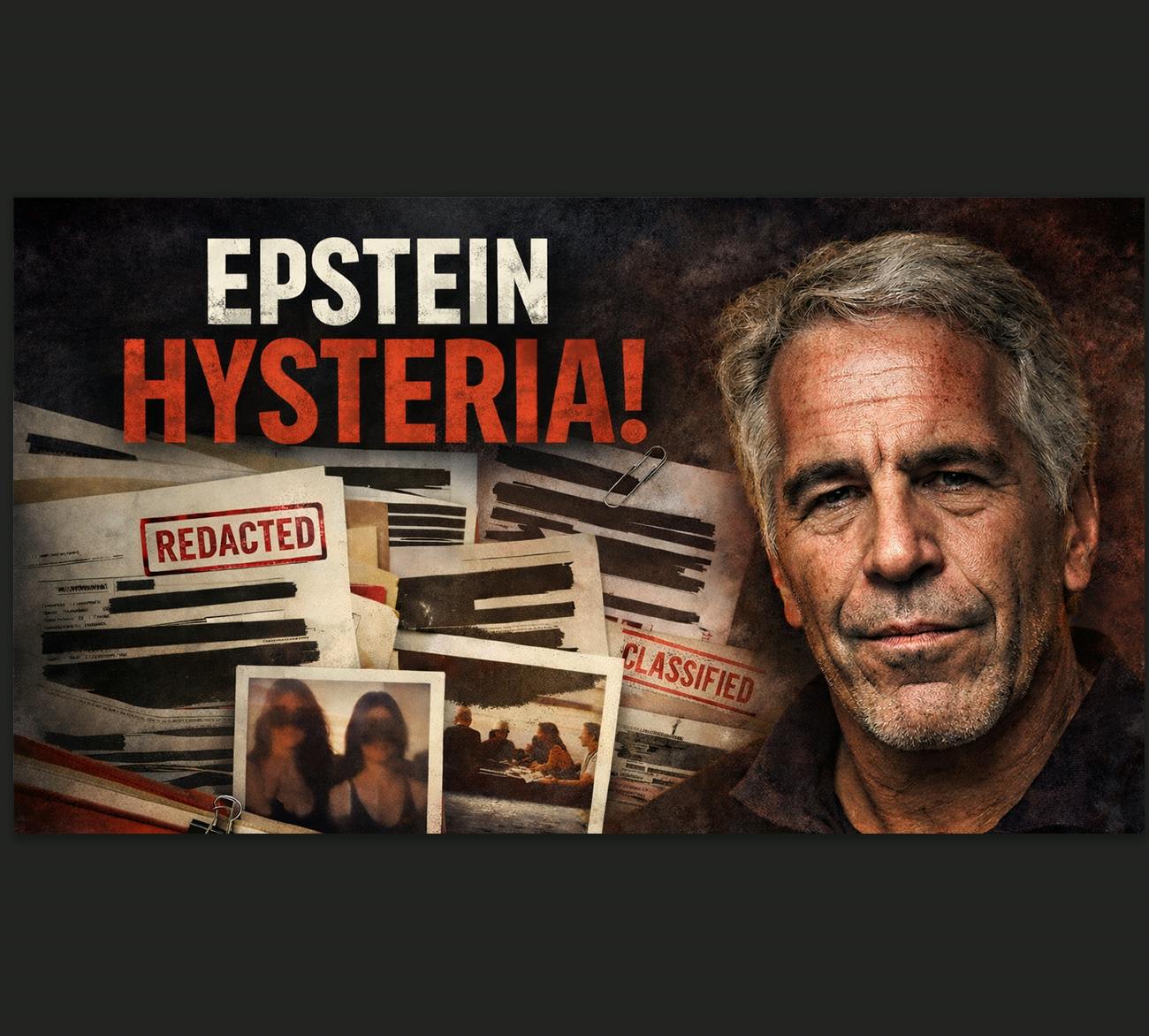
| 2/26/26 | moral panicpolitical polarization+3 | — | — | — | Epstein filesmoral panic+3 | — | 29m 29s | ||
| 2/21/26 | universalismphilosophy+4 | Arnold Zuboff | Finding Myself: Beyond the False Boundaries of Personal Identity | — | universalismphilosophy+6 | — | 1h 27m 18s | ||
| 2/13/26 | de-escalationhostage negotiation+4 | Gary Noesner | FBIStalling for Time | — | negotiationcrisis+6 | — | 1h 03m 11s | ||
| 2/9/26 | negotiationbody language+4 | Andres Lares | Shapiro Negotiations InstitutePersuade: The 4-Step Process to Influence People and Decisions+1 | — | negotiationbody language+5 | — | 1h 06m 35s | ||
| 1/31/26 | interrogation tacticsbody language+3 | Eric Robinson | Federal Bureau of Investigation | — | interrogationbody language+5 | — | 1h 24m 34s | ||
| 1/27/26 |  Some scoff at political bridge-building efforts. What are they missing? | A talk with Doug Teschner and Beth Malow—co-authors of the book Beyond the Politics of Contempt—about an aspect of bridge-building/depolarization-aimed work that rarely gets discussed: the backlash. We dig into the criticisms and skepticism that people on both “sides” throw at bridge-building efforts—claims that it’s naive, weak, morally compromised, or even a form of complicity with the "bad guys." We talk about why contempt can feel justified and righteous, how protest and resistance can unintentionally fuel us-vs-them cycles, and why simply “listening” is often seen as legitimizing harmful views. If you’ve ever thought “that empathetic bridge-building stuff all sounds nice, but now isn’t the time”—or if you’ve rolled your eyes at such work altogether—there’s a good chance this conversation addresses some objections you have. Learn more about your ad choices. Visit megaphone.fm/adchoices | 45m 24s | ||||||











Showing 25 of 219
Pitch Fit is a Pro feature
See how bookable this show is for guests, which brands already advertise, the per-episode ad value, and the best-fit guest and sponsor profile. The numbers are blurred on the free plan.
How readily this show books outside guests like you.
How proven this show is for host-read sponsorships.
For Guests
ProFor Advertisers
ProUpgrade to Pro to unlock guest cadence, sponsor categories, fit scores, and per-episode ad value for this show.
Chart history for People Who Read People: A Behavior and Psychology Podcast
Peaked at #2 in NG, top 10 in 8 of 50 tracked markets, currently #2 in NG.
| Market | Genre | Peak | Current | Trend |
|---|---|---|---|---|
| NG | — | #2 | #2 | — |
| NG | — | #2 | #2 | — |
| GR | — | #6 | #6 | — |
| ID | — | #8 | #8 | — |
| KE | — | #8 | #8 | — |
| Canada | — | #9 | #9 | — |
| United Kingdom | — | #10 | #10 | — |
| PH | — | #10 | #10 | — |
| IS | — | #11 | #11 | — |
| India | — | #11 | #11 | — |
| PT | — | #13 | #13 | — |
| AE | — | #13 | #13 | — |
| IL | — | #14 | #14 | — |
| VN | — | #15 | #15 | — |
| United States | — | #17 | #17 | — |
| Australia | — | #18 | #18 | — |
| New Zealand | — | #20 | #20 | — |
| Norway | — | #20 | #20 | — |
| GR | — | #20 | #20 | — |
| South Africa | — | #20 | #20 | — |
Chart Positions
50 placements across 39 markets.
Chart Positions
50 placements across 39 markets.