
Insights from recent episode analysis
Audience Interest
Podcast Focus
Publishing Consistency
Platform Reach
Insights are generated by CastFox AI using publicly available data, episode content, and proprietary models.
Most discussed topics
Brands & references
No brand mentions extracted.
Est. Listeners
Insufficient chart data. Estimates will improve as the show charts.
- Per-Episode Audience
Est. listeners per new episode within ~30 days
N/A🎙 Weekly cadence·62 episodes·Last published 6mo ago - Monthly Reach
Unique listeners across all episodes (30 days)
N/A - Active Followers
Loyal subscribers who consistently listen
N/A
Market Insights
Platform Distribution
Reach across major podcast platforms, updated hourly
Total Followers
—
Total Plays
—
Total Reviews
—
* Data sourced directly from platform APIs and aggregated hourly across all major podcast directories.
On the show
From 1 epsHost
Recent guests
No guests detected in recent episodes.
Recent episodes
Demeurer humain
Dec 29, 2025
6m 02s
Le vide de vie
Dec 29, 2025
Unknown duration
La blessure
Dec 29, 2025
Unknown duration
Regalo, for Piano solo
Dec 5, 2021
Unknown duration
Tombeau De Copernicus, for Cello solo
Dec 5, 2021
Unknown duration
Social Links & Contact
Official channels & resources
Official Website
Login
RSS Feed
Login
| Date | Episode | Topics | Guests | Brands | Places | Keywords | Sponsor | Length | |
|---|---|---|---|---|---|---|---|---|---|
| 12/29/25 | Demeurer humain✨ | compositionmusic+1 | — | — | — | compositionLydia Chagoll+3 | — | 6m 02s | |
| 12/29/25 | Le vide de vie | Composition on a text by Lydia Chagoll | — | ||||||
| 12/29/25 | La blessure | Composition on a text by Lydia Chagoll | — | ||||||
| 12/5/21 |  Regalo, for Piano solo | André Laporte 90 ©2021 by Peter Swinnen (http://www.peterswinnen.be) Performed by Jan Michiels | — | ||||||
| 12/5/21 | 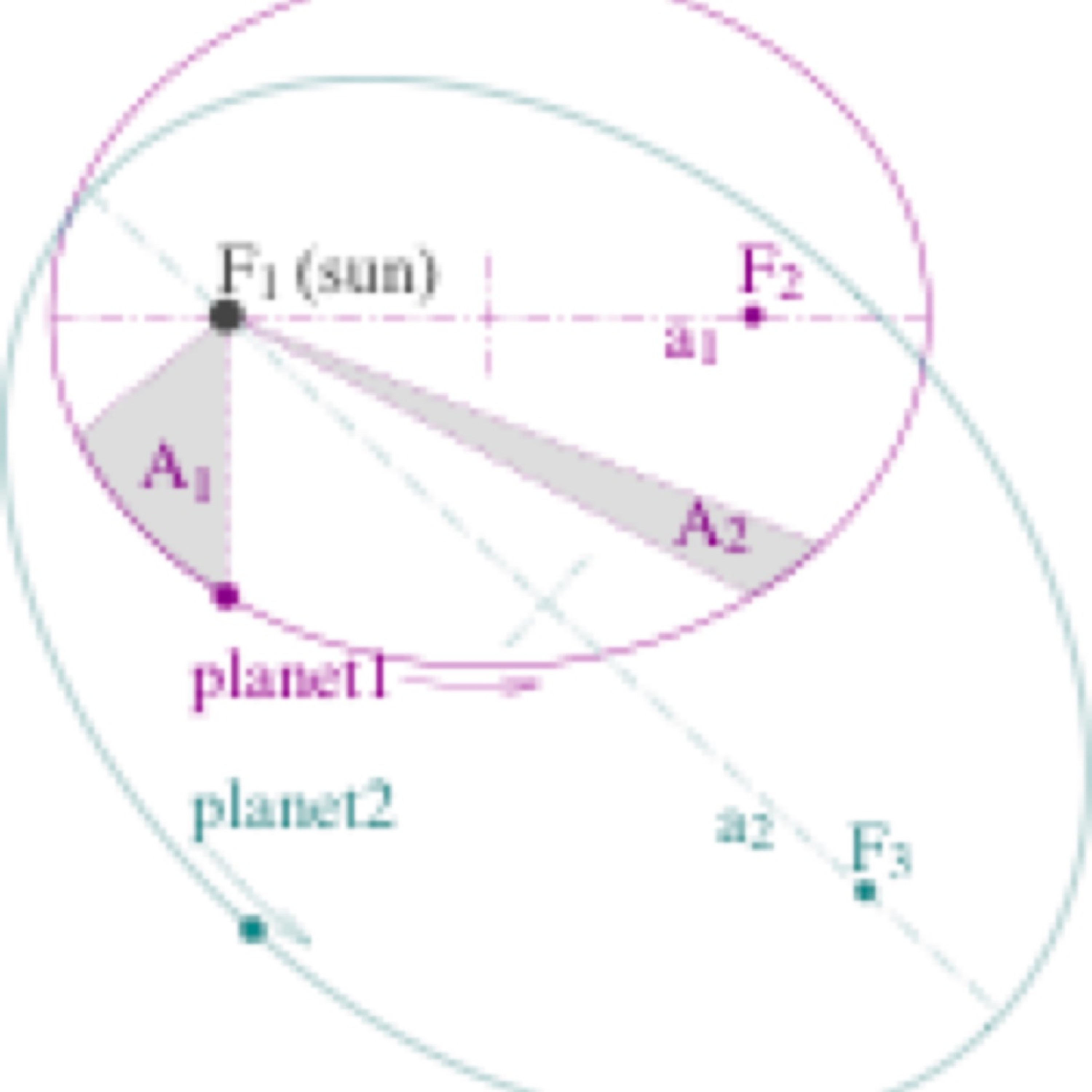 Tombeau De Copernicus, for Cello solo | ©2020 by Peter Swinnen (http://www.peterswinnen.be) Performed by Eugen-Bogdan Popa Tombeau de Couperin was born out of my interest in the Harmony of Spheres. Originally presented by the ancient Greek philosopher Pythagoras (6th century BC), who calculated that all planets and the sun move in resonant circles around the Earth, it has been refined by Copernicus (On the Revolutions of the Celestial Spheres 1453), Kepler (Harmonies of the World 1619) and Newton (Philosophiæ Naturalis Principe Mathematica 1687), who successively improved the calculations of the elliptical orbits of the planets around the sun. 1687 is also the publication date of Marin Marais' Tombeau de Lully, which gave rise to the basic idea of this piece: an imaginary journey, inspired by Viola da Gamba techniques, where the player's right arm movements are based on the elliptical orbits of planets around their suns, so that the notes represent the positions of the planets at different moments in time, leading us gradually through galaxies further and further away. Happy listening. Peter Swinnen | — | ||||||
| 11/27/19 |  Hodechtri, for Flute, Clarinet, Violin, Cello, Piano, Percussion and Electronics | ©2006 by Peter Swinnen Live performed by Champ d'Action, cond. J. Bossier Recently I discovered which fascinating musical transformations you get if you change the font bitmap of a text and run it through an image synthesizer. For this piece, a sextet for flute, violin, clarinet, cello, piano and percussion, I'm elaborating on this idea and developing some specific manipulations of musical gestures, built on the different idiomatic playing techniques of the instruments. Furthermore I'm exploring the vast sound possibilities when two or more instruments influence each others sound through means of electronic manipulations. In the past I've worked many times with the concept of 'extended instruments', where electronics multiply the expressive possibilities of an acoustic instrument, fully controlled by the instrumental player. Here I want to push it further. Sounds will be created by electronically merging several instruments, whereas each individual instrumentalist controls another parameter of the sound, not by a MIDI-controller or so, but through his very own acoustical sound, tracked in real-time by the computer. In short, a computer-based 'extended combined instrument'. Which, of course, will not only be capable of sculpting the time, but also the acoustical space. Peter Swinnen Brussels, 26-05-2006 | — | ||||||
| 11/27/19 | 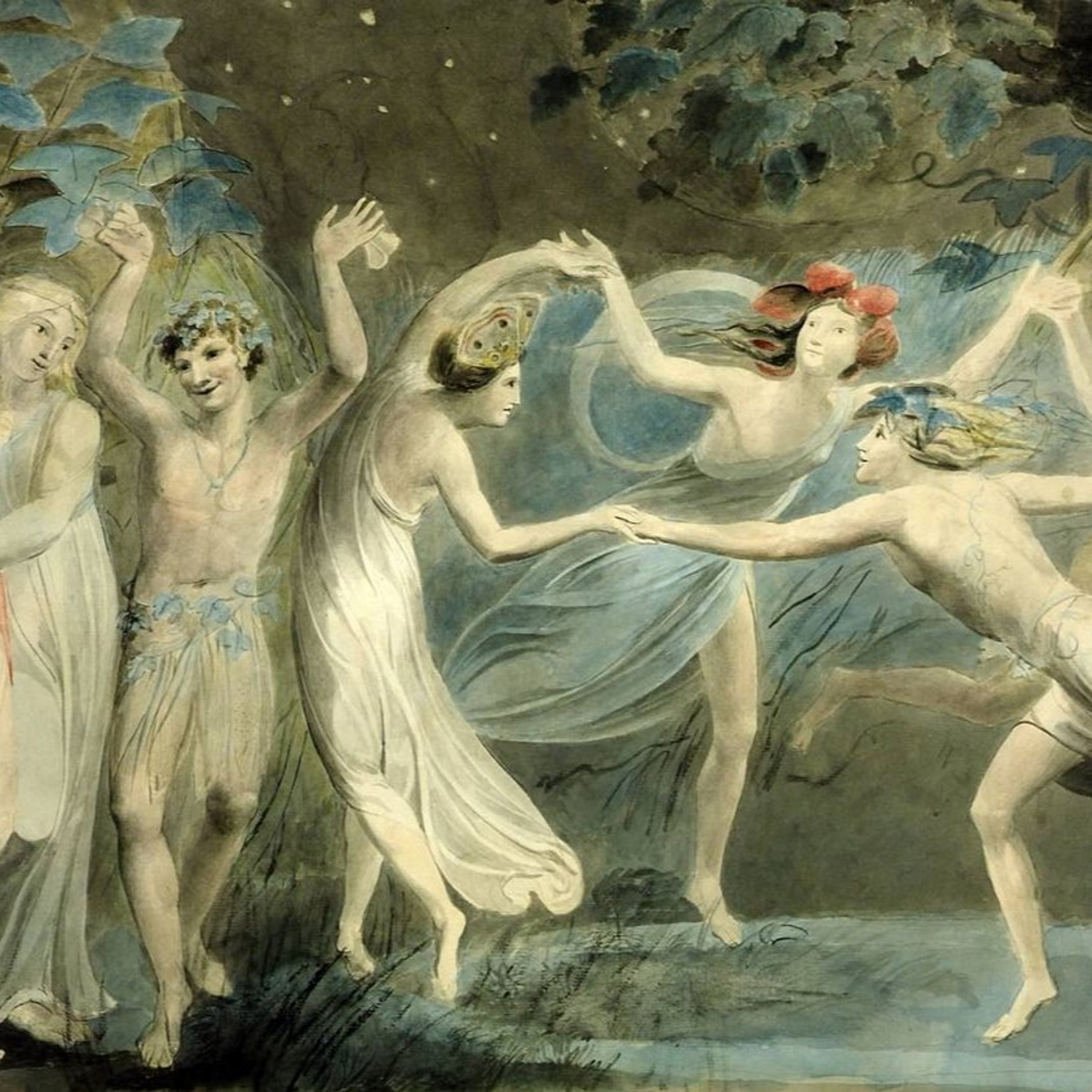 A fairy Tale, for Voice and String Quartet | ©2004 by Peter Swinnen Performed by Marie-Claude Solanet and Quatuor Danel | — | ||||||
| 11/26/19 |  Riflessione, per Violoncello ed Orchestra | ©1991 by Peter Swinnen | — | ||||||
| 11/26/19 |  IdoVisu, per Oboe ed Orchestra | ©1995 by Peter Swinnen | — | ||||||
| 11/26/19 | 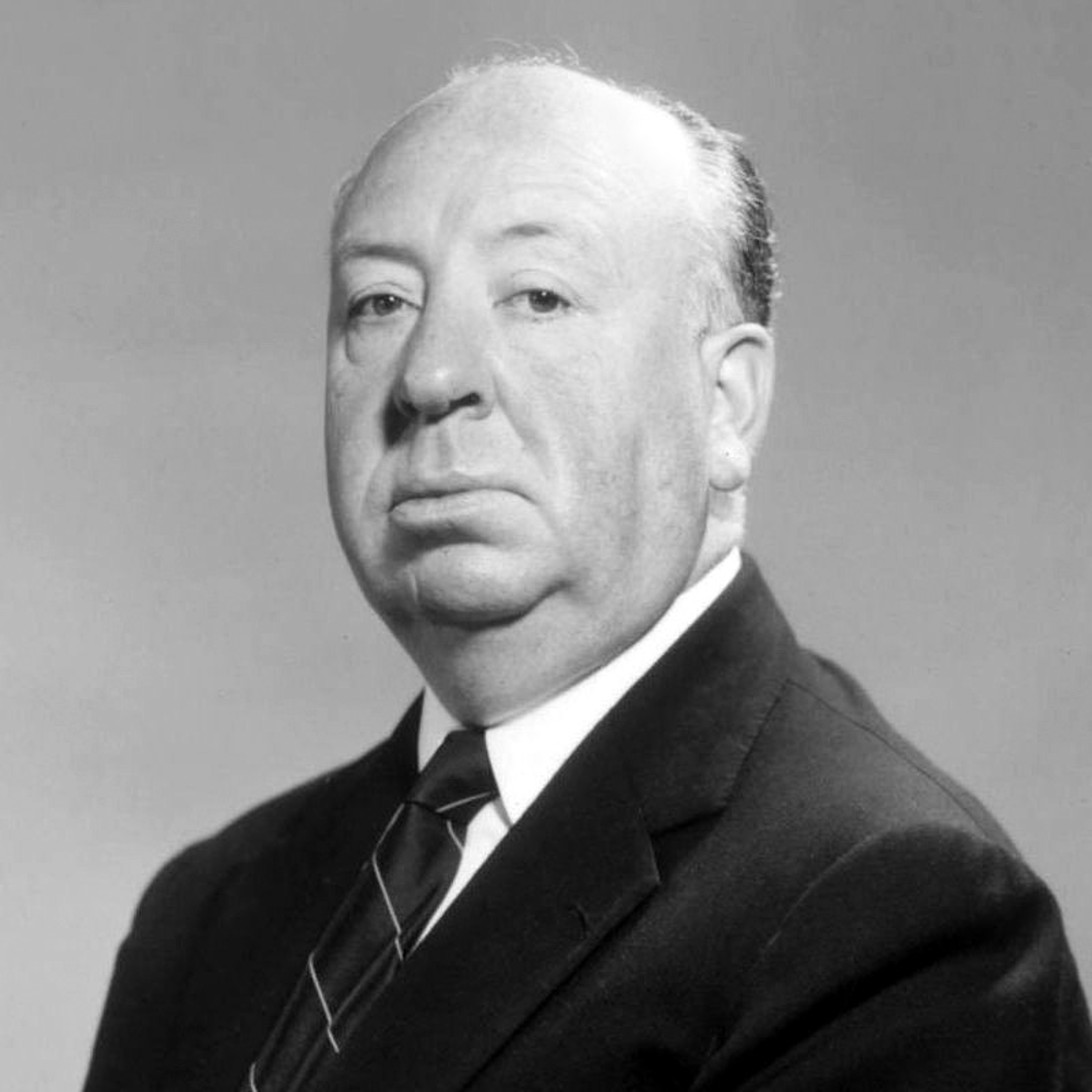 HitchCockTail, for Flute, Guitar, Harpsichord and Accordeon | ©1992 by Peter Swinnen Performed by Berten D'Gollander, Yves Storms, Christine Wauters and Philippe Thuriot Dit werk, geschreven, in opdracht van First Meeting (BRTN-Radio 3), voor Philippe Thuriot, is tevens bedoeld als een ode aan de grootmeester van de psychologische thriller, Alfred Hitchcock. De opbouw gebeurt namelijk volgens een voor hem erg typische structuur : na een korte inleiding volgt een gestaag vorderende vertelling ("Tail" = "verhaal"), met een verrassende ontknoping ("Tail" = "Staart"). Elk van de instrumenten vertolkt hierbij a.h.w. de psychologische en emotionele evolutie van een personage… Daarnaast is er een sterke allusie naar een Coctail. Op dezelfde manier als in een Coctail de verschillende (uitgesproken) smaken in elkaar versmelten, worden de timbres van de vier instrumenten, inclusief minder courante speeltechnieken, hier met elkaar gecombineerd tot een sprankelend, hoewel soms misschien nogal ongewoon, auditief geheel… | — | ||||||
Want analysis for the episodes below?Free for Pro Submit a request, we'll have your selected episodes analyzed within an hour. Free, at no cost to you, for Pro users. | |||||||||
| 11/26/19 |  Antré, Entrada per Corno, Tromba e Trombone | ©1996 by Peter Swinnen Performed by students of the Koninklijk Conservatorium Brussel, cond. B. Bouckaert Dit aforistische werkje, een hommage voor de 65e verjaardag van mijn vroegere compositie-leraar AndrŽ Laporte, ligt helemaal in de lijn van de klassieke openings- en huldigingsfanfares. En zoals de titel reeds laat vermoeden, met de nodige knipogen | — | ||||||
| 10/19/19 | 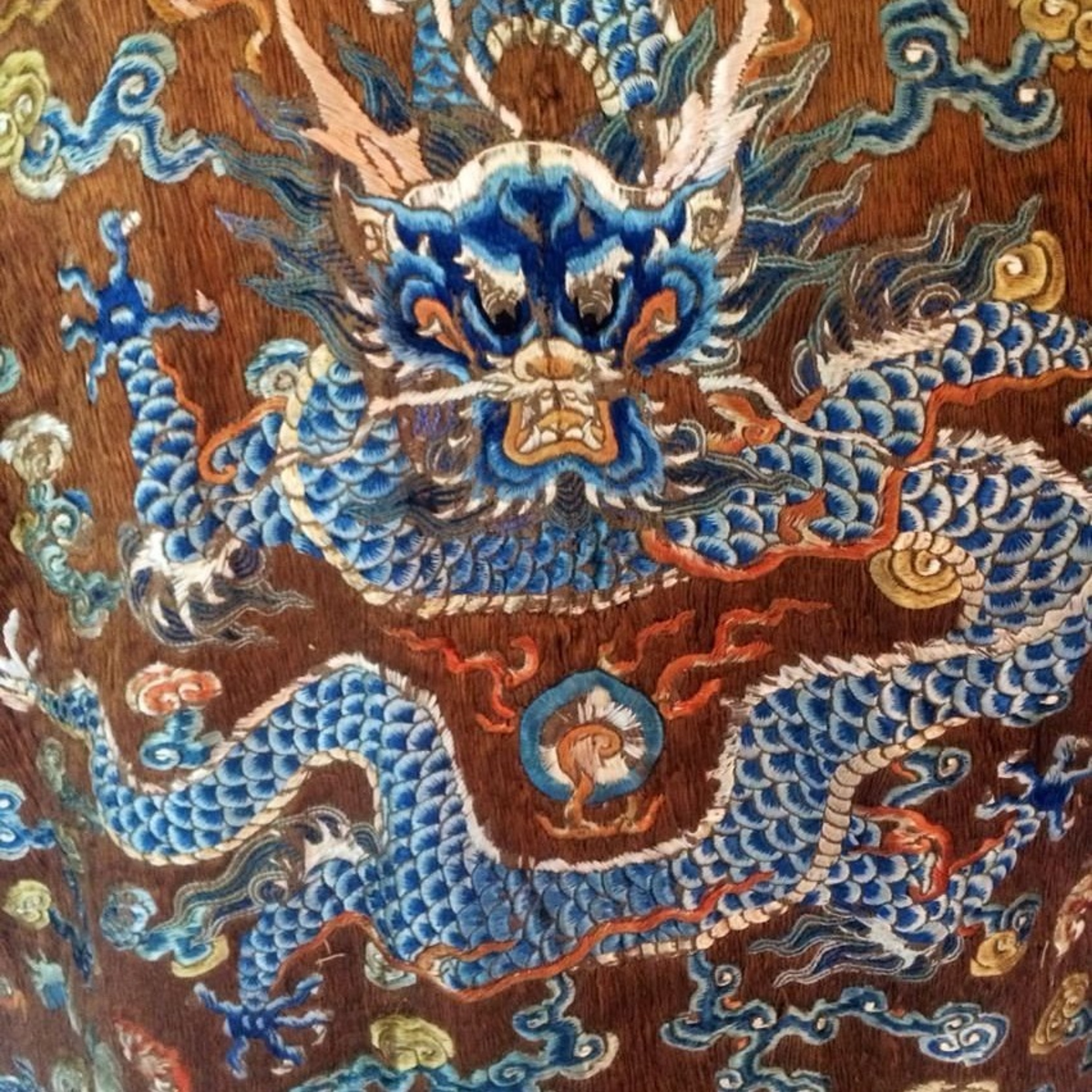 Souvenir d'un dragon de soie, for Sheng and Ensemble | ©2019 by Peter Swinnen Live performance by Ensemble Télémaque, Yifei Hua, cond. Raoul Lay “Souvenir d’un dragon de soie”, French for “Memories of a silk dragon”, is a personal reflection on several travels I was able to make into China and Vietnam, and the rich musical and philosophical cultures of many East Asian people I was able to meet during the festivals I visited. On the one hand there is the 21st Century complexity of the big cities where millions of people live together in an overwhelming flow of never-ending activity. But there is also the deep connection with nature and philosophical introspection, often in unexpected oases, carefully cherished and deeply touching. In order to express this strong duality, “Souvenir d’un dragon de soie” is built on the contrast between musical ingredients coming from both European and Asian traditions. Obviously, there is the use of a Sheng together with a traditional European contemporary music ensemble of 8 instruments. The ensemble elaborates on late 20th Century French spectral techniques, applied on a South-East Asian B’led like repetitive texture. The Sheng is used in a typical Western recitativo accompagnato like style, on which the player ornaments freely following ancient Chinese traditions. The result is a continuously shifting balance between Asian and Western textures and techniques, always blending in a dialogue of varying proportions, creating the ever-changing microtonal diversity that fascinates me since I first discovered Asian music. Happy listening! This video is about Souvenir d'un dragon de soie | — | ||||||
| 10/19/19 | 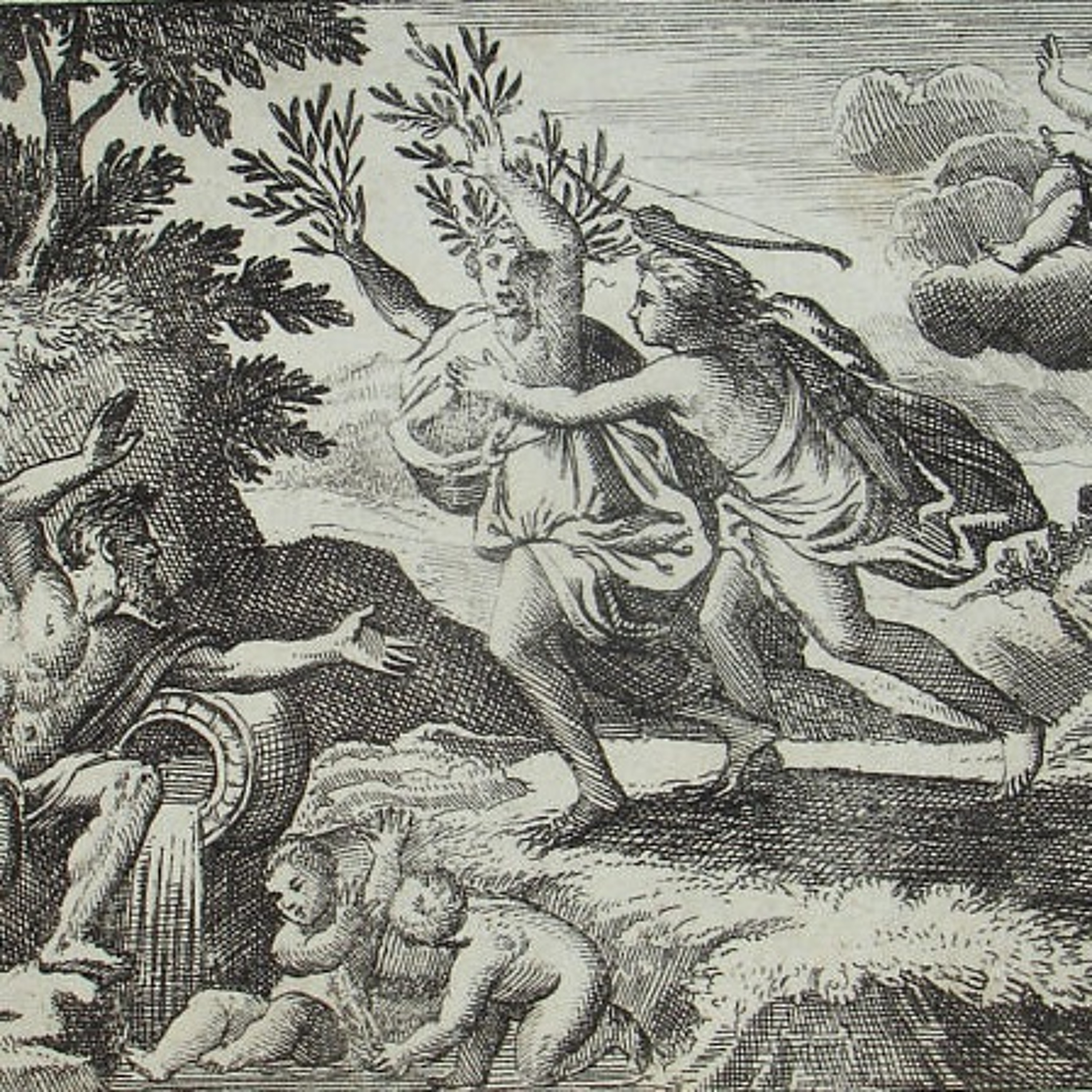 Sinfonia V - Metamorphosen, Sinfonia concertante for Symphonic Wind Band | ©2019 by Peter Swinnen Métamorphoses, ma 5e Symphonie, est le résultat d’une recherche qui me fascine depuis plusieurs années : comment amener de la cohérence dans du matériau musical d’une hétérogénéité prononcée ? Point de départ de cette pièce est l’utilisation de quelques techniques provenant de l’intelligence artificielle : des "algorithmes génétiques" changent ("mutent") des cellules musicales de sorte qu'elles s'éloignent de plus en plus de l'original. Un processus qui peut être perturbé en introduisant un "virus". De cette manière tout le matériau, ainsi différent qu'il soit dans sa sonorité, reste fondamentalement dérivé d'un nombre limité de cellules primitives. Ce qui m'a donné la possibilité de créer du matériau musical très divergent, dont je pouvais quand-même doser le degré de cohérence. Afin de verser tout ce matériau plus ou moins hétérogène dans une forme cohérente, Métamorphoses utilise un concept très ancien du monde littéraire : des personnages archétypiques interagissent dans des histoires mythiques. Une petite ballade chez Carl Jung nous apprend que plusieurs archétypes peuvent être considérés comme des mutations abstraites d'autant d'aspects de ce qui rend l'homme humain. De même, la représentation du matériau musical comme des "personnages" est connue depuis des siècles. Ce qui a donné la forme pour cette 5e symphonie : 5 mouvements qui se fusionnent et qui racontent autant de phases dans la vie imaginaire du personnage principal. Par analogie avec Ovide, chaque mouvement est élaboré come une courte "histoire", dans laquelle les personnages secondaires sont des mutations archétypiques mutées du personnage principal. Ce qui donne une forme particulière, ou à l'intérieur des mouvements des matériaux contrastant rentrent en dialogue, pendant qu'au-delà des 5 mouvements une métamorphose progressive des différents ingrédients contrastants se dévoile. Mais cette symphonie s'écoute aussi comme une pièce en un seul mouvement qui permet à la diversité extraordinaire des instruments du Symphonic Wind Band de se profiler tant qu'en soliste que dans des combinaisons riches en couleurs : un concerto pour orchestre. Bonne écoute. Peter Swinnen | — | ||||||
| 10/19/19 |  Point d'Appui, for Viola, Narrator and Electronics | ©1999 by Peter Swinnen Performed by Dominica Eyckmans, Jean Portante, Peter Swinnen Dans cette pièce, j’ai voulu entourer les textes de Jean Portante d’une musique qui ne soit ni descriptive, ni simplement un tapis d’ambience. Au contraire, j’ai voulu y ajouter un deuxième personnage, pour créer ainsi un vrai duo, de la vraie musique de chambre, entre la parole et la musique. Pour que, comme le dit le texte lui-même, la musique, c’est à dire l’ensemble de la voix parlée, le violon et son extension électronique, puissent sculpter le temps dans l’espace… | — | ||||||
| 10/19/19 |  Sinfonia III Erinnerung, for String Quartet, Ensemble and Live Electronics | ©2008 by Peter Swinnen This piece, commissioned by the Spectra Ensemble for their participation in the Gouden Vleugels Contest 2008 in tandem with the Fenix String Quartet, is a tribute to Ludwig van Beethoven and Luciano Berio. It takes the fifth movement of Beethoven’s string quartet nº 15 op. 132 and treats it as in Luciano Berio’s Sinfonia. In other words: Beethoven (the past) tries to ‘break through’ Berio (the present). It is as if you ‘remember’ something without knowing precisely what it is: “Erinnerung”. At the same time throughout the piece this idea of the past transforms itself up to the point that it can be integrated into the present: “Er-Inner-Ung”. Very much the same way as the combination of a string quartet and ensemble reminds the idea of an 18th century Sinfonia Concertante (past), which the use of electronic transformations re-actualizes into the present. Happy Listening! Peter Swinnen | — | ||||||
| 10/20/12 | 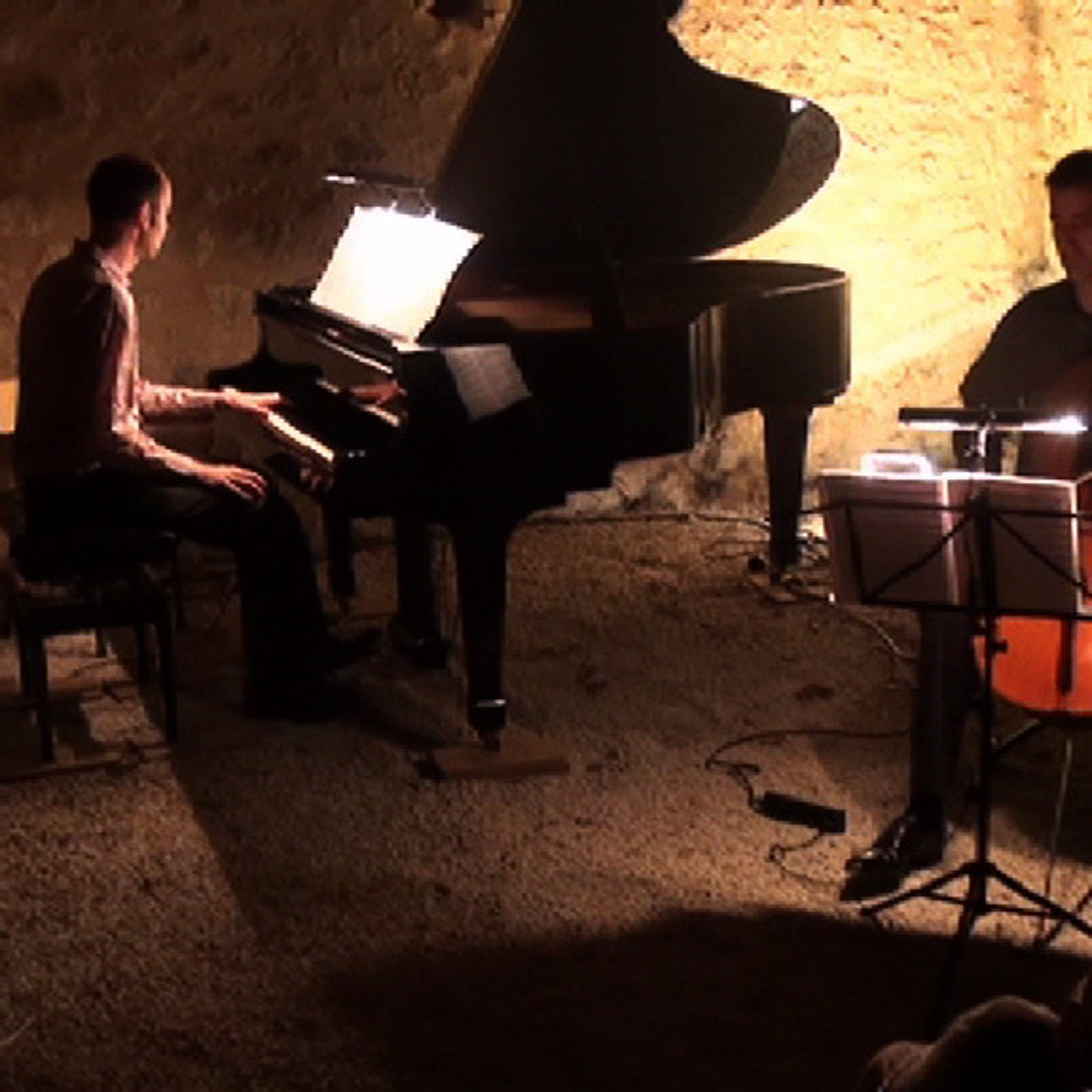 Edokaste, for Cello and Piano | ©2011 by Peter Swinnen Performed by Guy Danel and Richard Whalley (2013) Heard melodies are sweet, but those unheard Are sweeter; therefore, ye soft pipes, play on; Not to the sensual ear, but, more endear'd, Pipe to the spirit ditties of no tone: . . . (ODE ON A GRECIAN URN from "POEMS" by John KEATS) | — | ||||||
| 10/20/12 | 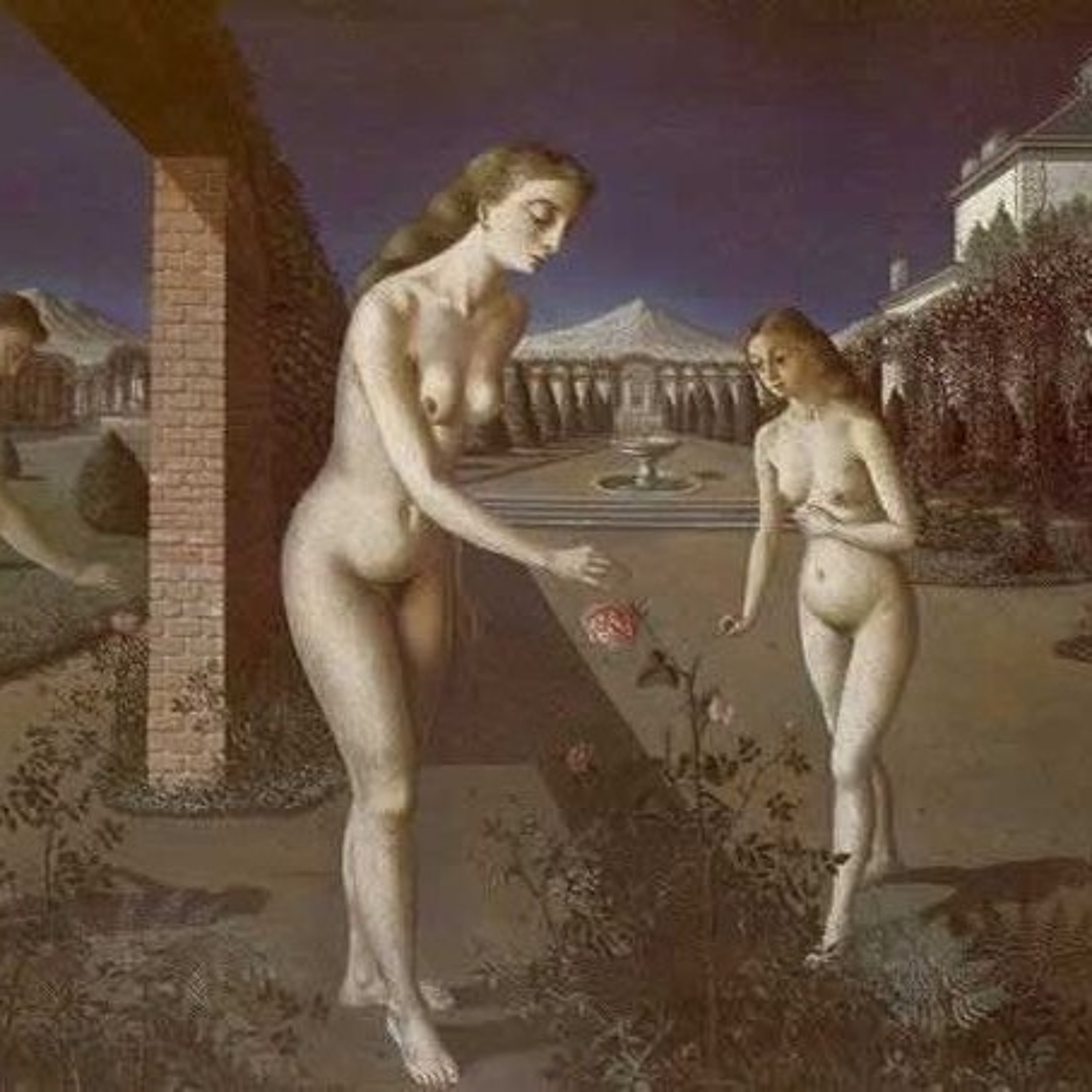 Xedalvu, for Piano Solo | ©1995 by Peter Swinnen | — | ||||||
| 10/20/12 |  Moordende Wals, for Soprano, Mezzo and 6 instruments | ©1998 by Peter Swinnen | — | ||||||
| 10/20/12 |  Arabesque, for Piano Solo | ©1998 by Peter Swinnen | — | ||||||
| 10/20/12 |  Bachatelle, for Piano Solo | ©2001 by Peter Swinnen | — | ||||||
| 10/20/12 |  Mancoras, for Flute, Sax, Trumpet, Tuba, Mandoline, Violin, Viola | ©2007 by Peter Swinnen As is also the case with many of Ligeti's pieces, Mancoras, anagram of San Marco, is based on the fractal with the same name. Since fractals don't loose detail when you zoom in, they are most suitable for creating coherence between several independent layers, each evolving in its own time/tempo. In this piece, micro, meso and macro level are fully controlled by the same principle: z = z^2 - 1. What specially attracted me in this fractal, is its symmetry, which reminded me of the ancient Renaissance practice of Cori Spezzati, hence the symmetrical disposition of the instruments. However, instead of creating a typical Baroque concertato effect, the use of micro polyphony à la Ligeti allowed me a much more fluent evolution of the sound, centred around the ostinato clock of the Mandolino. Around this 'cantus firmus' the other instruments weave clouds of sounds, whose harmonic contents are continuously coloured by a spectral morphing, controlled itself by, indeed, the San Marco fractal. The resulting piece is a humble In Memoriam for undoubtedly one of the greatest composers of his generation, György Ligeti. Peter Swinnen Brussels 22-04-2007 | — | ||||||
| 10/20/12 | 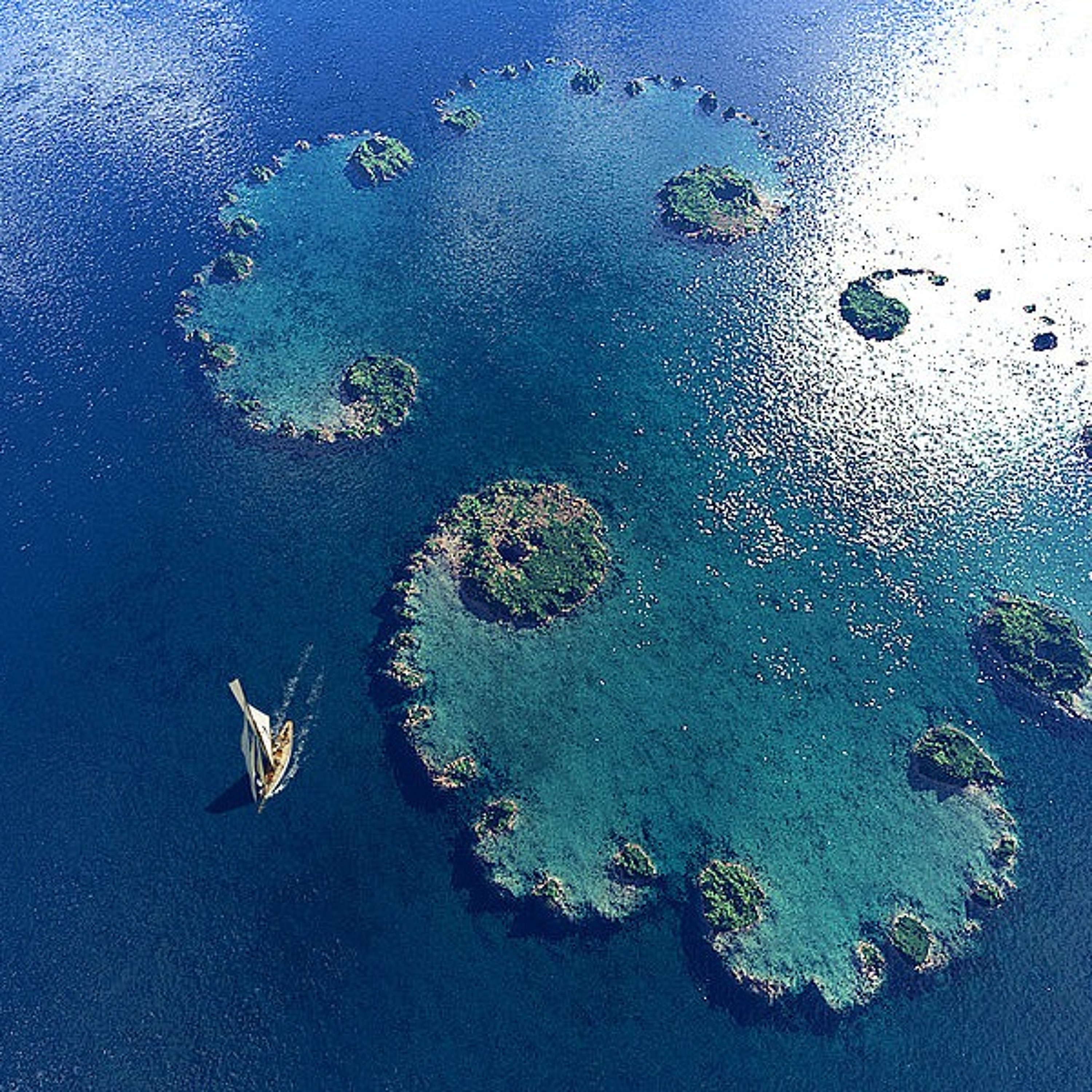 Souvenir de l'île de Koch, for Cello Solo | ©2006 by Peter Swinnen | — | ||||||
| 10/20/12 |  Monagli, for Saxophone trio | ©2011 by Peter Swinnen Performed by Trio Milonga | — | ||||||
| 10/20/12 |  Ilachýam, for Violin, Cello, Clarinet and Piano | ©2009 by Peter Swinnen | — | ||||||
Showing 24 of 24
Pitch Fit is a Pro feature
See how bookable this show is for guests, which brands already advertise, the per-episode ad value, and the best-fit guest and sponsor profile. The numbers are blurred on the free plan.
How readily this show books outside guests like you.
How proven this show is for host-read sponsorships.
For Guests
ProFor Advertisers
ProUpgrade to Pro to unlock guest cadence, sponsor categories, fit scores, and per-episode ad value for this show.