
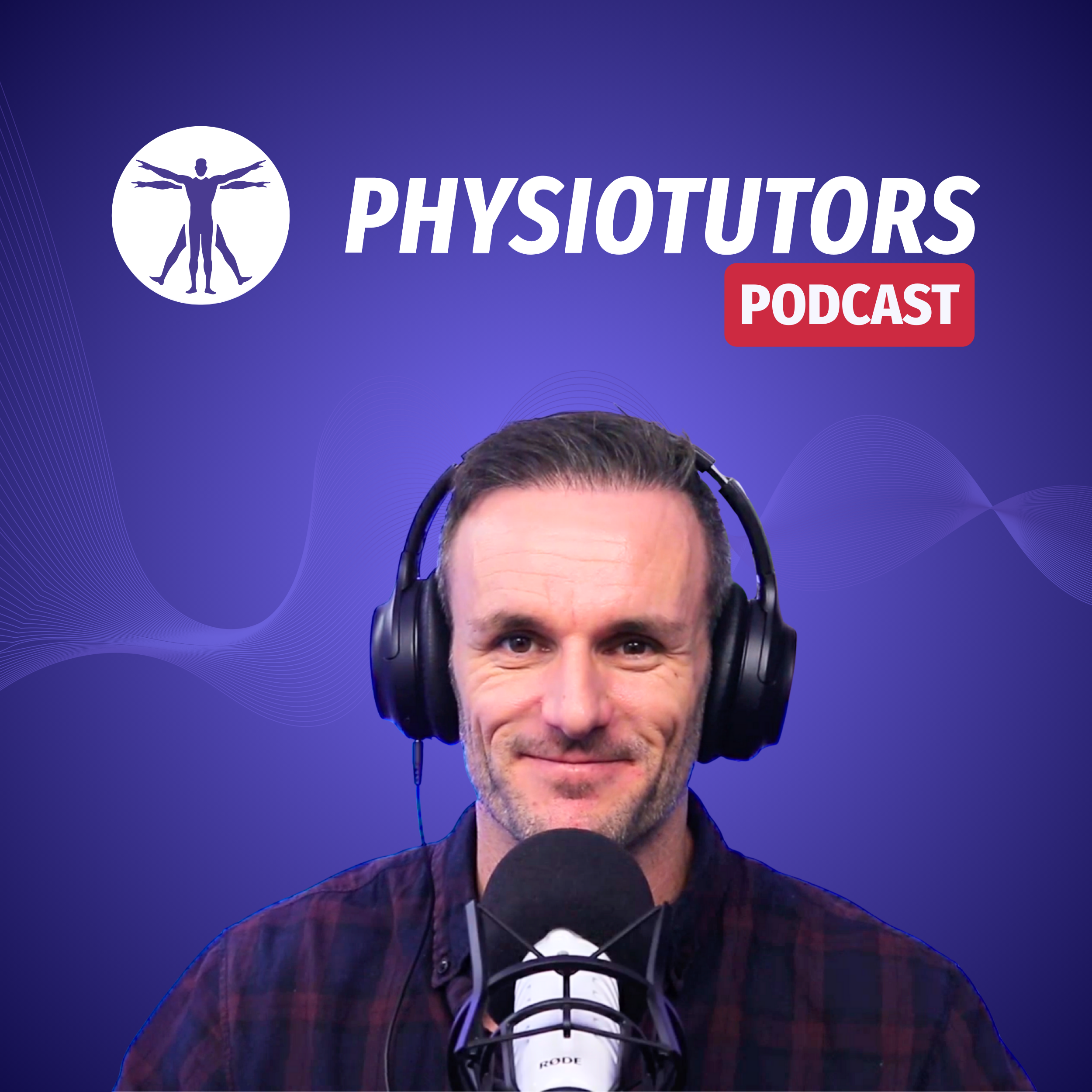
Insights from recent episode analysis
Audience Interest
Podcast Focus
Publishing Consistency
Platform Reach
Insights are generated by CastFox AI using publicly available data, episode content, and proprietary models.
Most discussed topics
Brands & references
Total monthly reach
Estimated from 2 chart positions in 2 markets.
By chart position
- 🇵🇭PH · Health & Fitness#923K to 10K
- 🇳🇿NZ · Health & Fitness#110500 to 3K
- Per-Episode Audience
Est. listeners per new episode within ~30 days
1.8K to 6.5K🎙 Weekly cadence·89 episodes·Last published 2d ago - Monthly Reach
Unique listeners across all episodes (30 days)
3.5K to 13K🇵🇭77%🇳🇿23% - Active Followers
Loyal subscribers who consistently listen
1.4K to 5.2K
Market Insights
Platform Distribution
Reach across major podcast platforms, updated hourly
Total Followers
—
Total Plays
—
Total Reviews
—
* Data sourced directly from platform APIs and aggregated hourly across all major podcast directories.
On the show
From 10 epsHost
Recent guests
Recent episodes
Why Cervicogenic Dizziness Is a Misleading Diagnosis with Firat Kesgin
Jun 3, 2026
Unknown duration
Unveiling Fascia: The Body's Hidden Connective System with Karl Jacobs
Apr 30, 2026
32m 52s
Strength Training for Healthy Aging: Insights from Andreas Delaere
Apr 1, 2026
1h 06m 33s
Patellar Tendinopathy with Ebonie Rio
Mar 4, 2026
1h 04m 31s
Conquering Burnout: Strategies for Physiotherapists with WriteUpp
Feb 18, 2026
54m 18s
Social Links & Contact
Official channels & resources
Official Website
Login
RSS Feed
Login
| Date | Episode | Topics | Guests | Brands | Places | Keywords | Sponsor | Length | |
|---|---|---|---|---|---|---|---|---|---|
| 6/3/26 |  Why Cervicogenic Dizziness Is a Misleading Diagnosis with Firat Kesgin | Download the FREE Physiotutors App 📲: https://physiotutors.app Get 3 months free of WriteUpp's Practice Management Software. Visit: https://writeupp.com/physiotutors for more Summary In this episode, Firat Kesgin, founder of the German Institute for Vestibular Rehabilitation, discusses the controversial topic of cervicogenic dizziness. He challenges the validity of this diagnosis, arguing that dizziness often associated with neck pain and limited cervical mobility should not be considered a distinct disorder. Kesgin references the Barani Society's stance, which suggests that the connection between cervical issues and dizziness lacks high-quality evidence. He explains that patients with vestibular disorders often restrict head movement, leading to neck problems over time, which can be mistaken for cervicogenic dizziness.Kesgin emphasizes the importance of accurate diagnosis and the risks of relying on exclusion-based diagnoses. He highlights the need for specialized knowledge in vestibular disorders to avoid misdiagnosis and unnecessary treatments. The discussion also touches on the psychological aspects of dizziness, comparing it to chronic pain conditions where the central nervous system plays a significant role. Kesgin advocates for a more comprehensive understanding of vestibular disorders and cautions against simplistic mechanical explanations for complex symptoms. Guest Firat is the founder of the German Institute for Vestibular Rehabilitation and has been teaching postgraduate courses throughout Europe. His work focuses on helping clinicians better understand and treat patients with dizziness and balance disorders. Alongside his clinical and teaching work, Firat is currently pursuing a PhD on the standardization of BPPV testing and the implementation of structured vestibular rehab programs in outpatient care. Chapters 00:00:00 Intro 00:01:22 Why "cervical dizziness" isn't a valid diagnosis 00:03:36 Neck pain/limited ROM as consequences of vestibular issues 00:04:26 Sponsor: WriteUpp 00:06:00 Temporal link to neck pain doesn't prove causation 00:08:15 Does treating the neck fix dizziness? Short-term vs long-term 00:10:51 Risks of diagnosis by exclusion 00:12:24 Diagnostic gaps in routine ENT practice 00:14:20 No specific test: is that enough to reject it? 00:16:59 Vestibular migraine vs "cervical dizziness" 00:20:51 Sponsor: Physiotutors Premium 00:21:27 Common mislabels: BPPV, hypofunction, and 3PD 00:25:45 Cervical proprioception: acute vs chronic relevance 00:32:32 Interpreting cervical torsion and SPNT tests 00:36:53 Sponsor: Physiotutors Courses 00:37:55 Parallels with chronic low back pain 00:38:41 Why the research persists and biomechanical bias 00:45:19 Clinical guidance for dizzy patients with neck pain 00:46:54 Myth-busting: negative ENT and psychology factors 00:49:23 Closing thoughts 00:50:33 Where to find Firat 00:51:19 Outro Bonus Material Download the referenced transcript including PubMed Links and a high-resolution infographic on this episode as part of your Physiotutors membership on the Physiotutors App. Download the Free App now Follow our Podcast on: Spotify | Apple Podcasts | — | ||||||
| 4/30/26 |  Unveiling Fascia: The Body's Hidden Connective System with Karl Jacobs✨ | fasciaanatomy+4 | Karl Jacobs | University of AmsterdamMSc Functional and Clinical Anatomy | United Kingdom | fasciaanatomy+5 | Physiotutors | 32m 52s | |
| 4/1/26 |  Strength Training for Healthy Aging: Insights from Andreas Delaere✨ | healthy agingphysiotherapy+4 | Andreas Delaere | Physiotutors AppWriteUpp's Practice Management Software+4 | — | physiotherapyhealthy aging+6 | WriteUppCODE | 1h 06m 33s | |
| 3/4/26 |  Patellar Tendinopathy with Ebonie Rio✨ | patellar tendinopathyrehabilitation strategies+3 | Ebonie Rio | La Trobe UniversityAustralian Institute of Sport+4 | — | patellar tendinopathyrehabilitation+3 | — | 1h 04m 31s | |
| 2/18/26 |  Conquering Burnout: Strategies for Physiotherapists with WriteUpp✨ | burnoutphysiotherapy+3 | Claire BrahamAnna Bunch | Physiotutors | — | burnoutphysiotherapy+3 | WriteUppN/A | 54m 18s | |
| 2/4/26 |  (Dutch Episode) When Passion and Reality Collide - Quitting Physiotherapy with Arjan Elshof✨ | physiotherapycareer transition+3 | Arjan Elshof | Physiotutors | — | physiotherapycare management+3 | WriteUpp | 45m 08s | |
| 1/15/26 |  The role of exercise in oncology with Nele Adriaenssens, Nirit Rotem, Grainne Sheill✨ | exercise therapyoncology+5 | Nele AdriaenssensNirit Rotem+1 | Vrije Universiteit Brussel | — | exercise oncologycancer rehabilitation+5 | WriteUpp | 59m 59s | |
| 12/5/25 |  From Core to Kick: The Pelvis as the Missing Link in Hamstring and Groin Injuries ft. Nick van der Horst✨ | hamstring injuriesgroin injuries+5 | Dr. Nick van der Horst | PSV EindhovenKNVB+2 | UMC Utrecht | hamstring injuriesgroin injuries+5 | — | 1h 07m 07s | |
| 11/3/25 |  An Introduction to Neurocentric Training with Jannik Schuster✨ | neurocentric trainingperformance enhancement+4 | Jannik Schuster | PhysiotutorsAn Introduction to Neurocentric Training | — | neurocentric trainingperformance+5 | — | 54m 53s | |
| 10/1/25 |  Beyond Whiplash: Modern Physiotherapy for Prolonged Post-Concussion Symptoms with Melvin Pitz and Cornel Tol✨ | concussion managementpost-concussion symptoms+3 | Melvin PitzCornel Tol | Headache, Pain, and Concussion Training Institute | Netherlands | concussionphysiotherapy+3 | — | 1h 08m 51s | |
Want analysis for the episodes below?Free for Pro Submit a request, we'll have your selected episodes analyzed within an hour. Free, at no cost to you, for Pro users. | |||||||||
| 9/1/25 |  Foot First: Rethinking Intrinsic Strength & Injury Rehab with Dr. Sue Mayes✨ | foot intrinsic musclesinjury prevention+5 | Dr. Sue Mayes | La Trobe University | — | foot strengthinjury rehab+5 | — | 45m 15s | |
| 8/4/25 |  Hamstrings under the Microscope with Jack Hickey | Description In this episode, Dr. Jack Hickey, a leading researcher in hamstring injuries, shares valuable insights into the complexities of hamstring rehabilitation and injury prevention. He discusses the common misconceptions surrounding hamstring rehab, emphasizing the importance of understanding the adaptations targeted by specific exercises rather than simply mimicking injury mechanisms. Dr. Hickey also delves into the significance of hamstring muscle architecture, particularly the role of fascicle length as a modifiable risk factor for injury. He highlights recent research comparing the effectiveness of exercises like Nordic hamstring exercises and Romanian deadlifts in enhancing fascicle length. Dr. Hickey further explores his pioneering work in pain threshold rehabilitation, explaining how allowing low to moderate levels of pain during rehab can lead to better strength and muscle adaptation without delaying return-to-play timelines. He also touches on the fragility index as a measure of the robustness of risk factors associated with hamstring injuries. Throughout the conversation, Dr. Hickey underscores the importance of individualized rehab programs, incorporating both on-field and gym-based conditioning, and the need to prioritize fundamental principles such as load management and athlete well-being. He also provides a glimpse into ongoing and future research endeavors aimed at advancing our understanding of hamstring injury mechanics and prevention strategies. This episode is packed with practical advice and evidence-based approaches for clinicians, making it a must-listen for those involved in sports medicine and rehabilitation. Guest Jack Hickey is a leading researcher in the field of hamstring injuries. Jack is currently based at Maynooth University in Ireland, where he joined in 2023 as the first academic in the Department of Sport Science and Nutrition.Before that, he was a Senior Lecturer at the Australian Catholic University in Melbourne and part of the SPRINT Research Centre, focusing on sports performance, injury, and rehab. His PhD centered on hamstring strain injuries and pain-threshold rehab – a body of work that earned him multiple national awards, including the ESSA Medal for best PhD thesis in Exercise and Sport Science.Beyond academia, Jack is an accredited Exercise Physiologist with over a decade of experience treating athletes from all levels—especially those dealing with hamstring injuries and ACL reconstructions. Content 00:00 Intro 01:31 Why the interest in the hamstrings? 03:41 Transitioning from Australia to Ireland 06:05 Common Misconceptions in Hamstring Rehab 13:09 sponsor 13:46 How to measure fascicle length 16:07 Pain threshold rehabilitation explained 21:55 But there's more than pain levels 27:51 How to modify fascicle length 30:01 Nordic Hamstring Curls vs. RDLs 35:05 sponsor 36:08 Which exercises favor different parts of the hamstrings 40:54 Ideal eccentric loading parameters 43:40 What is the Fragility Index? 49:49 Describing Return to Play Criteria 52:47 Hamstring Rehab in the ideal world 5 6:15 Current Hamstring Research Highlights 59:32 Jack's closing thoughts 01:00:26 Contact Info & Outro Bonus Material Download the referenced transcript including PubMed Links and a high-resolution infographic on this episode as part of your Physiotutors membership on the Physiotutors App. Download the Free App now Follow our Podcast on: Spotify | Apple Podcasts | — | ||||||
| 6/30/25 |  Runeasi in Practice: AI Gait & Jump Analysis for Clinicians with Kurt Schütte | Summary In this episode, we explore the innovative world of Runeasi, a company co-founded by Dr. Kurt Schütte, which is revolutionizing the assessment of running and jumping in both clinical and athletic settings. Dr. Schütte shares how Runeasi bridges the gap between lab-based biomechanics research and real-world application, offering affordable, evidence-based analysis tools. The episode delves into the workings of Runeasi's AI-driven 3D gait analysis and its jump module, highlighting their key metrics and practical applications in reducing injury risk and enhancing performance. Additionally, the podcast covers the benefits of using Runeasi for clinicians and coaches, its validation process, and its future developments, including remote rehabilitation and mobile app advancements. The discussion emphasizes Runeasi's mission to make data-driven insights accessible and actionable for everyday physiotherapists, coaches, and athletes. Guest Dr. Kurt Schütte, PhD in biomechanics, CEO, and co-founder of Runeasi — a company that's shaking up how we assess running and jumping in both clinical and athletic settings. After completing his PhD, Kurt saw a gap between the lab and the field — and a clear need for affordable, evidence-based biomechanics analysis that could be used in the real world. That realization became Runeasi. His mission? To empower clinicians and coaches to use data-driven insights to reduce injury risk and enhance performance — and to make this the standard within the next three years. Resources Andreas Halfmarathon Case Study with Runeasi Runeasi Website Content 00:00:00 Introduction of Dr. Kurt Schütte and Runeasi 00:01:06 Discussion on the origin of Runeasi 00:02:09 Motivation from research to entrepreneurship 00:04:11 Vision for data-driven insights in clinical practice 00:08:25 Core of Runeasi's AI-driven 3D gait analysis 00:09:50 Difference from traditional lab-based systems 00:12:27 Ensuring closeness to the gold standard 00:14:58 Main metrics from gait testing 00:22:02 Who uses Runeasi and for which scenarios 00:27:18 Typical test session walkthrough 00:32:24 Running on a treadmill vs. outdoors 00:38:11 Jump testing module 00:41:11 Main metrics in the jump module 00:44:26 Ensuring accuracy compared to force plates 00:48:34 Special cases in return to sport testing 00:52:59 Future developments for Runeasi 00:57:26 Message to physios hesitant about biomechanics tech 01:01:51 Final thoughts and how to get Runeasi Bonus Material Download the referenced transcript including PubMed Links and a high-resolution infographic on this episode as part of your Physiotutors membership on the Physiotutors App. Download the Free App now Follow our Podcast on: Spotify | Apple Podcasts | — | ||||||
| 6/3/25 |  Breaking Taboos About Pelvic Health With Hedwig Neels | In Episode 77 of the PhysioTutors podcast, we welcome Hedwig Neels, a renowned physiotherapist from Belgium who specializes in pelvic health. Hedwig is a professor at the University of Antwerp and founder of the Pelvic Floor platform, which aims to break taboos and make pelvic health accessible and understandable for women. During the episode, Hedwig discusses her journey in creating the Pelvic Floor platform and the common misconceptions around pelvic health, such as the overemphasis on Kegel exercises. She emphasizes the importance of education, awareness, and a holistic approach to pelvic health. The conversation also covers pelvic health during pregnancy and postpartum, highlighting the need for pelvic floor training and the challenges in returning to high-impact sports. Hedwig shares insights into male pelvic health, particularly saddle pain in cyclists, and the significance of relaxation over strengthening in certain cases. The episode concludes with a discussion on the future of pelvic floor rehabilitation and the importance of open communication and education in the field. Hedwig provides valuable resources and advice for physiotherapists and individuals looking to understand and improve pelvic health. Guest Hedwig is a physiotherapist specializing in pelvic health, with a particular focus on education and awareness. She is a professor at the University of Antwerp, where she combines academic research with clinical practice at the University Hospital of Antwerp. Hedwig is also the founder of The Pelvic Floor, an information platform and community designed to break taboos and make pelvic health accessible and understandable for all women. She teaches both medical and paramedical professionals through the Women's & Pelvic Health Professionals network and is the author of Het Bekkenbodemboek — a beautifully illustrated, accessible guide to pelvic floor health for women. Her clinical expertise also extends to athletes, including both women and men, with a special focus on cycling-related saddle pain and its impact on performance. Content 00:00 Intro 01:12 Why she started her Pelvic Health Platform 03:19 Misconceptions about the Pelvic Floor 06:42 Sponsor 07:19 Lowering the barrier to start talking about pelvic health 12:00 Pelvic Health during and after pregnancy 15:40 Return to sport post-partum 20:00 Quantifying pelvic floor function in practice 23:37 Pelvic Floor Problems among top reasons women stop playing sports 26:52 Male pelvic pain 31:43 More about letting go than holding in 34:12 Pelvic health skills for non-pelvic health practitioners 37:01 Sponsor 38:02 Go beyond Kegels 42:54 Don't forget the pelvic girdle 46:34 The biggest innovation in pelvic rehab 49:32 What every physio should know about pelvic health 51:02 Hedwig's closing thoughts 53:18 Contact info & Outro Bonus Material Download the referenced transcript including PubMed Links and a high-resolution infographic on this episode as part of your Physiotutors membership on the Physiotutors App. Download the Free App now Follow our Podcast on: Spotify | Apple Podcasts | — | ||||||
| 5/6/25 |  From Playgrounds to Podiums: The Role of Physiotherapy in Youth Athletes with Dan Elias | In episode 76 of the podcast, we engage with Dan Elias, a seasoned physiotherapist with over 15 years of experience, specializing in youth athletes. Dan works with the England athletics team and runs the Youth Physiotherapy Clinic in Bath, focusing on athletes aged 8-18. During the episode, Dan discusses his journey into youth physiotherapy, emphasizing the unique approach required for treating young athletes compared to adults. He highlights common misconceptions about physiotherapy for children and the importance of adapting communication and treatment strategies to suit their developmental needs. Dan elaborates on the challenges of managing injuries during growth spurts and the significance of bone health and appropriate strength training for young athletes. He also addresses the phenomenon of overtraining, offering insights into recognizing early signs and mitigating risks through proper rest, nutrition, and diversified physical activities. The conversation underscores the role of fun and engagement in rehabilitation and the necessity of establishing healthy long-term habits for injury prevention. Dan stresses the importance of understanding each child's unique circumstances and fostering a supportive environment that encourages confidence and communication. The episode is a comprehensive discussion on the nuances of youth physiotherapy, offering valuable insights for parents, coaches, and practitioners involved in youth sports. Content 00:00 Intro 01:14 Dan's Journey into Youth Athletics 04:34 What are the biggest misconceptions on Youth Athlete Physiotherapy 08:03 Tips on communicating with children & adolescents 10:08 How Growth Spurts affect Injury Risk 16:19 Sponsor 17:20 What does a typical Assessment look like 22:20 What are common injuries in this population? 25:05 Are avulsion fractures prevalent? 26:13 How to recognize early signs of overtraining 30:30 How to deal with overtraining symptoms 33:01 Specific sports that have the most injuries 35:35 Resistance Training in adolescents 38:02 How to design "fun" rehab plans 41:15 Sponsor 42:03 How to help adolescents create healthy habits 45:26 Physical and mental advice for young patients 50:25 Parents' biggest mistakes in youth development 52:54 Early sports specilization 54:05 Dan's closing thoughts 55:47 Contact Info & Outro Bonus Material Download the referenced transcript including PubMed Links and a high-resolution infographic on this episode as part of your Physiotutors membership on the Physiotutors App. Download the Free App now Follow our Podcast on: Spotify | Apple Podcasts | — | ||||||
| 4/2/25 |  Mindful Movement: Integrating Mindfulness into Physiotherapy with Shrey Vazir | EP. 075 | In this episode of the podcast, we are joined by Shrey Vazir, an advanced physiotherapist and founder of Mind Body Horizons. Shrey shares his personal journey of managing fibromyalgia and discovering the intersection of mindfulness and physiotherapy. He emphasizes the importance of integrating mindfulness practices into healthcare, particularly for managing chronic pain, stress, and burnout. Shrey discusses the science behind mindfulness, its benefits for patients and healthcare professionals, and offers practical steps for incorporating mindfulness into physiotherapy practice. He also addresses common misconceptions and barriers to adopting mindfulness and shares success stories of patients and professionals who have benefited from these practices. Listeners will get book recommendations for those interested in learning more about mindfulness and information on how to connect with Shrey. Content 00:00 Intro 01:33 Shrey's Background 05:16 Founding Mind Body Horizon 07:40 Defining Mindfulness in Healthcare 14:05 Effects of Chronic Stress 20:24 How to integrate Mindfulness in Practice 28:10 Mindfulness Tips to prevent Clinic Burnout 32:15 Barriers to implementing Mindfulness 35:55 Athletes swear on Mindfulness 38:00 Dealing with Skepticism 43:15 Success Stories 50:56 Mindfulness Movement 52:50 Shrey's closing thoughts 54:25 Book Recommendations 56:32 Contact Info & Outro Bonus Material Download the referenced transcript including PubMed Links and a high-resolution infographic on this episode as part of your Physiotutors membership on the Physiotutors App. Download the Free App now Follow our Podcast on: Spotify | Apple Podcasts | — | ||||||
| 3/5/25 |  Tingling, Weakness & Pain? Let's Talk Cervical Radiculopathy with Dr. Erik Thoomes | In Episode 74 of the Physiotutors podcast, host Kai is joined by Dr. Erik Thoomes, an expert in musculoskeletal conditions, particularly cervical radiculopathy. Dr. Thoomes provides an in-depth discussion on cervical radiculopathy, distinguishing it from nonspecific neck pain. He explains that cervical radiculopathy involves radiating arm pain due to nerve root irritation or compression, often caused by disc herniation or spondylotic changes, contrasting it with lumbar radiculopathy. The episode emphasizes the importance of thorough patient history in diagnosis and suggests a cluster of tests including Spurling's test and neural tension tests to improve diagnostic accuracy. Dr. Thoomes also challenges the reliability of traditional dermatomes and myotomes, advocating for individualized assessment and treatment strategies. The conversation covers various treatment options, highlighting the ineffectiveness of cervical traction and suggesting neurodynamic mobilization, spinal manipulative therapy, and targeted exercises. Dr. Thoomes advises adapting management strategies from acute to chronic stages and stresses the role of patient education and self-management. The episode also touches on the limited role of imaging unless necessary and discusses the importance of differentiating cervical radiculopathy from other conditions. Dr. Thoomes calls for more research in areas like epidemiological data and neurodynamic mobilization and shares clinical gems for effective management. The episode concludes with an emphasis on individualized patient care and encourages questions and further discussion from listeners. Content 00:00 Intro 00:52What is Cervical Radiculopathy? 04:05 Cervical vs Lumbar Disc Herniation 05:29 Clearer Terminology needed 07:15 Prevalence and Risk Factors 08:26 Most useful Tests 10:33 Crucial History Findings 11:56 Dermatomal/myotomal examination 13:13 Treatment Options 18:27 Manipulations? Mobilizations? 21:29 Motor Control Training 24:55 Directional Preference in the Cervical Spine? 26:03 Higher Level Exercises 27:01 Self-Management 28:52 Diagnostic Mistakes to Avoid 31:30 Red Flags and Imaging 33:15 Lessons to learn from LRS 34:25 Future Research Directions 37:45 Top Tips 39:27 Outro & Contact Info Bonus Material Download the referenced transcript including PubMed Links and a high-resolution infographic on this episode as part of your Physiotutors membership on the Physiotutors App. Download the Free App now Follow our Podcast on: Spotify | Apple Podcasts | — | ||||||
| 2/7/25 |  Beyond the Bench: A Pro Sports Physio's Journey with Philip Andersson | Description In episode 73 of the Physiotutors podcast, we talk to Philipp Andersson, a seasoned physical therapist and strength and conditioning coach who heads the medical department for IFK Värnamo in Sweden's top football league. Philipp shares insights into his unconventional journey into sports physiotherapy, starting with a passion for working in professional sports, leading to volunteering opportunities that paved his way into elite sports teams. Despite lacking initial connections, his determination and strategic volunteer work helped him secure his current role. Philipp discusses the unique challenges of working with both women's and men's football teams and the differences between training high-profile clients and professional athletes. He emphasizes the importance of sport-specific training and the need to connect gym work with on-field performance. The conversation also touches upon common injuries in soccer, particularly the prevalence of ACL injuries in women and muscle injuries in men, and the balance between performance and recovery. Philipp talks about the realities of working in professional sports, debunking myths about glamour and high salaries, and highlights the rewarding aspects, such as forming strong connections with players. He also shares his leadership philosophy, stressing the importance of listening and open dialogue within a multidisciplinary team. The episode concludes with insights into Philipp's daily routine and the demands of balancing personal life with a career in professional sports. Guest Philip Andersson is a Physical Therapist and Strength & Conditioning Coach leading the medical department for IFK Värnamo in Sweden's top football league. With experience in elite women's football and training high-profile clients, Philip brings a wealth of knowledge on athlete care and performance. Content 00:00 Intro 00:35 Philip's Journey into Professional Sports 03:13 Challenges of working with Athletes vs. Celebrities 05:05 How he landed his clients 06:00 Most common injuries he sees 07:45 Different injuries in men's vs. women's sports 08:22 Decision-making for RTP in professional sports 09:46 What's physio really like in professional sports 12:07 Common misconceptions 14:35 Most rewarding moments 18:13 Differences working with high profile clients 19:17 Leadership lessons 20:45 Philip's Advice to land a job in professional sports 23:30 Use of non EBP in professional sports 28:08 Philip's work philosophy 29:20 A typical day/week 32:20 Career Plans 34:30 Bonus Story 37:50 Bonus Story 2 39:29 Contact Info & Outro Bonus Material Download the referenced transcript including PubMed Links and a high-resolution infographic on this episode as part of your Physiotutors membership on the Physiotutors App. Download the Free App now Follow our Podcast on: Spotify | Apple Podcasts | — | ||||||
| 1/4/25 |  Exploring the Cosmos of Low Back Pain: From Astronauts to Everyday Life with Daniel Belavy | In Episode 72 of the Physiotutors podcast, we interview Dr. Daniel Belavy, a professor with a prolific research background in muscle, bone, and joint health, specifically focusing on low back pain. The discussion explores various aspects of back pain research, including disk herniations in astronauts, the role of mechanical loading in disk health, and the challenges of classifying non-specific low back pain. Dr. Belavy shares insights from his studies on physical exposure and spine postures, contextual effects in treatment, and exercise training for back pain. He emphasizes the importance of understanding how treatments work to optimize clinical care and highlights the ongoing quest to identify subgroups and optimal exercise prescriptions for back pain. The episode underscores the complexity of back pain and the multifactorial elements influencing it, advocating for continued research and collaboration in the field. Content 00:00 Intro 00:57 Disc Herniations in Astronauts 04:08 Discs need (de-)loading 08:04 Is there a U-curve for loading? 10:15 NSLBP Classification Challenges 19:20 SI Joint Pain Classification Challenges 24:30 Physical Exposures and Low Back Pain 29:04 Physical Function/Activity and Low Back Pain 31:40 Contextual Effects in Low Back Pain 40:09 How to harness contextual effects in treatment 41:21 Which type of exercise is best for LBP 47:01 Exercise variables and pain reduction 50:29 Daniel's closing thoughts 53:00 Contact info 55:52 Outro Bonus Material Download the referenced transcript including PubMed Links and a high-resolution infographic on this episode as part of your Physiotutors membership on the Physiotutors App. Download the Free App now Follow our Podcast on: Spotify | Apple Podcasts | — | ||||||
| 12/7/24 |  EP. 071: Nerves Under Pressure - A Deep Dive into Entrapment Neuropathies with Annina Schmid | In this episode of the PhysioTutors podcast, Dr. Annina Schmid, a specialist in musculoskeletal physiotherapy and a professor of pain neurosciences at Oxford University, discusses entrapment neuropathies, focusing on conditions like carpal tunnel syndrome and cubital tunnel syndrome. She explains that these conditions occur when nerves are compressed or irritated as they pass through narrow anatomical spaces, leading to symptoms such as pain, tingling, numbness, and sometimes motor changes like weakness. The conversation covers common types of entrapment neuropathies, diagnostic challenges, and distinctions between peripheral and nerve root entrapment. Dr. Schmid emphasizes the importance of pattern recognition, detailed patient assessment, and understanding the anatomical and neurological aspects of each case. Dr. Schmid also delves into the importance of deep clinical phenotyping and precision physiotherapy, highlighting the need for detailed understanding of patient presentations and individualized treatment approaches. She discusses the potential benefits and mechanisms of neurodynamic treatments and other interventions, stressing that education and managing patient expectations are crucial. The discussion touches on the role of advanced imaging techniques like ultra-high field MRI in diagnosing and treating entrapment neuropathies, and the significance of surgical intervention in severe cases. The episode concludes with Dr. Schmid's takeaways for clinicians, emphasizing the need for careful diagnosis, patient education, and innovative research approaches. Content 00:00 Intro 00:48 What are entrapment neuropathies? 01:48 Typical presentations 02:45 Does Piriformis syndrome exist? 05:10 Causes and Riskfactors of PNE 07:23 Differential diagnosis 13:00 How reliable is dermatome examination 15:25 What is Deep Clinical Phenotyping? 20:20 What is Precision Physiotherapy? 24:37 Effects of Neurodynamics 26:49 Effectiveness of other Interventions 31:35 Interface treatment 34:40 When to refer for surgery 36:48 Nerve repair 41:25 Ultra High Field MRI Explained 44:48 Three Take Aways 47:03 Annina's Closing Thoughts 48:13 Contact Info 49:39 Outro Bonus Material Download the referenced transcript including PubMed Links and a high-resolution infographic on this episode as part of your Physiotutors membership on the Physiotutors App. Download the Free App now Follow our Podcast on: Spotify | Apple Podcasts | — | ||||||
| 11/2/24 |  EP. 070: From Resistance to Commitment - Achieving Behavior Change in Therapy with Serena Simmons | In this episode of the Physiotutors podcast, Kai interviews Serena Simmons, a seasoned psychologist with over 30 years of experience, about behavioral change and patient buy-in in healthcare. Serena highlights the challenges that healthcare providers face due to the lack of psychological training in their initial education, which often leaves them unequipped to effectively promote behavioral change in patients. She emphasizes the importance of understanding both the practitioner's and the patient's psychology to foster meaningful interactions and facilitate change. Serena discusses the significance of the patient-provider relationship, suggesting that building trust and rapport is crucial, and that understanding and addressing the patient's intrinsic motivations can lead to better adherence to treatment plans. Additionally, Serena offers practical advice for healthcare providers, such as spending more time understanding the patient's emotional reasons for seeking treatment and creating small, achievable milestones to reinforce progress. She also stresses the importance of self-awareness and communication skills for practitioners, recommending further education in human psychology and decision-making processes. Serena's insights underscore the need for a holistic approach that combines psychological understanding with clinical expertise to improve patient outcomes. The episode is rich with strategies for enhancing patient engagement, compliance, and overall effectiveness in physiotherapy and other healthcare practices. Content 00:00 Intro 02:00 Barriers to behavior change 05:19 How to identify psychological factors impeding recovery 08:15 How to create rapport 14:27 Everything starts with you 18:30 How to strengthen your bond with a patient 24:24 How to uncover a patient's "why" 33:40 The benefit of hands-on treatment 35:13 Motivational Interviewing 39:10 My patient doesn't do exercises 46:06 How to secure buy-in 51:09 Recommended reading 53:30 Serena's closing thoughts 54:10 Contact info 54:35 Outro Bonus Material Download the referenced transcript including PubMed Links and a high-resolution infographic on this episode as part of your Physiotutors membership on the Physiotutors App. Download the Free App now Follow our Podcast on: Spotify | Apple Podcasts | — | ||||||
| 10/5/24 |  EP. 069: Seeing the Unseen - Diagnostic MSK Ultrasound with Niek Vink | In this episode of the Physiotutors podcast, Kai interviews Niek Vink, a physiotherapist and manager at the National Training Center for Ultrasound (NT-E) in Utrecht, Netherlands. They discuss the role and benefits of ultrasound in physiotherapy. Niek explains the basics of ultrasound imaging, comparing it to other imaging techniques like MRI and X-ray. He emphasizes that while ultrasound offers high spatial resolution and is useful for assessing soft tissues, it cannot see inside bones. The conversation also highlights the importance of dynamic scanning and sono-palpation in physiotherapy, as well as the advantages and disadvantages of ultrasound. The discussion covers the adoption and application of ultrasound in physiotherapy practices, noting varying levels of usage in different countries. Niek shares success stories and potential pitfalls, stressing the importance of proper training, practice, and patient communication to avoid nocebo effects. He also touches on new developments in ultrasound technology, such as AI and elastography, and offers advice for physiotherapists considering adopting ultrasound in their practice. Guest Niek is a Physiotherapist from Utrecht, Netherlands and the manager and teacher at NT-e, an educational company focused on teaching ultrasound imaging to doctors, and physiotherapists. He's been a public speaker on countless international events and today we will talk to him about the role of ultrasound in physiotherapy. Content Bonus Material Download the referenced transcript including PubMed Links and a high-resolution infographic on this episode as part of your Physiotutors membership on the Physiotutors App. Download the Free App now Follow our Podcast on: Spotify | Apple Podcasts | — | ||||||
| 9/7/24 |  EP. 068: The Athletic Shoulder - Overcoming Instability for Peak Performance with Edel Fanning | In this episode of the Physiotutors podcast, host Kai speaks with Edel Fanning, a lead upper limb physiotherapist from Ireland, about various shoulder pathologies in athletes and effective rehabilitation strategies. Edel discusses common shoulder injuries in different sports, such as dislocations in contact sports like rugby and rotator cuff issues in overhead sports like swimming and tennis. She emphasizes the importance of considering the kinetic chain in rehabilitation, focusing on both local shoulder control and the role of other body parts to optimize recovery and performance. Edel also highlights the significance of proper scapular function and offers insights into the nuances of treating shoulder injuries, including specific exercises and positions to support recovery. Edel also delves into the challenges of returning athletes to sport post-injury, discussing the importance of objective testing, psychological readiness, and sport-specific considerations. She outlines the differences in rehabilitation approaches for contact vs. non-contact sports, noting the unique demands and injury mechanisms of each. The conversation touches on screening tests, injury prevention strategies, and the development of an online course on athletic shoulder rehabilitation. Edel's expertise and practical advice provide valuable insights for physiotherapists and sports professionals aiming to enhance shoulder health and performance in athletes. Content 00:00 Intro 00:45 Which pathologies to consider 08:34 The scapula and stability & performance 15:36 Which muscles to consider in rehab 19:08 The importance of strength in the kinetic chain 21:43 How to reduce injury risk 25:03 Shoulder warm-up routines 27:29 Screening tests useful? 33:11 Exercise dilemmas 38:47 AC Joint Injuries 45:50 What is assessed? 51:35 RTP & RTS markers are different 01:00:09 Edel's closing thoughts 01:01:00 Contact Details 01:02:50 Outro Bonus Material Download the referenced transcript including PubMed Links and a high-resolution infographic on this episode as part of your Physiotutors membership on the Physiotutors App. Download the Free App now Follow our Podcast on: Spotify | Apple Podcasts | — | ||||||
| 8/3/24 |  EP. 067: Step by Step - The Ultimate Guide to Ankle Sprains with Jente Wagemans | Summary In this podcast episode, we talk with Jente Wachemans, a physiotherapist and researcher specializing in ankle sprains and chronic instability. We discuss the nature of lateral ankle sprains, differentiating them from other types of ankle injuries, and touch on chronic ankle instability, a condition that remains somewhat ambiguous and under-researched. Jente emphasizes that while ankle sprains are common, particularly in sports, the transition to chronic instability isn't always straightforward and requires more prospective data for a clearer understanding. We also explore the prevalence of ankle sprains across various sports and demographic groups, noting higher incidences in females and younger populations. Jente shares his approach to managing ankle sprains, from the acute phase to return to sport, advocating for exercise-based rehabilitation and the importance of patient education. He highlights the Peace and Love principles for immediate post-injury care and emphasizes the role of neurocognitive tasks in rehabilitation. We also discuss the use of orthopedic tests, ultrasound, and the significance of understanding which ligaments are involved in the injury for effective treatment. Jente stresses the importance of not underestimating ankle sprains, ensuring proper rehabilitation to prevent recurrence, and the potential role of surgery in persistent cases. Guest Jente Wagemans is a physiotherapist and researcher at the University of Antwerp who is currently doing is PhD in collaboration with Ulster Universtity and Bern University of applied sciences. As part of his PhD he has published several papers about ankle sprains and chronic instability. Timestamps 00:00 Intro 00:49 What is a lateral ankle sprain? 02:04 How is it different from other sprains? 03:12 At what point do we talk about chronic instability? 08:00 Prevalence 09:36 The typical patient 11:22 Risk factors 14:00 Ankle mobility & strength metrics 15:07 Chronic Instability risk factors 18:45 Red Flag Awareness 23:46 PEACE & LOVE 26:45 Orthopedic Testing 31:20 When is MRI valuable? 32:54 Functional Assessment 36:37 Management Approach 45:18 Taping & Braces 47:13 Recurrence & Prevention 49:00 When surgery is indicated 52:10 Return to Sport timeline 56:20 Jente's closing thoughts 57:53 Contact Info 59:40 Outro Bonus Material Download the referenced transcript including PubMed Links and a high-resolution infographic on this episode as part of your Physiotutors membership on the Physiotutors App. Download the Free App now Follow our Podcast on: Spotify | Apple Podcasts | — | ||||||
| 7/6/24 |  EP. 66: Empowering Movement - Integrating S&C into Physiotherapy with Claire Minshull | In this podcast, Dr. Claire Minshull shares her insights on teaching strength and conditioning to physiotherapists, emphasizing the practical application of academic knowledge. She discusses common mistakes in S&C practices, the importance of muscular strength in rehabilitation, and the significance of individualized exercise prescription for optimal outcomes. Claire also explores topics like measuring strength, rate of force development, and emerging technologies in strength training, underlining the need for patient-centered approaches and effective rehabilitation strategies. Guest Dr. Claire Minshull is a sport scientist, researcher and visiting professor at Leeds Beckett University in the UK. She has published more than 30 papers mainly on strength and conditioning and runs an educational company called Get Back to Sport Content 00:00 Intro 01:01 Claire's Journey in S&C 04:58 The issue with S&C in Physio 07:38 S&C Mistakes Physios make 13:36 Hypertrophy & Strength is important 18:43 How to gauge Strength 24:03 Compound vs. Isolation Exercises 27:19 How far to push Patients to Fatigue 33:26 Failure to adapt Exercise Prescription in Clinic 36:04 Rate of Force Development explained 42:47 Cross Education Effect explained 50:41 Tips to create Patient Buy-In to Exercise 55:06 Emerging Technology Highlights in S&C 01:01:56 Claire's closing thoughts 01:03:48 Contact Info 01:04:48 Outro Bonus Material Download the referenced transcript including PubMed Links and a high-resolution infographic on this episode as part of your Physiotutors membership on the Physiotutors App. Download the Free App now Follow our Podcast on: Spotify | Apple Podcasts | — | ||||||
Showing 25 of 91
Sponsor Intelligence
Sign in to see which brands sponsor this podcast, their ad offers, and promo codes.
Chart Positions
2 placements across 2 markets.
Chart Positions
2 placements across 2 markets.