
PROJECT 24: Break Free, Heal, and Thrive
by Dominic Michael
Is this your podcast?Insights from recent episode analysis
Audience Interest
Podcast Focus
Publishing Consistency
Platform Reach
Insights are generated by CastFox AI using publicly available data, episode content, and proprietary models.
Most discussed topics
Brands & references
No brand mentions extracted.
Total monthly reach
Estimated from 1 chart position in 1 market.
By chart position
- 🇳🇴NO · Self-Improvement#933K to 10K
- Per-Episode Audience
Est. listeners per new episode within ~30 days
1.5K to 5K🎙 Weekly cadence·27 episodes·Last published today - Monthly Reach
Unique listeners across all episodes (30 days)
3K to 10K🇳🇴100% - Active Followers
Loyal subscribers who consistently listen
900 to 3K
Market Insights
Platform Distribution
Reach across major podcast platforms, updated hourly
Total Followers
—
Total Plays
—
Total Reviews
—
* Data sourced directly from platform APIs and aggregated hourly across all major podcast directories.
On the show
From 10 epsHosts
Recent guests
No guests detected in recent episodes.
Recent episodes
YOU’RE RELIEVED WHEN THEY LEAVE THE HOUSE
Sep 3, 2026
Unknown duration
YOU TOLD THEM. THEY JUST DIDN’T LISTEN.
Sep 1, 2026
Unknown duration
THE URGE TO GO BACK IS NOT PROOF YOU BELONG THERE
Aug 30, 2026
Unknown duration
THE ART OF DETACHMENT: CARING WITHOUT GOING BACK
Aug 27, 2026
Unknown duration
WHEN YOU ALMOST TEXT THEM AGAIN
Aug 25, 2026
Unknown duration
Social Links & Contact
Official channels & resources
Official Website
Login
RSS Feed
Login
| Date | Episode | Topics | Guests | Brands | Places | Keywords | Sponsor | Length | |
|---|---|---|---|---|---|---|---|---|---|
| 9/3/26 | 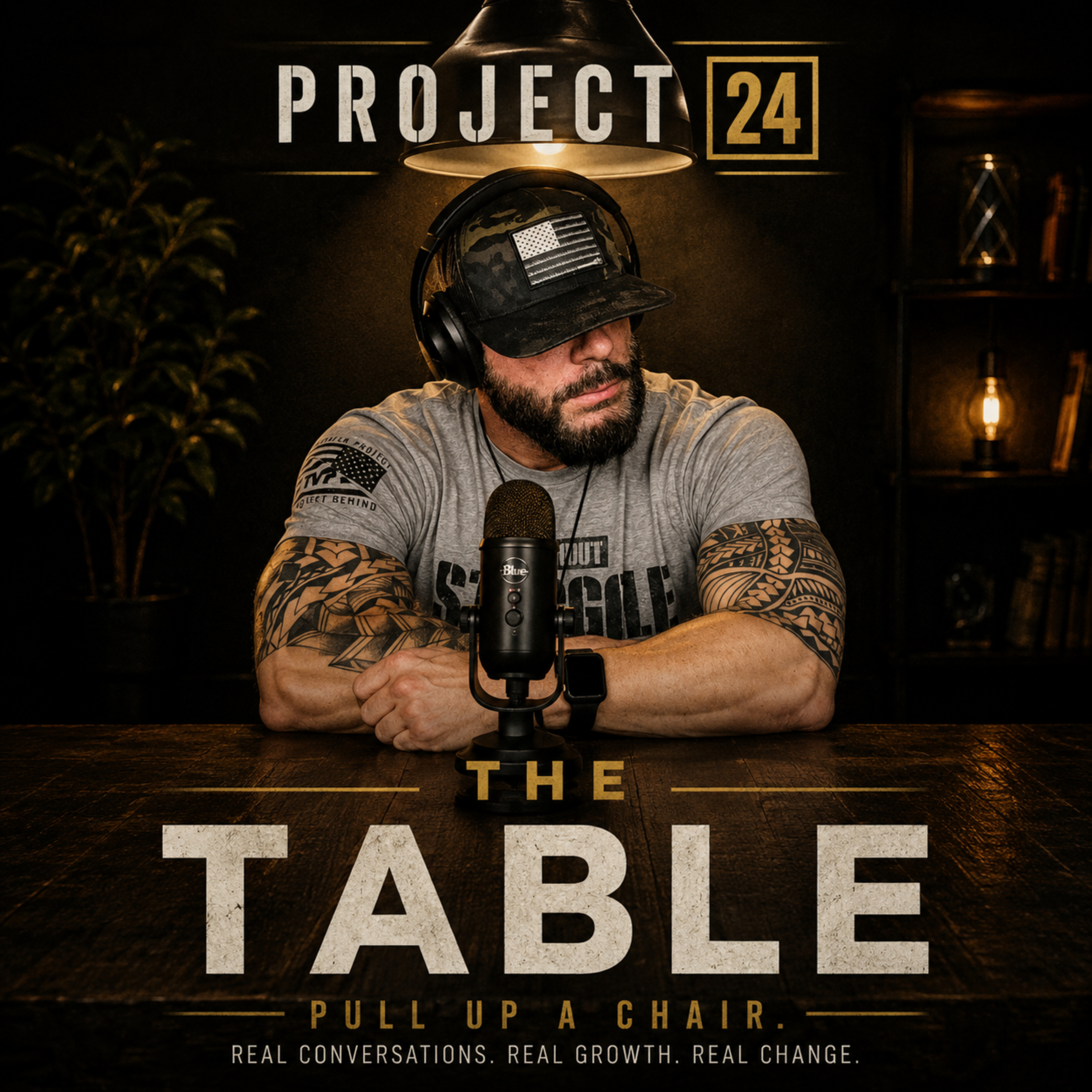 YOU’RE RELIEVED WHEN THEY LEAVE THE HOUSE | What permission does their absence give you that their presence takes away?The front door closes.The car pulls out of the driveway.And before you even realize it, your shoulders drop.You breathe differently. You turn the music up. You call the friend you avoid speaking to when your partner is home. For the first time all day, the house feels like yours.In this free episode, Dominic explores the difference between enjoying normal time alone and feeling like you can finally become yourself again when your partner leaves.This conversation examines the quiet ways a person can begin shrinking inside a relationship: changing an outfit before a comment is made, lowering the volume, avoiding certain calls, postponing projects, and adjusting to moods before anyone says a word.Relief is not automatically proof that a relationship is over.But it is information.Pay attention to what changes in your body, your behavior, and the atmosphere of the house when they leave—and what begins changing again when they return.Tomorrow inside The Table:You Don’t Want a Divorce. You Just Don’t Want to Live Like This Anymore.Pull up a chair! | — | ||||||
| 9/1/26 | YOU TOLD THEM. THEY JUST DIDN’T LISTEN. | The question is no longer whether they understand. The question is what they did after they understood.It is 9:43 at night.You are sitting behind a closed bathroom door, sending your friend another screenshot and asking:“Tell me if I’m crazy.”Your friend understands because they have heard the story before. They remember the first conversation, the apology, the promise, the two good weeks—and the same behavior returning again.In this free episode, Dominic speaks directly to the person who already tried to communicate. You changed the timing, softened the tone, shortened the message, and explained the pain in every way you knew how. Yet the conversation still became about your reaction instead of the behavior that caused it.This is not about finding another perfect explanation.It is about recognizing the difference between someone hearing your words and being willing to do something differently with what they heard.You are not crazy for needing another person to confirm what you experienced. You are not weak for staying longer than others understand. But eventually, you must ask:How many more times will I tell the same story before admitting the story is not changing?Tomorrow inside The Table:You Keep Calling It a Rough Patch. It’s Been Four Years.Pull up a chair. | — | ||||||
| 8/30/26 | THE URGE TO GO BACK IS NOT PROOF YOU BELONG THERE | Pain is not direction. Missing them does not mean you made the wrong decision.The urge to go back is not proof that you belong there.You can know the relationship was unhealthy and still miss the person. You can remember exactly what it cost you and still want to hear their voice. You can finally experience peace—and still feel tempted to trade it for a few minutes of familiarity.In this Sunday recap, Dominic closes the week’s conversation on emotional withdrawal, no contact, detachment and breaking the bond. He explains why immediate relief is not the same as lasting repair, how silence can feel uncomfortable after years of emotional intensity, and why missing someone should never be mistaken for evidence that the relationship was healthy.You will also learn how to pause when the urge hits, identify the feeling you are trying to escape, and evaluate the relationship through its established pattern—not its promises or potential.The bond may have been real.That does not mean you are supposed to return to it.Next week at Project 24 — The Table, we begin rebuilding identity after the relationship and ask:Who the hell are you now?Pull up a chair. | — | ||||||
| 8/27/26 | THE ART OF DETACHMENT: CARING WITHOUT GOING BACK | Detachment does not mean you stopped caring.It does not mean the relationship meant nothing, that every memory was fake, or that you need to hate someone before you can finally move forward.In this free episode, Dominic breaks down the difference between love and access, why no contact should create space rather than punishment, and how checking someone’s social media can keep an ended relationship emotionally alive.You can miss someone without contacting them. You can forgive without reopening the door. You can hope they heal without becoming responsible for their healing.Detachment is not making them insignificant.It is finally making your peace more significant.Friday inside The Table: Break the Bond Without Breaking Yourself.Pull up a chair. | — | ||||||
| 8/25/26 | WHEN YOU ALMOST TEXT THEM AGAIN | The urge is a feeling. It is not an instruction.At some point after a breakup, the phone ends up in your hand and their name is open.You know why you left. You remember what the relationship cost you. But in that moment, you do not always want the relationship back—you just want the pain to stop.In this free episode, Dominic breaks down why the urge to contact someone is often a search for temporary relief, not proof that you still belong together. He explores the pull of familiarity, the damage caused by monitoring an ex on social media, and why another conversation does not always create closure.You will also learn a simple 30-minute practice that can help you slow the impulse, identify what you are truly seeking, and protect your peace before one text reopens the entire cycle.You can miss somebody and still know they are not good for you.Tomorrow inside The Table: You Miss the Version of Them That Never Stayed.Available to subscribers on Spotify and Apple Podcasts.Pull up a chair. | — | ||||||
| 8/23/26 | The Relationship Survived. But Did You? | Sunday Recap | Some relationships survive because two people are willing to repair them.Others survive because one person keeps disappearing.In this Sunday recap, Dominic Michael examines the hidden cost of staying in a relationship that requires you to silence yourself, lower your standards, manage another person’s emotions, and slowly abandon your own identity just to maintain the appearance of peace.This conversation explores the difference between love and emotional survival. It breaks down what happens when you begin walking on eggshells, studying somebody’s tone, anticipating their moods, and changing yourself before conflict even begins.Dominic also addresses the exhaustion of overfunctioning—when one person becomes responsible for initiating every conversation, repairing every disagreement, carrying the emotional weight, and protecting their partner from accountability.You will hear why relief in someone’s absence is important information, why being chosen is not always validation, and why a relationship cannot be considered healthy when honesty is repeatedly followed by punishment, silence, defensiveness, or accusations.The relationship may have survived.Now it is time to ask whether you did.The difference between surviving and thriving in a relationshipHow your nervous system recognizes emotional dangerWhy walking on eggshells is not emotional safetyThe physical and emotional cost of overfunctioningHow competence can protect a partner from accountabilityWhy some people are more comfortable giving than receiving loveThe difference between being chosen and being valuedHow silence can become a form of self-abandonmentRecognizing emotional manipulation, control, and unpredictabilityWhy healthy love requires honesty, accountability, and boundaries“Some relationships survive because one person keeps disappearing.”“Sometimes it is your nervous system saying, ‘I have been here before.’”“Your silence did not make the relationship healthy. It made the dysfunction easier to manage.”“Being chosen by someone who requires you to disappear is not validation.”“The relationship may have survived. Now it is time to make sure you do.”Next week, Project 24 begins a new conversation:We are going deeper into lying by omission, secrecy versus privacy, betrayal before it becomes physical, modern dating, accountability, standards, and the truths people keep renaming because calling the behavior what it actually is would require a decision.Listen to Project 24: The Table on Apple Podcasts and Spotify. | — | ||||||
| 8/20/26 | YOU CHANGED THE OUTFIT TO AVOID THE COMMENT | When Their Reaction Starts Choosing for YouYou put on the outfit.Looked in the mirror.And actually felt good.Then you remembered the last comment.“Are you really wearing that?”“Who are you trying to impress?”“That’s a little much.”Before they even entered the room, you changed.Not because you stopped liking the outfit.Because their old reaction had already made today’s decision for you.In this free episode of Project 24: The Table, Dominic Michael explores how self-abandonment can begin through ordinary decisions that appear small—changing what you wear, lowering your voice, hiding an accomplishment, avoiding a friend, delaying a dream, or refusing to say what you actually want.This conversation is not really about clothing.It is about the moment somebody else’s reaction moves inside your head and starts choosing for you.Over time, you may become so skilled at preventing another person’s discomfort that they no longer have to directly control you. You begin anticipating the comment, the mood, the withdrawal, or the argument—and editing yourself before any of it happens.You call it compromise.But healthy compromise allows both people to remain present.Self-abandonment requires one person to disappear.How anticipation can become a powerful form of controlWhy self-erasure usually happens through small, repeated compromisesThe difference between healthy consideration and fear-driven complianceHow another person’s reaction can begin influencing your clothing, friendships, ambition, voice, and boundariesWhy becoming smaller rarely makes an insecure or controlling person satisfiedHow guilt can become a leash inside relationshipsWhy another person’s disappointment does not automatically mean you are wrongThe questions that reveal whether you are compromising—or disappearingHow to begin reclaiming your identity through small, honest decisionsDominic challenges listeners to ask one brutal question:Would I still make this choice if I were not afraid of their reaction?Healthy love can have preferences.It can disagree.It can experience disappointment.But healthy love does not require you to shrink so another person can remain comfortable.It makes room for a full person.Yesterday’s premium episode, What Did Being Chosen Cost You?, calculated the emotional, physical, financial, and personal price people pay to remain chosen inside relationships that require self-erasure.Tomorrow, the premium conversation continues with:Because taking your life back does not begin when they apologize.It begins when your own word starts meaning something to you again.Put the outfit back on.Not to provoke anybody.Not to prove a point.To make your own decision.Project 24: The TableTruth. Accountability. Standards. Service.Pull up a chair. | — | ||||||
| 8/16/26 | WHEN NOBODY NEEDS YOU, WHO ARE YOU? | Your worth should not require an emergency.What happens when the phone stops ringing, nobody is in crisis, and there is no one left to rescue?In this Sunday recap, Dominic examines what happens when being needed becomes your identity—and why peace can feel like rejection when chaos was the only place you ever felt important.This conversation explores the difference between helping and rescuing, the exhaustion created by overfunctioning, and why healthy love removes the job description that required you to earn your place through sacrifice.You are not responsible for turning someone else’s potential into reality. You do not need an emergency to prove that you matter. And you do not have to be needed to be loved.Next week at Project 24 — The Table, we begin a new arc on withdrawal, no contact, the text you almost send, and why missing someone does not mean you made the wrong decision.Pull up a chair. | — | ||||||
| 8/13/26 | YOU KEEP CHOOSING PEOPLE WHO NEED SAVING | Some of you are not choosing partners. You are choosing assignments.Every person you feel deeply connected to needs rescuing, rebuilding, financing, motivating, forgiving, convincing, healing, or carrying.They always have potential.They are just going through something.Nobody has ever loved them correctly.And you keep believing that once they heal, become responsible, or finally see what you see in them, the relationship will become what you always hoped it could be.But here is the harder question:Would you still want them if there were nothing left for you to fix?In this free episode of Project 24, Dominic Michael examines why being needed can feel safer than being fully seen—and how the rescuer role can quietly become your identity inside relationships.Because when somebody needs saving, you know exactly what to do.You listen.Advise.Provide.Forgive.Sacrifice.You become useful.But when someone healthy arrives—someone who communicates, takes responsibility, respects boundaries, and can manage their own life—they may not give you a job.And instead of feeling relieved, you may feel like something is missing.Maybe what is missing is not chemistry.Maybe what is missing is chaos.This episode explores:Why some people repeatedly choose partners who arrive with a crisis attachedThe difference between supporting someone and rescuing themHow overfunctioning can protect another adult from accountabilityWhy loyalty without boundaries can become permissionWhy potential is not the same thing as a relationshipHow being indispensable to someone’s dysfunction can be mistaken for loveWhy stable, healthy partners may initially feel less excitingWhat the rescuer receives emotionally from always being neededThe question that exposes the entire pattern: Would you still choose them if they no longer needed you?Supporting someone through a difficult season is part of love.But there is a difference between carrying someone through a storm and carrying an adult who refuses to learn how to walk.Being indispensable to somebody’s dysfunction is not the same as being cherished inside a healthy relationship.The public conversation helps you recognize the assignment.Tomorrow, inside Project 24: The Table, we answer the deeper question:What happens when someone healthy arrives and does not need rescuing?Can you receive support without feeling weak?Can you accept kindness without immediately trying to repay it?Can you remain inside peace without calling it boring?Or will you overgive, create problems, search for flaws, or emotionally withdraw because healthy love has removed the role that once made you feel valuable?Inside The Table, we are breaking down why receiving can feel more vulnerable than rescuing, why overgivers sometimes sabotage reciprocal relationships, and how to participate in love without proving, performing, overfunctioning, or earning your place.Because being needed may make you feel important.But healthy love should not require somebody else to remain broken for you to feel whole.To continue the conversation on Spotify, open the locked episode and tap Learn More.Apple listeners can experience The Table free for seven days.Pull up a chair. Your seat is waiting inside The Table | — | ||||||
| 8/11/26 | WHEN THE PHONE STOPS RINGING | Who Are You When Nobody Needs You?What happens when nobody calls?Nobody needs advice.Nobody needs money.Nobody has an emergency.Nobody needs you to fix, rescue, carry, or solve anything.Everything is finally quiet.So why doesn’t it feel peaceful?In this free episode of Project 24: The Table, Dominic Michael explores how being needed can quietly become the foundation of your identity—and why the absence of crisis can leave you feeling restless, invisible, or without purpose.For some people, urgency feels safer than peace because urgency provides instructions. It tells you exactly what to fix, who to help, and where you are needed. Peace is different. Peace asks a much harder question:What do you want when nobody else is making a demand?This conversation examines the difference between healthy interdependence and building your self-worth around being indispensable. Dominic challenges listeners to consider whether they are genuinely loved for who they are—or primarily valued for what they provide.You will also hear why constant rescuing can prevent true intimacy, how over-functioning teaches other people to under-function, and why silence may not mean you have been forgotten. It may be the first opportunity you have had in years to finally hear your own voice.Because your value was never created by the emergency.The emergency only gave you a role.Your value existed before the phone rang—and it still exists when the phone goes quiet.Why being needed can become an unhealthy source of identityWhy peace may feel uncomfortable after years of urgency and chaosThe difference between being loved and being depended uponHow rescuing others can protect you from confronting your own needsWhy boundaries are necessary for healthy service and relationshipsHow silence and solitude can become opportunities for self-discoveryThe questions that help you rebuild an identity beyond crisisWhat do you do when nobody needs you?Do you rest—or start searching for another problem?Do people know your heart, or only your function?Would the relationships in your life remain if you stopped fixing, paying, advising, carrying, and rescuing?And when nobody needs you, do you feel peaceful—or invisible?Give yourself ten quiet minutes today.No scrolling.No checking notifications.No creating another reason to be needed.Then answer these questions honestly:What am I feeling right now?What do I need right now?What do I want when nobody else is making a demand?What part of my life have I neglected while staying busy with everyone else’s needs?Finish this sentence:When nobody needs me, I feel…Do not write what sounds healthy.Write what is true.Yesterday’s premium episode, When Being Needed Became Your Identity, explores how people become the fixer, rescuer, provider, and emotional first responder—and why usefulness can begin to feel safer than simply being loved.Tomorrow, the premium conversation continues as we discuss how to rebuild a life that does not require a crisis to provide purpose, value, or identity.Listen to the complete premium conversations at Project 24: The Table, available on Spotify and Apple Podcasts.This episode ends here. The conversation doesn’t.Pull up a chair. | — | ||||||
Want analysis for the episodes below?Free for Pro Submit a request, we'll have your selected episodes analyzed within an hour. Free, at no cost to you, for Pro users. | |||||||||
| 8/4/26 | WHEN ONE PERSON’S MOOD CONTROLS THE WHOLE HOUSE | This episode explores the emotional dynamics within ahousehold, focusing on how unpredictability and emotional management affect relationships and personal well-being. Dominic Michael discusses the importance of emotional safety, honest communication, and recognizing patterns ofemotional exhaustion.Key TopicsReading the emotional atmosphere in a homeThe difference between managing and communicatingThe effects of emotional unpredictabilitySigns of emotional exhaustion and self-abandonmentThe importance of honesty and respect inrelationshipsTakeawaysEmotional unpredictability creates tension even without visible conflict.Managing a partner's mood is not the same as honest communication.Silent treatment and emotional withdrawal are forms of control.Your body reacts to emotional stress long before you realize.Recognizing patterns of emotional exhaustion is the first step to change. | — | ||||||
| 7/30/26 | How Unhealed Trauma Sabotages Love | Dominic Michael explores how unhealed trauma from past relationships can negatively impact new relationships, emphasizing the importance of healthy boundaries, pattern recognition, and personal accountability. Key TopicsImpact of past trauma on new relationshipsHealthy boundaries vs controlPattern recognition and trust buildingOwnership of fears and feelingsSigns of untrustworthy behavior TakeawaysYour trauma is valid but not a license for false accusations.Trust should grow through consistency, not suspicion.Pattern recognition is key to healthy trust.Own your fears without projecting past hurts.Healthy boundaries protect peace, control seeks to remove discomfort. | — | ||||||
| 7/20/26 | motivationchange+5 | — | — | — | motivationcommunity+5 | — | 22m 03s | ||
| 7/13/26 | relationshipscharacter+4 | — | — | — | characterchemistry+5 | — | 23m 12s | ||
| 3/15/26 | integrityrelationships+4 | — | — | — | relationshipsintegrity+4 | — | 9m 50s | ||
| 12/19/25 | entitlement in datingtransactional relationships+3 | — | — | — | entitlementdating+5 | — | 9m 02s | ||
| 12/17/25 | dating claritymodern relationships+4 | — | — | — | ambiguitycommitment+5 | — | 11m 51s | ||
| 12/9/25 | small talkemotional connection+4 | — | — | — | first datesmeaningful conversation+4 | — | 6m 40s | ||
| 12/2/25 | emotional intelligencerelationships+4 | — | — | — | emotional intelligenceself-awareness+3 | — | 13m 34s | ||
| 10/6/25 | accountabilityrelationships+3 | — | — | — | accountabilitylove+5 | — | 9m 01s | ||
| 8/19/25 | relationshipsself-awareness+4 | — | — | — | relationshipsself-awareness+5 | — | 9m 46s | ||
| 8/7/25 | emotional healingself-empowerment+3 | — | — | — | grieflove+3 | — | 11m 17s | ||
| 6/8/25 |  YOU CAN'T HEAL WHAT YOU ARE STILL ENTERTAINING | In this conversation, Dominic Roti explores the theme of breaking free from the past and embracing personal growth. He emphasizes the importance of recognizing that being stuck is often rooted in fear rather than an inability to move forward. Roti provides actionable steps for healing, such as writing a 'burn letter' and changing one's environment, while encouraging listeners to take ownership of their narratives and redefine their identities beyond past traumas.TakeawaysStop romanticizing what almost destroyed you.You're not stuck, you're scared.You don't owe loyalty to a season that tried to break you.The past doesn't define you, it reveals you.Healing doesn't feel like clarity at first.You can't heal in the same room where you lost yourself.The past is not coming back.You're the damn author now.Choose yourself daily.Healing is messy as fuck, but staying stuck is a choice. | — | ||||||
| 12/30/24 |  Low Values, Low Ceilings: Elevating Your Energetic Frequency | SummaryIn this episode, Dominic Michael discusses the impact of low values on personal energy and life outcomes. He emphasizes the importance of identifying and raising personal standards to elevate one's frequency and attract better opportunities. The conversation challenges listeners to confront their current values, recognize self-sabotaging behaviors, and take actionable steps towards personal growth and empowerment. | — | ||||||
| 12/13/24 |  Being alone doesn't mean being lonely. | In this conversation, Dominic Roti explores the patterns of relationship jumping, emphasizing the importance of self-reflection and solitude. He discusses the emotional exhaustion that comes from moving too quickly between relationships and the need to build a healthy relationship with oneself. Roti shares insights from his personal journey, the significance of self-validation, and the benefits of taking time off from dating to reconnect with one's identity and passions. He also recommends various resources and emphasizes the necessity of therapy for personal growth and healing.TakeawaysMany people struggle with the pattern of jumping from relationship to relationship without taking time to heal.Avoiding loneliness can lead to emotional exhaustion and unhealthy relationship dynamics.External validation can become addictive, leading to a loss of self-identity.Taking a break between relationships allows for self-reflection and personal growth.Understanding one's needs and patterns is crucial for healthier future relationships.Self-worth should come from within, not from others.Enjoying solitude can strengthen self-identity and self-acceptance.Therapy can provide a safe space to unpack past experiences and build healthier relationships.Investing time in self-care and personal interests is essential for self-discovery.Building a solid foundation with oneself is necessary for any future relationships. | — | ||||||








Showing 25 of 39
Pitch Fit is a Pro feature
See how bookable this show is for guests, which brands already advertise, the per-episode ad value, and the best-fit guest and sponsor profile. The numbers are blurred on the free plan.
How readily this show books outside guests like you.
How proven this show is for host-read sponsorships.
For Guests
ProFor Advertisers
ProUpgrade to Pro to unlock guest cadence, sponsor categories, fit scores, and per-episode ad value for this show.
Chart history for PROJECT 24: Break Free, Heal, and Thrive
Peaked at #93 in Norway, currently #93 in Norway.
| Market | Genre | Peak | Current | Trend |
|---|---|---|---|---|
| Norway | — | #93 | #93 | — |
Chart Positions
1 placement across 1 market.
Chart Positions
1 placement across 1 market.