
Insights from recent episode analysis
Audience Interest
Podcast Focus
Publishing Consistency
Platform Reach
Insights are generated by CastFox AI using publicly available data, episode content, and proprietary models.
Total monthly reach
Estimated from 8 chart positions in 8 markets.
By chart position
- 🇦🇺AU · Life Sciences#1325K to 30K
- 🇬🇧GB · Life Sciences#1635K to 30K
- 🇰🇷KR · Life Sciences#6910K to 30K
- 🇩🇰DK · Life Sciences#4010K to 30K
- 🇨🇭CH · Life Sciences#793K to 10K
- Per-Episode Audience
Est. listeners per new episode within ~30 days
12K to 46K🎙 Daily cadence·120 episodes·Last published 2d ago - Monthly Reach
Unique listeners across all episodes (30 days)
40K to 153K🇦🇺20%🇬🇧20%🇰🇷20%+5 more - Active Followers
Loyal subscribers who consistently listen
16K to 61K
Market Insights
Platform Distribution
Reach across major podcast platforms, updated hourly
Total Followers
—
Total Plays
—
Total Reviews
—
* Data sourced directly from platform APIs and aggregated hourly across all major podcast directories.
On the show
Recent episodes
Episode 36: Financing a First-of-a-Kind: How Growth-Stage Fermentation Companies Bridge the Capital Gap In Partnership with Unibio
Jun 10, 2026
1h 02m 07s
Episode 41: Kjeldahl versus Dumas: Rethinking Protein Measurement for Next-Generation Foods In Partnership With Xylem/Gerhardt
Jun 5, 2026
1h 05m 21s
Special Episode: Federico Duarte & Norman Gierow - NXW & SIG
May 20, 2026
28m 08s
Special Episode: Katharina Burdorf & Pia Meinlschmidt - Hydrosol & Planteneers
May 13, 2026
39m 36s
Special Episode: Alex Devereux - ANDFOODS
May 6, 2026
32m 38s
Social Links & Contact
Official channels & resources
Official Website
Login
RSS Feed
Login
| Date | Episode | Description | Length | ||||||
|---|---|---|---|---|---|---|---|---|---|
| 6/10/26 |  Episode 36: Financing a First-of-a-Kind: How Growth-Stage Fermentation Companies Bridge the Capital Gap In Partnership with Unibio | Powered by Protein Production Technology InternationalBuilding a successful fermentation company is one thing. Financing a commercial-scale facility is another entirely.In this episode of the Protein Production Technology International podcast, Diana Rucinschi of the European Innovation Fund, David Ziskind of Mach Global Advisors, Aakriti Mehta of Channel Capital Advisors, and Spencer White of Unibio joined host Nick Bradley to tackle one of the industry's biggest challenges: bridging the capital gap between pilot success and industrial deployment.The panel explored why venture capital alone cannot fund the next generation of fermentation infrastructure, what lenders and project financiers need to see before committing capital, and how companies can combine equity, debt, strategic partnerships, offtake agreements, and public-private funding to unlock growth.From becoming genuinely 'finance-ready' to reducing risk for investors and infrastructure partners, the discussion offered a practical look at how fermentation companies can move beyond promising technology and into commercial-scale manufacturing.A must-listen for founders, investors, CFOs, and anyone involved in scaling fermentation from demonstration to industrial reality. | 1h 02m 07s | ||||||
| 6/5/26 |  Episode 41: Kjeldahl versus Dumas: Rethinking Protein Measurement for Next-Generation Foods In Partnership With Xylem/Gerhardt | Powered by Protein Production Technology InternationalA protein ingredient is only as valuable as the data behind it. But as alternative proteins become more diverse, accurately measuring protein content is becoming increasingly complex.In this episode of the Protein Production Technology International podcast, Nick Bradley was joined by Bryan Tracy of Superbrewed Food, Muyiwa Akintoye of Planetary, Abhishek Bhattacharya of RISE Research Institutes of Sweden, Dr Lukas Brieger of C. Gerhardt GmbH, and Michelle Kuzio of Xylem Lab Solutions to explore one of the industry's most important - and often overlooked - challenges: determining what protein is actually present in next-generation foods.The discussion examined why traditional protein measurement methods can produce unexpected results when applied to plant proteins, microbial biomass, fermentation-derived ingredients, and other emerging food systems. The panel explored the implications of non-protein nitrogen, complex ingredient compositions, and the analytical decisions that can significantly influence reported protein values.The speakers also compared the strengths and limitations of Kjeldahl and Dumas methodologies, discussing how laboratories balance accuracy, speed, automation, safety, and sustainability when selecting analytical approaches. The conversation highlighted why protein measurement is not simply a laboratory exercise, but a critical factor in product development, labeling, regulatory compliance, and commercial credibility.From analytical validation and scale-up to the future of protein characterization, the episode offered practical insights into the science underpinning the alternative protein industry.A must-listen for food scientists, analytical laboratories, ingredient manufacturers, quality assurance professionals, regulatory specialists, and anyone working to bring next-generation protein products to market. | 1h 05m 21s | ||||||
| 5/20/26 | 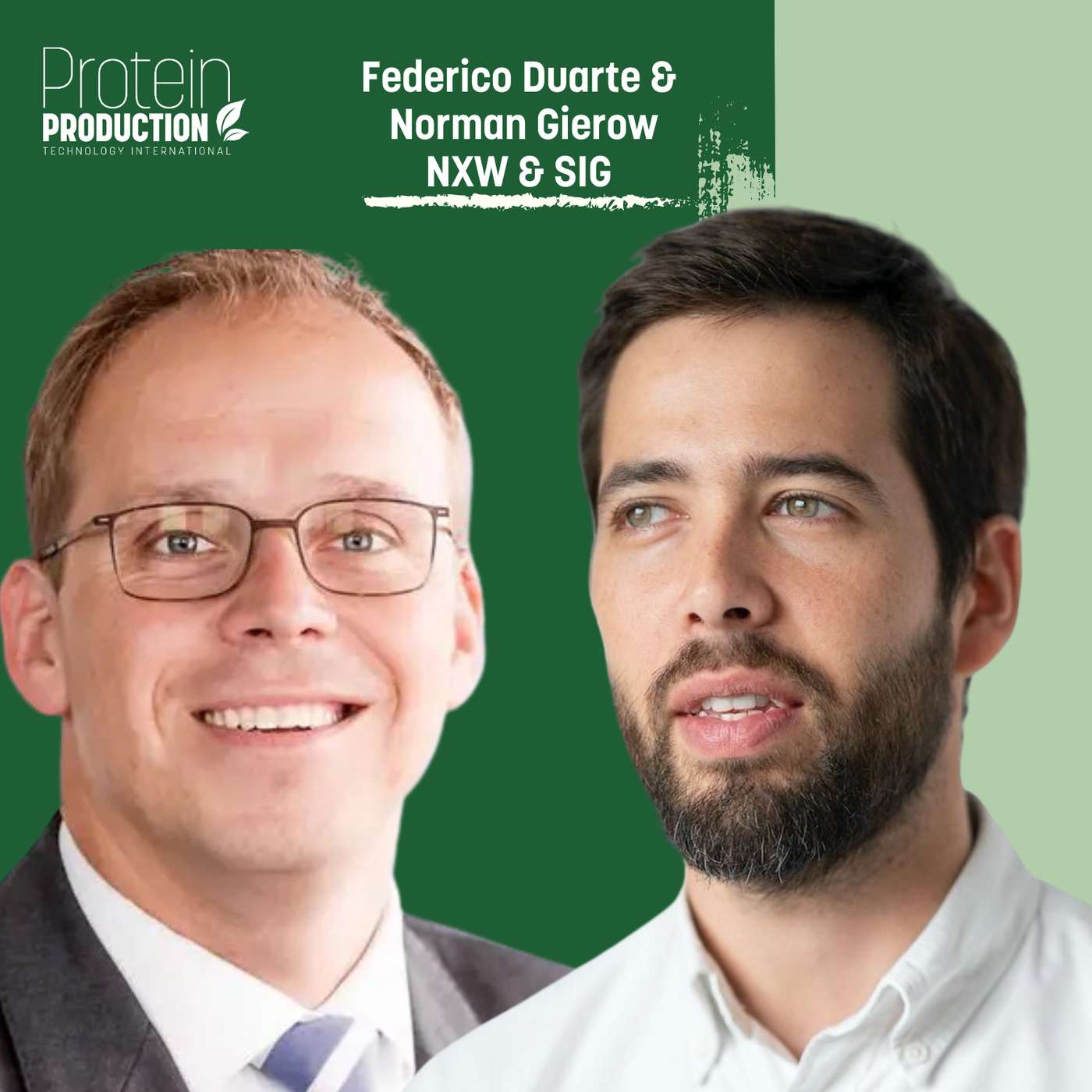 Special Episode: Federico Duarte & Norman Gierow - NXW & SIG | In this episode of the PPTI podcast, Federico Duarte, CEO of Nutrition from Water, and Norman Gierow, Director of Global Customer Marketing at SIG, discussed a new partnership focused on delivering affordable, sustainable protein at scale.They introduced Marine Whey, a platform built on microalgae-derived proteins, and explained how the approach is designed to deliver high digestibility, neutral taste, and broad functionality across applications including beverages, baked goods, and powders. The conversation highlighted why affordability remains central to addressing global nutrition challenges, particularly in emerging markets, and how biomass fermentation could help lower the cost of protein compared to traditional sources.Gierow also outlined the role of aseptic packaging in enabling shelf-stable products with extended shelf life, supporting distribution without refrigeration while contributing to sustainability goals.Together, they emphasized the importance of collaboration between ingredient developers, packaging companies, and consumer brands to accelerate access to nutritious, climate-friendly protein on a global scale.Powered by Protein Production Technology International | 28m 08s | ||||||
| 5/13/26 |  Special Episode: Katharina Burdorf & Pia Meinlschmidt - Hydrosol & Planteneers | In this episode of the PPTI podcast, Katharina Burdorf of Hydrosol and Pia Meinlschmidt of Planteneers explored the rapidly evolving world of hybrid proteins.They discussed how combining conventional meat with plant-based or cultivated ingredients can deliver improvements in nutrition, sustainability, and sensory performance, while also helping address cost and scalability challenges. A key theme was consumer perception, with Burdorf noting that the term 'hybrid' can be confusing unless it is communicated as a natural upgrade rather than a compromise.Meinlschmidt focused on the importance of future-proofing plant-based formulations so they can integrate seamlessly with cultivated fats and cells as they become commercially viable, highlighting their potential to enhance juiciness, flavor, and clean-label positioning.Together, they outlined how hybrid formats could act as a practical, near-term bridge toward more sustainable diets, with success depending on strong technical functionality, regulatory progress, and clear, effective communication.Powered by Protein Production Technology International | 39m 36s | ||||||
| 5/6/26 |  Special Episode: Alex Devereux - ANDFOODS | In this episode of the PPTI podcast, Alex Devereux, CEO at Andfoods, shared how the company is reimagining dairy alternatives for foodservice.Based in New Zealand and expanding rapidly across Asia, Andfoods is focused on developing next-generation plant-based products that deliver on functionality, taste, and scalability. The conversation explored the challenges of creating alternatives that work seamlessly in professional kitchens, where performance is just as critical as flavor.Devereux also outlined the company’s broader mission to meet growing demand for high-quality, sustainable dairy-free options, while ensuring products can be used reliably across diverse foodservice environments.Powered by Protein Production Technology International | 32m 38s | ||||||
| 4/29/26 |  Special Episode: Severin Eder - Catchfree | In this episode of the PPTI podcast, Severin Eder, co-founder of Catchfree, reflected on the company’s rapid first year and the journey from pilot scale to commercially ready alternative seafood products in just 12 months.He shared how a combination of expertise in gastronomy and food science helped the team move quickly, while staying focused on product quality and consumer experience. The conversation explored key lessons from that fast-track launch, including the importance of team alignment and making clear, confident decisions early on.Eder also highlighted the role of creating genuine 'wow moments' for consumers, and how delivering on taste and experience is central to Catchfree’s ambition to redefine seafood without compromise.Powered by Protein Production Technology International | 23m 29s | ||||||
| 4/22/26 |  Episode 28: Microorganisms Unleashed: The Future of Alternative Proteins Starts in the Fermenter In Partnership with Angel Yeast | In this episode of the PPTI podcast, Nick Bradley was joined by Florian Viton, SVP Global Head of Strategic Innovation at CJ Foods; Robyn Eijlander, Program Manager Cellular Agriculture and Science Innovation Manager at NIZO; Spencer Nie, Senior Engineer at the Yeast Protein Research Institute at Angel Yeast; Adam Leman, Lead Scientist, Fermentation at The Good Food Institute; Winston Sun, Global Product Manager at Angel Yeast Europe; and Sunil Sukumaran, Chief Technology Officer at Perfect Day, to explore how microorganisms are shaping the future of sustainable protein.The discussion focused on the growing role of microbial proteins derived from yeast, fungi, bacteria, and microalgae, and how advances in fermentation are enabling scalable, nutritious, and environmentally efficient alternatives to traditional protein sources. Speakers examined the science behind these systems, including their amino acid profiles, digestibility, and functional performance across a range of food applications.The conversation also addressed the realities of scaling microbial protein production, from process optimization and cost reduction to navigating regulatory pathways. Alongside this, the panel explored how fermentation technologies are opening new opportunities across food, beverage, and nutrition, supported by increasing investment and industry interest.A key theme throughout was the balance between innovation and practicality, with a focus on how microbial proteins can move from promising technology to commercially viable ingredients that meet both industry and consumer expectations.Together, the discussion highlighted why microorganisms are becoming central to the next generation of protein production, as the sector looks for solutions that combine performance, scalability, and sustainability.Powered by Protein Production Technology International | 1h 03m 24s | ||||||
| 4/15/26 |  Special Episode: Alejandro Marangoni - University of Guelph | In this episode of the PPTI podcast, Dr Alejandro Marangoni, Professor at the University of Guelph, explored how the food industry understands the roles of fats and proteins in next-generation food systems.Drawing on decades of research at the intersection of functionality, nutrition, and sustainability, he unpacked the challenges of replacing animal fats and dairy proteins with plant-based alternatives. The conversation examined how concerns around consumer health, palm oil, and biodiversity have driven the search for more sustainable fat and protein solutions, and why innovation in this space needs to consider the entire food matrix, not just individual ingredients.Marangoni also addressed some of the biggest misconceptions in plant-based dairy, including the assumption that all alternatives match the nutritional profile of traditional dairy. While he noted that achieving comparable nutrition is possible, he emphasized that many current products still fall short.Powered by Protein Production Technology International | 42m 44s | ||||||
| 4/8/26 |  Special Episode: Roee Nir - Forsea | In this episode of the PPTI podcast, Roee Nir, CEO and co-founder of Forsea, discussed the company’s mission and its role in shaping the future of alternative proteins.He shared how Forsea is approaching the development of next-generation seafood, and how the team is navigating both technical challenges and consumer expectations in a category that is still taking shape. The conversation explored the importance of pairing scientific innovation with clear, effective communication, particularly as companies work to explain complex technologies to a wide range of audiences.Roee also highlighted the role of storytelling across different formats, from written articles to podcasts and video, and why translating technical breakthroughs into accessible messages is critical for engaging consumers, partners, and policymakers.Together, the discussion offered insight into how Forsea is working toward scalable, sustainable seafood solutions that can meet growing global demand while reducing pressure on ocean ecosystems.Powered by Protein Production Technology International | 24m 49s | ||||||
| 3/25/26 |  Episode 35: From the Strain to Scale-up: How to Secure Scaling Up With a Biofoundry In Partnership with Beckman Coulter | In this episode of the PPTI podcast, host Nick Bradley was joined by Olivier Galy, Chief Technology Officer at Toulouse White Biotechnology (TWB), and Maria Savino, Global Segment Development Manager at Beckman Coulter Life Sciences, to discuss how automation and high-throughput workflows are helping accelerate the path from strain development to scale-up.The conversation explored the growing role of biofoundries as R&D becomes more complex, and how these environments bring together data integration, miniaturization, and standardized workflows to reduce both risk and cost. Savino outlined how modern laboratory tools support DNA assembly, screening, and early-stage optimization, while Galy explained how these systems allow teams to explore larger design spaces, improve strain performance, and better prepare for industrial conditions.They also discussed how companies can adopt automation in a practical way without disrupting existing infrastructure, and why aligning strain engineering, screening, and process design from the outset is critical to achieving smoother industrialization.Powered by Protein Production Technology International | 59m 13s | ||||||
Want analysis for the episodes below?Free for Pro Submit a request, we'll have your selected episodes analyzed within an hour. Free, at no cost to you, for Pro users. | |||||||||
| 3/24/26 |  Episode 34: What’s At Stake When Sustainable Food Isn’t Safe? in Partnership with Merck | In this episode of the PPTI podcast, Nick Bradley was joined by Ida Aabrandt Søndergaard, Head of Global Regulatory Affairs at Solar Foods; Sam Santiago, Global Product Manager Innovation F&B IPLCM at Merck; Sarah (Sally) Powell-Price, Regulatory Affairs SME at MilliporeSigma; and Naya McCartney, Regulatory Safety Scientist at Vow, to explore one of the most critical challenges facing alternative proteins: food safety.As the industry moves toward scale, the discussion focused on how safety frameworks must evolve alongside innovation. From novel ingredients and cell lines to precision-fermented fats and functional proteins, the panel examined how companies can ensure robust safety standards without slowing down development.The conversation covered emerging risks across different production platforms, the realities of navigating global regulatory expectations, and the importance of building safety and quality systems that can scale with production. The speakers also explored how lessons from traditional food and biopharma sectors can be applied to next-generation protein companies, particularly when it comes to data integrity, traceability, and contamination control.A key theme throughout was the need to integrate safety considerations early in R&D, rather than treating them as a downstream requirement. The panel also addressed how companies can communicate safety clearly and transparently to regulators and consumers, helping to build trust as new products reach the market.Together, they provided a practical view of how the industry can balance speed, innovation, and responsibility as it works toward delivering safe, scalable, and sustainable food systems.Powered by Protein Production Technology International | 1h 01m 08s | ||||||
| 1/22/26 |  Episode 29: Building Better Nutrition: A Systems View on Innovation, Sustainability & Functionality In Partnership with PFX Biotech | In this episode of the PPTI Podcast, experts from research, biotechnology, and food innovation discussed how systems thinking could help reshape the future of nutrition. The panel included Annick Verween of VIB; Ali Osman, Diana Oliveira, and Harry Barraza of PfX Biotech; Amy Williams of The Good Food Institute Europe; Filipa Soares of Cell4Food; and David Laubner of Sennos.The conversation explored the role of precision fermentation, the importance of shared standards and metrics, and how digital and sensor technologies are improving production efficiency. Panelists also discussed the potential of bioactive ingredients and the need for closer collaboration across science, technology, regulation, and markets to support scalable, sustainable food systems.Powered by Protein Production Technology International | 1h 03m 27s | ||||||
| 1/20/26 | 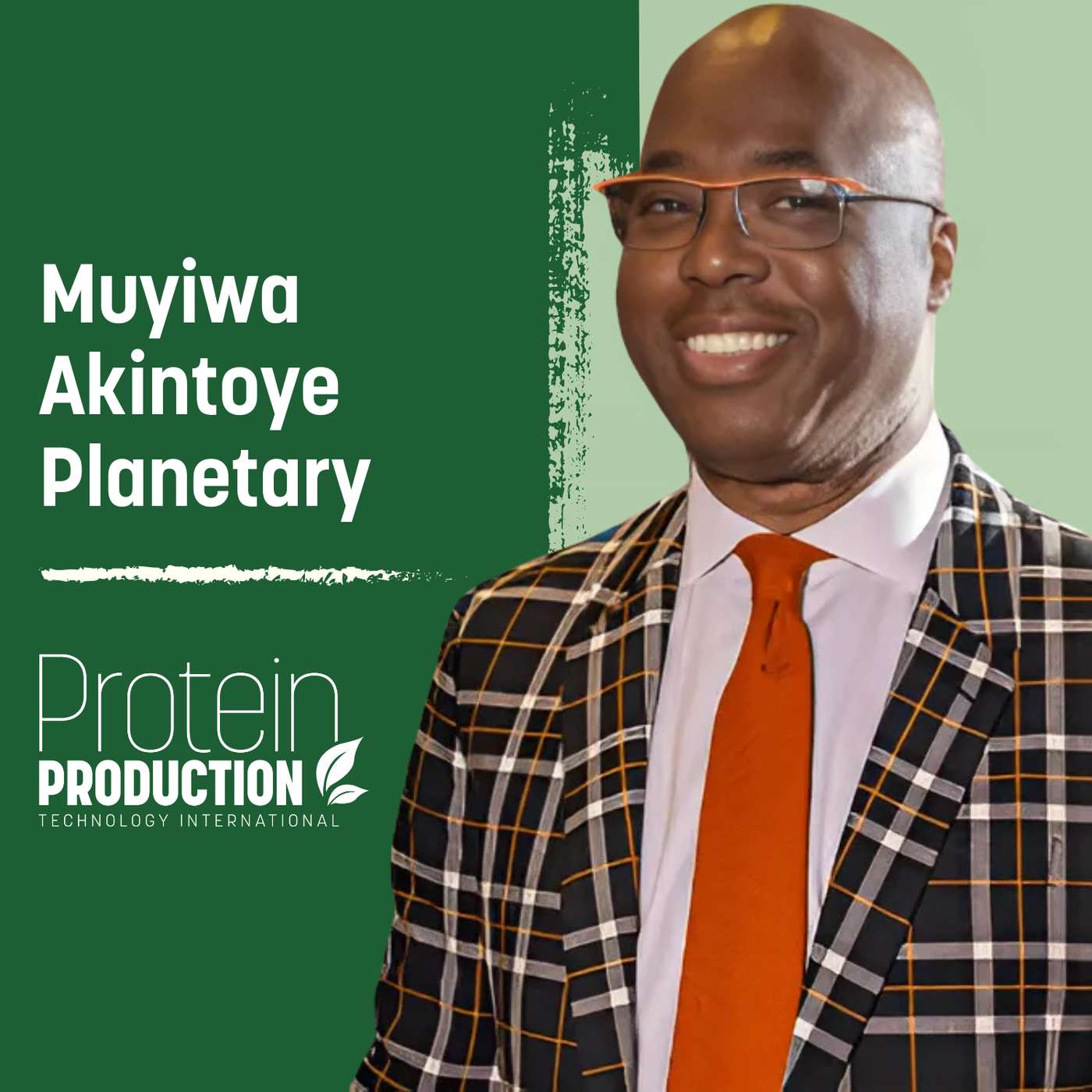 Special Episode: Muyiwa Akintoye - Planetary | In this episode of the PPTI Podcast, Dr Muyiwa Akintoye, Chief Product Officer at Planetary, discussed the opportunities and challenges involved in developing mycoprotein-based foods. He explained the need to balance nutrition with taste and texture, outlining how growth conditions, strain selection, and fermentation control influence flavor development.Dr Akintoye also addressed strategies for reducing off-notes, the impact of clean-label expectations, and lessons drawn from the evolution of plant-based and dairy alternatives. He explored the structural properties of mycoproteins, including fiber alignment and downstream processing, and how these factors contribute to the fibrous texture and bite associated with animal protein.Throughout the conversation, he emphasized the role of ingredient design and process optimization in ensuring mycoprotein products meet consumer expectations for quality, taste, and sustainability.Powered by Protein Production Technology International | 25m 37s | ||||||
| 1/15/26 | 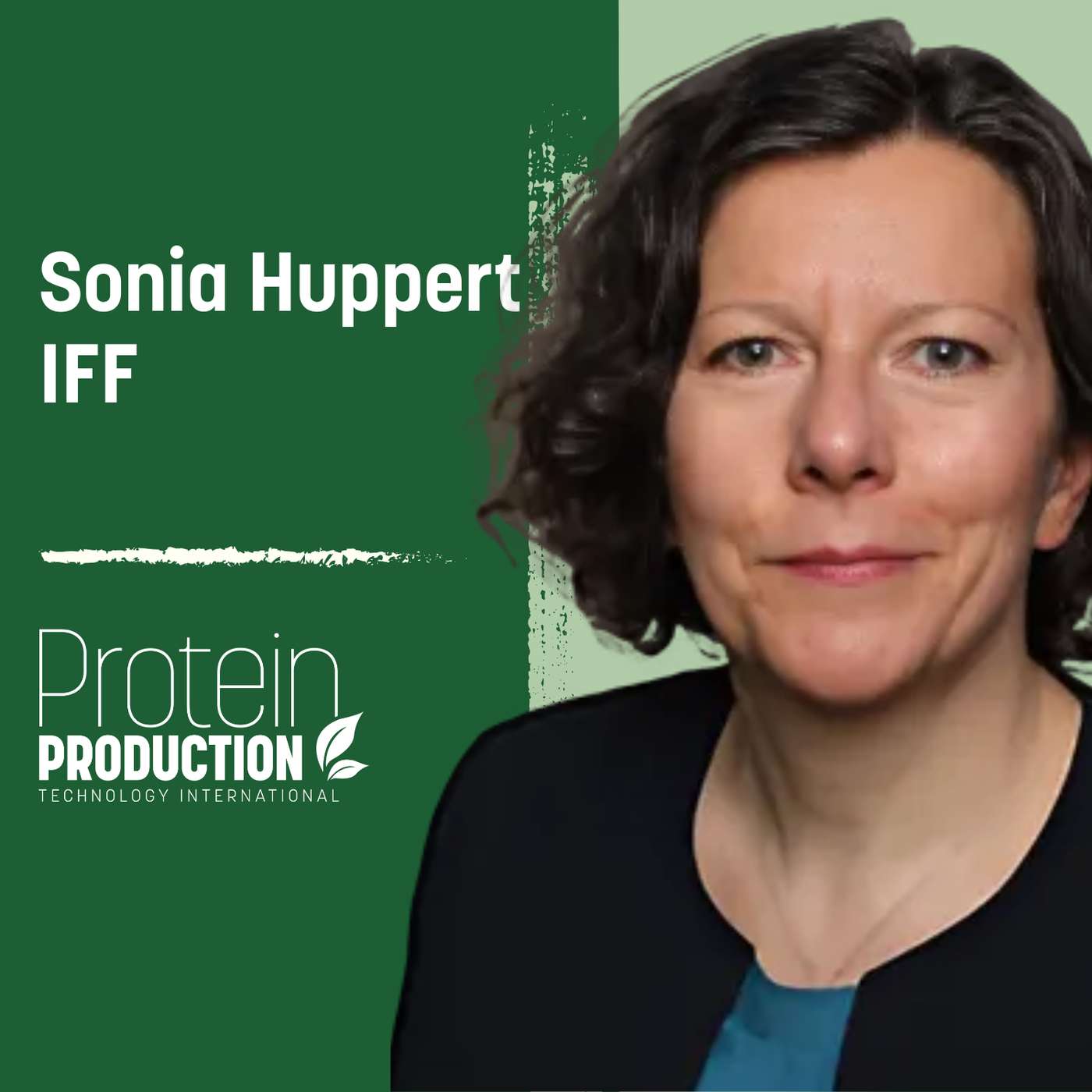 Special Episode: Sonia Huppert - IFF | In this episode of the PPTI Podcast, Sonia Huppert, Global Innovation Marketing Leader at IFF, discussed how the company was redefining sensory experiences for alternative proteins. She outlined how IFF combined consumer insights, AI, and advanced taste modulation technologies to optimize flavor, texture, and mouthfeel across plant-based, fermentation-derived, and cell-based proteins.Huppert also addressed the ongoing challenge of replicating juiciness, succulence, and authentic flavor, and explained why multi-sensory experiences were critical to consumer acceptance. She highlighted how emerging innovations were supporting the development of high-protein products that delivered on taste, health, and enjoyment.Powered by Protein Production Technology International | 23m 21s | ||||||
| 1/13/26 |  Episode 30: Patents on a Plate: Protecting Innovation in Alternative Proteins In Partnership with Mathys & Squire | In this episode of the PPTI Podcast, experts from intellectual property, biotechnology, and investment examined how companies in alternative proteins can navigate the patent landscape as the sector matures. The discussion featured Gilbert Verschelling, CTO of The Protein Brewery; Tim Fronzek, Co-founder and CEO of Nosh.bio; Casey Lippmeier, CTO of Checkerspot; Andrew Tindall and Kerry Rees of HGF; and Andrew D Ive, Founder and Managing General Partner at Big Idea Ventures.The conversation explored why intellectual property has become central to securing investment, forming partnerships, and protecting competitive advantage. Panelists discussed what types of innovations can and cannot be patented, the role of robust data in supporting claims around taste and texture, and how companies balance patents with trade secrets.The episode also addressed the commercial value of process patents, strategies for navigating prior art, and why establishing a clear IP strategy early is critical for startups operating across fermentation, alternative proteins, and food biotechnology.Powered by Protein Production Technology International | 1h 05m 05s | ||||||
| 1/8/26 |  Episode 27: From Tech to Table: Making Plant Protein Work for Real Food and Real Consumers In Partnership With Happy Plant Protein | In this episode of the PPTI Podcast, the conversation focuses on how to make plant proteins work for both real food and real consumers. Host Nick Bradley is joined by experts from Happy Plant Protein, VTT, Bühler, and Planted to explore how innovation, functionality, and consumer expectations intersect in the next phase of plant-based development.The panel discusses how cost-effective processes and simplified formulations can reduce complexity without compromising nutritional or sensory quality. They examine consumer priorities – from taste and affordability to clean-label appeal – and highlight the importance of diverse ingredient strategies in building a more sustainable food system.By comparing different approaches to protein functionality, from solubility to texture, the speakers underline the value of collaboration between technology developers, ingredient producers, and food brands. The discussion offers a 360-degree view of the opportunities and challenges in scaling plant-based proteins for mainstream adoption. | 59m 44s | ||||||
| 1/6/26 | 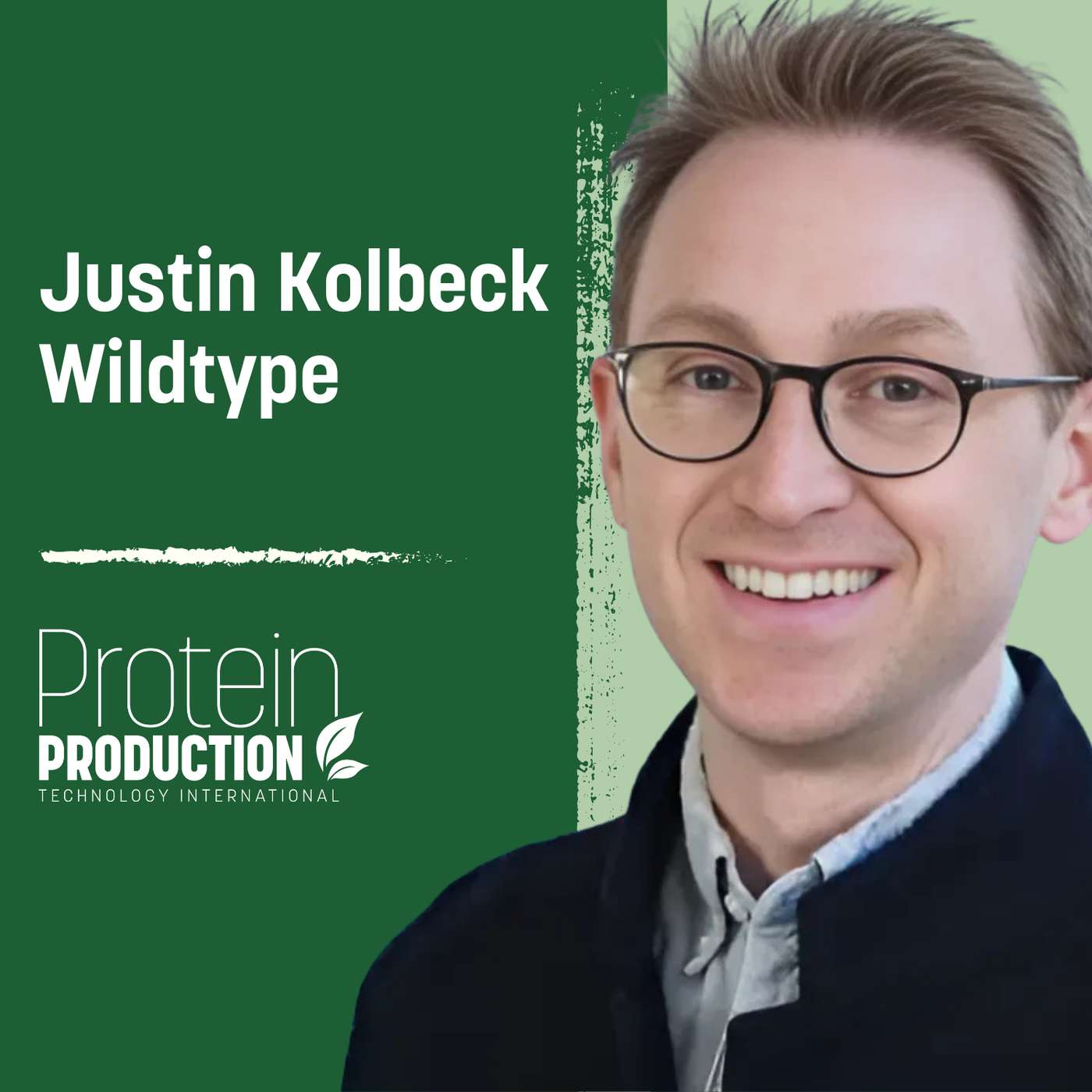 Special Episode: Justin Kolbeck - Wildtype | In this episode of the PPTI Podcast, Nick speaks with Justin Kolbeck, Co-founder and CEO of Wildtype, a pioneer in cultivated seafood. Justin shares the story behind bringing sushi-grade salmon from the lab to restaurant tables, revealing the technical challenges of working with seafood cells and the opportunities cultivated foods create for purity, safety, and sustainability.He explains why Wildtype chose to start with food service partners, allowing chefs and diners to experience the product firsthand and build trust through authentic storytelling. Justin also reflects on the significance of Wildtype becoming the first company to receive FDA clearance for cultivated seafood, the evolving landscape of consumer perceptions, and how early adopters are driven by food safety, transparency, and the desire to protect ocean resources.The conversation offers an honest look at what it takes to launch a new category of food – and how cultivated seafood could help shape a more sustainable future for global protein. | 30m 55s | ||||||
| 12/30/25 | 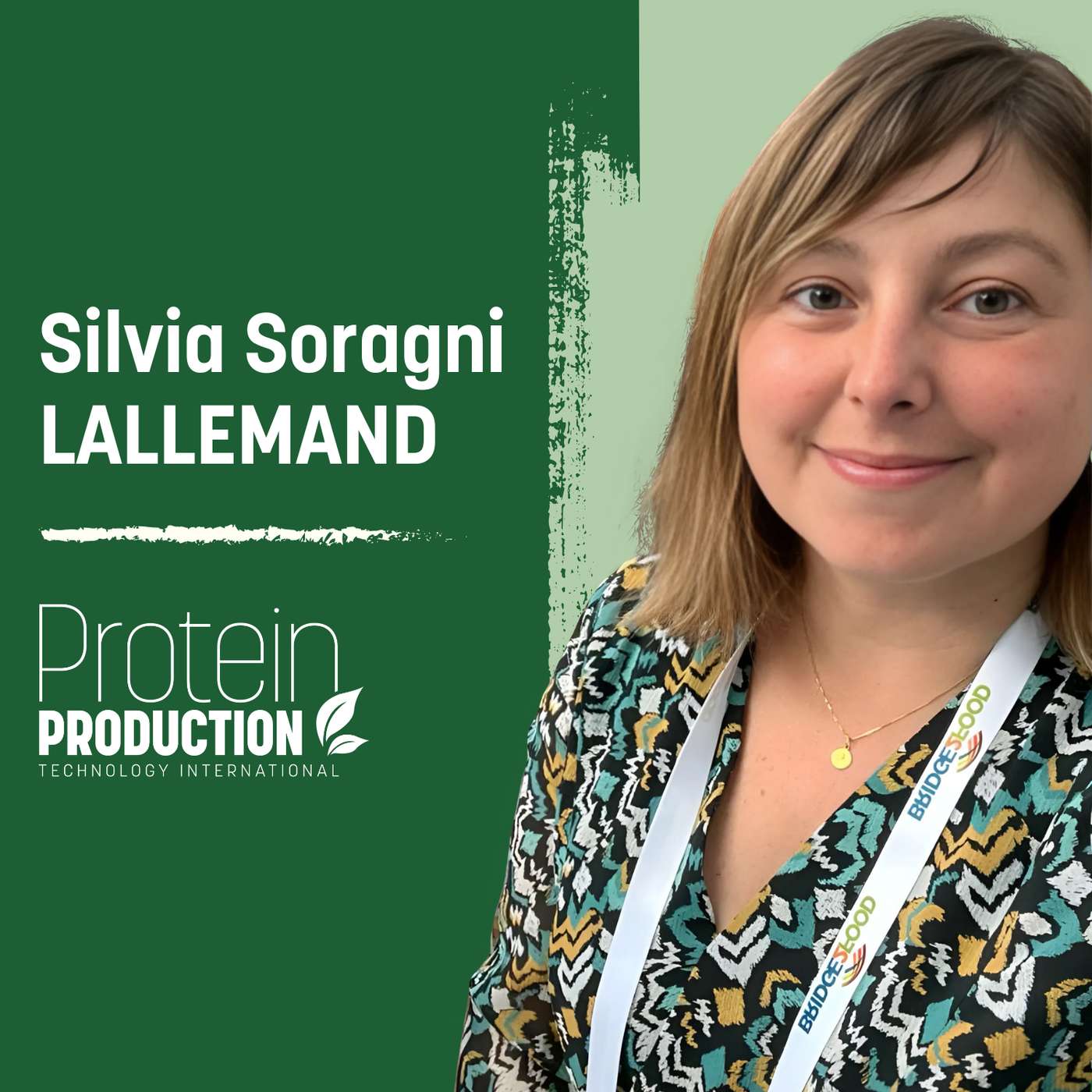 Special Episode: Silvia Soragni - LALLEMAND | In this episode of the PPTI Podcast, Silvia Soragni, Category Manager for Savory Ingredients at Lallemand Bio-Ingredients, shares her journey from sales to leading global strategy and innovation. She explains how yeast-based proteins stand out as both nutritional and functional ingredients, offering a neutral taste and clean-label appeal compared with many other alternatives.Silvia highlights their remarkable stability under demanding processing conditions and their complete amino acid profile, which makes them a valuable source of high-quality protein. She also explores a wide range of applications – from hybrid dairy and protein beverages to cheese alternatives and even sweet formulations – demonstrating how yeast proteins can elevate nutrition without compromising taste or texture.The discussion underscores Lallemand’s broader commitment to leveraging its fermentation and yeast expertise to deliver the next generation of sustainable, functional food solutions. | 24m 20s | ||||||
| 12/23/25 | 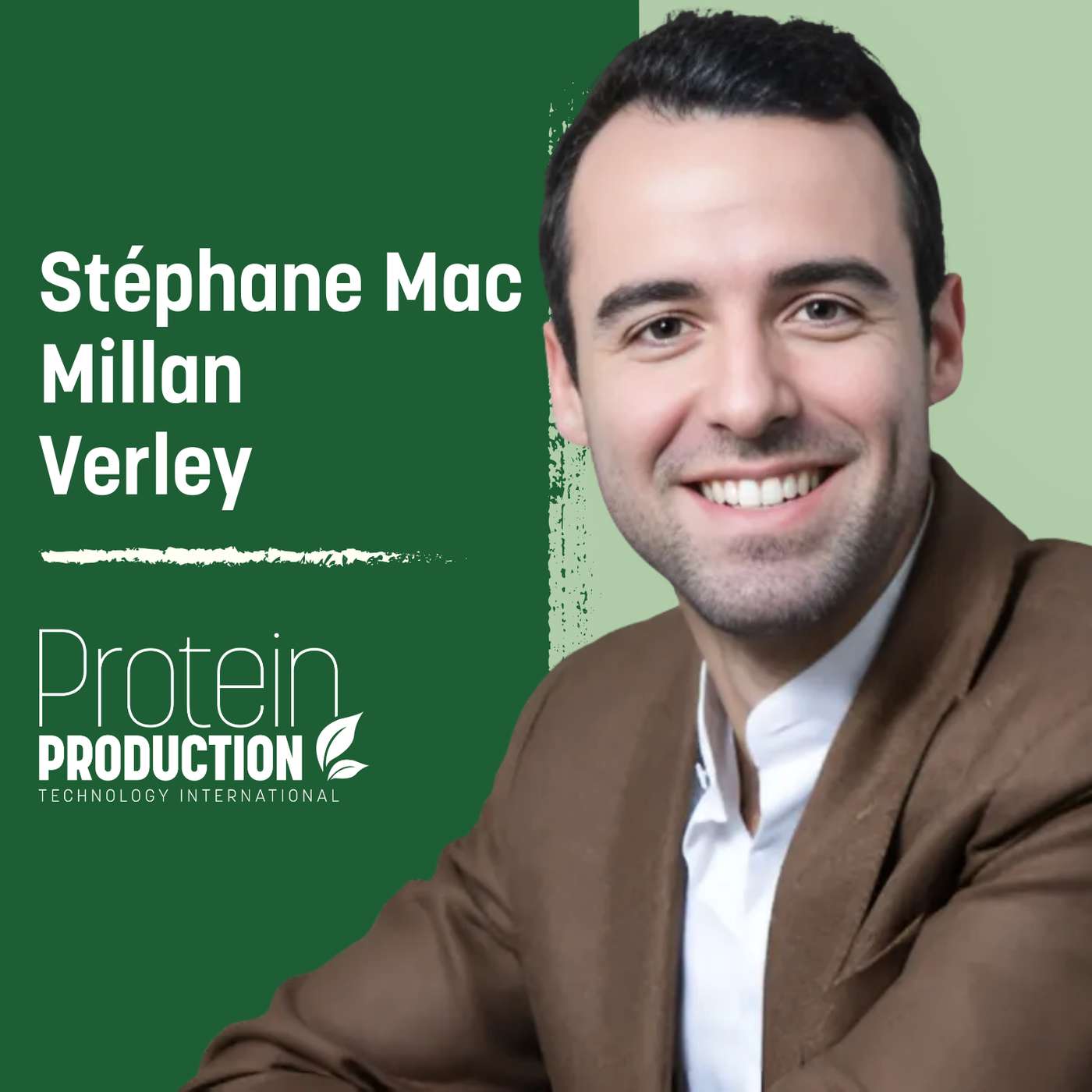 Special Episode: Stéphane Mac Millan - Verley | In this episode of the PPTI Podcast, Nick speaks with Stéphane MacMillan, CEO and Co-founder of Verley – a company redefining how dairy proteins are made. Unlike consumer-facing brands, Verley operates as a B2B ingredient supplier, using precision fermentation to produce highly pure beta-lactoglobulin.Stéphane explains why Verley avoids the 'alternative protein' label, emphasizing that its proteins are identical to those found in cow’s milk – only the production method differs. He introduces the FermWhey™ range, including FermWhey™ Native 100 with 98% purity, offering exceptional solubility, nutritional value, and versatility across applications from protein shots and bars to yogurts and even tea.The conversation explores sustainability, regional regulatory timelines, and how precision fermentation can help meet rising global demand for dairy protein without the environmental constraints of traditional production. Stéphane also shares his perspective on where functional proteins fit within the broader protein ecosystem – and how they can unlock new innovation across the food and beverage industry. | 28m 16s | ||||||
| 12/18/25 | 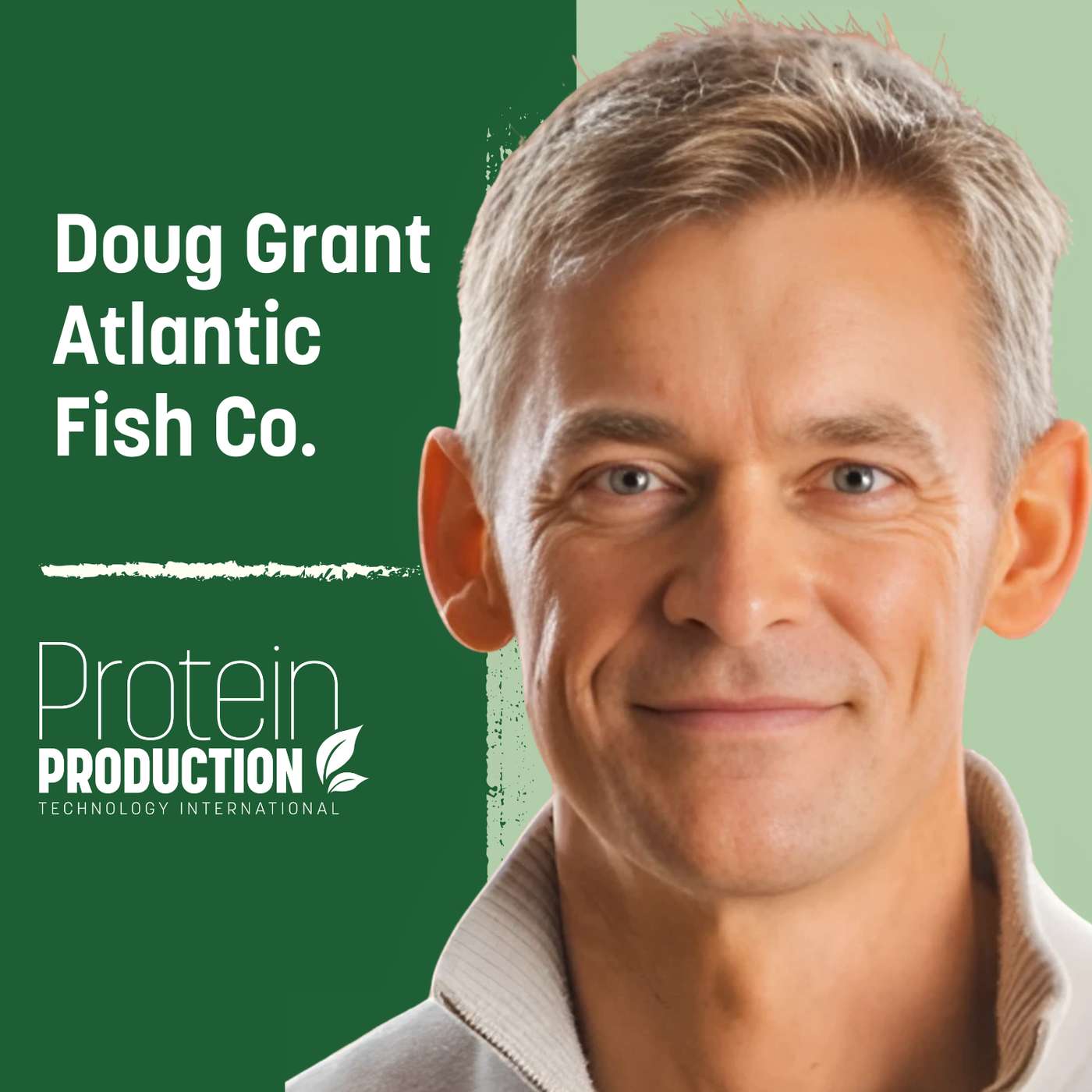 Special Episode: Doug Grant - Atlantic Fish Co. | In this episode of the PPTI Podcast, Doug Grant, Co-founder and CEO of Atlantic Fish Company, explains how cultivated seafood can become a vital 'third pillar' of seafood production – complementing wild-caught and aquaculture systems. He outlines why seafood deserves its own focus, citing overfishing, the United States’ heavy reliance on imports, and the inherent limitations of fish farming.Doug highlights the importance of non-dilutive funding, such as federal grants, in supporting innovation and building credibility during the current investment downturn. He also explores the potential of cultivated seafood to deliver clean, safe, and sustainable products – free from mercury, antibiotics, and microplastics – while easing pressure on marine ecosystems.The discussion covers the pathways to scale, from premium dining to mainstream adoption, and identifies regulatory approval, cost reduction, and consistent product quality as critical milestones. Ultimately, Doug frames cultivated seafood as a complementary solution that can enhance food security, protect biodiversity, and strengthen resilience in the global food system. | 21m 37s | ||||||
| 12/16/25 | 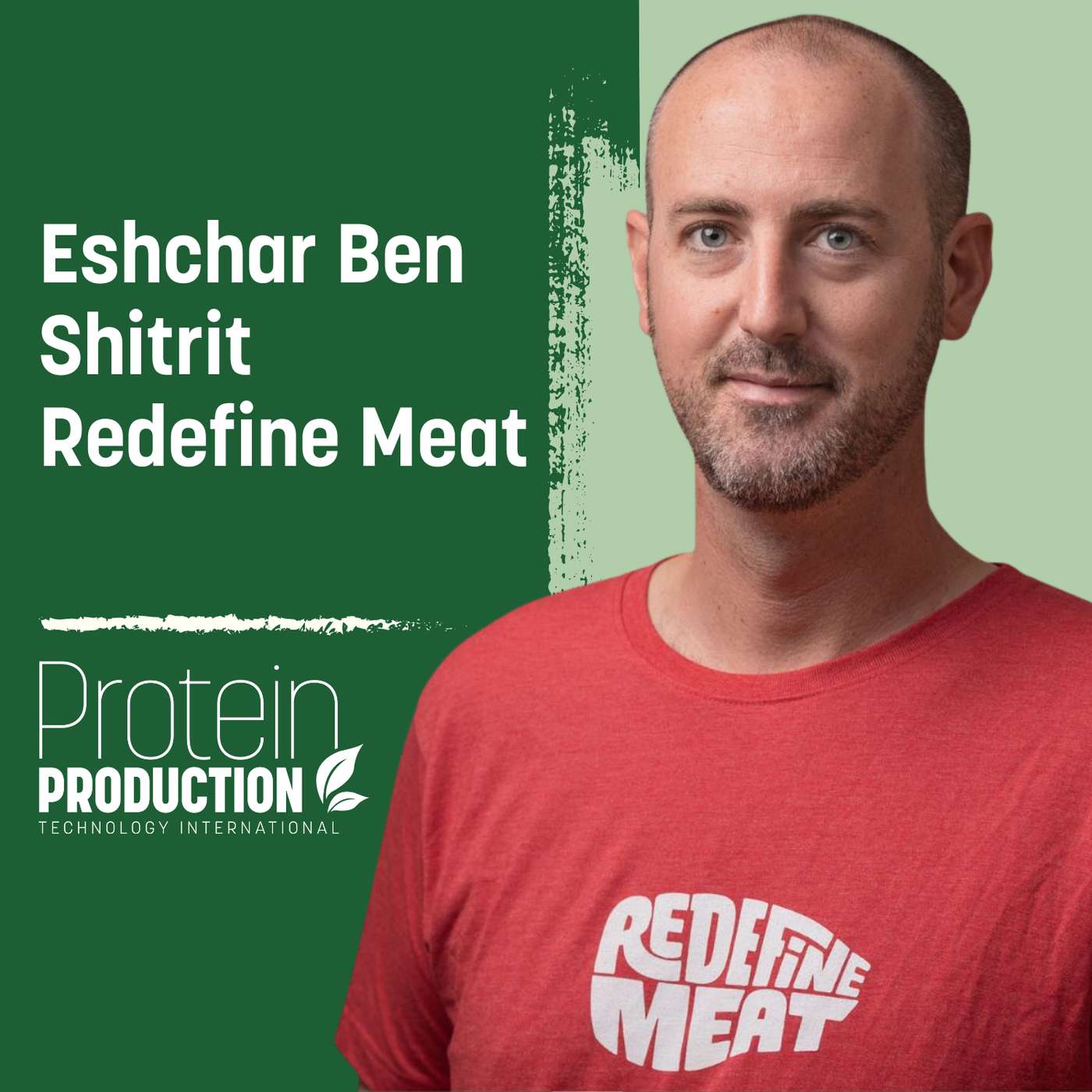 Special Episode: Eshchar Ben Shitrit - Redefine Meat | In this episode of the PPTI Podcast, Eshchar Ben Shitrit, CEO of Redefine Meat, shares his perspective on transforming the future of meat. He reflects on the company’s journey from bold vision to rapid growth, explaining how innovation, collaboration, and consumer engagement are driving progress across the alternative protein sector.Eshchar emphasizes the importance of creating products that satisfy chefs, retailers, and diners alike – delivering on taste and experience while addressing the challenges of sustainability and scale. He also discusses the lessons learned from building momentum in a fast-moving industry, and how redefining meat is ultimately about more than technology – it’s about changing perceptions of what people choose to eat. | 46m 05s | ||||||
| 12/11/25 | 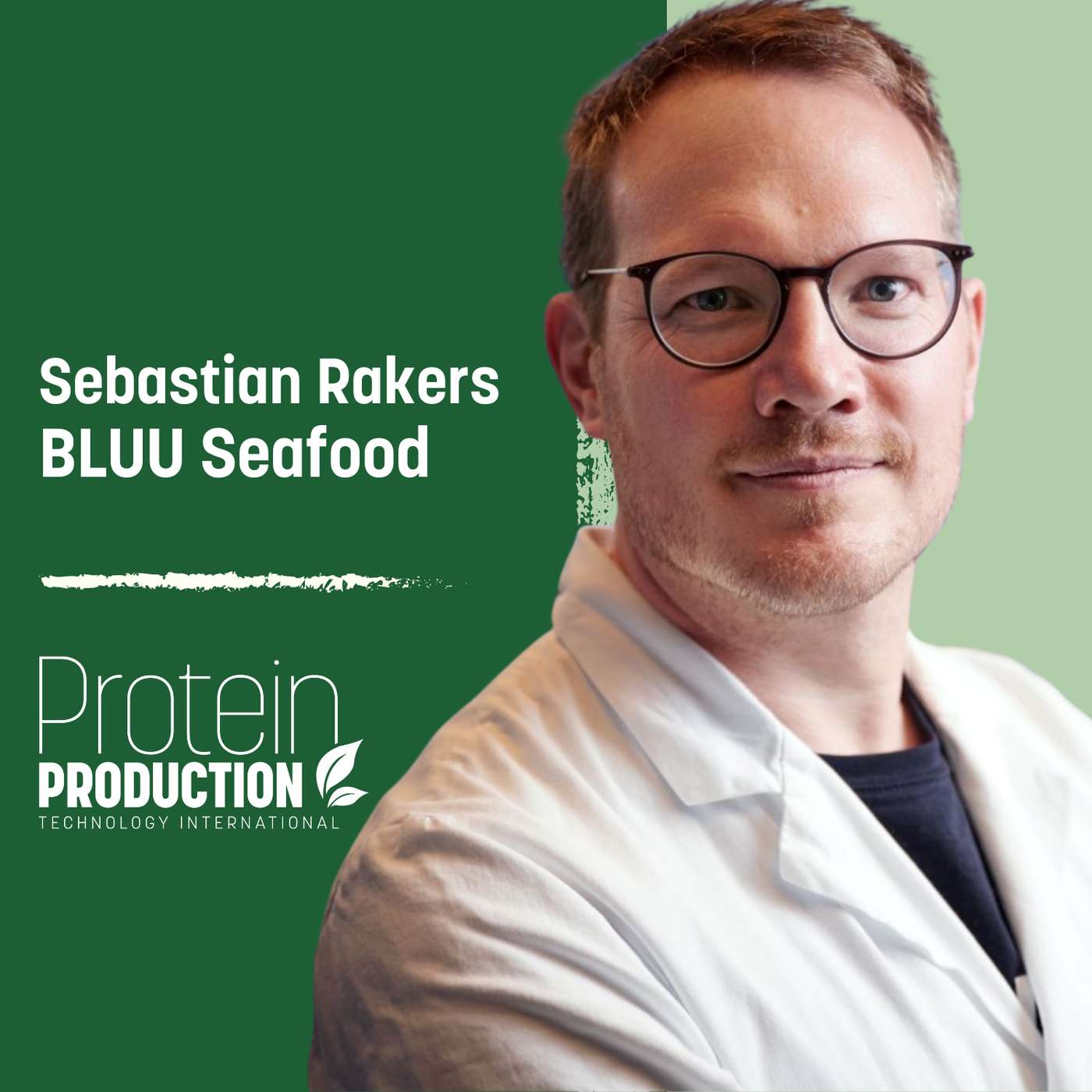 Special Episode: Sebastian Rakers - BLUU Seafood | In this episode of the PPTI Podcast, Sebastian Rakers, co-founder and CEO of Bluu Seafood, shares his journey from marine biologist to cultivated seafood pioneer. He discusses the company’s mission to make high-quality fish proteins such as salmon and trout the new normal – and its exploration of premium products like cultivated caviar.Sebastian highlights the mounting environmental pressures on global fisheries and explains how cell-cultivated seafood offers clear advantages in safety, nutrition, and localized production, with potential applications that extend beyond food. He also reflects on the path toward regulatory approval, the realities of scaling, and how cultivated seafood can help secure ocean-friendly protein for generations to come. | 36m 29s | ||||||
| 12/9/25 | 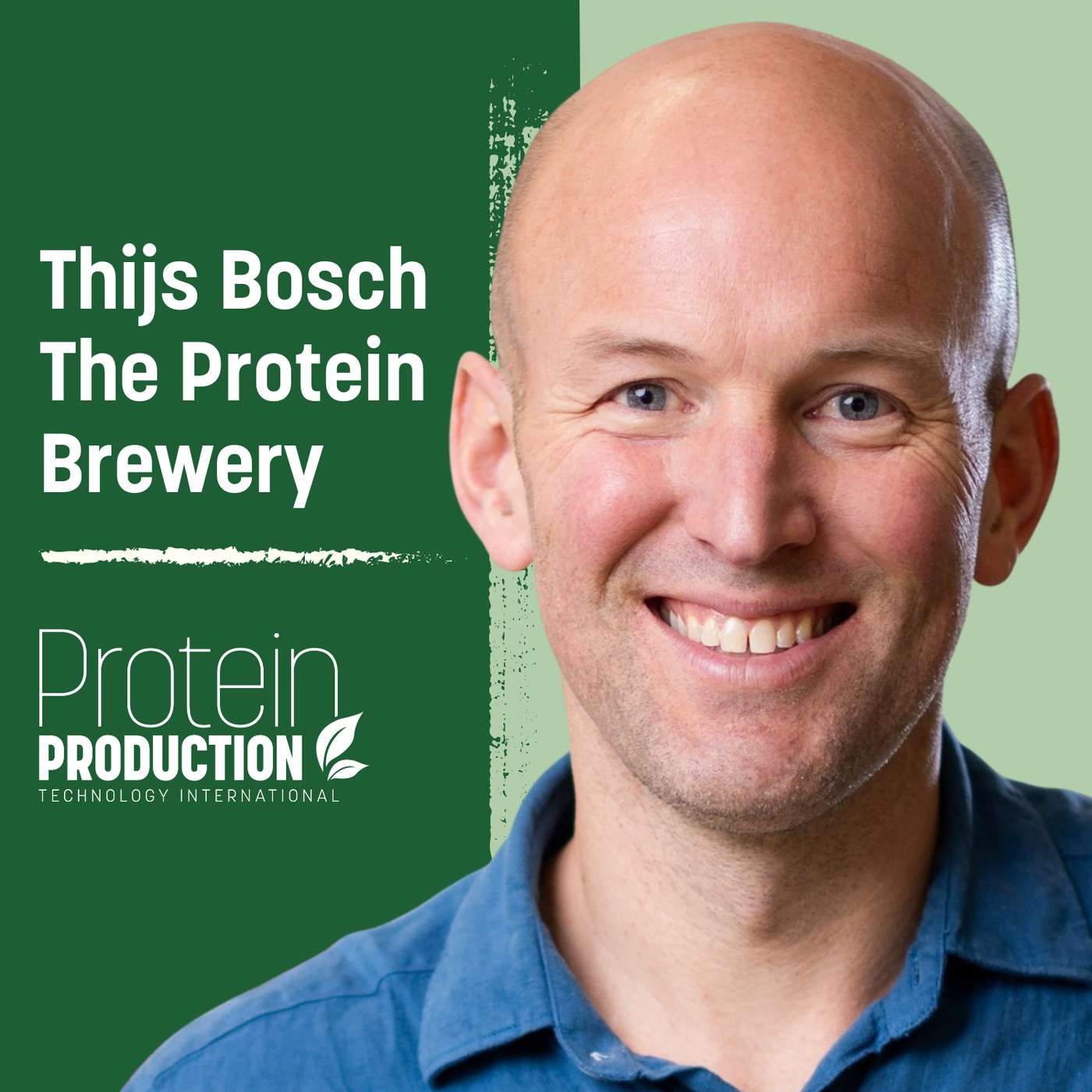 Special Episode: Thijs Bosch - The Protein Brewery | In this episode of the PPTI Podcast, Thijs Bosch, recently appointed CEO of The Protein Brewery, discusses the company’s milestone €30 million Series B funding round and its vision for the future of fungi-based proteins. He explains how his background in specialty proteins and scale-up ventures is helping drive commercialization and global expansion.Thijs highlights the unique advantages of The Protein Brewery’s proprietary fungal strain, which enables efficient, lower-capex fermentation under non-sterile conditions – making scaling and partnerships more attainable. He shares progress from pilot to demonstration-scale production, details on regulatory pathways in the USA, Singapore, and Europe, and the importance of building both technical and commercial capabilities to support growth.The conversation explores how the company’s ingredient delivers complete protein, fiber, and micronutrients in a neutral-tasting, odorless form suited for a wide range of applications. Thijs emphasizes that long-term success will depend on disciplined scaling, smart market entry, and balancing investor expectations with lasting impact across sustainable food systems. | 27m 46s | ||||||
| 12/4/25 | 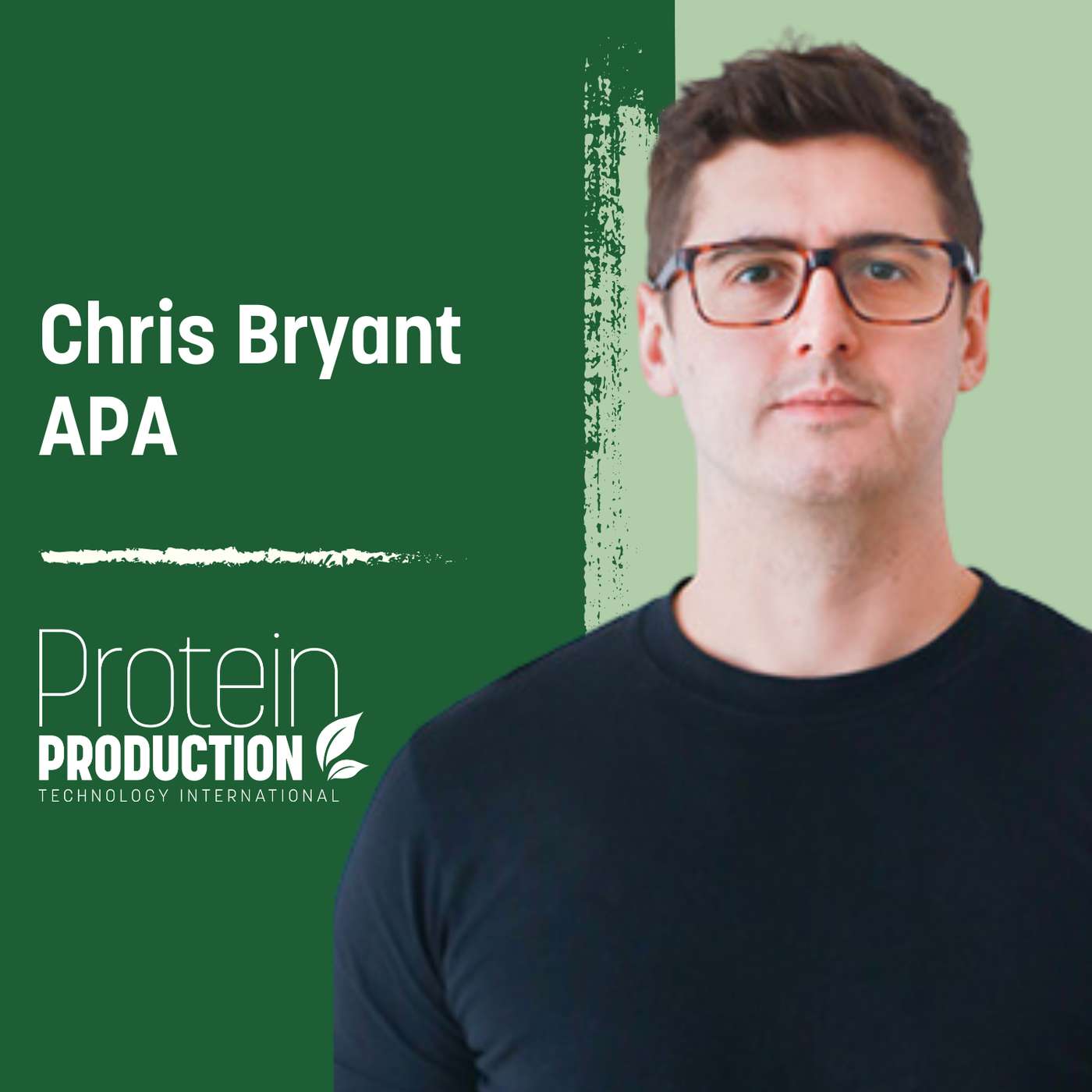 Special Episode: Chris Bryant - APA | In this episode of the PPTI Podcast, host Nick speaks with Chris Bryant, Executive Director of Bryant Research and Research Adviser for the Alternative Proteins Association in the UK. Together, they unpack evidence-based insights on alternative proteins and the broad benefits of reducing reliance on industrial animal agriculture – from environmental and ethical gains to public health improvements.Chris addresses the growing impact of misinformation and industry influence on how consumers perceive food and nutrition, particularly the misuse of the term ultraprocessed. He notes that many plant-based alternatives actually offer lower calorie density, reduced saturated fat, higher fiber, and comparable protein quality to conventional meat – and that fortification can further enhance their nutritional value.The conversation also explores the challenges of translating scientific evidence into effective policy, the importance of advocacy-driven research, and strategies for distinguishing independent science from industry-influenced narratives. | 33m 27s | ||||||
| 12/2/25 | 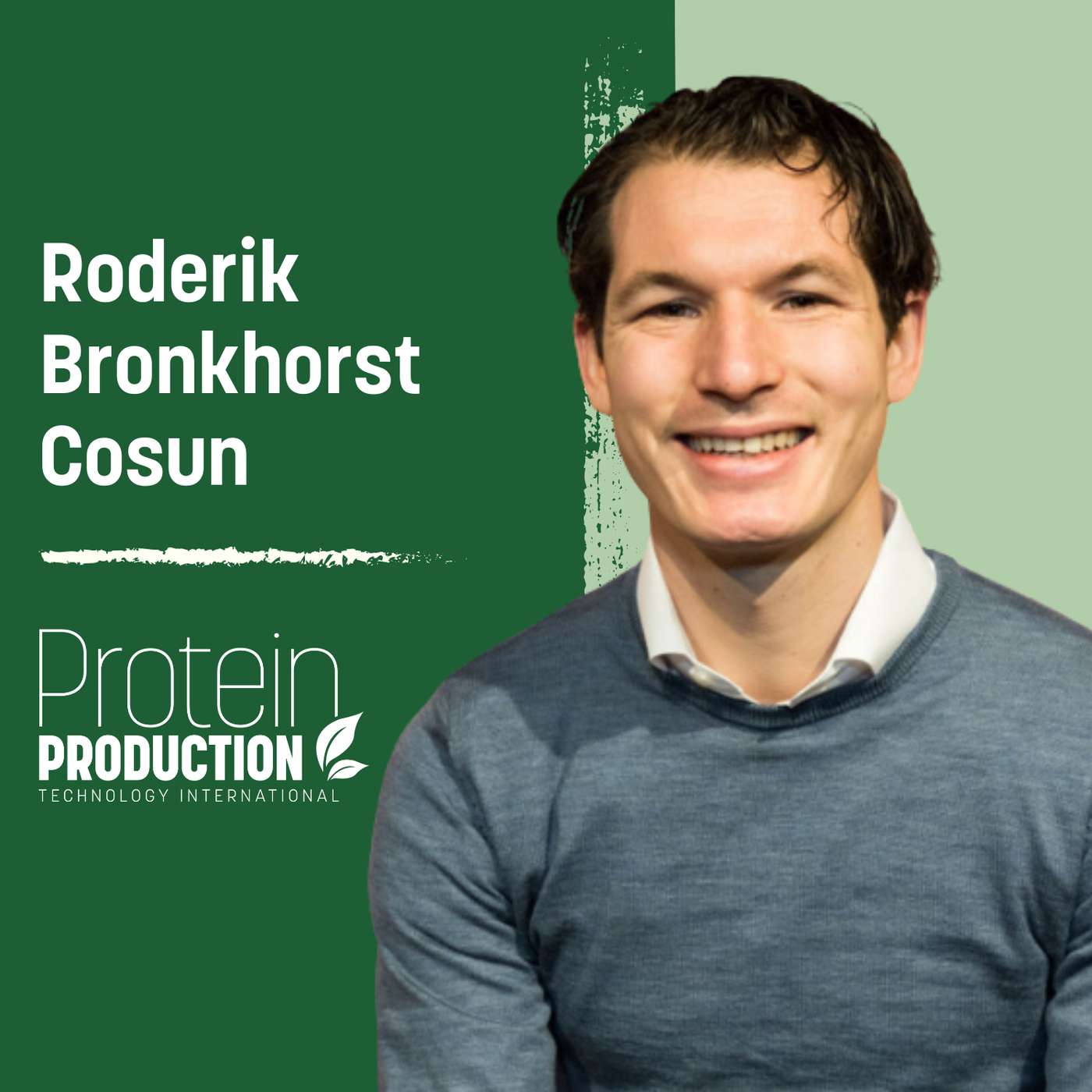 Special Episode: Roderik Bronkhorst - Cosun | In this episode of the PPTI Podcast, host Nick speaks with Roderik Bronkhorst, Head of Corporate Venturing at Cosun. Roderik discusses the company’s Unlock 30 strategy – an ambitious plan to transform the long-established cooperative into a global leader in plant-based and sustainable food ingredients by 2030.He explains how Cosun is balancing its deep agricultural heritage with a forward-looking approach to innovation, focusing on efficiency, diversification, and international collaboration. Roderik highlights the value of partnering with startups to accelerate progress in alternative proteins, sweeteners, and fibers, giving Cosun access to breakthrough technologies and new global opportunities.He also offers insight into the company’s flexible investment model, which prioritizes strategic impact over purely financial returns, and stresses the importance of aligning corporate and startup goals to create meaningful, mutually beneficial partnerships that drive sustainable innovation across the food technology landscape. | 35m 17s | ||||||
Showing 25 of 127
Sponsor Intelligence
Sign in to see which brands sponsor this podcast, their ad offers, and promo codes.
Chart Positions
8 placements across 8 markets.
Chart Positions
8 placements across 8 markets.