

Insights from recent episode analysis
Audience Interest
Podcast Focus
Publishing Consistency
Platform Reach
Insights are generated by CastFox AI using publicly available data, episode content, and proprietary models.
Total monthly reach
Estimated from 1 chart position in 1 market.
By chart position
- 🇦🇺AU · Music History#1645K to 30K
- Per-Episode Audience
Est. listeners per new episode within ~30 days
3.5K to 21K🎙 Biweekly cadence·6 episodes·Long inactive - Monthly Reach
Unique listeners across all episodes (30 days)
5K to 30K🇦🇺100% - Active Followers
Loyal subscribers who consistently listen
1.5K to 9K
Market Insights
Platform Distribution
Reach across major podcast platforms, updated hourly
Total Followers
—
Total Plays
—
Total Reviews
—
* Data sourced directly from platform APIs and aggregated hourly across all major podcast directories.
On the show
Recent episodes
Part 6: Rotterdam underground – Nostalgia for an age yet to come
Jul 27, 2021
Unknown duration
Part 5: Dutch punk – Oral history
Jul 27, 2021
Unknown duration
Part 4: The Slits – Loud voices, silenced voices
Jul 27, 2021
Unknown duration
Part 3: Sexism – Shifting perspectives
Jul 11, 2021
Unknown duration
Part 2 : Julian Schnabel’s Basquiat – Myth making
Jul 11, 2021
Unknown duration
Social Links & Contact
Official channels & resources
Official Website
Login
RSS Feed
Login
| Date | Episode | Description | Length | |
|---|---|---|---|---|
| 7/27/21 | 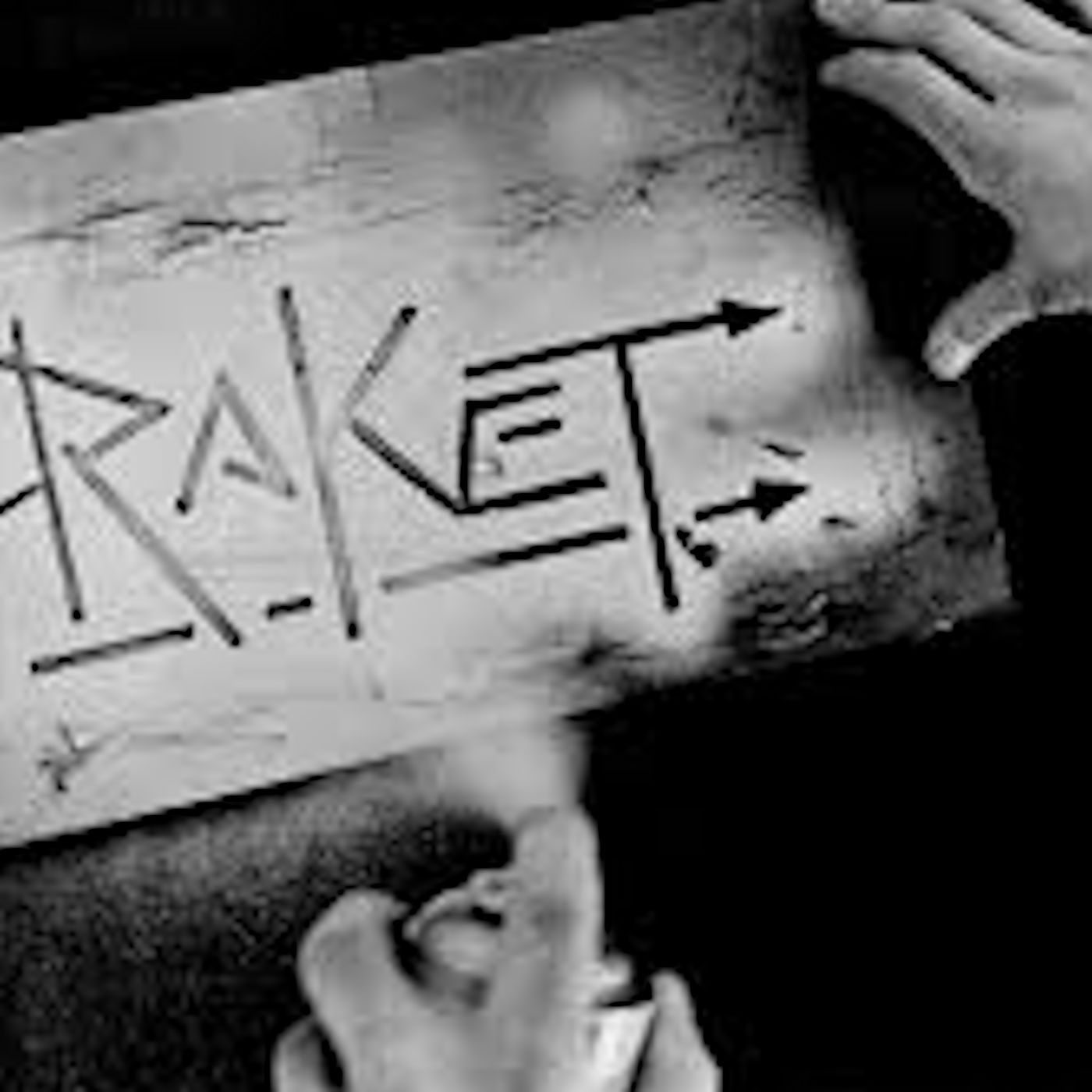 Part 6: Rotterdam underground – Nostalgia for an age yet to come | How will we remember our city, the places we hang out in, the bands of today, and these crazy times of lockdown and reconstructions in say 20 or 30 years? Looking back on our predecessors, we may get inspired by Kiem’s tugboat-grooves, the black-and-white statement of the Rondos, or the elusive antiscene. But how does that translate into a contemporary Rotterdam sound, now that our ‘harbor city’ is falling in the traps of gentrification? And is this podcast really also a tiny time capsule? | — | |
| 7/27/21 | 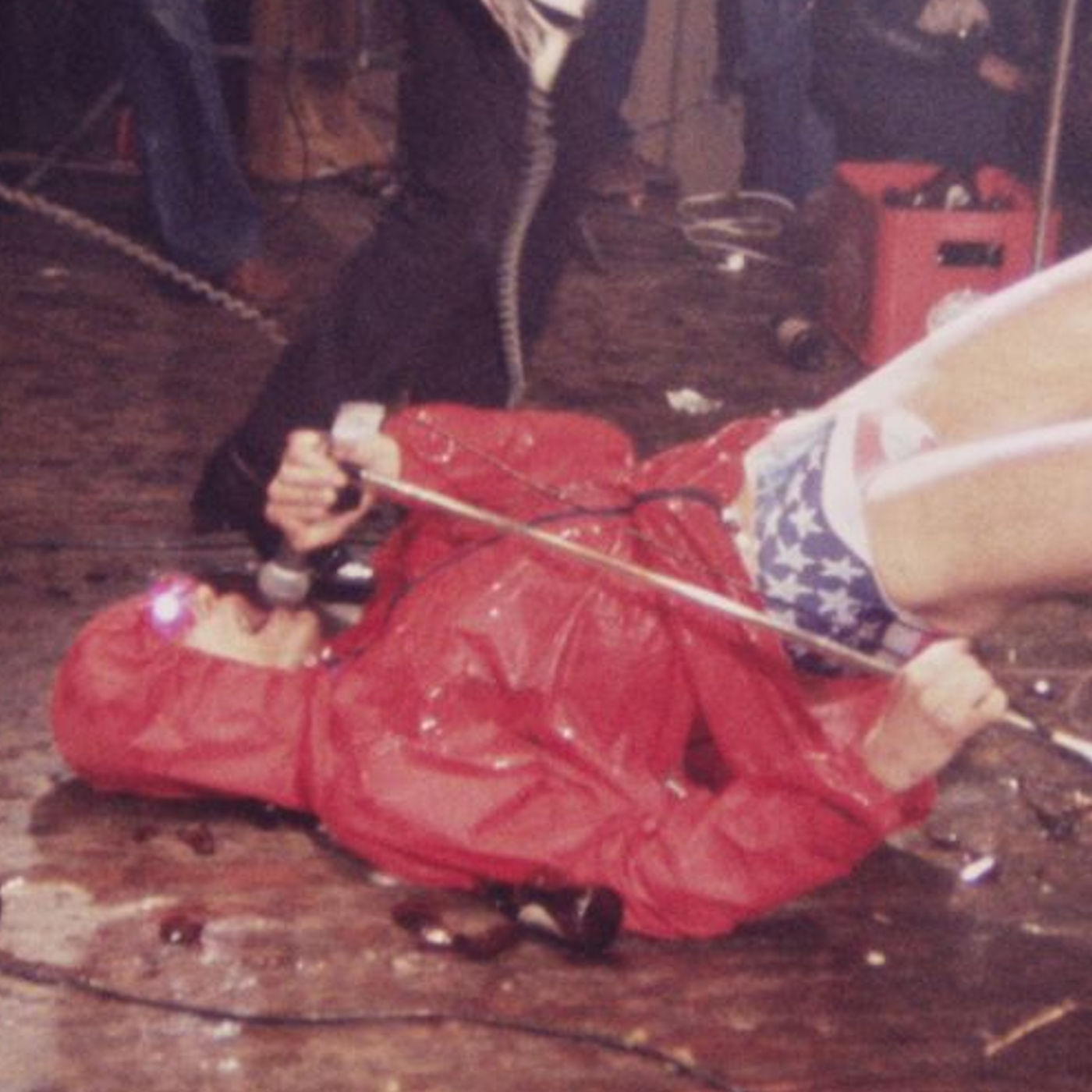 Part 5: Dutch punk – Oral history | To reconstruct the early days of punk in The Netherlands, we largely depend on oral history. On interviews with the people who were part of the scene – played in the bands, saw the concerts, made the fanzines. But when looking back on our lives, we always try to make sense of it in retrospect. This means we (unconsciously) fit past experiences into a single coherent life story. Meanwhile, a writer tends to seek out the voices that fit the story s/he wants to tell. How to navigate a history entwined with personal myth making? | — | |
| 7/27/21 | 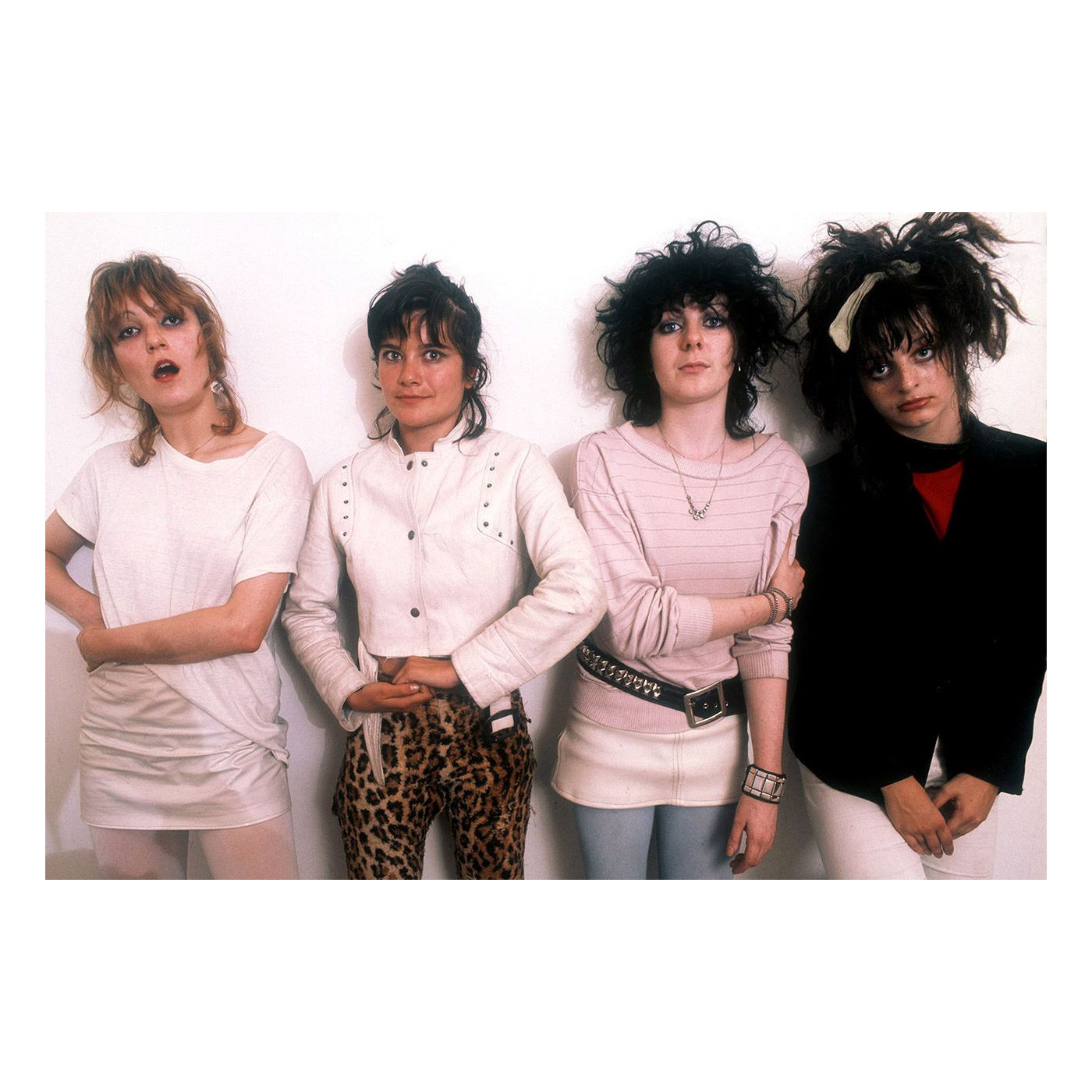 Part 4: The Slits – Loud voices, silenced voices | Think about early UK punk and you’re likely to think of The Clash, The Damned, The Buzzcocks, and of course: the Sex Pistols. The Slits or X-Ray Spex seem to be lesser known. Why? Is it because little girls should be seen and not heard? Girls were part of the punk scene, but they play a minor part in ‘definitive’ books on punk (usually written by men). The iconic images of the 1978 Rock Against Racism concert feature The Clash, not the Anglo-Somali punk musician Poly Styrene. Does history writing determine whose voices we hear? | — | |
| 7/11/21 | 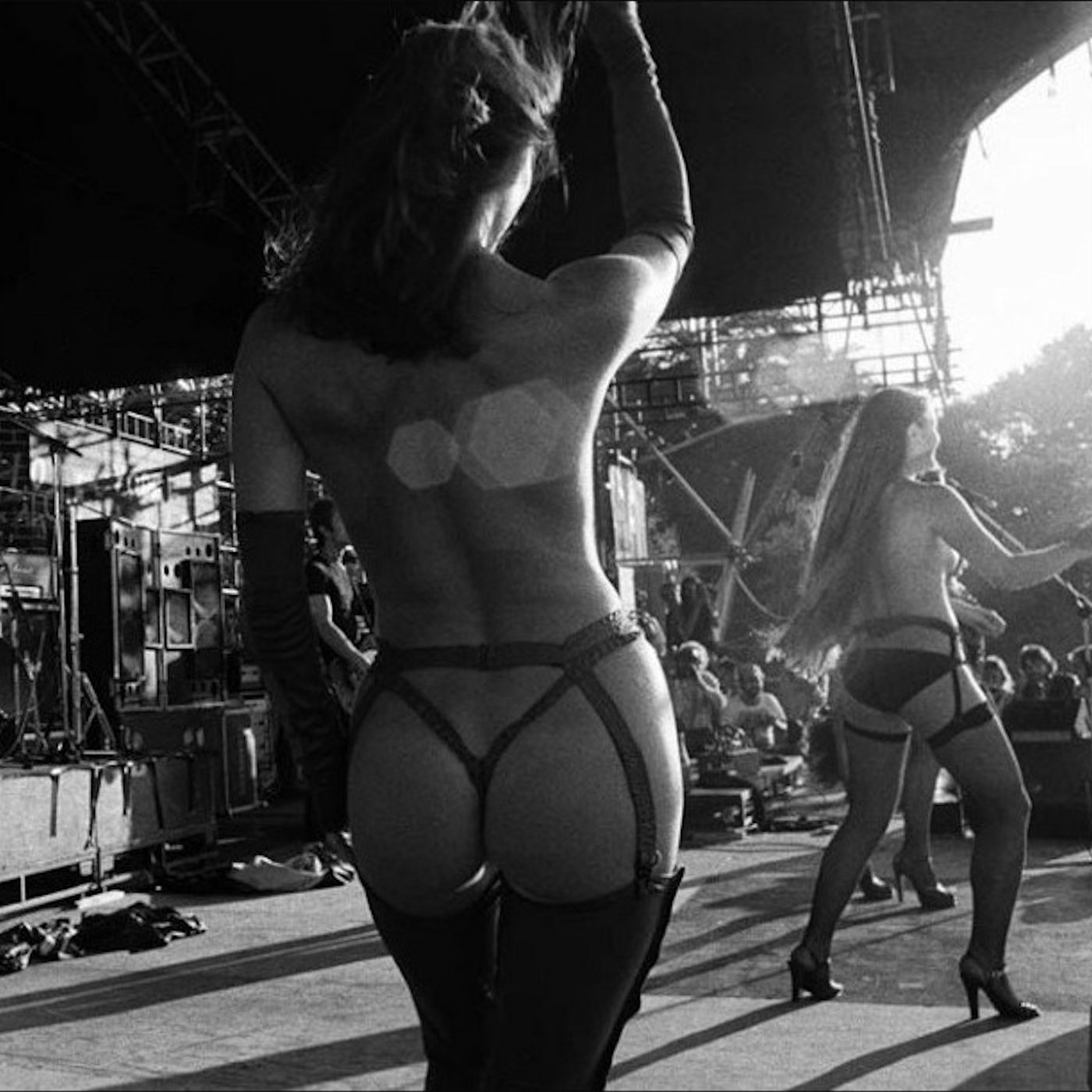 Part 3: Sexism – Shifting perspectives | Sexism – Shifting perspectives There comes a time when you suddenly realize that almost all your favorite musicians are men or that women in song lyrics tend to be ‘strange little girls’ or ‘wild tiger women’. Why do we never hear songs about strange little boys needing their hands held? Faber-Jonker never really questioned this growing up, listening to the Red Hot Chili Peppers and The Stranglers (although she always preferred the idea of feelin’ alright with the crew to being someone’s New Rose). Now she realizes that we need more female perspectives in our lives. | — | |
| 7/11/21 | 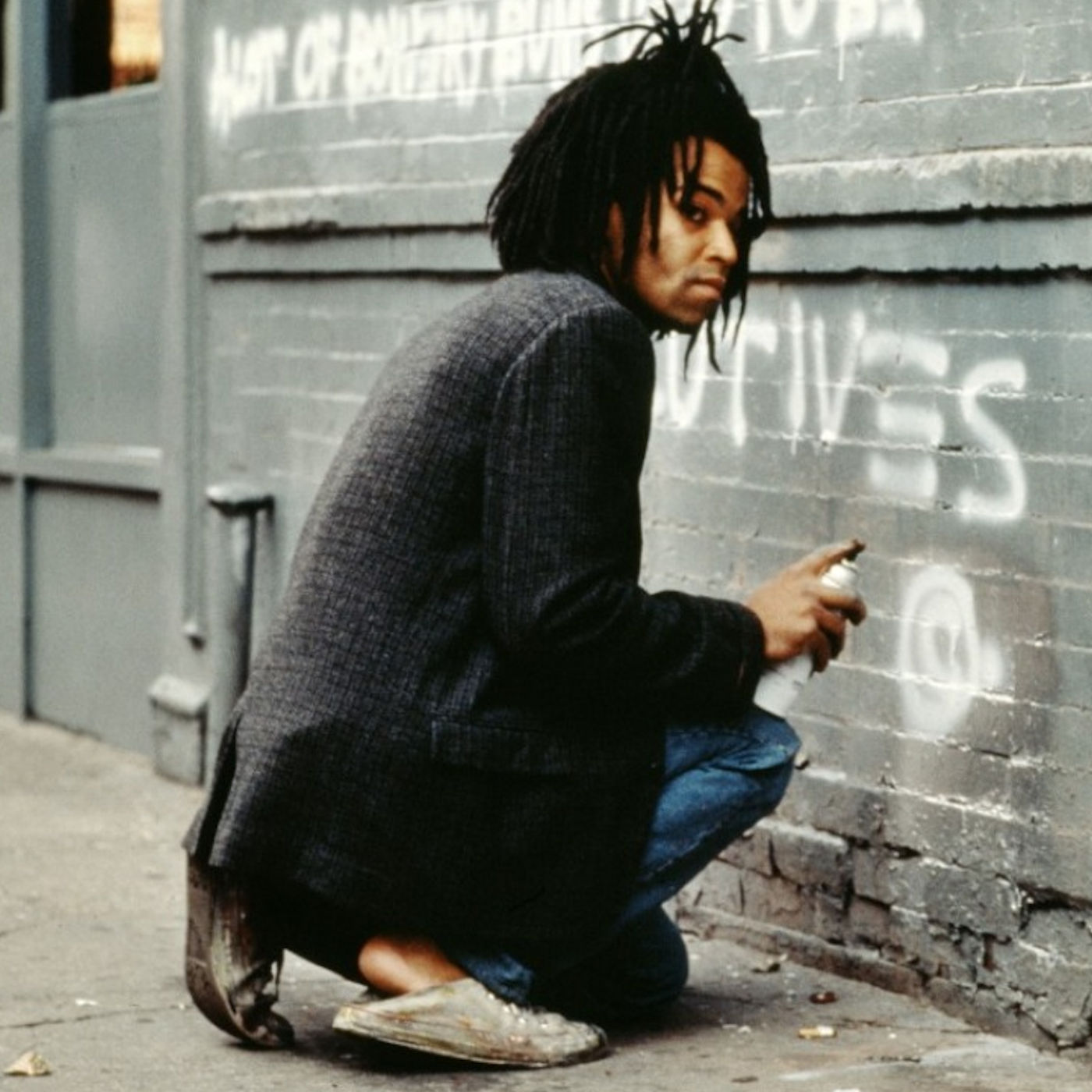 Part 2 : Julian Schnabel’s Basquiat – Myth making | For the biographical film Basquiat (1996), John Cale & Julian Schnabel put together a remarkable soundtrack reflecting Jean-Michel Basquiat’s skyrocketing career, singularity and ultimately tragic faith. In the film, it is unclear what is real and what is not. Basquiat becomes the actor Jeffrey Wright, David Bowie wears Andy Warhol’s actual wig and Schnabel made the Basquiat paintings for the film. In this mirror house, the soundtrack becomes an anchor point, rooting the story in a particular time and place: New York City of the 1980s. | — | |
| 7/11/21 | 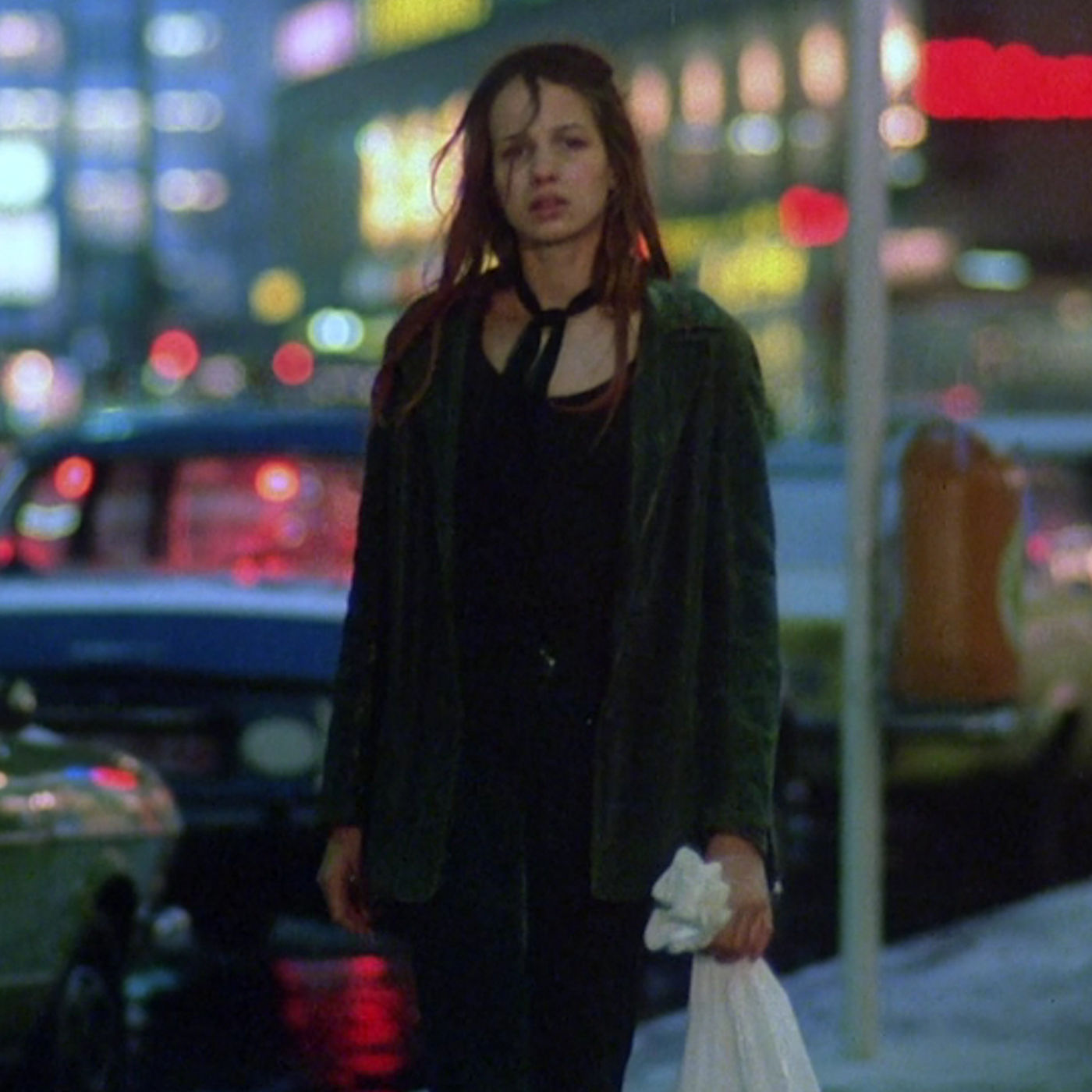 Part 1: Berlin – Sound of a city | In the late 1970s and early 1980s, Berlin was still a divided city, a Mauerstadt. Many musicians – both from Berlin and abroad – attempted to capture its unique atmosphere of reativity and threat, its Kebabträume and Stasi nightmares. How does music by David Bowie, Iggy Pop, DAF and Nina Hagen transport us back to the Berlin from the past? And what happens when we step into a virtual bar in a virtual East-Berlin in a Cold War-themed videogame, only to hear a gloomy song by Fehlfarben, the NDW-band from Düsseldorf? | — |
Showing 6 of 6
Sponsor Intelligence
Sign in to see which brands sponsor this podcast, their ad offers, and promo codes.
Chart Positions
1 placement across 1 market.
Chart Positions
1 placement across 1 market.