
Scaffold
by The Architecture Foundation
Is this your podcast?Insights from recent episode analysis
Audience Interest
Podcast Focus
Publishing Consistency
Platform Reach
Insights are generated by CastFox AI using publicly available data, episode content, and proprietary models.
Most discussed topics
Brands & references
Total monthly reach
Estimated from 45 chart positions in 45 markets.
By chart position
- 🇩🇪DE · Design#49100K to 300K
- 🇬🇧GB · Design#6130K to 100K
- 🇨🇦CA · Design#6230K to 100K
- 🇦🇺AU · Design#9430K to 100K
- 🇺🇸US · Design#1425K to 30K
- Per-Episode Audience
Est. listeners per new episode within ~30 days
412K to 1.3M🎙 ~2x weekly·150 episodes·Last published 3w ago - Monthly Reach
Unique listeners across all episodes (30 days)
824K to 2.6M🇩🇪11%🇰🇷11%🇬🇧4%+42 more - Active Followers
Loyal subscribers who consistently listen
247K to 793K
Market Insights
Platform Distribution
Reach across major podcast platforms, updated hourly
Total Followers
—
Total Plays
—
Total Reviews
—
* Data sourced directly from platform APIs and aggregated hourly across all major podcast directories.
On the show
From 13 epsHosts
Recent guests
Recent episodes
Níall McLaughlin (Live at POST PRESS)
Aug 7, 2026
Unknown duration
Michael Mack (Live at POST PRESS)
Jul 10, 2026
1h 09m 32s
Jonathan Tuckey
Jun 12, 2026
1h 38m 28s
Morgan Day (Part 2)
May 15, 2026
32m 41s
Morgan Day (Part 1)
May 8, 2026
40m 26s
Social Links & Contact
Official channels & resources
Official Website
Login
RSS Feed
Login
| Date | Episode | Topics | Guests | Brands | Places | Keywords | Sponsor | Length | |
|---|---|---|---|---|---|---|---|---|---|
| 8/7/26 | 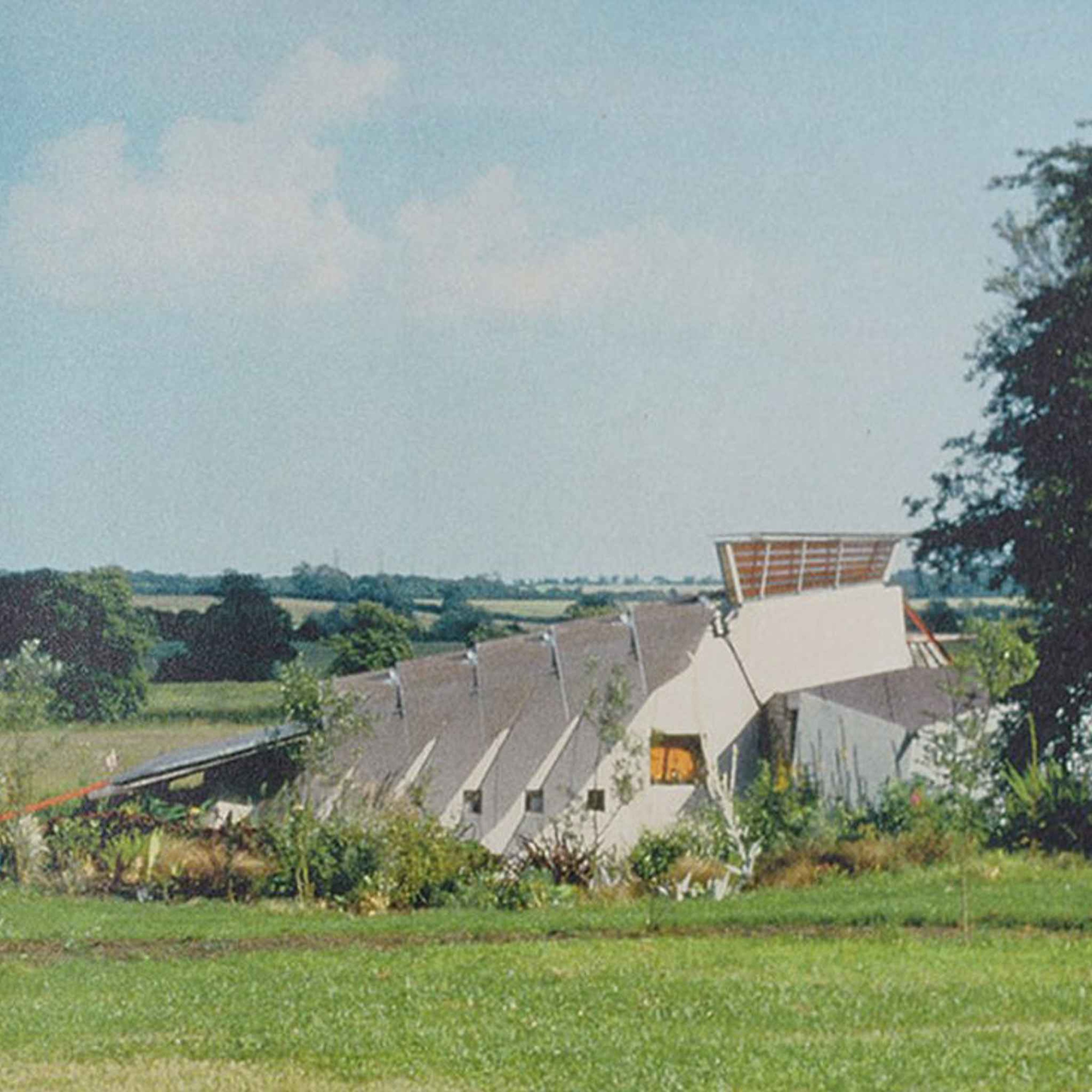 Níall McLaughlin (Live at POST PRESS) | Níall McLaughlin is this year's recipient of the RIBA Royal Gold Medal—awarded for more than three decades of work ranging from a seaside bandstand at Bexhill to the Stirling Prize-winning library at Magdalene College, Cambridge. To mark the occasion, his practice has released a new book, published by Objectif Edition and co-edited with Bryony Jones. And it's far from your typical architecture monograph.Uncle Toby's Garden, and it takes its title from Tristram Shandy, Laurence Sterne's mid-eighteenth-century novel—a book that seems to have arrived from the future, treating the conventions of the still-young English novel as toys to be dismantled, and anticipating experimental fiction by roughly two centuries. It tries to capture real experience, and the movement of consciousness, in a way that tidy, linear narrative can't.Níall's book is similarly non-linear, organised around digressions rather than buildings. Its title character, Uncle Toby, is a wounded veteran who spends his days re-enacting old battles on his bowling green, in a pastime both trivial and profound. In that spirit, the book reframes architecture as a performance of ritual, collaboration, speculation and play.Fittingly, our conversation took place at 10 Bowling Green Lane, home of the Zaha Hadid Foundation, and the temporary site of the Architecture Foundation's summer programme, POST PRESS. It was recorded on Tuesday 21 July 2026.Link to Níall's lecture Circling a Star - a Daylight Talk: https://www.niallmclaughlin.com/media/circling-a-star-a-daylight-talk/Thanks to Velux for supporting the podcast. Velux.com/design Hosted on Acast. See acast.com/privacy for more information. | — | ||||||
| 7/10/26 | art publishingphotography+3 | Michael Mack | MACKOn the Natural History of Destruction+10 | — | Michael MackMACK+4 | VELUX | 1h 09m 32s | ||
| 6/12/26 | architecturedesign practice+3 | Jonathan Tuckey | David Chipperfield ArchitectsFletcher Priest Architects+3 | Barcelona | architecturedesign+3 | Velux | 1h 38m 28s | ||
| 5/15/26 | architectureliterary fiction+3 | Morgan Day | Akoya PublishingAstra House+1 | Tucson ArizonaUK+1 | architecture writingliterary fiction+3 | — | 32m 41s | ||
| 5/8/26 | architectureliterary fiction+3 | Morgan Day | Akoya PublishingAstra House+1 | Tucson Arizona | architecture writingliterary fiction+3 | — | 40m 26s | ||
| 5/1/26 | artinterview+3 | Jaakko Pallasvuo | Rrose EditionsKhaos+2 | — | Jaakko PallasvuoAmber+3 | — | 34m 07s | ||
| 4/24/26 | artwriting+3 | Jaakko Pallasvuo | The Architecture FoundationKhaos+1 | HelsinkiLondon | Jaakko PallasvuoAvocado Ibuprofen+5 | — | 1h 25m 41s | ||
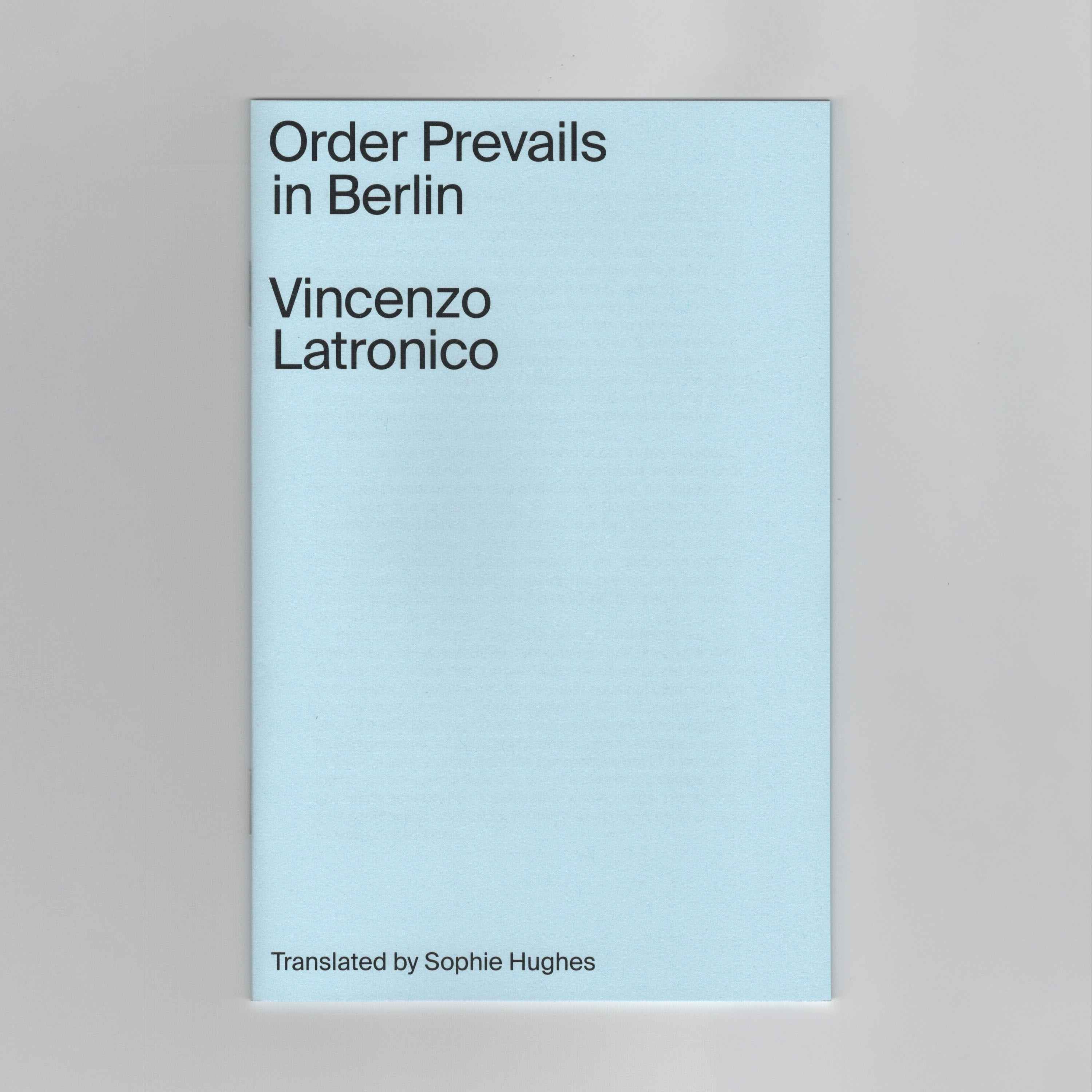
| 3/26/26 | Vincenzo Latronicoliterature+4 | Vincenzo Latronico | Architecture FoundationOrder Prevails in Berlin+1 | LondonBarbican Centre | Vincenzo LatronicoOrder Prevails in Berlin+4 | — | 1h 20m 47s | ||
| 3/12/26 | AI in architecturegenerative design+4 | Shajay BhooshanMichael Drobnik+1 | Zaha Hadid ArchitectsHerzog & de Meuron+1 | — | AIarchitecture+6 | Chaos Group | 47m 20s | ||
| 2/18/26 | architecturecultural buildings+5 | Daryan Knoblauch | Architecture FoundationNeue Nationalgalerie Berlin+9 | BerlinBarcelona+1 | architectureBerlin+5 | — | 48m 12s | ||
Want analysis for the episodes below?Free for Pro Submit a request, we'll have your selected episodes analyzed within an hour. Free, at no cost to you, for Pro users. | |||||||||
| 1/30/26 | graphic designarchitecture+3 | Tom WeaverShumi Bose+4 | Architecture Foundation6a architects+1 | — | John Morgangraphic designer+3 | — | 56m 26s | ||
| 12/20/25 | architectureurbanism+4 | Floris van der Poel | Architecture FoundationThe rounding of Cape Horn+13 | — | architectureurbanism+3 | — | 1h 01m 51s | ||
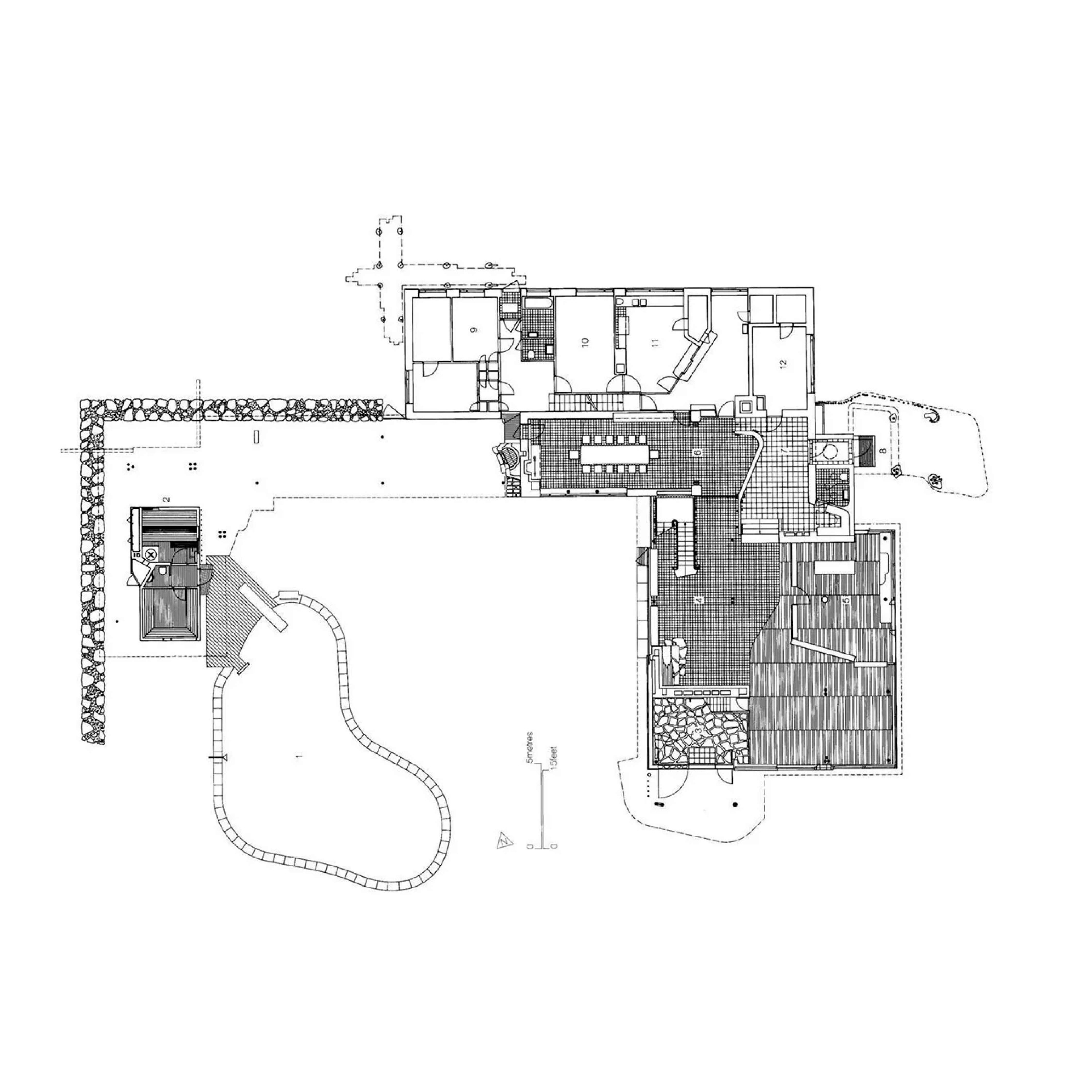
| 12/5/25 | biographyarchitecture+4 | Kenneth Frampton | CorringhamAalto’s Villa Mairea | — | architecturebiography+5 | — | 39m 15s | ||
| 11/28/25 | architectural historypolitical awakening+4 | Kenneth Frampton | The Architecture Foundation | — | architectural writingpolitics+5 | — | 56m 10s | ||
| 11/13/25 |  playbody | Today’s episode considers a part of the built environment that’s often overlooked in architectural discourse, yet has become one of the most vibrant sites of experimentation in recent years: the nightclub.Since the post-COVID resurgence of nightlife, we’ve seen club spaces music festivals become laboratories again — places where architects, artists and designers, artists test how bodies move, gather, and connect. After years of enforced separation, there’s been a renewed appetite for intimacy, tactility, and collective presence. Nightclubs have stepped into that space, foregrounding not just sound and spectacle, but how architecture can invite touch, trust, and new forms of social closeness.There are few people exploring that frontier more boldly than today’s guests: Thea Arde and Joel Jjio, the duo behind playbody. Playbody is far more than a club night — it’s an ongoing design research project that treats the dancefloor as a site of architectural inquiry. Their events incorporate sculptural objects, spatial interventions, and choreographic prompts that encourage people to rediscover their own physicality in relation to others.In a time when digital life keeps pulling us apart, their work asks a simple but radical question: how can design rebuild social intimacy? Today we’ll talk about how playbody grew from a nightlife concept into a design studio, how they prototype through parties, and why they see the club as a critical testing ground for the future of spatial practice.Scaffold is an Architecture Foundation production. Support our work by becoming a member on Patreon. Hosted on Acast. See acast.com/privacy for more information. | — | ||||||
| 11/6/25 | 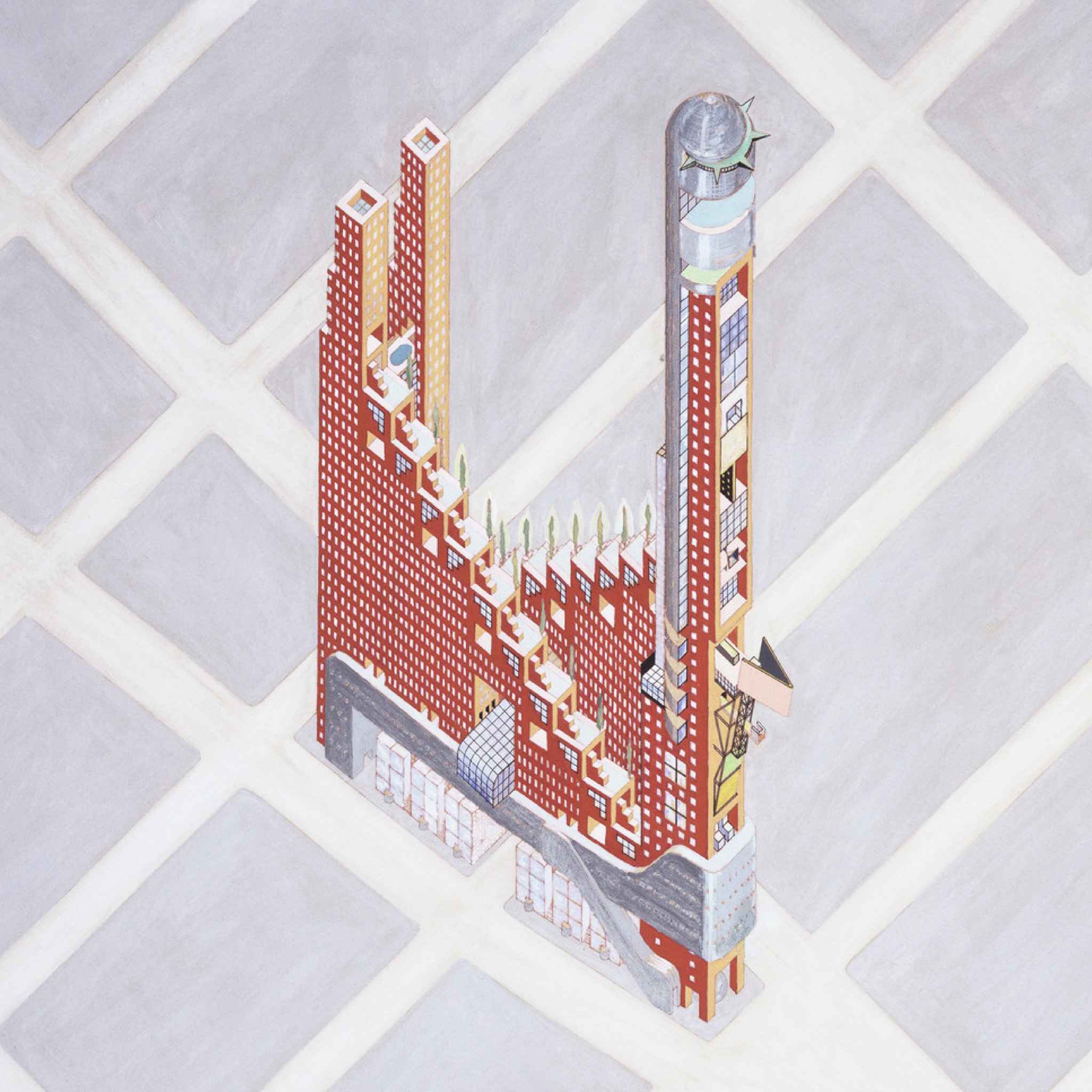 OMA at 50 | This special guest episode marks the launch of the podcast OMA at 50.Conceived and produced by architect Richard Hall, the series explores the Office for Metropolitan Architecture’s enduring influence on architectural culture, featuring conversations with an incredible roster of architects, academics, and historians.Marking OMA’s 50th anniversary, the podcast features some of the most authoritative voices on OMA — including Laura Schrijver, Pier Paolo Tamburelli, Sébastien Marot, Giovanna Borasi, and many others.New episodes are released every Thursday. Subscribe by searching OMA at 50 on Apple Podcasts, or by following this link. Hosted on Acast. See acast.com/privacy for more information. | — | ||||||
| 10/31/25 | 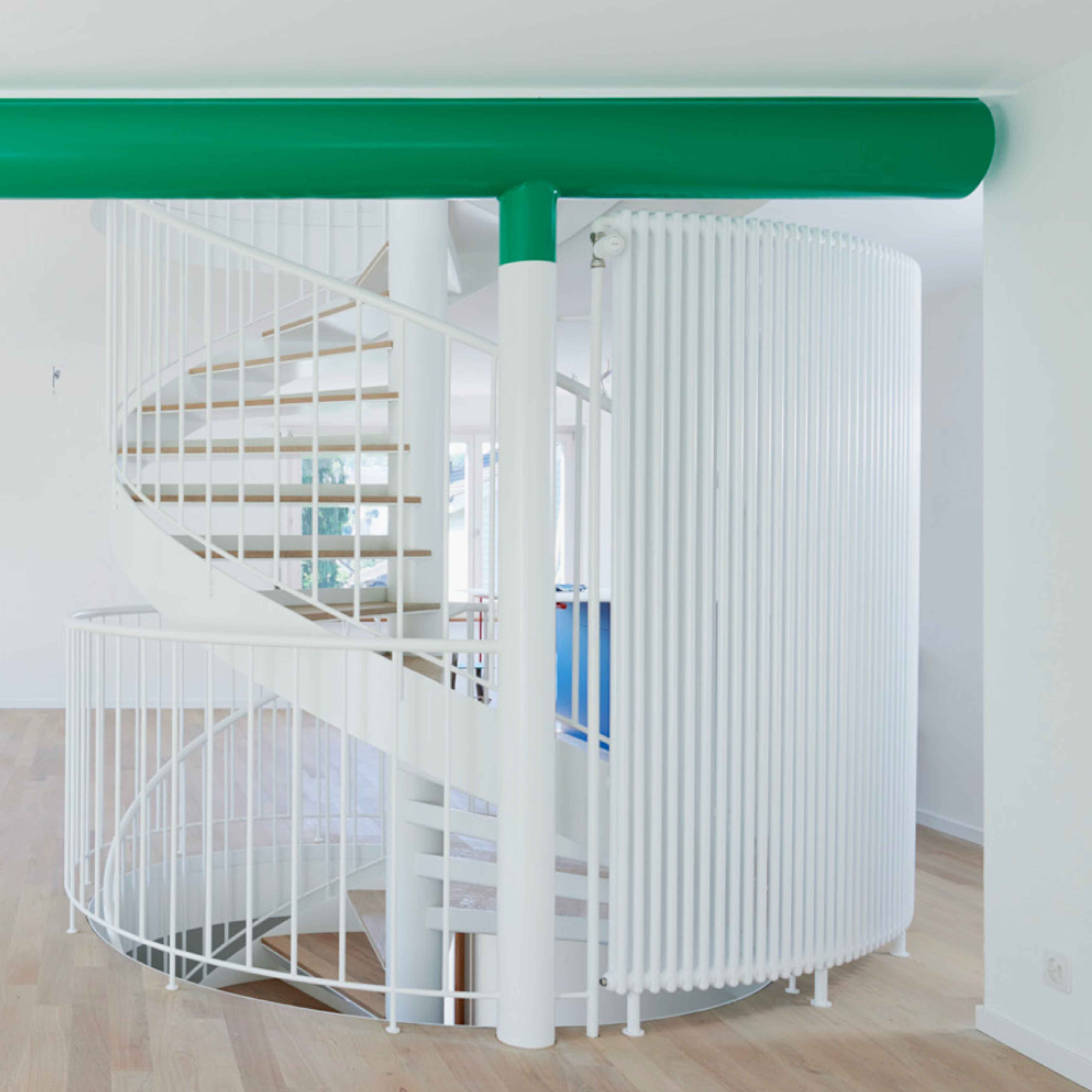 Truwant + Rodet + | Truwant+Rodet+ is a Basel-based architecture firm founded in 2015 by Charlotte Truwant and Dries Rodet, which operates across the fields of architecture, landscape urbanism, exhibition making, installations, furniture design, research, and teaching.In 2017, they received the Swiss Art Award for their project A Pavilion. Since 2018, they have been developing the project, Fountain of Youth with Fabian Marti for the Campus Santé in Lausanne. In 2020, Truwant+Rodet+ won the renovation for the Centre Culturel Suisse in Paris with the Parisian firm ASBR. In 2022, they won the competition for the renovation of the Stadium of Bulle.This conversation was recorded remotely on 12 September in Basel and London. Special thanks this week to Bárbara Maçães Costa.The essay "Time as Material" referred to in the conversation can be accessed here. Hosted on Acast. See acast.com/privacy for more information. | — | ||||||
| 10/9/25 |  Why be an architect today? | Scaffold is back this week, with an episode that asks a simple question: why be an architect today?The Architecture Foundation is based inside the office of AHMM in Clerkenwell, which, back in July, hosted a summer school for teenagers just beginning to explore architecture.We decided to speak with some of them, to try and understand what draws young people to this profession today, what they think architecture is for, and how they imagine their futures in it.In these short conversations you get a strong impression of the perennial motivations that push people toward careers in shaping the built environment, despite the seemingly diminishing returns of practicing architecture today.Speaking with these students about their convictions give us a lot of hope: that the culture of architecture today, its perceived importance in society, and the esteem it’s held in, might still be elevated, and remain worthy of the ambition and altruism that is clearly in no short supply in this incoming generation.Special thanks this week to all the summer school students, and to Claire Pollock / AHMM Hosted on Acast. See acast.com/privacy for more information. | — | ||||||
| 7/31/25 |  Paul Shepheard | Paul Shepheard is a British architect and writer known for his philosophical and multidisciplinary approach to architecture. Shepheard was a student at the Architectural Association in the 1960’s, and has worked both in practice, for the likes of James Gowan, and in academia, teaching at institutions like the AA, the University of Texas at Austin, and the Kingston School of Art.As a writer, he is best known for books that explore architecture in relation to broader cultural, technological, and existential themes. His notable works include What is Architecture? (1994), The Cultivated Wilderness (1997), Artificial Love (2003), and How to Like Everything (2013). His most recent book, and the focus of our interview, is called Autobiography, which was published in 2024 by Canalside press. Hosted on Acast. See acast.com/privacy for more information. | — | ||||||
| 7/4/25 |  Fredi Fischli (Kontextur Podcast Festival) | Recorded live from the Kontextur Podcast Festival at Khaus in Basel, this episode features a conversation with the curator Fredi Fischli. Fredi Fischli, along with Niels Olsen, is co-curator and co-director of exhibitions at the Institute for the History and Theory of Architecture (gta), ETH Zurich. Together with Niels, Fredi works on projects at the intersection of architecture, art, research and teaching, resulting in exhibitions that subvert traditional formats of display by abandoning the top-down dissemination of knowledge typical to University Galleries, sharing instead their more raw and unbridled enthusiasm for forging strange new connections. resulting in such exhibitions as Unbeautiful museum (curated with Geraldine Tedder), Cloud’ 68. Collection of Radical Architecture, Home. A User’s Manual among many others. Special thanks this week to Katharina Benjamin and everyone on the Kontextur team, including Angelika HinterbrandnerPatrick Martin Rosa Thoneick and Laura Bertelt. Hosted on Acast. See acast.com/privacy for more information. | — | ||||||
| 6/20/25 |  Crit: Venice Biennale with Emily Conklin, Fabrizio Gallanti & Phin Harper | A month after the opening of this year's Venice Architecture Biennale, we've invited three critics to come on the show to help make sense of what was arguably one of the most content overloaded, and curitorially ambiguous biennales in recent memory.Since its inception in 1980, The Venice architecture biennale has set the tone for global discourse on contemporary design and urbanism, and yet the agenda of this year’s exhibition, curated by the MIT professor and recent guest of this podcast, Carlo Ratti, seemed surprisingly muted and anodyne, calling for architects to marshal the quote intelligence of the natural, artificial and collective”Still there are more complex although perhaps unintended themes to the biennale this year, including the emerging relationship between unaccountable technologies and authoritarianism, quantatitve expansion as a proxy for genuine inclusivity, and perhaps most importantly, the exchange of an independent curatorial vision for an apparent new ideal of algorithmically determined experience. Furter reading:Emily Conklin: We Will Rest: Seeking Resistance and Recovery During Carlo Ratti’s Venice Biennale in the Brooklyn RailFabrizio Gallanti: "Fakery and deception is everywhere at Venice Architecture Biennale 2025" in DezeenPhin Harper: Venice Architecture Biennale 2025 Review: A Tech Bro Fever Dream in Art Review and La Biennale Architettura: A Beginner’s Guide on The Fence.Emily Conklin is the former managing editor of the Architect's Newspaper and is an editor and critic based in New York City. She is trained as a historic preservationist and is the founder of Tiny Cutlery studio. Fabrizio Gallanti is an architect, writer and curator, and directs Arc en Rêve, an architectural center in Bordeaux.Phin Harper is a critic, curator, and sculptor and former Chief Executive of Open City.Correction: the list of Swiss Pavilion curators mentioned in this episode mistakenly omitted Myriam Uzor, who led the project alongside Elena Chiavi, Kathrin Füglister, Amy Perkins amd Axelle Stiefel. Hosted on Acast. See acast.com/privacy for more information. | — | ||||||
| 6/6/25 |  Patrick McGraw (Heavy Traffic Magazine) | Patrick McGraw is the editor and publisher of Heavy Traffic magazine. Based in NYC, designed by Richard Turley and featuring contributions as varied as Sheila Heti, Keller Easterling and Dean Kissick, Heavy Traffic understands and reflects the mood of contemporary life in a way that fiction is increasingly well suited to. Literature has the ability to capture our now terminally online consciousness. Architecture, on the other hand—a cultural form that once stood for whole epochs—has in recent decades become anachronistic, divorced from the virtual world that increasingly holds us captive. Patrick’s trajectory is interesting because he originally studied architecture before making a shift into journalism and eventually leading a literary magazine. In our conversation we try to bridge this gap between the world of architecture and fiction. Hosted on Acast. See acast.com/privacy for more information. | — | ||||||
| 5/12/25 |  Jacques Herzog & Nicholas Serota with Ellis Woodman | To mark the 25th Anniversary of the Tate Modern this week, the Architecture Foundation's Director Ellis Woodman speaks with two key figures behind the museum's conception: Nicholas Serota and Jacques Herzog.Scaffold is an Architecture Foundation production, hosted by Matthew Blunderfield. Download the London Architecture Guide App via the App Store or Google PlayBecome an Architecture Foundation Patreon member and be a part of a growing coalition of architects and built environment professionals supporting our vital and independent work. Hosted on Acast. See acast.com/privacy for more information. | — | ||||||
| 5/7/25 |  Carlo Ratti | Carlo Ratti is is an Italian architect, engineer and educator, and the curator of the 19th Venice Architecture Biennale. As the 2025 Venice Architecture Biennale opens its doors, we speak with this year’s curator, Carlo Ratti—architect, engineer, and a leading thinker at the intersection of design, technology, and urbanism. Under the theme 'Intelligens: Natural. Artificial. Collective.', Ratti explores how new forms of intelligence—from machine learning to natural ecosystems—are transforming not just the spaces we build, but the tools and processes we use to conceive them. In this episode, he reflects on the Biennale's curatorial vision, and the questions it raises about architecture’s evolving role in an increasingly interconnected world. Hosted on Acast. See acast.com/privacy for more information. | — | ||||||
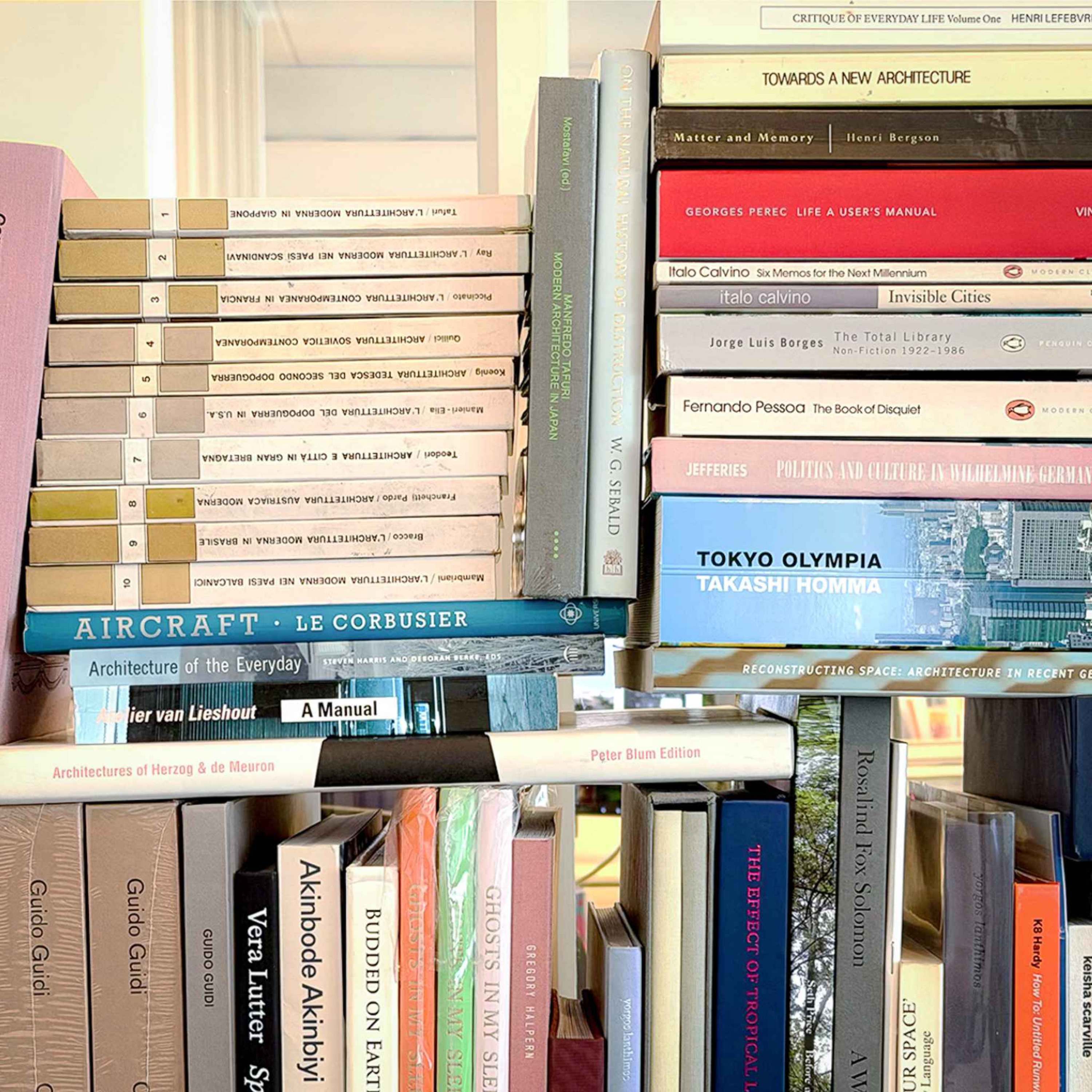
| 5/1/25 |  Michael Meredith | Michael Meredith is a co-founder with Hilary Sample of MOS, an architecture practice based in New York.MOS is an acronym derived from Meredith and Sample, with the "O" serving as an abstract, connective element. The name, much like the practice itself and the cultural moment it emerged from in the early 2000s, captures a playful tension between irony and sincerity. It's a subtle nod toward global architectural giants like SOM or OMA, while genuinely embodying Michael and Hilary's playful and collaborative spirit.A hallmark of Meredith and Sample’s work is their ability to balance intentional imperfection with technical precision. They've described their practice as embracing a philosophy that's "horizontal and fuzzy," deliberately moving away from the conventional "tall and shiny" image typically associated with architecture firms. It's a metaphor reflecting their preference for an architecture that's smaller, less bureaucratic, more experimental, and ultimately more alive.Michael's podcast Building with Writing Stan Allen: https://open.spotify.com/show/7CUtD3SnpyKxWUmsNnDmSwMichael's 2025 Princeton Syllabus: https://docs.google.com/document/d/1aU1IqdLYJmcldMAzgnxrwOczO1TIrTtCejEziyxZ4-U/edit?tab=t.0Scaffold is an Architecture Foundation production, hosted by Matthew Blunderfield. Download the London Architecture Guide App via the App Store or Google PlayBecome an Architecture Foundation Patreon member and be a part of a growing coalition of architects and built environment professionals supporting our vital and independent work. Hosted on Acast. See acast.com/privacy for more information. | — | ||||||



Showing 25 of 157
Pitch Fit is a Pro feature
See how bookable this show is for guests, which brands already advertise, the per-episode ad value, and the best-fit guest and sponsor profile. The numbers are blurred on the free plan.
How readily this show books outside guests like you.
How proven this show is for host-read sponsorships.
For Guests
ProFor Advertisers
ProUpgrade to Pro to unlock guest cadence, sponsor categories, fit scores, and per-episode ad value for this show.
Similar Audience Demographics
Podcasts that attract a similar listener profile


Chart history for Scaffold
Peaked at #6 in GR, top 10 in 3 of 47 tracked markets, currently #6 in GR.
| Market | Genre | Peak | Current | Trend |
|---|---|---|---|---|
| GR | — | #6 | #6 | — |
| South Korea | — | #6 | #6 | — |
| PH | — | #10 | #10 | — |
| IS | — | #12 | #12 | — |
| BE | — | #15 | #15 | — |
| Ireland | — | #18 | #18 | — |
| Denmark | — | #20 | #20 | — |
| CL | — | #20 | #20 | — |
| TH | — | #21 | #21 | — |
| Italy | — | #22 | #22 | — |
| CZ | — | #23 | #23 | — |
| TR | — | #24 | #24 | — |
| IL | — | #24 | #24 | — |
| France | — | #25 | #25 | — |
| AT | — | #26 | #26 | — |
| PT | — | #27 | #27 | — |
| Spain | — | #28 | #28 | — |
| CH | — | #28 | #28 | — |
| HU | — | #28 | #28 | — |
| MY | — | #31 | #31 | — |
Chart Positions
47 placements across 45 markets.
Chart Positions
47 placements across 45 markets.