Does going to the moon still matter?
About this episode
The episode discusses the significance of returning to the moon with the Artemis II mission and features insights from various experts.
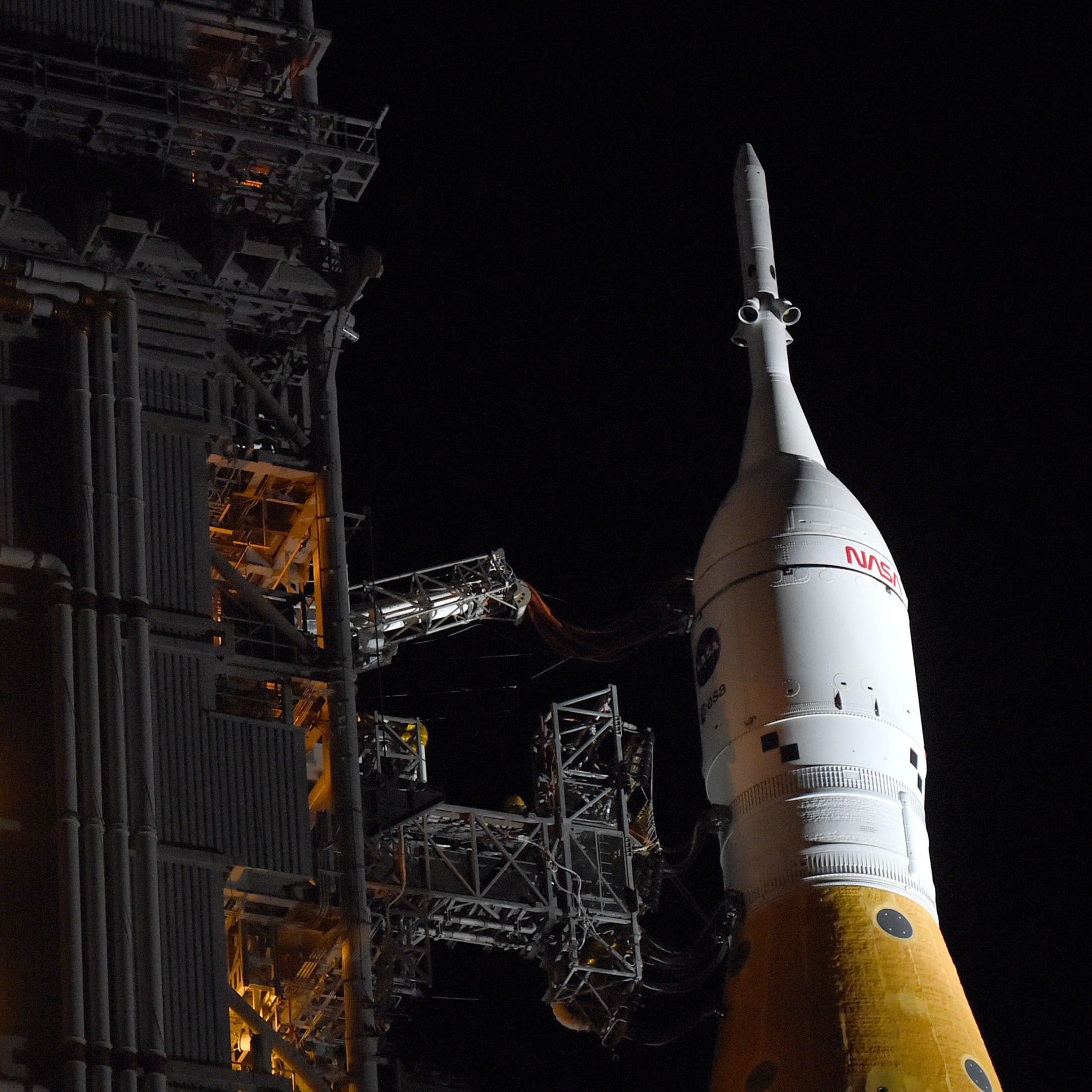
If all goes to plan, Artemis II, Nasa’s mission to return humans to the moon, will launch this week. The mission will mark the farthest that humans have travelled from Earth, and the first return to the moon in more than 50 years. It will also pave the way for landing on the moon again as soon as 2028. But given the Apollo missions have already achieved that feat, does going back to the moon still matter today? To find out, Madeleine Finlay hears from the Guardian’s science editor, Ian Sample, the Atlantic journalist Ross Andersen, and Jan Wörner, a former director general of the European Space Agency. Help support our independent journalism at theguardian.com/sciencepod
More episodes of Science Weekly
- Food intolerances: how do you know if you have one?
- Muons, massive waves and restored sight: the winners at the ‘Oscars of science’
- Mythos: are fears over new AI model panic or PR?
- The surprising value of boring chats, ‘super El Niño’ and Alzheimer’s evidence reviewed
- Helium: the invisible gas that powers AI, and why it’s in short supply
- Everything you need to know about Artemis II so far
Explore listener stats, chart rankings, contacts and more on the Science Weekly podcast page.