
Insights from recent episode analysis
Audience Interest
Podcast Focus
Publishing Consistency
Platform Reach
Insights are generated by CastFox AI using publicly available data, episode content, and proprietary models.
Total monthly reach
Estimated from 2 chart positions in 2 markets.
By chart position
- 🇳🇿NZ · Medicine#163500 to 3K
- 🇭🇺HU · Medicine#165500 to 3K
- Per-Episode Audience
Est. listeners per new episode within ~30 days
500 to 3K🎙 ~2x weekly·41 episodes·Last published 2d ago - Monthly Reach
Unique listeners across all episodes (30 days)
1K to 6K🇳🇿50%🇭🇺50% - Active Followers
Loyal subscribers who consistently listen
400 to 2.4K
Market Insights
Platform Distribution
Reach across major podcast platforms, updated hourly
Total Followers
—
Total Plays
—
Total Reviews
—
* Data sourced directly from platform APIs and aggregated hourly across all major podcast directories.
On the show
Recent episodes
The Summer Experiment. What If The Next 90 Days Were About Becoming More Alive?
Jun 10, 2026
14m 45s
Birthdays Are Your Personal New Year. A Conversation About Midlife, Growth, and Designing What's Next
Jun 8, 2026
16m 36s
Who Are You Still Waiting Permission From? Trusting Yourself in Midlife: Fear, Intuition, and the Courage to Choose
Jun 3, 2026
21m 36s
The Cost of Trying to Earn Your Place: Why high-functioning adults confuse achievement with safety
May 27, 2026
39m 37s
The Hero Mindset: A Midlife Conversation About Courage, Meaning & Agency
May 25, 2026
27m 16s
Social Links & Contact
Official channels & resources
Official Website
Login
RSS Feed
Login
| Date | Episode | Description | Length | ||||||
|---|---|---|---|---|---|---|---|---|---|
| 6/10/26 | The Summer Experiment. What If The Next 90 Days Were About Becoming More Alive? | What if summer wasn't something to get through?What if it became something to experience?As adults, many of us approach summer the same way we approach the rest of our lives—busy, over scheduled, distracted, and constantly focused on what's next. Somewhere between careers, caregiving, responsibilities, health concerns, and endless to-do lists, we stopped treating summer like the season of possibility it once was.In this solo episode of Second Opinion, I explore a different idea:What if the next 90 days became an experiment?Not a productivity challenge.Not another self-improvement project.Not a list of goals that leaves us feeling behind by July.An experiment in curiosity.An experiment in vitality.An experiment in becoming more fully alive.Drawing on the nostalgia of summer vacations, beach days, cookouts, watermelon, summer reading programs, open windows, fireflies, and staying outside until the streetlights came on, I invite listeners to reclaim the energy of possibility that summer naturally brings.Together, we'll explore why 90 days may be the perfect timeframe for meaningful change, how curiosity fuels personal growth, and why desire and dreams —not discipline—might be the missing ingredient in many of our lives.This episode also launches a summer-long journey that will include conversations about hydration, hormones, energy, strength, creativity, reading, self-trust, longevity, and intentional living.Not because I have all the answers.But because I'm willing to experiment.And maybe you are too.Because the next 12 weeks are going to pass either way.The question is:Who do you want to be when Labor Day arrives?In This Episode☀️ Why summer may be the most underrated season for personal growth☀️ The surprising power of a 90-day experiment☀️ Why most people wait until January to make changes—and why summer may be better☀️ The difference between goals and experiments☀️ Reclaiming curiosity, wonder, and possibility in midlife☀️ Why desire matters more than we think☀️ How experimentation reduces pressure and increases engagement☀️ The connection between vitality, longevity, and everyday choices☀️ Questions to help design your own Summer Experiment☀️ Why becoming more alive may be a better goal than becoming more productiveQuestions Worth Asking Yourself• What would make this summer feel meaningful?• What do I desire more of in my life?• What have I been postponing?• What would happen if I approached the next 90 days with curiosity instead of pressure?• What experiment am I willing to try?• Who do I want to be when summer ends?My Summer ExperimentsThis summer, I'm exploring:✨ Hydration✨ Hormones✨ Energy✨ Strength✨ Sleep✨ Summer Reading✨ Creating More, Consuming Less✨ Curiosity✨ Self-Trust✨ Joy✨ PossibilityAnd I'll be sharing what I learn along the way.The Big IdeaMost of us don't need another goal.Most of us need a little more wonder.A little more curiosity.A little more possibility.And maybe a reminder that life is still unfolding.Summer has always been the season of adventure, freedom, discovery, reinvention, and romance.Maybe it's time to bring some of that energy back.Not necessarily romance with another person.But romance with life itself.Coming Next On Second OpinionThroughout the summer, I'll be sharing updates from my own Summer Experiment, including:• Hot for Hormones• Hydration & Energy• Strength & Longevity• Summer Reading• Midlife Health Experiments• Creating More, Consuming Less• Designing a Life That Feels Good to LiveBecause curiosity doesn't end at midlife- If anything, it becomes more important.Half the year may be behind us- However then again, half the year is a head of us. If This Episode Resonated-share it with a friend.Start your own Summer Experiment.And let me know:What are you curious about this summer?About Second OpinionSecond Opinion is hosted by me, Rosemarie Beltz—a healthcare journalist and board-certified cardiovascular perfusionist with more than three decades in medicine.Each week, we explore health, longevity, reinvention, and what's possible next.Produced independently from New York City.Stay curious.Stay open.See where the summer takes you.And don't forget to flirt with possibility along the way.Until next time.Connect With Second OpinionFollow, subscribe, and share the podcast wherever you listen.Website: https://rosemarieb.com/Instagram: @RosemarieBeltz @midlifeminuteYouTube: https://www.youtube.com/@rosemariebeltzDisclaimerThe information shared on Second Opinion is intended for educational and informational purposes only and should not be considered medical advice. Always consult your physician or qualified healthcare provider regarding any medical concerns or before making changes to your healthcare routine. 🔗 Follow & Subscribe to never miss an episode. If you love the show, leave a review—it helps others get a second opinion!💡 Have a topic you’d love for us to cover? Reach out at www.rosemarieb.com. | 14m 45s | ||||||
| 6/8/26 | Birthdays Are Your Personal New Year. A Conversation About Midlife, Growth, and Designing What's Next | What if birthdays aren't about getting older?What if they're about becoming more fully yourself?In this deeply personal solo episode, Second Opinion host Rosemarie Beltz reflects on turning 54 and explores why birthdays may be one of the most overlooked opportunities for self-reflection, reinvention, and intentional living.Drawing from decades of personal rituals, mentors, life experiences, and lessons learned along the way, Rosemarie shares the process she uses each year to take inventory of her life, celebrate progress, examine patterns, and consciously design what comes next.From moving into her first home and sleeping on an air mattress just one year ago, to watching a magnolia tree bloom and a mockingbird raise her family outside a Brooklyn terrace, this episode explores what it means to remain curious, hopeful, and fully engaged with life in midlife.Along the way, listeners are invited to conduct their own life audit and consider a powerful question:If your birthday was your personal New Year, how would you spend the next twelve months?This is a conversation about aging, growth, grief, possibility, self-trust, and the courage to keep dreaming.Because birthdays aren't reminders that we're getting older.They're reminders that we're still here.Still learning.Still growing.Still becoming.In This Episode✔ Why birthdays have become Rosemarie's personal New Year✔ The annual reflection process she has practiced for decades✔ How mentors, books, and life experiences shaped her approach to personal growth✔ The surprising realization that she had stopped dreaming✔ Lessons learned from buying her first home and creating a life on her own terms✔ Why a magnolia bloom and a mockingbird nest became powerful symbols of growth✔ Reflections on turning 54 and entering a new chapter of life✔ What grief, gratitude, and aging have in common✔ Questions every listener can ask before their next birthday✔ Why curiosity may be one of the most powerful tools for longevity and fulfillmentOne Year LaterOne year ago, Rosemarie was sleeping on an air mattress in a mostly empty apartment after purchasing her first home and moving nearly everything she owned herself from a fifth-floor walk-up.This year, she records this episode as custom built-ins are installed on her birthday, transforming a space that once felt unfinished into a true home.The contrast sparked a realization many midlife adults can relate to:We often focus on what hasn't happened yet and overlook how much has already changed.This episode serves as a reminder that growth is often easier to recognize when we pause long enough to look back.The Questions That Shape Every BirthdayEach year, Rosemarie asks herself a series of questions that have become the foundation of her birthday ritual:• Where was I one year ago?• What challenged me?• What surprised me?• What strengthened me?• What am I tolerating that no longer belongs in my life?• What do I want more of?• What do I need less of?• Who am I becoming?• What would make the next year meaningful?These questions have become less about setting goals and more about creating awareness.Because awareness creates choice.And choice creates change.Birthday Traditions Around The WorldAcross cultures, birthdays are far more than celebrations. They are rituals that honor life, growth, family, and the passage of time.In China, longevity noodles symbolize a long and healthy life.In South Korea, birthday traditions include honoring mothers through seaweed soup.In Denmark, flags are raised outside homes to mark the occasion.In Mexico, birthdays are celebrated with music, piñatas, and joyful gatherings.While traditions vary, the message remains remarkably consistent:Life is worth celebrating.Even on an ordinary Monday.A Reflection On MidlifeMuch of the public conversation around aging focuses on decline.This episode offers a different perspective.At 54, Rosemarie reflects on the possibility that midlife may not be a period of limitation, but one of expansion.A time to become more discerning.More intentional.More courageous.More aligned with who we truly are.Rather than asking, "Am I where I thought I'd be?"This episode invites listeners to ask:"What do I want to create from here?"Books, Thinkers & Influences Mentioned• Tara Marino• Dr. Joe Dispenza• Breaking the Habit of Being Yourself• Oprah Winfrey• Wayne Dyer• Annual reflection and journaling practices• Midlife, longevity, and personal growth researchComing Next On Second OpinionIn the next episode, Rosemarie shares her Summer Reset.From books and morning rituals to new habits, health experiments, mindset shifts, and personal challenges, she'll explore how she's intentionally designing the next 90 days and why summer may be the perfect time to reassess what matters most.Because meaningful change doesn't only happen in January.Sometimes it begins in June.If This Episode ResonatedShare it with someone celebrating a birthday.Someone navigating a life transition.Someone questioning what's next.Or someone who simply needs a reminder that they are not behind.The best conversations rarely happen alone.About Second OpinionSecond Opinion is a podcast exploring health, longevity, reinvention, aging, relationships, purpose, curiosity, and the questions that help us live more intentional lives.Hosted by healthcare journalist and board-certified cardiovascular perfusionist Rosemarie Beltz, the show blends evidence-based insights, personal storytelling, and thoughtful conversations designed to help listeners navigate midlife and beyond.About The HostRosemarie Beltz is a healthcare journalist, board-certified cardiovascular perfusionist, and creator of Second Opinion. With nearly three decades in medicine and thousands of cardiac procedures performed, she brings a unique perspective to conversations about health, longevity, reinvention, and what it means to thrive in the second half of life.Follow & SubscribeIf you enjoy thoughtful conversations about health, longevity, curiosity, reinvention, and aging well, follow Second Opinion wherever you listen to podcasts and share the show with a friend.Your support helps independent creators continue producing meaningful, high-quality conversations that encourage deeper thinking and lifelong learning.Second Opinion is independently researched, written, produced, and hosted by Rosemarie Beltz in New York City.Where curiosity is the real fountain of youth.And age is always your advantage. | 16m 36s | ||||||
| 6/3/26 | Who Are You Still Waiting Permission From? Trusting Yourself in Midlife: Fear, Intuition, and the Courage to Choose | What if the biggest lesson of midlife isn't learning more...but learning to trust yourself?In this milestone 50th episode of Second Opinion, Rosemarie Beltz reflects on a journey that has spanned decades of healthcare, journalism, achievement, loss, reinvention, and ultimately, self-discovery.After producing fifty episodes independently and reaching listeners in fifty-six countries, Rosemarie realized something unexpected: the story she thought she was telling wasn't really about podcasting, media, healthcare, or even midlife.It was about self-trust.For most of her life, she trusted authority, credentials, institutions, accomplishments, and the opinions of people she respected. But as life unfolded—with the loss of her beloved dog Oscar, the experience of building her first home, and the evolution of Second Opinion itself—she found herself confronting a deeper question:How do you know when to trust your gut instead of your fear?This deeply personal solo episode explores the invisible search for permission, the surprising limitations of credentials, the difference between intuition and anxiety, and why some of the most important decisions in life cannot be outsourced to experts.Rosemarie shares lessons learned from nearly three decades in medicine, her transition into journalism, the realities of creating an independent media platform, and the profound shifts that occur when we stop asking to be chosen and start choosing for ourselves.If Episode 49 explored the cost of trying to earn your place, Episode 50 explores something even more important:What happens when you finally trust yourself enough to take it.IN THIS EPISODE✔️ Why high-achieving adults often seek permission without realizing it✔️ The hidden difference between achievement and self-trust✔️ How fear and intuition can sound remarkably similar✔️ Why credentials can only take you so far✔️ The surprising lessons grief teaches about what truly matters✔️ How losing Oscar clarified Rosemarie's priorities✔️ The difference between building a career and building a life✔️ Why getting into the room doesn't always make you admire the people inside it✔️ The evolution of Second Opinion from podcast to community✔️ How midlife changes the way we think about time, energy, and purpose✔️ Why self-trust may be one of the final great lessons of adulthoodKEY TAKEAWAYSFear screams. Intuition whispers.Credentials and character are not the same thing.Permission is often disguised as preparation.Grief clarifies what matters.Midlife is less about proving and more about choosing.Communities change lives.Self-trust is built through action, not certainty.Courage is not a personality trait. It's a practice.You may not need more information. You may need more trust in yourself.A NOTE FROM ROSEMARIEWhen I launched Second Opinion, I thought I was creating a platform.What I discovered was that I was building a community.Every message, every conversation, every story you've shared has reminded me that none of us are navigating this chapter of life alone.Whether you're listening from New York City, Australia, Ireland, Canada, South Africa, the United Kingdom, or somewhere else entirely, thank you for being part of this conversation.Fifty episodes in, I am more convinced than ever that curiosity matters.Questions matter.Growth matters.And perhaps most importantly, learning to trust yourself matters.REFLECTIVE QUESTIONSWho are you still waiting permission from?What decision have you been postponing because you're waiting to feel ready?Is your hesitation rooted in fear—or discernment?Where are you seeking validation instead of trusting yourself?What would change if you believed you were already qualified to begin?What chapter of your life are you being invited to choose?RESOURCES & MENTIONSEpisode 49: The Cost of Trying to Earn Your PlaceSecond Opinion PodcastMidlife MinuteRosemarieB.comIF THIS EPISODE RESONATEDShare it.Not because it helps an algorithm.Because it helps a conversation.The Midlife Movement we're building here grows one thoughtful conversation at a time.One shared episode.One meaningful discussion.One person realizing they are not alone.That's how communities are built.That's how movements begin.ABOUT SECOND OPINIONSecond Opinion is an independent podcast hosted by Rosemarie Beltz, a Board-Certified Cardiovascular Perfusionist, journalist, and storyteller exploring health, longevity, reinvention, relationships, identity, and the realities of modern midlife.Through expert interviews and thought-provoking solo episodes, Second Opinion helps listeners ask better questions, think more deeply, and navigate life with curiosity, courage, and perspective.FOLLOW & CONNECTWebsite: RosemarieB.comPodcast: Second Opinion With Rosemarie BeltzInstagram: @RosemarieBeltzInstagram: @MidlifeMinutePRODUCTIONSecond Opinion is independently produced and hosted by Rosemarie Beltz in New York City. 🔗 Follow & Subscribe to never miss an episode. If you love the show, leave a review—it helps others get a second opinion!💡 Have a topic you’d love for us to cover? Reach out at www.rosemarieb.com. | 21m 36s | ||||||
| 5/27/26 | The Cost of Trying to Earn Your Place: Why high-functioning adults confuse achievement with safety | The Cost of Trying to Earn Your Place: Why high-functioning adults confuse achievement with safetyDESCRIPTIONWhat happens when excellence stops being ambition—and becomes emotional protection?In this deeply personal solo episode of Second Opinion, Rosemarie Beltz explores the hidden emotional cost of competence, perfectionism, and high-functioning adulthood.For decades, Rosemarie believed striving was virtue.That over-preparing meant professionalism. That proving herself meant ambition. That achievement created safety.But after nearly 30 years in medicine, work in journalism and television, personal heartbreak, profound grief, and the experience of building an independent global podcast platform from scratch, a harder truth emerged:What if some of what we call excellence is actually fear?This episode examines the psychology of perfectionism, emotional over-functioning, survival-driven competence, inherited work ethic, institutional disillusionment, and the exhausting pressure many smart adults feel to continually earn their place.Rosemarie reflects on:growing up in a hardworking family where responsibility matteredearly emotional betrayal and how it shaped vigilancehigh-pressure years in cardiac surgery and perfusionnavigating elite institutions including Columbia Journalismthe hidden anxiety beneath outward competencehow grief changes your relationship with performancewhy maturity sometimes means seeing powerful systems more clearlyhow building Second Opinion transformed her standards, discernment, and sense of selfThis conversation is for the high-achievers. The professionals. The caregivers. The over-functioners. The people everyone depends on.The ones who look calm—but may be quietly exhausted from proving.If you’ve ever:tied your worth to performancestruggled with perfectionismquestioned your ambitionfelt disillusioned by institutionswondered why success doesn’t always feel saferecognized how family legacy shaped your work ethicasked yourself “What am I still trying to prove?”...this episode is for you.And this is only Part One.Next episode: How do you tell the difference between fear and intuition?Because understanding why you became this way… is only half the story.WHAT YOU’LL LEARN✔ Why perfectionism is often rooted in fear—not discipline ✔ The difference between healthy ambition and survival-driven overachievement ✔ How betrayal and emotional disappointment shape adult performance patterns ✔ Why competence doesn’t automatically teach discernment ✔ How grief strips away emotional performance ✔ Why high-functioning adults often normalize anxiety ✔ How institutional proximity changes perspective ✔ Why midlife is the perfect time to reassess what success actually meansWHO THIS EPISODE IS FORThis episode is for:high-functioning professionalshealthcare workersphysiciansexecutivesentrepreneursjournalistsperfectionistsrecovering people pleasersemotionally intelligent midlifersanyone quietly exhausted from provingWHO THIS EPISODE IS NOT FORIf you’re looking for:shallow motivational clichéshustle culture hypesimplistic self-help platitudes...this is not that conversation.If this conversation shifted how you think, follow Second Opinion on Apple Podcasts, Spotify, or wherever you listen.Thoughtful reviews help independent shows like this reach more curious listeners around the world.Share this episode with the smart person who always looks like they have it together.PRODUCTION CREDITSecond Opinion is independently produced by Rosemarie Beltz in New York City. 🔗 Follow & Subscribe to never miss an episode. If you love the show, leave a review—it helps others get a second opinion!💡 Have a topic you’d love for us to cover? Reach out at www.rosemarieb.com. | 39m 37s | ||||||
| 5/25/26 | The Hero Mindset: A Midlife Conversation About Courage, Meaning & Agency | What makes someone a hero?Is it dramatic bravery? Public recognition? A cinematic moment?Or is heroism something quieter—and far more relevant to the lives most of us are actually living?In this solo episode of Second Opinion, Rosemarie Beltz takes listeners from a rainy Memorial Day weekend in New York into a much bigger global conversation about courage, resilience, purpose, and the psychology of showing up—especially in midlife.Drawing from nearly 30 years inside healthcare, Rosemarie explores why courage rarely looks the way we imagine it does. From operating rooms to real life, she reflects on how preparation, discipline, adaptability, and meaning shape the human experience.This episode explores the science of purpose, resilience, behavioral psychology, and learned helplessness—the concept pioneered by psychologist Dr. Martin Seligman that explains how repeated setbacks can condition people to stop trying, even when meaningful choices still exist.But this conversation is not about blame.It’s about agency.It’s about recognizing the quiet ways capable adults surrender power—in health, relationships, career, identity, and personal growth—and asking a better question:What story am I repeating that deserves a second opinion?This episode is for you if:you’re successful on paper but feeling unsettled internallyyou’ve caught yourself saying “this is just aging”you’re navigating reinvention, caregiving, career shifts, or changing healthyou believe growth is still available—but want smarter conversations, not empty motivationInside this episode:Memorial Day, remembrance, and the global psychology of courageWhy purpose impacts health, longevity, and resilienceLearned helplessness and how our brains adapt to powerlessnessWhy “heroism” may be more ordinary—and more relevant—than we thinkThe psychology of agency in midlifeWhy resilience still matters (without toxic positivity)Simple ways to reclaim momentum without overwhelming yourselfIf you’ve ever wondered whether your best years are behind you, this conversation may offer a very different perspective.If this episode resonates, share it with someone smart enough to appreciate it.Connect with Rosemarie:Instagram: @rosemariebeltzWebsite & Complimentary Healthcare Guide: RosemarieB.comSecond Opinion is independently produced by Rosemarie Beltz in New York City—where science meets story, and age is always the advantage. 🔗 Follow & Subscribe to never miss an episode. If you love the show, leave a review—it helps others get a second opinion!💡 Have a topic you’d love for us to cover? Reach out at www.rosemarieb.com. | 27m 16s | ||||||
| 5/20/26 | The Years Between Milestones: Why We Wait to Celebrate Ourselves | Somewhere along the way, many high-functioning adults learn to celebrate arrival—but quietly dismiss progress.The milestone birthday gets the dinner reservation. The promotion gets the congratulations. The visible achievement gets the acknowledgment.But what about the years of becoming?In this solo episode of Second Opinion, Rosemarie Beltz—medical journalist, healthcare insider, and cardiovascular perfusionist with nearly 30 years in medicine—explores why humans are psychologically wired to respond to milestones, why capable adults often move the goalposts on themselves, and what science reveals about recognition, motivation, burnout, and the emotional cost of endlessly waiting for “big enough.”This is not a conversation about birthdays.It’s a conversation about how we measure meaning.Drawing from behavioral science, psychology, resilience research, and lived clinical perspective, Rosemarie examines why progress matters biologically—not just emotionally—and why midlife may be the exact season to rethink what counts.If you’ve ever found yourself saying:“I’ll celebrate when…”this conversation is for you.What you’ll learn:Why the “fresh start effect” makes birthdays, Mondays, and milestones psychologically powerfulHow dopamine and behavioral reinforcement influence motivation and momentumWhy high-achieving adults are especially prone to moving the goalpostsWhat burnout science reveals about insufficient recognition and chronic effortHow self-efficacy shapes resilience, health behavior, and future decision-makingWhy some of the most meaningful milestones in adulthood are invisibleFor Gen X listeners navigating health, reinvention, caregiving, changing identities, ambitious careers, or simply the strange emotional math of midlife—this is a thoughtful reframe.Because the years between milestones are not the waiting room.They are your life.About the HostRosemarie Beltz is a cardiovascular perfusionist, medical journalist, and host of Second Opinion, an independently produced New York City podcast exploring midlife health, reinvention, healthcare decision-making, and the intersection of science and lived experience. The show reaches listeners in more than 50 countries.Sources referenced include:Behavioral science research on the Fresh Start Effect (Katy Milkman), Albert Bandura’s work on self-efficacy, Christina Maslach’s burnout research, Barbara Fredrickson’s broaden-and-build theory, and contemporary research on behavioral reinforcement and motivation.Explore more at RosemarieB.comBecause better health—and better decisions—begin with better questions. 🔗 Follow & Subscribe to never miss an episode. If you love the show, leave a review—it helps others get a second opinion!💡 Have a topic you’d love for us to cover? Reach out at www.rosemarieb.com. | 33m 44s | ||||||
| 5/13/26 | 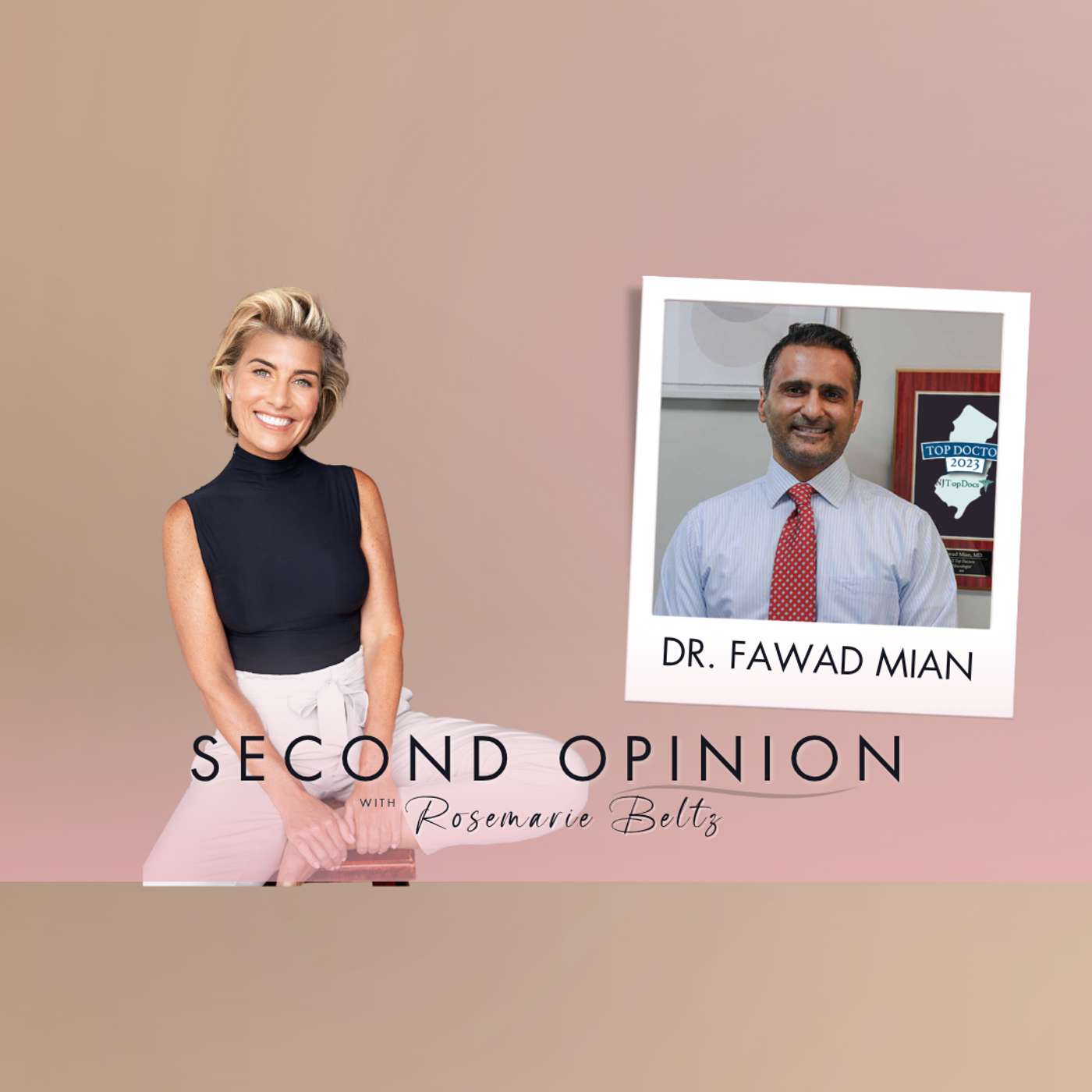 Everything Looks Normal… So Why Do You Feel Off? Midlife Signals Your Body Is Sending Before a Diagnosis | Everything Looks Normal… So Why Do You Feel Off?Midlife Signals Your Body Is Sending Before a Diagnosis with Dr. Fawad Mian, Neurologist , Sleep & Regenerative Medicine SpecialistYou’ve been told everything looks normal. So why don’t you feel like yourself?In midlife, the shift rarely shows up as a diagnosis. It shows up as something harder to define.The ReframeYou’re still functioning. Still performing. But sleep isn’t the same. Recovery takes longer. Your body feels different.And more often than not—you’re told: everything is fine.This episode explores the space between what’s measurable… and what’s actually happening.The ConversationIn this episode of Second Opinion, Rosemarie Beltz sits down with Dr. Fawad Mian, a board-certified neurologist and sleep medicine specialist, to unpack why so many high-functioning adults in midlife begin to feel physically and cognitively “off”—before anything shows up on paper.This isn’t about trends. It’s about understanding your body with more precision. What You’ll LearnWhy “everything looks normal” is often incompleteWhat’s actually changing in midlife: hormones, sleep, muscle loss, inflammationHow sleep disruption quietly impacts pain, cognition, and recoveryThe difference between symptom management and root-cause thinkingWhat regenerative medicine (PRP, stem cells) can realistically do—and what to questionWhere people are overspending in wellness—and where they’re under-investingHow to approach midlife health with clarity instead of noiseWhy This Conversation MattersMidlife isn’t a diagnosis. It’s a signal.And without the right framework, people either ignore it—or chase solutions that don’t hold up.This conversation offers something more useful: a way to think clearly about your health decisions in a space full of conflicting information. About the GuestDr. Fawad Mian is a board-certified neurologist and sleep medicine specialist who expanded beyond traditional practice after navigating his own unresolved injuries.His work focuses on the intersection of pain, sleep, cognition, and metabolic health—particularly in patients who feel “off” but don’t fit into a clear diagnosis.🔗 Learn more: https://prolohealing.com 🧠 Reclaim Your Mind — Cognitive Program: https://course.prolohealing.com/quiz About the HostRosemarie Beltz is a healthcare professional and medical journalist with three decades of experience inside high-level clinical environments.She is the host of Second Opinion, a globally ranked podcast now reaching listeners in 53 countries, focused on health, reinvention, and decision-making in midlife.Independently produced in New York City.Listen + FollowIf this episode resonated, share it with someone who’s been told “you’re fine”… but knows they’re not.Follow Second Opinion for more conversations where science meets lived experience.🔗 ConnectWebsite: RosemarieB.com Podcast: Second OpinionBecause in midlife, clarity—not more information—is what changes everything. 🔗 Follow & Subscribe to never miss an episode. If you love the show, leave a review—it helps others get a second opinion!💡 Have a topic you’d love for us to cover? Reach out at www.rosemarieb.com. | 1h 04m 52s | ||||||
| 5/6/26 | Gardening After 40: The Surprising Power for Your Brain, Body & Midlife Reset The science, psychology, and emotional shift driving Gen X back to the soil. | Gardening After 40: The Surprising Power for Your Brain, Body & Midlife ResetThe science, psychology, and emotional shift driving Gen X back to the soil.What if the thing you thought was your mom’s—or your grandmother’s—hobby…was actually one of the most powerful tools for your mental health, your longevity… and your identity in midlife?And what if planting something in the ground…wasn’t about flowers at all—but about finally deciding to stay? EPISODE OVERVIEWThis episode explores gardening—not as a trend or pastime—but as a biological, psychological, and deeply personal shift happening in midlife.Drawing from nearly 30 years inside medicine, combined with lived experience, Rosemarie Beltz examines why more Gen X adults are being pulled toward gardening—and what it reveals about stress, identity, stability, and long-term health.This is not a conversation about plants.It’s about what grows when you stop living in motion… and start paying attention. WHAT YOU’LL LEARNIn this episode:Why gardening functions as real exercise—burning 165–300+ calories in just 30 minutesHow soil exposure may influence serotonin and mood regulationWhat research shows about gardening and cognitive decline, memory, and dementia riskWhy gardening improves nutrition, metabolic health, and cardiovascular risk factorsThe connection between routine, nervous system regulation, and emotional stabilityWhy gardening surged globally during the pandemic—and what that reveals about human behaviorThe difference between external productivity vs internal groundingHow gardening quietly teaches patience, resilience, and letting go WHO THIS EPISODE IS FORThis episode is for:Midlife professionals who want credible, grounded insight—not wellness noiseHigh-functioning individuals navigating change, loss, or recalibrationAnyone feeling successful on paper—but unsettled internallyListeners curious about longevity, lifestyle medicine, and real-life applicationThis episode is not for:Quick fixesperformative self-careor surface-level “just relax” adviceWHY THIS CONVERSATION MATTERS NOWGardening is no longer a niche hobby.It is increasingly recognized as:a tool for mental health and stress reductiona contributor to physical fitness and metabolic healtha support for cognitive function and long-term brain healtha driver of community connection and social resilienceThis isn’t nostalgia.This is public health.HOW THIS EPISODE MAY SHIFT YOUYou may find yourself:Looking at hobbies differently—not as “extras,” but as essential inputsReconsidering what “health” actually means in midlifeFeeling drawn to create one small, grounded space in your lifeRecognizing that growth may not require more effort… but more presenceREFLECTIVE MOMENTSAs you listen, consider:Where in your life are you still in constant motion?What have you outgrown—but haven’t released yet?What actually feels like you now?What would it look like to stay… long enough to let something grow?Stay with that for a moment. PRACTICAL START (NO OVERWHELM)If something resonated:Start small.One plantOne herbOne space you tend consistentlyBecause this isn’t about gardening perfectly.It’s about showing up… and returning. SOURCES & RESEARCHThis episode draws from research and public health data including:Preventive Medicine Reports — gardening and mental healthNational Institutes of Health (NIH) — physical and cognitive benefitsUNC Health Talk — caloric expenditure and cardiovascular impactBrown University Health — stress, memory, and vitamin DBlue Zone research (longevity regions including Okinawa and Sardinia)Community gardening and public health data on nutrition, social cohesion, and urban health A PERSONAL NOTE FROM ROSEMARIEThese episodes are becoming more personal.Because midlife is personal.And the truth is—this isn’t just about what we know… It’s about what we’re willing to see, feel, and stay with.MID-LIFE DECISION COMPLIMENTARY GUIDEIf you’re in a season of making bigger decisions—about your health, your time, or where you invest your energy—Download:The Midlife Guide to Choosing the Right Healthcare Provider (and Avoiding Costly Mistakes) → Available at RosemarieB.comBecause choosing wisely…is part of planting roots too.If this episode resonated:Follow Second Opinion on your favorite platformShare it with one thoughtful person Because high-level conversations—the ones that actually shift perspective—don’t happen alone. ABOUT THE SHOWSecond Opinion is a podcast for intelligent, curious mid-lifers navigating health, reinvention, and real life.Blending:sciencelived experienceand editorial clarityThis is where better questions lead to better decisions. PRODUCTION NOTESecond Opinion is independently produced by Rosemarie Beltz in New York City. 🔗 Follow & Subscribe to never miss an episode. If you love the show, leave a review—it helps others get a second opinion!💡 Have a topic you’d love for us to cover? Reach out at www.rosemarieb.com. | 19m 37s | ||||||
| 4/29/26 | 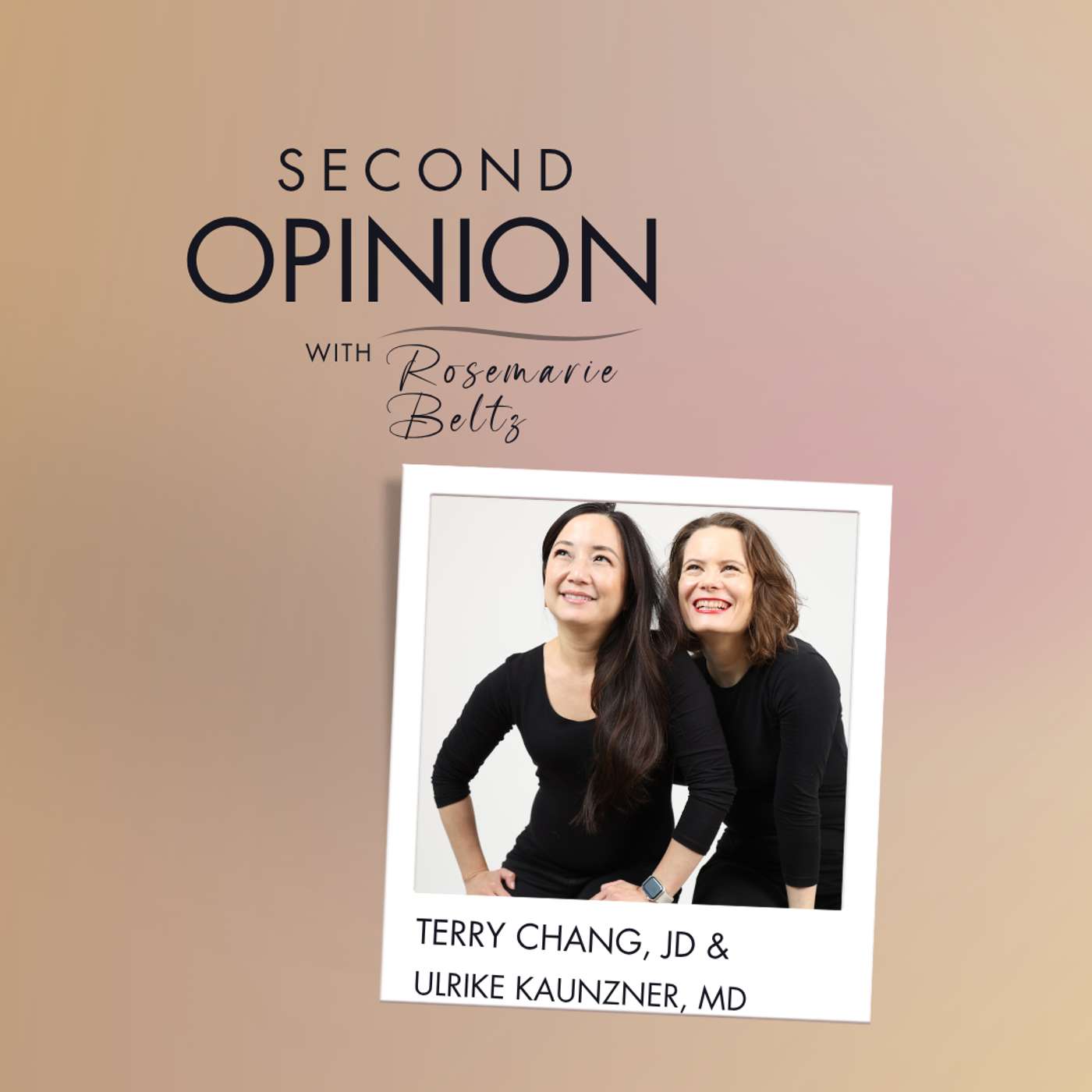 Seed Cycling for Hormones: Why Women of All Ages Are Talking About It | Seed Cycling & Hormones: What Women Are Being Told—and What’s Missing (From Your 20s to Menopause: Why Women Are Turning to Seed Cycling)Seed cycling is having a moment.But if I’m being honest—this conversation isn’t really about seeds.It’s about what happens when women—across generations—start pausing… and asking better questions about their bodies.Because whether you’re in your 20s, navigating your first hormonal shifts, or in midlife trying to make sense of changes no one really explained— the questions are actually the same.They just show up at different times.In this episode, I sit down with the founders of Two Moons Health for a conversation that moves beyond trend and into something much more layered.We talk about seed cycling, yes— but also what women are being told… what’s missing… and where things start to feel unclear.Where does the science actually stand?Where is it still evolving?And why are so many women—across generations—starting to look outside traditional pathways for answers?From my perspective—after nearly three decades in healthcare— this is the shift I’m seeing:Not more options.More curiosity.More women reading.Questioning.Connecting dots that were never fully explained.We get into:The tension between food and supplementsThe gap between clinical medicine and lived experienceWhy some symptoms are normalized instead of exploredAnd what it actually means to take a more active role in your healthThis is not a “yes or no” conversation.It’s a how do you think about this conversation. WHAT THIS EPISODE IS REALLY ABOUTWhy seed cycling is trending—and what’s behind the interestThe disconnect between what’s studied and what’s experiencedHow hormone conversations are shifting across generationsFood vs supplements: what actually mattersThe rise of women as informed decision-makersBuilding something in a space that isn’t fully definedTHE CONVERSATIONWhat makes this interesting to me— is the intersection.You have a founder who saw a pattern and decided to build something.And a physician who understands the system—but also its limitations.That’s where the real conversation lives.WHAT YOU’LL START TO NOTICEThis isn’t just a midlife conversation anymore.Women in their 20s, 30s, 40s and beyond are asking the same questions—just at different moments in life.Seed cycling is the entry point.Not the answer.The system isn’t broken—but it’s not complete.And more women are starting to feel that.Curiosity is the shift.Not chasing trends— but learning how to evaluate them.RESOURCESExplore more from Two Moons Health: 👉 https://twomoonshealth.comWhat makes this company interesting isn’t just the product—it’s how it started.Two Moons Health was founded by Terry Chang, JD and Dr. Ulrike Kaunzner, MD—an attorney and a physician whose friendship evolved into a shared curiosity around women’s health, hormonal patterns, and the gaps they were both seeing from very different vantage points.Their work sits at the intersection of clinical medicine, lived experience, and a more thoughtful approach to natural hormone support. What began as a shared curiosity evolved into a simplified, capsule-based approach to seed cycling—rooted in both science and personal experience.“Two Moons” reflects that foundation: connection, cyclical health, and a willingness to question traditional frameworks. WHO THIS EPISODE IS FORWomen navigating hormonal shifts at any stageDaughters learning earlier what their mothers weren’t taughtMothers rethinking what they’ve been toldAnyone who has ever felt like something wasn’t fully explainedListeners who want clarity—not noiseIf this struck a nerve— send it to someone who needs to hear it.Follow Second Opinion wherever you listen.Second Opinion is independently produced by Rosemarie Beltz in New York City— a healthcare professional turned journalist, bringing nearly three decades of clinical experience into conversations that prioritize clarity, curiosity, and informed decision-making. 🔗 Follow & Subscribe to never miss an episode. If you love the show, leave a review—it helps others get a second opinion!💡 Have a topic you’d love for us to cover? Reach out at www.rosemarieb.com. | 48m 00s | ||||||
| 4/22/26 | Colonoscopy, Colon Health & Longevity: The Screening That Saves Lives | Why your colon may be the most overlooked driver of midlife health—and what to do about it nowWhat if one of the most preventable cancers is also one of the most avoided conversations?And what if a single decision in midlife could quietly shape your long-term health more than most of what we call “wellness”?We’ve normalized investing in wellness—supplements, longevity protocols, performance metrics. But one of the most effective tools for preventing disease isn’t trending… and it’s often delayed.Because the colon isn’t just about digestion—it’s deeply connected to inflammation, immunity, and long-term disease risk.In this solo episode, Rosemarie Beltz brings her clinical experience and current global research into focus—examining why colon health deserves a central place in the longevity conversation.The ReframeColonoscopy is often misunderstood as a diagnostic procedure.In reality, it is one of the few interventions in modern medicine that can detect and prevent cancer in the same moment.We’ve been taught to think of colonoscopy as something to react to. This episode challenges that idea.As colorectal cancer rises globally—particularly in younger adults—this conversation reframes screening as a proactive, informed decision, not a reactive one.The Insight PromiseYou’ll gain a clear, evidence-based understanding of how the colon functions, what influences its health, and how midlife physiology, lifestyle patterns, and modern interventions are shaping risk in real time.What You’ll LearnWhy colorectal cancer is increasing globally—especially in adults under 50How the colon functions beyond digestion, including its role in inflammation and immunityThe difference between a healthy colon and one at risk for diseaseHow midlife hormonal and metabolic changes affect colon health in both men and womenWhat actually happens during a colonoscopy—and why most people misunderstand the experienceHow to choose the right physician and facility, and why environment and preparation matterWhy This Conversation MattersColorectal cancer develops slowly—often over a decade or more.That timeline creates something rare in medicine: an opportunity to intervene early, prevent progression, and change outcomes before symptoms ever appear.Avoidance doesn’t eliminate risk—it delays awareness.And increasingly, this is a global pattern—not a regional one.About This Episode (Solo Feature)This is a solo episode guided by Rosemarie Beltz- A healthcare professional and journalist with nearly 30 years of experience in high-acuity surgical environments, combined with current research from leading medical institutions.Rather than a guest interview, this conversation integrates:clinical observationglobal epidemiological dataevidence-based screening guidelinesreal-world patient decision-making patternsIt reflects the perspective of someone who has spent decades in operating rooms—where the difference between early detection and delayed care is not theoretical.About the HostRosemarie Beltz is a cardiovascular perfusionist with nearly three decades of experience working alongside surgical teams in operating rooms across the country.She is the host of Second Opinion, a podcast exploring health, decision-making, and reinvention in midlife through the lens of science and lived experience.The show is independently produced in New York City and reaches listeners across more than 40 countries.Shareable Takeaways“Colonoscopy isn’t just screening—it’s prevention in real time.”“The most powerful longevity decisions aren’t complicated—they’re the ones we avoid.”“A healthy colon is quiet. Disease is what makes it loud.”“Prevention is rarely dramatic—but its absence is.”Listen & FollowFollow Second Opinion wherever you listen.If this episode sparked something for you, send it to one thoughtful friend—because the most important health conversations rarely happen alone.Sources & Scientific ReferencesThis episode was built from a combination of clinical experience and current research across U.S. and global health institutions.American Cancer SocietyCenters for Disease Control and PreventionWorld Health OrganizationInternational Agency for Research on CancerU.S. Preventive Services Task ForceNational Institutes of HealthJAMA Oncology (early-onset colorectal cancer trends)PubMed-indexed colorectal cancer researchGlobal epidemiology data on obesity, diabetes, and colorectal cancerConnect with Second OpinionWebsite: RosemarieB.comAvailable on Apple Podcasts, Spotify, Amazon Music, and YouTubeWe’ve normalized investing in wellness—but we still avoid the conversations that could actually save our lives.Colonoscopy isn’t just screening—it’s prevention. And in a world where colorectal cancer is rising earlier and globally, understanding your body isn’t optional—it’s power.Better decisions in midlife aren’t about doing more—they’re about understanding what matters most and acting on it with clarity. 🔗 Follow & Subscribe to never miss an episode. If you love the show, leave a review—it helps others get a second opinion!💡 Have a topic you’d love for us to cover? Reach out at www.rosemarieb.com. | 25m 37s | ||||||
Want analysis for the episodes below?Free for Pro Submit a request, we'll have your selected episodes analyzed within an hour. Free, at no cost to you, for Pro users. | |||||||||
| 4/15/26 |  When You Lose a Pet: Why It Hurts So Much in Midlife | When You Lose a Pet: Why It Hurts So Much The science of grief, the weight of love, and how to find your way forwardWhat if the grief you’re feeling after losing a pet… isn’t something to “get over”—but something your body and brain are wired to experience?In this deeply personal solo episode, Rosemarie Beltz—cardiovascular perfusionist and medical journalist—explores the profound emotional and physiological impact of losing a beloved pet in midlife.After the recent loss of her 15-year-old Bichon Havanese companion, Oscar, Rosemarie shares an intimate, unfiltered look at grief as it’s actually lived: the silence, the guilt, the disruption of daily life, and the unexpected questions it raises about time, identity, and mortality.Blending nearly 30 years of clinical experience with emerging research in neuroscience, psychology, and cardiovascular health, this episode examines why pet loss can feel as devastating as losing a human loved one—and why so many people feel alone in that experience.You’ll learn:Why the brain processes pet loss similarly to human lossHow oxytocin withdrawal affects emotional and physical healthWhat “disenfranchised grief” means—and why it mattersHow midlife transitions intensify the experience of lossThe real reason guilt shows up after euthanasia decisionsHow grief can manifest physically, including “broken heart syndrome”But more importantly…This episode offers something rarely given in conversations about grief: Permission.Permission to feel it fully.Permission to not rush the process.Permission to understand that grief is not weakness— it’s the continuation of love.If you’ve ever lost a dog, a cat, or any animal who felt like family…this conversation will meet you exactly where you are.Research shows that losing a pet activates the same brain regions associated with human grief, while also triggering a measurable drop in oxytocin—the hormone responsible for bonding and emotional regulation.In some cases, the emotional stress of loss can even contribute to Takotsubo cardiomyopathy, commonly known as “broken heart syndrome,” which mimics a heart attack and is most frequently seen in women over 40.Translation:This isn’t “just emotional.”Your body is processing loss on a physiological level.Key TakeawaysPet loss is a form of grief that is both psychologically valid and biologically realThe absence of daily routines (feeding, walking, presence) creates a profound disruption in identity and nervous system regulationFeelings of guilt after euthanasia are common—and rooted in responsibility, not failureMidlife amplifies loss due to simultaneous life transitions and shifting identityGrief is not something to eliminate—it’s something to integrateAction StepsIf you’re navigating this right now:1. Awareness Name what you’re feeling: “This is grief. This is love with nowhere to go.”2. Adjustment Create one small daily anchor—something that gently replaces the rhythm you’ve lost.3. Alignment Redirect your love through memory, reflection, or intentional connection.Because love doesn’t disappear. It changes form.Midlife MomentYou didn’t just lose a pet.You lost a rhythm… a witness… a piece of your everyday life.And in that loss, many people experience something deeper—an awareness of time, change, and their own mortality.But awareness is not an ending.It’s an awakening.Midlife teaches us this:You can be deeply grateful… and completely heartbroken… at the same time.Dedication This episode is dedicated to Oscar—my 15-year Bichon Havanese companion, quiet witness, and constant source of unconditional love.A life that was small in size…but immeasurable in heart and presence.And to my parents—who helped me raise him during seasons of long hospital hours, unpredictable schedules, and going back to school.They cared for Oscar as if he were their own.He was never just my dog… he was ours. And they feel this loss just as deeply.With deep gratitude, I also want to acknowledge the veterinary teams who cared for him—and for me—during his final days.At The Heart of Chelsea Animal Hospital and VEG Animal ER in Manhattan.Their compassion, professionalism, and humanity in one of life’s hardest moments did not go unnoticed.In a space where medicine meets emotion…they brought both skill and heart.Resources and ReferencesHealth for Animals Global Pet Report (2024) — Global pet population + human health impactAmerican Heart Association / NEJM — Takotsubo CardiomyopathyPsychology Today — Pet bereavement and emotional processingAKC Canine Health Foundation — grief and physical healthHelpGuide.org — coping with pet lossConnect and ContinueFor more evidence-based insights and midlife guidance:Visit RosemarieB.com Download: The Midlife Guide to Choosing the Right Healthcare Provider (and Avoiding Costly Mistakes)Share and CommunityIf this episode resonated with you, share it with one thoughtful person.Because grief feels isolating—but it doesn’t have to be.Follow and ReviewIf you value conversations that blend science, lived experience, and thoughtful perspective:Follow Second Opinion on your favorite platformLeave a review where you tune inYour support helps this show reach more people seeking better answers and support.ListenAvailable on Apple Podcasts, Spotify, Amazon Music, iHeartRadio, and YouTube.About the Show Second Opinion is a podcast for curious, high-functioning adults navigating health, reinvention, and longevity in midlife.Hosted by Rosemarie Beltz—a cardiovascular perfusionist with nearly 30 years of clinical experience—this show blends medical insight with real-life perspective.Because better questions… lead to better outcomes.Second Opinion is produced independently by Rosemarie Beltz in New York City. 🔗 Follow & Subscribe to never miss an episode. If you love the show, leave a review—it helps others get a second opinion!💡 Have a topic you’d love for us to cover? Reach out at www.rosemarieb.com. | 24m 41s | ||||||
| 4/8/26 | Longevity After 40: What Actually Matters for Aging Well | What if aging isn’t the problem—but how we’ve been taught to think about it is?By midlife, most people aren’t lacking information. They’re navigating conflicting advice, subtle physical shifts, and a quiet question that rarely gets answered clearly: what actually determines how well you age?The ReframeLongevity has become a cultural obsession—wrapped in supplements, metrics, and optimization strategies that promise control. But the science tells a different story. The majority of how we age is shaped by daily patterns, not extreme interventions. This episode reframes longevity as something far more grounded, measurable, and personal.The Insight PromiseIn this solo episode, Rosemarie Beltz—cardiovascular perfusionist and medical journalist—brings nearly 30 years of clinical experience together with research from Harvard Health and Mayo Clinic to clarify what truly impacts health-span after 40.This is not about doing more. It’s about understanding better.What You’ll LearnWhy longevity is defined by health-span, not just lifespanWhat VO₂ max reveals about long-term survival and performanceHow cellular senescence (“zombie cells”) contributes to agingWhy much of the longevity industry lacks meaningful human dataWhat Blue Zone populations reveal about living well—without optimizationHow midlife changes energy, recovery, and decision-makingWhy This Conversation MattersAt this stage of life, the question isn’t whether you care about your health—it’s how clearly you understand it.This conversation connects science to lived experience, offering a more precise way to think about aging, performance, and long-term health decisions. Not through fear or urgency—but through clarity.About the HostRosemarie Beltz is a cardiovascular perfusionist with nearly 30 years of experience in high-acuity surgical environments and the host of Second Opinion—a podcast exploring health, reinvention, and decision-making in modern life.Independently produced in New York City, the show reaches a global audience of thoughtful, high-performing listeners seeking credible, nuanced conversations.Shareable Takeaways“Longevity isn’t something you buy—it’s something you build.”“Midlife isn’t decline. It’s refined decision-making.”“You don’t need more information—you need better interpretation.”Listen & FollowIf this episode gave you a clearer way to think about longevity, share it with someone navigating this stage of life alongside you.Follow Second Opinion for evidence-informed conversations that cut through noise and bring clarity to complex health decisions. You can also explore more resources and a complimentary guide at the podcast website.Sources MentionedHarvard Health Publishing Mayo Clinic NIH PubMedConnectWebsite: RosemarieB.com Instagram: @SecondOpinionPodcast LinkedIn: Rosemarie BeltzSecond Opinion is where science meets lived experience—helping you make clearer, more informed decisions in midlife and beyond. 🔗 Follow & Subscribe to never miss an episode. If you love the show, leave a review—it helps others get a second opinion!💡 Have a topic you’d love for us to cover? Reach out at www.rosemarieb.com. | 31m 06s | ||||||
| 4/1/26 | 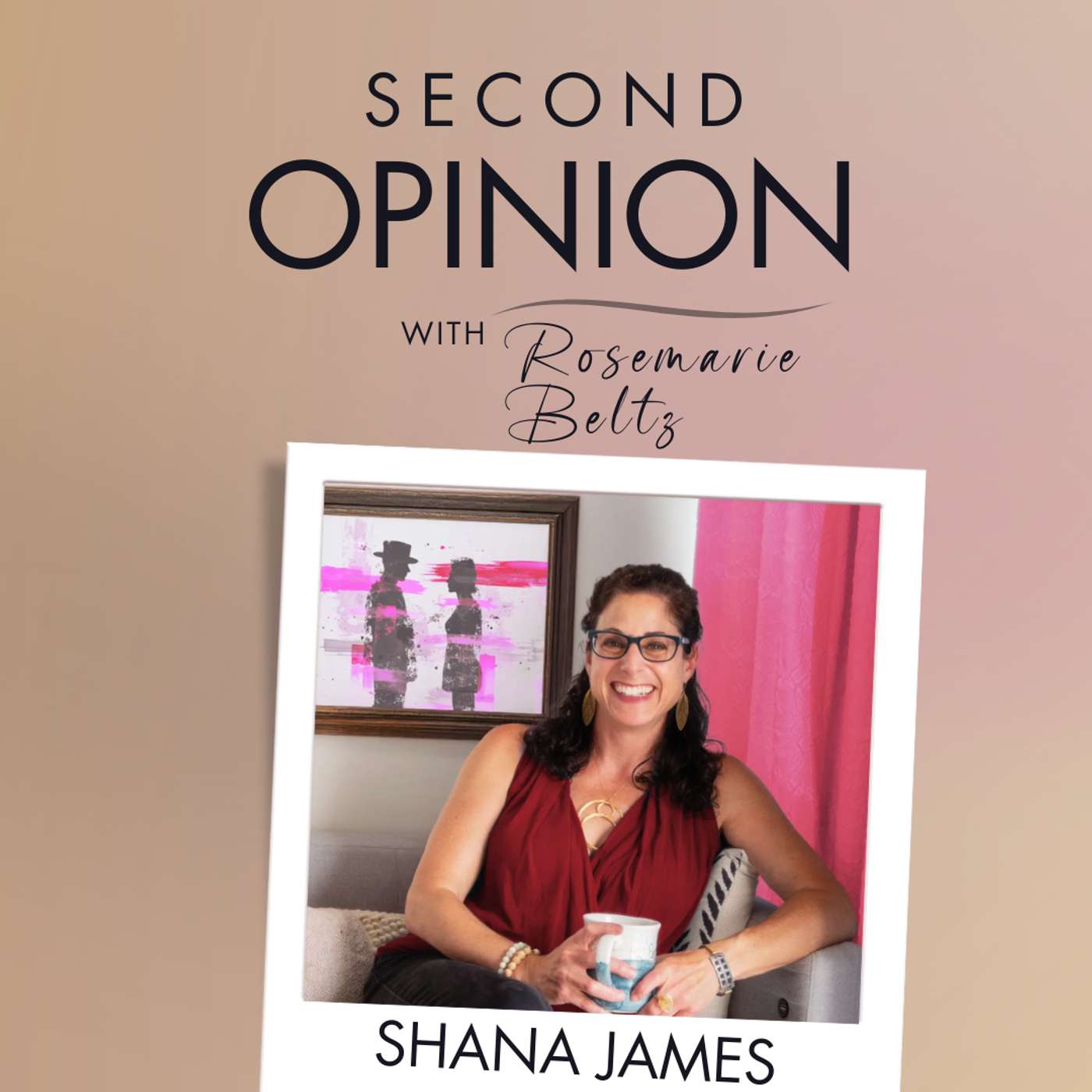 Love After 40: Trust, Chemistry, and “Honest Sex” in Modern Dating | With Shana James | Why does dating often feel harder after 40—even for thoughtful, successful adults who have done the work?Relationship coach Shana James believes the issue isn’t that good partners don’t exist. It’s that many people are trying to build modern relationships with outdated expectations.In this episode of Second Opinion, healthcare professional and medical journalist Rosemarie Beltz explores the psychology of modern dating, emotional safety, and what actually creates connection in midlife.By the time we reach our 40s and 50s, most of us carry history—careers, divorce, parenting, heartbreak, independence, and changing bodies. Dating isn’t just about attraction anymore. It’s about how two fully formed lives intersect.Shana James has spent more than two decades helping men and women understand each other more clearly and build relationships rooted in honesty, communication, and trust.This conversation explores why dating often feels different in midlife—and what actually works.⸻In This Episode• Why dating after 40 often feels more complicated than expected• The cultural shifts shaping relationships between men and women• What Shana learned from coaching thousands of clients about emotional vulnerability• Why chemistry can be misleading when evaluating compatibility• What emotional safety actually looks like in early dating• How hormonal shifts and life experience influence attraction and communication• Why many thoughtful adults feel burned out by modern dating—and how to reset⸻“Chemistry sparks attraction. Consistency builds trust.”⸻Why This Conversation MattersMidlife is often framed as a time when romantic options narrow.Yet many relationship experts argue the opposite: people over 40 may actually be better positioned to build meaningful partnerships—because clarity replaces fantasy.Dating after 40 isn’t necessarily easier.But it can be far more intentional.⸻About the GuestShana James, MA is a relationship coach, TEDx speaker, and author of Honest Sex: A Passionate Path to Deepen Connection and Keep Relationships Alive.With more than 20 years of coaching experience, she helps men and women rebuild trust, communicate honestly, and create deeper emotional and physical intimacy.She also hosts the podcasts Man Alive and Practicing Love and has led workshops in the global Authentic Relating movement.Website:https://shanajamescoaching.com⸻About the PodcastSecond Opinion explores health, relationships, reinvention, and decision-making in modern midlife.Hosted by Rosemarie Beltz, a healthcare professional and medical journalist with nearly three decades of clinical experience.Produced independently in New York City.⸻Share This EpisodeIf this conversation resonated, share it with someone navigating relationships, dating, or reinvention in midlife.Follow Second Opinion wherever you listen.⸻ 🔗 Follow & Subscribe to never miss an episode. If you love the show, leave a review—it helps others get a second opinion!💡 Have a topic you’d love for us to cover? Reach out at www.rosemarieb.com. | 55m 32s | ||||||
| 3/25/26 | Spring Reset: Habits, Rituals, and Why Letting Go Feels Harder in Midlife. Neuroscience, emotional memory, and the psychology of real change | Spring Reset: Habits, Rituals, and Why Letting Go Feels Harder in MidlifeEvery spring something subtle begins to shift.The light lingers longer in the evening. Windows open. Energy returns after the slower rhythm of winter. And for many people, the season brings a quiet but powerful impulse: the desire to reset.For centuries, cultures around the world have treated spring as a time for renewal. Homes are cleaned before Nowruz, Passover preparations include clearing out the household, and traditional Chinese New Year rituals begin with sweeping away the past year’s energy.Today, neuroscience and psychology offer insight into why this seasonal instinct feels so powerful.In this solo episode of Second Opinion, host Rosemarie Beltz explores the science behind the spring reset — and why midlife often becomes the moment when people begin asking deeper questions about identity, habits, and the life they want to build moving forward.Drawing on nearly three decades of clinical experience inside medicine, Rosemarie examines how emotional memory, self-deception, and the difference between habits and rituals influence real change. She also explores why letting go of old patterns can feel more difficult in midlife — and why clarity often emerges at this stage of life.For listeners navigating careers, relationships, and evolving priorities, this episode offers a thoughtful reflection on how change actually happens.And perhaps more importantly, where it begins.⸻What You’ll Learn in This Episode• Why spring often triggers psychological and behavioral reset moments• The biological connection between sunlight, circadian rhythms, and mood• Why change can feel harder in midlife than earlier in life• The psychology of self-deception and the stories we tell ourselves• How clutter and environment affect stress hormones like cortisol• The neurological difference between habits and rituals• Why emotional memory can keep people stuck in old patterns• How letting go reduces emotional charge and restores clarity• A simple three-step framework for creating a personal spring reset• Why midlife may be the most powerful time to realign life decisions⸻About the HostRosemarie Beltz is a cardiovascular perfusionist with nearly 30 years of experience working in operating rooms across the United States. Through her work in medicine and medical journalism, she has spent decades observing how people navigate health decisions, life transitions, and personal reinvention.She created Second Opinion to explore the intersection of science, identity, relationships, and longevity in midlife.The podcast now reaches listeners in more than 25 countries and is available on major platforms including Apple Podcasts, Spotify, Amazon Music, iHeart Radio, and YouTube.⸻A Midlife ReflectionMidlife is often portrayed as a time of crisis or decline.But for many people, it becomes something very different.A moment of clarity.The years of experience accumulated through careers, relationships, successes, and disappointments begin to reveal patterns more clearly. What once felt uncertain becomes easier to recognize.And sometimes the most important step forward begins with a simple question:What am I still carrying that I no longer need?Letting go rarely means losing something important.More often, it means making space for the life that is still unfolding.⸻Research and Concepts Referenced• Circadian rhythm research on light exposure and serotonin regulation• Psychological studies on cognitive dissonance and self-deception• UCLA Center on Everyday Lives of Families research on clutter and cortisol• Behavioral psychology research on ritual formation and stress reduction• Neuroscience research on emotional memory and limbic system activation⸻ResourcesVisit the website for more insights and resources:https://rosemarieb.comYou can also download the complimentary guide:The Midlife Minute Luxe Guide to Selecting Your Ideal Healthcare Provider (and Avoiding Costly Mistakes)This practical resource helps listeners navigate medical decisions more confidently.⸻Listen & ConnectIf you found this episode thoughtful or helpful:• Follow Second Opinion on your favorite podcast platform• Share the episode with a colleague or friend• Leave a review to help more listeners discover the showThe best conversations about health and life transitions rarely happen alone.Second Opinion is produced by Rosemarie in New York City.🤍Rosemarie 🔗 Follow & Subscribe to never miss an episode. If you love the show, leave a review—it helps others get a second opinion!💡 Have a topic you’d love for us to cover? Reach out at www.rosemarieb.com. | 28m 55s | ||||||
| 3/18/26 |  Perimenopause Nutrition & Brain Fog | Eat for Cortisol, Blood Sugar, Clarity | Episode Description This episode explores perimenopause nutrition and brain fog—not from a trend-driven perspective, but through evidence, lived experience, and thoughtful analysis.In this conversation, Rosemarie Beltz examines why “doing everything right” can suddenly stop working in midlife, why it matters now, and what high-functioning women often misunderstand about cortisol, blood sugar, gut health, and food quality during hormonal transition.This episode is for listeners who value clarity over noise, nuance over extremes, and insight that actually applies to real life.Rosemarie is joined by Sarah Lynn Wayne, holistic nutritionist and midlife wellness consultant, whose work bridges nutrition science, nervous system awareness, and practical physiology for women navigating perimenopause.What You’ll Learn in This Episode• Why “eat less and exercise more” deserves a second look in perimenopause • What clinical experience shows about brain fog, cortisol shifts, and blood sugar instability • Why nutrient density matters more than calorie counting in midlife • How gut health influences hormone production and cognitive clarity • The role of protein timing, mineral intake, and detoxification in hormonal recalibration • Common mistakes women make when using GLP-1 medications without foundational support • Why alcohol—even in small amounts—can quietly impact brain function and endocrine health • How digital overload affects cortisol, cognition, and midlife resilience • Practical strategies to stabilize energy without overhauling your lifeWho This Episode Is For• Midlife listeners who want credible, grounded health insights • Professionals tired of surface-level biohacking advice • Women navigating brain fog, fatigue, weight shifts, or hormonal recalibration • Anyone seeking second opinions rooted in physiology—not trendsThis episode may not be for listeners looking for quick fixes, hype, or one-size-fits-all protocols.Key Takeaways• Midlife is not a failure of willpower—it is a shift in physiology • Brain fog is common—and often reversible with targeted support • Eating for cortisol and blood sugar stability changes the conversation • Muscle preservation and mineral density matter more than scale weight • Sustainable change begins with awareness, not urgency • The nervous system influences everything—from cravings to cognitionAbout the GuestSarah Lynn Wayne is a holistic nutritionist and wellness consultant specializing in perimenopause and midlife hormone transitions.After navigating severe brain fog and hormonal disruption in her early 40s, she shifted her practice to focus on helping women work with their biology—not against it.She offers personalized assessments and her signature 3-Day Brain Fog Reset, designed to help women restore cognitive clarity, stabilize hormones, and rebuild metabolic resilience from the inside out.Learn more about Sarah’s work and programs: 🌿 Website: hwww.sarahlynnwayne.comAbout the HostRosemarie Beltz is a cardiovascular perfusionist with nearly 30 years of clinical experience and the host of Second Opinion—a platform where science meets story and age is always your advantage.Her work bridges medical insight, journalistic integrity, and real-life midlife recalibration for high-functioning professionals seeking better questions—and better answers.The Second Opinion Podcast is produced by Rosemarie in New York City.Listen & SubscribeIf this episode resonated, subscribe to Second Opinion on Apple, Spotify, or your preferred platform.Share it with someone navigating perimenopause, brain fog, or a midlife reset who values credible conversation over quick fixes.New episodes weekly.ConnectWebsite: https://rosemarieb.com Instagram: @rosemariebeltz LinkedIn: Rosemarie Beltz 🔗 Follow & Subscribe to never miss an episode. If you love the show, leave a review—it helps others get a second opinion!💡 Have a topic you’d love for us to cover? Reach out at www.rosemarieb.com. | 1h 04m 19s | ||||||
| 3/11/26 | Midlife Insomnia, Perimenopause & Heart Risk: Why Sleep Changes After 40 | When was the last time you woke up tired and told yourself it was normal?Not sick. Not burned out. Just… tired.For many women over 40, exhaustion quietly becomes part of everyday life. We normalize fragmented sleep, middle-of-the-night wakeups, and mornings that never quite feel restorative. But what if sleep isn’t just a lifestyle issue?What if it’s a signal?In this solo episode of Second Opinion, host Rosemarie Beltz—cardiovascular perfusionist with nearly 30 years of clinical experience—explores the science behind midlife insomnia, hormonal shifts, and cardiovascular risk.March is National Sleep Awareness Month, and the research is clear: we are living through a global sleep crisis. According to the ResMed Global Sleep Survey (2025) of more than 30,000 people across 13 countries:• 7 out of 10 adults struggle with sleep • Nearly three nights per week are unsatisfactory • 22% of people simply “live with it” • 71% of workers have called in sick due to poor sleepBut the story becomes more complex—and more concerning—when we look at midlife.Women between 40 and 60 consistently report worse sleep than men, particularly during perimenopause and menopause, when hormonal changes affect nearly every system involved in sleep regulation.This episode explores why sleep disruption during midlife is not simply inconvenient. It is neurological, metabolic, and cardiovascular.And for many women, it is misunderstood.Episode OverviewSleep is often framed as a soft wellness topic—something associated with bedtime routines, herbal tea, or productivity hacks.But the research tells a different story.A growing body of literature—from JAMA Network Open, Circulation, and NIH-funded studies—demonstrates that insufficient sleep is associated with increased risks of:• cardiovascular disease • stroke • type 2 diabetes • hypertension • obesity • mood disorders • cognitive declineA major JAMA Network Open cohort study found that chronic sleep deprivation is associated with a 29% increase in mortality risk.Not fatigue.Mortality.In this conversation, Rosemarie explains why midlife women are uniquely affected, examining the hormonal changes that reshape sleep architecture and increase vulnerability to conditions like obstructive sleep apnea, insomnia, and circadian rhythm disruption.Drawing on her clinical background and research insights, she reframes sleep not as a lifestyle luxury—but as a critical pillar of cardiovascular and neurological health.What You’ll Learn in This Episode• Why the world is experiencing a documented global sleep crisis • How estrogen and progesterone influence sleep architecture • Why perimenopause increases insomnia and nighttime awakenings • The connection between sleep deprivation and cardiovascular disease • Why sleep apnea risk rises in postmenopausal women • How REM sleep disruption affects memory, mood, and brain health • The role of melatonin, cortisol, and circadian rhythm changes in midlife • Why poor sleep may accelerate brain aging according to the CARDIA study • How sleep disruption affects relationships and emotional regulation • Evidence-based strategies midlife women can implement to improve sleepMidlife TakeawayFor decades, many of us believed functioning on four or five hours of sleep was a sign of resilience.Midlife reveals the truth.Sleep is not a luxury—it is a biological necessity that protects the heart, brain, and nervous system.As hormonal transitions reshape physiology, the body becomes less tolerant of chronic sleep deprivation. What once seemed manageable can begin to affect mood, cognition, metabolism, and cardiovascular health.Understanding these shifts allows women to respond intelligently—not with frustration, but with strategy.Because midlife isn’t fragile.It’s responsive.And when we protect sleep, we protect long-term health.References & ResearchResMed Global Sleep Survey (2025) JAMA Network Open – Sleep deprivation and mortality risk National Institute on Aging (NIH) research on sleep and cardiovascular disease American Heart Association – Life’s Essential 8 CARDIA Study – Coronary Artery Risk Development in Young Adults PubMed – “The Global Problem of Insufficient Sleep and Its Public Health Implications” Circulation – Sleep and cardiovascular outcomes in midlife womenContinue the ConversationIf this episode resonated, consider sharing it with someone navigating midlife health transitions.Second Opinion is now heard in over 25 countries worldwide, and the goal remains the same: thoughtful, credible conversations about health, longevity, and reinvention.And if you’re looking to become a more informed healthcare consumer, visit:https://rosemarieb.comDownload the complimentary resource:Midlife Minute Luxe Guide to Selecting Your Ideal Healthcare ProviderIf you enjoy the show, please follow, share, and leave a review. It helps more people discover the conversation.Second Opinion is produced by Rosemarie in New York City. 🔗 Follow & Subscribe to never miss an episode. If you love the show, leave a review—it helps others get a second opinion!💡 Have a topic you’d love for us to cover? Reach out at www.rosemarieb.com. | 43m 10s | ||||||
| 3/4/26 |  Midlife Fitness After 40: It’s Not Motivation — It’s a System | This episode explores midlife fitness after 40—not from a trend-driven perspective, but through physiology, lived experience, and thoughtful analysis.In this conversation, Rosemarie Beltz examines the common assumption that fitness struggles in midlife are a motivation problem. Instead, she reframes the conversation around hormones, recovery, strength training, and sustainable systems—why that shift matters now, and what women in perimenopause and menopause often misunderstand about exercise after 40.This episode is for listeners who value clarity over noise, nuance over extremes, and insight that actually applies to real life.What You’ll Learn in This EpisodeWhy willpower is often blamed when physiology is the real variableWhat strength training actually does for women over 40How perimenopause and menopause shift recovery, energy, and body compositionWhy “more cardio” is rarely the solution in midlifeThe role hormones play in muscle, metabolism, and resilienceHow GLP-1 conversations intersect with muscle preservation and long-term healthWhy sustainable systems outperform intensity and short-term challengesHow to build a fitness approach that respects time, biology, and capacityWho This Episode Is ForWomen over 40 navigating fitness, hormones, and recoveryMidlife listeners who want credible, grounded health insightProfessionals who understand systems in business but haven’t applied them to their physiologyAnyone recalibrating their relationship with exercise after years of pushing harderThis episode may not be for listeners looking for quick fixes, aesthetic shortcuts, or one-size-fits-all solutions.Key TakeawaysMidlife fitness is not a motivation issue—it’s a systems issueHormones change context, not capabilityMuscle is protective in midlife—metabolically, structurally, and neurologicallyRecovery becomes strategic, not optionalSustainable structure beats intensity every timeAbout the HostRosemarie Beltz is a cardiovascular perfusionist with nearly 30 years of clinical experience and the host of Second Opinion—a podcast dedicated to thoughtful, evidence-informed conversations at the intersection of health, reinvention, and lived experience.Through clinical insight and journalistic clarity, she explores what high-functioning mid-lifers need to know—and what they’re rarely told.Second Opinion is produced in New York City.About the GuestJodi Smith is a midlife fitness strategist and the founder of the Fit Forever method—a systems-based approach to strength training designed specifically for women over 40.Her work focuses on helping women build muscle, protect metabolism, and train in alignment with hormonal shifts rather than against them. Rather than prescribing more intensity, she emphasizes structure, recovery, and sustainable progression.Through physiology-informed coaching, Jodi helps women move from frustration to strategy—prioritizing strength, resilience, and long-term health.Learn more about her coaching and training programs at: https://fitforeverladies.com/Listen & SubscribeIf this episode resonated, subscribe to Second Opinion on Apple Podcasts, Spotify, Amazon Music, or your preferred platform.Share this episode with someone who values credible conversation over cultural noise.ConnectWebsite: RosemarieBeltz.com Instagram: @rosemariebeltz LinkedIn: Rosemarie Beltz 🔗 Follow & Subscribe to never miss an episode. If you love the show, leave a review—it helps others get a second opinion!💡 Have a topic you’d love for us to cover? Reach out at www.rosemarieb.com. | 1h 00m 07s | ||||||
| 2/25/26 | Midlife Heart Health: Menopause, “Normal” Fatigue & the Checkup That Matters | Episode Summary Midlife heart health is not about panic — it’s about calibration.In this American Heart Month solo episode, Rosemarie Beltz — cardiovascular perfusionist with nearly 30 years of clinical experience — breaks down what actually happens to cardiovascular risk during menopause, why “normal” fatigue may be measurable, and how high-functioning midlifers can recalibrate before a crisis.This episode explores:• The connection between menopause and heart disease • Why arterial stiffness accelerates during the menopausal transition • Coronary microvascular disease and why “normal tests” don’t always mean no problem • Why heart disease remains the leading cause of death globally • The importance of a midlife heart health checkup • GLP-1 medications and evolving cardiometabolic science • Why high performers need better data — not less careIf you are navigating midlife, perimenopause, menopause, stress, sleep shifts, or unexplained fatigue — this episode offers clarity, not fear.This conversation builds on Rosemarie’s earlier interview with interventional cardiologist Dr. Kimberly Skelding on menopause and cardiovascular risk — part of Second Opinion’s longitudinal approach to midlife health.Who This Episode Is For• Women 40+ navigating perimenopause or menopause • Midlife men avoiding preventive care • High-functioning professionals who postpone their own labs • Global listeners seeking evidence-based clarity • Anyone who has been told “your tests are normal” but still feels offKey Takeaways• Midlife is not when heart disease starts — it’s when accumulation becomes measurable. • Menopause is a vascular inflection point, not a moral failure. • Coronary microvascular disease is more common in women, especially in low-estrogen states. • A midlife heart checkup is calibration — not reassurance. • GLP-1 medications are evolving cardiometabolic medicine, but fundamentals still matter. • High performers require precision data, not dismissal.Research & Clinical Sources Referenced• CDC — Heart Disease Facts and Statistics • CDC — American Heart Month Toolkit • American Heart Association — Coronary Microvascular Disease • SWAN Study (Study of Women’s Health Across the Nation) — Arterial stiffness and menopause transition • FDA — Wegovy (semaglutide) cardiovascular risk reduction approval • AHA Journals — Vascular aging in menopauseRelated Episodes If this episode resonated, continue here:• Menopause & Heart Health: A Clinical Conversation with Dr. Kimberly Skelding A foundational discussion on vascular risk, symptoms often dismissed in women, and precision cardiology in midlife.• Midlife Fitness: Train Smarter, Not Harder Strength training, hormones, and cardiometabolic health after 40.• Sleep & the Midlife Nervous System How sleep fragmentation drives hypertension and metabolic risk.Second Opinion builds conversations longitudinally — not episodically.Global Listener NoteCardiovascular disease remains the leading cause of death worldwide.To listeners across Canada, the UK, Ireland, Australia, Europe, Africa, and Asia — midlife vascular shifts are not regional. They are physiological.Midlife women everywhere deserve better data.If this episode was valuable:• Follow or subscribe to Second Opinion • Leave a review • Share this episode with someone navigating midlife fatigue or stress • Book your midlife heart health checkupAbout Second OpinionSecond Opinion is hosted by Rosemarie Beltz — cardiovascular perfusionist, medical journalist, and midlife health authority. Where science meets story. Where age is always your advantage.Produced from New York City. 🔗 Follow & Subscribe to never miss an episode. If you love the show, leave a review—it helps others get a second opinion!💡 Have a topic you’d love for us to cover? Reach out at www.rosemarieb.com. | 16m 07s | ||||||
| 2/18/26 |  Estrogen After the Black Box Era: Menopause Medicine Reclaimed in 2026 | Menopause Medicine Reclaimed.A Second Opinion on Hormone Therapy After the Black Box Era — Why Estrogen Was Misunderstood and What Modern Care Looks Like in 2026Episode DescriptionThis episode explores menopause medicine and hormone therapy after decades of confusion—not from a trend-driven perspective, but through evidence, lived experience, and thoughtful analysis.In this conversation, Rosemarie Beltz sits down with Dr. Betsy Greenleaf, a triple board-certified physician and leader in women’s pelvic, hormone, and integrative health, to examine how the Women’s Health Initiative reshaped menopause care, why estrogen was widely misunderstood, and what is changing in 2026.Together, they unpack the “black box era,” the institutional blind spots in women’s midlife health, and why individualized hormone care still struggles inside a standardized medical system.This episode is for listeners who value clarity over noise, nuance over extremes, and insight that actually applies to real life.What You’ll Learn in This EpisodeIn this episode, we discuss:Why “it’s just aging” deserves a second lookWhat the research — and clinical experience — really show about hormone therapyHow the Women’s Health Initiative shaped decades of fearWhy the FDA’s 2025–2026 updates to boxed warnings matterThe difference between bio-identical hormones, synthetic hormones, and birth controlWhy labs alone can mislead in perimenopauseHow estrogen receptors influence brain, heart, bone, and vascular healthThe intersection of menopause and cardiovascular riskWhen SSRIs are appropriate — and when they may miss the root issueWhy gut health, stress, and cortisol affect hormone responseHow to advocate for yourself when you feel dismissedPractical next steps for finding competent, current careWho This Episode Is ForThis episode is for:Midlife listeners who want credible, grounded health insightProfessionals tired of surface-level menopause adviceWomen navigating perimenopause, menopause, or post-menopausePartners who want to better understand hormonal transitionsAnyone seeking informed, individualized care rather than ideologyThis episode may not be for listeners looking for quick fixes, hype, or one-size-fits-all answers.Key TakeawaysMenopause is not a malfunction — it is a physiological transitionContext matters more than headlinesHormone therapy is a tool — not a cure-allEvidence evolves — but bias can lingerLabs guide, but symptoms tell the storySustainable change begins with understanding, not urgencyThe best decisions are informed — not reactiveAbout the GuestDr. Betsy Greenleaf is a triple board-certified physician specializing in uro-gynecology, hormone health, and integrative medicine. She is a national voice in menopause education and the founder of the PAUSE Institute, dedicated to individualized, root-cause care for women and men in midlife and beyond.Learn more:PAUSE Institute https://pauseinstitute.com Pelvic Floor Store https://pelvicfloorstore.comWomen’s Pelvic Meditation: https://femversity.com/pelvicmediation-sign-upHormone Quiz: https://link.apisystem.tech/widget/quiz/Xxe3hNPG5Iora9LqUILT Follow Dr. Greenleaf on social media for ongoing education https://www.instagram.com/drbetsygreenleafAbout the HostRosemarie Beltz is a cardiovascular perfusionist with nearly 30 years of clinical experience and the host of Second Opinion — a platform dedicated to thoughtful conversations at the intersection of health, reinvention, and lived experience.She blends medical literacy with human insight, asking better questions so midlife decisions become clearer — not louder.Listen & SubscribeIf this episode resonated, subscribe to Second Opinion on Apple Podcasts, Spotify, Amazon or your preferred platform.Share it with someone who values credible conversation and wants a smarter discussion about menopause medicine.ConnectWebsite: RosemarieB.com Instagram: @RosemarieBeltz LinkedIn: Rosemarie BeltzSecond Opinion is created, written and produced by Rosemarie Beltz 🔗 Follow & Subscribe to never miss an episode. If you love the show, leave a review—it helps others get a second opinion!💡 Have a topic you’d love for us to cover? Reach out at www.rosemarieb.com. | 1h 24m 52s | ||||||
| 2/11/26 | Do You Need a Mental Health Day? Loving Yourself Enough to Manage Stress | What if the heaviness you’re feeling isn’t a flaw to power through — but a signal worth respecting? In midlife, stress doesn’t just live in your head. It lives in your sleep, your patience, your body, and sometimes… your heart.In this solo episode of Second Opinion, Rosemarie Beltz unpacks what a “mental health day” actually is (and what it isn’t), why high-functioning people are often the last to take the break they’ve already earned, and how a planned reset can be a form of prevention — not a collapse. Drawing on Harvard Health’s reporting on mental health days as a “pre-charge” before burnout, and Mayo Clinic Health System guidance on intentional time away to recharge, this episode reframes rest as leadership.In this episode, you’ll hear:How to recognize when your psychological load is quietly tipping into burnout (before it becomes a crisis) Why “pushing through” can worsen stress physiology — including impacts on blood pressure, sleep, and health behaviors The workplace reality: nearly one-quarter of U.S. workers report taking zero vacation days — even when they have PTO A simple self-check framework: exhaustion, apathy, and dread — rated honestlyHow to plan a mental health day that restores your baseline instead of leaving you more depleted This episode is for you if you’ve been “fine” a little too convincingly — and you’re ready to treat recovery like a real part of your health strategy.Listen, reflect, and share this with someone in midlife who’s been carrying a lot quietly.Better questions lead to better decades — because in midlife, age is an advantage. 🔗 Follow & Subscribe to never miss an episode. If you love the show, leave a review—it helps others get a second opinion!💡 Have a topic you’d love for us to cover? Reach out at www.rosemarieb.com. | 21m 31s | ||||||
| 2/4/26 |  Experience as Leverage, A Second Wind Conversation: From Perfusion to Property — Work, Wealth, and Choice After 40 | Midlife isn’t a breakdown. It’s a data point. When you’ve built a life that looks solid on paper—but your body, bandwidth, or curiosity says “there’s more”—it’s time for a different kind of conversation. In this Second Wind episode, Rosemarie Beltz sits down with Teri Trifiletti, a former cardiovascular perfusionist who quietly leveraged her clinical career into real estate ownership, greater autonomy, and a life designed with intention.In midlife, the question isn’t whether you’re capable. It’s whether the life you built still fits.In this episode of Second Opinion, Rosemarie Beltz launches Second Wind—conversations for high-functioning adults who aren’t broken, but ready to evolve. The focus isn’t dramatic reinvention. It’s strategic expansion: using your experience as leverage, not a limitation.Rosemarie is joined by Teri Trifiletti, a former cardiovascular perfusionist who spent more than two decades in high-acuity cardiac surgery before transitioning fully out of the OR. While still practicing, Teri began investing in real estate, learning through ownership and building a portfolio over time. A relocation to Charlotte became the pivot point that helped her step into full-time property management—creating more flexibility, more control, and a different relationship with work.This conversation is about what many professionals quietly carry: the golden handcuffs of stability, the invisible toll of constant readiness, and the moment you realize success is not the same as freedom.Key themes explored:Why “successful on paper” can still feel misaligned in real lifeHow clinical skills transfer directly into ownership, entrepreneurship, and leadershipThe hidden courage required to leave certainty—even when you’re good at itWhat perfusion teaches you about risk, pressure, documentation, and decision-makingA grounded entry point into real estate that doesn’t require a license or hypeHow to get unstuck by separating real constraints from mindset loopsThis episode is for you if you’re grateful for what you’ve built—but you’re ready for more choice, more autonomy, and a life that supports your nervous system, not just your résumé.Listen in, then take five quiet minutes afterward to ask: What would change if your experience worked for you—fully?Second Opinion is where science meets story—and better questions lead to better decisions. 🔗 Follow & Subscribe to never miss an episode. If you love the show, leave a review—it helps others get a second opinion!💡 Have a topic you’d love for us to cover? Reach out at www.rosemarieb.com. | 39m 08s | ||||||
| 1/28/26 | Feeling Behind in January Isn’t a Failure — It’s Biology
The Difference Between Falling Behind and Responding to Reality | Feeling Behind in January Isn’t a Failure — It’s Biology The Difference Between Falling Behind and Responding to RealityJanuary has a way of making capable, high-functioning people feel like they’re already behind. But that feeling isn’t a personal failure — it’s a biological response.In this solo episode of Second Opinion, host Rosemarie Beltz unpacks why January often feels heavier than we expect, especially in midlife. Drawing from stress physiology, circadian biology, and lived clinical experience, she reframes the pressure to “reset” and explains what’s actually happening in the body and brain when motivation dips and clarity feels harder to reach.This conversation isn’t about pushing harder or fixing yourself. It’s about understanding the difference between falling behind and responding intelligently to reality — and why midlife is often the moment that distinction becomes clear.In this episode, you’ll explore:Why January disrupts energy, mood, and motivation at a physiological levelHow decision fatigue and cognitive load show up more sharply in midlifeWhy motivation isn’t a reliable starting point — and what works insteadThe role of systems in reducing stress and supporting sustainable changeHow to release shame and recalibrate without quitting or checking outThis episode is for you if you’re successful on paper, thoughtful by nature, and quietly questioning whether the traditional January reset actually serves you anymore.Listen in, take what resonates, and share this episode with someone who needs permission to slow down without losing momentum.Second Opinion exists to help you ask better questions — about health, timing, and the choices that shape how we live — so midlife becomes a season of clarity, not pressure.Second Opinion is created, written, and produced by Rosemarie Beltz. 🔗 Follow & Subscribe to never miss an episode. If you love the show, leave a review—it helps others get a second opinion!💡 Have a topic you’d love for us to cover? Reach out at www.rosemarieb.com. | 14m 44s | ||||||
| 1/21/26 |  Why So Many Capable People Feel Stuck After 50... The quiet gap between experience and action | Why So Many Capable People Feel Stuck After 50 The quiet gap between experience and actionThis episode is for you if you’re successful on paper, unsettled in real life, and ready to move from overthinking to aligned action—without making reinvention dramatic.Midlife can feel disorienting when you’re sitting on competence, experience, and a growing awareness that something no longer fits. In this conversation, host Rosemarie Beltz sits down with Sairan Aqrawi—engineer turned business strategist and reinvention mentor—to explore what actually helps people move forward in midlife: clarity, action, and consistency.Sairan’s story begins long before any career pivot. Evacuated from Iraq through a U.S. military operation in 1996, she arrived in the U.S. with a suitcase, $300, and a depth of resilience that would later shape her work. That lived experience now informs how she supports midlife women and men navigating career transitions, identity shifts, caregiving demands, and the pressure of other people’s timelines.Together, Rosemarie and Sairan dismantle the myth of “too late,” name the trap of faux action (preparing without momentum), and reframe midlife as a prime decade for selective ambition—where time, health, relationships, and energy become non-negotiable.Key themes you’ll hear:Why midlife is a reassessment—and how language shapes outcomesThe clarity–action–consistency framework (and where most people get stuck)How identity evolves after disruption, immigration, and caregivingWhy competence—not age or gender—is what truly carries authorityA practical first step: uncovering your “hidden gem” through consistent complimentsAs a gift to Second Opinion listeners, Sairan is offering a complimentary 15-minute discovery session for anyone who mentions the podcast interview. If this conversation sparked clarity—or questions—you can connect with her via her website https://www.sairanaqrawi.com or reach out on Instagram or LinkedIn.Listen in, reflect, and choose one small action that proves you’re still in motion.Second Opinion is where science meets story—and age is always the advantage.Warmly, Rosemarie 🔗 Follow & Subscribe to never miss an episode. If you love the show, leave a review—it helps others get a second opinion!💡 Have a topic you’d love for us to cover? Reach out at www.rosemarieb.com. | 1h 16m 18s | ||||||
| 1/14/26 | When Everything Matters, Nothing Moves...
The Case for Choosing One Direction in Midlife | If you’ve ever felt capable, motivated, and yet strangely stuck, this episode offers a quieter explanation. Midlife doesn’t stall because of a lack of ambition—it stalls because everything feels important at once.In this solo episode, Rosemarie Beltz explores why focus feels harder in midlife and why the solution isn’t more discipline, bigger goals, or relentless motivation. Instead, she offers a grounded reframe: choosing one meaningful direction—and building systems that support real life—can restore clarity, momentum, and calm.Drawing from behavioral science, lived clinical experience, and personal reflection, this episode reframes goal-setting through a midlife lens—one that respects complexity, energy, and long-term health rather than hustle.In this episode, you’ll explore:Why having too many goals quietly drains momentumHow divided focus impacts stress, energy, and decision-makingWhy willpower fails—and what actually holds when life gets busyThe difference between goals, systems, and identityHow choosing one direction can improve many areas of life at onceThis episode is for you if: You’re navigating growth, change, or reinvention in midlife—and want clarity without chaos, ambition without burnout, and progress that feels sustainable.Take a breath. Tune in. And consider what might shift if you stopped trying to fix everything at once—and simply chose your direction.Second Opinion is where science meets lived experience—and better questions lead to better decisions.This episode—and this podcast—are built thoughtfully, one conversation at a time. Second Opinion is written, recorded, and produced by me, Rosemarie, often between long clinical days and very real life. As this show grows, so does my commitment to creating grounded, evidence-informed conversations that respect your time, your intelligence, and your lived experience. If you’re listening, sharing, or returning each week, you’re part of that growth—and I don’t take that lightly. Thank you for being here. 🔗 Follow & Subscribe to never miss an episode. If you love the show, leave a review—it helps others get a second opinion!💡 Have a topic you’d love for us to cover? Reach out at www.rosemarieb.com. | 19m 05s | ||||||
| 1/7/26 |  The Midlife Connection Problem. Why loneliness rises just as relationships matter more | Why do so many capable, successful adults feel lonelier in midlife than they ever expected?“Loneliness in midlife isn’t a weakness — it’s a signal.”Midlife is often framed as a time of competence, confidence, and professional stride — yet research shows it’s also one of the loneliest stages of life.In this episode of Second Opinion, host Rosemarie Beltz sits down with Sarah Lynn Wayne to explore why connection becomes harder just as it becomes more essential.Blending science, lived experience, and nervous-system insight, this conversation reframes midlife relationships — not as failing, but transforming — and offers a grounded, compassionate perspective on what’s actually happening beneath the surface.What You’ll Hear in This ConversationWhy midlife friendships often fade — even when life looks “full”How hormonal shifts and stress change the way women experience connectionThe difference between healthy boundaries and quiet isolationWhy quality of connection matters more than quantity in midlifeHow safe relationships regulate the nervous systemPractical ways to rebuild connection without overwhelm or self-blameWho This Episode Is ForMidlife listeners navigating changing friendships, partnerships, or communityProfessionals who feel capable on the outside but disconnected on the insideAnyone questioning why relationships feel harder — and wondering what’s normalThis episode is not about fixing yourself. It’s about understanding what’s changing — and responding with clarity instead of judgment.Key TakeawaysMidlife loneliness is common — and it’s not a personal failureRelationships are a core health strategy, not a “nice to have”Hormonal and nervous-system changes influence connection more than we realizeFewer, safer relationships often matter more than wider social circlesMidlife relationships aren’t declining — they’re evolvingAbout the GuestSarah Lynn Wayne is a Nutritionist, Intuitive Wellness Consultant, and healer with over 17 years of experience supporting women through perimenopause and midlife transitions. Her integrative approach blends functional nutrition, nervous-system awareness, and intuitive guidance to help women stop fighting their bodies and start listening — so they can reclaim vitality in their health, relationships, and lives.🔗 Learn more or work with Sarah: https://www.sarahlynnwayne.com/assessmentAbout the HostRosemarie Beltz is a healthcare professional, medical journalist, and host of Second Opinion — a podcast where science meets story, and better questions lead to better decisions in midlife.Listen, Follow, ShareIf this conversation resonated, follow Second Opinion on your favorite podcast platform — and share it with someone navigating midlife in their own way.ConnectWebsite: https://RosemarieB.com • YouTube: https://www.youtube.com/@rosemariebeltz5826Signed with love and a dash of Midlife Magic, ✨ Rosemarie 🔗 Follow & Subscribe to never miss an episode. If you love the show, leave a review—it helps others get a second opinion!💡 Have a topic you’d love for us to cover? Reach out at www.rosemarieb.com. | 45m 55s | ||||||
Showing 25 of 51
Sponsor Intelligence
Sign in to see which brands sponsor this podcast, their ad offers, and promo codes.
Chart Positions
2 placements across 2 markets.
Chart Positions
2 placements across 2 markets.