
Sensible Medicine
by Sensible Medicine Authors and Editors
Is this your podcast?Insights from recent episode analysis
Audience Interest
Podcast Focus
Publishing Consistency
Platform Reach
Insights are generated by CastFox AI using publicly available data, episode content, and proprietary models.
Most discussed topics
Brands & references
Total monthly reach
Estimated from 1 chart position in 1 market.
By chart position
- 🇮🇱IL · Science#128500 to 3K
- Per-Episode Audience
Est. listeners per new episode within ~30 days
250 to 1.5K🎙 ~2x weekly·125 episodes·Last published yesterday - Monthly Reach
Unique listeners across all episodes (30 days)
500 to 3K🇮🇱100% - Active Followers
Loyal subscribers who consistently listen
150 to 900
Market Insights
Platform Distribution
Reach across major podcast platforms, updated hourly
Total Followers
—
Total Plays
—
Total Reviews
—
* Data sourced directly from platform APIs and aggregated hourly across all major podcast directories.
On the show
From 17 epsHost
Recent guests
Recent episodes
Lecture 5
Sep 1, 2026
43m 15s
This Fortnight in Medicine XXXIII
Aug 26, 2026
50m 36s
Lecture 4 - How not to be fooled
Aug 25, 2026
36m 40s
Lecture 3: How Not to Be Fooled - VP's Intro
Aug 18, 2026
35m 06s
This Fortnight in Medicine XXXII
Aug 12, 2026
46m 25s
Social Links & Contact
Official channels & resources
Official Website
Login
RSS Feed
Login
| Date | Episode | Topics | Guests | Brands | Places | Keywords | Sponsor | Length | |
|---|---|---|---|---|---|---|---|---|---|
| 9/1/26 |  Lecture 5 | New episodes coming soon. First 9 parts free now. This is a public episode. If you'd like to discuss this with other subscribers or get access to bonus episodes, visit www.sensible-med.com/subscribe | 43m 15s | ||||||
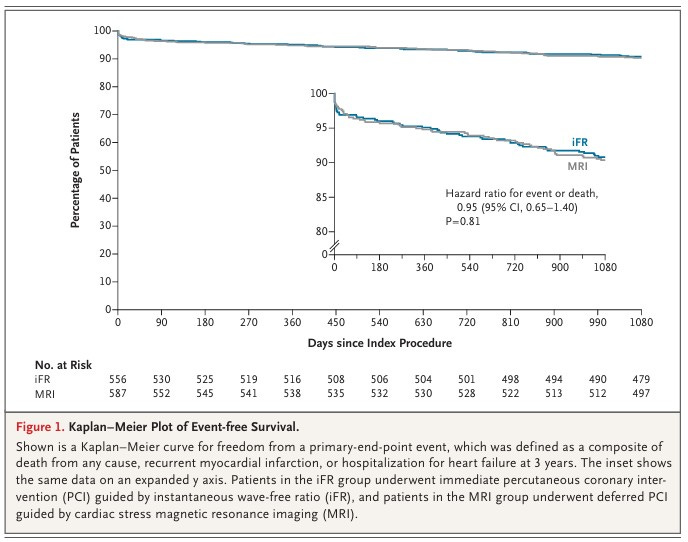
| 8/26/26 | 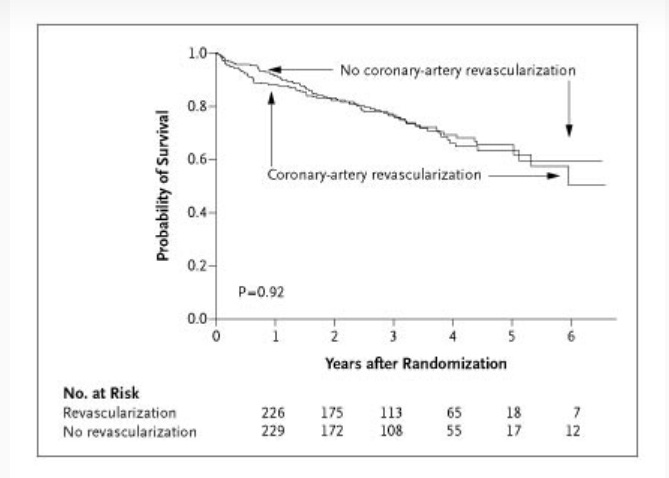 This Fortnight in Medicine XXXIII | Coronary-Artery Revascularization before Elective Major Vascular SurgeryDiscontinuation of statins for primary prevention of atherosclerotic cardiovascular disease in adults aged 75 years or older (SAGA/SITE): a multicentre, open-label, pragmatic, non-inferiority randomised trial This is a public episode. If you'd like to discuss this with other subscribers or get access to bonus episodes, visit www.sensible-med.com/subscribe | 50m 36s | ||||||
| 8/25/26 |  Lecture 4 - How not to be fooled | I notice that someone was angry that we are re-posting old episodes BEFORE we post the new ones. Just a reminder, we said we would do this! We will make the old ones available for free, and then post the new ones. Bear with us.In the meantime, enjoy. This is a public episode. If you'd like to discuss this with other subscribers or get access to bonus episodes, visit www.sensible-med.com/subscribe | 36m 40s | ||||||
| 8/18/26 |  Lecture 3: How Not to Be Fooled - VP's Intro | And here is lecture 3 of How Not to Be Fooled series19 parts coming! 9 for free, and 10 for subscribers. This is a public episode. If you'd like to discuss this with other subscribers or get access to bonus episodes, visit www.sensible-med.com/subscribe | 35m 06s | ||||||
| 8/12/26 | 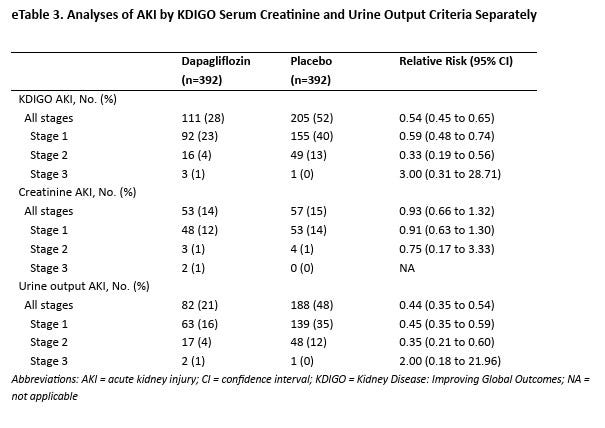 This Fortnight in Medicine XXXII | Dapagliflozin and Acute Kidney Injury Following Cardiac Surgery: A Randomized Clinical TrialImpact of cognitive training on claims-based diagnosed dementia over 20 years: evidence from the ACTIVE study This is a public episode. If you'd like to discuss this with other subscribers or get access to bonus episodes, visit www.sensible-med.com/subscribe | 46m 25s | ||||||
| 7/29/26 | 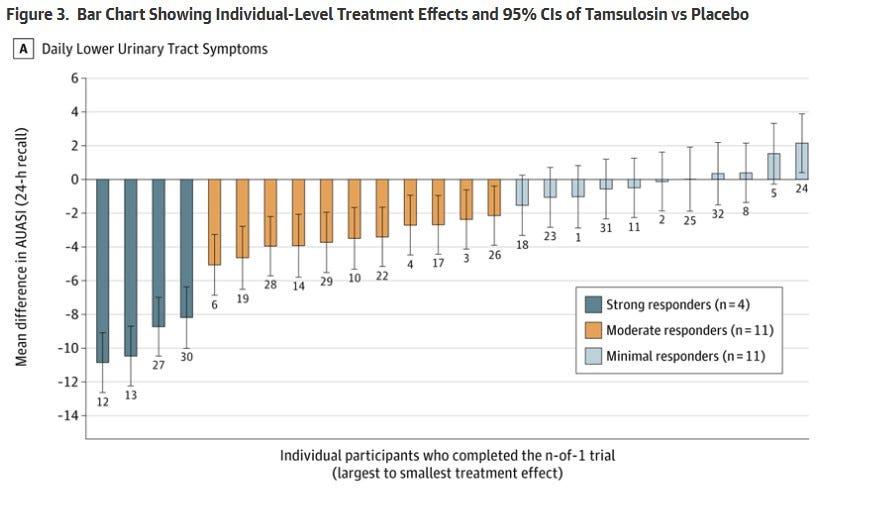 This Fortnight in Medicine XXXI | Tamsulosin Deprescribing for Lower Urinary Tract Symptoms in Older Men A Randomized Clinical Trial* Side Effect Patterns in a Crossover Trial of Statin, Placebo, and No TreatmentCost-Effectiveness of Fecal Immunochemical Testing Alone vs Co-Testing With Helicobacter pylori Stool Antigen This is a public episode. If you'd like to discuss this with other subscribers or get access to bonus episodes, visit www.sensible-med.com/subscribe | 41m 52s | ||||||
| 7/15/26 | heart failurePolypill+3 | — | POLY-HF | — | Polypillheart failure+3 | — | 44m 34s | ||
| 7/1/26 | bacteremia treatmentrandomized trials+3 | — | CefazolinMethicillin-Susceptible Staphylococcus aureus+4 | — | Cefazolinbacteremia+5 | — | 37m 28s | ||
| 6/26/26 | ethicspatient care+3 | — | Sensible MedicineHippocratic Oath | — | chronic painpatient support+3 | — | 4m 57s | ||
| 6/17/26 | Acute SinusitisObservational Associations+4 | — | Amoxicillin-ClavulanateAmoxicillin+3 | — | AmoxicillinSinusitis+5 | — | 32m 16s | ||
Want analysis for the episodes below?Free for Pro Submit a request, we'll have your selected episodes analyzed within an hour. Free, at no cost to you, for Pro users. | |||||||||
| 6/3/26 | sunscreen usemelanoma+5 | — | GLP-1 Receptor AgonistsSGLT2 Inhibitors+4 | — | melanomasunscreen+5 | — | 33m 01s | ||
| 5/20/26 | Atrial FibrillationLeft Atrial Appendage Closure+3 | — | Left Atrial Appendage ClosureAnticoagulation+2 | — | Atrial FibrillationLeft Atrial Appendage Closure+3 | — | 54m 35s | ||
| 5/6/26 | COVID-19 treatmenthypertension therapy+3 | — | Nirmatrelvir–RitonavirThree Low-Dose Antihypertensive Agents in a Single Pill after Intracerebral Hemorrhage+1 | Taiwan | NirmatrelvirRitonavir+6 | — | 30m 20s | ||
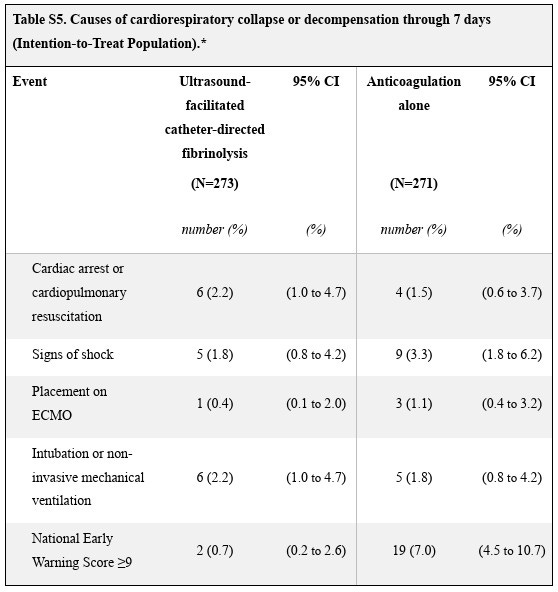
| 4/22/26 | RSV VaccinePulmonary Embolism+3 | — | RSV Prefusion F VaccineUltrasound-Facilitated, Catheter-Directed Fibrinolysis | — | RSVVaccine+4 | — | 46m 16s | ||
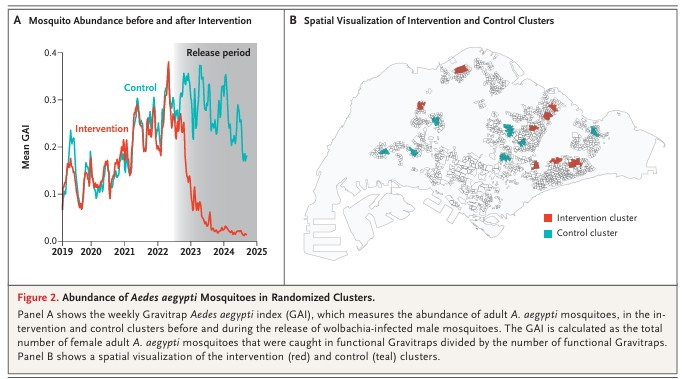
| 4/8/26 | Dengue suppressionWolbachia-infected mosquitoes+3 | — | World Mosquito Program | — | DengueWolbachia+4 | — | 33m 34s | ||
| 3/24/26 | glucagon-like peptide-1 receptor agonistssubstance use disorders+4 | — | US veteransSensible Medicine+1 | — | glucagon-like peptide-1substance use disorders+5 | — | 39m 33s | ||
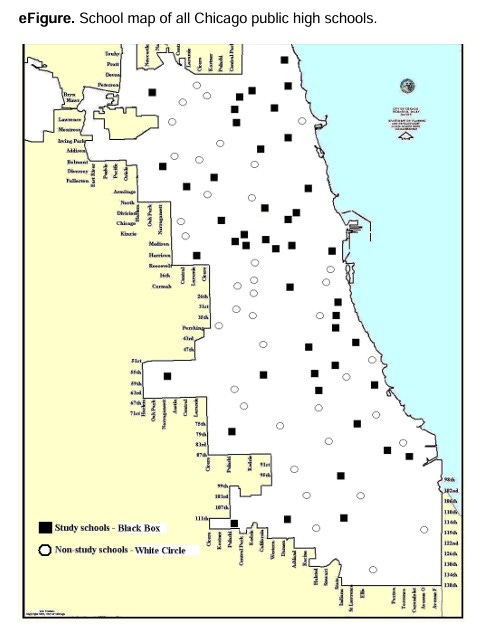
| 3/11/26 | HyponatremiaInjury Prevention+3 | — | Sensible MedicineUrban Public High Schools | — | HyponatremiaACL Injury+3 | — | 35m 50s | ||
| 3/4/26 | AI in medicineinnovation+3 | Dr. Shantanu Nundy | FDA | — | AImedicine+5 | — | 24m 11s | ||
| 2/25/26 | influenza vaccine effectivenesshospitalization reduction+3 | — | High-Dose Influenza Vaccinestandard-dose influenza vaccine+1 | Older Adults | influenza vaccinehigh-dose vaccine+5 | — | 39m 08s | ||
| 2/18/26 | breast cancer screeningdense breasts+3 | Dr. Jennifer Rusiecki | University of Chicago | — | breast cancerscreening+5 | — | 36m 54s | ||
| 2/11/26 | dialysis strategykidney function recovery+2 | — | LIBERATE-DSensible Medicine | — | dialysisacute kidney injury+3 | — | 44m 45s | ||
| 1/28/26 | medicinehealth articles+1 | — | — | — | medicinehealth+3 | — | 45m 36s | ||
| 1/23/26 | medical practicementorship+3 | — | — | — | medical practicementorship+3 | — | 7m 27s | ||
| 1/18/26 |  When to treat (or not treat) a high cholesterol | I was shocked at the comments on this post. Many people, some of them I know to be smart, thought I was nuts for suggesting two middle-aged women who had isolated high LDL-C needn’t take meds because their calculated 10-year risk was less than 3% What shocked me is that our guidelines suggest treatment with statins when 10-year risk is ≥ 7.5%. You may not know this but clinicians are supposed to consider cholesterol (and BP) based on overall risk, which include things like age, blood pressure, smoking status as well as HDL. Here is a link to the PCE. It drives me bananas that clinicians don’t go over this with patients. They just look at LDL-c in isolation. Content like this comes free of industry support. Please consider becoming a free or paid subscriber.Experts chose this a 7.5% threshold because they felt it was the point where the absolute risk reduction from statins (about 20-25% relative risk reduction) for nonfatal cardiac events outweighed any potential downsides of statins. It is an arbitrary threshold. The thinking: We know from many RCTs that statins reduce future risk by about 20-25% over 5 years. So .25 x the estimated risk outputs the absolute risk reduction. Let’s say a person has a calculated risk of 10%. They can expect a 2.5% risk reduction (.25 x 10% = 2.5%) over 10 years. But .25 x 3% = .75, so a person with an estimated risk of 3% who takes a daily pill for 10 years goes to 2.25%. That’s not much. Here are some pics of the pushback I recieved:My colleagues rightly point out that atherosclerosis of the coronary arteries is a slow process and longer exposure to lower LDL-c is beneficial. They feel that the 10-year horizon is too short. They cite something called Mendelian randomization studies which find that people who were born with genetic profiles that cause low cholesterol also have low rates of heart attacks. I wrote a post about this. I actually think that statins and blood pressure drugs may have greater effects in younger people who are at lower risk. But come on. Both individuals who I helped calculate risk were below 3%. That’s too low to worry about. Further, if you think we treat people with elevated LDL levels who have this low of a risk, why do we need risk calculators? Or…why don’t we just treat everyone above a certain age, since age is the largest driver in the calculators? These are issues I spoke with Drs Foy and Murthy about. I learned a ton. I hope you will too. Topics include:* The value of risk calculators* The uncertainty of prediction* The best time window to consider (statin trials were for 5 years; can we assume effect sizes over 5 years are similar at 30 years?) * The causal role of LDL-c vs “metabolic health”* The value of coronary artery calcium testing * Lipoprotein (a) Academic people like to make fun of podcasts, but I can’t imagine a more educational 40 minutes. Andrew and Venk are two of the most thoughtful people in cardiology today. Enjoy and consider supporting Sensible Medicine This is a public episode. If you'd like to discuss this with other subscribers or get access to bonus episodes, visit www.sensible-med.com/subscribe | 39m 51s | ||||||
| 1/14/26 | 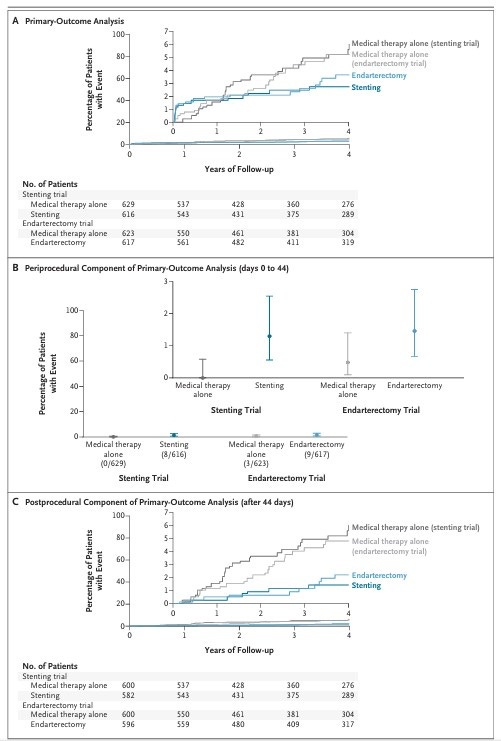 This Fortnight in Medicine XVII | Medical Management and Revascularization for Asymptomatic Carotid StenosisVagus nerve-mediated neuroimmune modulation for rheumatoid arthritis: a pivotal randomized controlled trialWe spent quite a bit of time talking about blinding. This is the table on the adequacy of blinding from the supplement. It does seem like blinding was less than perfect. This is a public episode. If you'd like to discuss this with other subscribers or get access to bonus episodes, visit www.sensible-med.com/subscribe | 45m 04s | ||||||












Showing 25 of 139
Pitch Fit is a Pro feature
See how bookable this show is for guests, which brands already advertise, the per-episode ad value, and the best-fit guest and sponsor profile. The numbers are blurred on the free plan.
How readily this show books outside guests like you.
How proven this show is for host-read sponsorships.
For Guests
ProFor Advertisers
ProUpgrade to Pro to unlock guest cadence, sponsor categories, fit scores, and per-episode ad value for this show.
Chart history for Sensible Medicine
Peaked at #128 in IL, currently #128 in IL.
| Market | Genre | Peak | Current | Trend |
|---|---|---|---|---|
| IL | — | #128 | #128 | — |
Chart Positions
1 placement across 1 market.
Chart Positions
1 placement across 1 market.