
Insights from recent episode analysis
Audience Interest
Podcast Focus
Publishing Consistency
Platform Reach
Insights are generated by CastFox AI using publicly available data, episode content, and proprietary models.
Total monthly reach
Estimated from 1 chart position in 1 market.
By chart position
- 🇺🇸US · Non-Profit#1585K to 30K
- Per-Episode Audience
Est. listeners per new episode within ~30 days
1.5K to 9K🎙 Daily cadence·29 episodes·Last published 1mo ago - Monthly Reach
Unique listeners across all episodes (30 days)
5K to 30K🇺🇸100% - Active Followers
Loyal subscribers who consistently listen
2K to 12K
Market Insights
Platform Distribution
Reach across major podcast platforms, updated hourly
Total Followers
—
Total Plays
—
Total Reviews
—
* Data sourced directly from platform APIs and aggregated hourly across all major podcast directories.
On the show
Recent episodes
15: Why Black Women Are Dying From Breast Cancer More Than Anyone Else
Apr 29, 2026
45m 24s
14 :What Breast Cancer Survivors Want Every Woman to Know
Apr 15, 2026
27m 19s
Loving Your Body After Breast Cancer: Navigating Intimacy & Self-Worth
Apr 8, 2026
5m 28s
13: You Can’t Heal What You Don’t Reveal: Nettie Jones on Healing Breast Cancer Trauma
Apr 1, 2026
36m 37s
Lumpectomy vs Mastectomy: Which Procedure Fits Your Care? | Dr. Ryland Gore
Mar 25, 2026
4m 23s
Social Links & Contact
Official channels & resources
Official Website
Login
RSS Feed
Login
| Date | Episode | Description | Length | ||||||
|---|---|---|---|---|---|---|---|---|---|
| 4/29/26 | 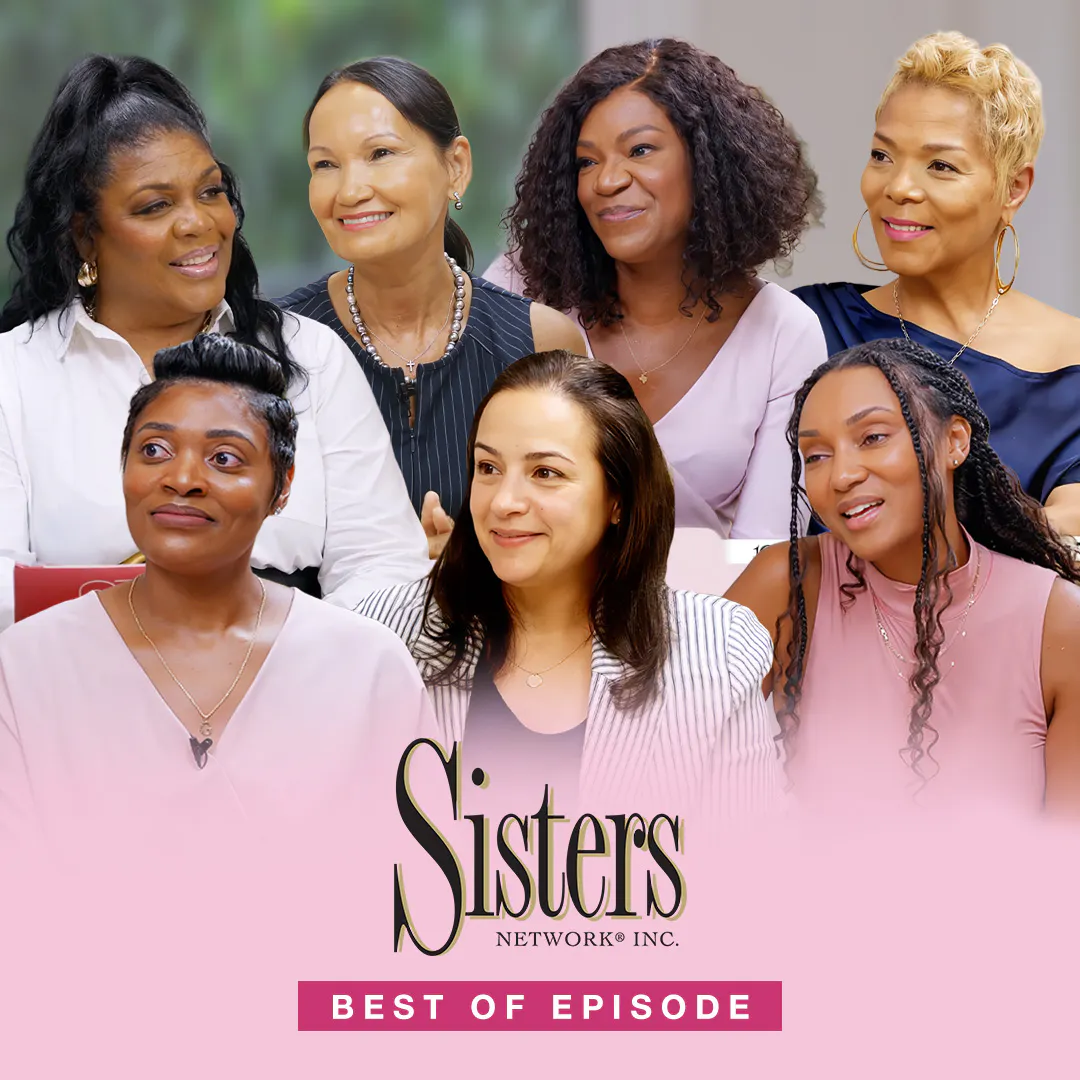 15: Why Black Women Are Dying From Breast Cancer More Than Anyone Else | In this powerful Best Of episode, leading doctors, survivors, and advocates unpack the real drivers behind the disparity, from genetic risk and aggressive cancers like triple negative breast cancer to delayed diagnosis and gaps in care. You’ll hear why many Black women are diagnosed younger, why current screening guidelines may fall short, and how lack of access and information continues to cost lives. More importantly, this episode is about what can be done. It’s about asking questions, pushing for answers, and advocating for your health at every stage. Because awareness alone isn’t enough. Remember, early detection and self-advocacy can save your life. KEY EPISODES: Triple Negative Breast Cancer Hits Black Women Harder | Dr. Lisa A. Newman Explains Why Diagnosed Twice Before 40: Athena Jones on Early Detection & Surviving Breast Cancer Breast Reconstruction After Cancer: What You Need to Know | Dr. Aisha Baron Your Rights After a Cancer Diagnosis: Monica Bryant on Insurance, Work & Financial Protection You Can’t Heal What You Don’t Reveal: Nettie Jones on Healing Breast Cancer Trauma A Sanctuary for Healing: How Dr. Ryland Gore Reimagines Breast Cancer Care for Black Women RESOURCES: Website - sistersnetworkinc.org IG - @sistersnetwork YouTube Channel - @SisInSurvivorshipPodcast | 45m 24s | ||||||
| 4/15/26 | 14 :What Breast Cancer Survivors Want Every Woman to Know | This powerful “Best Of” episode of SIS: Sisters In Survivorship brings together the most impactful moments from the season, featuring breast cancer survivors, doctors, and advocates sharing what every woman needs to know. From early detection and self-advocacy to navigating diagnosis, treatment, and life after cancer, this episode highlights the real experiences and expert insights that could save lives. You will hear from leading voices in breast cancer care alongside survivors who have turned their pain into purpose, offering guidance, clarity, and hope. This conversation also explores critical topics affecting Black women, including triple-negative breast cancer, rising diagnoses in younger women, the importance of listening to your body, advocating for yourself in the medical system, and understanding your treatment options. KEY EPISODES: How 4-Time Cancer Survivor Karen E. Jackson Pioneered the Black Breast Cancer Movement Diagnosed Twice Before 40: Athena Jones on Early Detection & Surviving Breast Cancer Love & Marriage: Huntsville’s Kimberlee Scott on Breast Cancer, Faith & Resilience The Stress–Cancer Link: 2-Time Survivor Dee Manuel Cloud on Stress, Survival & Self-Advocacy Your Care Should Fit YOU: How to Advocate for Treatment You Deserve | Dr. Nina Tamirisa Grief After Cancer: Healing the Loss No One Talks About | Dr. John Onwuchekwa RESOURCES: Website - sistersnetworkinc.org IG - @sistersnetwork YouTube Channel - @SisInSurvivorshipPodcast | 27m 19s | ||||||
| 4/8/26 | Loving Your Body After Breast Cancer: Navigating Intimacy & Self-Worth | Breast cancer changes more than your body. In this powerful segment, Nettie Jones breaks down the emotional and relational impact of diagnosis, from intimacy and body image to self-worth and identity. She shares why healing starts with acknowledging where you are, not minimizing the experience, and how cancer can reveal the truth about your relationships and your relationship with yourself. RESOURCES: Nettie Jones Website - nettiejones.com Website - sistersnetworkinc.org IG - @sistersnetworkYouTube Channel - @SisInSurvivorshipPodcast | 5m 28s | ||||||
| 4/1/26 | 13: You Can’t Heal What You Don’t Reveal: Nettie Jones on Healing Breast Cancer Trauma | In this episode of SIS: Sisters In Survivorship, host Caleen Allen sits down with Nettie Jones, licensed psychotherapist, author of The Girlfriend’s Therapist Handbook, and truth-teller known as “the girlfriend’s therapist.” Nettie brings decades of experience helping women navigate the hidden trauma behind breast cancer. She unpacks what it means to be labeled “strong,” why so many women silently unravel under the weight of expectations, and how therapy, truth-telling, and faith can help survivors reclaim their identity. From intimacy challenges to body image, from sitting in silence to asking for help, Nettie offers practical tools and hard questions that empower women to love themselves fully, even in a body they may no longer recognize. She also dives into generational trauma, why mental health in the Black community is finally being normalized, and how every woman can own her truth to begin real healing. If you’re a survivor, caregiver, or advocate, this conversation serves as a reminder that healing begins with honesty, and sisterhood can carry you the rest of the way. ✨ Learn more: sistersnetworkinc.org 🔔 Subscribe for more episodes of SIS: Sisters In Survivorship KEY POINTS: - [7:15] Why your relationship with yourself is the most important one - [10:25] Why being told “be strong” can be harmful - [11:28] Grieving the life you thought you’d have after diagnosis - [14:53] Breaking stigma: Black women and therapy - [17:10] Hard questions every woman must ask herself - [19:36] Intimacy, body image, and relationship struggles post-diagnosis - [23:36] Learning to love yourself in a body that’s changed - [26:50] Younger Black women on embracing therapy and wellness - [28:28] The link between mental health and disease outcomes - [31:27] Owning your truth as the first step to healing - [32:22] Practical tools: Nettie’s “Check-In Conversation Deck” - [36:59] Sitting in silence vs. knowing when to ask for help - [39:11] The role of Sisters Network in building community support - [40:11] Breaking generational patterns and choosing wellness - [42:31] Nettie’s book: The Girlfriend’s Therapist Handbook - [44:24] Why every woman needs therapy QUOTES: "You can't heal what you're not willing to reveal. Period." – Nettie Jones "It's really hard to learn to love a body that's changing when you didn't love the body you had." – Nettie Jones "Strength comes from surrendering, surrendering things that you can't change, but being okay with being able to do the things that you can change." – Nettie Jones "Your trauma is valid. Your tears are valid, and it's not too late to find your way back to yourself." – Nettie Jones "Healing doesn't start with your partner. It doesn't start with your job, and unfortunately, sometimes it uses pain to get to you." – Nettie Jones RESOURCES: Nettie Jones Website - nettiejones.com Website - sistersnetworkinc.org IG - @sistersnetwork YouTube Channel - @SisInSurvivorshipPodcast | 36m 37s | ||||||
| 3/25/26 | Lumpectomy vs Mastectomy: Which Procedure Fits Your Care? | Dr. Ryland Gore | Breast cancer surgery decisions can feel overwhelming. In this segment, breast surgical oncologist Dr. Ryland Gore explains how doctors determine whether a patient needs a lumpectomy or mastectomy and why breast reconstruction should always be part of the conversation. She also addresses the disparities Black women face in breast cancer care and why many experts now recommend starting mammograms earlier. | 4m 23s | ||||||
| 3/18/26 | 12: A Sanctuary for Healing: How Dr. Ryland Gore Reimagines Breast Cancer Care for Black Women | In this episode of SIS: Sisters In Survivorship, host Caleen Allen welcomes Dr. Ryland Gore, a surgical oncologist who shares her powerful journey from working in a traditional practice to founding the Dream Breast Care Center in Atlanta—a sanctuary designed to provide compassionate, patient-centered, and culturally attuned care, particularly for Black women facing breast cancer. Dr. Gore opens up about having the inspiration from her late father, the urgent disparities in breast health for women of color, and why creating a space that feels sacred has always been essential to her mission. She discusses the alarming rise in breast cancer diagnoses among young Black women, misconceptions that persist in communities, as well as the reasons why early detection and self-advocacy are critical. Gain insights into how Dr. Gore blends medical expertise with empathy and how she is working “to reimagine survivorship” as a space of protection, peace, and empowerment. ✨ Learn more: sistersnetworkinc.org 🔔 Subscribe for more episodes of SIS: Sisters In Survivorship! KEY POINTS [0:49] Vision for Dream Breast Care Center and its inspiration [3:41] Youngest breast cancer patient: Diagnosed at age 19 [4:53] Trust your gut; don’t stop seeking answers [5:53] A “luxury haven” where patients feel peace in crisis [7:42] Every patient exits with knowledge of their options and next steps [9:04] Lumpectomy vs. mastectomy, and the importance of reconstruction [10:47] Systemic disparities in breast cancer care for women of color! [12:35] Why mammograms should start at 35 for Black women [14:54] Social media as a powerful tool to use [16:51] Debunking myths: deodorant, bras, and “cutting makes it spread” QUOTES “I want to take care of people the right way. I want them to feel special. I want people, especially people that look like me, to feel seen.” – Dr. Ryland Gore “Keep going. It's okay to get a second and a third opinion. It's okay to ask for help. It's okay to continue to keep pushing until you get the answers that you need.” – Dr. Ryland Gore “Surgery. I try to make it a team sport. I let patients know, especially if they're a candidate for either, that or this is not a decision you have to make today. Call me in a couple of days if you need to think about it, because some people do want to discuss with their families. And, I also let them know that what you decide today, you may change your mind a year from now. So…there are options.” – Dr. Ryland Gore “We continue to open the door so that they feel comfortable asking questions and seeking help, and when they seek help, we don't turn them away. If it's nothing, then it's nothing, but it's our job to rule that out.” – Dr. Ryland Gore “Don't be afraid to advocate for yourselves. Don't be afraid to speak up. And if you need a second or third opinion, do that, but make sure you're comfortable with your care and make sure you feel safe with your healthcare team.” – Dr. Ryland Gore RESOURCES Dr. Ryland Gore Website - rylandgoremd.com Website - sistersnetworkinc.org IG - @sistersnetwork YouTube Channel - @SisInSurvivorshipPodcast | 23m 44s | ||||||
| 3/11/26 | Why Most Disability Claims Are Denied and How Survivors Can Fight Back | What happens when cancer or chronic illness leaves you unable to work? In this powerful segment, Monica Bryant, Esq., founder of Triage Cancer, breaks down Social Security Disability benefits, including SSI and SSDI, why most applications are denied, and why appeals matter. She also shares critical guidance on legal support, contingency lawyers, hospital charity care, and how survivors can take small, manageable steps toward financial stability. A must-listen for women navigating survivorship, disability, and long-term care options RESOURCES: Monica Bryant, Esq. Website - https://triagecancer.org/staff Website - sistersnetworkinc.org IG - @sistersnetwork YouTube Channel - @SisInSurvivorshipPodcast | 5m 36s | ||||||
| 3/4/26 | 11: Your Rights After a Cancer Diagnosis: Monica Bryant on Insurance, Work & Financial Protection | In this episode of SIS: Sisters In Survivorship, Caleen Allen sits down with Monica Bryant, Esq - lawyer, Chief Mission Officer of Triage Cancer, and national advocate for cancer patients’ rights. Monica breaks down the complicated but critical issues every cancer patient and caregiver needs to understand, from health insurance and job protection to medical leave, COBRA, disability benefits, and financial assistance programs. She shares how patients can protect their privacy at work, avoid costly mistakes with insurance, and access resources that can make the difference between financial ruin and survivorship with dignity. This conversation is equipped with knowledge and confidence to ask the right questions, understand your options, and advocate for yourself at work, in treatment, and in life. ✨ Learn more: triagecancer.org | sistersnetworkinc.org 🔔 Subscribe for more empowering episodes of SIS: Sisters In Survivorship KEY POINTS: - [0:00] Introduction - [3:39] What Triage Cancer does and how it helps survivors and caregivers - [4:32] Free resources, legal navigation, and financial education available online - [6:09] How patients can slow down and gather information - [9:22] Understanding your health insurance and avoiding costly mistakes - [10:48] Privacy at work: Do you have to disclose a cancer diagnosis? - [13:15] Job protection, FMLA, ADA, and medical leave explained - [15:41] How FMLA works, its 12-week limit, and misconceptions - [18:28] Advocacy to expand leave laws and improve protections for patients - [23:31] COBRA vs. Marketplace plans: what to know in treatment transitions - [26:13] Medicaid, Medicare, and supplemental insurance options - [28:43] Training healthcare professionals on financial toxicity and advocacy - [30:22] Post-treatment costs: screenings, surveillance, and hidden expenses - [33:18] Social Security disability benefits and why most claims are denied - [35:51] Why you shouldn’t take “no” for an answer in disability appeals - [36:02] Advice for newly diagnosed patients feeling overwhelmed - [39:37] The future of insurance, Medicaid, and patient advocacy QUOTES: "Triage Cancer is a national nonprofit that I co-founded over 13 years ago to provide free education on all of the legal and practical issues that can arise after a cancer diagnosis." – Monica Bryant, Esq. "Our goal is to provide people with enough information so that they can figure out what needs to be dealt with right now and what can maybe wait until later. Which, of course, is the definition of triage." – Monica Bryant, Esq. "Access to accurate legal information isn't a luxury, it's something that every single person should have access to." – Monica Bryant, Esq. "Whether we're talking about someone's job, their insurance or their medical care, I want people to understand that they have options." – Monica Bryant, Esq. RESOURCES: Monica Bryant, Esq. Website - https://triagecancer.org/staff Website - sistersnetworkinc.org IG - @sistersnetwork YouTube Channel - @SisInSurvivorshipPodcast | 45m 09s | ||||||
| 2/25/26 | Reclaiming Your Body with Reconstruction After Breast Cancer | Dr. Aisha Baron | Breast reconstruction after cancer is not about vanity. In this powerful segment, Dr. Aisha Baron explains how reconstruction plays a critical role in healing, dignity, and body autonomy after treatment. Drawing from both her medical expertise and lived experience, Dr. Baron breaks down why many women, especially Black women, are not given full information about their options and why reconstruction should be viewed as essential care, not cosmetic. This conversation empowers survivors to ask questions, seek referrals, and make informed choices that align with their bodies, values, and long term healing. RESOURCES Dr. Aisha Baron Website breastbodybeauty.com/meet-dr-baron Website - sistersnetworkinc.org IG - @sistersnetwork YouTube Channel - @SisInSurvivorshipPodcast | 5m 16s | ||||||
| 2/18/26 | 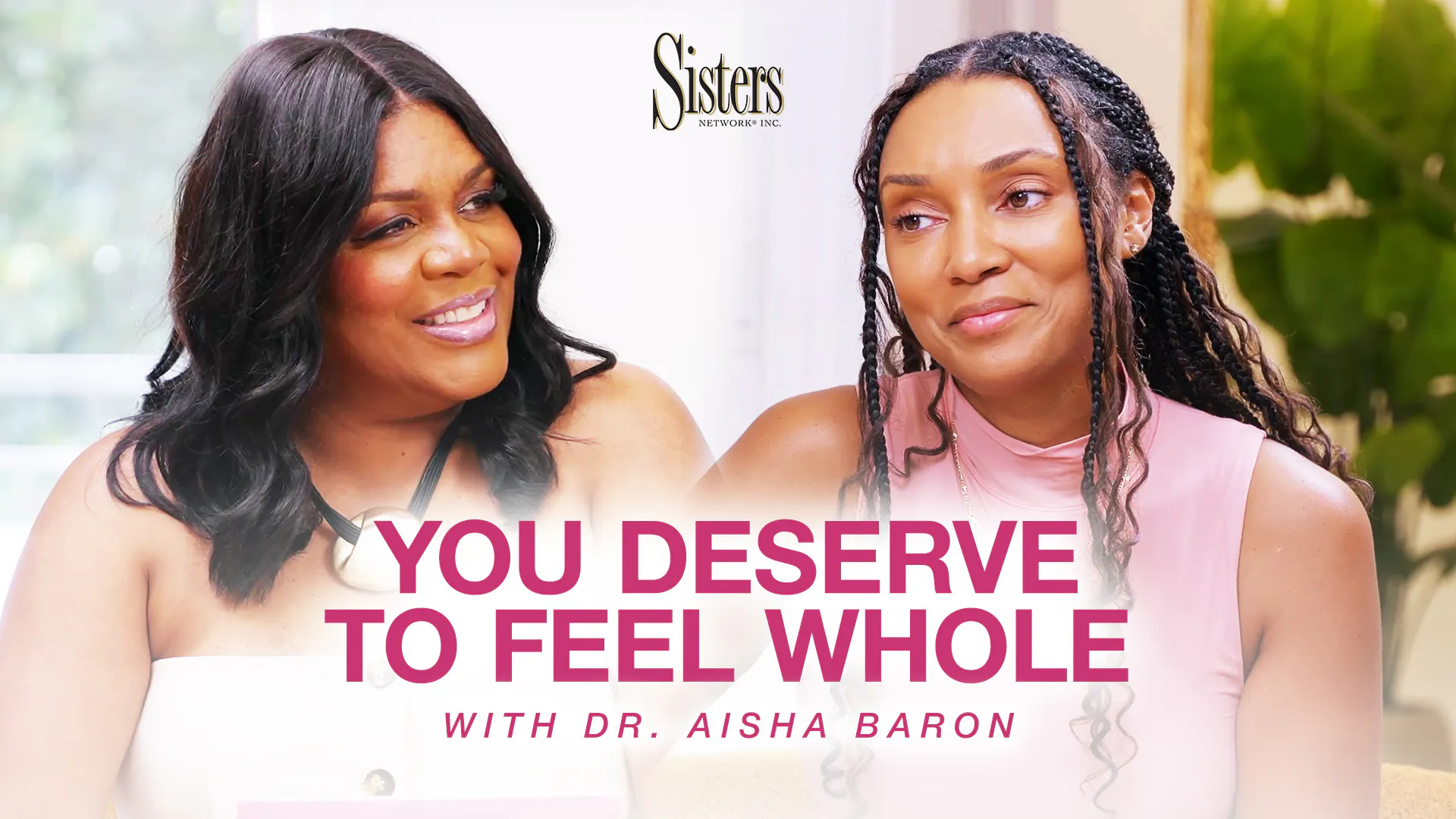 10: Breast Reconstruction After Cancer: What You Need to Know | Dr. Aisha Baron | Breast reconstruction after cancer is not about vanity - it’s about healing, dignity, and choice. In this powerful episode of SIS: Sisters In Survivorship, Caleen Allen sits down with Dr. Aisha Baron, a board-certified plastic and reconstructive surgeon and breast cancer survivor, to break down what Black women need to know about breast reconstruction after mastectomy or lumpectomy. Dr. Baron explains the full range of breast reconstruction options, including implants, tissue expanders, flap reconstruction, lumpectomy reconstruction, and choosing to go flat. She addresses why many Black women are not offered reconstruction early enough, what patients are legally entitled to under insurance, and how reconstruction plays a critical role in emotional healing, body image, and quality of life after cancer. This conversation reframes reconstruction as a medical and emotional necessity, not a cosmetic choice. Dr. Baron empowers women to advocate for referrals, ask the right questions, and make informed decisions that align with their bodies, values, and healing journeys. If you are newly diagnosed, navigating survivorship, or supporting a loved one, this episode provides clarity, confidence, and permission to choose what healing looks like for you. ✨ Because surviving breast cancer is not the end; and your body, your choice, and your healing matter. ✨ Learn more: sistersnetworkinc.org 🔔 Subscribe for more episodes of SIS: Sisters In Survivorship! KEY POINTS [1:05] Why Dr. Baron chose women’s health and plastic surgery [2:24] Representation matters: Black women make up less than 0.2% of plastic surgeons! [5:07] Comprehensive reconstruction options, from implants to advanced microsurgery. [7:28] Tissue expanders: what they are, how they work, and less painful techniques. [9:12] Understanding oncoplastic surgery after lumpectomy [10:52] Why early consultation with a plastic surgeon matters (before any cancer surgery). [12:24] Recovery timelines: implants vs. DIEP flap and what patients can expect. [14:41] Emotional healing: support groups, survivor connections, and mental health resources. [16:51] Importance of mammogram screenings before cosmetic or reconstructive surgery. [22:41] Reclaiming your body: How reconstruction restores power, choice, and dignity. QUOTES “I don't just rebuild bodies. I help women believe in themselves again.” – Dr. Aisha Baron “Patients are allowed to care about how they look after cancer. It's not shallow or vain, it's survival with dignity.” – Dr. Aisha Baron “As a cancer survivor, I don't take a single patient's journey lightly. I've walked that path too.” – Dr. Aisha Baron “You can grieve what you've lost and still fight for what you deserve.” – Dr. Aisha Baron “The reconstructive process; it can be a beautiful experience. It doesn't mean that it's without complications. Sometimes, some patients may go through complications, but I think as long as you have a surgeon that's really there with you, every step of the way, and you can develop that relationship of trust, then I think it makes it all the more easy.” – Dr. Aisha Baron RESOURCES Dr. Aisha Baron Website breastbodybeauty.com/meet-dr-baron Website - sistersnetworkinc.org IG - @sistersnetwork YouTube Channel - @SisInSurvivorshipPodcast | 34m 55s | ||||||
Want analysis for the episodes below?Free for Pro Submit a request, we'll have your selected episodes analyzed within an hour. Free, at no cost to you, for Pro users. | |||||||||
| 2/11/26 | The Loneliest Part of Breast Cancer | Kiara Prince on Being a Young Survivor | Breast cancer can be isolating especially for young Black women. In this powerful segment from SIS: Sisters In Survivorship, Kiara Prince opens up about the hardest parts of her diagnosis: telling her family, carrying the physical and emotional weight alone, and navigating treatment while the world keeps moving. Kiara shares how visibility on social media became a lifeline, why seeing other young survivors helped her heal mentally, and how sisterhood through platforms like TikTok and Sisters Network Inc. reminded her that cancer is not the end of the story. This clip is a reminder that survivorship is deeply personal and that listening to yourself, staying mentally strong, and finding community can change everything. RESOURCES: Website - sistersnetworkinc.org IG - @sistersnetwork YouTube Channel - @SisInSurvivorshipPodcast | 5m 36s | ||||||
| 2/4/26 | 9: Young Doesn’t Mean Safe: Kiara Prince on Being Diagnosed With Breast Cancer at 36 | At 36 years old, Kiara Prince was diagnosed with breast cancer with no family history, no genetic risk, and no warning signs. In this episode of SIS: Sisters In Survivorship, Kiara shares how she discovered her lump by accident, what it felt like to hear the words “you have breast cancer” at such a young age, and how she navigated the overwhelming decisions around surgery, treatment, and hormone therapy. Kiara also opens up about the financial realities of treatment, the support of her family and friends, and how she found strength through visibility, sisterhood, and faith. Her story is a wake-up call for young Black women to listen to their bodies, advocate for themselves, and never delay getting checked. This conversation is raw, emotional, and full of hope. Stay tuned as Kiara reminds us that survivorship is more than survival: it’s resilience, advocacy, and choosing joy in the face of fear. ✨ Learn more: sistersnetworkinc.org 🔔 Subscribe for more episodes of SIS: Sisters In Survivorship KEY POINTS: - [3:31] Discovering the lump by accident while at home - [8:25] Going through a biopsy alone and getting the diagnosis - [11:07] The whirlwind of appointments, genetic testing, and facing reality - [13:49] Losing her job, navigating COBRA, and the financial strain of treatment - [15:20] Moving back to Texas for family support - [16:29] Surgery decisions: lumpectomy vs. mastectomy - [19:08] Facing the choice of chemotherapy vs. radiation - [22:57] Hormone suppression, side effects, and medical menopause at 37 - [29:58] Long-term medications and living with extreme fatigue - [32:21] Learning the statistics for young Black women with breast cancer - [35:34] How her family, friends, and father’s health guidance supported her - [39:37] The hardest part: telling her family and processing alone - [41:22] The power of visibility and young women sharing their journeys online - [43:53] What “survivor” means to Kiara today - [47:54] Kiara’s advice to young Black women under 40 QUOTES: "No one knows your body like you. If you see, feel anything abnormal that you know was not there a couple weeks ago, a month ago, get it checked out. Do not hesitate." – Kiara Prince "This diagnosis didn't break me, it actually built a new version of me." – Kiara Prince "Survivor means to listen to yourself. Listen to that inner voice – to never give up no matter what your diagnosis is, no matter what they're telling you, no matter what they're recommending or suggesting, to always just listen to yourself, to keep going, to keep a positive attitude – because that's the most important thing." – Kiara Prince "Being young doesn't protect you, but awareness does." – Kiara Prince RESOURCES: Website - sistersnetworkinc.org IG - @sistersnetwork YouTube Channel - @SisInSurvivorshipPodcast | 43m 12s | ||||||
| 1/28/26 | Survival Isn't The End: Dr. April Spencer on How to Move Forward With Intention | In this powerful segment from SIS: Sisters In Survivorship, Dr. April Spencer, board-certified breast surgeon and author of Treat It, Beat It, Move On, explains why true healing requires more than surgery or chemo. Dr. Spencer challenges women to become the “surgeons” of their own lives by cutting out toxic people, environments, and habits that no longer serve them. She reframes cancer not as an obstacle, but as an opportunity to prioritize mental health, rest, faith, boundaries, and whole-body wellness. This conversation is a must-watch for survivors who feel stuck, exhausted, or pressured to return to “normal” after treatment. Healing is about becoming a better version of yourself and moving forward with intention. RESOURCES Dr. April Spencer Website - draprilspencer.com Website - sistersnetworkinc.org IG - @sistersnetwork YouTube Channel - @SisInSurvivorshipPodcast | 4m 26s | ||||||
| 1/21/26 | 8: Treat It, Beat It & Move On: Dr. April Spencer on Thriving After Breast Cancer | In this episode of SIS: Sisters In Survivorship, Caleen Allen welcomes Dr. April Spencer, nationally recognized breast surgeon, author, and advocate known as the “praying surgeon.” With over 20 years of experience in breast oncology, Dr. Spencer blends medical expertise with faith, helping women not only treat breast cancer but also beat it and ultimately move on. She shares the philosophy behind her book Treat It, Beat It & Move On, the importance of prioritizing “best health” beyond breast health, and why survivorship is about reclaiming purpose and power. From addressing the Black breast cancer crisis to the role of faith, rest, and lifestyle changes, Dr. Spencer reminds us that healing is not just physical…it’s actually a mix of spiritual, mental, and emotional aspects, too. Don’t miss this! Tune in and share this episode with someone who needs encouragement to treat it, beat it, and move on. ✨ Learn more: sistersnetworkinc.org KEY POINTS - [00:00] Introduction - [2:59] Dr. April Spencer’s 22-year journey as a breast cancer surgeon and her passion for women’s health. - [3:32] Why she embraces being called the “praying surgeon” and the role of faith in healing. - [5:07] The inspiration behind her book, Treat It, Beat It & Move On. - [7:23] Redefining survivorship through mental, physical, spiritual, and financial “best health.” - [8:50] Why self-care and rest are vital for survival. - [9:56] Reframing diagnosis: “You may have cancer, but cancer doesn’t have you.” - [12:03] The danger of rejecting full treatment plans. - [13:51] The Black breast cancer crisis with higher mortality rates - [17:01] Why genetic testing matters for young women and high-risk patients. - [21:13] Stronger than ever: Moving forward after treatment. QUOTES “Treat It, Beat It & Move On is a book that I launched in October of last year, and it was many years in the making. ... I wanted to inspire women to be the surgeons in their life, like the sole surgeon in their life, and cut out anything or anyone that wasn't adding value.” – Dr. April Spencer “You can't take care of anyone if you are not your mental, physical, spiritual, and financial best self.” – Dr. April Spencer “My practice philosophy is led by faith but rooted in facts. What's your diagnosis? What's the treatment strategy? We're not going to deviate from the plan…” – Dr. April Spencer “Healing isn't just about your body. It's believing that you can treat it, beat it, and move on.” – Dr. April Spencer RESOURCES Dr. April Spencer Website - draprilspencer.com Website - sistersnetworkinc.org IG - @sistersnetwork YouTube Channel - @SisInSurvivorshipPodcast | 24m 14s | ||||||
| 1/14/26 | Newly Diagnosed & Overwhelmed? Here’s What to Ask Your Doctor | When a woman is first diagnosed with breast cancer, the fear and overwhelm can be paralyzing. In this segment from SIS: Sisters In Survivorship, Dr. Nina Tamirisa, breast surgical oncologist at MD Anderson, breaks down exactly how she helps patients quiet the noise, understand their diagnosis, and make informed decisions about treatment. Dr. Tamirisa shares the key questions every woman should ask her surgeon, why referrals to fertility specialists, plastic surgeons, and integrative medicine matter, and the alarming rise of breast cancer in younger Black women. ✨ A must-watch for anyone navigating a new diagnosis, supporting a loved one, or learning how to advocate for your breast health. RESOURCES: Dr. Nina Tamirisa Website - mdanderson.org/profiles/nina_tamirisa Website - sistersnetworkinc.org IG - @sistersnetwork YouTube Channel - @SisInSurvivorshipPodcast | 5m 56s | ||||||
| 1/7/26 | 7: Your Care Should Fit YOU: How to Advocate for Treatment You Deserve | Dr. Nina Tamirisa | In this episode of SIS: Sisters In Survivorship, host Caleen Allen sits down with Dr. Nina Tamirisa, breast surgical oncologist and associate professor at MD Anderson Cancer Center. Known for her patient-first philosophy, Dr. Tamirisa breaks down what every woman should know about breast surgery, treatment options, and advocating for yourself. From lumpectomy vs. mastectomy to breast reconstruction, shared decision-making, fertility concerns, and the rise of breast cancer in younger Black women, Dr. Tamirisa offers practical, compassionate insight that could save lives. She explains why listening matters as much as treatment, how lifestyle factors like age and density influence care, and what questions women should be asking their doctors. This conversation is a must for survivors, caregivers, and women who want to understand their choices, reduce fear, and approach their treatment care with confidence. ✨ Learn more: sistersnetworkinc.org KEY POINTS: - [0:00] Introduction - [6:19] Meet Dr. Nina Tamirisa, breast surgical oncologist at MD Anderson - [7:46] The role of breast surgical oncologists vs. medical oncologists - [8:03] Why listening to patients is central to care - [9:07] Lumpectomy vs. mastectomy - [11:02] Options for women with large tumors and reconstruction choices - [14:01] Building trust with patients in moments of fear - [16:06] Questions every woman should ask her surgeon - [17:18] How age, fertility, and lifestyle affect treatment planning - [18:52] The rise of breast cancer in young Black women - [20:11] Treating women with multiple cancers in different breasts - [20:52] “Their outcome is my outcome” – Dr. Tamirisa’s philosophy - [22:22] Challenges after surgery, including lymphedema and healing - [35:34] Dr. Tamirisa’s vision for patient care and reducing disparities QUOTES: “What we're offering to you for treatment is really tailored treatment, so we're taking into account that these are the important things in your life, but we also want to offer the best in the oncologic care.” – Dr. Nina Tamirisa “Part of what drew me to surgery, I think, is that I really, really care about my patients. And I think when you make an incision, you kind of own all the things that come with that, so it ties you to that patient forever.” – Dr. Nina Tamirisa “I always try to ask what's important to you, what matters to you, and then we were going to do our best to do whatever we can to treat this and make sure it doesn't come back.” – Dr. Nina Tamirisa RESOURCES: Dr. Nina Tamirisa Website - mdanderson.org/profiles/nina_tamirisa Website - sistersnetworkinc.org IG - @sistersnetwork YouTube Channel - @SisInSurvivorshipPodcast | 32m 20s | ||||||
| 12/17/25 | 6: The Stress–Cancer Link: 2-Time Survivor Dee Manuel Cloud on Stress, Survival & Self-Advocacy | On today’s episode of SIS: Sisters In Survivorship, host Caleen Allen sits down with Dee Manuel Cloud, a two-time breast cancer survivor, recovery strategist, and unapologetic truth-teller. Diagnosed first at 35 (and again at 38), Dee shares how stress, suppressed emotions, and “suffering in silence” shaped her journey as well as how she transformed her pain into purpose. From leaving an unhappy marriage, to walking away from a high-stress job, to embracing her truth as a member of the LGBTQ community, Dee opens up about the life changes that helped her not only survive but thrive. Now 17 years in remission, Dee calls herself a breast cancer recovery strategist and equips women to prioritize their health, reduce stress, set boundaries, and live authentically. She also speaks powerfully about why Black women must advocate for themselves, how stress and systemic inequities impact survivorship, and why living boldly is the only way forward. Tune in as this episode is a masterclass in resilience, advocacy, and authenticity. ✨ Learn more: sistersnetworkinc.org 🔔 Subscribe for more episodes of SIS: Sisters In Survivorship! KEY POINTS: - [0:00] Introduction - [3:20] Dee’s first breast cancer diagnosis at 35 - [6:43] A second diagnosis at 38 and the wake-up call about stress - [8:42] Treatment decisions: from lumpectomy to mastectomy - [12:05] Alopecia, wigs, and navigating hair loss with humor - [15:15] What she wishes she had done differently the first time - [16:14] The cost of silence and suppressed emotions - [17:30] Divorce, career changes, and coming out authentically - [19:52] Survivorship is more than ringing the bell… - [20:58] Becoming a “breast cancer recovery strategist” - [26:50] Why the Strong Black Woman narrative is dangerous - [30:51] What to say to young women newly diagnosed - [39:29] Finding joy and purpose in helping women reduce stress QUOTES: "It's easier to live a healthy lifestyle than it is to manage sickness." – Dee Manuel Cloud "Quality of life is just as important as quantity of life." – Dee Manuel Cloud "Some gifts come wrapped in sandpaper, right? That's what breast cancer was for me… It taught me authenticity. It taught me vulnerability. It taught me to not live in fear and to go after the life I want instead of the life I thought I was supposed to want." – Dee Manuel Cloud "We don't rise to the level of our goals, we fall to the system of our strategies." – Dee Manuel Cloud RESOURCES: Dee Manuel Cloud Website - https://www.deemanuelcloud.com/ Website - https://www.sistersnetworkinc.org/ IG - https://www.instagram.com/sistersnetwork/ | 32m 58s | ||||||
| 12/15/25 | Steps You Can Take Today to Reduce Stress & Strengthen Your Health Long-Term | In this powerful segment from SIS: Sisters In Survivorship, two-time breast cancer survivor Dee Manuel Cloud breaks down the truth about survivorship and why it doesn’t end when you ring the bell. She explains how stress weakens the immune system, why Black women face higher mortality rates, and how the “Strong Black Woman” narrative leads to burnout, suppressed emotions, and poor health outcomes. Dee shares the strategies that helped her stay in remission — from morning routines to accountability partners — and why boundaries, self-advocacy, and saying no are lifesaving tools for Black women. ✨ A must-watch for anyone navigating stress, survivorship, or high-pressure environments. Presented by Sisters Network Inc. RESOURCES: Dee Manuel Cloud Website - deemanuelcloud.com Website - sistersnetworkinc.org IG - @sistersnetwork YouTube Channel - @SisInSurvivorshipPodcast | 7m 39s | ||||||
| 12/10/25 | How to Speak Up for Yourself in the Doctor's Office | Athena Jones on Self-Advocacy | When doctors dismiss your symptoms, it can cost you everything. In this powerful segment from SIS: Sisters In Survivorship, award-winning journalist and two-time breast cancer survivor Athena Jones shares why Black women must challenge their doctors, push for screening, and ask for proof — not reassurance. She explains how insisting on answers saved a 31-year-old woman’s life, why bringing someone with you to appointments matters, and how sisterhood through Sisters Network Inc. offers life-saving support. ✨ This clip is a must-watch for any woman who’s ever felt dismissed in a doctor’s office. Self-advocacy saves lives. RESOURCES: Athena Jones IG - @iamathenajones Website - sistersnetworkinc.org IG - @sistersnetwork YouTube Channel - @sistersnetworkinc.8895/featured | 5m 38s | ||||||
| 12/3/25 | 5: Diagnosed Twice Before 40: Athena Jones on Early Detection & Surviving Breast Cancer | On today's episode, award-winning journalist and former CNN correspondent Athena Jones opens up about her journey as a two-time breast cancer survivor. Athena shares how early detection, resilience, and advocacy shaped her fight for breast cancer. She discusses the disparities affecting Black women, the urgent need for research and policy change, and her forthcoming documentary, Sisters Keepers, which exposes the racial inequities in breast cancer care. She also highlights some of the survival and systemic barriers, as well as the hope that technology and community can bring. Here’s the real deal: we don’t just need awareness — we need action. Tune in! ✨ Learn more: sistersnetworkinc.org KEY POINTS: - [00:00] Introduction - [2:59] Athena’s first diagnosis at age 36 - [5:01] On choosing double mastectomy & reconstruction treatment - [6:47] Diagnosed again at 39: Chemo, radiation, and another fight for survival. - [7:50] Athena continues being a White House reporter (while undergoing chemotherapy). - [11:22] How therapy and a support system helped Athena - [12:51] Launching Sisters Keepers documentary - [17:44] Breast cancer risk models rely on white populations, excluding women of color. - [22:13] The gap and crisis in Black Women’s Health - [32:53] Hope in AI Technology: New tool “Mirai” - [39:58] Embracing the journey as a journalist to advocate QUOTES: “I did a double mastectomy. I was 36 years old… I had no family history I was aware of. This is why it wasn't on my radar.” – Athena Jones “My breast cancer wasn't hereditary. It was something else. But no one can give me a straight answer as to what caused it, which is so true in so many cases.” – Athena Jones “I chose to keep working. I'm a journalist. I had a kind of high-powered job, and I was obsessed with continuing to advance in my career, and I didn't want to pause for this pesky but deadly, potentially health problem.” – Athena Jones RESOURCES: Athena Jones IG - @iamathenajones Website - sistersnetworkinc.org IG - @sistersnetwork YouTube Channel - @sistersnetworkinc.8895/featured | 41m 13s | ||||||
| 11/26/25 | Grief Isn’t a Journey; It’s a Language | Dr. John Onwuchekwa | Black breast cancer survivors carry invisible grief - the loss of hair, fertility, mobility, relationships, and life before diagnosis. In this powerful 5-minute segment from SIS: Sisters In Survivorship, Dr. John Onwuchekwa reframes grief as a language, not a journey. He explains why joy and sadness can coexist, why “getting over it” is the wrong expectation, and how learning to speak grief brings healing, peace, and connection. ✨ Watch this if you’ve ever felt unseen in your pain. Grief doesn’t end, we just become fluent in it. RESOURCES John Onwuchekwa Website | johno.co IG | @jawn_o Website - sistersnetworkinc.org IG - @sistersnetwork YouTube Channel - @sistersnetworkinc.8895/featured | 4m 41s | ||||||
| 11/19/25 | 4: Grief After Cancer: Healing the Loss No One Talks About | Dr. John Onwuchekwa | Grief is more than death. Sometimes, it’s seen in the silent ache of lost selves, broken bonds, changing bodies, and futures that never arrived. In this conversation, Dr. John Onwuchekwa helps us reframe grief not as a journey with an end, but as a language we must learn to speak. As an Atlanta-based pastor, author, and entrepreneur, John shares why grief so often feels isolating, how every grief story is also a love story, and how community and safe spaces can transform sorrow into healing. He tells us that, “It's more helpful for us to think of grief not as a journey, but a language. And the goal of a language is not to finish, it's to become fluent.” Tune in to hear a perspective on grief that will leave you feeling seen, understood, and better equipped to navigate loss. KEY POINTS - [2:01] What is ambiguous grief? - [3:47] The hardest part isn’t the loss itself. - [6:35] How joy and sadness can coexist. - [8:44] Grief is not a journey; it’s a language. - [11:22] Why grief needs safe spaces and connection. - [14:13] Every grief story is a love story. - [16:53] Ways to help survivors process and move forward. - [18:23] How to support someone grieving. - [29:16] There’s no right or wrong way to handle grief. QUOTES “The biggest problem is not the loss, it is the loneliness that comes after that loss.” – John Onwuchekwa “Grief starts, but it does not have an end. And so if we continue to think about grief as a journey and talk through it like that, then what we do is we tend to send folks in search of light at the end of a closed tunnel.” – John Onwuchekwa “The more ambiguous the loss, the more tangible the comfort needs to be. So, the more ambiguous the loss, the more we need to work to create some type of ritual or place or something that people can tangibly come back to…” – John Onwuchekwa RESOURCES John Onwuchekwa Website | johno.co IG | @jawn_o Website - sistersnetworkinc.org IG - @sistersnetwork YouTube Channel - @sistersnetworkinc.8895/featured | 34m 46s | ||||||
| 11/12/25 | How Faith, Love & Sisterhood Helped Kimberlee Scott Survive Breast Cancer | When Love & Marriage: Huntsville star Kimberlee Scott faced triple negative breast cancer, she leaned on faith, family, and a village of support to get through. In this powerful clip from SIS: Sisters In Survivorship, Kimberlee opens up about the unexpected blessings that carried her through treatment — from her husband’s unwavering love to friends who showed up on her hardest days. She also shares how fans, strangers, and even social media played a role in her healing, and why she’s now using her platform to support other women walking the same journey. ✨ Watch this if you’ve ever felt alone in your fight — Kimberlee’s story is proof that faith, sisterhood, and community can pull you through anything. 🔔 Subscribe for more episodes of SIS: Sisters In Survivorship presented by Sisters Network Inc. RESOURCES: Website - sistersnetworkinc.org IG - @sistersnetwork YouTube Channel - @sistersnetworkinc.8895/featured | 5m 26s | ||||||
| 11/5/25 | 3: Love & Marriage: Huntsville’s Kimberlee Scott on Breast Cancer, Faith & Resilience | On this episode of SIS: Sisters In Survivorship, host Caleen Allen sits down with reality star and breast cancer survivor Kimberlee Scott from Love & Marriage: Huntsville. Known for her transparency and courage, Kimberlee opens up about her 2022 diagnosis with triple-negative breast cancer (TNBC), one of the most aggressive forms of breast cancer that disproportionately impacts Black women. In this emotional and powerful conversation, Kimberlee shares how she first discovered a lump while watching the NBA Finals, the whirlwind journey from diagnosis to treatment, and the role her husband, family, friends, and even her fans played in her survivorship. She also explains why she chose to go public with her story, how she’s using her platform to amplify awareness, and why early detection and self-advocacy are non-negotiable. For women under 40 and for anyone walking this journey: Kimberlee’s story is proof that you are not alone, and survivorship is possible. ✨ Learn more: sistersnetworkinc.org KEY POINTS: - [0:00] Introduction: - [0:48] Meet Kimberlee Scott of Love & Marriage: Huntsville - [2:25] Discovering a lump at home and getting diagnosed in 2022 - [4:40] Facing triple negative breast cancer (TNBC) - [7:14] Family history and genetic testing results - [9:32] Why Kimberlee chose to share her diagnosis publicly - [12:59] Launching “Bowling for Boobies” and giving back through fundraising - [15:54] The importance of support systems in survivorship - [18:44] Finding strength in faith and navigating treatment with resilience - [22:40] Choosing joy and showing up for life after cancer - [24:27] Proudest moments and giving hope to others through advocacy - [29:36] Encouragement from strangers and the power of small words - [30:28] Kimberlee’s message of faith and hope for every sister QUOTES: "Everything happens for a reason, even if I don't know the reason at the time, everything happens for a reason." – Kimberlee Scott "If I can reach one person and help them. Go get a mammogram. Walk with them. Go with them. Hold their hand. Courage, encourage them. That's my goal." – Kimberlee Scott "Friends raise your spirits. The other caveat I wasn't expecting was fans...the people that reached out to me via fanship were unbelievable." – Kimberlee Scott "We can do it. Life, love, Jesus, just my spirituality gives me hope for everybody, and the fight to keep trying to figure out how we can change the numbers, how we can make this face look different." – Kimberlee Scott RESOURCES: Website - sistersnetworkinc.org IG - @sistersnetwork YouTube Channel - @sistersnetworkinc.8895/featured | 30m 12s | ||||||
| 10/29/25 | Black Women & Breast Cancer: The Genetic Truth You Need to Know | Why are young Black women being diagnosed with breast cancer at higher rates and younger ages? In this eye-opening segment, Dr. Lisa Newman, Chief of Breast Surgery at Weill Cornell Medicine, explains the genetic connection between African ancestry and breast cancer risk. Dr. Newman breaks down her groundbreaking research on triple negative breast cancer (TNBC), ancestry, and the science of oncologic anthropology — revealing how history, biology, and health inequities intersect. This is essential knowledge for every Black woman, survivor, and caregiver. 🎙️ Watch, learn, and share. Early detection and awareness save lives. RESOURCES: Website - sistersnetworkinc.org IG - @sistersnetwork YouTube Channel - @sistersnetworkinc.8895/featured | 6m 19s | ||||||
Showing 25 of 30
Pitch Fit is a Pro feature
See how bookable this show is for guests, which brands already advertise, the per-episode ad value, and the best-fit guest and sponsor profile. The numbers are blurred on the free plan.
How readily this show books outside guests like you.
How proven this show is for host-read sponsorships.
For Guests
ProFor Advertisers
ProUpgrade to Pro to unlock guest cadence, sponsor categories, fit scores, and per-episode ad value for this show.
Chart Positions
1 placement across 1 market.
Chart Positions
1 placement across 1 market.