

Insights from recent episode analysis
Audience Interest
Podcast Focus
Publishing Consistency
Platform Reach
Insights are generated by CastFox AI using publicly available data, episode content, and proprietary models.
Total monthly reach
Estimated from 3 chart positions in 3 markets.
By chart position
- 🇨🇦CA · Music History#48100K to 300K
- 🇰🇷KR · Music History#1471K to 10K
- 🇸🇬SG · Music History#863K to 10K
- Per-Episode Audience
Est. listeners per new episode within ~30 days
52K to 160K🎙 Weekly cadence·115 episodes·Last published 6mo ago - Monthly Reach
Unique listeners across all episodes (30 days)
104K to 320K🇨🇦94%🇰🇷3%🇸🇬3% - Active Followers
Loyal subscribers who consistently listen
31K to 96K
Market Insights
Platform Distribution
Reach across major podcast platforms, updated hourly
Total Followers
—
Total Plays
—
Total Reviews
—
* Data sourced directly from platform APIs and aggregated hourly across all major podcast directories.
On the show
Recent episodes
117-Aristotle's Nicomachean Ethics, Book 4, Chapter 6
Nov 12, 2025
Unknown duration
116-Aristotle's Nicomachean Ethics, Book 4, Chapter 5
Oct 8, 2025
Unknown duration
115-Aristotle's Nicomachean Ethics, Book 4, Chapters 3-4
Feb 26, 2025
Unknown duration
114-Aristotle's Nicomachean Ethics, Book 4, Chapter 2
Jan 20, 2025
Unknown duration
113-Aristotle's Nicomachean Ethics, Book 4, Chapter 1
Jan 20, 2025
Unknown duration
Social Links & Contact
Official channels & resources
Official Website
Login
RSS Feed
Login
| Date | Episode | Description | Length | ||||||
|---|---|---|---|---|---|---|---|---|---|
| 11/12/25 | 117-Aristotle's Nicomachean Ethics, Book 4, Chapter 6 | Eric Taxier and I continue our discussion of the Nicomachean Ethics by discussing the social virtue of "friendliness." | — | ||||||
| 10/8/25 | 116-Aristotle's Nicomachean Ethics, Book 4, Chapter 5 | Eric Taxier and I discuss Aristotle on the emotion of anger. | — | ||||||
| 2/26/25 | 115-Aristotle's Nicomachean Ethics, Book 4, Chapters 3-4 | Eric Taxier and I discuss chapters 3-4 for Book 4 of Aristotle's Nicomachean Ethics, which focus on the proper relationship to ambition. | — | ||||||
| 1/20/25 | 114-Aristotle's Nicomachean Ethics, Book 4, Chapter 2 | Eric Taxier and I discuss Book 4, Chapter 2 in Aristotle's Nicomachean Ethics, his treatment of the virtue of magnificence (grand spending). | — | ||||||
| 1/20/25 | 113-Aristotle's Nicomachean Ethics, Book 4, Chapter 1 | Eric Taxier and I discuss chapter 1 of Book 4 of the Nicomachean Ethics, a chapter on the virtue of generosity. | — | ||||||
| 12/4/24 | 112-J Dilla | This episode briefly examines two tracks produced by J Dilla: "Runnin'" by the Pharcyde and "Show Me What You Got" by Busta Rhymes. I discuss the stratification in Dilla's beats, their stuttering quality, their use and avoidance of quantization, and the response of the rappers to those beats. | — | ||||||
| 11/25/24 | 111-Rhyme, Flow, Content: Eminem and Mac Miller | This episode explores the relationship among flow, content, and rhyme by looking at some excerpts from Eminem and Mac Miller. | — | ||||||
| 11/12/24 | 110-Tool | This episode looks at "Sober" and "Vicarious" by Tool and discusses the release and impact of Fear Inoculum. | — | ||||||
| 11/4/24 | 109-Math Rock | A brief look at Math Rock from a guitarist's point of view. | — | ||||||
| 10/18/24 | 108-Funk Counterpoint and James Brown | A look at the shift from funky R&B to Funk as a standalone genre. I discuss the various elements of Funk, particularly what I'm calling "Funk Counterpoint" by examining The Meters' "Cissy Strut," and James Brown's "Cold Sweat." | — | ||||||
Want analysis for the episodes below?Free for Pro Submit a request, we'll have your selected episodes analyzed within an hour. Free, at no cost to you, for Pro users. | |||||||||
| 10/16/24 | 107-The Bass and Larry Graham | This episode discusses the role of the bass in popular music, specifically in funk, and more specifically in the work of the bass player for Sly and the Family Stone (and later for his own group, Graham Central Station), Larry Graham--renowned for inventing the slap bass technique. | — | ||||||
| 9/9/24 | 106-Aristotle's Nicomachean Ethics, Book 3, Chapters 10-12 | Eric Taxier and I finish our discussion of Book 3 of the Nicomachean Ethics by examining Aristotle's analysis of temperance. | — | ||||||
| 9/9/24 | 105-Aristotle's Nicomachean Ethics, Book 3, Chapters 8-9 | Eric Taxier and I continue to discuss Aristotle's take on courage. | — | ||||||
| 8/28/24 | 104-Minimalism and Popular Music | This episode discusses claims that Minimalism (and minimal music more widely understood) boils down to advertising and propaganda (riffing on interviews by Elliott Carter and Philip Glass). I look at some pop songs that were clearly influenced by Minimalism, some that are parallel to it, and some that are simply minimalist in some manner. | — | ||||||
| 8/26/24 | 103-Minimalism, Temporality, Repetition | This episode uses Minimalism (and specifically Terry Riley's In C) to examine the issues of temporality and repetition in music. | — | ||||||
| 8/26/24 | 102-Flamenco, Compas, and the Siguiriyas | This episode briefly introduces flamenco music and then touches on the compas--the approach to meter within this music--by specifically looking at the genre of the siguiriyas. | — | ||||||
| 8/22/24 | 101-Twos and Threes: Hemiola, Odd Meters, Tresillo | This episode looks at the rhythmic juxtaposition or superimposition of groupings of twos and threes. I discuss hemiola, odd meters, and various figures related to the tresillo (3+3+2). | — | ||||||
| 1/12/24 | 083- Aristotle's Nicomachean Ethics, Book 1, Chapters 5-6 | Eric Taxier and I discuss Chapters 5-6 of Book I of Aristotle's Nicomachean Ethics. We discuss various candidates for happiness and what they are lacking and then examine Aristotle's critique of Plato's Form of the Good. | — | ||||||
| 1/5/24 | 082- Aristotle's Nicomachean Ethics, Book 1, Chapters 3-4 | Eric Taxier and I discuss chapters 3 and 4 of Book 1 of Aristotle's celebrated treatise, Nicomachean Ethics. We discuss the differences between two forms of attaining or justifying knowledge (demonstration and dialectic), the nature of proof and whether ethical thought can be proven or demonstrated (and to what extent), and many other things. | — | ||||||
| 11/10/21 | 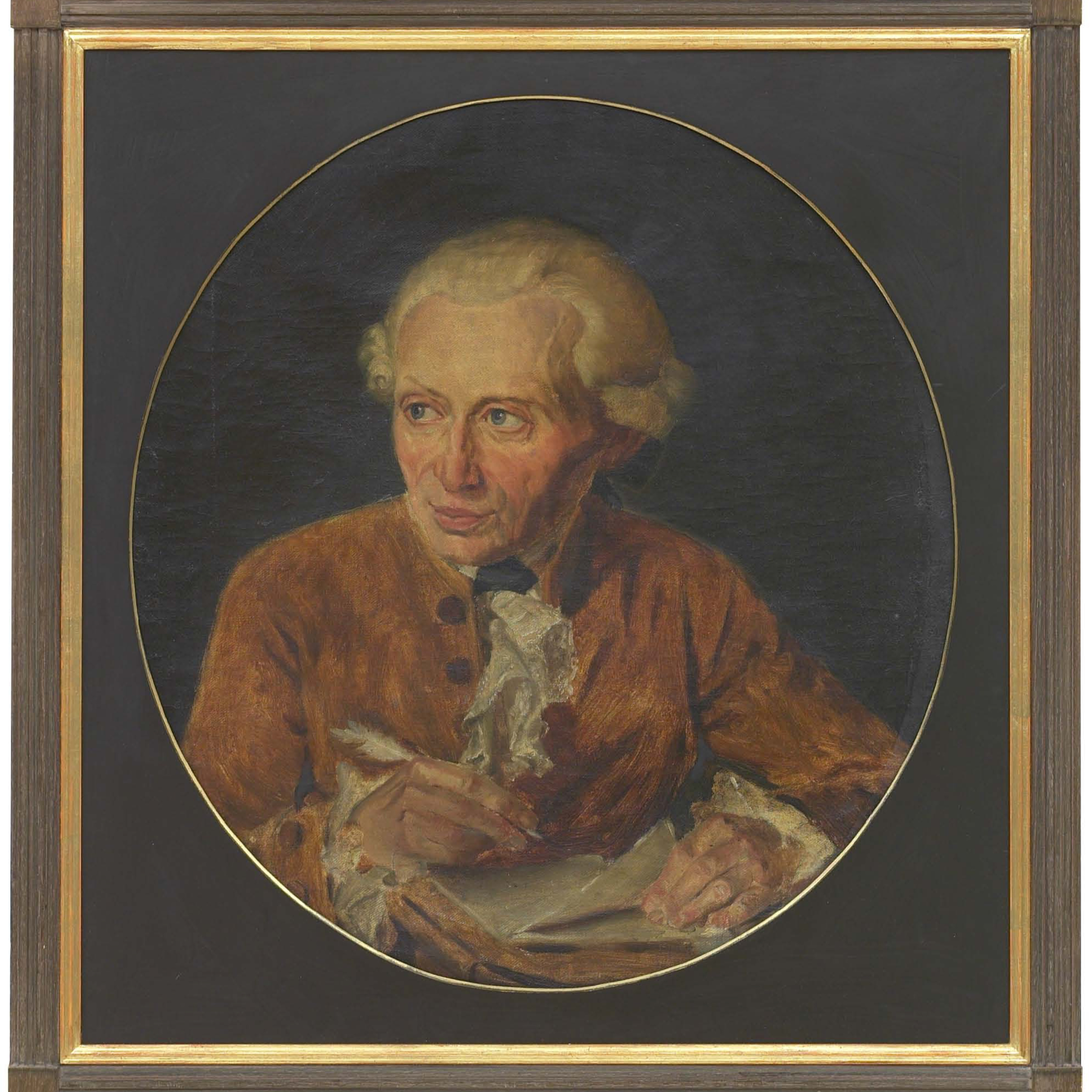 043--Kant's Critique of Pure Reason ep.3 Introduction | This is the third in a series where I'm joined by Eric Taxier to discuss Kant's First Critique, the Critique of Pure Reason. In this episode we discuss the Introduction to the Critique. The first segment discusses Kant's conception of the collaboration between the object and our faculties for comprehending that object as well as the distinction between the a priori and the a posteriori. The second segment turn to the Kantian distinction between the analytic and the synthetic and examines the notion of the analytic as involving containment. The third segment zeroes in on the synthetic and the manner in which we are a necessary component of the act of synthesis. We also examine the troubling (for many) notion that math exemplifies the synthetic rather than the analytic. | — | ||||||
| 10/25/21 | 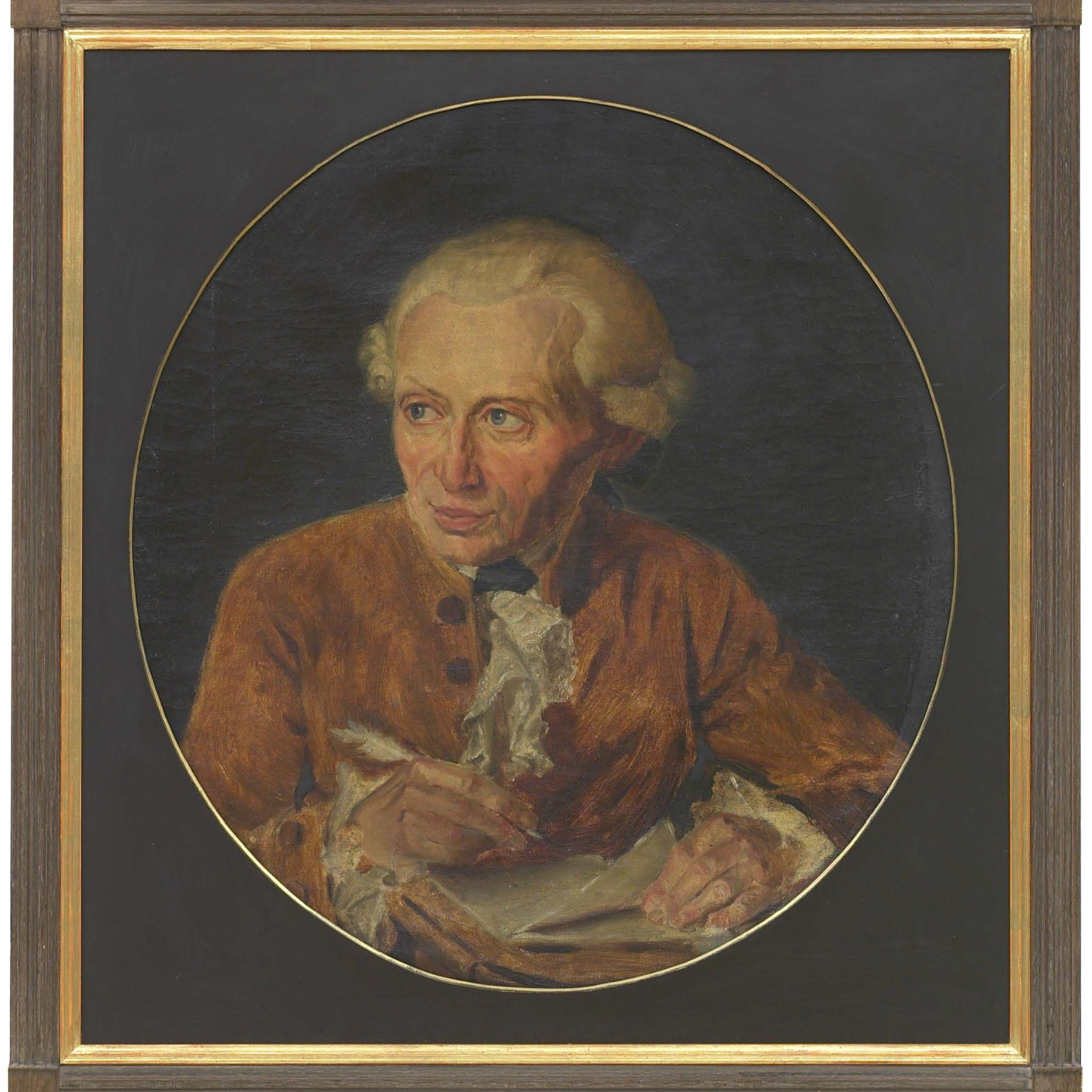 040--Kant's Critique of Pure Reason ep.2 Prefaces | Eric Taxier and Chad Jenkins discuss the two prefaces of Immanuel Kant's Critique of Pure Reason. We address the different goals and strategies of the two quite different prefaces: the 1781 original and the new preface for the 1787 revision. We discuss the way in which Kant describes Reason as insisting on going beyond what it can directly experience (and the trouble it causes itself in so doing), the notion of a critique, the things metaphysics can learn from other sciences, the importance of being in some way "rule-bound," and the question of one's grasp of the noumenal (or lack thereof). | — | ||||||
| 10/20/21 | 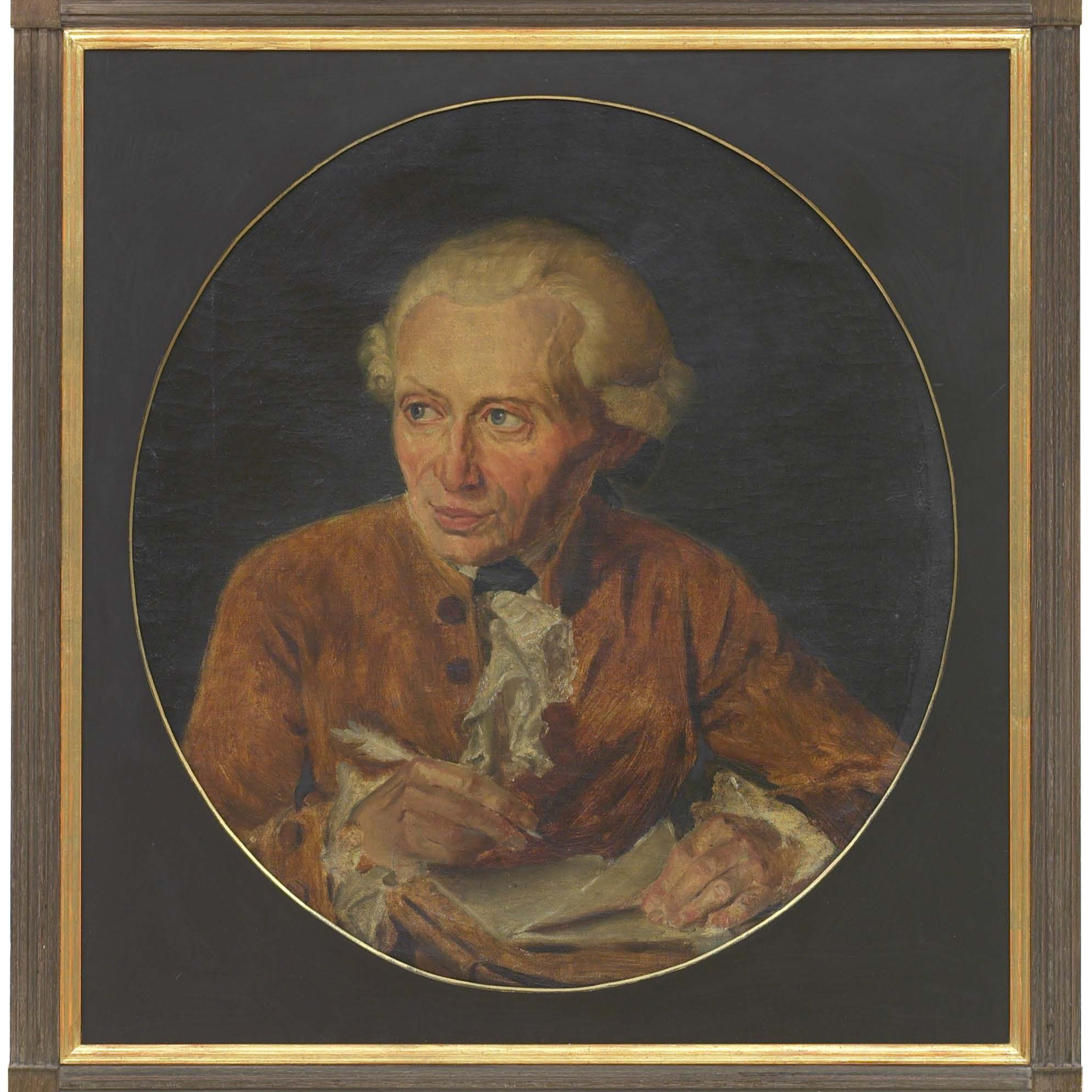 039-Kant's Critique of Pure Reason ep.1 Background | This is the first in a series of episodes in which Chad Jenkins and Eric Taxier discuss the Critique of Pure Reason by Immanuel Kant. This episode covers some background information including the conflict between Rationalism and Empiricism, Kant's pre-critical writings, and the authors that led him to the critical impasse: Leibniz, Hume, and Rousseau. | — | ||||||
| 8/3/20 | 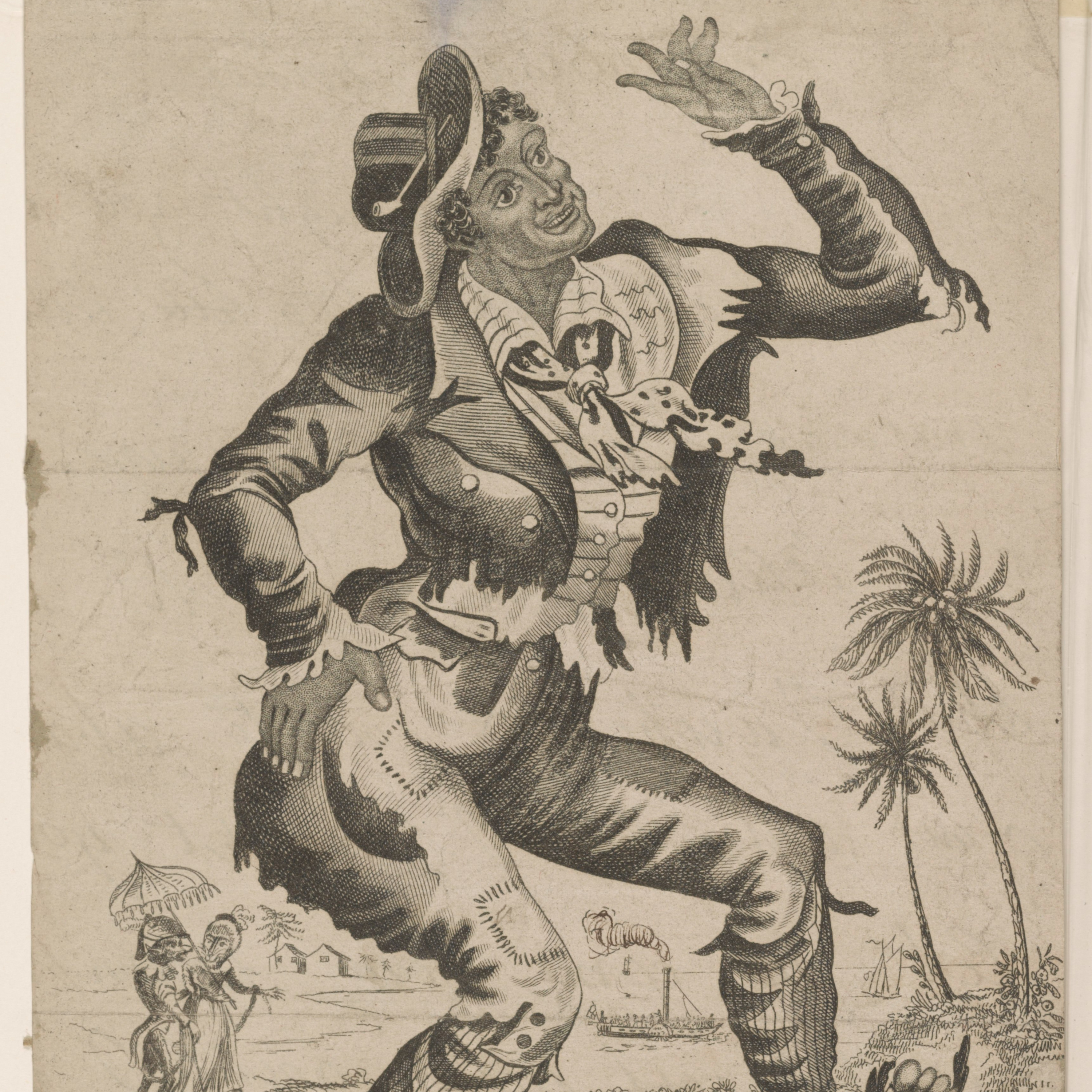 003 Early Blackface Minstrelsy and the Racialized Other | This episode covers a difficult but central part of the history of American popular music: the rise of blackface minstrelsy in the late 1820s and early 1830s. In order to come to grips with the emergence of what was widely considered the first truly "American" form of music and theatrical entertainment, this episode explores the contradictory ways of understanding Blackness that suffused the practice of African transatlantic slavery, discusses the political and social situation of working-class Whites and free Blacks, the role of Irish immigration in early minstrelsy, and the formation of two American minstrel archetypes: Jim Crow and Zip Coon. | — | ||||||
| 7/19/20 | 002 Colonial Music and the Copyright Act of 1790 | This episode discusses the musical culture of the North American colonies and the early United States culminating in the Copyright Act of 1790. We will suggest that this law was an important step on the way toward establishing mass art as the primary form of cultural expression in the United States. We will also see that this law is not nearly as straightforward philosophically and legally as it might, at first, seem. | — | ||||||
| 7/16/20 |  001 Popular Music and Mass Art | This, the first episode of Sound Philosophy, discusses some of the objections to popular music by philosophers and critics such as Gilles Deleuze, Theodor Adorno, Dwight Macdonald, and Clement Greenberg. We then discuss the notion of popular music as mass art. | — | ||||||
Showing 25 of 25
Sponsor Intelligence
Sign in to see which brands sponsor this podcast, their ad offers, and promo codes.
Chart Positions
3 placements across 3 markets.
Chart Positions
3 placements across 3 markets.