STEM-Talk
by Dawn Kernagis and Ken Ford
Is this your podcast?Insights from recent episode analysis
Audience Interest
Podcast Focus
Publishing Consistency
Platform Reach
Insights are generated by CastFox AI using publicly available data, episode content, and proprietary models.
Most discussed topics
Brands & references
Total monthly reach
Estimated from 12 chart positions in 12 markets.
By chart position
- 🇺🇸US · Nutrition#1525K to 30K
- 🇦🇺AU · Nutrition#1785K to 30K
- 🇨🇦CA · Nutrition#2005K to 30K
- 🇧🇷BR · Nutrition#9510K to 30K
- 🇰🇷KR · Nutrition#1241K to 10K
- Per-Episode Audience
Est. listeners per new episode within ~30 days
21K to 100K🎙 ~2x weekly·194 episodes·Last published 3w ago - Monthly Reach
Unique listeners across all episodes (30 days)
43K to 199K🇺🇸15%🇦🇺15%🇨🇦15%+9 more - Active Followers
Loyal subscribers who consistently listen
13K to 60K
Market Insights
Platform Distribution
Reach across major podcast platforms, updated hourly
Total Followers
—
Total Plays
—
Total Reviews
—
* Data sourced directly from platform APIs and aggregated hourly across all major podcast directories.
On the show
From 13 epsHosts
Recent guests
Recent episodes
Episode 198: Blessing or curse? Dawn grills Ken on listeners’ toughest AI questions in this all-AI AMA
Aug 12, 2026
Unknown duration
Episode 197: Scott Sherr discusses hyperbaric oxygen therapy, methylene blue, and more
Jul 15, 2026
1h 26m 38s
Episode 196: Dominic D’Agostino discusses advances in ketogenic metabolic therapy and hyperbaric oxygen therapy
Jun 11, 2026
1h 10m 47s
Episode 195: Doug Cooke discusses NASA’s challenges in the space race to the Moon and Mars
May 21, 2026
58m 47s
Episode 194: Tommy Wood discusses how to future-proof the adult brain
Apr 16, 2026
1h 55m 54s
Social Links & Contact
Official channels & resources
Official Website
Login
RSS Feed
Login
| Date | Episode | Topics | Guests | Brands | Places | Keywords | Sponsor | Length | |
|---|---|---|---|---|---|---|---|---|---|
| 8/12/26 |  Episode 198: Blessing or curse? Dawn grills Ken on listeners’ toughest AI questions in this all-AI AMA | Today we have an Ask Me Anything episode that focuses on artificial intelligence. For the past year, AI has dominated the headlines. Perhaps because there’s so much media and public interest, as well as paranoia, about AI, listeners have been flooding our mailbox with AI-related questions. So, today’s AMA is an exclusive focused on artificial intelligence. For our listeners who have been sending questions about ketamine; NASA’s Artemis mission to the Moon; or whether high meat consumption leads to dementia; fear not, because we will follow up today’s episode in a few weeks with a second round of AMA. Dr. Ken Ford will be answering today’s AI questions. He has been working in AI since the 1980s and is a Fellow of the Association for the Advancement of Artificial Intelligence. As a result, he is well-positioned to help us today to separate real advances in AI from hype, panic and science fiction. If you have questions for Ken and Dawn after listening to today’s episode, or any episode of STEM-Talk, email your questions to STEM-Talk producer Randy Hammer at rhammer.ihmc.org. Show notes: [00:03:15] Dawn opens our AMA episode on AI with a listener question for Ken on whether AI companies should be protected under section 230 of the U.S. Communications Decency Act. [00:08:03] Following up on the previous question, a listener asks if Ken foresees a day where laws and courts will designate AI as a judicial person, in the same way that corporations have rights under the legal doctrine of corporate personhood. [00:10:55] A listener asks Ken for his thoughts on a recent article published in the Atlantic titled “The Data-Center Panic is Overblown: Critics are Inflating the Costs.” [00:16:09] A listener asks Ken a question regarding episode 171 of STEM-Talk, in which Ken discussed a June 2024 report by Leopold Aschenbrenner which predicted rates of growth in both compute resources and power requirements for AI data centers. The listener asks how well these predictions have held up in the following year. [00:22:19] Another listener question about data centers asks Ken what his thoughts are on the notion of solving the electricity costs and cooling requirements for data centers by building them in orbit and powering them via solar energy. [00:30:07] Moving on to the applications of AI, Peter Attia recently wrote about a study out of Harvard that suggests that today’s large language models perform extremely well on medical licensing exams and often arrive at the correct diagnosis yet still struggle with differential diagnosis. The listener asks what this means about the use of AI in medicine. [00:36:53] A listener asks Ken about repeated public statements by Anthropic’s CEO that their AI models, and those expected in the future, are already powerful and dangerous enough to justify concern, while at the same time Anthropic and other leading AI companies are continuing to employ these systems and cautioning governments against regulation that could slow down innovation. The listener asks Ken how to resolve this contradiction. [00:45:18] A listener writes that in a previous AMA, STEM-Talk episode 184, Ken objected to the use of the word hallucination to describe errors made by large-language models and asks Ken to expound on this. [00:53:28] A listener asks Ken whether current AI models are evolving from being fundamentally prediction engines to being able to truly understand and reason, or if they are just becoming better and more convincing prediction engines. [00:59:37] A listener writes to Ken, mentioning that a few years ago, a thousand technology experts and researchers signed a letter urging AI labs and executives to pause the development of highly advanced AI systems and tools. This letter, drafted through the not-for-profit Future of Life Institute, warned that AI developers were locked in an out-of-control race to develop and deploy ever more powerful digital minds that no one, not even their creators, can understand, predict or reliably control. The listener also states that they learned recently that ChatGPT 5 was programmed using an earlier version of ChatGPT. If the concerns of tech leaders are to be taken seriously, the listener wonders if it is a good idea to have earlier versions of ChatGPT programing later versions of ChatGPT? [01:07:45] A listener asks Ken about the process of training smaller AI models from larger models, a process called distillation. The listener asks how this process works and if this is a way for the cost of training large models to benefit everyone. [01:14:56] A listener asks Ken what it means for China’s Open Weight GLM 5.2 to be reported to have achieved near parity with Anthropic’s Mythos. On several cyber security and vulnerability discovery benchmarks, it seems alarming that GLM 5.2 is operating at roughly 1/6th the cost and remaining openly available for download and deployment. [01:22:34] A listener writes that they recently heard a story about someone who asked an AI whether they should walk or drive to a car wash in order to get their car washed when the car wash was close by their starting location. The AI in this condition recommended that they walk instead of drive. The listener asks why the AI was unable to give the obviously correct answer to a simple common-sense question. [01:29:05] For our final question in this AMA, a listener writes that, recently, nearly 200 researchers and economists signed a statement warning that as AI becomes more powerful it could take over a large share of human work and lead to widespread joblessness. The listener wants to know if Ken would have signed the statement and what he thinks of the statement’s three points: One: AI may become radically more powerful over the next 10 years. Two: This could drive an unprecedented transformation of our economy larger than the industrial revolution and over a vastly shorter timeframe, with large scale job displacement. Three: Economists, policy makers, and tech leaders must act now in order to understand the economic impacts of transformative AI and to build the incentives guardrails and institutions need to steer AI in a direction that compliments humans and benefits society. Links: Learn more about IHMC STEM-Talk homepage Ken Ford bio Ken Ford Wikipedia page Dawn Kernagis bio   | — | ||||||
| 7/15/26 | Hyperbaric Oxygen Therapymethylene blue+3 | Scott Sherr | methylene blueHyperbaric Medical Solutions+1 | — | Hyperbaric Oxygen Therapymethylene blue+3 | — | 1h 26m 38s | ||
| 6/11/26 | ketogenic metabolic therapyhyperbaric oxygen therapy+4 | Dominic D’Agostino | University of South FloridaMoffitt Cancer Center+1 | — | ketogenic therapyhyperbaric oxygen+5 | — | 1h 10m 47s | ||
| 5/21/26 | NASAspace exploration+3 | Doug Cooke | NASAArtemis+2 | ChinaPacific Ocean+2 | NASAArtemis II+7 | — | 58m 47s | ||
| 4/16/26 | brain healthneuroscience+3 | Tommy Wood | The Stimulated Mind: Future-Proof Your Brain from Dementia and Stay Sharp at Any AgeAmazon+10 | U.S.UK+1 | dementiamental health+2 | — | 1h 55m 54s | ||
| 3/23/26 | neurosciencebrain health+2 | Tommy Wood | The Stimulated Mind: Future-Proof Your Brain from Dementia and Stay Sharp at Any Agethe University of Washington+9 | U.S. | mental sharpnesscognitive health+1 | — | 1h 28m 05s | ||
| 3/5/26 | ChatGPTketamine+7 | — | ChatGPTSTEM-Talk+12 | antarcticaHouston+1 | generative artificial intelligencelarge language models+3 | — | 39m 35s | ||
| 2/2/26 | methylene bluenoninvasive brain stimulation+4 | Francisco Gonzalez-Lima | methylene bluetranscranial infrared laser+8 | Switzerland | behavioral neurosciencebrain energy metabolism+2 | — | 1h 44m 54s | ||
| 1/7/26 | climate changeclimate science+3 | Judith Curry | Climate EtcSTEM-Talk+10 | the United States | Climate Assessment Reporteconomic damage+3 | — | 1h 05m 04s | ||
| 12/11/25 | NASAMoon missions+3 | Lisa PorterMichael Griffin | Artemis IIIApollo+22 | MoonChina+4 | lunar missionsspace technology+1 | — | 1h 18m 11s | ||
Want analysis for the episodes below?Free for Pro Submit a request, we'll have your selected episodes analyzed within an hour. Free, at no cost to you, for Pro users. | |||||||||
| 11/4/25 | microbiomewomen's health+3 | Marina Walther-Antonio | Mayo Clinicthe World Cancer Research Fund International+13 | PortugalMars+4 | Mayo Clinicenvironmental microbiology+2 | — | 1h 19m 16s | ||
| 10/2/25 | ocean explorationsubsea habitats+3 | Dr Dawn Kernagis | NEEMO Mission 21the Sentinel System+15 | UKEarth | NASANEEMO+3 | — | 1h 13m 18s | ||
| 9/4/25 | MUSE cellsstem cells+3 | Dr Mari Dezawa | the Division of Stem Cell Biology and HistologyTohoku University School of Medicine+12 | JapanU.S. | stem-cell researchregenerative capacity+2 | — | 47m 19s | ||
| 7/31/25 | metabolic healthathletic performance+3 | Andrew Koutnik | andrewkoutnik.comIHMC+14 | Tallahassee | nutritionmetabolism+3 | — | 1h 31m 37s | ||
| 7/10/25 | 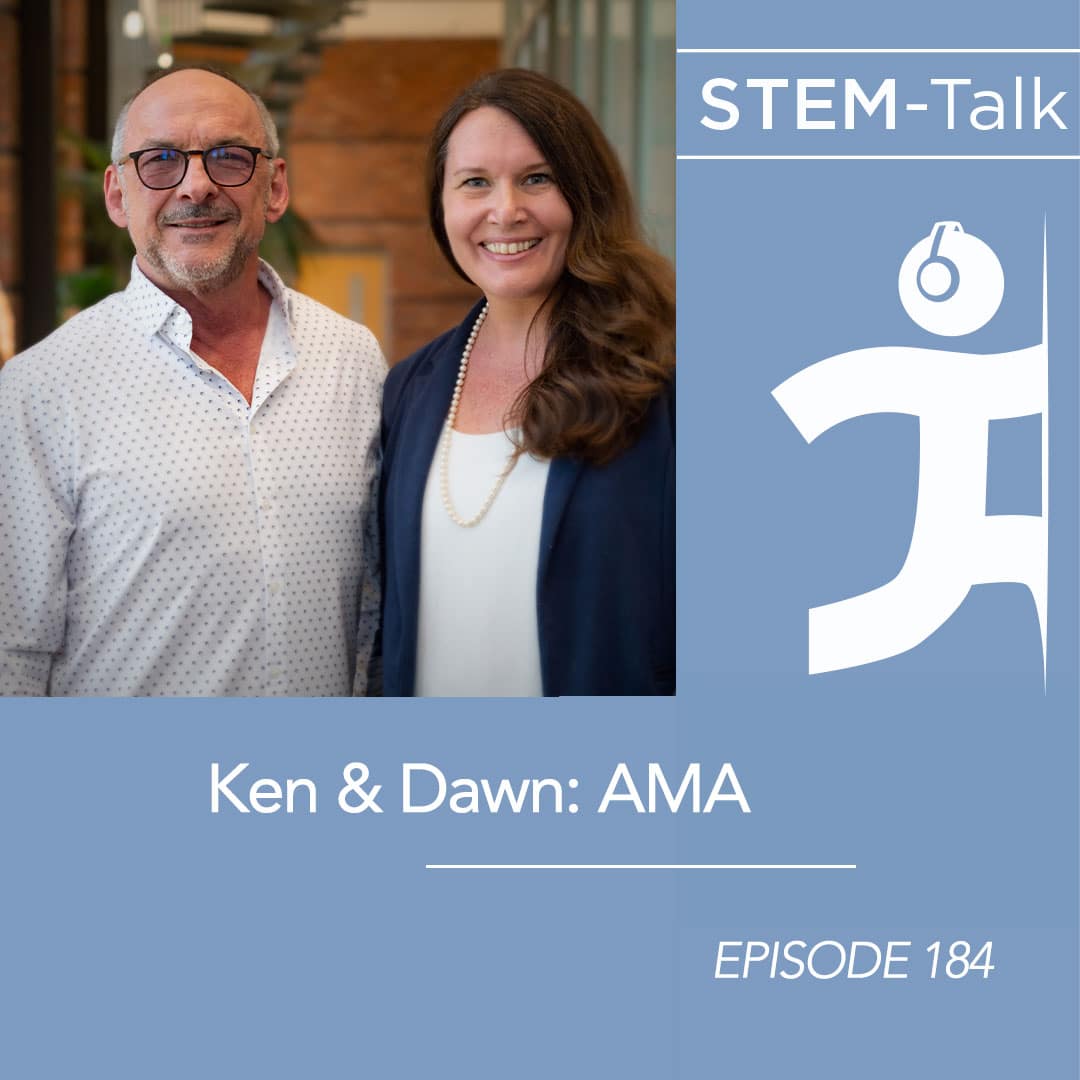 Episode 184: Ken and Dawn answer listener questions on AI, grip strength, ketamine, protein, digital twins, and more! | It’s time for another episode of Ask Me Anything. Dawn and Ken answer listener questions that range from generative AI to whether grip strength is a biomarker for longevity and the potential of ketamine as a treatment for depression. Dawn also gives a brief overview of work she is doing with the deep-sea technology company Deep. As a special treat at the end of today’s episode, Dawn plays a recording of the commencement speech that Ken recently gave at the University of West Florida. As the saying goes, you don’t want to miss it. Show notes: [00:02:18] Ken starts off the episode with a listener question about whether Dawn and Ken read print books or digital, the reason being that a listener recently came across an article that claimed digital screens are rewiring our brains. [00:05:32] A listener asks about a paper titled “Grip Strength An Indispensable Biomarker for Older Adults” which claims that the ability to hang from a bar for 60 seconds for men, and 30 seconds for women, indicates that a person is likely to live longer. The paper claims that a decline in grip strength is associated with adverse health consequences, and the listener asks Ken what advice he has for developing and maintaining grip strength. [00:10:20] A listener asks a question inspired by our recent interview with Dr. Frank Butler. The listener asks if Ken has heard about the FDA approved depression therapy, esketamine, which is a derivative of ketamine and is a long-standing therapy for depression. [00:12:37] A listener asks Ken about a 2023 paper in the journal Age and Aging titled “Higher Dietary Protein Intake is Associated with Sarcopenia in Older British Twins” [00:16:13] A listener asks Ken about “Whisper,” which is a transcription product from OpenAI. The listener explains that OpenAI disclaims that Whisper should not be used in high-risk domains. However, according to a story by the Associated Press titled “Researchers Say an AI Powered Transcription Tool Used in Hospitals Invents Things No One Ever Said,” medical centers have already begun to use the tool to transcribe physician consultations. The listener explains that, according to the article, the use of Whisper in these contexts has led to numerous ‘hallucinations’ from the AI tool and the listener asks Ken what his thoughts are on how tools like Whisper should be integrated into various industries. [00:20:21] A listener asks for Ken’s thoughts on a series of articles by Kevin Roose in The New York Times claiming that there is no reason to learn how to code and program because very soon AI will take over all coding. Mr. Roose also asserts that the time is soon approaching when we need to have discussions on what rights to grant sentient AI. [00:21:57] A listener asks Ken if he concurs with a report from the National Academy of Medicine titled “Generative Artificial Intelligence in Health and Medicine – Opportunities and Responsibilities for Transformative Innovation,” which notes that large language models (LLMs) hold huge promise for patient care and healthcare system workflows, as well as risks. The listener asks if Ken agrees with the report’s claims that two areas in which we could see near term applications of LLMs are patient education and synthesis of information of electronic medical records. [00:23:35] As a follow up question, Ken is asked about the aforementioned report’s discussion of the “digital twin” concept. A digital twin is a computational representation of a patient or disease that could be used to speed up virtual experiments or subgroup analysis of investigational agents that carry risk for real patients. [00:26:26] A listener asks for Ken’s thoughts on a paper published in the journal of Nutrition Health and Aging titled “Effects of Vitamin D3 Omega 3 Fatty Acids and a Simple Home Exercise Program on Change in Physical Activity Among Generally Healthy and Active Older Adults.” The paper claims that among generally healthy, active and vitamin D3 replete individuals 73 and older, that Vitamin D supplementation had a detrimental effect on physical function and activity. [00:28:32] A listener asks Ken and Dawn what their take is on the term “settled science” and if it is ever appropriate to call some science “settled.” [00:30:06] A listener asks both Ken and Dawn whether they have a favorite healthy snack. [00:31:31] A listener asks Ken about his blood flow restriction training and what devices he uses for these workouts. [00:32:29] A listener asks about a new sub-sea technology company called Deep, which Dawn works with. [00:34:21] Dawn wraps up the episode mentioning that a little birdie told her that Ken recently gave a good commencement address to the graduating class of 2025 at the University of West Florida. Dawn then plays the audio from Ken’s speech. Links: Learn more about IHMC STEM-Talk homepage Ken Ford bio Ken Ford Wikipedia page Dawn Kernagis bio | — | ||||||
| 6/24/25 | Episode 183: Michael Schmidt on the challenges of building a space-faring civilization | Today we have the second installment of our interview with Dr. Michael A. Schmidt, the founder, CEO, and Chief Scientific Officer of Sovaris Aerospace, a company focused on assessments and solutions applied to humans in space and extreme environments on Earth. In today’s interview, we talk to Michael about NASA’s plans to send humans to Mars and build permanent colonies on the Moon and Mars. We also talk to Michael about his recent book, “Building a Space-Faring Civilization,” which addresses the challenges of civilian spaceflight and the construction of space settlements. In part one of our interview, Episode 182, we talked with Michael about his pioneering work in the field of precision medicine and how he has used it to improve the cognitive and physical performance of astronauts as well as NBA, NFL players and Special Operations forces. In addition to his work with Sovaris, Michael also is a professor of aerospace medicine at the University of Central Florida College of Medicine, one of the few programs in the U.S. that offers a medical residency in aerospace medicine. Show notes: [00:03:00] Dawn picks up our interview from where we left off in part one, discussing the Human Research Program for Civilian Spaceflight. She goes on to mention that Chris Mason at Cornell University has a biobank of 1,500 samples across 22 astronauts and seven missions, and that these samples will lead to deeper insights on the effects of spaceflight on humans. Dawn switches gears to ask Michael about the cognitive and physical challenges of spaceflight over long duration missions. [00:13:03] Following up on the cognitive challenges of long duration spaceflight, Ken mentions that the hippocampus, the primary memory center of the brain, has a relatively low radiation threshold compared to other tissues in the brain. Ken asks Michael to touch on the vulnerability of specialized brain tissues to radiation, particularly in the context of a long duration spaceflight to Mars. [00:21:53] Ken mentions that it is understood that the APOE4/4 genotype is associated with impaired cognitive performance under certain circumstances and an elevated risk of dementia. While it is currently unknown whether APOE4/4 has any correlation of increased risk associated with cognitive impact resultant from environmental exposure due to spaceflight, Ken highlights the concern with sending APOE4/4-positive astronauts on long duration spaceflights without knowing the risks. [00:29:26] Ken notes the worsened cognitive impacts resultant from medical radiation, and while therapeutic radiation is different than radiation experienced by astronauts, these results give some indication of the effects astronauts might experience. [00:33:27] Dawn mentions that we recently had planetary scientist and director of NASA’s Haughton-Mars project, Pascal Lee, on the podcast, who explained his view that since there are so many engineering and biological challenges with going to Mars, we should take a more measured approach to a Mars mission, perhaps even beginning with a roundtrip to Mars rather than landing on our first visit. Dawn asks Michael what his thoughts are on this approach. [00:37:29] Ken shifts the discussion to the subject of one of Mars’ moons, Phobos, and its potential role in a Mars mission. [00:40:30] Dawn pivots to talk about Michael’s Book “Building a Space-Faring Civilization: Advancing the Renaissance of Science, Medicine and Human Performance in Civilian Spaceflight.” Dawn asks Michael to talk about the chapter concerning the question of space radiation from the standpoint of precision medicine. [00:55:12] Dawn asks Michael to talk about the lack of appreciation people have for the fact that a Mars mission would be the most dangerous thing we’ve ever done. [00:59:06] Ken mentions that Michael has worked with a lot of organizations, including Space X, which has a program, the Space X Mars Colonization Program, dedicated to the establishment of a permanent colony on Mars. Space X’s founder Elon Musk recently made a statement to his employees that in 20 years he anticipates having a million people colonizing Mars. Ken asks Michael to elaborate on the difficulties entailed with not just a sortie mission to Mars but attempting to establish a permanent presence there. [01:03:38] Ken notes the effect that lofty ideas about colonizing Mars have on people is a lack of appreciation for the tremendous difficulty of the task before us. Ken notes that when we do make it to Mars, the appreciation for the monumental accomplishment that it will be could be seen as inadequate by a public fed ideas about colonizing Mars in the next 20 years. [01:11:08] Dawn notes that one of the most underappreciated, yet critical, components of long duration spaceflight is the psychology of team dynamics. Considering the isolation and close quarters environment of a spacecraft, how teams interact and how they will mediate conflict is an important problem to consider. [01:13:59] Dawn shifts gears to talk about Michael’s co-editor for his book, Dr. Marianne Legato, an emeritus professor of clinical medicine and Columbia University, and a practicing internal medicine specialist in New York City known for her sex-specific medicine and research. Dawn asks Michael how he and Marianne met. [01:16:33] Dawn asks Michael, with respect to his and Marianne’s work on sex and gender differences, how the challenges that men and women face in spaceflight differ. [01:23:31] Dawn comments on Michael’s fascinating career and asks him if it is what he envisioned for himself when he was in college. [01:27:05] Ken wraps up our interview by asking Michael what advice he has for students and young researchers just starting their careers. Links: Michael Schmidt bio Learn more about IHMC STEM-Talk homepage Ken Ford bio Ken Ford Wikipedia page Dawn Kernagis bio   | — | ||||||
| 6/2/25 | 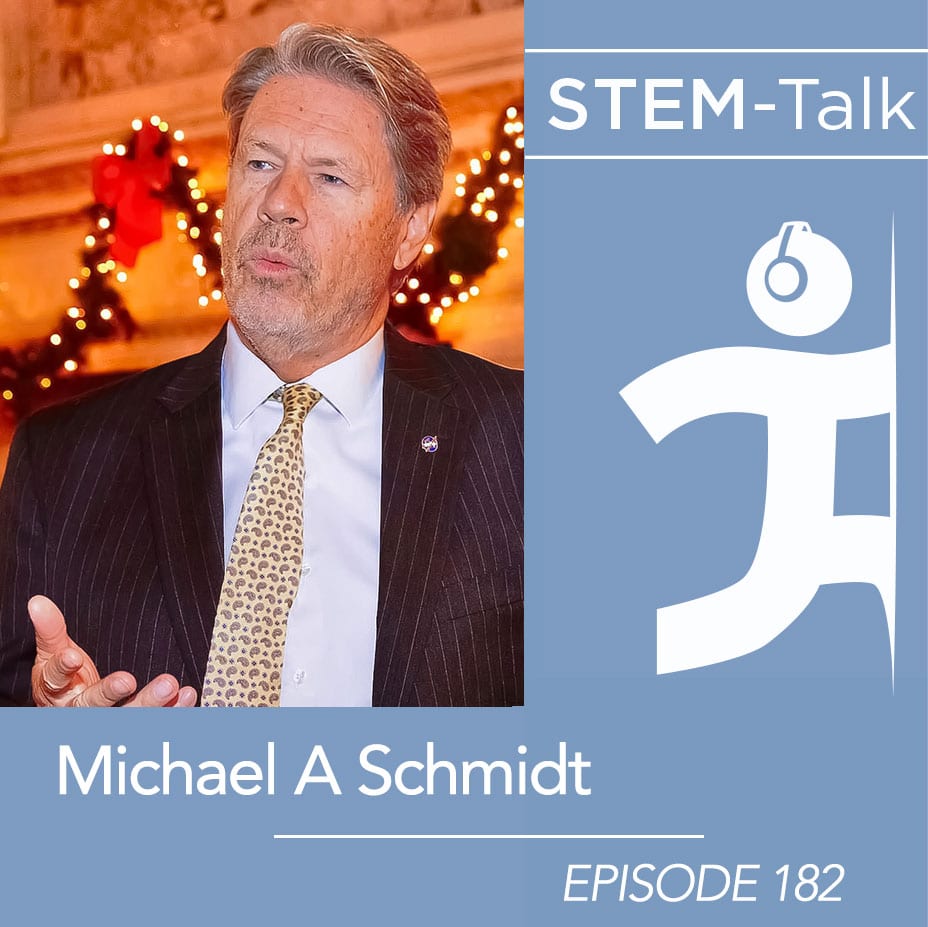 Episode 182: Michael Schmidt on what precision medicine means to human spaceflight | Today we have Dr. Michael A. Schmidt, the founder, CEO, and Chief Scientific Officer of Sovaris Aerospace, a company focused on assessments and solutions applied to humans in space and extreme environments on Earth. Michael is also a professor of aerospace medicine at the University of Central Florida College of Medicine, one of the few programs in the U.S. that offers a medical residency in aerospace medicine. Michael is known for his work pioneering the field of precision medicine. He uses molecular analytics, coupled with physiologic and behavioral assessments, to facilitate human performance and resilience on Earth as well as in the extreme environment of space. His work covers a spectrum from NASA, the NFL, the NBA, U.S. Olympic teams, Nike, SpaceX, Axiom Space, NASCAR, Special Operations, the Naval Submarine Medical Research Lab, the Mayo Clinic, and others. We had a long and fascinating conversation with Michael and decided to break the interview into two parts. This episode focuses on Michael’s background and the cognitive and physical challenges astronauts experience in spaceflight. We also dive into the many ways that precision medicine is facilitating human performance and resilience here on Earth. In part two of our conversation, Michael talks about his work with NASA and SpaceX on the challenges of civilian spaceflight and the future of Mars exploration, including the construction of permanent colonies on the Moon and Mars. You won’t want to miss that conversation. Show notes: [00:03:59] Dawn opens our interview mentioning that Michael grew up in Minnesota in a small farming community, asking if it’s true that he sometimes had to do chores in 20- to 30-degree weather. [00:06:50] Dawn asks if it is true that Michael fell in love with science at a young age, even building telescopes at the age of 11. [00:08:00] Dawn asks Michael what it was that led him to become so fascinated with space specifically. [00:08:58] Dawn asks if Michael ever thought about becoming an astronaut. [00:10:09] Ken asks if it is true that Michael was a big reader as a child. [00:11:21] Dawn asks Michael to talk about his childhood athletic interests. [00:11:55] Dawn asks how it was that a high school quarterback from a small town in Minnesota ended up at university in the United Kingdom. [00:13:38] Ken asks Michael what years he worked at NASA Ames Research Center. [00:14:51] Ken mentions that when Michael was at NASA Ames, he did work collecting molecular and physiologic assessments of humans using NASA’s 20-G centrifuge. Ken asks Michael to talk about the centrifuge and how he used it in his studies of hypergravity. [00:17:49] Ken comments on the fact that pieces of equipment like NASA’s 20-G centrifuge are a precious scientific resource, and when they cease functioning, unfortunately, they are unlikely to be replaced. [00:19:40] Ken and Michael discuss the fact that microgravity, despite being one of the most pressing effects on astronaut health, is the one of the least addressed problems in human spaceflight. [00:21:48] Ken explains that Michael is the founder, CEO and Chief Scientific Officer of a company called Sovaris Aerospace, which is focused on assessments and solutions applied to humans in space and extreme environments on Earth. Ken asks Michael where the idea came from to found this company. [00:24:35] Dawn explains that since the human genome was first sequenced, there has been an acceleration of genome-based technologies that have made it possible to consider a person’s genetic makeup, both in healthcare and optimizing performance. Dawn asks Michael to talk about the work he does applying genomics to human spaceflight. [00:28:52] Dawn asks about Michael’s direction of the molecular profiling and precision medicine efforts for the Golden State Warriors during their record-breaking 73-9 season [00:32:57] Dawn mentions that Michael published a review in the journal Metabolomics in 2013 that looked at the use of omics-based analyses and their potential to enhance astronaut safety and performance. Dawn goes on to say that omics allows us to identify differences in humans responsible for different responses to extreme conditions. Dawn asks Michael to talk about this review and what he learned in terms of the risk profile of individual astronauts and how personalized medicine could mitigate some of the risks. [00:42:01] Ken circles back to the heterogeneity of responses to exercise in space, a phenomenon that is seen on Earth as well. Ken notes that while large populations of astronauts don’t yet exist to be studied, large populations and their response to exercise can be studied on Earth, such as Marcas Bamman’s current NIH-funded multicenter exercise study with aging populations here at IHMC. Here Michael talks about his work creating “digital twins” of astronauts to model exposure to extreme environments on personalized digital models of astronauts. [00:46:04] Ken mentions that the difference between digital twin models in engineering and digital twins used in biomedicine is that engineered systems are nearly fully understood and can therefore be modeled with great accuracy and completeness, while there is much more unknown in biological systems. [00:48:15] Ken asks Michael, given all the confounds and environmental stressors in spaceflight, how confident can we be that omics analyses performed on Earth will provide useful insights about performance in space. [00:54:13] Dawn pivots to discuss Michael’s work as president of the Human Research Program for Civilian Space Flight, the purpose of which is to address the widespread needs that civilians will face as space travelers. [01:01:03] Ken shifts gears to ask Michael to talk about the specific cognitive and physical challenges that humans will face in long duration spaceflight, such as a flight to Mars. [01:10:05] Ken mentions that APOE4/4 positive patients see increased risk of cognitive decline from therapeutic radiation on Earth. Ken notes that while therapeutic radiation is different from the radiation experienced by astronauts, this still poses worrying prospects for APOE4/4 positive astronauts. [01:11:28] Ken and Michael discuss the importance of developing both biological and engineering countermeasures to hazardous exposure to astronauts in space. Links: Michael Schmidt bio Learn more about IHMC STEM-Talk homepage Ken Ford bio Ken Ford Wikipedia page Dawn Kernagis bio     | — | ||||||
| 5/13/25 | 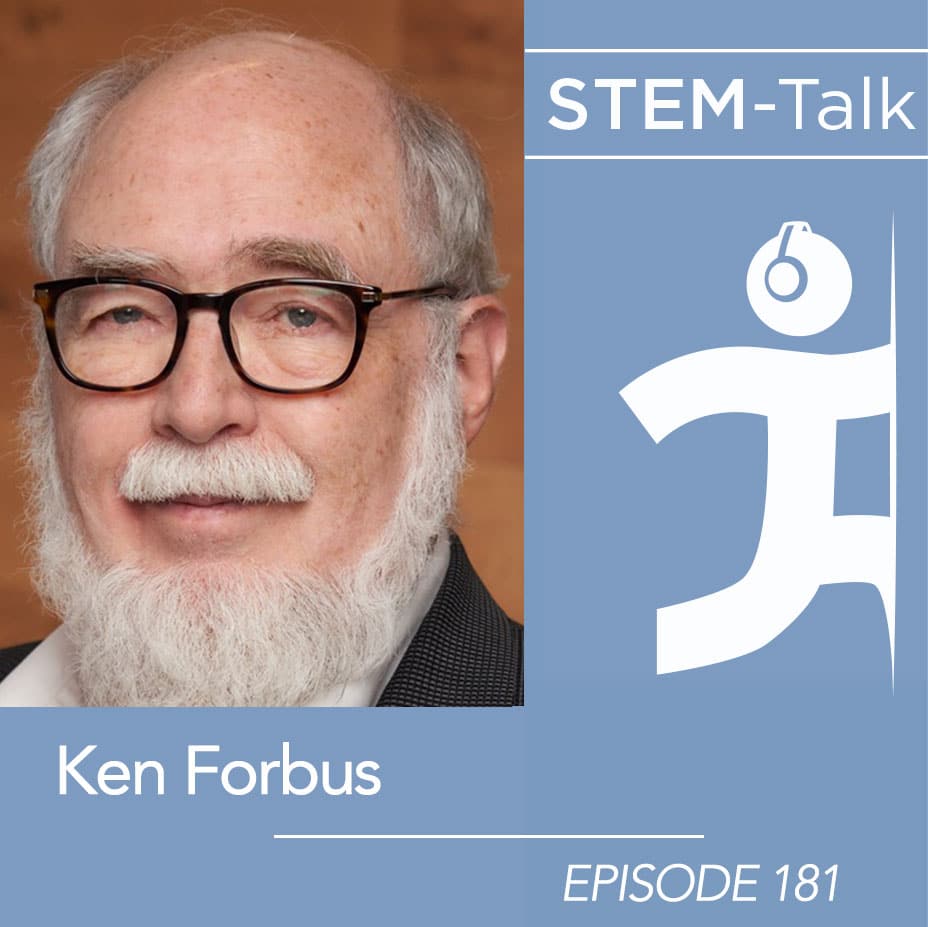 Episode 181: Ken Forbus talks about AI and his development of the Structure Mapping Engine | Our guest today is Dr. Ken Forbus, the Walter P. Murphy Professor of Computer Science and a Professor of Education at Northwestern University. Joining Dr. Ken Ford to co-host today’s interview is Dr. James Allen, who was IHMC’s associate director until he retired a few years ago. James is a founding fellow of the American Association for Artificial Intelligence and a perfect fit for today’s discussion with Dr. Forbus, who, like James, is an AI pioneer. Back in 2022, James was named a fellow by the Association for Computational Linguistics, an organization that studies computational language processing, another field he helped pioneer. Dr. Forbus also is a Fellow of the Association for the Advancement of Artificial Intelligence and was the inaugural winner of the Herbet A. Simon Prize for Advances in Cognitive Systems. He is well-known for his development of the Structure Mapping Engine. In artificial intelligence and cognitive science, the Structure Mapping Engine is a computer simulation of analogy and similarity comparisons that helped pave the way for computers to reason more like humans. Show Notes: [00:03:07] Ken opens the interview with Dr. Forbus by asking if it is true that he had an unusual hobby for a nerdy kid growing up. [00:04:18] James mentions that Dr. Forbus’ family moved often when he was younger and asks how that affected him. [00:05:18] Ken mentions that when Dr. Forbus was in high school, he filled his free time reading about psychology and cognition before eventually coming across some articles on AI. Ken asks Dr. Forbus to talk about this experience and what happened next. [00:07:49] James asks Dr. Forbus if he remembers the first computer he owned. [00:09:17] Ken asks Dr. Forbus if there was anything, other than its reputation, that led him to attend MIT. [00:10:09] James mentions that for the past few decades, Dr. Forbus has been working on developing “human like” AI systems. While much of AI research and development has been focused on meeting the standard of the Turing test, James asks Dr. Forbus why he is not a fan of the Turing test. [00:12:24] Ken mentions that Dr. Forbus received his Ph.D. from MIT in 1984, the same year that Apple released the first Macintosh, which was rolled out with a famous Super Bowl ad. This computer was the first successful mouse driven personal computer with a graphical interface. Ken asks Dr. Forbus what he remembers about that ad, and what his reaction to it was at the time. [00:13:22] James mentions that 1984 was also the year that Dr. Forbus made his first splash in the AI world with his paper on qualitative process theory. James goes on to explain that at the time, qualitative reasoning regarding quantities was a major problem for AI. In his paper, Dr. Forbus proposed qualitative process theory as a representational framework for common sense physical reasoning, arguing that understanding common sense physical reasoning first required understanding of processes and their effects and limits. James asks Dr. Forbus to give an overview of this paper and its significance. [00:18:10] Ken asks Dr. Forbus how it was that he ended up marrying one of his collaborators on the Structure Mapping Engine project, Dedre Gentner. [00:19:14] James explains that Dedre’s Structure Mapping Theory explains how people understand and reason about relationships between different situations, which is central to human cognition. James asks Dr. Forbus how Dedre’s theory was foundational for the Structure Mapping Engine (SME). [00:25:19] Ken mentions how SME has gone through a number of changes and improvements over the years, as documented in Dr. Forbus’ 2016 paper “Extending SME to handle large scale cognitive modeling.” Ken asks, as a cognitive model, what evidence Dr. Forbus has used to argue for the psychological and cognitive plausibility of SME. [00:30:00] Ken explains that many AI systems rely on deep learning, which is a subset of machine learning, using multi-layered artificial neural networks to automatically learn and extrapolate data. Ken goes on to say that Dr. Forbus has pointed out that both people and SME are able to learn successfully with far less data than deep learning requires. Ken asks Dr. Forbus to expand on this. [00:35:21] James mentions that Dr. Forbus has been working a lot over the past decade on companion cognitive architectures, which aim to reach human level AI, by creating software social organisms, which are systems that interact with people using natural modalities. Dr. Forbus elaborated on this in a 2016 paper titled “Software social organisms: Implications for measuring AI progress” where he argued that achieving human level AI is equivalent to learning how to create sufficiently smart software social organisms. James asks Dr. Forbus to briefly describe this concept. [00:44:18] James mentions that Dr. Forbus’ goal with this system is to create systems that can interact with people as apprentices or collaborators rather than just tools. In Dr. Forbus’ paper “Analogy and Qualitative Representations in the Companion Cognitive Architecture ,” he presents two hypotheses on how to create such systems. Starting with the first, James asks Dr. Forbus to elaborate on his hypothesis regarding analogical reasoning and learning, incorporating retrieval and generalization as well as SME capability for analogical matching. [00:48:38] Ken asks Dr. Forbus to elaborate on the second hypothesis, qualitative representations. [00:51:11] James asks if it is correct that Dr. Forbus’ key takeaway in this paper was that the models of structure mapping were particularly robust. [00:52:00] Ken pivots to discuss Dr. Forbus’ book “Qualitative Representations: How People Reason and Learn About the Continuous World” in which Dr. Forbus proposes that qualitative representations, which are symbolic representations that carve continuous phenomena into meaningful units, hold the key to one of the deepest mysteries of cognitive science and are central to human cognition. Ken asks Dr. Forbus to talk about his book and its key points. [00:57:32] James explains that Dr. Forbus followed up his book with a review in Science Direct, exploring how visual reasoning tasks involving comparison provide insights into how people make similarity and difference judgements. James goes on to mention that Dr. Forbus and his colleague Andrew Lovett summarized evidence that the same structure mapping comparison processes that seem to be used elsewhere in cognition can be used to model comparison in human visual reasoning tasks, and this relies on qualitative visual relationships computed using CogSketch, a model of high-level human vision. James asks Dr. Forbus to talk about these findings. [00:59:22] James mentions that Dr. Forbus and his colleagues published a paper about the importance of sketch worksheets in STEM classrooms. They argue that sketching can be a valuable tool for science, but it is currently underutilized. Dr. Forbus and his colleagues recommend sketch worksheets that use AI technology to give students immediate feedback and give instructors assistance in grading. James asks Dr. Forbus to explain what sketch worksheets are and how they can be helpful. [01:01:06] Ken asks Dr. Forbus to give some examples of homework that have been assigned with sketch worksheets. [01:02:34] Ken brings up another one of Dr. Forbus’ papers, which focused on the issues of adversarial attacks on ethical AI systems. The paper investigated moral axioms and the use of deontic logic in a norm learning framework. They found that adding axiomatic moral prohibitions and deontic inference rules to a norm learning model will make it less vulnerable to adversarial attacks. Ken asks Dr. Forbus to talk more about this. [01:07:09] James asks Dr. Forbus what his thoughts are on the idea that AI will soon begin to replace humans. [01:19:52] James explains that the impressive performance of deep learning systems, particularly LLM’s like ChatGPT has simultaneously made it harder for researchers to engage in building cognitively based systems. James asks Dr. Forbus for his thoughts on how we might lay the groundwork for continuing the important work in cognitively based systems. [01:22:54] Ken closes our interview by asking Dr. Forbus if he is thinking about retirement anytime soon. Links: Learn more about IHMC STEM-Talk homepage Ken Ford bio Ken Ford Wikipedia page Dawn Kernagis bio Ken Forbus bio   | — | ||||||
| 4/9/25 | 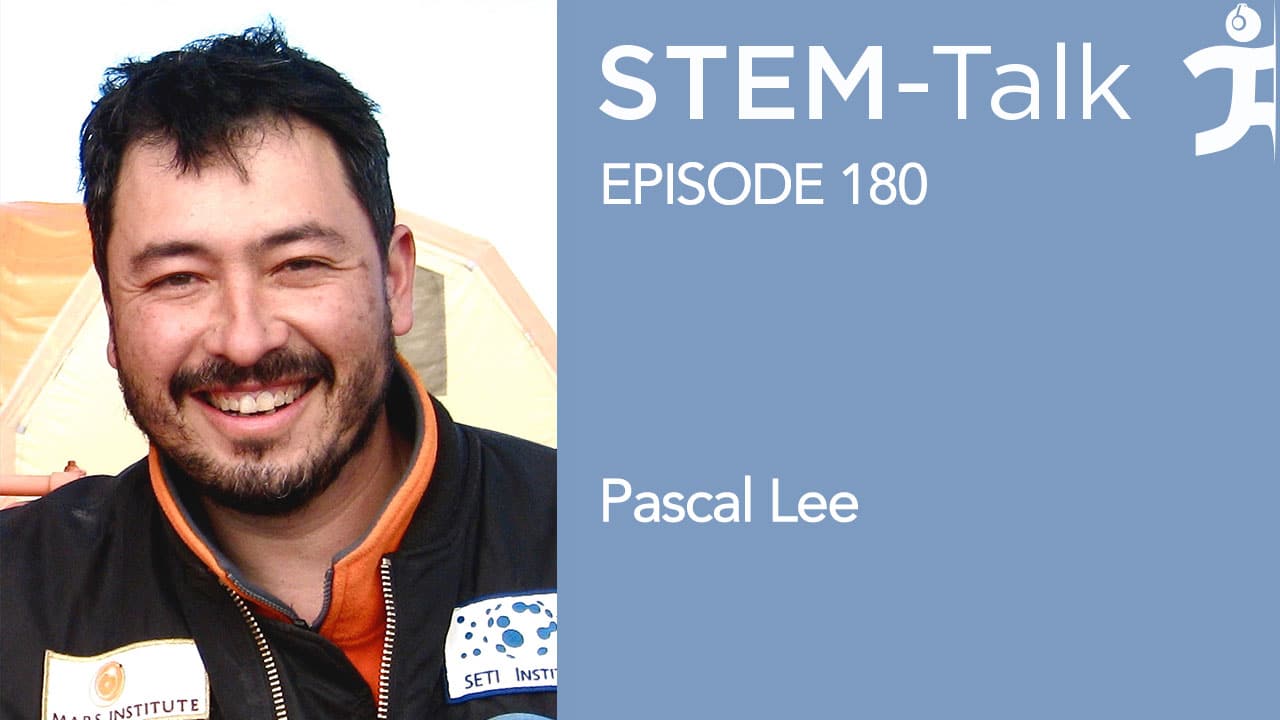 Episode 180: Pascal Lee on NASA’s ambitions to send humans to the Moon and Mars | Today we have planetary scientist Dr. Pascal Lee and STEM-Talk host Dr. Ken Ford in a wide-ranging conversation about NASA’s ambitions to return humans to the Moon as a stepping stone to sending astronauts to Mars. Pascal is making his third appearance on STEM-Talk. Much of his research focuses on asteroids, impact craters, and the future human exploration of Mars. Pascal and Ken have a lively discussion about the growing momentum for space exploration. Pascal is a researcher at the SETI Institute, a not-for-profit NASA program focused on searching for extraterrestrial intelligence in an effort to understand and explain the origin and nature of life in the universe. He also is the co-founder and chairman of the Mars Institute, and director of the Haughton-Mars Project at NASA Ames Research Center. Last year, Pascal received significant news coverage for his discovery of a giant volcano along with a possible sheet of buried glacier ice in the eastern part of Mars’ Tharsis volcanic province. This was the first geological find of this magnitude since the other major volcanos on Mars were discovered back in the 1970s. Show notes: [00:03:06] Ken welcomes Pascal back to STEM-Talk and starts our interview by mentioning the developments in space exploration over the past few years, including civilian space missions, NASA’s Artemis program which aims to send humans back to the moon, and commitments to a manned mission to Mars. Given Pascal’s career in advancement of space exploration, Ken asks if Pascal is excited by these recent developments. [00:04:43] Ken explains that for a couple of decades Pascal has spent his summers visiting Devon Island in the Canadian arctic archipelago, which is the largest uninhabited land on Earth. When Pascal was last on STEM-Talk, his annual trip to Devon Island was cancelled due to COVID-19. Devon Island has unique geological characteristics that are in some ways similar to those on Mars. Since 2001, Devon Isalnd has been the home of the Haughton Mars Project (HMP). Ken asks Pascal to talk about the advances in this project since his last appearance on STEM-Talk. [00:07:59] Ken mentions that while much conversation has been centered on a human trip to Mars, a mission to return humans to the Moon and establish a permanent base is a more immediately feasible goal in the short term. Ken asks Pascal to talk about the importance and significance of such a mission. [00:12:06] On the topic of a Moon base, Ken explains that NASA’s Artemis project aims to send humans to the south pole of the Moon. Pascal has written a paper on that topic titled “An Off-Polar Site Option for the NASA Artemis Space Camp.” Ken asks Pascal what he sees as the primary weakness in the south pole location. [00:20:25] Ken agrees with Pascal’s perspective on sending humans to the lunar south pole, and the two discuss the problems with focusing human space exploration on romantic ideas such as “living off the land.” [00:22:24] Ken follows up on the previous questions by mentioning that in Pascal’s aforementioned paper, he suggests setting up a lunar base at the floor of the Clavius crater. Ken asks Pascal to talk about Clavius and why it is a potentially good permanent location for a moon base. [00:27:56] Ken asks Pascal how confident he and the community at large is in the Sophia finding of water. [00:29:00] Ken notes that contemporary interest in human space exploration appears tied to current geopolitical issues, much like the first space race between the US and USSR. Today, interest in space travel is closely linked with relations between the US and China. Ken asks Pascal to discuss this and how he believes the US should view this current situation. [00:35:43] Ken asks Pascal what he knows about the China’s current plans for a lunar mission. [00:34:36] Ken talks about a meeting at IHMC that addressed power-beaming to the lunar surface. [00:39:01] Ken notes that there is a lot of talk these days about not not only traveling to Mars, but also colonizing Mars. Ken asks Pascal where he believes this sentiment is coming from and what are some of the challenges associated with colonizing Mars. [00:46:48] Ken notes that last year Elon Musk made an announcement to his SpaceX employees that he expects 1 million people to be living on Mars in the next 20 years. Ken asks Pascal what his thoughts are on this. [00:53:28] Ken asks Pascal to talk about a paper he published discussing a previously unrecognized volcano on Mars. Given that it was generally accepted for decades that all the volcanos had been accounted for, Ken asks Pascal to talk about the story of his recent discovery. [01:02:44] Ken pivots to a discussion of the Moons of Mars, specifically Phobos, asking Pascal to talk about the nature of this Moon. [01:07:42] Ken mentions that docking on Phobos and then going from Phobos to Mars would likely be a safer strategy for early Mars missions than landing directly on Mars from Earth. [01:12:30] Ken starts a discussion about Perseverance, as well as the new Japanese mission that may bring back Mars rocks from Phobos. Ken asks Pascal about Perseverance’s collection Mars’ of rock samples that NASA plans for a mission to bring those Mars rocks to Earth. Ken asks it is worth the cost of a mission to collect these samples and what we might learn if we are successful in getting these samples to Earth. [01:17:09] Ken wraps up our interview asking Pascal what year it was that he started working at NASA Ames, which turns out to be the same year Ken started working at NASA Ames. Links: Pascal Lee bio Learn more about IHMC STEM-Talk homepage Ken Ford bio Ken Ford Wikipedia page | — | ||||||
| 3/5/25 | 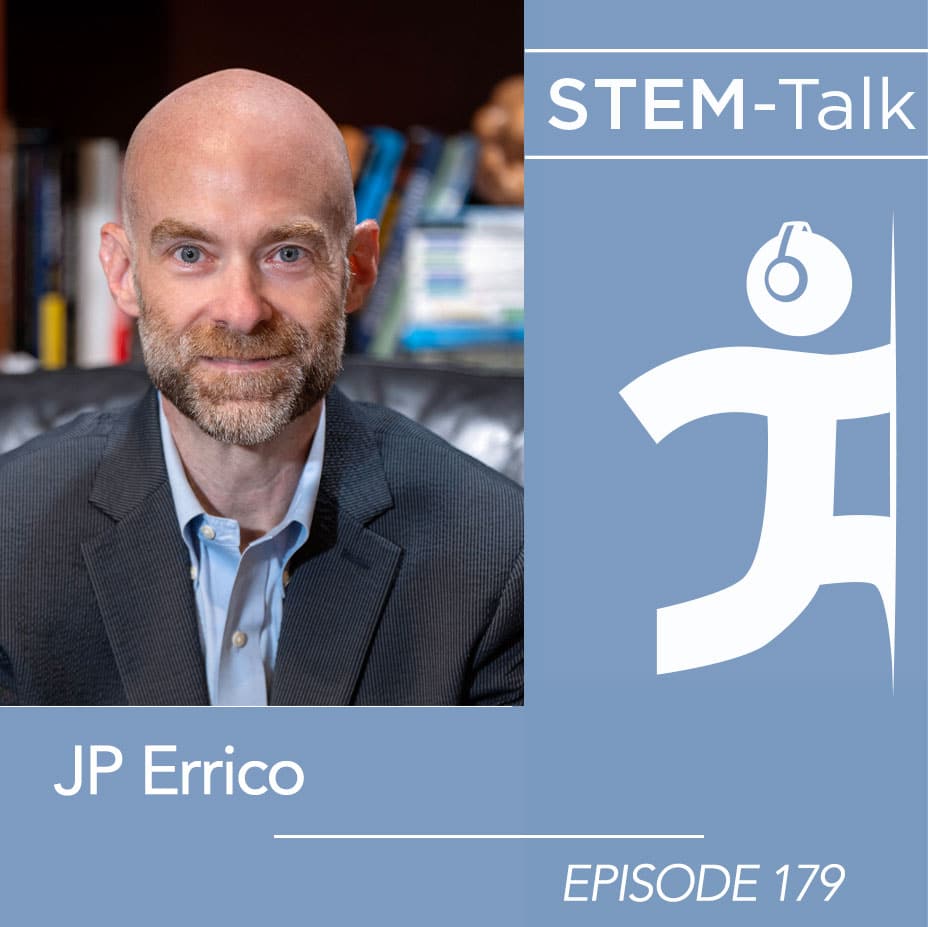 Episode 179: JP Errico explains how vagus-nerve stimulation reduces inflammation and chronic diseases | Today we have JP Errico, a scientist and inventor whose work focuses on neuroimmunology and the many ways it impacts cellular metabolism, inflammation, mental health and how we age. He recently joined IHMC as a Senior Research Scientist. JP is particularly known for his research on vagus-nerve stimulation and is the author of the book, The Vagus-Immune Connection: Harness Your Vagus Nerve to Manage Stress, Prevent Immune Dysregulation, and Avoid Chronic Disease. He also is the co-host of the podcast, The Health Upgrade. JP has more than 250 patents and is the founder of ElectroCore, a company that specializes in neuromodulation and noninvasive vagus-nerve stimulation. He has an undergraduate degree in aeronautical engineering from the Massachusetts Institute of Technology and worked at Lincoln Laboratories. JP also holds graduate degrees in both law and mechanical/materials engineering from Duke University. Show notes: [00:03:08] Tim opens our interview mentioning that as a child JP was focused on both sports and academics. [00:04:50] Tim talks about how hard it is to find quality math and science education today similar to what JP experienced at his high school. [00:05:16] Tim asks JP what it was that led him to pursue an undergraduate degree at MIT. [00:05:53] Tim asks if it was always JP’s plan to go into aeronautical engineering. [00:07:22] Tim mentions that as a kid, JP would scour bookstores and libraries for textbooks on physics and quantum mechanics and asks JP if there were any books that particularly inspired him. [00:10:12] Ken mentions that after MIT, JP went to Duke University where he pursued mechanical engineering and also went to law school. Given this workload, Ken asks if JP ever had any free time while studying at Duke. [00:13:26] Tim mentions that while JP was in law school, he got a job at a patent firm. After obtaining his law degree, JP’s uncle called and offered JP an opportunity. [00:17:42] Tim explains that JP’s career has focused on neuroimmunology, or the study of how the nervous system and immune system interact. Neuroimmunology affects a wide range of health factors including inflammation, mental health and aging. Tim also explains that JP has recently authored a book on neuroimmunology titled “The Vagus Immune Connection: Harness Your Vagus Nerve to Manage Stress, Prevent Immune Dysregulation and Avoid Chronic Disease.” Tim asks JP to touch on the key features of neuroimmunology that people should be aware of. [00:21:59] Tim asks JP to touch on the epigenetic factors regarding neuroimmunology. [00:25:01] Since JP brought up Dr. Kevin Tracey’s work, Ken mentions that Kevin was recently interviewed on STEM-Talk episode 172 and encourages listeners to listen to that episode for more context on the vagus nerve and neuroimmunology. [00:25:48] JP talks about how he stumbled upon the idea of how stimulating a nerve may have the same clinical benefit that sometimes occurs as a result of cutting a nerve. [00:28:16] Tim talks about the unintended consequences he observed as surgeon when he cut a patient’s vagus nerve. [00:30:50] Ken mentions that another area where JP has had impact with respect to stimulating the vagus nerve is the treatment of asthma and asks JP to talk about his findings in this area. [00:40:10] Tim notes that after JP knew that non-invasive approaches to vagus-nerve stimulation were possible, he went on to optimize a delivery device. These efforts resulted in a device called gamaCore. Tim asks JP to talk about this device and how it works. [00:43:27] Tim asks JP to talk about what it feels like for patients to have their vagus nerve stimulated. [00:44:50] Ken asks if JP thinks that his and others’ work in vagus-nerve stimulation inspired the development of similar devices for orthopedic pain, where the device is implanted near the nerve on the knee or other area experiencing pain. [00:50:41] Tim starts a conversation about a program at DARPA called Targeted Neuroplasticity Training, or TNT, which investigated ways to stimulate the nervous system to treat various conditions like pain and phantom pain. Before jumping into that topic, however, JP discusses depression and how inflammation and the vagus nerve play a part in serotonin and melatonin production. [00:55:39] Ken asks JP why stimulating the vagus nerve has such a breadth of applications and benefits. [01:01:57] Given the success of vagus-nerve stimulation in affecting a wide variety of health outcomes as well as improving learning, there are many individuals interested in trying vagus-nerve stimulation for themselves. Tim asks JP what advice he has for people looking to try vagus-nerve stimulation. [01:09:39] Tim notes that in his use of various vagus-nerve stimulation devices in studies he has conducted, there are varying outcomes. Given this, Tim asks JP what devices he recommends. [01:11:50] Ken asks JP to talk about the development of the Truvaga device. [01:13:47] Ken closes our interview mentioning again JP’s book, “The Vagus Immune Connection: Harness Your Vagus Nerve to Manage Stress, Prevent Immune Dysregulation and Avoid Chronic Disease,” and encourages listeners to check it out. Links: Learn more about IHMC STEM-Talk homepage Ken Ford bio Ken Ford Wikipedia page Tim Broderick bio JP Errico bio | — | ||||||
| 2/5/25 | 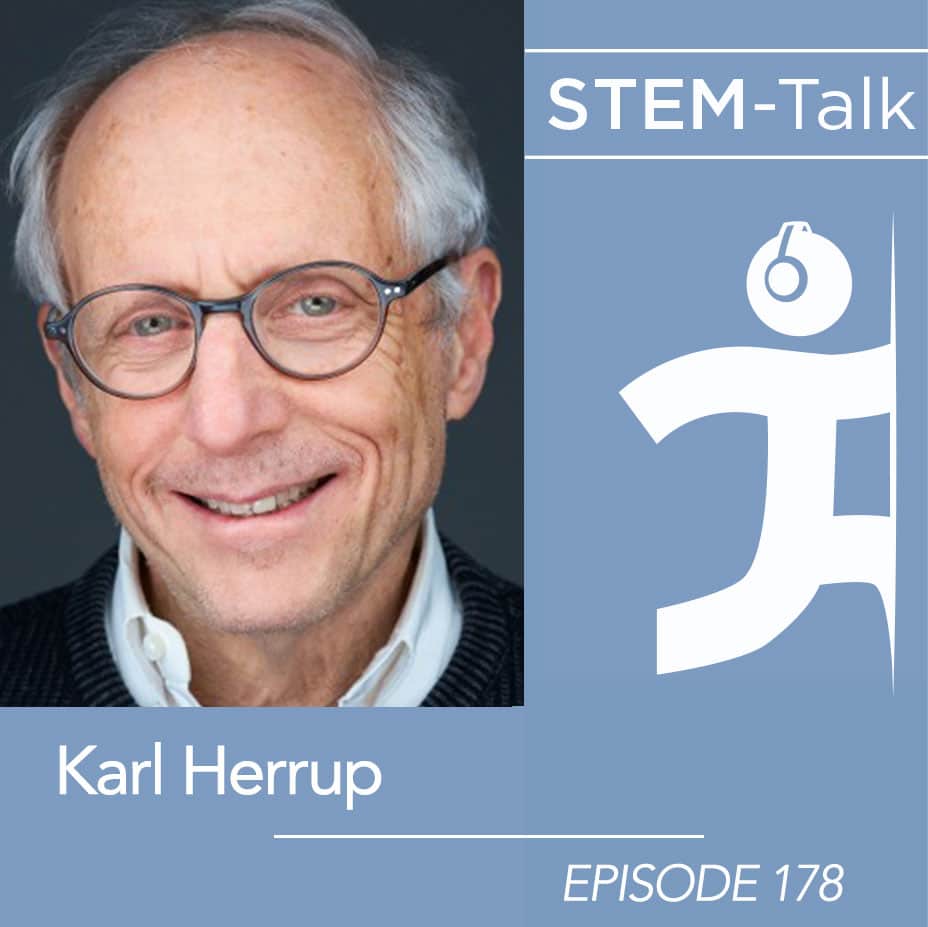 Episode 178: Karl Herrup discusses the shortcomings of Alzheimer’s research | Today we have Dr. Karl Herrup, a neurobiologist known for his investigations into the roles that DNA damage and noncoding genetic variants have in Alzheimer’s disease. Joining Ken today to interview Karl is Dr. Tommy Wood, a visiting scientist here at IHMC. Tommy also is an associate professor of pediatrics and neuroscience at the University of Washington, where he focuses on brain health across lifespan. He has been our guest several times on STEM-Talk and we will have links to those interviews in our show notes for today’s episode. After more than a century of research, the underlying cause of Alzheimer’s remains a mystery. For the past few decades, the leading theory has been the amyloid cascade hypothesis, which proposes that abnormal amyloid plaques in the brain are the central cause of the disease. Today we talk to Karl about his lab and research as well as his view that the amyloid cascade hypothesis is not only flawed, but also could be holding back research for a cure of Alzheimer’s. A professor of neurobiology and an investigator in the Alzheimer’s Disease Research Center at the University of Pittsburgh School of Medicine, Herrup is the author of How Not to Study a Disease: The Story of Alzheimer’s. Show notes: [00:03:50] Tommy asks Karl what he was like as a kid to open the interview. [00:04:36] Tommy asks Karl about his educational environment growing up. [00:05:10] Ken mentions that Karl went to Brandies University originally with the intent of becoming a physician and asks Karl what happened to change his mind. [00:06:14] Ken asks Karl if it is true that his father was disappointed with Karl’s decision to abandon medical school in favor of genetics. [00:07:02] Tommy mentions that Karl began researching genetics in the late 1960s when researchers were just beginning to unravel the secrets of DNA. Tommy asks Karl to discuss why this was such an exciting time to study genetics. [00:08:38] Tommy asks Karl what prompted him to pursue a PhD in neuroscience. [00:11:34] Continuing on the theme of happy accidents, Ken asks if it was also an accident that led to Karl moving to Switzerland for a second post-doc. [00:12:36] Ken asks Karl to expound on his experience taking an overseas post-doc, which was not a common practice in the 1970s. [00:14:11] Ken mentions that Karl has seemed to benefit in his life from the combination of preparation and the willingness to explore opportunities that present themselves. [00:15:00] Tommy mentions that when Karl arrived back in the US from Switzerland, he accepted a faculty position at Yale and asks him to discuss this experience. [00:17:06] Tommy mentions that after Yale, Karl had several faculty appointments, including a seven-year stint in Hong Kong, and asks Karl to talk about that experience. [00:21:36] Tommy asks Karl why, in 2019, he moved back to his hometown to become a professor of neurobiology at the University of Pittsburgh and co-investigator at the university’s Alzheimer’s research center. [00:24:45] Ken asks Karl to talk about his lab at the University of Pittsburgh, which focuses on the biology of neurodegeneration. [00:26:32] Ken asks Karl if there was anything specific that caused him to shift his focus at this stage in his career so heavily towards Alzheimer’s research. [00:28:21] Tommy comments on Karl’s hypothesis of the aging brain, noting that it would make sense for the same processes involved in the developing brain to relate to what we see in the aging brain, as these processes are continuous throughout the lifespan. [00:29:54] Tommy pivots to talk about Karl’s book, entitled “How Not to Study a Disease: The Story of Alzheimer’s” for which Karl interviewed a number of experts and colleagues, asking each one to define Alzheimer’s disease in their own words. [00:30:51] Tommy reiterates the point that we still do not have a universally accepted definition of Alzheimer’s disease and asks Karl why this is such a critical problem for the field. [00:32:27] Ken asks if Karl has a working definition of Alzheimer’s disease. [00:33:47] Ken explains that Karl begins his book with the story of a woman named Dorothy, who after living a vibrant life and taking good care of herself as she aged, fell victim to Alzheimer’s disease. Ken asks Karl to talk about Dorothy, and why he chose to begin his book with her story. [00:36:58] Tommy asks Karl to define the difference between Alzheimer’s and dementia more broadly. [00:38:00] Tommy explains that while Alzheimer’s is typically characterized as a disease of late life, early onset Alzheimer’s, while rare, is possible, typically very aggressive, and generally runs in families. Tommy asks Karl to explain how we differentiate late and early onset Alzheimer’s. [00:38:58] Ken asks Karl to explain how one differentiates Alzheimer’s from other forms of dementia in a clinical context. [00:41:53] Ken points out that the title of Karl’s book “How Not to Study a Disease” highlights that assumptions about Alzheimer’s disease potentially have misdirected research in some ways. Ken asks Karl to talk about this misdirection and its consequences. [00:43:37] Tommy gives some background on the amyloid cascade hypothesis, explaining that Dr. Alzheimer himself was not entirely convinced that the cases he had been studying were necessarily representative of a single condition. Dr. Alzheimer’s mentor, Dr. Kraepelin, coined the disease in a book that he was writing. Tommy also mentions that Karl has said that this is one of three key events that cemented the amyloid cascade hypothesis as the leading hypothesis of Alzheimer’s disease and asks Karl to discuss more of this history. [00:49:20] Tommy asks Karl to give an overview of the amyloid cascade hypothesis. [00:53:36] Ken explains that Karl sees the amyloid cascade hypothesis as failing three basic tests. Ken goes on to ask Karl to discuss, in depth, the first test, which is the fact that in both humans and mice the addition of amyloid to healthy brains does not trigger an amyloid cascade. [00:56:55] Tommy moves to Karl’s second test of the amyloid cascade hypothesis, the fact that removal of amyloid from the brains of mice and humans does not stop Alzheimer’s disease processes. Given the recent FDA approval of several anti-amyloid drugs, Tommy asks Karl to give his thoughts on the history of anti-amyloid therapies. [01:03:29] Ken explains that the third test of the amyloid cascade hypothesis entails blocking the formation of amyloid from the amyloid precursor protein, which was not only found to not stop Alzheimer’s progression, but in fact makes humans and mice sicker. [01:05:47] Ken takes a moment to clarify that Karl is not arguing that amyloid has no role in Alzheimer’s disease, just that it is not the primary cause of Alzheimer’s. [01:06:21] Ken asks Karl what his response is when people ask what he proposes the cause of Alzheimer’s is if it’s not amyloid. [01:08:45] Tommy asks Karl to elaborate on the idea of the emergent nature of the brain and the potential for this emergence to help explain Alzheimer’s disease. [01:10:54] Ken mentions that the last section of Karl’s book is titled “Where Do We Go From Here” in which he argues that because age is an absolute prerequisite for Alzheimer’s, there is no solution to the problem of dementia that does not rely heavily on an understanding of the process of aging. Ken goes on to explain that much of this was originally posited in Karl’s 2010 paper Reimagining Alzheimer’s disease: An age-based hypothesis. Ken goes on to ask Karl to talk about his view that developing an age-based hypothesis is going to be difficult given that aging is one of the greatest unsolved mysteries in biology. [01:13:19] Ken mentions that aging research gets a very small amount of funding in comparison to the myriad disorders for which aging is the primary risk factor. [01:16:11] Tommy shifts gears to talk about a series of studies that Karl conducted on the benefits of exposure to Japanese gardens on the clinical symptoms of Alzheimer’s disease. In one of these studies, Karl found that the Japanese garden not only relieved physiological stress but also improved qualitative measures such as verbalization and memory retrieval. Tommy asks Karl how he became interested in Japanese gardens, and if the results of his experiments surprised him. [01:20:33] Tommy comments that Karl’s work on the effects of Japanese gardens on the clinical symptoms of Alzheimer’s contributes to a larger body of literature showing the critical importance of the environment in shaping and maintaining cognitive function. Tommy goes on to say that the decline in certain cases of Alzheimer’s can be matched to the increasing levels of institutionalization and the decrease of enriching stimuli in a patient’s environment as their disease progresses. Tommy asks Karl to talk about the importance of social, cognitive, and environmental stimuli for cognitive function. [01:23:34] Ken mentions that Karl has pointed out in the past that non-pharmacological approaches to treating Alzheimer’s have been the most effective tools in our arsenal so far. Given this, Ken asks Karl what he recommends to people for their brain health and cognitive function. [01:25:22] Ken explains that Karl is involved with, or supports, at least two charitable organizations that aim to reshape the face of funding for Alzheimer’s research, namely the Coins for Alzheimer’s Research Trust, and the Clear Thoughts Foundation. Ken asks Karl to talk about his relationship to these organizations and what he hopes will change in the landscape of Alzheimer’s research funding. [01:27:23] Tommy closes our interview asking whether Karl has a Japanese garden of his own in his back yard. Links: About IHMC Karl Herrup bio Ken Ford bio Ken Ford Wikipedia page Tommy Wood bio Tommy Wood STEM-Talk episode 47 Tommy Wood STEM-Talk episode 48 Tommy Wood STEM-Talk episode 110 Tommy Wood STEM-Talk episode 111 Tommy Wood STEM-Talk episode 128 | — | ||||||
| 1/16/25 | 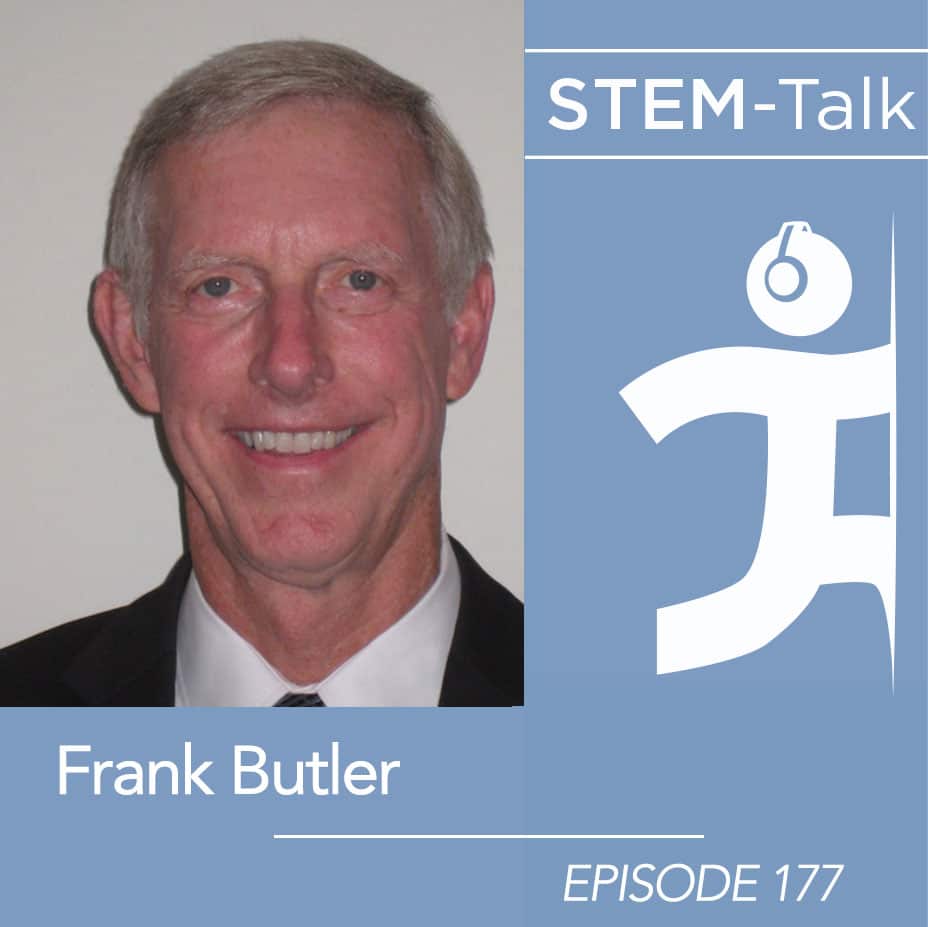 Episode 177: Frank Butler talks about revolutionizing combat casualty care | Today we have Dr. Frank Butler, a retired Navy Undersea Medical Officer and an ophthalmologist who served as a Navy SEAL platoon commander prior to attending medical school. Just a few weeks after our interview, President Joe Biden awarded Frank a Presidential Citizens Medal during a White House ceremony. The medal is one of the highest honors a civilian can receive and recognized Frank’s many contributions to civilian and military trauma care. Frank is credited with founding Tactical Combat Causality Care, also known as TC Three, which has transformed battlefield medical care and saved thousands of lives. TCCC is now used throughout the U.S. military and much of the world. In today’s interview, we talk to Frank about his recent book, “Tell Them Yourself: It’s Not Your Day to Die,” which describes the challenges and improvements TCCC has experienced over the past three decades. Frank spent most of his 26-year career in Navy Medicine supporting the Special Operations community. He served a five-year stint as a Diving Medical Research officer at the Navy Experimental Diving Unit in Panama City, Fla., where he helped develop many of the diving techniques and procedures used by Navy SEALs today. | — | ||||||
| 12/20/24 | 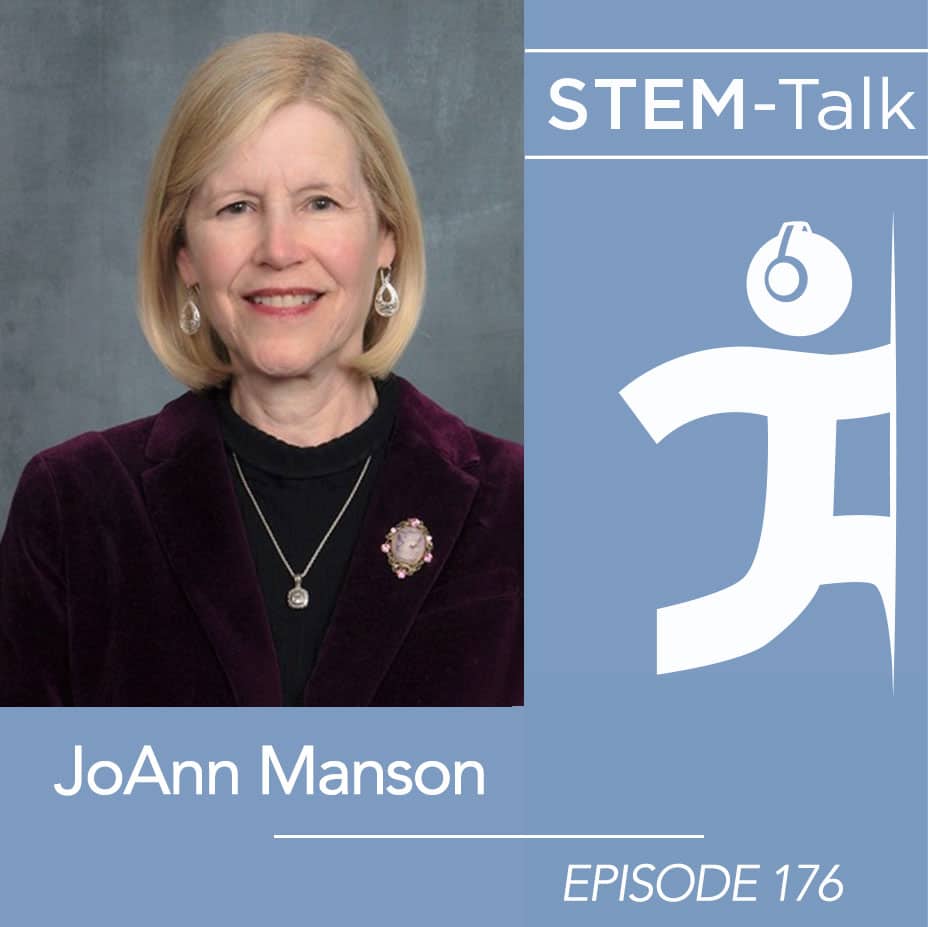 Episode 176: JoAnn Manson on Women’s Health Initiative, menopause and her findings on hormone therapy | Today our guest is Dr. JoAnn Manson, an endocrinologist, epidemiologist, and Principal Investigator of several research studies, including the landmark Women’s Health Initiative. She is a highly cited researcher and was one of the physicians featured in the National Library of Medicine’s exhibition, History of American Women Physicians. Her primary research interests include clinical prevention trials of nutritional and lifestyle factors related to heart disease, diabetes, and cancer and the role of endogenous and exogenous estrogens as determinants of chronic disease. Show notes: [00:02:53] Dawn kicks off the interview by asking JoAnn what it was that drew her to endocrinology. [00:04:33] Ken asks how the things JoAnn witnessed in her early medical practice influenced her interest in disease prevention. [00:05:51] Dawn asks JoAnn to discuss how her mother, who suffered from ovarian cancer, influenced JoAnn’s focus on women’s health. [00:06:40] Dawn asks JoAnn what prompted her interest in clinical research. [00:08:06] Noting the difference between public health and laboratory medical research, Dawn asks JoAnn what the most valuable thing is that she learned from her master’s and Ph.D. work in public health at Harvard. [00:09:10] Ken mentions that while JoAnn and many others are interested in the prevention of disease, our healthcare system does not seem focused on prevention. Ken goes on to asks if this was part of what led JoAnn to work on the Nurses’ Health Study. [00:10:17] Ken asks JoAnn to give an overview of the Nurses’ Health Study for listeners who may not be familiar. [00:11:41] Dawn explains that the Nurses’ Health Study found that women taking hormone therapy had a lower risk of heart disease and a reduction in all-cause mortality. Dawn asks JoAnn to talk about this finding. [00:15:00] Ken asks JoAnn what the impact of the Nurses’ Study has been on public health and women’s health in general. [00:16:29] Dawn asks JoAnn about her experience being a principal investigator in the Women’s Health Initiative starting in 1993. [00:18:17] Ken asks JoAnn to give context regarding how the Women’s Health Initiative (WHI) was designed, how the women were recruited, and what the specific questions were that the study aimed to answer. [00:21:34] Dawn mentions that the three interventions that were evaluated in the WHI were hormone therapy; calcium and vitamin D supplementation; and a low-fat diet. Dawn starts by asking JoAnn about the hormone therapy interventions, and how it was decided which hormone therapies to test. [00:24:25] Dawn asks JoAnn to give some context to the finding from the WHI that women taking the combination of conjugated estrogen and medroxyprogesterone acetate had higher risks of breast cancer and stroke. [00:27:01] Ken asks if the worse outcomes from hormone therapy for older women was due to their advanced age, or the hormone therapy itself. [00:30:25] Ken asks JoAnn to talk about the risk factors for breast cancer that were uncovered by the WHI. [00:35:38] Dawn explains that because of the WHI’s findings, it is more common to use transdermal estradiol, as opposed to the oral form evaluated in the original trial. Dawn asks JoAnn to explain how the different ways these hormone formulations are processed in the body affects the risk benefit ratio. [00:39:04] Dawn asks if these transdermal estradiol treatments might have benefits regarding cognitive decline. [00:43:26] Ken asks JoAnn for her thoughts on the overuse and potential misuse of the term ‘bioidentical hormones.’ Ken goes on to note that the term has seemingly become more related to marketing and further distanced from clinical science. [00:46:48] Dawn asks JoAnn to talk about the role that perimenopausal birth control decisions can play in the management of hot flashes for women in their 40s and 50s. [00:49:14] Ken shifts the conversation to discuss the second pillar of the WHI, calcium and vitamin D supplementation. Ken explains that this pillar of the trial tested to see if this supplementation decreased risk of hip fractures in post-menopausal women. Ken asks JoAnn to discuss these findings. [00:53:13] Dawn asks about the third pillar of the WHI, which looked at whether a low-fat dietary pattern reduced the risk of breast cancer, colorectal cancer, or coronary heart disease. [00:55:31] Dawn asks JoAnn what questions are left for the WHI to explore. [01:00:17] Ken asks about a recent report in the journal Menopause, which looked at the cognitive effects of clinical menopausal symptoms. [01:01:36] Dawn asks JoAnn to expound on what ‘cognitive decline’ is measured as, with respect to sleep loss resulting from menopausal symptoms such as hot flashes and night sweats. [01:02:38] Dawn asks JoAnn about a study she and her colleagues conducted at Brigham showing that a comprehensive multivitamin can delay age related memory decline by an average of two years. [01:06:41] Ken asks about the findings of JoAnn’s 2018 study in The New England Journal of Medicine, which looked at whether vitamin D supplementation resulted in a lower incidence of invasive cancers and cardiovascular events. [01:10:11] Regarding the aforementioned study, Ken explains that a subgroup analysis raised the possibility of differential effects of cancer incidence connected to BMI. Ken asks JoAnn to elaborate on this subgroup analysis. [01:13:41] Ken asks if the aforementioned results would look more pronounced, or different in some way, if the data was analyzed with respect to body composition as opposed to BMI. [01:15:09] Dawn asks JoAnn what she would like to see change about how women’s health is taught and studied with respect to perimenopause, menopause, and post-menopause. [01:16:13] Dawn asks JoAnn what she and her colleagues plan to investigate next, and what answers she thinks we will have for future generations of women as they age that we don’t have now. [01:18:13] Ken wraps up our interview asking JoAnn what she likes to do in her spare time. Links: JoAnn Manson bio Learn more about IHMC STEM-Talk homepage Ken Ford bio Ken Ford Wikipedia page Dawn Kernagis bio     | — | ||||||
| 11/27/24 | 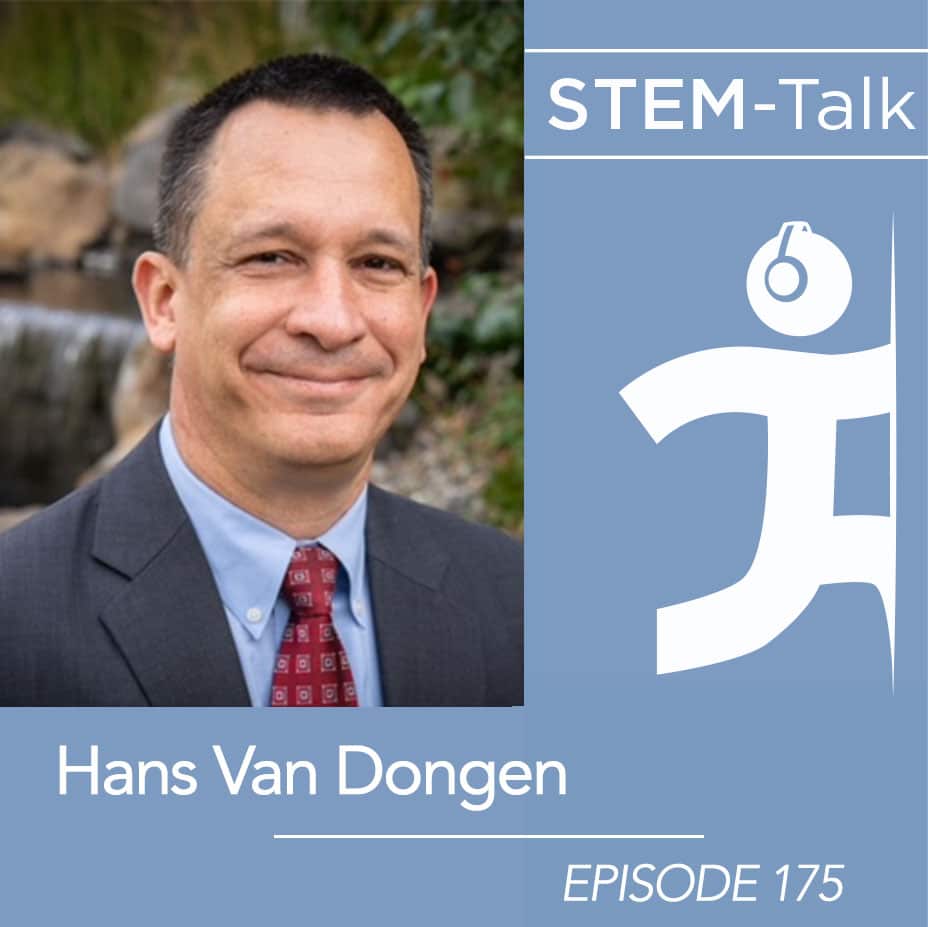 Episode 175: Hans Van Dongen on how fatigue and sleep loss lead to cognitive deficits | Today we have Dr. Hans Van Dongen, director of the Sleep and Performance Research Center at Washington State University in Spokane. Dr. Kevin Gluck, a senior research scientist at IHMC, joins Dr. Ken Ford to interview Hans about his studies on inter-individual differences in vulnerability to fatigue as well as the cumulative cognitive deficits that follow chronic sleep restriction. Hans is known for his mathematical modeling of fatigue’s effects on performance. At the Sleep and Performance Research Center, Hans and his colleagues investigate how sleep loss and circadian misalignment impact brain function, cognition and behavior. Show notes: [00:02:50] Kevin opens the interview by asking Hans about his childhood growing up in The Netherlands. [00:03:23] Ken asks Hans what he was like as a kid. [00:03:50] Kevin mentions Hans’s father was a math and science teacher and wonders if that influenced Hans’ interest in science. [00:04:48] Hans talks about attending Leiden University and explains why he majored in astrophysics. [00:06:09] Hans shares how working in a psychophysiology lab put him on a path to specialize in sleep research. [00:08:00] Hans talks about how he was part of a study that proved the morning-evening chronotype was a biological trait, rather than a psychological one. [00:09:55] Ken asks Hans what led him to take a post-doc position at the University of Pennsylvania. [00:11:22] Hans explains what led him to move from the University of Pennsylvania to Washington State University. [00:13:36] Ken mentions that The Sleep and Performance Research Center, where Hans serves as the director, is a coalition of basic and applied research laboratories that aim to understand the neurobiology of sleep and sleep loss. Ken goes on to mention that Hans and his colleagues investigate sleep and biological rhythms, and their impact on health and performance. Kevin asks Hans to give an overview of what sleep loss is and the effect it has on our metabolism, immune system, and cognitive performance. [00:15:57] Kevin mentions Hans’ recent paper which investigated how circadian misalignment due to night shift work has been associated with an elevated risk of chronic disease. The paper demonstrated that just a few days of being on a night shift schedule throws off protein rhythms related to blood glucose regulation, energy metabolism, and inflammation. Kevin asks Hans to talk more about the findings. [00:21:18] Ken asks how long it takes for a person’s circadian rhythm to normalize after ceasing to work night shifts. [00:22:13] Kevin brings up Hans’ paper on the continually operating neurobiological mechanisms of homeostatic and circadian processes and their effects on neurobehavioral performance. Before asking about the paper itself, Kevin asks Hans to give an overview of the homeostatic process and its relationship to the circadian process. [00:24:14] Ken notes that the bio-behavioral function and evolutionary advantage of the circadian process is widely recognized, but that the neurobiology of the homeostatic process and its effects on performance are still poorly understood. In a 2011 paper, Hans attempted to shed light on the underlying mechanisms of the homeostatic process to provide an explanation for why the buildup of homeostatic pressure resulting from sleep loss leads to instability in vigilant attention. To explore this, Hans first explored the time-on-task effect. Ken asks Hans to explain the time-on-task effect and its role in cognitive performance. [00:27:06] Kevin brings up the “local sleep hypothesis,” which attempts to explain the time-on-task effect. According to the local sleep hypothesis, groups of neurons involved in performing a task will “fall asleep” as a homeostatic consequence of sustained use, which leads to an interruption in information processing, leading to impaired performance. Kevin asks Hans what empirical and scientific evidence exists for the hypothesis. [00:32:03] Ken explains that working all hours of the day and suffering chronic sleep restriction, and at times sleep deprivation, has become normalized in our society. In light of this, Ken asks what impacts sleep deprivation and sleep restriction have on the cognitive performance and overall health. [00:34:02] Ken asks Hans to elaborate on the fact that sleep deprivation is particularly problematic and potent with regards to decision-making when circumstances are uncertain or unexpected. [00:38:40] Ken asks Hans what his thoughts are on stimulant use for workers and operators who need to stay awake for extended periods. [00:41:43] Hans discusses how contrary to popular belief, even modest amounts of sleep loss can have negative impacts on cognitive and physical performance. [00:46:40] Kevin asks Hans about the common belief that people can adapt to chronic sleep restriction. [00:49:29] Hans describes his work with the Psychomotor Vigilance Test (PVT), which requires participants to respond as quickly as possible to a stimulus that appears at random intervals. [00:52:46] Kevin mentions that Hans published a review paper in 2019 with Amanda Hudson and Kimberly Han in Neuropsychopharmacology. This paper points out that research on sleep deprivation, vigilant attention, and brain function may help determine the fixed connections and malleable connections between specific neuronal pathways involved in specific cognitive processes. [00:56:22] Ken mentions that to better understand the neurocognitive effects of sleep deprivation, Hans performed a study that evaluated the strategy of ‘catching up on sleep’ a practice many people engage in during periods where sleep restriction is inevitably followed by abundant free time. Ken asks Hans to discuss the design of this study and its findings. [01:06:41] Kevin pivots back to Hans’ study on sleep restriction and deprivation. According to the study, a person who is chronically sleep deprived experiences diminishing performance, and if that person undergoes sleep deprivation by skipping a night of sleep, their performance further diminishes. However, a person would see their performance recover within a few days of restricted sleep following sleep deprivation. Kevin asks Hans to expand on these findings. [01:10:52] Kevin asks Hans to clarify some terminology regarding sleep health, as well as explain how someone at home can assess their own sleep health. [01:15:13] Ken asks Hans what his sleep schedule is like. [01:19:22] Ken mentions that Hans was recently featured in a news article about the dreaded ‘mid-day slump’ of energy. Ken goes on to explain that while it is commonly believed that the mid-day slump can be attributed to eating lunch, Hans argues that it is the result of a gap between the circadian clock and the homeostatic clock as a result of inadequate sleep. Ken asks Hans to elaborate. [01:23:36] Ken asks if Hans thinks that the poor metabolic health of many people in North America also contributes to the mid-day slump. [01:25:19] Ken asks Hans to think of the biggest lessons he has learned about science and life during his career. [01:29:14] Kevin mentions that Hans and his wife enjoy traveling together, but that his wife has a bit of a complaint about these travels. [01:30:59] Following up on the topic of travel, Ken asks Hans how he manages jet lag. [01:34:56] Ken recommends for listeners, an app called Timeshifter for managing jet lag. [01:35:04] Ken, Kevin and Hans wrap up the interview talking about jet lag. Links: Hans Van Dongen Learn more about IHMC STEM-Talk homepage Ken Ford bio Ken Ford Wikipedia page Kevin Gluck bio       | — | ||||||
| 10/25/24 | 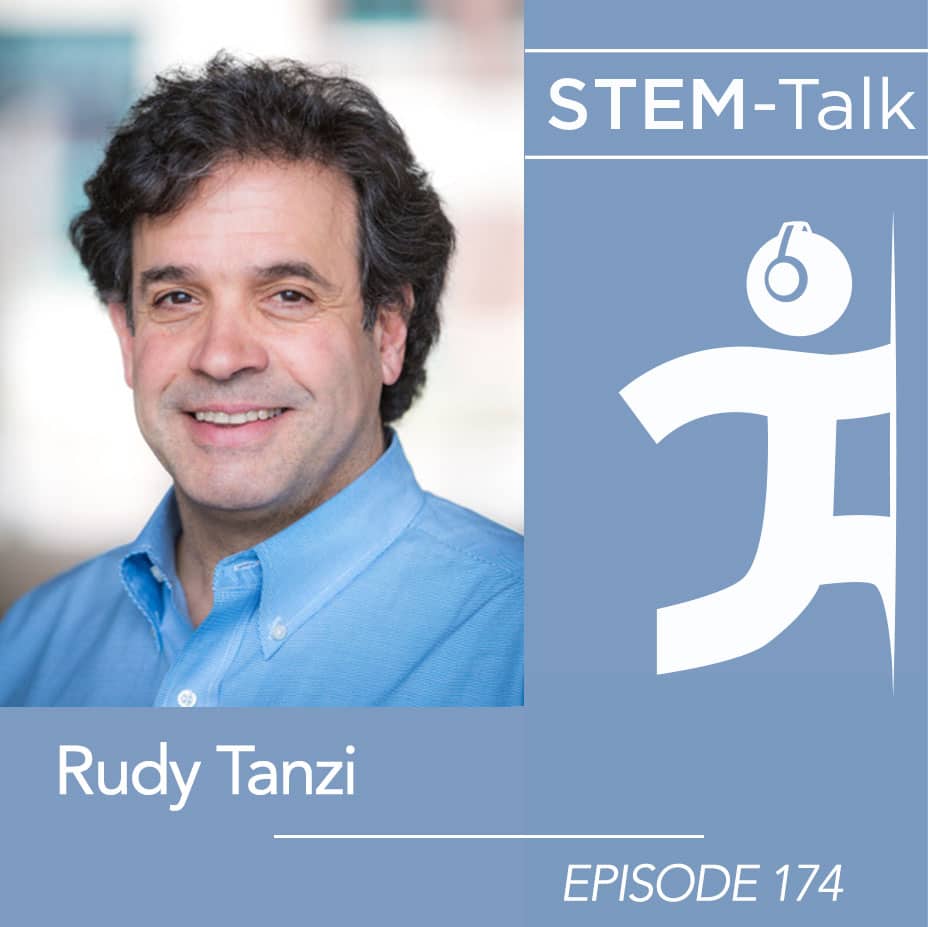 Episode 174: Rudy Tanzi talks about genetics, aging and the hallmarks of Alzheimer’s | Today we have Dr. Rudolph E. Tanzi, who is perhaps best known for co-discovering all three familial early-onset Alzheimer’s disease genes. In addition, Rudy’s lab was the first to use human stem cells to create three-dimensional human brain organoids and three-dimensional neural-glial culture models of Alzheimer’s disease, which became known as “Alzheimer’s-in-a-Dish.” These models were the first to recapitulate all three of the key pathological hallmarks of Alzheimer’s disease and have made drug screenings faster and cheaper. Rudy is the director of the Genetics and Aging Research Unit as well as the director of the Henry and Allison McCance Center for Brain Health. Rudy is also co-Director of the Massachusetts General Institute for Neurodegenerative Disease at Massachusetts General Hospital and serves as the Joseph P. and Rose F. Kennedy Professor of Neurology at Harvard Medical School. Rudy has published more than 700 research papers and is one of the top 50 most cited neuroscientists in the world. He is author of “Decoding Darkness,” and a co-author of two books with Deepak Chopra, “Super Brain” and “The Healing Self.” Show notes: [00:03:18] Ken opens the interview mentioning that Rudy began playing the accordion when he was just seven years old. Ken goes on to ask Rudy about the time his father gave him a Jimmy Smith album and some advice. [00:05:51] Ken mentions that, in addition to Rudy’s musical talents, he was also interested in science growing up. Ken asks about Rudy’s participation in the Westinghouse Science Talent Search and what that experience was like. [00:07:09] Ken asks Rudy about growing up in Cranston, Road Island. [00:08:39] Rudy talks about how he ended up at the University of Rochester after high school. [00:09:51] Ken mentions that both Rudy’s grandfather and father passed away at the age of 45. Ken asks Rudy if this played a role in his pursuit of a career in genetics research. [00:10:57] Rudy explains how he chose Harvard Medical School for his Ph.D. [00:12:47] Ken pivots to ask Rudy about his time working with Jim Gusella in the early 80’s at Mass General, where they were the first to ever find a disease gene. Family studies at the time had shown that the Huntington’s disease gene was linked to a polymorphic DNA marker. Rudy talks about this discovery and how the chromosomal localization of the Huntington’s disease gene was the first step in using recombinant DNA technology to identify the primary genetic defect in this disorder. [00:16:07] Ken asks Rudy about his work in 1987, when he discovered the first Alzheimer’s gene, recombinant DNA technology, which causes the production of amyloid. Ken goes on to explain that mutations in the APP gene can cause a rare form of early onset Alzheimer’s. Rudy talks about the paper that came out in “Science” that detailed this discovery. [00:18:38] Rudy discusses his personal philosophy and approach to research. [00:19:43] Ken mentions that in Rudy’s book, Decoding Darkness, he writes that few nightmares on Earth can compare to Alzheimer’s disease. Ken asks Rudy to talk more about this book. [00:21:50] Ken explains that in the same way our physical capabilities will suffer some form of decline with age, it is also expected that we have some decline in memory and cognitive ability as we age as well. However, Ken goes on to say that when people begin to experience age-related memory lapses, it can lead to a lot of anxiety about their genetic predisposition to Alzheimer’s. Ken asks Rudy to talk about the lifestyle factors that play into whether someone predisposed to develop Alzheimer’s can stave off or avoid disease development. [00:26:09] Ken explains that aging appears to intensify when people stop challenging themselves with new things. Given this, Ken asks Rudy what his thoughts are on challenging our brains as they age to protect our cognitive abilities. [00:29:08] Ken asks Rudy about the principal advances in Alzheimer’s research that have occurred over the past few decades. He also asks Rudy for his thoughts on the biggest and most important mysteries that remain regarding Alzheimer’s. [00:34:48] Ken brings up one of Rudy’s papers, published in 2014, which they successfully recapitulated amyloid-β and tau pathology in a single 3D human neural cell culture system. Ken goes on to mention that this paper had a huge impact in the field of research, and even landed Rudy a spot on Time Magazine’s 100 most influential people list. [00:38:57] Ken mentions that in 2019, Rudy published another influential paper, which investigated the crosstalk between microglial receptor genes CD33 and TREM2. Ken explains that these two genes have been associated with an increased risk of Alzheimer’s disease, and that Rudy has referred to them as yin and yang to each other. Ken asks Rudy to elaborated on this concept. [00:43:00] Ken pivots to discuss Rudy’s paper that was published last year and which the press somewhat misleadingly reported on. Ken explains that physical exercise has been shown to reduce amyloid beta in various Alzheimer’s models, but it is imperfectly associated with amyloid burden in humans. Ken goes on to explain that Rudy’s paper demonstrated, for the first time, a cellular and molecular mechanism by which exercise induced irisin attenuates amyloid beta pathology. [00:46:27] Ken mentions that Rudy is currently writing a new book and mentions that some of Rudy’s previous books have been co-authored with Deepak Chopra. Ken asks how Rudy and Deepak came to work together. [00:51:24] Ken asks, given the complex nature of Alzheimer’s and the many components that contribute to the pathology, if there is a way to organize all we know about Alzheimer’s in a straight-forward way. [00:58:19] Ken asks if there are any particularly promising FDA approved drugs or nutraceuticals for stopping the production of amyloid. [01:00:16] Ken asks if Rudy gets questions regarding which drugs and supplements screened have shown the most promise. [01:03:33] Ken closes the interview by asking how he manages to be such a prolific scientist. Rudy has published more 700 papers while also having a lifetime of playing music with rock bands, working with sports teams and publishing New York Times best sellers. Links: Rudy Tanzi bio Learn more about IHMC STEM-Talk homepage Ken Ford bio Ken Ford Wikipedia page   | — | ||||||
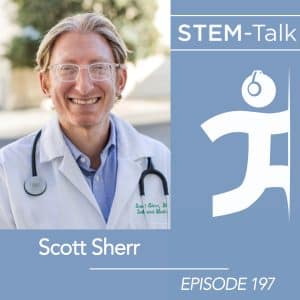
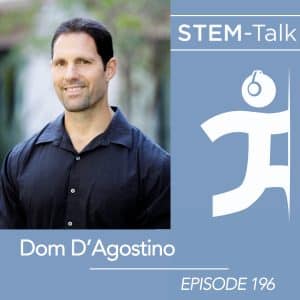
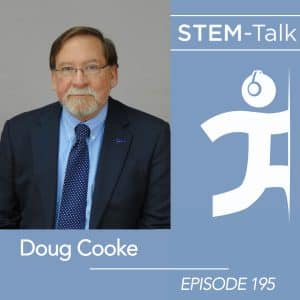
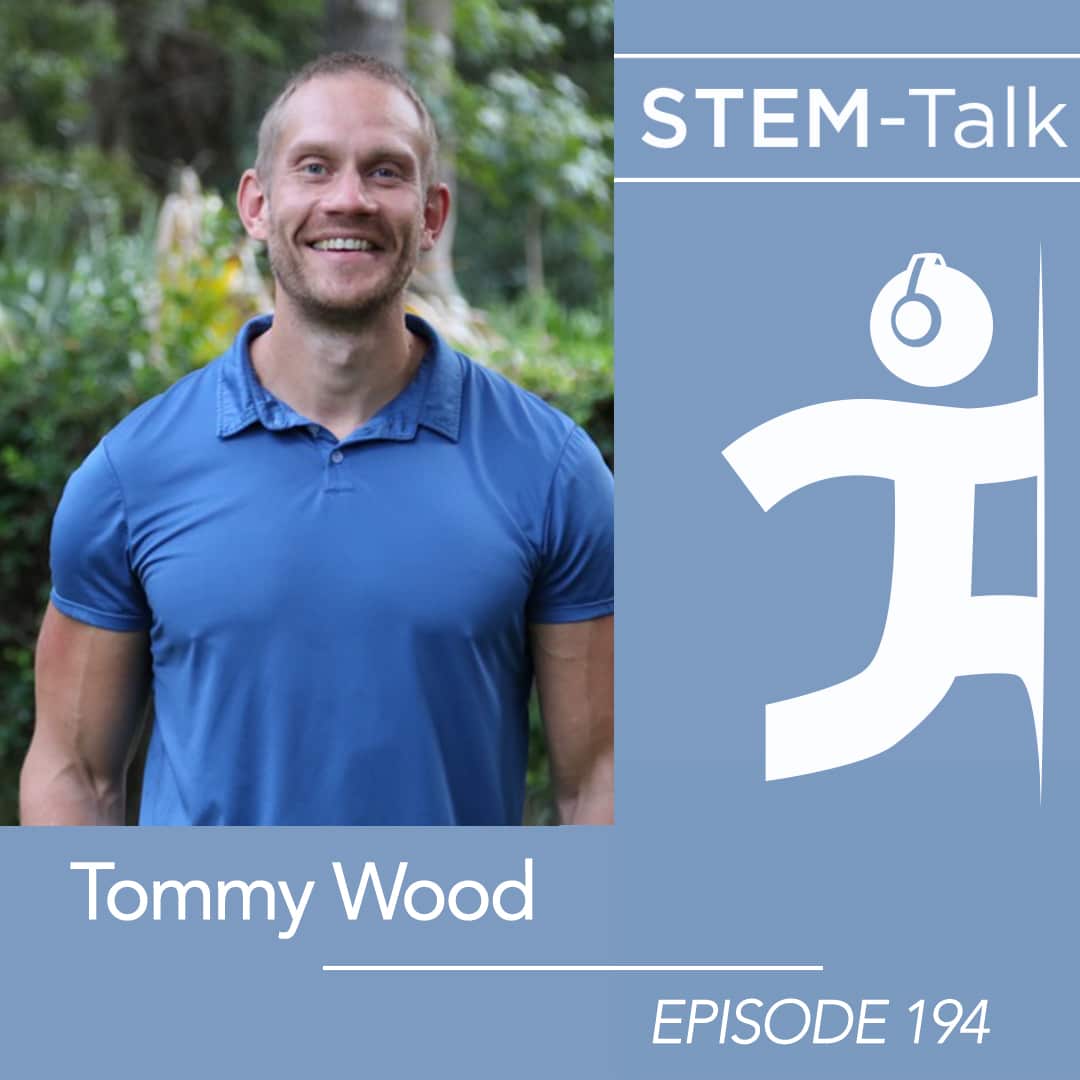
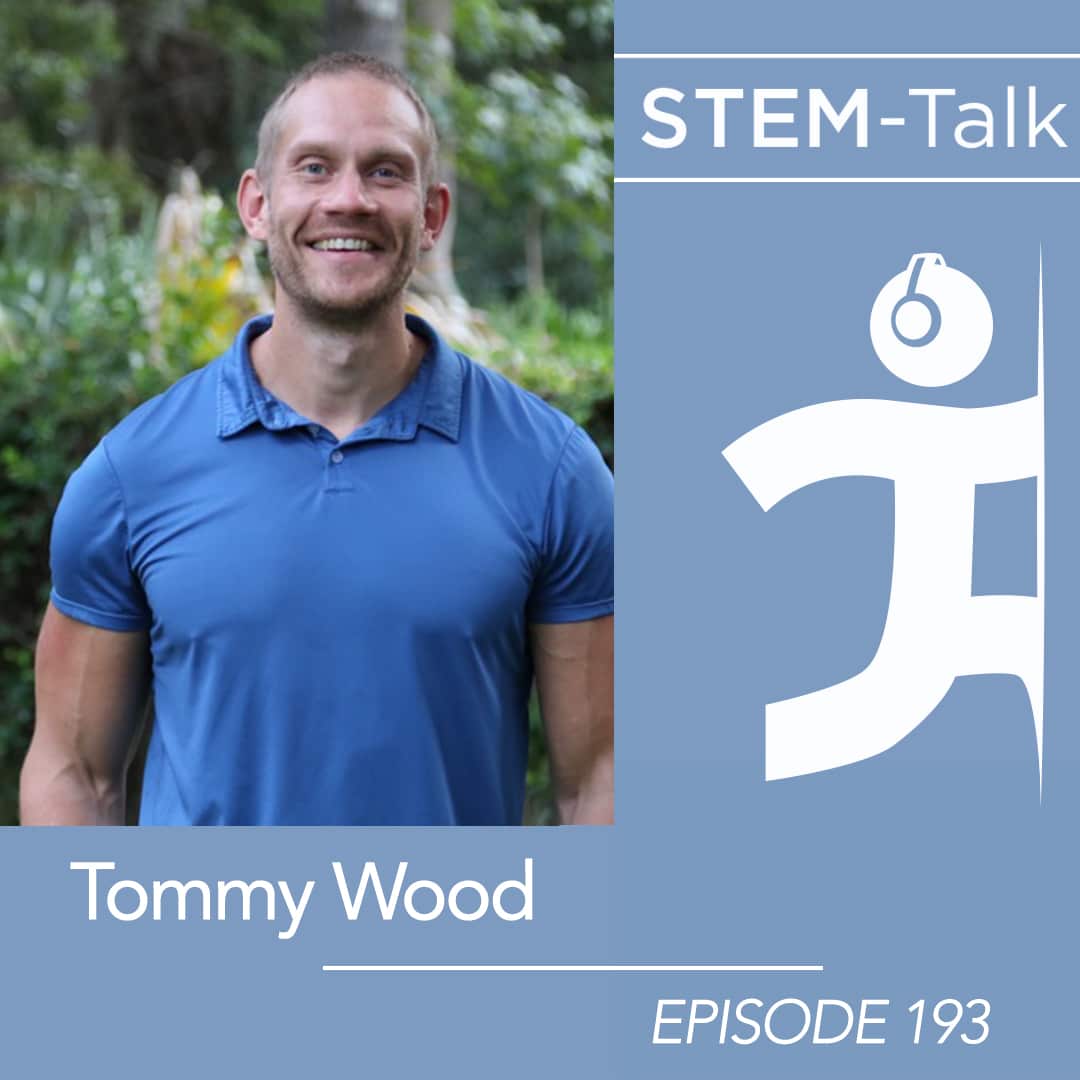
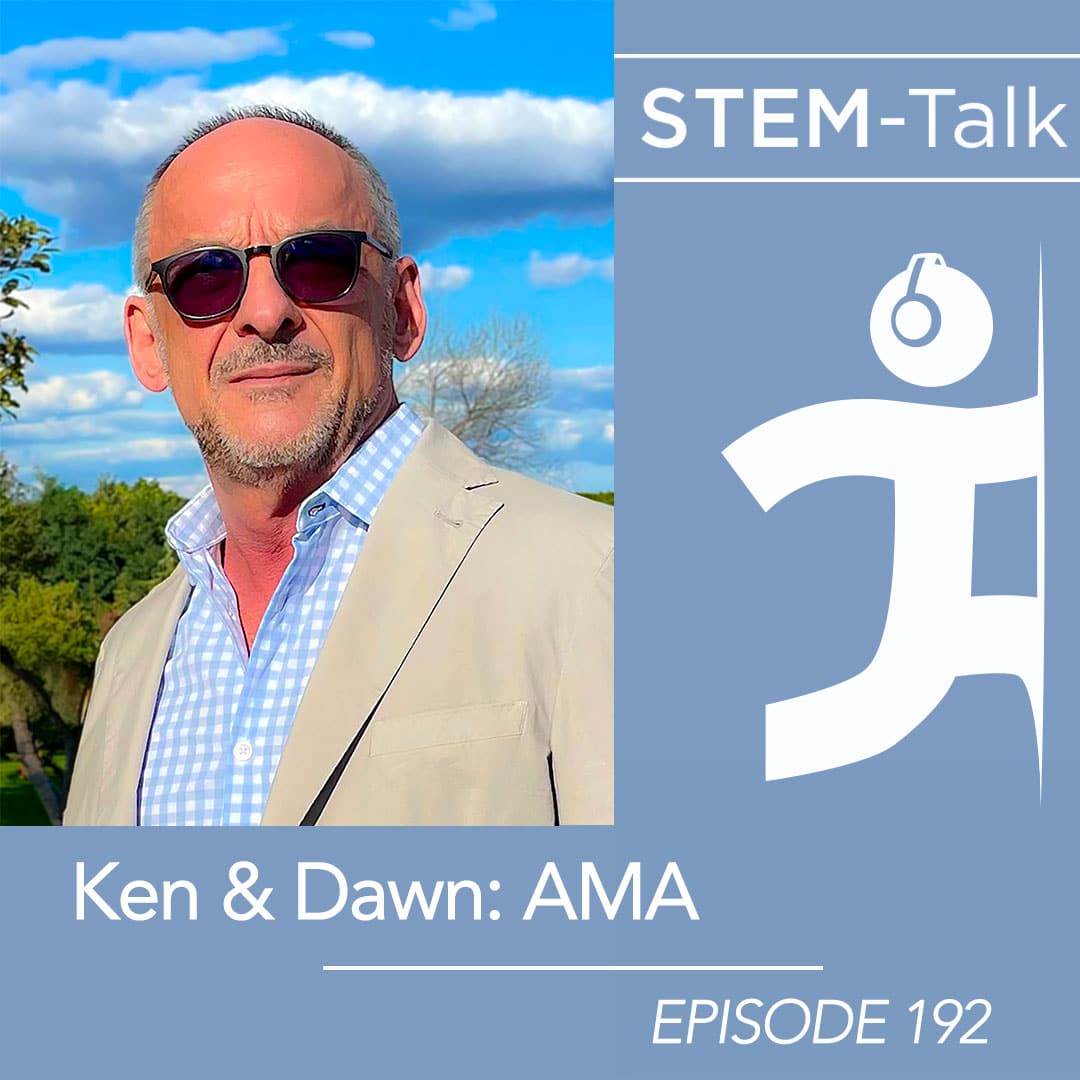
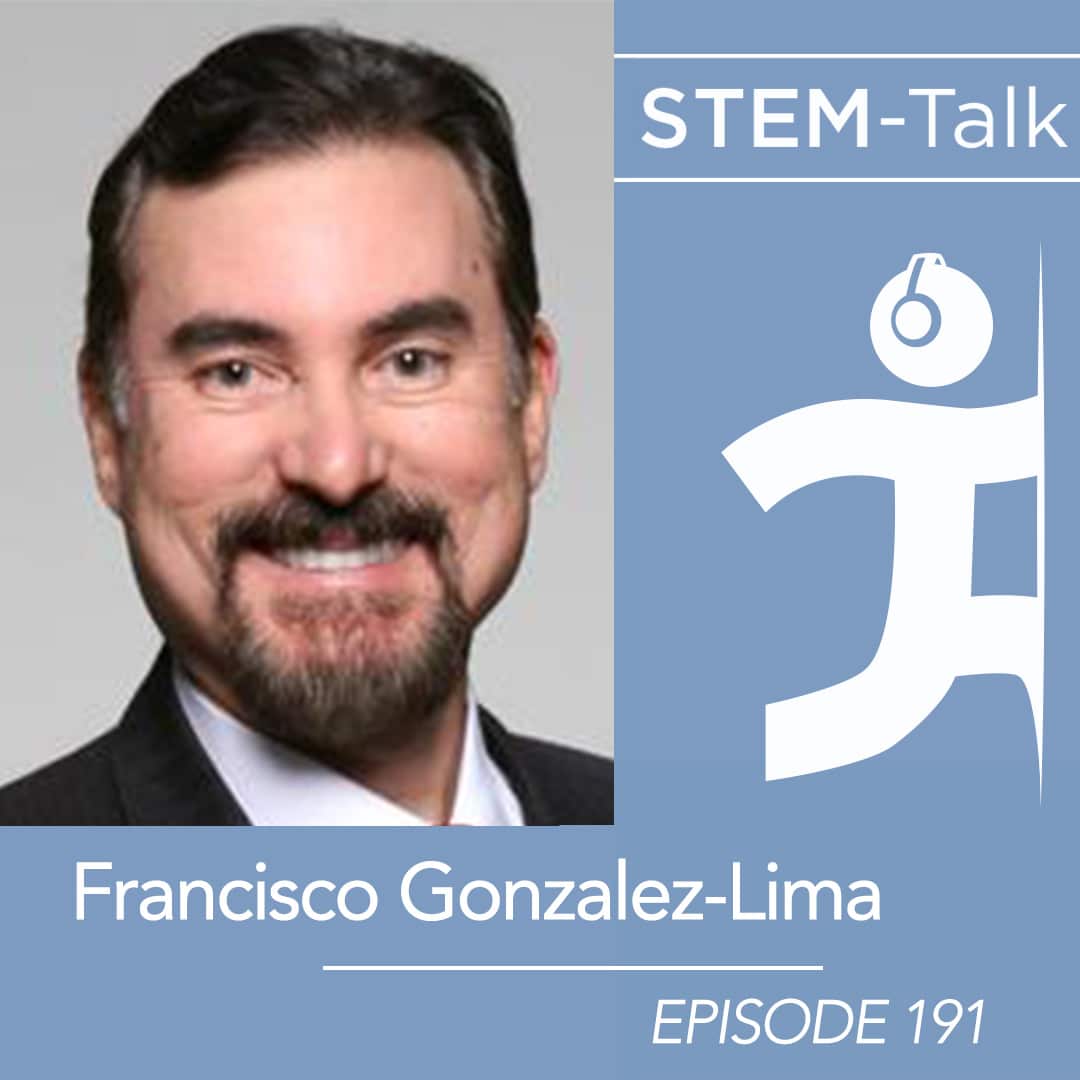
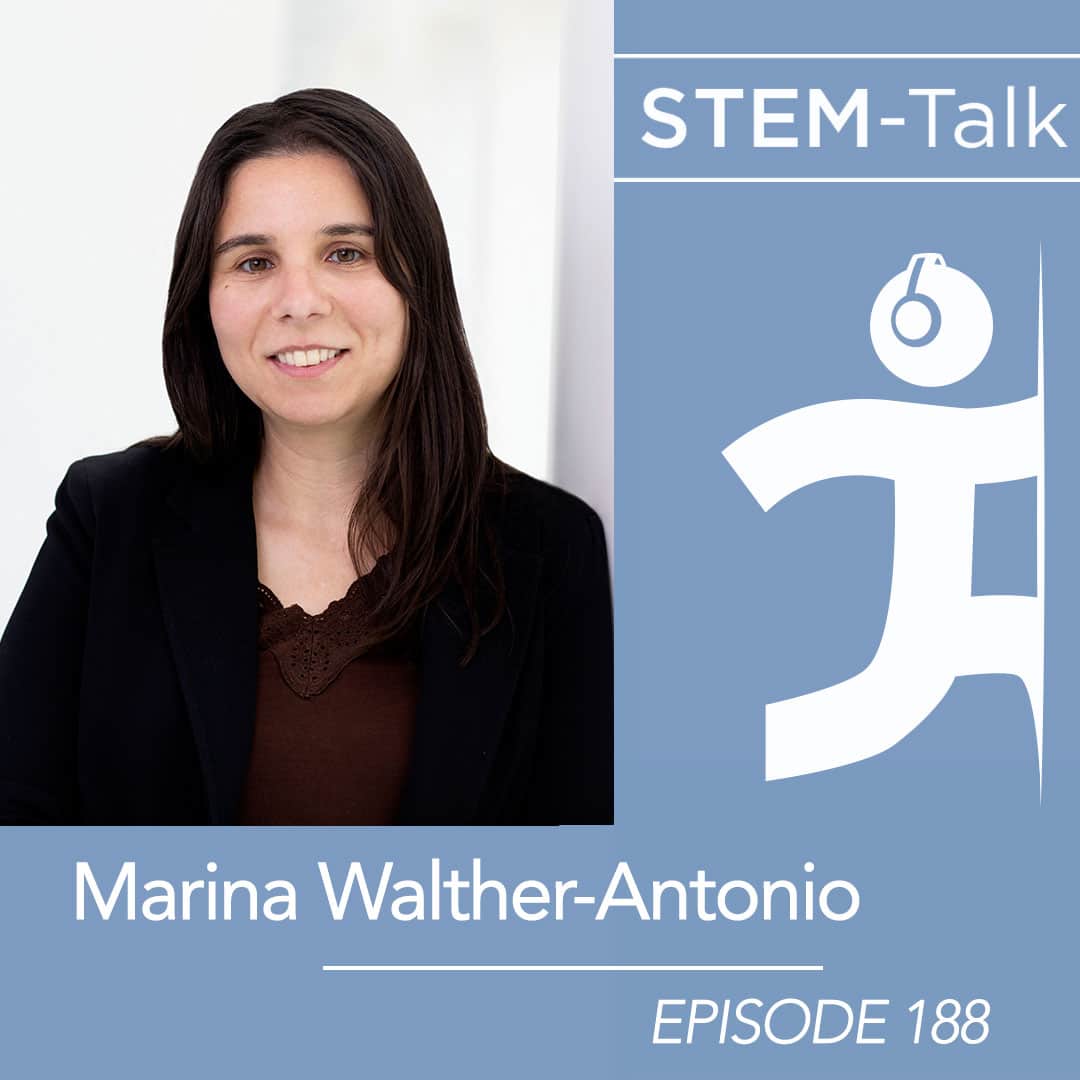
Showing 25 of 198
Pitch Fit is a Pro feature
See how bookable this show is for guests, which brands already advertise, the per-episode ad value, and the best-fit guest and sponsor profile. The numbers are blurred on the free plan.
How readily this show books outside guests like you.
How proven this show is for host-read sponsorships.
For Guests
ProFor Advertisers
ProUpgrade to Pro to unlock guest cadence, sponsor categories, fit scores, and per-episode ad value for this show.
Chart history for STEM-Talk
Peaked at #32 in VN, currently #32 in VN.
| Market | Genre | Peak | Current | Trend |
|---|---|---|---|---|
| VN | — | #32 | #32 | — |
| PH | — | #66 | #66 | — |
| Brazil | — | #95 | #95 | — |
| SG | — | #102 | #102 | — |
| New Zealand | — | #109 | #109 | — |
| South Korea | — | #124 | #124 | — |
| TH | — | #130 | #130 | — |
| Japan | — | #134 | #134 | — |
| United States | — | #152 | #152 | — |
| India | — | #160 | #160 | — |
| Australia | — | #178 | #178 | — |
| Canada | — | #200 | #200 | — |
Chart Positions
12 placements across 12 markets.
Chart Positions
12 placements across 12 markets.