

Insights from recent episode analysis
Audience Interest
Podcast Focus
Publishing Consistency
Platform Reach
Insights are generated by CastFox AI using publicly available data, episode content, and proprietary models.
Most discussed topics
Brands & references
Total monthly reach
Estimated from 1 chart position in 1 market.
By chart position
- 🇳🇿NZ · Careers#125500 to 3K
- Per-Episode Audience
Est. listeners per new episode within ~30 days
250 to 1.5K🎙 ~2x weekly·58 episodes·Last published 3d ago - Monthly Reach
Unique listeners across all episodes (30 days)
500 to 3K🇳🇿100% - Active Followers
Loyal subscribers who consistently listen
200 to 1.2K
Market Insights
Platform Distribution
Reach across major podcast platforms, updated hourly
Total Followers
—
Total Plays
—
Total Reviews
—
* Data sourced directly from platform APIs and aggregated hourly across all major podcast directories.
On the show
From 11 epsHosts
Recent guests
Recent episodes
Why Good Clinicians Struggle as Supervisors with Sharon Greene, LCSW
Jun 24, 2026
Unknown duration
Why 57% of Future Therapists Never Get Licensed
Jun 10, 2026
50m 05s
No One Says This: Real Questions Every Clinician Quietly Wonders About
May 27, 2026
29m 30s
Your Supervisees Are Absorbing Your Nervous System
May 13, 2026
32m 25s
Why Clinicians Struggle When They Become Leaders (And No One Trains You for It)
Apr 29, 2026
40m 21s
Social Links & Contact
Official channels & resources
Official Website
Login
RSS Feed
Login
| Date | Episode | Topics | Guests | Brands | Places | Keywords | Sponsor | Length | |
|---|---|---|---|---|---|---|---|---|---|
| 6/24/26 | 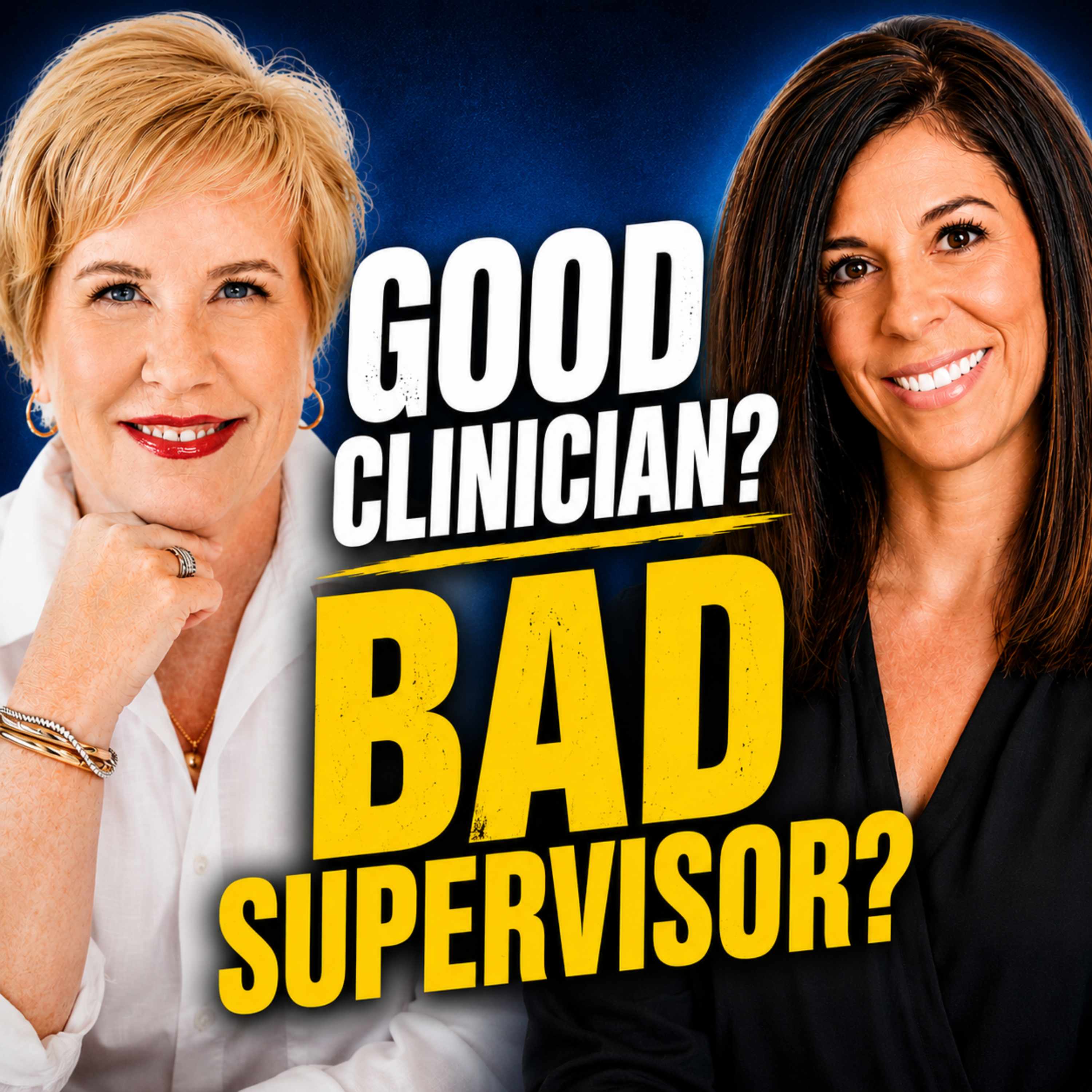 Why Good Clinicians Struggle as Supervisors with Sharon Greene, LCSW | Many clinicians assume that being a great therapist naturally translates into being a great clinical supervisor. But supervision requires an entirely different set of skills.In this episode of Supervision Simplified, Dr. Amy Parks is joined by Sharon Greene, LCSW, clinical supervisor, educator, and founder of Mental Health CE Hub, for a conversation about what separates effective supervisors from effective clinicians.Together they discuss competency-based supervision, developmental supervision models, constructive feedback, ethics, documentation, burnout prevention, and the practical tools supervisors can use to better support the next generation of mental health professionals.Whether you're a new supervisor, seasoned clinical leader, or therapist considering a supervisory role, this episode offers actionable insights you can apply immediately.Topics discussed:• Why being a good clinician doesn't automatically make you a good supervisor• Constructive feedback that supervisees actually appreciate• Competency-based supervision and developmental models• Documentation, ethics, and risk mitigation• Building confidence as a clinical supervisor• The future of supervisor trainingConnect with Sharon Greene:🌐 https://www.sharongreenelcsw.com🙏 https://www.mentalhealthcehub.comSubscribe to Supervision Simplified for practical conversations on clinical supervision, leadership, ethics, and professional development. | — | ||||||
| 6/10/26 |  Why 57% of Future Therapists Never Get Licensed✨ | clinical supervisionworkforce retention+4 | Rachel Ledbetter | Motivo | — | therapist shortagelicensure process+5 | — | 50m 05s | |
| 5/27/26 |  No One Says This: Real Questions Every Clinician Quietly Wonders About✨ | clinical supervisionmental health+4 | Dr. Amy Parks | — | — | mental health professionalssupervision+5 | — | 29m 30s | |
| 5/13/26 |  Your Supervisees Are Absorbing Your Nervous System✨ | clinical supervisionemotional regulation+4 | — | — | — | supervisionmental health+5 | — | 32m 25s | |
| 4/29/26 | 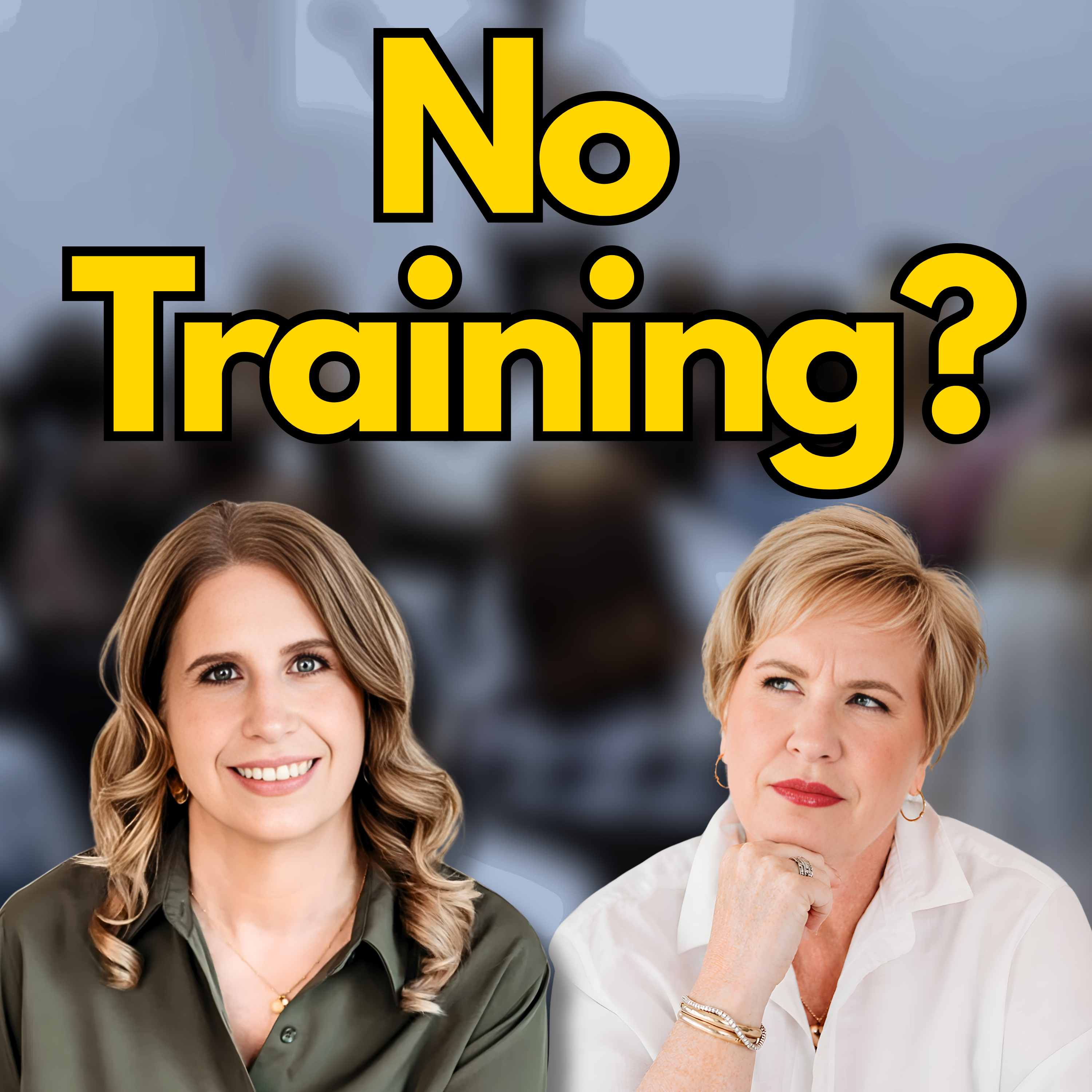 Why Clinicians Struggle When They Become Leaders (And No One Trains You for It)✨ | leadershipclinicians+4 | Lisa Duez | Supervision Simplified PodcastLeading Without Losing Yourself | — | clinician leadershipburnout+3 | — | 40m 21s | |
| 4/15/26 |  Why This Is So Hard (And Why Most People Quit) | Part 2✨ | leadershipsupervision+4 | Dr. Amy Parks | — | — | quitleadership challenges+5 | Clinical Supervision Directory | 21m 58s | |
| 4/1/26 |  How Dr. Amy Parks Thinks About Therapy, Parents, and Change✨ | therapyparental influence+3 | Dr. Amy Parks | — | — | therapychange+5 | Clinical Supervision Directory | 20m 27s | |
| 3/18/26 |  Stop Supervising Alone: Why Isolation Is Holding Your Clinicians Back✨ | supervisiongroup supervision+4 | Debi Jenkins Frankle | — | — | supervisionclinicians+4 | Clinical Supervision Directory | 38m 06s | |
| 3/4/26 |  You Probably Have Autistic Clients (Even If You Don’t Realize It)✨ | autismneurodiversity+4 | Jamie Roberts | NeuroPebble | — | autistic clientsneurodiversity+6 | — | 36m 04s | |
| 2/18/26 |  Under Investigation by Blue Cross: Insurance Overreach & Leadership in Mental Health✨ | insurance overreachmental health leadership+5 | Brianna Reinhold | Blue CrossNorthern Lights Therapy | Arizona | insurance companiesmental health care+5 | Clinical Supervision Directory | 34m 03s | |
Want analysis for the episodes below?Free for Pro Submit a request, we'll have your selected episodes analyzed within an hour. Free, at no cost to you, for Pro users. | |||||||||
| 2/4/26 |  Inside the Supervision Summit That Shifted the Field✨ | supervisionleadership+4 | — | PESI | — | supervision summitleadership+5 | — | 38m 12s | |
| 1/21/26 |  AI in Clinical Supervision: Ethics, Awareness, and Responsibility✨ | AI in clinical supervisionethics+4 | Dr. Amy Parks | — | — | artificial intelligenceclinical supervision+4 | — | 30m 14s | |
| 1/7/26 |  Supervision Is Not Management: Building Sustainable Supervision with Gulsah Kemer | In this episode of Supervision Simplified, Dr. Amy Parks is joined by counseling supervision researcher and educator Gulsah Kemer for a thoughtful conversation about what supervision truly is and what it is not.Together, they challenge the idea that supervision is simply a form of management or administrative oversight. Instead, they explore supervision as a relational, reflective, and sustainability-focused practice that supports both supervisors and supervisees over time. Gulsah shares insights from more than a decade of research and teaching in counselor education, including the development of her Cohesive Model of Supervision, a research-informed framework grounded in how experienced supervisors think and make decisions in practice.The conversation addresses why supervisors are often left to develop their identities and styles in isolation, particularly outside of academic settings, and how this lack of support can contribute to burnout, ethical strain, and uncertainty. Dr. Parks and Gulsah discuss the importance of supervisor self-awareness, intentional reflection, and lifelong development, as well as the role supervision plays in gatekeeping, professional identity formation, and client care.This episode is especially relevant for supervisors working with students, licensure-seeking clinicians, and early-career professionals, as well as anyone interested in the future of supervision, counselor education, and sustainable clinical practice. | — | ||||||
| 12/24/25 |  Supervision Isn’t About Managing People—It’s About Keeping Them in the Field | Supervision isn’t about managing people. It’s about sustaining them.In this final episode of 2025, Dr. Amy Parks zooms out to take a 30,000-foot look at what sustainability really means in supervision and leadership—and why it matters now more than ever. Drawing from supervision practice, leadership research, neuroscience, and real-world supervision stories, Amy explores how traditional management models fall short in mental health work and how sustainable supervision protects clinicians, supervisors, and the profession itself.This episode unpacks why burnout, ethical drift, and workforce loss are not individual failures—but leadership and systems issues—and how supervision can become the most powerful tool we have for keeping clinicians engaged, ethical, and alive in the work.You’ll hear about nervous system regulation, psychological safety, moral injury, capacity over productivity, and the subtle ways supervision either sustains or silently erodes the people inside our systems.As we head into 2026, this episode offers a grounded, hopeful reframe: sustainability isn’t soft—it’s strategic.Supervision Simplified brings you real conversations with real clinical supervisors navigating the complex, messy, and meaningful world of mental health. Each episode delivers tools, insights, and stories that make supervision a little simpler—because who doesn’t want simpler?Sponsor:Clinical Supervision Directory – www.clinicalsupervisiondirectory.com | — | ||||||
| 12/10/25 |  Soft Front, Strong Back: Sustainable Supervision for Trauma Therapists | Supervision Simplified brings you real conversations with real clinical supervisors navigating the complex, messy, and meaningful world of mental health. Each episode delivers tools, insights, and stories that make supervision a little simpler, because who does not want simpler?In this powerful Part two of our confidential grief series, Dr. Amy Parks sits down with trauma psychologist and community builder Dr. Jenny Hughes to talk about what it really means to be humans first and therapists second.Jenny shares the origin story of the Brave Trauma Therapist Collective, born in the middle of COVID when she was supporting frontline workers and suddenly realized no one was holding space for the therapists. Together, Amy and Jenny dig into vicarious trauma, vicarious resilience, and why the “strong therapist” myth is quietly pushing people out of the field.They explore how reflective supervision, genuine community, and the practice of “soft front, strong back” can help therapists metabolize what they hold instead of armoring up and burning out. If you listen to part one with Dr. Khara Croswaite Brindle on confidential grief, this conversation completes the picture and offers very practical paths toward staying in the work sustainably.This 2 part series is for supervisors, leaders, and trauma therapists who want more than survival. It is for those who want to build systems, communities, and supervision spaces that keep people human, connected, and in the field for the long haul.Connect with Dr. Jenny Hughes and Brave Providers:Website: www.braveproviders.comInstagram: @braveprovidersYouTube: @braveprovidersClinical Supervision Directory – www.clinicalsupervisiondirectory.com | — | ||||||
| 11/26/25 | 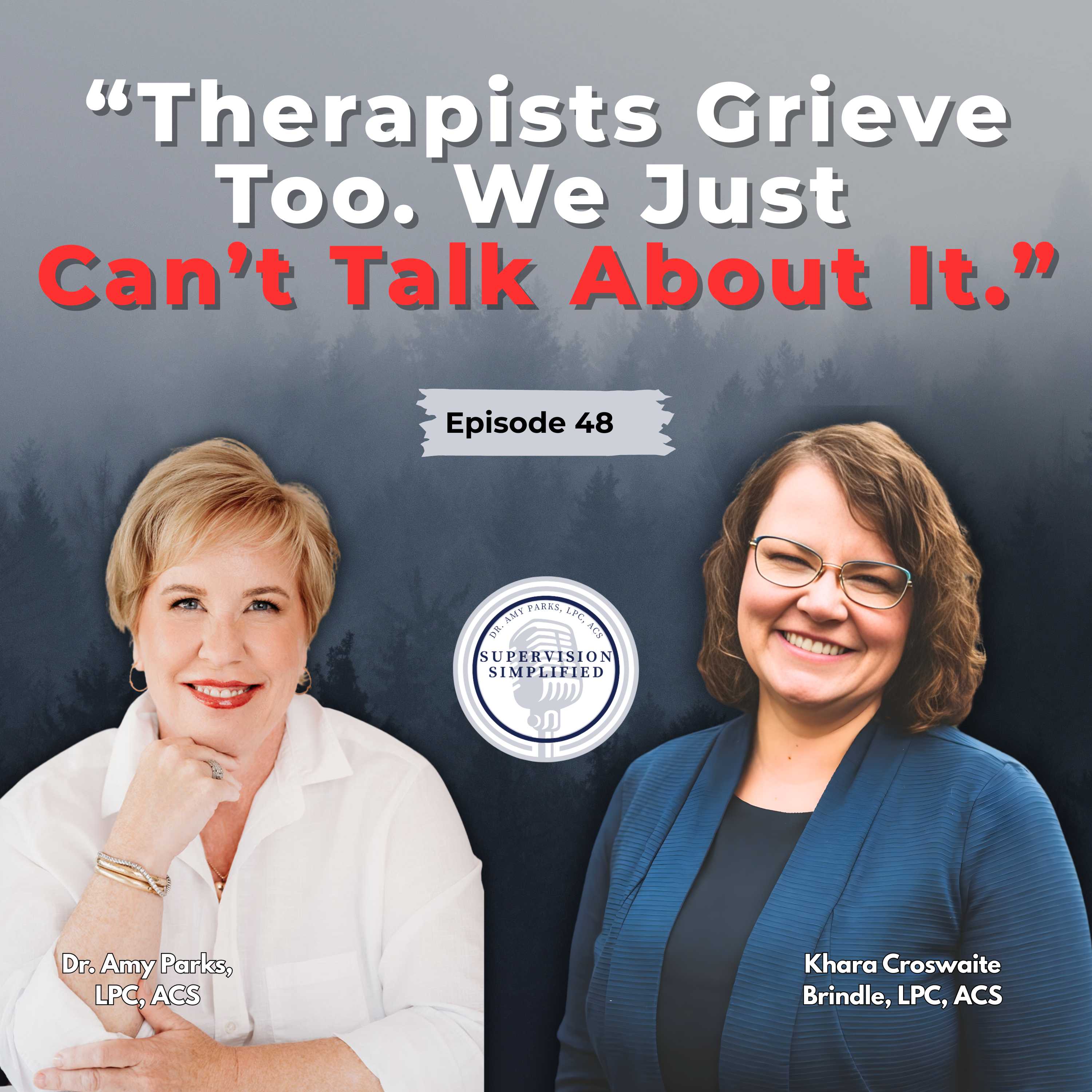 Confidential Grief: The Hidden Trauma Therapists Carry and How Supervisors Can Help | This is Part 1 of a special two-part series on confidential grief, vicarious trauma, and the resilience it takes to stay human in this field.In this intimate conversation, Dr. Amy Parks sits down with confidential grief specialist Khara Croswaite Brindle to explore the hidden emotional landscape therapists carry — the losses we don’t talk about, the pain we hold in silence, and the career-shaping moments that often go unseen.Khara shares insights from her nationally reaching research on confidential grief and the six major adverse psychological events that impact therapists throughout their careers. Together, Amy and Khara unpack why clinicians often suffer in silence, how shame and responsibility distort the healing process, and what supervisors can do to create safe, human-first spaces for clinicians facing the unimaginable.This episode is a grounding, compassionate reminder that no therapist should face these moments alone — and that supervision, when done well, becomes an anchor for healing, belonging, and post-traumatic growth.Part 2 continues the conversation, moving into vicarious trauma, vicarious resilience, and how supervisors can sustain their teams and themselves. | — | ||||||
| 11/12/25 | Leading with Compassion: The Enneagram, Leadership, and Legacy with Julia Nepini | In this inspiring podcast swap episode, Dr. Amy Parks sits down with Julia Nepini, a powerhouse therapist, supervisor, and leadership consultant whose career blends clinical supervision, consulting, podcasting, and parenting—all with a healthy dose of humor and heart.Together, Amy and Julia dive into the power of the Enneagram as a framework for leadership, self-awareness, and supervision, exploring how understanding personality patterns can strengthen teams, improve relationships, and deepen insight in both clinicians and supervisors.Julia shares her journey from solo practice to leading a 30-person group, discusses the challenges of wearing multiple hats (mom, supervisor, business owner, podcast host, and speaker), and opens up about being recently diagnosed with ADHD—and how it’s reshaped the way she leads and lives.You’ll learn:How to apply the Enneagram in clinical supervision and leadership settingsThe difference between managerial vs. clinical supervisionHow to create self-led leaders and sustainable systems in group practiceWhy leadership isn’t about managing people—it’s about sustaining peopleWhat legacy really means for those shaping the next generation of cliniciansSupervision Simplified brings you real conversations with real supervisors navigating the complex, messy, and meaningful world of mental health. Each episode delivers tools, insights, and stories that make supervision a little simpler—because who doesn’t want simpler?Sponsored by: Clinical Supervision Directory — www.clinicalsupervisiondirectory.com | — | ||||||
| 10/29/25 | 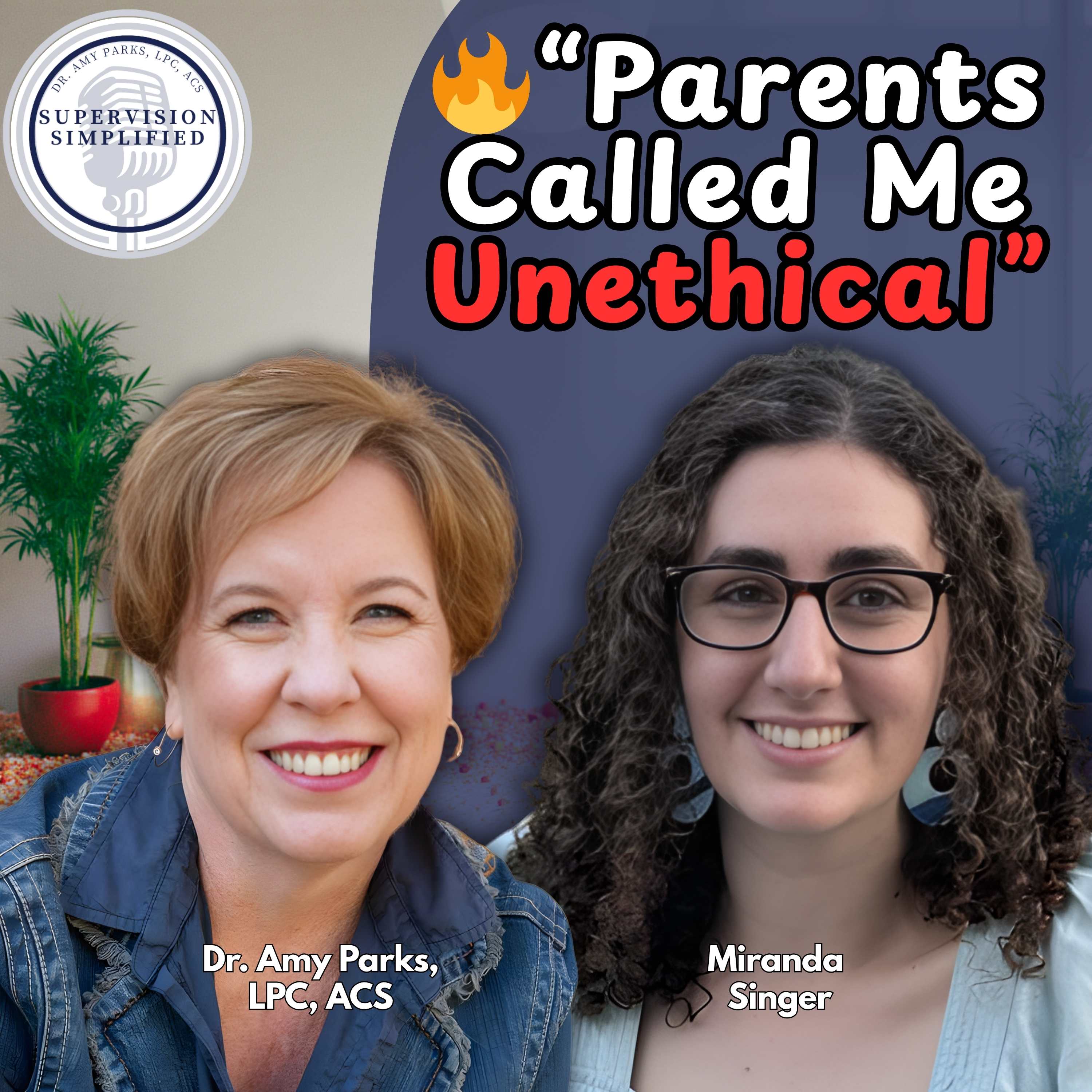 From Supervisee to Self-Advocate: A Conversation with Miranda Singer | Supervision Simplified is back with a fresh perspective—from the supervisee’s chair! In this heartfelt conversation, Dr. Amy Fortney Parks sits down with Miranda Singer, a neurodivergent social work supervisee, play therapist-in-training, and passionate advocate for neurodiversity and anti-ableist practice.Together, they explore the real-world experiences of clinical supervision from the trainee’s point of view: the nerves, the learning, and the growth that come from good feedback and supportive supervisors. Miranda shares insights from her work with neurodivergent children, what she’s learned from supervision, and how her late diagnosis shaped both her advocacy and her approach to therapy.You’ll also hear about her initiative, Dis No More Abilities, and how she’s building a movement to promote inclusion, empathy, and authenticity within and beyond the therapy world.Supervision Simplified brings you real conversations with real clinical supervisors—and now, supervisees—navigating the complex, messy, and meaningful world of mental health.Clinical Supervision Directory – www.clinicalsupervisiondirectory.com | — | ||||||
| 10/15/25 | 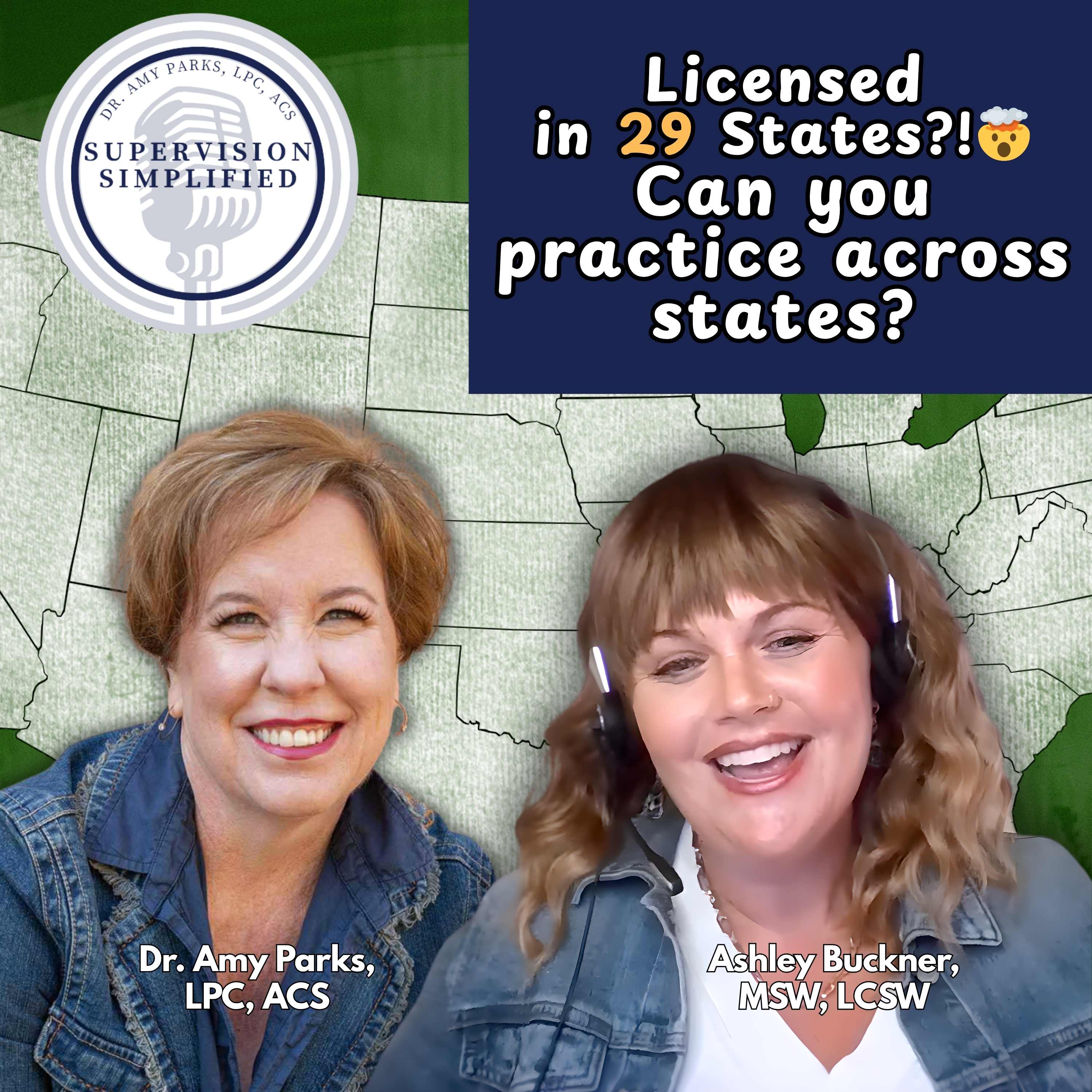 Across 29 States: Supervision, Structure, and Staying Sane with Ashley Buckner | What’s it like to supervise across 29 states? Ashley Buckney is about to find out - and so are we! In this episode, Dr. Amy Parks sits down with the unstoppable Ashley Buckner — social worker, supervisor, and founder of Anchor & Rise Therapy — who’s redefining what multi-state supervision looks like.Ashley shares how she went from working in rural Georgia to holding licenses across the U.S., what she’s learned about ethics, cross-state regulations, and supervision structure, and how she manages to stay grounded while guiding clinicians in nearly every time zone.Together, Amy and Ashley explore:How to navigate state-by-state supervision rules without losing your mindTips for building rapport virtually and maintaining clear boundariesThe importance of contracts, structure, and “wins & opportunities” in supervisionManaging your own capacity as a supervisorHow cross-country group supervision enriches learning and community60 charaAshley’s story is a testament to what’s possible when we lead with integrity, curiosity, and compassion. Whether you supervise in one state or twenty-nine, this episode will inspire you to elevate your supervision practice — without burning out.Sponsors:Clinical Supervision Directory – www.clinicalsupervisiondirectory.com | — | ||||||
| 10/4/25 |  From Solo to Supported: Why Supervisors Need Supervision Too | Supervision can be lonely. While supervisors carry the weight of risk, mentorship, and leadership, they’re often doing it alone—without guidance, reflection, or community.In this solo episode, Dr. Amy Parks invites us into a new conversation: What if supervisors had the same kind of support we expect them to give? She shares insights from her upcoming course Supervision of Supervision, highlighting how we can build capacity, confidence, and clinical courage—together.You’ll also get a preview of what’s coming from the Clinical Supervision Directory, including peer consultation pods, downloadable tools, and a growing community of supervisors who are done flying solo.🎧 Take a listen, share it with your favorite supervisor, and bring it to your next consultation group.🔗 Learn more at www.ClinicalSupervisionDirectory.comSupervision Simplified brings you real conversations with real clinical supervisors navigating the complex, messy, and meaningful world of mental health. Each episode delivers tools, insights, and stories that make supervision a little simpler—because who doesn’t want simpler?AMERICAN COUNSELING ASSOCIATION - https://www.counseling.org/Clinical Supervision Directory - www.clinicalsupervisiondirectory.com | — | ||||||
| 9/17/25 |  The Supervisee Shuffle: Finding, Fitting, and (Sometimes) Firing | In this solo episode, Dr. Amy Parks shares candid strategies for finding and assessing supervisees—and navigating the tricky terrain of letting someone go when the fit isn’t right. From using the Clinical Supervision Directory to exploring LinkedIn, Facebook groups, and job boards, Amy walks supervisors through real-world tactics to build a sustainable and ethical supervision practice. Plus, she covers key assessment questions, red flags, and sample scripts for when supervision relationships aren’t working.Whether you’re a new supervisor or a seasoned one, this episode offers real talk, humor, and practical support.Clinical Supervision Directory – www.clinicalsupervisiondirectory.com | — | ||||||
| 8/29/25 |  What Trauma-Informed Supervision Really Looks Like | What does it actually mean to be a trauma-informed supervisor?In this candid and energizing conversation, Dr. Amy Parks sits down with Libby Murdoch, creator of Brain-Based EMDR, to explore how trauma impacts both our clients and our clinical relationships, and what supervisors can do about it. Libby shares how her own experiences shaped her trauma-informed lens, why nervous system safety matters in supervision, and how even the best-intentioned supervisors can cause harm without realizing it. Together, they explore strategies to help supervisors regulate themselves, co-create safety with supervisees, and model the very same attunement we expect in therapy.This episode is real, resonant, and radically helpful. Whether you supervise seasoned clinicians or brand new interns, you’ll leave with insights you can use right away.🎧 Know a supervisor who needs to hear this? Share it.🧠 Want to go deeper? Check out Libby’s work at www.brainbasedemdr.comSupervision Simplified brings you real conversations with real clinical supervisors navigating the complex, messy, and meaningful world of mental health. Each episode delivers tools, insights, and stories that make supervision a little simpler - because who doesn’t want simpler?Sponsors:Clinical Supervision Directory – www.clinicalsupervisiondirectory.com | — | ||||||
| 8/6/25 |  The Most Harmful Things Therapists Do - and What Supervisors Can Do About It | Ever wonder what clients say actually hurt them in therapy?In this solo episode, I’m unpacking some hard truths—directly from client voices. Inspired by Esther Goldstein’s viral post, we’re digging into five of the most harmful things therapists do, from blurry boundaries to skipping supervision. If it stings a little, that’s okay—it means we’re learning.You’ll get research-backed insights, supervision strategies you can use right away, and a big reminder that we can’t supervise what we won’t look at. This one’s for the supervisors who care deeply, the supervisees doing the work, and anyone who's ever wondered: “Am I really showing up the way I mean to?”Share this one with a colleague—or bring it to your next supervision session.More tools and connections at ClinicalSupervisionDirectory.com | — | ||||||
| 7/23/25 |  Supervision Gone Wrong: A Story of Power and Betrayal | In this eye-opening episode of Supervision Simplified, Dr. Amy Parks welcomes Skye Clark to share her shocking and deeply personal experience with an unethical supervisor. From blurred boundaries to outright manipulation, Skye takes us through the harrowing journey of navigating supervision during the pandemic, uncovering deception, and ultimately finding her strength.Supervisors wield significant influence over pre-licensed clinicians, and this conversation sheds light on what happens when that power is abused. Skye’s story is a cautionary tale about the importance of transparency, discernment, and advocating for oneself in supervision.This is an episode every supervisor and supervisee needs to hear. If you’ve ever questioned the integrity of your supervision experience, this conversation will give you tools and insight to protect yourself and advocate for ethical supervision. | — | ||||||
| 7/16/25 | Real Talk on Identity, Insight and Brave Supervision | In this episode of Supervision Simplified, Dr. Amy sits down with Torre Boyd, LPC, founder of Therapy in Color, for a powerful conversation about what it means to lead supervision with identity, insight, and cultural humility. Torre shares how her lived experience and early career shaped her trauma-informed lens, why brave spaces matter more than safe ones, and how supervisors can better support clinicians of color and other marginalized identities. You’ll hear real talk about power, feedback, growth, and how to hold space for authenticity and equity in the supervisory relationship. This episode is rich with wisdom, realness, and actionable insight for clinical supervisors navigating today’s complex mental health landscape. | — | ||||||
Showing 25 of 63
Pitch Fit is a Pro feature
See how bookable this show is for guests, which brands already advertise, the per-episode ad value, and the best-fit guest and sponsor profile. The numbers are blurred on the free plan.
How readily this show books outside guests like you.
How proven this show is for host-read sponsorships.
For Guests
ProFor Advertisers
ProUpgrade to Pro to unlock guest cadence, sponsor categories, fit scores, and per-episode ad value for this show.
Similar Audience Demographics
Podcasts that attract a similar listener profile
Being Well with Forrest Hanson and Dr. Rick Hanson
Rick Hanson, Ph.D., Forrest Hanson

Armchair Expert with Dax Shepard
Armchair Umbrella

Huberman Lab
Scicomm Media

Up First from NPR
NPR

This American Life
This American Life
Hidden Brain
Hidden Brain, Shankar Vedantam

If Books Could Kill
Michael Hobbes & Peter Shamshiri
Chart Positions
1 placement across 1 market.
Chart Positions
1 placement across 1 market.