
Tails and Tones
by Mariska Nell
Is this your podcast?Insights from recent episode analysis
Audience Interest
Podcast Focus
Publishing Consistency
Platform Reach
Insights are generated by CastFox AI using publicly available data, episode content, and proprietary models.
Most discussed topics
Brands & references
Total monthly reach
Estimated from 2 chart positions in 2 markets.
By chart position
- 🇨🇦CA · Pets & Animals#1615K to 30K
- 🇮🇳IN · Pets & Animals#9310K to 30K
- Per-Episode Audience
Est. listeners per new episode within ~30 days
7.5K to 30K🎙 ~2x weekly·37 episodes·Last published yesterday - Monthly Reach
Unique listeners across all episodes (30 days)
15K to 60K🇨🇦50%🇮🇳50% - Active Followers
Loyal subscribers who consistently listen
4.5K to 18K
Market Insights
Platform Distribution
Reach across major podcast platforms, updated hourly
Total Followers
—
Total Plays
—
Total Reviews
—
* Data sourced directly from platform APIs and aggregated hourly across all major podcast directories.
On the show
From 11 epsHost
Recent guests
Recent episodes
39: Red Light Therapy & Why Dogs Need Light with Jackie Jolie
Sep 4, 2026
Unknown duration
38: From Dog Account to Business, with Robin Waite
Aug 7, 2026
Unknown duration
37: How Dogs Build Better Kids: Responsibility, Enrichment & the Human-Dog Bond with Brian Manni of Pup O'Clock
Jul 3, 2026
35m 39s
36: Limping But Not in Pain? Why Your Dog's Discomfort Is Easier to Miss Than You Think with Dr. Ellie Lederer
Jun 5, 2026
50m 02s
35: Understanding Dog Behavior, The Hidden Link Between Pain, Emotions & Reactivity with Dr Julie Ashton
May 1, 2026
52m 05s
Social Links & Contact
Official channels & resources
Official Website
Login
RSS Feed
Login
| Date | Episode | Topics | Guests | Brands | Places | Keywords | Sponsor | Length | |
|---|---|---|---|---|---|---|---|---|---|
| 9/4/26 |  39: Red Light Therapy & Why Dogs Need Light with Jackie Jolie | TL;DRJackie Jolie, founder of AnimaSol, explains why modern dogs are deficient in red and near-infrared light wavelengths due to spending 97% of their time indoors. She breaks down the quantum biology behind light therapy, why LED devices are as effective as expensive lasers, and shares how daily red light therapy improved Piper's mobility in two weeks. The episode covers protocols, speed of results, and why light is a foundational nutrient for dog health.During This EpisodeJackie's personal health journey: Lyme disease diagnosis, natural healing, discovery of quantum biologyWhy light deficiency is the missing nutrient for indoor dogsHow red and near-infrared light hits mitochondria and changes cellular functionThe difference between laser and LED red light therapy (same science, different delivery)AnimaSol's 5-wavelength design and 2:1 near-infrared to red ratioPiper's back leg episode and her improvement with daily light therapy + proteinProtocols: 15 minutes daily for prevention, up to 2x30 minutes daily for acute issuesSpeed of results: arthritic dogs improve in 5-10 days, paralyzed dogs walk in 12 daysThe "sprinkler vs pressure washer" analogy explaining LED vs laser effectivenessMarley's paralysis story: standing in 5 days, walking in 12 daysWhy light therapy amplifies every other health modality with no contraindicationsJackie's vision: launching human blankets in August 2026, teaching quantum biology globallyTimestamps[00:00] - Intro: Does red light therapy for dogs actually work?[02:37] - Meet Jackie Jolie and her background in bodywork[05:43] - The turning point: Lyme disease discovery of quantum biology[08:08] - The science: How light hits mitochondria and changes biology[15:07] - LED vs Laser: Why they're the same therapy, different delivery[20:32] - Sprinkler vs Pressure Washer analogy explained[24:43] - Piper's story: Back leg improvement in two weeks[28:38] - Protocols: How often to use red light therapy and dosage guidelines[35:28] - Speed of results: Marley's paralysis story and arthritis improvements[41:50] - Biggest misconceptions about red light therapy[44:37] - Jackie's final message: Light is the foundation of health[46:05] - Where to find AnimaSol and resourcesLinks from the EpisodeAnimaSol website: https://www.animasol.life/DogSol jacket (red/infrared light therapy for dogs)The Science on red light therapyWhere Can People Find Our Guest?Website: https://www.animasol.life/Instagram: @animasolFacebook: @animasolYouTube: @animasol (education videos launching end July/early August)LinkedIn: @animasolEmail: Contact via websiteKey TakeawaysLight is a foundational nutrient. Indoor dogs spending 97% of their time indoors are deficient in red and near-infrared wavelengths.Genes load the gun, environment pulls the trigger. You have 80% control over your dog's health outcomes.Laser and LED red light therapy deliver identical photobiomodulation results. LEDs are safer, cheaper, and practical for home use.AnimaSol's design uses 5 wavelengths in a 2:1 near-infrared to red ratio, optimized for animals with fur.Prevention: 15 minutes daily. Acute issues (paralysis, severe arthritis): up to 2x30 minutes daily, titrate down as healing progresses.Results are fast: Arthritic dogs show improvement in 5-10 days. Paralyzed dogs can walk in 12 days with intensive protocols.Light therapy has zero contraindications and amplifies every other health modality (supplements, physical therapy, medications).Brachycephalic breeds (French Bulldogs, Pugs) and senior dogs with mobility issues see the most dramatic improvements.Piper's case study: Two weeks of daily red light therapy + increased protein intake produced noticeable mobility improvements confirmed by her physio.Light deficiency is a foundational problem affecting indoor dogs. Unlike supplements or medications, light therapy addresses the root cause.FAQIs red light therapy safe for dogs?Yes. LED red light therapy (like AnimaSol's products) is completely safe with zero contraindications. You cannot overdose on light therapy. Dogs cannot be harmed by the wavelengths used. Protective glasses are not required (unlike with lasers).How long before I see results?Results vary by condition. For arthritis and mobility issues: 5-10 days of daily use. For paralysis or severe conditions: 5 days to standing, 12 days to walking with intensive protocols (2x30 min daily). Some dogs show improvement within the first session.Is red light therapy expensive?AnimaSol's DogSol jackets are a fraction of the cost of laser therapy ($20,000-$50,000 per device). They're a one-time purchase with no ongoing vet appointment costs. Much more affordable than chronic supplement or medication management.Can I use it every day?Yes. In fact, you should. For prevention in healthy indoor dogs: once daily (15 minutes). For acute issues: up to twice daily (30 minutes each session) until improvement, then titrate down to daily maintenance.Can I overdo red light therapy?No. Due to biphasic dosing, there's a plateau where cells can only absorb so much light at once before needing time to process. You cannot cause harm or overdose with LED light therapy.What's the difference between laser and LED red light therapy?They're the same therapy (photobiomodulation) at the cellular level. Lasers are more powerful, more expensive ($20k-$50k), create thermal burn risk, and require protective glasses and professional administration. LEDs are wearable, safe to look at, affordable, and can be used at home. Same results, different delivery.How many wavelengths do I need?AnimaSol uses 5 wavelengths (2 red, 3 near-infrared) in a specific 2:1 ratio. Both red and near-infrared matter. Red penetrates superficially (good for wounds, hair growth). Near-infrared penetrates deep (good for joints, spine, bone marrow). Most products only have red, which limits effectiveness for deep issues.Will it help my dog's specific condition?Light therapy supports healing for nearly every condition (arthritis, paralysis, seizures, wound recovery, pain relief, mobility, digestion). That said, for serious diagnoses, Jackie recommends consulting her team for a personalized protocol. It works best as part of a whole-system approach (diet, movement, light, stress reduction).Do I need to consult a vet first?Most vets aren't trained in light therapy or quantum biology, so they may not recommend it. That doesn't mean it won't help. For cancer or extreme cases, Jackie recommends a consultation with her team to create a protocol that works alongside your vet's plan.Will light therapy replace my dog's other treatments?No, but it amplifies them. Light therapy works alongside supplements, physical therapy, medications, and dietary changes with zero contraindications. It makes everything else more effective.How often should I charge the device?A fully charged device gives you 8-10 sessions of 15 minutes each. Larger blankets take 8-10 hours to fully charge from dead battery. Smaller devices charge faster.About the Author: Mariska NellMariska is the founder of Tails and Tones, a design-led, sustainable dog product brand. She's also the host of the Tails and Tones podcast, where she explores dog health, product design, and intentional pet parenting with experts, veterinarians, and fellow dog parents.Background: Mariska holds a Master's degree in Sustainable Design, a Bachelor's in Interior Design, and a Postgraduate qualification in Environmental Science. She's spent over 10 years working as a sustainability designer and strategist across the UAE, Australia, South Africa, the UK, and India. Her previous work includes collaborations with brands like Nespresso, Costa Coffee, and Dubai Airport, and she founded Design By Mariska, known for trash-to-treasure art exhibited at Dubai International Airport. She's also the host and founder of Mama Earth Talk, a sustainability podcast with 200+ episodes on zero waste and climate action, featuring guests including Dr. Sylvia Earle and the late Dr. Jane Goodall. She created the free Living Lighter course for practical sustainable living.Piper: Mariska shares her life and work with Piper, her French Bulldog rescue dog. Piper joined the family in 2021 at 5 months old and has been the Chief Paw-duct Tester for everything Tails and Tones creates. Piper's journey, including cleft palate repair, luxating patella, arthritis risk, and recent mobility challenges, directly shaped the founding mission of Elevé (Tails and Tones' first product: a modular, height-adaptive feeding... | — | ||||||
| 8/7/26 |  38: From Dog Account to Business, with Robin Waite | TL;DRBusiness coach Robin Waite (Fearless Business) joins Mariska to break down why "exposure" isn't a payment plan, how raising your prices can mean selling less for the same profit, and why waiting for the perfect moment is quietly costing you customers. Plus: his Guinness World Record, his 4Ocean plastic pledge, and a live "build a 100K month" business plan.Guest Bio:Robin Waite is a UK-based business coach and the founder of Fearless Business. After 12 years running a marketing agency, he sold it in 2016 and has spent the last decade coaching entrepreneurs on pricing, positioning, and building profitable, sustainable businesses. He is the bestselling author of Take Your Shot and Fearless Pricing, has guested on over 300 podcasts, and has coached creators including Ali Abdaal and Simon Squibb. He also holds a Guinness World Record for taking part in the largest speed-networking event on record.Takeaways:A hobby becomes a business the moment you decide it is one, and start planning six months, a year, and two years out instead of just three weeks ahead."Exposure" is not a business model. Real partnerships are a long-term marketing asset built on trust, not a one-off trade.One podcast guest appearance (Robin's on Ali Abdaal's show) generated 3,000 leads and over £300,000 in revenue, three years after the relationship began.Pricing at the average makes you average. Aim for the top 10% of your category instead of matching competitors.Raise your prices by 5% and you can sell 11% fewer units for the same profit. At 10%, it's 22% fewer units.The "build one, sell one" approach (borrowed from Simon Squibb) beats waiting to launch until everything is perfect.There's a real difference between being exhausted and having genuinely exhausted your options, and most founders find out the hard way.Robin's dogs Wilbur and Twiggy are his cue to stop "procrastiworking": when he catches himself stalling, he closes the laptop and takes them for a walk in the Cotswolds instead.Robin donates to 4Ocean with every new client, working toward removing 100kg of ocean plastic, currently at roughly 40kg.Relevant links mentioned in the episode:Robin Waite: Instagram / LinkedIn / TikTok / WebsiteFearless Pricing Scorecard — Robin's pricing tool + book, mentioned on the episodeReview the podcast on PodchaserSign up to our Tails and Tones newsletter hereSign up to our Tails and Tones waiting list for our first product (Elevated Food System) hereFind Tails and Tones on our socials: Instagram / Facebook / TikTok / LinkedIn / WebsiteTimestamps to relevant points within the episode:[00:00] Intro[02:12] Who is Robin Waite[04:16] Robin's Guinness World Record[06:13] When does a hobby become a business[08:28] Why exposure isn't a business model[14:57] Building a pet business from zero[21:27] The biggest mistake creators make[25:32] Why waiting for perfect is costing you[28:59] The 3 Fs: Freedom, Fulfilment, Financial success[34:50] The pricing math that changes everything[39:08] The first 90 days of a crowdfund[42:24] Exhausted vs. out of options[47:52] What Wilbur and Twiggy taught him[49:14] There's never a perfect time to start[52:42] 4Ocean and building a business for goodFAQWhat is the difference between a hobby and a business, according to Robin Waite?Robin Waite says a hobby becomes a business once you're earning a living from it and can plan for it beyond the next three weeks, the point at which most people's forward planning naturally stops.Why doesn't Robin Waite recommend working for "exposure"?Because exposure alone is short-term and transactional. Robin recommends treating brand partnerships as long-term relationships built on trust, the kind that can eventually generate leads and revenue for years, as his relationship with Ali Abdaal did.What is Robin Waite's "one page business plan"?It's five questions: your dream monthly revenue, your product or service, your average sale price, the number of units needed to hit that revenue, and whether that demand is realistic to stimulate right now.Where can I find Robin Waite's Fearless Pricing Scorecard?At fearlesspricing.co.uk, alongside his book Fearless Pricing. His first book, Take Your Shot, is available through his Fearless Business site.About the Author: Mariska NellMariska is the founder of Tails and Tones, a design-led, sustainable dog product brand. She's also the host of the Tails and Tones podcast, where she explores dog health, product design, and intentional pet parenting with experts, veterinarians, and fellow dog parents.Background: Mariska holds a Master's degree in Sustainable Design, a Bachelor's in Interior Design, and a Postgraduate qualification in Environmental Science. She's spent over 10 years working as a sustainability designer and strategist across the UAE, Australia, South Africa, the UK, and India. Her previous work includes collaborations with brands like Nespresso, Costa Coffee, and Dubai Airport, and she founded Design By Mariska, known for trash-to-treasure art exhibited at Dubai International Airport. She's also the host and founder of Mama Earth Talk, a sustainability podcast with 200+ episodes on zero waste and climate action, featuring guests including Dr. Sylvia Earle and the late Dr. Jane Goodall. She created the free Living Lighter course for practical sustainable living.Piper: Mariska shares her life and work with Piper, her French Bulldog rescue dog. Piper joined the family in 2021 at 5 months old and has been the Chief Paw-duct Tester for everything Tails and Tones creates. Piper's journey, including cleft palate repair, luxating patella, arthritis risk, and recent mobility challenges, directly shaped the founding mission of Elevé (Tails and Tones' first product: a modular, height-adaptive feeding system).Mission: We are on a mission to help modern dog parents simplify everyday care and elevate life with their pets, without sacrificing style or sustainability. Tails and Tones exists to build products that show up for dog parents, beautiful, sustainable, and robust enough to support you on the worst days. Not just the easy ones.You can find Mariska at @tailsandtones on Instagram, or visit tailsandtones.com to learn more about Elevé and the Tails and Tones mission. | — | ||||||
| 7/3/26 | dog ownershipresponsibility+4 | Brian Manni | Pup O'Clock | — | dogskids+5 | — | 35m 39s | ||
| 6/5/26 | dog healthorthopedic conditions+4 | Dr. Ellie Lederer | MOVESUmm Suqeim Veterinary Centre | Dubai | dog painorthopedic surgeon+5 | — | 50m 02s | ||
| 5/1/26 | dog behaviorveterinary behaviorist+4 | Dr. Julie Ashton | ABTCBristol Vet School | LondonSydney+1 | dog behaviorreactivity+5 | — | 52m 05s | ||
| 4/17/26 | dog carepuppy training+3 | — | Tails and TonesEpisode 32: Why Your Dog Reacts with Mena Lopes+1 | — | puppy trainingdog health+3 | — | 35m 10s | ||
| 4/3/26 | dog healthgut health+3 | Amanda Smith | — | — | dog allergiesgut health+3 | — | 44m 22s | ||
| 3/20/26 | dog behaviorreactivity+3 | Mena Lopes | Ginger’s Way | — | dog reactivitybehaviorist+3 | — | 42m 53s | ||
| 3/6/26 | senior dog caredog dementia+4 | Adam Greenbaum | Love, Baxter | Newport Beach, California | senior dogsdog dementia+5 | — | 43m 25s | ||
| 2/20/26 | ultra runningdog care+4 | Meghan Gould | She Runs Ultras | — | ultra marathonsrunning gear+4 | — | 45m 44s | ||
Want analysis for the episodes below?Free for Pro Submit a request, we'll have your selected episodes analyzed within an hour. Free, at no cost to you, for Pro users. | |||||||||
| 2/6/26 | veterinary rehabilitationdog mobility+4 | Dr. Laurie McCauley | Optimum Pet VitalityColorado State University | — | dog agingveterinary rehabilitation+3 | — | 53m 39s | ||
| 1/23/26 | dog trainingreactivity+5 | Phoebe Peppiatt | Double Woof Dog Training | DubaiUAE+1 | dog trainingreactivity+5 | — | 51m 41s | ||
| 1/9/26 | dog feeding posturecanine health+4 | — | veterinary literaturecanine physiotherapy+1 | FranceUnited States | dog feedingelevated bowls+8 | — | 24m 09s | ||
| 12/26/25 |  26: The Last Best Day: Loving a Senior Dog Through Dementia and Goodbye with Coeli Fortun | TL;DRToronto-based photographer and certified pet nutrition coach Coeli (Chelly) Fortun joins Mariska for a gentle, deeply honest conversation about caring for her 15-year-old Shih Tzu, Manolo, through canine dementia, degenerative myelopathy, and arthritis, and what it meant to give him his "last best day." Coeli shares the story behind her viral last-day video, why nutrition and community were central to both Manolo's care and her cat Snuffles living to 20, and the philosophy that reframed her hardest decision: "it's not about fixing aging, it's about supporting good days," and "euthanasia isn't giving up, it's compassion."In this episode, we sit down for a gentle and deeply honest conversation with Coeli Fortun, a pet photographer and certified pet nutrition coach, as she shares what it was like to care for her senior dog, Manolo, through decline, and what it meant to give him his last best day.Together, we talk about the bond we build with our pets over a lifetime, the role nutrition and supportive care can play as they age, and the long, emotional road that leads to end-of-life decisions. Chelly opens up about grief, judgment, and the quiet relief that can coexist with loss, and why community matters so much during these moments.This episode is for anyone loving a senior pet, grieving one they’ve lost, or navigating the question no one prepares you for. You’re not alone, and you don’t have to go through it without compassion or support.Guest Bio:Coeli (Chelly) Fortun is a Toronto-based photographer and certified pet nutrition coach whose work centers on documenting the deep bond between pets and their humans. After caring for her Shih Tzu, Manolo (15 y.o), through three years of senior decline (including canine dementia, degenerative myelopathy, and arthritis) and her cat Snuffles (20y.o), through cancer, she began sharing their stories openly and found comfort in the community that formed around them.During This Episode:Coeli's background as a Toronto-based photographer and certified pet nutrition coachHow caring for her cat Snuffles, who lived to 20, first drew Coeli into pet nutrition coachingThe role good nutrition played in extending both Snuffles' and Manolo's quality of lifeWhy photographing the bond between pets and their humans became Coeli's life's workThe story behind Manolo's viral "last best day" video, filmed at a park with strangersWhy Coeli and her partner chose to spend Manolo's final hours in public rather than privatelyThe slow, monthslong accumulation of symptoms that signaled Manolo's decline: nighttime yelping, loss of mobility, worsening arthritis, blindness, and deafnessThe quality of life checklist that helped Coeli and her partner make their decisionA canine behaviorist's rule of thumb: if a dog can't do at least three of their four favorite things anymore, they're no longer living a happy dog's lifeThe judgment and criticism Coeli faced online, and how she processed both support and hate in the commentsWhy community (vets, physiotherapists, chiropractors, and fellow pet parents) was essential to getting through the hardest year of her lifeHow Coeli holds space for her ongoing grief, including advice for others going through anticipatory griefThe powerful message from a 20-year veteran vet tech: "euthanasia isn't giving up, it's compassion"What Coeli wishes she'd known earlier, including the value of documenting the hard days, not just the good onesWhat Manolo's last day actually looked like, and the quiet moment that will stay with Coeli foreverTakeaways:Chelly's journey into pet photography began with her own pets — a desire to document the emotional bond between pets and their humans, sparked by regret over not taking enough photos of her cat Snuffles.The emotional bond between pets and their humans is profound. Photography, for Chelly, became a way to honor routines, inside jokes, and connection that often go unseen by the rest of society.Nutrition plays a crucial role in the health of senior pets. Chelly's cat Snuffles lived to 20 largely due to a focus on fresh, quality nutrition, which also shaped how she supported Manolo through his decline.Creating lasting memories with pets is essential for pet parents. Chelly encourages documenting both the good days and the hard ones, since both become part of honoring a pet's full story.Euthanasia is a compassionate choice, not a sign of giving up. A 20-year veteran vet tech reminded Chelly that ending suffering is a gift, not a defeat.Grief is a complex and non-linear process for pet parents. Chelly describes it as a mix of grief, relief, and joy that resurfaces unexpectedly, even months later.Community support is vital during the grieving process. Vets, physiotherapists, chiropractors, and fellow pet parents became Chelly's closest support system through Manolo's decline.It's important to seek out others who understand your experience, whether through Facebook support groups or local pet parent communities, rather than facing it alone.Documenting both good and bad days can be therapeutic and can help other pet parents feel less alone in similar situations.Cherishing the last moments with a pet can bring peace, even amid the sadness, by focusing on what brought them joy rather than what was lost.Relevant links mentioned in the episode:Coeli Fortun, Instagram, LinkedIn, TikTokManolo last best day videoReview the podcast on PodchaserSign up to our Tails and Tones newsletter hereSign up to our Tails and Tones waiting list for our first product (Elevated Food System) hereFind Tails and Tones on our socials: Instagram / Facebook / TikTok / LinkedIn / WebsiteTimestamps to relevant points within the episode:[00:00]- Intro[03:45]- Meet Chelly: Photographer, pet nutrition coach & senior pet advocate[05:22]- How photographing her own pets changed everything[07:27]- Why nutrition played a major role in extending her pets’ quality of life[09:15]- “It’s not about fixing aging, it’s about supporting good days”[12:24]- The story behind Manolo’s last-day video[15:11]- Why the park, the sign, and strangers mattered so much[16:06]- Turning grief into connection: sharing to help even one person feel less alone[17:10]- Why end-of-life decisions are never “overnight”[18:21]- Understanding canine dementia (and why no one talks about it)[20:24]- The Quality of Life checklist that changed everything[21:05]- “If they can’t do the dog things they love anymore…”[23:37]- Sensory loss, fear, and what senior decline really looks like[26:03]- How vets and specialists helped confirm it wasn’t “giving up”[27:40]- Holding grief and relief at the same time[29:25]- How to hold space for grief when the world doesn’t understand[32:13]- Why community is everything during senior pet care[35:16]- What to say to yourself when you feel exhausted, judged, or overwhelmed[38:03]- “Euthanasia isn’t giving up, it’s compassion”[42:04]- The moment Manolo showed them he was readyFAQHow do I know when it's time to euthanize my senior dog?A helpful guideline shared in this episode is to consider whether your dog can still do at least three of their four favorite things — if they've lost the ability to do almost everything that made them happy, it may be time to consult your vet about quality of life.What is canine dementia and how does it progress?Canine dementia in this episode was described as a slow accumulation of symptoms, starting with nighttime restlessness and yelping that gradually extends throughout the day, often accompanied by confusion, disorientation, and loss of vision or hearing.Is euthanasia giving up on my pet?No — as a longtime veterinary technician told Coeli, euthanasia is not giving up, it is a compassionate act that ends suffering and preserves a pet's dignity and peace when their quality of life has significantly declined.How can I cope with grief after losing a senior pet?Allowing yourself to feel grief in the moment it arises, rather than suppressing it, and leaning on communities of people who... | — | ||||||
| 12/12/25 |  25: French Bulldog 101: The Ultimate Health Guide, BOAS, Breathing, IVDD, Diet & Puppy Care with Dr. Sarah Ramsey | TL;DRThis episode dives deep into the essential care and health considerations for French Bulldogs, exploring their rising popularity, common medical issues, and the importance of responsible breeding. Dr. Sarah Ramsey, an Advanced Veterinary Practitioner based in Dubai, shares her expertise on early care, recognizing health problems, and maintaining a healthy lifestyle for these beloved pets. Listeners will gain valuable insights into the unique needs of French Bulldogs, from nutrition to veterinary care, including a standout moment where Dr. Sarah confirms that an elevated feeding setup can really help this breed.Guest Bio:Dr. Sarah Ramsey, originally from West Sussex in the UK, graduated from The Royal (Dick) School of Veterinary Studies in Edinburgh in 2006 and also holds a degree in Parasitology from Glasgow University. She has practiced acupuncture since 2007, is a member of the ABVA, and earned her Certificate in Small Animal Medicine from the University of Liverpool in 2016, later achieving Advanced Veterinary Practitioner status in 2022. With a special interest in feline medicine, oncology, pain management, and end-of-life care, Dr. Sarah has held senior roles including Clinical Director of a two-site practice in the UK and Head of Medicine at a London small animal hospital. She relocated to the UAE in 2021 with her husband, two children, and a growing rescue family of cats, alongside her Bedlington Whippet, Snowy, and a tortoise named Taco. Beyond veterinary medicine, she is a passionate runner, ultramarathon finisher, yoga practitioner, and stand-up paddleboarder, with recent adventures in aerial gymnastics and a goal of completing a triathlon within the next year.During This Episode:Dr. Sarah Ramsey's background and introduction to French Bulldog careThe rising popularity of French Bulldogs and why that matters for prospective ownersUnderstanding the key health risks that come with the breedWhat to look for when choosing the right French Bulldog puppy or rescueEarly care essentials for a new French BulldogRecognizing breathing issues in French Bulldogs before they become emergenciesUnderstanding Brachycephalic Obstructive Airway Syndrome (BOAS) in depthWhy early intervention matters so much for this breedAssessing whether and when surgical intervention is neededNeutering and its ideal timing for French BulldogsSetting up a French Bulldog's home and routine for long-term successUnderstanding IVDD (intervertebral disc disease) in French BulldogsEmergency responses to proprioceptive deficits, a key warning sign of spinal issuesWhy imaging matters for assessing spinal healthFeeding posture and the real benefits of an elevated feeding system for French BulldogsHealth considerations to weigh when choosing the right puppyHow specific breed characteristics shape long-term health outcomesGrooming and maintenance routines for French BulldogsDietary needs and ideal feeding frequency for the breedVeterinary care, bloodwork, and why baseline health checks matterProactive versus reactive health managementWhat a comprehensive veterinary checkup should actually includeRecognizing subtle signs of discomfort most owners missThe role of research in responsible pet ownershipWhy ethical breeding practices matter for the future of the breedDr. Sarah's final thoughts on French Bulldog careTakeaways:French Bulldogs require special care due to their unique health issues. Their compact build and short skull shape a long list of breed-specific risks worth understanding before you bring one home.Research is crucial before bringing a French Bulldog home. Understanding the realistic medical and financial commitment upfront prevents heartbreak later.Regular vet check-ups can help catch health issues early. Baseline bloodwork and consistent visits make it far easier to spot subtle changes before they become emergencies.Brachycephalic breeds like French Bulldogs often need BOAS surgery. Widening the airway and shortening the soft palate can be genuinely life-changing for breathing and comfort.Maintaining a healthy body condition is vital for their well-being. Extra weight puts additional strain on already compromised airways and joints.Feeding practices should be tailored to the individual dog's needs. There's no one-size-fits-all approach to frequency, portion, or posture.Using an elevated feeding setup can really help this breed. It supports easier swallowing and more comfortable posture during meals.Early socialization and training are important for French Bulldogs. Building good habits and confidence early supports a well-adjusted adult dog.Recognizing signs of pain or discomfort can lead to better health outcomes. Subtle changes in posture, energy, or mood are often the first clue something is wrong.Ethical breeding practices are essential to reduce health risks. Responsible breeders prioritize health testing over appearance trends.French Bulldogs can live happier lives with proper care and attention. With the right knowledge and support, the breed's challenges are manageable.Relevant links mentioned in the episode:World Small Animal Veterinary Association (WSAVA) Body Condition Score CardDr Well Website, InstagramReview the podcast on PodchaserSign up to our Tails and Tones newsletter hereSign up to our Tails and Tones waiting list for our first product (Elevated Food System) hereFind Tails and Tones on our socials: Instagram / Facebook / TikTok / LinkedIn / WebsiteTimestamps to relevant points within the episode:[00:00]-Introduction to French Bulldog Care[05:15]- The Popularity of French Bulldogs[06:39]- Understanding French Bulldog Health Risks[10:18]- Choosing the Right French Bulldog[11:32]- Early Care for Your French Bulldog[14:55]- Recognizing Breathing Issues in French Bulldogs[16:34]- Understanding Brachycephalic Obstructive Airway Syndrome (BOAS)[19:06]- The Importance of Early Intervention for French Bulldogs[21:36]- Assessing Surgical Needs in French Bulldogs[22:28]- Neutering and Its Timing for French Bulldogs[26:21]- Setting Up French Bulldogs for Success[30:26]- Understanding IVDD in French Bulldogs[34:13]- Emergency Responses to Proprioceptive Deficits[35:08]- The Importance of Imaging for Spinal Health[36:54]- Feeding Posture and the Benefits of an elevated feeding system for French Bulldogs[38:45]- Choosing the Right Puppy: Health Considerations[39:38]- The Impact of Breed Characteristics on Health[40:57]- Grooming and Maintenance for French Bulldogs[43:28]- Dietary Needs and Feeding Frequency for French Bulldogs[48:58]- Veterinary Care and Blood Work for French Bulldogs[49:14]- Importance of Baseline Health Checks[50:01]- Proactive vs Reactive Health Management[51:47]- Comprehensive Veterinary Checkups[53:09]- Recognizing Subtle Signs of Discomfort[55:49]- The Role of Research in Pet Ownership[57:44]- Ethical Breeding Practices[58:59]- Health Considerations for French Bulldogs[01:01:51]- Final Thoughts on French Bulldog CareBonus: Frenchie Nose-to-Tail Health Checklist👃 Nose & Breathing☐ Nostrils open and symmetrical☐ Breathing is quiet (no excessive snorting, wheezing, or rasping)☐ No panting at rest☐ No blue/pale gums☐ Able to exercise/play without stopping quickly👀 Eyes☐ No redness☐ No excessive tearing or staining☐ No squinting or blinking more than normal☐ Corneas look smooth & clear (no cloudy patches or scratches)☐ Check corners of eyes for any discharge🐶 Skin & Face Folds☐ Clean between facial folds☐ No redness or moisture☐ No smell from folds☐ No crusting or irritation☐ Chin and lip folds clean and dry👂 Ears☐ No redness☐ No odor☐ No waxy buildup☐ Dog is comfortable when ears are touched🦷 Mouth & Teeth☐ Gums pink and healthy☐ No broken or loose teeth☐ Breath smells normal☐ No difficulty chewing🧴 Body... | — | ||||||
| 12/5/25 |  24: Making the Holidays Magical for Your Dog | TL;DRIn this solo episode, Mariska discusses how to make the holiday season magical for dogs. She shares the Elfie for Dogs tradition, holiday enrichment ideas, safety tips, and ways to create special memories with pets. The episode emphasizes the importance of connection and presence during the festive season, reminding pet parents to prioritize their dogs' needs and joy over Pinterest-perfect setups.During This Episode:Live update: the elevated feeding system story and founding pack waitlistWhat is Elfie for Dogs? A dog-friendly daily tradition and how it got startedThe 25-day printable Elfie pack, and Mariska's favorite Elfie setups (pancakes, binoculars, naughty or nice)Holiday enrichment ideas to help dogs cope with festive stressThe Christmas "snafari" walk, a slow, sniff-focused walk through the holiday seasonWrapping paper treasure hunts and festive lick matsAdvent calendars, both store-bought and DIYChristmas Eve treat puzzles and setting up a cozy denHoliday safety for dogs, including toxic foods and guest safetyDecoration hazards to watch for around the houseManaging guests, stress, and decompression spaces for your dogTraveling with your dog during the holidaysSpecial holiday traditions: paw print ornaments and Christmas Eve walksMatching pajamas, pup stockings, and family photosGift ideas that support your dog's wellbeing, plus enrichment gifts, treats, and acts of kindnessWhere Tails Meet Hearts: a tribute to Tika the IggyPaw-lebrity of the Week: Frederick and RoystonFinal message: presence over perfectionTakeaways:Make the holidays magical for your dog. Small, consistent moments of connection matter far more than elaborate setups.The Elfie for Dogs tradition adds fun and creativity. A daily printable scene, like pancakes or binoculars, gives you a simple way to bond each day of December.Enrichment activities help dogs cope with holiday stress. Snafari walks, wrapping paper treasure hunts, and festive lick mats give dogs an outlet for changed routines.Safety is crucial during the festive season. Toxic foods, decoration hazards, and unfamiliar guests all need extra attention in December.Create special traditions to bond with your dog. Paw print ornaments, Christmas Eve walks, and matching pajamas build memories you'll return to every year.Dogs thrive on connection and presence during holidays. They notice when you slow down and include them, more than any decoration ever could.Use everyday items for holiday enrichment activities. Wrapping paper, cardboard, and pantry staples can all become simple enrichment tools.Be mindful of food hazards for dogs during gatherings. Brief your guests before they offer your dog anything from the table.Set up a cozy retreat for your dog during busy times. A decompression den with familiar items gives an overstimulated dog somewhere calm to go.Gifts should support your dog's well-being and happiness. Choose enrichment toys, comfort items, or a rescue donation over pure novelty.Relevant links mentioned in the episode:Tails and Tones Elfie Experience for Dogs Episode 19: From Bored to Brilliant: How Daily Enrichment Builds Your Dog’s Confidence with Tori MistickEpisode 6: Toxic Foods + Printable GuideDIY Advent Calendar VideoAlex Cearns FurchildWhere Tails meet hearts: Tika @tikatheiggy (Dad's Tribute)Paw-lebrity of the Week: Frederick & Royston @frederickandroyston (Christmas photoshoot and video)Review the podcast on PodchaserSign up to our Tails and Tones newsletter hereSign up to our Tails and Tones waiting list for our first product (Elevated Food System) hereFind Tails and Tones on our socials: Instagram / Facebook / TikTok / LinkedIn / WebsiteTimestamps to relevant points within the episode:[00:00] — Intro[00:40] — The Elevated Feeding System Story & Founding Pack[02:18] — Welcome to the Episode[04:10] — What Is Elfie for Dogs?[05:20] — The 25-Day Printable Elfie Pack[06:15] — My Favourite Elfie Setups (Pancakes, Binoculars, Naughty/Nice)[07:30] — Holiday Enrichment Ideas[09:00] — Christmas “Snafari” Walk[10:40] — Wrapping Paper Treasure Hunt[11:20] — Festive Lick Mats[12:15] — Advent Calendars (Store-Bought & DIY)[13:05] — Christmas Eve Treat Puzzle & Cozy Den Setup[13:32] — Holiday Safety for Dogs[15:15] — Toxic Foods & Guest Safety[17:40] — Decoration Hazards[18:40] — Guests, Stress & Decompression Spaces[19:30] — Traveling With Your Dog During the Holidays[20:25] — Special Holiday Traditions With Your Dog[21:45] — Paw-Print Ornaments & Christmas Eve Walks[22:15] — Matching PJs, Pup Stockings & Family Photos[22:55] — Gift Ideas That Support Wellbeing[24:45] — Enrichment Gifts, Treats & Acts of Kindness[25:06] — Where Tails Meet Hearts: Tika the Iggy Tribute[27:28] — Paw-lebrity of the Week: Fredrick and Royston[28:40] — Final Message: Presence Over PerfectionFAQWhat is Elfie for Dogs?Elfie for Dogs is a dog-friendly holiday tradition where you set up a small, playful daily scene throughout December, using ideas like a tiny pancake breakfast, binoculars for "bird watching," or a naughty-or-nice treat setup, using a printable pack to guide you.What foods are toxic to dogs during the holidays?Common holiday foods that are dangerous for dogs are covered in detail in Episode 6's toxic foods guide, and general holiday hazards include chocolate, grapes and raisins, onions and garlic, xylitol, alcohol, and fatty or bone-in scraps from the table, so it's worth briefing guests before they feed your dog anything.Are Christmas decorations dangerous for dogs?Yes, tinsel, ribbons, and small ornaments can all be choking or ingestion hazards, so dogs should be supervised around a decorated tree, especially in the first few days.What are some good enrichment activities for dogs during the holidays?A Christmas "snafari" (a slow, sniff-focused walk), a wrapping paper treasure hunt with hidden treats, and a festive lick mat are all low-cost, high-value ways to keep a dog engaged during a busy season.How can I help my dog cope with holiday guests and noise?Set up a quiet decompression space with your dog's bed and favorite items so they have somewhere calm to retreat to if the holiday hustle and bustle becomes overwhelming.What are meaningful, low-cost holiday traditions I can start with my dog?An annual paw print ornament, a quiet Christmas Eve walk together, a pup stocking, matching pajamas, and an annual family photo are all simple traditions that become more meaningful each year.What are good holiday gift ideas for dogs?Gifts that genuinely support wellbeing, like enrichment toys, comfort items, and treats tied to your dog's actual needs, or even a donation to a rescue in your dog's name, tend to matter more than novelty gifts.Should I travel with my dog over the holidays?If you do travel with your dog, bring familiar comfort items like their bed or a worn piece of your clothing to help them settle more easily in a new environment.About the Author: Mariska NellMariska is the... | — | ||||||
| 11/28/25 |  23: How Smart Are Dogs Really? Jennifer Holland Reveals the Science Behind Canine Intelligence | TL;DRMariska Nell sits down with science writer and longtime National Geographic contributor Jennifer S. Holland to explore what it really means to be "dog smart." Jennifer shares stories and insights from her latest book, Dog Smart: Life-Changing Lessons in Canine Intelligence, including why an estimated 85% of the world's dogs aren't pets, how street dogs adapt and thrive, and what search-and-rescue and cancer-detection dogs reveal about canine superpowers. They dive into everyday intelligence, like the quiet genius of a dog waiting at the window, why so-called "bad dogs" are often just misunderstood or under-exercised, how ear cropping and tail docking can impact communication, and why letting dogs sniff, move, and "be dogs" is one of the most loving things we can do. The conversation blends science, personal stories (including Mariska's Frenchie Piper and Jennifer's dog Monk), and practical takeaways for modern pet parents who want to better understand and support their dogs' emotional and cognitive lives.Guest Bio:Jennifer S. Holland is a science and nature writer with a long career as a staff writer at National Geographic. Her work focuses on animals, conservation, and the natural world, and she is the bestselling author of the Unlikely Friendships book series, which shares true stories of surprising bonds between animals. Her latest book, Dog Smart: Life-Changing Lessons in Canine Intelligence, examines what it means to be smart in the world of the dog, weaving together cutting-edge research, field reporting, and stories from trainers, working dogs, and beloved pets. Jennifer lives with her dog Monk and continues to write, speak, and share about the rich inner lives of animals.During This Episode:Jennifer Holland's background as a National Geographic staff writer and bestselling author of the Unlikely Friendships book seriesWhy she turned her attention to dogs specifically for her latest book, Dog SmartWhy an estimated 85% of the world's dogs aren't pets, and how street and roaming dogs adapt and thriveMonk's bed-spot trick: an everyday example of canine problem-solvingTalking buttons and what they reveal about cause and effect, connection, and communicationHow dogs are trained to sit still in MRI machines, and what that research reveals about canine cognitionA search-and-rescue scent-tracking story that shows the scale of canine scent detectionHow signals, cropped ears, and tail docking affect a dog's ability to communicate, and why it's on us to step up for themWhy "bad dogs" are often just misdirected intelligence rather than a behavior problemWhy exercise, both physical and cognitive, is non-negotiable for a well-adjusted dogOur responsibility as pet parents: sniffing, breed needs, and true partnership with our dogsA deeper truth about intelligence and the value of every dog's existence, pet or notJennifer's signature takeaway: "let dogs be dogs"Jennifer's one message to every pet parentTakeaways:Dogs are communicators first. Body language, subtle signals, and redundancy matter, and cropped ears or docked tails can limit a dog's natural communication tools, so supervise thoughtfully.85% of the world's dogs aren't pets. Street and roaming dogs occupy a valid ecological niche, and their adaptability is a form of intelligence in its own right.Genius comes in many forms. From cancer detection to waiting at the window, "smart" includes problem-solving, emotional attunement, and connection.Training isn't just about obedience. Many "bad behaviors" are unmet needs or misdirected intelligence, and compassionate, consistent training, with the right trainer, changes outcomes.Exercise is non-negotiable. Physical and cognitive work together reduce frustration and destructive behaviors.Let dogs be dogs. Sniffing is learning, exploration builds optimism, and partnership matters more than possession.Talking buttons are a fun extra. They're useful for enrichment and cause-and-effect learning, while dog-forward communication still comes first.Humility helps. Understanding dogs well can make us better, more observant humans too.Relevant links mentioned in the episode:Jennifer’s websiteDog Smart the bookJennifer's Unlikely series books Jennifer on social: Instagram/TikTok / Facebook Sign up to our Tails and Tones newsletter hereSign up to our Tails and Tones waiting list for our first product (Elevated Food System) hereFind Tails and Tones on our socials: Instagram / Facebook / TikTok / LinkedIn / WebsiteTimestamps to relevant points within the episode:[00:00]- Intro[02:00] – Welcome, Jennifer’s intro[03:40] – Jennifer’s origin story & “why dogs”[07:30] – 85% of dogs aren’t pets; street-dog intelligence[10:55] – Monk’s bed-spot trick: everyday problem-solving[12:48] – Talking buttons: cause/effect & connection[15:49] – Dogs in MRI machines—how they trained it[22:00] – Search-and-rescue scent tracking story[20:15] – Signals, cropped ears, and stepping up for our dogs[27:57] – “Bad dogs” as misdirected intelligence[30:01] – Exercise is everything (physical & cognitive)[31:56] – Responsibility: sniffing, breed needs, partnership[35:51] – A deeper truth about intelligence & existence value[39:04] – Signature takeaway: “Let dogs be dogs”[41:00] – Jennifer's one message to every pet parent[42:31] – OutroFAQHow smart are dogs, really?Dogs possess adaptive, social intelligence rather than human-like intelligence. They excel at reading emotion, solving problems relevant to their environment, and using extraordinarily sensitive scent detection, all shaped by thousands of years of co-evolving alongside humans.Are most dogs in the world actually pets?No. An estimated 85% of the world's dogs are free-roaming rather than household pets, which reframes what a "normal" or valid dog life looks like beyond the pet-owning world.Can dogs really detect cancer by smell?Yes. Research discussed in Jennifer Holland's book Dog Smart shows dogs can detect certain cancers and diseases through scent, demonstrating a sensory intelligence far beyond human capability.What do MRI studies reveal about how dogs think?Dogs can be trained, using positive reinforcement, to lie still in MRI machines, and the resulting brain scans are helping researchers understand how dogs process human voices and emotional tone.Why do ear cropping and tail docking affect a dog's communication?Ears and tails are key tools dogs use to signal intent and emotion to other dogs, so removing or altering them can strip away natural communication cues, making interactions with other dogs riskier or more easily misread.Is my "badly behaved" dog just being difficult?Not usually. Behavior problems are very often a sign of unmet physical or cognitive needs rather than defiance, and addressing the root cause, through more exercise, more mental stimulation, and better training, typically resolves it.Why is it important to let my dog sniff during walks?Sniffing is a dog's primary way of gathering information about their world, and letting them sniff freely on walks supports a more optimistic, well-adjusted temperament, so it's meaningful enrichment, not just a delay.What does "let dogs be dogs" mean in practice?It means recognizing that dogs are an entirely different species with their own instincts, needs, and ways of experiencing the world, and making space for those needs (sniffing, exercise, problem-solving) rather than expecting them to behave like small humans.About the Author: Mariska NellMariska is the founder of Tails and Tones, a design-led, sustainable dog product brand. She's also the host of the Tails and Tones podcast, where she explores dog health, product design, and intentional pet parenting with experts, veterinarians, and fellow dog... | — | ||||||
| 11/21/25 |  22: DIY Dog Art Ideas: Safe Pawprint Projects, Lick Paintings & Creative Keepsakes | TL;DRIn this solo episode, Mariska brings her art world background and pet-parent journey together to explore DIY art projects you can create with your dog. From safe, non-toxic pawprint masterpieces to hilarious lick-art abstracts, she shares practical tips, safety considerations, and creative ideas for turning your dog's paws and personality into meaningful keepsakes and functional art. Along the way, she opens up about the R&D journey behind Tails and Tones' first product: an elevated food and water station.During This Episode:Live product update: Tails and Tones' elevated food and water station is officially in R&DWhy making art with your dog is powerful enrichment and a bonding experience, not just a cute keepsakeMariska's own art background and how it shapes her approach to pet-safe projectsThe importance of using pet-safe, non-toxic materials, since most studio art supplies aren't dog-safeTwo main ways to create pawprints safely: no-mess baby handprint and footprint kits for clean, crisp prints, and Mideer Super Washable Finger Paint for colorful, washable paw artStep-by-step guidance for classic pawprint masterpieces using either methodLick art using canvas, cling film, and peanut butter or yogurt to create abstract, swirled patternsWhy lick art needs close supervision so your dog doesn't tear through the plastic filmCleanup essentials: washing paws with lukewarm water immediately after any art projectHow to turn your dog's art into functional pieces like mugs, coasters, bowls, and holiday giftsBehind-the-scenes look at Tails and Tones' sustainable product journey, especially the upcoming elevated bowl for flat-faced and mobility-sensitive dogsWhere Tails Meet Hearts: Monty, Lola, and Amy, including Monty's video that was shared on The DodoPaw-lebrity of the Week: Pharaby and Jen, including Pharaby's own art and FluentPet talking buttonsTakeaways:Making art with your dog is powerful enrichment. It's a bonding experience that goes beyond a cute keepsake, engaging your dog's senses and your creativity together.Safety is non-negotiable when making art with your dog. Use pet-safe, non-toxic materials only, since most studio art supplies aren't safe for dogs.There are two easy ways to create pawprints safely. A no-mess baby handprint or footprint kit gives clean, crisp prints, while Mideer Super Washable Finger Paint offers colorful, washable paw art.Lick art turns your dog's natural licking instinct into abstract art. Peanut butter or yogurt spread over canvas and cling film creates unique swirled patterns as your dog licks.Always supervise art activities closely. Watch for your dog trying to tear through the plastic film, and wash paws immediately afterward with lukewarm water.Your dog's art can become functional keepsakes. Turn a paw print or lick art piece into mugs, coasters, bowls, or holiday gifts.Tails and Tones' first product is progressing through R&D. The upcoming elevated bowl is designed for flat-faced and mobility-sensitive dogs, with a waitlist open for updates.Relevant links mentioned in the episode:Tails & Tones on Instagram: @tailsandtonesWhere Tails meet hearts: Monty, Lola and Amy @amyqzak (Monty's video that was shared on The Dodo)Paw-lebrity of the Week: Pharaby & Jen @pharaby_fable, Pharaby's Art, YouTubeReview the podcast on PodchaserThe Dodo (featured Monty’s video): The DodoFluentPet talking buttons: FluentPetTails & Tones Elevated Bowl WaitlistTimestamps to relevant points within the episode:[00:00]-Intro[01:10] – Big news: Tails & Tones product update[06:30] – Why make art with your dog?[09:00] – Safety first: pet-safe art supplies[13:30] – Pawprint Masterpiece (No-mess & paint versions)[20:30] – Lick Art abstract painting[25:30] – Turning pet art into functional gifts[27:30] – Where Tails Meet Hearts[30:00] – Paw-lebrity of the WeekFAQWhat kind of paint is safe to use on a dog's paws?Baby-safe, washable finger paint like Mideer Super Washable Finger Paint is a good option for colorful paw prints, but always avoid studio acrylic or oil paints, since most art supplies aren't formulated to be dog-safe.How do I make a paw print with my dog without any mess?Use a no-mess baby handprint or footprint kit, which captures a clean, crisp impression without paint touching your dog's paw directly.What is lick art and how do I make it with my dog?Lick art involves setting up canvas and cling film with peanut butter or yogurt on top, then letting your dog lick it so the motion creates an abstract, swirled painting underneath.Do I need to supervise my dog during a lick art or pawprint project?Yes, always supervise closely, especially during lick art, so your dog doesn't tear through the cling film, and clean their paws with lukewarm water right after.Can I turn my dog's art into something more than a keepsake?Yes, pawprint and lick art designs can be turned into functional pieces like mugs, coasters, bowls, and holiday gifts.Is Tails and Tones launching a product soon?Yes, Tails and Tones' first product, an elevated food and water station designed for flat-faced and mobility-sensitive dogs, is in R&D, with a waitlist open at tailsandtoneselevated.carrd.co for updates.About the Author: Mariska NellMariska is the founder of Tails and Tones, a design-led, sustainable dog product brand. She's also the host of the Tails and Tones podcast, where she explores dog health, product design, and intentional pet parenting with experts, veterinarians, and fellow dog parents.Background: Mariska holds a Master's degree in Sustainable Design, a Bachelor's in Interior Design, and a Postgraduate qualification in Environmental Science. She's spent over 10 years working as a sustainability designer and strategist across the UAE, Australia, South Africa, the UK, and India. Her previous work includes collaborations with brands like Nespresso, Costa Coffee, and Dubai Airport, and she founded Design By Mariska, known for trash-to-treasure art exhibited at Dubai International Airport. She's also the host and founder of Mama Earth Talk, a sustainability podcast with 200+ episodes on zero waste and climate action, featuring guests including Dr. Sylvia Earle and the late Dr. Jane Goodall. She created the free Living Lighter course for practical sustainable living.Piper: Mariska shares her life and work with Piper, her French Bulldog rescue dog. Piper joined the family in 2021 at 5 months old and has been the Chief Paw-duct Tester for everything Tails and Tones creates. Piper's journey, including cleft palate repair, luxating patella, arthritis risk, and recent mobility challenges, directly shaped the founding mission of Elevé (Tails and Tones' first product: a modular, height-adaptive feeding system).Mission: We are on a mission to help modern dog parents simplify everyday care and elevate life with their pets, without sacrificing style or sustainability. Tails and Tones exists to build products that show up for dog parents, beautiful, sustainable, and robust enough to support you on the worst days. Not just the easy ones.You can find Mariska at @tailsandtones on Instagram, or visit tailsandtones.com to learn more about Elevé and the Tails and Tones mission. | — | ||||||
| 11/14/25 | 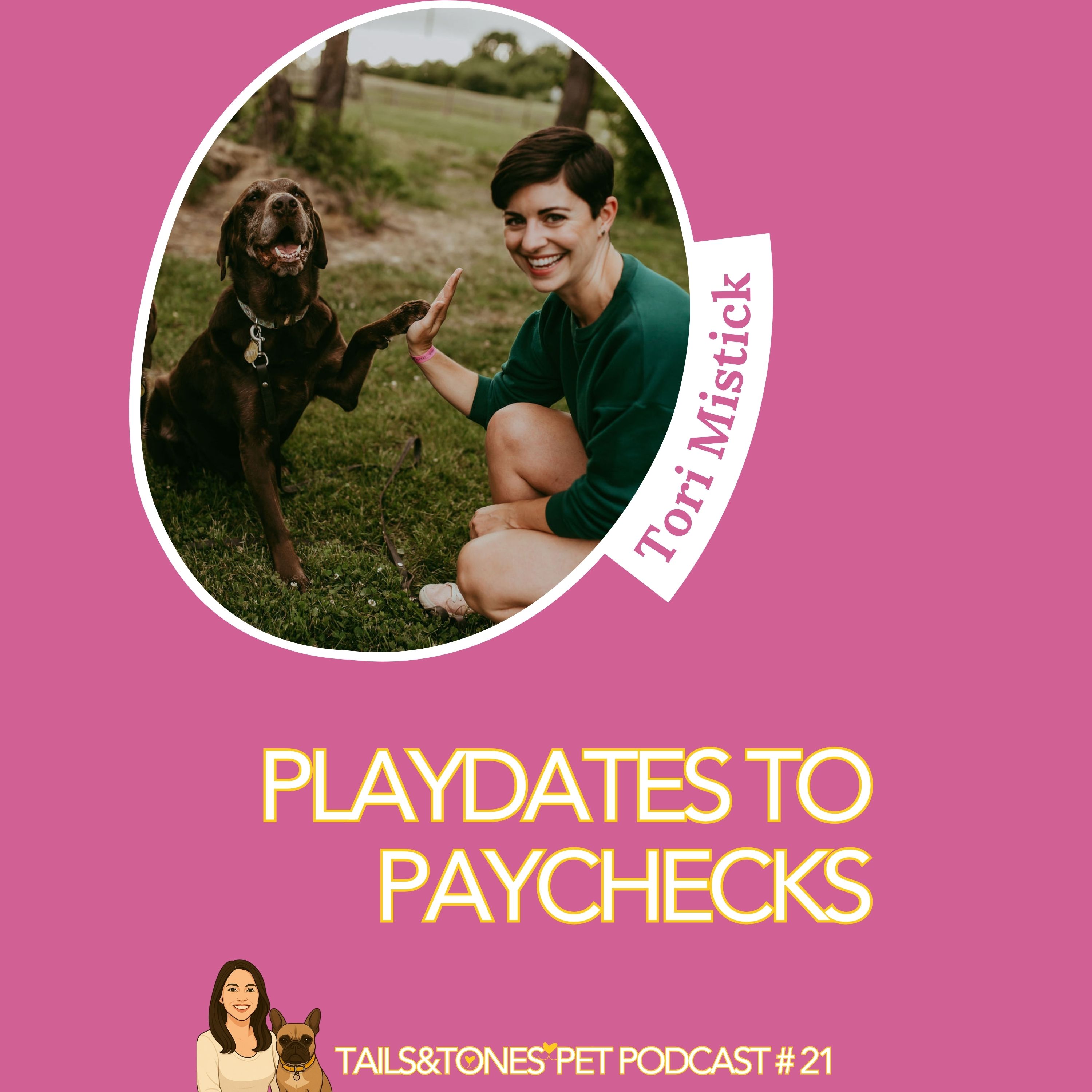 21: From Playdates to Paychecks: The Future of Pet Content Creation with Tori Mistick | TL;DRTori Mistick, founder of Wear Wag Repeat and a dog mom, blogger, and podcast host with over a decade of experience creating content for pet lovers, joins Mariska to unpack what it really takes to turn a love of dogs into a real online pet brand or business. Tori is also a Certified Canine Enrichment Technician and recently launched her limited-series podcast, Dog Enrichment with Tori Mistick. The central message: believing in your passion comes first, follower count doesn't equal revenue, authenticity builds trust, and owning your audience through an email list and website matters more than any single platform.In this episode of Tails and Tones, Mariska Nell and Tori Mistick discuss the journey of turning a passion for dogs into a thriving business. Tori shares her experiences in building her brand, Wear Wag Repeat, and offers insights on monetizing pet accounts, the importance of authenticity, and the evolving landscape of pet influencing. They emphasize the significance of community, effective branding, and the resurgence of long-form content in engaging audiences. Tori also highlights the necessity of starting an email list and building genuine relationships within the pet industry.Guest Bio:Tori Mistick is a dog mom, blogger, podcast host, and the founder of Wear Wag Repeat. With over a decade of experience creating content for pet lovers, Tori helps pet parents enrich their dogs’ lives and supports “petpreneurs” in growing their businesses online. She’s also a Certified Canine Enrichment Technician and recently launched her limited-series podcast Dog Enrichment with Tori Mistick, which dives deep into the science and joy of helping dogs live their best lives.During This Episode:Tori's origin story: how she went from dog mom to building Wear Wag RepeatThe moment her hobby crossed into being an actual businessLanding her first paid campaign, and what that taught herThe early challenges of balancing passion and profitWhere to actually start monetizing a pet account, no matter your sizeA reality check on what pet influencers really earnWhy diversifying income streams matters for longevityThe mindset shift from "hobby account" to "brand"Safety and responsibility considerations when building a pet-focused platformWhy it pays to be authentically where you are, rather than performing expertiseFunding and founder transparency in the pet industryWhat branding really means for pet businesses, beyond visualsContent quality and why Tori encourages creators to "post the bad stuff" tooBuilding a consistency system that actually sticksPlatforms, AI, and why owning your audience matters more than everWhat makes a pet community last long termThe comeback of long-form content, and why it suits authentic storytellingThe one thing Tori recommends every pet creator do todayWhere to find Tori, and a look at her Dog Enrichment podcastTakeaways:Believing in your passion is the first step to success. Genuine love for the work is what keeps you going through the slow, inconsistent early days of monetizing.Collaboration is key to building relationships in the pet industry. Reaching out and working with other pet brands and creators pays off long term, no matter your size.Monetization can be slow, so passion is essential for longevity. The income doesn't arrive quickly, and it's the love of the work that carries creators through.Follower count does not equate to revenue in pet influencing. Micro-influencers with smaller, more engaged audiences can out-earn accounts with far larger followings.Authenticity in content creation builds trust with your audience. Sharing your real journey, including the hard parts, resonates more than curated perfection.Long-form content is making a comeback in the digital space. Podcasts, newsletters, and videos allow for the kind of storytelling that short-form content and AI can't replicate.Building an email list is crucial for long-term engagement. It's the one channel you fully own, no matter what happens to any social platform.Branding should evoke feelings and connect with your audience, not just look good. It's about how people feel when they engage with your content.Networking and genuine outreach can foster community growth. Personal check-ins and real relationships build community faster than sales pitches.Diversifying income streams is important for pet influencers, since relying on a single revenue source (like sponsored posts alone) is risky.Relevant links mentioned in the episode:Tori's Website Wear Wag Repeat, Wear Wag Repeat Podcast Dog Enrichment with Tori Mistick PodcastMental Enrichment Activity Pack ($19)Instagram: @wearwagrepeat @tmistickTimestamps to relevant points within the episode:[00:00]-Intro[02:30] – Tori’s Origin Story[03:44] – Hobby vs. Business Moment[05:11] – First Paid Campaign[07:16] – Passion vs. Profit (Early Challenges)[09:05] – Where to Start Monetizing[10:46] – Reality Check on Earnings[14:57] – Diversify[16:04] – Mindset Shift to “Brand”[18:25] – Safety & Responsibility[20:01] – Be Authentically Where You Are[22:05] – Funding & Founder Transparency[23:36] – What Branding Really Means in Pets[26:08] – Content Quality & “Post the Bad Stuff”[28:10] – Consistency System[29:54] – Platforms, AI & Owning Your Audience[32:01] – Community That Lasts[36:19] – Long-Form Comeback[39:31] – One Thing to Do Today[39:38] – Where to Find Tori[40:52] – Tori’s Enrichment PodcastFAQHow do I turn my dog's Instagram account into a business?Start by believing in the work itself, since monetization is often slow at first, then look for collaboration opportunities with other pet accounts or brands and begin building an email list you fully own.Do pet influencers with more followers make more money?Not necessarily. Follower count does not equate to revenue, and smaller, more engaged accounts can often out-earn much larger ones.What's the biggest mistake new pet content creators make?Relying entirely on social platforms for their audience is one of the biggest risks, since accounts can be locked, hacked, or deprioritized by an algorithm overnight, which is why an email list matters so much.How important is authenticity in pet content creation?Very. Authenticity is what builds trust with an audience, and creators who share their real journey, including setbacks, tend to build deeper, longer-lasting connections than those who only post polished wins.What does branding mean for a pet business?Branding is less about visuals alone and more about the feeling it creates. It's how your colors, tone, and story make your audience feel when they engage with your content.Is long-form content coming back for pet creators?Yes. Podcasts, newsletters, and other long-form formats are resurging because they let creators tell deeper stories in a way short-form content and AI-generated content can't easily replicate.What's the best first step for someone just starting a pet content account?Start an email list right away and focus on genuine collaboration and community-building rather than chasing follower counts.How can I keep my pet community engaged long term?Long-term engagement comes from real relationships: consistent content, genuine outreach, and showing up for other people in the pet industry, not just posting for your own account's growth.About the Author: Mariska NellMariska is the founder of Tails and Tones, a design-led, sustainable dog product brand. She's also the host of the Tails and Tones podcast, where she explores dog health, product design, and intentional pet parenting with experts, veterinarians, and fellow dog parents.Background: Mariska holds a Master's degree in Sustainable Design, a Bachelor's in Interior Design, and a Postgraduate qualification in Environmental Science. She's spent over 10 years working as a sustainability designer and strategist across the UAE, Australia, South Africa, the UK, and India. Her previous work includes collaborations with brands like Nespresso, Costa Coffee, and Dubai Airport, and she founded Design By Mariska, known for trash-to-treasure art exhibited at Dubai International Airport. She's also the host and founder of Mama Earth Talk, a sustainability podcast with 200+ episodes on zero waste and climate action, featuring guests including Dr. Sylvia Earle and the late Dr. Jane Goodall. She created the free Living Lighter course for practical sustainable living.Piper:... | — | ||||||
| 11/7/25 |  20: Frenchies 101: Why Everyone Wants One, and Why You Might Not | TL;DRIn this solo episode, Mariska breaks down the honest pros and cons of French Bulldog ownership using her own experience raising Piper. Frenchies have exploded in popularity thanks to celebrity culture and social media, but that same demand has fueled unethical breeding and a long list of serious health issues, including BOAS (brachycephalic obstructive airway syndrome), IVDD (intervertebral disc disease), overheating risk, and an inability to give birth naturally in most cases. Mariska's bottom line: French Bulldogs are goofy, affectionate, apartment-friendly companions, but only for people who can commit financially (often $15,000 a year or more) and emotionally to a breed with serious, well-documented medical needs.During This Episode:Why French Bulldogs have exploded in popularity, including celebrities like Lady Gaga, The Rock, and Tom Hardy, plus AKC chart-topping statusThe true history of the breed, from English lace workers' toy bulldogs to their refinement in FranceWhy they became trendy: an apartment-friendly size, bat ears, and a baby-face expressionMariska's rule of thumb: don't get a Frenchie unless you can comfortably budget around $15,000 a yearFun (and slightly terrifying) fact: most Frenchies can't swim, including Piper's own ocean scare and why water safety mattersThe "wherever your gas be free" motto and other everyday Frenchie truthsThe AKC's 9 official Frenchie colors versus 30+ real-world combinations, including lilac, blue, and merleWhy Frenchies are nicknamed "pocket rockets": Piper weighs around 12 kg (26 lb), denser than she looks, which is part of why they sink in waterAverage lifespan for a healthy, well-bred Frenchie: 10 to 12 years, with real varianceThe pros: clown-dog personalities, deep affection and loyalty, and a tendency to shadow their humans everywhereGrooming and care routine: shedding, ear and fold cleaning, and paw and nose balmBrachycephalic anatomy basics: how a short skull leads to real breathing challengesPiper's own BOAS surgery story: what the surgery involves, her results, the costs, and the ethics of prioritizing comfortOverheating: what to actually do (cool the feet and belly, use A/C) and what to avoid (never cover them in a cold towel)The price tag of breeding and C-sections, and why overbreeding happensThe British Veterinary Association's "Breed to Breathe" campaign and the roughly 3,000% rise in UK French Bulldog numbersWalking and harness fit: why a harness over a collar matters, plus how to monitor tongue color and respiratory rateIVDD (intervertebral disc disease): the risks, warning signs, and prevention steps like avoiding jumps and using stairs or a rampAllergies: common triggers like grass, pollen, and food, and how Mariska manages them with wipes and antihistaminesInsurance, savings, and how the approach differs by region (Australia versus the UAE)Mariska's final thoughts: choose this breed with your eyes open, because commitment is everythingWhere Tails Meet Hearts: Freddie & Bruno's toy lineup traditionPaw-lebrity of the Week: Griffin & Haru, including their Pixar Animation Studios adventure and a collaboration with Tiffani ThiessenTakeaways:French Bulldog popularity has a dark side. Celebrity culture and social media have driven demand, and that demand has fueled unethical breeding practices.Owning a Frenchie is a major financial commitment. Mariska recommends budgeting around $15,000 a year on average, given how often health issues arise.Most Frenchies cannot swim. Their dense, compact build means they can sink quickly, so always supervise them closely around water, as Mariska learned with Piper's own ocean scare.BOAS surgery can be life-changing. Widening the nostrils and removing excess tissue significantly improves breathing, reduces snoring, and boosts comfort, as Piper's own results show.Overheating is a real emergency risk. Frenchies can go from fine to dangerously overheated within minutes, and the fix is cooling their feet and belly, not covering them in a cold towel.IVDD is a serious, breed-common risk. Avoiding jumps on and off furniture and using ramps or stairs can help reduce the risk of spinal injury.Allergies are extremely common in Frenchies, ranging from food to grass and pollen, and often require trial and error to manage.Ethical breeding matters enormously. A nearly 3,000% rise in UK French Bulldog numbers over the last decade has driven a rise in puppy mills and illegal imports.Despite the challenges, Frenchies are deeply loving companions: goofy, affectionate, and content with short walks and lots of couch time.Relevant links mentioned in the episode:Breed-to-Breathe Campaign — British Veterinary AssociationWhere Tails meet hearts: Freddie & Bruno (Freddie line up toys, Bruno Freddie's #1 fan)Paw-lebrity of the Week Griffin & Haru (Pixar Animation Studios adventures, Tiffani Thiessen Colab, )Cooling Tips with Dr Sarah — Episode 15Timestamps to relevant points within the episode:[00:00] - Intro[02:15] - Popularity + rescues trend:[03:10] – The $15k rule (cost reality)[04:05] – Origins: Toy bulldogs → France: Lace workers, toy bulldogs, refined in France.[05:15] – Why they became trendy: Apartment-friendly size, bat ears, baby-face expression.[06:05] – Celebs & AKC popularity: Lady Gaga, The Rock, Tom Hardy; AKC chart topper.[06:44] – Fun fact: Most Frenchies can’t swim: Piper’s ocean scare + water safety.[07:35] – Gas & other “truths”: The “wherever your gas be free” motto.[08:05] – AKC colors vs. rare colors: 9 official colors vs. ~30+ combos (lilac, blue, merle).[08:58] – “Pocket rockets” weight & density: Piper at ~12 kg / 26 lb; why they sink.[09:40] – Lifespan (healthy, well-bred): 10–12 years with big variance.[10:10] – PROS: Personality & daily life: Clown dogs; affection, loyalty, shadow tendencies.[11:30] – PROS: Grooming & care routine: Shedding, ear/fold cleaning, paw/nose balm.[12:35] – CONS: Brachycephalic basics: Short skull anatomy → breathing challenges.[13:40] – BOAS surgery (Piper’s story): What it is, results, costs, ethics of comfort.[15:05] – Overheating: what to do/avoid: Cool feet/belly, A/C; don’t cover with cold towel.[16:10] – Price tag, breeding, C-sections: Why overbreeding happens; risks and costs.[17:05] – BVA “Breed to Breathe” + overbreeding: Awareness, ~3,000% rise in the UK.[18:05] – Walking/harness fit & monitoring: Harness over collar; tongue/resp rate checks.[18:50] – IVDD: risks, signs, prevention: No jumping; stairs/ramp; signs, treatment paths.[20:15] – Allergies: triggers & management: Grass/pollen/food; wipes, antihistamines.[21:20] – Insurance/savings & regional notes: Australia vs. UAE approach.[22:05] – Final thoughts: love + responsibility: Choose with eyes open; commitment matters.[23:10] – Where Tails meet hearts: Freddie & Bruno (Freddie line up toys, Bruno Freddie's #1 fan)[24:10] – Paw-lebrity of the Week Griffin & Haru (Pixar Animation Studios adventures, Tiffani Thiessen Colab, )FAQShould I get a French Bulldog?French Bulldogs make wonderful, affectionate companions for people who can commit to significant ongoing veterinary costs (often $15,000+ per year) and are prepared to manage serious breed-specific health risks like BOAS and IVDD.Why are French Bulldogs so unhealthy?French Bulldogs are brachycephalic, meaning their skulls are compressed, which squeezes their airway, soft palate, and nostrils, causing breathing difficulties, and their body shape also predisposes them to spinal issues like IVDD and difficulty giving birth naturally.What is BOAS surgery and does every Frenchie need it?BOAS (brachycephalic obstructive airway syndrome) surgery widens the nostrils, shortens the soft palate, and sometimes removes excess tissue or tonsils to improve breathing; not every Frenchie needs it, but many benefit significantly... | — | ||||||
| 10/31/25 |  19: From Bored to Brilliant: How Daily Enrichment Builds Your Dog’s Confidence | TL;DRIn this episode of Tails and Tones, host Mariska Nell and Tori Mistick of Wear Wag Repeat explore how daily enrichment transforms your dog's emotional health and confidence. Tori, a Certified Canine Enrichment Technician and founder of Wear Wag Repeat, reframes what enrichment actually means: not keeping a dog busy, but understanding their emotions and building genuine connection. Learn simple, practical ways to enrich your dog's day, strengthen your bond, and bring more joy to both of your lives.Guest Bio:Tori Mistick is a dog mom, blogger, podcast host, and the founder of Wear Wag Repeat. With over a decade of experience creating content for pet lovers, Tori helps pet parents enrich their dogs’ lives and supports “petpreneurs” in growing their businesses online. She’s also a Certified Canine Enrichment Technician and recently launched her limited-series podcast Dog Enrichment with Tori Mistick, which dives deep into the science and joy of helping dogs live their best lives.During This Episode:Meet Tori Mistick and her canine journey into content creation and enrichmentRedefining enrichment beyond puzzles and toysBuilding your dog's confidence through small choices, not big gesturesTrick training as a confidence booster at any ageHow enrichment needs differ for puppies, adults, and seniorsBurt's story: from anxiety to confidence through enrichmentEnrichment as a form of therapy for anxious dogsUsing music and calm environments to support recoveryMeeting your dog's emotional needs while avoiding overstimulationPractical enrichment ideas for busy pet parentsThree low-cost DIY enrichment ideas anyone can tryThe one toy Tori thinks is actually worth splurging onTori's biggest piece of enrichment advice for pet parentsOne small action that can help your dog feel truly seenThe Mental Enrichment Activity Pack and what's inside itWhere to find Tori and her workTakeaways:Enrichment is connection, not distraction. It's about understanding your dog's emotions, not just keeping them busy.Small choices build confidence. Let your dog pick between treats, directions on a walk, or how they'd like to spend time with you.Balance is key. Mix active enrichment, like sniff walks and games, with calm bonding, like gentle petting and sound baths.DIY can be powerful. Muffin tins, towel burritos, and busy boxes make enrichment easy and low-cost.Presence matters most. True enrichment starts when we slow down and meet our dogs where they are.Relevant links mentioned in the episode:Tori's Website Wear Wag Repeat, Wear Wag Repeat Podcast Dog Enrichment with Tori Mistick PodcastMental Enrichment Activity Pack ($19)Instagram: @wearwagrepeat @tmistickTimestamps to relevant points within the episode:[00:00]-Intro: What true enrichment means[01:44] - Meet Tori Mistick & her canine journey[05:03] - Redefining enrichment beyond puzzles[08:13] - Building your dog’s confidence through small choices[10:30] - Trick training as a confidence booster[13:59] - Enrichment for puppies, adults & seniors[17:15] - Burt’s story: From anxiety to confidence[21:14] - Enrichment as therapy for anxious dogs[23:44] - Using music and calm environments for recovery[25:06] - Meeting emotional needs & avoiding overstimulation[27:47] - Enrichment for busy pet parents[31:37] - 3 Low-cost DIY enrichment ideas[34:01] - The one toy worth splurging on[35:07] - Tori’s biggest enrichment advice for pet parents[36:29] - One small action to help your dog feel seen[37:23] - The Mental Enrichment Activity Pack[38:22] - Where to find Tori?[39:23] - Outro: Turning love into enrichmentFAQWhat is dog enrichment and why does it matter?Dog enrichment is about understanding and meeting your dog's emotional needs, not just keeping them occupied, and it works best when it strengthens connection rather than simply filling time.How can I give my dog enrichment if I only have a few minutes a day?Small, low-cost activities like a DIY busy box, a muffin tin game, or a towel burrito with hidden treats can turn just a few minutes into meaningful enrichment.Can enrichment help an anxious or fearful dog?Yes, as Burt's story in this episode shows, enrichment can help an anxious dog build confidence over time, especially when paired with calm environments and consistent, low-pressure routines.Is it possible to over-enrich a dog?Yes, meeting emotional needs is about balance. Too much stimulation without calm bonding time can overwhelm a dog rather than support them, so mixing active and calm enrichment matters.What are some low-cost enrichment ideas that don't require buying toys?Muffin tins, towel burritos, and homemade busy boxes are all inexpensive, easy ways to bring enrichment into your dog's day without needing to buy anything new.Is there a toy worth actually spending money on?Tori shares her one splurge-worthy toy recommendation in the episode, though the bigger message is that connection and presence matter more than any single product.What's the single best piece of enrichment advice for a busy pet parent?Tori's core advice is to slow down and be present, since true enrichment often comes from small, consistent moments of connection rather than elaborate activities.Where can I learn more about structured enrichment programs?Tori's Mental Enrichment Activity Pack, available for $19 through Wear Wag Repeat, offers a structured way to bring more enrichment into your dog's daily routine.About the Author: Mariska NellMariska is the founder of Tails and Tones, a design-led, sustainable dog product brand. She's also the host of the Tails and Tones podcast, where she explores dog health, product design, and intentional pet parenting with experts, veterinarians, and fellow dog parents.Background: Mariska holds a Master's degree in Sustainable Design, a Bachelor's in Interior Design, and a Postgraduate qualification in Environmental Science. She's spent over 10 years working as a sustainability designer and strategist across the UAE, Australia, South Africa, the UK, and India. Her previous work includes collaborations with brands like Nespresso, Costa Coffee, and Dubai Airport, and she founded Design By Mariska, known for trash-to-treasure art exhibited at Dubai International Airport. She's also the host and founder of Mama Earth Talk, a sustainability podcast with 200+ episodes on zero waste and climate action, featuring guests including Dr. Sylvia Earle and the late Dr. Jane Goodall. She created the free Living Lighter course for practical sustainable living.Piper: Mariska shares her life and work with Piper, her French Bulldog rescue dog. Piper joined the family in 2021 at 5 months old and has been the Chief Paw-duct Tester for everything Tails and Tones creates. Piper's journey, including cleft palate repair, luxating patella, arthritis risk, and recent mobility challenges, directly shaped the founding mission of Elevé (Tails and Tones' first product: a modular, height-adaptive feeding system).Mission: We are on a mission to help modern dog parents simplify everyday care and elevate life with their pets, without sacrificing style or sustainability. Tails and Tones exists to build products that show up for dog parents, beautiful, sustainable, and robust enough to support you on the worst days. Not just the easy ones.You can find Mariska at @tailsandtones on Instagram, or visit tailsandtones.com to learn more about Elevé and the Tails and Tones mission. | — | ||||||
| 10/24/25 |  18: How to Choose the Right Dog for Your Lifestyle (and Avoid Heartbreaking Mistakes) | TL;DRIn this episode of Tails and Tones, host Mariska Nell unpacks what you should really be looking for when choosing a dog, beyond just the cutest breed on Instagram. From energy levels and lifestyle fit to financial readiness and long-term commitment, Mariska shares practical tips (and personal lessons from life with her Frenchie, Piper) to help you find your perfect canine match. She also explores dog breed tendencies using insights from Kim Brophey's book Meet Your Dog, breaking down 10 canine categories to understand how instincts and personalities shape compatibility. Whether you're adopting, shopping, or still dreaming about your future pup, this episode will help you choose with both your head and heart.During This Episode:Welcome back, and a quick revisit of adopt versus shop from Episode 11Rescue versus reputable breeder: what good matching can actually look likeWhen the match is right: the joy, ease, and fewer issues that followWhen it's wrong: unmet needs, guilt, burnout, and rehoming riskPiper's story: making a non-obvious fit work, stroller runs includedThe money talk: planning realistically for the cost of careThinking long-term: lifespan and life changes to plan aroundBreed tendencies 101, and an overview of Kim Brophey's 10 canine categoriesCommunity segments: Where Tails Meet Hearts and Paw-lebrity of the weekFinal message: partnership over perfectionTakeaways:Match first, breed second. A great fit reduces frustration, behavior issues, and rehoming risk.Know your energy and time. High-drive dogs need work, purpose, and movement. Low-key households should choose accordingly.Budget honestly. Some breeds can be costly, so plan for vet care, training, nutrition, and insurance.Life changes matter. Think travel, kids, moves, and retirement, and pick a dog you can support through every season.Tendencies are not destiny. Even within a breed, personalities vary, so respect the individual dog in front of you.Use categories as a compass. Brophey's groupings, like sighthounds, guardians, toys, herders, bulldogs, terriers, gundogs, scent hounds, "natural," and "world dogs," help you predict instincts and needs.A "wrong" match on paper can still work with adaptation. Piper isn't marathon material, but stroller runs let her join Mariska's routine on her own terms.Choosing a dog is a long-term commitment. The goal is partnership, not perfection.Relevant links mentioned in the episode:Meet your Dog Book by Kim BropheyEpisode 11: Adopt or ShopWhere Tails Meet Heart StoriesWhat About Bunny3 Snouts and their aboutsDoug The PugCrusoe The DachshundDino and RubyJason Heigl FoundationFather JoãoKelbie and NixieMagie and GusMeemaw - 1510 FoundationElko The Travel DogLitter LogiePaw-LebritiesHaya_LondonEroc DogCricket the gremlinKoa The DoodleGnocchi The FrenchieLouLou the PugDolly PawtonTuna Melts HeartsSome Frenchie Named ApolloThe Kevin and Kayla ShowLeoBilly The KidPayt & The DoodsTimestamps to relevant points within the episode:[00:00]- Intro[01:11]- Welcome + adopt vs. shop (see Ep 11)[03:10]- Rescue vs reputable breeder: what matching can look like[04:40]- When the match is right: joy, ease, fewer issues[05:20]- When it’s wrong: unmet needs, guilt, burnout, rehoming risk[06:50]- Piper’s story: making a non-obvious fit work (stroller runs!)[09:46]- The money talk: planning realistically for care[10:50]- Thinking long-term: lifespan and life changes[14:08]- Breed tendencies 101 + Kim Brophey’s categories overview[27:45]- Community segments: Where Tails Meet Hearts & Paw-lebrity[32:52]- Final message: partnership over perfectionFAQHow do I choose the right dog breed for my lifestyle?Start by honestly assessing your energy level, available time, living space, and future life plans, then match those factors against a breed's typical tendencies, using resources like Kim Brophey's 10 breed categories from Meet Your Dog as a guide rather than a guarantee.What happens if I choose the wrong dog breed for my lifestyle?A lifestyle mismatch can lead to unmet needs, behavior issues, frustration for both dog and owner, and a higher risk of the dog eventually being rehomed.What are Kim Brophey's dog breed categories?Her book Meet Your Dog groups dogs into categories like sighthounds, guardians, toy dogs, herders, bulldogs and entertainers, terriers, gundogs, scent hounds, "natural" dogs, and "world dogs," each reflecting shared instincts and historical purpose.Can a high-energy dog still work for someone with limited time or a smaller home?Yes, with adaptation. Piper's stroller runs are a good example of finding a workaround that respects both the dog's limits and the owner's routine, though it's still important to be honest about whether you can meet a breed's core needs.Is a dog's breed a guarantee of its personality?No, breed categories describe general tendencies, but individual personality varies significantly even within the same breed, so tendencies are not destiny, and it's worth respecting the specific dog in front of you.Should I consider a dog's lifespan when choosing a breed?Yes, thinking long-term, in terms of the years and life changes ahead, helps you plan for how a dog's needs will fit with things like having kids, moving, traveling, or retiring during the years you'll share together.How much should I budget for a dog financially?Budget honestly for the specific breed you're considering, including ongoing costs like vet care, training, nutrition, and insurance, rather than just the upfront cost of adoption or purchase.Where can I find more community stories and inspiration featured on the podcast?This episode recaps some of the podcast's favorite Where Tails Meet Hearts stories and Paw-lebrities of the week, all linked above, so you can follow along with the dogs and stories the community has loved so far.About the Author: Mariska NellMariska is the founder of Tails and Tones, a design-led, sustainable dog product brand. She's also the host of the Tails and Tones podcast, where she explores dog health, product design, and intentional pet parenting with experts, veterinarians, and fellow dog parents.Background: Mariska holds a Master's degree in Sustainable Design, a Bachelor's in Interior Design, and a Postgraduate qualification in Environmental Science. | — | ||||||
| 10/17/25 |  17: Who’s Really Walking Your Dog? How to Find a Walker You Can Trust | TL;DRIn this episode of Tails and Tones, host Mariska Nell discusses the importance of choosing the right dog walker for your furry friend. She emphasizes understanding your dog's unique needs, the qualities to look for in a dog walker, and the importance of building a relationship with them. The episode also includes a product review of a dog bed and heartwarming stories about dogs making a difference in their communities.During This Episode:Why choosing the right dog walker is crucial for your dog's well-beingUnderstanding your dog's specific needs before selecting a walkerThe qualities to look for in a good dog walkerHow to vet potential dog walkersWhy trial walks matter, and the red flags to watch forBuilding an ongoing relationship with your dog walkerFetch or Forget: a review of the Snooza Cotton Canvas Futon dog bedWhere Tails Meet Hearts: Litter LogiePaw-lebrity of the Week: Winston and Cooper, "the Doods"Final thoughts on choosing your dog's care team wiselyTakeaways:Choosing the right dog walker is crucial for your dog's well-being. It affects their fitness, socialization, and daily happiness, not just their exercise.Understand your dog's needs before selecting a walker. Energy level, medical conditions, anxiety, and reactivity should all shape who you hire.Look for reliability, experience, and communication in a dog walker. These three qualities separate a good walker from a risky one.Trial walks can help determine if a walker is a good fit. Watching the interaction firsthand tells you far more than a resume or reviews alone.Trust your dog's instincts when meeting a new walker. Dogs are honest, and if they're relaxed and happy, that's a strong sign of a good match.Communication with your dog walker is essential for your dog's happiness. Updates, photos, and notes on behavior changes keep you in the loop.Be aware of red flags when vetting potential walkers. Hesitancy about references or insurance, inconsistent communication, and walking too many dogs at once are all warning signs.Your dog is part of your family, so choose wisely. Don't settle for convenience over genuine trust and compatibility.Building a relationship with your dog walker is important. Setting expectations, sharing routines, and keeping communication open strengthens the partnership over time.A good dog walker can provide peace of mind for pet parents, becoming a genuine teammate in your dog's care, not just a service provider.Relevant links mentioned in the episode:Fetch or Forget: Snooza Cotton Canvas FutonWhere Tails meet hearts - Litter LogiePaw-lebrity of the Week -Winston and Cooper aka the Doods, Dood WinstonTimestamps to relevant points within the episode:[00:00]-Intro[02:14]- Choosing the Right Dog Walker[04:57]- Qualities of a Good Dog Walker[07:54]- Vetting Potential Dog Walkers[10:29]- Trial Walks and Red Flags[13:50]- Building a Relationship with Your Dog Walker[16:40]- Fetch or Forget: Snooza Cotton Canvas Futon[19:31]- Where Tails meet hearts - Litter Logie[20:37]- Paw-lebrity of the Week -Winston and Cooper aka the Doods, Dood Winston[22:36]- Final ThoughtsFAQHow do I choose the right dog walker for my dog?Start by understanding your dog's specific needs, such as energy level, medical conditions, or reactivity to other dogs, then look for a walker who shows reliability, relevant experience, clear communication, and professionalism.What questions should I ask a potential dog walker?Ask how they handle emergencies, whether they walk one dog at a time or multiple dogs together, and whether they can provide references or proof of insurance.Should I do a trial walk before hiring a dog walker?Yes, a trial walk lets you observe how the walker interacts with your dog and how comfortable your dog seems with them, which is one of the most reliable ways to judge whether it's a good match before committing.What are red flags when choosing a dog walker?Red flags include hesitancy to provide references or proof of insurance, inconsistent or spotty communication, walking too many dogs at once, and body language that shows impatience toward your dog.How do I know if my dog likes their new dog walker?Trust your dog's instincts. A relaxed, happy dog around a new walker is a good sign, while signs of stress or discomfort suggest the match may not be right, even if it takes a little time to build trust.How can I build a good long-term relationship with my dog walker?Set clear expectations early, keep communication open, and encourage your walker to flag any changes they notice in your dog's behavior, energy, or mood.Why does it matter who walks my dog?Your dog is part of your family, and the person walking them plays a real role in their daily happiness and wellbeing, so it's worth choosing that person with the same care you'd bring to any other part of their care team.What's a good dog bed to pair with a solid daily walking routine?This episode's Fetch or Forget segment reviews the Snooza Cotton Canvas Futon, a dog bed worth considering as part of a comfortable at-home routine after a good walk.About the Author: Mariska NellMariska is the founder of Tails and Tones, a design-led, sustainable dog product brand. She's also the host of the Tails and Tones podcast, where she explores dog health, product design, and intentional pet parenting with experts, veterinarians, and fellow dog parents.Background: Mariska holds a Master's degree in Sustainable Design, a Bachelor's in Interior Design, and a Postgraduate qualification in Environmental Science. She's spent over 10 years working as a sustainability designer and strategist across the UAE, Australia, South Africa, the UK, and India. Her previous work includes collaborations with brands like Nespresso, Costa Coffee, and Dubai Airport, and she founded Design By Mariska, known for trash-to-treasure art exhibited at Dubai International Airport. She's also the host and founder of Mama Earth Talk, a sustainability podcast with 200+ episodes on zero waste and climate action, featuring guests including Dr. Sylvia Earle and the late Dr. Jane Goodall. She created the free Living Lighter course for practical sustainable living.Piper: Mariska shares her life and work with Piper, her French Bulldog rescue dog. Piper joined the family in 2021 at 5 months old and has been the Chief Paw-duct Tester for everything Tails and Tones creates. Piper's journey, including cleft palate repair, luxating patella, arthritis risk, and recent mobility challenges, directly shaped the founding mission of Elevé (Tails and Tones' first product: a modular, height-adaptive feeding system).Mission: We are on a mission to help modern dog parents simplify everyday care and elevate life with their pets, without sacrificing style or sustainability. Tails and Tones exists to build products that show up for dog parents, beautiful, sustainable, and robust enough to support you on the worst days. Not just the easy ones.You can find Mariska at @tailsandtones on Instagram, or visit tailsandtones.com to learn more about Elevé and the Tails and Tones mission. | — | ||||||
| 10/10/25 |  16: Why Losing a Pet Hurts So Deeply with Jennifer Muldowney aka the Glam Reaper | TL;DRIn this conversation, Mariska Nell interviews Jennifer Muldowney, known as the Glam Reaper, who specializes in funeral planning and pet loss grief. Jennifer shares her journey into the funeral space, the importance of advocating for pet loss, and the emotional complexities surrounding grief. They discuss the societal hierarchy of grief, the need for safe spaces for grieving individuals, and how to involve pets in memorials. Jennifer also addresses the difficult decisions surrounding euthanasia and offers insights on memorializing pets. The conversation concludes with thoughts on when to consider getting another pet and the importance of honoring the memory of lost companions.Guest Bio:Jennifer Muldowney, better known as The Glam Reaper. Is an Irish award-winning memorial planner, celebrant, and TEDx speaker who’s redefining how we talk about loss. After experiencing personal grief herself, Jennifer combined her background in event planning with a deep passion for supporting others, creating ceremonies that are as unique as the lives they honor. She’s the author of Say Farewell Your Way, the voice behind The Glam Reaper Podcast, and an advocate for mental health within the funeral profession. Alongside her work with Muldowney Memorials and Funeral Professionals Peer Support, Jennifer helps families and pet parents alike find comfort, healing, and even moments of lightness during life’s hardest goodbyes.During This Episode:Jennifer's journey into funeral planning, and how it led her to advocate for pet loss specificallyWhy pet loss deserves recognition as a significant grief experienceUnderstanding the societal hierarchy of grief, and how it can invalidate pet lossCreating safe spaces for grieving individuals, whether communities, panels, or one-on-one supportInvolving pets in the grieving process, including how other pets in the home sense and process lossIncorporating pets in farewells and memorial momentsNavigating the difficult decisions around euthanasia with care and compassionCreative memorials for pets, from ceremonies to keepsakesHonoring pets and moving through the grieving process without judgmentThe journey of love and loss, including when to consider getting another petTakeaways:Jennifer Muldowney is known as the Glam Reaper, specializing in funeral planning. Her work spans human memorials and pet loss support alike.She advocates for recognizing pet loss as a significant grief experience, not a lesser form of loss.Grief is often judged by a hierarchy, which can invalidate pet loss. Comparing losses only adds pain rather than helping anyone heal.Creating safe spaces for grieving individuals is essential. Communities, panels, and simply being surrounded by people who understand can ease the isolation of grief.Involving pets in memorials can help in the grieving process, both for the humans involved and for other pets in the household who sense the loss too.Euthanasia decisions are complex and should be approached with care. There's no universal formula, only reading your individual pet's comfort and quality of life.Memorializing pets can take many forms, including ceremonies and keepsakes. Shadow boxes, paw print keepsakes, cremation jewellery, and personal rituals are all valid ways to honor a pet.There is no right or wrong way to grieve or memorialize a pet, as long as it feels true to your relationship with them.The love for a pet does not replace but expands with new companions. Getting another dog later doesn't mean replacing the one you lost.It's important to check local laws regarding pet burials and memorials, since regulations vary significantly by location.Relevant links mentioned in the episode:Jennifer's website, Facebook, Instagram, LinkedInThe Glam Reaper podcastTedX Talk Jon Steward's videoTimestamps to relevant points within the episode:[00:00]- Intro[03:03]- The Journey into Funeral Planning[05:52]- Advocating for Pet Loss Grief[09:10]- Understanding Grief Hierarchies[11:48]- Creating Safe Spaces for Grief[14:43]- Involving Pets in the Grieving Process[19:55]- Incorporating Pets in Farewells[22:45]- Navigating Difficult Decisions[25:42]- Creative Memorials for Pets[29:27]- Honoring Pets and the Grieving Process[34:39]- The Journey of Love and LossFAQWhy does losing a dog feel like losing a family member?Losing a dog often triggers grief comparable to losing a human loved one, since it also means losing a daily routine, unconditional companionship, and a bond built on years of shared life, which is why pet loss deserves genuine recognition rather than dismissal.Is it normal to grieve a pet as much as a person?Yes, pet loss is a legitimate and often profound form of grief that is frequently unacknowledged or minimized by society's unspoken hierarchy of grief, despite being just as real.How do I know when it's time to euthanize my dog?There's no single formula for this deeply personal decision. It comes down to closely reading your individual dog's quality of life and comfort, ideally in conversation with a trusted veterinarian, and recognizing that feeling uncertain afterward doesn't mean you made the wrong choice.How can I help my other pets grieve after losing a companion animal?Other pets often sense and grieve a loss too, so involving them in the process, whether through scent, presence, or a moment near the departed pet's belongings, can help them process the change rather than being left confused by an unexplained absence.What are meaningful ways to memorialize a dog?Popular options include shadow boxes with a collar or leash, paw print keepsakes, cremation jewellery, memorial paintings, and personalized rituals, since there is no right or wrong way to memorialize a pet as long as it honors your relationship with them.Is it okay to get a new dog after losing one?Yes, getting a new dog doesn't mean replacing the one you lost. Your heart grows to hold new love alongside the grief and memories of your previous companion, rather than one substituting for the other.Can I bury my pet in my backyard?It depends entirely on your local laws, as pet burial regulations vary significantly by location, so it's important to check local rules before planning a backyard burial or any other memorial arrangement.How do I create a safe space for someone grieving a pet?Simply showing up, listening without judgment, and avoiding comparisons to other types of loss go a long way, since safe spaces, whether in person or online, help people feel less alone in pet grief.About the Author: Mariska NellMariska is the founder of Tails and Tones, a design-led, sustainable dog product brand. She's also the host of the Tails and Tones podcast, where she explores dog health, product design, and intentional pet parenting with experts, veterinarians, and fellow dog parents.Background: Mariska holds a Master's degree in Sustainable Design, a Bachelor's in Interior Design, and a Postgraduate qualification in Environmental Science. She's spent over 10 years working as a sustainability designer and strategist across the UAE, Australia, South Africa, the UK, and India. Her previous work includes collaborations with brands like Nespresso, Costa Coffee, and Dubai Airport, and she founded Design By Mariska, known for trash-to-treasure art exhibited at Dubai International Airport. She's also the host and founder of Mama Earth Talk, a sustainability podcast with 200+ episodes on zero waste and climate action, featuring guests including Dr. Sylvia Earle and the late Dr. Jane Goodall. She created the free Living Lighter course for practical sustainable living.Piper: Mariska shares her life and work with Piper, her French Bulldog rescue dog. Piper joined the family in 2021 at 5 months old and has been the Chief Paw-duct Tester for everything Tails and Tones creates. Piper's journey, including cleft palate repair, luxating patella, arthritis risk, and recent mobility challenges, directly shaped the founding mission of Elevé (Tails and Tones' first product: a modular, height-adaptive feeding system).Mission: We are on a mission to help modern dog parents simplify everyday care and elevate life with their pets, without sacrificing style or sustainability. Tails and Tones exists to build products that show up for dog parents, beautiful, sustainable, and robust enough to support you on the worst days. Not just the easy ones.You can find Mariska at @tailsandtones on Instagram, or visit... | — | ||||||
| 10/3/25 |  15: Pet First Aid 101: Building an Emergency Kit with Dr. Sarah Ramsey | TL;DRIn this episode, Dr. Sarah Ramsey shares her extensive experience in veterinary medicine, discussing the importance of specialized care for pets, emergency preparedness, and essential first aid skills for pet owners. She emphasizes the need for proper veterinary care, including routine check-ups and vaccinations, while also providing practical advice on creating emergency kits and knowing when to seek professional help. Dr. Ramsey's insights aim to empower pet owners to take proactive steps in ensuring their pets' health and safety.Guest Bio:Dr. Sarah Ramsey, originally from West Sussex in the UK, graduated from The Royal (Dick) School of Veterinary Studies in Edinburgh in 2006 and also holds a degree in Parasitology from Glasgow University. She has practiced acupuncture since 2007, is a member of the ABVA, and earned her Certificate in Small Animal Medicine from the University of Liverpool in 2016, later achieving Advanced Veterinary Practitioner status in 2022. With a special interest in feline medicine, oncology, pain management, and end-of-life care, Dr. Sarah has held senior roles including Clinical Director of a two-site practice in the UK and Head of Medicine at a London small animal hospital. She relocated to the UAE in 2021 with her husband, two children, and a growing rescue family of cats, alongside her Bedlington Whippet, Snowy, and a tortoise named Taco. Beyond veterinary medicine, she is a passionate runner, ultramarathon finisher, yoga practitioner, and stand-up paddleboarder, with recent adventures in aerial gymnastics and a goal of completing a triathlon within the next year.During This Episode:Understanding veterinary specializations and what they mean for choosing the right care for your petEmergency preparedness for pets, and why having a plan matters before you ever need itEssential items for pet emergency kits, both at home and on the goFirst aid skills every pet parent should know, including checking breathing and pulseEssential first aid techniques for pets, covering wounds, bleeding, and immediate response stepsHandling toxic ingestions and heat stroke safelyReal-life emergency scenarios and how preparedness makes a differenceUnderstanding snake bites and preventionCustomizing first aid kits for different pets and chronic conditionsWhen to seek veterinary help, even when a wound doesn't look seriousRoutine veterinary care and vaccination schedulesTakeaways:Dr. Sarah Ramsey has nearly 30 years of experience in veterinary medicine. Her background spans general practice, advanced small animal medicine, and clinic leadership in the UK and UAE.Understanding veterinary specializations helps in choosing the right care for pets. Knowing the difference between a general practitioner, advanced practitioner, and specialist matters when a pet needs more complex treatment.Emergency kits for pets should include saline, gauze, and vet wrap. These three alone can handle most cuts, wounds, and sting situations before you reach the vet.Basic first aid skills can save a pet's life in emergencies. Knowing how to check breathing, gum color, and pulse, and how to perform rescue breaths if needed, makes a real difference.Knowing when to seek veterinary care is crucial for pet health, even for wounds that don't look serious at first glance, since bite wounds especially can hide deep tissue damage.Routine veterinary check-ups are essential for early detection of health issues. A full exam covers every body system, not just vaccinations.Vaccination schedules may vary by region and should be discussed with a vet. UAE law requires annual vaccination, which differs from titer-based schedules common elsewhere.Pet owners should be aware of their pets' specific health needs and risks. Brachycephalic breeds, for example, overheat faster and show fewer obvious signs of heat stroke.Regular blood work can help monitor chronic conditions in pets and gives your vet a healthy baseline to compare against if something changes.Creating a customized emergency kit for pets is important for preparedness. Chronic conditions, known allergies, and breed-specific risks should shape what you carry.Emergency Kits:At-Home Emergency KitGloves (latex or nitrile) – to keep your hands clean and safe.Saline pods/pipettes – safe for cleaning wounds and eyes.Sterile gauze – apply pressure and stop bleeding.Vet wrap (self-adhering bandage) – to secure gauze/dressings (sticks to itself, not fur).Muzzle or strong tape for a makeshift muzzle – for safety if your pet is in pain.Tick hook – safe removal of ticks without leaving parts behind.Tweezers – for removing thorns, splinters, or foreign bodies.Cotton buds – useful for cleaning small areas, like removing grass seeds.Styptic powder - to stop bleeding from nails, ears, or tails.Elizabethan collar (cone) – to prevent licking/ingesting toxins or cleaning wounds.On-the-Go / Walk & Travel Kit (Mini Version)Saline pod – for quick wound or eye cleaning.Sterile gauze – for immediate coverage of cuts or stings.Vet wrap – to hold gauze in place.Muzzle tape – lightweight safety option.Antihistamines (chlorphenamine / “Piriton”) – especially if your dog has known allergies (4mg tablet for medium/large dogs, ½ tablet for small dogs/cats; expect drowsiness as a side effect).Water bottle – for flushing wounds, burns, or helping with heat stroke.(Optional for hikes/desert walks: extra antihistamines, spare bandage, tick hook.)Special Additions / Situational ItemsChronic condition meds – e.g., seizure medication for epileptic dogs.Burn care – clean water only (never dressings).Heatstroke care – water, shade, portable fan, cooling jacket/towel (used correctly).Allergy-prone pets – antihistamines carried at all times.Snake bite care – saline for flushing, never tourniquets.Relevant links mentioned in the episode:Dr Well Website, InstagramTimestamps to relevant points within the episode:[00:00]-Intro[02:04]- Understanding Veterinary Specializations[03:57]- Emergency Preparedness for Pets[10:03]- Essential Items for Pet Emergency Kits[15:59]- First Aid Skills Every Pet Parent Should Know[23:40]- Essential First Aid Techniques for Pets[25:31]- Handling Toxic Ingestions and Heat Stroke[29:47]- Real-Life Emergency Scenarios and Preparedness[31:31]- Understanding Snake Bites and Prevention[33:34]- Customizing First Aid Kits for Different Pets[36:39]- When to Seek Veterinary Help[40:01]- Routine Veterinary Care and Vaccination SchedulesFAQWhat should be in a pet's emergency first aid kit?A basic at-home kit should include gloves, saline pods for cleaning wounds and eyes, sterile gauze, self-adhering vet wrap, a muzzle or muzzle tape, a tick hook, tweezers, cotton buds, styptic powder for nail bleeds, and an Elizabethan collar to prevent licking.What should I carry in a smaller kit for walks and hikes?For walks, carry a saline pod, sterile gauze, vet wrap, muzzle tape, and a water bottle. For hikes or if your dog has known allergies, also carry antihistamines like chlorphenamine (Piriton) in case of insect stings.Can I use human antiseptics like iodine or Dettol on my dog's wound?No. Products like iodine and TCP can be toxic if a pet licks the wound afterward and may cause stinging, so saline is a safer choice for cleaning cuts and wounds at home.How do I stop my dog's nail from bleeding after a bad trim?Apply styptic powder directly to the nail and hold pressure, since nail, ear, and tail wounds tend to bleed heavily and steadily despite looking dramatic.What is the correct way to treat heat stroke in a dog?Move your dog to shade, wet them down with cool water, use a fan to increase airflow over the wet coat, and offer small amounts of water to drink. Never cover them in dry towels, which trap heat rather than releasing it, and always seek veterinary attention afterward.Why are French Bulldogs and other flat-faced breeds more at risk during heat stroke?Brachycephalic breeds like French Bulldogs have narrower airways that make it harder for them to cool themselves through panting, so they can overheat faster and show fewer obvious warning signs before a serious heat stroke occurs.What should I do if my dog gets bitten by a snake?Flush the bite area thoroughly with saline, never apply a tourniquet, and get your dog to a vet as quickly as possible, while trying to avoid walking dogs off-leash near vegetation at dusk when snakes are most... | — | ||||||
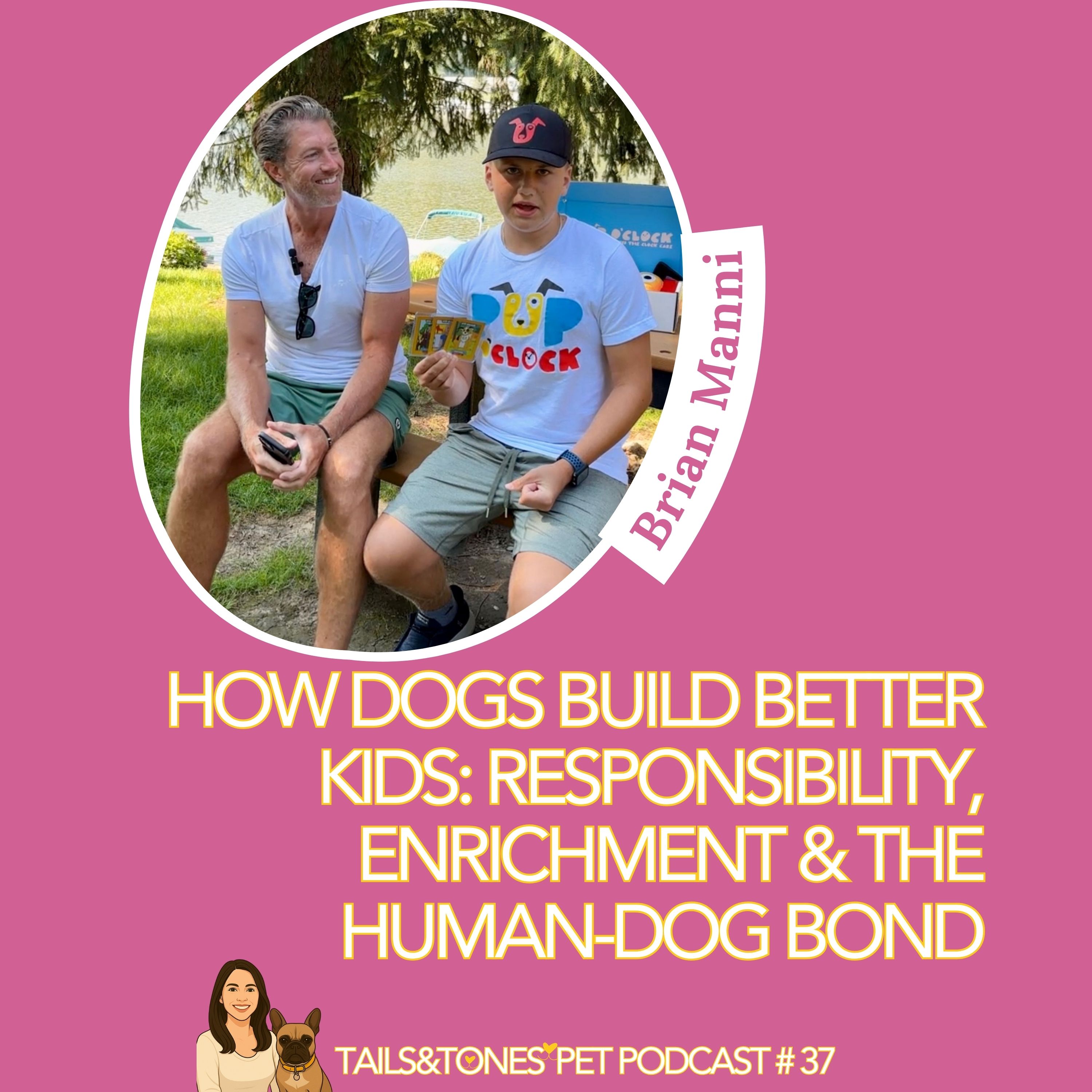





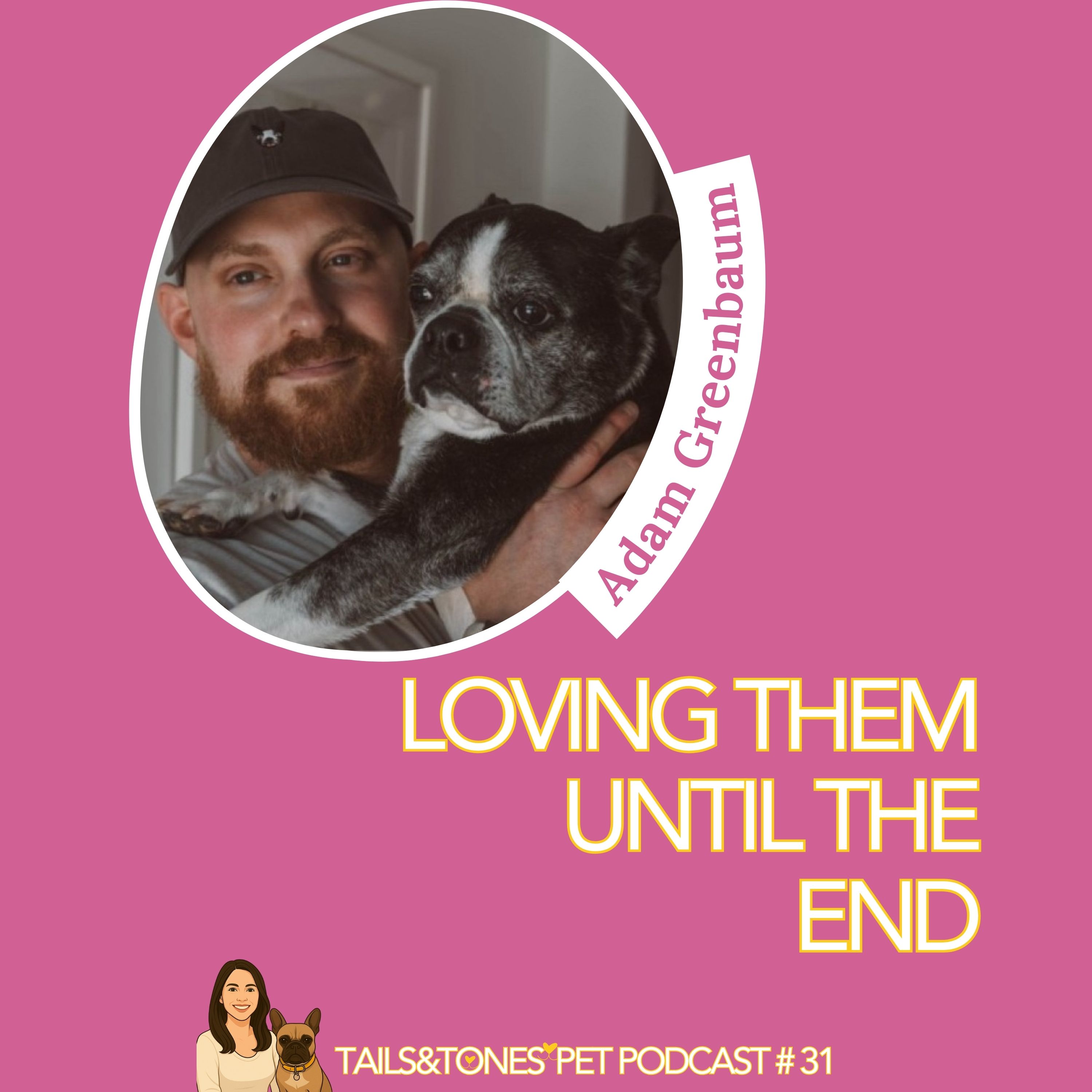

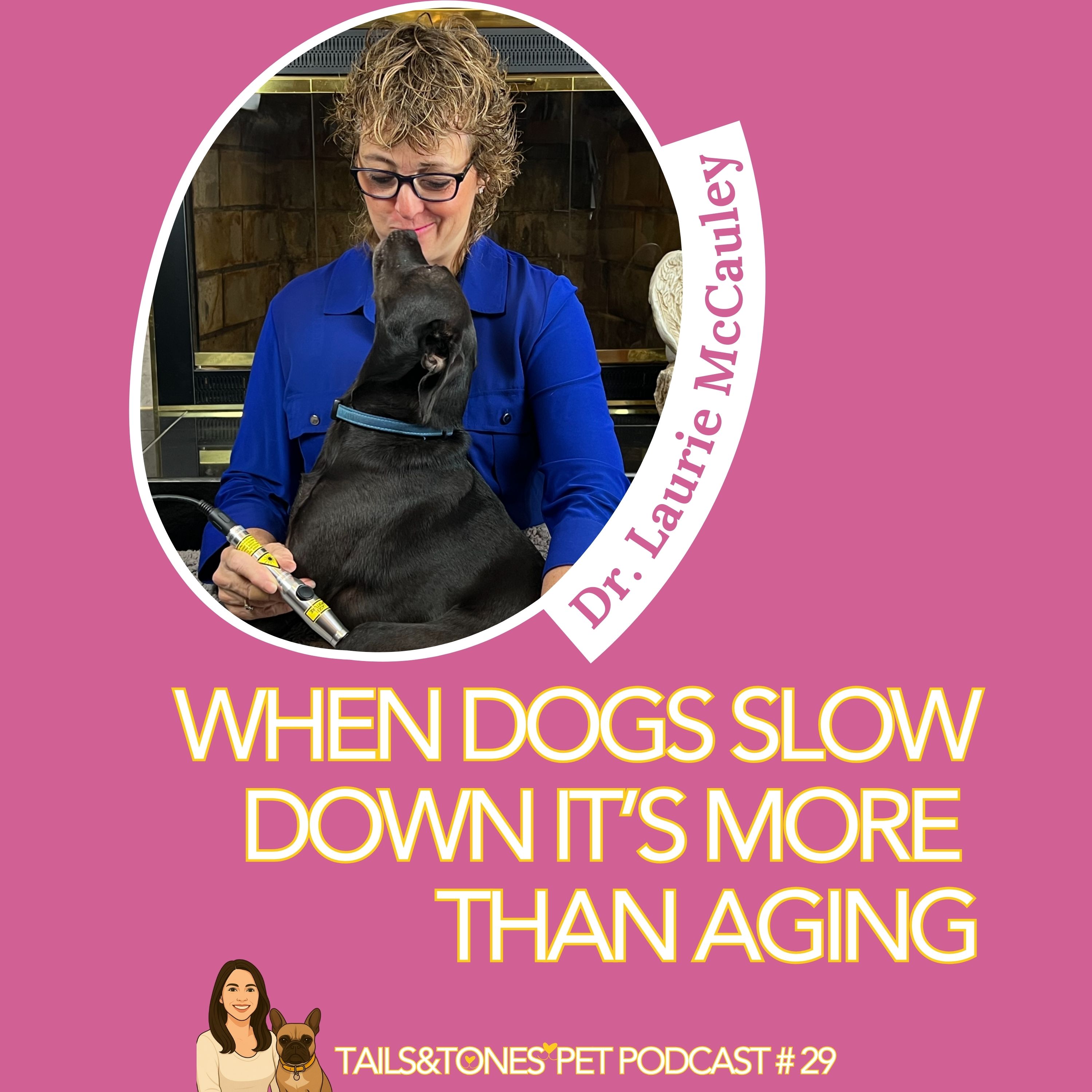

Showing 25 of 42
Pitch Fit is a Pro feature
See how bookable this show is for guests, which brands already advertise, the per-episode ad value, and the best-fit guest and sponsor profile. The numbers are blurred on the free plan.
How readily this show books outside guests like you.
How proven this show is for host-read sponsorships.
For Guests
ProFor Advertisers
ProUpgrade to Pro to unlock guest cadence, sponsor categories, fit scores, and per-episode ad value for this show.
Chart history for Tails and Tones
Peaked at #93 in India, currently #93 in India.
| Market | Genre | Peak | Current | Trend |
|---|---|---|---|---|
| India | — | #93 | #93 | — |
| Canada | — | #161 | #161 | — |
Chart Positions
2 placements across 2 markets.
Chart Positions
2 placements across 2 markets.