
Insights from recent episode analysis
Audience Interest
Podcast Focus
Publishing Consistency
Platform Reach
Insights are generated by CastFox AI using publicly available data, episode content, and proprietary models.
Most discussed topics
Brands & references
Est. Listeners
Insufficient chart data. Estimates will improve as the show charts.
- Per-Episode Audience
Est. listeners per new episode within ~30 days
N/A🎙 Weekly cadence·45 episodes·Last published 6mo ago - Monthly Reach
Unique listeners across all episodes (30 days)
N/A - Active Followers
Loyal subscribers who consistently listen
N/A
Market Insights
Platform Distribution
Reach across major podcast platforms, updated hourly
Total Followers
—
Total Plays
—
Total Reviews
—
* Data sourced directly from platform APIs and aggregated hourly across all major podcast directories.
On the show
From 10 epsHosts
Recent guests
Recent episodes
ADHD Stigma and bias. Part 1
Dec 11, 2025
34m 04s
“Echoes, Algorithms & ADHD: Why Resonance Isn’t the Same as Truth
Aug 7, 2025
44m 13s
Contented? How ADHD information is presented online?
Jul 24, 2025
38m 21s
Professor Steven Faraone speaks about ADHD
Jul 3, 2025
49m 19s
The NHS ADHD Taskforce Interim report - What was the point?
Jun 26, 2025
36m 51s
Social Links & Contact
Official channels & resources
Official Website
Login
RSS Feed
Login
| Date | Episode | Topics | Guests | Brands | Places | Keywords | Sponsor | Length | |
|---|---|---|---|---|---|---|---|---|---|
| 12/11/25 |  ADHD Stigma and bias. Part 1✨ | ADHDstigma+5 | Sara Jay | — | — | ADHDstigma+5 | — | 34m 04s | |
| 8/7/25 |  “Echoes, Algorithms & ADHD: Why Resonance Isn’t the Same as Truth✨ | ADHDsocial media discourse+4 | Andrew | ADHDAuDHD+1 | — | ADHDmedication+6 | — | 44m 13s | |
| 7/24/25 |  Contented? How ADHD information is presented online?✨ | ADHD discussionsonline information+5 | — | ADHD ChatterDivergence Clinic+3 | — | ADHDonline discussions+5 | — | 38m 21s | |
| 7/3/25 | 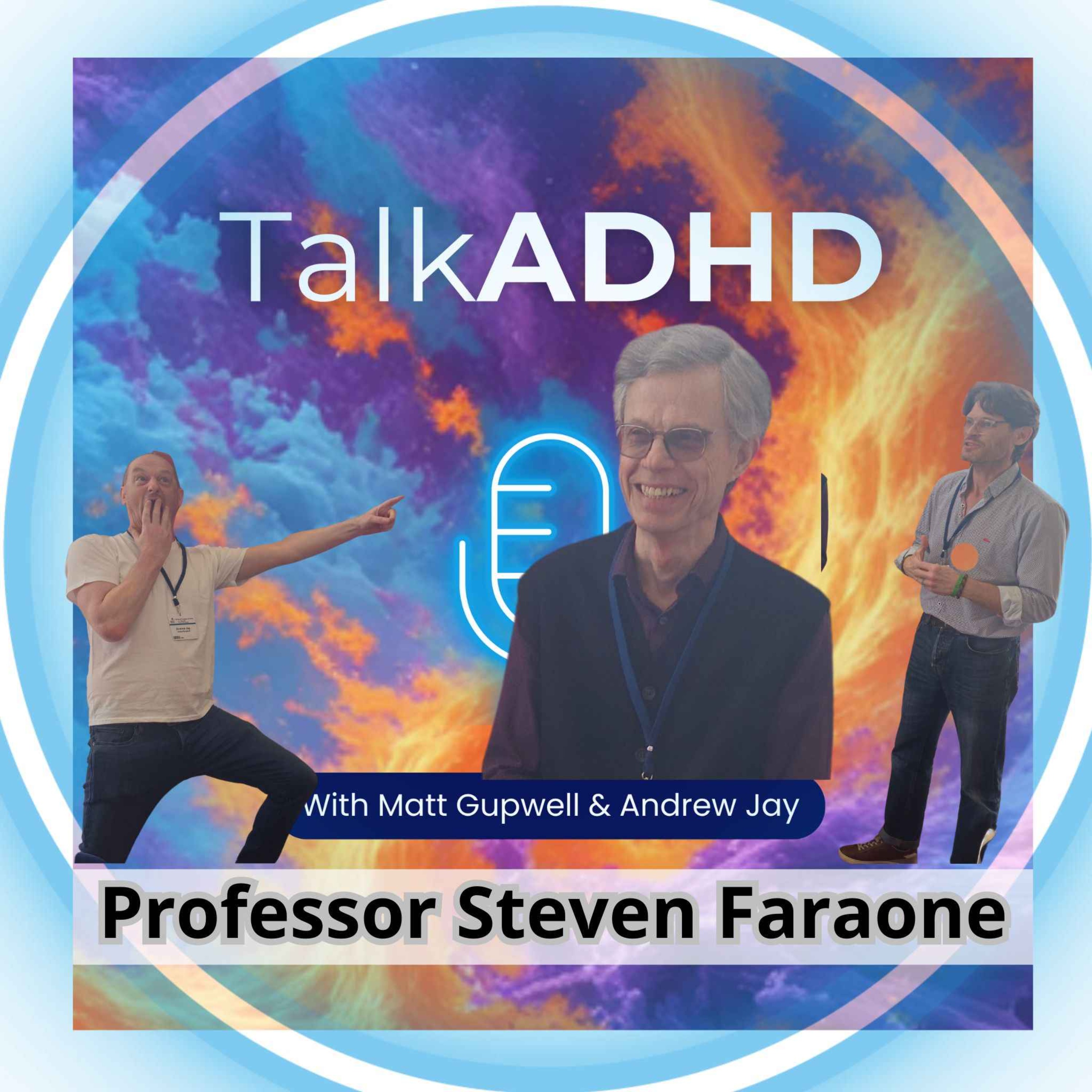 Professor Steven Faraone speaks about ADHD✨ | ADHDevidence-based treatment+4 | Professor Steve Faraone | — | — | ADHDevidence-based treatment+4 | — | 49m 19s | |
| 6/26/25 |  The NHS ADHD Taskforce Interim report - What was the point?✨ | ADHD Taskforce reportpublic health+4 | — | NHS ADHD Taskforce | — | ADHDNHS+6 | — | 36m 51s | |
| 1/20/25 |  TALKADHD - Converasations worth having✨ | ADHD challengesBlue Monday+5 | Andrew | Divergenceuk.orgthinkneurodiversity.com+1 | — | ADHDBlue Monday+6 | — | 57m 07s | |
| 1/6/25 |  ADHD Medication Explained by a Clinical prescriber✨ | ADHD medicationNICE Guidelines+4 | Andrew | MethylphenidateDexamphetamine+3 | — | ADHDmedication+5 | — | 24m 41s | |
| 12/12/24 |  ADHD, Burnout and Overwhelm✨ | ADHDburnout+4 | Andrew Jay | Divergenceuk.orgthinkneurodiversity.com+1 | — | burnoutADHD+5 | — | 56m 50s | |
| 12/7/24 |  The best diet for ADHD✨ | ADHDdietary interventions+4 | AndrewPaul+1 | Divergenceuk.org | — | ADHDdiet+7 | — | 1h 07m 21s | |
| 11/21/24 |  ADHD and Anger. Why, when, what we can do?✨ | ADHDanger management+3 | — | Divergenceuk.orgthinkneurodiversity.com+2 | — | ADHDanger+5 | — | 52m 55s | |
Want analysis for the episodes below?Free for Pro Submit a request, we'll have your selected episodes analyzed within an hour. Free, at no cost to you, for Pro users. | |||||||||
| 11/14/24 |  Is it Bipolar or ADHD? | SummaryIn this episode of Talk ADHD, Matt G and Andrew Jay delve into the complexities of ADHD diagnosis, exploring the challenges of distinguishing ADHD from coexisting conditions like bipolar disorder. They discuss the impact of the internet on self-diagnosis, the importance of thorough assessments, and the nuances of treatment, including medication and the role of trauma. The conversation highlights the ongoing debate about ADHD as a disorder and the implications of misdiagnosis, ultimately emphasizing the need for a comprehensive understanding of ADHD and its intersection with other mental health issues. In this conversation, Andrew Jay and Matt G explore the complexities of differentiating between ADHD and bipolar disorder, discussing the nuances of diagnosis, treatment options, and the historical context of misdiagnosis. They emphasize the importance of understanding the symptoms, the role of sleep in differentiating the two conditions, and the need for shared care in treatment. The discussion also highlights the potential for co-occurring disorders and the impact of life changes on mental health diagnoses. They advocate for non-pharmacological strategies and the importance of ongoing support and communication in managing these conditions.Chapters00:00 Introduction to ADHD and Misdiagnosis03:02 Understanding ADHD vs. Coexisting Conditions05:18 The Role of the Internet in Self-Diagnosis08:49 The Impact of Assessment Duration on Diagnosis15:18 The Complexity of ADHD and Trauma18:16 Divergence UK info19:08 Debating ADHD: Disorder or Not?23:43 Is ADHD a trauma response?29:37 Debates about medication35:04 Understanding Bipolar Disorder40:00 Differentiating ADHD and Bipolar Disorder41:58 Please like, follow and subscribe42:37 Understanding Misdiagnosis and Historical Context44:40 Treatment Approaches for Bipolar Disorder48:36 Navigating Co-occurring ADHD and Bipolar Disorder50:57 The Impact of Life Changes on Diagnoses54:51 The Importance of Shared Care in Treatment58:19 Exploring Non-Pharmacological Strategies01:01:34 The Complexity of Misdiagnosis and Ongoing SupportContact Divergenceuk.org for assessments and diagnosis:https://divergenceuk.orgContact Matt for Consultancy, workplace training or 1-2-1 Mentoring:https://thinkneurodiversity.comTALKADHD Whatsapp community:https://chat.whatsapp.com/JR8R8jTl5zY0jr8MzXjIE7YouTube Channel Link:https://www.youtube.com/@TALKADHD Hosted on Acast. See acast.com/privacy for more information. | — | ||||||
| 11/7/24 |  Are they really qualified to teach you about ADHD | In this episode of Talk ADHD, Matt G and Marianne Mills delve into the complexities of accreditation in training, exploring what it means to be a qualified trainer and the importance of personal experience in teaching. They discuss the nuances of educational standards, the role of authenticity in teaching, and the challenges faced by trainers in a competitive landscape. The conversation emphasizes the need for clear definitions and standards in training to ensure quality and effectiveness in education. In this conversation, the speakers discuss the importance of quality assurance and accountability in training, particularly in the context of neurodiversity and clinical information delivery. They emphasize the need for recognized qualifications and the role of experience in effective training. The discussion also touches on the significance of standardization in education and the responsibilities of trainers to ensure they provide accurate and safe information. Ultimately, the conversation advocates for a commitment to quality in training and the necessity of having qualified instructors to support learners effectively. 00:00: Intro and partnership with Divergence 02:18 Understanding Accreditation in Training07:46 The Role of Personal Experience in Teaching14:06 Authenticity in Education19:29 The Importance of Qualifications25:14 Navigating the Landscape of Training Standards33:45 Quality Assurance in Training36:04 The Importance of Training Standards37:51 The Role of Experience in Training40:46 Understanding Accreditation and CPD42:44 The Value of Recognized Qualifications44:30 The Importance of Qualified Instructors46:48 Limits of Competence in Education53:17 The Value of Commitment in Training56:04 Finding the Right Training SupportContact Divergenceuk.org for assessments and diagnosis:https://divergenceuk.orgContact Matt for Consultancy, workplace training or 1-2-1 Mentoring:https://thinkneurodiversity.comTALKADHD Whatsapp community:https://chat.whatsapp.com/JR8R8jTl5zY0jr8MzXjIE7YouTube Channel Link:https://www.youtube.com/@TALKADHD Marianne Mills Training company: http://www.2mtraining.co.uk/ Marianne on Linkedin: https://www.linkedin.com/in/marianne-mills-%E2%9C%A8-91a39196?lipi=urn%3Ali%3Apage%3Ad_flagship3_profile_view_base_contact_details%3BZDpsIDFAR4aozRUxayPDOQ%3D%3D Hosted on Acast. See acast.com/privacy for more information. | — | ||||||
| 10/31/24 |  Managing overwhelm during titration (starting ADHD medication) | In this episode of Talk ADHD, Matt and Andrew delve into the challenges faced by individuals with ADHD during the titration process of treatment. They discuss the importance of understanding ADHD symptoms, the role of sleep and rest, and strategies for managing executive dysfunction. The conversation emphasizes the significance of support systems, accountability, and motivation in treatment, as well as the necessity of integrating new routines into daily life. The hosts encourage listeners to ask questions and understand the reasoning behind their treatment plans to foster a more effective journey towards managing ADHD. In this conversation, Matt and Andrew discuss the challenges faced by individuals with ADHD, particularly during the titration phase of medication. They emphasize the importance of reframing tasks as choices rather than additional burdens, the need for simplicity in strategies, and the acceptance of mistakes as part of the learning process. The discussion highlights the significance of owning one's journey towards change and the necessity of creating manageable routines to facilitate success.Chapters 00:00 Intro 01:02 Understanding ADHD and Patient Challenges03:26 The Importance of Sleep and Rest08:17 Strategies for Managing Executive Dysfunction08:59 The Role of Support Systems10:54 Accountability and Motivation in Treatment13:28 The Process of Titration and Expectations16:03 Understanding the Why Behind Treatment18:52 Integrating New Routines into Daily Life26:51 Understanding ADHD and Task Management30:51 Reframing Tasks as Choices35:28 Keeping It Stupidly Simple: Strategies for Success40:20 Learning from Mistakes and Accepting Imperfection48:52 Owning the Process of Change Contact Divergenceuk.org for assessments and diagnosis:https://divergenceuk.orgDivergenceuk.org have a 70% Shared Care agreement acceptance rate. Contact Matt for Consultancy, workplace training or 1-2-1 Mentoring:https://thinkneurodiversity.comTALKADHD Whatsapp community:https://chat.whatsapp.com/JR8R8jTl5zY0jr8MzXjIE7YouTube Channel Link:https://www.youtube.com/@TALKADHD Hosted on Acast. See acast.com/privacy for more information. | — | ||||||
| 10/23/24 |  How your ADHD clinician keeps you safe. | SummaryThis conversation delves into the complexities of the patient-clinician relationship in ADHD care, highlighting the challenges faced by both parties. It emphasizes the importance of communication, patient responsibility, and the need for a collaborative approach to treatment. The discussion also touches on the impact of missed appointments, the significance of following prescribed medication, and the role of service design in facilitating effective care. In this conversation, Matt G and Andrew Jay delve into the complexities of ADHD medication titration, emphasizing the importance of communication between patients and clinicians. They discuss the human element in treatment, the journey patients undergo, and the need for personalized care. The episode highlights the shared responsibility of both patients and clinicians in navigating ADHD treatment effectively.Chapters00:00 Understanding the Patient-Clinician Relationship03:09 Challenges in ADHD Care05:57 Communication Breakdowns in Treatment08:56 The Importance of Following Prescriptions11:56 Navigating Medication Titration15:03 The Role of Patient Responsibility17:57 Service Design and Patient Engagement21:01 The Impact of Missed Appointments24:06 The Need for Clear Communication27:01 Expectations in ADHD Treatment29:50 Understanding Coexisting Conditions34:26 Understanding ADHD Medication Titration37:22 The Importance of Patient-Clinician Communication42:18 Humanity in ADHD Treatment46:17 Navigating the ADHD Journey53:06 The Role of Patients in Their Treatment58:11 Personalizing ADHD Care01:03:09 Conclusion and Next StepsContact Divergenceuk.org for assessments and diagnosis:https://divergenceuk.orgContact Matt for Consultancy, workplace training or 1-2-1 Mentoring:https://thinkneurodiversity.comTALKADHD Whatsapp community:https://chat.whatsapp.com/JR8R8jTl5zY0jr8MzXjIE7YouTube Channel Link:https://www.youtube.com/@TALKADHD Hosted on Acast. See acast.com/privacy for more information. | — | ||||||
| 10/17/24 |  ADHD Medication explained by an expert clinician - part 2 | Summary In this conversation, Matt G and Andrew Jay discuss the complexities of ADHD medication, emphasizing the importance of clinical expertise, realistic expectations, and open communication between patients and prescribers. They explore the challenges faced by individuals with ADHD in navigating treatment options, the significance of shared care agreements, and the impact of lifestyle choices on medication effectiveness. The discussion highlights the need for patients to articulate their experiences and collaborate with healthcare professionals to optimize their treatment outcomes. Chapters 00:00 Expectations vs. Reality in ADHD Treatment 03:57 Collaborative Approach to Medication Management 07:55 Navigating Shared Care Agreements 09:53 Setting Realistic Expectations for Medication Effects 14:10 The Role of Motivation in Medication Effectiveness 16:17 Understanding Side Effects and Their Implications 20:25 The Impact of Stimulants and Caffeine 29:52 Key Messages for ADHD Medication Management Contact Divergenceuk.org for assessments and diagnosis: https://divergenceuk.org Contact Matt for Consultancy, workplace training or 1-2-1 Mentoring: https://thinkneurodiversity.com TALKADHD Whatsapp community: https://chat.whatsapp.com/JR8R8jTl5zY0jr8MzXjIE7 YouTube Channel Link: https://www.youtube.com/@TALKADHD Hosted on Acast. See acast.com/privacy for more information. | — | ||||||
| 10/3/24 |  ADHD and Medication - explained by an expert. Part 1 | In this episode of TALK ADHD, Matt G and Andrew Jay revisit the ongoing ADHD medication crisis in the UK, discussing the current state of medication supply, the challenges faced by patients, and the importance of understanding medication efficacy and titration. They explore the differences between Methylphenidate and Dexamphetamine, the impact of gut health on medication effectiveness, and the need for clear communication between patients and prescribers. The conversation emphasizes the importance of managing expectations and understanding the variability in medication response, while also looking ahead to the future of ADHD medication availability. Chapters 00:00 Introduction to the ADHD Episode 03:23 Understanding the Current Medication Shortages 04:50 Switching Medications: Methylphenidate vs. Dexamphetamine 08:17 The Importance of Titration and Dosage 12:39 How meds work, and why some release at different speeds 15:58 Immediate vs. Extended Release 20:03 Why do some Meds feel very different? 24:32 Eating disorders, weight loss injections and digestion 27:24 The Importance of Patient-Clinician Communication 30:10 Understanding Medication Effectiveness Over Time 37:36 What top up doses do, how and "The dreaded Crash!" 42:43 The meds aren't working? Or are we looking for the wrong things? 45:51 Flexibility in Prescribing: Meeting Patient Needs 49:07 Understanding Medication Variability 51:28 The Importance of Communication in Prescribing 52:46 meds part 1 close.mp4 Contact Divergenceuk.org for assessments and diagnosis: https://divergenceuk.org Contact Matt for Consultancy, workplace training or 1-2-1 Mentoring: https://thinkneurodiversity.com TALKADHD Whatsapp community: https://chat.whatsapp.com/JR8R8jTl5zY0jr8MzXjIE7 YouTube Channel Link: https://www.youtube.com/@TALKADHD Hosted on Acast. See acast.com/privacy for more information. | — | ||||||
| 9/26/24 |  ADHD and Children. The most common questions answered, | SummaryIn this episode of Talk ADHD, hosts Matt G and Andrew Jay discuss the challenges and experiences of parenting neurodivergent children, particularly in the context of education and diagnosis. They explore the assessment process, the importance of communication between parents, schools, and clinicians, and the role of medication in managing ADHD. The conversation emphasizes the need for parents to advocate for their children, seek comprehensive information, and maintain open lines of communication with their children and professionals. The episode also addresses common concerns about medication, including its effects and the importance of titration in finding the right dosage.Chapters00:00 Introduction 03:17 Understanding the Assessment Process for children08:17 Evidence Across Different Settings10:07 Cultural Considerations in ADHD Diagnosis18:05 How to tell a child about assessment or diagnosis 24:05 What to tell schools / teachers?32:21 Addressing Medication Myths and Concerns49:39 Long-Term Effects of Stimulant MedicationContact Divergenceuk.org for assessments and diagnosis:https://divergenceuk.orgContact Matt for Consultancy, workplace training or 1-2-1 Mentoring:https://thinkneurodiversity.comTALKADHD Whatsapp community:https://chat.whatsapp.com/JR8R8jTl5zY0jr8MzXjIE7YouTube Channel Link:https://www.youtube.com/@TALKADHD Hosted on Acast. See acast.com/privacy for more information. | — | ||||||
| 9/19/24 |  Being a Psychotherapist with AuDHD | In this episode of Talk ADHD, hosts Matt and Andrew engage in a deep conversation with psychotherapist Liz Smith about neurodivergence, particularly ADHD and autism. They explore personal journeys of diagnosis, the impact of COVID-19 on awareness, the role of neurodivergent therapists, and the challenges posed by social media. The discussion also touches on the importance of authenticity in marketing and advocacy, the need for genuine conversations, and strategies for self-regulation. Liz shares insights from her experience in therapy and her work with Free2Be Me, a platform dedicated to supporting neurodivergent individuals and professionals.Chapters00:00 Introduction to Neurodivergence and Personal Journeys03:27 The Impact of COVID-19 on Neurodivergent Awareness06:26 The Role of Neurodivergent Therapists08:17 Navigating Social Media and Marketing Challenges10:44 The Shift in Conversations Around Neurodivergence13:15 Creating Safe Spaces for Dialogue15:59 Finding Authenticity in a Noisy World21:22 The Importance of Substance Over Style25:48 Self-Regulation and Emotional Responses42:14 Concluding Thoughts on Community and Support49:20 lis smith.mp4Free2bMe:https://free2bmeneurodiversity.com/Contact Divergenceuk.org for assessments and diagnosis:https://divergenceuk.orgContact Matt for Consultancy, workplace training or 1-2-1 Mentoring:https://thinkneurodiversity.comTALKADHD Whatsapp community:https://chat.whatsapp.com/JR8R8jTl5zY0jr8MzXjIE7YouTube Channel Link:https://www.youtube.com/@TALKADHD Hosted on Acast. See acast.com/privacy for more information. | — | ||||||
| 8/28/24 |  Psychology says no such thing. Part 2 | SummaryIn this episode, Matt and Andrew are joined by Dr. Inna Kanevsky to discuss the challenges and pitfalls of online content creation and consumption. They explore the phenomenon of confirmation bias and the hive mindset that can lead to resistance to accepting different information. They also discuss the importance of critical thinking and the need for more demystifying research and depathologizing content about ADHD and neurodivergent conditions. They highlight the value of behavioural strategies and the need for accessible information about medication and executive functioning. They also touch on content creators' ethical responsibility and disclaimers' limitations.Chapters00:00 The Challenges of Changing Beliefs01:23 The Hive Mindset in Social Media Communities07:41 Demystifying Research and Depathologizing ADHD11:25 Behavioral Strategies for Executive Functioning15:05 Limitations of Self-Diagnosis and the Need for Professional Assessments21:13 Ethical Considerations in Online Content Creation24:55 The Role of Educators in Disseminating Accurate InformationContact Divergenceuk.org for assessments and diagnosis:https://divergenceuk.orgContact Matt for Consultancy, workplace training or 1-2-1 Mentoring:https://thinkneurodiversity.comTALKADHD Whatsapp community:https://chat.whatsapp.com/JR8R8jTl5zY0jr8MzXjIE7YouTube Channel Link:https://www.youtube.com/@TALKADHDDr Inna links:https://linktr.ee/dr_innaInstagram:https://www.instagram.com/_dr_inna/ Hosted on Acast. See acast.com/privacy for more information. | — | ||||||
| 8/22/24 |  Psychology says no suc thing! In conversation with Dr Inna Kanevsky | SummaryDr. Inna Kanevsky, a professor of psychology, shares her journey of discovering her own ADHD diagnosis and the importance of accurate information in the ADHD community. She discusses the challenges of seeking a diagnosis and finding the right treatment, as well as the impact of the pandemic on her symptoms. Dr. Kanevsky also addresses the role of social media in spreading misinformation and the need for critical thinking and evidence-based content. Chapters 00:00 Introduction and Background02:21 Dr. Ina's ADHD Diagnosis Journey 06:25 The Importance of Diagnosis and Treatment 08:48 The Impact of the Pandemic on ADHD Symptoms 12:51 The Pills and Skills Conversation 18:16 Dr. Ina's Journey on Social Media 27:15 The Speed of Research vs. Social Media 32:44 The Challenges of Changing Beliefs Contact Divergenceuk.org for assessments and diagnosis: https://divergenceuk.org Contact Matt for Consultancy, workplace training or 1-2-1 Mentoring: https://thinkneurodiversity.com TALKADHD Whatsapp community: https://chat.whatsapp.com/JR8R8jTl5zY0jr8MzXjIE7 YouTube Channel Link:https://www.youtube.com/ @TALKADHDDr Inna links: https://linktr.ee/dr_inna Instagram: https://www.instagram.com/_dr_inna/ Hosted on Acast. See acast.com/privacy for more information. | — | ||||||
| 8/15/24 |  Is ADHD a Superpower for everyone | SummaryThe conversation explores the concept of superpowers in relation to neurodivergent conditions such as ADHD, autism, and dyslexia. The hosts discuss the importance of acknowledging both the positive aspects and the challenges of these conditions. They emphasize the need for balance, context, and understanding when discussing superpowers, as not everyone with these conditions feels empowered by them. The hosts also draw parallels between superheroes and real-life experiences, highlighting the journey of self-discovery, acceptance, and managing differences. They caution against oversimplifying the experience and encourage a more nuanced understanding of neurodivergent conditions.Chapters00:00 Introduction: Superpowers and Neurodivergent Conditions05:45 The Validity of Superpowers and Individual Experiences09:06 The Role of Superheroes in Popular Culture17:06 Avoiding Generalizations and Recognizing Individual Experiences28:19 The Complexities of Superpowers and Neurodivergent ConditionsContact Divergenceuk.org for assessments and diagnosis:https://divergenceuk.orgContact Matt for Consultancy, workplace training or 1-2-1 Mentoring:https://thinkneurodiversity.comTALKADHD Whatsapp community:https://chat.whatsapp.com/JR8R8jTl5zY0jr8MzXjIE7YouTube Channel Link:https://www.youtube.com/@TALKADHD Hosted on Acast. See acast.com/privacy for more information. | — | ||||||
| 8/8/24 |  Are 20% of people neurodivergent? | SummaryIn this episode, Matt and Andrew discuss the numbers and figures often quoted about neurodivergent conditions, such as ADHD and autism. They examine the recent headlines and investigations regarding waiting lists for ADHD assessments, medication shortages, and the need for SEND provision in schools. They question the accuracy and interpretation of these figures and highlight the confusion and fear they can cause. They also explore the calculation methods used to estimate the prevalence of neurodivergent conditions in the population and the importance of considering comorbidity. Overall, they emphasize the need for critical thinking and understanding when it comes to interpreting and discussing these numbers. The conversation in this part focuses on comorbidity and the use of ADHD medication. It highlights the coexistence of ADHD with other conditions such as Tourette's, language disorders, and autism spectrum disorder (ASD). The prevalence of ADHD is reduced when considering these coexisting conditions. The discussion also delves into the use of ADHD medication, particularly among adult women. The data presented shows an increase in the number of children and adults accessing ADHD medication. However, there are still many undiagnosed and untreated individuals with ADHD, emphasizing the need for increased awareness and support.Takeaways:The numbers and figures often quoted about neurodivergent conditions can be confusing and misleading.Headlines and investigations about waiting lists, medication shortages, and the need for SEND provision contribute to the confusion and fear surrounding these conditions.The prevalence of neurodivergent conditions in the population is estimated using approximation methods and sample data.It is important to consider comorbidity when discussing the prevalence of neurodivergent conditions.Critical thinking and understanding are necessary when interpreting and discussing these numbers. ADHD often coexists with other conditions such as Tourette's, language disorders, and autism spectrum disorder (ASD).The prevalence of ADHD is reduced when considering these coexisting conditions.There has been an increase in the number of children and adults accessing ADHD medication.However, there are still many undiagnosed and untreated individuals with ADHD, highlighting the need for increased awareness and support.Chapters00:00 Introduction: Examining the Numbers and Figures02:35 The Prevalence of Neurodivergent Conditions07:32 The Waiting Times for ADHD Assessments17:24 Questioning the Headline Figures24:56 Coexisting Conditions and Complexity26:04 Misleading Headlines and Catchy Numbers32:07 Understanding ADHD Medication Use in Different Age Groups37:56 The Challenges of Accessing Support for ADHD40:31 Advocacy Based on Facts and EvidenceContact Divergenceuk.org for assessments and diagnosis:https://divergenceuk.orgContact Matt for Consultancy, workplace training or 1-2-1 Mentoring:https://thinkneurodiversity.comTALKADHD Whatsapp community:https://chat.whatsapp.com/JR8R8jTl5zY0jr8MzXjIE7YouTube Channel Link:https://www.youtube.com/@TALKADHD Hosted on Acast. See acast.com/privacy for more information. | — | ||||||
| 8/1/24 |  Creating a neuroinclusive workplace | Tania Martin, a neuro-inclusion consultant, shares her experience working with EY and the Neurodiverse Centre of Excellence (NCOE) in the UK. The NCOE was created to provide support and opportunities for neurodivergent individuals in the workplace. Tanya discusses the journey of neuro inclusion at EY, starting with a small team and growing to include over 500 individuals. She emphasises the importance of creating a safe space for neurodivergent employees and the need for ongoing conversations and support. The conversation also touches on the topic of reasonable adjustments and the challenges of finding the right support for neurodivergent individuals. In this conversation, Matt, Tania, and Andrew discuss the challenges and solutions for neurodivergent individuals in the workplace. They explore the importance of reasonable adjustments, the need for self-awareness and self-reflection, and the role of line managers in supporting neurodivergent employees. They also touch on the issue of disclosure and the need for a culture of trust and understanding. The conversation highlights the need for organisations to seek external help, level set on language and understanding of neurodiversity, and build a neurodiversity community for support and feedback.00:00: Introduction and Background03:24:The Journey of Neuro Inclusion at EY08:03:The Catalyst for Neuro Inclusion11:43:The Power of Finding Your Tribe17:37: Reasonable Adjustments and Support25:53: Navigating the Challenges of Neurodiversity in the Workplace32:21: The Role of Line Managers in Supporting Neurodivergent Employees36:45: Disclosure: A Personal Choice in a Culture of Trust43:59: Building a Neurodiversity Community for Support and FeedbackPegsqaured website:https://pegsquared.co.uk/Contact Divergenceuk.org for assessments and diagnosis:https://divergenceuk.orgContact Matt for Consultancy, workplace training or 1-2-1 Mentoring:https://thinkneurodiversity.comTALKADHD Whatsapp community:https://chat.whatsapp.com/JR8R8jTl5zY0jr8MzXjIE7YouTube Channel Link:https://www.youtube.com/@TALKADHD Hosted on Acast. See acast.com/privacy for more information. | — | ||||||
| 7/25/24 |  ADHD and late diagnosis | SummaryThis conversation explores the topics of late diagnosis and misdiagnosis of neurodivergent conditions, as well as the importance of understanding what it means to have these conditions.The conversation highlights the personal and individual impact of late diagnosis and the need for clinicians to be aware of the subtleties of conditions like ADHD.It also emphasizes the importance of self-advocacy and communication in the workplace, as well as the need for employers to provide accommodations and support.The conversation concludes with a discussion on the evolving understanding of neurodiversity and the importance of shifting the conversation from clinical definitions to individual experiences.Chapters00:00 Introduction and Importance of the Conversation01:58 Missed Diagnosis and Personal Impact04:58 The Importance of Understanding Symptoms07:23 The Changing Landscape of Diagnosis10:59 The Emotional Journey of Seeking a Diagnosis18:10 The Grief Model and Acceptance20:39 Communicating Neurodivergent Needs22:12 The Importance of Personal Experiences24:51 Challenges of Perception and Empathy31:13 Creating Supportive Workplaces37:57 Inclusion and AcceptanceContact Divergenceuk.org for assessments and diagnosis:https://divergenceuk.orgContact Matt for Consultancy, workplace training or 1-2-1 Mentoring:https://thinkneurodiversity.comTALKADHD Whatsapp community:https://chat.whatsapp.com/JR8R8jTl5zY0jr8MzXjIE7Subscribe and comment on this episode:https://youtu.be/AeT6KKWr6Ss Hosted on Acast. See acast.com/privacy for more information. | — | ||||||
| 7/18/24 |  Seeking diagnosis of ADHD as an adult | In this conversation, Matt and Andrew discuss various themes related to ADHD, based on their previous conversation with Tom Woodhams. They explore the challenges of seeking a diagnosis as an adult, the importance of finding a clinician who understands ADHD, and the role of medication in managing symptoms. They also discuss the concept of finding balance and the expectations people may have when seeking an assessment or diagnosis. Additionally, they touch on the topic of alternative treatments and the need for a better understanding of the gaps that medication may not address. In this conversation, Andrew and Matt discuss the complexities of ADHD treatment and the importance of individualized approaches. They explore the potential benefits and risks of supplements like Lion's Mane, highlighting the need for more research. They also emphasize the importance of understanding how medications and supplements make individuals feel, especially for those who are emotionally sensitive. The conversation touches on the need for simplified job descriptions and the celebration of neurodivergent strengths in the workplace. They conclude by highlighting the value of vulnerability and connection in the ADHD community.Chapters00:00 Introduction and Background04:06 The Importance of Connection and Validation in the Assessment Process08:08 Navigating the Balance of Personal Experiences and Professional Boundaries12:33 Setting Expectations for the Assessment Process22:05 The Complexities of ADHD and the Limitations of Medication28:16 The Importance of Education and Caution in Treatment32:33 Finding a Supportive Community and Neuroaffirming WorkplacesContact Divergenceuk.org for assessments and diagnosis:https://divergenceuk.orgContact Matt for Consultancy, workplace training or 1-2-1 Mentoring:https://thinkneurodiversity.comTALKADHD Whatsapp community:https://chat.whatsapp.com/JR8R8jTl5zY0jr8MzXjIE7 Hosted on Acast. See acast.com/privacy for more information. | — | ||||||
Showing 25 of 45
Pitch Fit is a Pro feature
See how bookable this show is for guests, which brands already advertise, the per-episode ad value, and the best-fit guest and sponsor profile. The numbers are blurred on the free plan.
How readily this show books outside guests like you.
How proven this show is for host-read sponsorships.
For Guests
ProFor Advertisers
ProUpgrade to Pro to unlock guest cadence, sponsor categories, fit scores, and per-episode ad value for this show.