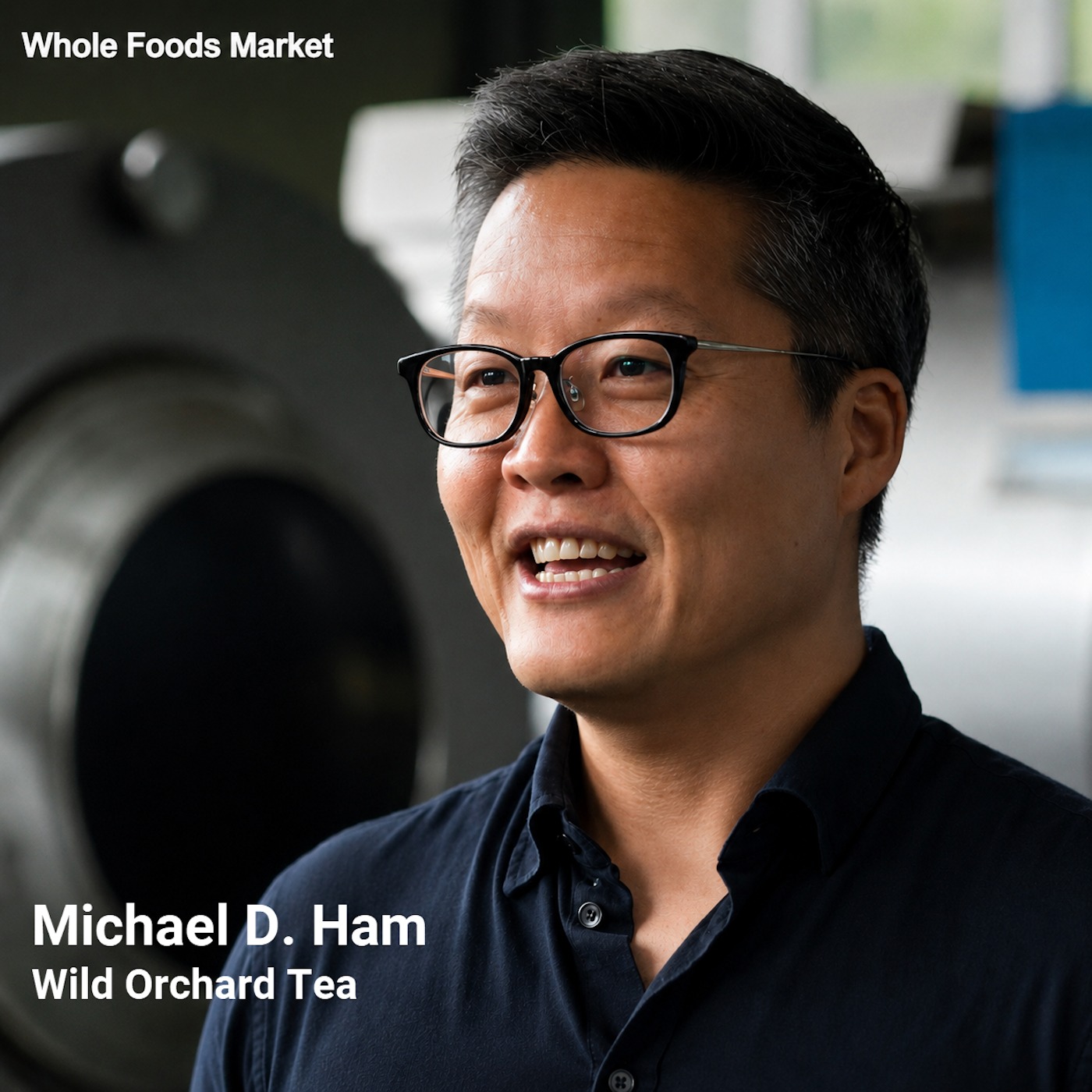
Spotlight | Regenerative Farming Begins by Doing Less
About this episode
Michael D. Ham discusses the principles of regenerative farming in the tea industry, emphasizing soil health and ecological resilience.
Regenerative agriculture has become one of the tea industry’s most discussed concepts, but definitions often remain vague. Producers, traders, and brand owners generally agree that healthier soils and more resilient ecosystems matter. The harder question is what regenerative farming actually looks like in practice on a working tea farm. For Michael D. Ham, the answer begins with restraint. On Jeju Island in South Korea, Wild Orchard Tea grows tea without irrigation, synthetic fertilizers, or intensive intervention. The objective is not simply sustainability, but long-term biological resilience. In this SPOTLIGHT conversation, Ham discusses soil microbiology, biodiversity, root depth, and why the tea industry may need to rethink how it measures success beyond short-term yield. | BIO Michael D. Ham is the founder of Wild Orchard Tea, a regenerative organic tea company sourcing from Jeju Island, South Korea. He is an advocate for regenerative agriculture in tea and works closely with growers focused on soil health, biodiversity, and long-term ecological stewardship. | Podlink signup: https://pod.link/1549975153 Advertising Inquiries: https://redcircle.com/brands Privacy & Opt-Out…
More episodes of Tea Biz
- Tea Price Report | Week 21 | Ending 22 May 2026
- Spotlight | The Power of Feedback
- Tea News Recap | Sri Lanka Slumps, Assam Struggles, Türkiye Rises
- Ep 241 | Sri Lanka Slumps, Assam Struggles, Türkiye Rises
- Tea Price Report | Week 19 | Ending 15 May
- Tea News Recap | Fertilizer Crisis | Tea Day | India Auction Mandate
Explore listener stats, chart rankings, contacts and more on the Tea Biz podcast page.