The Bottleneck Podcast
Rory Sutherland, Vice Chairman of Ogilvy UK, and Elfried Samba, CEO and Co-Founder of Butterfly Effect and former Global Head of Social at Gymshark, explore the hidden blocks that slow teams down, from flawed strategies ...
Insights from recent episode analysis
On the show
- Elfried Samba7 eps
- Rory Sutherland3 eps
- Rita McGrath1 ep
Also: Sir Richard Harpin, Joe Martin, Faris Aranki, Josh Hart, James Watt, Mark Tapscott, Daniel Davey, Jamie Bartlett, Robbie Lyle, Conny Kalcher
Audience Interest
Podcast Focus
Publishing Consistency
Insights are generated by CastFox AI using publicly available data, episode content, and proprietary models.
Most discussed topics
Brands & references
Total monthly reach
Based on 1 signal.
Built from
By chart position
- 🇬🇧United Kingdom · EntrepreneurshipHOME#4311K to 56K
- 🇮🇳India · Entrepreneurship#117591 to 3.1K
- 🇨🇭CH · Entrepreneurship#85168 to 890
- 🇲🇾MY · Entrepreneurship#13345 to 238
- 🇳🇿New Zealand · Entrepreneurship#17726 to 137
- Per-Episode Audience
Est. listeners per new episode within ~30 days
11K to 60K🎙 Biweekly cadence·26 episodes·Last published 1w ago - Monthly Reach
Unique listeners across all episodes (30 days)
16K to 86K🇬🇧93%🇮🇳5%🇨🇭1% - Active Followers
Loyal subscribers who consistently listen
6.5K to 34K
Market Insights
Platform Distribution
Reach across major podcast platforms, updated hourly
Total Followers
—
Total Plays
—
Total Reviews
—
* Data sourced directly from platform APIs and aggregated hourly across all major podcast directories.
| Date | Episode | Topics | Guests | Brands | Places | Keywords | Sponsor | Length | |
|---|---|---|---|---|---|---|---|---|---|
| 11/15/26 | 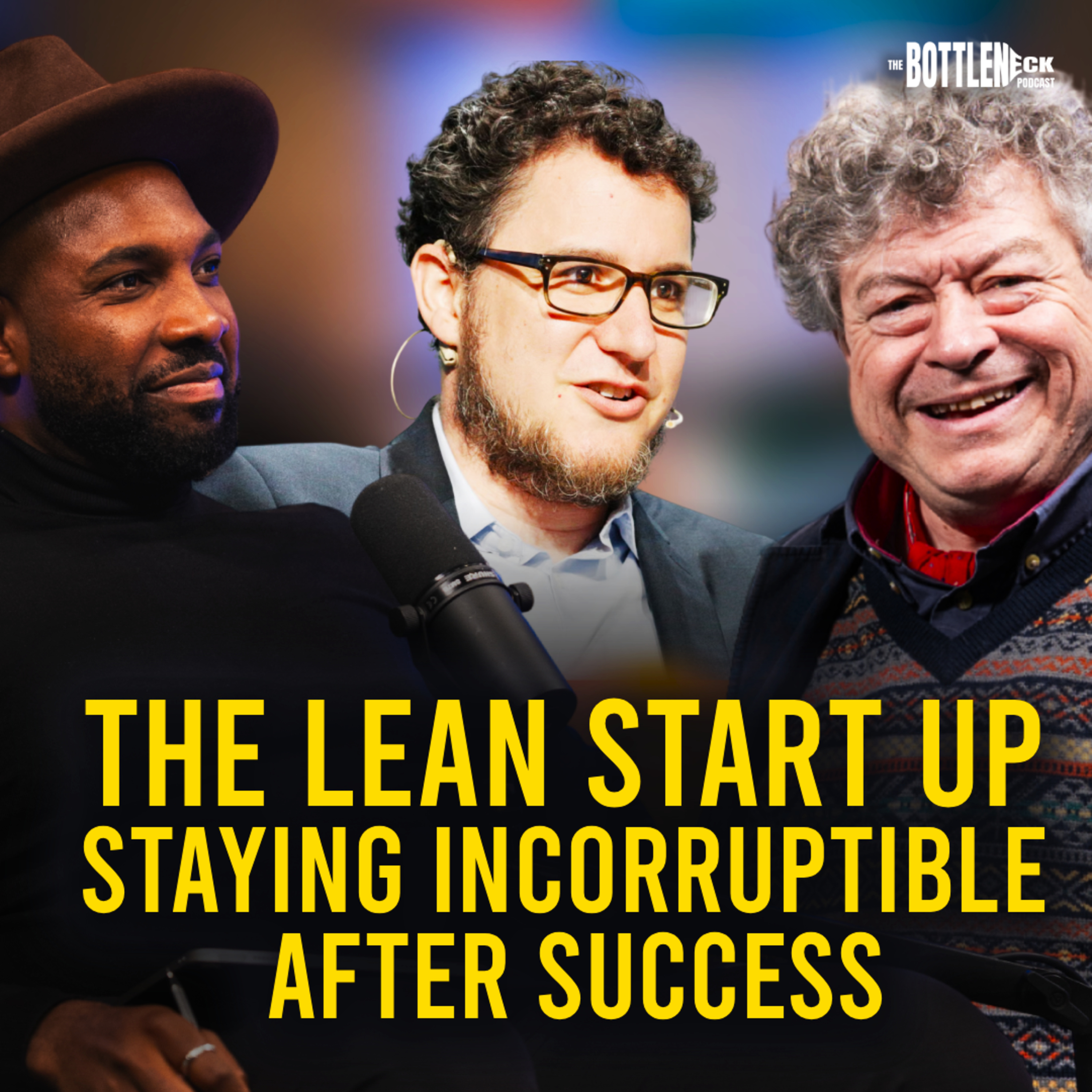 Eric Ries with Rory Sutherland and Elfried Samba on The Lean Startup and Companies Built to Last | Eric Ries, author of The Lean Startup and Incorruptible and founder of the Long-Term Stock Exchange (LTSE), joins Rory and Elfried to ask why so many good companies go bad once they succeed, and how the great ones stay great.He covers what he calls financial gravity, why Costco keeps resisting Wall Street's attempts to change it, why profit means far more than revenue minus expenses, and the ownership structures that help companies last a century.Eric started out as a software engineer and tech entrepreneur. He borrowed ideas from lean manufacturing to create a discipline of entrepreneurial management, set out in The Lean Startup (2011), and has since founded the Long-Term Stock Exchange. His latest book is Incorruptible: Why Good Companies Go Bad and How Great Companies Stay Great (2026).What we coverFrom heresy to orthodoxy: Why The Lean Startup first made people angry, the executives who refused to believe his old company shipped software around 50 times a day, and the critics who went from furious to bored without ever trying it.The Costco exception: Rory's rule of thumb of buying from founder-led and family-owned firms, and why Costco, a huge public company, breaks every rule. Eric traces it to FedMart, where Jim Sinegal watched investors oust Sol Price, and the board Sinegal later built at Costco to act as a bulwark against pressure.Financial gravity: Eric on why investors aren't the villains, but the system pulls companies towards extraction. Rory on why "all the dashboards are green and the companies are failing", and on corporate isomorphism: judge every company by the same metrics and they all become the same. He credits Joseph Fishkin's book Bottlenecks, which partly inspired the show's name.What profit really means: Eric builds from "revenue minus expenses" to his own definition: profit as maximising human flourishing.Mission guardians: How the insulin maker that became Novo Nordisk has protected its mission for a century under foundation ownership, why the idea goes back to Zeiss in 1887, and Rory on why family firms seem to do slightly worse in good times but much better in bad.Optimising the parts: Rory on the miniature petrol tankers that refuel Silicon Valley coders' cars, and what they say about optimising the parts at the expense of the whole.Harder is easier: Eric on Devoted Health, whose customer service team helped move a member out of a mould-ridden home, and Jim Sinegal's famous warning about the price of Costco's $1.50 hot dog.Building institutions again: Eric on our learned helplessness about building new institutions, Rory on an NHS innovation that needed 11 people to approve it in sequence, and why AI should be a coach, not a replacement.Chapter Markers(00:00:00) Episode Intro(00:01:19) Meet Eric Ries(00:04:54) The Lean Startup: heresy to orthodoxy(00:08:19) Copying Toyota without the culture(00:12:08) Why the best share their secrets(00:17:35) Founder-led firms and Costco(00:28:12) Financial gravity(00:35:56) What profit really means(00:43:31) Call centres and mission guardians(00:55:51) Optimising the parts, not the whole(01:04:24) Harder is easier(01:18:12) Building institutions that last(01:26:40) AI as a coach, not a replacementConnectFollow RoryInstagram: @rorysutherland_clipsTikTok: @rorysutherlandclipsX: @rorysutherlandLinkedIn: https://www.linkedin.com/in/rorysutherland/Follow ElfriedInstagram: @elfriedsambaLinkedIn: https://www.linkedin.com/in/elfriedsamba/Website: https://www.butterflyeffect.xyz/Follow Eric RiesLinkedIn: https://www.linkedin.com/in/eries/X: https://x.com/ericriesWebsite: https://ericries.co/Grab a copy of Incorruptible: https://www.penguin.co.uk/books/460881/incorruptible-by-ries-eric/9780241692028 | 1h 37m 01s | ||||||
| 11/1/26 | 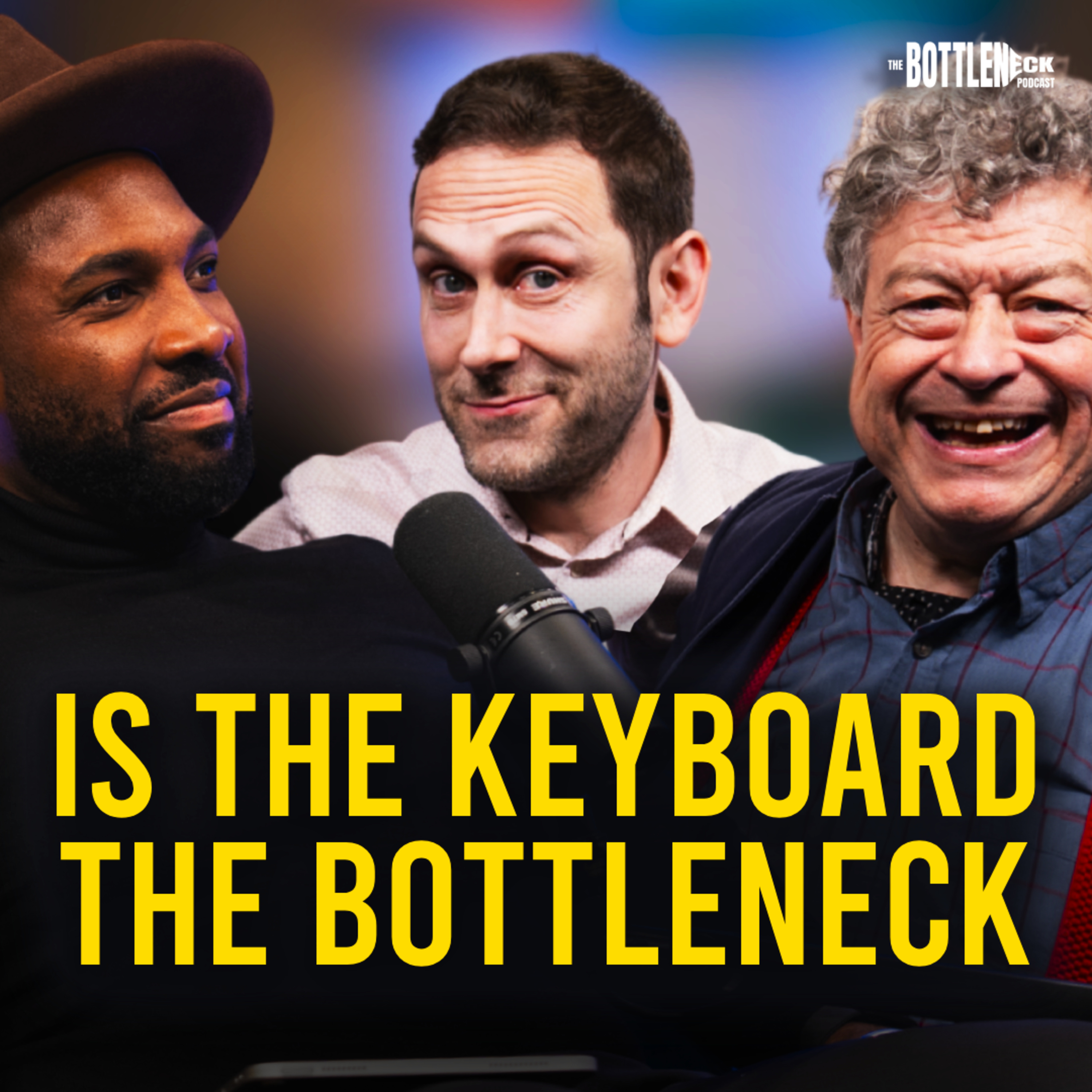 Rory Sutherland, Elfried Samba & Jacob Shwirtz on The Death of The Keyboard | Jacob Shwirtz, Head of Celebrity & Cultural Partnerships at Wispr Flow, joins Rory and Elfried to ask why we're still typing and what changes when the keyboard stops being the default way we talk to computers and to AI.He covers why the keyboard is the real pinch point between brain and text, why voice may matter more as AI gets better, and what it means to build a marketing programme around trust rather than a brief.Jacob's background is in creative fields. He studied film production and has worked at MTV, in TV and film, casting, and with celebrities and digital influencers. He now leads the evangelist programme at Wispr Flow, a voice dictation tool that works as a keyboard replacement across computers and phones.What we coverThe keyboard as a bottleneck: Rory applies Goldratt's theory of constraints. If you want to improve a system, intervene at the pinch point, and the pinch point between brain and text is the keyboard. Jacob argues it has made us antisocial, kept our heads down and led us to censor our thoughts.The Zoom of voice: Rory compares Wispr Flow to Zoom, which crossed a "threshold of non-crappiness" by getting the technology and the psychology right at the same time. He explains why Zoom could sacrifice picture quality but not audio.Why keyboards got worse: The IBM Selectric, thin laptops, and why the BlackBerry beat the iPhone for typing. Thinness is easy to see when you buy a laptop. Typing feel isn't.Electrification and AI: Factories gained little from swapping a steam engine for an electric motor until they redesigned around it. Rory argues language models work the same way. They reward long, rich, multi-dimensional questions that people won't type but will say.Perdurance: Giles Ellis's idea that great products keep rewarding you after the purchase. From stairlifts and air fryers to voice dictation, why products with hidden extra uses create evangelists, and why finance models can't see it.Evangelists, not influencers: Jacob describes a contract with no deliverables, no timeline and no scripts, in which the word "trust" appears far more than usual. He explains why Rory and the digital artist Paisley Lee can sit on the same budget line.AI should be social: Rory on why the best AI has always been other people, why email turns a three-minute conversation into a five-day exchange, and what offices lost when we stopped overhearing each other.Voice, access and equality: Who gets left out when everything runs through a keyboard: people with dyslexia, repetitive strain injury or visual impairments, and anyone who speaks better than they write. Rory argues the best orators are often better when they leave the script, citing Martin Luther King's "I have a dream" speech.Fame bias and original voices: Rory worries that AI has the same bias towards the famous and the articulate that humans do and talks about using whatever influence you have to lift other people.Hyper-human marketing: Jacob's case for costly signalling and things that don't scale, and Rory's case against the "fetish of accountability", illustrated by a restaurant that becomes a wine bar.Chapter Markers(00:00:00) Episode Intro(00:01:34) Meet Jacob and Wispr Flow(00:03:46) The Zoom of voice dictation(00:07:57) The keyboard as a bottleneck(00:14:16) Electrification and AI(00:18:27) Perdurance: stairlifts to air fryers(00:24:30) Evangelists, not influencers(00:32:17) Why voice matters in the AI era(00:42:59) AI should be social(00:55:25) Original voices and fame bias(01:01:09) How to use Wispr Flow today(01:14:24) Hyper-human marketingFollow RoryInstagram: @rorysutherland_clipsTikTok: @rorysutherlandclipsX: @rorysutherlandLinkedIn: https://www.linkedin.com/in/rorysutherland/Follow ElfriedInstagram: @elfriedsambaLinkedIn: https://www.linkedin.com/in/elfriedsamba/Website: https://www.butterflyeffect.xyz/Follow Jacob ShwirtzLinkedIn: https://www.linkedin.com/in/shwirtz/ | 1h 19m 38s | ||||||
| 10/18/26 |  Caroline Orange-Northey with Rory Sutherland and Elfried Samba discuss the Fear of Better Options | Caroline Orange-Northey, ex-Managing Director of Pinterest UK & Ireland, joins Rory and Elfried to talk about why marketing has been optimising for the wrong things, and why the best thing you can find online is a reason to go offline.She covers clicks versus decisions, why slow, considered platforms get undervalued, and what a maths degree brings to media.Caroline traces her route into the industry. She studied maths, wrote a thesis on Fermat’s Last Theorem, and fell into Talksport radio. She then spent seven years at News International before moving to the FT, Amazon and Pinterest. Her dad was a private investigator, which she says explains her nosiness.What we coverDesigning the exit: Caroline argues that brands want people to do something in the real world, yet the industry optimises for what’s easiest to capture online. Her point: “attention is fragmented, intention is usually whole.”Slow scrolling and considered purchases: Rory notes that scroll speed on Pinterest is about three times slower than elsewhere. Caroline explains why that matters for returns, not just sales. Ten tops bought on impulse and nine sent back isn’t the same as two bought and kept.FOBO: The fear of better options, and why around 70% of carts are abandoned. Caroline and Rory discuss how confidence in a decision drives action, and why a distinctive USP helped people feel sure.Pinterest Predicts: The annual trends report, with about 88% accuracy over six years. Caroline says trends on Pinterest last twice as long as elsewhere, and Rory explains why through the Lindy effect.Gen Z and the analogue turn: Pen pals, direct mail, vinyl and nostalgia for things they never lived through. Elfried and Caroline discuss why a generation raised on AI and feeds is reaching for the physical.AI raises the average but dilutes the premium: Why distinctiveness is back at a premium, why the CMO may be returning to the boardroom, and why Caroline wants AI to be an “and” conversation rather than an “instead of” one.Taste, choice and the toaster problem: Pinterest’s taste graph, and the line between personalisation and creepiness. Rory brings in Paul Eastwick’s Bonded by Evolution on first impressions in dating, and an experiment for Boots that made a catalogue “less irrelevant” for men.Life moments: Richard Shotton’s work on how major life events change brand choices, from broadband providers to bank accounts.Time well spent versus time spent: Why Pinterest doesn’t see itself as social media, plus the case for play, joy and manifesting your future self.Why you should never buy anything in an airport: Rory and Caroline disagree, with side trips into oven chips, EV range anxiety and Qantas’s non-stop Perth flight. | 1h 13m 20s | ||||||
| 10/3/26 | Rory Sutherland, Elfried Samba and Les Binet discuss physics, emotion, and the metrics trap | Les Binet, one of the best-known names in marketing effectiveness, joins Rory Sutherland and Elfried Samba for a wide-ranging conversation. He covers 38 years in advertising, why measurement can mislead you, and what a theoretical physicist brings to marketing.Les traces his unlikely route into the industry. He left a PhD in solid state physics for AI research in Edinburgh, then worked in a publishing start-up that Robert Maxwell squeezed out of existence. He ended up in BMP, the agency that pioneered account planning, after a three-day job transcribing TV ratings.What we coverPhysics versus logic: Les argues that physics is about the mathematics of change, with feedback loops and dynamics, rather than static logic. He says this is why he sees marketing as "pipework" and circuits.BMP's planning culture: At BMP you needed A-level maths to be a planner and an IPA effectiveness award to reach the board. Les covers how that rigour faded and what it cost the industry.Emotion beats rational persuasion: Marketing in the Era of Accountability (2007) surprised even its authors. Pure emotional campaigns outperformed rational ones on nearly every business metric, with short-term direct response the main exception.Short term and long term: The Long and the Short of It shows that short-term success doesn't predict long-term success. The key word, as Les says, is "and".How Rory influenced Les: A question at an IPA seminar led Les to prospect theory, Kahneman and System 1/System 2. That in turn led to BrainLab at the agency and, indirectly, to the company System1 taking its name.Additive versus multiplicative effects: The Cravendale test grid found TV alone gave about 5%, direct mail about 10%, and both together 32%. Why layer-cake charts mislead, and how ergodicity changes how you think about risk.Tight versus loose fitness functions: Rory and Les on why narrow ROI metrics create a "sparse monoculture". The carpet store flywheel, Wolfram on evolution, and "what you measure is what you do".Fat tails: Is marketing's value concentrated in a few outlier ideas, or in solid work that's merely "good enough"? Les and Rory disagree.Share of search: Using Google Trends as a free proxy for mental availability, plus a look at Rory's own share of search.Interests beyond your field: Brian Eno and generative music, why cheddar is the honesty test, and why music, beer and cheese rank above advertising for Les.Follow RoryInstagram: @rorysutherland_clipsTikTok: @RorysutherlandclipsX: @rorysutherlandLinkedIn: in/rorysutherland/Follow ElfriedInstagram: @elfriedsambaLinkedIn: in/elfriedsamba/https://www.butterflyeffect.xyz/Follow Les BinetX: @BinetLesLinkedIn: in/les-binet | 2h 26m 39s | ||||||
| 8/19/26 | innovationlarge organizations+3 | Rita McGrath | Bottleneck Podcast | — | innovationlarge companies+5 | — | 1h 21m 05s | ||
| 8/2/26 | business growthentrepreneurship+3 | Sir Richard HarpinElfried Samba | HomeServeBusinessleaderUk+1 | — | businessentrepreneurship+4 | — | 1h 19m 30s | ||
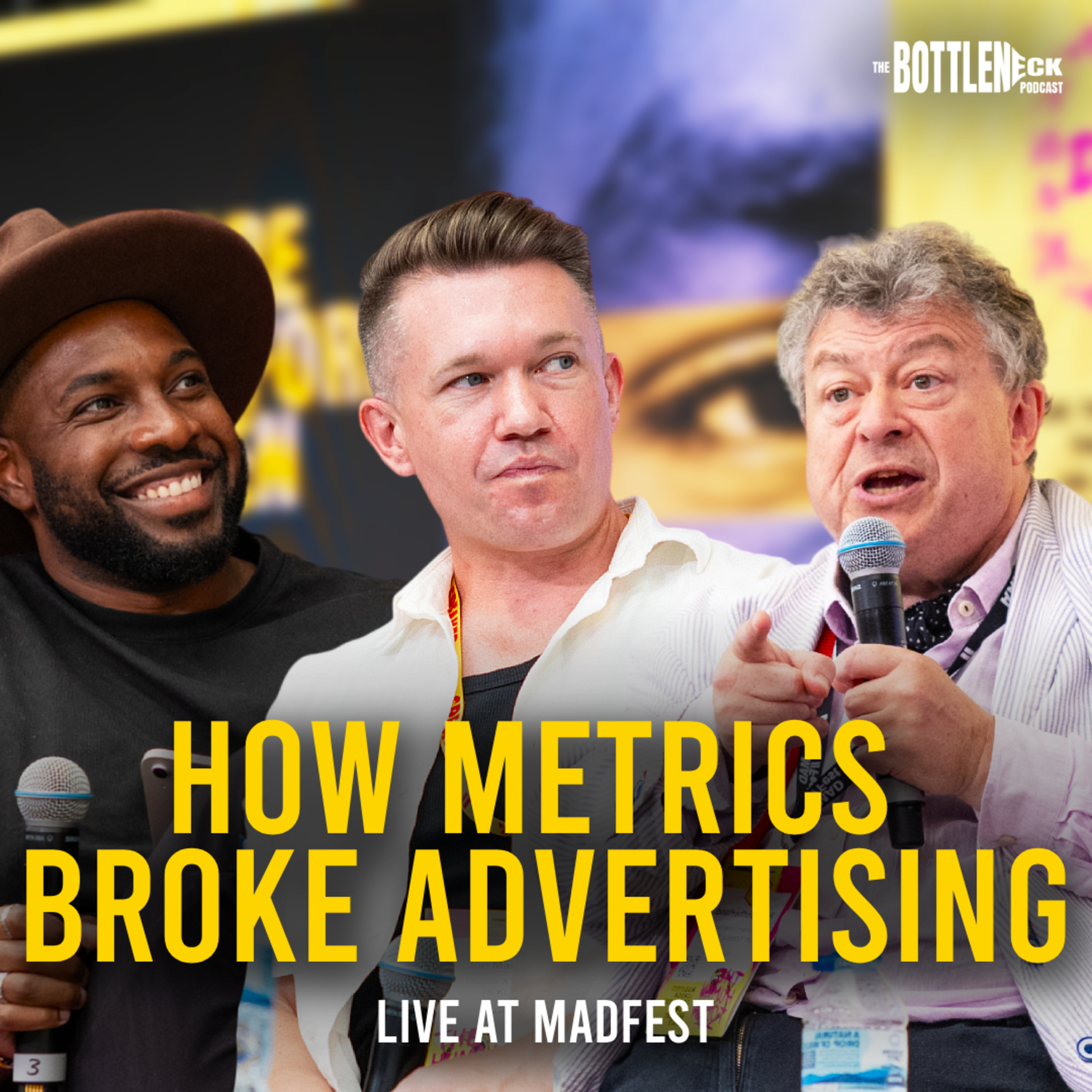
| 7/19/26 | advertising metricsbusiness success+4 | Joe MartinRory Sutherland+1 | TickleMAD//Fest+1 | Heathrow | Tickleadvertising+6 | — | 32m 28s | ||
| 7/16/26 | team dynamicssuccess measurement+3 | Faris ArankiElfried Samba | AppleArsenal+1 | — | team successIQ EQ FQ+4 | — | 1h 24m 58s | ||
| 6/21/26 | AIfuture of work+3 | Josh HartRory Sutherland+1 | YuLife | — | AIHR+3 | — | 1h 02m 39s | ||
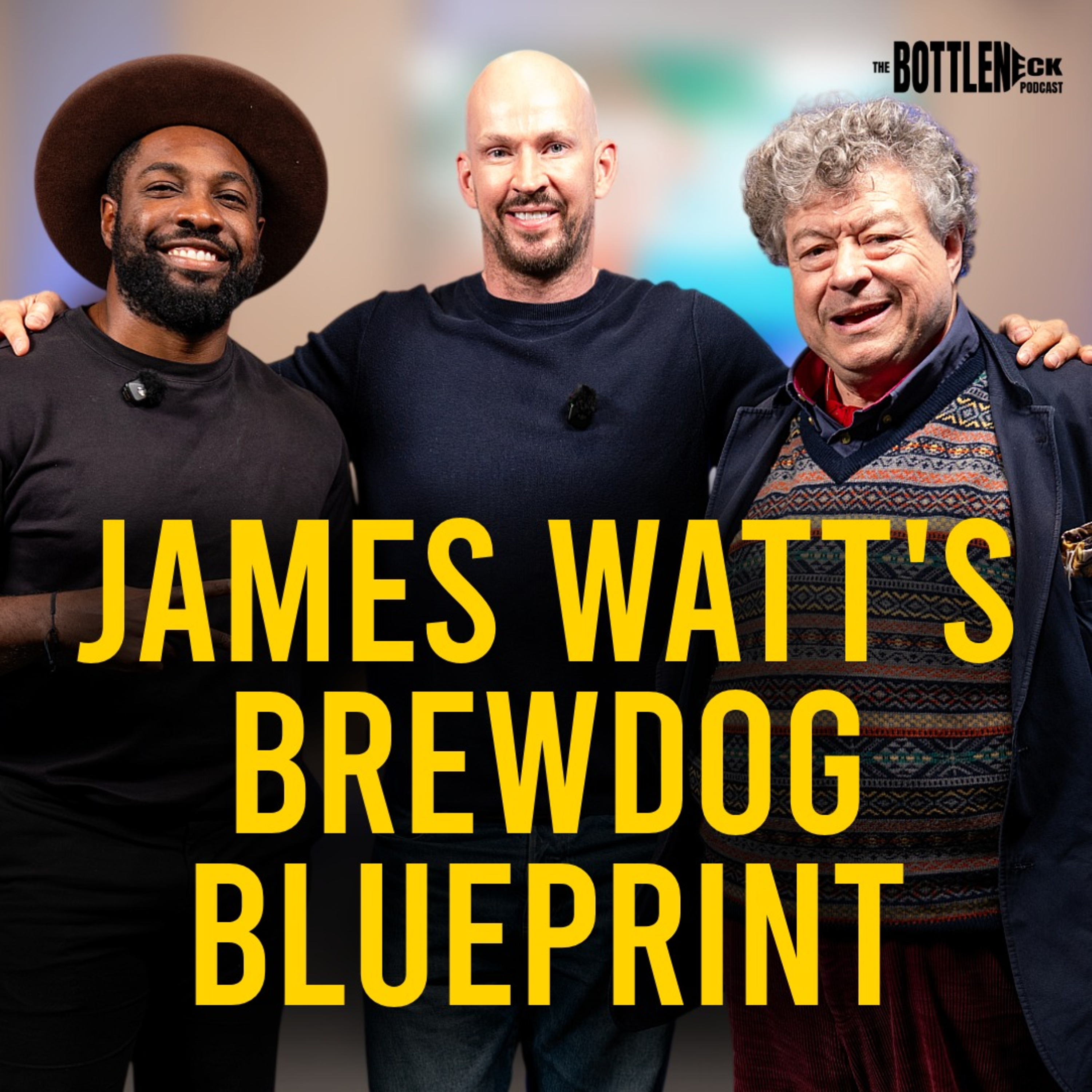
| 6/7/26 | entrepreneurshipbusiness growth+4 | James WattElfried Samba | BrewDogSocialTip+1 | — | BrewDogentrepreneurship+6 | — | 1h 12m 25s | ||
Want analysis for the episodes below?Free for Pro Submit a request, we'll have your selected episodes analyzed within an hour. Free, at no cost to you, for Pro users. | |||||||||
| 5/29/26 | electric vehiclesautomotive industry+4 | Mark TapscottDaniel Davey | Longbow Motors | BritainUK | electric sports carLongbow Motors+5 | — | 1h 00m 33s | ||
| 5/10/26 | AItrust+4 | Jamie BartlettRory Sutherland+1 | Bottleneck PodcastButterfly Effect+1 | — | AItrust+5 | — | 1h 22m 23s | ||
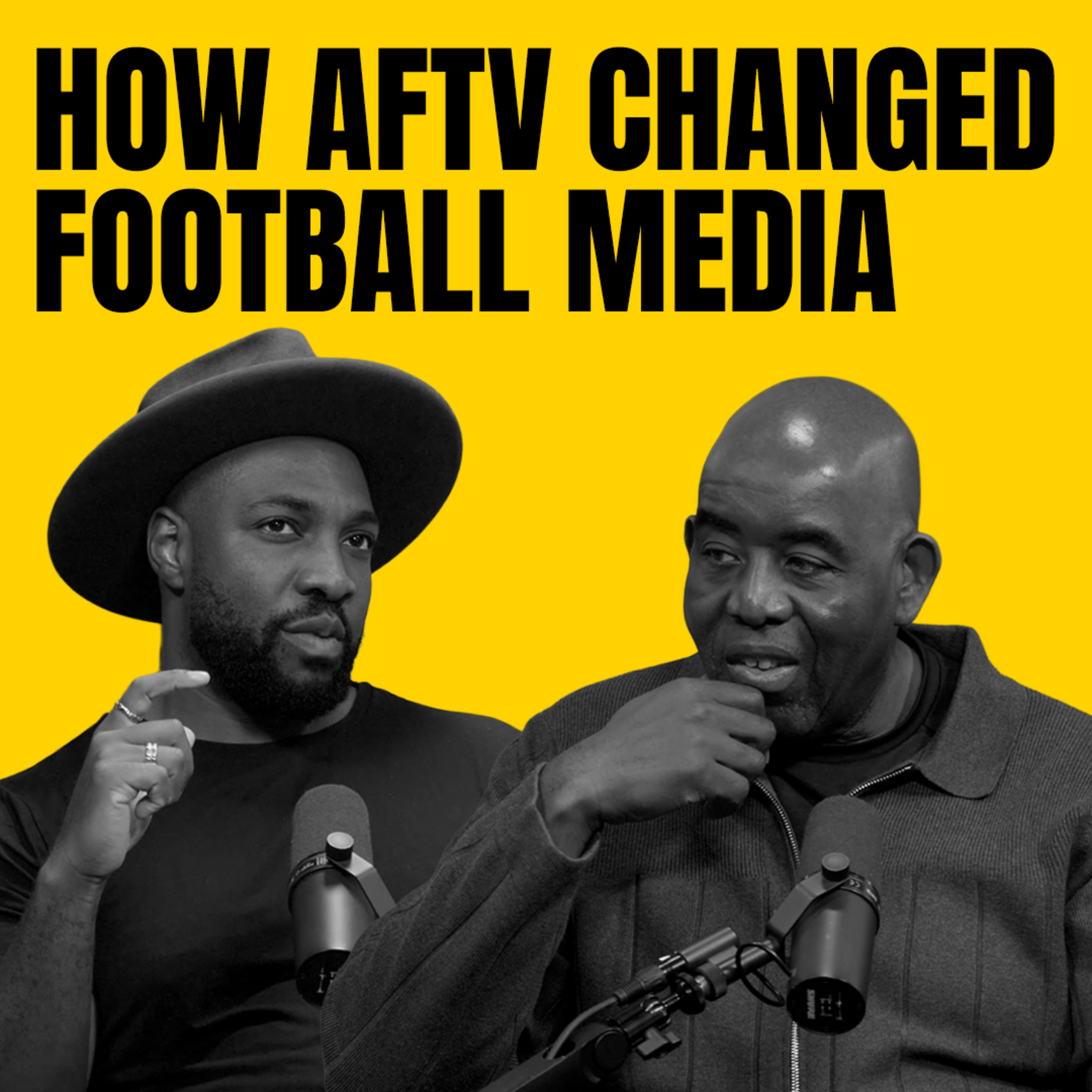
| 4/26/26 | sports mediafan engagement+3 | Robbie LyleElfried Samba | AFTVDR Sports+1 | — | AFTVsports media+4 | — | 1h 20m 17s | ||
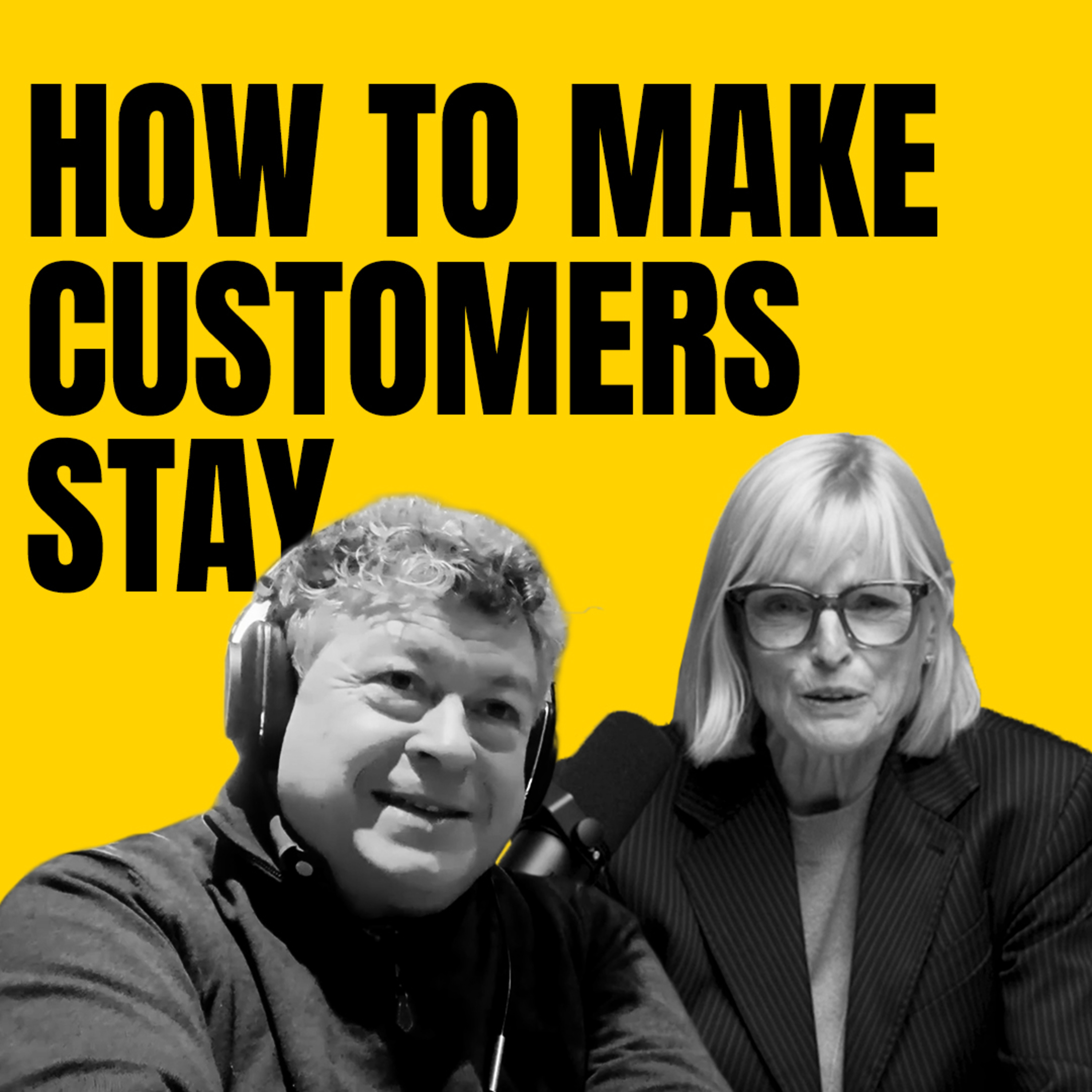
| 4/12/26 | customer loyaltyhuman connection+4 | Conny Kalcher | ZurichLEGO+1 | — | customer experiencetrust+5 | — | 1h 02m 41s | ||
| 3/27/26 |  Matt Pohlson with Rory Sutherland and Elfried Samba on flatlining, £400M growth and £120M donated | What happens when you literally die — and come back with a completely different view on business, risk, and what actually matters?Matt Pohlson — founder and CEO of Omaze — joins Rory Sutherland and Elfried Samba to share the story behind building one of the UK’s fastest-growing businesses, and how a near-death experience changed everything.Matt recounts flatlining for four and a half minutes, the moment his mother refused to let doctors give up, and how surviving something he “shouldn’t have” forced him to rethink both his life and his company. What followed was a radical shift — away from celebrity-driven campaigns towards a model that would eventually scale to over £400M in just five years.This episode unpacks the power of storytelling in business, why making the customer the hero changes everything, how brands like Mr Beast win by showing tangible impact — and why Omaze has already given over £120M to charity while building a profitable company.Follow RoryInstagram: @rorysutherland_clipsTikTok: @RorysutherlandclipsX: @rorysutherlandLinkedIn: in/rorysutherland/Follow ElfriedInstagram: @elfriedsambaLinkedIn: in/elfriedsamba/https://www.butterflyeffect.xyz/Follow Matt PohlsonInstagram: @mattpohlsonX: @OmazeUKLinkedIn: in/matthew-pohlson/https://omaze.co.uk/A Sassy+ original podcast series | 54m 01s | ||||||
| 3/15/26 | 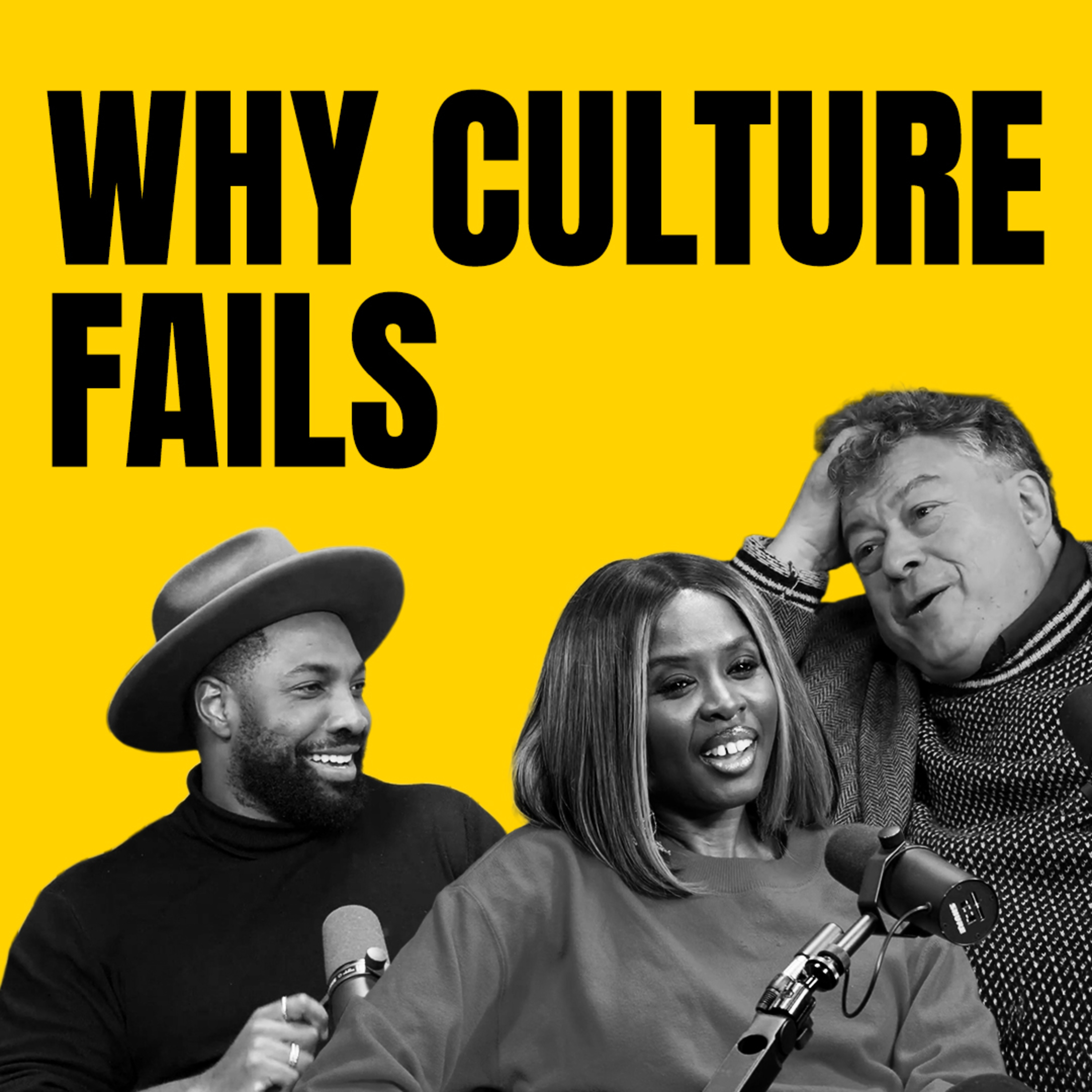 June Sarpong with Rory Sutherland and Elfried Samba on culture, connection and staying in the game | What does it take to build a career that lasts three decades — and stay curious enough to keep reinventing it?June Sarpong — broadcaster, author, entrepreneur and host of Culture Conversations — joins Rory Sutherland and Elfried Samba to talk about culture, leadership, and why visibility changes what people believe is possible.June reflects on her journey from teenage work experience at Kiss FM to becoming one of the UK’s most recognisable media voices, sharing what she has learned about staying relevant, taking risks, and refusing to define herself by a single title.The conversation explores how strong cultures are actually built, why leaders must live the values they promote, how representation changes ambition, and why the most important skill in business might simply be making people feel seen.This episode unpacks why luck matters more than people admit, how great founders expand their own capacity as their companies grow, why the Kardashians might be the greatest marketers of the modern era — and why Africa has the opportunity to build entirely new systems rather than inherit old ones.Follow RoryInstagram: @rorysutherland_clipsTikTok: @RorysutherlandclipsX: @rorysutherlandLinkedIn: in/rorysutherland/Follow ElfriedInstagram: @elfriedsambaLinkedIn: in/elfriedsamba/https://www.butterflyeffect.xyz/Follow June SarpongInstagram: @junesarpo/X: @junesarpongLinkedIn: in/june-sarpong/https://www.youtube.com/@Culture-ConversationsA Sassy+ original podcast series | 1h 29m 58s | ||||||
| 3/1/26 |  Ellie Norman with Rory Sutherland and Elfried Samba on finding fans and making them stay | Ellie Norman — Chief Marketing Officer at Formula E and former Chief Communications Officer at Manchester United — joins Rory Sutherland and Elfried Samba to talk about her time at Honda and Virgin Media through to Formula One and now Formula E.Ellie explains how she walks into every room convinced she doesn't have all the answers, is always asking questions, and always learning.The conversation explores how constraint forces creativity, why brand defensibility matters more than impression counts, and how the creator economy is rewriting the rules of sports marketing.This episode unpacks what it really means to build fame, be easy to find, and be hard to leave — why she likes to hire people who are comfortable with uncertainty — and why common sense remains the rarest skill in any marketing department.Follow RoryInstagram: @rorysutherland_clipsTikTok: @RorysutherlandclipsX: @rorysutherlandLinkedIn: in/rorysutherland/Follow ElfriedInstagram: @elfriedsambaLinkedIn: in/elfriedsamba/https://www.butterflyeffect.xyz/Follow Ellie NomanLinkedIn: https://www.linkedin.com/in/ellietory/X: https://x.com/EllieMNormanhttps://www.fiaformulae.com/enA Sassy+ original podcast series | 1h 33m 18s | ||||||
| 2/8/26 |  Eliza Filby with Rory Sutherland and Elfried Samba on the Bank of Mum and Dad economy | Dr. Eliza Filby — historian and author — joins Rory Sutherland and Elfried Samba to examine why inheritance now matters more than income.The conversation explores how the Bank of Mum and Dad has become a private financial system, why wages no longer deliver independence, and how access to family money shapes the risks people can take.It looks at why Gen Z now inhabits a world where work alone no longer leads to security or progress.This episode unpacks what happens when families quietly replace markets and the state as the real source of economic stability.Follow RoryInstagram: @rorysutherland_clipsTikTok: @RorysutherlandclipsX: @rorysutherlandLinkedIn: in/rorysutherland/Follow ElfriedInstagram: elfriedsambaLinkedIn: in/elfriedsamba/https://www.butterflyeffect.xyz/Follow Eliza FilbyTikTok: @eliza_filbyInstagram: @dr_eliza_filbyA Sassy+ original podcast series | 1h 29m 54s | ||||||
| 1/26/26 |  Oscar Ryndziewicz with Rory Sutherland and Elfried Samba on DFYNE becoming the UK’s fastest-growing company | Oscar Ryndziewicz — founder of DFYNE — joins Rory Sutherland and Elfried Samba to unpack the decisions behind one of the UK’s fastest-growing private companies.Ryndziewicz explains how DFYNE grew from a £6,000 credit card bet into a global activewear brand, why the company chose to scale from Glasgow rather than London, and how autonomy, simple metrics and trust replaced traditional management controls as the business expanded.Drawing directly from DFYNE’s growth journey — culminating in its recognition as the UK’s fastest-growing private company in The Sunday Times 100 — this conversation explores how location, culture and leadership design quietly shape scale.This episode looks at what happens when founders stop optimising for appearances, focus on outcomes instead of activity, and build systems that let people think for themselves.Follow RoryInstagram: @rorysutherland_clipsTikTok: @RorysutherlandclipsX: @rorysutherlandLinkedIn: in/rorysutherland/Follow ElfriedInstagram: elfriedsambaLinkedIn: in/elfriedsamba/https://www.butterflyeffect.xyz/Follow OscarInstagram: @dfyne.officialhttps://uk.dfyne.com/A Sassy+ original podcast series | 1h 17m 59s | ||||||
| 1/13/26 |  Clarke Ching with Rory Sutherland and Elfried Samba on bottlenecks, leadership and progress | Clarke Ching — author of The Bottleneck Detective — joins Rory Sutherland and Elfried Samba to unpack why progress stalls, how leaders quietly become constraints, and why fixing the obvious problem often makes things worse.Most organisations don’t fail because of a lack of effort. They fail because effort is applied in the wrong place.From traffic systems and hospitals to founders, governments and scaling teams, this conversation explores how bottlenecks hide in plain sight — and why seeing them requires a different kind of thinking.This episode is about the uncomfortable truth that growth rarely fails where people expect it to.Follow Rory:Instagram: @rorysutherland_clipsTikTok: @RorysutherlandclipsX: @rorysutherlandLinkedIn: in/rorysutherland/Follow Elfried:Instagram: elfriedsambaLinkedIn: in/elfriedsamba/https://www.butterflyeffect.xyz/Follow Clarke:Linkedin: in/clarkeching/https://clarkeching.com/Follow Rory:Instagram: @rorysutherland_clipsTikTok: @RorysutherlandclipsX: @rorysutherlandLinkedIn: in/rorysutherland/Follow Elfried:Instagram: elfriedsambaLinkedIn: in/elfriedsamba/https://www.butterflyeffect.xyz/Follow Clarke:Linkedin: in/clarkeching/https://clarkeching.com/A @Sassy+ original podcast series | 1h 58m 19s | ||||||
| 12/29/25 |  Ama Amo-Agyei with Rory Sutherland and Elfried Samba on founders and the cost of success | Ama Amo-Agye scaled Plantmade from £100 to £13m — and discovered that success changes the rules faster than founders expect.Ama joins Rory Sutherland and Elfried Samba to explore how the skills that drive early momentum can quietly become constraints as a business scales.From building in public to recognising when the company had outgrown her original operating model, this episode examines why success can become the hardest thing to manage.Follow Rory: Instagram: @rorysutherland_clips Tiktok: @Rorysutherlandclips X: @rorysutherland Linkedin: in/rorysutherland/Follow Elfried: Instagram: elfriedsamba Linkedin: in/elfriedsamba/ https://www.butterflyeffect.xyz/Follow Ama:Instagram: @amaa__officialTiktok: @amaamoagyeiLinkedin: in/ama-amo-agyei/A @Sassy+ original podcast series | 1h 26m 32s | ||||||
| 12/12/25 |  Rory Sutherland, Elfried Samba and Lottie Whyte on founder focus and knowing your customer | Growth stalls when founders lose focus.Lottie Whyte, founder of MyoMaster, joins Rory Sutherland and Elfried Samba to unpack how simplifying the business, listening to real demand, and saying no to opportunity unlocked scale.From early trade-show insights and customer objections to near-failure and relentless focus, this conversation explores how clarity, not complexity, drives sustainable growth.Follow Rory:Instagram: @rorysutherland_clipsTiktok: @RorysutherlandclipsX: @rorysutherlandLinkedin: in/rorysutherland/Follow Elfried:Instagram: elfriedsambaLinkedin: in/elfriedsamba/https://www.butterflyeffect.xyz/Follow Lottie:Instagram: @lottiewhyte/Linkedin: in/lottie-whytehttps://myomaster.com/A @Sassy+ original podcast series | 1h 15m 15s | ||||||
| 11/24/25 |  Rory Sutherland, Elfried Samba and Nicholas Gruen on why systems break and how to fix them | This episode of The Bottleneck Podcast discusses the toxic nature of modern politics. Economist Nicholas Gruen joins Rory Sutherland and Elfried Samba to explain why debating now feels like a never-ending battle, where the centre ground gets drowned out by the most extreme voices and most people are trying to win arguments rather than solve problems.They also explore why everyday communities often handle difference better than the internet does, and why GDP is a weak guide to how well a country is really doing. Education and housing, they argue, have increasingly become status bottlenecks rather than engines of shared progress, leaving us spending more without necessarily living better.Follow Rory:Instagram: @rorysutherland_clipsTiktok: @RorysutherlandclipsX: @rorysutherlandLinkedin: in/rorysutherland/Follow Elfried:Instagram: elfriedsambaLinkedin: in/elfriedsamba/https://www.butterflyeffect.xyz/Follow Nick:LinkedIn: in/nicholas-gruen-783354aX: @NGruen1YouTube: https://www.youtube.com/user/NicholasGruenA @Sassy+ original podcast series | 48m 09s | ||||||
| 11/12/25 | 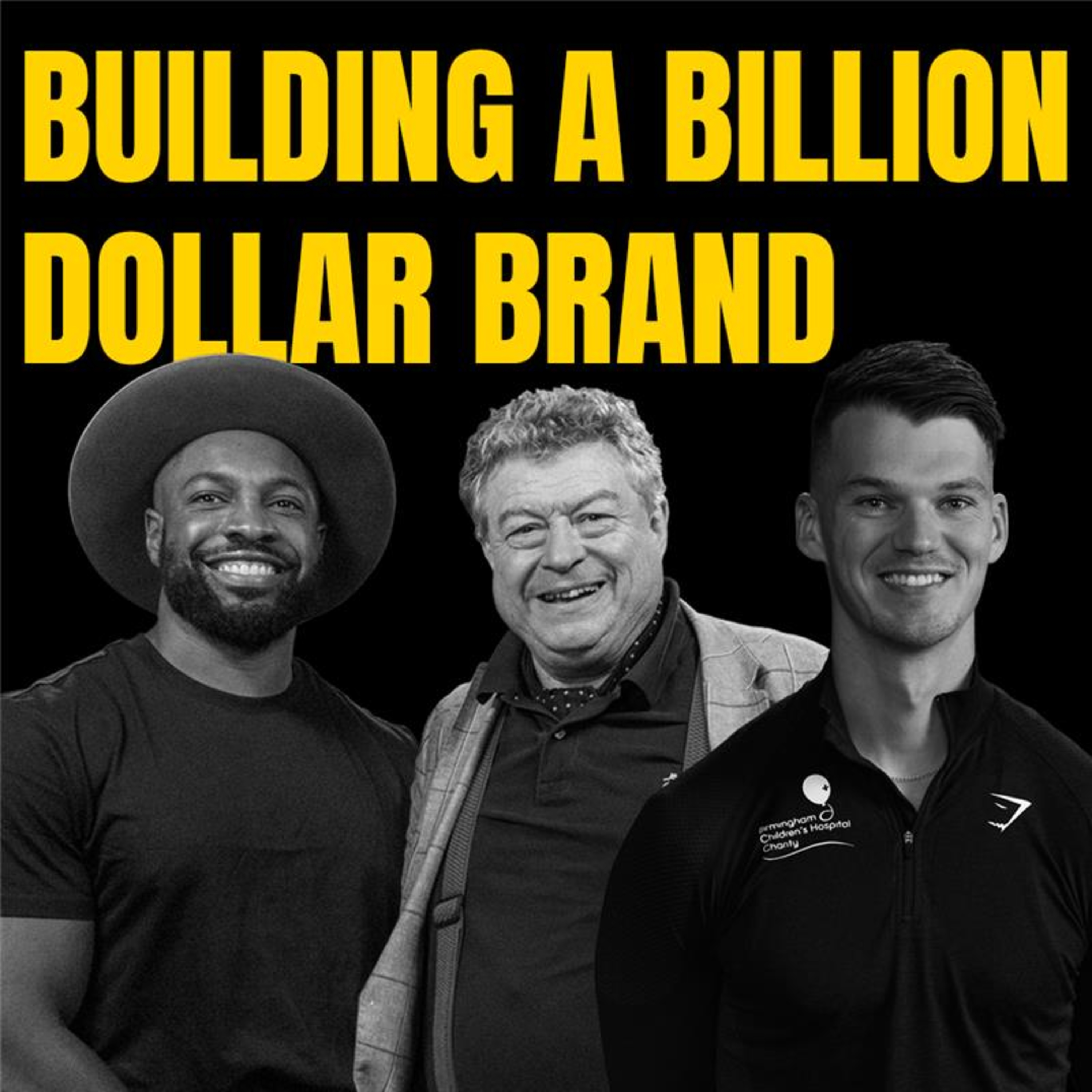 Rory Sutherland, Elfried Samba and Ben Francis on building a billion dollar brand | This episode of The Bottleneck Podcast explores what it really takes to build a billion-dollar brand. Ben Francis MBE, founder and CEO of Gymshark, joins Rory Sutherland and Elfried Samba to discuss how obsessive focus, community, and self-awareness turned a side project into one of the UK’s most successful global companies.Together they unpack the real story behind Gymshark’s rise — from sewing T-shirts at his nan’s dining table to leading a worldwide fitness brand — and reveal why staying close to the customer, thinking like a 19-year-old entrepreneur, and protecting startup energy remain at the heart of Ben’s philosophy.Follow Rory:Instagram: @rorysutherland_clipsTiktok: @RorysutherlandclipsX: @rorysutherlandLinkedin: in/rorysutherland/Follow Elfried:Instagram: elfriedsambaLinkedin: in/elfriedsamba/https://www.butterflyeffect.xyz/Follow Ben:Instagram: @benfrancisTikTok: @benfrancisLinkedIn: in/gymshark/YouTube: @BenFrancisA @Sassy+ original podcast series | 1h 21m 41s | ||||||
| 11/3/25 | 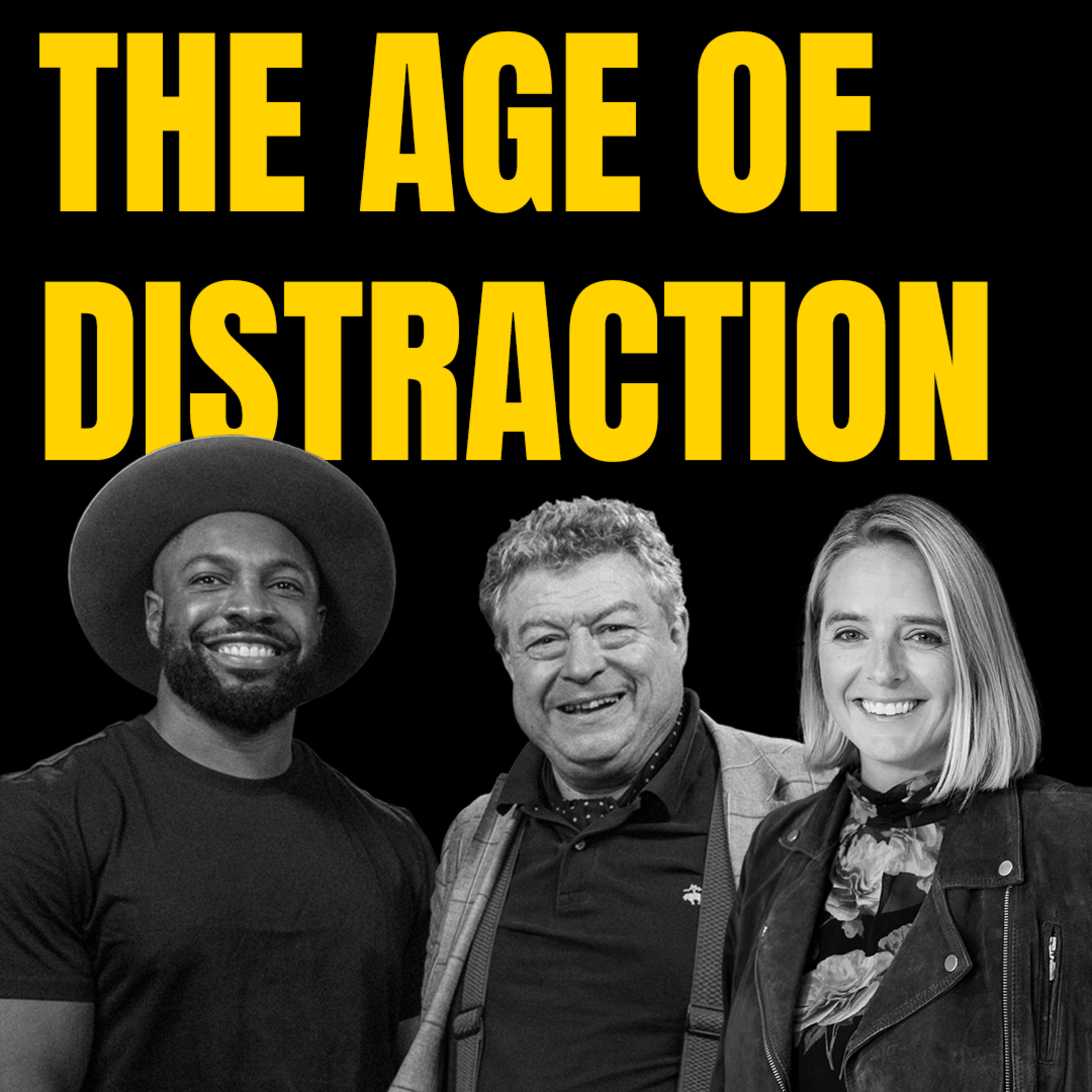 Rory Sutherland, Elfried Samba and Jess Butcher MBE on the age of distraction | This episode of The Bottleneck Podcast explores how our digital world has turned attention into the ultimate commodity. Jess Butcher MBE, founder of Scroll Aware, joins Rory Sutherland and Elfried Samba to discuss the hidden costs of constant connection and what it’s doing to our ability to think and focus. Together they trace her journey from early tech pioneer to advocate for balance, reflecting on how business models built on distraction have reshaped society, and why making analogue cool again might be the next great act of rebellion.Follow Rory:Instagram: @rorysutherland_clipsTiktok: @RorysutherlandclipsX: @rorysutherlandLinkedin: in/rorysutherland/Follow Elfried:Instagram: elfriedsambaLinkedin: in/elfriedsamba/https://www.butterflyeffect.xyz/Follow Jess:Instagram: @jessbutchermbe @moresoulsociety Linkedin: in/jessbutcher/https://www.scrollaware.com A @Sassy+ original podcast series | 1h 44m 24s | ||||||





Showing 25 of 26
Pitch Fit is a Pro feature
See how bookable this show is for guests, which brands already advertise, the per-episode ad value, and the best-fit guest and sponsor profile. The numbers are blurred on the free plan.
How readily this show books outside guests like you.
How proven this show is for host-read sponsorships.
For Guests
ProFor Advertisers
ProUpgrade to Pro to unlock guest cadence, sponsor categories, fit scores, and per-episode ad value for this show.
Chart history for The Bottleneck Podcast
Peaked at #43 in United Kingdom, currently #43 in United Kingdom.
| Market | Genre | Peak | Current | Trend |
|---|---|---|---|---|
| United Kingdom | — | #43 | #43 | — |
| CH | — | #85 | #85 | — |
| India | — | #117 | #117 | — |
| MY | — | #133 | #133 | — |
| New Zealand | — | #177 | #177 | — |
| SG | — | #193 | #193 | — |
Chart Positions
6 placements across 6 markets.
Chart Positions
6 placements across 6 markets.