
Insights from recent episode analysis
Audience Interest
Podcast Focus
Publishing Consistency
Platform Reach
Insights are generated by CastFox AI using publicly available data, episode content, and proprietary models.
Most discussed topics
Brands & references
Total monthly reach
Estimated from 1 chart position in 1 market.
By chart position
- 🇫🇮FI · Self-Improvement#168500 to 3K
- Per-Episode Audience
Est. listeners per new episode within ~30 days
250 to 1.5K🎙 ~2x weekly·400 episodes·Last published 3d ago - Monthly Reach
Unique listeners across all episodes (30 days)
500 to 3K🇫🇮100% - Active Followers
Loyal subscribers who consistently listen
200 to 1.2K
Market Insights
Platform Distribution
Reach across major podcast platforms, updated hourly
Total Followers
—
Total Plays
—
Total Reviews
—
* Data sourced directly from platform APIs and aggregated hourly across all major podcast directories.
On the show
From 15 epsHost
Recent guests
Recent episodes
EP 469: You Were Never Protecting Your Peace with Tania Khazaal
Jun 23, 2026
Unknown duration
EP 468: What Burnout is Actually Telling You
Jun 16, 2026
Unknown duration
EP 467: Your Story Is Creating the Life You Keep Trying to Fix with Steffani LeFevour
Jun 10, 2026
50m 49s
EP 466: The NFL Star Who Walked Away and Became an Astrologer (What Your Chart Reveals) with Ricky Williams
Jun 2, 2026
48m 52s
EP 465: The Manifestation Block Nobody Talks About (And Why Doing More Won’t Fix It) with Emma Mumford
May 26, 2026
55m 13s
Social Links & Contact
Official channels & resources
Official Website
Login
RSS Feed
Login
| Date | Episode | Topics | Guests | Brands | Places | Keywords | Sponsor | Length | |
|---|---|---|---|---|---|---|---|---|---|
| 6/23/26 |  EP 469: You Were Never Protecting Your Peace with Tania Khazaal | Tania Khazaal has built her work around healing families, but she is the first to tell you she did not start there. She was the child who cut off her own mother and went no contact, certain she was protecting herself. She grew up in community housing, later lost her job and her home and lived out of her car, and moved through toxic relationships, heartbreak and health struggles. The turn back was not a single lightning bolt. It came through faith, neuroscience and a slow, deliberate rebuilding of who she believed she was. Her path into this work began with her own mother, who was on her deathbed from years of pharmaceutical dependency. Tania went looking for something natural that might help, and her mother became, in her words, her guinea pig. She came off her narcotics; the doctors could not believe it, and she is still alive today. That experience pulled Tania deep into the mind-body connection, and what she noticed there became the heart of her message. So many people ate well, exercised and did everything right on paper, yet stayed unwell. Again and again the missing piece was emotional: an unspoken resentment, a parent they had not spoken to in years, a wound they did not know how to release. Stop making your parents the villain Much of the conversation centres on what Tania calls Cutoff Culture, which she describes as the new rules of family repair. Language once confined to therapy rooms, words like narcissistic, triggering, trauma and boundaries, has spilled into everyday life, and parents often have no idea what these terms mean. Setting aside genuine abuse, she poses an uncomfortable question: at what point do you stop making your parents the villain and become the victor of your story rather than its permanent victim? Her framework moves through three stages of healing. Stage one is therapy, where wounds are uncovered and named. It is valuable, but many people get stuck there, endlessly rehearsing what happened to them. Stage two is the overlooked step of rewriting the other person’s story. When Tania wrote her mother’s history, one of sixteen children, the second youngest, fatherless at three, emotionally neglected, her resentment turned to compassion. Only then could she reach stage three and rewrite her own story with new meaning. She applied the same process to a former partner who had been violently abusive, not to excuse him, but to release herself from the resentment she had carried. As she puts it, hurt people hurt people, and most of the time they are simply a wounded child deflecting their own pain. Standards, not walls Tania draws a sharp line between protecting yourself and quietly abandoning people you still love. She challenges what she calls fake healing, where protecting your peace becomes an excuse to cut off anyone who activates an unhealed wound. Real peace, she says, is not the absence of chaos but an internal steadiness that outside chaos cannot shake. Boundaries, in her framing, were never about building walls. They are standards, a way of governing your own behaviour rather than controlling someone else. The repair itself happens in conversation. Somatic work, tapping and breathing calm the nervous system, she explains, but they rarely reach the root, which is why the same feelings keep resurfacing. The deeper release comes from leading with curiosity, letting the other person feel heard before explaining your own intention, and refusing to walk in defended and determined to be right. When someone is hurting, she says, your excuse can feel bigger than their pain. Tania leaves the audience with three golden nuggets: When someone tells you they have been hurt, do not defend yourself. Ask questions so they feel heard first, then share your side. Commit to learning one new thing for your own growth, because progress itself makes us happier. Make space for something bigger than yourself through prayer and praise, then do the work to meet it halfway. It is a generous, grounded conversation about | — | ||||||
| 6/16/26 |  EP 468: What Burnout is Actually Telling You | Have you ever looked completely fine on the outside while feeling completely hollow on the inside? High functioning, high achieving, praised for holding it all together, and yet quietly evaporating within. What if that exhaustion you keep pushing through isn’t a sign that you need to try harder, but a message asking to be heard? In this Moment of Awe, we step into the quiet truth beneath the grind. We live in a culture that glorifies busyness, where somewhere along the way we were taught that exhaustion is proof of importance. So we keep going, past every signal our body sends us, because stopping feels like failure. But your burnout isn’t a flaw in your character. It’s a conversation your body has been trying to have with you for a very long time. If burnout were simply a rest problem, the solution would be easy. You sleep, you recover, you go again. Yet if you have ever climbed out of burnout only to find yourself right back in it six months later, you already know it is not that simple. Burnout is not the problem. Burnout is the message. And in this episode, we learn how to read it. After working with hundreds of high achievers, one truth keeps surfacing: burnout does not come from overwork. It comes from one of five hidden psychological drivers that sit quietly underneath it. And once you see yours, you cannot unsee it. The Five Hidden Drivers Beneath Burnout Burnout rarely begins with your calendar. It begins with a story you have been carrying, often since long before your current role. See if you recognise yours: Perfectionism, the belief that you must be flawless to be safe. Not high standards, but the quiet terror of being seen as not enough. People pleasing, the compulsion to earn love through self-sacrifice, and the fear that if you stop being everything for everyone, you will lose them. Over-identification with work, when your identity and your productivity become the same thing, so that without being useful you feel lost. Hyper-responsibility, the belief that everything will collapse if you step back even slightly. This runs deep in leaders, in caregivers, and in those who learnt to hold things together very early in life. Suppressed emotion, the part of you that learnt your feelings were inconvenient, that you should perform through grief and smile through pain. One of these is yours, and you likely already know which one. Three Things You Can Do Right Now Awareness is the beginning, but it isn’t the whole journey. Here are three gentle, practical steps you can take today. First, name the driver. Go back to those five and ask yourself honestly which one has been running the show, then write it down. Research from UCLA shows that simply naming an emotion reduces activity in the fear centre of the brain. Language, it turns out, is medicine. Second, integrate the story underneath it. Ask yourself: who told me I had to be this way? When did I start confusing exhaustion with importance? And what am I afraid will happen if I stop? You do not need the answers today. You just need to start asking the questions. Third, change one thing, not everything. Identify the smallest possible step, one honest conversation, one boundary you have been avoiding, one commitment to yourself you have been postponing, and do it this week. Not because it fixes everything, but because it signals to your nervous system that things are beginning to shift. This isn’t just an episode. It’s an invitation to stop treating your exhaustion as a personal failing and start listening to what it has been trying to show you. What if burnout is not a breakdown, but your body’s sacred refusal to keep living a life that no longer fits? On the other side of decoding this message is a version of you who does not have to earn rest, who does not have to perform to be loved, who does not have to burn in order to shine. You were never the fire. You were always the light. You can watch the video of this episode on YouTube. Newsletter: https://catherineplano.co | — | ||||||
| 6/10/26 |  EP 467: Your Story Is Creating the Life You Keep Trying to Fix with Steffani LeFevour✨ | personal growthforgiveness+4 | Steffani LeFevour | A Return to Love | — | traumaforgiveness+4 | — | 50m 49s | |
| 6/2/26 | 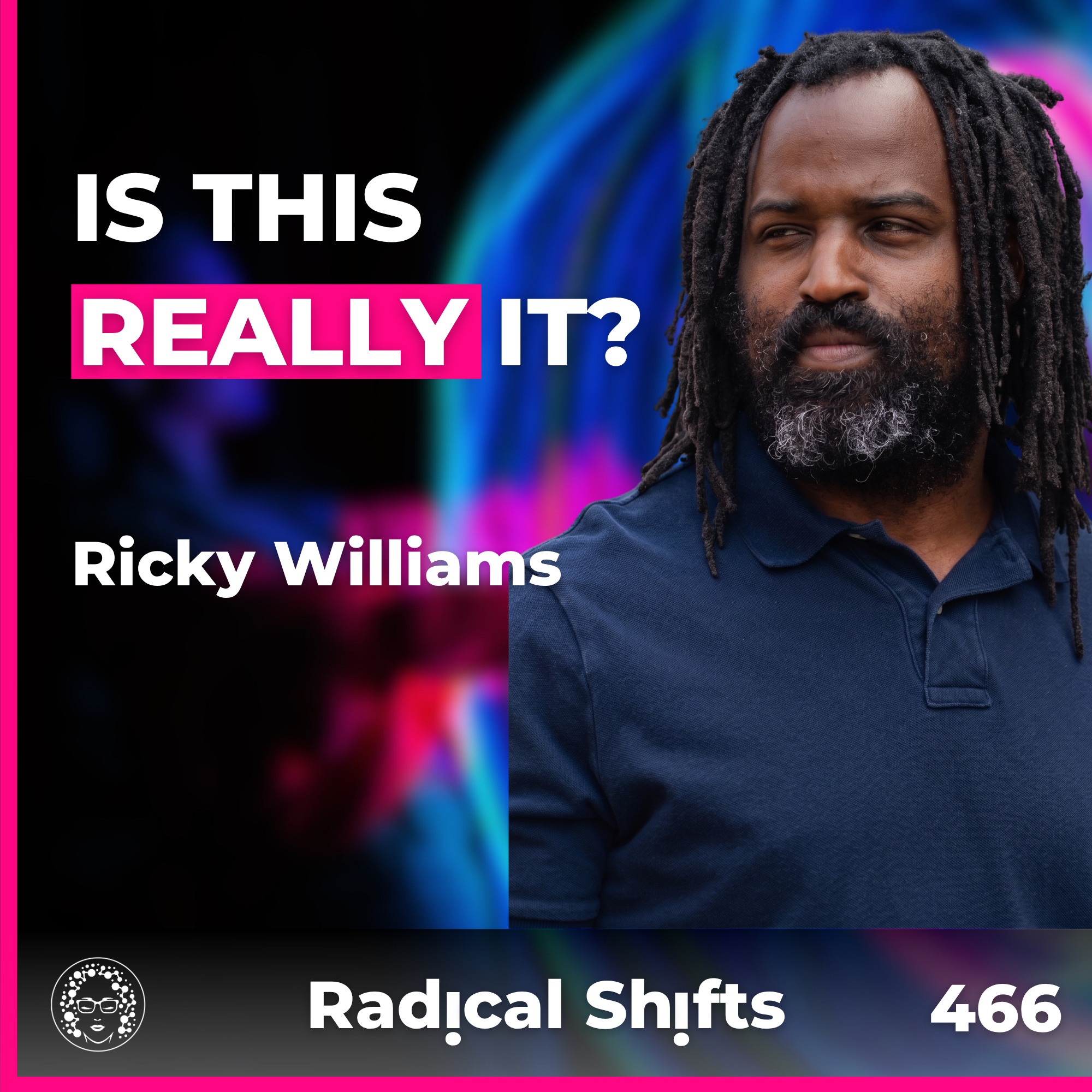 EP 466: The NFL Star Who Walked Away and Became an Astrologer (What Your Chart Reveals) with Ricky Williams✨ | astrologyself-discovery+3 | Ricky Williams | Lila Labs | — | NFLastrology+5 | — | 48m 52s | |
| 5/26/26 | 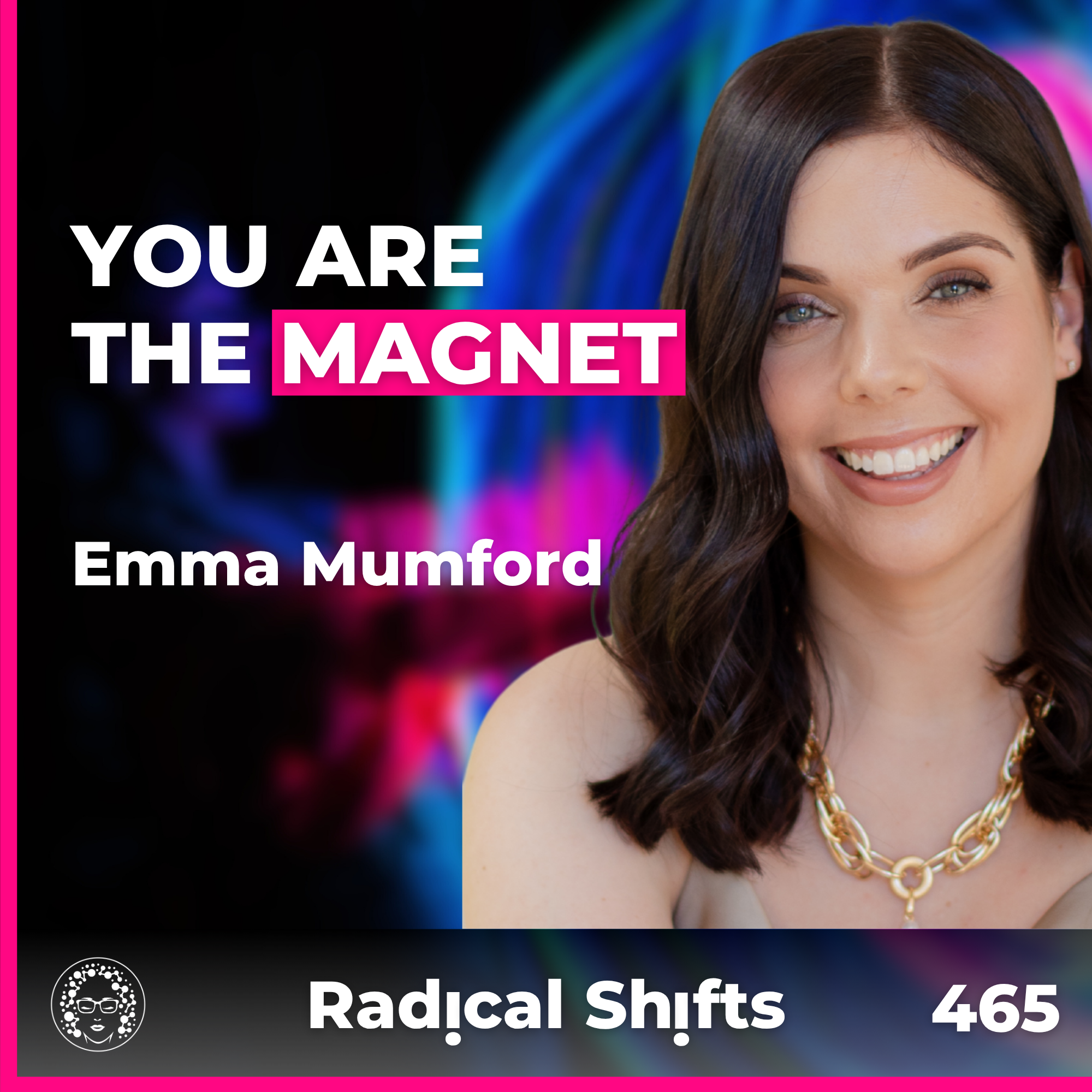 EP 465: The Manifestation Block Nobody Talks About (And Why Doing More Won’t Fix It) with Emma Mumford✨ | manifestationself-improvement+3 | Emma Mumford | iTunes | — | manifestationself-help+3 | — | 55m 13s | |
| 5/12/26 | 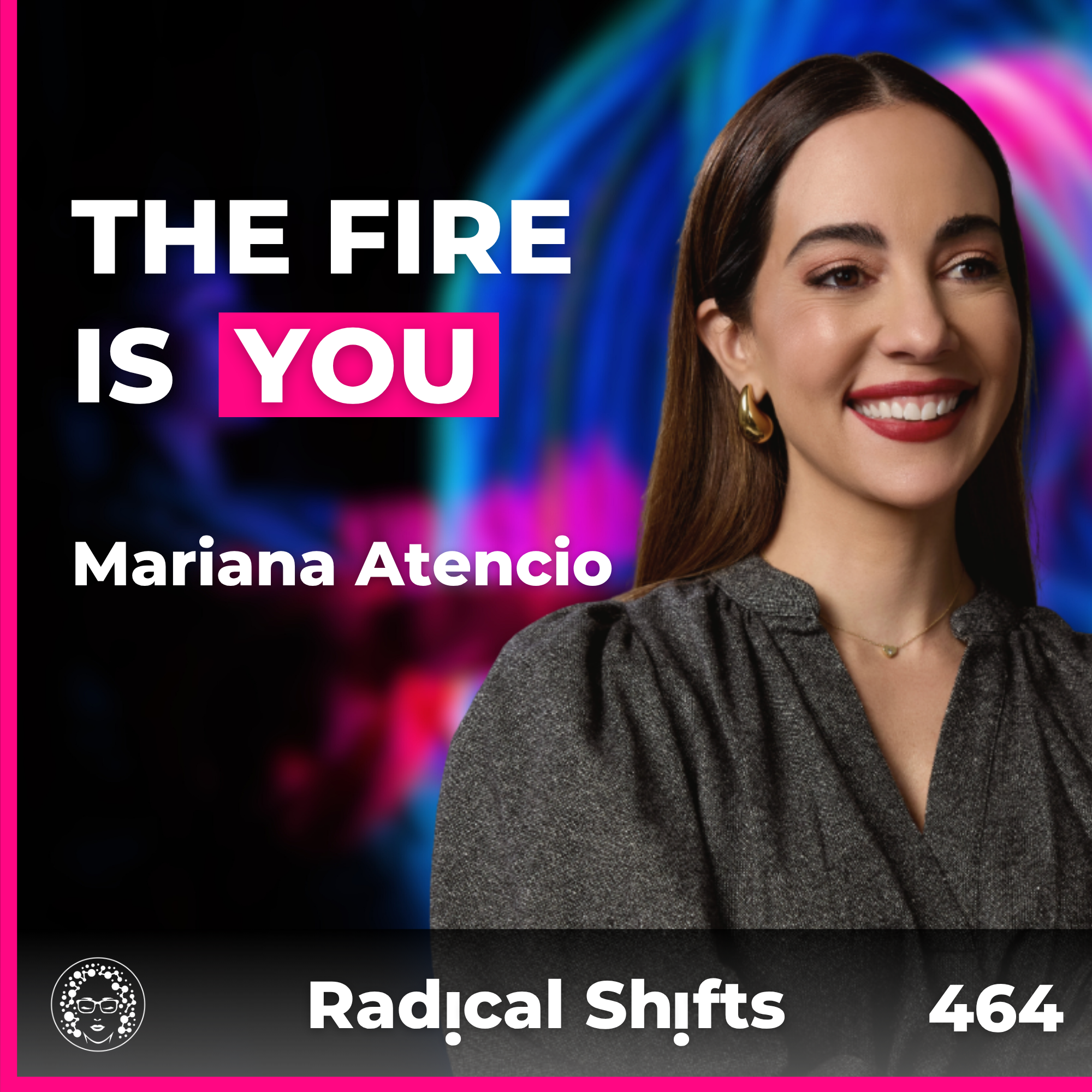 EP 464: The Hardest Thing Isn’t Chasing the Fire. It’s Sitting Inside It with Mariana Atencio✨ | self-trustconfidence+4 | Mariana Atencio | — | HaitiHong Kong | confidenceself-trust+5 | — | 48m 43s | |
| 5/5/26 | 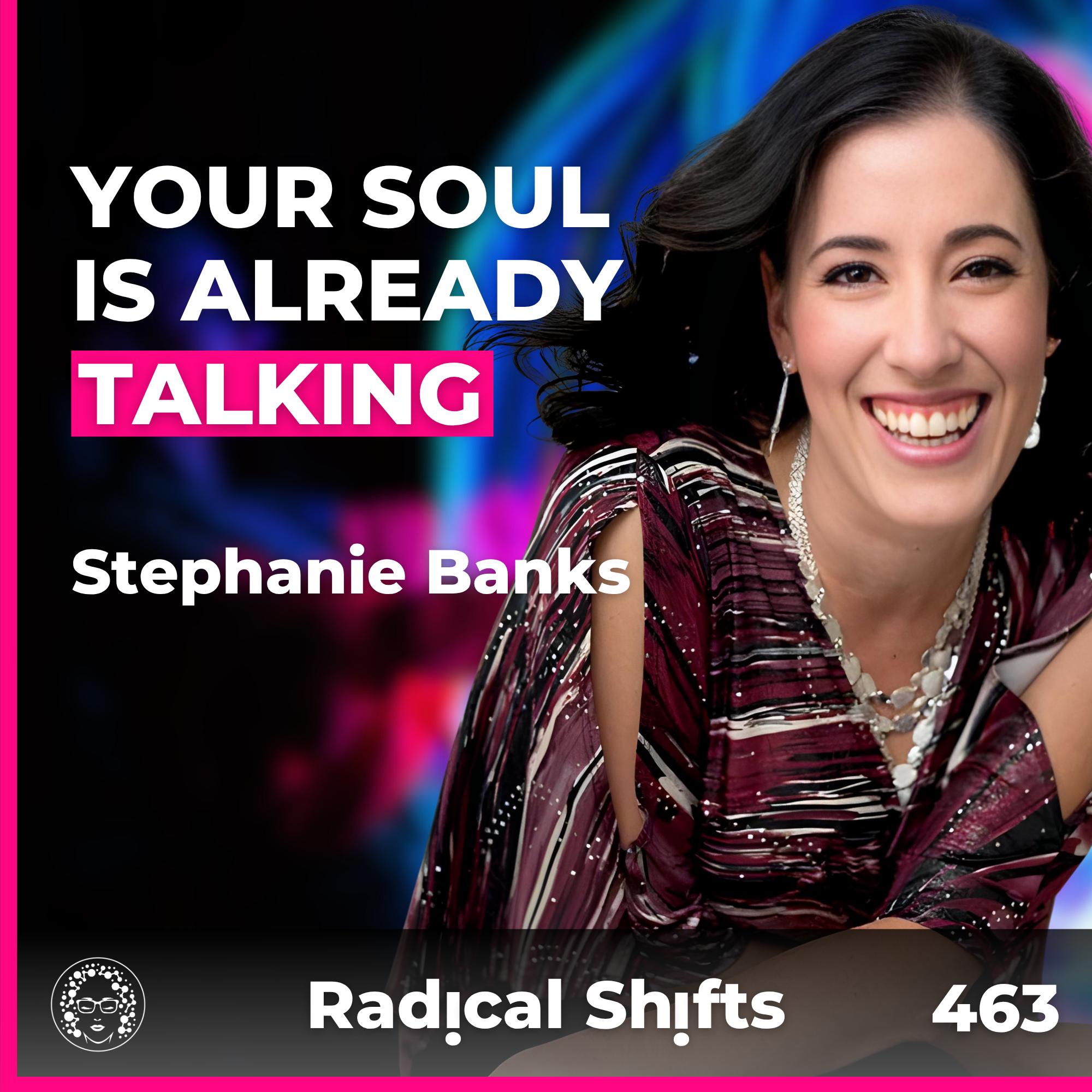 EP 463: She Was Losing Her Mum, So She Learned to Speak to Her Soul with Stephanie Banks✨ | communicationdementia+4 | Stephanie Banks | — | — | dementiacommunication+5 | — | 59m 45s | |
| 4/28/26 | 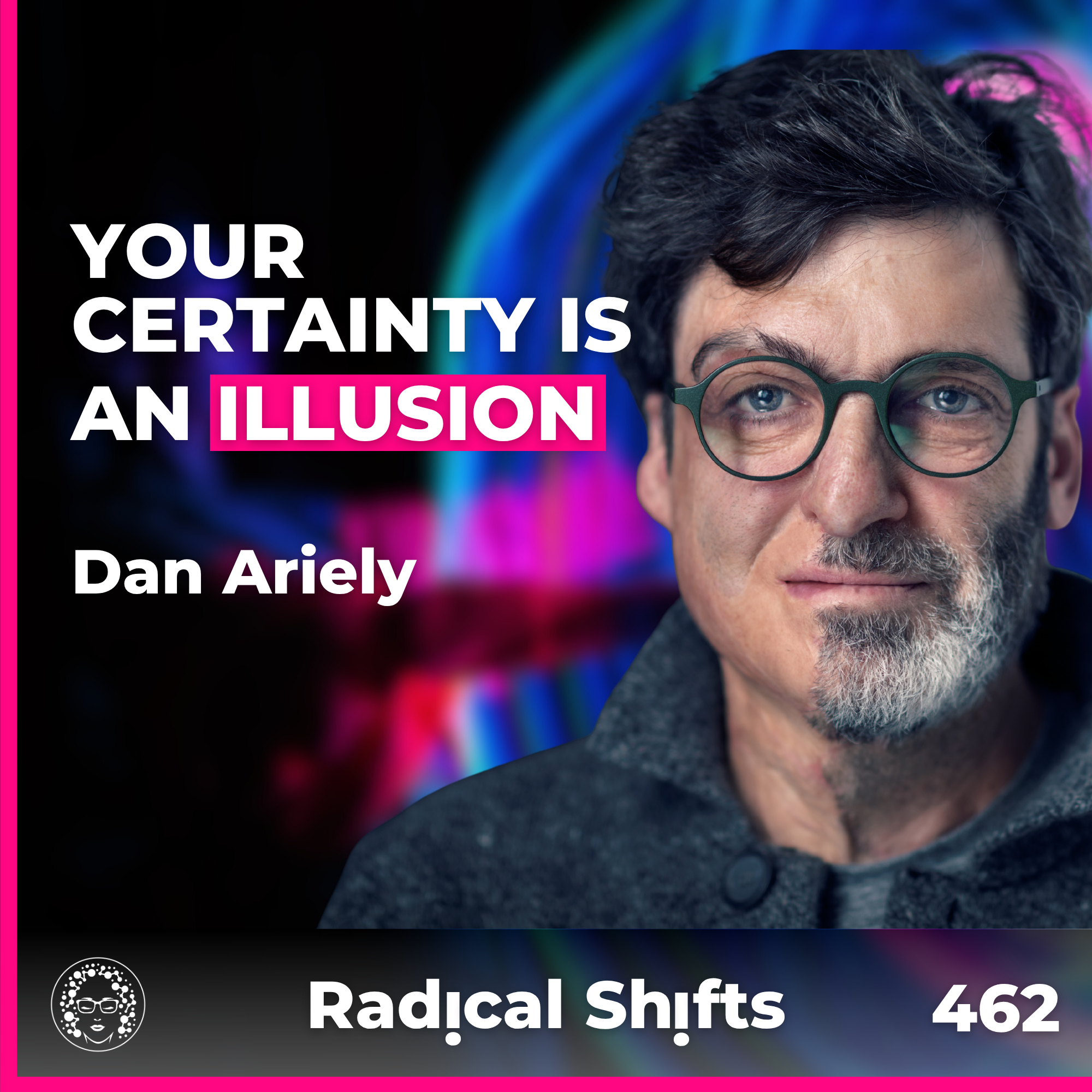 EP 462: The Hidden Reason You Keep Making the Wrong Decisions (And How to Stop) with Dan Ariely✨ | decision makingintuition+3 | Dan Ariely | — | — | decision makingintuition+3 | — | 54m 02s | |
| 4/21/26 | 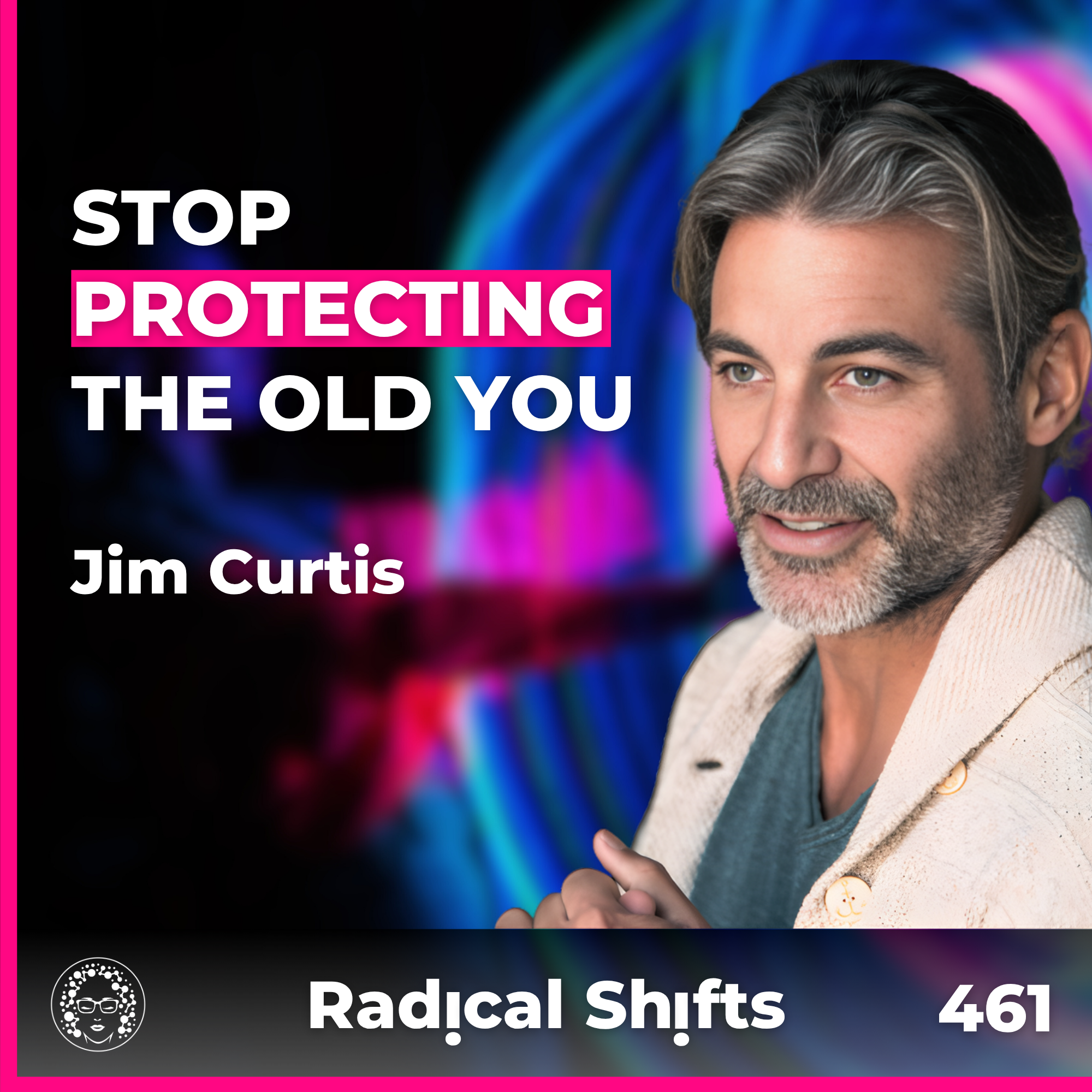 EP 461: Your Mind is Protecting a Version of You That No Longer Exists with Jim Curtis✨ | identitysubconscious mind+3 | Jim Curtis | — | — | hypno-coachingsubconscious+3 | — | 50m 03s | |
| 4/14/26 | 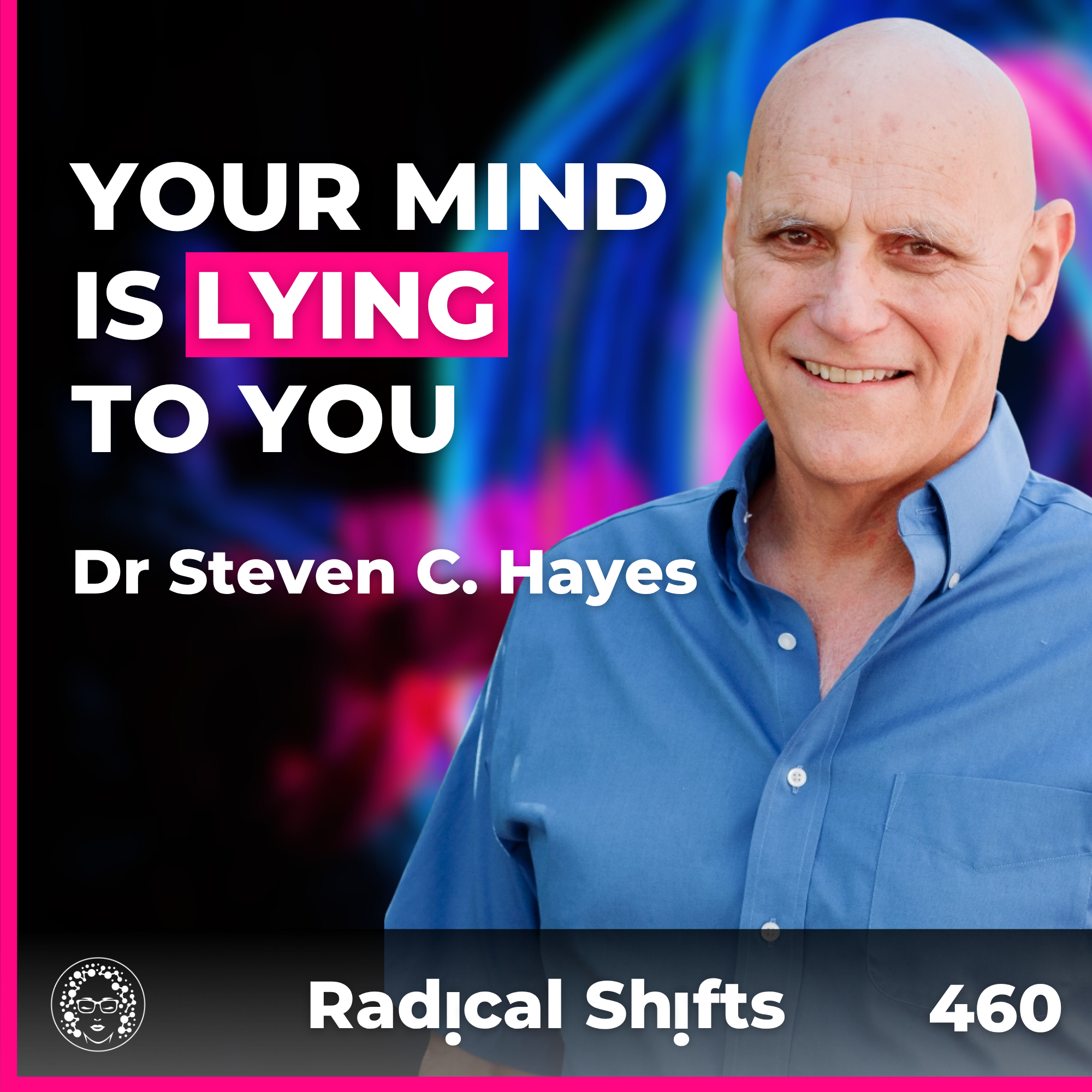 EP 460: Put Your Mind on a Leash Before It Takes Over Your Life with Dr Steven C. Hayes✨ | Acceptance and Commitment Therapypsychological change+3 | Dr Steven C. Hayes | — | — | mindfulnesspsychology+3 | — | 1h 11m 56s | |
Want analysis for the episodes below?Free for Pro Submit a request, we'll have your selected episodes analyzed within an hour. Free, at no cost to you, for Pro users. | |||||||||
| 4/7/26 | 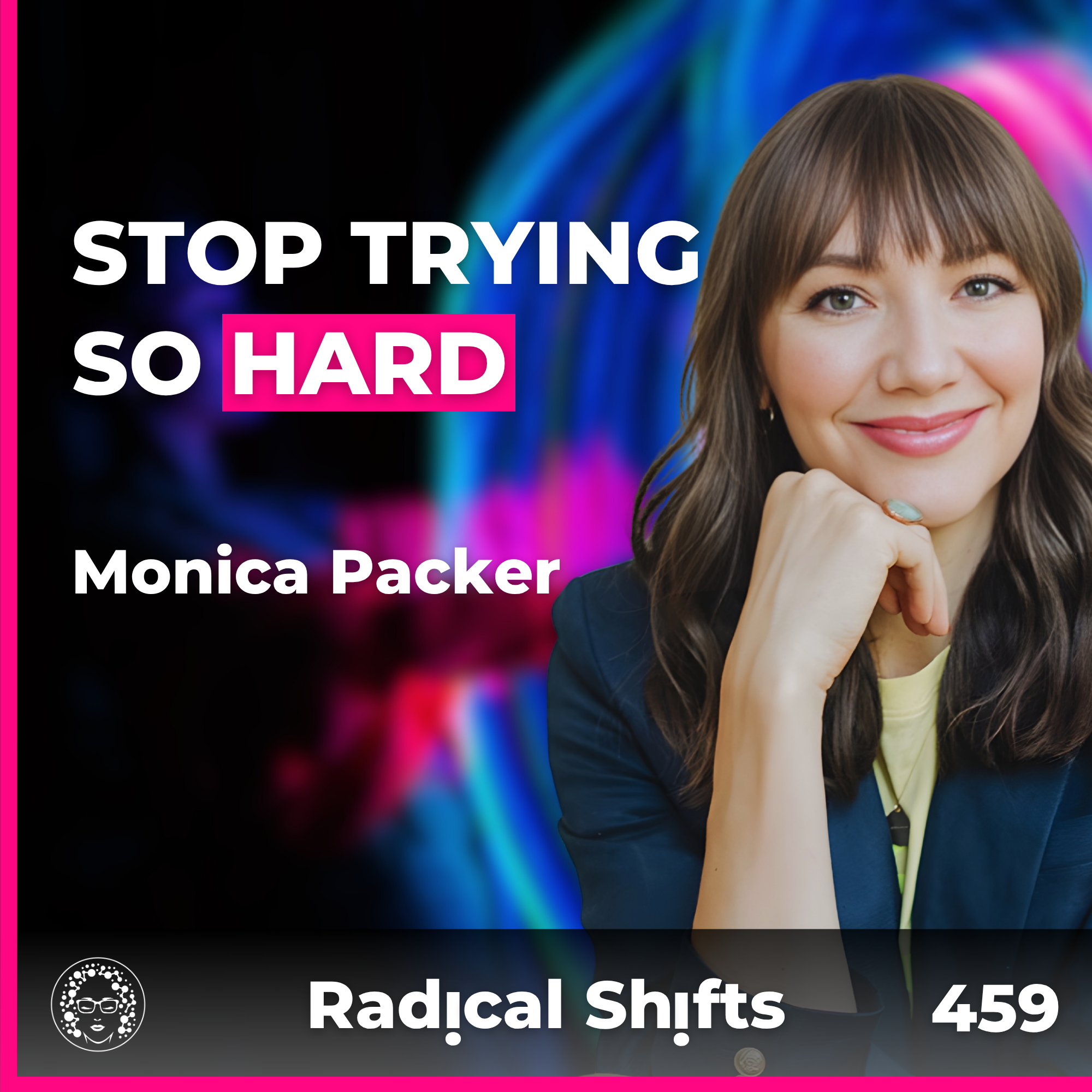 EP 459: The Invisible Reason You Can’t Stick to Your Habits with Monica Packer✨ | habitsidentity+3 | Monica Packer | — | — | habitsidentity coach+5 | — | 1h 02m 39s | |
| 3/24/26 |  EP 458: What Your Dreams Are Really Trying to Tell You (The Science Behind It)✨ | dream interpretationneuroscience+3 | — | — | — | dreamsneuroscience+5 | — | 7m 25s | |
| 3/17/26 |  EP 457: A Chiropractor Told Her “Your Body Wants to Be Stuck.” It Changed Everything with Inna Segal✨ | chiropracticemotional healing+3 | Inna Segal | The Catherine Plano Podcast | — | chiropractorchronic conditions+3 | — | 1h 12m 53s | |
| 3/10/26 |  EP 456: The Emmy Award Winner Who Left It All to Follow Consciousness with Frank Elaridi✨ | career changeself-discovery+3 | Frank Elaridi | Good Morning America | — | Emmy Awardjournalist+3 | — | 1h 03m 35s | |
| 3/3/26 |  EP 455: Your Mood Isn’t Random: How Colour Quietly Shapes Your Emotions, Decisions and Happiness✨ | colour psychologyemotions+3 | — | — | — | colouremotions+7 | — | 7m 42s | |
| 2/24/26 |  EP 454: You Were Never Broken, So Why Are You Still Stuck in the Healing? with Gabi Kovalenko✨ | self-awarenessspirituality+3 | Gabi Kovalenko | — | — | healingwholeness+3 | — | 1h 12m 17s | |
| 2/17/26 |  EP 453: Your Children Aren’t Here to Be Fixed, They’re Here to Wake You Up with Dr. Shefali✨ | parentingself-awareness+3 | Dr. Shefali | Conscious ParentingColumbia University+1 | — | parentingself-improvement+3 | — | 41m 27s | |
| 2/10/26 | 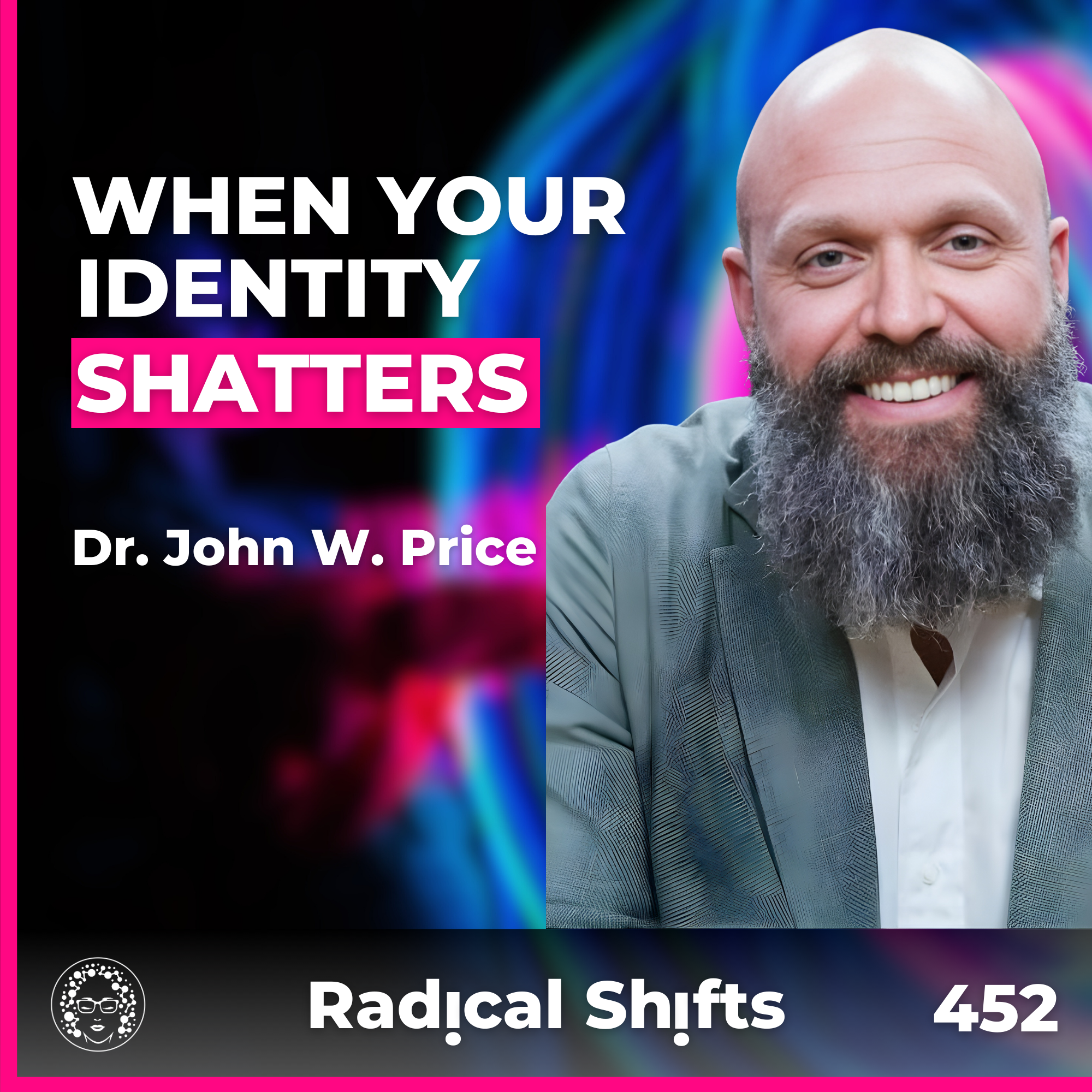 EP 452: When Your Identity Shatters: A Therapist’s Journey Through Suffering with Dr. John W. Price | When Your Identity Shatters: A Therapist’s Journey Through Suffering What if the moment your entire identity falls apart isn’t a breakdown but a sacred initiation? What if the culture that taught you to pathologise your pain has stolen your capacity to transform through it? For over 28,000 hours, Dr. John W. Price has sat knee to knee with people in their most debilitating shatterings. As a Jungian psychotherapist with a doctorate in depth psychology, he doesn’t just understand suffering intellectually. He has walked through the fire himself, and it’s that lived experience that makes him one of the most compelling guides for anyone navigating identity crisis, spiritual awakening, or the terrifying process of becoming who you actually are. In this profound conversation, Dr Price reveals why tying your self-worth to your net worth creates a dangerous trap, how “sacred refusal” becomes an act of devotion, and why the moments when everything crumbles are actually the gateways to transformation our modern world has forgotten how to honour. The Man Who Lost Everything to Find His Calling Dr. Price’s path to the therapist’s chair began on stage. From age six, music was his calling. He was self-motivated, wild, rebellious, smoking in the boys’ room while dreaming of guitars and record deals. By his mid-twenties, he had signed that deal and was touring nationally, living the dream he had fantasised about since childhood. Then everything came crashing down. The birth of his son, the collapse of an unhealthy relationship, and the sudden weight of single fatherhood shattered every identity he had built. He weighed 35 pounds less from stress, found himself in court battles, and sat in a therapist’s office feeling completely lost. “I had a shattering of an identity,” he recalls. “My whole life dream was disrupted.” But in that therapist’s chair, working with a brilliant woman named Charlene who introduced him to Buddhist meditation, something shifted. Dr. Price realised he didn’t just want healing. He wanted to offer it. That moment of recognition sent him back to school, this time as a ravenous student pursuing a master’s in clinical psychology and eventually a doctorate in Jungian depth psychology. Why We Pathologise Our Own Initiations One of Dr. Price’s most powerful insights centres on how our culture has lost the capacity to recognise transformation for what it is. “Because our culture doesn’t really have an orientation to initiate us into this kind of process, we pathologise it, and we think that something is wrong,” he explains. When your identity crumbles, when the life that looked good on paper suddenly feels unbearable, when you can no longer perform the role everyone expects of you, our society tells you something is broken. But Dr. Price sees these moments differently. They are sacred shatterings, initiations that ancient cultures would have honoured with ritual and community support. The problem for so many high achievers is that they have tied their sense of self-worth entirely to their net worth, their title, their role. When that foundation shifts, they don’t just lose a job or a relationship. They lose themselves. “How do you actually trust the fall rather than resist it?” becomes the central question. Sacred Refusal and Living Mythically Drawing on wisdom from his mentor Richard Rohr and Jungian analyst James Hollis, Dr. Price introduces the concept of “sacred refusal.” This is the practice of stopping performance, of refusing to comply with systems that don’t serve your soul. “Any win for the self, or the soul, is experienced as a death by the socialised ego,” he teaches, quoting Hollis. This is why leaving family systems feels so terrifying. Why creating your own journey requires walking into the wilderness of the unknown. Why individuation always costs something. But the alternative is living according to control-based systems, whether religious, political, economic, or corporate, that keep you performing and complian | — | ||||||
| 2/3/26 | 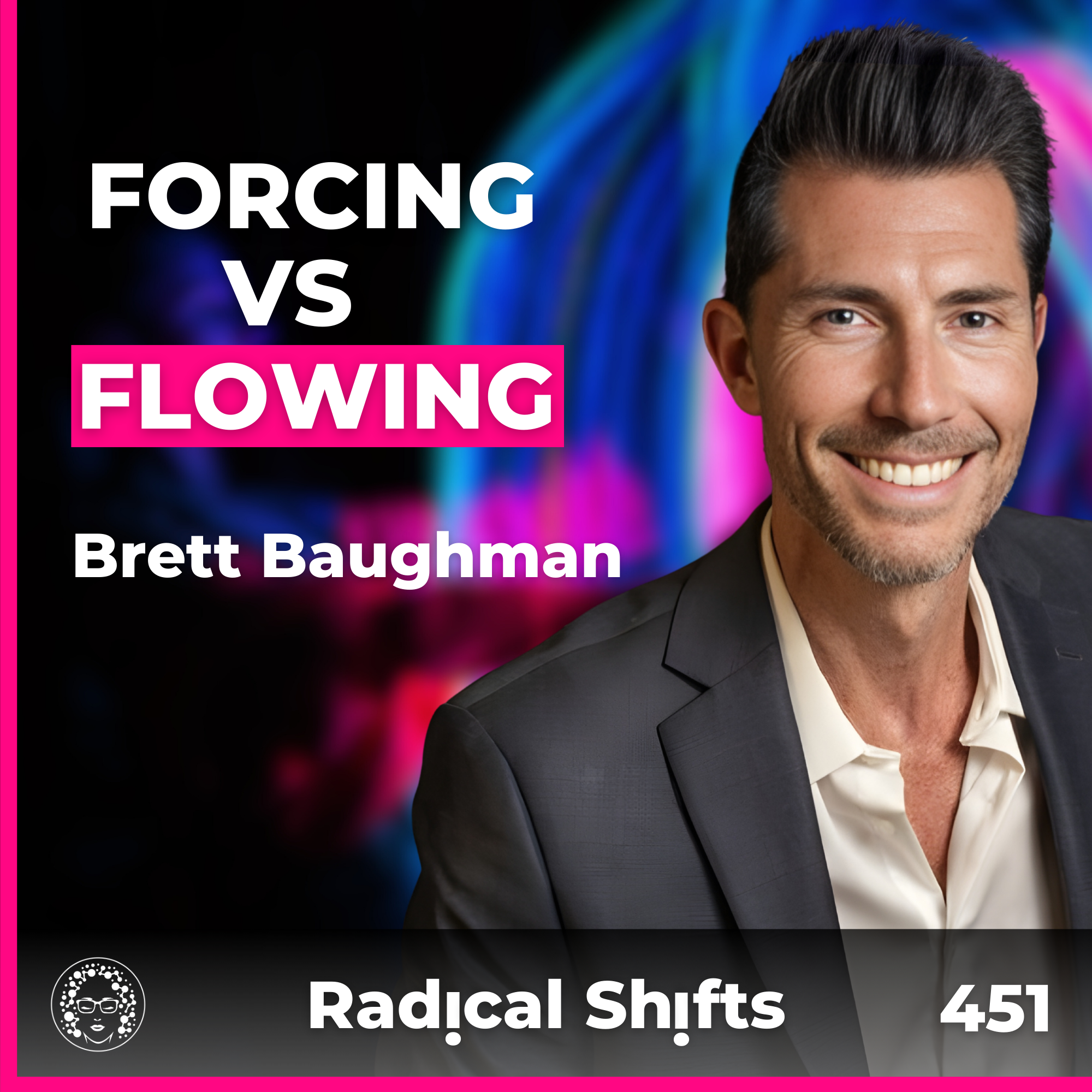 EP 451: Stop Forcing Your Life to Work – Here’s Why You’re Stuck with Brett Baughman | What if the reason you’re exhausted, frustrated, and stuck isn’t because you’re not working hard enough, but because you’re forcing your life instead of flowing with it? In this transformative episode, nationally recognised executive coach Brett Baughman shares 25 years of wisdom about discovering the critical difference between forcing and flowing, and why most people are unknowingly hiring the wrong version of themselves for the life they’re trying to build. The Man Who Lives His Calling Brett Baughman didn’t stumble into peak performance coaching. From a young age, he possessed an innate ability to see people for who they truly are, helping them feel seen, heard, and understood. This gift evolved into his life’s work: helping others discover their passion so they can live with purpose and make a meaningful impact. “I have so much abundance in my life that not only is it a calling, but it pours out of me,” Brett shares. “I have to, right? It’s kind of like my responsibility for giving back for the blessings I’ve had in my life.” The Flow State Formula One of Brett’s most powerful frameworks is recognising when you’re flowing versus when you’re forcing. When you’re in flow, doors open effortlessly. You wake up inspired. Good ideas come naturally. You meet the right people at the right time. Gratitude becomes your default state. Forcing looks completely different. Frustration replaces gratitude. Time feels scarce. You’re pushing against closed doors repeatedly. Your mental, physical, and spiritual wellness starts declining. “When something’s not going the way you want, stop and say, am I forcing things?” Brett advises. “You’re going to be putting too much energy into something and realise like, this is not what I should do. And you have to let go and flow. And as soon as you let go, you’ll start to get clarity and things will start to line up.” The Take Five Method: Transform Emotional Chaos Into Clarity Brett’s signature practice is “Take Five and Come Back Better.” Whether you’re arguing with your partner or spiralling in negative self-talk, this technique will change your life within days. When you notice you’re not being the person you want to be, stop and excuse yourself. Take two to three minutes and do breathwork using the 4-2-6 technique: inhale through your nose for 4 seconds, hold for 2 seconds, slowly exhale for 6 seconds. Repeat for two minutes. “If you really breathe and just slow the breathing down, you turn off that emotional thinking,” Brett explains. “The anger, the sadness, the fear, the guilt goes away. You become objective.” Once calm, ask yourself two critical questions: “How is that emotion helping me?” and “What am I supposed to learn from this experience?” These questions transform emotional reactions into growth opportunities. Are You Hiring the Right Person for the Job? Every morning, Brett wants you to ask: Am I the right person for this job I’ve assigned myself today? If you wake up in a terrible mood, lacking confidence, feeling defeated, then you’re not the person to do the job. That version of you will never produce the results you want. “It doesn’t mean don’t do the job,” Brett clarifies. “It means go get aligned first.” Because as Brett powerfully states: “As you build it, so shall it live.” There’s No Such Thing as Failure, Only Feedback Brett calls this philosophy “failing forward.” When something doesn’t work, ask what you learned and what you’ll do differently next time. This removes the fear of mistakes and replaces it with curiosity about growth. About Brett Baughman Brett Baughman is a nationally recognised executive coach, voted Top Business Coach to Work With by Apple News. With over 25 years of experience guiding high-performing executives, CEOs, and leadership teams, Brett is a trusted expert in helping people break through to their next level of success. As the creator of The Ideal You framework, Action Mastery Retreats, and the immersive Breath House Experience, Brett has helped c | — | ||||||
| 1/27/26 |  EP 450: Why You REALLY Procrastinate (It’s Not Laziness, It’s Emotional Protection) | Have you ever stared at your to-do list, felt that familiar dread, and suddenly decided that reorganising your sock drawer was the most important task in the world? What if that delay you keep shaming yourself for isn’t laziness at all—but your mind trying to protect you from something it perceives as threatening? In this powerful episode, we shatter the myth that procrastination is a character flaw or lack of discipline. The truth is far more revealing: procrastination isn’t the enemy—it’s a messenger. It’s a mirror reflecting how we manage emotion, fear, and self-worth. While the world tells you to push harder and discipline yourself into action, something far more transformative happens when you stop fighting the delay and start understanding it. This episode reveals three transformative insights about the psychology behind procrastination and how to turn delay into self-awareness. The Comfort of Future Self-Deception: Every time you tell yourself “I’ll do it tomorrow,” your brain is playing its favourite trick. We imagine a future version of ourselves who is infinitely capable—a superhero who will have more energy, more focus, more time. Psychologists call this temporal discounting: we prioritise immediate comfort over future benefit. And here’s the trap—every time we delay, we get a tiny hit of relief. Dopamine whispers that we escaped discomfort, and that relief reinforces the habit. We don’t procrastinate to waste time. We procrastinate to avoid pain. The next time you catch yourself scrolling instead of starting, pause and ask: what am I trying not to feel? It’s rarely laziness. It’s emotional protection. The Fear Factor—Perfectionism in Disguise: Behind every chronic procrastinator, there’s usually a perfectionist hiding. We delay not because we don’t care, but because we care too much. The thought of doing something imperfectly triggers fear of judgment, rejection, and even success itself. So we wait. We polish. We overthink. Because as long as the task isn’t done, it can’t be wrong. “If I never finish, I never fail”—that’s the quiet logic of procrastination. Safety disguised as strategy. But here’s the paradox: by avoiding the discomfort of imperfection, we create the pain of paralysis. Progress doesn’t come from perfection. It comes from movement. Rewriting Your Procrastination Story: Once you understand procrastination, you can begin to rewire it. The key is not to fight it, but to get curious about it. Start small—break overwhelming goals into tiny doable steps. The brain loves completion, and even micro-successes release dopamine that fuels momentum. Reframe the task: instead of “I have to finish,” try “I’ll just begin.” Beginning is often the hardest part, and once you start, inertia works for you instead of against you. Most importantly, replace self-criticism with self-compassion. Research shows that people who forgive themselves for procrastinating are far less likely to repeat the pattern. When you remove the shame, you remove the resistance. This isn’t just an episode—it’s permission to stop shaming yourself and start listening to what your delays are trying to tell you. Procrastination is your mind saying something here feels too heavy, too uncertain, or too much. When you listen with compassion, the delay dissolves and action feels natural again. The goal isn’t to conquer procrastination. It’s to understand it. And once you understand it, you are free. You can watch the video of this episode on YouTube. Newsletter: https://catherineplano.com for transformation. Instagram: @catherineplano for inspiration. | — | ||||||
| 1/20/26 | 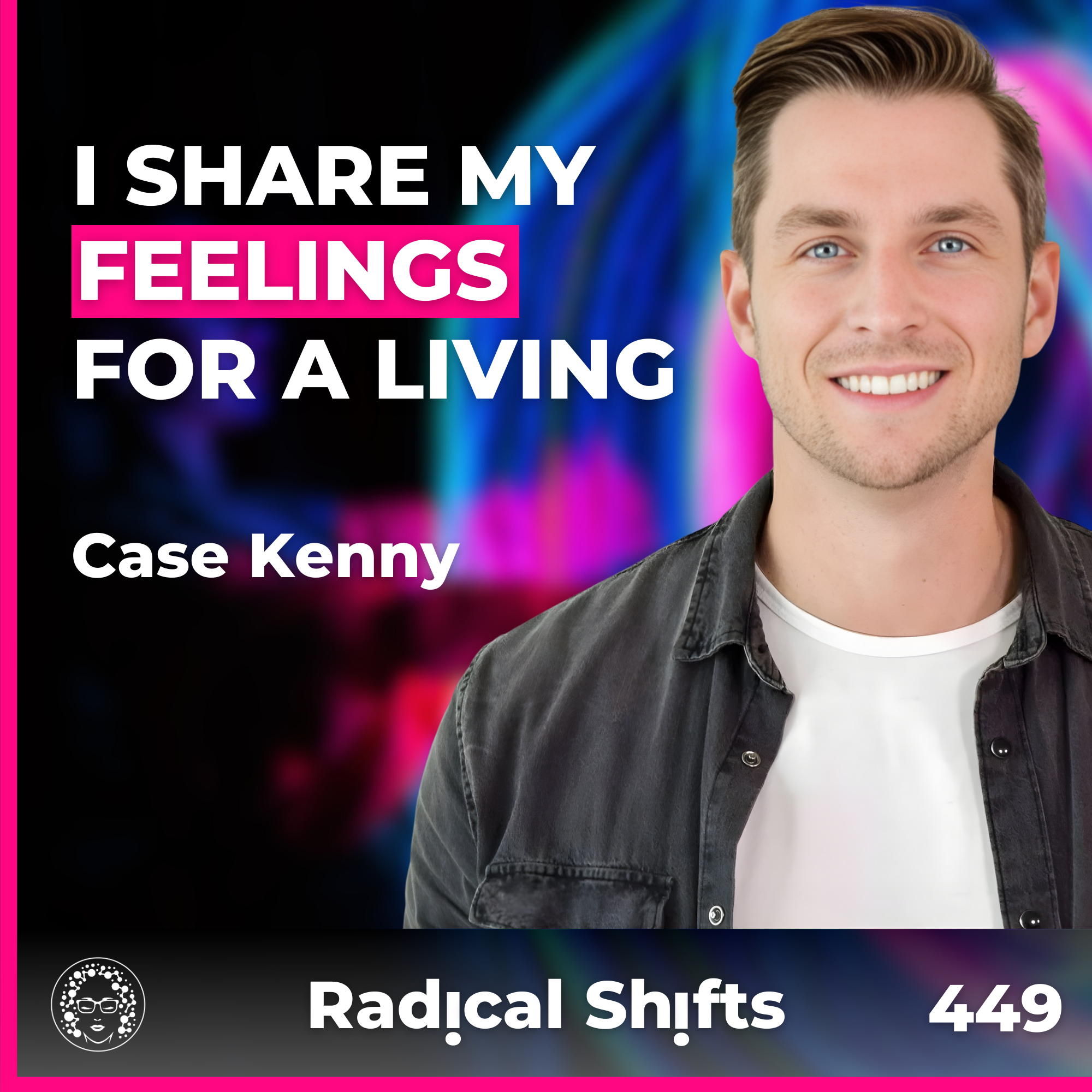 EP 449: I Share My Feelings for a Living (And Left My VP Job to Do It) with Case Kenny | What if the reason you feel like a stranger to yourself isn’t that you’re lost, but because you’ve been performing for so long, you forgot what authenticity looks like? From childhood, so many of us learned that success meant following the script: get the degree, climb the ladder, earn the title, achieve the milestones. But somewhere along the way, that external validation became internal disconnection. In this powerful episode, bestselling author and mindfulness expert Case Kenny reveals the truth about modern identity: it’s not about finding yourself once and being done. It’s about constant reinvention through reflection. He explains why “just being yourself” might be the worst advice you’ve ever received, and how the traits you think make you too much are actually what attract the right people to you. This is a conversation for anyone who’s tired of feeling like one person at work and a stranger at home, for anyone questioning whether the life that looks good on paper actually feels good in reality. Because real fulfilment doesn’t come from collecting achievements. It begins the moment you become the same person inside the conference room and outside. The Man Who Walked Away Case Kenny didn’t just study personal development; he lived the crisis that demanded it. At 28, he was the Regional Vice President of Sales at an advertising agency, crushing quotas and living what looked like the professional dream. He knew exactly who he was supposed to be in the office: confident, successful, the man with all the answers. Then he’d go home. “I would go to my job and feel like one person, and then I leave and I don’t know who I am,” Case recalls. “I’m like, I don’t know who I am on a human level, or a boyfriend level, or a partner level, or a son level, or a brother level. And I was like, that’s problematic for me.” This acute disconnect sparked a radical experiment. In 2018, he launched a podcast not to build an audience, but to force himself into self-reflection. Each episode became a laboratory where he’d unpack an emotion, desire, or expectation and “beat it up with mindfulness and logic.” Eight years later, he’s left corporate life entirely and built a career around what he jokingly calls “sharing my feelings for a living.” Why “Just Be Yourself” Is Terrible Advice “I’m really not a big fan of advice that’s like, just be yourself,” Case explains, “because if you decide that when you’re 20, you should not be the same person at 25, 30, 35, 40.” The popular wisdom tells us to discover ourselves and commit to that identity. But Case argues this is a dangerous fallacy. Real wisdom doesn’t come from experience alone; it comes from reflecting on experience. Without constant reflection, we risk living according to outdated beliefs and values that no longer serve us. “We don’t get wisdom from life experience. We get wisdom from reflecting on life experience,” he says, paraphrasing John Dewey. The things that happen to you shape who you are, but it’s reflecting on those experiences that should have the final say in who you become. His background in languages (he double majored in Chinese and Arabic at Notre Dame) resurfaces in his work. Case views personal development through a linguistic lens, believing that the words we use to describe our experiences fundamentally shape our reality. Out-of-Town Confidence: The Framework That Changes Everything One of Case’s most powerful concepts is “out-of-town confidence,” a mental model that reframes how we approach relationships and life goals. Imagine you’re visiting Miami for the first time. You’d probably be more extroverted, more confident, more open to new experiences. Why? Because you’re not fixated on any single person or outcome. The focus is on the experience itself, and if you happen to meet someone amazing along the way, that’s a bonus. “Get the most out of life as possible, not in a crazy, selfish, narcissistic way, but just as the human endeavour,” Case explains. “And then you use that | — | ||||||
| 1/13/26 | 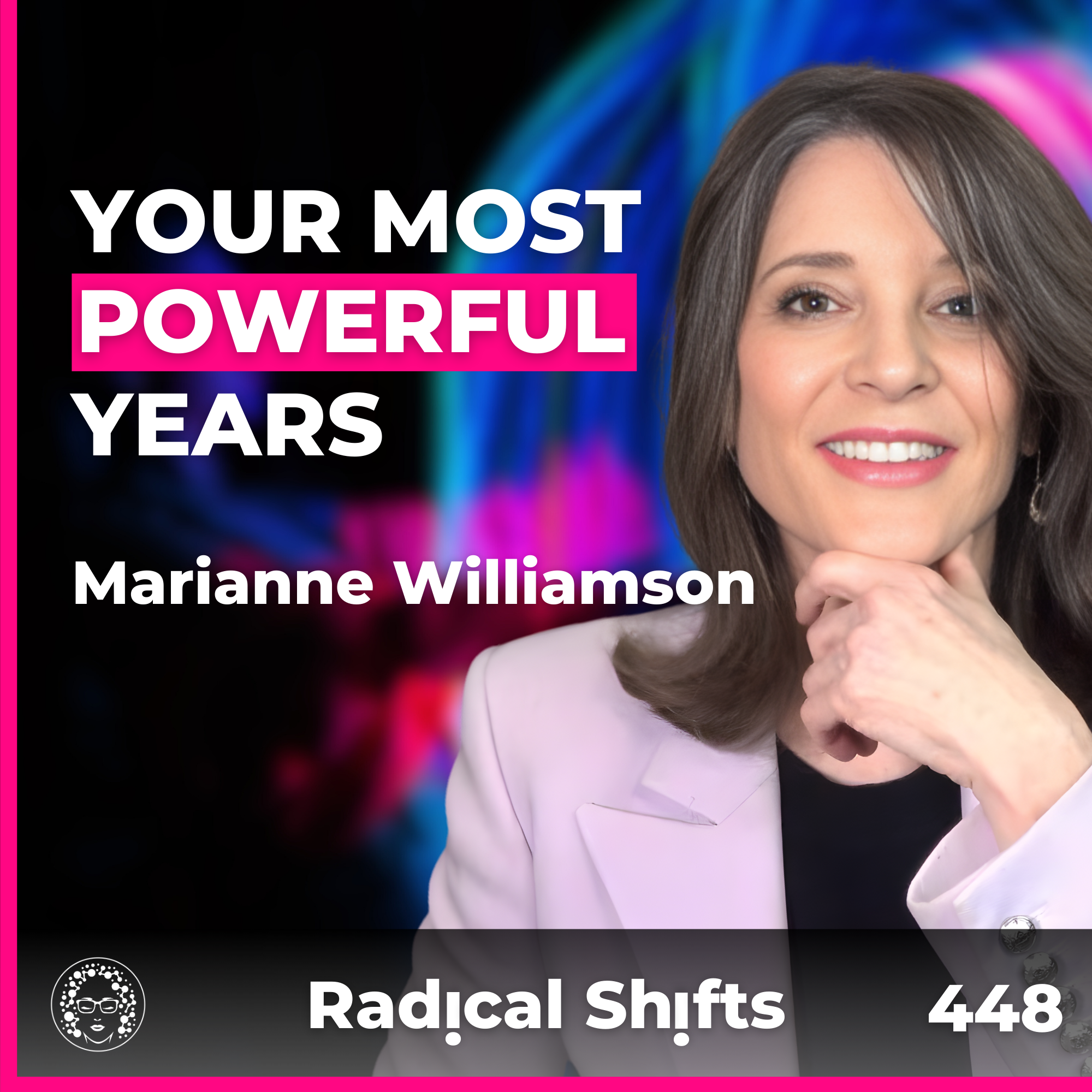 EP 448: The Age When Women Become Most Powerful with Marianne Williamson | What if everything you’ve been told about aging is a lie? What if your 50s and 60s aren’t about fading into irrelevance, but about finally becoming who you were always meant to be? In this transformative episode, bestselling author and spiritual teacher Marianne Williamson dismantles the cultural narrative that treats midlife as a slow decline. Instead, she reveals it as the most powerful awakening of your life—a time when the wisdom you’ve accumulated can no longer stay silent, when you stop caring what others think, and when you finally have the courage to say what needs to be said. This is a conversation for anyone who’s been conditioned to fear aging, who’s carrying shadow figures from their past into their present, or who’s ready to claim the grandeur that only comes with lived experience. The Accidental Calling Marianne Williamson didn’t set out to become one of the most influential spiritual teachers of our time. In her 20s, she discovered A Course in Miracles and was captivated by its psychological mind training on forgiveness—dismantling a thought system based on fear and accepting one based on love instead. “At first it was just what it was doing for me,” she explains. “The career niche that I inhabit today didn’t even exist at that point.” She started with a small study group in a bookstore. Then she moved to Los Angeles, and the AIDS crisis burst onto the scene. Gay men flocked to her lectures because “in the middle of this horror, there was this then young woman talking about a God who loves you no matter what and about miracles.” One thing led to another. She published a book. Oprah Winfrey loved it. A Return to Love became a mega-bestseller, and a quote from it—”Our deepest fear is not that we are inadequate. Our deepest fear is that we are powerful beyond measure”—became an anthem for seekers worldwide. But Marianne’s journey wasn’t always smooth. She ventured into politics, running for the Democratic nomination for President in both 2020 and 2024, and encountered a level of public scrutiny and mean-spiritedness she’d never faced in the spiritual world. “We all made mistakes in our 20s, but they weren’t written into the ethers of the internet to be with us forever,” she reflects, lamenting how young people today are denied the freedom to grow without permanent records of their missteps. The Shadow Figures We Carry One of the most powerful teachings Marianne shares is about forgiveness—not as a platitude, but as a practice of liberation. “A Course in Miracles says that if you bring the shadow figures of your past into the present, then you are programming the future to be just like the past,” she explains. Many of us replay painful memories, trying to forgive by reliving them. But this approach backfires. “Every time I brought it in and thought about it, it was almost like visceral, like it was reenacting what took place,” Catherine shares. Marianne’s response? Accept that it happened. Know that the love was real, the love you gave and received was eternal, and “the rest was literally a kind of shared illusion or nightmare, a kind of hallucination of consciousness, and you don’t have to carry it with you.” The ego, however, wants to keep bludgeoning you with it. What they did, what you did, what you didn’t do. But healing doesn’t come from endlessly analyzing where the wounds came from. “Knowing where you got this has done me no good,” Marianne admits. “Knowing you are this way, Marianne, and be willing not to be, and ask God’s help. That’s the miracle.” The Moment-by-Moment Practice Spiritual practice isn’t theoretical. It’s what you do when you wake up at 3 a.m. with your thoughts spiralling. It’s choosing whether to grab your phone and scroll through chaos or to ground yourself in meditation and prayer. “If you wake up in the morning and you go directly to the news, you go directly to social media, it’s like you’re saying to the chaos, come on, eat me alive, I’m open and available for that,” Marianne warns. | — | ||||||
| 1/6/26 | 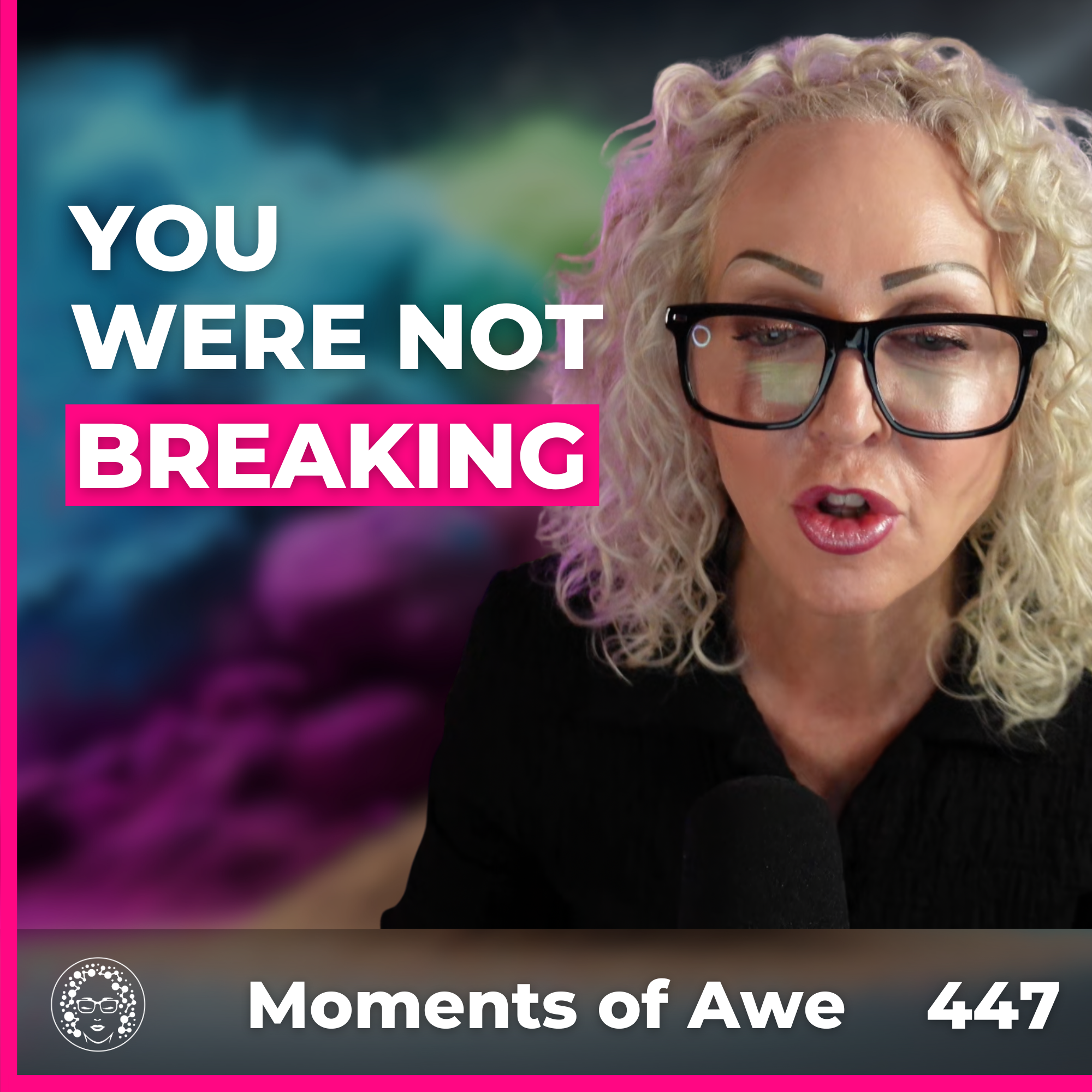 EP 447: If You Felt Done With Everything in 2025, You Weren’t Breaking: Here’s What 2026 Actually Demands | Have you ever felt like everything in your life was quietly unravelling, and you couldn’t tell if you were transforming or falling apart? What if that restlessness you felt all through 2025 wasn’t you breaking—it was you shedding what no longer fit? In this powerful episode, we explore why 2025 left so many of us feeling raw, done, and ready to walk away from versions of ourselves we’d outgrown. This wasn’t random discomfort—this was a Number 9 year combined with Snake energy, and it arrived to make you honest, not comfortable. While everyone around you was forcing momentum, you were doing something far more powerful: listening to truth you’d been avoiding. Now 2026 has begun as a Number 10 year—new identity with infinite potential—and it’s demanding something completely different from you. This episode reveals three transformative insights about what 2025 revealed and what 2026 actually demands from you now. Honour What the Shedding Revealed: The most important growth of 2025 was completely invisible. It didn’t come with applause or external validation. It came in the middle of the night when you finally admitted the truth you’d been avoiding. It came when you stopped explaining yourself to people who were never going to understand. It came when you let the friendship fade without forcing a dramatic ending. The Snake doesn’t shed loudly—it sheds in private, quietly, completely. You released jobs that drained you, beliefs that limited you, versions of yourself you’d outgrown. And you did it without fanfare, without needing validation, without turning your healing into performance. That wasn’t weakness—that was mastery. Internal work feels like nothing is happening, but it’s everything, because you cannot build a new life on a foundation you’ve outgrown. You Are Standing in Infinite Potential Right Now: Here’s what changes everything about 2026: most people see it as a Number 1 year and think “fresh starts,” but they’re missing the zero. And the zero is where the power lives. Zero represents Source, the unseen, the infinite field of possibility. This isn’t a year where you grind your way to success through willpower alone. This is a year of co-creation. The 1 is you—your vision, your clarity, your choice. The 0 is Source—the universe, the mysterious force that opens doors you didn’t even know existed. Together, they create something neither could accomplish alone. You’re not starting from scratch. You’re starting from clarity, from truth, from the solid ground of knowing who you are and what you will no longer tolerate. Stop carrying the weight of outcomes. Your job is to move, to choose, to act. The rest? That’s where the zero does its work. The Horse Demands You Run: Starting in February, everything shifts again. Horse energy arrives, and the Horse doesn’t tiptoe—the Horse runs. Where the Snake revealed truth, the Horse demands movement, courage, forward motion. Here’s the uncomfortable truth: clarity without action is just comfortable confusion. You know what you know now. 2025 gave you that gift. You see the patterns, understand the lies you believed about yourself, know what needs to change. But knowledge without embodiment is just intellectual entertainment. This year is asking you a different question—not “What do you know?” but “What will you do?” The Horse doesn’t wait for perfect conditions. It runs because running is its nature. And courage isn’t the absence of fear. Courage is moving while afraid, choosing freedom over familiarity every single day. Your assignment: identify one truth that 2025 revealed and take one action toward embodying it this week. Not next month. Not when you feel ready. This week. This isn’t just an episode—it’s an invitation to stop rehearsing your life and start living it. The shedding is done. 2025 cleared the way. 2026 is where you run. If you’re standing at the edge of your own expansion, afraid to jump, this one’s for you. You can watch the video of this episode on YouTube. Newsletter: | — | ||||||
| 12/16/25 | 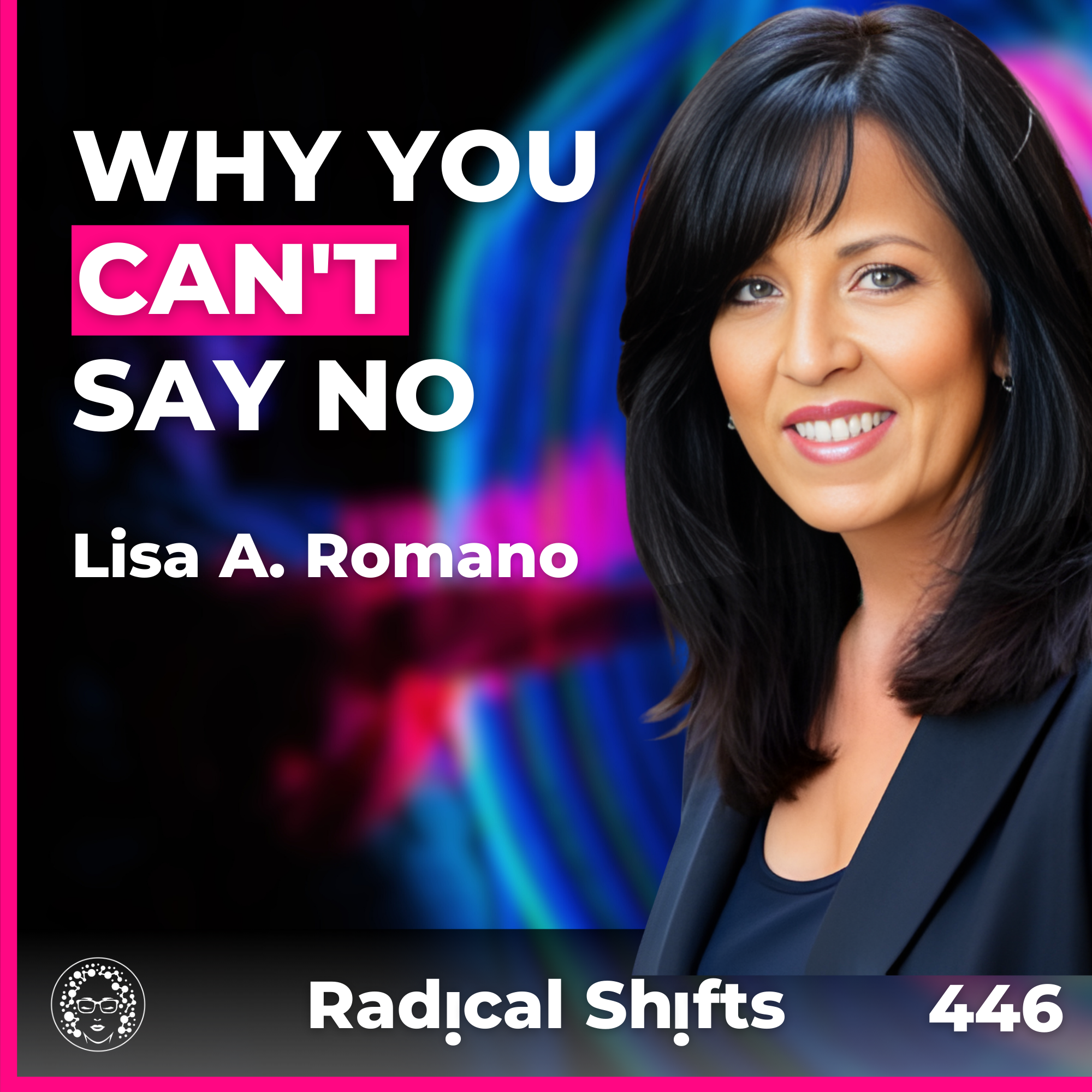 EP 446: Why You Can’t Say No Without Feeling Guilty (Codependency Truth) with Lisa A. Romano | What if the reason you can’t say no isn’t weakness, but conditioning? From childhood, so many of us were taught that love had to be earned, that being good meant staying quiet, agreeable, and available. But somewhere along the way, that survival strategy became self-betrayal. In this powerful episode, bestselling author and trauma recovery coach Lisa A. Romano reveals the truth about codependency: it’s not about needing others too much, but about forgetting who you are. She explains why guilt floods your body when you set a boundary and how healing begins the moment you realise your inner critic isn’t actually your voice—it’s an echo from your past. This is a conversation for anyone who’s tired of people-pleasing, over-giving, or shrinking themselves to keep the peace. Because real love doesn’t require you to abandon yourself. It begins the moment you come home to you. The Woman Who Broke the Cycle Lisa A. Romano didn’t just study codependency—she lived it. Growing up with parents who were adult children of alcoholics, one highly narcissistic and the other deeply codependent, Lisa carried shame throughout her entire childhood. She believed something about her made it impossible for her parents to love her. This pattern followed her into adulthood. She married a man similar to her mother, repeating the cycle of seeking approval and subjugating herself. After a severe breakdown and six therapists, she finally received the diagnosis that changed everything: codependency. The tragedy that catalysed her mission came when her brother-in-law, also an adult child of alcoholics, took his own life. In that devastating moment, Lisa realised that if he had understood codependency and childhood trauma the way she now did, he might still be alive. She pushed past her fears of what her family would think and published her first book, “The Road Back to Me,” which became an Amazon bestseller overnight. Today, as a certified life coach and leading expert in codependency and childhood trauma recovery, Lisa has helped over 5,000 students heal through her signature 12-week Breakthrough Method, blending neuroscience, trauma-informed coaching, mindfulness, and spiritual wisdom. What Codependency Actually Means “When you’re codependent, you don’t know that you’re codependent until your life becomes unmanageable,” Lisa explains. It operates completely below conscious awareness, a loop of childhood trauma disguised as personality. Codependency isn’t just people-pleasing. It’s people-pleasing from a loss of selfhood. It’s cleaning the house but needing your husband to walk in and pat you on the back. Making his favorite meal but requiring him to make a big deal about it. Watching your sister’s kids but expecting her to watch yours in return without having to ask. “With codependency, it’s an emotional enmeshment,” Lisa reveals. “I lose my sense of self and I’m emotionally reliant on someone in a very unhealthy way, and I don’t even realize it.” The dangerous part? Codependents often think they’re “the good one.” They’re the fixers, the caretakers, the ones always willing to listen. But beneath that giving is resentment, unmet expectations, and the victim mentality that comes from abandoning yourself while trying to avoid being abandoned by others. Why You Can’t Say No: The Childhood Programming The guilt you feel when setting boundaries isn’t random. It’s precisely programmed survival wiring from your first three years of life. “Your needs aren’t being served, your ego-based needs from zero to three,” Lisa explains. “You’re in a theta brainwave state, which is a hypnotic brainwave state.” During this critical period, if your narcissistic needs—the healthy developmental need to matter, to be seen, to have your feelings validated—go unmet, you don’t develop a solid ego boundary. Between ages three and five, children are supposed to be “little narcissists.” The adults around them should be managing what shows up inside them, helping them emotionally regula | — | ||||||
| 12/9/25 | 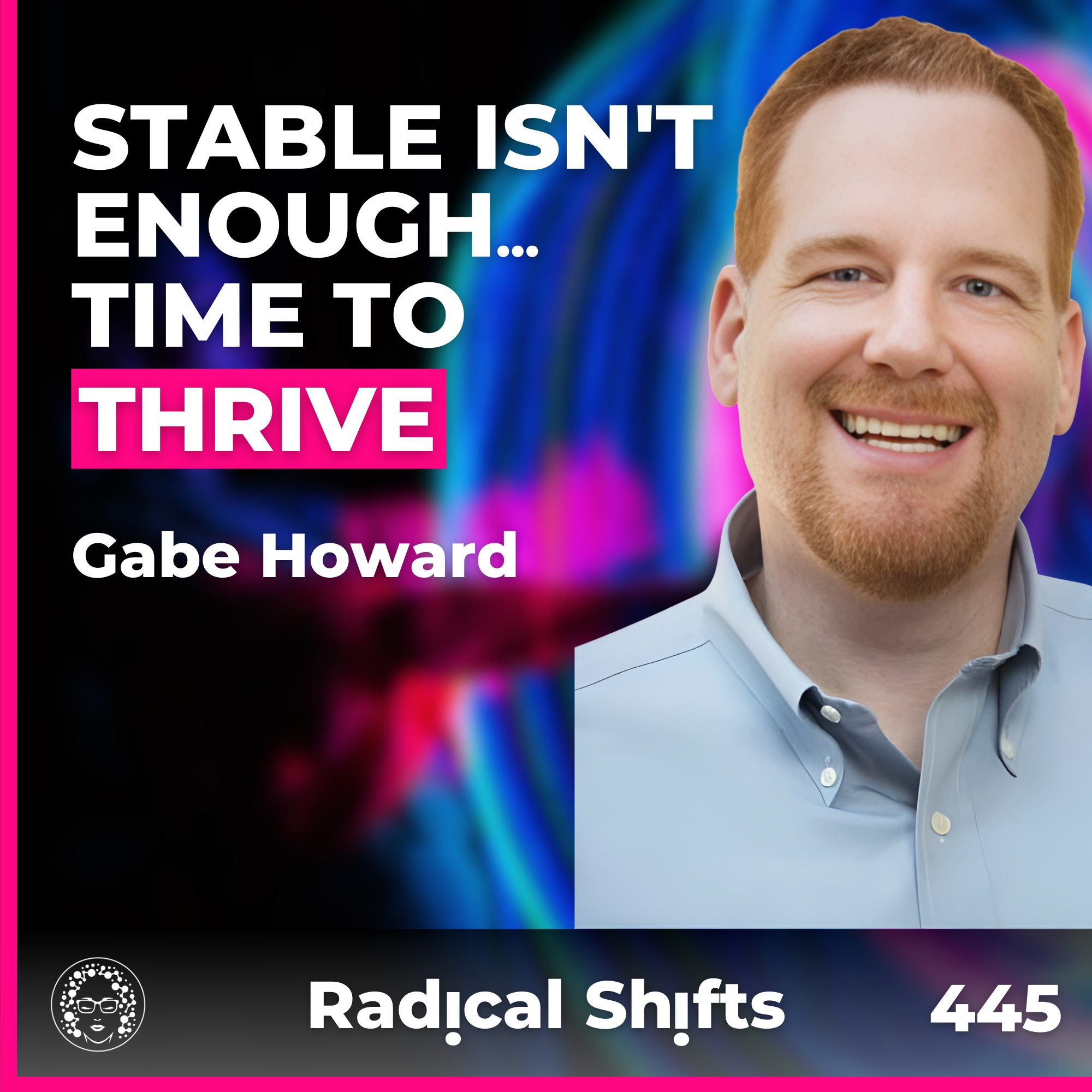 EP 445: The Mental Health System Wants You Stable. I Want You Thriving with Gabe Howard | What if the mental health diagnosis you’ve been told limits you is actually the beginning of your most extraordinary life? What if stability isn’t the ceiling, but just the foundation? What if the system telling you to “just be stable” has been setting the bar far too low? Award-winning speaker and mental health advocate Gabe Howard reveals a truth the mental health system doesn’t want you to hear: people with serious mental illness can do more than survive. They can thrive, build careers, speak at Oxford University, and lead badass lives. The Dreams That Bipolar Disorder Interrupted Gabe Howard grew up dreaming of becoming a tech mogul, the next Bill Gates or Steve Jobs. It was the mid-90s, the early days of the internet, and he wanted to be an entrepreneur in the public eye. He even considered stand-up comedy. Then bipolar disorder happened. Psychosis happened. Suicidality happened. He was committed to a psychiatric hospital, and everything came crashing down. When he finally reached recovery, Gabe was angry and traumatised. He searched desperately for resources to help himself and his parents, but the harder he looked, the less he found. That’s when he realised something powerful: he wanted somebody to do something, and then he realised he was somebody. He never thought advocacy would become his career. He thought he’d volunteer for his local mental health charity and maybe make a small impact. Now, he’s a Webby Award winner, hosts the Inside Bipolar and Inside Mental Health podcasts, has spoken at Oxford University and the National Press Club in Washington, DC, and wrote a book called Mental Illness is an Asshole and Other Observations. Mental Health Is Identical to Physical Health One of Gabe’s most powerful insights: mental health isn’t like physical health. It’s identical to physical health. Everyone has mental health, just like everyone has physical health. Most people, most of the time, have good mental health. But just like you can catch a cold or break a bone, you can experience mental health challenges. The day after losing a loved one, no one expects you to be at your best mentally. That’s normal. Yet society treats mental health as binary: you’re either “crazy” or “perfectly fine,” with no room for the grey areas where real life actually happens. The System Wants You Stable. Gabe Wants You Thriving. Gabe challenges the mental health establishment’s tendency to set expectations dangerously low. Too often, people with schizophrenia, bipolar disorder, or major depression are told that getting a part-time job and living in a group home means “you’re doing great.” While stability matters, it shouldn’t be the only goal. He’s witnessed people in group homes being told they can’t work full-time or pursue their passions when the real issue is that the system is too scared of relapse to let them try. He shares the inspiring story of Rachel Starr Withers, who lives with schizophrenia yet has hiked volcanoes, appeared in Marvel films, and hosts the Inside Schizophrenia podcast. Her philosophy: “I want to lead a badass life.” No Magic Bullet, Just Consistent Jabs Using boxing as a metaphor, Gabe explains that recovery isn’t about one knockout punch. Everyone loves the idea of that one breakthrough moment, but most fights aren’t won that way. What wins is dozens of small jabs: maintaining sleep hygiene, taking medication as prescribed, keeping mood journals, attending therapy, exercising, eating well, and practicing radical honesty. These seemingly small things add up to sustainable wellness. The key is consistency, not perfection. The Workplace Stigma That Costs Everyone Gabe makes a compelling business case for reducing mental health stigma in the workplace. Companies that create cultures where employees can be honest about their struggles gain productivity. When people feel safe saying they need a mental health hour, they’re more likely to come in later that day rather than calling in sick entirely. This transparency trans | — | ||||||
Showing 25 of 400
Pitch Fit is a Pro feature
See how bookable this show is for guests, which brands already advertise, the per-episode ad value, and the best-fit guest and sponsor profile. The numbers are blurred on the free plan.
How readily this show books outside guests like you.
How proven this show is for host-read sponsorships.
For Guests
ProFor Advertisers
ProUpgrade to Pro to unlock guest cadence, sponsor categories, fit scores, and per-episode ad value for this show.
Chart Positions
1 placement across 1 market.
Chart Positions
1 placement across 1 market.