
The Creative Process · Arts, Culture & Society: Books, Film, Music, TV, Art, Writing, Creativity, Education, Environment, Theatre, Dance, LGBTQ, Climate Change, Social Justice, Spirituality, Feminism, Tech, Sustainability
by Mia Funk
Is this your podcast?Mia Funk is an independent podcast creator known for her engaging interviews that delve into the minds of prominent figures in the arts and creative fields. With a rich background in exploring various facets of creativity, she brings a uniq…
Insights from recent episode analysis
Audience Interest
- arts and culture discussions
- creative processes and practices
Podcast Focus
- interviews with creative individuals
- exploration of artistic minds
Publishing Consistency
- 1000 episodes produced
- active for 10 years
Platform Reach
- available on major podcast platforms
- collaborations with museums and organizations
Insights are generated by CastFox AI using publicly available data, episode content, and proprietary models.
Most discussed topics
Brands & references
Total monthly reach
Estimated from 23 chart positions in 23 markets.
By chart position
- 🇬🇧GB · Performing Arts#43100K to 300K
- 🇺🇸US · Performing Arts#1735K to 30K
- 🇦🇺AU · Performing Arts#1965K to 30K
- 🇰🇷KR · Performing Arts#2930K to 100K
- 🇮🇹IT · Performing Arts#1041K to 10K
- Per-Episode Audience
Est. listeners per new episode within ~30 days
63K to 215K🎙 Daily cadence·1,000 episodes·Last published today - Monthly Reach
Unique listeners across all episodes (30 days)
210K to 717K🇬🇧42%🇰🇷14%🇩🇰14%+20 more - Active Followers
Loyal subscribers who consistently listen
84K to 287K383 real followers tracked across platforms
Market Insights
Platform Distribution
Reach across major podcast platforms, updated hourly
Total Followers
—
Total Plays
—
Total Reviews
—
* Data sourced directly from platform APIs and aggregated hourly across all major podcast directories.
On the show
From 12 epsHosts
Recent guests
Recent episodes
Taking Back Control in the Age of AI: Creativity, Transhumanism & The Myth of Machine Consciousness
Jun 24, 2026
31m 13s
Reincarnation, Food & Memory: AMITAV GHOSH on What Connects Us in an Age of Climate Crisis
Jun 22, 2026
41m 49s
The Body in Motion: Art, Science & Healing w/ Siri Hustvedt, Master Shi Heng Yi, Anil Seth, Noelani Pantastico…
Jun 21, 2026
21m 23s
From Extraction to Regeneration: Redesigning Our Relationship with Nature
Jun 15, 2026
35m 47s
There is No Freedom Without a Free Press: Journalists, Writers, Activists, Political Scientists, Economists & Filmmakers Discuss Democracy & The Fight for Truth
Jun 8, 2026
39m 12s
Social Links & Contact
Official channels & resources
Official Website
Login
RSS Feed
Login
| Date | Episode | Topics | Guests | Brands | Places | Keywords | Sponsor | Length | |
|---|---|---|---|---|---|---|---|---|---|
| 6/24/26 | 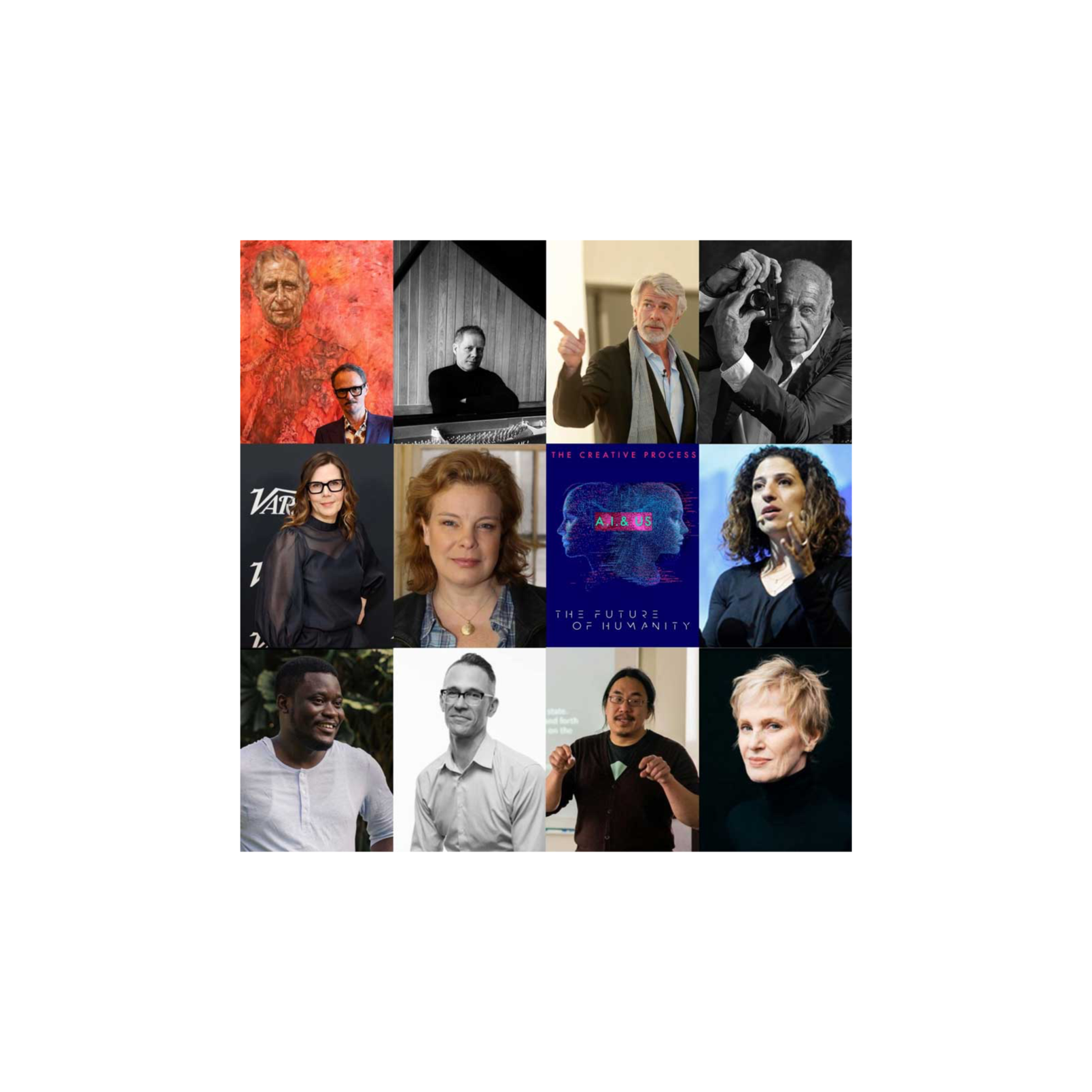 Taking Back Control in the Age of AI: Creativity, Transhumanism & The Myth of Machine Consciousness | It is an ordinary human impulse to find a reflection of ourselves in the machines we build. But what happens when the lifeless begins to talk back, to paint, to compose and to simulate our emotions? How do we hold on to what makes us human? Today we hear from philosophers and writers Siri Hustvedt, C. Thi Nguyen, and Bayo Akomolafe on the myth of machine consciousness. Artist Jonathan Yeo, playwright and screenwriter Laura Eason, composer Max Richter, and photographer Ralph Gibson discuss why the struggle of the creative process cannot be outsourced. They are joined by actress Catherine Curtin, neuroscientist Liad Mudrik, tech journalist Jacob Ward, and museum director Chris Dercon, who examine the power of imperfection, imagination, intuition, and how to avoid getting lost in the machine.(0:00) Siri Hustvedt (Author of Ghost Stories, What I Loved) (4:07) Jonathan Yeo (Portrait Artist) (5:08) Catherine Curtin (Actress, Orange is the New Black, Stranger Things) (8:49) C. Thi Nguyen (Philosopher, Author of The Score) (10:35) Bayo Akomolafe (Philosopher, Writer, Founder of The Emergence Network) (13:41) Chris Dercon (Museum Director, Fondation Cartier) (17:58) Laura Eason (Playwright, Screenwriter, Three Women, House of Cards) (20:58) Max Richter (Composer, Pianist, SLEEP, Hamnet) (23:44) Jacob Ward (Tech Journalist, Author, The Loop: How Technology is Creating a World Without Choices) (28:19) Liad Mudrik (Neuroscientist, Professor, Tel Aviv University) (29:04) Ralph Gibson (Photographer)To hear more from each guest, listen to their full interviews.Episode SiteInstagram:@creativeprocesspodcast | 31m 13s | ||||||
| 6/22/26 | 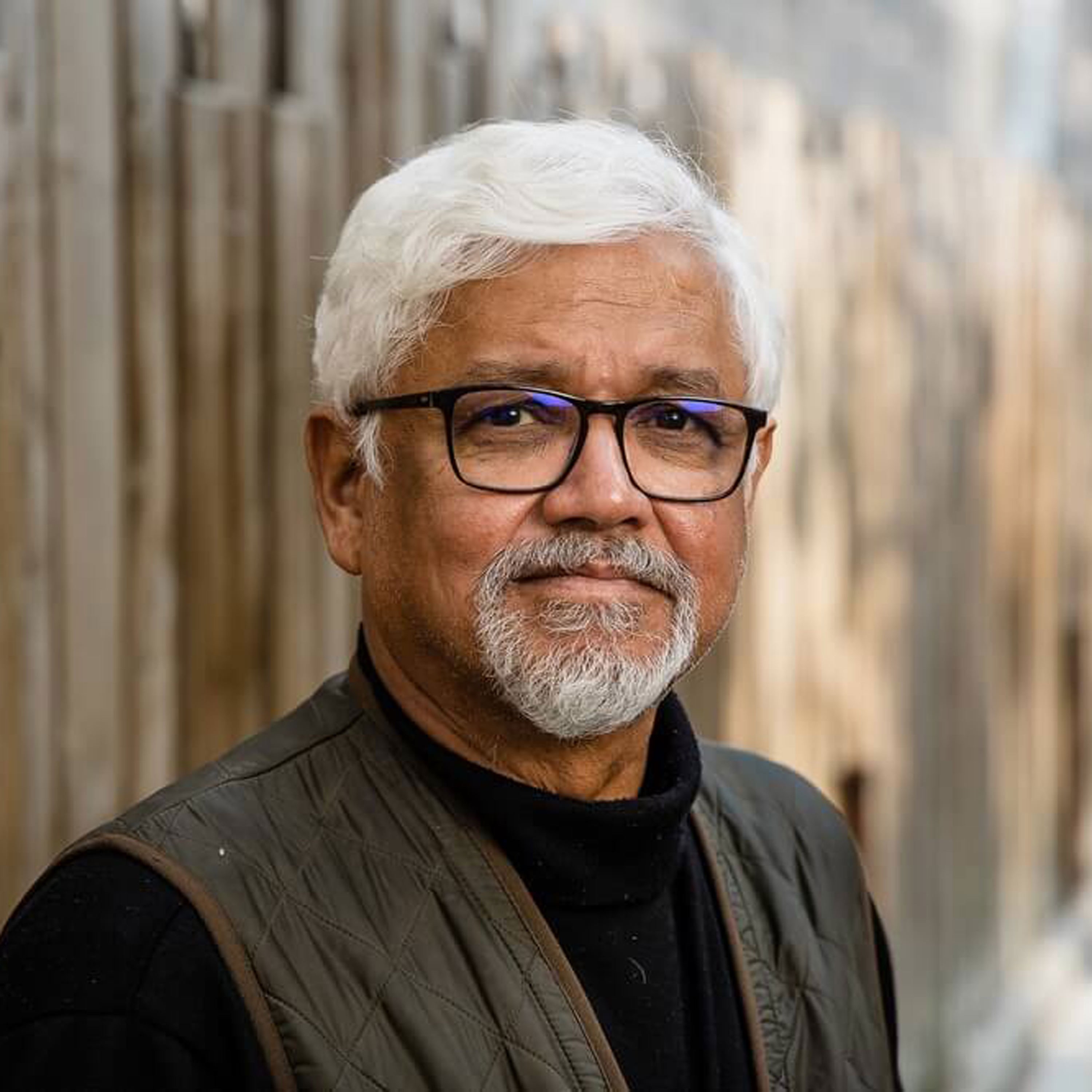 Reincarnation, Food & Memory: AMITAV GHOSH on What Connects Us in an Age of Climate Crisis | “Imagining with precision is a very fundamental part of my work. When I sit down to write about anything, whether it be The Hungry Tide in the Sundarbans, or let's say The Shadow Lines, or Ghost-Eye. It's very important for me to get the topography right, to get the outlay of the streets or the house exactly right so I can actually picture all of that in my head. It's very important for me to have a sort of pictorial sense of what I'm seeing and what I'm writing about. Before I can write about it, I need to see it, as it were. So that's absolutely fundamental to my craft. That's just how I go about it. Like the Sufis say—behind the apparent reality is a hidden or batin reality. “In this episode of the Speaking Out of Place podcast, Professor David Palumbo-Liu talks with Amitav Ghosh about his new novel, Ghost-Eye. The novel is about reincarnation, but also a lot more. In our conversation we talk about the need to address the terrible set of environmental and other crises we face, and the seeming foreclosure of the imagination by the obsession with technology and the future it offers to us. Instead, we look to how we can fashion beginnings out of endings, aided by a renewed sense of wonder, curiosity, and awe. We turn to the body, to the haptic, and perhaps most important, to food as more than simply nourishment. In all this, story-telling, the revival of connections between living beings, and a deep sense of other times and places are central.(0:56) Planetary Crisis and Accelerating Disasters(3:50) The Lasting Impact of The Hungry Tide(5:00) Storytelling and the Existential Crisis(8:26) Imagining with Precision in Literature(12:46) The Denuded Human Existence and AI(15:37) Artisanal Intelligence vs. Artificial Intelligence(17:57) Food, Industrial Agriculture, and Memory(21:16) Cultural Assimilation Through Cooking(24:12) The Sociability and Joy of Cooking(27:57) The Failure of the Humanities(31:38) The Role of the Narrator(35:27) Regaining Our Sense of Wonder(37:04) Past Life Memories and Circular TemporalityEpisode Websitewww.palumbo-liu.com https://speakingoutofplace.com Bluesky @palumboliu.bsky.social Instagram @speaking_out_of_place | 41m 49s | ||||||
| 6/21/26 | 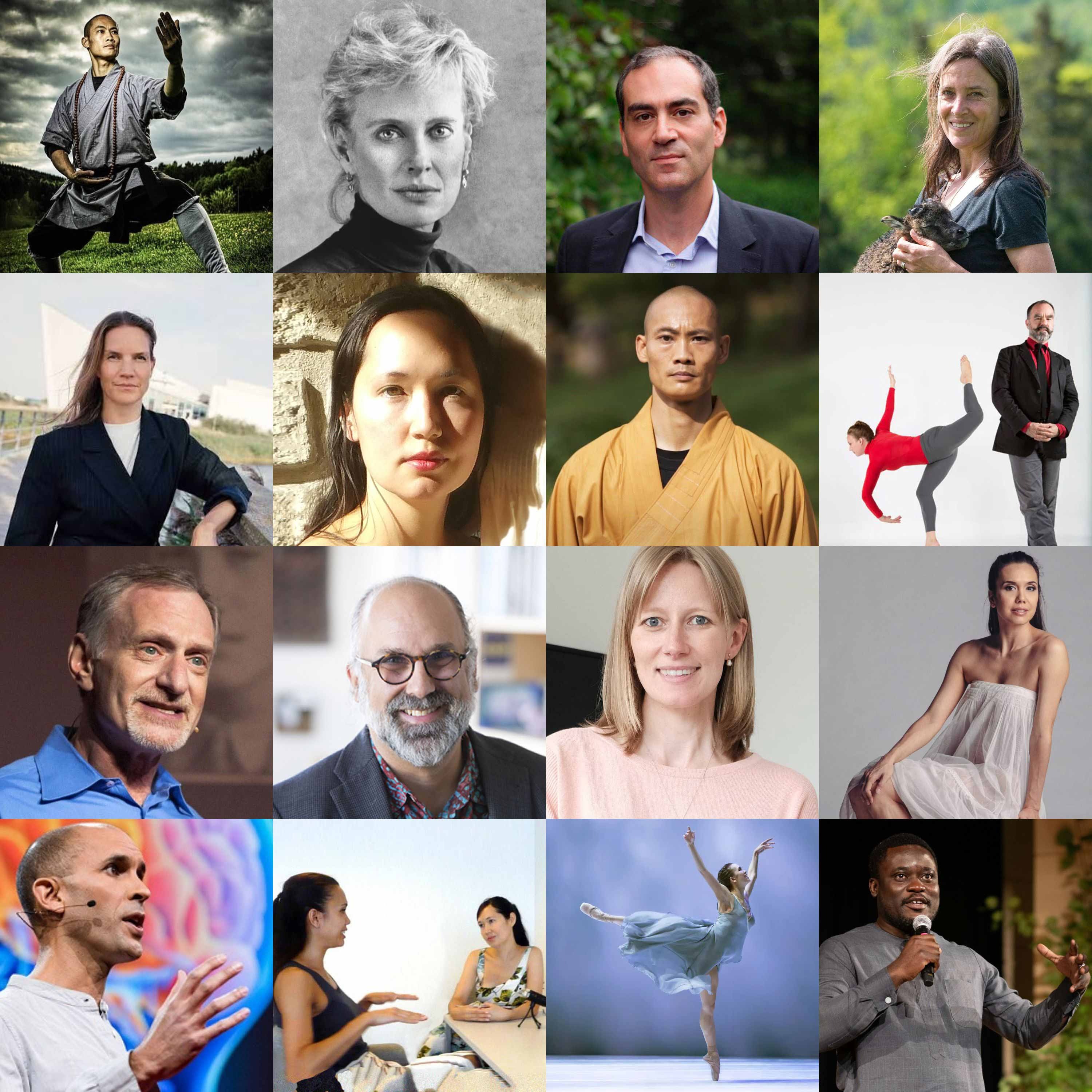 The Body in Motion: Art, Science & Healing w/ Siri Hustvedt, Master Shi Heng Yi, Anil Seth, Noelani Pantastico… | How much of our consciousness is shaped by our bodies? That rhythmical reality that Siri Hustvedt describes is something we often take for granted until it is disrupted by grief or illness. Much of what we consider the mind is happening in the body.Today, we're looking at embodied cognition, the idea that we think with our limbs, our breath and our physical interactions with the world. We will hear from researchers and neuroscientists Anil Seth, David J. Linden, Dr. Guy Leschziner and Daisy Fancourt, who are studying how much touch, sleep and the arts physically alter our brains. We will also talk with philosophers, advocates and spiritual leaders Arash Abizadeh, Bayo Akomolafe, Master Shi Heng Yi and Helen Whybrow. To understand how this translates into art and movement, we are joined by author Siri Hustvedt, curator Marie Nipper, psychiatrist Robert Waldinger, dancer and ballet stager Noelani Pantastico and choreographer Sean Curran.0:00) Siri Hustvedt (Author of Ghost Stories) (18:53) (2:22) Guy Leschziner (Neurologist, Author, The Nocturnal Brain) (3:45) Daisy Fancourt (Author, Art Cure: The Science of How the Arts Transform Our Health) (5:08) Helen Whybrow (Shepherd, Organic Farmer, Author of The Salt Stones) (6:28) Marie Nipper (Dir., Creator Projects, Fmr. Dir., ARKEN Museum of Modern Art) (8:16) Arash Abizadeh (Professor, Political Science, McGill University, Author) (9:04) David Linden (Professor, Neuroscience, Johns Hopkins University, Author of Unique, Touch) (11:16) Bayo Akomolafe (Philosopher, Founder, Emergence Network) (12:13) Master Shi Heng Yi (35th Generation of Shaolin Masters, Headmaster, Shaolin Temple Europe) (13:48) Anil Seth (Author of Being You: A New Science of Consciousness, Co-director, Sussex Centre for Consciousness Science) (15:41) Robert Waldinger (Psychiatrist, Harvard Study of Adult Development, Author, The Good Life) (16:40) Noelani Pantastico (Fmr. Principal Dancer, Pacific Northwest Ballet, Dance Teacher) (18:02) Sean Curran (Dancer, Dir, Sean Curran Company)For more, listen to their full interviewsEpisode Site https://www.creativeprocess.info/interviews-featured/anth-body | 21m 23s | ||||||
| 6/15/26 | 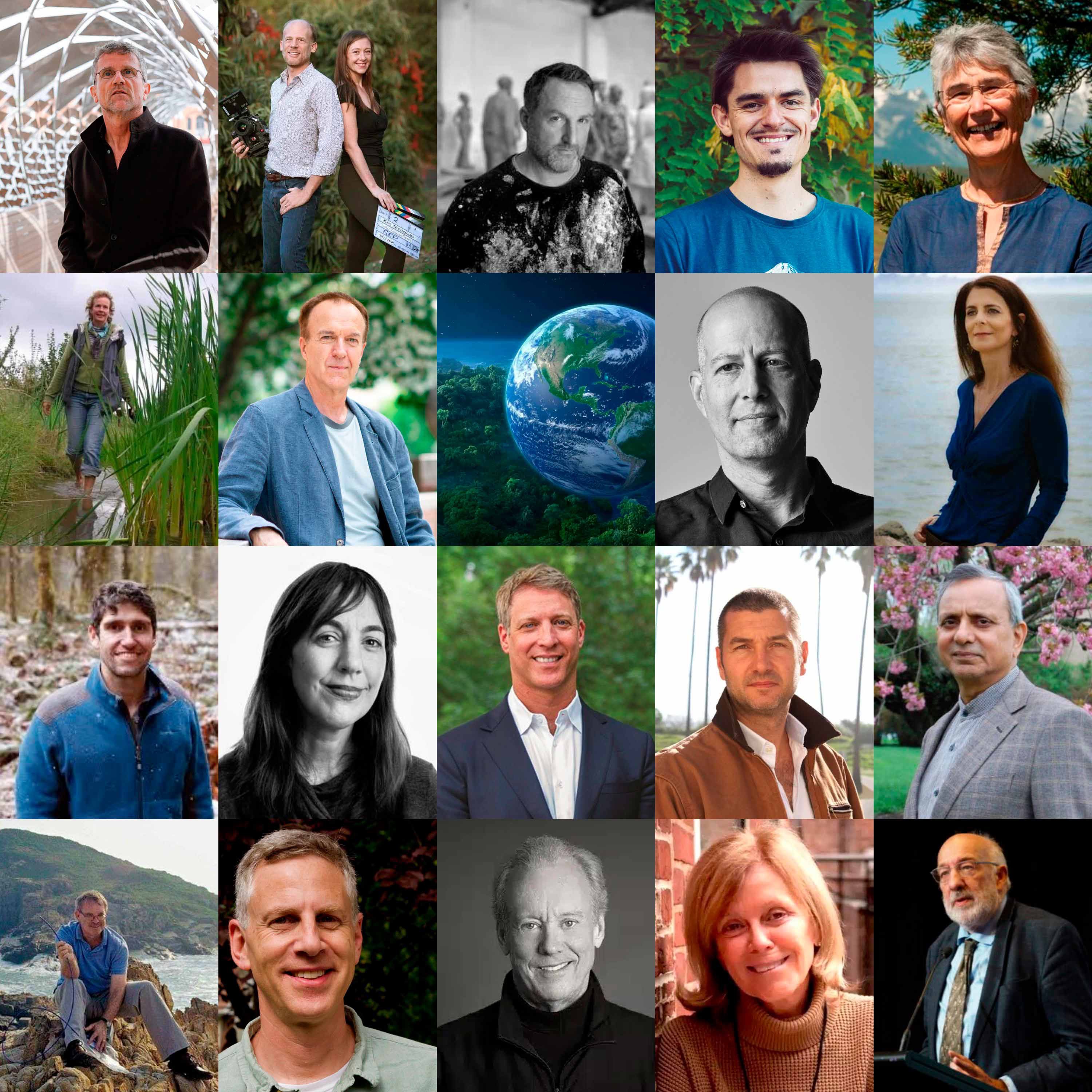 From Extraction to Regeneration: Redesigning Our Relationship with Nature | Today, we examine how we will adapt to a changing climate and learn to listen to the Earth.(0:00) Abrahm Lustgarten (Reporter, ProPublica) (3:00) Jon Gertner (Author, The Ice at the End of the World) (5:32) Bill Hare (CEO, Climate Analytics) (6:35) Rob Nixon (Prof. Environmental Humanities, Princeton) (8:12) Louis de Jaeger (Co-founder, Food Forest Institute) (10:06) Kathleen Rogers (Pres., EarthDay.org) (11:31) Rebecca Tickell (Filmmaker, Kiss the Ground) (13:42) Ben Goldfarb (Author, Crossings) (14:56) Jane Madgwick (CEO, Plantlife International) (19:23) Jason deCaires Taylor (Sculptor, Underwater Museums) (21:02) William McDonough (Architect, Cradle to Cradle) (23:19) Euan Nisbet (Scientist, Royal Holloway) (26:06) Roland Geyer (Author, The Business of Less) (28:15) Ron Gonen (CEO, Closed Loop Partners) (29:34) Paul Shrivastava (Co-President, Club of Rome) (30:14) Carlo Ratti (Architect, Dir., MIT Senseable City Lab) (31:24) Osprey Orielle Lake (Founder, WECAN) (32:38) Liza Featherstone (Journalist) (33:41) Yolanda Kakabadse (Fmr. President, WWF)For more, listen to their full interviewsEpisode Site: https://www.creativeprocess.info/interviews-featured/anth-regen | 35m 47s | ||||||
| 6/8/26 | 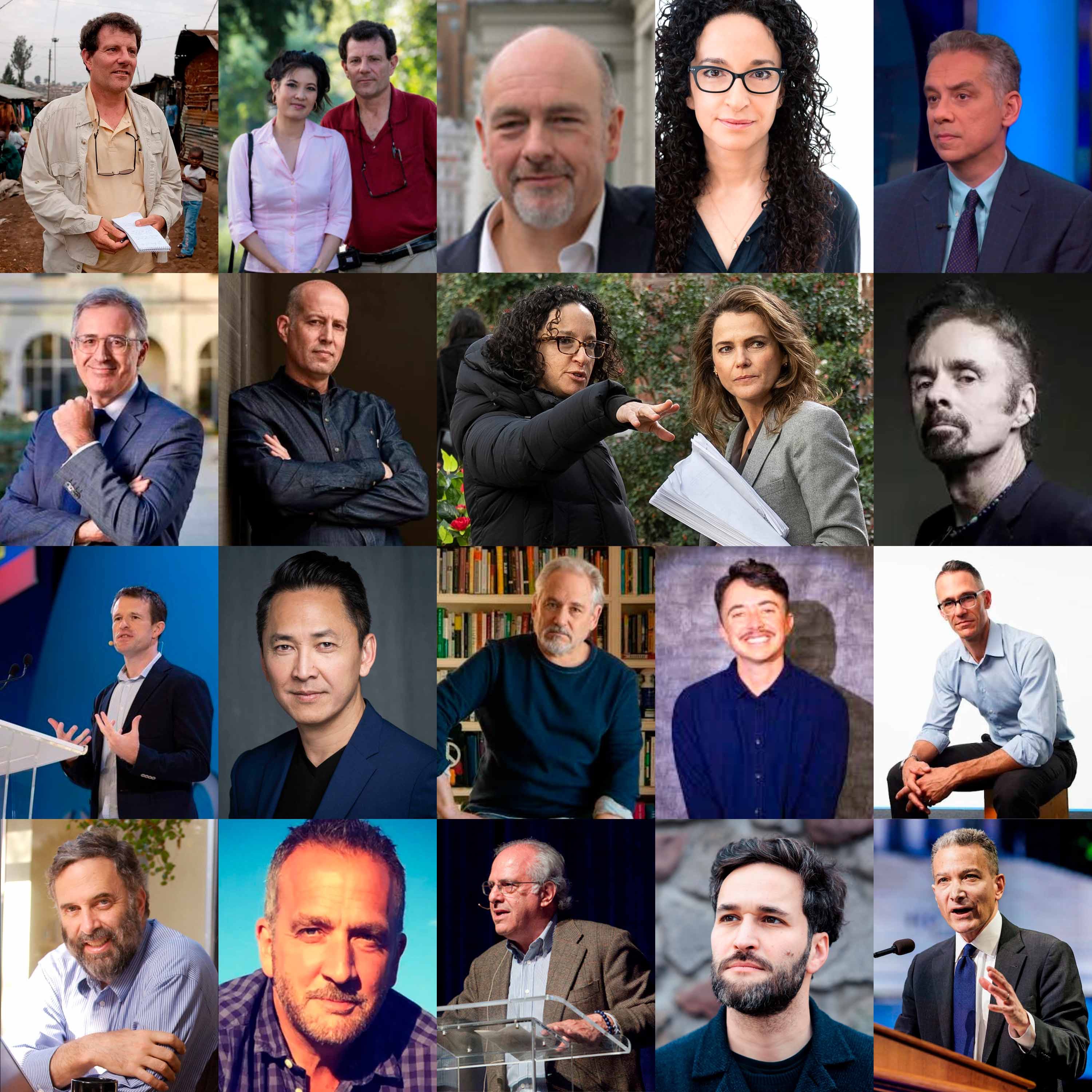 There is No Freedom Without a Free Press: Journalists, Writers, Activists, Political Scientists, Economists & Filmmakers Discuss Democracy & The Fight for Truth | Today we explore the collapse of the journalism business model, the rise of spin dictators and how disinformation has become the new censorship. As empires struggle and media consolidates, the pursuit of truth remains an act of hope. We hear from foreign correspondents and journalists Nicholas Kristof, Abrahm Lustgarten, Michael Maren, Richard Black and Jacob Ward. They're joined by scholars and economists Jeffrey Rosen, Sergei Guriev, James Fishkin, Richard Wolff and Daniel Susskind. Writers Viet Thanh Nguyen, T.C. Boyle and Lee McIntyre, TV showrunners George Pelecanos and Debora Cahn and activists Dean Spade and Mike Davis explore language, authoritarianism and human conflict.(0:00) Nicholas Kristof (Journalist, NYTimes) (3:03) Abrahm Lustgarten (ProPublica) (4:45) Lee McIntyre (Philosopher) (8:40) Richard Black (Fmr. BBC, Dir. of Policy, Ember) (7:40) Jacob Ward (Journalist) (10:50) Jeffrey Rosen (Journalist, Legal Scholar) (11:19) Sergei Guriev (Economist, Dean, LBS) James Fishkin (Dir., Stanford's Deliberative Democracy Lab) (14:14) Viet Thanh Nguyen (Author, The Sympathizer) (15:37) T.C. Boyle (Novelist, Blue Skies) (16:16) George Pelecanos (Writer/Co-creator, We Own This City, The Wire) (17:48) Dean Spade (Activist) (18:15) Debora Cahn (Creator, Netflix's The Diplomat) (18:51) Richard Wolff (Economist, Co-founder, Democracy at Work) (22:23) Daniel Susskind (Economist) (30:19) Mike Davis (CEO, Global Witness) (33:50) Michael Maren (Filmmaker, Fmr. Foreign Correspondent)https://www.creativeprocess.info/interviews-featured/anth-journalism https://www.creativeprocess.info/pod | 39m 12s | ||||||
| 5/29/26 | 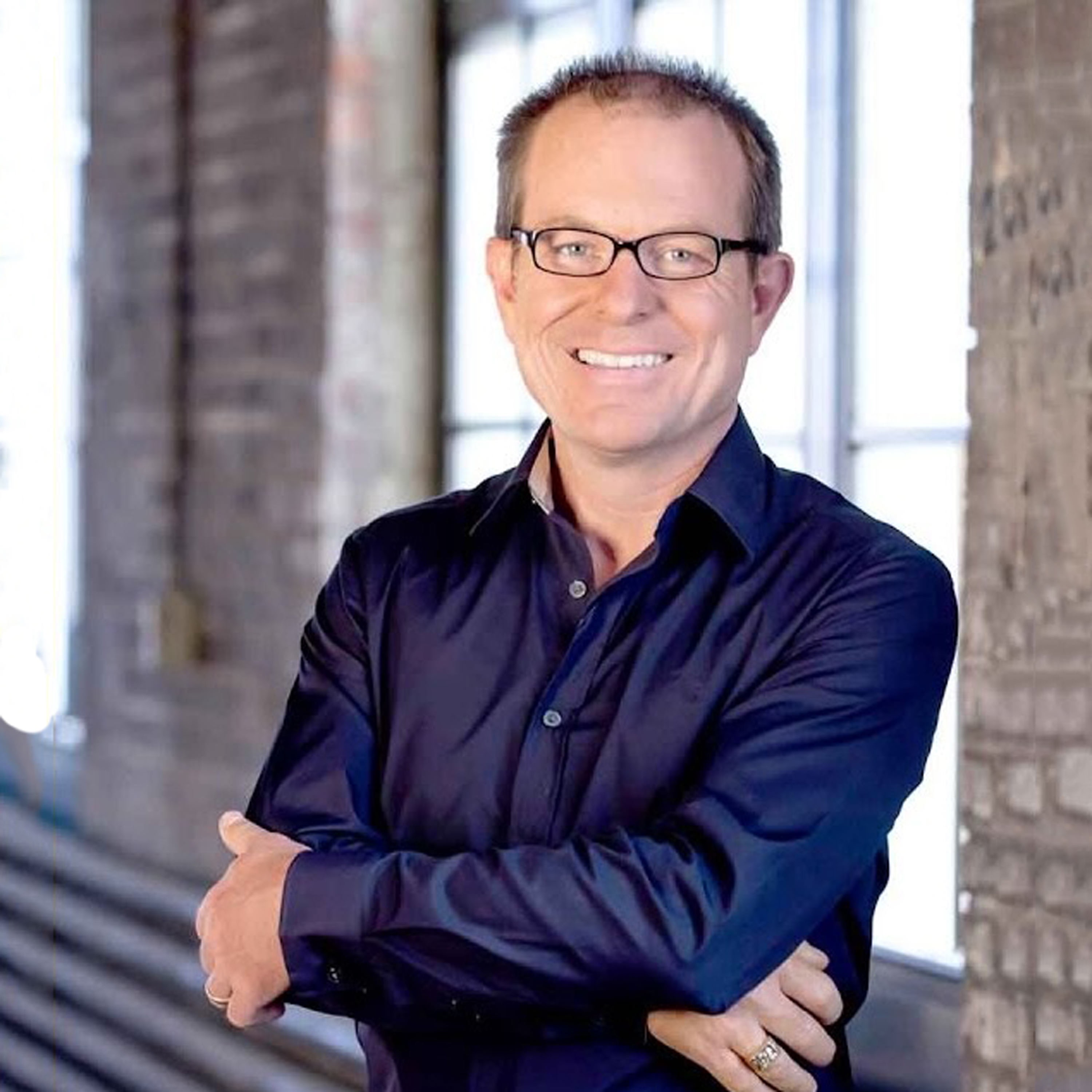 Creativity, Improvisation & Learning to See with DR. KEITH SAWYER | “I've discovered in my studies of creativity in general that creativity is not about starting with a brilliant idea and then following a linear path to an execution of your idea. What I see in art and design is a much more iterative, wandering, exploratory process where the ideas emerge from the act of engaging in the work.”Dr. Keith Sawyer’s work focuses on creativity and human ingenuity. With over 20 books and a career that spans computer science, psychology, and the study of innovation, he has explored what it means to lead a creative life. Following his foundational research with Mihaly Csikszentmihalyi, his books include Explaining Creativity and Group Genius. In his latest book, Learning to See: Inside the World's Leading Art and Design Schools, he pulls back the curtain on how elite institutions cultivate the creative mind. He has been a jazz pianist for over 40 years. We will explore the evolution of his research, and what music and improvisation have taught him about life.(0:00) The Non-Linear Process of Creativity(3:12) Teaching Students to Find Their Own Aesthetic(7:13) The Pressure to Replicate Success(13:31) Guided Improvisation in Education (16:46) Unlearning Rigid Perceptions(22:52) Embodiment and the Material World(25:27) Deep Listening and Jazz Improvisation(27:09) Domain General vs. Domain Specific Creativity(30:07) Architecture as an Exchange(37:47) Learning from Nature: The Velcro Lesson(42:54) Gen AI and Human Ingenuity(44:42) The System of Improv(1:01:08) The Value of Problem FindingEpisode Websitewww.creativeprocess.info/podInstagram:@creativeprocesspodcast | 1h 04m 36s | ||||||
| 5/28/26 | 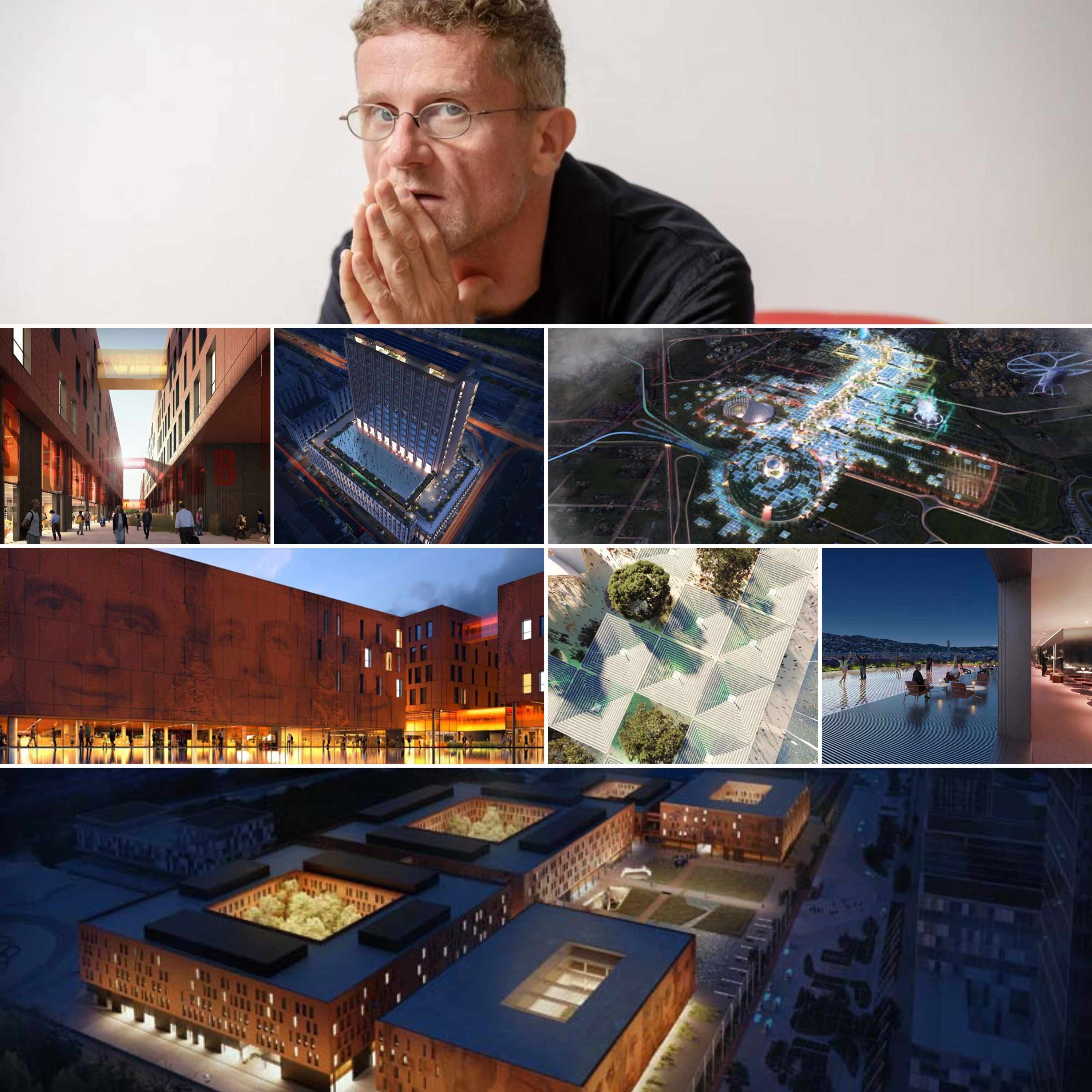 The Future of Architecture & Cities of Tomorrow w/ CARLO RATTI, Director of MIT's Senseable City Lab | "What we need to do is learn from nature. If you think about how nature progresses through trial and error. I'm really a fan of how we can do open designs that citizens can respond to, and use the feedback in order to create similar systems to what happens in nature."Our guest today is Carlo Ratti, an architect, engineer, and academic who is deeply engaged with the critical questions facing our planet and its urban spaces. He's known for his innovative work at MIT's Senseable City Lab, where he explores how digital technologies are transforming our cities and for his groundbreaking design projectsaround the world. Carlo Ratti's work has been called everything from sensory city philosophy to a driving force behind the world of design. And having recently tackled one of the biggest challenges of our time as a curator of the 19th International Architectural Exhibition of the Venice Biennale, the exhibition Intelligence, Natural, Artificial, Collective seeks to fundamentally rethink architecture's role in an altered world and rapidly changing climate.(0:00) Learning From Nature's Trial and Error(1:20) The Senseable City(6:05) The Future Of Concrete and Circular Building(9:02) Peak Population And The Century Of The City(10:55) Transforming Architecture With Japanese Joinery and AI(14:36) Curating the Venice Biennale As An Open Lab(16:22) Blending The Natural And Artificial Through Data(20:32) Breaking Down Silos and Staying CuriousEpisode Websitewww.creativeprocess.info/podInstagram:@creativeprocesspodcast | 23m 25s | ||||||
| 5/25/26 | 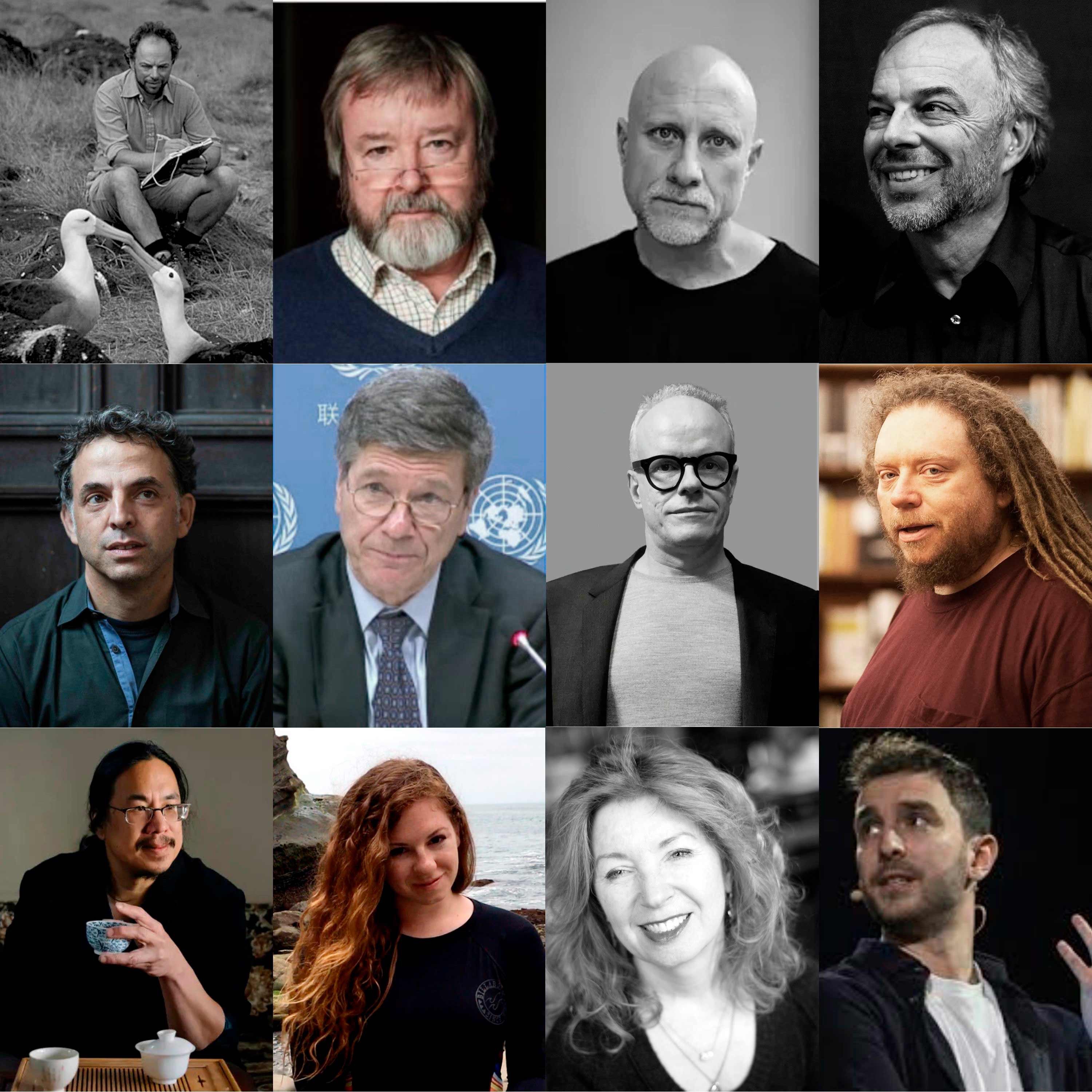 The Cognitive Cost of AI: Surveillance Capitalism, The Future of Work & Democracy | Look closely at the screen in front of you. It is no longer just a passive device; it is actively shaping your perception. Today, we investigate the cognitive and ethical costs of offloading our reason to algorithms and ask what happens when our tools begin to train us? We explore the rise of surveillance capitalism with those documenting the shift—technologists Jaron Lanier, Henry Ajder, and Antonella Wilby. We hear from those fighting to preserve our essence and agency—philosophers Iain McGilchrist and C. Thi Nguyen, economist Jeffrey Sachs and ecologist Carl Safina. Grounding us in the power of expression, are artists and writers Trevor Paglen, April Gornik, Etgar Keret, and Hans Ulrich Obrist. In these original interviews for The Creative Process, our guests remind us that we must never surrender our messy, human reality to artificial perfection.(0:00) Trevor Paglen (Artist) The cognitive cost of offloading our reasoning to AI (3:26)(2:28) Jaron Lanier (Computer Scientist, VR Pioneer) The Turing Test and the degradation of humanity (14:30)(5:42) Henry Ajder (AI & Deepfakes Expert) The unprecedented speed of generative AI(8:48) Hans Ulrich Obrist (Artistic Director, Serpentine Galleries) The fight for net neutrality(10:14) Antonella Wilby (Roboticist, NatGeo Explorer) Encoded biases, the danger of neutral tech(11:50) C. Thi Nguyen (Philosopher, Author) Thin metrics and the truth about screen time(13:09) Carl Safina (Ecologist, Author) Mechanization and human dignity(15:17) Jeffrey Sachs (Economist, Center for Sustainable Development) Citizen responsibility (23:06)(16:54) Etgar Keret (Writer, Filmmaker) Enslavement to the machine, outsourcing imagination(19:07) April Gornik (Artist) The historical parallel between AI and nuclear weapons(20:46) Iain McGilchrist (Psychiatrist, Author) Wisdom vs. utility in artificial intelligenceTo hear more from each guest, listen to their full interviews here or http://www.creativeprocess.info/podEpisode Website IG@creativeprocesspodcast | 25m 23s | ||||||
| 5/22/26 | 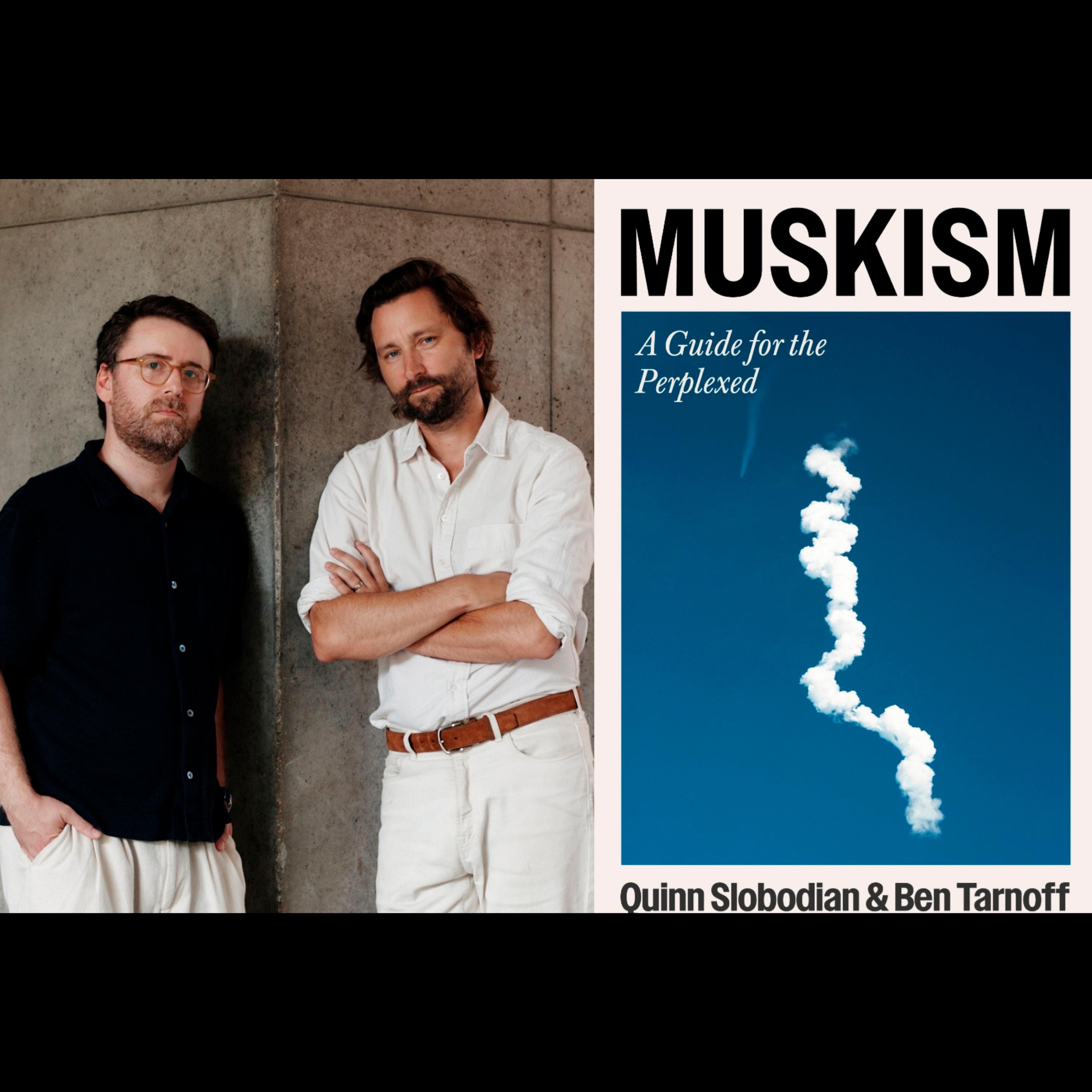 MUSKISM—Its Roots, Nature & How to Fight It w/ QUINN SLOBODIAN & BEN TARNOFF | “ Musk interestingly has this way of excluding the majority of the population from consideration, what he variously calls non-playing characters or NPCs, which is a category from video games, or sometimes bots, vampires. And this is a much more stark version of insider and outsider group creation than even hierarchies of race because it takes this one step further by taking very seriously the idea that other people are not only not human, but they in some way don't even exist, which is the literal reading of Musk's adoption of Nick Bostrom's simulation theory, which is that most people are simply programmable parts of a simulation and only a small number of people are actual players.”In this episode of the Speaking Out of Place podcast, Professor David Palumbo-Liu talks with Quinn Slobodian and Ben Tarnoff about their new book, Muskism: A Guide for the Perplexed. This is much more than a biography or popular account of Elon Musk, it is a radical analysis of a deeply disturbing, computational way of seeing the world. We see a mind that is profoundly troubled by any contagion spreading into seemingly closed systems—it can take the form of racial others, transpeople, “woke” populations, or most generally and dismissively, “Non-Player-Characters.” We talk about the dangers this mindset has on democracy and the public sphere, and argue that what we should do is to “embrace the woke-mind virus as a counter-revolutionary act.”Quinn Slobodian is professor of international history at the Frederick S. Pardee School of Global Studies at Boston University. His books include Globalists: The End of Empire and the Birth of Neoliberalism, Crack-Up Capitalism: Market Radicals and the Dream of a World without Democracy and Hayek’s Bastards: Race, Gold, IQ and the Capitalism of the Far Right. Slobodian is a Guggenheim Fellow. has been an associate fellow at Chatham House and held residential fellowships at Harvard University and Free University Berlin. Project Syndicate put him on a list of 30 Forward Thinkers and Prospect UK named him one of the World’s 25 Top Thinkers.Ben Tarnoff's books include Voices from the Valley: Tech Workers Talk About What They Do-and How They Do It, and Internet for the People: The Fight for Our Digital Future. He's a contributor to the New York Review of Books, NYTimes and The New Yorker.(4:50) How childhood in apartheid South Africa shaped Musk’s worldview(11:05) Humans as NPCs(17:26) Memes & far-right discourse(21:40) Engineering ideology through Grok & probabilistic language models(33:03) Automating consent & isolating the public sphere(38:08) DOGE, the limits of cyborg optimization(47:46) Unwinding tech monopolies, Embracing the woke mind virus(53::20) Possible Futures of Carbon Musk & Contractor Muskhttps://www.creativeprocess.info/speaking-out-of-place-6/elon-musk-slobodian-tarnoffwww.palumbo-liu.comhttps://speakingoutofplace.com Bluesky @palumboliu.bsky.socialIG @speaking_out_of_place | 1h 01m 36s | ||||||
| 5/21/26 | 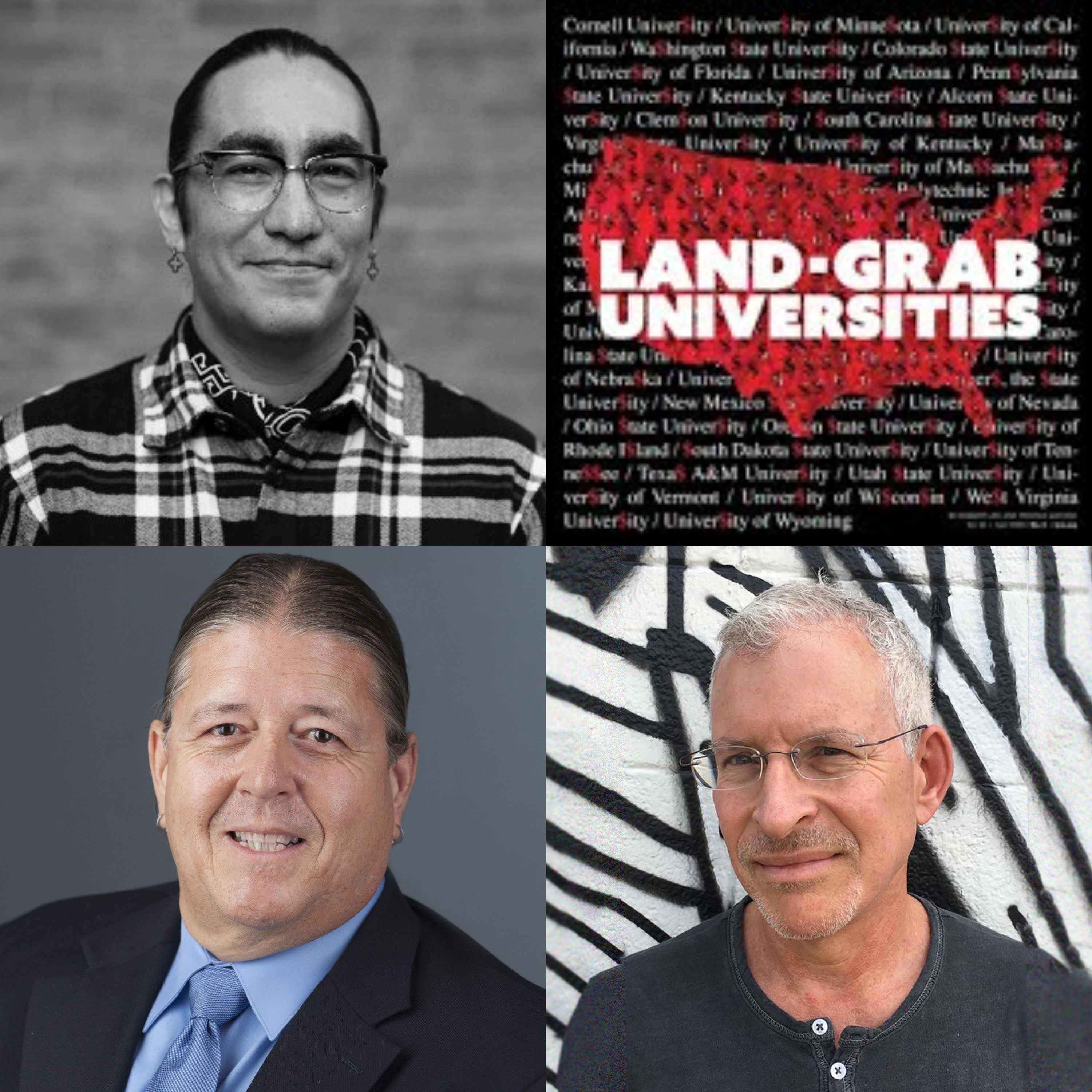 LAND GRAB UNIVERSITIES: Dispossession, Indigenous Futures & the True Cost of Higher Education w/ TRISTAN AHLONE, ANDREW HERSCHER, ROBERT WARRIOR | “I think in terms of the Land-Grab project: looking at that history and really beginning to learn more about the history of education in the United States—and especially Indian education—a lot of that was new to me. So, our project that we did about two years ago, building on Land-Grab, was our Misplaced Trust investigation at Grist. We wanted to go back to those universities and start looking at not just the history of how they got their finances, but looking at the present to understand how dispossession and extraction are ongoing.”In this episode of the Speaking Out of Place podcast, Professor David Palumbo-Liu and guests Tristan Ahtone, Andrew Herscher and Robert Warrior take a deep look into universities, and education more broadly with We focus on a critique of land grant universities, which were built on land granted by the federal government. What we learn is that lands were stolen from Indigenous peoples through violence-based treaties and seizures. These 57 universities have used wealth derived from those initial acts of theft to buy more property, expand holdings, and enrich themselves. In contrast, we see the continued harm these universities do to Native peoples. This harm comes what Herscher calls “non-memory,” which creates knowledge that distorts and omits historical truths and impedes upon Indigenous futures. We talk about the deep damage non-memory does to education for all, and the ways people have fought back to retrieve, restore, and grow knowledge through scholar-journalist activism like the Land Grab University project.(6:18) The Morrill Land-Grant Act and the Origins of Institutional Wealth(7:38) Visualizing the Massive Wealth Transfer(15:30) The Northwest Ordinance and the Architecture of Deletion(27:32) Reframing Education as Indigenous Negotiation(46:33) Settler Insecurity and the Politics of Non-memoryTristan Ahtone (Kiowa) is Editor at Large at Grist and one of the foremost journalists covering Indigenous affairs in America. He previously served as Editor in Chief of the Texas Observer and Indigenous Affairs editor at High Country News.Andrew Herscher’s work endeavors to bring the study of architecture and cities to bear on struggles for justice, democracy, and self-determination across a range of global sites. He is the co-founder of a series of militant research collectives, including Detroit Resists, Settler Colonial City Project, and the We the People of Detroit Community Research Collective. Robert Warrior is Hall Distinguished Professor of American Literature and Culture at the University of Kansas and a member/citizen of the Osage Nation. He is the author of Tribal Secrets: Recovering American Indian Intellectual Traditions, The People and the Word: Reading Native Nonfiction.https://www.creativeprocess.info/speaking-out-of-place-6/land-grab-universitieshttps://www.palumbo-liu.comhttps://speakingoutofplace.comBluesky @palumboliu.bsky.social IG @speaking_out_of_place | 52m 29s | ||||||
Want analysis for the episodes below?Free for Pro Submit a request, we'll have your selected episodes analyzed within an hour. Free, at no cost to you, for Pro users. | |||||||||
| 5/19/26 |  The Atlas of Resonance: How does architecture shape the way we think, learn & remember? SALWA & SELMA MIKOU - Highlights | Salwa and Selma Mikou are the founders of Paris-based Mikou Architecture. Born in Fez, Morocco and educated in Paris, they have spent the last two decades reimagining the relationship between the built environment and the cultural landscape.After honing their craft under two of the world’s most iconic architects, Jean Nouvel and Renzo Piano, they founded their own studio. For them, architecture is a living interaction with landscape and what they call the Atlas of Resonance, interpreting the hidden layers of a territory, geology, memory, and craft. It is a philosophy that rejects the generic, seeking instead to weave together technological innovation with local materials. Whether it is a mosque in the north of England or a hybrid innovation hub in a former royal manufactory, their work asks a fundamental question: How does space shape the way we think, learn and remember? They were selected by Rem Koolhaas to represent Morocco at the Venice Biennale. Most recently, they were commissioned by Hermès to create a 17,000-square-meter facility that bridges industrial performance with poetic expression. At the heart of their practice is a belief that architecture is not just about building—it’s about shaping relationships: between people, between past and future, between technology and craft.(0:03) Architecture as a Living Transformation(1:42) The Intuitive Knowledge of Living Art(2:20) Preserving the Human Core of Expression(3:14) The Medina and the Geometry of Childhood(6:35) The Social Spaces of Rooftops(8:27) The Twin Dynamic and Confrontation with 'l'autre'(10:21) Contextual Echoes & Traces of the Site(12:12) The Temples of Water(13:15) The Mosque as Pure Spatiality(15:49) Building Culture with Yves Saint Laurent & Pierre Bergé(16:57) The Wast ed-dar (وسط الدار) and the Heart of a Building(18:31) The Smells and Sounds of Home(19:44) Balance, Nature, and SisterhoodEpisode Websitewww.creativeprocess.info/podInstagram:@creativeprocesspodcast | 22m 13s | ||||||
| 5/18/26 | 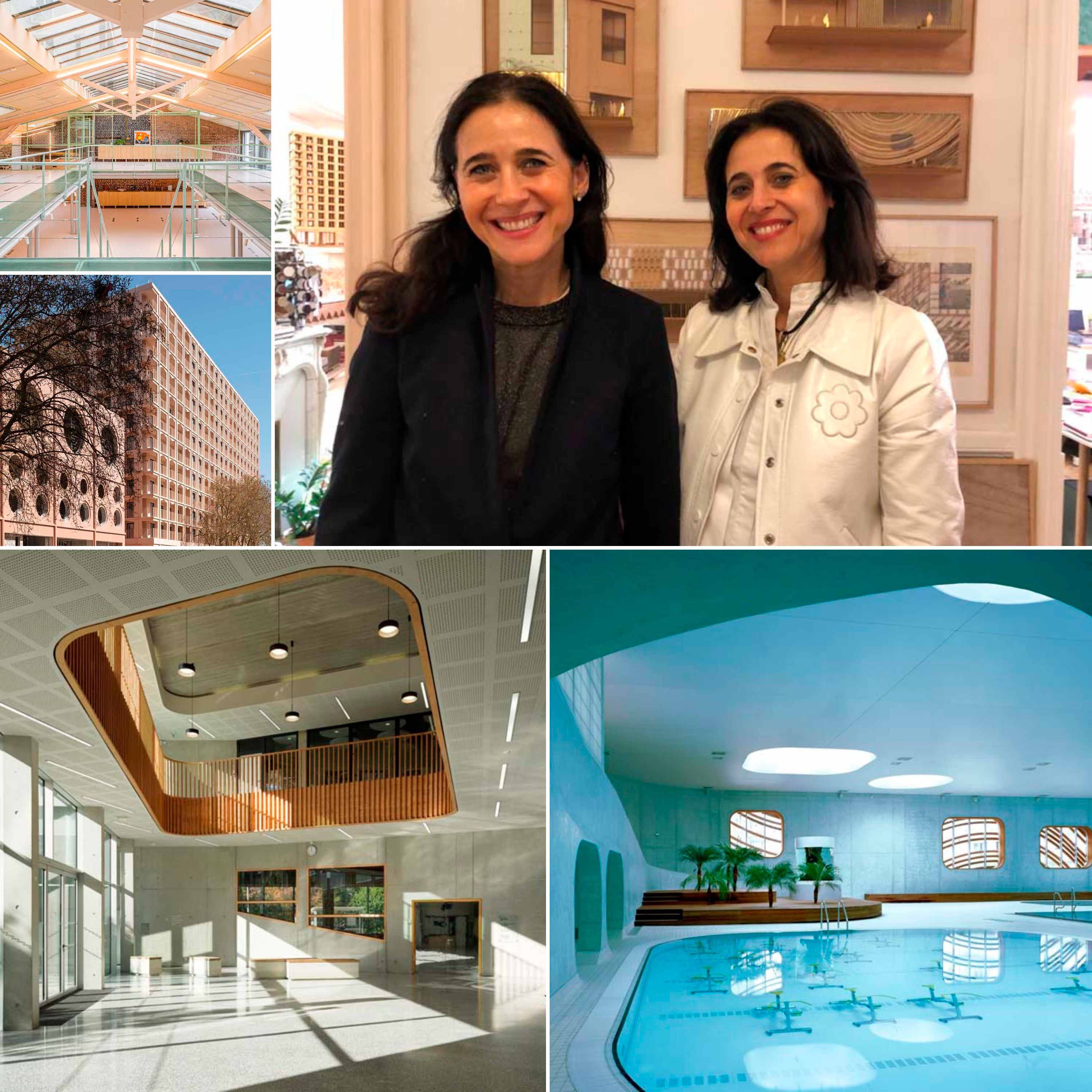 Building Bridges Between Memory, Nature & Architecture with SALWA & SELMA MIKOU | “Architecture should bring a true sensation of wellbeing. We were really lucky to experience that as children, and now as architects, we try to bring all that we learned into our practice.”Salwa and Selma Mikou are the founders of Paris-based Mikou Architecture. Born in Fez, Morocco and educated in Paris, they have spent the last two decades reimagining the relationship between the built environment and the cultural landscape.After honing their craft under two of the world’s most iconic architects, Jean Nouvel and Renzo Piano, they founded their own studio. For them, architecture is a living interaction with landscape and what they call the Atlas of Resonance, interpreting the hidden layers of a territory, geology, memory, and craft. It is a philosophy that rejects the generic, seeking instead to weave together technological innovation with local materials. Whether it is a mosque in the north of England or a hybrid innovation hub in a former royal manufactory, their work asks a fundamental question: How does space shape the way we think, learn and remember?They were selected by Rem Koolhaas to represent Morocco at the Venice Biennale. Most recently, they were commissioned by Hermès to create a 17,000-square-meter facility that bridges industrial performance with poetic expression. At the heart of their practice is a belief that architecture is not just about building—it’s about shaping relationships: between people, between past and future, between technology and craft.(0:04) The Intuitive Knowledge of Living Art(4:24) The Medina and the Geometry of Childhood(8:18) The Social Spaces of Rooftops(13:46) The Intuitive Knowledge of Living Art(15:31) Contextual Echoes & Traces of the Site(19:18) The Twin Dynamic and Confrontation with 'l'autre'(26:42) The Temples of Water(33:24) The Mosque as Pure Spatiality(38:01) The Crisis Period and Structural Systems(48:24) Building Culture with Yves Saint Laurent & Pierre Bergé(51:38) The Wast ed-dar (وسط الدار) and the Heart of a Building(57:02) Preserving the Human Core of Expression(1:04:29) Urban Acupuncture in the Modern City(1:08:46) The Smells and Sounds of Home(1:10:02) Balance, Nature, and SisterhoodEpisode Websitewww.creativeprocess.info/podInstagram:@creativeprocesspodcast | 1h 18m 49s | ||||||
| 5/14/26 | 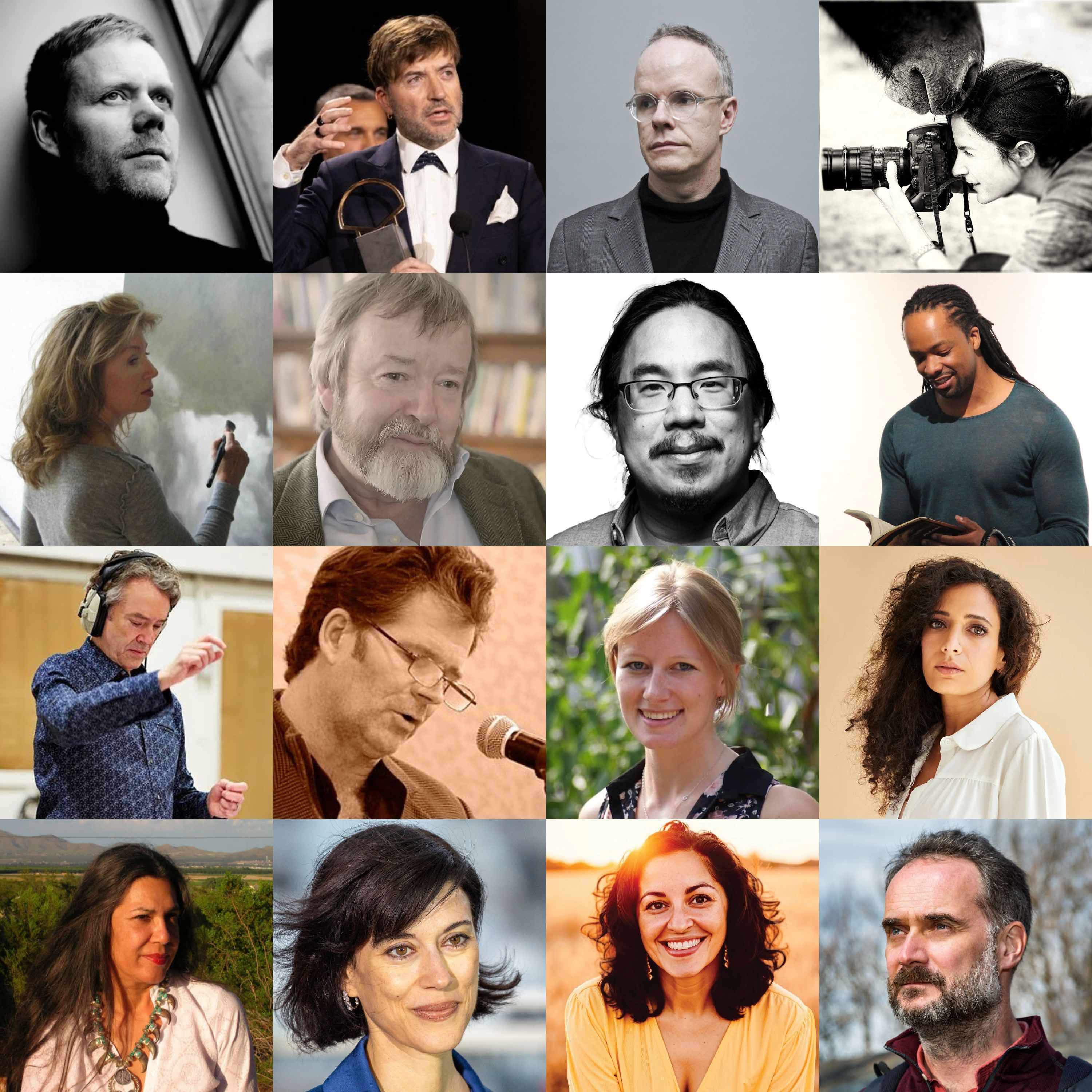 Art, Imagination & the Search for Connection: Max Richter, Iain McGilchrist, Ami Vitale…16 Artists & Writers on Creativity | Creativity is an infinite conversation. The impulse to speak and be heard is what keeps us tethered to each other and to the world. From the cinematic scores of Max Richter and Carter Burwell to the Pulitzer Prize-winning poetry of Jericho Brown, we examine the human imagination. Psychiatrist philosopher Iain McGilchrist and writers Ana Castillo, Andre Dubus III and Hala Alyan discuss the power of the unconscious and embracing imperfection. We listen to the hidden life of nature with painter April Gornik, photographer Ami Vitale and writer Aimee Nezhukumatathil. Curator Hans Ulrich Obrist, scientist Daisy Fancourt, biologist David George Haskell and philosopher C Thi Nguyen remind us of the art of living and human connection. Filmmakers Cherien Dabis and Albert Serra underscore that whether we are fighting for justice or simply seeking maximum fun, the process is the prize.(0:00) Max Richter (Composer) (2:41) Andre Dubus III (Author, House of Sand and Fog) (3:36) Iain McGilchrist (Psychiatrist) (4:52) Ana Castillo (Author) (6:11) Albert Serra (Director, Pacifiction) (6:39) Daisy Fancourt (Author, Art Cure) (8:35) David George Haskell (Biologist) (9:49) C. Thi Nguyen (Philosopher) (11:14) Cherien Dabis (Director, All That’s Left of You) (13:27) Aimee Nezhukumatathil (Author, World of Wonders) (14:31) Ami Vitale (Photographer) (16:17) April Gornik (Artist) (20:12) Carter Burwell (Composer) (22:59) Hala Alyan (Author) (24:24) Jericho Brown (Pulitzer Prize-winning Poet) (27:11) Hans Ulrich Obrist (Artistic Director, Serpentine)For more, listen to their full interviewshttp://www.creativeprocess.info/interviews-featured/anth-richter | 31m 50s | ||||||
| 5/13/26 | 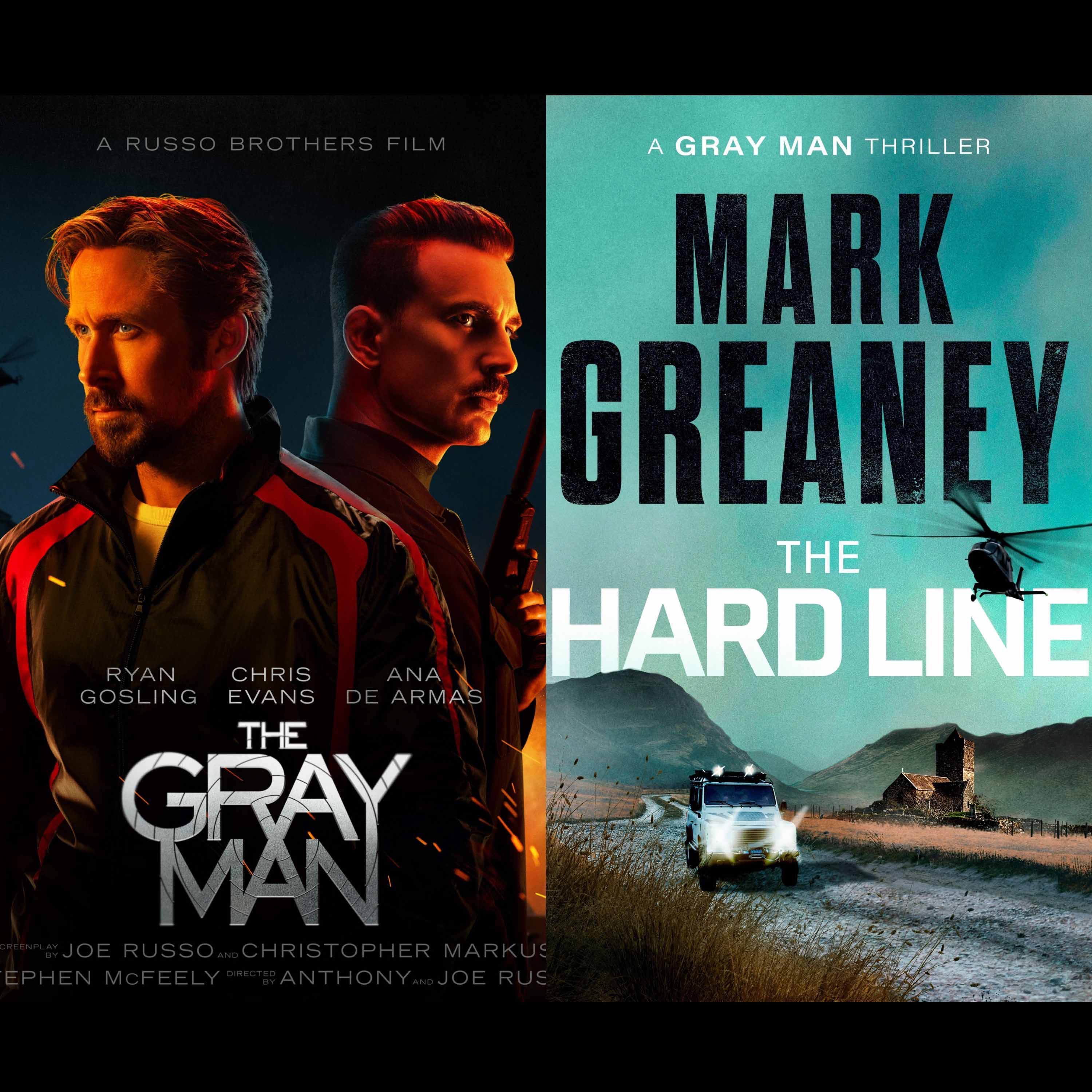 Daydreaming, Spycraft & Writing The Gray Man - Author MARK GREANEY | Can fiction help us make sense of an increasingly chaotic world? For Mark Greaney, writing international thrillers isn't just about explosive action—it's about untangling the messy realities of disinformation, institutional erosion, and AI-driven conflict. The author of The Gray Man series joins us to discuss his path to publishing, training alongside military operatives, and why the most terrifying threats in his novels are often pulled straight from today’s headlines.Mark Greaney is a #1 New York Times bestselling author and has spent his career exploring the technical and human complexities of the modern thriller. A student of international relations and political science, he has spent the last two decades at the intersection of deep-state espionage and the high-tech future of warfare. The Grey Man series is also a motion picture starring Ryan Gosling. Greaney was entrusted to carry forward the Jack Ryan universe created by the late Tom Clancy. To get the details right, Mark doesn’t just sit at a desk; his writing is built on a foundation of immersive experiential research. He’s traveled to dozens of countries, trained with SWAT teams, and even flown in Navy fighter jets.His latest book, The Hard Line, brings his protagonist back to a landscape of old conflicts in Northern Ireland and forces him to confront a father he hasn't seen in twenty years. It’s a story about the blood we share and the blood we shed. It arrives at a moment when the boundaries of global conflict are being redrawn by AI, disinformation, and a shifting geopolitical order.(0:00) The AI Arms Race(0:53) Maladaptive Daydreaming in Childhood(1:50) Following Your Passion(4:39) Growing Up with a Newsman Father(8:10) Collaborating with Tom Clancy(11:05) Work Ethic and Enjoying the Process(13:24) The Weight of Grief and Becoming an Adult(16:18) The Reality of Consequences in Fiction(18:01) The Evolution of Court Gentry(22:02) An Unconventional Path to Writing(26:33) Writing Through Physical Pain(30:56) The Weaponization of AI in Warfare(32:41) The Erosion of Truth and Bot Farms(38:06) The Cold War vs Modern Political Polarization(40:46) The Gray Man Film Adaptation(42:56) Immersive Military and Weapons Research(45:14) The Value of the Outsider Perspective(46:31) Reading from The Hard Line(50:42) Justifying Treason in Espionage(54:40) The Climate Crisis and Erosion of Institutions(57:51) The Media and Complexity(1:00:55) Adapting Education for a Changing World(1:05:49) Advice for Writers to Follow Your PassionEpisode Websitewww.creativeprocess.info/podInstagram:@creativeprocesspodcast | 1h 08m 31s | ||||||
| 5/8/26 | 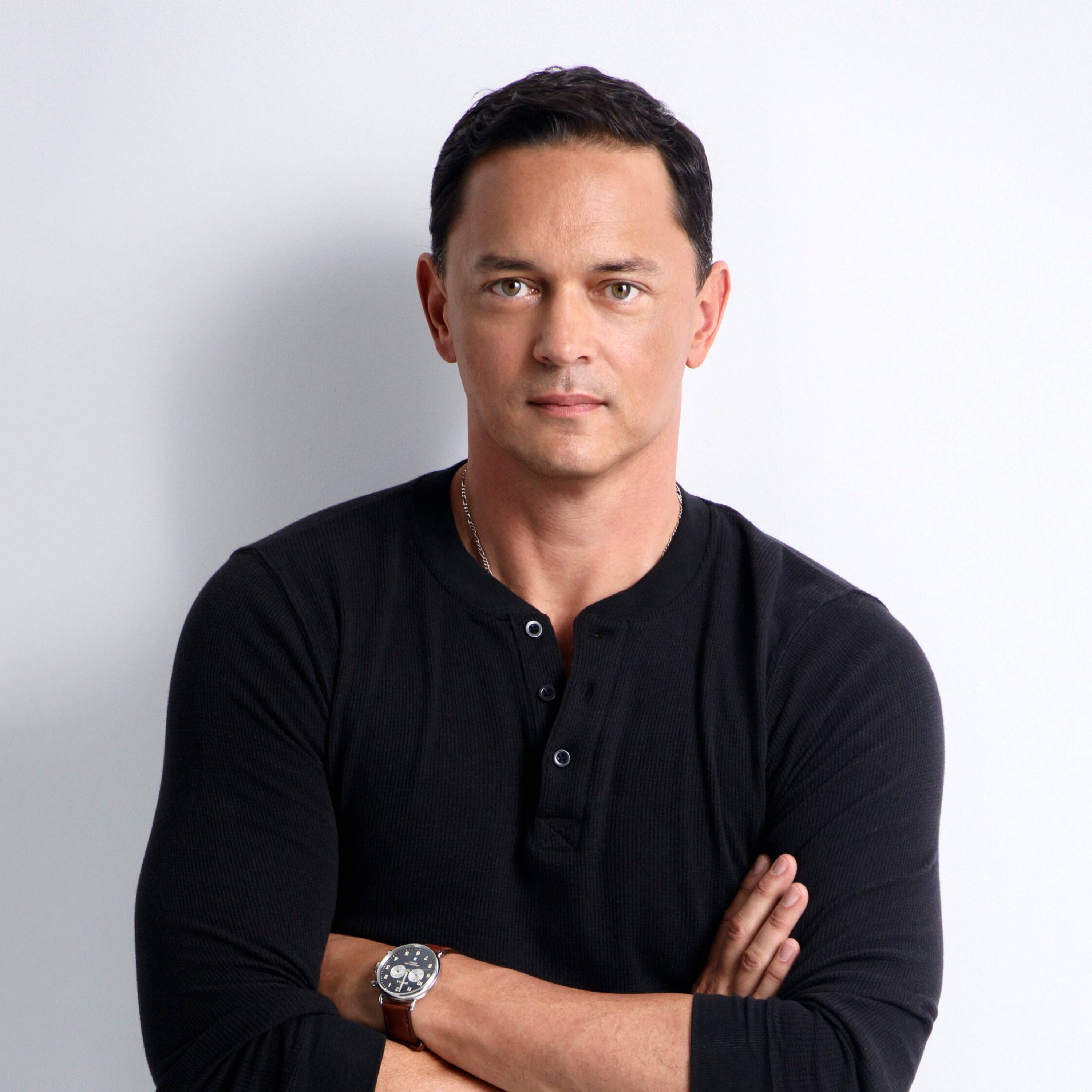 Understanding Global Conflict, AI, The Future of War & Crafting Characters - NYTimes Bestselling Author MARK GREANEY - Highlights✨ | global conflictAI+4 | Mark Greaney | The Hard LineNew York Times+1 | Northern Ireland | Mark GreaneyAI Arms Race+5 | — | 16m 38s | |
| 5/5/26 | 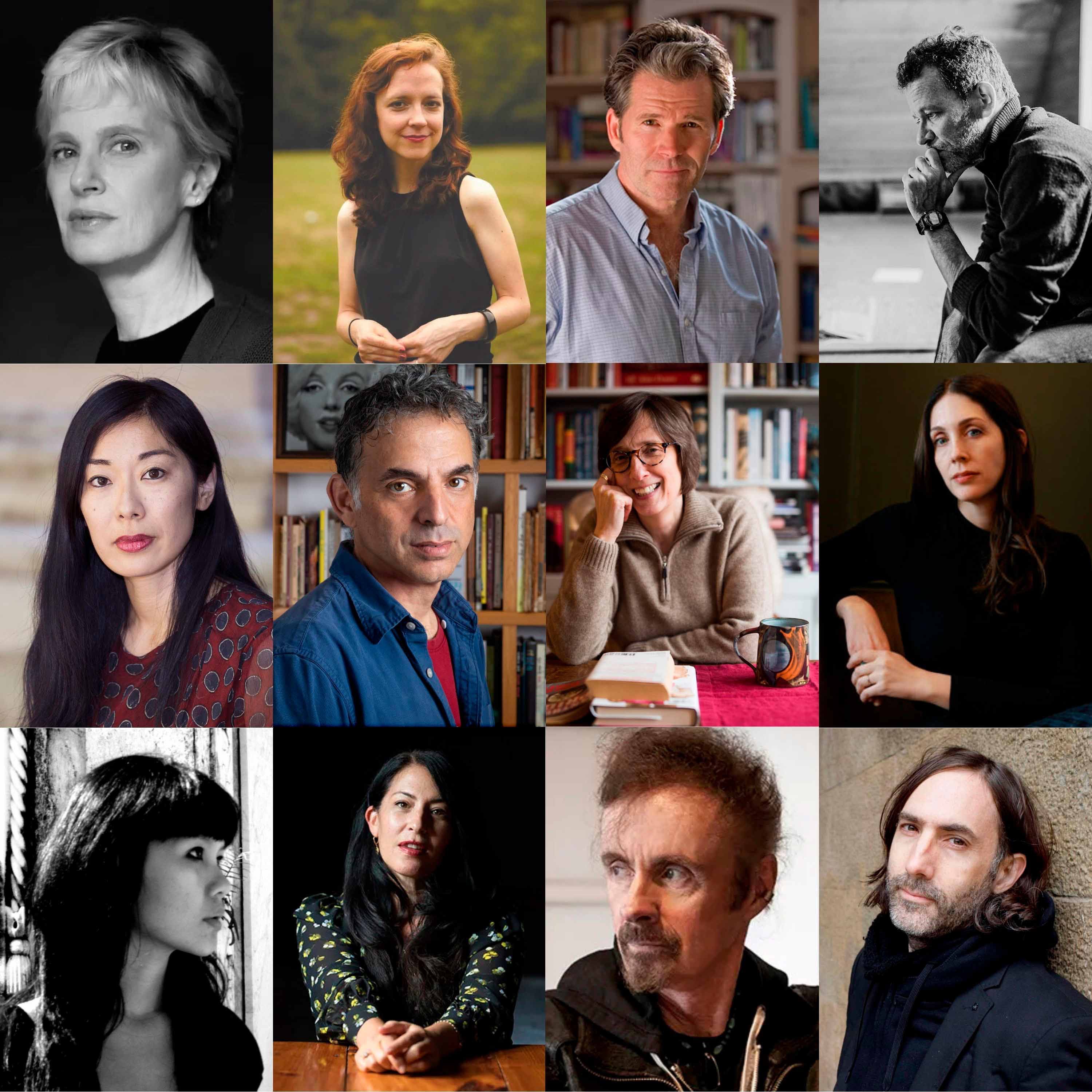 Writers On Memory & the Human Condition: Siri Hustvedt, Ada Limón, Paul Lynch, T.C. Boyle…Share their Stories✨ | memoryhuman condition+5 | Siri HustvedtAda Limón+10 | — | — | writersmemory+6 | — | 22m 44s | |
| 4/27/26 |  A Handbook for Climate Hopefuls with Veteran Environmental Journalist FRED PEARCE✨ | climate changeenvironmental journalism+4 | FRED PEARCE | New ScientistThe Guardian+1 | — | climate hopeenvironmental journalism+5 | — | 1h 17m 06s | |
| 4/22/26 |  We Are Becoming Earth - Scientists, Writers, Musicians, Environmentalists & Indigenous Voices on the Living World✨ | environmentecology+4 | Tiokasin GhosthorsePaul Hawken+11 | First Voices RadioProject Regeneration+6 | Costa RicaHigh Sierras | Earth Dayecology+5 | — | 29m 50s | |
| 4/21/26 |  The Fight for the Future: AI, Privacy & Power with CARISSA VÉLIZ✨ | AIprivacy+4 | Carissa Véliz | University of OxfordProphecy: Prediction, Power, and the Fight for the Future—from Ancient Oracles to AI+1 | — | AIprivacy+5 | — | 53m 47s | |
| 4/17/26 | 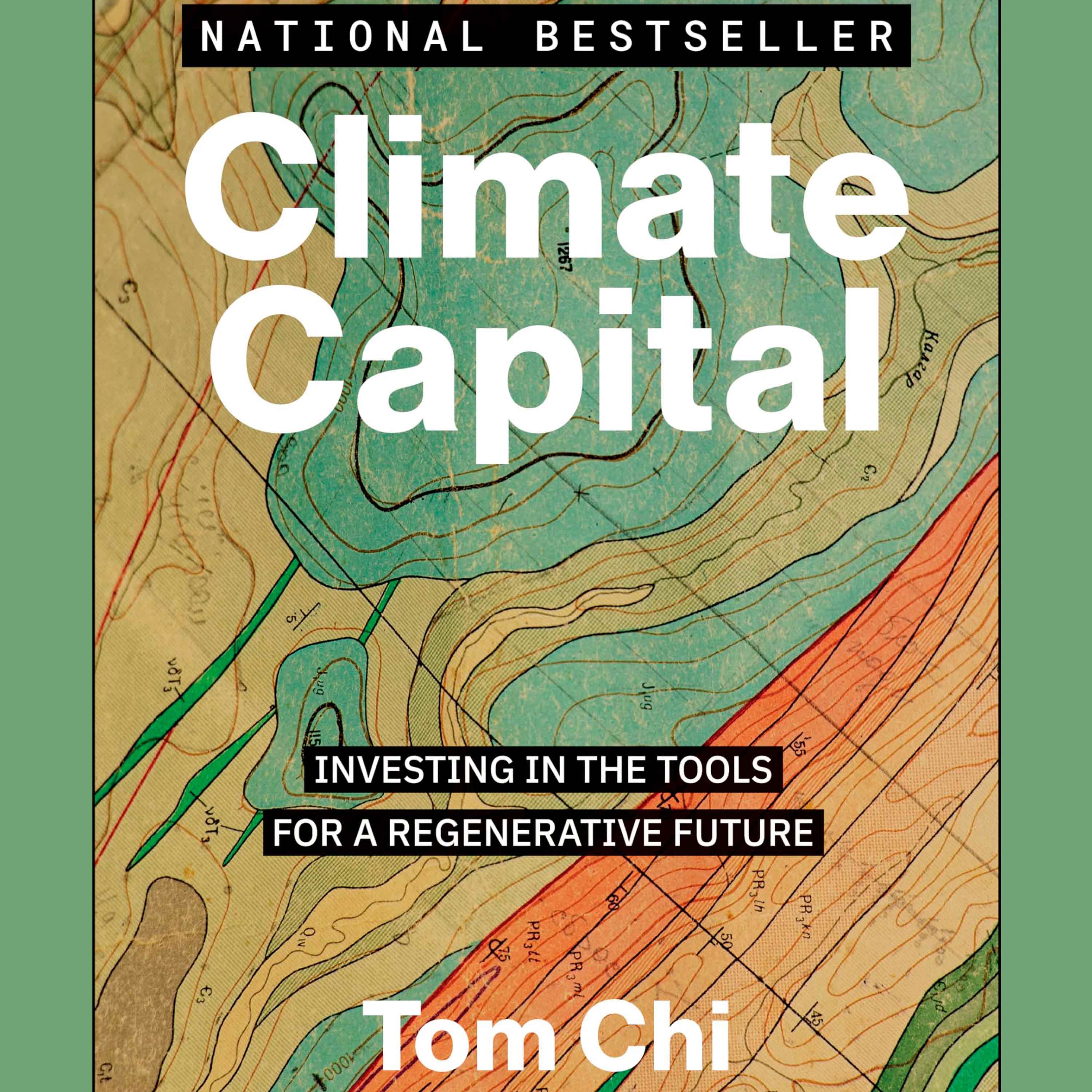 Why Do We Listen to the Talkers More Than the Builders Saving the Planet? - Physicist, Designer, Investor TOM CHI - Highlights✨ | climate changesustainability+4 | Tom Chi | At One VenturesClimate Capital: Investing in the Tools for a Regenerative Future | — | climate crisisdesign flaw+5 | — | 22m 38s | |
| 4/16/26 | 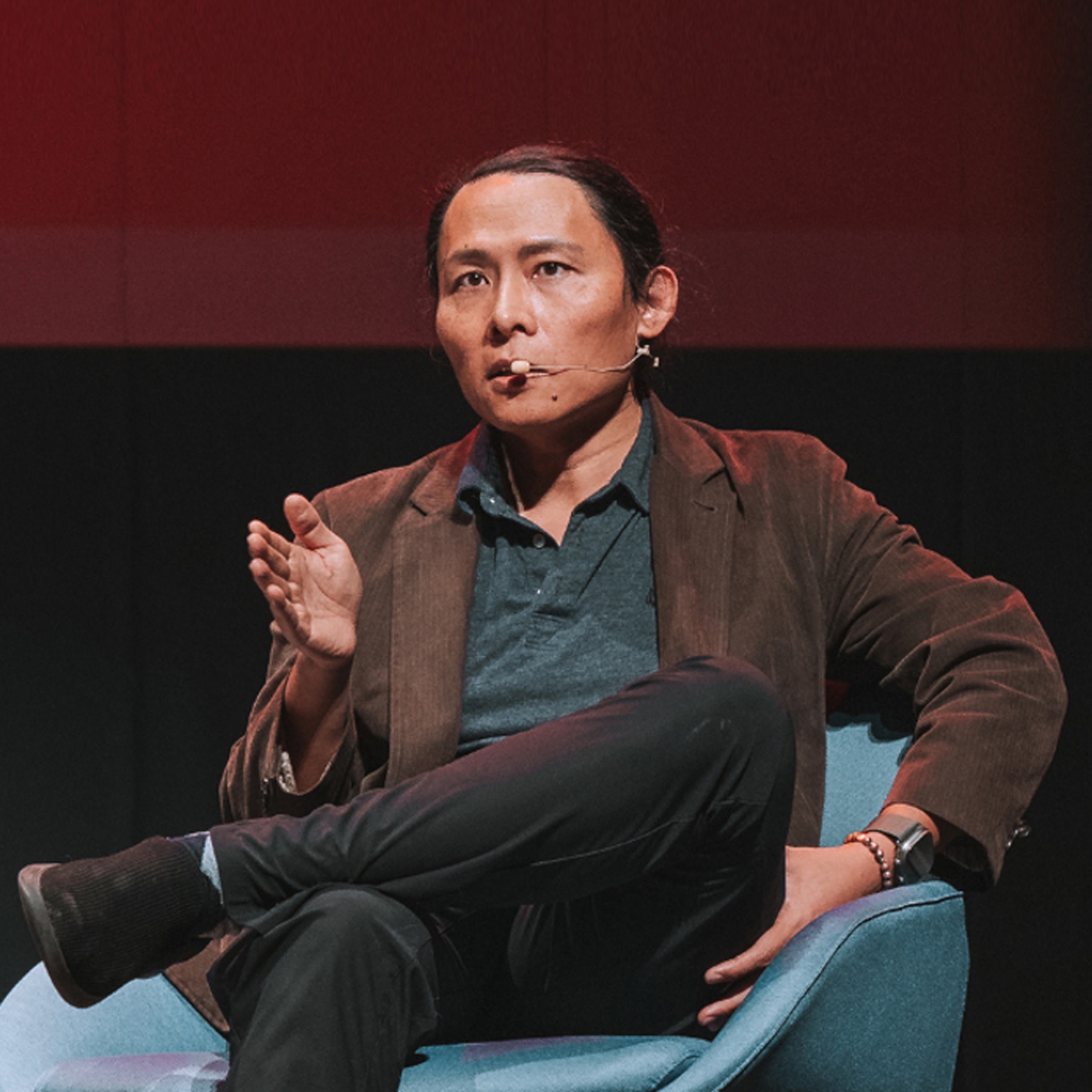 Climate Capital: Investing in the Tools for a Regenerative Future - TOM CHI, Google X Co-founder, Founding Partner At One Ventures✨ | climate changeinvestment+3 | Tom Chi | Google XAt One Ventures+1 | — | climate changeinvestment+5 | — | 1h 27m 27s | |
| 4/11/26 | 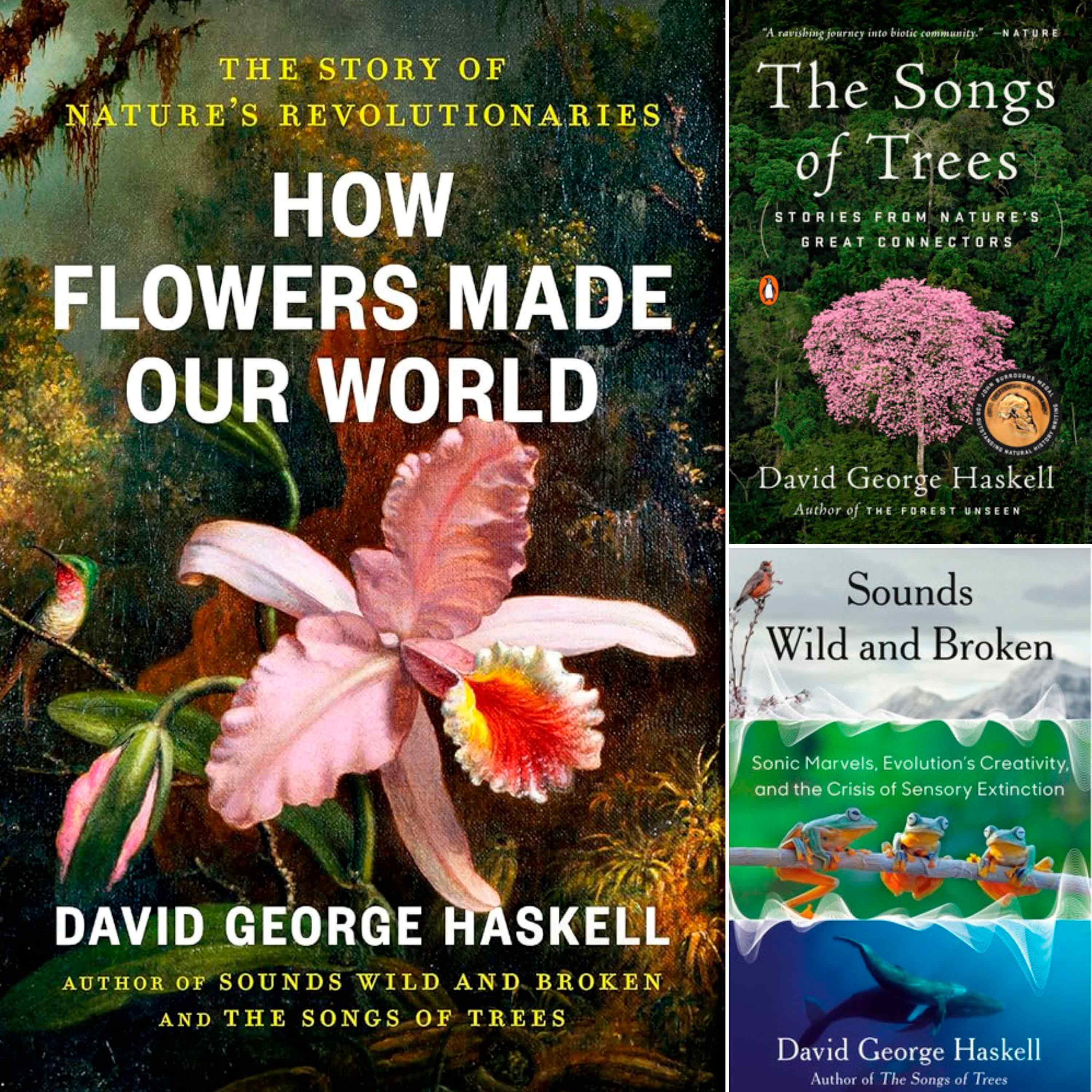 Listening to the Living World: Biologist DAVID GEORGE HASKELL on Flowers, Forests & Songs of Nature - Highlights✨ | naturebiology+4 | David George Haskell | The Forest UnseenSounds Wild and Broken+2 | TennesseeParis | biologistforest+5 | — | 17m 58s | |
| 4/10/26 | 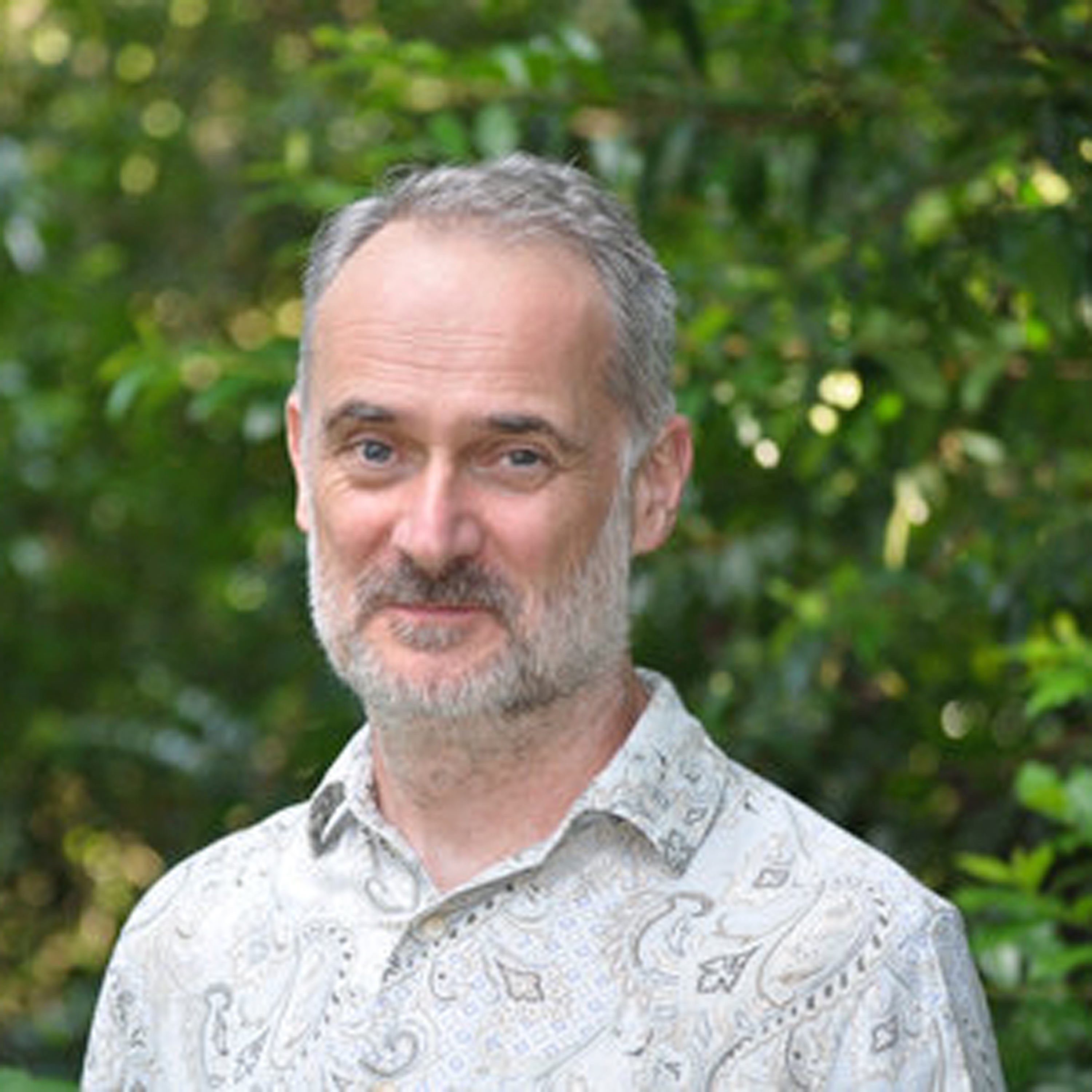 How Flowers Made Our World: DAVID GEORGE HASKELL on Deep Time, Plant Intelligence & Listening to the Living World✨ | plant intelligencedeep time+4 | David George Haskell | The Forest UnseenSounds Wild and Broken+2 | TennesseeParis | flowersecosystems+6 | — | 1h 26m 14s | |
| 4/6/26 | 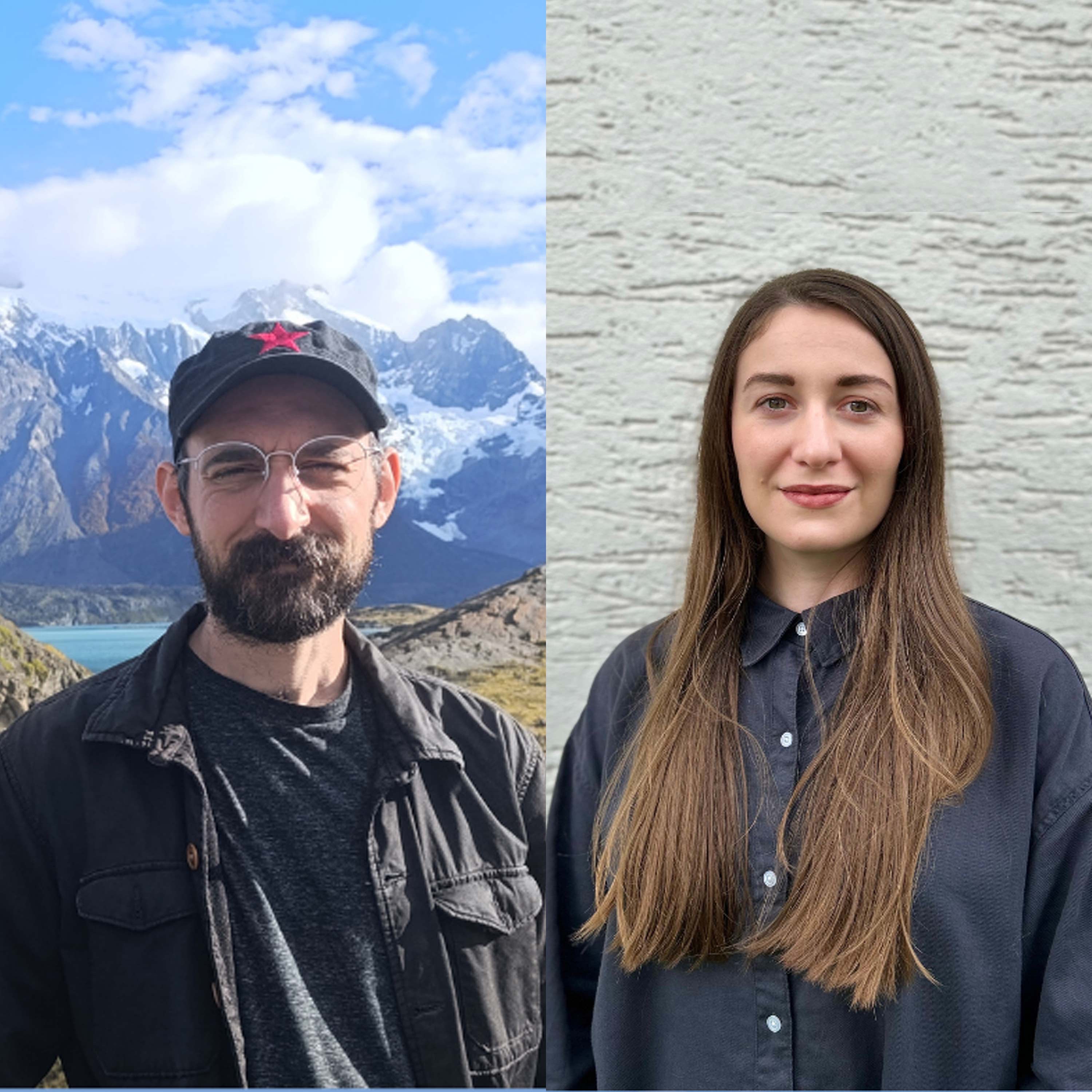 "Note from Non-People": Kurdish History, Language & Culture with SERHAT TUTKAL & HEVIN KARAKURT✨ | Kurdish historylanguage and culture+4 | Serhat TutkalHevin Karakurt | Note from Non-People | TurkeySyria+3 | Kurdish literaturestate violence+4 | — | 1h 16m 44s | |
| 4/5/26 | 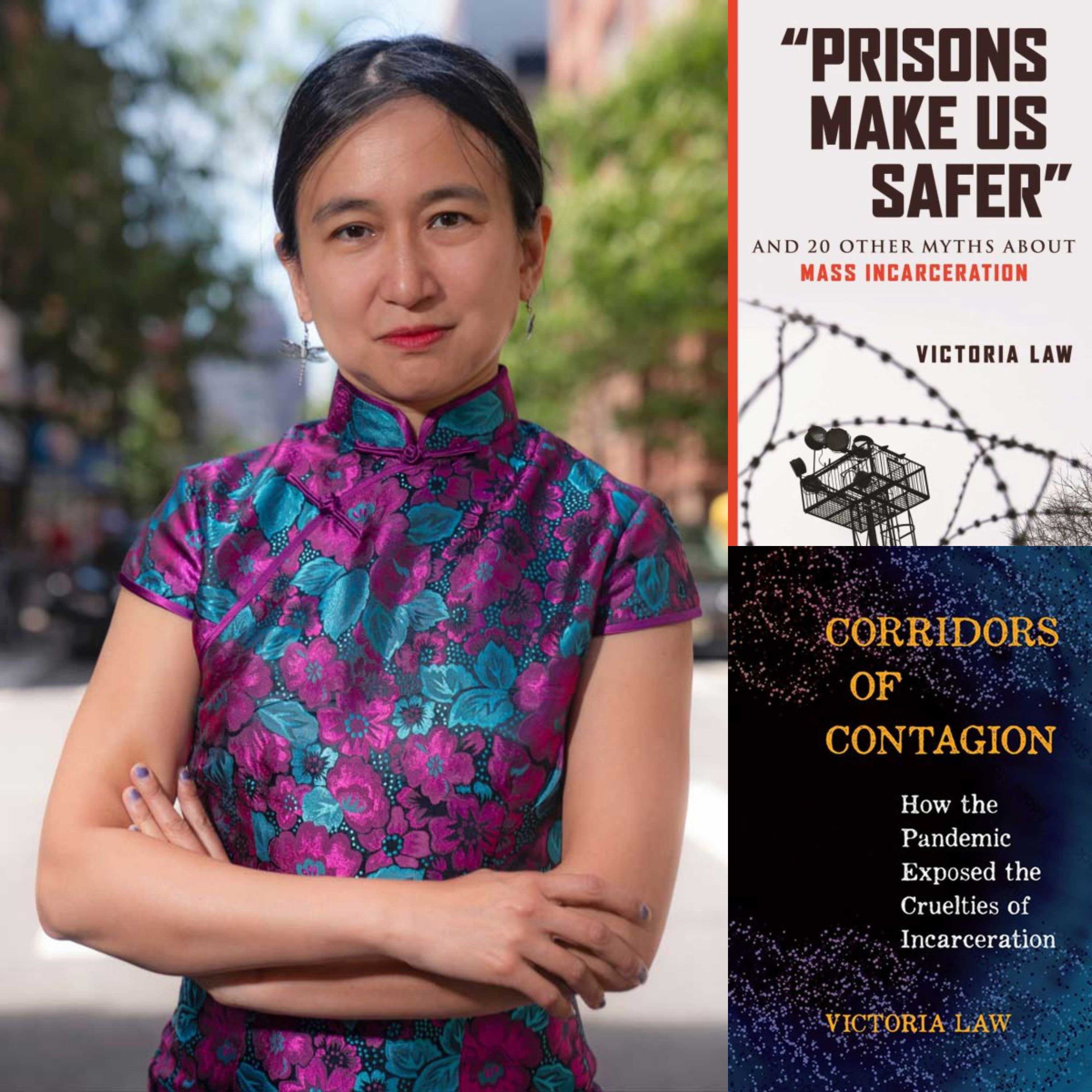 How the Pandemic Exposed the Cruelties of Incarceration w/ VICTORIA LAW✨ | incarcerationpandemic+4 | Victoria Law | Resistance Behind Bars: The Struggles of Incarcerated WomenPrison By Any Other Name: The Harmful Consequences of Popular Reforms+2 | — | incarcerationpandemic+7 | — | 56m 19s | |
Showing 25 of 1259
Sponsor Intelligence
Sign in to see which brands sponsor this podcast, their ad offers, and promo codes.
Similar Audience Demographics
Podcasts that attract a similar listener profile




Chart Positions
24 placements across 23 markets.
Chart Positions
24 placements across 23 markets.