Insights from recent episode analysis
Audience Interest
Podcast Focus
Publishing Consistency
Platform Reach
Insights are generated by CastFox AI using publicly available data, episode content, and proprietary models.
Most discussed topics
Brands & references
Total monthly reach
Estimated from 1 chart position in 1 market.
By chart position
- 🇫🇮FI · Society & Culture#4610K to 30K
- Per-Episode Audience
Est. listeners per new episode within ~30 days
5K to 15K🎙 ~2x weekly·105 episodes·Last published 5d ago - Monthly Reach
Unique listeners across all episodes (30 days)
10K to 30K🇫🇮100% - Active Followers
Loyal subscribers who consistently listen
4K to 12K
Market Insights
Platform Distribution
Reach across major podcast platforms, updated hourly
Total Followers
—
Total Plays
—
Total Reviews
—
* Data sourced directly from platform APIs and aggregated hourly across all major podcast directories.
On the show
From 12 epsHosts
Recent guests
Recent episodes
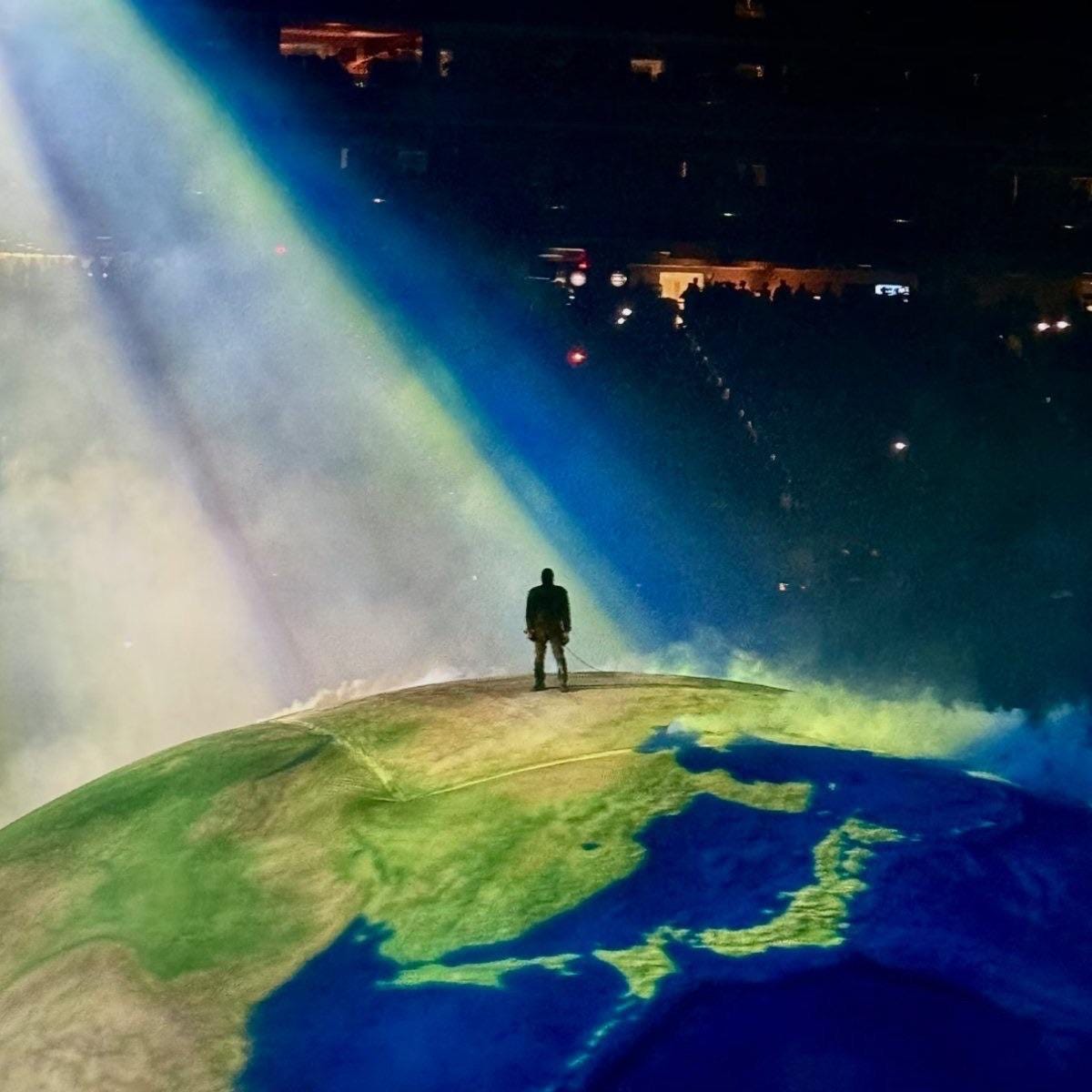
Your music taste is being manipulated: A history
Jun 19, 2026
36m 46s
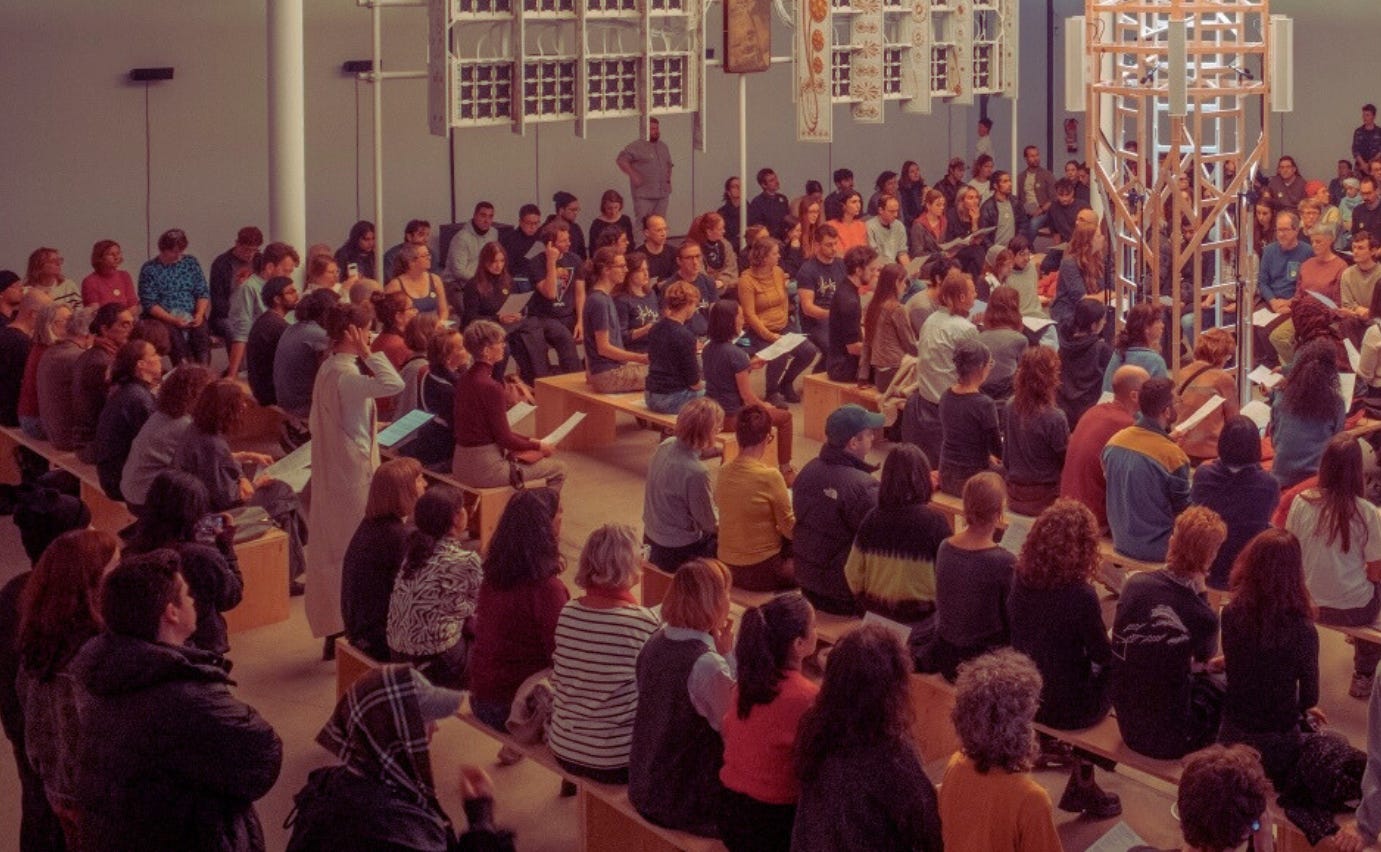
Chronicling NYC subculture, with Matthew Gasda
Jun 5, 2026
54m 18s
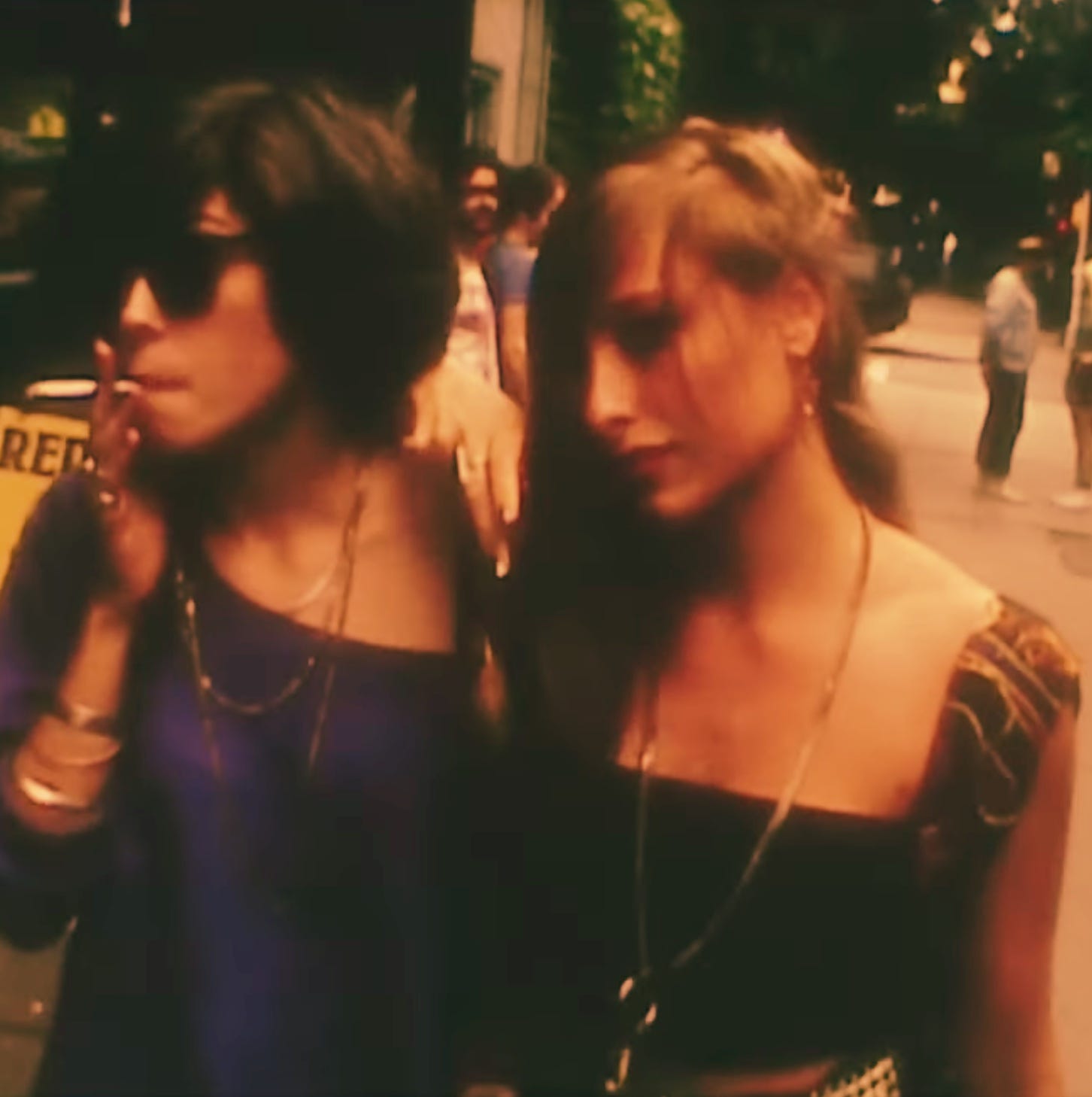
The story of vaporwave
May 21, 2026
1h 32m 38s
The slow cancellation of the future: A Mark Fisher primer
May 8, 2026
1h 35m 01s
Coachella trend report 2026: Let's watch YouTube together
Apr 24, 2026
1h 16m 24s
Social Links & Contact
Official channels & resources
Official Website
Login
RSS Feed
Login
| Date | Episode | Topics | Guests | Brands | Places | Keywords | Sponsor | Length | |
|---|---|---|---|---|---|---|---|---|---|
| 6/19/26 | ![]() Your music taste is being manipulated: A history | CUJO is a podcast about culture in the age of platforms, from Emilie Friedlander and Andrea Domanick. You can learn more about it here.For fans of independent music, the Geese psyop allegations earlier this year raised an anxiety-provoking question: How much of our taste is our own, and how much of it is just a function of the music industry using a range of tactics (from the mundane, to the shadowy, to the straight-up fraudulent) to manufacture consent? We held back from commenting on the story at the time because we were cooking up a longer response that we finally unveiled this week: a deeply researched, centuries-spanning history of the art and science of musical taste manipulation, spanning Tin Pan Alley sheet music scams, chart manipulation, streaming farms, the modern clipping economy, viral “trend simulation,” and more. Our hope was that shedding light on these historical persuasion tactics — and the psychological mechanisms that underpin them, from the mere-exposure effect to René Girard’s mimetic theory of desire — would help our listeners make sense of a present where it can feel like everything on the internet is fake.The episode, titled “Free Clout for Sale,” is part of an exciting collaborative podcast project called Tranche that came out this week on Metalabel. Tranche is the brainchild of friend of the pod and Nothing But Respect cohost Harry Krinsky, who you may remember from our episode on the psychology of the modern Knick fan a few weeks back. As Harry describes it, it’s basically a literary magazine, but instead of articles, you get podcast episodes. Listen to today’s episode for an interview with Harry about the project and an excerpt from our contribution to it — and please consider supporting our work by purchasing Tranche 001, which gets you five episodes for just $5. Other entries include a history of the word “based” (from Naomi Zeichner and Eamon Whalen), a meditation on Eddington and the fate of the Western in the 2020s (with Nate Fisher and Eddie Averill), an aesthetic analysis of Praxis and the Palantir chore coat (featuring past CUJO guest Sam Venis), and a cross-generational analysis of major life milestones with CUJO regular Ben Dietz and friends. All proceeds will be split among contributors. Something we loved this week: This fascinating episode by the excellent podcast No Such Thing on the history of different corporate management styles and the problem of micromanaging at work, featuring The Drift editor and Harvard historian Erik Baker, author of the book Make Your Own Job: How the Entrepreneurial Work Ethic Exhausted America. This is a public episode. If you'd like to discuss this with other subscribers or get access to bonus episodes, visit theculturejournalist.substack.com/subscribe | 36m 46s | ||||||
| 6/5/26 | ![]() Chronicling NYC subculture, with Matthew Gasda✨ | NYC subcultureDIY theater+4 | Matthew Gasda | Brooklyn Center for Theater ResearchThe Last Days of Downtown | NYCNew York | NYCsubculture+5 | — | 54m 18s | |
| 5/21/26 | ![]() The story of vaporwave✨ | vaporwavemusic internet+4 | — | Nobody Here: The Story of Vaporwave | — | vaporwavemusic+6 | — | 1h 32m 38s | |
| 5/8/26 | ![]() The slow cancellation of the future: A Mark Fisher primer✨ | Mark Fishercultural theory+3 | Sophie MellorSimon Poulter | CUJOCapitalist Realism: Is There No Alternative?+1 | — | Mark Fishercultural theory+5 | — | 1h 35m 01s | |
| 4/24/26 | ![]() Coachella trend report 2026: Let's watch YouTube together✨ | Coachellacultural trends+4 | Andrew Unterberger | BillboardYouTube+2 | GazaIran | CoachellaYouTube+5 | — | 1h 16m 24s | |
| 4/10/26 | ![]() The experience economy arms race and the end of the recording artist✨ | experience economyrecording artist+4 | Jaime Brooks | Live NationAEG+1 | — | experience economyrecording artist+5 | — | 1h 24m 04s | |
| 3/20/26 | ![]() Opinionated software: AI and the arts, revisited✨ | AI in artcultural production+3 | Mat Dryhurst | CUJODall-E+2 | — | AIart+5 | — | 1h 37m 52s | |
| 3/6/26 | ![]() Brooklyn's lost indie decade✨ | Brooklyn music sceneindie music+3 | Ronen Givony | Wordless MusicLe Poisson Rouge+2 | — | Brooklynindie music+3 | — | 1h 18m 12s | |
| 2/13/26 | ![]() Welcome to the reality exchange✨ | prediction marketscultural commentary+4 | John Herrman | CUJOPLEXThe Weather Report+3 | — | prediction marketsSuperbowl LX+3 | — | 1h 36m 15s | |
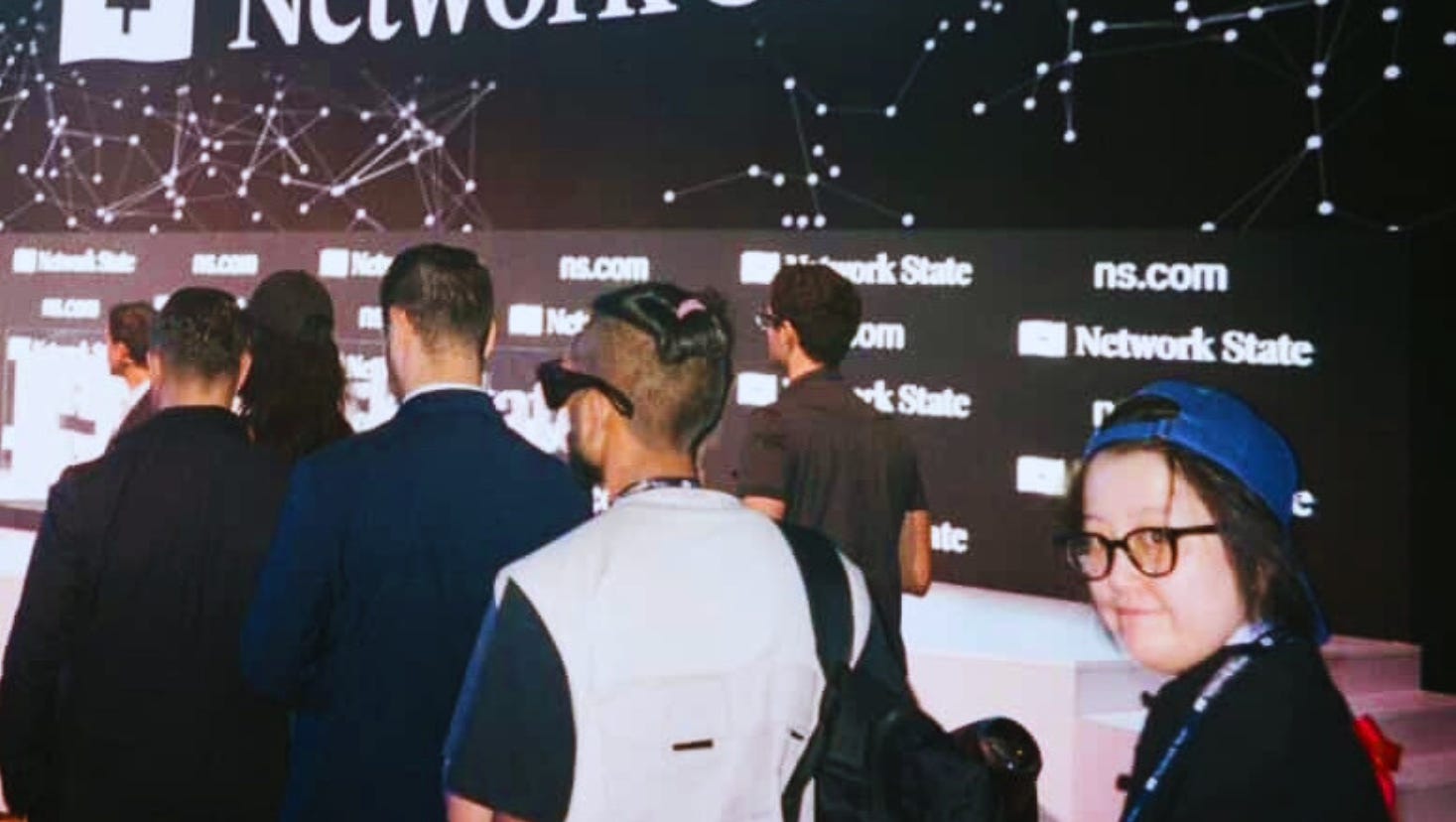
| 1/29/26 | ![]() The network state moment✨ | network statescrypto+4 | Sam Venis | CUJOCoinbase | AmericaTrump administration | network statesBalaji Srinivasan+4 | — | 1h 26m 42s | |
Want analysis for the episodes below?Free for Pro Submit a request, we'll have your selected episodes analyzed within an hour. Free, at no cost to you, for Pro users. | |||||||||
| 1/16/26 | ![]() 36 predictions about culture in 2026✨ | cultural predictionsmedia theory+5 | Ruby Justice Thelot | CUJONew York Mag+1 | — | cultural predictions2026+6 | — | 1h 04m 06s | |
| 12/23/25 | ![]() The agony and the ecstasy of the modern job hunt✨ | job searchemployment+4 | Rachel Meade Smith | OR BooksSearch Work: A Collective Inquiry into the Job Hunt+2 | — | job huntautomation+5 | — | 1h 11m 37s | |
| 12/4/25 | ![]() Revisiting Hauntology, or the sound of lost futures✨ | hauntologyindie filmmaking+3 | Anthony DiMieri | Zohran VideoGhost Box+2 | — | hauntologyindie filmmaker+3 | — | 1h 17m 57s | |
| 11/14/25 | ![]() Mayor Mamdani and the new image politics | CUJO is a podcast about culture in the age of platforms. Episodes drop every other week, but if you want the full experience — including access to our CUJOPLEX Discord and reading group meetings — we recommend signing up for a paid subscription.Paid subscribers also get access to The Weather Report, a monthly episode series where we take stock of where the cultural winds are blowing and tell you what’s rained into our brains. On our latest installment, we chat with Billboard editor Katie Bain, author of a new history of Coachella, about what the festival’s 2026 line-up tells us about where culture is headed, the rise of anti-sellout discourse, and the AI industry’s nostalgic, artisanal rebrand. Since our last episode, something historic happened: Zohran Kwame Mamdani was elected mayor of New York City, marking the American left’s most significant electoral victory since the Bernie movement took off in the 2010s. While his team will credit his win to bold, populist economic policies, there’s no denying another factor at play: Zohran’s extraordinary command of images. He grew up in a film-director household, rapped as Young Cardamom before pivoting to politics, and hired a crew of indie filmmakers to create a video campaign that unfolded like a documentary love letter to the NYC of halal carts, bodega cats, and ordinary working people. Zohran’s media fluency is also why people are calling him the Left’s answer to Trump. Which all raises some big questions: Is politics in the information economy becoming indistinguishable from theatrical world-building? And what does that mean for our offline lives?This week’s guest, writer and artist Gideon Jacobs, has thought about these questions for years. A former creative director at Magnum Photos, child actor, and native New Yorker, Gideon has explored our cultural relationship to images in outlets like The New Yorker, The New York Times, Artforum, and Los Angeles Review of Books, for whom he penned an excellent piece earlier this year called “Player One and Main Character,” which contends that political reality, post-Trump and post-Musk, is beginning to bend to the rules of fiction. We talk about the aesthetic politics of the Zohran campaign and what it tells us about what successful counter-programming to MAGA’s vision of America might look like. We also discuss what Gideon’s study of the role of images in ancient cultures and religions can tell us about navigating the image world of the present, how the rise of populism (on both the left and the right) is inextricable from our current technological moment, and whether Zohran’s victory marks the start of a political future more grounded in material conditions—or the next phase of the image arms race.Follow Gideon on InstagramRead Gideon:“Player One and Main Character” (Los Angeles Review of Books)“Trump l’Oeil” (Los Angeles Review of Books)“Thou shalt not make images—but what if AI does?” (Document Journal)“Aliens” (The Drift)Additional reading:“Selling Zohran” by Corey Atad (Defector) This is a public episode. If you'd like to discuss this with other subscribers or get access to bonus episodes, visit theculturejournalist.substack.com/subscribe | 1h 15m 51s | ||||||
| 10/23/25 | ![]() How 21st century culture lost its way, with W. David Marx | Just in time for Halloween, we’re hosting a virtual hauntology reading group (specifically, hauntology the music genre) at 4pm ET next Thursday, October 30. If you want to join in, sign up for a paid subscription, or toss a few bucks into our haunted tip jar, and we’ll send you the readings and a link to log into the conversation. We hope it’ll be the first of more group reading sessions to come.Paid subscribers also get access to our CUJOPLEX Discord, an online hangout zone where folks who like talking about the evolving state of independent music, culture, and media can talk about the news of the day; and the Weather Report, a monthly episode series where we take stock of where the cultural winds are blowing and tell you what’s rained into our brains.We spend a lot of time here talking about the structural forces that turned pop culture into an endless churn of sequels, remakes, and nostalgia plays. But what if the blame for our current “creative recession” lies on more than just economics or platforms? What if our cultural values themselves have shifted in ways that make true innovation harder to sustain?That’s the focus of Blank Space: A Cultural History of the Twenty-First Century, the forthcoming book from Tokyo-based culture critic W. David Marx—and probably the first major exhaustive account of the last 25 years in music, film/TV, internet culture, and fashion. He doesn’t just look at the technological, political, and economic forces that that created a winner-take-all landscape where billionaires and centi-millionaires like Taylor Swift, Kanye West, Paris Hilton, MrBeast, Jay-Z and frankly Donald Trump took up all of the cultural oxygen in the room, making it harder and harder for the next generation of innovators to break through. He zeroes in on the cultural attitudes that have led us here—and that set us apart from our 20th-century forebears—including poptimism, the valorization of entrepreneurial heroism, cultural omnivorism, and more.In addition to Blank Space, David the author of the mega-influential books Status and Culture: How Our Desire for Social Rank Creates Taste, Identity, Art, Fashion, and Constant Change and Ametora: How Japan Saved American Style. He joins us to talk about the mind-boggling task of summing up the past quarter-century of culture, and why most of the coolest, most innovative outputs ended up getting pushed to the margins. We also get into what originality means in a climate of constant churn, and why he believes that fighting for it is still important, even in a postmodern landscape where “everything has already been done.”Finally, David makes the case that building a healthier cultural ecosystem starts with changing our cultural attitudes. That means embracing and reinforcing social norms that have fallen to the wayside in the past quarter century, like normalizing giving credit to smaller artists, learning the canon so we can break it, and yes, making it lame to sell out again.Pre-order Blank Space, which is out November 18 via Penguin Random House. Subscribe to David’s newsletter, CULTURE: An Owner’s ManualFollow David on X This is a public episode. If you'd like to discuss this with other subscribers or get access to bonus episodes, visit theculturejournalist.substack.com/subscribe | 1h 13m 52s | ||||||
| 10/10/25 | ![]() How the job market got so broken | CUJO is a podcast about culture in the age of platforms. Episodes drop every other week, but if you want the full experience — including access to our CUJOPLEX Discord and the Weather Report, a new monthly episode series where we take stock of where the cultural winds are blowing and tell you what’s rained into our brains — we recommend signing up for a paid subscription. Paid subscribers can now watch our video roundtable on Paul Thomas Anderson’s One Battle After Another with film critic Joshua Rivera and Macho Pod cohost Drew Millard. They’ll also receive an invite to our upcoming “hauntology” reading group, which we’ll tell you more about soon. (Just so you know: We’ll also be inviting anybody kind enough to tip us a buck or two to support our work).It’s October, and we still don’t have the September jobs report because the government shut down. But the data we do have shows a clear trend: Job growth is slowing, unemployment is ticking up, and cities like New York are seeing the weakest labor market gains in decades. If you’ve noticed more “Open to Work” badges on LinkedIn, heard stories about people applying to thousands of positions, or felt the chill in your own job search, you’re not imagining it: The job market sucks right now, and things have been headed in this direction since before Trump took office. To wrap our head around how we got here (tariffs? offshoring? AI and automation?), we brought on the best person we could think of to explain it: Richard D. Wolff, a longtime faculty member at places like The New School and UMass Amherst, author of myriad books on economic methodology and class analysis, a founding director of Democracy at Work, and one of the most prominent Marxist economists in America. (Full disclosure: Rick’s work on class and labor were tremendously influential on Andrea’s work as a sociology student.)In part one of our two-part conversation, Rick explains why today’s shaky job market is just the latest phase in a decades-long trend that began in the 1970s—and, in his view, a symptom of an empire (and economic system) on the verge of collapse. We also get into the flawed logic behind Trump’s tariff and immigration policies, the real reasons offshored jobs aren’t “coming back,” and why China’s working class is seeing wage growth while American workers are stuck in place.Follow Rick’s work at Democracy at Work—and watch his Economic Update podcast. This is a public episode. If you'd like to discuss this with other subscribers or get access to bonus episodes, visit theculturejournalist.substack.com/subscribe | 1h 12m 35s | ||||||
| 10/7/25 | ![]() Watch: 'One Battle After Another' roundtable with Joshua Rivera and Drew Millard | This is a free preview of a paid episode. To hear more, visit theculturejournalist.substack.comThank you ock sportello, DJ Falkor / Random Rules, Tyler Foster, Yana Sosnovskaya, Ingmar Carlson, and many others for tuning in to CUJO’s first-ever live video, featuring film critic Joshua Rivera and Macho Pod co-host drew millard. Shout out to Yuri for sparking the idea for this conversation. Full video available to paid subscribers. | 3m 39s | ||||||
| 9/25/25 | ![]() Welcome to the right's cancel culture era | Hey pals. A little housekeeping: We keep full-length episodes like this one free, because we want as many people as possible to be able to hear them. But every episode we put out takes at least 20 hours to produce, from researching and booking to script writing, recording, editing, and marketing — and if you love this pod, we could use your help in keeping this project economically sustainable so we can keep churning out episodes like this one for years and years to come.If a paid subscription ($5/month!) isn’t on the table for you right now, we’ve introduced a new tipping feature where you can throw us a couple bucks to let us know that you’re enjoying what we make. You can think of it as tipping a barista for your morning cup of coffee — only instead of a cup of coffee, you’re tipping us for an hour or more of stuff that you download into your brain. It’s been a rough couple of weeks for freedom of speech in America, from from Jimmy Kimmel’s suspension and reinstatement at ABC, to Trump’s executive order labeling Antifa a domestic terror group, to right-wing doxing databases targeting private citizens for Charlie Kirk wrongspeak. Here to help us make sense of the larger political and economic currents that have led us to this moment is Chicago-based journalist Adam Johnson, co-host of the long-running media criticism podcast Citations Needed, creator of The Column on Substack, and author of a piece for In These Times titled “The Trump admin is brazenly exploiting Charlie Kirk’s killing to silence dissent. Will Democrats take notice?”We break down the Kimmel saga — which coincided with a deportation order against Palestinian activist Mahmoud Khalil — and how the Trump administration is using Kirk’s assassination to push a broader agenda to erode liberal institutions, silence political opposition, and get corporations to fall in line. We also dig into the right’s overt embrace of so-called “cancel culture” tactics, backed by the full weight of the state — and how Democrats helped set the stage for this moment failing to defend the speech rights of their left flank. Finally, we examine how the media industry appears to be on the verge of a conservative “vibe shift,” from Bari Weiss’ rumored rise at CBS to the Ellison family’s powergrab over Paramount-Skydance and TikTok — and what standing up for free speech, and even doing one’s job as a journalist, could look like in the years to come.For access to our monthly cultural weather report, our CUJOPLEX Discord, and other bonus perks, become a paid subscriber.Read Adam’s piece “The Trump Admin Is Brazenly Exploiting Charlie Kirk’s Killing to Silence Dissent. Will Democrats Take Notice?” at In These Times.Subscribe to The Column and listen to Citations Needed. This is a public episode. If you'd like to discuss this with other subscribers or get access to bonus episodes, visit theculturejournalist.substack.com/subscribe | 55m 40s | ||||||
| 9/11/25 | ![]() Inside NYC's thriving cinephile underground | CUJO is a podcast about culture in the age of platforms. Episodes drop every other week, but if you want the full experience — including access to our CUJOPLEX Discord and our eternal parasocial friendship — we recommend signing up for a paid subscription.Paid subscribers also get access to The Weather Report, a new monthly episode series where we take stock of where the cultural winds are blowing and tell you what’s rained into our brains. In the latest installment, cyberethnographer Ruby Justice Thelot joins us to wax philosophical about the Labubu craze, matcha and “performative male” discourse, and why politicians are lifting weights in public. It’s easy to get the impression these days that the traditional media industry is abandoning cultural criticism. Over the past few months, outlets like The New York Times, The Washington Post, and The Chicago Tribune have been reassigning or letting go of veteran film, music, and theater critics, leaving some to debate what impact, if any, written criticism still has on the culture at large. Bucking this trend (and pretty much all mainstream media logic) is The Metrograph, a new biannual print magazine about cinema from the eponymous repertory theater in New York City’s Chinatown. It’s long, proudly niche, intentionally disconnected from the news cycle, and available only in print—with the goal of offering deep film fans an experience they won’t be able to find online, while inviting a new generation of people into the culture. The recently released second issue includes a 42-page dive into Paul Morrissey’s archives, author Gary Indiana’s favorite films (RIP), a history of the Japanese pink film, a “cinemap” of Belgrade, and a comic about Jerry Lewis’s infamous lost film The Day the Clown Cried. The cover, which we’ve cropped for this episode’s artwork, features a painting by artist Louise Giovanelli inspired by Christina Ricci’s character in Buffalo ’66.Senior editor Annabel Brady-Brown (formerly of Australia’s Fireflies Press) and editor-at-large Nick Pinkerton (film critic, screenwriter of The Sweet East, creator of the Substack Employee Picks, and a former coworker of Emilie’s at Kim’s Video) join us to discuss the past, present, and future of independent film criticism—and what it means to make a magazine for cinephiles in 2025. We also discuss why younger people in NYC seem to be gravitating back to the movies these days, and how the hyper-IRL, videostore-centric independent film culture of 20 years ago is a good template for what that might look like in the 2020s. Finally, we shout out some of the directors, movies, and micro publications that are making right now such an exciting time for cinema in NYC — and the repertory theaters and video stores we love around the world that are keeping the old Kim’s Video spirit alive.Issue 2 of The Metrograph is out now. Buy it here, or at an independent book or magazine store near you.Read more by our guests:”Less rock, more talk: On Paul Morrissey, Pier Paolo Pasolini, Ezra Pound, ‘political’ art, and 1988’s ‘Spike of Bensonhurst’” by Nick Pinkerton (Employee Picks) “Sunshine, lollipops and rainbows: On the subversive pleasures of Agnès Varda‘s Le Bonheur” by Annabel Brady-Brown (The Metrograph) This is a public episode. If you'd like to discuss this with other subscribers or get access to bonus episodes, visit theculturejournalist.substack.com/subscribe | 1h 24m 51s | ||||||
| 8/14/25 | ![]() Machines talking to machines: The future of the internet | CUJO is a podcast about culture in the age of platforms. Episodes drop every other week, but if you want the full experience — including access to our CUJOPLEX Discord and our eternal parasocial friendship — we recommend signing up for a paid subscription.Paid subscribers also get access to The Weather Report, a new monthly episode series where we take stock of where the cultural winds are blowing and tell you what’s rained into our brains. In the first installment, we wax philosophical about Ari Aster’s Eddington, the future of search, and the alleged returned of Butt Rock. These days, it feels like the web is becoming… less of a web. Websites aren’t getting visitors anymore, employees are worried that they’re going to be replaced by AI agents, and the search tools we used to rely on to pull up the information we need are deliberately enshittifying themselves. It’s like the internet as we know it — fundamentally, a thing that connects people with other people — is being swallowed up by AI and smooshed down into the cramped, impersonal space of a chatbot interface, whether we like it or not.Or, as New York Magazine tech journalist John Herrman recently put it, “The World Wide Web … has been going through something akin to ecological collapse.” John has been keeping close tabs on these developments in his excellent column “Screen Time,” where he recently reported on the emerging field of generative-engine optimization, or GEO. Think: SEO, but for the AI-consolidated internet.We invited John on the show for a wide-ranging conversation about the strange new chapter of the internet that is materializing before our eyes—and what our experience of the web might look like a world where conversational AI becomes our main portal to the digital realm. We discuss the shift from SEO to GEO, why we’re all reading Reddit a lot more now, and what we stand to lose (and, in some cases, gain) in a world where we summon our information from chatbots.Finally, we get into what New York Times writer Mike Isaac is calling the dawn of Silicon Valley’s “Hard Tech” era: a vibe shift away from the consumer-focused, employee-friendly, optimistic culture of the 2010s to the more cutthroat, bossist, AI and data center-obsessed tech culture of the present.Follow John on BlueskyRead “Screen Time” at New York Magazine’s Intelligencer More by John: “What’s the deal with GPT-5?”“SEO is dead. Say hello to GEO.”“The AI boom is expanding Google’s dominance” “Why you are reading Reddit a lot more these days”“At work, in school, and online, it’s now AI versus AI” This is a public episode. If you'd like to discuss this with other subscribers or get access to bonus episodes, visit theculturejournalist.substack.com/subscribe | 1h 15m 48s | ||||||
| 8/1/25 | ![]() How the tattooed foodie bro became the defining person of 2025 | What do mullets, SpongeBob stick-and-pokes, and foil-wrapped sandwiches have in common? According to this week’s guest, London writer Clive Martin, they’re all hallmarks of a new type of food-obsessed, young urban professional that Clive calls the “defining person-type of 2025.” You know the type: people who queue up around the block for hours for a taste of the latest Instagram-viral, cartoonishly gigantic Italian sandwiches, in a neighborhood where the old school Italian sandwich shops are being displaced. Clive calls these people “The Normans,” after a North London cafe-restaurant they frequented for its loving homages to greasy-spoon staples like chippy teas and chicken fingers. But it’s a subculture that transcends international borders, at least in the English speaking world: a distinctly bro-y strain of contemporary foodie culture fueled by viral images of oozing cheeseburgers, indie rock music, Anthony Bourdain hagiography, and upscale, farm-to-table recreations of working class and immigrant food traditions. The plan their weekends around new eateries, walk around wearing restaurant merch, and secretly wish they could they could quit their fintech job and start over as Carmy from The Bear. Clive is a former colleague of ours from VICE, and one of our favorite observers of contemporary culture—especially when it comes to cities and gentrification. We brought him on to discuss his article for VICE, titled “Meet the Normans,” and how food supplanted music, film, and art as the dominant mode of cultural consumption among young people. We also get into the subculture’s nature as a kind of masculine reaction to other strains of millennial yuppie food culture, how both the food internet and the bro internet are reshaping our cities, and how the rising cost of living is pushing the gentrification cycle into exurban areas like Upstate New York, Margate, and Joshua Tree. Finally, we share some of our favorite, decidedly not-Norman restaurants in London, Philly, and LA that are still hanging on.Follow Clive on X @clive_mart1nRead more by Clive:“Urban sprawlers: How city folk ruined the countryside” (The Face)“Ketamine, crime, and chaos: Life in a London party slum” (VICE)Other relevant reads:“Welcome to Neo New York, where everything feels old school but isn’t” by Emilie Friedlander (VICE)“We are all foodies now” by Steven Phillips-Horst (Spike Art) This is a public episode. If you'd like to discuss this with other subscribers or get access to bonus episodes, visit theculturejournalist.substack.com/subscribe | 1h 16m 32s | ||||||
| 7/17/25 | ![]() Britney Spears and how the media lost its mind | Join us in Philly on Tuesday, 29 for a special book talk with this week’s guest, Jeff Weiss, co-presented by CUJO and Lot 49 Books. The event kicks off at 7 pm, at Fishtown’s Neon Clown Dream Lounge — and will feature Jeff in conversation with Emilie, Drew Millard, and Sadie Dupuis, followed by a book signing, a Britney-themed DJ set by Domino Dancing, and, rumor has it, Britney-themed drinks. Admission is free, but you can pre-order Jeff’s book here to support him and one of the city’s best independent bookstores.As a younger generation obsesses over Canon PowerShots, low-rise jeans, flip phones, Von Dutch, and other relics of the Y2K era, it’s easy to forget that the 00s were actually a pretty terrible era for pop culture. And while some of that has to do with aesthetics (looking at you, Boho Amnesia Belt), it was especially true when it comes to media. Think: award-winning news anchors contemplating pop stars’ virginities and making them cry on primetime TV; reality shows about celebrities in rehab funded by commercials for dubious diet pills; supermarket check-out aisles lined with magazines asking whether your favorite actor was “hot” or “not.”Few people got to know that world quite like music writer, friend-of-the-pod, and Passion of the Weiss founder Jeff Weiss, and he just published a book about it. It’s called Waiting For Britney Spears: A True Story, Allegedly, and it’s a semi-fictional account of Jeff’s years working as a young tabloid reporter in the early 2000s, roving the streets of LA with a paparazzi buddy in pursuit of the rich and famous — and the concurrent arc that saw Britney Spears go from America’s Sweetheart to Vegas party girl to conservatee.You could call it a work of fiction, written as a memoir; a work of non-fiction in the spirit of Joseph Mitchell and the Beat poets; or, as Jeff has described it, “a one-person referendum on the impossibility of knowing the exact truth about anything — especially anything refracted and distorted through the lens of electronic media.” Either way, it’s as much about Britney as it is about the glossy, Ed Hardy-adorned last days of pre-internet media and pop culture at the turn of the millennium — and how that time set the stage for the ruthless, gossip-obsessed cultural climate of the present. Jeff joins us to talk about his days as a gossip reporter, and why he chose this experimental format rather than a straightforward biography. We also get into how these experiences informed his understanding of the morality (and amorality) of journalism, how the tabloid era paved the way for our current moment in political media, and why a new generation of young people seems so nostalgic for the fashion and music of the early 2000s.CUJO is a podcast about culture in the age of platforms. For access to paywalled episodes and an invite to our Discord, become a paid subscriber.Buy Waiting for Britney Spears, and follow the book’s Instagram account. There’s also an official playlist. Follow Jeff on X and check out his new podcast, The Truth Hurts. This is a public episode. If you'd like to discuss this with other subscribers or get access to bonus episodes, visit theculturejournalist.substack.com/subscribe | 1h 08m 48s | ||||||
| 7/3/25 | ![]() How A24 turned cinema into a lifestyle | With a catalog full of art house favorites like The Witch, Spring Breakers, Moonlight, and Uncut Gems, it’s hard to deny that A24 occupies a unique position in the zeitgeist. In a Hollywood landscape that can feel like it’s becoming more risk-averse by the year — see our recent episode with Andrew Dewaard on his book Derivative Media — the artist-forward distributor and studio has become synonymous with a dream that, to many American cultural producers, feels increasingly remote: the conviction that one can doggedly put quality art out into the marketplace and see it actually succeed.But is A24 singlehandedly saving American cinema, or is that just a carefully crafted illusion, more a testament to the importance of smart brand positioning than to the actual quality of the films in its catalog? We brought on the Las Vegas-based writer and critic Nicholas Russell, author of an excellent essay for Dirt called “The Popular Alternative: the State of A24,” to discuss how the company evolved from an upstart indie film distributor to a studio and lifestyle brand in the mold of Disney — albeit one for adults who pride themselves in being savvy cultural consumers.We talk about how the company successfully commodified the idea of being “a cinephile,” the similarities between the A24 cap and the New York tote, and what Nicholas describes as the longstanding “tension between A24 the studio and A24 the startup” — one recently complicated by a $100 million cash injection from Josh Kushner’s Thrive Capital, a major investor in OpenAI. We also try to break down the ineffable A24 “feel” (including the aesthetic elements and political themes the company tends to foreground, and shy away from) and consider the rise of Neon — the distributor behind movies like Parasite, Anora, and How to Blow Up a Pipeline — as the “other popular alternative.”Follow Nicholas on X and SubstackRead more by Nicholas hereRecommended reading about A24 and the Hollywood system from Nicholas:"The Life and Death of Hollywood" by Daniel Bessner (Harpers)"A24's Risky Hollywood Moment" by Felix Gillette (Bloomberg)Hollywood: The Oral History by Jeanine Basinger and Sam Wasson (Harper Collins) This is a public episode. If you'd like to discuss this with other subscribers or get access to bonus episodes, visit theculturejournalist.substack.com/subscribe | 1h 13m 22s | ||||||
| 6/20/25 | ![]() How the NBA lost its cool | This is a free preview of a paid episode. To hear more, visit theculturejournalist.substack.comThis is a free preview of a subscriber-only episode. If you sign up for a paid subscription between now and July 4, we’ll give you 50% off.For as long as any of us can remember, the NBA has been the cultural North Star of the United States. But according to Ock Sportello, author of a viral Substack article called “Toward a Unified Theory of Uncool,” the league has become a microcosm of the ways that economic risk aversion and image production in the age of social media are rendering the culture at large… increasingly swagless. To celebrate the final weekend of the NBA season, Emilie and boyfriend-of-the-pod/co-host of the excellent new show Macho Pod Drew Millard brought on Ock to discuss how “aura” replaced “coolness,” the erasure of regional identity in the age of globalization, and what the basketball superstars of 2025 have in common with the West Village Girls. | 14m 45s | ||||||
| 6/13/25 | ![]() The geopolitics of pop culture, with Jaime Brooks of Elite Gymnastics (free) | From tariffs on foreign goods to scaling back on US military and humanitarian aid abroad, it’s clear that Trump is intent on moving the country in a more protectionist direction. But what does that look like for pop culture? Think: Kendrick’s “Not Like Us” as an anthem for our time, versus Drake collaborating with lesser-known grime and Afro-house producers during the Obama years.Critic Jaime Brooks — who you may also know for her work in musical projects like Elite Gymnastics and Default Genders — recently wrote an epic essay exploring the geopolitics of music and entertainment in 2025. The piece is called “Notes on the Canzukian Schism,” and it’s an eye-opening look at the ways the European social welfare system, US military policy, and libertarian free market evangelism have shaped our experiences as both consumers and producers of pop culture over the past century.Jaime joins us to discuss how her Canadian upbringing — much like Marshall McLuhan’s and Drake’s — gave her a distinct perspective on media and culture in the Anglosphere. She takes us through the history of radio in the UK and US, and how it set the stage for both the genesis of Western pop music and the perennial question of whether art should be funded by markets or the state. We also talk about how the “poptimism vs. rockism” debate overlooks the material realities of the music industry, how being online and being literate have become two entirely separate things, and why community radio may be the last viable path forward for culture.Want to continue the conversation? For access to our member-only Discord (and the full edition of this episode), sign up for a paid subscription.Subscribe to Jaime’s Substack, The Seat of LossRead more by Jaime“American Sajaegi” (The New Inquiry)“The Summer of Love and the Holy Fair” (The New Inquiry) This is a public episode. If you'd like to discuss this with other subscribers or get access to bonus episodes, visit theculturejournalist.substack.com/subscribe | 59m 22s | ||||||
Showing 25 of 109
Sponsor Intelligence
Sign in to see which brands sponsor this podcast, their ad offers, and promo codes.
Chart Positions
1 placement across 1 market.
Chart Positions
1 placement across 1 market.