The Dr. Greg Wells Podcast
by Dr. Greg Wells
Is this your podcast?Insights from recent episode analysis
Audience Interest
Podcast Focus
Publishing Consistency
Platform Reach
Insights are generated by CastFox AI using publicly available data, episode content, and proprietary models.
Most discussed topics
Brands & references
Total monthly reach
Estimated from 1 chart position in 1 market.
By chart position
- 🇭🇰HK · Medicine#185500 to 3K
- Per-Episode Audience
Est. listeners per new episode within ~30 days
250 to 1.5K🎙 ~2x weekly·68 episodes·Last published 2w ago - Monthly Reach
Unique listeners across all episodes (30 days)
500 to 3K🇭🇰100% - Active Followers
Loyal subscribers who consistently listen
150 to 900
Market Insights
Platform Distribution
Reach across major podcast platforms, updated hourly
Total Followers
—
Total Plays
—
Total Reviews
—
* Data sourced directly from platform APIs and aggregated hourly across all major podcast directories.
On the show
From 12 epsHosts
Recent guests
Recent episodes
All About Healthy Fats with Dr. Richard Bazinet
Aug 21, 2026
The Ripple Effect: Dr. Greg Wells’ Masterclass on on Healthy High Performance
Aug 7, 2026
Why I’m Doing The Great World Race (7 Marathons on 7 Continents in 7 Days) with my Daughter
Jul 10, 2026
Rest Refocus Recharge: Dr. Greg Wells’ Masterclass on Slowing Down to Speed Up
Jun 26, 2026
The Science of Finishing What You Start With Chris Bailey
Jun 12, 2026
Social Links & Contact
Official channels & resources
Official Website
Login
RSS Feed
Login
| Date | Episode | Topics | Guests | Brands | Places | Keywords | Sponsor | Length | |
|---|---|---|---|---|---|---|---|---|---|
| 8/21/26 |  All About Healthy Fats with Dr. Richard Bazinet | In today’s conversation Dr. Bazinet explores the science of healthy fats through the lens of brain biology, inflammation, cholesterol, and real-world nutrition. He and Dr. Wells unpack the differences between saturated, monounsaturated, and polyunsaturated fats, then dig into omega-3s, DHA, EPA, and why the brain’s relationship with fat is more fascinating than most people realize. They also discuss why the research on cardiovascular risk can be messy, why nutrition debates get oversimplified, and why a whole-food approach still makes the most practical sense. The result is a grounded, science-first conversation that brings clarity to one of nutrition’s most misunderstood topics.You will learn how Dr. Bazinet distinguishes saturated, monounsaturated, and polyunsaturated fats; why DHA is such an important structural fat in the brain; how omega-3 and omega-6 pathways interact with inflammation; why the evidence on fish oil, cognition, depression, and heart health is more nuanced than social media suggests; and how to think practically about whole foods, fish, olive oil, grass-fed animal foods, and supplements. You will also hear why he remains careful about overclaiming in nutrition science, especially when randomized trials and observational data do not fully agree.You will discover that one of the biggest mistakes in nutrition is talking about “fat” as though it is a single thing. Dr. Bazinet shows that the real story lies in the type of fat, where it comes from, what it replaces in the diet, and what question the research is actually able to answer.This episode helps solve the challenge of trying to eat well in the middle of noisy, contradictory fat advice. Dr. Bazinet gives listeners a more intelligent framework for understanding fats so they can move beyond fear, hype, and internet certainty and make calmer, better food decisions. | — | ||||||
| 8/7/26 |  The Ripple Effect: Dr. Greg Wells’ Masterclass on on Healthy High Performance | In today’s conversation Dr. Greg Wells shares the core message of The Ripple Effect: if we want to feel better, think better, and perform at a higher level, we need to improve the fundamentals together. He explains how sleep, food, movement, and mental state amplify one another and why even small changes can create powerful downstream effects. The masterclass blends physiology, practical strategies, and real-world examples to show how healthier habits lead to better performance and a better life. At its heart, this is a science-based framework for turning potential into action.You will learn why sleep is the foundation of recovery, energy, learning, and mood; how movement acts like medicine for the body and brain; how food quality influences energy, inflammation, and long-term health; why mindset and mental clarity affect every other behaviour; and how 1% improvements can build real momentum over time. You will also learn why dreams matter, how to turn knowledge into action, and how to stop chasing quick fixes in favour of sustainable habits that compound.You will discover that health and performance are deeply interconnected. When you sleep better, you make better food decisions; when you move more, you think more clearly; and when you improve one part of the system, the others get stronger too.This masterclass helps solve the challenge of knowing you want to feel better and perform better, but not knowing where to begin. Dr. Wells gives the listener a clear starting point: begin with one small, meaningful upgrade in sleep, eating, movement, or thinking, and let that improvement create a ripple effect through the rest of life.Key take aways:Sleep is the foundation of performance.Movement is medicine for body and brain.Food quality shapes energy and recovery.Small changes create powerful momentum.Health habits work best together. | — | ||||||
| 7/10/26 | endurance trainingfather-daughter relationship+4 | Ingrid | — | AntarcticaMiami | Great World Racemarathons+5 | — | — | ||
| 6/26/26 | restperformance+4 | — | — | — | restrecovery+7 | — | — | ||
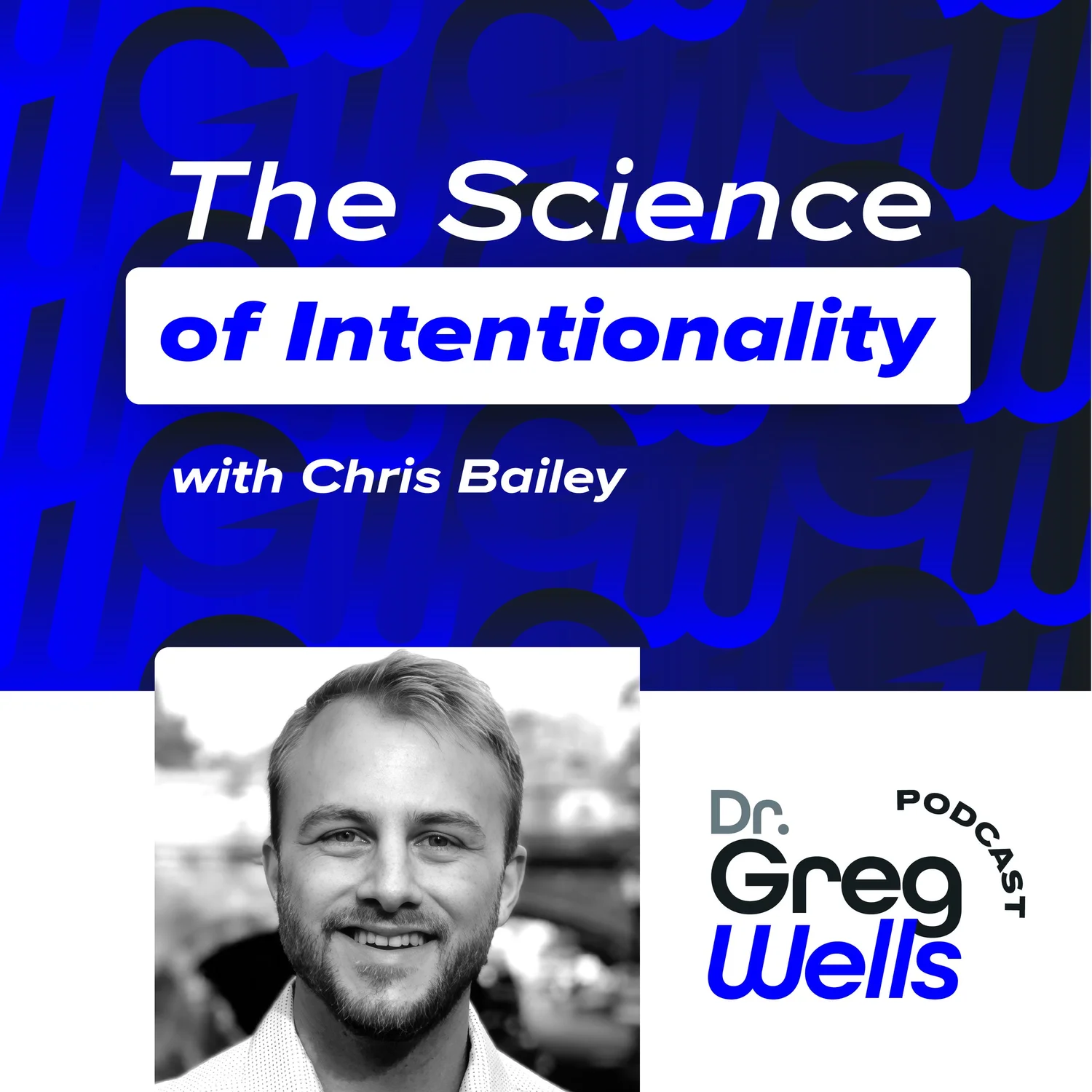
| 6/12/26 | goal settingintention+4 | Chris Bailey | — | — | intentionprocrastination+5 | — | — | ||
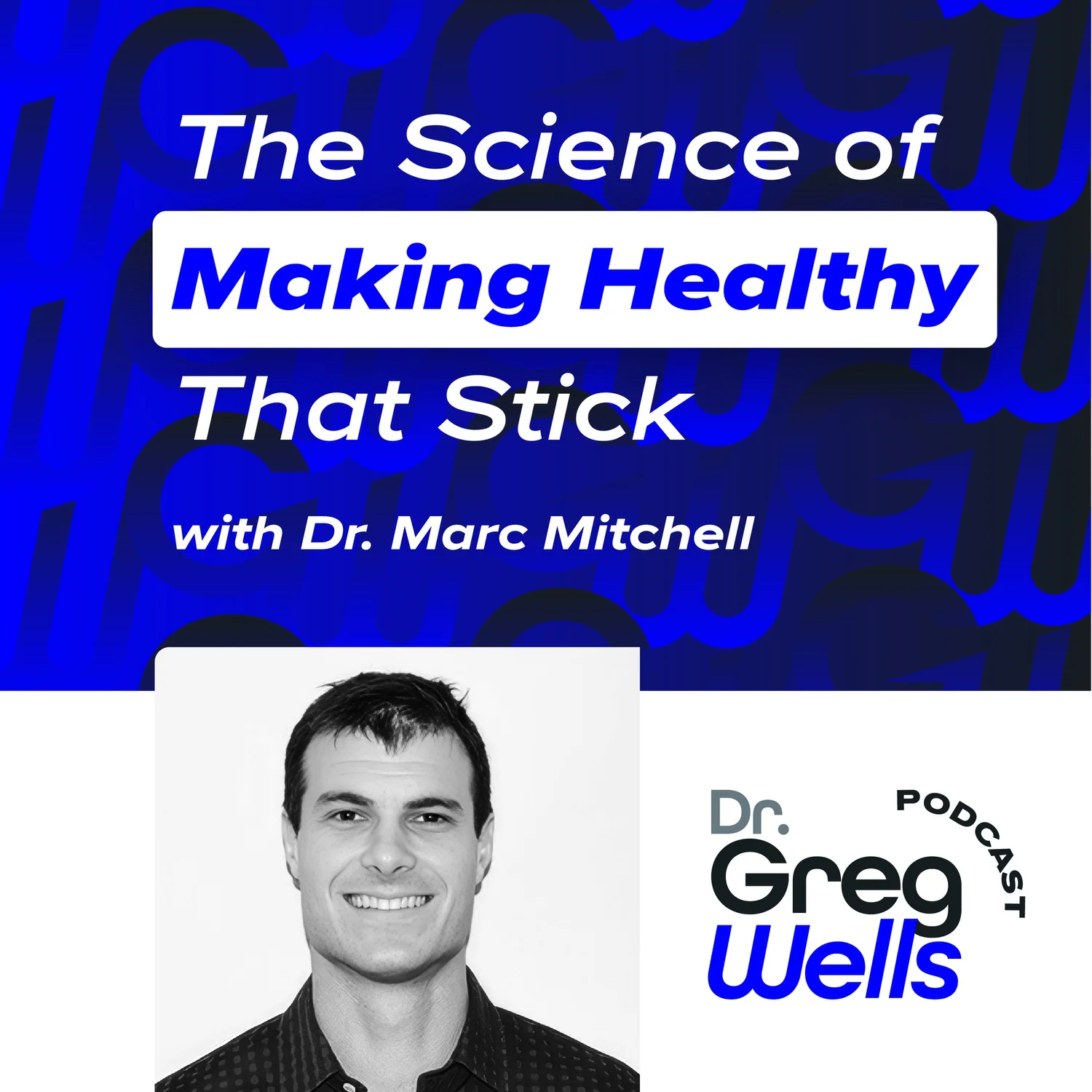
| 5/29/26 | behavior changehealth+3 | Dr. Marc Mitchell | — | — | healthy behaviorsbehavioral science+3 | — | — | ||
| 5/15/26 | mind-body relationshipendurance+5 | Dr. Alex Hutchinson | — | — | endurancefatigue+5 | — | — | ||
| 5/1/26 | preventionhealth+4 | Dr. Kwadwo Kyeremanteng | PRESS Method™ | — | healthcareprevention+5 | — | — | ||
| 4/17/26 | co-parentingdigital distraction+4 | Jake Ernst | — | — | digital distractionmental health+5 | — | — | ||
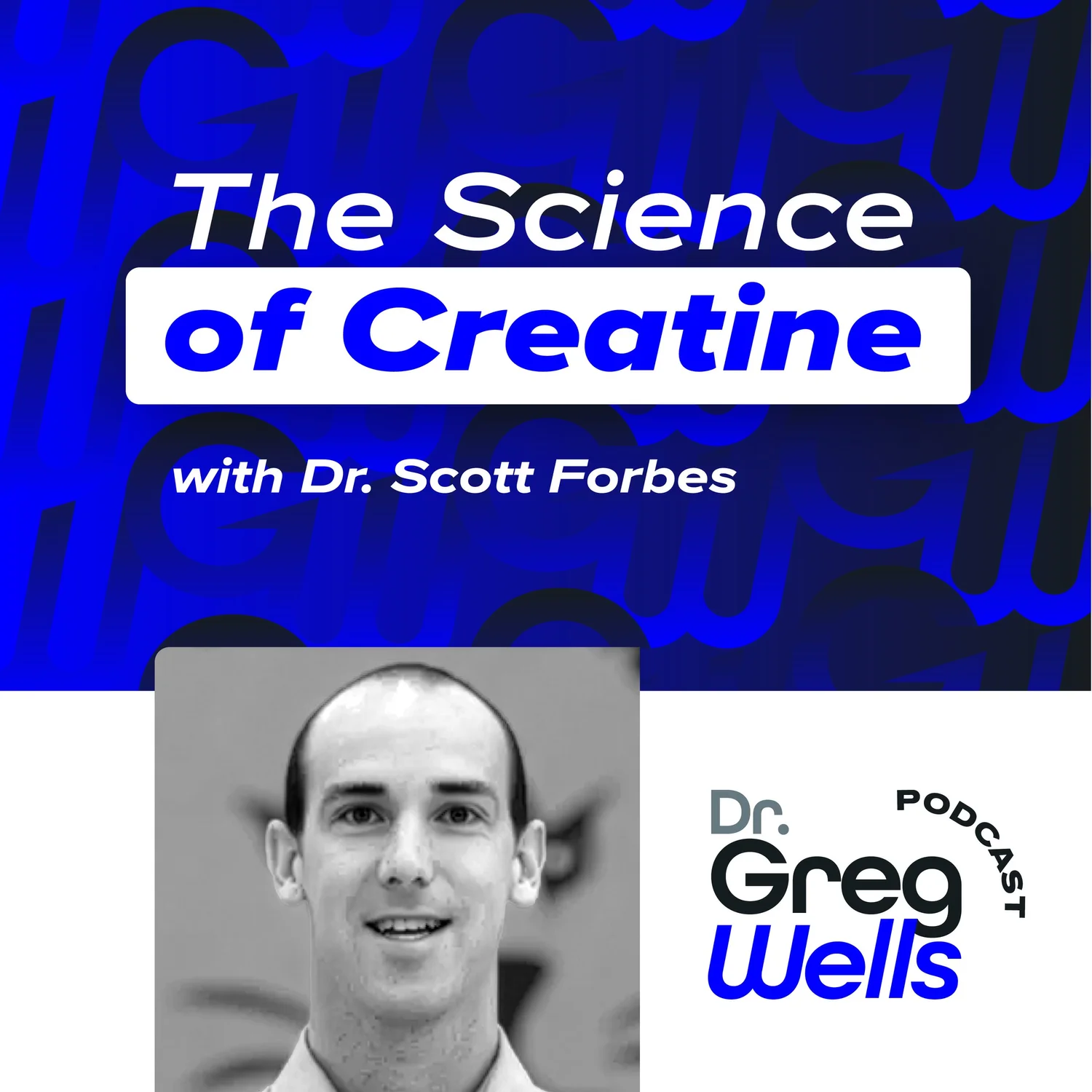
| 4/3/26 | creatinesupplements+4 | Dr. Scott Forbes | creatinesocial media | — | creatineperformance+5 | — | — | ||
Want analysis for the episodes below?Free for Pro Submit a request, we'll have your selected episodes analyzed within an hour. Free, at no cost to you, for Pro users. | |||||||||
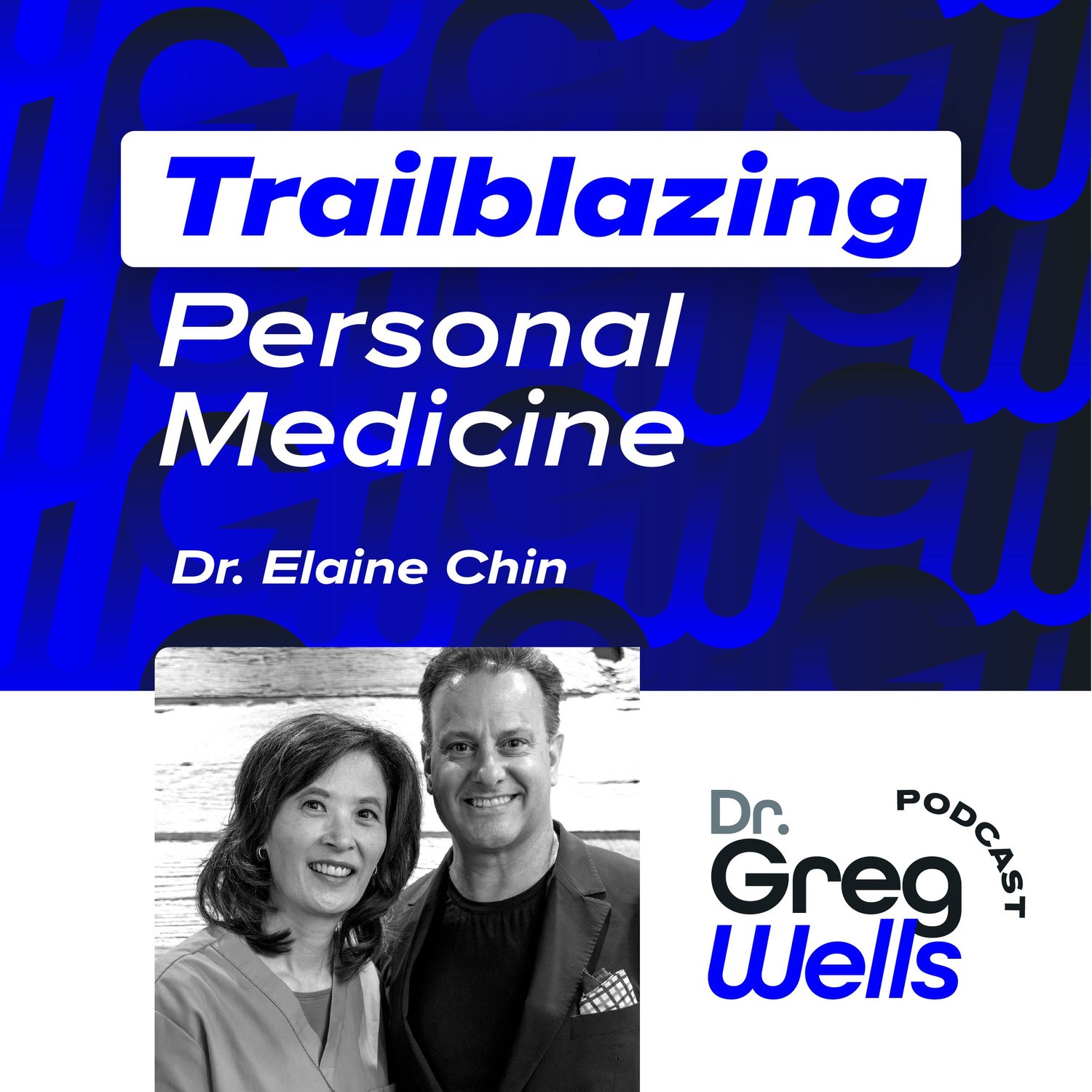
| 3/20/26 | longevityprecision medicine+5 | Dr. Elaine Chin | — | — | longevitytelomeres+7 | — | — | ||
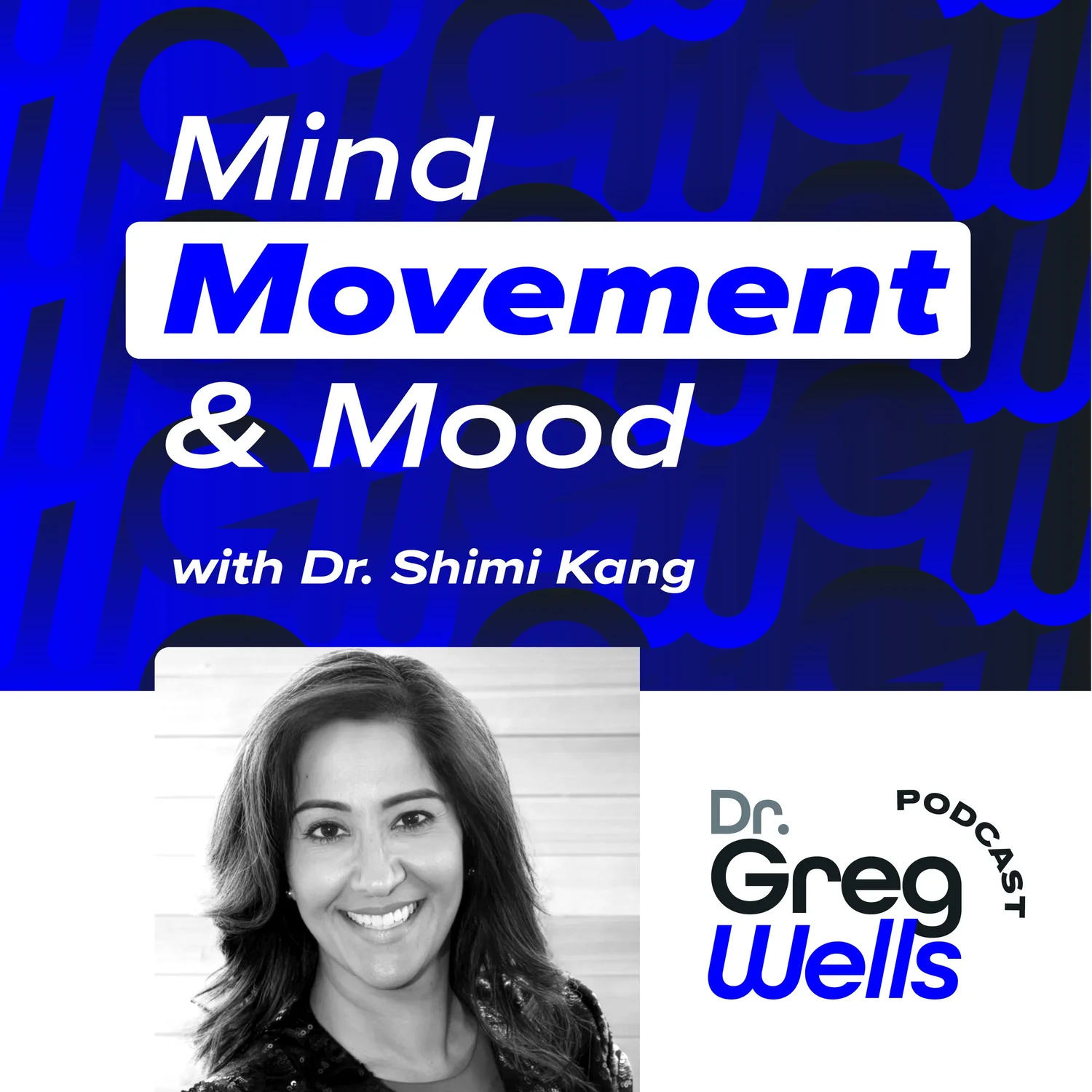
| 3/6/26 | technologystress+5 | Dr. Shimi Kang | World Health Organization | — | technologystress+7 | — | — | ||
| 2/20/26 | hopeagency thinking+3 | Dr. Robyne Hanley-Dafoe | — | — | hopeoptimism+5 | — | — | ||
| 2/6/26 | high performancecortisol+4 | Dr. James Rouse | — | — | performancehope+3 | — | — | ||
| 1/9/26 |  From Mindset to SoulSet With Philip McKernan | In today’s conversation Philip McKernan explores what it really takes to move from “doing all the right things” to living from a deeper, more aligned place—what he calls SoulSet™. He and Dr. Wells unpack why so many driven people chase goals, money, and control…and still feel like something is missing. Philip shares how creating space, asking better questions, and trading judgment for curiosity can open the door to clarity and meaningful change. The result is a practical, courageous path toward the work (and life) you were actually built to live. | — | ||||||
| 7/4/23 |  #60 - Navy SEAL Strategies to Stay Calm and Execute Under Pressure with Steven Drum | Stephen is solving the “pressure gap”: the moment when stress hijacks focus and people react instead of respond—in leadership, business, and life—because they haven’t built a deliberate process to prepare for defining moments.In today’s conversation Stephen Drum explores what it really means to “perform on the X”—the critical moment when everything is on the line and you don’t get a do-over. He breaks down the difference between reacting and responding, and why presence, rehearsal, and simple performance cues matter more than raw intensity. Stephen also shares how Stoic philosophy, mindfulness, performance psychology, and breathing practices help leaders stay steady in chaos.You will learn how Navy SEAL teams prepare for “no-return” moments, and how to translate that into boardroom, relationship, and life pressure. You will learn practical tools to notice your stress signals early, pause, and choose a response that serves you. You will learn why confidence is earned through preparation (not “fake it till you make it”), and how to build a repeatable readiness process. You will learn simple breathing and mental rehearsal techniques that improve focus and composure fast.You will discover that your mind and body often respond to a high-stakes presentation (slides failing, tough feedback, big pitch) with the same stress physiology as truly dangerous situations—and the solution is a trained, deliberate process, not willpower.Stephen helps listeners solve the challenge of staying calm, clear, and decisive when pressure spikes—so they can execute effectively instead of getting pulled into fight/flight/freeze and regretful reactions. | — | ||||||
| 6/20/23 |  #59 - The Three Levers: Andy Blow on sweat, sodium, and smarter hydration | Andy is solving the “guesswork problem” in endurance performance: athletes lose wildly different amounts of fluid and sodium, so generic hydration advice leads to dehydration, cramping, GI distress, or even hyponatremia—and performance falls apart in the heat and over long durations. In today’s conversation Andy Blow explores why hydration and fueling are never one-size-fits-all—and how understanding your sweat losses can transform performance in long or hot training and racing. He and Dr. Wells break down sweat physiology, heat adaptation, and why you can “do everything right” yet still struggle if your sodium and fluid strategy doesn’t match your body. Andy also shares practical guardrails for drinking, electrolyte replacement, and carbohydrate intake, plus the simple “three levers” framework that helps athletes execute better under stress.You will learn why humans sweat (and why it’s a performance superpower), and how sweat is linked to blood plasma and electrolyte loss. You will learn the real-world range of sweat sodium losses (and why that range matters more the longer/hotter the event). You will learn how heat acclimation changes sweating, blood volume, and tolerance over ~2 weeks. You will learn practical hydration guidance (short sessions vs long sessions) and how to avoid overdrinking/underd rinking traps. You will learn the emerging best practices for endurance fueling—from ~30g/hr up to 90–120g/hr for high-output athletes who can tolerate it.You will discover that your “hydration problem” is often a sodium + fluid mismatch—and that getting those two numbers closer to your personal losses can be “night and day” for performance in the heat. Andy helps listeners solve the challenge of finishing long/hot sessions strong—without bonking, cramping, or having the day ruined by avoidable hydration and fueling mistakes. | — | ||||||
| 6/6/23 |  #58 - From “Not Sick” to Optimal: Dr. Melissa Piercell on nutrition that upgrades performance | Melissa is solving the “I’m functioning but not thriving” problem—where high performers feel tired, inflamed, foggy, or stuck with weight/metabolic issues because modern stress + ultra-processed food + hidden toxins quietly push them toward “not sick” instead of healthy and optimal. Her approach is to identify gaps (often via blood work), reduce toxic load, and build realistic nutrition routines that support energy, mood, and long-term disease prevention. In today’s conversation Melissa Piercell explores how we move along the health spectrum from disease → not sick → healthy → optimal using practical, high-impact nutrition and lifestyle changes. She and Dr. Wells unpack epigenetics (how lifestyle influences gene expression), why toxins and processed foods can amplify inflammation, and how digestion and “detox” really work in day-to-day life. Melissa shares simple rules for hydration, fiber, fats for brain health, stress routines, and time-restricted eating—tools that help busy people perform better without getting extreme.You will learn how epigenetics connects daily habits (stress, food, toxins) to long-term health outcomes. You will learn practical “detox” fundamentals—especially the role of daily elimination, fiber, and hydration. You will learn how fats (omega-3 vs omega-6, trans fats, and cooking oils) influence brain function and inflammation. You will learn why chronic stress changes immunity, recovery, and metabolism—and how routines support hormonal rhythms. You will learn realistic strategies for weight/body composition (including time-restricted eating and “no eating after dinner”).You will discover that the biggest breakthroughs often come from small, repeatable upgrades—like consistent sleep timing, daily fiber + water, and nutrient-dense meals—because these changes reduce physiological stress and improve how your body adapts over time.Melissa helps listeners solve the challenge of feeling depleted in a high-demand life—by turning nutrition into a realistic system that stabilizes energy, mood, digestion, and performance (even when schedules are chaotic). | — | ||||||
| 5/23/23 |  #57 - Heart Rate Variability and Real Recovery with Dr. marco Altini | Marco is solving the “data confusion” problem: people are surrounded by wearable metrics and made-up scores, but don’t know what’s actually measured, what’s estimated, and what’s meaningful over time. His work helps people use reliable physiological signals (HR, HRV, temperature) longitudinally to manage stress, avoid bad training decisions, and improve performance and health.In today’s conversation Marco Altini explores how wearable tech has shifted us from one-time lab snapshots to long-term physiology tracking in real life. He explains what wearables can measure accurately at rest (like heart rate and HRV), what they’re estimating (like sleep stages and readiness), and why the most valuable insights come from trends vs your own baseline. Marco also breaks down HRV as a practical stress marker, how wearables can flag “something’s off” (like infection), and the simple morning routine that makes HRV data useful.You will learn what modern wearables measure well at rest (HR/HRV) and why movement still challenges accuracy. You will learn the difference between measured signals versus algorithmic estimates (sleep stages, readiness), and how to avoid being fooled by a single score. You will learn what HRV is (beat-to-beat variation), why it reflects autonomic stress load, and how to interpret changes day-to-day and across training blocks. You will learn why infection detection is usually non-specific (it flags stress, not the exact virus) but still useful for decision-making. You will learn how to start a consistent, one-minute morning HRV routine that produces actionable trends.You will discover that the real superpower of wearables isn’t perfect accuracy—it’s longitudinal tracking: comparing today’s physiology to your history to spot meaningful change early.Marco helps listeners solve the challenge of making better decisions under uncertainty—when training, work stress, sleep disruption, travel, or early illness is pushing the body toward overload—so they can adjust before stress becomes chronic. | — | ||||||
| 5/9/23 |  #56 - Sick Not Weak: Ending the Mental Health stigma with Michael Landsberg | Michael is fighting the core problem of stigma-driven silence—the belief that depression, anxiety, and other mental illnesses are personal weaknesses. His work aims to shift the narrative to “sick, not weak”, so people get help sooner, caregivers understand better, and fewer individuals suffer alone. In today’s conversation Michael Landsberg explores his journey from decades in Canadian sports media to becoming one of the country’s most visible mental health advocates. He shares how anxiety shaped his early life, how a family health crisis preceded a devastating depressive episode, and why speaking openly on-air in 2009 changed the direction of his life. Dr. Wells and Michael dig into how language shapes stigma, why “weakness” is the wrong frame, and how being truly understood is often the first step toward healing. You will learn why mental illness stigma persists—and how a simple shift in language (“sickness, not weakness”) can change whether people reach for help. You’ll learn what depression can actually feel like from the inside, and why “normal stress” language can unintentionally minimize real illness. You’ll learn how honesty (shared with strength, not shame) can empower others to speak up—especially men and high performers who feel pressure to look “fine.” You’ll also learn why caregivers need support too, and how understanding—not fixing—is often the most powerful first move.You will discover that loneliness isn’t about being alone—it’s about not feeling understood—and that finding one person who truly “gets it” can meaningfully reduce isolation and open the door to recovery.Michael helps solve the challenge of how to talk about mental health in a way that reduces shame—so people struggling (and the people who love them) can move from silence to support without judgment. | — | ||||||
| 4/25/23 |  #55 - Be Brave, Focused, and Brilliant: Daily Practices for Great Work with Todd Henry | In today’s conversation Todd Henry explores how everyday professionals can stay creative and effective in a world full of distraction and pressure. He and Dr. Wells unpack why “creativity” isn’t just art—it’s problem-solving—and why tiny daily rituals matter even more when life gets disrupted. Todd shares practical ways to protect attention, reduce overwhelm, and build a sustainable rhythm for producing brilliant work without burning out. | — | ||||||
| 4/11/23 |  #54 - One Step at a Time: Everest, the Sahara, and the Mindset of the Unstoppable with Sebastien Sasseville | How to pursue big goals (in sport, work, or life) without being limited by adversity — by building discipline, experimenting until you understand your “systems,” and leading yourself (and others) one step at a time.In today’s conversation Sébastien Sasseville explores how a diagnosis of type 1 diabetes became a turning point that pushed him toward structure, endurance, and purpose. He shares what it took to summit Mount Everest, why the Sahara strips away expectations fast, and how running across Canada became a mission-driven way to help others living with diabetes. Along the way, Sébastien breaks down the mindset of execution under pressure: balancing control with letting go, focusing on the return trip (not just the summit), and finding meaning beyond performance.You will learn how Sébastien trained for extreme goals by stacking skills, fitness, and logistics over years (not weeks), and how he “experimented” to understand his body well enough to perform safely with type 1 diabetes. You’ll hear why the desert is a masterclass in humility and presence, and how dropping expectations can actually improve performance and enjoyment. You’ll also learn how he translates endurance lessons into leadership: mission-first teams, disciplined execution, and purpose as the fuel that lasts.You will discover why the most dangerous part of big goals is often after the win — and how elite performers stay focused on the “way down,” not just the summit moment.Sébastien helps solve the common high-performer trap of setting ambitious goals but lacking the structure, patience, and process-focus required to execute consistently—especially when conditions are uncertain and discomfort is guaranteed. | — | ||||||
| 3/28/23 |  #53 - How leaders protect performance and mental health with Dr. Marie Helene-Pelletier | Dr. Pelletier is solving the “I’m exhausted and slipping, but I don’t know what to change” problem—helping busy professionals and leaders understand what burnout really is, how to spot the early warning signs, and how to rebalance demands vs. supplies with practical, evidence-based actions at both the individual and organizational level.In today’s conversation Marie-Hélène Pelletier explores why burnout is more than just feeling tired—and how it shows up as exhaustion, cynicism, and declining performance. She breaks down a simple but powerful framework: demands are rising (especially during crisis), and if supply doesn’t increase, we slide downward over time. Dr. Wells and Dr. Pelletier also dig into how to build self-awareness earlier, reduce stigma through more specific conversations (anxiety, depression, substance use, etc.), and protect performance using the fundamentals that move the needle most.You will learn the World Health Organization framing of burnout and why people often misuse the term. You’ll learn how to map your stressors using a “demand list” and identify the small percentage you can change to get meaningful relief. You’ll learn the four foundational behaviors that most strongly support mental health (sleep, nutrition, exercise, and relationships), plus why they require consistency—not quick fixes. You’ll learn simple self-awareness tools (daily 0–10 ratings, nuance over extremes, and check-ins with trusted people) that help you catch problems sooner.You will discover that resilience isn’t just “trying harder”—it often starts by reducing the load you’re carrying and aligning your choices with your values, because some demand levels are impossible to “out-supply.”She helps listeners solve the challenge of staying high-performing without slowly breaking down—by creating a realistic plan to prevent burnout, restore energy, and protect mental health in high-demand workplaces. | — | ||||||
| 3/14/23 |  #52 Burnout-Proof High Performance with Dr. Susan Biali Haas | High-performing people are stuck in a cycle of chronic stress that quietly erodes energy, mood, relationships, and results—until it becomes burnout. Susan’s work (and this conversation) focuses on breaking that cycle with science-based tools that help leaders build sustainable high performance without sacrificing health.In today’s conversation Susan Biali Haas explores how high achievers can build stress resilience and prevent burnout without lowering their standards. She and Dr. Wells unpack why the brain and nervous system can get “stuck” in threat mode, especially after prolonged stress, and how small, repeatable practices can shift you back toward calm, energy, and clarity. They also dig into the performance value of purpose, joy, and mental training—simple levers that help people show up better at work and at home.You will learn how to spot early burnout signals (before you crash), how to use neuroscience-informed strategies to downshift stress and rebuild capacity, how purpose and meaning protect performance over time, and why “fun” and recovery aren’t indulgences—they’re part of the physiology of sustainable output.You will discover that resilience isn’t a personality trait—it’s a trainable skillset, built through small, evidence-based shifts that change how you respond to pressure.This episode helps solve the challenge of trying to maintain elite performance while feeling exhausted, overwhelmed, or emotionally flat—by giving you practical ways to protect your brain, energy, and mental health under real-world demands. | — | ||||||
| 2/28/23 |  #51 - Olympian Kyle Shewfelt on courage, confidence, and comeback | Kyle is tackling the “toxic excellence” problem: how to pursue world-class performance without fear-based coaching, emotional harm, or unsafe culture—by building athlete-driven, supportive environments where people can grow, fail, and thrive.In today’s conversation Kyle Shewfelt explores what it takes to build a healthy, high-performing life after the biggest moments—Olympic gold, devastating injuries, and the emotional crash that can follow achievement. He and Dr. Wells unpack how stress shows up in the body, why perspective is a practice, and how creating space (even sitting alone in a car) can restore clarity and leadership. Kyle also makes a powerful case for safe sport—pushing hard with dignity, respect, and kindness—so athletes can reach the top in a positive way.You will learn practical ways to interrupt “fight-or-flight” when pressure spikes—by getting out of your head and into your body. You will learn how Kyle thinks about leadership during uncertainty, including the value of protecting time and space so you can show up better for others. You will learn what “athlete-driven, parent/coach-supported” development looks like—and why it matters for both performance and long-term wellbeing. You will learn the cultural ingredients of safer, healthier sport environments that still produce excellence.You will discover that the fastest way back to calm isn’t more thinking—it’s noticing your body’s signals (jaw, chest, tension), then using breath and a quick change in environment to reset your physiology.Kyle helps you solve the challenge of staying optimistic, steady, and constructive through setbacks—without losing themselves (or their culture) in fear, control, and reactivity. | — | ||||||





Showing 25 of 46
Pitch Fit is a Pro feature
See how bookable this show is for guests, which brands already advertise, the per-episode ad value, and the best-fit guest and sponsor profile. The numbers are blurred on the free plan.
How readily this show books outside guests like you.
How proven this show is for host-read sponsorships.
For Guests
ProFor Advertisers
ProUpgrade to Pro to unlock guest cadence, sponsor categories, fit scores, and per-episode ad value for this show.
Chart history for The Dr. Greg Wells Podcast
Peaked at #185 in HK, currently #185 in HK.
| Market | Genre | Peak | Current | Trend |
|---|---|---|---|---|
| HK | — | #185 | #185 | — |
Chart Positions
1 placement across 1 market.
Chart Positions
1 placement across 1 market.