
Insights from recent episode analysis
Audience Interest
Podcast Focus
Publishing Consistency
Platform Reach
Insights are generated by CastFox AI using publicly available data, episode content, and proprietary models.
Total monthly reach
Estimated from 2 chart positions in 2 markets.
By chart position
- 🇪🇸ES · Medicine#1591K to 10K
- 🇰🇪KE · Medicine#184500 to 3K
- Per-Episode Audience
Est. listeners per new episode within ~30 days
450 to 3.9K🎙 Daily cadence·42 episodes·Last published yesterday - Monthly Reach
Unique listeners across all episodes (30 days)
1.5K to 13K🇪🇸77%🇰🇪23% - Active Followers
Loyal subscribers who consistently listen
600 to 5.2K
Market Insights
Platform Distribution
Reach across major podcast platforms, updated hourly
Total Followers
—
Total Plays
—
Total Reviews
—
* Data sourced directly from platform APIs and aggregated hourly across all major podcast directories.
On the show
Recent episodes
Stuck in Chronic Pain? Here's How the Brain Can Turn It Back Off | Dr. David Schechter, M.D
Jun 23, 2026
1h 08m 25s
Reversing ADHD Without Stimulants with Dr. Todd Born
Jun 16, 2026
1h 48m 56s
The 4 Pillars of Longevity & Healthspan: Eat, Move, Sleep, Connect | Dr. Matt Kaeberlein
Jun 9, 2026
2h 29m 31s
Fluoride Q&A: Pregnancy Risks, Pediatric Varnish & Water Filtration Protocols
Jun 4, 2026
10m 06s
Fluoride Science: Neurodevelopment Risks, Thyroid Function & Water Filtration Protocols | Dr. Ravi Kumar
Jun 2, 2026
35m 21s
Social Links & Contact
Official channels & resources
Official Website
Login
RSS Feed
Login
| Date | Episode | Description | Length | ||||||
|---|---|---|---|---|---|---|---|---|---|
| 6/23/26 | 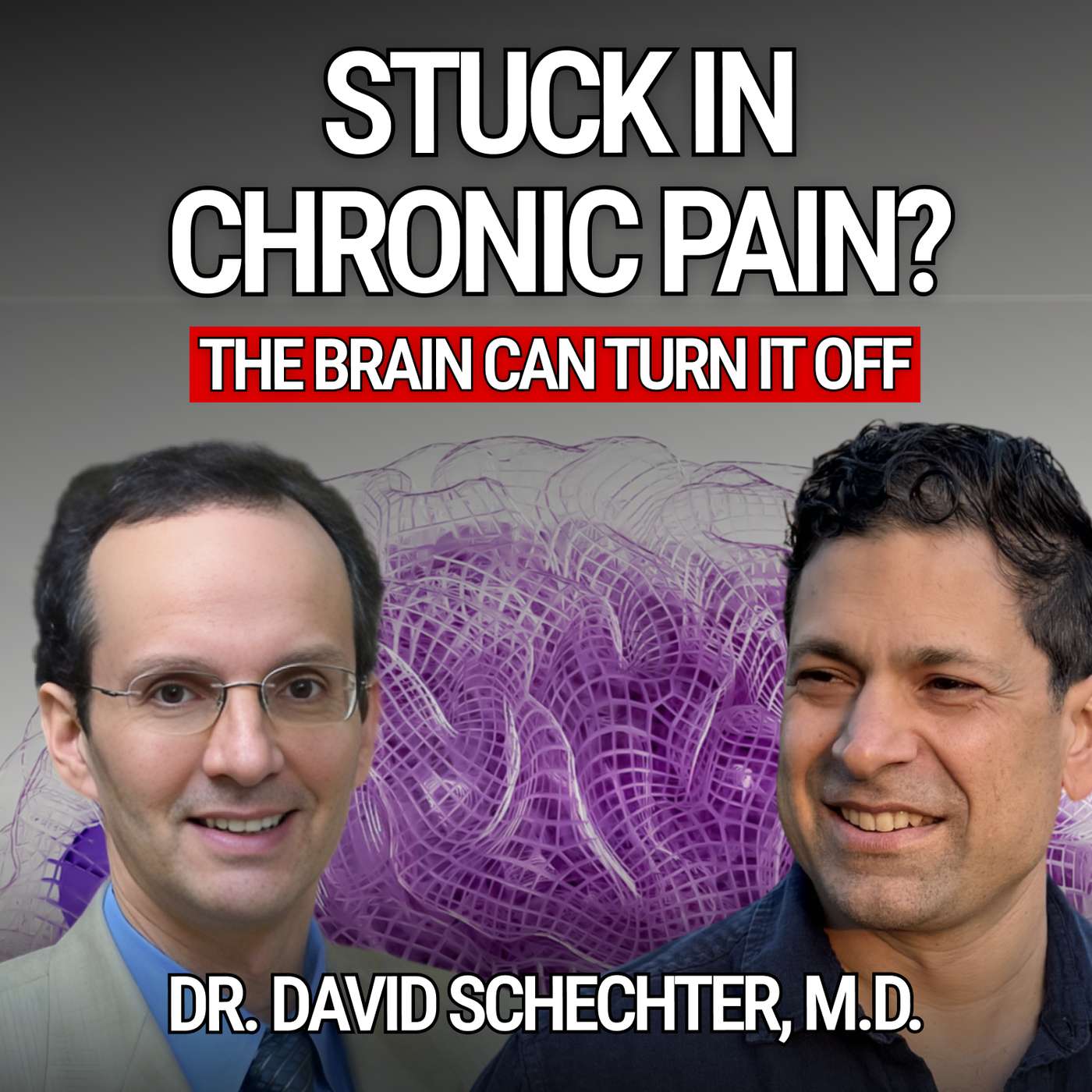 Stuck in Chronic Pain? Here's How the Brain Can Turn It Back Off | Dr. David Schechter, M.D | Millions of people suffer from chronic pain, immediately turning to scans, injections, or surgery for answers. Yet, extensive clinical data reveals a startling mismatch between structural findings on an MRI and actual physical symptoms. In this insightful conversation, neurosurgeon Dr. Ravi Kumar and sports and mind-body medicine specialist Dr. David Schechter examine how the brain regulates, amplifies, and can even fabricate acute physical distress.Dr. Schechter reflects on his personal journey overcoming chronic knee pain as a medical student under Dr. John Sarno, transforming him from a skeptic into a pioneer of the field. Together, they dismantle the myth that chronic pain must stem from an anatomical defect, introducing the concept of neuroplastic pain (historically known as Tension Myositis Syndrome). They explore why standard diagnostics can create a "nocebo effect"—where a doctor's careless words trap a patient in decades of fear and pain. Finally, Dr. Schechter outlines his highly successful, evidence-backed treatment framework, combining psychoeducation, targeted emotional journaling, and graded activity to help patients successfully deprogram their nervous systems and reclaim their lives.What You’ll LearnThe Chronification of Pain: Why pain lasting longer than three to six months often shifts from a peripheral tissue issue to a centralized nervous system loop.The Brain's Two-Way Street: How the brain constantly modulates incoming sensory signals, possessing the ability to turn off or intensely amplify physical sensations.The Asymptomatic Scan Myth: What the clinical data says about completely healthy individuals walking around with major, painless disc herniations and bulges.The "Broken Signal" Model: How to reframe chronic pain as a malfunctioning traffic light that can be safely overridden once understood.The Danger of Nocebos: How negative pronouncements from trusted medical authorities install decades of chronic fear, restriction, and pain.The "Type T" Personality: Why perfectionists, high achievers, and people-pleasers (goodists) are uniquely vulnerable to psychophysiological pain syndromes.The Science of Rewiring: The groundbreaking functional MRI data from clinical trials (like the Boulder Study) proving that successful mind-body therapy alters neural networks permanently.Dr. Schechter’s Protocol: A step-by-step home educational framework utilizing emotional awareness, expressive journaling, and targeted lifestyle deprogramming.Episode Highlights: [00:00:00] Dr. Ravi Kumar on Neuroplastic Pain vs. Structural Damage[00:03:33] Redefining Pain: Acute, Subacute, and Chronic Timelines[00:05:27] The Two-Way Nervous System: How the Brain Filters Sensation[00:07:24] Circuits that Fire Together Wire Together: The Broken Signal Model[00:09:02] A Tale of Two Discs: Why Big Herniations Don't Always Hurt[00:14:27] Defining TMS: Tension Myositis Syndrome Unpacked[00:16:15] Small "t" vs. Big "T" Trauma: The Psychosocial Driver of Pain[00:18:20] The Type T Personality: Perfectionism and the "Goodist" Burden[00:21:37] Meeting Dr. John Sarno: How a Skeptical Medical Student Cured His Knees[00:32:36] The Clinical Evidence: The Boulder Trial, RCTs, and Long-Term Outcomes[00:38:38] Catastrophizing and Benign Fasciculation Syndrome in Medical Workers[00:41:10] The 30-Second Cure: Linking Sensation Directly to Stress[00:43:10] How to Start "Thinking Away Your Pain" at Home[00:47:27] Dr. Schechter's Multi-Layered Protocol: Books, Apps, and Expressive Journaling[00:53:13] What Functional MRIs Prove: The Pain Center Shift from Cortex to Amygdala[00:57:22] The Brain as a Copycat: Replicating Diarrhea, Headaches, and Chest Pain[01:03:42] Placebo vs. Nocebo: The Medical Curse of Careless Words[01:06:56] Reclaiming Your Autonomy & Final ConclusionsEpisode Resources:Dr. Ravi Kumar on LinkedInDr. Ravi Kumar’s WebsiteDr. David Schechter on LinkedInDr. David Schechter’s Website | 1h 08m 25s | ||||||
| 6/16/26 | 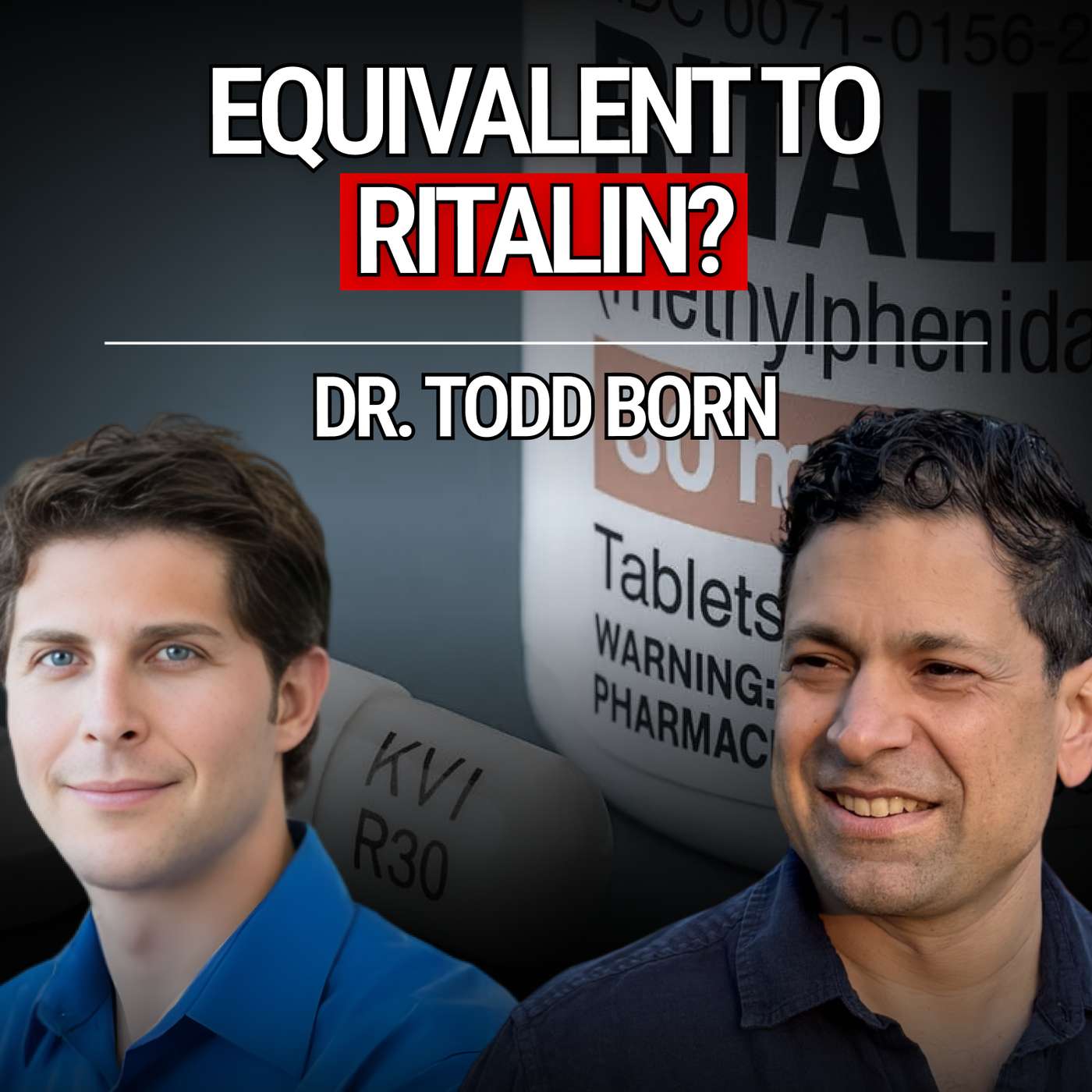 Reversing ADHD Without Stimulants with Dr. Todd Born | ADHD has become one of the most common, misunderstood, and heavily medicated conditions in modern pediatrics. While mainstream practices quickly reach for the prescription pad, the American Academy of Pediatrics' official stance mandates that behavioral support and lifestyle interventions should be the first line of defense, reserving medication as a last resort. In this deep-dive conversation, neurosurgeon Dr. Ravi Kumar and naturopathic expert Dr. Todd Born examine the massive evolutionary mismatch between a child's highly neuroplastic, rapidly developing brain and a modern educational system that demands hours of sedentary lecturing.Dr. Born pulls back the curtain on his comprehensive, step-by-step therapeutic order for pediatric and adult ADHD. They dismantle the myth that artificial additives are harmless, analyzing blinded clinical data that proves petroleum-based food dyes induce severe inattention and aggression even in healthy children. From there, they discuss why standard blood tests miss critical insufficiencies in iron, zinc, and omega-3 fatty acids, which serve as foundational cofactors for dopamine and serotonin synthesis. Finally, Dr. Born directly addresses the medical community’s skepticism surrounding homeopathy, explaining the clinical application of constitutional remedies and citing rigorous, double-blinded trials demonstrating that personalized homeopathy performs equivalently to gold-standard stimulants—completely free of toxic side effects, growth suppression, or dependency risks.What You’ll Learn:Why the modern classroom environment creates an evolutionary mismatch for a child's highly neuroplastic, instinctual brain development.The clinical data showing that conventional stimulant medications fail to improve long-term learning outcomes or test scores despite increasing short-term focus.How petroleum-derived artificial food dyes (like Red 40) trigger acute ADHD symptoms and aggression in both diagnosed and completely healthy children.Why a standard Complete Blood Count (CBC) misses early-stage iron insufficiency, and the exact clinical markers required to establish a true iron profile.The mechanics of high-dose, targeted omega-3 fatty acid loading to saturate cell membranes and downregulate neuroinflammation.How constitutional homeopathy matches a patient's physical and emotional traits to specific natural remedies to optimize genetic potential.The data behind head-to-head clinical trials showing randomized, double-blinded constitutional homeopathy matching the efficacy of methylphenidate (Ritalin) without side effects.Dr. Born’s exact clinical protocol for safely managing, tapering, and successfully getting pediatric patients off prescription stimulants.Episode Highlights:[00:04:31] Redefining ADHD: Diagnosis, Epigenetics, and Dropping Attention Spans[00:08:17] The Pitfalls of Polypharmacy and Overlooked Comorbidities[00:11:04] What Stimulants Actually Do to a Child’s Developing Brain[00:14:49] Ritalin vs. Learning Outcomes: The Risk-Benefit Ratio[00:17:42] Adult ADHD, Impulsivity, and the Cycle of Self-Medication[00:20:15] Genetics Loads the Gun, Environment Pulls the Trigger[00:23:09] The Malnourished Brain: Iron, Zinc, and Micronutrient Cofactors[00:25:33] The Artificial Food Dye Study That Shocked the Medical Community[00:32:35] Saturating the System: High-Dose Omega-3s and Cellular Fluidity[00:39:49] Unpacking Dr. Born's Naturopathic Protocol: Step-by-Step[00:49:53] Beyond the TSH and CBC: Functional Lab Testing for Children[00:52:57] Quantum Mechanics, Nanoparticles, and Demystifying Homeopathy[01:01:04] Head-to-Head Clinical Data: Constitutional Homeopathy vs. Ritalin[01:15:52] Tailoring the Remedy & Overcoming Learning Disabilities[01:27:19] Why Most Over-the-Counter Multivitamins and Probiotics Fail[01:36:11] Reversing the Diagnosis: Achieving a 100% Pediatric Success Rate[01:44:18] Reclaiming Your Child's Health & Final ConclusionsEpisode Resources:Dr. Ravi Kumar on LinkedInDr. Ravi Kumar’s WebsiteDr. Todd Born on LinkedIn | 1h 48m 56s | ||||||
| 6/9/26 | 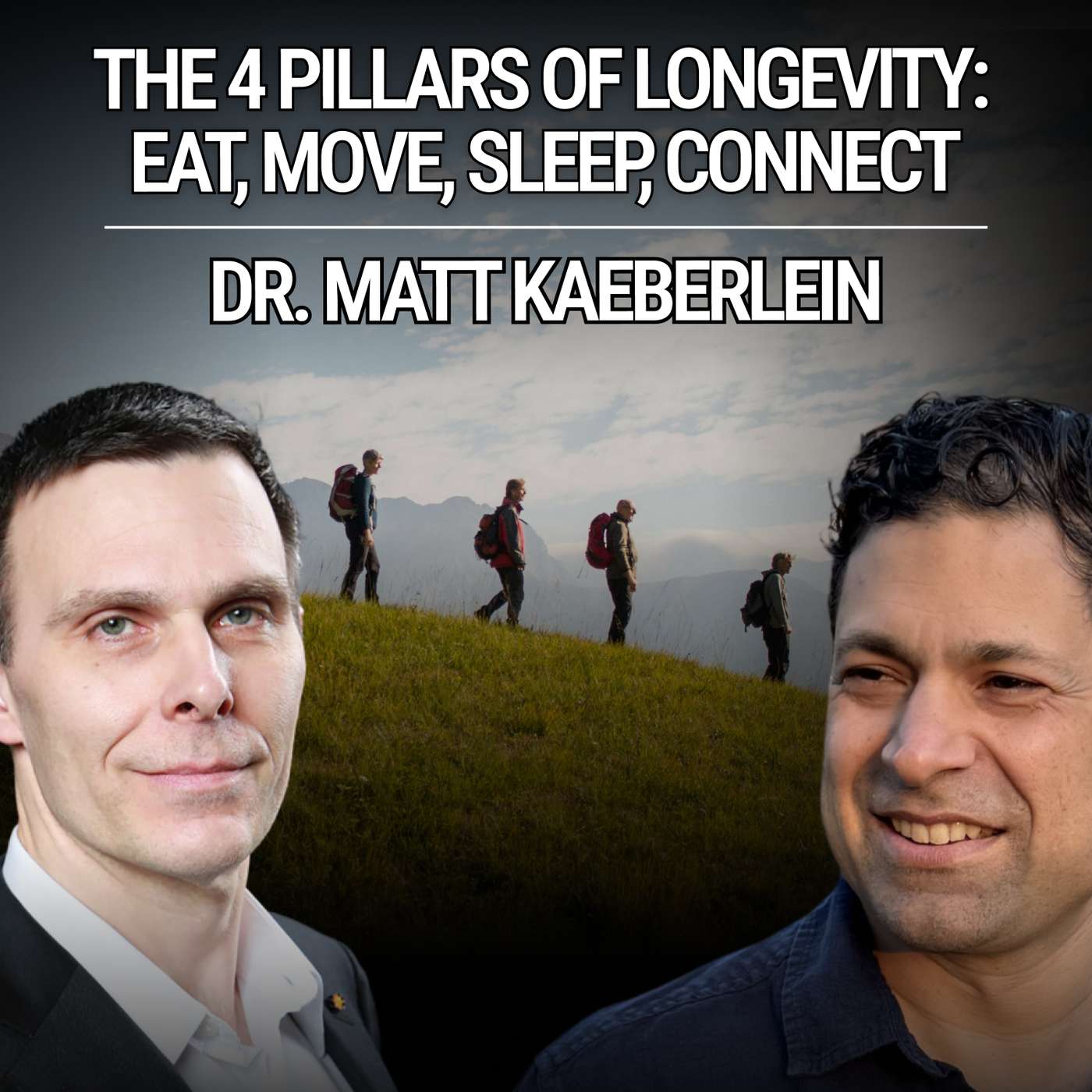 The 4 Pillars of Longevity & Healthspan: Eat, Move, Sleep, Connect | Dr. Matt Kaeberlein | While society largely assumes aging is simply something that happens to you, modern science reveals that it is governed by distinct genetic and environmental networks. Dr. Matt Kaeberlein joins Dr. Ravi Kumar to provide a sobering, brutally honest evaluation of the longevity landscape. They begin by reframing the geroscience paradigm: because biological aging is the single greatest risk factor for nine of the top ten causes of death in the United States, slowing down the underlying cellular clock is the most effective way to compress morbidity and maximize the years spent in high-functioning health.The conversation deconstructs the immense gap between commercial supplement marketing and primary scientific data. Dr. Kaeberlein exposes the tier-three status of popular "NAD+ boosters" like NR and NMN, revealing that population-level data fails to establish a generalized age-related decline of NAD+ in human blood. Similarly, they unpack the weak preclinical footprint of the blockbuster diabetes drug Metformin as a tool for lifespan extension in healthy subjects, emphasizing its real-world downsides like the attenuation of exercise benefits.Finally, the episode shifts to true geroprotective frontiers, highlighting the mechanistic target of rapamycin (mTOR) network. Dr. Kaeberlein details the highly reproducible mouse data, emerging human trials on immune system optimization, and the groundbreaking real-world data generated by the Dog Aging Project. Complete with a personal diagnostic framework—including body composition tracking and specific cardiac and blood biomarkers—this episode serves as an essential guide to navigating longevity medicine with clinical rigor and radical transparency.What You’ll Learn:The Geroscience Reality: Why aging is a dynamic biological process driven by shared cellular hallmarks that can be slowed down, rather than an unchangeable chronological sentence.The Four Pillars of Healthspan: Why the simple framework of Eat, Move, Sleep, and Connect yields a 90-95% return on adding up to 15 years of quality life, far outweighing anything sold in a bottle.The NAD+ Myth Debunked: The primary data showing that population-level NAD+ levels do not universally decline with age in blood, exposing the shaky scientific foundation of commercial NR and NMN supplements.The Truth About Metformin: Why gold-standard testing showed no lifespan extension in healthy mice, and why its ability to blunt muscle synthesis makes it a poor choice for non-diabetic longevity seekers.The Cellular Power of Rapamycin: How turning down the volume dial on the nutrient sensor mTOR triggers cellular cleanup (autophagy) and blunts chronic sterile inflammation.The Core Longevity Diagnostics: Why a whole-body DEXA scan, advanced lipid panels (ApoB/Lp), and soft/hard plaque contrast cardiac scans are vital for targeted preventive interventions.The Dog Aging Project: How studying tens of thousands of companion dogs in human environments is unlocking revolutionary, open-science breakthroughs for both pets and people.Episode Highlights:[00:00:00] Refraning Aging as a Modifiable Biological Process[00:06:03] The Geroscience Fact: How Cellular Aging Underlies Chronic Illness[00:10:11] Evolutionary Biology and the Philosophy Behind Why Organisms Age[00:11:57] Defining the Halls of Aging and the Complexity of Cell Dysregulation[00:18:29] Epigenetic Reprogramming Misconceptions and the Limits of Yamanaka Factors[00:22:15] Re-evaluating Lifespan Expectations and Healthspan Realities[00:23:47] Conceptualizing Healthspan and the Goal of Morbidity Compression[00:26:28] The Power of Environment and Healthy Lifestyle Levers[00:32:20] The Four Pillars of Healthspan: Eat, Move, Sleep, and Connect[00:33:32] The Critical Biological Toll of Psychosocial Isolation[00:38:34] Stress Management and the Real-World Data on Moderate Alcohol Intake[00:44:59] The Longevity Medicine Diagnostic Stack: Biomarkers, DEXA Scans, and Data[00:48:03] Continuous Glucose Monitors (CGMs) as Behavior Modification Tools[00:54:09] The Essential Preventive Panel: Advanced Lipids, Toxic Metals, and Biomarkers[00:56:00] Hard vs. Soft Plaque: Why Contrast Cardiac Scans Outperform CAC Scores[00:56:59] Genetic Polymorphisms: Risk Mitigation Strategies for ApoE4 Carriers[01:02:42] Debunking Tier Three Supplements: The Lack of Human Data for NAD+ Boosters[01:11:00] Sifting Through Metformin Hypocrisy: Mouse Lifespan Realities and Downsides[01:19:40] Understanding Zombie Cells: Senolytics vs. Rapamycin as a Senomorphic[01:26:15] Nutrient Deprivation Dynamics: Caloric Restriction vs. Intermittent Fasting[01:31:38] The Discovery of Rapamycin and the Mechanics of the mTOR Volume Dial[01:37:46] Convergence on mTOR: From Budding Yeast Screens to the Mammalian Turning Point[01:42:01] Balancing Anabolism and Catabolism to Prevent Age-Related Muscle Dysregulation[01:47:19] Human Clinical Evidence: Everolimus Dosing and Immune System Optimization[01:49:32] Rapamycin for Post-Viral Syndromes, Ovarian Failure, and Periodontal Reversal[01:54:40] Tracking Off-Label Safety: Survey Data on Mouth Sores and Viral Resilience[02:00:29] Once-Weekly Dosing Rationale and the Dudley Lamming/David Sabatini Hypothesis[02:02:15] Dr. Alan Green's Off-Label Legacy and tissue-Specific mTOR Penetration[02:05:45] Combinatorial Realities: Pairing Rapamycin Safely with TRT and HRT[02:09:55] The Dog Aging Project: Tracking 54,000 Companion Canines to Decode Human Longevity[02:12:47] Inside the TRIAD Trial: Randomized, Placebo-Controlled Veterinary Clinical Milestones[02:16:45] A Personal Longevity Journey: Reversing Adhesive Capsulitis (Frozen Shoulder)[02:22:00] Navigating Bioavailability Scarcity: Enteric-Coated Tablets vs. The PEARL Trial FlawsEpisode Resources:Dr. Ravi Kumar on LinkedInDr. Ravi Kumar’s WebsiteDr. Matt Kaeberlein on LinkedInDr. Matt Kaeberlein‘s PodcastDr. Matt Kaeberlein's YouTube Channel Dr. Matt Kaeberlein on X and Instagram: @mkaeberlein | 2h 29m 31s | ||||||
| 6/4/26 |  Fluoride Q&A: Pregnancy Risks, Pediatric Varnish & Water Filtration Protocols | Is public health advice keeping pace with cutting-edge science? In this special Q&A session, Dr. Ravi Kumar answers the top five listener questions triggered by our deep dive into water fluoridation. We confront the shifting regulatory landscape, dissecting recent federal toxicology analyses and peer-reviewed safety reviews that challenge decades of established dental practices.Dr. Kumar explores the biological mechanisms of how maternal systemic exposures cross the placental barrier, maps out the safety profile of bone-identical alternatives like nano-hydroxyapatite, and provides a clear framework for navigating informed consent during pediatric clinic visits.Key Highlights:The Institutional Lag: Why organizational positions often mirror old historical benchmarks rather than the last 18 months of rigorous litigation and peer-reviewed meta-analyses.Prenatal Neurodevelopment: Why developmental pathways are uniquely vulnerable to circulating neurotoxins, and the tactical interventions couples can implement immediately.Topical vs. Systemic Loads: Differentiating the real structural benefits of localized cavity reduction from the biological compounding of internal over-exposure.Water Purity Mechanics: The numeric difference between municipal base numbers and filtered profiles, alongside the hidden traps of simple repackaged city supplies.If this Q&A empowered you to look closer at the data, please take a moment to subscribe, rate, and review the show on Apple Podcasts or Spotify! Your engagement ensures evidence-backed, unbiased health analysis reaches families worldwide.Have you already made the switch to a fluoride alternative at home, or do you primarily rely on water filtration systems to manage your family's daily exposure levels? | 10m 06s | ||||||
| 6/2/26 |  Fluoride Science: Neurodevelopment Risks, Thyroid Function & Water Filtration Protocols | Dr. Ravi Kumar | Water fluoridation is widely praised as a premier public health achievement, yet it represents a fundamental departure from the bedrock medical principle of informed consent. In this episode, Dr. Ravi Kumar traces this systemic policy back to the 1940s, revealing how the foundational Grand Rapids control trial was abandoned after only six years, generalizing national policy long before rigorous data had accumulated.Dr. Kumar shifts the discussion to modern, evidence-based evaluations, starting with the 2024 Cochrane Review, which exposed a distinct lack of robust evidence supporting additional cavity prevention in today's fluoride-saturated environment. He highlights a severe biological mismatch: the rapid rise of dental fluorosis, permanent enamel staining and pitting which now impacts an unprecedented 65% of American adolescents due to cumulative systemic overexposure from water, toothpaste swallowing, and processed foods.Moving into systemic pathology, the conversation covers the alarming neurodevelopmental risks identified by the National Toxicology Program linking higher fluoride exposure to lower childhood IQ. This finding is reinforced by a landmark federal court ruling stating that current water fluoridation levels present an unreasonable cognitive hazard to children's brains. Dr. Kumar details how this halogen ion structurally competes with iodine to elevate thyroid-stimulating hormone (TSH), causing underactive thyroid states, and examines how its antibacterial nature alters vital oral microbiome networks responsible for generating half of your daily nitric oxide requirements.Finally, Dr. Kumar reviews topical mechanics versus systemic toxicity. While fluoride's local demineralization defense is real, real-world toothpaste misuse and oral mucosal absorption create dangerous, unintended systemic loads. To address this, the episode introduces a superior biomimetic alternative: hydroxyapatite toothpaste. Backed by head-to-head clinical trials proving statistical equivalence in cavity prevention, hydroxyapatite delivers non-toxic remineralization materials natively recognized by human bone and enamel structure, entirely free from systemic downsides or developmental risks.What You’ll Learn:Why water fluoridation stands as the only mass chemical medication delivered to the public without mandated informed consent, bypassing rules established by the Nuremberg Code.The hidden history of the 1945 Grand Rapids trial and how premature political endorsements permanently broke the study's control design.How the modern fluoride landscape creates a massive systemic load through real-world toothpaste swallowing, processed food manufacturing, and oral mucosal absorption.The scientific data linking higher fluoride concentrations to lower pediatric IQ, culminating in a historic 2024 federal court ruling against the EPA.How fluoride acts as a halogen ion to structurally disrupt thyroid function and elevate thyroid-stimulating hormone (TSH) Why fluoride's antibacterial action alters the oral microbiome, hindering the oral bacteria needed to maintain healthy blood pressure and generate nitric oxide.The exact clinical testing behind hydroxyapatite toothpaste, a native compound that matches fluoride's anti-cavity efficacy while remaining completely safe to swallow.Episode Highlights:[00:04:29] The Ethics Of Medicine And The Nuremberg Code[00:07:14] The History Of Water Fluoridation In America[00:11:44] Modern Reviews Question The Original Fluoride Evidence[00:14:03] Dental Fluorosis, IQ Concerns, And Thyroid Risks[00:21:06] How Fluoride Toothpaste Works And Its Hidden Risks[00:25:05] Hydroxyapatite Toothpaste As A Safer Alternative[00:29:13] How To Reduce Fluoride Exposure And Final Conclusions Episode Resources:Dr. Ravi Kumar’s WebsiteDr. Ravi Kumar on LinkedIn | 35m 21s | ||||||
| 5/26/26 |  The Truth About Insulin Resistance & The Immune System | Dr. Vyvyane Loh | Muscle is more than a tool for movement; it is a sophisticated endocrine organ that directly dictates human physiological lifespan. In this episode of The Dr. Kumar Discovery, Dr. Ravi Kumar speaks with metabolic medicine specialist Dr. Vyvyane Loh about how body composition controls cellular energy, chronic inflammation, and tissue regeneration.The conversation begins at the mitochondrial and cellular level, exploring why skeletal muscle serves as the body’s largest glucose reservoir, responsible for clearing 75% of circulating blood sugar. Dr. Loh explains how the rapid loss of muscle mass due to aging or poor clinical management shrinks this critical reservoir, spilling toxic amounts of glucose back into the bloodstream and causing multi-system dysfunction.The discussion then expands into the cutting-edge field of immuno-metabolism. Dr. Loh reframes insulin resistance not as a disease state, but as a brilliant, evolutionary survival mechanism designed to divert energy from muscle and fat directly to immune cells during times of physiological stress or infection.Finally, they tackle the modern weight-loss paradigm . Dr. Loh issues an urgent clinical warning regarding the widespread use of GLP-1 agonists . By overriding the brain's feeding centers and crossing into immune pathways, these pharmaceuticals induce a state resembling "sickness behavior" and stimulate interleukin-6 (IL-6), which triggers rapid "fat browning". While this forces quick weight loss, it can simultaneously mimic cachectic wasting profiles, destroying up to 40% to 60% of precious lean muscle mass in vulnerable populations. Throughout the conversation, Dr. Loh provides direct, evidence-based guidance on precise protein prescriptions, resistance loading metrics, and why long-term medication use may swap obesity for metabolic frailty.If you want to hear more from Dr. Vyvyane Loh make sure to check out her book! : https://a.co/d/05MgV8kZ What You’ll Learn:Why skeletal muscle functions as your biggest glucose sink and how maintaining mass protects your vascular system from toxic blood sugar spills.Why 80% of chronic diseases like type 2 diabetes, fatty liver, and hypertension are completely reversible rather than simple genetic inevitabilities.How physiological insulin resistance acts as a normal, adaptive response to prioritize energy distribution to the immune system and brain.How GLP-1 drugs manipulate the brain’s feeding circuits, activate interleukin-6, and risk plunging patients into extreme cachectic muscle-wasting profiles.The nutritional math of a precise protein prescription and why plant proteins and grains fail to protect lean mass during weight loss.Practical resistance training workarounds using isometrics and eccentrics to stimulate muscle tissue repair for bedridden, frail, or elderly patients.Episode Highlights: [00:02:27] – Redefining Metabolism: The Energy Management System[00:04:35] – Clinical Manifestations of Multi-System Energy Mismatch[00:06:19] – The Evolutionary Mismatch: Forcing the Body into Modern Environments[00:11:30] – Skeletal Muscle: The Most Underappreciated Glucose Sink[00:17:41] – Disease Management vs. Complete Disease Reversal[00:25:38] – The Myth of the Low-Fat Mediterranean Diet[00:30:45] – Writing a Nutrition Prescription: Protein Density over Plant Proteins[00:37:59] – Building Muscle Without Weights: Isometrics and Eccentrics[00:43:11] – The Deep Danger of GLP-1 Drugs and Wasting 40% Muscle Mass[00:50:54] – Immuno-Metabolism: Why Insulin Resistance is an Immune Response[01:02:44] – Chronically Flattening the System: The Truth About Perpetual Inflammation[01:07:10] – Weaning Off GLP-1s Safely and Final TakeawaysEpisode Resources:Dr. Ravi Kumar’s WebsiteDr. Ravi Kumar on LinkedInDr. Vyvyane Loh on LinkedIn | 1h 11m 11s | ||||||
| 5/21/26 |  The Heart-Feet Connection Q&A: Rebuilding Your Foundation with Dr. Ronald Talis | What if your chronic heel pain isn't actually inflammation? In this special Q&A episode, Dr. Ravi Kumar answers the top five listener questions following our deep dive with podiatrist Dr. Ronald Talis. He discusses the "Foot Core System", the idea that your feet have local stabilizers just like your spine and how to wake them up after a lifetime of wearing shoes.Dr. Kumar examines the controversial science behind "motion control" running shoes, explains why "Plantar Fasciosis" is a more accurate name for chronic heel pain, and shares a vital screening test for vascular health that starts at your toes.Key Highlights:Muscle Recovery: Research shows that simply walking in minimalist shoes can increase foot muscle size as effectively as dedicated gym sessions.The "Canary" Effect: Why hair loss on your toes or cold feet could be an early warning of peripheral artery disease.Flat Feet Re-framed: Why being "flat-footed" isn't a defect, but a type of normal that rarely requires intervention in asymptomatic children.Home Remedies: A science-backed explanation for why a black tea soak physically shrinks sweat glands to treat hyperhidrosis.If you enjoyed this Q&A, please subscribe and leave a review on Apple Podcasts or Spotify! Your support helps us bring clear, evidence-based health information to more people. | 11m 45s | ||||||
| 5/19/26 |  The Heart-Foot Connection: Why Your Feet Are Warning You About Heart Disease with Dr. Ronald Talis | Most doctors ignore the feet, yet they are the foundation of human upright movement and a "canary in the coal mine" for metabolic health. Dr. Ronald Talis reframes the human foot as a dynamic masterpiece composed of 26 bones and over 100 muscles that has been weakened by the "casting" effect of modern footwear. From the biomechanics of pronation to the fascinating use of "blistering beetle" derivatives to trigger immune responses, this conversation explores how to restore foot strength and why a cold toe might be the first sign of coronary artery disease.What You’ll Learn:The "Canary" Effect: Why small blood vessels in the feet manifest metabolic and vascular disease before the rest of the body.Shoes as Casts: How being "shod" leads to muscular atrophy and the benefits of controlled barefoot movement.The Biomechanical Lever: How the foot transforms from a flexible shock absorber into a rigid lever with every step.Immunotherapy for Warts: The history of Cantharidin and how it harnesses the body's immune system to "hunt" viruses.Plantar Fasciitis Reimagined: Why "inflammation" is often a misnomer and how flexibility is the real key to recovery.The Ingrown Conflict: Understanding the biological battle that occurs when nail tissue grows into the body.Episode Highlights:[00:02:27] The visual markers of a healthy foot: Skin tone, hair growth, and arch height.[00:07:50] Primate vs. Human: Why our "locking" midfoot mechanism makes us uniquely bipedal.[00:15:15] The Minimalist Movement: Balancing foot protection with the need for muscular engagement.[00:21:08] Deconstructing Plantar Fasciitis: The role of the "Windlass Mechanism."[00:27:00] Neuromuscular Drills: Why standing on a pillow with your eyes closed builds "foot intelligence."[00:50:50] The Black Tea Remedy: Using tannic acid to shrink sweat glands and combat athlete’s foot.[01:06:03] Harnessing the "Mothership": Using Cantharone to trigger a systemic immune response against warts.[01:19:07] The Metabolic Window: Why foot health is inseparable from weight management and smoking cessation.Episode Resources:Dr. Ravi Kumar’s WebsiteDr. Ravi Kumar on LinkedInPremier Foot and Ankle NC website | 1h 24m 31s | ||||||
| 5/14/26 |  Lp(a) Q&A: Testing Kids, The Saturated Fat Debate, and Aspirin Risks | Following our deep dive into Lipoprotein(a), Dr. Ravi Kumar answers the most pressing listener questions to help you navigate the complexities of this genetic heart risk. In this Q&A session, we move beyond the basics to address real-world clinical concerns and the future of cardiovascular medicine.We discuss:Testing the Next Generation: Why Lp(a) is essentially stable from age 5 and why testing your children can provide a 40-year head start on prevention.The Saturated Fat Paradox: Analyzing the Delta trials and why replacing saturated fats with carbohydrates might actually increase your Lp(a) levels.Exercise & The "Table" Analogy: Why exercise doesn't change the cards you’re dealt (your Lp(a) number), but fundamentally changes the "table" you're playing on.The Aspirin Protocol: A look at the Women's Health Study and why low-dose aspirin may specifically benefit those with the high-risk LPA gene variant.SiRNA Breakthroughs: An update on Pelacarsen and Olpasiran—drugs that can slash Lp(a) by 90%—and whether you should wait for them to hit the market. | 18m 28s | ||||||
| 5/12/26 |  Lipoprotein(a): Genetic Risk, Seed Oils & 5 Steps to Protect Your Heart | Lipoprotein(a), or Lp(a), is perhaps the most misunderstood and under-tested particle in cardiology. Unlike regular LDL, Lp(a) levels are nearly 100% determined by your genetics and cannot be modified by traditional diet or exercise.Dr. Ravi Kumar explores the fascinating evolutionary history of this molecule, revealing how it once saved our ancestors from fatal hemorrhages and injuries. However, in the modern world of chronic inflammation and seed oils, this "repair crew" can turn into a driver of atherosclerosis. This episode provides a comprehensive framework for understanding your risk, the importance of family screening, and the specific lifestyle levers like eliminating seed oils and controlling blood pressure that can neutralize the risk of high Lp(a).What You’ll Learn:The Missing Test: Why Lp(a) isn't on a standard lipid panel and why everyone should get it checked once.The "Sticky" Difference: How Lp(a) mimics clot-dissolving proteins to seal wounds, but increases stroke and heart attack risk in modern environments.Evolutionary Mismatch: Why a survival mechanism for animal attacks and childbirth has become a cardiovascular bad actor.The Seed Oil Connection: Why loading Lp(a) particles with oxidized fats from seed oils is like adding "figurative dynamite" to your arteries.Practical Restoration: A 5-step framework to manage high Lp(a) through metabolic health and vascular protection.Episode Highlights:[03:02] The Basics: What is Lipoprotein(a) and why is it left off standard tests?[04:51] Structural Secrets: Why Lp(a) mimics the clot-dissolving protein plasminogen.[06:00] The Magnet Effect: How Lp(a) carries oxidized phospholipids into your vessel walls.[07:40] The Genetic Hand: Why ancestry and gender influence your lifelong Lp(a) levels.[09:33] The Survival Superpower: How Lp(a) saved ancestors from battlefield injuries and childbirth.[13:38] Reframing Atherosclerosis: A disease of "overzealous repair" rather than just cholesterol.[15:48] The Tokelauan Paradox: Why high saturated fat diets don't necessarily lead to Lp(a) risk.[20:49] The 5-Step Protocol: Managing high Lp(a) through blood pressure and metabolic health.[24:20] Medical Frontiers: Lipoprotein apheresis and the future of siRNA gene-turning drugs.[26:39] Closing Thoughts: Why high Lp(a) is a manageable genetic trait, not a death sentence.Episode Resources:Dr. Ravi Kumar’s WebsiteDr. Ravi Kumar on LinkedIn | 28m 39s | ||||||
Want analysis for the episodes below?Free for Pro Submit a request, we'll have your selected episodes analyzed within an hour. Free, at no cost to you, for Pro users. | |||||||||
| 5/11/26 |  The Silent Killer In Your DNA: The Truth About Lipoprotein(a) - Sneak Preview of Tomorrow’s Episode | What if your standard cholesterol test is missing the most dangerous risk factor for a heart attack? Tomorrow on the Dr. Kumar Discovery Podcast, we explore the "hidden" lipoprotein that 1 in 4 people carry without knowing it: Lipoprotein(a), or Lp(a).In this exclusive sneak preview, I discuss why this specific particle is so different from standard LDL. While Lp(a) carries cholesterol, its unique structure makes it a "magnet" for oxidized fats and a disruptor of your body’s natural clot-dissolving systems.We also dive into:The Evolutionary Superpower: Why this "risk factor" actually helped our ancestors survive animal attacks and childbirth, and why the gene still exists today.The Genetic Lock: Why your levels are 70-90% determined at birth and why standard diet and exercise usually won't move the needle.Ancestry Risks: Why South Asian and African lineages often run higher, and how menopause can trigger a sudden spike in women.The full episode drops tomorrow.If you or a loved one have a family history of early heart disease—even with "normal" cholesterol numbers—this is a conversation you cannot afford to miss.Follow the show in your favorite app to be notified the moment the full interview goes live. | 3m 44s | ||||||
| 5/7/26 |  Nitric Oxide Q&A: Mouthwash Recovery, The Bacon Debate, and Cognitive Decline | Restore Your Nitric Oxide: Shop Dr. Bryan’s Nitric Oxide-releasing lozenges and oral care line here: https://tidd.ly/4tsnbEI (Use code KUMAR10 for a discount!) Following my deep dive into Nitric Oxide with Dr. Nathan Bryan, I received a wave of fascinating questions from our listeners. Today, we’re tackling five of the most critical queries to help you bridge the gap between biological science and your daily health routine.In this Q&A session, we explore:The Road to Recovery: Can you actually reverse the damage of using antimicrobial mouthwash for 20 years? (Spoiler: Your oral microbiome is more resilient than you think).The Food vs. Supplement Debate: Why soil depletion and geographic location mean your leafy greens might not be providing the nitrates you expect.The Truth About Cured Meats: We break down the "bacon scare" of 1956 and why modern cured meats—packed with ascorbic acid—are not the carcinogens they were once labeled.PPIs and Acid Reflux: The clinical dilemma of how antacids shut down the final step of Nitric Oxide production and the surprising link between low stomach acid and reflux.Warning Signs of Deficiency: How to recognize the "Canary in the Coal Mine" (sexual dysfunction) and why researchers now refer to Alzheimer’s as "Type 3 Diabetes."We also touch on the recent federal court rulings regarding fluoride in drinking water and its impact on children’s neurodevelopment.If you’ve been wondering how to optimize your Nitric Oxide levels beyond the basics, this episode is for you.Follow the Dr. Kumar Discovery Podcast in your favorite app to stay updated on the latest in human health and wellness. | 13m 25s | ||||||
| 5/5/26 |  Nitric Oxide: The Essential Molecule for Life & Longevity | Dr. Nathan Bryan | Episode Resources:Dr. Ravi Kumar on LinkedInDr. Nathan Bryan on LinkedInN101 Product websiteRestore Your Nitric Oxide: Shop Dr. Bryan’s Nitric Oxide-releasing lozenges and oral care line here: https://tidd.ly/4tsnbEI (Use code KUMAR10 for a discount!) Nitric Oxide is more than just a chemical; it is a foundational signaling molecule that dictates how every tissue in your body receives oxygen and heals. Unfortunately, modern hygiene habits and industrial farming have created a global deficiency that most doctors aren't even measuring.In this episode, Dr. Nathan Bryan breaks down the two distinct "fountains" of Nitric Oxide production in the body and how we are inadvertently shutting them both down. The conversation explores the systemic hierarchy of deficiency—from erectile dysfunction to Alzheimer’s—and provides a roadmap for restoration through diet, lifestyle, and targeted supplementation.What You’ll Learn:The "Master Regulator": How NO dilates blood vessels, mobilizes stem cells, and protects your telomeres to slow biological aging.The Mouthwash Trap: Why antiseptic mouthwashes kill the essential oral bacteria needed to convert dietary nitrates into heart-protective NO.The Gastric Link: Why adequate stomach acid is required to produce Nitric Oxide and how antacids (PPIs) may be sabotaging your cardiovascular system.The IQ/Fluoride Connection: A look at the 2024 National Toxicology Program report linking fluoride exposure to lowered IQ in children.Nutrient Depletion: Why you can't always rely on "eating your greens" due to a 76% decline in soil nutrients since the 1940s.Restoration Protocols: The benefits of intermittent fasting, sunlight, and the development of Dr. Bryan’s Nitric Oxide-releasing lozenges.Episode Highlights:[00:01:15] The discovery of Nitric Oxide as a gaseous signaling molecule and its role as a vasodilator.[00:04:40] The "Canary in the Coal Mine": Why erectile dysfunction and high blood pressure are the first warning signs of NO deficiency.[00:07:30] Exploring "Type 3 Diabetes": The link between Nitric Oxide deficiency, insulin resistance, and Alzheimer’s disease.[00:09:50] The two "fountains" of production: The Nitric Oxide Synthase (NOS) enzyme and the oral-nitrate pathway.[00:13:45] How antiseptic mouthwash and fluoride toothpaste disrupt the oral microbiome and raise blood pressure.[00:16:30] The 1956 "Cured Meat Scare": Debunking the myth that nitrates in bacon cause cancer when combined with Vitamin C.[00:20:15] Why 73% of US municipalities have fluoride in drinking water and the neurotoxic risks involved.[00:24:50] The 50-city survey: Why Texas celery has 50 times more nitrates than New York celery.[00:29:10] The science behind the NO lozenge: Replicating the therapy used to save "blue babies" with pulmonary hypertension.[00:34:25] Dr. Bryan's personal story of resilience and the 18-hour fasting protocol he uses for metabolic flexibility. | 1h 04m 09s | ||||||
| 5/4/26 |  The Nitric Oxide Secret with Dr Nathan Bryan: Sneak Preview Of Tomorrow’s Episode | Could your morning hygiene routine be the secret reason your energy is dragging or your blood pressure is creeping up? Tomorrow on the Dr. Kumar Discovery Podcast, we dive into the hidden world of a "miracle molecule" you’ve probably never thought about: Nitric Oxide.In this sneak preview, I’m joined by Dr. Nathan Bryan, one of the world’s leading experts on Nitric Oxide. We discuss why this gas is one of the most important signaling molecules in the human body, responsible for everything from dilating blood vessels and delivering oxygen to protecting your cells from aging.We also dive into:The Mouthwash Connection: Why killing 99.9% of bacteria in your mouth actually wipes out the very microbes responsible for half of your Nitric Oxide production.The Aging Drop: Why your body’s ability to produce this molecule drops by 10-12% every decade, leaving you at 10% capacity by your 70s.Downstream Consequences: How a lack of Nitric Oxide leads to the "big four": high blood pressure, diabetes, cognitive decline, and erectile dysfunction.The full episode drops tomorrow.If you’ve been feeling "off," if your workouts are harder than they used to be, or if you're worried about your cardiovascular health, you cannot afford to miss this conversation.Follow the show in your favorite app to be notified the moment the full interview goes live. | 3m 01s | ||||||
| 4/30/26 |  Q&A: The Science of PTSD Recovery: New Treatments, Brain Biology, & Generational Trauma | Can you actually "rewire" a brain stuck in survival mode? In this deep-dive Q&A, Dr. Ravi Kumar answers your most pressing questions about the biology of PTSD. From why the rational mind can't simply "talk" itself out of fear to the groundbreaking results of MDMA-assisted therapy and Stellate Ganglion Blocks, we explore the frontier of trauma recovery.Key topics covered:Brain Architecture: Why the amygdala bypasses your logic in a crisis.The SGB Procedure: How a nerve block in the neck "reboots" the nervous system.MDMA-Assisted Therapy: Analyzing the Phase 3 clinical trial results and FDA status.Generational Biology: How trauma is transmitted via prenatal chemistry and behavioral modeling.Post-Traumatic Growth: The data-backed reality of "putting steel in your soul".If you’re ready to learn more about the treatments discussed today, listen to the full episode to find resources and specialist directories for SGB and EMDR therapy. Your recovery is possible—let's take the next step together. | 11m 25s | ||||||
| 4/28/26 |  Trauma, Memory, and the Mind: How PTSD Forms and How It Can Be Treated | PTSD is often misunderstood as a malfunction; in reality, it is a survival system working exactly as intended, just in the wrong environment. In this episode of The Dr. Kumar Discovery, Dr. Ravi Kumar sits down with Dr. Trey Tippens, a clinical psychologist and former Army Sergeant who treated severe trauma cases at Walter Reed National Military Medical Center. They reframe PTSD not as a sign of being "broken," but as a learned survival process that keeps individuals alive in dangerous environments but becomes maladaptive back at home. The discussion explores the "Shattered Assumptions" model—explaining why some develop PTSD while others don't—and dives into the mechanics of recovery. From gold-standard talk therapies to innovative medical interventions, they outline the path toward reclaiming a sense of safety. What You’ll Learn:Survival vs. Mismatch: Why hypervigilance is a life-saving tool in war that creates a "mismatch" in civilian life. The Shattered Assumptions Model: How trauma disrupts your core perception of a safe world and why different people react to the same event differently. Gold-Standard Treatments: In-depth breakdowns of Prolonged Exposure (PE), Cognitive Processing Therapy (CPT), and EMDR. Innovative Interventions: The role of Stellate Ganglion Blocks in disrupting hyperarousal and the promise of psychedelic research like MDMA and Psilocybin. Generational Trauma: How trauma is passed down through both biological markers in the womb and modeled behavior. Post-Traumatic Growth: How the brain’s plasticity allows individuals to emerge stronger and more resilient after trauma.Dr. Trey Tippens is a former Sergeant and Walter Reed-trained psychologist who specializes in military culture and trauma recovery. He has spent years helping people move from being defined by their trauma to having control over their future. If you enjoyed this episode, make sure to subscribe, rate, and review it on Apple Podcasts, Spotify, and YouTube Podcasts. Instructions on how to do so are here.Episode Highlights:[00:00:27] Reframing trauma symptoms as adaptive tools used in the wrong context. [00:03:21] Dr. Tippens' journey from the field artillery to Walter Reed. [00:06:55] Understanding it as a learned process from threatening environments. [00:08:44] Why war-zone behaviors like "scanning for IEDs" fail to fit a home environment? [00:10:48] How early trauma shapes a person's fundamental worldview and sense of security? [00:12:35] Exploring the delta between the world we expect and the reality we discover. [00:15:17] The reality of hyperarousal and the instinctual "patrols" of one's own home. [00:19:34] A breakdown of Prolonged Exposure (PE) and Cognitive Processing Therapy (CPT). [00:27:01] Using bilateral stimulation to desensitize the brain to traumatic memories. [00:31:28] A physical procedure to temporarily "break" the hyperarousal scale. [00:37:05] The clinical potential of MDMA and Psilocybin and the challenge of "blinding" studies. [00:41:40] How trauma is transmitted through biology and childhood modeling?[00:45:32] Moving beyond being a victim to finding "steel in the soul."Episode Resources:Dr. Trey Tippens on LinkedInFirstHealth of the Carolinas WebsiteDr. Ravi Kumar’s WebsiteDr. Ravi Kumar on LinkedIn | 39m 50s | ||||||
| 4/27/26 |  PTSD: The Alarm That Won't Shut Off | Why does a car backfire send some people into a full combat response? Tomorrow on the Dr. Kumar Discovery Podcast, we explore the neurological "filing system" of trauma with military psychologist Dr. Norman "Trey" Tippens.In this sneak preview, we discuss the "Gold Standard" treatments—Prolonged Exposure, CPT, and EMDR—and why they often fail due to the intense courage required to relive worst-case memories. Dr. Tippens explains how the brain keeps traumatic memories in "front-of-line storage" and how we can finally move that story into long-term memory.We also dive into:Biological Interventions: The use of anesthetic blocks to quiet the hyperarousal system.Clinical Breakthroughs: The "crazy" results of Phase 3 MDMA-assisted therapy trials.The Science of Ancestry: Why generational trauma is "not woo-woo," but a result of stress hormone genes expressed in the womb.The full episode drops tomorrow. If you or someone you love is stuck in the cycle of hyperarousal, tune in to learn how those alarm bells can finally be turned off.Follow the show in your favorite app to be notified the moment the full interview goes live. | 3m 43s | ||||||
| 4/23/26 | Q&A: Is Your Magnesium Test Lying? (Blood Pressure, Sleep & Form Guide) | "But my doctor said my levels were normal..." In this follow-up Q&A to our deep dive on Magnesium, Dr. Ravi Kumar answers the five most-asked questions from the community. If you’ve ever stared at a shelf of 10 different magnesium types or wondered why your "normal" blood test hasn't fixed your symptoms, this episode is for you.In this episode, we cover:The Serum Test Trap: Why a standard blood test misses 99% of your body's magnesium.Blood Pressure Power: Can a mineral really perform as well as prescription medication?The Sleep Mechanism: The biological reason magnesium "shuts off" a racing brain.The Diabetes Connection: New data on magnesium’s role in insulin sensitivity and blood sugar control.The Ultimate Form Guide: Dr. Kumar breaks down exactly when to use Glycinate, Threonate, Citrate, Taurate, and Malate.Stop guessing and start optimizing. If you are one of the nearly 50% of people not getting enough of this "master mineral," the right form could be the missing link in your health journey. | 10m 47s | ||||||
| 4/21/26 |  Magnesium Explained: The Overlooked Nutrient Behind Energy, Sleep, and Stress Control | Magnesium is one of the most critical minerals in human biology yet it’s also one of the most overlooked.In this episode of The Dr. Kumar Discovery, Dr. Ravi Kumar takes a deep, evidence-based look at magnesium deficiency, a condition that may affect nearly half the population while going largely undetected.Magnesium plays a foundational role in over 300 enzymatic reactions in the body. It is essential for ATP production (your body’s core energy currency), neurotransmitter synthesis, muscle contraction, heart rhythm regulation, and blood pressure control. In many ways, it sits at the center of how your body produces energy, manages stress, and maintains internal balance.Despite its importance, modern life has created the perfect conditions for widespread deficiency.Dr. Kumar explains how industrial agriculture has depleted magnesium levels in soil over the past several decades, reducing the mineral content of the foods we rely on. At the same time, food processing strips away additional nutrients, while chronic stress, poor sleep, and high caffeine intake further deplete magnesium stores within the body.One of the most important insights from this episode is that standard blood tests are not reliable indicators of magnesium status. Because only a small percentage of magnesium is found in the bloodstream, normal lab values can mask a deeper, systemic deficiency at the cellular level.Instead, Dr. Kumar highlights a more practical approach - recognizing patterns of symptoms such as fatigue, muscle cramps, poor sleep, anxiety, and irritability, and using targeted supplementation as both a therapeutic and diagnostic tool.Finally, the episode provides a clear framework for supplementation, including dosing strategies, timing considerations, and important interactions with medications such as antibiotics, thyroid drugs, and calcium supplements.The takeaway is simple but powerful: magnesium is not just another supplement, it’s a foundational nutrient that your biology depends on. And in a world where deficiency is increasingly common, understanding how to restore optimal levels may be one of the most impactful steps you can take for your long-term health.What You’ll Learn:Why magnesium is essential for energy, brain function, and overall healthHow magnesium supports over 300 enzymatic reactions in the bodyWhy standard blood tests often fail to detect true magnesium deficiencyThe key symptoms that may signal low magnesium levelsHow magnesium impacts anxiety, sleep, and stress through brain signaling pathwaysWhy modern agriculture and food processing have reduced magnesium in the food supplyThe different forms of magnesium and how to choose the right one for your goalsWhy magnesium oxide is poorly absorbed compared to other formsHow to build a safe and effective magnesium supplementation protocolKey timing strategies and interactions to consider when supplementingIf you enjoyed this episode, make sure to subscribe, rate, and review it on Apple Podcasts, Spotify, and YouTube Podcasts. Instructions on how to do so are here.Episode Highlights: [00:00:00] Why Magnesium Is Foundational To Human Health[00:02:52] Magnesium’s Role In Energy, Enzymes, And Cellular Function[00:05:10] The Discovery Of Magnesium And Why Blood Tests Can Mislead[00:10:01] Magnesium, ATP, And How It Powers Every Cell[00:13:07] Magnesium For The Brain, Nervous System, Heart, And Blood Pressure[00:18:28] Why So Many People Are Deficient In Magnesium Today[00:23:52] Magnesium Benefits, Best Supplement Forms, And How To Choose[00:35:33] How Much Magnesium To Take And Practical Steps For Better HealthEpisode Resources: Dr. Ravi Kumar’s WebsiteDr. Ravi Kumar on LinkedIn | 39m 43s | ||||||
| 4/20/26 | Your Multivitamin is Lying to You: Sneak Preview of Tomorrow’s Episode | Think your multivitamin has you covered? Think again. In this preview for tomorrow’s main episode, Dr. Ravi Kumar reveals the "cheap trick" supplement companies use that leaves 48% of Americans deficient in magnesium—even if they take a pill every single day.If you’ve been feeling wired, anxious, or perpetually tired despite "doing all the right things," the answer might be printed on the back of your supplement bottle in tiny letters. Dr. Kumar explains why Magnesium Oxide is essentially a placebo and why your body is physically unable to use the energy it creates (ATP) without the right form of this mineral.In this preview, you’ll learn:The 4% Rule: Why most multivitamins "pass right through you" without being absorbed.The Brain’s Doorstop: How magnesium physically prevents your nervous system from becoming hyperactive and anxious.The Soil Crisis: Why our fruits and vegetables contain 30% less magnesium than they did 60 years ago.Oxide vs. Glycinate: Which forms actually cross the blood-brain barrier and which ones are a waste of money.Coming Tomorrow:The full episode of The Doctor Kumar Discovery drops this Tuesday! We’re diving deep into the "silent deficiency" that standard blood tests miss, the clinical evidence for magnesium in blood pressure and sleep, and a step-by-step framework to choose the exact dosage for your body’s needs.Subscribe and hit the notification bell so you don't miss the full episode coming tomorrow. | 4m 32s | ||||||
| 4/14/26 |  92 Million Lives Saved: The Inside Story of USAID | For over 60 years, the United States Agency for International Development (USAID) served as a cornerstone of American foreign policy and a global leader in public health, operating in over 130 countries. However, as of January 2025, the agency was essentially shut down, marking a radical shift in U.S. global engagement.In this episode, Dr. Ravi Kumar is joined by Keith Hourihan, an expert with nearly 20 years of experience in international audit, compliance, and fraud investigations. Having conducted audits in over 45 countries, Keith provides an "insider's view" of the organization that managed the single largest investment in global health aid in history.The conversation spans the high-stakes world of international development, from the life-saving impact of programs like PEPFAR, which put 20 million people on HIV treatment, to the gritty reality of investigating "Signature Markets" where forged PhDs and government documents are sold on the roadside. They address the primary criticisms that led to the agency's closure: allegations of systemic fraud, waste, and abuse. Keith reveals that while fraud existed, it often constituted a "tiny fraction" of the budget and was frequently caught by the very controls critics claimed were non-existent.Finally, the episode compares the $23 billion annual USAID budget to the $93.4 billion spent by the Pentagon in a single month, raising a critical question: If "waste" is the metric for elimination, are we applying that standard consistently across the federal government?What You’ll Learn:The Origins of Soft Power: How USAID began in 1961 as a Cold War tool to foster global stability through goodwill.The "Signature Market" Phenomenon: A firsthand account of systemic fraud challenges in environments like Abuja, Nigeria.The 2025 Shutdown: The timeline of the executive order freeze and the subsequent termination of 83% of programs.PEPFAR’s Legacy: How the program prevented 7.8 million HIV-positive births and the current status of the 20 million people relying on its support.The Economics of Aid: Why roughly 40% of foreign assistance funding actually circles back into the U.S. economy.Auditing the War Zones: The logistical nightmare of verifying aid delivery in conflict zones like Iraq and Afghanistan.The "Use It or Lose It" Reality: A comparison of USAID’s annual budget vs. the Pentagon's month-end spending sprees.The Human Cost: Why experts project 14 million preventable deaths by 2030 due to the termination of these programs.Episode Highlights:[00:00:00] The single largest contributor to public health: USAID’s 92-million-life legacy.[00:04:06] Humanitarian support as a mechanism for soft power since 1961.[00:07:37] The shift from bipartisan support to partisan controversy.[00:10:28] The "buy American" requirements: How aid supports the U.S. economy.[00:14:03] January 2025: The freeze, the furlough, and the termination of awards.[00:18:39] The "Domino Effect": Why other first-world nations followed the U.S. lead in cutting aid.[00:25:17] Inside the audit: How internal watchdogs report 75–80 cases of fraud annually.[00:28:25] The Fallujah Tractor Mystery: Verifying documents in a war zone.[00:33:00] The morality of fraud: Stealing chickens and feed from vulnerable families.[00:36:00] Roadside PhDs: Visiting the "Signature Market" in Nigeria.[00:41:47] The "Tiny Fraction": What percentage of aid is actually lost to fraud?.[00:46:13] 14 Million Preventable Deaths: The projected future of a post-USAID world.[00:49:32] Lobster Tails vs. Life-Saving Meds: Comparing the Pentagon and USAID budgets.Episode Resources:Dr. Ravi Kumar’s WebsiteKeith Hourihan on LinkedInUSAID Historical Life-Saving Statistics official estimates and reports hosted by the Center for Global DevelopmentUSAID Office of Inspector General (OIG) Public Reports | 51m 52s | ||||||
| 4/7/26 |  The Science Behind GLP-1 Drugs and Their Hidden Tradeoffs | GLP-1 receptor agonists have rapidly become some of the most talked-about medications in modern medicine, offering something that once seemed unattainable: significant, sustained weight loss without surgery.In this episode of The Dr. Kumar Discovery, Dr. Ravi Kumar takes a deep, evidence-based look at these drugs, unpacking both their promise and their limitations.The story of GLP-1 drugs spans over a century, from early observations about gut hormones in the early 1900s to the discovery of incretins, and eventually to modern compounds like semaglutide. These medications were engineered to mimic a natural hormone that regulates blood sugar, slows gastric emptying, and signals fullness to the brain.Dr. Kumar explains how GLP-1 agonists work at a neurological level, targeting appetite centers in the hypothalamus to reduce hunger and quiet food cravings. Unlike traditional dieting, which relies heavily on willpower, these drugs change the biological signals driving eating behavior.But the benefits come with important tradeoffs.One of the most critical and often overlooked realities is that a significant portion of weight loss from GLP-1 drugs comes from lean mass, including muscle. Estimates suggest that 25–40% of the weight lost may be muscle, which has major implications for long-term metabolic health, strength, and aging - especially in older populations.The episode also explores how the body adapts to these drugs. While some effects, like delayed gastric emptying, diminish over time (reducing side effects like nausea), others, such as appetite suppression and glucose regulation, remain effective without requiring continuous dose escalation.From there, Dr. Kumar reframes how these medications should be used.Rather than viewing GLP-1s as a standalone solution, he presents them as a tool - a bridge that can help patients initiate weight loss and regain metabolic control. But without intentional lifestyle changes, including resistance training, dietary improvements, and aerobic exercise, the benefits may not be sustainable after discontinuation.The takeaway is clear: GLP-1 agonists are powerful, but they are not magic. Their true value lies in how they are used and whether they are paired with the behaviors that actually build long-term metabolic health.What You’ll Learn:What GLP-1 receptor agonists are and how they work in the bodyThe 100-year scientific journey behind drugs like Ozempic and WegovyHow these medications influence appetite, cravings, and blood sugar regulationWhy GLP-1 drugs produce significant weight loss—and where that weight comes fromThe reality of muscle loss and why it matters for long-term healthHow the body adapts to GLP-1s over time (and why some effects persist)Which populations benefit most from these medicationsWhy GLP-1s work best as a temporary bridge, not a permanent solutionHow resistance training, diet, and exercise compare to pharmaceutical approachesA practical framework for combining medication with lifestyle change for sustainable resultsIf you enjoyed this episode, make sure to subscribe, rate, and review it on Apple Podcasts, Spotify, and YouTube Podcasts. Instructions on how to do so are here.Episode Highlights: [00:00:00] Why GLP-1 Drugs Are Being Called Game Changers[00:03:00] The Obesity Crisis and Failure of Traditional Weight Loss[00:05:00] The Fascinating 100-Year History Behind GLP-1[00:08:00] Breakthrough Discovery from Gila Monster Venom[00:10:00] How GLP-1 Drugs Actually Work in the Body[00:12:00] Do These Drugs Stop Working Over Time?[00:14:00] Real Results: Blood Sugar and Weight Loss Data[00:16:00] Clinical Trial Results That Changed Medicine[00:17:00] Beyond Weight Loss: Heart and Disease Benefits[00:18:00] The Most Common and Serious Side Effects[00:20:00] The Hidden Risk: Muscle Loss[00:23:00] Comparing Ozempic, Wegovy, and Tirzepatide[00:25:00] Can Lifestyle Changes Compete with GLP-1?[00:29:00] Why These Drugs Work So Well Psychologically[00:30:00] What Happens When You Stop Taking Them[00:31:00] The Best Way to Use GLP-1 for Long-Term Success[00:32:00] Who Should (and Shouldn’t) Take GLP-1 Drugs[00:35:00] Microdosing GLP-1: Hype or Legit?[00:36:00] Final Verdict: Are GLP-1 Drugs Worth It?Episode Resources:Dr. Ravi Kumar’s WebsiteDr. Ravi Kumar on LinkedIn | 38m 00s | ||||||
| 3/31/26 |  Glyphosate Is in Your Food. Here’s What the Science Actually Says | Glyphosate is the most widely used herbicide in modern agriculture and there’s a high probability it’s already in your body.In this episode of The Dr. Kumar Discovery, Dr. Ravi Kumar takes a deep, evidence-based look at glyphosate, moving beyond headlines to examine its chemistry, history, biological mechanisms, and the growing debate around its safety.The conversation begins with the fundamentals. Glyphosate works by blocking the shikimate pathway, a biological system plants use to produce essential amino acids. Because humans don’t possess this pathway, glyphosate was long considered biologically harmless to us.But that assumption is now being challenged. While human cells lack the shikimate pathway, the bacteria in our gut microbiome rely on it. Dr. Kumar explains how glyphosate exposure may disrupt gut bacteria, potentially altering the production of amino acids like tryptophan, which plays a key role in neurotransmitter synthesis and overall metabolic health.The episode then traces glyphosate’s rise, from a shelved chemical compound in the 1950s to a dominant agricultural tool after the introduction of genetically modified, glyphosate-resistant crops in the 1990s. Today, its use is deeply embedded in global food systems, with two major exposure pathways: direct application on GMO crops and pre-harvest desiccation on non-GMO grains like oats and wheat.Dr. Kumar reviews data showing widespread presence of glyphosate residues in food and human biological samples, highlighting how modern dietary patterns may contribute to chronic low-level exposure.From there, the discussion turns to health effects and scientific controversy. Regulatory agencies such as the EPA and EFSA classify glyphosate as unlikely to cause cancer when used as directed. In contrast, the World Health Organization’s cancer research arm classifies it as “probably carcinogenic,” based on evidence including links to non-Hodgkin lymphoma.Dr. Kumar also examines the broader context - legal settlements, conflicting regulatory conclusions, and the economic dependence of modern agriculture on glyphosate. A recent U.S. policy decision to expand glyphosate production under the Defense Production Act underscores how public health, food security, and industry interests can collide.The episode concludes with a practical framework. Rather than prescribing action, Dr. Kumar outlines ways individuals can reduce exposure, such as prioritizing organic foods for high-risk crops, reducing processed food intake, filtering water, and diversifying dietary sources.What You’ll Learn:What glyphosate is and how it works at a biochemical levelWhy it was originally considered safe and why that assumption is being challengedHow glyphosate may disrupt the gut microbiome via the shikimate pathwayThe two primary ways glyphosate enters the food supply, including pre-harvest desiccationWhat current research says about links to cancer, endocrine disruption, and metabolic healthWhy regulatory agencies disagree on glyphosate’s safety profileHow modern agriculture became dependent on glyphosate-based systemsPractical strategies to reduce exposure through diet and lifestyle choicesIf you enjoyed this episode, make sure to subscribe, rate, and review it on Apple Podcasts, Spotify, and YouTube Podcasts. Instructions on how to do so are here.Episode Highlights:[00:00:00] Intro[00:01:12] What Glyphosate Is And How It Enters The Human Body[00:03:50] The Biology Of Glyphosate And Its Impact On The Gut Microbiome[00:05:21] The Surprising History Of Glyphosate From Chemical To Herbicide[00:07:15] How Glyphosate Enters The Food Supply Through Crops And Desiccation[00:10:13] The Science Debate: Cancer Risk, Microbiome, And Health Effects[00:17:40] Government Policy, Personal Risk, And How To Reduce Exposure[00:23:07] Practical Steps To Reduce Glyphosate Exposure And Final TakeawaysEpisode Resources:Dr. Ravi Kumar’s WebsiteDr. Ravi Kumar on LinkedIn | 26m 03s | ||||||
| 3/24/26 | Why Light is the Most Powerful "Drug" You’re Not Using | Light is more than illumination - it’s a biological signal that directly interacts with human physiology.In this episode of The Dr. Kumar Discovery, Dr. Ravi Kumar speaks with Dr. Jason Rountree, an expert in clinical photobiomodulation, about how red and near-infrared light therapy influences cellular metabolism, inflammation, and tissue regeneration.The conversation begins at the mitochondrial level, where specific wavelengths of light, particularly in the 650–1,064 nanometer range, are absorbed by cytochrome c oxidase within the electron transport chain. This interaction can increase ATP production, improve cellular signaling, and restore metabolic function in damaged or energy-depleted tissues.Dr. Rountree explains how this mechanism has translated into clinical applications for chronic pain, musculoskeletal injuries, wound healing, and skin rejuvenation. By temporarily increasing nitric oxide release and improving microcirculation, photobiomodulation may accelerate tissue repair while reducing inflammation and pain signaling.The discussion then expands into neurological applications. Transcranial photobiomodulation, which delivers near-infrared light through the skull, is being explored as a potential intervention for neurodegenerative diseases such as Alzheimer’s. Early research suggests that targeted light exposure may reduce neuroinflammation, improve cerebral blood flow, and enhance glymphatic clearance - mechanisms that support cognitive function and brain health.Throughout the conversation, Dr. Rountree provides practical guidance on evaluating consumer devices. With many inexpensive products flooding the market, he explains how wavelength accuracy, energy density, and clinical testing determine whether a device delivers therapeutic results or simply expensive placebo.At its core, this episode reframes light as a biological tool: one capable of modulating mitochondrial function, improving tissue resilience, and potentially reshaping how we approach chronic disease and recovery.What You’ll Learn:Why red and near-infrared wavelengths are absorbed by cytochrome c oxidase and how this interaction boosts ATP production and cellular energy.How photobiomodulation increases nitric oxide signaling, improves microcirculation, and accelerates tissue repair while reducing pain.How high-intensity clinical lasers combined with home LED therapy can improve musculoskeletal injuries, arthritis, and post-surgical recovery.How near-infrared light penetrates the skull, reduces neuroinflammation, and may improve cognitive performance in early neurodegenerative disease.Why emerging research shows that treating both the brain and gut with photobiomodulation may influence microbiome health and neurological outcomes.What wavelength, power density, and clinical validation to look for when selecting a home light therapy system and why many cheap devices fail to deliver therapeutic light.Dr. Jason Rountree is a chiropractor and clinical expert in photobiomodulation with extensive experience in laser therapy and regenerative medicine. He is a 2010 graduate of Logan College of Chiropractic and serves as the Clinic Director of Montana Laser and Medical Center, an integrative regenerative medicine clinic that performs more than 10,000 laser therapy treatments annually.As the founder of the Laser Therapy Institute, he has trained hundreds of healthcare professionals in the clinical use of laser and light therapies, helping practitioners integrate photobiomodulation into evidence-based treatment protocols.If you enjoyed this episode, make sure to subscribe, rate, and review it on Apple Podcasts, Spotify, and YouTube Podcasts. Instructions on how to do so are here.Episode Highlights:[00:00:00] – Intro[00:02:42] – How Light Was Discovered To Affect Human Biology[00:06:04] – The Cellular Mechanisms Behind Red And Infrared Light[00:12:53] – Tissue Healing, Skin Rejuvenation, And Collagen Production[00:22:15] – Hair Loss, Follicle Reactivation, And Scalp Health[00:25:25] – Using Light Therapy For Pain, Arthritis, And Inflammation[00:36:35] – LEDs Vs. Lasers And How Light Is Applied Clinically[00:52:54] – Transcranial Photobiomodulation For Brain Health And Dementia[01:10:47] – The Gut-Brain Connection And Light Therapy For The Microbiome[01:15:50] – How To Choose A Red Light Device And Final TakeawaysEpisode Resources:Dr. Jason Rountree on LinkedInLaser Therapy Institute - WebsiteDr. Ravi Kumar’s WebsiteDr. Ravi Kumar on LinkedIn | 1h 32m 41s | ||||||
| 3/17/26 | Stop Taking 5g of Creatine: Here’s Why | Creatine is the most researched performance supplement in human history, with over 500 peer-reviewed studies, yet most people are taking the wrong dose.In this solo episode of The Dr Kumar Discovery, Dr. Ravi Kumar takes a deep dive into creatine, from its discovery in a French laboratory in 1832 to cutting-edge research on its role in brain health, methylation, and even Alzheimer’s disease. This episode goes far beyond the typical gym advice and explores why creatine is a foundational molecule for cellular energy in every tissue of your body, and why a one-size-fits-all dosing approach may be leaving significant benefits on the table.In this episode, you will discover:The fascinating history of creatine, from its isolation in a French lab in 1832 to fueling 80% of athletes at the 1996 OlympicsHow the phosphocreatine shuttle works as a molecular energy highway, delivering ATP up to a thousand times faster than mitochondria aloneWhy creatine synthesis consumes 50 to 75% of your body’s methylation capacity, and how supplementation frees up methyl groups for DNA repair, neurotransmitter production, and detoxificationThe emerging science on creatine and brain health, including research on sleep deprivation, hypoxia, depression, and a promising 2025 Alzheimer’s pilot trialWhy vegetarians and vegans get zero creatine from food, and why even most omnivores fall short of optimal intakeA head-to-head comparison of creatine forms: monohydrate vs. hydrochloride, ethyl ester, buffered, and liquidThe evidence behind common safety concerns about kidneys, dehydration, and hair lossA weight-based dosing strategy (0.1 g per kg body weight) that may be smarter than the one-size-fits-all 5 grams per dayKey TakeawaysCreatine is foundational to energy production in every cell, not just muscle. Your brain, heart, and bones all benefitSupplementing with creatine offloads your body’s single largest methylation burden, which is especially important for people with MTHFR variantsFor brain benefits, you need higher doses (20 g/day loading) or longer supplementation because creatine crosses the blood-brain barrier slowlyDose by body weight (0.1 g per kg per day) rather than defaulting to 5 grams. A 60 kg woman and a 100 kg man have very different needsStick with creatine monohydrate. It is 99% bioavailable, the most studied, and the cheapestThe safety data is extensive: up to 30 g/day for five years with no adverse effects in healthy peopleTake it daily, consistently. Do not cycle on and off | 32m 22s | ||||||
Showing 25 of 62
Pitch Fit is a Pro feature
See how bookable this show is for guests, which brands already advertise, the per-episode ad value, and the best-fit guest and sponsor profile. The numbers are blurred on the free plan.
How readily this show books outside guests like you.
How proven this show is for host-read sponsorships.
For Guests
ProFor Advertisers
ProUpgrade to Pro to unlock guest cadence, sponsor categories, fit scores, and per-episode ad value for this show.
Chart Positions
2 placements across 2 markets.
Chart Positions
2 placements across 2 markets.