Insights from recent episode analysis
Audience Interest
Podcast Focus
Publishing Consistency
Platform Reach
Insights are generated by CastFox AI using publicly available data, episode content, and proprietary models.
Est. Listeners
Based on iTunes & Spotify (publisher stats).
- Per-Episode Audience
Est. listeners per new episode within ~30 days
10,001 - 25,000 - Monthly Reach
Unique listeners across all episodes (30 days)
25,001 - 75,000 - Active Followers
Loyal subscribers who consistently listen
5,001 - 15,000
Market Insights
Platform Distribution
Reach across major podcast platforms, updated hourly
Total Followers
—
Total Plays
—
Total Reviews
—
* Data sourced directly from platform APIs and aggregated hourly across all major podcast directories.
On the show
Recent episodes
Fenebrutinib in Relapsing MS: FENhance Trial Results Explained
Apr 22, 2026
Unknown duration
How MRI and OCT are Changing Multiple Sclerosis Diagnosis, Prognosis, and Treatment
Apr 8, 2026
Unknown duration
Does the Label Given to My MS Disease Course Matter?
Mar 19, 2026
Unknown duration
Rehabilitation in MS and the Case for Early Intervention
Feb 25, 2026
Unknown duration
Fenebrutinib in PPMS: Insights from ACTRIMS Forum 2026
Feb 7, 2026
Unknown duration
Social Links & Contact
Official channels & resources
Official Website
Login
RSS Feed
Login
| Date | Episode | Description | Length | ||||||
|---|---|---|---|---|---|---|---|---|---|
| 4/22/26 | Fenebrutinib in Relapsing MS: FENhance Trial Results Explained | New Phase 3 data presented at the AAN conference 2026 provide compelling evidence that fenebrutinib may represent a high-efficacy oral treatment option for people living with relapsing multiple sclerosis. In this exclusive episode, leading experts Prof. Ludwig Kappos from University of Basel and Dr. Jiwon Oh from Barlo MS Centre join host Brett Drummond to unpack the full FENhance 1 & 2 trial results. Together, they explore: How fenebrutinib performed against teriflunomide in relapsing MS Why BTK inhibition continues to generate strong interest across the MS treatment landscape What the results reveal about relapse reduction, MRI outcomes, and disability progression What the safety profile of fenebrutinib looked like in this cohort of patients Listen for a deep dive into the science, clinical context, and future implications for MS care. | — | ||||||
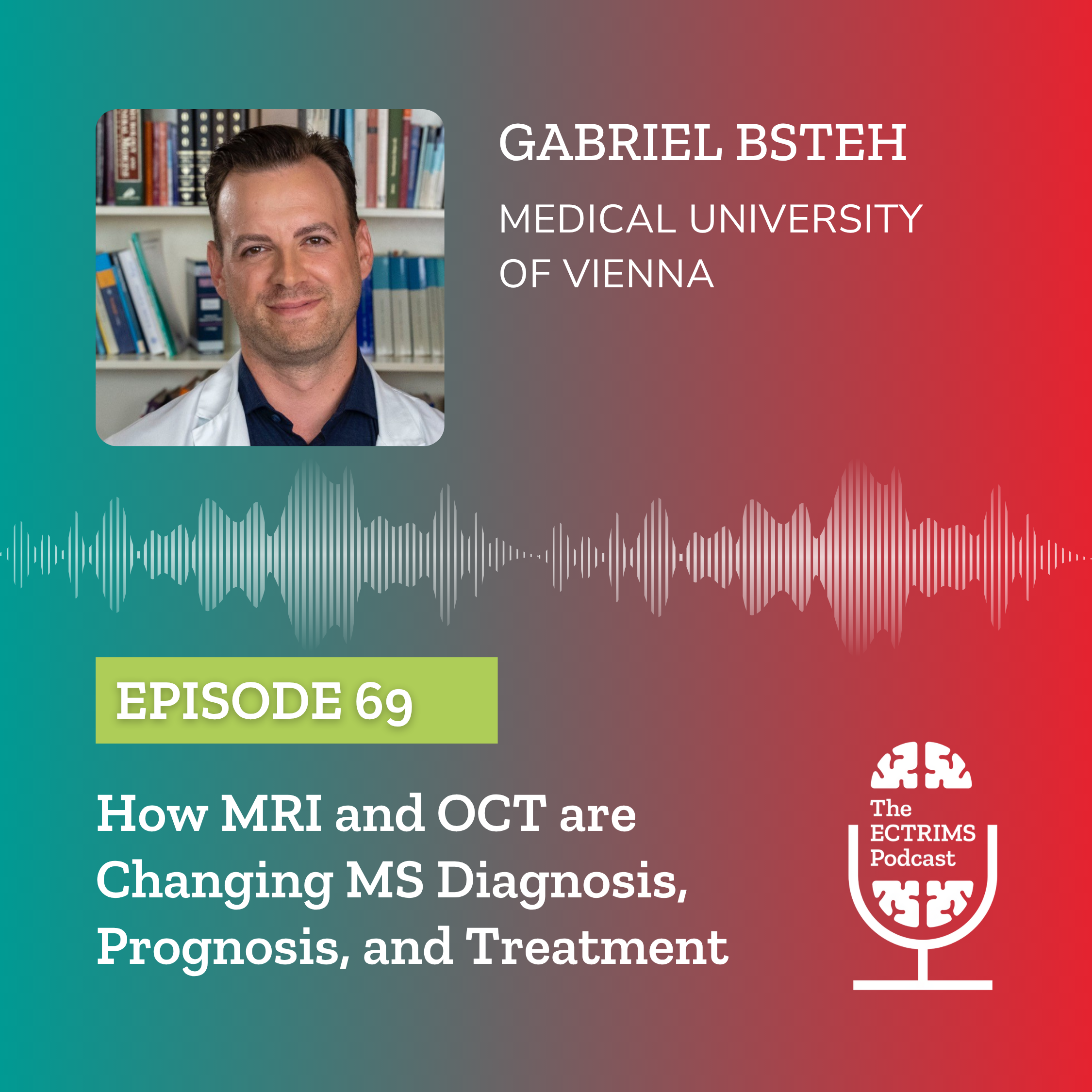
| 4/8/26 | How MRI and OCT are Changing Multiple Sclerosis Diagnosis, Prognosis, and Treatment | Imaging techniques in multiple sclerosis are evolving rapidly, with MRI and emerging biomarkers playing a central role in diagnosis, prognosis and disease monitoring. In this episode of the ECTRIMS Podcast, neurologist Gabriel Bsteh and host Brett Drummond explore how MRI, optical coherence tomography (OCT), and imaging biomarkers are reshaping the way clinicians diagnose and manage MS. They discuss the 2024 updates to the McDonald diagnostic criteria, including the introduction of the central vein sign (CVS), paramagnetic rim lesions (PRL), and the inclusion of the optic nerve. The episode also examines how imaging biomarkers may be used to: Predict disease progression Provide prognostic information at diagnosis Monitor neuro-axonal damage over time Support treatment decisions and personalised medicine This episode is essential listening for anyone interested in multiple sclerosis, MRI, OCT, biomarkers, and advances in MS research and care. | — | ||||||
| 3/19/26 | Does the Label Given to My MS Disease Course Matter? | How much do the labels used to describe multiple sclerosis actually reflect the lived experience of people affected by the disease? In this first episode of the new ECTRIMS–MS Journal collaboration series, host Dr. Anneke van der Walt, Controversies Editor at the Multiple Sclerosis Journal, speaks with Jon Strum, MS caregiver and host of the RealTalk MS podcast, and Kathryn Smith, patient advocate and volunteer with the National MS Society, and person living with MS. Together they explore a deceptively simple question: does the label given to an MS disease course actually matter? Jon argues that disease labels shape perception, communication and expectations for people living with MS and their families. Kathryn explains why those same labels increasingly fail to capture the day-to-day reality of living with the disease. They discuss: Why traditional MS disease course labels can feel disconnected from lived experience The emotional and practical impact of terms such as relapsing-remitting and secondary progressive The concept of PIRA (progression independent of relapse activity) and what it reveals about MS progression Why functional outcomes and patient experience should play a greater role in how MS is described The importance of patient voice in research, clinical conversations and scientific publishing Although they begin from opposing viewpoints, Jon and Kathryn ultimately arrive at a shared conclusion: the MS community may need a new language — one that better reflects biology, individual experience and the realities of living with the disease. Note: This episode is part of the MS Journal Controversies in MS series, specifically its new Controversies: Patient Voice section – a dedicated space highlighting the lived experiences of people affected by MS. Please see the following articles for more information: "Yes" – The label does matter "No" – The label does not matter Commentary | — | ||||||
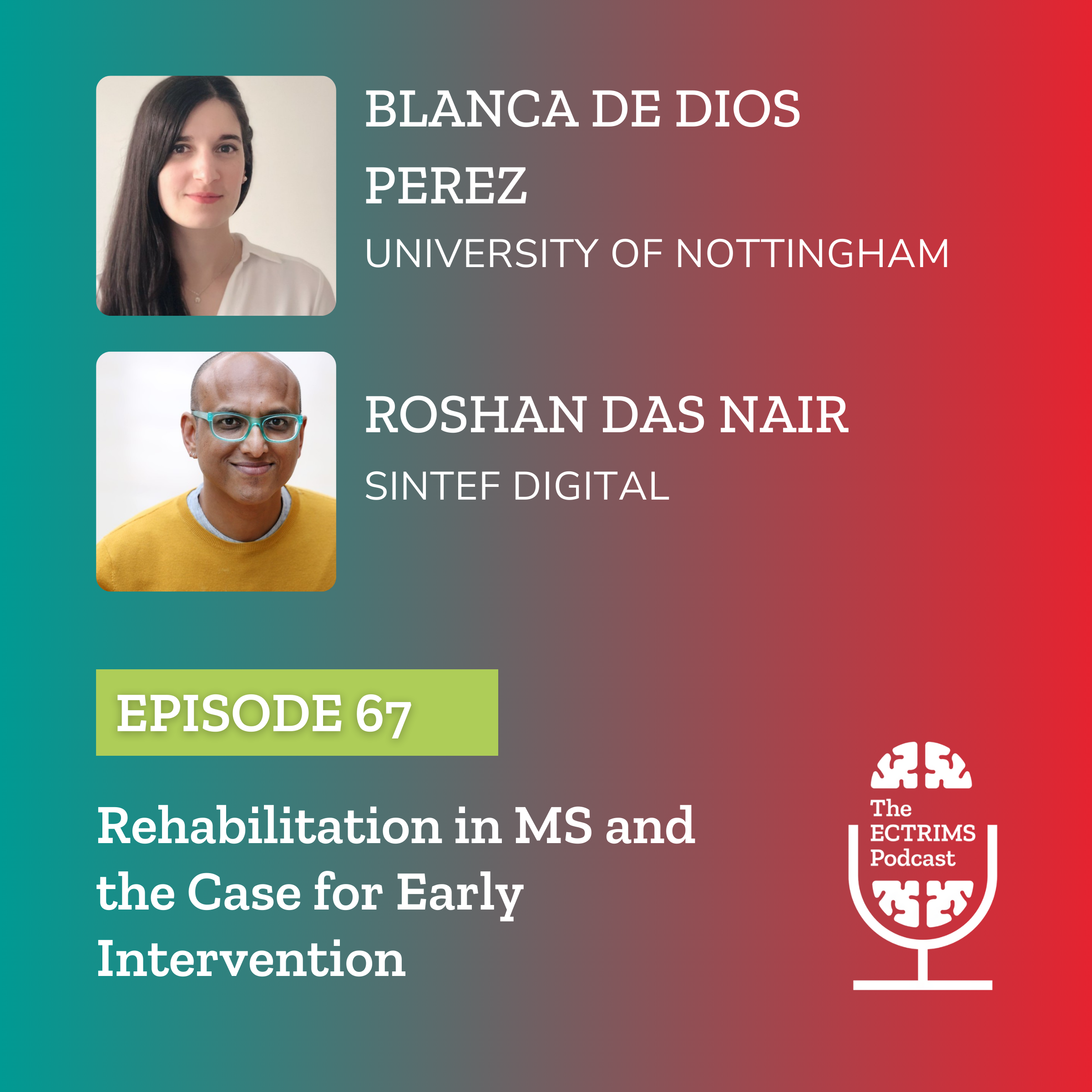
| 2/25/26 | Rehabilitation in MS and the Case for Early Intervention | Rehabilitation is more than exercise – it is a personalised process of learning and adaptation that empowers people living with MS to maximise independence, participation and quality of life. In this episode – recorded at ECTRIMS 2025 in Barcelona during the joint ECTRIMS–RIMS meeting – host Brett Drummond speaks with Prof. Roshan das Nair from SINTEF and Dr. Blanca de Dios Pérez from University of Nottingham about the evolving role of rehabilitation in MS care. They explore: · Why rehabilitation should be integrated from diagnosis · The rise of vocational rehabilitation and supporting people to remain in work · Mental health as a core component of MS care · Digital technologies for cognitive screening and personalised triage · The importance of implementation — turning research into real-world care · Moving toward a "community of care" model beyond the clinic As MS care advances, rehabilitation remains essential for translating medical progress into meaningful everyday outcomes. | — | ||||||
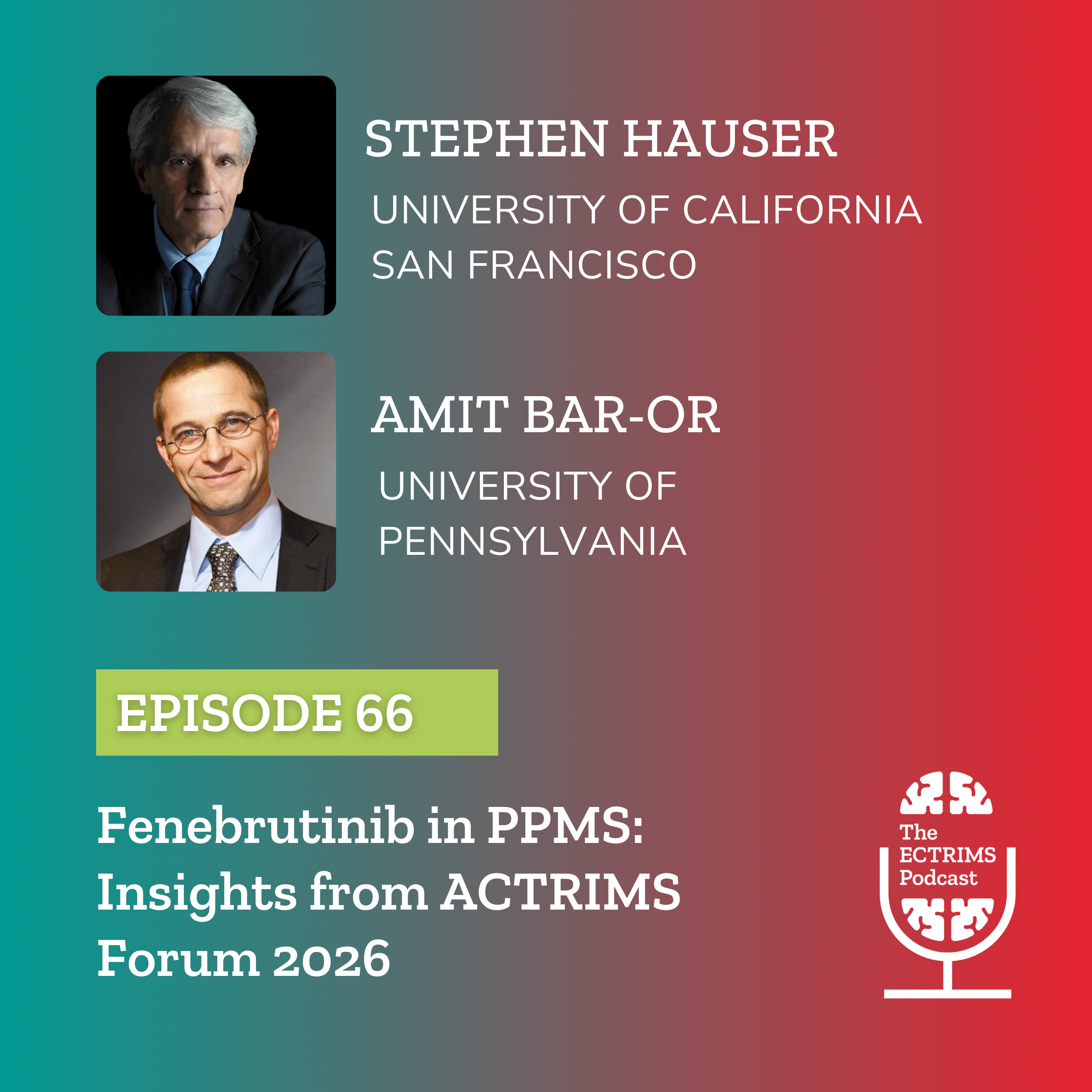
| 2/7/26 | Fenebrutinib in PPMS: Insights from ACTRIMS Forum 2026 | Clinical trial results unveiled today at ACTRIMS Forum 2026 suggest that fenebrutinib may be a novel and effective treatment option for people living with primary progressive multiple sclerosis. In this exclusive episode providing the first expert discussion of the complete dataset, FENtrepid trial leads Prof. Amit Bar-Or (University of Pennsylvania) and Dr. Stephen Hauser (University of California San Francisco) break down what the fenebrutinib results really show. Together, they explore: Why BTK inhibition is uniquely positioned to address progressive MS biology How fenebrutinib compared to ocrelizumab in the Phase 3 FENtrepid PPMS trial What the data suggest for patients with non-relapsing, chronic disease Listen for a deep dive into the science and the clinical implications. Editorial Note: At 21:49, the discussion refers to Müller cells. The correct term is Kupffer cells. Download the transcript | — | ||||||
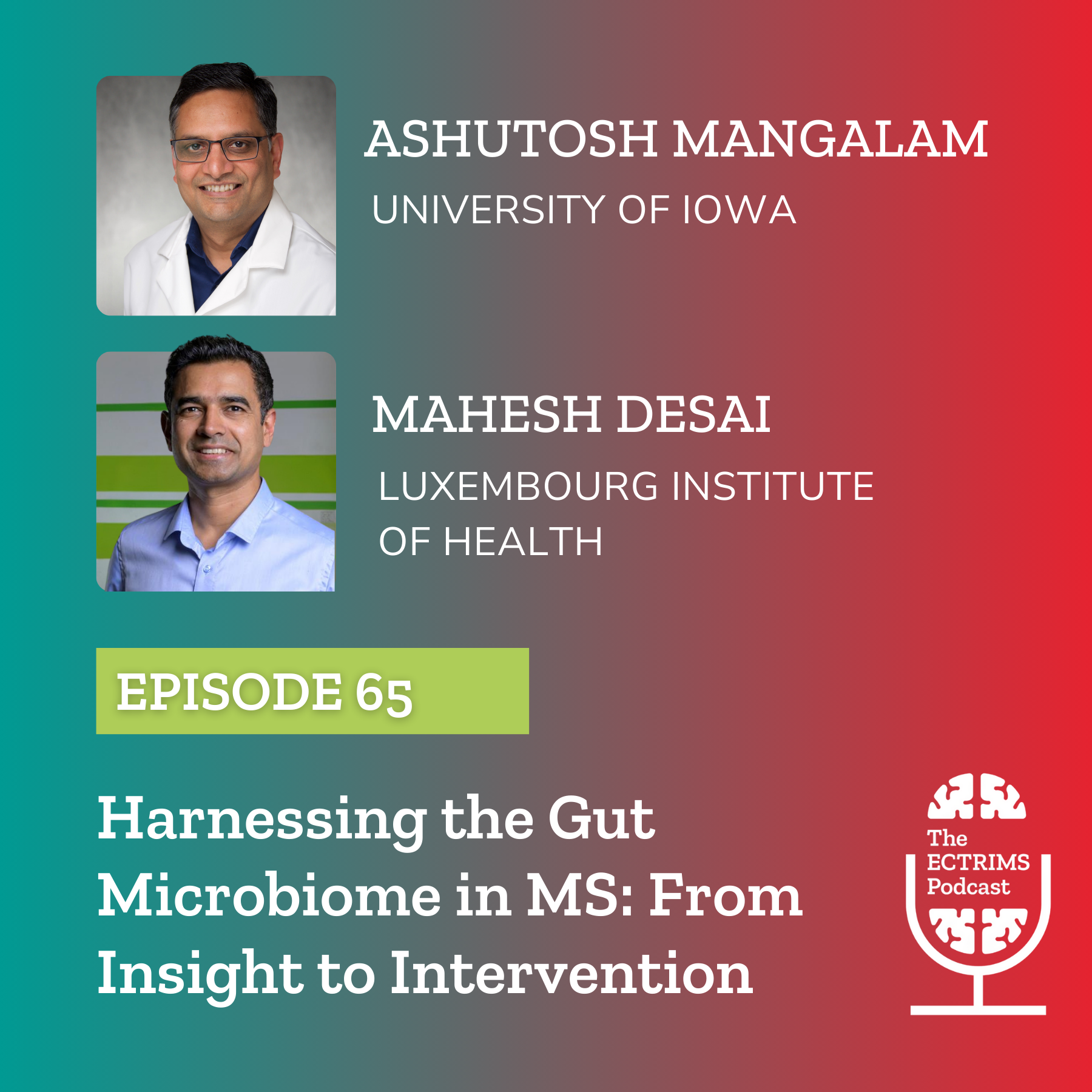
| 1/13/26 | Harnessing the Gut Microbiome in MS: From Insight to Intervention | What role does the gut microbiome play in multiple sclerosis — and how close are we to translating microbiome research into meaningful clinical interventions? In this episode of the ECTRIMS Podcast, host Brett Drummond is joined by Mahesh Desai (Luxembourg Institute of Health) and Ashutosh Mangalam (University of Iowa), two internationally recognised leaders in microbiome and MS research, to explore how gut microbes influence disease susceptibility, progression, and immune regulation in MS. The discussion moves beyond simple "good vs bad bacteria" narratives, highlighting why microbial function, community structure, and host–microbiome dialogue are far more informative than individual taxa alone. The speakers examine evidence from animal models and human studies, including twin studies, microbial networks, and immune markers such as IgA coating, to understand whether microbiome changes are drivers or consequences of disease. They also explore the potential of the gut microbiome as a predictive biomarker, the challenges of causality, and why diet and personalised approaches may be key to restoring immune balance in MS. | — | ||||||
| 12/8/25 | How well are we measuring cognition in MS? | Cognitive change is one of the most common—and most misunderstood—symptoms of multiple sclerosis. In this episode, host Brett Drummond speaks with Dr. Vicki Levitt (Columbia University) and Dr. Tom Fuchs (MS Center Amsterdam) about the state of cognition research, why measurement still lags behind clinical need, and how new tools may change the field forever. | — | ||||||
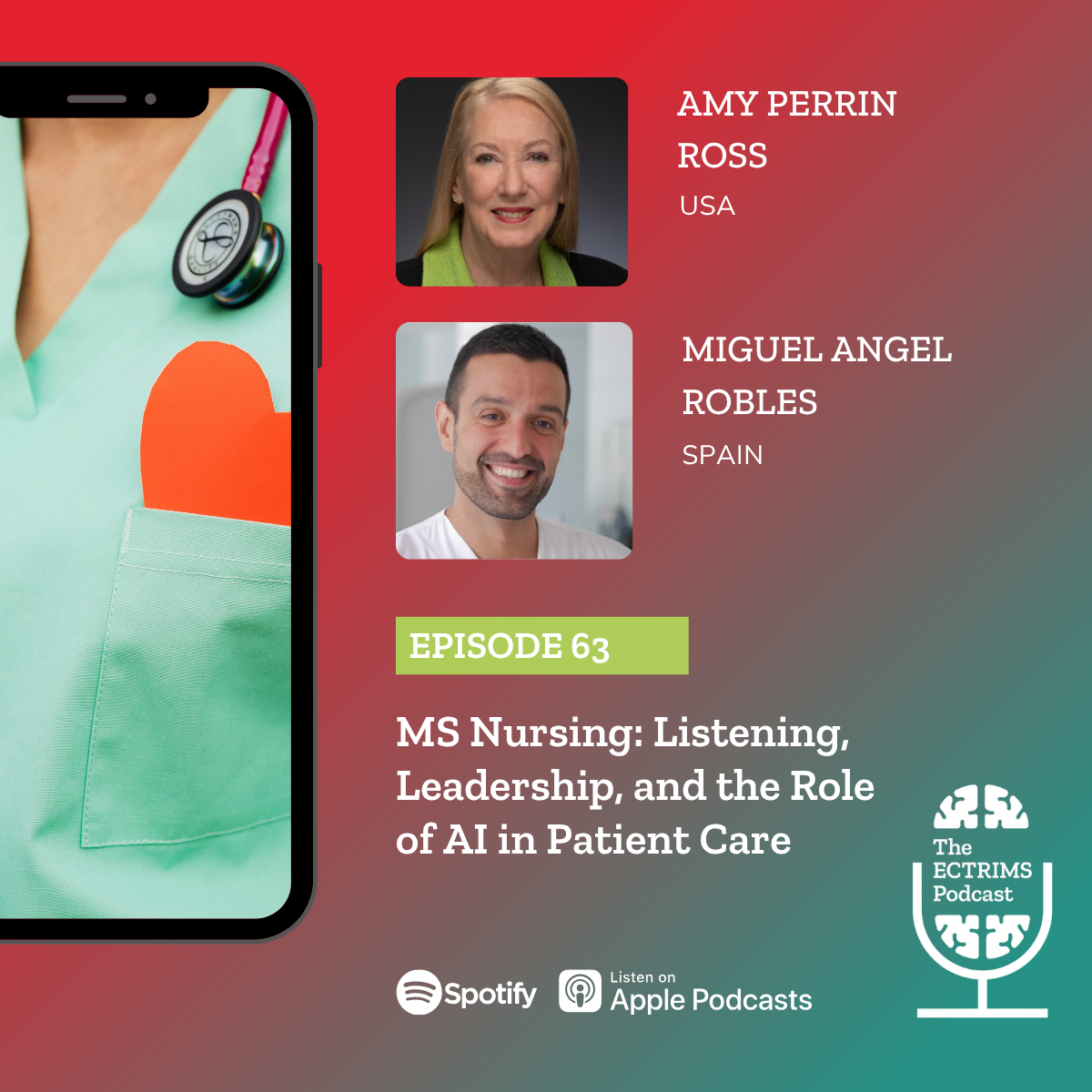
| 11/13/25 | MS Nursing: Listening, Leadership, and the Role of AI in Patient Care | At every stage of the MS journey, nurses are the steady link between patients, families, and the healthcare team. In this episode, host Brett Drummond speaks with Amy Perrin Ross, MS Specialist Nurse and Program Coordinator at Loyola University Chicago (USA), and Miguel Ángel Cortés-Vicente, Multiple Sclerosis Consultant Nurse at CEMCAT – Centre d'Esclerosi Múltiple de Catalunya (Spain), about the evolving role of MS nurses — from care coordination and patient engagement to leadership in research and innovation. They share insights from the 2025 ECTRIMS Congress Nurse Sessions, exploring how nurses are advancing health literacy, supporting shared decision-making, and integrating AI to improve patient care. | — | ||||||
| 10/29/25 | Why We Need to Talk More About Mental Health in MS | While much of MS care focuses on physical symptoms, mental health challenges—like depression, anxiety, loneliness, and stigma—often go under-recognised. In this episode, host Brett Drummond speaks with Dr. Rebecca MaGuire, psychologist and MS researcher at Maynooth University, who also lives with MS herself. Together they discuss why mental health must become a core part of MS care, what the latest research reveals, and how clinicians and communities can better support emotional wellbeing throughout the MS journey. | — | ||||||
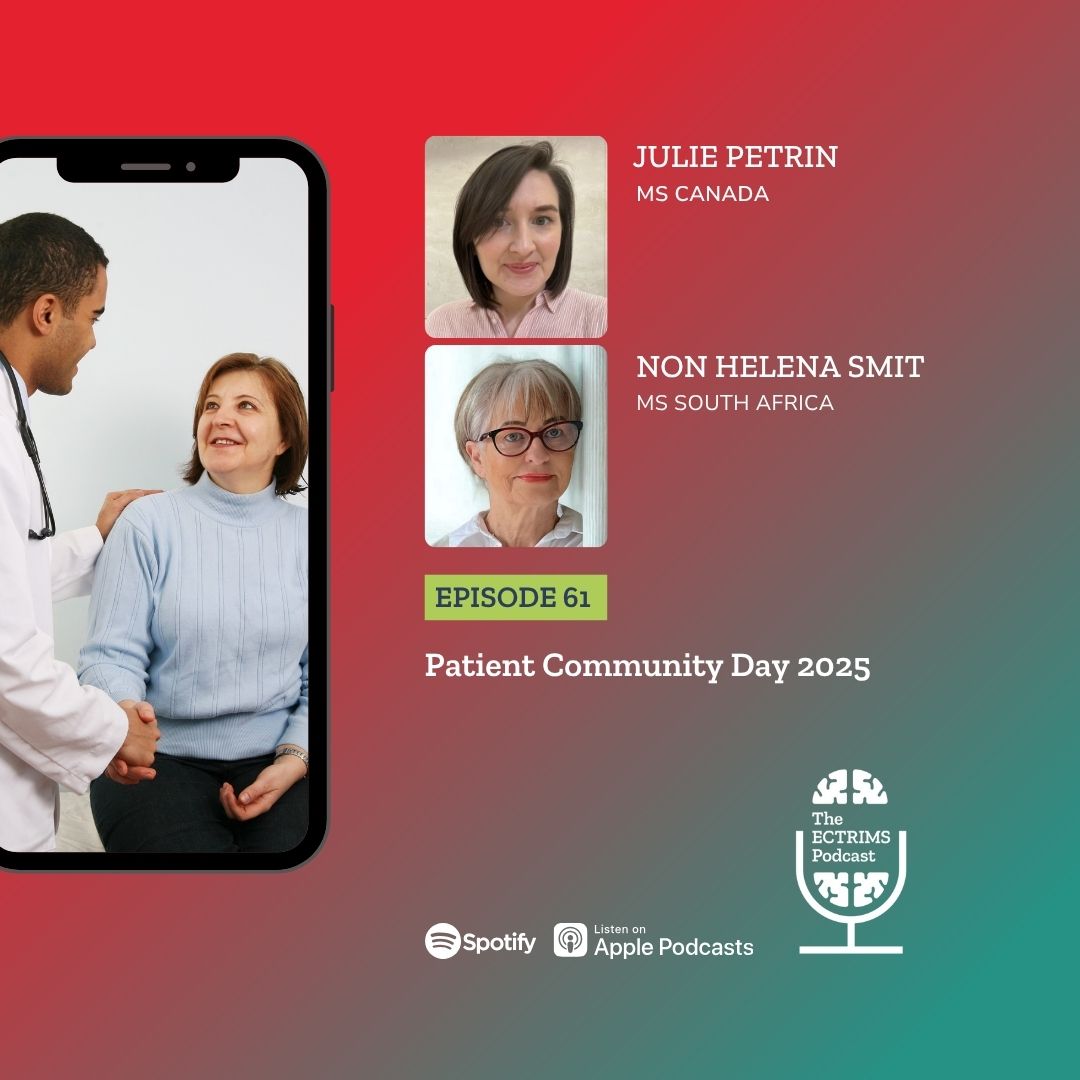
| 10/15/25 | Patient Community Day 2025 | Patient Community Day 2025 set a new attendance record, highlighting the growing desire among people living with MS to connect with experts leading the charge in understanding the disease and advancing effective treatments. After the event wrapped up in Barcelona, host Brett Drummond caught up with Julie Petrin, Director of Impact and Evaluation at MS Canada and a person living with MS, and Non Helena Smit, CEO of MS South Africa, to reflect on key takeaways and share what they're looking forward to at next year's event in Toronto. | — | ||||||
Want analysis for the episodes below?Free for Pro Submit a request, we'll have your selected episodes analyzed within an hour. Free, at no cost to you, for Pro users. | |||||||||
| 10/2/25 | Positive Remyelination Trial Results: Late Breaking at ECTRIMS 2025 | At the late breaking abstracts session at ECTRIMS 2025 in Barcelona, the CCMR-Two trial revealed promising results for myelin repair in MS using the diabetes drug metformin and the antihistamine clemastine. Straight from his presentation, trial lead Dr. Nick Cunniffe of the University of Cambridge sat down with host Brett Drummond of MStranslate to discuss the full results of CCMR-Two, our current understanding of myelin repair biology, and the next steps for remyelination clinical trials and potential future MS therapies. | — | ||||||
| 9/26/25 | Final Day Highlights of ECTRIMS 2025 | On the final day of ECTRIMS 2025 in Barcelona, the spotlight turned to MS treatment, including long-awaited clinical trial results. Dr. Sharmilee Gnanapavan, Consultant Neurologist at Barts Health and Princess Alexandra Hospital NHS Trust (UK), joins host Brett Drummond to reflect on key takeaways from the 41st Congress and what the MS community might look forward to at MSToronto 2026. | — | ||||||
| 9/25/25 | Day 2 Highlights of ECTRIMS 2025 | Dr. Barry Singer, Director and Founder of The MS Center for Innovations in Care, joins host Brett Drummond to discuss the key takeaways unveiled on the second day of ECTRIMS 2025 in Barcelona. | — | ||||||
| 9/24/25 | Day 1 Highlights of ECTRIMS 2025 | The 41st Congress of ECTRIMS opened in Barcelona with Professor Maria Pia Amato of the University of Florence delivering the ECTRIMS Lecture. In this conversation with host Brett Drummond, she highlights the key takeaways from Day One of ECTRIMS 2025 and shares insights on cognition and what's shaping the future of multiple sclerosis research and care. | — | ||||||
| 9/23/25 | Pre-Day Highlights of ECTRIMS 2025 | Direct from Barcelona, listen to Alvaro Cobo Calvo from the Multiple Sclerosis Center of Catalonia (Cemcat) and host Brett Drummond discuss the highlights of ECTRIMS 2025 Pre-Day, which is focused on specialised topics in MS and related neuroinflammatory autoimmune diseases such as MOGAD and NMOSD. | — | ||||||
| 9/19/25 | 2024 Revisions of the McDonald Diagnostic Criteria: What Neurologists Need to Know | The 2024 Revisions of the McDonald Diagnostic Criteria for MS have been published in The Lancet Neurology. What do these changes mean for clinical practice? In this episode, we are joined by two authors of the paper: Prof. Xavier Montalban, Chair of the International Advisory Committee on Clinical Trials in MS (IACCTMS), and Dr. Jiwon Oh of the University of Toronto. Together with host Brett Drummond of MStranslate, they discuss the significance of the updates, how these changes could expedite diagnosis and reduce misdiagnosis, and what they mean for the future of MS care globally. Reference: Montalban, X. et al. Diagnosis of multiple sclerosis: 2024 revisions of the McDonald criteria. Lancet Neurol. https://doi.org/10.1016/S1474-4422(25)00270-4 (2025). | — | ||||||
| 9/8/25 | Genetics and MS: Recent Discoveries and Future Directions | Genetics not only influence the risk of developing multiple sclerosis (MS), but also affect how the disease progresses and how patients respond to different treatments. Professor Philip De Jager, Chief of Neuroimmunology at Columbia University Irving Medical Center joins host Brett Drummond of MStranslate to discuss recent discoveries in MS genetics. They explore what these findings mean for patients and their families, and how these could shape primary prevention and personalised therapies for MS. | — | ||||||
| 7/17/25 | The Expanding Role of Patient-Reported Outcomes in MS Research | Patient-reported outcomes (PROs) have become a critical tool for capturing the lived experience of multiple sclerosis (MS), offering a perspective that extends beyond traditional clinical and imaging metrics. As research increasingly prioritises real-world relevance and individualised care, PROs provide valuable insights into symptoms such as fatigue, mood changes, and cognitive decline—factors that often evade objective measurement but have a profound impact on quality of life. Professor Jan Hillert of Karolinska Institute in Sweden and chair of the Swedish MS Registry joins host Brett Drummond of MStranslate to discuss how patient reported data are being integrated into clinical trial design and observational studies. They also explore current limitations to their use and highlight best practices for validation and interpretation. | — | ||||||
| 6/12/25 | Biomarkers in MS | Biomarkers are one of the most exciting and fast-evolving areas in multiple sclerosis research, offering promise for earlier diagnosis, accurate prognosis, and truly personalised treatment. Yet despite their potential, there is still significant debate that limits their widespread application in clinical and research settings. In this episode, host Brett Drummond is joined by two leading voices in this field, Professor Charlotte Teunissen of Amsterdam UMC in The Netherlands and Associate Professor Michael Khalil of Medical University of Graz in Austria to explore the most promising biomarker candidates and when and how they might be implemented. | — | ||||||
| 5/21/25 | BTK Inhibitors: The Tolebrutinib Trial Results | Over the past few years, the MS research community has been following developments in a new class of therapies called Bruton's tyrosine kinase inhibitors (BTKis). At ECTRIMS 2024, the results of two tolebrutinib trials were presented as late-breaking abstracts by Dr. Robert Fox, Neurologist at the Mellen Center for Multiple Sclerosis at Cleveland Clinic in the US, and Dr. Jiwon Oh, Neurologist at St. Michael's Hospital at the University of Toronto. The full results were recently published in The New England Journal of Medicine. In this episode, host Brett Drummond of MStranslate spoke with Drs. Oh and Fox about the outcomes and what they mean for people with MS. | — | ||||||
| 4/24/25 | The Role of Diet in Managing MS | What do the latest research findings tell us about the role diet can play in the management of multiple sclerosis (MS)? How should neurologists talk about diet with their patients? While people living with MS may view their food choices as a way to exert some control over the disease, the concept of an "ideal diet" remains hotly contested. Dr. Brigit de Jong, Neurologist at MS Center Amsterdam, investigates non-pharmacological interventions, including diet, that determine the clinical outcome and pathogenesis of MS. She joins host Brett Drummond of MSTranslate to discuss the latest evidence on dietary modifications and how they should be communicated and implemented by neurologists. | — | ||||||
| 3/27/25 | Autologous Haematopoietic Stem Cell Transplantation for MS | Autologous haematopoietic stem cell transplantation (AHSCT) has gained considerable attention in recent years as a treatment option for multiple sclerosis (MS). As long-term clinical trial data on AHSCT continues to grow, there is increasing debate about where it fits in the current MS therapeutic landscape. Dr. Joachim Burman, Neurologist and Associate Professor at Uppsala University in Sweden, and Dr. Jennifer Massey, Neurologist at St. Vincent's Hospital and a Senior Lecturer at the University of New South Wales in Australia, discuss the latest research and insights on this hot topic with host Brett Drummond of MStranslate. | — | ||||||
| 2/20/25 | How Real-World Data Is Shaping MS Treatment | The rise of multiple sclerosis (MS) registries worldwide has transformed MS research, providing access to vast clinical data spanning years. This development also triggers critical conversations about how best to use real-world data to answer questions over the treatment of people with MS and the potential shift towards personalised medicine. In this episode, guests Professor Tomas Kalincik, Head of the Clinical Outcomes Research (CORe) Unit at the University of Melbourne and the MS Centre at the Royal Melbourne Hospital in Australia, and Maria Pia Sormani, Professor of Biostatistics at the University of Genoa in Italy, share their expert insights on harnessing real-world data with host Brett Drummond of MStranslate. | — | ||||||
| 1/16/25 | Fatigue in Multiple Sclerosis | Fatigue is a common symptom of multiple sclerosis, significantly impacting the quality of life of people living with the disease. In this episode, Dr. Anne-Laure Dubessy of Hôpital Pitié-Salpêtrière in Paris and Professor Iris-Katharina Penner of the University Hospital of Bern in Switzerland join host Brett Drummond of MSTranslate to discuss the causes of MS-related fatigue, strategies for managing it, and the latest research developments in this area. | — | ||||||
| 12/23/24 | Advancing MS Knowledge through the ECTRIMS Fellowship | The recent ECTRIMS 2024 in Copenhagen showcased the work of young scientific investigators, including this year's ECTRIMS Fellowship recipients Oscar Ayala from Colombia and Zuhal Abasiyanik from Turkey. Every year, ECTRIMS awards fellowships across various categories to promote knowledge and expertise in the field of multiple sclerosis (MS). Oscar and Zuhal spoke with host Brett Drummond of MSTranslate about the research projects that they will be pursuing and how they believe this opportunity will impact their career. The ECTRIMS Fellowship application period for the 2025 cycle is now open. Apply before the deadline of December 1, 2024 at 23:59 CET. | — | ||||||
Showing 25 of 74
Sponsor Intelligence
Sign in to see which brands sponsor this podcast, their ad offers, and promo codes.
Chart Positions
1 placement across 1 market.
Chart Positions
1 placement across 1 market.