Insights from recent episode analysis
Audience Interest
Podcast Focus
Publishing Consistency
Platform Reach
Insights are generated by CastFox AI using publicly available data, episode content, and proprietary models.
Most discussed topics
Brands & references
Total monthly reach
Estimated from 1 chart position in 1 market.
By chart position
- 🇳🇿NZ · Mental Health#623K to 10K
- Per-Episode Audience
Est. listeners per new episode within ~30 days
900 to 3K🎙 Daily cadence·265 episodes·Last published 2d ago - Monthly Reach
Unique listeners across all episodes (30 days)
3K to 10K🇳🇿100% - Active Followers
Loyal subscribers who consistently listen
1.2K to 4K
Market Insights
Platform Distribution
Reach across major podcast platforms, updated hourly
Total Followers
—
Total Plays
—
Total Reviews
—
* Data sourced directly from platform APIs and aggregated hourly across all major podcast directories.
On the show
From 1 epsHost
Recent guests
Recent episodes
The Intersectionality of Eating Disorders, Neurodivergence & LGBTQIA+ with Dr Lauren Lovegood
May 25, 2026
44m 44s
Navigating Exercise During Eating Disorder Recovery with Dr Amit Mistry
May 18, 2026
35m 31s
New Research: The Suicide Risk Nobody Talks About in Eating Disorders with Dr Una Foye
May 11, 2026
45m 53s
The Overlap No One Explains Between ADHD, Eating Disorders, and Hypermobility with Dr Jessica Eccles
May 4, 2026
48m 06s
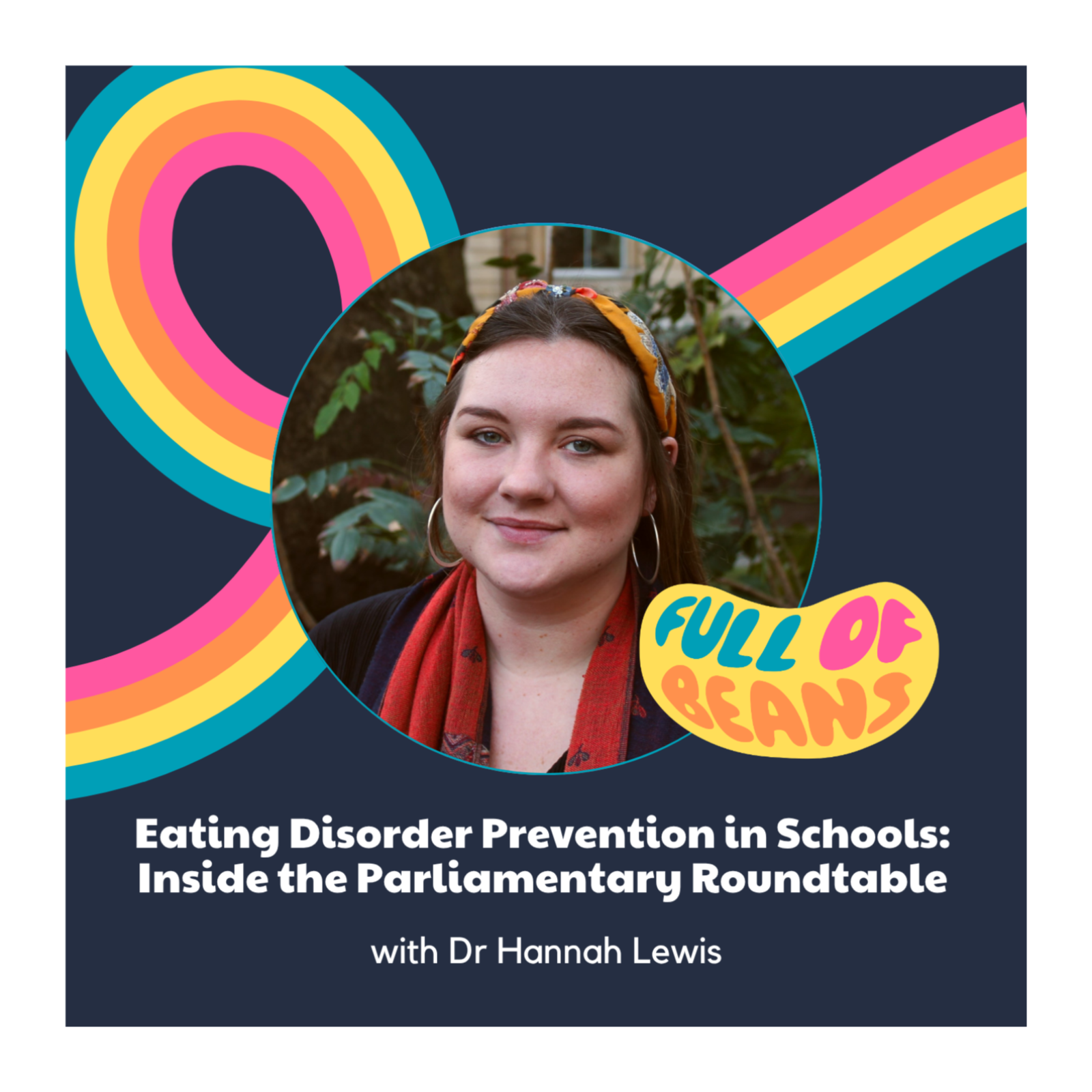
ED Prevention in Schools: Inside the Parliamentary Roundtable with Dr. Hannah Lewis
Apr 27, 2026
45m 53s
Social Links & Contact
Official channels & resources
Official Website
Login
RSS Feed
Login
| Date | Episode | Topics | Guests | Brands | Places | Keywords | Sponsor | Length | |
|---|---|---|---|---|---|---|---|---|---|
| 5/25/26 | ![]() The Intersectionality of Eating Disorders, Neurodivergence & LGBTQIA+ with Dr Lauren Lovegood | Have you ever felt like you’re constantly trying to "fit into a box" that just wasn't made for you?This week on the Full of Beans Podcast, Han is joined by Dr. Lauren Lovegood, a psychologist who specialises in the intersection of Eating Disorders, Neurodiversity (ADHD/Autism), and the LGBTQ+ community.We talk about the "internal sense of difference" that so many of us feel growing up and how, sometimes, an eating disorder can sneak in as a way to find control, "mask" our true selves, or even seek out that much-needed dopamine.In this episode, we explore:The Treatment Spectrum: Why anorexia is actually a much smaller piece of the ED puzzle than society thinks.Identity & Belonging: The unique challenges faced by the LGBTQ+ community and how gender-affirming care can coexist with a healthy body image.The Neurodivergent Brain: Why "Executive Function" makes university transitions so tricky and why your "fidgety brain" might be driving your food behaviours.Gender Affirming Care: We discuss the desire to align our physical bodies with our internal identity.The Glorification of Weight Loss: Exploring the challenges of restrictive behaviours in the queer community to cause a more "feminine" or "masculine" look.Identity Roles & Stereotypes: How to find where we belong without fuelling obsession with our appearance.ARFID & Sensory Safety: Understanding why "beige foods" feel safe and how to branch out without the fear and force gently.The Low Self-Esteem Trap: How external pressure to be "disciplined" can fuel the eating disorder voice.Connect with Us:Subscribe to the Full of Beans PodcastFollow Full of Beans on InstagramCheck out our websiteListen on YouTubeConnect with Lauren via her website⚠️ Content Note: This episode includes discussion of eating disorders, body image, neurodiversity, gender and sexuality. Please look after yourself as you listen.If you enjoyed this episode, don’t forget to subscribe, rate, and share to help us spread awareness.Sending positive beans your way, Han 💛 | 44m 44s | ||||||
| 5/18/26 | ![]() Navigating Exercise During Eating Disorder Recovery with Dr Amit Mistry | We often view exercise as the "golden ticket" for mental health, but for those navigating eating disorders, the line between movement and compulsion is incredibly thin.In this week’s episode of Full of Beans, Han is joined by Dr. Amit Mistry, a Consultant Sports Psychiatrist at the Nightingale Hospital. Amit brings a unique dual perspective to the table, advocating for the robust mental health benefits of physical activity while managing the high-stakes clinical risks of over-exercise in inpatient eating disorder settings.We explore why exercise shouldn't be a "black or white" conversation and how we can reintroduce movement without falling back into the trap of rigidity.In this episode, we talk about:The Biopsychosocial Model: How sport serves as "fertiliser for the brain" while providing self-mastery and social connection.The Social Media Myth: Why we need to challenge the "exercise is all you need" narrative and replace it with a multi-pronged approach to mental health.Inpatient Realities: The difficult balance of prioritising physical stability (cardiovascular status and refeeding) while introducing social exercises like yoga or swimming.Exercise as a Spectrum: Identifying when recreational movement crosses the line into a systemic, "drug-like" addiction that impacts bone health and fertility.Red-S vs. Depression: The clinical challenge of distinguishing between relative energy deficiency in sport and primary low mood.The "Elite" Trap: Why 99% of us aren't elite athletes and shouldn't be following the regimented, high-intake/high-output diets we see in our feeds.Diagnostic Switching: Understanding the shift into Orthorexia and why being "high functioning" doesn't mean you aren't in distress.Something that really stayed with me from this conversation was the idea of Identity vs. Performance. When we strip away the sports and the training, who are we? Recovery isn't about stopping forever; it’s about regaining the autonomy to choose rest without guilt.Connect with Us:Subscribe to the Full of Beans PodcastFollow Full of Beans on InstagramCheck out our websiteListen on YouTubeConnect with Dr Amit on Instagram (@dramistrypsych)⚠️ Content Note: This episode includes discussion of eating disorders, anxiety, restrictive eating and medical trauma. Please look after yourself as you listen.If you enjoyed this episode, don’t forget to subscribe, rate, and share to help us spread awareness.Sending positive beans your way, Han 💛Thank you to Nightingale Hospital for sponsoring Full of Beans. | 35m 31s | ||||||
| 5/11/26 | ![]() New Research: The Suicide Risk Nobody Talks About in Eating Disorders with Dr Una Foye | Anecdotally, we know there is a correlation between eating disorders and suicide, yet until now, there has been no published research to show that. This week on the Full of Beans Podcast, Han is joined by Dr Una Foye, a Research Fellow at King's College London, who is leading the qualitative arm of an MQ-funded study exploring why people with eating disorders are at higher risk of suicide and self-harm.We talk about the groundbreaking, and long overdue, research that finally puts lived experience voices at the centre of this conversation, why the data has always been harder to read than it should be, and what the findings mean for the way we think about treatment, recovery, and care.In this episode, we explore:The research gap: Why there has been almost no qualitative work asking people with lived experience about the link between eating disorders and suicidality, until now.The hidden statistics: Why deaths connected to eating disorders and suicide are so often recorded under other causes, and what stigma and the historic criminalisation of suicide have to do with it.The complexity of risk: How the eating disorder itself, identity loss, social isolation, and the function it serves can increase suicidal thoughts.Recovery as a risky period: How the removal of support at the point of weight restoration can leave people more vulnerable, not less.Intersectionality and invisibility: How being male, from a minoritised ethnic background, living in a larger body, or being autistic or neurodivergent can compound the risk, and the silence.Siloed services: Why being told "you can't be treated here if you're also self-harming" misses the point entirely, and what holistic, joined-up care could look like instead.Asking the question: Why clinicians are often frightened to ask about suicidality, and why not asking is far more dangerous than asking.Hope in small things: The realisation that support doesn't need to be dramatic - but simple changes and communication can help. Lived experience at the centre: Why Una is so passionate about lived experience and how it is the thing which shapes everything she does.Connect with Us:Subscribe to the Full of Beans PodcastFollow Full of Beans on InstagramCheck out our websiteListen on YouTubeConnect with Una via the KCL website⚠️ Content Note: This episode includes discussion of eating disorders, self-harm and suicide. Please look after yourself as you listen.If you enjoyed this episode, don’t forget to subscribe, rate, and share to help us spread awareness.Sending positive beans your way, Han 💛 | 45m 53s | ||||||
| 5/4/26 | ![]() The Overlap No One Explains Between ADHD, Eating Disorders, and Hypermobility with Dr Jessica Eccles✨ | ADHDeating disorders+4 | Dr Jessica Eccles | Brighton and Sussex Medical SchoolSussex NHS Neurodevelopmental Service+1 | — | ADHDeating disorders+6 | — | 48m 06s | |
| 4/27/26 | ![]() ED Prevention in Schools: Inside the Parliamentary Roundtable with Dr. Hannah Lewis | In this week's episode of Full of Beans, we are joined by Dr. Hannah Lewis, a Postdoctoral Researcher at Queen Mary University of London. Hannah’s work sits at the vital intersection of eating disorder prevention and school-based body image interventions. We step inside the halls of Westminster to discuss a recent Eating Disorder & Education Roundtable convened by the APPG on Eating Disorders and the Dump the Scales campaign. Key Discussion PointsInside Parliament: What actually happens at an APPG roundtable? We break down the meeting between researchers, MPs, and stakeholders to push for better school resources.The Evidence is Ready: We have over 20 years of research supporting cognitive dissonance-based interventions (such as the Body Project), yet they are still not standard in the UK curriculum.What the Science Says: A look at why "media literacy" alone isn’t enough to prevent eating disorders and why we need more active, group-based challenges to appearance ideals.Prevention vs. Treatment: Clarifying that prevention isn't about asking teachers to "treat" disorders; it’s about addressing risk factors like body dissatisfaction, perfectionism, and appearance anxiety.The 2017 Training Gap: Why a major hurdle remains the lack of specific body image and eating disorder training for Mental Health Support Teams (MHSTs) during their qualification.The "Sick Enough" Threshold: Discussing how clinical barriers are moving into schools, often preventing young people from getting help until they reach a crisis point.Diversity & Intersectionality: Why "standard" interventions can fail marginalised groups. We discuss the Brown is Beautiful project and the need to adapt the Body Project for South Asian girls.Current School Programmes: Routine weighing in PE lessons, calorie counting as a maths exercise, the policing of "high sugary foods" in lunchboxes and weight loss adverts at school are policies we can change.Neurodiversity & ARFID: Acknowledging that not all eating disorders are driven by body image. We explore the link between Autism, ADHD, and sensory-based eating struggles.The Future: Moving toward an open letter to Parliament and ensuring the outcome of these discussions leads to tangible policy action.Connect with Us:Follow Full of Beans on InstagramCheck out our websiteListen on YouTubeFollow The Brown is Beautiful Project on Instagram (@thebrownisbeautifulproject)⚠️ Content Note: This episode includes discussion of eating disorder prevention, body dissatisfaction, and mental health policy. Please look after yourself as you listen.If you enjoyed this episode, don’t forget to subscribe, rate, and share to help us spread awareness.Sending positive beans your way, Han 💛 | 45m 53s | ||||||
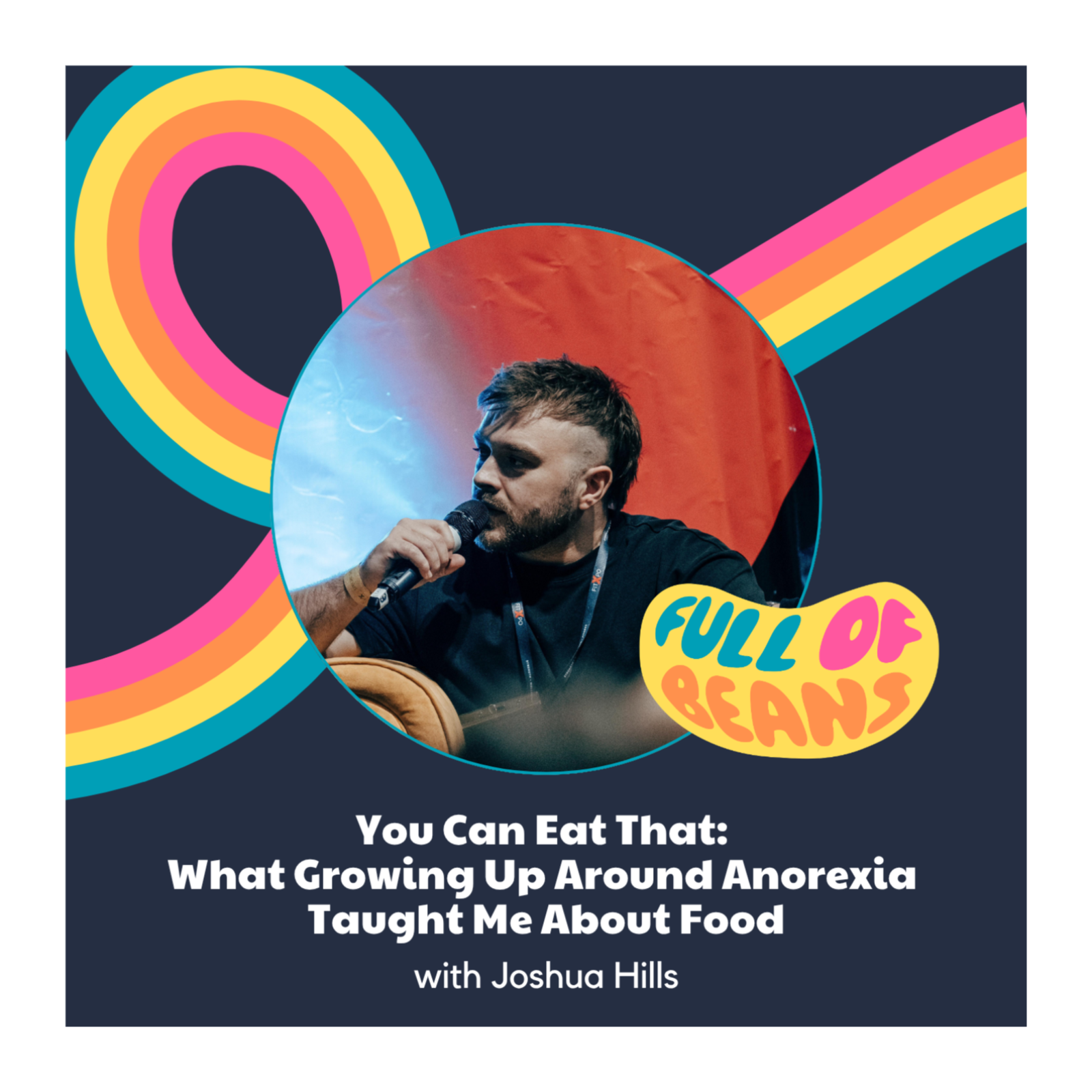
| 4/22/26 | ![]() You Can Eat That: What Growing Up Around Anorexia Taught Me About Food with Joshua Hills | In this week’s episode of Full of Beans, I’m joined by Joshua Hills, a nutritionist, sports therapist, and author of You Can Eat That, whose work challenges diet culture and helps people feel calmer, more flexible, and more themselves around food.Joshua shares how growing up alongside his mum’s experience of anorexia shaped the way he understands food, connection, and recovery.In this episode, we discuss:Joshua’s experience of growing up with a parent with anorexiaHow his mum’s relationship with food shaped his interest in nutritionWhy food is about more than nutrients, and also about connection and enjoymentThe difference between helpful nutrition habits and more disordered patternsWhy the same behaviour can feel supportive for one person, but unhelpful for anotherEmotional eating, and why it is not always something to fearBuilding an “emotional toolbox” rather than relying on one coping strategyHow to start making changes around food without going all-or-nothingWhy balance looks different for everyoneJoshua’s new book, You Can Eat ThatConnect with Us:Subscribe to the Full of Beans PodcastFollow Full of Beans on InstagramCheck out our websiteListen on YouTubeConnect with Joshua via Instagram or email info@joshuahills.com⚠️ Content Note: This episode includes discussion of eating disorders, anorexia and disordered eating. Please look after yourself as you listen.If you enjoyed this episode, don’t forget to subscribe, rate, and share to help us spread awareness.Sending positive beans your way, Han 💛 | 48m 06s | ||||||
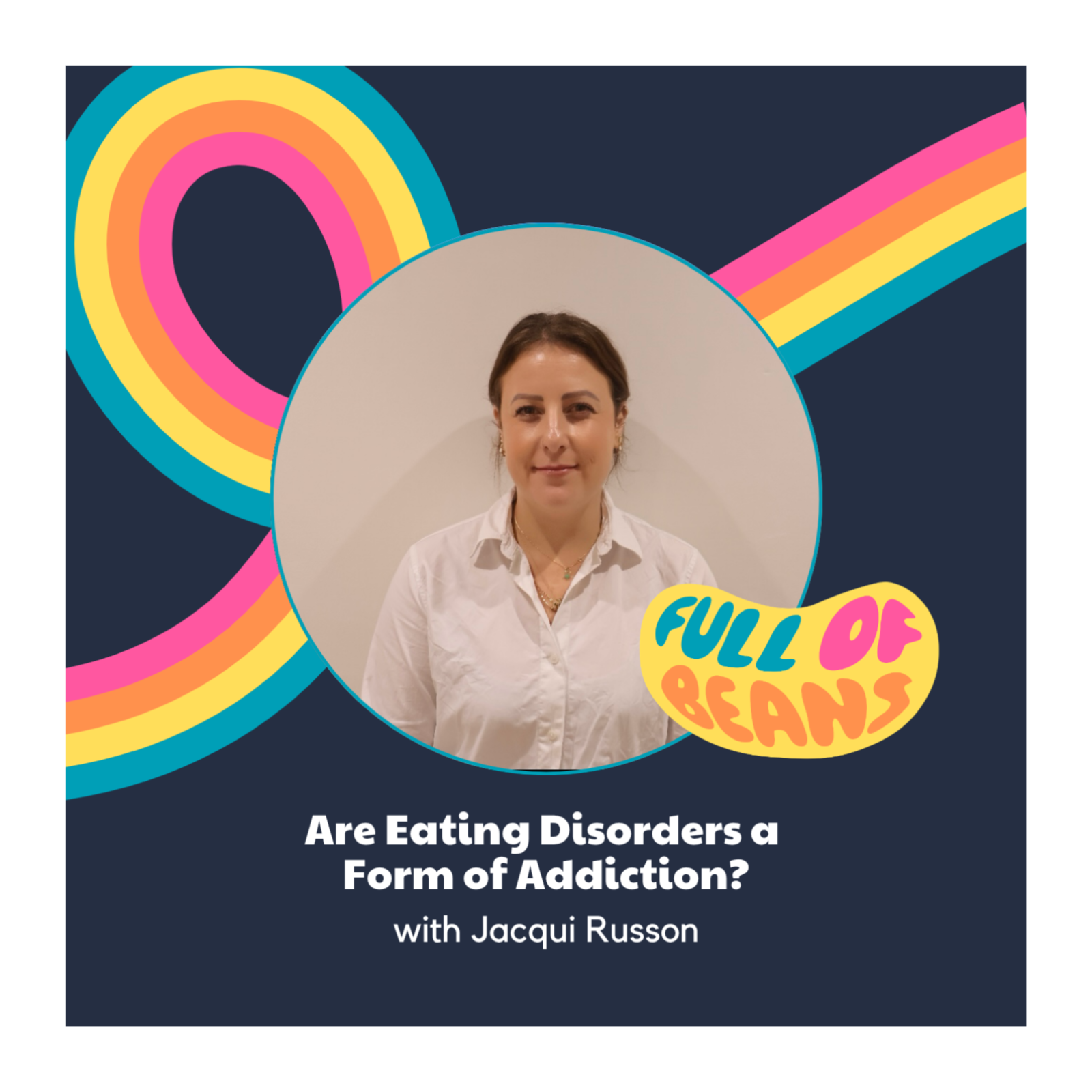
| 4/13/26 | ![]() Are Eating Disorders a Form of Addiction? with Jacqui Russon | In this week’s episode of Full of Beans, I’m joined by Jacqui Russon, an occupational therapist and accredited DBT therapist, to explore the overlap between eating disorders and addiction.We talk about the obsessive thinking, shame, rigidity, and emotional pain that can sit beneath both, and what this means for recovery.In this episode, we discuss:The similarities and differences between eating disorders and addictionWhy neither are simply a “choice”Obsessive thoughts, rigidity, and compensatory behavioursThe role of shame, guilt, and emotional avoidanceWhy understanding the function of behaviours mattersDeveloping safer, more supportive coping strategiesAnger, boundaries, and finding your voice in recoveryWhat occupational therapy actually is (and why it matters)Why recovery needs to involve real-life practice, not just talkingConnect with Us:Subscribe to the Full of Beans PodcastFollow Full of Beans on InstagramCheck out our websiteListen on YouTubeConnect with Jacqui via Purpose People or the Nightingale Hospital⚠️ Content Note: This episode includes discussion of eating disorders, addiction and trauma. Please look after yourself as you listen.If you enjoyed this episode, don’t forget to subscribe, rate, and share to help us spread awareness.Sending positive beans your way, Han 💛 | 38m 47s | ||||||
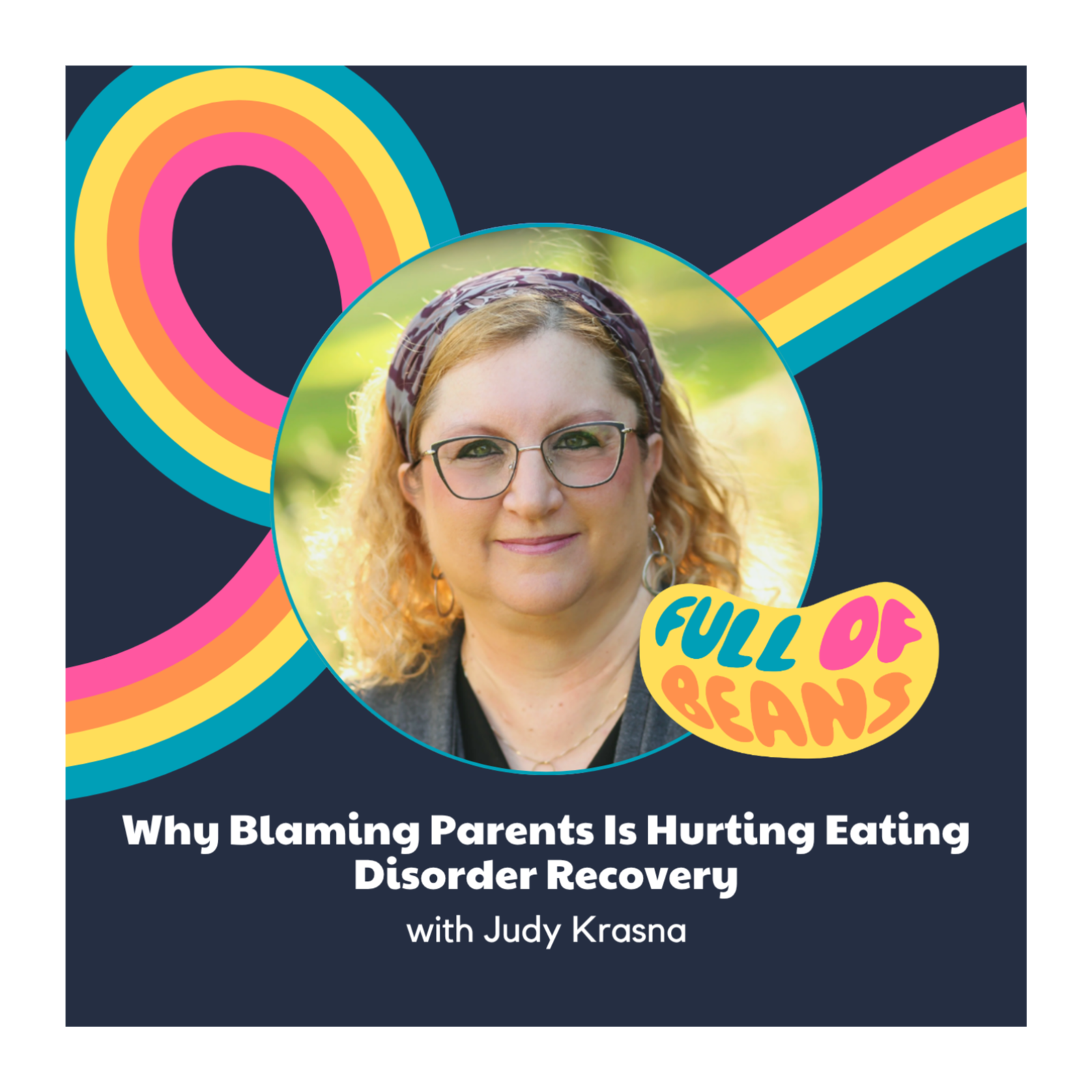
| 4/6/26 | ![]() Why Blaming Parents Is Hurting Eating Disorder Recovery with Judy Krasna | In this episode, Hannah is joined by Judy Krasna, Executive Director of F.E.A.S.T. (Families Empowered and Supporting Treatment for Eating Disorders). Judy is a writer and eating disorder advocate based in Israel, and after volunteering for F.E.A.S.T. in multiple capacities, she became the organisation's Executive Director in February 2021.Judy joins Hannah for a deeply moving and insightful conversation about what it means to be a parent supporting a child through an eating disorder: the isolation, the guilt, the exhaustion, and the incredible power of love and community. Judy also shares her own personal journey, including the tragic loss of her daughter Gavriella, who passed away in 2020 after a 13-year battle with anorexia nervosa.This one is raw, honest, and so important. We hope it brings comfort and clarity to any parent or loved one who needs it.In this episode, we talk about:What F.E.A.S.T. is and how it supports families across the worldWhy eating disorders can be so isolating for parents and carersThe damaging impact of parent blame in treatmentWhy families should be seen as part of the solution, not the problemThe long-term impact of trauma on parents supporting a loved oneHow eating disorders can distort trust, self-trust, and family relationshipsWhy support systems are so important in recoveryThe challenge of balancing protection with independenceWhat Judy wants parents at breaking point to knowJudy's incredibly honest reflections on losing her daughter, Gavriella Connect with Us:Subscribe to the Full of Beans PodcastFollow Full of Beans on InstagramCheck out our websiteListen on YouTubeConnect with FEAST via their website (feast-ed.org/)⚠️ Content Note: This episode includes discussion of eating disorders and suicide. Please look after yourself as you listen.If you enjoyed this episode, don’t forget to subscribe, rate, and share to help us spread awareness.Sending positive beans your way, Han 💛 | 43m 15s | ||||||
| 3/30/26 | ![]() Bulimia, Compulsive Exercise & Late Neurodivergence Diagnosis with Mel Nelson | In this episode, I'm joined by Mel Nelson, a qualified counsellor, Senior Counsellor at an eating disorder charity (SWEDA), and autism-informed practitioner, to discuss the intersection of undiagnosed neurodiversity, compulsive exercise, and eating disorder behaviours.Mel spent over 25 years working in the dance and fitness industry before retraining as a counsellor, and she brings together a really rare combination of lived experience and professional expertise. We got into some really honest territory in this one, and I think so many of you are going to hear yourselves in this conversation.In this episode, we cover:Why bulimia stays hidden for so long (and the shame that keeps it that way)The "fitting in" feeling and why it can make an eating disorder so hard to spotHow neurodivergence and eating disorders can look so similar from the outsideWhy routine isn't always just a neurodivergent thing (and how to tell the difference)What compulsive exercise and purging have more in common than people realiseThe late diagnosis that changed everything, and why it's never too lateWhy recovery sometimes has to start with the smallest of changesConnect with Us:Subscribe to the Full of Beans PodcastFollow Full of Beans on InstagramCheck out our websiteListen on YouTubeConnect with Mel via her website (newday-counselling.co.uk) or Instagram (@newday_counselling)⚠️ Content Note: This episode includes discussion of eating disorders, compulsive exercise, bulimia, depression, and neurodivergence. Please look after yourself as you listen.If you enjoyed this episode, don’t forget to subscribe, rate, and share to help us spread awareness.Sending positive beans your way, Han 💛 | 39m 11s | ||||||
| 3/23/26 | ![]() Understanding the Eating Disorder Voice and Your Values for Recovery with Holly Marsh | This week on the podcast, I’m joined by Holly Marsh, a psychotherapeutic counsellor who specialises in eating disorders in private practice, and someone who also brings her own lived experience of recovery into the room.Holly shares how, during her own recovery, she often found parts of treatment confusing… especially when they seemed to echo the very voice she was trying to challenge of not being "sick enough". That experience has really shaped how she now thinks about recovery, both personally and professionally.What We Cover in This EpisodeWhat the “eating disorder voice” actually is (and why it can feel confusing)How the eating disorder can shape-shift and mimic your own thoughtsThe “superpower” feeling and why it can be so hard to let goWhy recovery can feel worse before it feels betterThe role of values in guiding recoveryHow to start separating your thoughts from the eating disorderThe short-term “payoff” that keeps people stuckNavigating relationships and rebuilding trust with loved onesHonesty, identity, and the role of lived experience in recovery and professional workConnect with Us:Subscribe to the Full of Beans PodcastFollow Full of Beans on InstagramCheck out our websiteListen on YouTube⚠️ Content Note: This episode includes discussion of eating disorders, anorexia and recovery. Please take care when listening.If you enjoyed this episode, don’t forget to subscribe, rate, and share to help us spread awareness.Sending positive beans your way, Han 💛 | 51m 34s | ||||||
Want analysis for the episodes below?Free for Pro Submit a request, we'll have your selected episodes analyzed within an hour. Free, at no cost to you, for Pro users. | |||||||||
| 3/16/26 | ![]() Could Low-Dose Oral Ketamine Support People with Anorexia and Depression? with Professor Hubertus Himmerich | In this episode of the Full of Beans Podcast, I’m joined by Professor Hubertus Himmerich, Consultant Psychiatrist and Reader in Eating Disorders at King’s College London, and the principal investigator of the EDEN study.The EDEN study is the first study of its kind exploring whether low-dose oral ketamine, compared with placebo, could support people living with both anorexia nervosa and major depressive disorder.Depression affects around 50% of people with anorexia, and when low mood, anxiety and hopelessness are present, it can make recovery feel incredibly difficult. Traditional antidepressants often don’t work well for people with anorexia, which is why researchers are exploring new approaches.What We Cover in This EpisodeWhy is depression so common in anorexia nervosaWhy SSRIs often don’t work well in this populationThe science behind ketamine and how it affects brain plasticityWhy the EDEN study focuses on improving mood rather than weightHow depression can reduce hope and motivation in recoveryThe difference between medical ketamine treatment and recreational ketamine useHow the study has been shaped by people with lived experienceWhy new treatment approaches needed in the eating disorder fieldIf you're interested in taking part in the EDEN study, the team are currently recruiting participants! Please email eden@kcl.ac.uk to find out more!Connect with Us:Subscribe to the Full of Beans PodcastFollow Full of Beans on InstagramCheck out our websiteListen on YouTube⚠️ Content Note: This episode includes discussion of eating disorders, depression, ketamine use and mental health treatment.. Please take care when listening.If you enjoyed this episode, don’t forget to subscribe, rate, and share to help us spread awareness.Sending positive beans your way, Han 💛 | 35m 13s | ||||||
| 3/9/26 | ![]() Anti-Fat Bias and Weight Inclusive Eating Disorder Treatment with Mel Ciavucco | In this episode of the Full of Beans Podcast, I’m joined by Mel Ciavucco, an integrative counsellor, writer and trainer, to talk about weight stigma and the impact it has on eating disorder treatment and recovery.This conversation explores something that often sits at the heart of eating disorders but is still too often left unspoken: the fear of weight gain, the internalised beliefs people hold about larger bodies, and the ways those beliefs can show up in therapy, treatment, and recovery.In this episode, we explore:What weight stigma is and why it matters in eating disorder workWhy fear of fatness is often central to eating disorder distressHow diet culture and anti-fat bias shape treatment and recoveryWhy people in larger bodies are often overlooked or misunderstood in servicesThe harm caused by focusing on weight loss instead of relationship with foodWhy “don’t worry, we won’t let you get fat” is so problematic in treatmentThe importance of curiosity over reassurance when exploring fear of weight gainHow therapists’ own internalised biases can affect ethical practiceWhy body acceptance and safety are crucial for recoveryHow self-worth, anger, compassion, and social justice can all play a role in healingThis is such an important conversation about compassion, nuance, and creating a world where recovery feels safer for everybody.Connect with Us:Subscribe to the Full of Beans PodcastFollow Full of Beans on InstagramCheck out our websiteListen on YouTubeVisit Mel's website or follow her on Instagram @melciavuccocounsellingContent warning: This episode includes discussion of eating disorders, body image, weight stigma, fatphobia, and disordered eating. | 40m 43s | ||||||
| 3/5/26 | ![]() Supporting Girls in a Pressured World with Body Image, Puberty & Social Media with Dr Charlotte Markey | Today I’m joined by Dr Charlotte Markey, Professor of Psychology at Rutgers University and a world-leading expert in body image research with over 25 years of research into body image and eating behaviours.Girls today are facing growing pressures around appearance, and with the rise of social media and the lasting impact of the pandemic, it’s becoming even harder for young people to feel confident and comfortable in their bodies.Charlotte’s updated book, The Body Image Book for Girls, is designed for ages 9–15 and gives practical, evidence-based tools to help girls understand puberty, navigate social media, challenge body image myths, and build a healthier relationship with their bodies.If you’re a parent, teacher, clinician, or someone who cares about the pressures young people are growing up with today, this conversation is for you.Key Takeaways:Why Charlotte released an updated edition, and what’s changed in recent yearsHow shame keeps body image struggles hidden, and why open conversations matterThe different body pressures facing girls and boys todayWhy body image concerns often linger, even in eating disorder recoverySocial media as a risk factor and how to make your feed saferWhy puberty can be a particularly vulnerable time for girls’ body imageHow parents and educators can respond: validate first, ask questions, and seek support earlyTimestamps:00:00: Introduction and Charlotte’s background03:40: Why the book exists and the importance of early support12:20: Clinical insights: body image and eating disorder recovery21:35: Social media, algorithms, and taking breaks30:10: Puberty and body changes38:35: Supporting young people: what adults can doResources & LinksThe Body Image Book series: TheBodyImageBook.comConnect with Us:Subscribe to the Full of Beans PodcastFollow Full of Beans on InstagramCheck out our websiteListen on YouTube⚠️ Content Note: This episode includes discussion of body dissatisfaction, eating disorders, weight and appearance pressures, puberty, and social media. Please take care when listening.If you enjoyed this episode, don’t forget to subscribe, rate, and share to help us spread awareness.Sending positive beans your way, Han 💛 | 45m 28s | ||||||
| 3/5/26 | ![]() Turning Hope Into Action Through Community and Collaboration with Vanessa Longley | In this week's episode of Full of Beans, Han is joined by Vanessa Longley, CEO of BEAT, the UK’s eating disorder charity. Vanessa is also a mum to a 21-year-old who is in recovery, and she brings a deeply compassionate perspective on what it’s really like to support someone you love through an eating disorder.This conversation was recorded during Eating Disorder Awareness Week, where the theme is community, and it really sits at the heart of this conversation. From the fear carers often carry in silence, to the power of ordinary conversations and shared moments, Vanessa shares what helps people keep going through the hardest days.If you’re supporting someone with an eating disorder and feeling overwhelmed… if you’re in recovery and rebuilding trust with the people around you… or if you care about improving eating disorder support and services, this episode is for you.Key Takeaways:Why community can be a powerful protective factor in recoveryWhat carers often carry behind the scenes, and why they need support tooThe instinct to “rescue” and how to support without letting fear leadWhy you don’t need to be an expert in food, you need to be yourself The importance of ordinary conversations and shared interestsHow modelling a future, a life beyond the illness, supports recoveryWhy collaboration between charities, clinicians, researchers and lived experience mattersHow BEAT supports people with eating disorders and those who care about themVanessa’s message: recovery is possible, and asking for help is the first stepTimestamps:00:00: Introduction and Vanessa’s role at BEAT04:30: Vanessa’s personal journey and experience as a parent10:30: Supporting carers and managing fear19:30: The role of community and finding support26:00: Supporting someone day-to-day and staying connected32:00: Collaboration, research, and improving services44:00: BEAT resources and where to get helpResources & LinksVisit Beat's Website to find information, phone, webchat, and email support and the helpfinder for eating disorder support in your local areaConnect with Us:Subscribe to the Full of Beans PodcastFollow Full of Beans on InstagramCheck out our websiteListen on YouTube⚠️ Trigger Warning: Mentions of eating disorders, relapse, inpatient care, food restriction, carer stress/anxiety, and mortality risk. Please take care when listening.If you enjoyed this episode, don’t forget to subscribe, rate, and share the podcast to help us spread awareness.Sending positive beans your way, Han 💛 | 49m 33s | ||||||
| 2/16/26 | ![]() The GLP-1 Conversation: Why Nuance and Psychological Support Matter with Dr Courtney Raspin | Today I'm joined by Dr Courtney Raspin, a Chartered Counselling Psychologist and Clinical Director of Altum Health, a specialist eating disorders and mental health clinic in London. Courtney has over 25 years of clinical experience, including a decade in one of the NHS's largest eating disorder services.She's just co-authored a book called The Weight Loss Prescription with psychiatrist Dr Max Pemberton (available 26th Feb!) - a book about the psychology of GLP-1 weight loss medications like Wegovy and Mounjaro. Given her background in eating disorders, Courtney has a nuanced perspective on weight loss medications, which I think is really important to hear.If you’re in eating disorder recovery and feeling unsettled by the rise of GLP-1 medications… if you’ve noticed feelings of jealousy, confusion or fear around them… or if you’re trying to understand where health support ends and diet culture begins, this conversation is for you.Key Takeaways:How Courtney’s work in eating disorders shaped her approach to weight managementThe warning signs of high drive for thinnessWhy weight loss doesn’t automatically improve body imageThe difference between body neutrality and body positivityWhy GLP-1 medications aren’t inherently harmfulThe risks of unregulated access, online prescribing, and counterfeit medicationThe various causes of “food noise” and why GLP-1 medications may helpWhat psychological support in weight management actually involvesCourtney’s guidance on GLP-1s and eating disorder recoveryTimestamps:00:00 Courtney’s journey into weight management05:00 Body neutrality and realistic body image work08:30 Understanding GLP-1s: benefits, risks and misconceptions12:00 Food noise and why context matters16:00 The psychological work behind lasting change21:00 Health vs the thin ideal27:00 Tensions within the ED field and professional responses31:30 What to consider before starting GLP-1s34:30 Courtney’s book and final adviceResources & LinksFollow @drcourtneyraspin on InstagramConnect with Us:Subscribe to the Full of Beans PodcastFollow Full of Beans on InstagramCheck out our websiteListen on YouTube⚠️ Trigger Warning: Mentions of eating disorders (anorexia, bulimia, binge eating), restriction, weight loss, GLP-1 medications, and body image. Please take care when listening.If you enjoyed this episode, don’t forget to subscribe, rate, and share the podcast to help us spread awareness.Sending positive beans your way, Han 💛 | 39m 22s | ||||||
| 2/9/26 | ![]() A Mother’s Story of Navigating Sensory Sensitivities, ARFID and Family Life with Jo Read | In this episode of Full of Beans, Han is joined by Jo Read, a mum to two daughters, ARFID advocate and 1/3 of 3 Mums 1 Mission ARFID. Jo's youngest daughter, Ethel, is diagnosed with ARFID and is awaiting an autism assessment. Since supporting Ethel through her sensory-based eating difficulties, Jo has poured her energy into raising awareness, because when you’re living it, ARFID can feel unbelievably isolating.If you’re a parent or carer navigating food fears, sensory sensitivities, “helpful” comments that aren’t helpful, and the constant planning that comes with ARFID, this one is for you. You’re not doing it wrong. You’re responding to a very real, very complex need.Key Takeaways:The reality of ARFID as a genuine fear that can override hungerSensory sensitivities (texture, smell, predictability) are at the core of ARFIDWhy consistency and familiarity make certain foods feel saferThe limits of BMI as a marker of health in children with arfidHow sensory overload at mealtimes can increase food avoidanceThe impact of ARFID on family life, routines, siblings and social plansWhy “just stop feeding them” advice doesn’t work for ARFIDThe value of community, advocacy and finding people who understandHow progress in ARID can look small but still be meaningfulTimestamps:00:00 Jo’s story and Ethel’s ARFID diagnosis02:20 Early Signs of ARFID 05:30 BMI and Nutrition10:50 Safe foods, Predictability and Super Senses 14:10 The Sensory Overload of Eating 17:00 Family Impact: Days Out, Siblilngs, Friends20:20 Social Judgement and Support29:00 Looking Ahead and Slow ProgressResources & LinksFollow @eff_and_arfid on InstagramListen to the 3Mums1Mission ARFID PodcastConnect with Us:Subscribe to the Full of Beans PodcastFollow Full of Beans on InstagramCheck out our websiteListen on YouTube⚠️ Trigger Warning: Mentions of eating disorders, ARFID. Please take care when listening.If you enjoyed this episode, don’t forget to subscribe, rate, and share the podcast to help us spread awareness.Sending positive beans your way, Han 💛 | 36m 46s | ||||||
| 2/2/26 | ![]() A Mother’s Story of Navigating ARFID, Anxiety and Autism with Sarah Woodruff | In this episode of Full of Beans, Hannah is joined by Sarah Woodruff, mum to Grace and 1/3 of the podcast 3Mums1MissionARFID. Sarah co-created the podcast after feeling deeply isolated navigating her daughter’s eating difficulties, wanting to create a space where parents could hear stories that reflected their own and feel less alone. In this conversation, Sarah shares Grace’s journey in more depth, including the years of uncertainty, dismissal, escalation, and the ongoing reality of supporting a child with ARFID and autism.This episode is for parents, carers, and SEN professionals who are feeling unheard or wondering whether they’re “overreacting.” It offers reassurance that you’re not imagining it, permission to trust your instincts, and comfort in knowing that others have walked a similar path. Above all, it’s a reminder that ARFID is complex, individual, and never a result of bad parenting.Key takeaways:What ARFID can look like beyond early childhoodWhy the term “late-onset ARFID” deserves questioning.How autism, sensory overwhelm and anxiety can affect eatingWhy emetophobia (fear of vomiting) can make eating feel genuinely unsafeHow school stress and transitions can exacerbate ARFID in childrenHow ARFID differs from “fussy eating” How food avoidance can lead to weight loss, distress, or social isolationHow lowering pressure around food can support ARFID recoveryThe power of parental intuition, even when professionals dismiss concernsTimestamps:02:50 Grace’s early eating and when things began to change07:40 Anxiety, school stress, and the escalation of food restriction10:10 ARFID, emetophobia, and reaching crisis point13:30 Hospital care, NG tube feeding, and diagnosis22:50 Autism, masking, and questioning “late-onset” ARFID29:00 What helped: reducing pressure and rebuilding safety36:20 A message for parents who are questioning themselvesResources & LinksListen to the 3Mums1Mission ARFID PodcastConnect with Us:Subscribe to the Full of Beans PodcastFollow Full of Beans on InstagramCheck out our websiteListen on YouTube⚠️ Trigger Warning: Mentions of eating disorders, ARFID, NG tube feeding. Please take care when listening.If you enjoyed this episode, don’t forget to subscribe, rate, and share the podcast to help us spread awareness.Sending positive beans your way, Han 💛 | 43m 33s | ||||||
| 1/26/26 | ![]() A Mother’s Story of Navigating ARFID, Choking Fears and PEG Feeding with Michelle Jacques | In this week's episode, Han is joined by Michelle Jacques. Michelle is a devoted mum of two who has lived with ARFID since her son started weaning. Through her own experience of supporting her son with ARFID, she has become a passionate advocate, working tirelessly to raise awareness and support others navigating life with this complex food intake disorder. She is the founder of @arfid_life_uk, where she raises awareness of ARFID by sharing her family's experience.This episode holds space for the grief, the guilt, the fight, and also the hope, including the unexpected shift Michelle has seen as her son’s body becomes nourished again.This week, we discuss:What ARFID can look like and how it can go beyond “picky eating.”How sensory differences, autistic eating, and ARFID can overlapHow illness can trigger choking fears and a trauma response that reinforces food avoidanceWhat it’s like when a child’s intake drops to just a couple of “safe” itemsWhat a PEG (gastrostomy tube) is and how PEG feeding can support ARFIDThe emotional impact of PEG decisions for parents, including grief andguiltWhy nutrition can change anxiety, rigidity, and capacityThe role of advocacy in ARFID awarenessHow to document ARFID symptoms to report to a doctorTimestamps:03:10 Sensory differences, autism, and how ARFID developed over time07:40 Illness, choking fears, and how trauma can collapse food intake09:15 Hospitalisation: constipation and appendix surgery18:30 What a PEG is (and what people often misunderstand about it)29:40 How PEG feeding can support ARFID41:30 Guilt, grief, and learning to let the feelings exist45:10 ARFID Advocacy workResources & LinksFollow @arfid_life_uk on InstagramListen to the 3Mums1Mission ARFID PodcastConnect with Us:Subscribe to the Full of Beans PodcastFollow Full of Beans on InstagramCheck out our websiteListen on YouTube⚠️ Trigger Warning: Mentions of eating disorders, ARFID, NG tube feeding. Please take care when listening.If you enjoyed this episode, don’t forget to subscribe, rate, and share the podcast to help us spread awareness.Sending positive beans your way, Han 💛 | 55m 02s | ||||||
| 1/19/26 | ![]() Voices of Experience in Eating Disorders with Kel O'Neill | Kel O’Neill is a UK-based counsellor, educator, researcher, and lived-experience advocate specialising in eating disorders. She is the founder of Mental Health Bites, creator of The Eating Disorder Recovery Companion, and the curator of VOXED – Voices of Experience in Eating Disorders. Kel’s work focuses on ethical, trauma-informed practice, challenging stigma, and bridging the gap between lived experience and professional knowledge.This week, we discuss:What VoxED is and why Kel created it.Why eating disorder education often feels inaccessible, and what VoxED is doing differently.How VoxED broadens “lived experience” to include clinicians, carers, researchers and community voices.Why lived experience shouldn’t be tokenistic, and how it can be valued as expertise.Why the eating disorder field needs shared spaces for nuanced, difficult conversations.How recovery goes beyond food and weight to identity, meaning and living.Timestamps:00:00: What is VoxED?02:10 :Where did the idea began (EDAW 2021)05:10: Who's speaking at VoXED06:40: Moving beyond “tick-box” lived experience08:10: The purpose of VoxED: shared space + shared power14:40: Why change has been slow in eating disorders (and what’s missing)21:10: Recovery beyond food and weight: identity, meaning, and living42:10: VoxED details: date, access, recordings, and low-cost ticketsVoxED conference details:Date: Friday 13th FebruaryFormat: Fully online (9:00–18:30, with breaks)Tickets: self-select pricing options £20 / £37 / £50Resources & LinksFollow Kel on Instagram (@kel_mhb)Visit Kel's website (www.counsellingandtraining.co.uk) to find out more about VOXEDSubscribe to the Full of Beans PodcastFollow Full of Beans on InstagramCheck out our websiteListen on YouTubeIf you enjoyed this episode, don’t forget to subscribe, rate, and share the podcast to help us spread awareness.Sending positive beans your way, Han 💛 | 46m 55s | ||||||
| 1/12/26 | ![]() 3 Mum’s 1 Mission ARFID (Part 1) with Michelle Jacques, Sarah Woodruff and Jo Read | In this week's episode, Han is joined by Michelle Jacques, Sarah Woodruff and Jo Read. Together, they are the hosts of 3Mums1MissionARFID, which is on a mission to raise awareness regarding ARFID as a result of their experience of navigating their own experience of supporting their children with ARFID. This week, we discuss:What ARFID is and how it differs from “fussy eating”How sensory sensitivity, gag reflexes, and nervous system overload affect eatingHow fear of choking and emetophobia (fear of vomiting) can drive food avoidanceHow illness and medical trauma can cause sudden drops in food intakeWhat it feels like to parent a child with ARFID, including guilt, grief, and constant vigilanceHow dismissal and judgment from professionals and others impact familiesWhat an ARFID diagnosis can offer, and where support often still falls shortHow NG and PEG feeding can become part of ARFID care and the complex emotions that come with itHow school stress, anxiety, and social pressures can contribute to late-onset ARFIDWhy peer connection and lived-experience support are so powerful for parentsTimestamps:04:20 Why they started Three Mums One Mission: ARFID11:00 Jo: sensory sensitivity, gag reflex, and “typical” feeding advice that didn’t fit20:50 Michelle: illness triggers, supplements, and PEG feeding32:00 Sarah: late-onset ARFID, school anxiety, crisis point + hospital experienceResources & LinksFollow @3Mums1MissionARFID on Instagram Connect with Us:Subscribe to the Full of Beans PodcastFollow Full of Beans on InstagramCheck out our websiteListen on YouTube⚠️ Trigger Warning: Mentions of eating disorders, ARFID, NG tube feeding. Please take care when listening.If you enjoyed this episode, don’t forget to subscribe, rate, and share the podcast to help us spread awareness.Sending positive beans your way, Han 💛 | 53m 03s | ||||||
| 12/29/25 | ![]() Zara’s Story & The APPG Report: Preventing Eating Disorder Deaths | In this week’s episode of Full of Beans, Hannah is joined by Debs Taylor, mum to Zara Taylor, to talk about Zara’s life, her battle with anorexia, and the new APPG report on preventing deaths from eating disorders, which is dedicated to Zara. Debs is the Operations and Project Manager at Dump the Scales CIC, bringing a unique blend of lived experience, organisational expertise, and campaign passion to the team. As a devoted parent and carer with over a decade supporting her daughter through an eating disorder, she has become a dedicated advocate for improved awareness, support, and systemic change. Debs also serves on the UK FEAST Executive team and represents FEAST within the Wales Eating Disorders Clinical Implementation Network. This conversation is a tribute to Zara’s kindness, courage and determination to recover, and a call for urgent change in how eating disorders are understood and treated.This week, we discuss:Zara's experience of anorexia and her diagnosis journeyZara's treatment experience of a decade of inpatient admissions Why being labelled “complex” triggered a sense of hopelessnessZara's motivation to recover and lack of clinical supportThe preventable loss of Zara and the devastation for her familyA look Inside the APPG “Prevention of Deaths” report Calls for a national strategy, proper training and real accountabilityTimestamps05:00 – Zara’s early life, character, and dreams for the future10:00 – First signs of illness, delayed diagnosis and early admissions18:00 – Years in inpatient units: isolation, tube feeding and lack of continuity24:00 – “Complex cases”, blame, and the impact of hopeless language31:00 – Zara’s growing wish to recover and barriers to appropriate care36:00 – Zara’s death, the inquest, and why Debs believes it was preventable44:00 – Inside the APPG “Prevention of Deaths” report and its main asks52:00 – How listeners can support the campaign and honour Zara’s legacyResources & LinksVisit the Dump the Scales website to read the APPG report and find out more.Connect with Us:Subscribe to the Full of Beans Podcast hereFollow Full of Beans on Instagram hereCheck out our website hereListen on YOUTUBE here⚠️ Trigger Warning: Mentions of eating disorders and suicide. Please take care when listening.If you enjoyed this episode, don’t forget to subscribe, rate, and share the podcast to help us spread awareness.Sending positive beans your way, Han 💛 | 40m 59s | ||||||
| 12/22/25 | ![]() The New Maudsley Approach - Support Eating Disorder Carers with Jenny Langley | In this week's episode, Hannah is joined by Jenny Langley, an advocate in the eating disorder community. After supporting her son through anorexia 20 years ago, Jenny has dedicated her life to making sure families feel informed, empowered, and never alone.For over 15 years, Jenny has worked with the Eating Disorders Research team at the Institute of Psychiatry and is trained in the New Maudsley Model, where she now coaches carers, trains clinicians, and delivers practical skills workshops. She is co-author of the New Maudsley Skills-Based Training Manual and writer of Boys Get Anorexia Too, a book that has helped countless families feel seen.This week, we discuss:What it’s really like to support a child through anorexia as a parentThe shock, guilt, shame many carers describeEarly inpatient treatment, trauma, and learning on the job as a familyThe New Maudsley approach for supporting family dynamicsThe animal metaphors (rhino, kangaroo, jellyfish, terrier, ostrich, dolphins, St Bernard)Why carers’ self-care isn’t selfish, it’s essentialThe unique role of dads and male carersRelapse, “safety behaviours” and why recovery often looks more like discoveryCarers matter. Families matter. And with the right support, they can be powerful allies in recovery – not by being perfect, but by staying, learning and loving through the mess.Timestamps:01:20 – Jenny’s Story05:30 – Emotions Felt By Parents and Carers11:00 – Externalising the eating disorder as “Rex”16:40 –The New Maudsley Approach28:20 – Animal Metaphors and Carer Styles41:00 – Treatment Trauma, NG Feeding and Post-Discharge55:10 – Dads, Male Carers and Keeping Communication OpenResources & LinksConnect with Jenny visit her websiteConnect with Us:Subscribe to the Full of Beans Podcast hereFollow Full of Beans on Instagram hereCheck out our website hereListen on YOUTUBE here⚠️ Trigger Warning: Mentions of eating disorders. Please take care when listening.If you enjoyed this episode, don’t forget to subscribe, rate, and share the podcast to help us spread awareness.Sending positive beans your way, Han 💛 | 46m 35s | ||||||
| 12/15/25 | ![]() Creating an Eating Disorder Recovery-Friendly Christmas with Alix Walker | In this week's episode, Hannah is joined by Alix Walker. Alix is an eating disorder counsellor and coach, and a wellbeing speaker, who works with clients to overcome eating and body image difficulties following on from her own personal experience.This week's festive episode brings a real perspective of being in recovery at Christmas, with advice on how to navigate this season that isn't just a few quick tips that feel like they diminish the struggles of Christmas.This week, we discuss:Common challenges Alix supports her clients with during the festive periodThe pressure and overwhelm caused by Christmas marketsMaking recovery-focused decisions when challenging your eating disorderGiving yourself permission to engage in what feels right to youFinding compassion for others who are also stuck in diet culture thought patternsVisiting home for Christmas and experiencing emotional triggersFinding time for reflection or space during the festive seasonRedefining what Christmas means to you and making it what you needThe impact of social media on your own Christmas experienceTimestamps:01:20: Common Eating Disorder Struggles at Christmas03:20: Christmas Markets and Knowing When to Challenge06:13: Managing Guilt After Social Events07:41: Navigating Work Parties10:47: Finding Balance and Compassion14:17: Navigating Diet Talk16:57: Handling Comments from Family Members23:05: Taking Responsibility for Triggers26:29: Finding Personal Space29:14: Redefining the Meaning of Christmas Away from Social MediaResources & LinksFollow Alix on Instagram @counsellingwithalixCheck out Alix's LinktreeConnect with Us:Subscribe to the Full of Beans Podcast hereFollow Full of Beans on Instagram hereCheck out our website hereListen on YOUTUBE here⚠️ Trigger Warning: Mentions of eating disorders. Please take care when listening.If you enjoyed this episode, don’t forget to subscribe, rate, and share the podcast to help us spread awareness.Sending positive beans your way, Han 💛 | 37m 54s | ||||||
| 12/8/25 | ![]() “Just 1 or 2 People” #DyingForTreatment with Ailidh Musgrave | In this week’s episode of Full of Beans, I’m joined by Ailidh Musgrave, an eating disorder campaigner, whose story spans years of misdiagnosis, medical trauma, and being repeatedly told she was “too complex” to treat.Ailidh was diagnosed with anorexia at 13, and spent her teens and early adulthood in a cycle of nine inpatient admissions, severe depression, self-harm, sepsis, multiple surgeries and even temporary paralysis. Alongside her eating disorder, she lives with autism and Ehlers-Danlos Syndrome, which went misunderstood or dismissed for years.Now, two years out of hospital, back in education and moving in with her partner, Ailidh is using her experience to push for safer, more compassionate care and to challenge the Assisted Dying Bill through the #DyingForTreatment campaign.In this conversation, Ailidh shares what it’s like to be rejected from over 20 hospitals, labelled “too complex”, and still find her way back to life – and why she believes no one with anorexia should ever be put on a palliative pathway.This week, we discuss:Misdiagnosis, gastrointestinal symptoms and the long road to an EDS diagnosisThe dramatic shift from CAMHS to adult servicesHow autism and neurodivergence were misunderstood in eating disorder treatmentBeing turned away by over 20 hospitals and the “postcode lottery” of careWhy Ailidh is speaking out against the Assisted Dying Bill and the risk for people with anorexiaThe power of time, trust and being truly listened to in recoveryHow her mum held onto hope when she couldn’t – and why hope is the most important thing clinicians can offerLived experience and family perspectives are essential if we want eating disorder care to be truly compassionate, person-centred and safe. Ailidh’s story is a powerful reminder that no one is beyond help, no matter how long or how complex their journey has been.Timestamps:01:20 – Ailidh's Experience of Inpatient Admissions05:50 – CAMHS vs Adult Inpatient Care09:40 – Autism and Misunderstanding14:10 – EDS Diagnosis and Medical Trauma18:30 – 9 Admissions in 13 Years24:20 – Community Aftercare and Service Gaps29:00 – Concerns About The Assisted Dying Bill36:40 – Finding Internal Motivation For Recovery43:10 – The Impact On FamilyResources & LinksConnect with Ailidh on LinkedInConnect with Us:Subscribe to the Full of Beans Podcast hereFollow Full of Beans on Instagram hereCheck out our website hereListen on YOUTUBE here⚠️ Trigger Warning: Mentions of eating disorders. Please take care when listening.If you enjoyed this episode, don’t forget to subscribe, rate, and share the podcast to help us spread awareness.Sending positive beans your way, Han 💛 | 47m 45s | ||||||
| 12/1/25 | ![]() From Eating Disorder Patient to Peer Researcher with Anna Carnegie | In this week's episode, Hannah is joined by Anna Carnegie. Anna is a Research Fellow at KCL, where she coordinates the Eating Disorders Clinical Research Network (or "EDCRN") and lends support to the UK Eating Disorders Genetics Initiative (or "EDGI UK"). Alongside her academic role, Anna brings her own lived experience of OCD, anorexia, and long-term recovery. She now uses that experience to shape research, advocate for better funding, and push for eating disorder studies that truly centre the people they’re supposed to help.This week, we discuss:The huge funding gap in eating disorder research and why it mattersWhat EDCRN and EDGI UK are, and how they’re trying to answer basic questions about “what works”Genetics, metabolism, and why there is no single “eating disorder gene”The emotional burden and boundaries of working as a peer researcherAnna’s journey through OCD, anorexia, and treatment in Ireland and the UKHow lived experience can shape research design, language, and prioritiesThe life-changing impact of an NHS admission that focused on life goals, not just weightWhy one-size-fits-all treatment doesn’t work and the need for truly individualised careTimestamps:00:00 – Introducing Anna and her roles at King’s, EDCRN & EDGI UK04:00 – The reality of underfunding in eating disorder research08:30 – Lived experience, stigma, and language in research settings14:00 – Peer research, boundaries, and “naming the elephant in the room”20:00 – Anna’s story: OCD in childhood, anorexia in adolescence, and treatment in Dublin37:00 – What EDCRN does and why standardised outcome data is so important42:00 – Genetics, vulnerability, the “jar” analogy, and prevention46:00 – One-size-fits-all treatment, neurodiversity, and hopes for the future of ED careResources & LinksConnect with Anna on X (@Anna_Carnegie)Connect with Anna on Blue Sky (@annacarnegie.bsky.social)Find out more about EDCRNFind out more about EDGI UK or email edgi@kcl.ac.ukConnect with Us:Subscribe to the Full of Beans Podcast hereFollow Full of Beans on Instagram hereCheck out our website here⚠️ Trigger Warning: Mentions of eating disorders and OCD. Please take care when listening.If you enjoyed this episode, don’t forget to subscribe, rate, and share the podcast to help us spread awareness.Sending positive beans your way, Han 💛 | 50m 11s | ||||||
Showing 25 of 271
Sponsor Intelligence
Sign in to see which brands sponsor this podcast, their ad offers, and promo codes.
Chart Positions
2 placements across 1 market.
Chart Positions
2 placements across 1 market.