
Insights from recent episode analysis
Audience Interest
Podcast Focus
Publishing Consistency
Platform Reach
Insights are generated by CastFox AI using publicly available data, episode content, and proprietary models.
Most discussed topics
Brands & references
Total monthly reach
Estimated from 17 chart positions in 17 markets.
By chart position
- 🇨🇦CA · Nutrition#1025K to 30K
- 🇦🇺AU · Nutrition#1315K to 30K
- 🇺🇸US · Nutrition#1535K to 30K
- 🇬🇧GB · Nutrition#1845K to 30K
- 🇸🇪SE · Nutrition#1011K to 10K
- Per-Episode Audience
Est. listeners per new episode within ~30 days
27K to 124K🎙 ~2x weekly·220 episodes·Last published 2d ago - Monthly Reach
Unique listeners across all episodes (30 days)
54K to 248K🇨🇦12%🇦🇺12%🇺🇸12%+14 more - Active Followers
Loyal subscribers who consistently listen
22K to 99K
Market Insights
Platform Distribution
Reach across major podcast platforms, updated hourly
Total Followers
—
Total Plays
—
Total Reviews
—
* Data sourced directly from platform APIs and aggregated hourly across all major podcast directories.
On the show
From 10 epsHost
Recent guests
Recent episodes
The Chronic Pain and Diet Culture Connection Nobody's Talking About with DK Ciccone, Author of You're Meant to Move
Jun 22, 2026
1h 04m 36s
Reclaiming Childfree: Chrissy King & Claire Gould on Bodily Autonomy, Reproductive Justice, and Wanting More Than "Fine"
Jun 15, 2026
1h 10m 12s
Diet Culture Recovery, OCD, and Size Inclusive Fashion: Viva Voce Founder Kate Zigrang on What Healing Actually Requires (Part Two)
Jun 8, 2026
6m 12s
Inherited Body Shame, Disordered Eating, and Learning to Stop Fighting a Body You Were Always Going to Have with Kate Zigrang
Jun 1, 2026
39m 24s
Is It OCD, Anxiety, or Disordered Eating? The Overlap, the Misdiagnosis, and Why It Matters for Recovery with Dana Colthart, LCSW
May 25, 2026
24m 06s
Social Links & Contact
Official channels & resources
Official Website
Login
RSS Feed
Login
| Date | Episode | Topics | Guests | Brands | Places | Keywords | Sponsor | Length | |
|---|---|---|---|---|---|---|---|---|---|
| 6/22/26 |  The Chronic Pain and Diet Culture Connection Nobody's Talking About with DK Ciccone, Author of You're Meant to Move | I'm joined by DK Ciccone — comprehensively certified Pilates instructor, pain reprocessing therapy practitioner, and author of You're Meant to Move — for a conversation that is both deeply personal and clinically rich. We talk about what chronic pain actually is, why so many people have been dismissed or mislabeled, and what it looks like to rebuild a relationship with movement that isn't driven by fear, punishment, or diet culture.This was originally a paid episode. Consider upgrading to a paid subscription to keep Full Plate going: https://abbieattwoodwellness.substack.com/subscribeIn this episode:DK's journey with chronic pain and her past as a dancerHow chronic pain forms and why the pain is real even in the absence of ongoing tissue damageThe nervous system science behind pain sensitization — and why catastrophizing physically amplifies painKinesiophobia: the fear of movement that develops after chronic pain, and how to work through itSomatic tracking and pain reprocessing therapy as tools for understanding pain signalsHow to explore the difference between pain and discomfortDK's "refuge and reach" framework for rebuilding a movement practice incrementallyExploring functional movement versus "exercise"The research debunking weight loss as a solution for chronic painWhy restriction and dieting actually increase chronic pain risk — and the clinical evidence behind itHow trauma and disconnection from the body compound the chronic pain experienceWhat embodied movement looks like when you're coming back from years of diet culture messagingAbout DK Ciccone: Dana Karen ("DK") Ciccone is a comprehensively certified Pilates instructor who helps people in pain improve strength, mobility, and well-being in a weight-neutral environment. She is trained in pain reprocessing therapy through the Pain Psychology Center and is the founder of Movement Remedies, a chronic pain–focused Pilates studio and movement coaching business. Her book, You're Meant to Move: A Guide to Conquering Chronic Pain, Increasing Stress Resilience, and Reclaiming an Active Life, was released in December 2023.Support the show: Enjoying this podcast? Please support the show on Substack for bonus episodes, community engagement, and access to "Ask Abbie" at abbieattwoodwellness.substack.com/subscribe Apply for Abbie’s Group Membership:Already been at this anti-diet culture thing for a while, but want community and continued learning? Apply for Abbie's monthly membership: https://www.abbieattwoodwellness.com/circle-monthly-group Social media:Find the show on Instagram: @fullplate.podcastFind Abbie on Instagram: @abbieattwoodwellness This is a public episode. If you'd like to discuss this with other subscribers or get access to bonus episodes, visit abbieattwoodwellness.substack.com/subscribe | 1h 04m 36s | ||||||
| 6/15/26 | 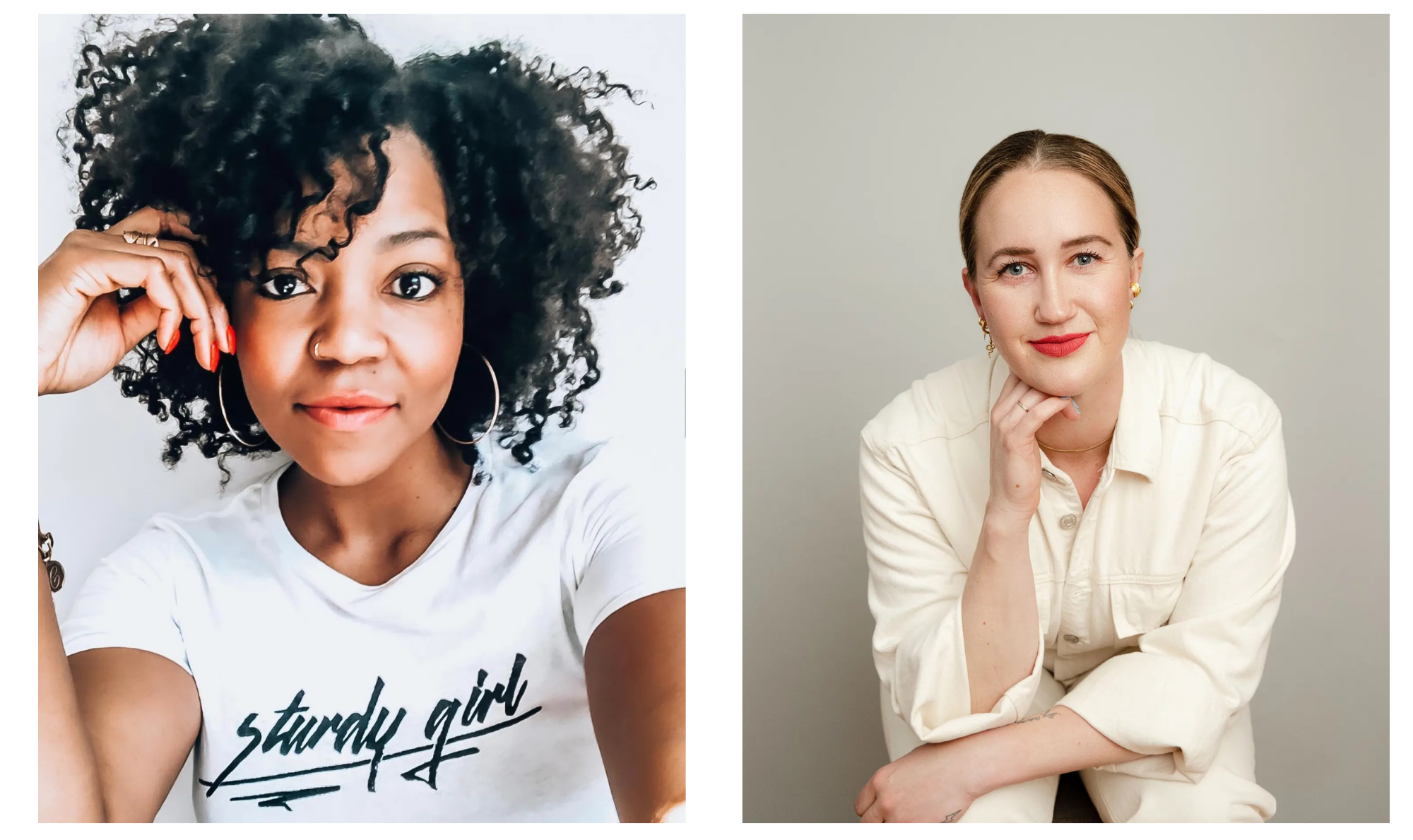 Reclaiming Childfree: Chrissy King & Claire Gould on Bodily Autonomy, Reproductive Justice, and Wanting More Than "Fine" | This week's episode is one I have been so excited to share. I'm joined by two brilliant, generous, and deeply thoughtful guests — writer, educator, and body liberation advocate Chrissy King, and creative and founder Claire — who have co-created the Child-Free Coven, a community and mutual aid space for people who are child-free, by choice or by circumstance.In this episode:*What the word “childfree” actually means — and why Chrissy and Claire are actively reclaiming it*Why being childfree is not anti-child, and the James Baldwin quote at the center of their community*Chrissy’s story: ending a marriage, being the first woman in her lineage to have this choice, and what liberation actually feels like*Claire’s story: knowing from her early teens, navigating a partner’s uncertainty, and how 25 years of undiagnosed endometriosis is inextricably linked to her childfree journey*The things people say to childfree women and what to make of them*The connection between body liberation and the childfree experience*Race, reproductive justice, and how this conversation is profoundly different depending on who you are*The political moment we’re in — bodily autonomy, forced birth, and what history tells us about these tactics*What it means to pour your love, attention, and energy into the world without motherhood as the vehicle*The difference between grief and regret*What Chrissy means when she says she wanted more than “fine”Resources:Find The Childfree Coven on Substack and InstagramChrissy’s book: The Body Liberation ProjectClaire on Instagram and Chrissy on InstagramRachel Cargill / Rich Auntie SupremeResmaa Menakem, My Grandmother’s HandsTricia Hersey / Rest is ResistanceSupport the show: Enjoying this podcast? Please support the show on Substack for bonus episodes, community engagement, and access to "Ask Abbie" at abbieattwoodwellness.substack.com/subscribeApply for Abbie’s Group Membership: https://www.abbieattwoodwellness.com/circle-monthly-group Find the show on Instagram: @fullplate.podcastFind Abbie on Instagram: @abbieattwoodwellness This is a public episode. If you'd like to discuss this with other subscribers or get access to bonus episodes, visit abbieattwoodwellness.substack.com/subscribe | 1h 10m 12s | ||||||
| 6/8/26 |  Diet Culture Recovery, OCD, and Size Inclusive Fashion: Viva Voce Founder Kate Zigrang on What Healing Actually Requires (Part Two) | This is a free preview of a paid episode. To hear more, visit abbieattwoodwellness.substack.comThis is part two of my conversation with Kate Zigrang, founder of Viva Voce — and this is where everything shifts.To hear it: abbieattwoodwellness.substack.com/subscribeWe left off last week with Kate at a turning point: an OCD diagnosis, a doctor who finally told her the truth about her health, and something beginning to loosen. This episode is about what came next — the harder, slower, more relational work of actually stepping out of diet culture after a lifetime inside it.We cover:* Going no contact with her parents — the decision, the grief, and what space it created* The complicated dynamic with her mom: over-apologizing, enmeshment, and why leaving felt both impossible and necessary* The slow, specific work of separating her own body from her mother's — learning to look at herself without dread* Religious deconstruction happening simultaneously with the body acceptance work and the mental health work — all three threads unraveling at once* The Manhattan pants incident — eighteen months of traveling the world, unable to find a single pair of pants in her size anywhere in New York City, and the rage that became a turning point* What Viva Voce actually is — a marketplace vetting brands for ethics, sustainability, and genuine size inclusivity* Why she insists on carrying straight and plus sizes in the same space* The pop-up strategy — and why she's bringing it to smaller cities on purpose* A data project collecting real body measurements to understand how clothes could actually be made better* Why belonging is at the center of every decision she makes — and what that looks like in practiceThis episode is for paid subscribers. If you'd like access to this conversation and the full archive, you can subscribe here:abbieattwoodwellness.substack.com/subscribeFind Kate and Viva Voce at vivavoce.live and on Instagram @vivavoce.liveSupport the show: Enjoying this podcast? Please support the show on Substack for bonus episodes, community engagement, and access to "Ask Abbie" at abbieattwoodwellness.substack.com/subscribeApply for Abbie’s Group Membership:Already been at this anti-diet culture thing for a while, but want community and continued learning? Apply for Abbie's monthly membership: https://www.abbieattwoodwellness.com/circle-monthly-groupFind the show on Instagram: @fullplate.podcastFind Abbie on Instagram: @abbieattwoodwellnessPodcast Cover Photography by Anya McInroyPodcast Editing by Brian Walters | 6m 12s | ||||||
| 6/1/26 |  Inherited Body Shame, Disordered Eating, and Learning to Stop Fighting a Body You Were Always Going to Have with Kate Zigrang✨ | body shamedisordered eating+4 | Kate Zigrang | Viva Voce | — | body imageOCD+5 | — | 39m 24s | |
| 5/25/26 |  Is It OCD, Anxiety, or Disordered Eating? The Overlap, the Misdiagnosis, and Why It Matters for Recovery with Dana Colthart, LCSW✨ | OCDanxiety+4 | Dana Colthart | abbieattwoodwellness.substack.comFull Plate | — | OCDanxiety+5 | — | 24m 06s | |
| 5/18/26 |  Moving Without Punishment: A Weight-Neutral Approach to Exercise with Anna Maltby✨ | weight-neutral movementfitness industry+4 | Anna Maltby | How to MoveEat This Not That+1 | — | movementexercise+5 | — | 56m 12s | |
| 5/11/26 |  Why Girls Are Struggling With Their Bodies More Than Ever with Dr. Charlotte Markey✨ | body imagemental health+4 | Dr. Charlotte Markey | Rutgers University | — | body imagediet culture+5 | — | 54m 58s | |
| 5/4/26 |  Dating in Recovery: On Vulnerability, Diet Culture in Relationships, and Finding Someone Who Can Handle the Hard Stuff (Bonus Episode)✨ | dating in recoverydiet culture+4 | Jeb | — | — | recoverydiet culture+5 | — | 6m 30s | |
| 4/27/26 | 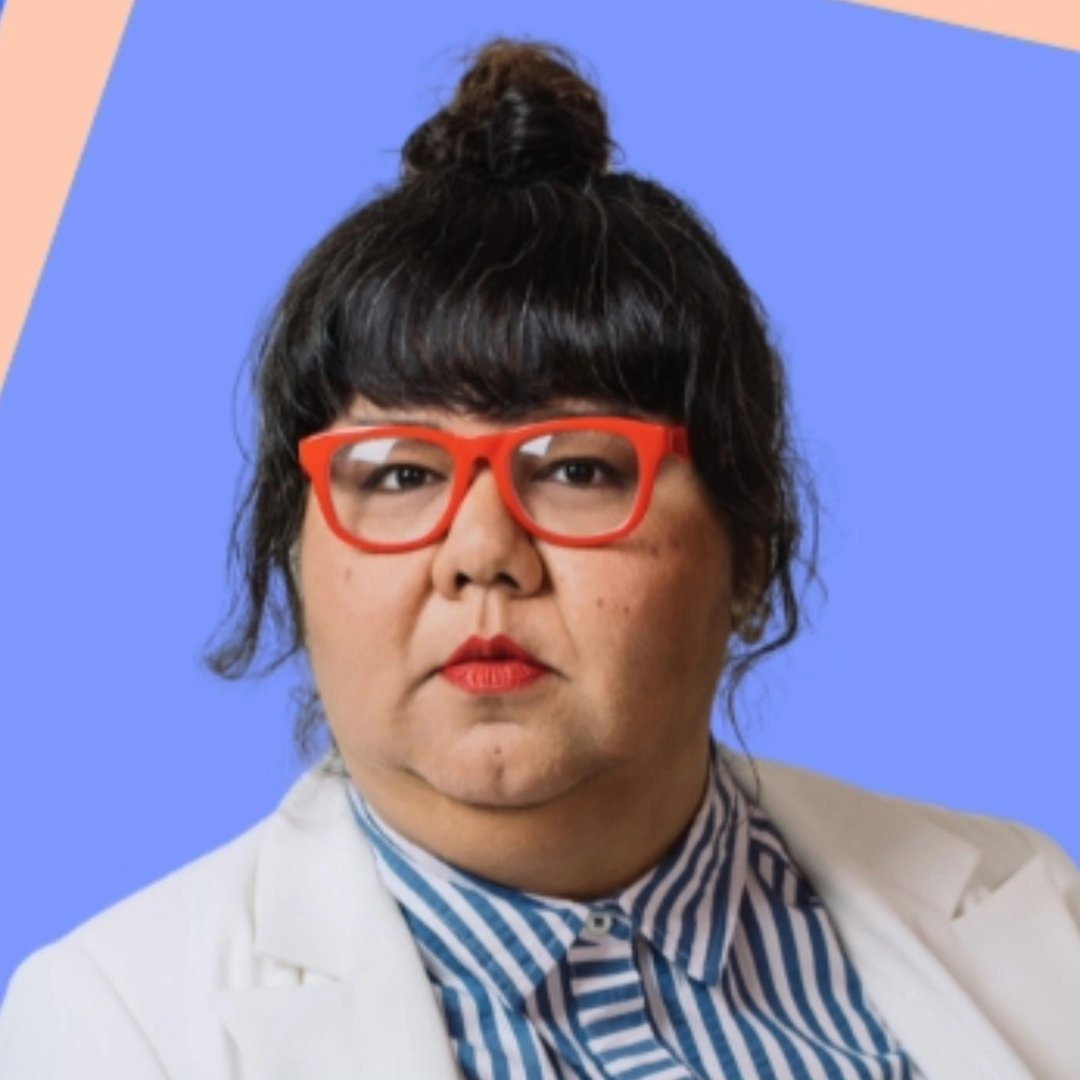 "GLP-1 Marketing is Scorched Earth": On Culture, Ethics, and Starvation States with Virgie Tovar✨ | GLP-1 medicationsweight stigma+5 | Virgie Tovar | GLP-1 medicationsbody positivity+1 | — | GLP-1appetite suppression+5 | — | 1h 03m 51s | |
| 4/20/26 |  “It Works Until It Doesn’t”: Under-Eating, Shrinking to Belong, and the Long Game of Taking Care of Your Body with Leslie Schilling, RD (Part Two)✨ | under-eatingbody image+5 | Leslie Schilling | Full Plate by Abbie Attwood | — | weight suppressionsarcopenia+5 | — | 5m 56s | |
Want analysis for the episodes below?Free for Pro Submit a request, we'll have your selected episodes analyzed within an hour. Free, at no cost to you, for Pro users. | |||||||||
| 4/13/26 |  The Dark Side of Discipline: Exercise Dependence, Under-Fueling, and Why Rest Feels So Hard with Leslie Schilling, RD✨ | exercise dependencedisordered eating+4 | Leslie Schilling | Cirque du SoleilNBA+1 | — | exercise dependenceunder-fueling+5 | — | 33m 13s | |
| 4/6/26 |  Can Dogs Heal What Therapy Alone Cannot? On Recovery, Mental Health, and the Human-Animal Bond with Shannon Kopp✨ | human-animal bondmental health+4 | Shannon Kopp | SoulPaws Recovery Project | — | recoverymental health+5 | — | 37m 42s | |
| 3/30/26 |  Kids, Body Image, GLP-1s, and Disordered Eating: What a Pediatrician Wants You to Know with Dr. Lauren Hartman✨ | body imageeating disorders+5 | Dr. Lauren Hartman | Aspen Grove Ayam | — | adolescent medicinedisordered eating+6 | — | 58m 14s | |
| 3/23/26 |  How Your Attachment Style Impacts Your Relationship with Food with Therapists Kate Garland and Vanessa Scaringi | This is a free preview of a paid episode. To hear more, visit abbieattwoodwellness.substack.comHow do our attachment styles shape our relationship with food, body image, and disordered eating? In this episode, I’m joined by therapists Vanessa and Kate to explore the powerful connection between attachment theory and eating behaviors—why food can feel like safety, control, or comfort, and how early relationships influence the way we cope today.If you’ve ever wondered why your patterns with food feel so hard to change, this conversation will help you understand them with more clarity and compassion.In this episode, we cover:*What attachment theory is and the four main patterns: secure, anxious, avoidant, and disorganized*How attachment patterns are linked to disordered eating and body image struggles*Looking as food behaviors through the lens of seeking safety and regulation*The difference between comfort-seeking and numbing (and why both can show up in any eating pattern)*How relationships and family dynamics can trigger changes in eating behaviors*The impact of diet culture, GLP-1 medications, and social media on body image and food choices*Why “rupture and repair” is essential for healing your relationship with food and your body*Practical ways to build a more secure, compassionate relationship with eatingSupport the show: Enjoying this podcast? Please support the show on Substack for bonus episodes, community engagement, and access to "Ask Abbie" at abbieattwoodwellness.substack.com/subscribeApply for Abbie’s Group Membership:Already been at this anti-diet culture thing for a while, but want community and continued learning? Apply for Abbie's monthly membership: https://www.abbieattwoodwellness.com/circle-monthly-groupSocial media:Find the show on Instagram: @fullplate.podcastFind Abbie on Instagram: @abbieattwoodwellness Find Kate & Vanessa on Instagram: instagram.com/calmcounselingatx/Vanessa Scaringi is a licensed psychologist based in Austin, Texas, working with adolescents, young adults, and adults. Through individual, group, and family therapy, she helps clients build self-awareness and recognize patterns that may be getting in the way of the life they want. Her work centers on creating a safe, collaborative space to explore difficult experiences, while integrating insight-oriented and evidence-based approaches to support meaningful, lasting change.Kathryn Garland is a licensed clinical social worker, supervisor, and certified eating disorder specialist. Her approach is collaborative and grounded in curiosity and trust, integrating psychoanalytic, relational, and mindfulness-based frameworks. She works with adolescents, adults, and couples navigating anxiety, depression, trauma, identity, disordered eating, body image concerns, and chronic illness. Her experience spans foster care, community mental health, college counseling, and eating disorder treatment, including leading an adolescent intensive outpatient program.Her work focuses on helping clients move through barriers, navigate transitions, and create meaningful, lasting change.Podcast Cover Photography by Anya McInroyPodcast Editing by Brian WaltersThis podcast is ad-free and support comes from your support on Substack. Subscribe HERE. | 29m 36s | ||||||
| 3/16/26 |  When Perfectionism Impacts Our Health, Body Image, and Self-Worth with Dr. Lisa Folden (best of) | Perfectionism shows up in how we see our bodies, measure our health, and define our worth. This week, I’m bringing back a listener favorite—my conversation with Dr. Lisa Folden, who is a physical therapist, anti-diet coach, and weight-inclusive movement practitioner.At its core, this episode is about how breaking free from perfectionism allows us to reclaim joy in our bodies, relationships, work, and yes—our lives.We get into so much, including:* Growing up as a “role model” and shedding that identity* What research really says about weight, joint pain, diabetes, and intentional weight-loss* Navigating disordered eating as a Black woman and why underdiagnosis is common* Rebuilding a joyful, intuitive relationship with movement* Letting go of the perfectionism trap and showing up authentically* How health providers can approach shifting from weight-centric to weight-inclusive careIf you’ve ever felt your worth is tied to your body or achievements, this conversation is full of science, compassion, and practical tools to help you move with freedom and joy.Find Lisa on IG: https://www.instagram.com/healthyphit/Find the show on IG: @fullplate.podcastFind Abbie on IG: @abbieattwoodwellnessSupport the show: Enjoying this podcast? Please support the show on Substack for bonus episodes, community engagement, and access to "Ask Abbie" at abbieattwoodwellness.substack.com/subscribeApply for Abbie’s Group Membership:Already been at this anti-diet culture thing for a while, but want community and continued learning? Apply for Abbie's monthly membership: https://www.abbieattwoodwellness.com/circle-monthly-groupPodcast Cover Photography by Anya McInroyPodcast Editing by Brian WaltersThis podcast is ad-free and support comes from your support on Substack. Subscribe HERE. This is a public episode. If you'd like to discuss this with other subscribers or get access to bonus episodes, visit abbieattwoodwellness.substack.com/subscribe | 1h 11m 27s | ||||||
| 3/9/26 | 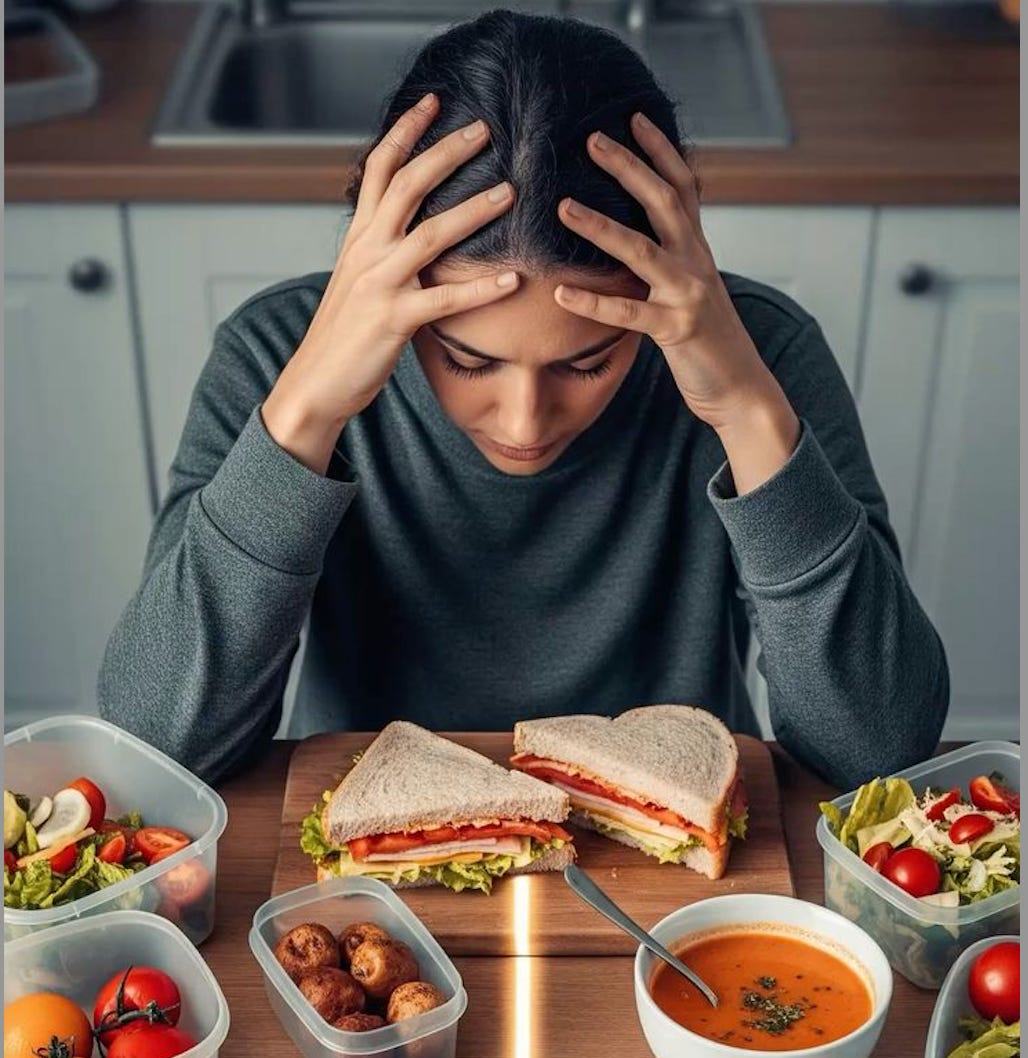 This S**t Is So Hard. Is Recovery Worth It? | This is a free preview of a paid episode. To hear more, visit abbieattwoodwellness.substack.comIn this bonus episode, Abbie is joined by her husband Jeb (nearly a decade sober) to respond to a listener question: Is healing actually worth how hard it feels?It's a listener favorite, vulnerable conversation about the messy middle of recovery — from dieting, disordered eating, addiction, and the coping mechanisms that once kept us afloat.Some of the topics discussed:Why recovery often feels harder before it feels betterThe short-term relief vs. long-term cost of coping mechanismsHow dieting and addiction share similar roots (shame, fear, inadequacy, belonging)Personal examples from Abbie and Jeb and pieces of their storiesPhysical vs. emotional discomfort in recovery — and how to tell the differenceThe power of community (and why healing in isolation is so much harder)Small, quiet “wins” that signal real healingWhy “dabbling” in restriction tends to snowballPrivilege, barriers to recovery, and the realities of healing in this worldHere is the question that inspired this episode:Hi Abbie,I’ve been recovering from decades of dieting and disordered eating. I’m completely on board with doing this work for myself, for my kids. I recognize now - many thanks to you - how much of my life has been wasted on trying to control my body.But I’m struggling, and many days I have these thoughts of: is this harder than just continuing to diet and restrict? I’m uncomfortable, I feel stressed and anxious, and it’s hard to cope with the body changes. I just feel defeated in many ways.I know I don’t want to go back, but at the same time, healing is feeling so hard. I am hoping you’ll have some advice for where to go from here. Your podcast has meant so much to me and my daughter. Thank you.AlexSupport the show: Enjoying this podcast? Please support the show on Substack for bonus episodes, community engagement, and access to "Ask Abbie" at abbieattwoodwellness.substack.com/subscribe Apply for Abbie’s Group Membership:Already been at this anti-diet culture thing for a while, but want community and continued learning? Apply for Abbie's monthly membership: https://www.abbieattwoodwellness.com/circle-monthly-group Social media:Find the show on Instagram: @fullplate.podcastFind Abbie on Instagram: @abbieattwoodwellness Podcast Cover Photography by Anya McInroyPodcast Editing by Brian WaltersThis podcast is ad-free and support comes from your support on Substack. Subscribe HERE. | 12m 02s | ||||||
| 3/2/26 |  "I Refuse to Be Good": Women, Bodies, and the Cost of Compliance with Savala Nolan | What if being “good” was never meant to protect us?In this powerful conversation, I’m joined by the incredible Savala Nolan (back for the second time) to talk about her new book Good Woman: A Reckoning, which is a lyrical, unflinching exploration of the expectations placed on women’s bodies, voices, marriages, appetites, and lives.We explore what happens when the bargain of goodness stops “working” and what becomes possible when we refuse it.Tune in for more on:* The myth that being “good” (thin, quiet, agreeable) will keep women safe* Midlife as rupture: dieting, divorce, and the unraveling of social conditioning* Body liberation as a daily practice — especially in the age of GLP-1s* What it means to become “illegible” to misogynistic culture* Raising daughters who are fluent in their bodies, not afraid of themThis is a conversation about wilderness, refusal, and the kind of freedom that feels both exciting and terrifying because of its importance and truth.Find Savala on IG: https://www.instagram.com/savalanolan/Order "Good Woman" here: https://savalanolan.com/Savala's Substack: https://savala.substack.com/Support the show: Enjoying this podcast? Please support the show on Substack for bonus episodes, community engagement, and access to "Ask Abbie" at abbieattwoodwellness.substack.com/subscribe Apply for Abbie’s Group Membership:Already been at this anti-diet culture thing for a while, but want community and continued learning? Apply for Abbie's monthly membership: https://www.abbieattwoodwellness.com/circle-monthly-group Social media:Find the show on Instagram: @fullplate.podcastFind Abbie on Instagram: @abbieattwoodwellness Podcast Cover Photography by Anya McInroyPodcast Editing by Brian WaltersThis podcast is ad-free and support comes from your support on Substack. Subscribe HERE. This is a public episode. If you'd like to discuss this with other subscribers or get access to bonus episodes, visit abbieattwoodwellness.substack.com/subscribe | 1h 18m 40s | ||||||
| 2/23/26 |  Fibermaxxing, Protein Hysteria, and the Trap of “More Is Better" | This is a free preview of a paid episode. To hear more, visit abbieattwoodwellness.substack.comFiber is having a moment — and like most wellness trends, the story is more layered than the headlines suggest. In this episode, we're slowing down the “fibermaxxing” conversation and coming at it through the lens of science, context, and a compassionate relationship with food.In this episode, we discuss:* What the fibermaxxing trend is, what the research actually says about fiber’s benefits, and where those benefits level off* How diet culture turns neutral nutrition advice (remember protein?) into extremes and appetite-control strategies* The difference between supporting fullness and suppressing hunger — especially in today’s GLP-1 and “nature’s Ozempic” era* Why this messaging can be particularly tricky for those healing from disordered eating or volume-eating patterns* How to approach fiber in a way that supports health without sacrificing nourishment, satisfaction, or trust in your bodySupport the show: Enjoying this podcast? Please support the show on Substack for bonus episodes, community engagement, and access to "Ask Abbie" at abbieattwoodwellness.substack.com/subscribe Apply for Abbie’s Group Membership:Already been at this anti-diet culture thing for a while, but want community and continued learning? Apply for Abbie's monthly membership: https://www.abbieattwoodwellness.com/circle-monthly-group Social media:Find the show on Instagram: @fullplate.podcastFind Abbie on Instagram: @abbieattwoodwellness Podcast Cover Photography by Anya McInroyPodcast Editing by Brian WaltersThis podcast is ad-free and support comes from your support on Substack. Subscribe HERE. | 16m 12s | ||||||
| 2/16/26 |  Raising Kids in Diet Culture: Eating Disorder Prevention, Protection, and Real Conversations with Zoë Bisbing, Body Image Therapist | How do kids learn about bodies and food before anyone even talks about it? Zoë Bisbing, psychotherapist and eating disorder specialist, joins me to unpack the invisible lessons our kids absorb—and how parents can respond to “hard body moments” without shame or overcorrection.We talk about:* Zoë’s journey from inpatient eating disorder treatment to prevention work—and how becoming a parent reshaped her lens.* What kids are really learning about bodies, food, and morality.* How to respond when a child expresses body distress.* Why tolerating “body grief” builds resilience and reduces eating disorder risk.* Why shutting down “I feel fat” with reassurance can accidentally close the door to connection.* What to actually say when your child brings you a hard body moment.* How “fix-it” energy can communicate fear—and what it looks like to tolerate discomfort instead.* Why prevention isn’t about perfection, but about creating an emotional climate where kids aren’t alone in their pain.* The surprisingly joyful role of simple pleasures—like toaster strudels—in fostering flexible eating.This episode isn't just for parents. We were all children once, impacted by diet culture in our family and beyond. So this is for anyone who wants to create a home where bodies and food are safe, not shameful.Support the show: Enjoying this podcast? Please support the show on Substack for bonus episodes, community engagement, and access to "Ask Abbie" at abbieattwoodwellness.substack.com/subscribe Apply for Abbie’s Group Membership:Already been at this anti-diet culture thing for a while, but want community and continued learning? Apply for Abbie's monthly membership: https://www.abbieattwoodwellness.com/circle-monthly-groupFind the show on Instagram: @fullplate.podcastFind Abbie on Instagram: @abbieattwoodwellnessFor more from Zoë:https://www.instagram.com/mybodypositivehome/https://www.bodypositivehome.com/abouthttps://bodypositivehome.substack.com/Podcast Cover Photography by Anya McInroyPodcast Editing by Brian WaltersThis podcast is ad-free and support comes from your support on Substack. Subscribe HERE. This is a public episode. If you'd like to discuss this with other subscribers or get access to bonus episodes, visit abbieattwoodwellness.substack.com/subscribe | 1h 02m 21s | ||||||
| 2/9/26 |  The Hidden Cost of Diet Culture in Endurance Sports with Zoë Rom and Kylee Van Horn, RD | This is a free preview of a paid episode. To hear more, visit abbieattwoodwellness.substack.comZoë Rom is a journalist, elite runner, and advocate for nuanced storytelling in sports media. Kylee Van Horn is a dietitian working directly with athletes. They join me to share their insights on how diet culture and running culture intersect. We explore nutrition myths, challenge unrealistic body ideals, and talk about what it means for athletes to foster a healthier, science-backed relationship with movement and food.Tune in for more on:* How diet culture shows up in running and endurance sports* The role of media in reinforcing harmful body standards for athletes* Why nutrition myths—especially around carbohydrates—are so persistent* The particular brand of disordered eating in runners* How the attention economy rewards extremes over nuance* The pressure athletes face with appearance and body composition* Why humor is such a powerful part of recovery and healing* What it means to ask deeper questions about our beliefs around food, health, and performance* The importance of representing diverse bodies in athleticsI hope you enjoy this one! It’s full of stories, science, and a little humor along the way—including why, yes, pizza really is the hero we all deserve.Support the show: Enjoying this podcast? Please support the show on Substack for bonus episodes, community engagement, and access to "Ask Abbie" at abbieattwoodwellness.substack.com/subscribe Apply for Abbie’s Group Membership:Already been at this anti-diet culture thing for a while, but want community and continued learning? Apply for Abbie's monthly membership: https://www.abbieattwoodwellness.com/circle-monthly-group Social media:Find the show on Instagram: @fullplate.podcastFind Abbie on Instagram: @abbieattwoodwellnessFind Zoë and Kylee: https://www.yourdietsuckspodcast.com/ Podcast Cover Photography by Anya McInroyPodcast Editing by Brian WaltersThis podcast is ad-free and support comes from your support on Substack. Subscribe HERE. | 16m 48s | ||||||
| 2/2/26 |  The Weight We Inherit: Dieting and Disordered Eating as Intergenerational Trauma with Therapists Ashley Wilfore and Sarah Louer | Therapists Ashley Wilfore and Sarah Louer know what it's like to have dieting and body shame passed down to you like a family heirloom. We discuss what it means to experience intergenerational trauma, how disordered eating and body hatred get inherited and perpetuated through family values and behaviors, and what it's like to grow up surrounded by diet culture in your home. Ashley and Sarah and speak with honesty, compassion, and humor about their experiences letting go of the pursuit of thinness, and trying to raise their own children while being cycle-breakers.Tune in to hear more about:- What’s on their plates (hint: foods to eat when you're sick, and an ode to eggplant...)- A clinical and personal definition of “intergenerational trauma”- Being impacted by generational passing down of dieting and body shame- How the idea that starving yourself is power has been believed by their family members who were otherwise independent-minded and strong - Specific moments and vivid memories from childhood that form beliefs today- Overhearing the women they looked up to talking about their own bodies- The moments they realized they couldn’t keep dieting and over-exercising - The intentional decisions they made as mothers when it comes to food and body talk- How they handle their parents' anti-fat bias todaySupport the show: Enjoying this podcast? Please support the show on Substack for bonus episodes, community engagement, and access to "Ask Abbie" at abbieattwoodwellness.substack.com/subscribe Apply for Abbie’s Group Membership:Already been at this anti-diet culture thing for a while, but want community and continued learning? Apply for Abbie's monthly membership: https://www.abbieattwoodwellness.com/circle-monthly-groupSocial media:Find the show on Instagram: @fullplate.podcastFind Abbie on Instagram: @abbieattwoodwellness Podcast Cover Photography by Anya McInroyPodcast Editing by Brian WaltersThis podcast is ad-free and support comes from your support on Substack. Subscribe HERE.More About Ashley:Ashley is a wife, a mom of two boys and a clinician. She has her master's in science in forensic psychology and is working on her second advanced degree in social work. She specializes in working with people with IDD and complex needs, but really enjoys talking and working with people who have experienced family trauma and supporting others to break out of social norms.More About Sarah:Sarah is a 54-year-old mother of four living in Vermont, working in New York. She's a licensed clinical social worker, an avid traveler, foodie, and a recovering disorder dieter. She's passionate about human rights for all, and a rectal cancer survivor. She loves Costa Rica, the ocean, and craft cocktails. This is a public episode. If you'd like to discuss this with other subscribers or get access to bonus episodes, visit abbieattwoodwellness.substack.com/subscribe | 55m 41s | ||||||
| 1/26/26 |  The Impact of Chronic Stress on Digestion, Psychological Restriction in Autoimmune Disease, and Feeling Safe with Food Again with Meg Bowman | This is a free preview of a paid episode. To hear more, visit abbieattwoodwellness.substack.comAbbie sits down with Meg Bowman, a nutritionist who works at the intersection of mental health, trauma, and nutrition, to explore how our lived experiences—especially chronic illness and trauma—shape our relationship with food and our bodies.Meg shares her own story of being diagnosed with Crohn’s disease, how it led her to a career change from PR to nutrition, and what she’s learned from working with clients who live with trauma, mental health conditions, and digestive issues. This is a conversation that unpacks the deeply human side of nourishment—why it’s not just about what we eat, but about how safe we feel while eating.More of what you’ll hear:* How trauma and chronic stress affect digestion and inflammation* Why nervous system regulation is an essential (and underrated) part of nutrition* The difference between physical and psychological restriction* How self-blame and shame can trigger survival responses in the body (and make eating so hard!)* The illusion of control that dieting and food rules can offer—and why it’s really about safety* What “messages of safety” look like in real life (hint: regular, balanced meals count!)* Why so many primary care visits are actually related to stress and trauma* How to approach food when living with chronic illness without falling into restrictionMeg also shares her refreshing, realistic take on healing—one that doesn’t romanticize “perfect eating,” but instead honors the nervous system, lived experience, and the body’s need for both nourishment and compassion.More about Meg and her book: https://www.megbowmannutrition.com/body-on-trauma-bookSupport the show: Enjoying this podcast? Please support the show on Substack for bonus episodes, community engagement, and access to "Ask Abbie" at abbieattwoodwellness.substack.com/subscribe Apply for Abbie’s Group Membership:Already been at this anti-diet culture thing for a while, but want community and continued learning? Apply for Abbie's monthly membership: https://www.abbieattwoodwellness.com/circle-monthly-group Social media:Find the show on Instagram: @fullplate.podcastFind Abbie on Instagram: @abbieattwoodwellness Podcast Cover Photography by Anya McInroyPodcast Editing by Brian WaltersThis podcast is ad-free and support comes from your support on Substack. Subscribe HERE. | 12m 19s | ||||||
| 1/19/26 |  The Politics of Appetite: GLP-1s, "Food Noise," and the Longterm Impact of Hunger Suppression with Christyna Johnson, MS RD | Abbie is joined by Christyna Johnson, a registered dietitian whose work sits at the intersection of nourishment and social justice (a perfect fit for Full Plate, as you all know).They unpack the way systems have weaponized hunger. And why that matters so much at a time where extreme thinness is being celebrated, hunger suppression is being normalized, and health is feeling more like a performance than ever.Tune in for more on:* Hunger as a tool of control—historically, politically, and culturally* Growing up with limited food variety, dieting, and respectability politics* Diet culture as a cult (yes, it’s fascinating)* Why appetite suppression is being framed as “health”* GLP-1 medications, food noise, and informed consent* Epigenetics, famine, dieting, and intergenerational impact* The difference between the performance of health and actual well-being* Pleasure, nourishment, and why enjoying food matters* Why younger generations give us real reasons to hopeThis episode is honest, funny, gentle, and deeply unsettling in the best way. It invites us to ask bigger questions:Who benefits when we’re disconnected from our bodies? And what becomes possible when nourishment takes up less brain space—so we can look up and care for one another?Make sure you’re following Christyna on Instagram. And check out her book, 100 Food Affirmations, right here.Support the show: Enjoying this podcast? Please support the show on Substack for bonus episodes, community engagement, and access to "Ask Abbie" at abbieattwoodwellness.substack.com/subscribeApply for Abbie’s Group Membership:Already been at this anti-diet culture thing for a while, but want community and continued learning? Apply for Abbie's monthly membership: https://www.abbieattwoodwellness.com/circle-monthly-groupFind the show on Instagram: @fullplate.podcastFind Abbie on Instagram: @abbieattwoodwellnessPodcast Cover Photography by Anya McInroyPodcast Editing by Brian WaltersThis podcast is ad-free and support comes from your support on Substack. Subscribe HERE. This is a public episode. If you'd like to discuss this with other subscribers or get access to bonus episodes, visit abbieattwoodwellness.substack.com/subscribe | 1h 01m 42s | ||||||
| 1/12/26 |  We Can't Save America with Protein: The New Dietary Guidelines, MAHA Misinformation, and Processed Foods with Anna Sweeney, RD | This is a free preview of a paid episode. To hear more, visit abbieattwoodwellness.substack.comAbbie is joined by registered dietitian Anna Sweeney for a conversation that gently but firmly pushes back on the loudest nutrition narratives we’re seeing and hearing right now (carbs, sugar, protein hype, processed foods, “good fats” and everything in between). Together, they unpack the potential harms of the newly released dietary guidelines, the moral panic around convenience foods, and the way “real food” nutrition messaging lands on disabled folks, people with eating disorders, parents, and anyone just trying to get fed.Tune in for more on:Anna’s lived experience with disability and how that impacts eatingWhy convenience foods are not something to fearWhat is inside the new dietary guidelines (and what’s left out)How “clickable nutrition advice” is fueling misinformationThe violence of demonizing accessible foodsWhy “real food” is a misleading (and loaded) conceptProtein recommendations, cultural bias, and who gets left outShould we be avoiding sugar?Carbohydrates as essential (and why the fear-mongering won’t stop)How nutrition messaging creates shame instead of supportThe missing role of pleasure in conversations about healthWhy individual responsibility is overemphasized—and systems are ignoredSocial determinants of health and nutrition conversationsLearning to trust your body in a culture that profits from distrustAnna Sweeney (she/her) is a chronically ill and disabled relational nutrition therapist and registered dietitian. She has dedicated her career to counseling, supervising, and consulting in the field of eating disorders. Anna is the owner of a group nutrition therapy practice dedicated to anti-oppressive, fat-positive eating disorder care. Anna has spoken nationally at numerous conferences and media outlets, is globally recognized as a resource in her field, and regularly communicates on social media as @dietitiananna.Support the show: Enjoying this podcast? Please support the show on Substack for bonus episodes, community engagement, and access to "Ask Abbie" at abbieattwoodwellness.substack.com/subscribe Apply for Abbie’s Group Membership:Already been at this anti-diet culture thing for a while, but want community and continued learning? Apply for Abbie's monthly membership: https://www.abbieattwoodwellness.com/circle-monthly-group Social media:Find the show on Instagram: @fullplate.podcastFind Abbie on Instagram: @abbieattwoodwellness Podcast Cover Photography by Anya McInroyPodcast Editing by Brian WaltersThis podcast is ad-free and support comes from your support on Substack. Subscribe HERE. | 17m 38s | ||||||
| 1/5/26 |  The Quiet Power of Trusting Your Body + Why Healing Happens in Tiny Glimmers with Sharon Maxwell | Sharon Maxwell returns (she might hold the record!?) to talk about embracing pleasure with food and bringing fat joy into the new year. Oh and...why body liberation is not dead, they just want us to think it is.Tune in for more on:- Why pleasure matters in healing- How Sharon is learning to savor food, perhaps for the first time- Psychedelics in Sharon's recovery - Finding “glimmers” of joy during hard seasons- Fat joy in the new year- How community support helps us resist diet culture- Body liberation as an everyday practice- Using play as an act of resistanceSupport the show: Enjoying this podcast? Please support the show on Substack for bonus episodes, community engagement, and access to "Ask Abbie" at abbieattwoodwellness.substack.com/subscribeSharon Maxwell (she/they) is an educator, speaker and fat activist. With compassion as a guiding principle, Sharon is a leading force in dismantling systemic anti-fat bias. She dedicates her work to eradicating weight stigma on both a social level and within healthcare settingsFind Sharon on IG: @heysharonmaxwellApply for Abbie’s Group Membership:Already been at this anti-diet culture thing for a while, but in need of community and continued learning? Apply for Abbie's monthly membership: https://www.abbieattwoodwellness.com/circle-monthly-group Social media:Find the show on Instagram: @fullplate.podcastFind Abbie on Instagram: @abbieattwoodwellness Podcast Cover Photography by Anya McInroyPodcast Editing by Brian WaltersThis podcast is ad-free and support comes from your support on Substack. Subscribe HERE. This is a public episode. If you'd like to discuss this with other subscribers or get access to bonus episodes, visit abbieattwoodwellness.substack.com/subscribe | 41m 56s | ||||||
Showing 25 of 230
Sponsor Intelligence
Sign in to see which brands sponsor this podcast, their ad offers, and promo codes.
Chart Positions
17 placements across 17 markets.
Chart Positions
17 placements across 17 markets.