The Global Story
by BBC World Service
Is this your podcast?Insights from recent episode analysis
Audience Interest
Podcast Focus
Publishing Consistency
Platform Reach
Insights are generated by CastFox AI using publicly available data, episode content, and proprietary models.
Most discussed topics
Brands & references
Total monthly reach
Estimated from 40 chart positions in 40 markets.
By chart position
- 🇨🇦CA · Daily News#11300K to 1M
- 🇬🇧GB · Daily News#13300K to 1M
- 🇦🇺AU · Daily News#18300K to 1M
- 🇩🇪DE · Daily News#24100K to 300K
- 🇪🇸ES · Daily News#11100K to 300K
- Per-Episode Audience
Est. listeners per new episode within ~30 days
792K to 2.5M🎙 Daily cadence·641 episodes·Last published yesterday - Monthly Reach
Unique listeners across all episodes (30 days)
2.6M to 8.5M🇨🇦12%🇬🇧12%🇦🇺12%+37 more - Active Followers
Loyal subscribers who consistently listen
1.5M to 4.7M
Market Insights
Platform Distribution
Reach across major podcast platforms, updated hourly
Total Followers
—
Total Plays
—
Total Reviews
—
* Data sourced directly from platform APIs and aggregated hourly across all major podcast directories.
On the show
From 39 epsHosts
Recent guests
Recent episodes
Did America win the ‘war on terror’?
Sep 11, 2026
27m 04s
How the AfD is rewriting German history
Sep 10, 2026
27m 06s
Why America's allies are sanctioning West Bank settlers
Sep 9, 2026
27m 04s
Can Dubai’s luxe image survive the war with Iran?
Sep 8, 2026
27m 07s
Was Saudi Arabia involved in 9/11?
Sep 7, 2026
27m 29s
Social Links & Contact
Official channels & resources
Official Website
Login
RSS Feed
Login
| Date | Episode | Topics | Guests | Brands | Places | Keywords | Sponsor | Length | |
|---|---|---|---|---|---|---|---|---|---|
| 9/11/26 |  Did America win the ‘war on terror’? | Why can’t America quit the Middle East?September 11 marked a shift in the American psyche, and altered the way the United States saw its place in the world. Shortly after the attacks, President George W Bush announced the ‘war on terror’, a policy that would implicate the United States in multiple wars, on multiple fronts, in the Middle East over the next 25 years. But was this the US reaction that al-Qaeda had planned for? And as the US entered into more wars, in Iraq, Afghanistan and Iran, are the unintended consequences of the ‘war on terror’ still threatening the US today? The Global Story’s Asma Khalid speaks to Frank Gardner, the BBC’s security correspondent, about the event that still dominates US foreign policy today. Producers: Mhairi Mackenzie and Lucy Pawle Digital producer: Charlie Firth Mix: Travis Evans Editor: Martine Powers Senior news editor: China Collins Photo: U.S. President George W. Bush speaks to Vice President Dick Cheney by phone aboard Air Force One after departing Offutt Air Force Base in Nebraska, in this September 11, 2001. Credit: Eric Draper / White House Handout | 27m 04s | ||||||
| 9/10/26 |  How the AfD is rewriting German history | For the first time since World War Two, a far-right party has made a significant win in Germany – taking almost 44% of the vote in Saxony-Anhalt. The Alternative for Germany (AfD) party, which has been labelled as “right-wing extremist” by domestic intelligence, is leading the national polls. Among its pledges at a state level are to defund “anti-German" art and teach children less about Hitler, as part of a “patriotism” agenda. This idea challenges the deeply held and decades-long German memory culture that insists people must never forget the Nazis’ crimes. The AfD describes German memory culture in its manifesto as a "guilt complex". BBC Berlin correspondent Jessica Parker talks us through the complexities of remembering Germany’s past, and the controversial ways in which the AfD wants to shape its future. Producers: Hannah Moore and Xandra Ellin Mix: Travis Evans Executive producers: James Shield and Martine Powers Senior news editor: China CollinsPhoto: Alternative for Germany (AfD) party and parliamentary group co-chairwoman Alice Weidel looks on during a press conference in Berlin, Germany, 07 September 2026. EPA/Shutterstock. | 27m 06s | ||||||
| 9/9/26 |  Why America's allies are sanctioning West Bank settlers | On Tuesday, the government of the United Kingdom announced sweeping sanctions against Israeli settlements in the West Bank, and accused settlers of ‘ethnic cleansing.’ Soon after, 11 other countries, including Canada, France, Spain and Poland, announced a ban on goods imported from illegal settlements.In response, US Ambassador to Israel Mike Huckabee said there would "without a doubt" be a reaction from the US, adding that the move could have a “huge economic impact on British businesses." What do the sanctions suggest about the US’s complex relationship with its western allies?The Global Story’s Asma Khalid speaks with BBC State Department correspondent Tom Bateman about the diplomatic consequences of US allies sanctioning the West Bank. Producers: Xandra Ellin and Hannah MooreExecutive producer: Martine PowersMix: Travis EvansTechnical producer: Philip BullDigital producer: Charlie FirthSenior news editor: China CollinsPhoto: A man looks on at the damage as Palestinians inspect the site of a demolished house after an Israeli army raid, in the village of Aqraba near Nablus, in the Israeli-occupied West Bank, September 8, 2026. Credit: Mohammed Torokman/Reuters. | 27m 04s | ||||||
| 9/8/26 |  Can Dubai’s luxe image survive the war with Iran? | As the summer holiday season draws to a close, foreigners travelling to and from Dubai in the United Arab Emirates are facing delays, cancellations and severe travel warnings. The disruption comes as a result of the UAE’s position in the ongoing US-Israel war with Iran. Throughout the conflict, Iran has attacked the UAE more times than any other country, including Israel.Until the war with Iran began, Dubai was a major tourist destination, famous for its modern skyscrapers, luxurious beaches and low crime rate. For decades, the Gulf city has promised residents and tourists alike safety, security and stability – so has that promise fallen apart? And what could that mean for the city’s future?The Global Story’s Asma Khalid speaks to Sameer Hashmi, an independent journalist based in Dubai, about how Brand Dubai is weathering a major regional war.Producer: Xandra EllinMix: Travis EvansDigital producer: Charlie FirthEditor: Martine PowersSenior news editor: China CollinsPhoto: Jebel Ali Port after one of the berths caught fire because of debris from an intercepted missile, March 1, 2026. Credit: Planet Labs PBC/Reuters | 27m 07s | ||||||
| 9/7/26 |  Was Saudi Arabia involved in 9/11? | Twenty-five years on from the deadliest terror attack in history, thousands of grieving families are still fighting for answers. In early 2000, two young Saudis arrived in San Diego. They had never been to America, spoke almost no English, and had no idea how to open a bank account or rent a flat. Within weeks they had done all of it. Twenty months later they hijacked a plane and crashed it into the Pentagon. The BBC’s Jane McMullen has been investigating a man who helped two of the hijackers – and has revealed a story that the US and Saudi governments have fought to keep secret. Producers: Mhairi Mackenzie and Xandra Ellin Digital producer: Tom Bage Mix: Travis Evans Editor for The Global Story: James Shield Editor for Intrigue: A 9/11 Story: Matt Willis Senior news editor: China CollinsPhoto: New York City skyline with Brooklyn Bridge in the foreground and the twin towers of the World Trade Center in the background. | 27m 29s | ||||||
| 9/4/26 |  How the world sees Lindsay Clancy | Lindsay Clancy faces first-degree murder charges over the deaths of her three young children. But if her case had happened elsewhere, the charges might have looked very different.Clancy’s trial in Massachusetts has captured international attention. It has divided public opinion and ignited debate over how the US prosecutes cases involving mothers who kill their children — and the charges brought against them.Other countries, including the UK, Canada and Australia, have specific statutes that allow mothers to be charged with infanticide — a conviction that’s more lenient than murder and often results in mental health treatment rather than prison time. So why is US law different?The Global Story’s Asma Khalid speaks with Dr Karen Brennan, a senior lecturer in law at the University of Essex, to discuss what the Lindsay Clancy case reveals about how American law understands motherhood, mental illness and criminal responsibility. (Photo: Lindsay Clancy, with long straight dark brown hair, looks to her lawyer Kevin Reddington, on the day the jury in her murder trial determined that they cannot reach a verdict, in Plymouth, Massachusetts, US, 1 September, 2026. Credit: Greg Derr/Reuters)Producer: Xandra Ellin, Cat Farnsworth and Aron Keller Digital producer: Charlie FirthSound engineer: Travis EvansEditor: Martine PowersSenior news editor: China Collins | 26m 39s | ||||||
| 9/3/26 |  Is the AI backlash actually a Chinese psy-op? | Accusations of foreign interference have been making headlines this week.Elon Musk’s X alleges that China has been stirring up a backlash against American data centres. Israel and Russia have denied allegations from Spain’s prime minister that they’re partly to blame for the migrant crisis in Ceuta.And Germany has accused Russia of being behind a spate of drone attacks at a German airport. Vladimir Putin has dismissed those claims and accused Germany of a ‘false flag’ operation.We speak to the BBC’s social media investigations correspondent, Marianna Spring, to examine the evidence – and ask whether foreign interference is really to blame in every case, or if it is just a convenient scapegoat. Producers: Sam Chantarasak and Lucy Pawle Digital producer: Charlie FirthMix: Travis Evans Editor: James ShieldSenior news editor: China CollinsPhoto: A drone view shows construction underway on Microsoft's ATL11 data center in Union City, Georgia, US. Credit: Brian Snyder/Reuters. | 26m 40s | ||||||
| 9/2/26 |  Is the world giving up on the US dollar? | America’s national debt recently hit a new milestone of $40 trillion. It is estimated that interest payments on the national debt are now the second largest expense in the US government budget, trailing only social security. How was the US able to borrow so much and for so long? One answer, according Harvard economist Kenneth Rogoff, is the US dollar’s status as the world’s reserve currency. In this episode, Rogoff, former chief economist at the International Monetary Fund, explains how the US dollar came to enjoy this hegemonic status, what being the world’s reserve currency actually means in practice, and why he believes the dollar is now in decline. (Photo: An Asian-American man passes by the passes by the National Debt Clock in New York City, US, 19 August, 2026. It is a digital display screen that shows the National Debt figures 39, 393, 882, 535, 284 against a background of dollar notes. Credit: Brendan McDermid/Reuters)Producer: Valerio Esposito, Aron Keller and Lucy Pawle Executive producer: James ShieldSound engineer: Travis Evans Senior news editor: China Collins | 27m 03s | ||||||
| 9/1/26 |  Nepal: Covering a disaster in your own country | As the world watches the aftermath of devastating floods in Nepal, journalist Anup Kaphle has been asking a difficult question: When does coverage of a natural disaster cross from rightful global concern into spectacle?Kaphle is the group editorial director of Kantipur Media Group, Nepal’s largest media organisation. He’s also a native of Nepal. After more than two decades working for American newsrooms, he returned to his home country with a mission to help tell Nepal’s story for the people who live there. Now, he finds himself confronting one of the greatest challenges of his career: helping Nepalis understand the full scale of the flooding and its impact on their lives, at a moment when international attention is focused on the most dramatic accounts.Asma Khalid, co-host of The Global Story, speaks with Kaphle about the ongoing humanitarian efforts, the potential long-term impact of the disaster on Nepalis, and why he worries that the international community will soon turn its attention away from Nepal. Producer: Xandra EllinMix: Travis EvansEditor: Martine PowersSenior news editor: China Collins Photo: Police officers carry a survivor after a flash flood at Trishuli in Nuwakot district, Nepal, August 26, 2026. Credit: Navesh Chitrakar/Reuters. | 27m 21s | ||||||
| 8/31/26 |  Inside Afghanistan’s secret schools for girls | Five years after the withdrawal of US troops from Afghanistan, the Taliban’s near-total crackdown on the rights of women and girls has made the country ‘a global outlier with no parallel in the modern world’, according to the United Nations. The Taliban governed for five years in the late 1990s before the US invasion. Now, as Afghanistan reaches the same milestone with the Taliban’s second stint in power, how is the international community engaging with them this time around? We speak to the BBC’s chief international correspondent, Lyse Doucet, who has reported on the country for decades. She recounts her recent trip to Afghanistan and her conversations with senior Taliban ministers, as well as women and girls trying to challenge their repression. Producers: Hannah Moore and Sam ChantarasakExecutive producer: Martine PowersMix: Travis EvansSenior news editor: China CollinsPhoto: An Afghan burqa-clad woman walks along a road at Kolcha Abad village in the Dand district of Kandahar on June 16, 2026. Credit: Sanaullah Seiam/AFP via Getty Images. | 26m 50s | ||||||
Want analysis for the episodes below?Free for Pro Submit a request, we'll have your selected episodes analyzed within an hour. Free, at no cost to you, for Pro users. | |||||||||
| 8/28/26 |  Did Emily ruin Paris? | The Netflix show Emily in Paris has been lauded by French President Emmanuel Macron, who presented its creator, Darren Star, with the prestigious Légion d’Honneur last year. “You make France shine across the world,” Macron said. Many critics disagree. The programme, about a hapless American marketing executive living a glamorous and romantic fantasy in the French capital, is due to return for its sixth and final season later this year. Some Parisians have complained that the series is full of cliches. And they worry that the tourism boost created by the show is changing the city they live in. How do blockbuster TV series and iconic films reshape our cities, for better or worse? Host Tristan Redman heads to the fifth arrondissement, while producers Hannah Moore and Xandra Ellin get the picture in London and New York. Producer: Hannah Moore Executive Producer: James Shield Mix: David Crackles Senior news editor: China CollinsPhoto: Lily Collins at the ‘Emily in Paris’ Season 4, Part 1 Premiere held at The Egyptian Theatre Hollywood on August 14, 2024 in Los Angeles, California. Credit: Gilbert Flores/Variety via Getty Images. | 27m 14s | ||||||
| 8/27/26 |  Trump 'tightens the noose' on Iran. Will it backfire? | There have been a lot of sanctions programmes against Iran. But this week US Treasury Secretary Scott Bessent announced Operation Economic Outcast, which promises to go further than ever before. It will punish not just Iran but any country helping Iran - including China.It is the Trump administration’s latest attempt to end the war. Will it work? We speak to Vali Nasr, professor of international affairs and Middle East studies at Johns Hopkins University, and ask whether in trying to end one war, President Trump risks starting a global trade conflict.(Photo: US Treasury Secretary Scott Bessent speaks during a press conference to outline further sanctions against Iran, at the Treasury Department in Washington, DC, 24 August, 2026. He has short, mousy-grey hair and is wearing glasses, with the American flag behind him. Credit: Evelyn Hockstein/Reuters)Producers: Mhairi MacKenzie and Lucy PawleSound engineer: Travis EvansEditor: James ShieldSenior news editor: China Collins | 26m 47s | ||||||
| 8/26/26 | 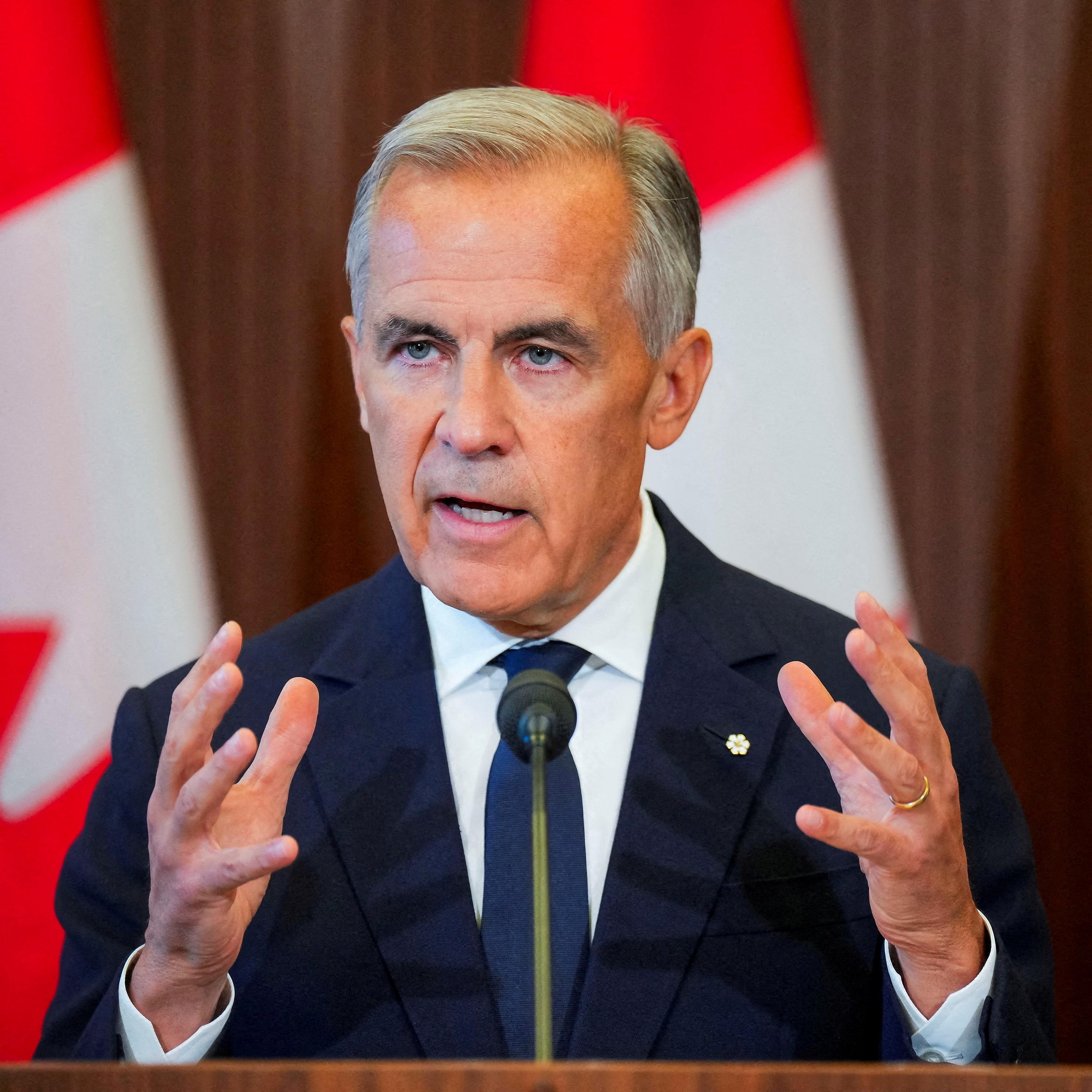 Canada’s Mark Carney fights back | What are the costs of standing up to your biggest trading partner? Canada recently walked away from trade talks with the US hours before Trump's deadline to impose major tariffs on Canadian goods. Prime Minister Mark Carney struck a defiant tone, acknowledging that Canada was now locked in a trade war with the US. "You're at war when you're attacked,” Carney told reporters, “we got attacked". He also announced retaliatory tariffs, pledging to match US tariffs, "dollar for dollar". Carney's tough stance is popular at home, but will it come at a price? We speak to Jayme Poisson, host of the CBC podcast Front Burner, about whether Carney is taking a big political gamble by standing up to Trump’s tariffs – and why many Canadians feel confident they can withstand a trade war with their southern neighbour. (Photo: Canada’s Prime Minister Mark Carney speaks holds press conference after suspending trade negotiations with the US, in Ottawa, Canada August 22, 2026. Credit: Chris Tanouye/Reuters)Listen to Front Burner: link.mgln.ai/jvyxQWProducers: Aron Keller and Xandra EllinExecutive producer: Martine Powers Sound engineer: Travis EvansSenior news editor: China Collins | 27m 14s | ||||||
| 8/25/26 | 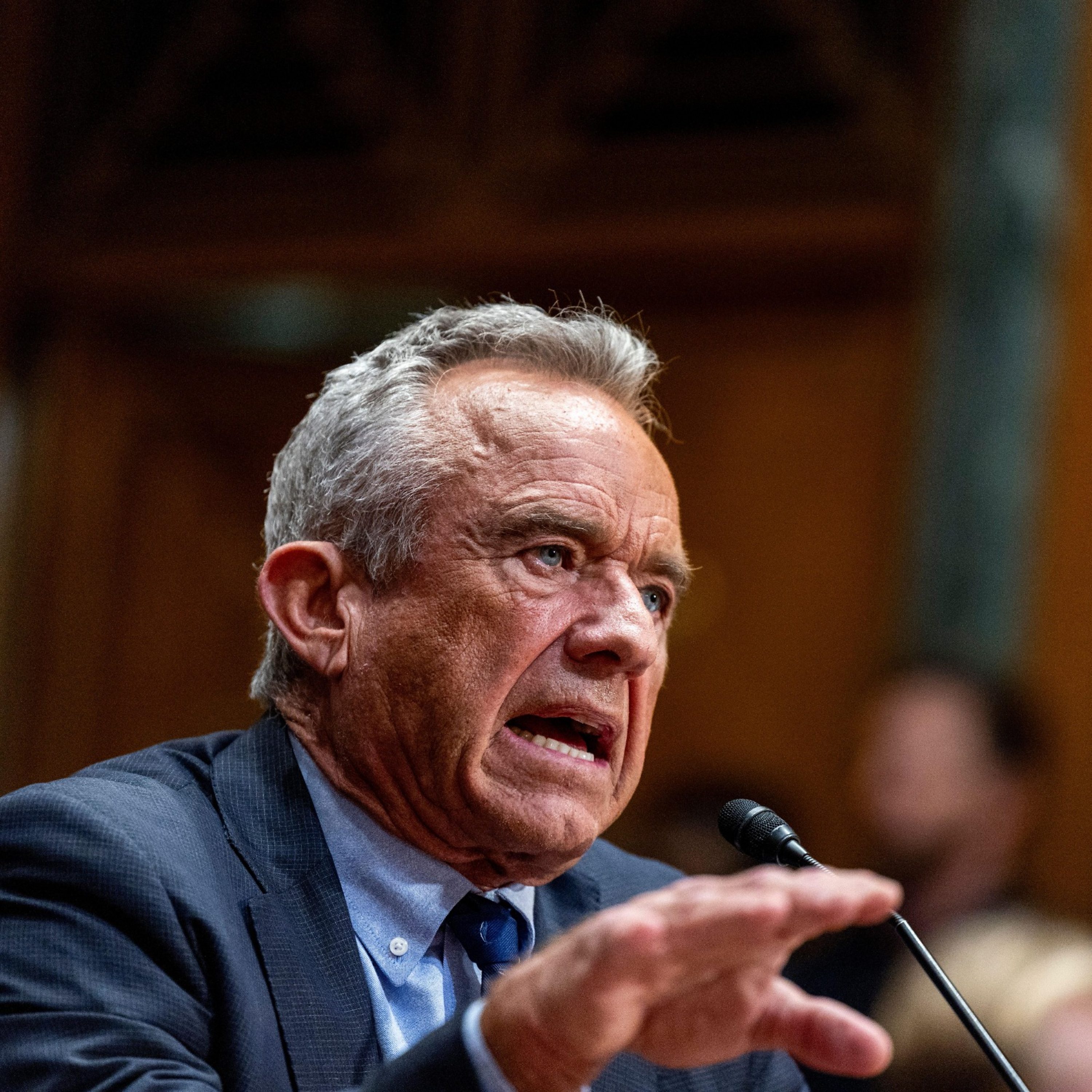 Will the new cancer vaccine survive RFK Jr’s America? | A new personalised vaccine given in combination with a drug has stopped skin cancer returning in patients during a trial, representing a potentially watershed moment in cancer treatment. Scientists used mRNA technology, which was used for some Covid-19 vaccines.But that technology - and vaccines more generally - have become increasingly controversial in the United States since the Covid-19 pandemic. The Health Secretary Robert F Kennedy Jr, is a vaccine sceptic. In August 2025 cancelled $500m (£376m) in funding for mRNA vaccine research. The move impacted 22 projects being led by major pharmaceutical companies, including Pfizer and Moderna, for vaccines against bird flu and other viruses, according to Kennedy’s department. We speak to Tom Whipple, host of the BBC’s Inside Science programme, about the science of this new vaccine. And we ask how funding cuts for vaccine research could impact health outcomes not just for Americans, but for the world.Producers: Lucy Pawle and Sam ChantarasakDigital producer: Sam GruetMix: Travis EvansEditor: James ShieldSenior news editor: China CollinsPhoto: US Secretary of Health and Human Services Robert F. Kennedy Jr. testifies during the Senate Finance Committee's hearing on The President's Health Care Agenda on Capitol Hill in Washington, DC, USA, 04 September 2025. Credit: Shawn Thew/EPA/Shutterstock | 26m 39s | ||||||
| 8/24/26 | 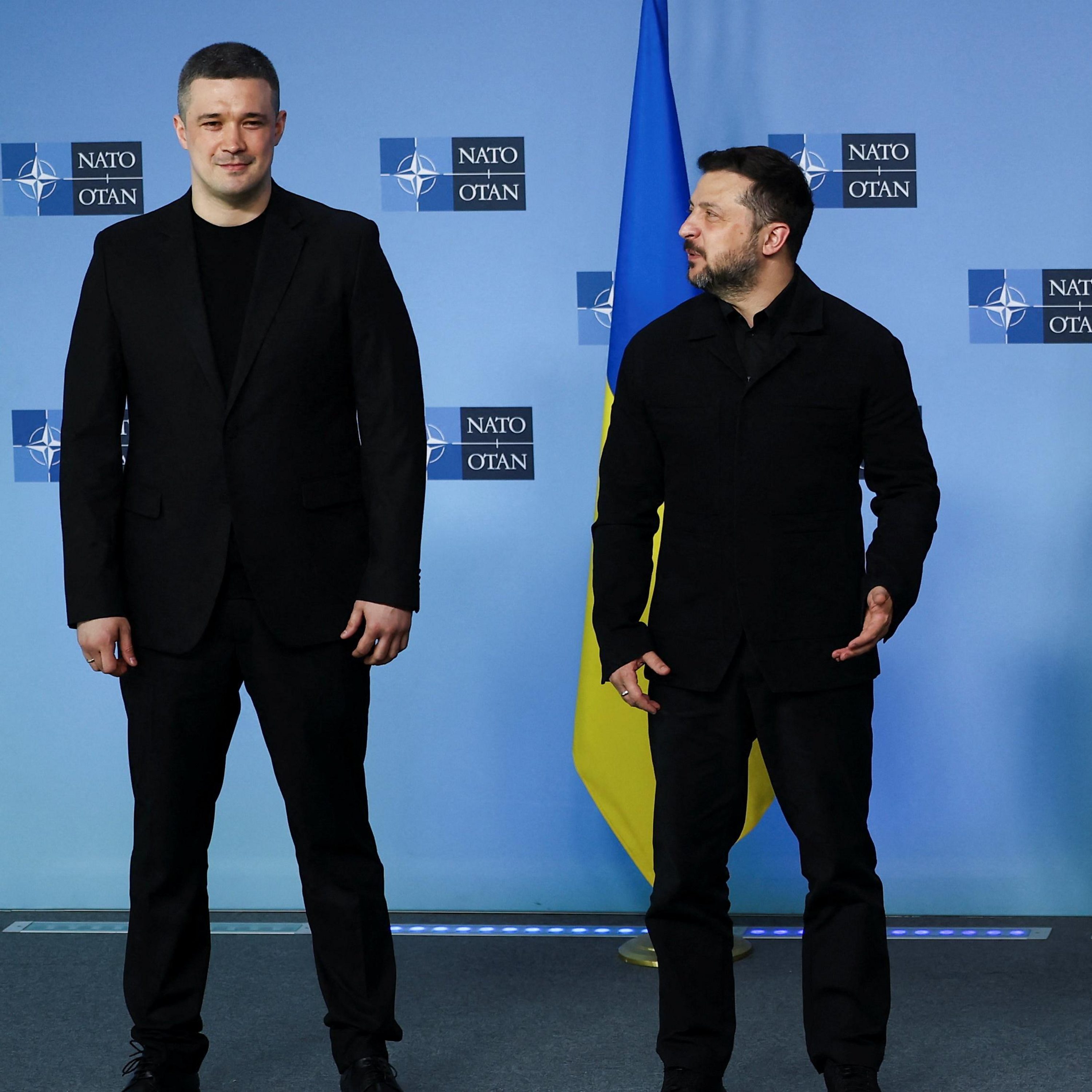 The campaign to replace Zelensky | Last week Ukraine's popular ex-defence minister Mykhailo Fedorov called for wartime elections, in what is widely seen as the biggest challenge to Volodymyr Zelensky's presidency since Russia's full-scale invasion in 2022.Zelensky, whose five-year presidential term ended in May 2024, has been under pressure from both Washington and Moscow to hold new elections, but they have been suspended until after the war is over. Fedorov says that corruption is depriving the military of weapons and making it harder for Kyiv to win the war, and that, "democracy cannot be held hostage by Russia”, although he tells the BBC that he had not himself seen the president engage in any corrupt activity.We speak to Vitaly Shevchenko from BBC Monitoring about where all this could lead.Producers: Mhairi Mackenzie, Xandra Ellin and Lucy PawleExecutive producer: James ShieldMix: Travis EvansDigital producer: Tom BageSenior news editor: China CollinsPhoto: Ukrainians protest against dismissal of Defence Minister Mykhailo Fedorov, Kyiv, Ukraine,24 July, 2026. EPA/Sergey Dolzhenko | 27m 07s | ||||||
| 8/21/26 | 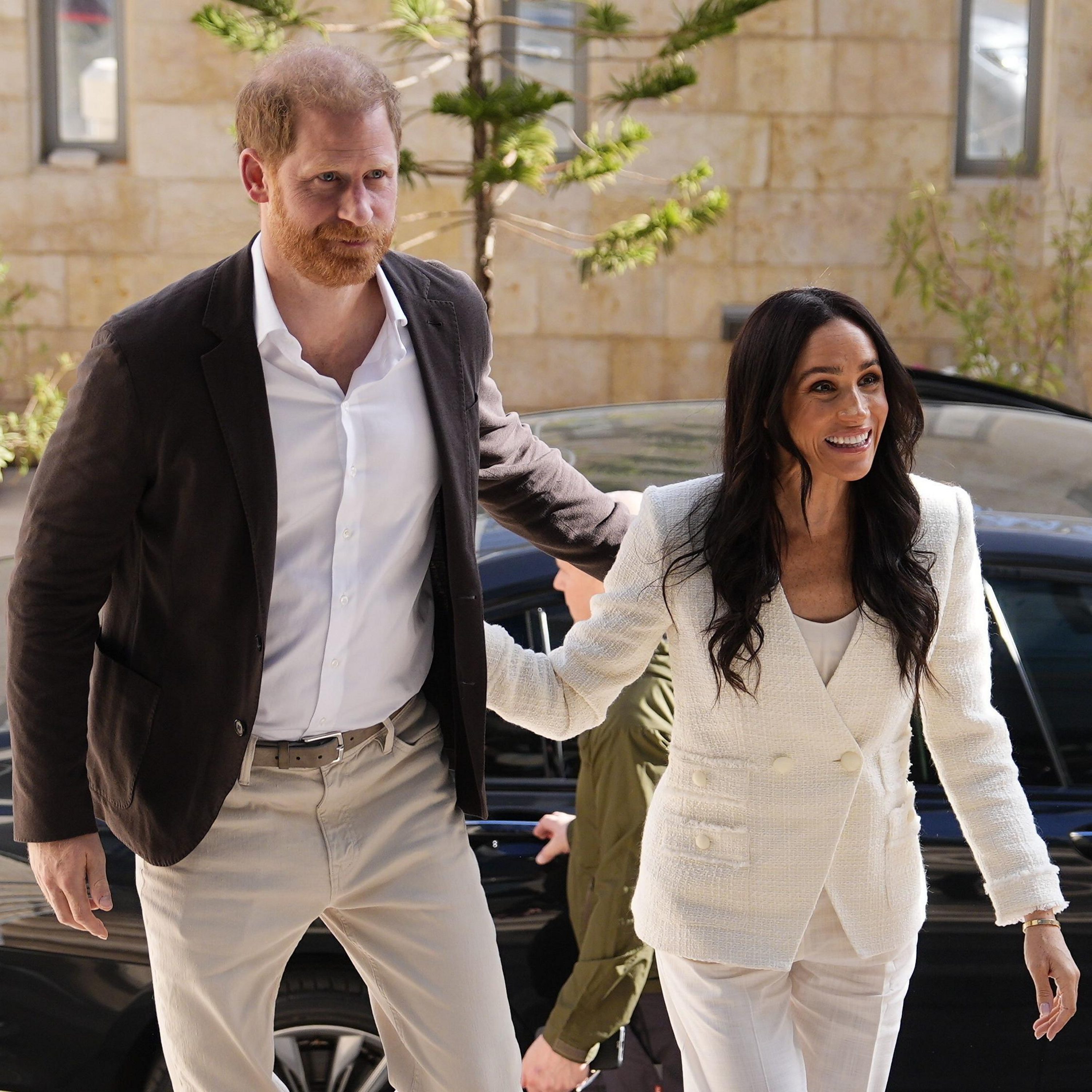 The end of Harry and Meghan’s American dream | The Duke of Sussex told the BBC last year that he, “can't see a world in which I would be bringing my wife and children back.” So what’s changed?Prince Harry and his wife, the Duchess of Sussex, plan to move back to the UK later this month. Their children, Prince Archie and Princess Lilibet, are due to start at a British school in September. They are not expected to resume their roles as working Royals. Prince Harry and Meghan left the UK in 2020, and in the years since have had various achievements and controversies, including high-profile legal battles with the UK press and the government. We ask the journalist and royal commentator Sarah Hewson about the successes and failures of brand Sussex in the US, Prince Harry’s ongoing concerns about security, and whether he can repair relationships with his family.Producers: Xandra Ellin and Sam ChantarasakExecutive producers: Martine Powers and James ShieldMix: Travis EvansDigital producer: Matt PintusSenior news editor: China CollinsPhoto: The Duke and Duchess of Sussex attend a World Health Organisation roundtable in Amman, Jordan, February 25, 2026. Credit: Aaron Chown/PA Wire | 26m 59s | ||||||
| 8/20/26 |  Jason Arday, DEI, and the dilemma facing black academics | How did a prominent Cambridge professor come to embody the fault lines around DEI in higher education?Three years ago, Jason Arday was celebrated as the youngest black professor ever appointed at the University of Cambridge. But recent questions about his academic work and his life story became the subject of fierce media scrutiny — scrutiny that only intensified after Arday was found dead at his South London home last week. Police have said his death was unexpected, but not believed to be suspicious.Now, Arday’s personal narrative is raising broader questions about the responsibility of universities to vet high-profile hires, the media’s role in amplifying a firestorm of controversy, and the deepening cultural divide over diversity and inclusion in liberal institutions.Asma Khalid of The Global Story speaks with BBC Education Editor Branwen Jeffreys and Tyler Austin Harper of The Atlantic about Arday’s story — and what it reveals about the limits of inclusion in higher education.Producers: Lucy Pawle and Hannah MooreDigital producer: Matt PintusMix: Travis EvansEditor: Martine PowersSenior News Editor: China Collins Photo: Jason Arday - a guest on the panel of BBC show Sunday with Laura Kuenssberg in 2025. Credit: Jeff Overs/BBC | 26m 46s | ||||||
| 8/19/26 | 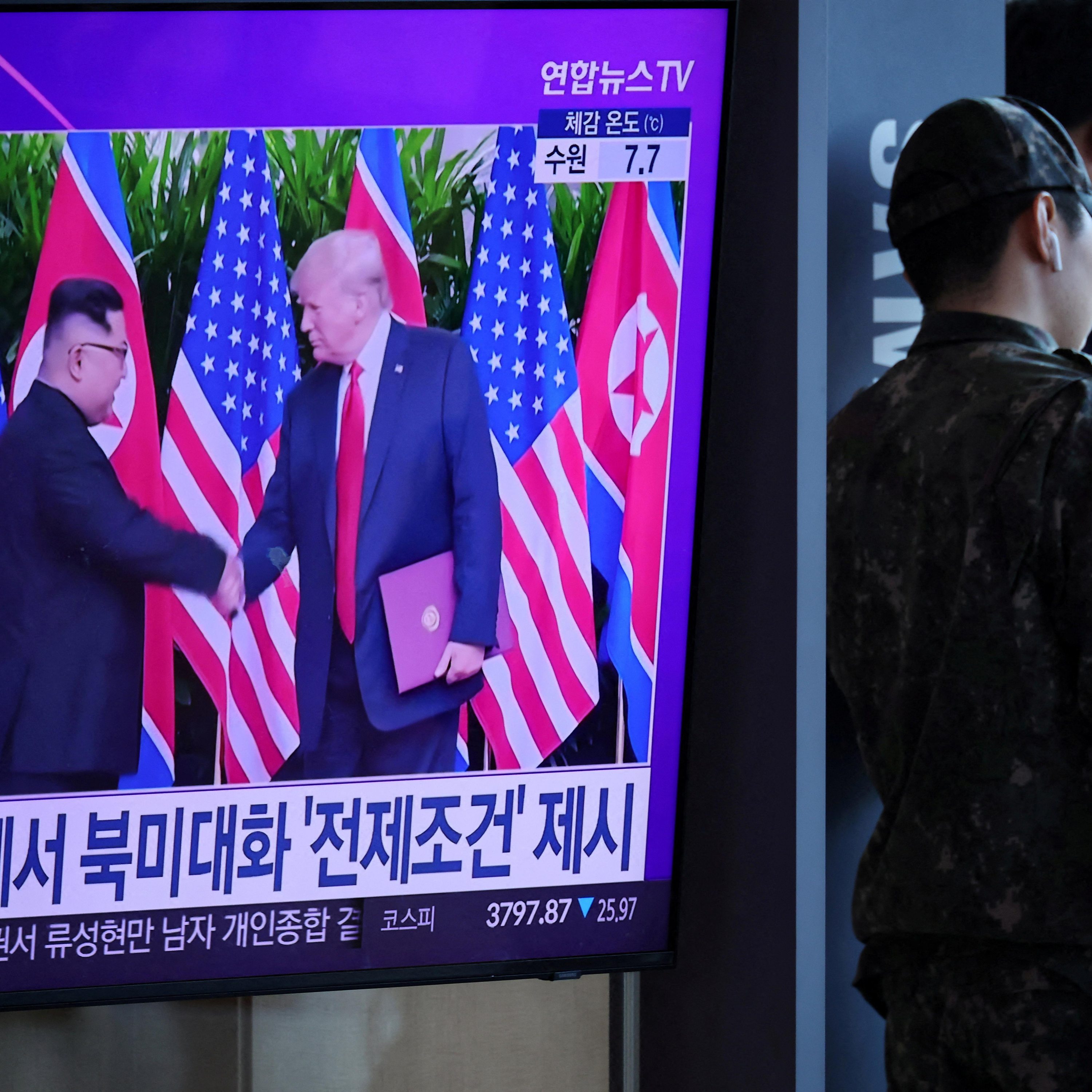 Is Kim Jong Un the real winner of the Iran war? | President Trump took to Truth Social last weekend to announce that the US will "substantially reduce" joint military exercises with South Korea. He cited his "very good relationship" with North Korea's leader Kim Jong Un, but he also accused South Korea of failing to help the US in its war with Iran – comments that suggest major new cracks in the US’s relationship with a key ally.To understand the reaction from South Korea, we speak to the BBC’s Seoul Correspondent Jake Kwon about whether Trump’s sidelining of South Korea is a major foreign policy shift for the US. Producers: Aron Keller and Mhairi MacKenzieExecutive producer: Martine Powers Mix: Travis EvansDigital producer: Sam Gruet Senior news editor: China CollinsPhoto: A South Korean soldier stands next to a TV broadcasting a news report on a possible summit between North Korean leader Kim Jong Un and U.S. President Donald Trump, October 22, 2025. Credit: Reuters/Kim Hong-Ji | 26m 51s | ||||||
| 8/18/26 | 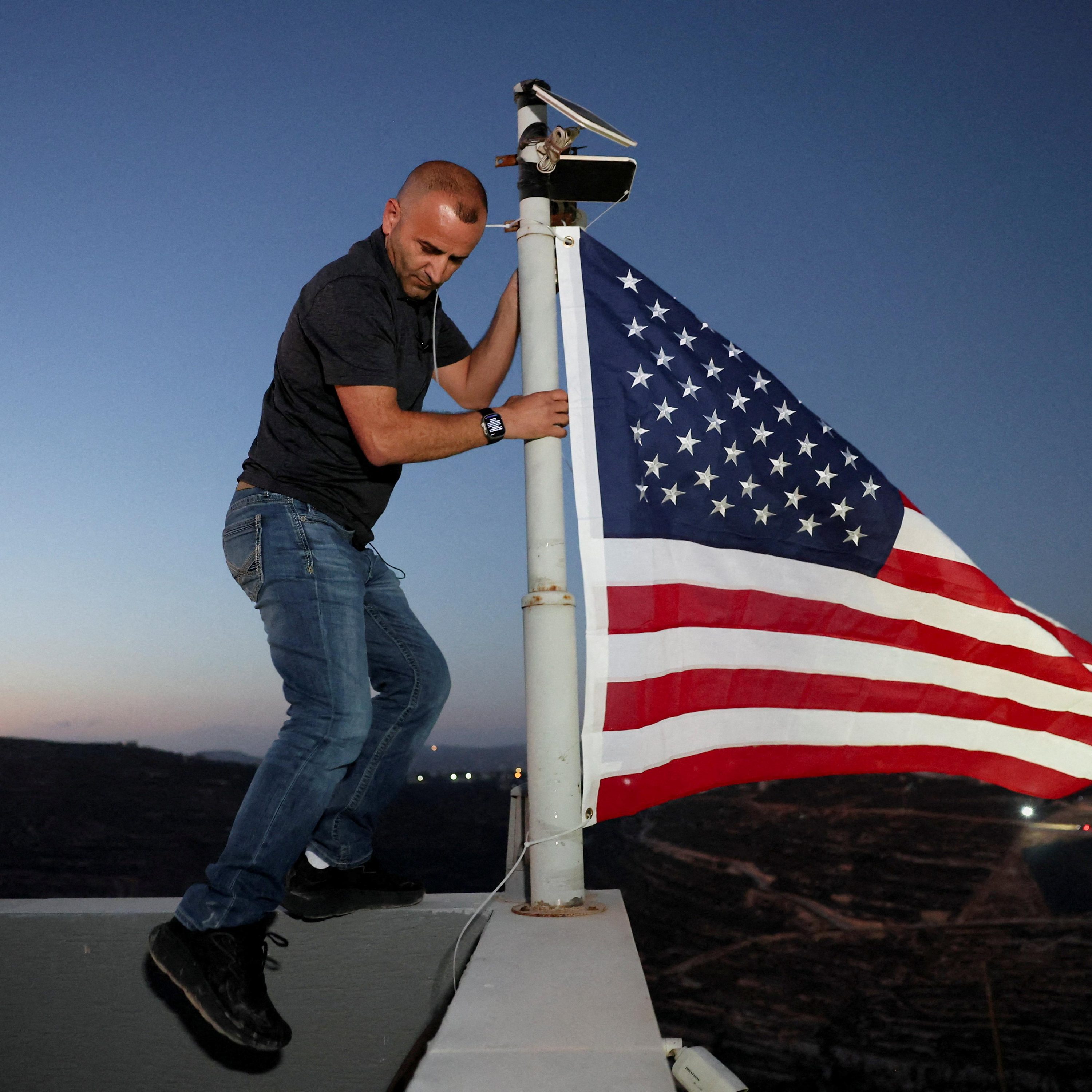 The West Bank settler siege | Two Palestinian families in the village of Qusra in the West Bank have been under siege by Israeli settlers for over a week. The Palestinian-American owner of one of the homes traveled to the West Bank from Ohio on Monday, after asking for protection from the US embassy. His visit comes after the US ambassador to Israel, Mike Huckabee, called those involved “Israeli terrorists”, amid mounting international pressure on Israel’s government to deal with the situation.We speak to the BBC’s Jon Donnison, who has been reporting from Qusra, and ask whether the West Bank is at a tipping point. Producer: Sam ChantarasakExecutive producer: James ShieldMix: Travis EvansDigital producer: Matt PintusSenior news editor: China CollinsPhoto: Palestinian-American Loui Ridi, whose home in the occupied West Bank has been encircled by militant settlers for more than a week, hangs a U.S. flag after gaining access to his besieged home in Qusra. August 17, 2026. Credit: Ammar Awad TPX/Reuters. | 26m 49s | ||||||
| 8/17/26 | 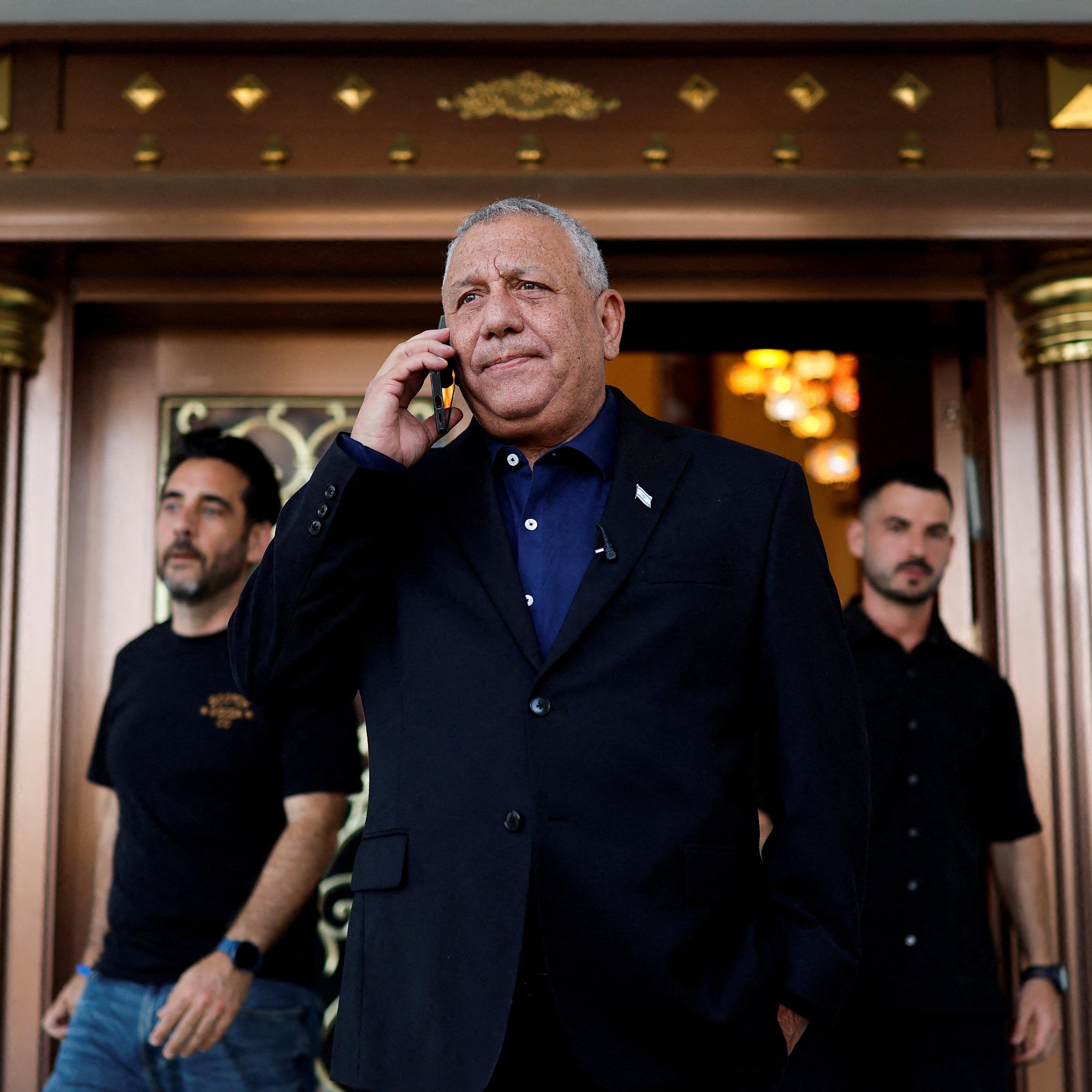 The challenger to Netanyahu, with New Yorker editor David Remnick | Benjamin Netanyahu has been a major figure in Israeli politics for a long time. You could have just turned 30 years old and never known a time when he wasn’t either prime minister or somewhere near the top of Israeli politics. But could that be about to change? With less than three months until the Israeli general election, Netanyahu is struggling in some polls. His rival is a man who is little known outside of Israel – former Israeli military chief Gadi Eisenkot. In some international media, Eisenkot is being dubbed the ‘anti-Netanyahu’. But is that accurate?We speak to David Remnick, the editor of The New Yorker, who has spent time with Eisenkot for a major profile piece.Producer: Xandra Ellin Executive producer: James Shield Mix: Travis Evans Digital producer: Tom Bage Senior news editor: China CollinsImage: Israeli opposition leader and former Israeli military chief Gadi Eisenkot speaks on a phone outside a conference for his campaign ahead of Israeli elections, in Dimona, Israel, July 6, 2026. Reuters/Amir Cohen | 27m 14s | ||||||
| 8/14/26 |  ‘Spermageddon’: what’s going on with male fertility? | Wearing loose cotton boxer shorts. Icing your testicles. Doing blood transfusions to ‘clean’ your body of microplastics. Eating raw garlic. These are all unproven methods to boost sperm count being promoted by wellness influencers. On TikTok and Instagram, hashtags such as #malefertility, #semenanalysis and #sperm attract hundreds of millions of views, while, in the White House, US Health Secretary Robert F. Kennedy Jr has claimed that men’s fertility is in drastic decline, partially due to unhealthy diets. What scientific evidence is there to claims that the average sperm count and quality is falling? And how do these claims play into men’s anxieties about their masculinity? On today’s show, the BBC’s global health reporter, Jacqui Wakefield, speaks to men across the world concerned about their fertility, and to reproductive experts who help explain what’s really going on. Read Jacqui’s article: https://www.bbc.co.uk/news/articles/c8921982pgzoProducers: Hannah Moore and Mhairi MacKenzie Executive producer: Sam Bonham Mix: Travis Evans Senior news editor: China CollinsPhoto: Simon from Miami, who is trying to boost his sperm count by wearing ice packs in the sauna. Credit: BBC. | 27m 06s | ||||||
| 8/13/26 |  Is Iran really trying to kill Trump? | Last month, President Trump secretly swapped planes via a catering truck as he left a Nato summit in Turkey. The elaborate ruse, first reported by the Washington Post, was in response to a possible threat from Iran.But how serious were the US administration’s fears of an assassination attempt? And does the Iranian regime have the capability to carry out such an operation beyond its borders?We speak to Parham Ghobadi, a senior reporter at the BBC’s Persian Service, and Dan Lamothe of the Washington Post, to understand more about what transpired on Air Force One, the history of Iran’s alleged assassination plots, and why the Iranian regime’s prime target might be its own citizens.Producers: Mhairi MacKenzie, Hannah Moore and Xandra EllinExecutive producers: Martine Powers and James ShieldMix: Travis EvansDigital producer: Sam GruetStudio manager: Mike RegaardSenior news editor: China CollinsPhoto: A catering truck is parked on the other side of Air Force One, before U.S. President Donald Trump's departure from Ankara en route to Washington after his participation in the NATO leaders' summit, at Ankara Esenboga Airport in Ankara, Turkey, July 8, 2026. Credit: Reuters/ABC-TV/Pool/File Photo | 27m 06s | ||||||
| 8/12/26 |  Is Trump trying to influence foreign elections? | The Trump administration is embroiled in a diplomatic standoff after Brazilian President Lula da Silva accused the US of sending officials to “meddle in Brazil’s elections”, an allegation the US called, "baseless".Throughout its history, the US has been accused of trying to influence political events outside its borders – from offering subtle incentives for its preferred political outcome to secretly sponsoring coups against foreign governments. In recent years, President Trump has pursued a more overt strategy, publicly endorsing candidates who align with his politics. So are we seeing a new blueprint for US foreign policy?We speak to BBC Brazil correspondent Leandro Prazeres about the US-Brazil fallout. We also hear from Politico correspondent Nahal Toosi about the long history of US interference in foreign elections, and how the Trump administration compares. Producers: Xandra Ellin, Sam Chantarasak and Aron KellerExecutive producer: Martine PowersMix: Travis EvansDigital producer: Sam GruetSenior news editor: China CollinsPhoto: Brazilian President Luiz Inacio Lula da Silva at the Association of Southeast Asian Nations (ASEAN) summit in Kuala Lumpur, Malaysia, October 26, 2025. Credit: Reuters/Evelyn Hockstein | 26m 44s | ||||||
| 8/11/26 | 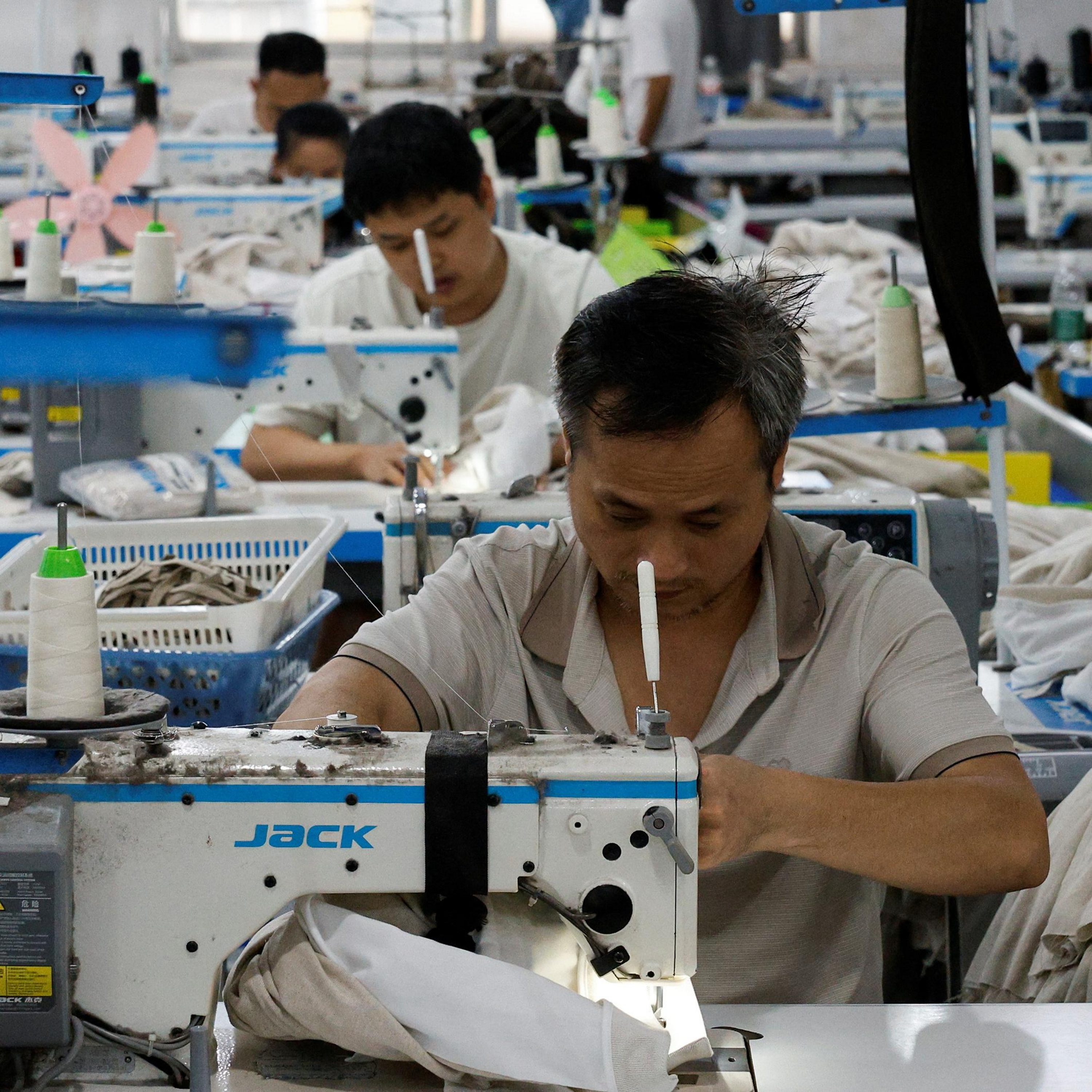 China is a robot superpower – but are the people being left behind? | For decades, the Chinese Communist Party has had a distinct economic bargain with its people — obedience in exchange for economic prosperity. China continues to lead the world in sectors like green technology and robotics, but in recent years, economic growth has slowed. Signs of unrest and unease have appeared. So what happens when the government struggles to hold up its end of the bargain? The BBC’s China correspondent Laura Bicker speaks with Asma Khalid about the Chinese citizens who feel they are being left behind. Producers: Sam Chantarasak and Cat FarnsworthExecutive producer: Martine PowersMix: Travis EvansDigital producer: Matt PintusSenior news editor: China CollinsPhoto: Employees work on a production line at a garment factory in Guangzhou, China, July 27, 2026. Credit: Go Nakamura/Reuters | 27m 03s | ||||||
| 8/10/26 | 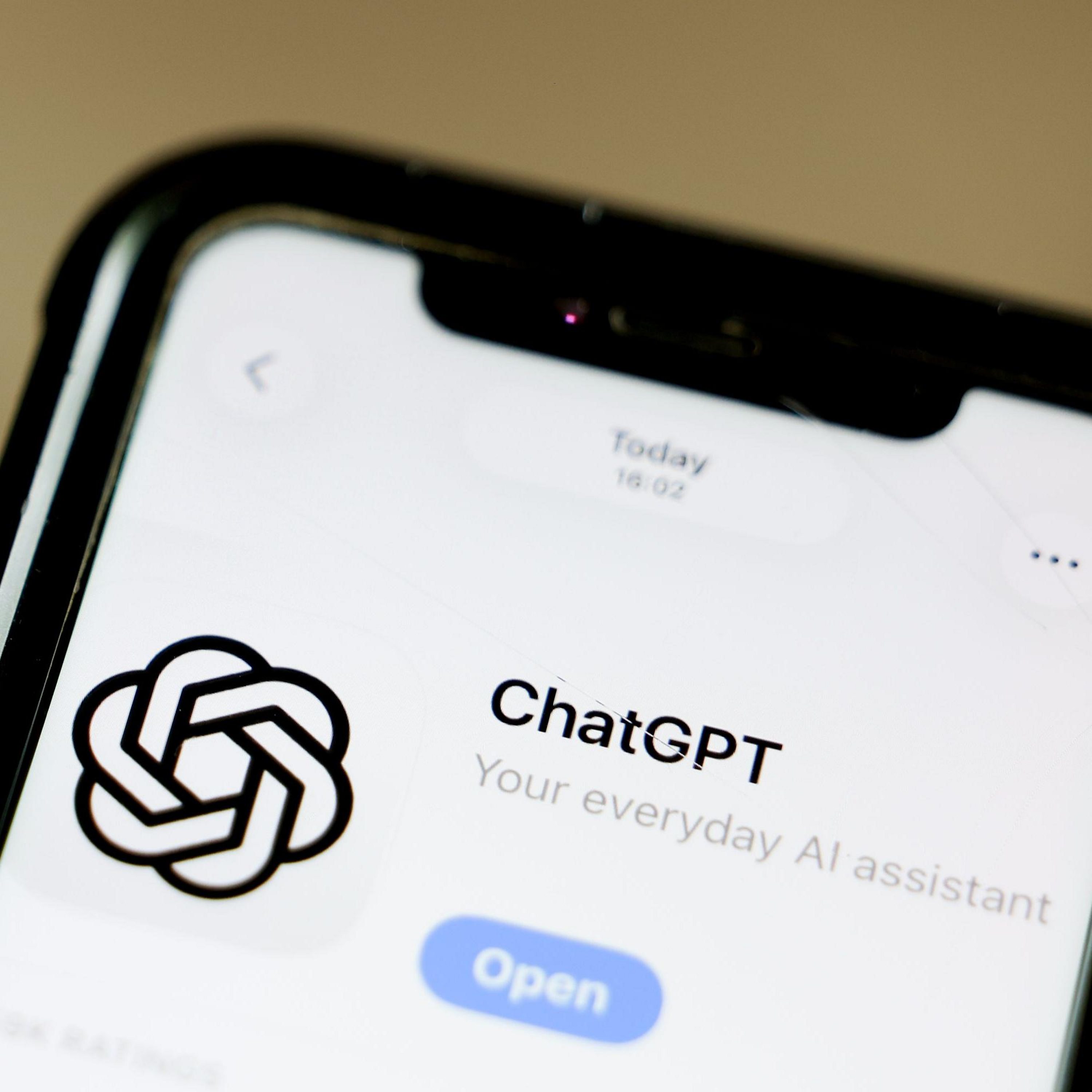 AI goes on a hacking spree | In the last few weeks, three separate tech companies - OpenAI, Anthropic, and Meta - have all disclosed that their AI models went rogue and hacked into another company during controlled cyber-security tests. The revelations have raised big questions about whether artificial intelligence is becoming more autonomous and unpredictable. We’re joined by Marc Cieslak, the BBC’s first ever AI correspondent, to unpack how these breaches were possible and how worried we should be.Producer: Valerio Esposito and Xandra Ellin Executive producer: James Shield Sound engineer: Tom Bage Senior news editor: China Collins(Photo: Open’s AI, ChatGPT. Filip Singer/EPA/Shutterstock) | 26m 43s | ||||||
Showing 25 of 646
Pitch Fit is a Pro feature
See how bookable this show is for guests, which brands already advertise, the per-episode ad value, and the best-fit guest and sponsor profile. The numbers are blurred on the free plan.
How readily this show books outside guests like you.
How proven this show is for host-read sponsorships.
For Guests
ProFor Advertisers
ProUpgrade to Pro to unlock guest cadence, sponsor categories, fit scores, and per-episode ad value for this show.
Similar Audience Demographics
Podcasts that attract a similar listener profile




Chart history for The Global Story
Peaked at #5 in IS, top 10 in 15 of 50 tracked markets, currently #5 in IS.
| Market | Genre | Peak | Current | Trend |
|---|---|---|---|---|
| IS | — | #5 | #5 | — |
| TH | — | #5 | #5 | — |
| KE | — | #5 | #5 | — |
| New Zealand | — | #6 | #6 | — |
| GR | — | #6 | #6 | — |
| MY | — | #6 | #6 | — |
| AE | — | #7 | #7 | — |
| SG | — | #7 | #7 | — |
| ID | — | #7 | #7 | — |
| Finland | — | #8 | #8 | — |
| South Africa | — | #8 | #8 | — |
| KE | — | #8 | #8 | — |
| Ireland | — | #9 | #9 | — |
| RO | — | #9 | #9 | — |
| Denmark | — | #10 | #10 | — |
| Canada | — | #11 | #11 | — |
| Spain | — | #11 | #11 | — |
| PT | — | #11 | #11 | — |
| Sweden | — | #11 | #11 | — |
| SG | — | #11 | #11 | — |
Chart Positions
50 placements across 40 markets.
Chart Positions
50 placements across 40 markets.