Insights from recent episode analysis
Audience Interest
Podcast Focus
Publishing Consistency
Platform Reach
Insights are generated by CastFox AI using publicly available data, episode content, and proprietary models.
Most discussed topics
Brands & references
Est. Listeners
Based on iTunes & Spotify (publisher stats).
- Per-Episode Audience
Est. listeners per new episode within ~30 days
10,001 - 25,000 - Monthly Reach
Unique listeners across all episodes (30 days)
25,001 - 75,000 - Active Followers
Loyal subscribers who consistently listen
5,001 - 15,000
Market Insights
Platform Distribution
Reach across major podcast platforms, updated hourly
Total Followers
—
Total Plays
—
Total Reviews
—
* Data sourced directly from platform APIs and aggregated hourly across all major podcast directories.
On the show
From 10 epsHosts
Recent guests
Recent episodes
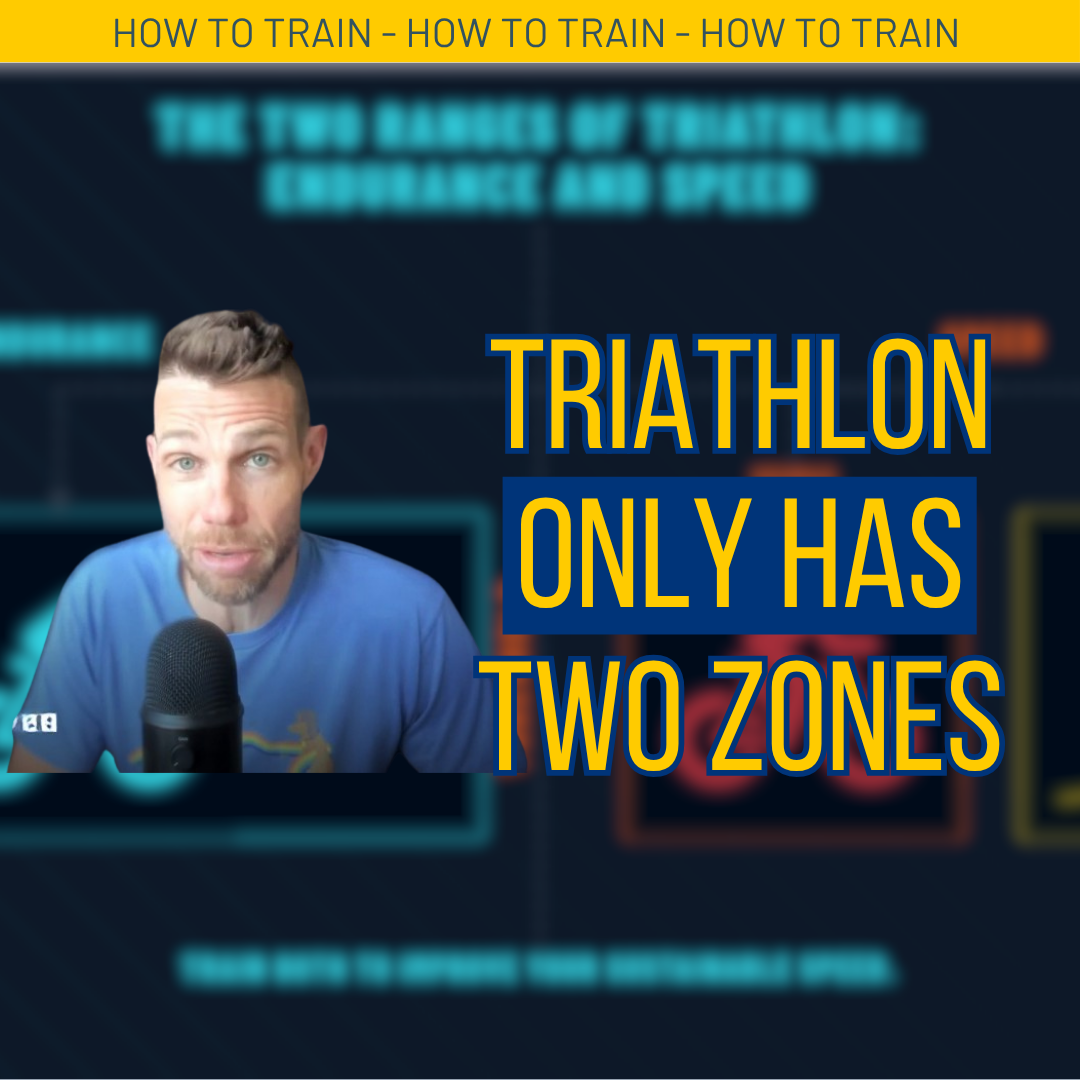
Episode 44: Triathlon Only Has Two Zones
Apr 23, 2026
50m 00s
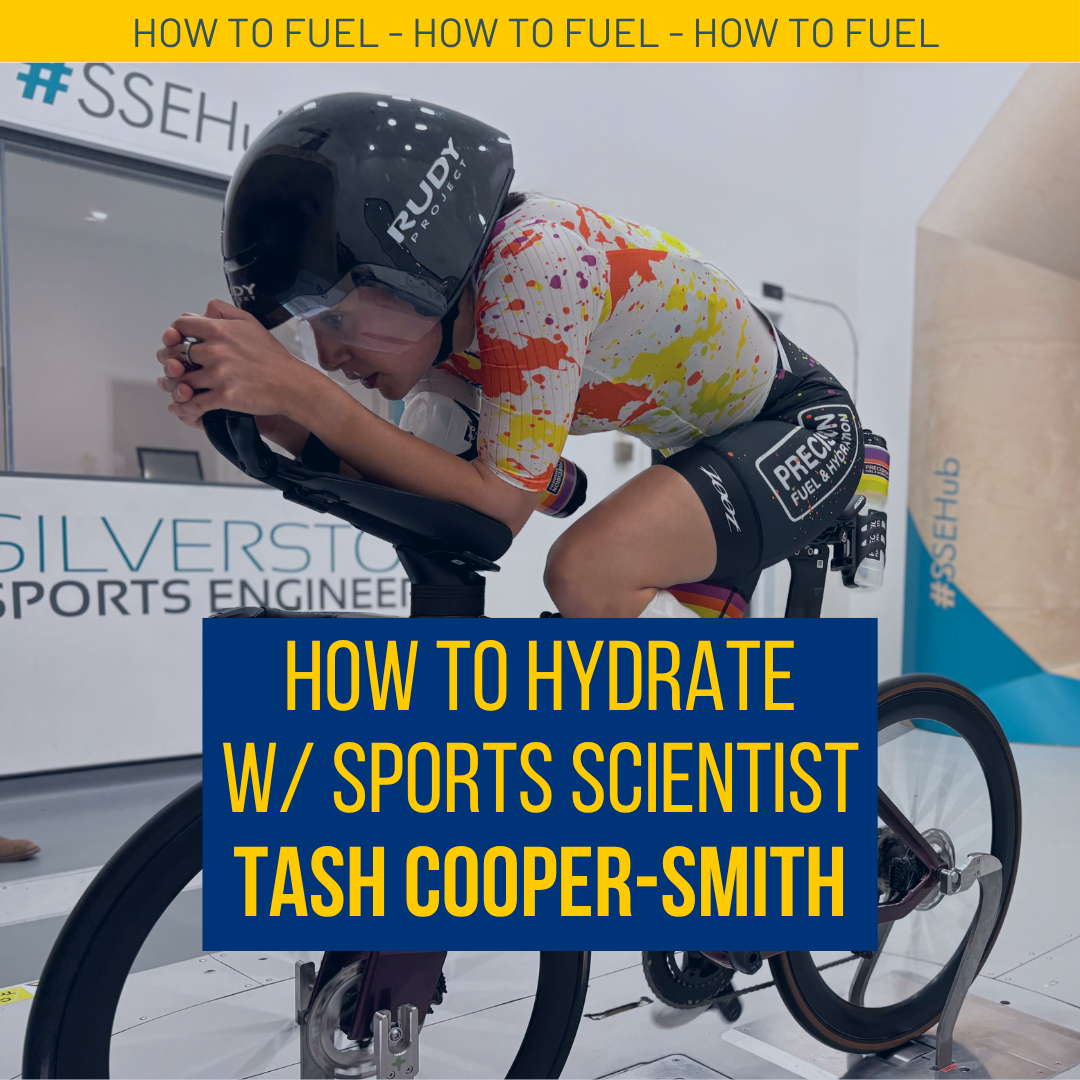
Episode 43: The Science of Sweat | How to Actually Fuel and Hydrate for Endurance with Tash Cooper-Smith
Apr 9, 2026
59m 00s
Episode 42: Stress + Rest = Growth: A Guided Breathwork Session for Mental Toughness
Mar 27, 2026
30m 00s
Episode 41: “‘Metabolic Efficiency’ is Just a Fancy Term for Getting Fit w/Elite Endurance Coach Ryan Bolton
Mar 12, 2026
58m 36s
Episode 40: “Where Is My Mind? Flow State, Focus, and Interval Meditation”
Feb 26, 2026
24m 50s
Social Links & Contact
Official channels & resources
Official Website
Login
RSS Feed
Login
| Date | Episode | Topics | Guests | Brands | Places | Keywords | Sponsor | Length | |
|---|---|---|---|---|---|---|---|---|---|
| 4/23/26 | ![]() Episode 44: Triathlon Only Has Two Zones✨ | triathlon trainingtraining zones+3 | — | Campfire Endurance CoachingKolie Moore+1 | — | triathlontraining zones+3 | — | 50m 00s | |
| 4/9/26 | ![]() Episode 43: The Science of Sweat | How to Actually Fuel and Hydrate for Endurance with Tash Cooper-Smith✨ | fuelinghydration+4 | Tash Cooper-Smith | Precision Fuel & Hydration | — | sweat testingsodium concentration+4 | — | 59m 00s | |
| 3/27/26 | Episode 42: Stress + Rest = Growth: A Guided Breathwork Session for Mental Toughness✨ | mental toughnessbreathwork+3 | — | Campfire EnduranceCampfire Endurance Substack+2 | — | stressrest+5 | — | 30m 00s | |
| 3/12/26 | ![]() Episode 41: “‘Metabolic Efficiency’ is Just a Fancy Term for Getting Fit w/Elite Endurance Coach Ryan Bolton✨ | metabolic efficiencyendurance coaching+3 | Ryan Bolton | Campfire Endurance Coaching | — | metabolic efficiencyendurance athletes+3 | — | 58m 36s | |
| 2/26/26 | Episode 40: “Where Is My Mind? Flow State, Focus, and Interval Meditation”✨ | flow statefocus+4 | — | Campfire Endurance CoachingGetting Away from Bad | — | flow statemeditation+5 | — | 24m 50s | |
| 2/26/26 | Episode 39: “10-Minute Guided Interval Meditation”✨ | meditationendurance training+3 | — | — | — | guided meditationintervals+3 | — | 20m 30s | |
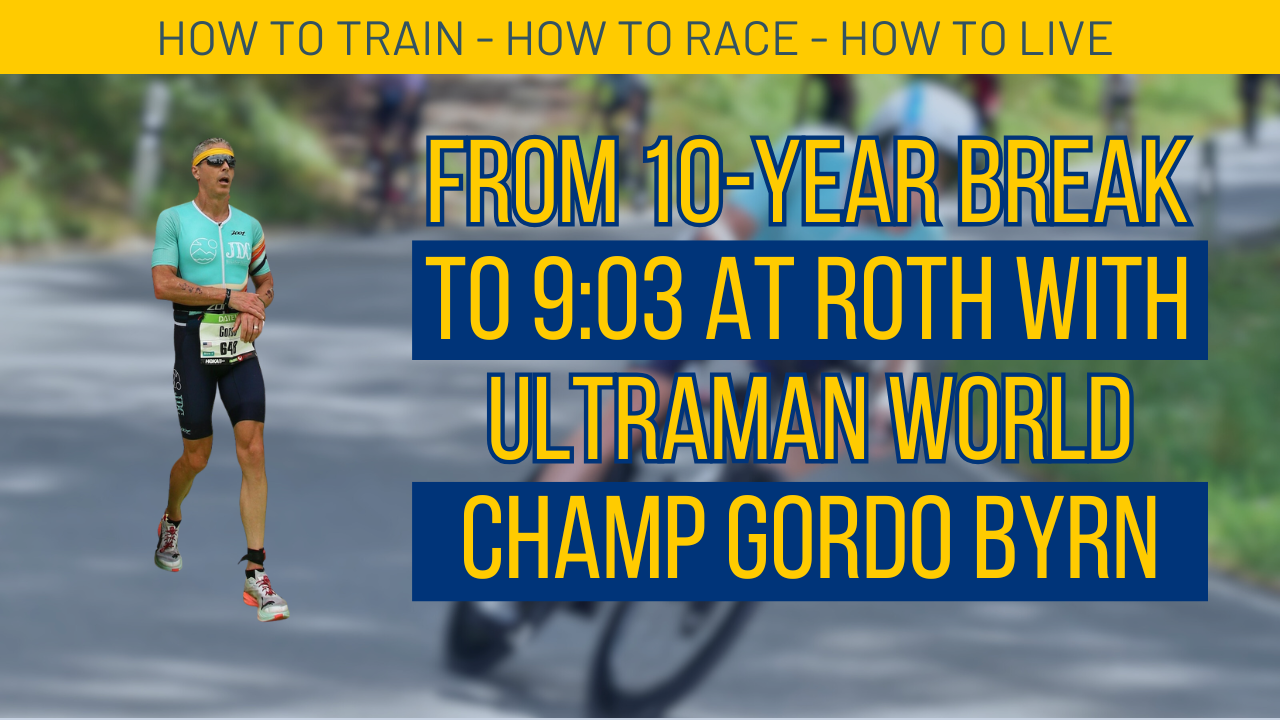
| 2/12/26 | Episode 38: From a Ten-Year Break to 9:03 at Roth: Ultraman World Champion Gordo Byrn✨ | endurance trainingreturning to racing+4 | Gordo Byrn | Campfire Endurance CoachingFrom Lemon to Legend | — | endurance coachingUltraman World Champion+4 | — | 1h 06m 55s | |
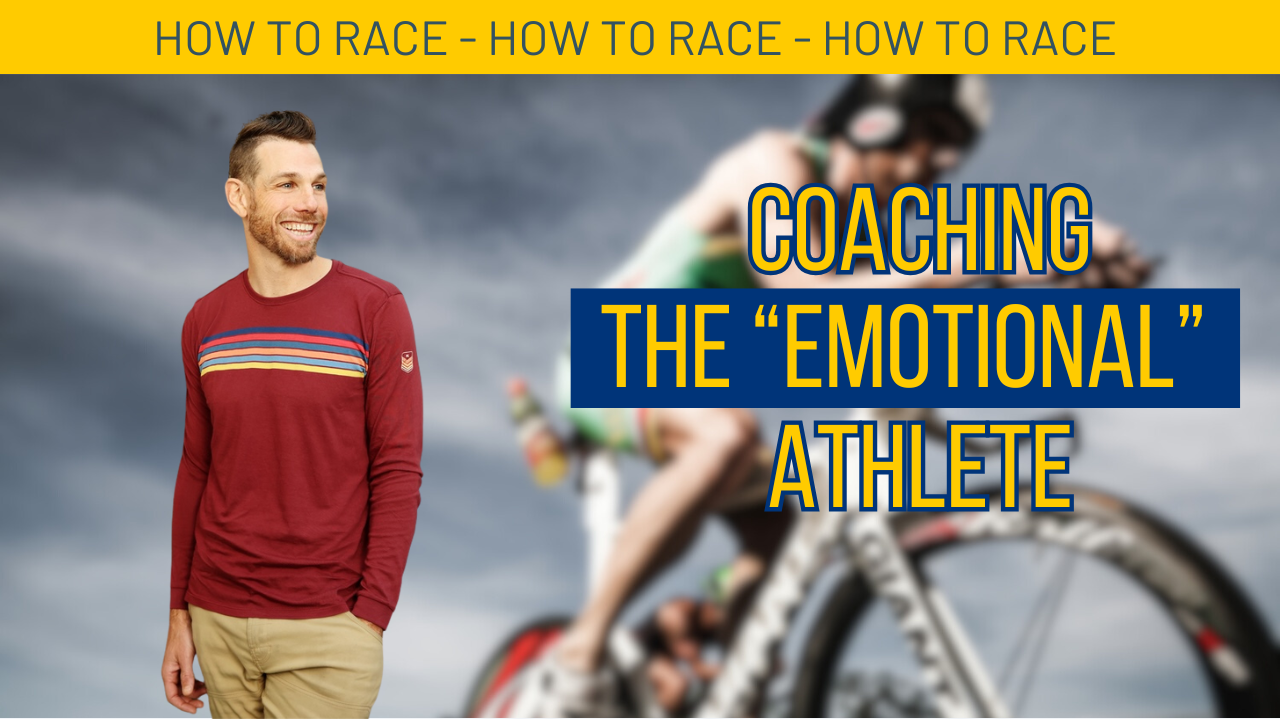
| 2/5/26 | Episode 37: Coaching The “Emotional” Athlete✨ | emotional athletepacing+3 | — | The Mankind Project | — | emotional athletepacing+4 | — | 36m 12s | |
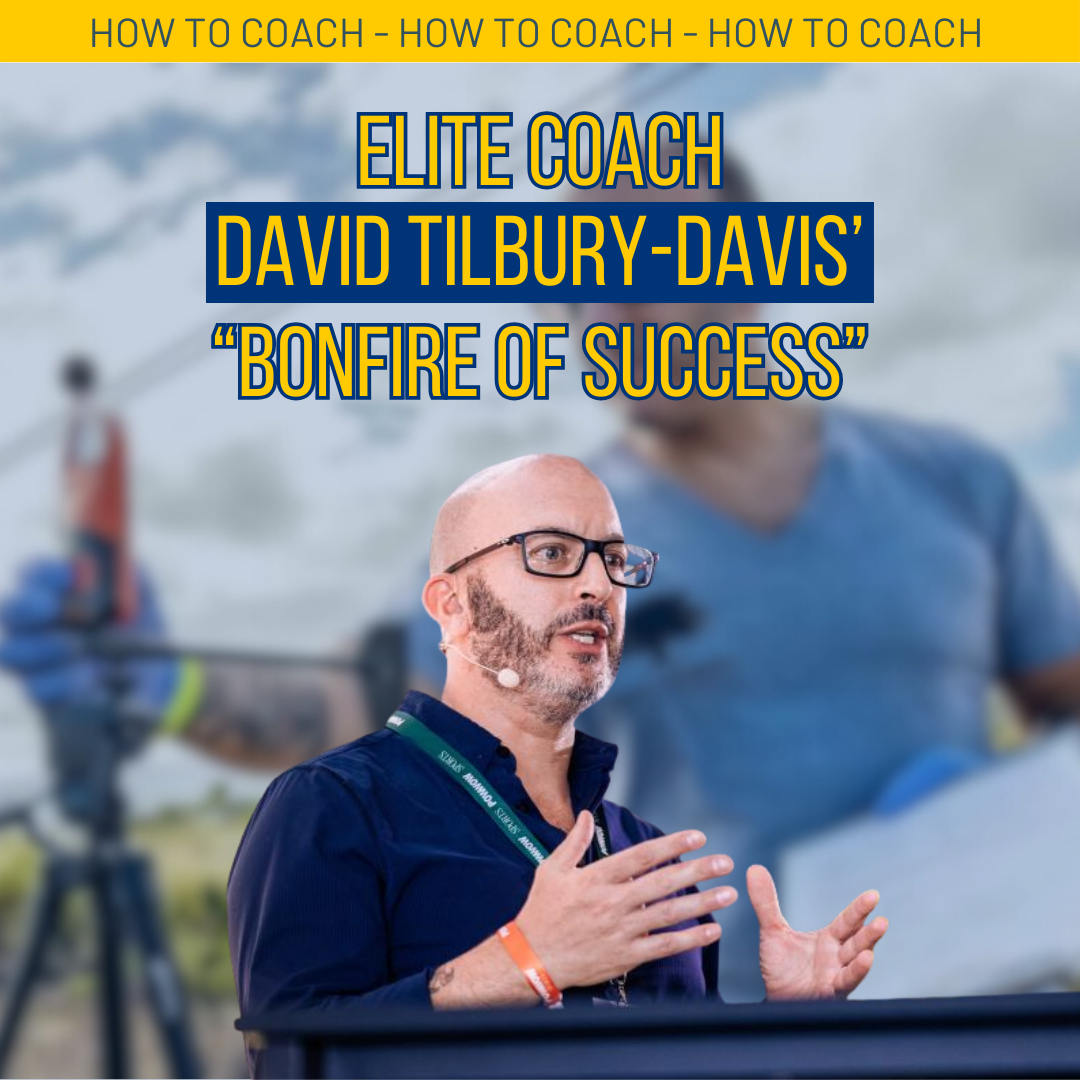
| 1/12/26 | Episode 36: “The Bonfire of Success,” with World Class Coach David Tilbury Davis✨ | coachingtriathlon+5 | David Tilbury-Davis | Swim Smoothtilburydavis.com+4 | — | triathloncoaching+7 | — | 1h 07m 27s | |
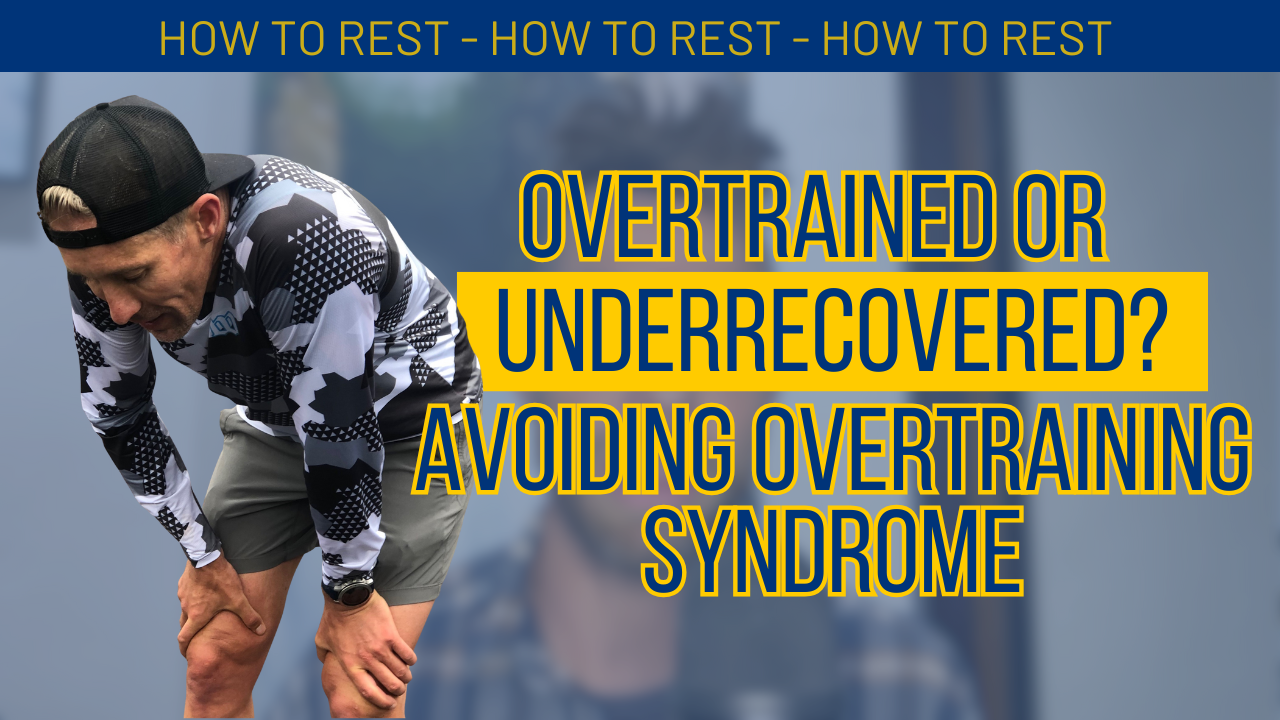
| 12/29/25 | Episode 35: Overtrained or Just Under-recovered? The Difference That Could Save Next Season✨ | overtrainingendurance training+3 | — | Campfire Endurance CoachingOvertraining Syndrome: A Practical Guide+1 | — | overtraining syndromefunctional overreaching+3 | — | 1h 00m 05s | |
Want analysis for the episodes below?Free for Pro Submit a request, we'll have your selected episodes analyzed within an hour. Free, at no cost to you, for Pro users. | |||||||||
| 12/15/25 | ![]() Episode 34: Cody Beals’ “Pathological Inability to Rest” and Resulting Burnout | Canadian pro triathlete Cody Beals opens up about thoroughly burning out, wondering if his triathlon career was over after Ironman Chattanooga, and what happened when he took his first real break in over 25 years of school, athletics, work, and professional endurance sport. We discuss the difference between intellectual understanding and actual practice when it comes to rest, why so many endurance athletes struggle with exercise addiction and forgoing necessary rest, and how Cody is rebuilding his relationship with the sport that's defined his adult life. We discuss fatigue resistance testing, the merits and difficulties of self-coaching (particularly when we fail to see how tired we are), and why baseline fitness sometimes matters more than peak training volume. Whether you're fighting burnout yourself or just trying to build a more sustainable approach to training, this episode offers practical, real-world advice from someone who's been to the brink of burnout and back.www.codybeals.comCody Beals on Instagram: @cody.bealsBook a coaching consultation: https://www.campfireendurance.com/triathlon-coaching | — | ||||||
| 12/1/25 | ![]() Episode 33: Why RPE Matters Just As Much As Power: Kolie Moore from Empirical Cycling on Training Smarter | What if the most sophisticated training tool you have isn't your power meter, but your ability to feel the difference between sustainable and unsustainable effort? Kolie Moore launched Empirical Cycling in 2015 after noticing a gap in how coaches approached endurance training. With a background in biology, biochemistry, metabolism, and physiology from Boston University, plus his own experience as a national championship medalist in track cycling, Kolie recognized that most coaching focused too much on training plans and not enough on the biological processes actually driving adaptation. Nearly a decade later, Kolie’s Empirical Cycling Podcast is known for its, uh, thorough explanations of exercise physiology—but also for its human approach to applying that knowledge. The Expanding Brain Meme: From RPE to Power and Back Again, Kolie's first and favorite meme, illustrates the training evolution most athletes experience. You start by training to RPE because you don't know any better. Then you discover heart rate and power-based training. Finally, if you stick with it long enough and pay attention to what works, you end up training to RPE again—but this time with the wisdom to know why it matters. The problem isn't that power meters and heart rate monitors aren’t useful. The issue is that athletes get so fixated on hitting prescribed numbers that they ignore what their bodies are telling them. Your brain integrates signals that no device can measure—life stress, environmental conditions, recovery status, total accumulated fatigue. When you override those signals to complete a workout exactly as written, you might be digging yourself into a hole rather than building fitness. We also talk about the assessment that has become known as the "Kolie Moore FTP Test," although Kolie is somewhat uncomfortable with this title. The test emerged from his realization that WKO5's power duration modeling was excellent at finding inflection points in the 30-80 minute range, and that the best predictor of performance is performance itself. Rather than suffering through a traditional 20-minute all-out effort and applying a mathematical discount, why not just ride at threshold by feel? We talk about how training plans should be flexible, not rigid, what makes Professional World Tour cyclists different from the rest of us, and our favorite books that have shaped our coaching methods. A HUGE thank you to Kolie for coming on the show—please go and listen to his!Learn More: Check out the Empirical Cycling Podcast at https://www.empiricalcycling.com/podcast.htmlFollow @empiricalcycling on Instagram for weekend AMAs with shorter answersJoin us at an upcoming Campfire Endurance training camp: https://www.campfireendurance.com/training-campsReady to work on your training? Book a consultation: https://app.acuityscheduling.com/schedule/f0ceda55/appointment/63067352/calendar/any?appointmentTypeIds[]=63067352 | — | ||||||
| 11/17/25 | Episode 32: Rach McBride, Professional Triathlete and Cyclist, Recaps UCI Gravel World Championships | I am joined by professional triathlete and cyclist Rach McBride to review their 2025 season, which saw them shift focus from professional triathlon to Elite UCI Gravel World Championships qualifier. We chat about the realities of racing at the world championship level—the different (but sensible!) call-up system, competing independently against fully-supported national teams, and what it felt like to represent Canada on the world stage. We also talk a bunch about the training that Rach and I collaborated on throughout the season. instead of chasing higher FTP numbers (Rach’s is already excellent), we prioritized building aerobic conditioning and developing superior fatigue resistance. Through detailed power data analysis, Rach reveals their remarkable ability to maintain threshold power for extended periods, even after hours of racing. Their fatigue resistance numbers at 20 and 60 minutes are among the best I’ve seen in my coaching career, and we talk about how we assessed those abilities and built upon them. This episode demonstrates why sustainable performance gains for well-trained endurance athletes come from systematic aerobic base building rather than constantly pursuing peak power numbers. My favorite part of the episode, though, is when Rach discusses the anxiety they face before events, revealing that everyone—even those at this level—struggles with wondering if they belong on their particular start line. Rest assured, Rach also discusses HOW they deal with that anxiety.Rach McBride on Instagram: @rachelmcbRach McBride's website: rachelmcbride.comCampfire Endurance Coaching: campfireendurance.comBook a free consultation: https://app.acuityscheduling.com/schedule.php?owner=14902097&appointmentType=63067352 | — | ||||||
| 11/3/25 | Episode 31: Why Your Zone 2 Training Feels Painfully Slow (And That's Actually Good) | “Zone 2” training has become incredibly popular in endurance sports, but most athletes misunderstand what it actually does and why it feels so frustratingly slow. In this episode, we debunk the misconceptions to explain how this training intensity establishes your aerobic infrastructure, why comparing yourself to professional athletes derails your progress, and how to embrace slow work now so you can do harder and more effective training later. You'll learn about the physiological adaptations that happen at this intensity, why a monoculture approach to training never works, and how years of consistent aerobic conditioning create the physiological infrastructure that supports faster racing. If your “Zone 2” pace feels slow, this episode explains exactly why that is and what to do about it.Campfire Endurance Coaching: campfireendurance.comBook a FREE 45-minute training consultationInstagram: @campfire_enduranceEmail me: chris@campfireendurance.comFrontiers in Physiology Article | — | ||||||
| 10/20/25 | ![]() Episode 30: The Complete Guide to Your First 70.3 Triathlon with Author Brittany Vermeer | Endurance journalist and author Brittany Vermeer joins me to discuss her book, The Complete Guide to Your First 70.3 Triathlon. Brittany has been in endurance media for 17 years, writing for Ironman, Triathlete, and Outside Magazin. Brittany shares the most common mistakes athletes make when tackling their first middle distance race, from nutrition mishaps to pacing errors, and we go beyond training plans to explore the mental game necessary for 70.3 triathlon success, the difference between racing as a test versus a challenge, and why racing by feel is a crucial skill to use alongside objective data. Whether you're preparing for your first 70.3 or looking to improve your approach to long course racing, this episode offers practical wisdom for training smarter and racing stronger.Links!Triple Threat Life newsletter: triplethreatlife.substack.comThe Complete Guide to Your First 70.3 Triathlon- on Amazon- on Brittany’s website, thetriplethreatlife.com- Instagram: @thetriplethreatlife | — | ||||||
| 10/14/25 | Episode 29: REPOST | The Norwegian Method with Author Brad Culp | Over the past six weeks, Norwegian athletes have take four of the six podium spots at the Ironman World Championships in Nice, France, and Kailua-Kona, Hawaii. We sat down earlier this year to talk with Brad Culp, author of The Norwegian Method: The Culture, Science, and Humans Behind the Groundbreaking Approach to Elite Endurance Performance. Brad points out both in his book and in this interview that many Norwegians actually bristle when they hear their manner of training described as “The Norwegian Method,” because the way they train is fairly old-school: all of the principles they adhere to were set decades ago by athletes and coaches from a variety of cultures and ethnicities.“The Norwegian Method” is, in fact, simply a “high-volume, low-intensity program with threshold sessions controlled by lactate measurement.” It flies in the face of “no-pain, no-gain” training, and requires commitment, consistency, and control over a long period of time. Listening to this episode (and reading Brad’s book!) will help you stop training too hard, reset your timeline for success, and start moving effectively in the direction of your goals.If you’d like to get in touch with us about training, you can book a free 45-minute training analysis with head coach Chris Bagg here. | — | ||||||
| 9/22/25 | Episode 28: Training Durability | What Sticks Around and What Disappears First | One of the athletes I work with, Robin Cummings, asked a deceptively simple question about heat training that opened up a much larger conversation: which training adaptations actually last, and which ones disappear the moment you stop training them? The answer reveals your body's efficient "last hired, first fired" approach to fitness —and changes how you should think about periodization.In this coach-to-coach conversation, Robin, an elite cyclist and coach, and Chris break down the durability hierarchy that governs every training decision, from skills work that can last decades to altitude adaptations that vanish in two weeks. You'll learn why your body operates like a lazy but efficient accountant, maintaining only the adaptations it absolutely needs and dumping everything else the moment the metabolic cost gets too high.You can find Robin @gender_deer on Instagram, where they post about their racing and where you can talk to them about coaching. | — | ||||||
| 9/8/25 | ![]() Episode 27: F-ing Fast Past Forty: Pro Josh Monda Keeps Getting Faster | Josh Monda raced as an age grouper for 17 years before turning professional at 40—displaying a patience you don’t often find in endurance sports. Josh’s story includes a five-year hiatus from the sport, personal struggles with addiction, and a long-term approach that eventually unlocked elite-level performance. Now racing for the On Your Left Professional Triathlon Team, Josh shares the training, mental, and tactical insights that enabled his late-career breakthrough.Josh's story shows that athletic development doesn't follow a universal timeline. His patient approach, willingness to step away when necessary, and focus on consistent, sustainable training over the long haul offers a blueprint for long-term success in endurance sports—regardless of when you start or restart your journey.Free training consultation: https://tinyurl.com/mu8d8tuxJoin our Discord community: https://discord.gg/3Uq989QFX4Website: campfireendurance.com | — | ||||||
| 8/25/25 | Episode 26: How to Choose the Triathlon Coach that Fits YOUR Goals | Choosing an endurance coach might be one of the most important decisions you'll make as an athlete, yet most people approach it completely backwards. This episode of The Infirmary breaks down how to choose and endurance coach who matches your goals, communication style, and budget, because not everyone needs the same thing in a coaching relationship. We start with the biggest but oft-ignored question: do you even need a coach in the first place? Some athletes thrive in community-focused training groups, while others need a personalized, data-driven approach that only comes from professional triathlon coaching. Understanding your values—what YOU think is important in your sport—determines everything about your coach search. Your sporting values and needs should align with your coach's training philosophy. Are you looking for someone who'll craft completely customized training plans, or do you prefer a simple plan with slight modifications? We bring up some red flags to watch for, including coaches who just copy-paste their own training history onto every athlete they work with or push you to purchase their services on the first information call. Whether you're looking for workout accountability, technical expertise, or someone to help you navigate the mental game, this episode gives you a framework to find exactly what you need without getting caught up in fancy marketing or credentials that don't actually matter for your specific situation.You can read the article version of this episode here: https://www.campfireendurance.com/how-to-choose-a-triathlon-coachAnd you can sign up for free 45-minute training analysis here: https://www.campfireendurance.com/triathlon-coaching | — | ||||||
| 8/11/25 | Episode 25: Elite Swimmer to Pro Triathlete, Lauren Brandon's 15-Year Triathlon Career | Chris sits down with retired professional triathlete Lauren Brandon. An elite swimmer to triathlete success story, Lauren shares how her NCAA All-American swimming background and 2008 Olympic Trials qualification shaped her approach to professional triathlon training and racing. Lauren talks about swimming misconceptions, focusing on the critical catch and pull mechanics that most age-group athletes struggle with. The conversation explores the emotional and practical aspects of professional coaching, both receiving it and now giving it herself as one of Julie Dibens' coaches. Lauren discusses how Ironman training consistency became more important than high-volume approaches, especially as she learned to manage injury prevention strategies after transitioning from swimming's high-volume, low-impact training to triathlon's multi-sport demands. As someone who worked with sponsors throughout her career, Lauren provides advice for current and aspiring professionals, emphasizing relationship-building in the sport's small community. Her insights into the female professional triathlete experience address unique challenges including balancing career goals with life transitions and managing the emotional toll of endurance athlete burnout. | — | ||||||
| 7/28/25 | Episode 24: How to Heat Train Effectively for Endurance Sports | Heat training is one of those topics that is a) poorly understood and b) deployed by coaches and athletes everywhere, which is…not a great combination. In this episode of The Infirmary, Chris walks you through the adaptations we are after when we heat train, the possible mechanism by which those adaptations occur, and then practical suggestions to apply these principles to your own training.Most athletes think that they can simply go to their destination race and “acclimate if I get there 7-10 days early.” That approach will actually hurt your performance, not help it. By understanding evidence-based approaches to heat training, you’ll be able to adapt to the heat effectively and have the performance that you are training for. But you’re not alone! At the 2015 IAAF Track and Field World Championships, only 15% of the professional athletes there used any kind of heat preparation, so don’t feel bad if heat training feels confusing.You can read the meta-analysis Chris distills in this episode here, and you can see the sample training program he explains in the image below.Want to talk to Chris about your heat training plan? Book a free analysis here. | — | ||||||
| 7/14/25 | Episode 23: How Mental Skills Transform Athletic Performance with Sports Psychologist Brian Baxter | This interview with sports psychologist Brian Baxter reveals how mental training techniques can transform athletic performance at every level. Baxter, who has worked with athletes for over 20 years, breaks down the essential mental skills that separate good athletes from great ones, showing why anxiety management and confidence on the playing field or race course are just as crucial as physical preparation.Baxter explains the well-known "control the controllables" philosophy that helps athletes focus their energy on what actually matters: effort, attitude, preparation, and present moment awareness. Brian explains how the endurance sports mindset functions differently from other sports, addressing the unique challenges that come with long training blocks and extended competition periods that can trigger pre-race anxiety strategies.The conversation explores practical techniques, including energy management, showing how athletes can adjust their arousal levels for optimal performance; how to achieve flow state in sports more consistently; and why proactive mental training beats reactive responses to difficult moments during competition. Brian demonstrates how sports mental skills coaching addresses the thoughts -> emotions -> physiology performance formula that determines success on race day.Whether you're struggling with performance anxiety or looking to take your mental game to the next level, this session provides actionable psychology tips and athletic performance mindset strategies for triathlon or any endurance sport you pursue. From understanding when anxiety becomes excitement, to learning visualization techniques that actually work, these insights will help you build the mental resilience that elite athletes use to achieve peak performances.The interview includes real-world examples of how proper mental training helped Chris overcome a race penalty to achieve one of his best performances, illustrating how athlete confidence building through controllable focus creates unshakeable mental toughness during competition.You can learn more about Brian at Amplify Sports Performance. | — | ||||||
| 7/10/25 | Episode 22: Ironman Unveils New World Championship Qualification System | The triathlon world erupted when Ironman announced their new age-graded qualification system for Kona. But after analyzing the actual numbers from recent races, the changes aren't nearly as earth-shattering as the internet forums suggest. Chris breaks down the math, examines real race data, and explains what aspiring qualifiers actually need to know.If you want to read this podcast in article form, head on over to Chris’ breakdown here.Want to talk to Chris about your training? You can book a free 45-minute analysis here.Book a swim analysis with Chris: https://campfireendurance408.lpages.co/video-swim-analysis/Ironman’s announcement: https://www.ironman.com/news/age-group-qualification-system | — | ||||||
| 6/30/25 | Episode 21: What Holds Swimmers Back from Improving | This comprehensive swim technique presentation reveals what really holds swimmers back and why swimming improvement is so different from cycling or running progress. As a Swim Smooth certified coach, Chris breaks down the five major swimming technique faults that prevent triathletes from swimming faster, demonstrating why swimming drills for adults require a completely different approach than other endurance sports. Learn about the six Swim Smooth swim types and discover which category fits your current stroke patterns, from Bambinos struggling with anxiety, to Arnies trying to overpower the water, to Overgliders who want to TALK about swimming, rather than swim. This triathlon- and open-water swimming tips session covers essential techniques like proper catch and pull mechanics, fixing the dreaded crossover swimming fault, and developing effective bilateral breathing technique for open water conditions. Chris talks about common mistakes like straight-arm catch-and-pulls that act like brakes, bringing the hands forward too soon during recovery, and poor kick mechanics that waste energy. Chris demonstrates proven swimming drills and ankle mobility exercises that address these issues, showing how the Swim Smooth coaching method focuses on individual swimmer needs rather than copying elite swimmer techniques. Whether you're preparing for your first triathlon or looking to break through a swimming plateau, this session provides the technical foundation every adult swimmer needs. From understanding why swimming ankle mobility matters to learning proper freestyle swimming technique, these insights will transform your approach to training in the water.This episode is quite visual! If you want to see everything that’s going on, check out the video on our YouTube channel: https://youtu.be/1hbj52I7sQs | — | ||||||
| 5/20/25 | Episode 20: Self-Coached vs. Coached: Finding Balance in Triathlon with Business Owner and Mom Annie Solonika | In this candid conversation with former Campfire athlete Annie Solonika, we dive into what really matters in the coach-athlete relationship from both perspectives. Annie shares how a strong coach-athlete relationship requires clear communication and expectations from the start. As both a successful triathlete and business owner of Full Circle Stretching, Annie offers unique insights on balancing triathlon training with work and family life, showing how proper coaching can help busy athletes maintain consistency.We explore the differences between self-coaching and working with a coach, discussing how training structure and accountability contribute to athletic development. Annie explains that effective coaching isn't just about training plans, but about creating a supportive community that keeps athletes motivated through challenging periods. The conversation highlights how listening to your body becomes an essential skill for endurance athletes, with proper coach feedback helping athletes distinguish between normal fatigue and warning signs.For coaches, this interview provides valuable perspective on what athletes truly value in a coaching relationship, while athletes will gain insights on how to communicate their needs effectively. Whether you're considering hiring a coach or looking to improve your existing coaching relationship, this discussion offers practical wisdom for triathlon training consistency and finding balance between athletic goals and life commitments. | 0m 55s | ||||||
Showing 25 of 44
Sponsor Intelligence
Sign in to see which brands sponsor this podcast, their ad offers, and promo codes.
Chart Positions
3 placements across 3 markets.
Chart Positions
3 placements across 3 markets.