
The Intercept Briefing
by The Intercept
Is this your podcast?On the show
From 31 epsHosts
Recent guests
Recent episodes
DHS Was Designed as a Weapon
Oct 16, 2026
43m 30s
Prediction Markets Have a Lock on the Midterms
Oct 9, 2026
32m 53s
Mahmoud Khalil: “We Can’t Afford to Stay Silent”
Oct 2, 2026
46m 50s
The Blueprint for Democrats to Win Back Voters
Sep 25, 2026
39m 47s
Apocalypse Now: Naomi Klein and Astra Taylor Investigate the End-Timers Alliance
Sep 18, 2026
46m 39s
Insights from recent episode analysis
Audience Interest
Podcast Focus
Publishing Consistency
Platform Reach
Insights are generated by CastFox AI using publicly available data, episode content, and proprietary models.
Most discussed topics
Brands & references
Total monthly reach
Blended from 1 signal.
Built from
By chart position
- 🇺🇸United States · PoliticsHOME#1286.4K to 40K
- 🇧🇷Brazil · Politics#621.2K to 7.6K
- 🇨🇦Canada · Politics#91518 to 3.2K
- 🇪🇸Spain · Politics#79355 to 2.2K
- 🇨🇱CL · Politics#40176 to 1.1K
- Per-Episode Audience
Est. listeners per new episode within ~30 days
9.4K to 59K🎙 Daily cadence·411 episodes·Last published 2d ago - Monthly Reach
Unique listeners across all episodes (30 days)
31K to 195K🇺🇸68%🇧🇷13%🇨🇦6%+7 more - Active Followers
Loyal subscribers who consistently listen
12K to 78K
Market Insights
Platform Distribution
Reach across major podcast platforms, updated hourly
Total Followers
—
Total Plays
—
Total Reviews
—
* Data sourced directly from platform APIs and aggregated hourly across all major podcast directories.
Social Links & Contact
Official channels & resources
Official Website
Login
RSS Feed
Login
| Date | Episode | Topics | Guests | Brands | Places | Keywords | Sponsor | Length | |
|---|---|---|---|---|---|---|---|---|---|
| 10/16/26 |  DHS Was Designed as a Weapon | A fresh wave of outrage over the Trump administration’s use of Immigration and Customs Enforcement has surged after two high-profile events involving ICE in the span of a week: the shooting of a young father in New York City last Thursday, and the Monday morning Homeland Security Investigations raid on Rep. Ilhan Omar’s home.Reporting from the Wall Street Journal suggests that the raid was a part of an ongoing effort by the Trump administration to strip the Minnesota Democrat of her U.S. citizenship. Omar arrived in the United States as a child refugee from Somalia and became a naturalized citizen in 2000, long before the start of her political career. The outspoken progressive congresswoman has since become a foe of President Donald Trump; in a statement, her spokesperson condemned the raid on her home as “an unprecedented escalation in the weaponization of federal law enforcement to target political enemies.” Omar’s House colleague, Rep. Delia Ramirez, D-Ill., argues this sort of weaponization is an inherent feature of the Department of Homeland Security, which was established in 2003 as part of the George W. Bush administration’s mounting war on terror. This week on The Intercept Briefing, host Jessica Washington speaks with Ramirez about a new bill she introduced on Tuesday to abolish DHS and what the raid on Omar’s home reveals about the department. “The Department of Homeland Security cannot be reformed. It should be dismantled,” said Ramirez. “What they did — just three weeks from an election — was to attempt to create such paralysis on everyday people. … If they can do this to one of my colleagues, they can do that to anyone. And it should concern everyone.”Washington also speaks with Rozina Ali — a journalist covering the war on terror, Islamophobia, the Middle East, South Asia, and literature — and Will Sommer, a senior reporter covering right-wing media and conspiracy theories at The Bulwark. Ali and Sommer unpack the role of conspiracy theories and anti-Muslim propaganda in the attacks on Omar, and how DHS has been historically weaponized against Muslims in the United States.“Over the last 30 years, we have been conditioned to believe that Muslims, and now more broadly immigrants, are not just a threat to national security, but a threat to the American way of life,” said Ali. “The right has been really eager to denaturalize Ilhan Omar for really going back a decade almost to the first Trump administration,” said Sommer. He called the investigation into Omar “one of the most striking examples we’ve seen of how the Trump administration is willing to use law enforcement to achieve its political aims and to sort of threaten its enemies.” Hosted on Acast. See acast.com/privacy for more information. | 43m 30s | ||||||
| 10/9/26 | 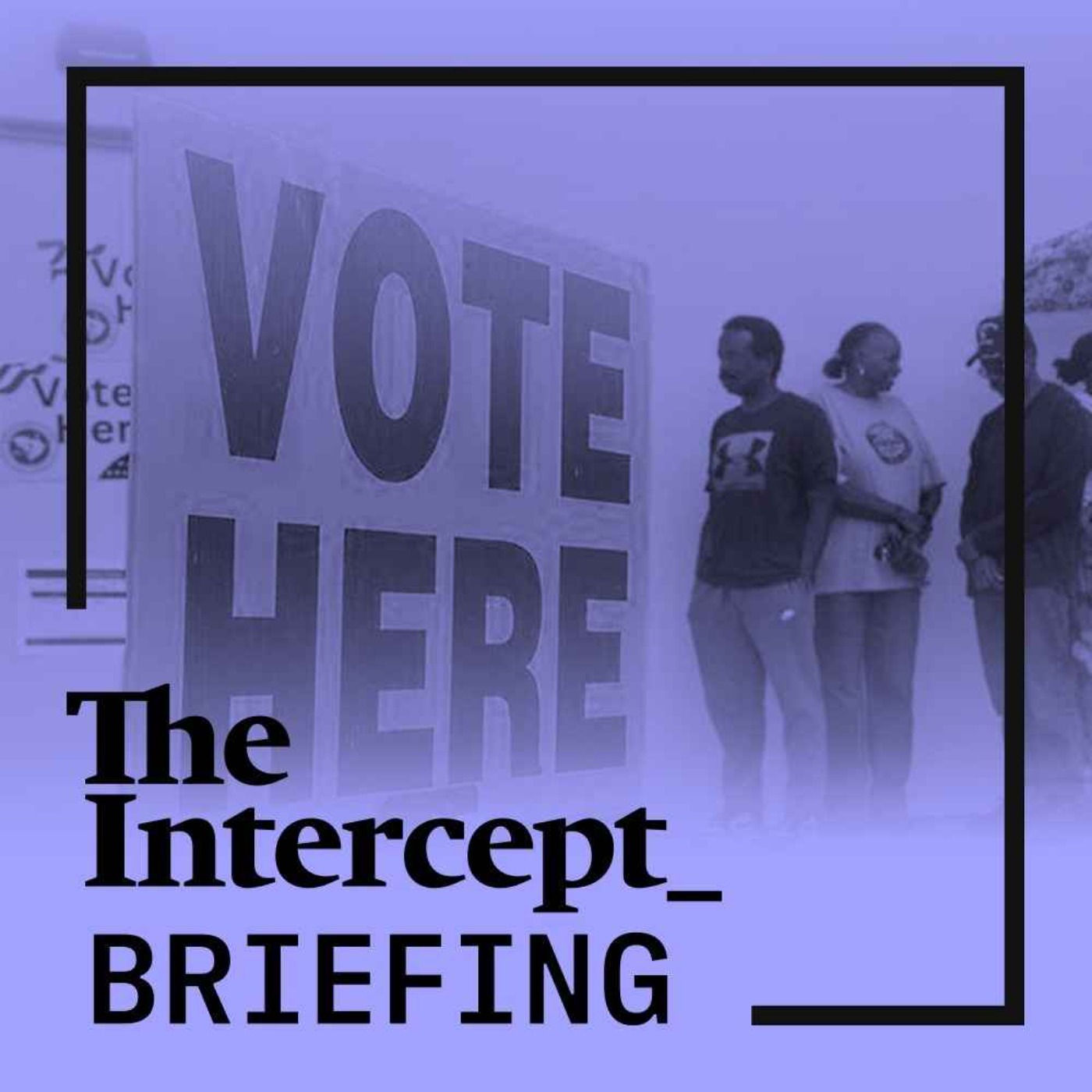 Prediction Markets Have a Lock on the Midterms | As so-called prediction markets like Kalshi and Polymarket embed themselves in every aspect of our daily lives, from elections to sports and entertainment, concerns have grown about what the explosion of these poorly understood, loosely regulated platforms could mean for regular people and democracy writ large.Celebrities from LeBron James to Sydney Sweeney have inked lucrative deals with prediction platforms. Legacy news outlets have even begun including prediction market data in their coverage. And the Trump family is deeply embedded in these platforms’ success; Donald Trump Jr.’s VC firm just became a lead investor in Polymarket, and he is a paid adviser to both Polymarket and Kalshi.But what actually is a prediction market, and what separates it from online sports betting platforms like DraftKings or FanDuel?This week on The Intercept Briefing, Kate Knibbs — a senior writer at Wired who covers prediction markets, the future of media, and how AI is changing the internet — breaks down the battles to define prediction markets; what they’re getting away with in the meantime, while existing in this “weird” regulatory gray zone; and their potential to be a "disruptive force” in next month’s midterm elections.States have been looking to regulate these platforms like they do sports gambling. But the companies are pushing back: The founders of Kalshi donated $200,000 to a new Texas-focused political action committee, a week after state lawmakers held hearings to investigate whether prediction markets constitute sports betting, which is illegal in Texas.“Both Kalshi and Polymarket are tech unicorns at this point. They have a lot of money to spend, and they realize that this is an existential fight,” says Knibbs. “Donald Trump Jr. is very involved in this industry, and stands to gain a lot from prediction markets being able to operate as they desire and not be beholden to various state regulations that they're currently not beholden to. ... I am very interested in what is going to happen in this space when we have a different administration. Kalshi is seeming to hedge its bets by aggressively hiring former Biden administration stars.”In addition to spending heavily on lobbying, their survival strategy includes inking deals with mainstream media companies like CNN, CNBC, and even Substack to establish credibility.“I have been following the enmeshment between prediction markets and the media very closely because I think it's flown under the radar a little bit, while all of these regulatory fights have been going on, just how quickly the prediction markets managed to establish themselves as another source of truth about what's potentially happening in the world,” says Knibbs. “They are still so new, and the way that they are operating is still in this murky regulatory gray area. It just boggles my mind that they've managed to just become part of the financial news establishment in the way that they have.”Full transcript: https://interc.pt/47sZKlvKeep our investigations free and fearless at theintercept.com/join. Hosted on Acast. See acast.com/privacy for more information. | 32m 53s | ||||||
| 10/2/26 |  Mahmoud Khalil: “We Can’t Afford to Stay Silent” | Three years into Israel’s genocide in Gaza, the U.S. government is still targeting pro-Palestine student activists.Even before federal immigration agents descended on communities around the country, killing immigrants and protesters, unmarked agents were abducting students who had voiced criticisms of Israel.Mahmoud Khalil was the first. After federal agents detained him at his alma mater, Columbia University, he spent more than 100 days in an Immigration and Customs Enforcement detention facility in Louisiana. It’s been over a year since he was released and returned to live with his family in New York City. The Trump administration is still trying to deport him.“Part of why I'm doing this right now rather than waiting 10 years or 20 years is because what's happening now in ICE detention is a stain on the U.S. conscience,” Khalil tells The Intercept Briefing. “I don't want to look back in 20 years and reckon with what's happening. I want to stop the killing now. I want to stop the disappearances now. I want to stop the cruelty now.”This week on the podcast, Khalil speaks with host Akela Lacy about what he’s learned about how he became President Donald Trump’s top target, the role Columbia University played in that campaign, and his new book, “No Land to Stand On,” which chronicles Khalil’s experience in ICE detention, missing the birth of his first child, his ongoing saga to stay in the U.S. with his family, and more.“It's been so difficult just to have that conversation with my wife Noor about what would happen,” Khalil says. “What are we doing? Is it worth the fight? Should we just leave? But to me, this fight isn't only about whether I get to stay in this country.”“It's about whether anyone — whether they are citizens or non-citizens — are able to speak out against government policies and against the support of Israel in this country. It goes down to a very basic thing: If they are able to deport someone for their views on Palestine, they would be able to deport anyone on their views, whether it is pro-Palestine or pro-Israel or anything.”For more, listen to the full conversation of The Intercept Briefing on Apple Podcasts, Spotify, YouTube, or wherever you listen.Full transcript: https://interc.pt/4ywVeOAKeep our investigations free and fearless at theintercept.com/join Hosted on Acast. See acast.com/privacy for more information. | 46m 50s | ||||||
| 9/25/26 | 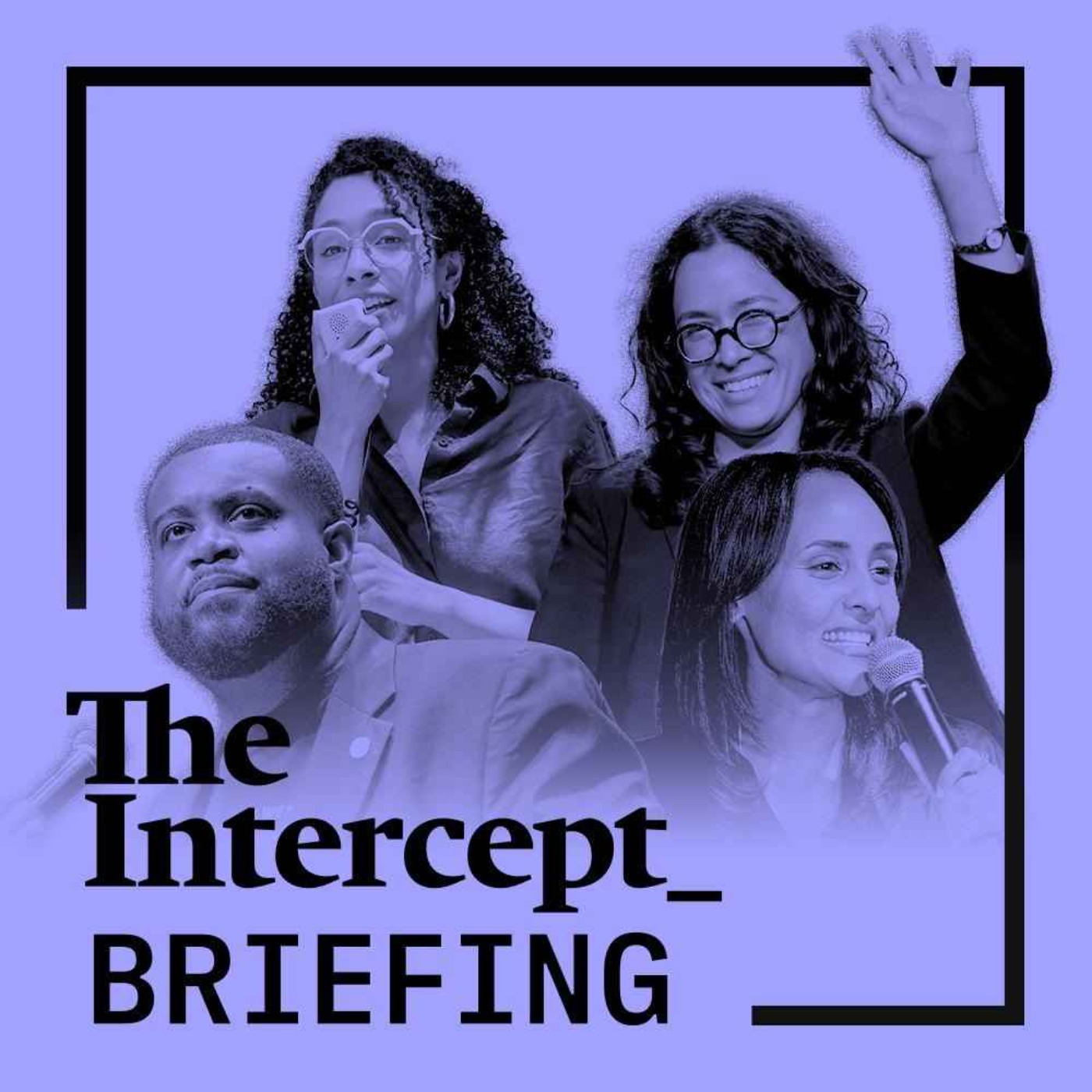 The Blueprint for Democrats to Win Back Voters | It’s the year of the democratic socialist. But the group that helped start the earthquake currently transforming the Democratic Party almost didn't make it to 2026.After suffering major losses last election cycle after a deluge of pro-Israel lobby spending, Justice Democrats, which supports progressive candidates getting elected to Congress, was on the verge of being written about in the past tense.“Everyone sort of doubted that there was a comeback to be had. I think a lot of people, AIPAC included, saw last cycle as the harbinger for what's to come: They were on the rise, JD and the left were on the decline. For the first time ever, we didn't endorse a new candidate since our founding, and because we had to focus on defending against $100 million in spending from AIPAC,” says communications director and spokesperson Usamah Andrabi. “The truth is, that moment was really — for lack of a better word — the apex of AIPAC's momentum and ability.”But Justice Democrats resurrected itself, had its most successful primary season to date, and helped put democratic socialism on the map. So what changed?The group says it won big this year, even being massively outspent, because it tapped into the brewing frustration among voters — frustration directed at Democratic Party leaders. “We understood as soon as Donald Trump won that clearly the Democratic establishment was unfit to fight back, and what voters were looking for as we've seen throughout this cycle, is this amorphous fighter that they want,” says Andrabi. “That fight doesn't just look like, as we say so often, press releases and strongly worded letters. It looks like fighting corporate establishment. It looks like fighting AIPAC. It looks like fighting crypto and AI.”This week on The Intercept Briefing, Andrabi speaks to host Akela Lacy about how the group that helped elect Reps. Alexandria Ocasio-Cortez, Ilhan Omar, and Rashida Tlaib has seen their candidates make impressive gains in the primaries, and how they're planning to leverage their wins — and what they can learn from their losses — beyond November.This primary season, Justice Democrats endorsed 15 candidates; seven won, with democratic socialists knocking out three incumbents. That includes Darializa Avila Chevalier who toppled Congressional Hispanic Caucus Chair Adriano Espaillat in New York, Melat Kiros who beat Rep. Diana DeGette in Colorado, and state Rep. Donavan McKinney who took out Rep. Shri Thanedar in Michigan. Those three are all but guaranteed to head to Congress next year, along with the four other candidates who won.“This work doesn't happen overnight. These losses don't happen overnight. It takes years and years to build this progress,” says Andrabi. “These candidates that we elected this cycle are giving you a blueprint on a silver platter on how to excite your base and how to energize your party. The Democratic Party can either listen to them or be forced to listen to them, as they have been this cycle when we beat them.”Full transcript: https://interc.pt/4rypFBtKeep our investigations free and fearless at theintercept.com/join. Hosted on Acast. See acast.com/privacy for more information. | 39m 47s | ||||||
| 9/18/26 | 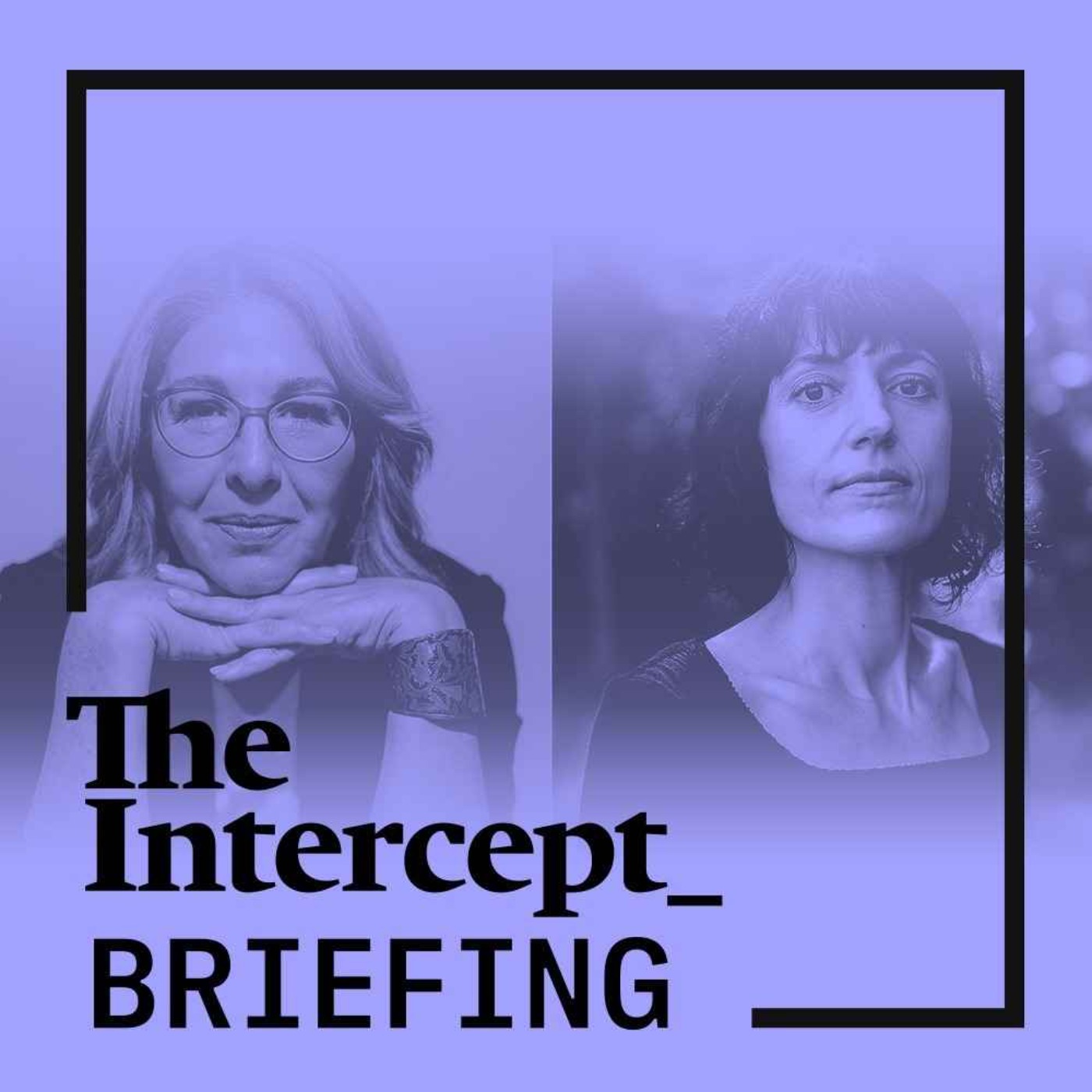 Apocalypse Now: Naomi Klein and Astra Taylor Investigate the End-Timers Alliance | The fight over the future is rapidly unfolding before our eyes. With debates roiling Washington over calls to rein in artificial intelligence before it’s too late as the U.S. continues to wage official and unofficial wars around the world, many of the world’s most powerful players are licking their chops. Yes, there’s destruction all around. But these players have carefully concocted a plan: to hasten a familiar vision that combines biblical, militant, and futuristic images of the end times so they can save themselves.This week on The Intercept Briefing, host Akela Lacy interviews award-winning authors and documentarians Naomi Klein and Astra Taylor, whose new book, "End Times Fascism and the Fight for the Living World," maps the players who want to speed up the end of the world. “We didn't feel that the old ways of understanding who Trump is, what he's trying to accomplish — even what fascism is — was fully capturing what we were seeing. Here we're thinking about invading Greenland, declaring Canada the 51st state, creating an ICE army, the relationship with El Salvador's maximum-security prisons. So we're trying to map this,” says Klein. It seemed to be “a fascism that had no vision of our world continuing. There's always an apocalyptic quality to fascism, but there is a horizon for the in-group after the cataclysm, and we weren't seeing that in this politics. It was much more about bunkering down in and taking breakdown for granted.”“End times fascism is an alliance of three main components,” says Taylor. The religious fundamentalists who helped elect Donald Trump, wanting to hasten along a violent Armageddon so Jesus will return. The tech accelerationists “exalting in the possibility that some sort of super intelligence, some sort of digital being might take over.” The ethnonationalists who view immigration as an existential threat, so they fortress the border and hoard resources. “These different prongs find a kind of uneasy alliance in their conviction that this world's going to hell and that their group will survive the wreckage,” says Taylor.It may sound bizarre. And it is. But that doesn’t mean we should ignore it, Klein says. “This is a really dangerous pattern of thought: that out of the worst things possible comes the beautiful, glorious golden city. And that's the template of all of these action films and video games, and it leads one to embrace the worst and to not fear what we should fear,” says Klein. “When Trump shares a video of a remade Gaza with a Trump Tower, he's doing a version of that story. When Sam Altman says he's summoning a digital god, and we're going to have utopia with AI, and yeah, let me cover the whole world with data centers and accelerate the climate crisis because it's going to be utopia ... he's doing the story. So we have to be able to identify it because we're all living with the consequences of this terrible story and we need better stories.”“In this moment, we're up against a fascism that is against all humans in a way. We quote Kelly Hayes, an activist based in Chicago, and she says, ‘Every fascism has its subhumans, and for techno-fascists, it's just humans in general.’ This is opening up a bigger fight beyond ‘I am a man’ to just like, this is life versus the machines, and there's something very unprecedented about that and potentially very unifying,” says Taylor, noting that the collective uprising, across the political spectrum, against data centers shows people breaking free of one so-called inevitable future.Full transcript: https://interc.pt/3V3fTuMKeep our investigations free and fearless at theintercept.com/join. Hosted on Acast. See acast.com/privacy for more information. | 46m 39s | ||||||
| 9/14/26 |  The AI Doomsday Future Is Not Inevitable | Local police departments use Flock cameras to track license plates. ICE uses Palantir software to track and round up immigrants. Defense Secretary Pete Hegseth’s war department uses Claude to bomb Iran. The U.S. government spends billions employing private corporations to obtain mountains of data — and the surveillance space is only getting more privatized in Donald Trump’s second term. “It really has become a Wild West,” 404 Media co-founder Jason Koebler tells host Akela Lacy on The Intercept Briefing, on the state of the U.S. surveillance apparatus today. While Palantir and Flock have become household names, Koebler says, “anything that can be surveilled is being surveilled, and a lot of this is happening from companies that very few people have heard of, and companies that are willing to push the envelope on what they're willing to do, like how far they're willing to go to surveil people."“A lot of the stuff that you used to associate with the NSA or CIA or another state spy agency, those kinds of capabilities you can now just buy,” Intercept senior technology reporter Sam Biddle notes of the ease and accessibility of the tools now available to the government. “You don't need to be a top-secret government agency. You can just be a contractor in Virginia.”“It's a way to sidestep warrant requirements,” says Koebler. Surveillance contractors “are doing things that if the government were doing directly, they would need to get a warrant in order to do it.”This week, for a special recording of the podcast, independent tech outlet 404 Media and The Intercept teamed up in front of a live audience in Los Angeles to discuss how the U.S. government weaponizes private data to surveil and kill abroad and at home, the resulting backlash and potential regulations on the table, what tangible actions the average person can take to “divest from the contemporary surveillance hellscape,” and refocusing AI-ending-humanity doomerism.“When you ascribe motives and agency to AI, you're letting Sam Altman off the hook,” says Biddle. “There are human beings building this technology. It's not inevitable. This doomsday future is not inevitable,” adds Koebler. “We can't bury our heads in the sand and say, ‘This is not changing society in some way.’ But it is being driven by very rich humans, and they can be regulated. They can be held to account.”“What's been really interesting about the Flock backlash, and heartening, is that it is completely apolitical, or it's nonpartisan. It is completely — from the deepest red to the people in this room right now — the entire political spectrum hates these,” says Biddle. “There's the real potential for the first time in a while to create a pro-privacy coalition that bridges a lot of the otherwise pretty giant political gaps.”Full transcript: https://interc.pt/4hqwQrKKeep our investigations free and fearless at theintercept.com/join. Hosted on Acast. See acast.com/privacy for more information. | 49m 45s | ||||||
| 9/4/26 | Islamophobiapolitical scapegoating+4 | Rozina Ali | The Intercept404 Media+1 | MichiganNew York City+1 | IslamophobiaSeptember 11+6 | — | 42m 45s | ||
| 8/28/26 | WNBAtrans rights+3 | Angela PerryKatelyn Burns | WNBANBA | ChicagoIndiana | WNBAtrans women+4 | — | 33m 37s | ||
| 8/21/26 | Gaza conflicthealthcare in war zones+3 | Dr. Thaer Ahmad | United NationsAmerican Doctor+1 | — | Gazahealthcare+5 | — | 34m 07s | ||
| 8/14/26 | insurgent leftprimary races+4 | David Sirota | The LeverAIPAC+2 | WisconsinMinnesota | Francesca HongDavid Crowley+6 | — | 30m 31s | ||
| 8/5/26 | Democratic Senate primaryprogressive movement+5 | — | AIPACUnited Democracy Project+1 | MichiganMissouri | Democratic primaryCori Bush+7 | — | 34m 52s | ||
| 7/31/26 | Michigan Senate primaryprogressive politics+4 | Abdul El-Sayed | American Israel Public Affairs CommitteeThe Intercept | MichiganWisconsin | MichiganSenate primary+6 | — | 48m 19s | ||
| 7/24/26 | immigrationlaw enforcement+4 | Naureen ShahNayna Gupta | American Civil Liberties UnionAmerican Immigration Council+3 | — | ICEBorder Patrol+6 | — | 43m 41s | ||
| 7/17/26 | U.S. military involvementIran conflict+3 | Spencer Ackerman | The Intercept | IranUnited States+2 | TrumpIran+5 | — | 38m 19s | ||
| 7/11/26 | American RevolutionNative American history+3 | Ned Blackhawk | Cherokee NationThe Intercept+2 | — | American RevolutionNative Americans+5 | — | 36m 04s | ||
| 7/11/26 | American historypolitical discourse+3 | Rebecca Nagle | The InterceptSmithsonian Institution | United States | American historyDonald Trump+3 | — | 40m 11s | ||
| 7/7/26 | political scandalrape accusation+4 | — | Democratic PartyPolitico | Maine | Graham Platnerrape accusation+6 | — | 26m 08s | ||
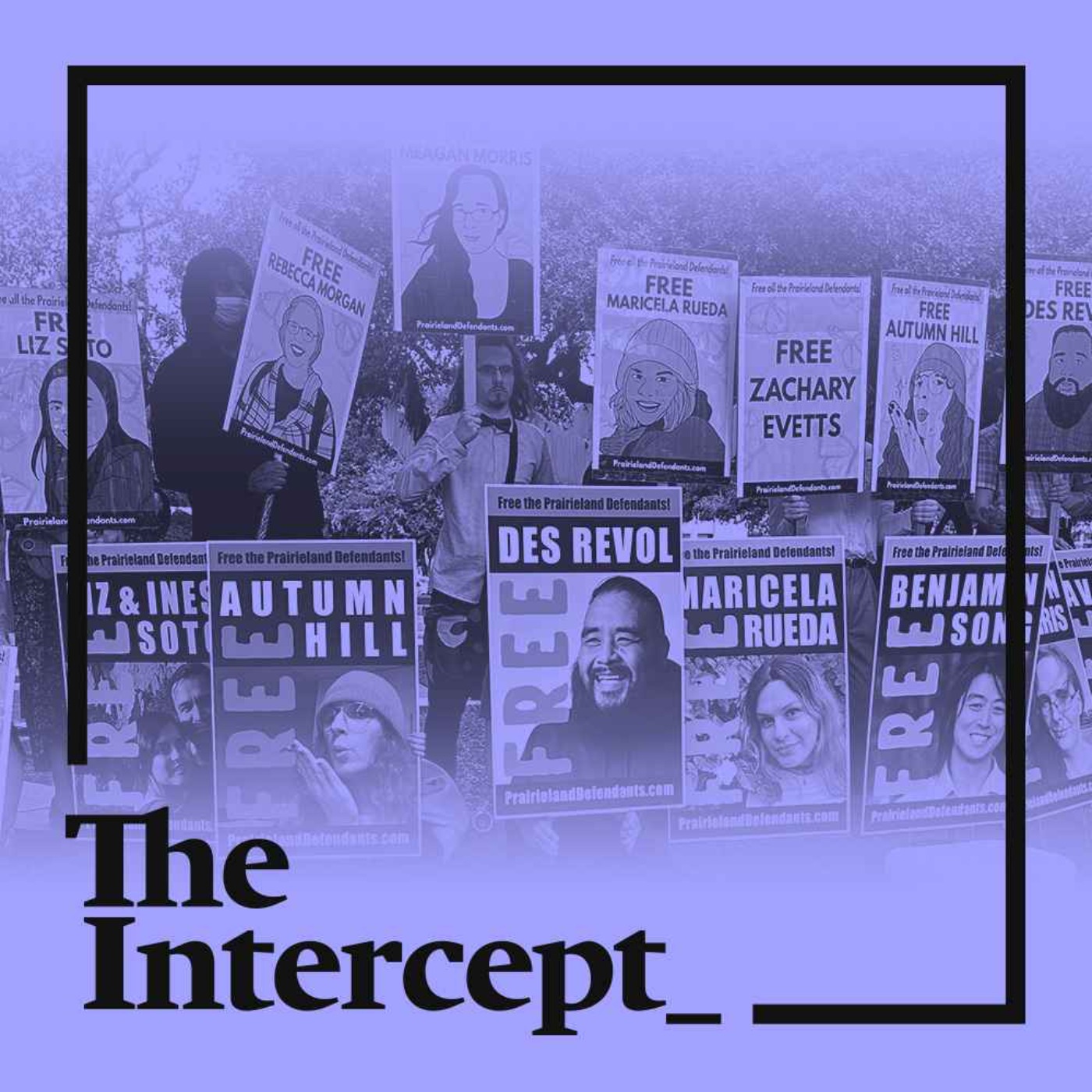
| 7/3/26 | Trump administrationanti-ICE activism+4 | Matt SledgeMark Bray | The InterceptICE+2 | Prairieland Detention FacilityTexas | Trumpantifa+8 | — | 38m 23s | ||
| 6/25/26 | populismDemocratic Party+4 | Michael LangeMaia Hibbett | Democratic PartyDemocratic Socialists of America+3 | — | Zohran MamadaniMichael Lange+6 | — | 36m 17s | ||
| 6/19/26 | Gaza conflictceasefire+4 | Tariq Kenney-Shawa | Al-Shabaka | GazaIsrael+3 | GazaIsrael+6 | — | 45m 26s | ||
| 6/12/26 | election fraudmidterms+3 | Graham Platner | The Intercept | MaineCalifornia | Graham PlatnerJanet Mills+6 | — | 32m 26s | ||
| 6/5/26 | immigration detentionGaza ceasefires+4 | Jonah ValdezTariq Kenney-Shawa+1 | GEO Group | Newark, New Jersey | detention centershunger strike+5 | — | 40m 19s | ||
| 5/29/26 | AI infrastructuredata centers+4 | Jim Walsh | Food and Water WatchTrump administration | UtahGreat Salt Lake+2 | data centersenvironmental impact+7 | — | 36m 06s | ||
| 5/22/26 | election spendingpolitical campaigns+4 | Matt Sledge | AIPACLead Left+2 | — | AIPACsuper PACs+5 | — | 26m 33s | ||
| 5/15/26 | Gazacounterterrorism strategy+5 | Jonah ValdezTariq Kenney-Shawa | The InterceptAl-Shabaka+5 | Minneapolis | Gazacounterterrorism+8 | — | 41m 46s | ||
| 5/8/26 | Voting Rights Actredistricting+4 | — | U.S. Supreme CourtLouisiana+2 | MemphisNashville | Voting Rights Actredistricting+7 | — | 43m 49s | ||
| 5/1/26 | assassination attemptpolitical rhetoric+4 | Jamie Raskin | CNN | — | assassinationTrump+5 | — | 46m 11s | ||
| 4/24/26 | sexual abuse accountabilitypolitical elections+4 | Jessica WashingtonAkela Lacy | Democratic PartyAIPAC+3 | — | Me TooEric Swalwell+5 | — | 35m 20s | ||
| 4/17/26 | anti-war movementmilitary intervention+4 | Matt Duss | The InterceptDemocratic Party+1 | — | Bernie SandersMatt Duss+7 | — | 44m 46s | ||
| 4/14/26 | media criticismwar coverage+3 | Amy Goodman | Democracy Now!The Intercept Briefing | U.S.Iran+1 | Amy Goodmanmedia+6 | — | 32m 12s | ||
| 4/10/26 | U.S.-Iran relationsMiddle East conflict+5 | JD VanceNarges Bajoghli | PakistanIran+2 | Strait of HormuzLebanon | ceasefireIran negotiations+5 | — | 45m 43s | ||
| 4/3/26 | U.S.-Israel conflictTrump administration+3 | Sarah Posner | The Intercept | U.S.Israel+1 | TrumpHegseth+6 | — | 40m 10s | ||
| 3/27/26 | Trump presidencychaos in politics+5 | Nikhil Pal Singh | The InterceptDepartment of Homeland Security+3 | CubaIran+1 | Trumpprotests+7 | — | 43m 09s | ||
| 3/20/26 | Iran WarU.S.-Israel Relations+4 | Afeef Nessouli | The InterceptWhite House | IranLebanon+5 | IranIsrael+7 | — | 46m 51s | ||
| 3/11/26 | U.S.-Israel conflictIran+3 | Hooman MajdNick Turse | The InterceptAxios | — | TrumpIran+4 | — | 46m 49s | ||
| 3/6/26 | U.S. military campaignIran conflict+4 | Ali GharibSéamus Malekafzali | The Intercept | IranIsrael+3 | Trumpwar powers+5 | — | 35m 35s | ||
| 2/25/26 | State of the UnionTrump+4 | Jordan UhlAkela Lacy+1 | Democratic Party | — | State of the UnionTrump+6 | — | 37m 54s | ||





















Showing 37 of 411
Pitch Fit is a Pro feature
See how bookable this show is for guests, which brands already advertise, the per-episode ad value, and the best-fit guest and sponsor profile. The numbers are blurred on the free plan.
How readily this show books outside guests like you.
How proven this show is for host-read sponsorships.
For Guests
ProFor Advertisers
ProUpgrade to Pro to unlock guest cadence, sponsor categories, fit scores, and per-episode ad value for this show.
Chart history for The Intercept Briefing
Peaked at #40 in CL, currently #40 in CL.
| Market | Genre | Peak | Current | Trend |
|---|---|---|---|---|
| CL | — | #40 | #40 | — |
| Brazil | — | #62 | #62 | — |
| Spain | — | #79 | #79 | — |
| Ireland | — | #86 | #86 | — |
| IS | — | #86 | #86 | — |
| VN | — | #89 | #89 | — |
| Canada | — | #91 | #91 | — |
| SA | — | #125 | #125 | — |
| United States | — | #128 | #128 | — |
| Denmark | — | #133 | #133 | — |
| TH | — | #140 | #140 | — |
| GR | — | #141 | #141 | — |
| Norway | — | #156 | #156 | — |
| Mexico | — | #159 | #159 | — |
| HK | — | #162 | #162 | — |
| CL | — | #166 | #166 | — |
| South Africa | — | #170 | #170 | — |
| AR | — | #172 | #172 | — |
| New Zealand | — | #179 | #179 | — |
| BE | — | #186 | #186 | — |
Chart Positions
23 placements across 22 markets.
Chart Positions
23 placements across 22 markets.