Insights from recent episode analysis
Audience Interest
- technology trends
- news analysis
Podcast Focus
- tech's influence on society
- weekly tech news breakdown
Publishing Consistency
- 11 episodes released
- active for 1 year
Platform Reach
- available on major platforms
- no specific platforms detected
Insights are generated by CastFox AI using publicly available data, episode content, and proprietary models.
Most discussed topics
Brands & references
Total monthly reach
Estimated from 43 chart positions in 43 markets.
By chart position
- 🇦🇺AU · Technology#26100K to 300K
- 🇨🇦CA · Technology#39100K to 300K
- 🇬🇧GB · Technology#41100K to 300K
- 🇺🇸US · Technology#6930K to 100K
- 🇩🇪DE · Technology#7030K to 100K
- Per-Episode Audience
Est. listeners per new episode within ~30 days
241K to 756K🎙 Daily cadence·11 episodes·Last published yesterday - Monthly Reach
Unique listeners across all episodes (30 days)
803K to 2.5M🇦🇺12%🇨🇦12%🇬🇧12%+40 more - Active Followers
Loyal subscribers who consistently listen
321K to 1.0M
Market Insights
Platform Distribution
Reach across major podcast platforms, updated hourly
Total Followers
—
Total Plays
—
Total Reviews
—
* Data sourced directly from platform APIs and aggregated hourly across all major podcast directories.
On the show
From 12 epsHosts
Recent guests
No guests detected in recent episodes.
Recent episodes
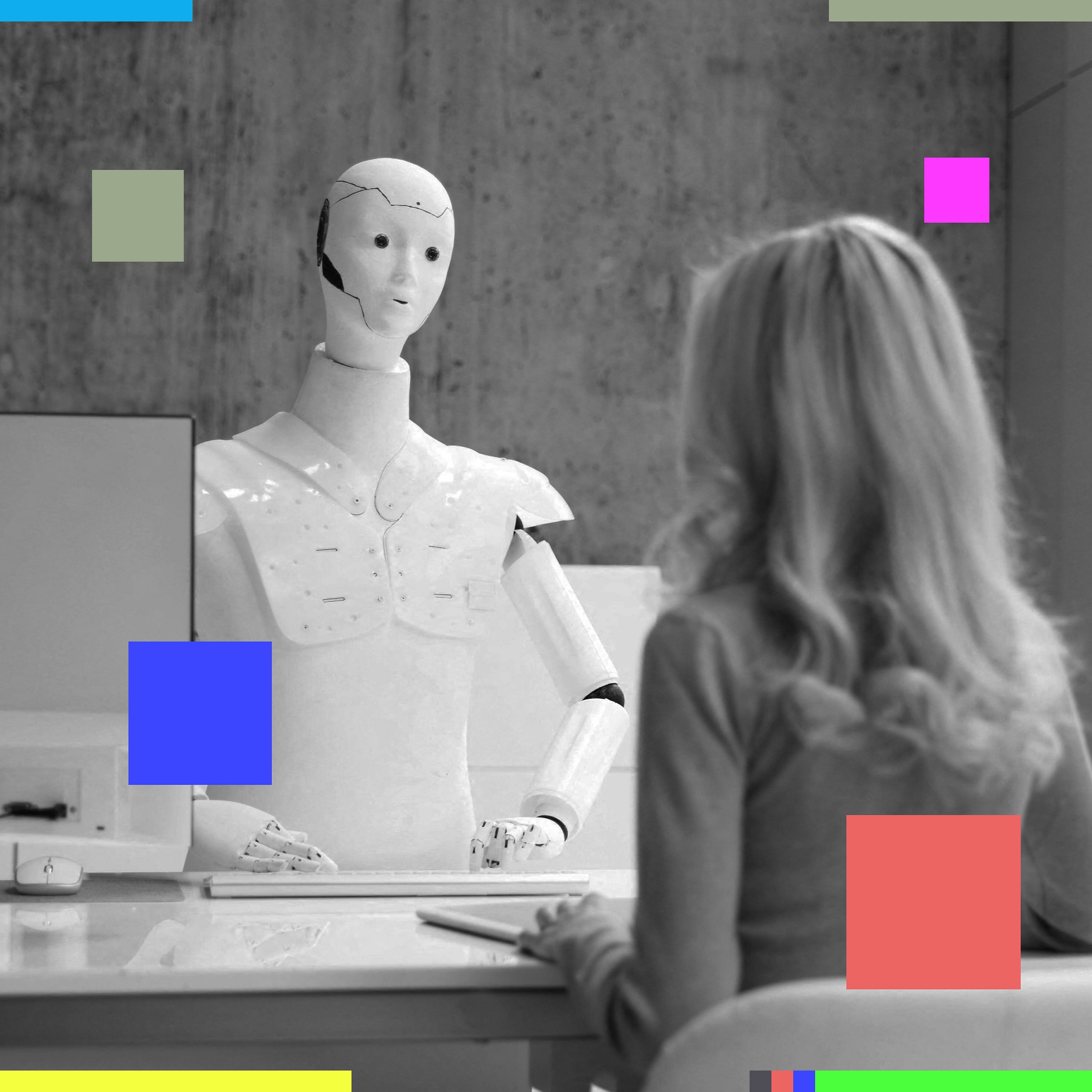
Why is AI burying my CV?
Jun 11, 2026
37m 56s
What goes on in TikTok's Farlands?
Jun 4, 2026
42m 13s
Can Pope Leo save us from AI?
May 28, 2026
46m 46s
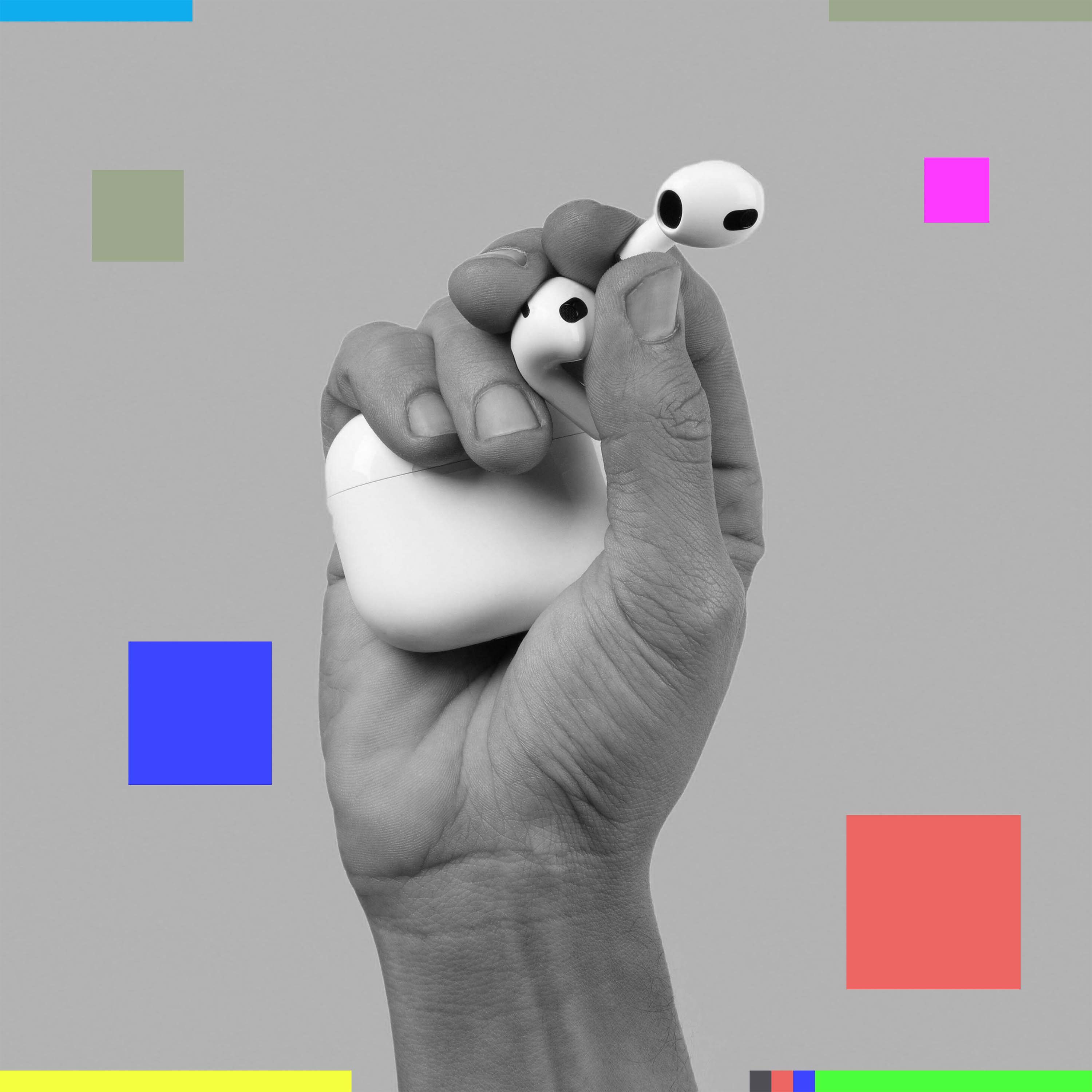
Are we entering a world without screens?
May 21, 2026
42m 56s
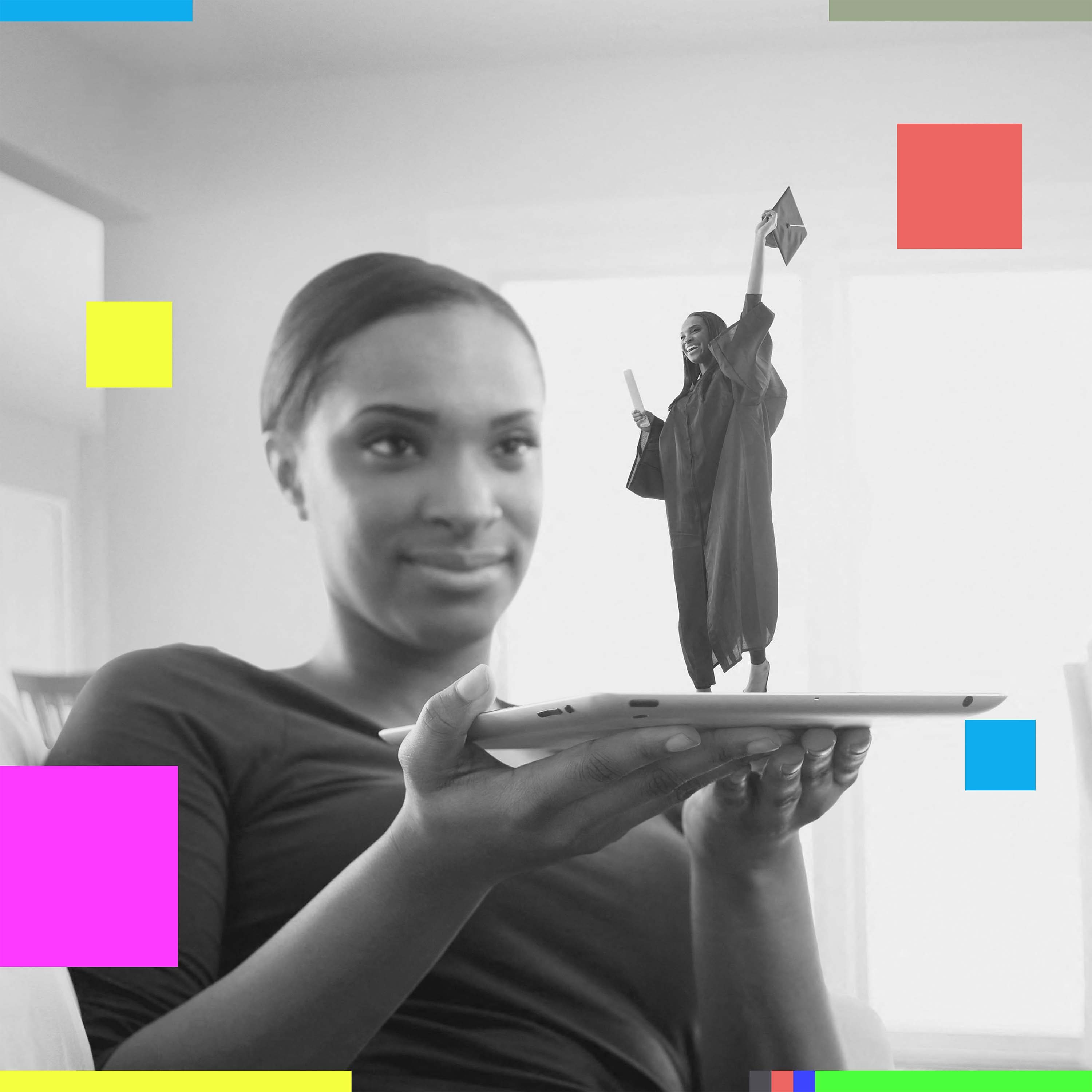
Is AI harvesting your knowledge on the cheap?
May 14, 2026
42m 32s
Social Links & Contact
Official channels & resources
Official Website
Login
RSS Feed
Login
| Date | Episode | Topics | Guests | Brands | Places | Keywords | Sponsor | Length | |
|---|---|---|---|---|---|---|---|---|---|
| 6/11/26 | ![]() Why is AI burying my CV? | This week on The Interface: is AI quietly sending your CV to the graveyard?Karen starts with the growing role of AI in hiring and why it may be far more powerful, and more worrying, than most jobseekers realise. Automated hiring systems are now used across large parts of the labour market, and Stanford researchers say a handful of dominant models are creating an “algorithmic monoculture”, where the same software can shape outcomes across multiple employers. Their recent study of more than 4 million job applications found repeated racial disparities in AI‑based screening, raising the stakes for anyone applying into a market where software may judge you before a human ever does. We look at how these systems scan CVs, how candidates are trying to game them, and what happens when tools designed to “streamline” recruitment start quietly deciding who never even gets a chance.Also this week: Thomas asks whether slow messaging might actually be better for us than instant messaging. After trying Roost — an app that sends messages at deliberately different speeds, from snail mail to carrier pigeon — he steps back to ask how we got so used to the pressure of instant replies in the first place. Messaging once felt novel; now it is the default form of contact, with Americans sending billions of texts a day and younger users often preferring texts to calls. But that speed comes with emotional costs: reply anxiety, relationship strain, and a culture in which silence itself can feel loaded. Tom asks whether slower communication might feel frustrating at first but ultimately more humane.And Nicky looks at Silicon Valley’s latest genre experiment: tech CEOs turning themselves into entertainment. With Founders Fund launching MAFIA the GAME - a game show featuring Sam Altman, Palmer Luckey, Bryan Johnson and other tech luminaries - the people building the future increasingly seem to want control not just of products, but of the story around them. Nicky asks what this says about a culture where power depends not just on having the best technology, but on telling the best myth about yourself.The Interface is your weekly guide to the tech rewiring your week and your world. Hosted by journalists Thomas Germain, Nicky Woolf, and Karen Hao, each episode unpacks, week by week, how technology is shaping all our futures. No jargon. Just three sharp voices debating the stories that matter — whether they shook a government, broke the internet, or quietly tipped the balance of power.New episodes drop every Thursday on BBC Sounds in the UK. Outside the UK, find us on BBC.com or wherever you get your podcasts, or watch the video version on YouTube (search “The Interface podcast”).To get in touch with the team: theinterface@bbc.comThe Interface is a BBC Studios production. Producer: Natalia Rodriguez Ford Executive Editor: Philip Sellars | 37m 56s | ||||||
| 6/4/26 | ![]() What goes on in TikTok's Farlands? | This week on The Interface: the horrifying world of the TikTok Farlands.Tom and Nicky head deep into the TikTok Farlands - the semi‑mythical place you supposedly reach if you scroll too far, too late, until your feed stops looking normal and starts serving up surreal, eerie and deeply unhinged videos. The name comes from Minecraft’s Far Lands, the glitched edge of the map where the world used to break apart, and TikTok users have borrowed it to describe the “end of the algorithm”: a strange zone of distorted edits, ominous warnings, weirdcore imagery and recurring figures like the now‑iconic fat bee playing the violin. TikTok’s Farlands have become a shorthand for what happens when doomscrolling tips into digital folklore.But the Farlands aren’t just a joke. Tom and Nicky ask what this trend says about internet culture now. In a platform ecosystem dominated by polish, branding and optimisation, the Farlands feel like the return of an older internet: raw, surreal, handmade and proudly bizarre. At the same time, the meme also works as a critique of doomscrolling itself — turning algorithmic exhaustion into shared mythology, and making people newly conscious of how deep into the feed they’ve wandered.So this week, we ask: is the TikTok Farlands a genuine return of weird, creative internet culture — or just another algorithmic genre?Also this week: Karen looks at how AI detection tools may be changing the way we all write. As detectors spread through schools, publishing and professional life, students, teachers and writers are increasingly shaping their prose around what software might flag - dropping stylistic quirks, sanding off rhythm, and checking their own work in advance for fear of a false accusation. Researchers say the central problem is not just whether detectors catch AI, but how they balance false positives and false negatives in high‑stakes settings. And with a growing parallel market of “humanizer” tools promising to make AI text sound more human - and pass detection - the result may be an arms race that leaves everyone writing in a flatter, safer and more paranoid style.The Interface is your weekly guide to the tech rewiring your week and your world. Hosted by journalists Thomas Germain, Nicky Woolf, and Karen Hao, each episode unpacks, week by week, how technology is shaping all our futures. No guests. No jargon. Just three sharp voices debating the stories that matter - whether they shook a government, broke the internet, or quietly tipped the balance of power.New episodes drop every Thursday on BBC Sounds in the UK. Outside the UK, find us on BBC.com or wherever you get your podcasts, or watch the video version on YouTube (search “The Interface podcast”).To get in touch with the team: theinterface@bbc.com The Interface is a BBC Studios production. Producer: Natalia Rodriguez Ford Executive Editor: Philip Sellars | 42m 13s | ||||||
| 5/28/26 | ![]() Can Pope Leo save us from AI? | Google is changing up its search engine. At its recent developer conference, among a host of new AI tools, it announced the biggest changes to Google Search in its history. What will we see now? An intelligent search box. Longer text predictions. More answers to search queries instead of a list of websites. But if Google keeps us inside the answer box, with fewer clicks and fewer website visits, this could potentially break the economic model of the modern web. How will this change the Internet and our experience of it?Also this week:To the Vatican, where Pope Leo XIV issued a document this week, calling for the ‘disarming’ of AI. In ‘Magnifica Humanitas’ (Magnificent Humanity), the Pope warned that AI must be subject to rigorous ethical constraints. How is the Vatican attempting to influence tech companies? And with Anthropic co-founder Chris Olah in attendance, Karen asks why are AI companies equally interested in religion?Nicky has been following the latest developments with Roblox. The online gaming platform has 150 million daily users, many of them under 13. With a number of child safety groups urging the FTC to investigate the online gaming platform, could it be having its ‘big tobacco’ moment? The FTC alleges that it “repeatedly exposes children to sexual content and harmful adults.” What’s the solution? Roblox says it’s improving child safety systems, but how effectively can platforms of this size be moderated?The Interface is your weekly guide to the tech rewiring your week and our world. Hosted by journalists Thomas Germain, Karen Hao, and Nicky Woolf, each episode unpacks, week by week, how technology is shaping all our futures. No guests. No jargon. Just three sharp voices debating the stories that matter — whether they shook a government, broke the internet, or quietly tipped the balance of power.New episodes every Thursday on BBC Sounds in the UK. Outside the UK, find us on BBC.com or wherever you get your podcasts, or watch the video version on YouTube (search “The Interface podcast”).To get in touch with the team: theinterface@bbc.comThe Interface is a BBC Studios production. Producer: Natalia Rodriguez Ford Executive Editor: Philip SellarsFollow Tom Germain on socials: TikTok: https://www.tiktok.com/@thomasgermain Instagram: https://www.instagram.com@tomgermain YouTube: https://www.youtube.com@tomgermain Bluesky: https://bsky.app/profile/thomasgermain.bsky.social X: https://x.com/@thomasgermainFollow Nicky Woolf on socials: BlueSky: https://bsky.app/profile/@nickywoolf.bsky.socialFollow Karen Hao on socials: LinkedIn: /https://hk.linkedin.com/in/karendhao X: https://x.com/_KarenHao BlueSky: https://bsky.app/profile/@karenhao.bsky.social | 46m 46s | ||||||
| 5/21/26 | ![]() Are we entering a world without screens? | Karen Hao’s away this week — but it’s a special episode: Thomas and Nicky welcome their first ever guest, senior reporter at MS NOW, Brandy Zadrozny, to decode the tech stories rewiring your week and your world.First: are we heading for a world without screens? Bloomberg reports Apple is in late‑stage testing of AirPods with tiny cameras - not for selfies, but to give Siri “eyes” so it can understand what you’re looking at and respond in real time. We explore what that signals: less phone‑tapping, more ambient “AI companion” computing - and why earbuds (oddly) might be a more plausible bridge to screenless tech than headsets or smart glasses. If the interface moves from screens to always‑on assistants, what changes about attention, privacy - and who gets to shape the world you experience?Next: the hidden clipping industry flooding your feed - now in politics. Brandy takes us inside the booming “clipping economy”: armies of freelancers paid to slice long content into viral short‑form clips and push them across TikTok, Reels and Shorts until something hits. The twist is that the tactics that built internet stars are increasingly being borrowed to build candidates - blurring what’s organic and what’s engineered. We ask who’s hiring clippers, what kinds of accounts they use, how political disclosure rules get sidestepped, and what happens when elections are fought in the attention economy.Finally: if AI can simulate public opinion, what even counts as a poll? Pollsters and researchers are experimenting with “synthetic” respondents - AI‑generated “digital twin” voters trained on real datasets - to answer questions at speed and scale. But if headlines still say “the public thinks…”, when the truth is “the model predicts…”, are polls measuring opinion - or shaping it? In a polling era already bruised by credibility crises, we ask what trust looks like when the respondents might not be human.We reached out to Gallup for comment and they responded: Gallup does not currently publish approval or favorability ratings for individual political figures, and we have no plans to incorporate simulated responses on that subject now or in the future. We are in the beginning phases of some exploratory research on simulated responses. Through this work, we are hoping to learn whether AI systems and emerging methods can help deepen our understanding of how humans think and behave. You can read more about our approach in our methodology blog.We also contacted Apple for comment but did not hear from them before the release of this episode.The Interface is your weekly guide to the tech rewiring your week and your world. Hosted by journalists Thomas Germain and Nicky Woolf (and this week, with special guest Brandy Zadrozny), each episode unpacks, week by week, how technology is shaping all our futures. No jargon. Just sharp voices debating the tech stories that matter.New episodes drop every Thursday on BBC Sounds in the UK. Outside the UK, find us on BBC.com or wherever you get your podcasts — or watch the video version on YouTube (search “The Interface podcast”).To get in touch: theinterface@bbc.com The Interface is a BBC Studios production. Producer: Natalia Rodriguez Ford Executive Editor: Philip Sellars | 42m 56s | ||||||
| 5/14/26 | ![]() Is AI harvesting your knowledge on the cheap? | AI is coming for your job — but not in the way you think.Karen says the real shock isn’t mass replacement (yet). It’s that AI is already reshaping work into something more precarious, more fragmented, and easier to squeeze. Data annotation and “AI training” are booming - but now the growth is in skilled labour. AI firms are hoovering up graduates and specialists to teach models the expertise they still can’t reliably produce. That’s the uncomfortable irony of “PhD‑capable” AI: to get there, it needs real PhDs (and near‑PhDs) feeding it knowledge, task by task. As Sam Altman once put it: “We see a future where intelligence is a utility, like electricity or water, and people buy it from us on a meter.” Meanwhile, the graduate job market is shrinking fast. Is this the “uberisation” of knowledge work - stable careers broken into gigs, paid by the piece, constantly monitored - with workers training the systems that may later deskill or replace them?Nicky follows the dark logic of the online “health information ecosystem” - a system that profits from panic. A deadly hantavirus outbreak on a cruise ship should be a contained public‑health story (serious for passengers, near‑zero risk for most people). Yet within hours it’s rebranded online as a “plandemic”: vaccines, bioweapons, “Covid 26”. The contradictions don’t slow it down, because the point isn’t truth; it’s engagement. In a world where more people get health advice from influencers and podcasts, fear becomes a business model: whip up anxiety, funnel it to “link in bio”, sell a cure, rinse and repeat. The real danger, Nicky argues, is what this does ahead of the next genuine crisis: an audience already primed to distrust guidance when it really matters.And Thomas asks: is your car spying on you - and is it about to get worse? Modern cars aren’t just transport; they’re data machines. Connected vehicles can track where you go and how you drive, and that data can be shared or sold, often ending up with insurers and data brokers. The worrying bit: new US rules will push carmakers to add in‑car monitoring (including infrared and biometric systems) to spot tired or impaired drivers - creating an even bigger trove of sensitive data, with few clear limits on how it’s used.The Interface is your weekly guide to the tech rewiring your week and our world. Hosted by journalists Thomas Germain, Karen Hao, and Nicky Woolf, each episode unpacks, week by week, how technology is shaping all our futures. No guests. No jargon. Just three sharp voices debating the stories that matter - whether they shook a government, broke the internet, or quietly tipped the balance of power.New episodes every Thursday on BBC Sounds in the UK. Outside the UK, find us on BBC.com or wherever you get your podcasts, or watch the video version on YouTube (search “The Interface podcast”).To get in touch with the team: theinterface@bbc.com The Interface is a BBC Studios production.Producer: Natalia Rodriguez Ford Executive Editor: Philip Sellars | 42m 32s | ||||||
| 5/7/26 | ![]() Who is really paying the influencers?✨ | influencer marketingAI policy+3 | — | American AIChinese AI+1 | US | influencersAI+5 | — | 38m 26s | |
| 4/30/26 | ![]() Why is everything a conspiracy?✨ | conspiracy theoriesmisinformation+4 | — | SinceerlyMeta | — | conspiracymisinformation+6 | — | 36m 19s | |
| 4/23/26 | ![]() Is your iPhone about to change forever?✨ | Apple leadership changeiPhone future+3 | — | AppleWIRED | Maine | AppleiPhone+6 | — | 38m 46s | |
| 4/16/26 | ![]() Is the new AI model really too dangerous to release?✨ | AI safetytechnology news+3 | — | Claude MythosAnthropic | — | Claude MythosAI risks+5 | — | 41m 11s | |
| 4/9/26 | ![]() Will algorithms increase your grocery bill?✨ | grocery pricingdigital price tags+4 | — | Microsoft OutlookWindows+4 | Houstonmoon | grocery billdigital pricing+6 | — | 37m 42s | |
Want analysis for the episodes below?Free for Pro Submit a request, we'll have your selected episodes analyzed within an hour. Free, at no cost to you, for Pro users. | |||||||||
| 4/2/26 | ![]() Why Can't People Stop Watching AI Fruit?✨ | AI generated contentsocial media impact+4 | — | SoraOpenAI+2 | USWhite House | AIfruit+7 | — | 38m 28s | |
| 3/26/26 | ![]() Can we prove we’re real online?✨ | AI and authenticitybrain-computer interfaces+3 | — | NEONeuralink+1 | Strait of Hormuz | AIbrain implants+7 | — | 39m 53s | |
| 3/19/26 | ![]() What Was Pokemon Go really up to?✨ | data collectionAI training+4 | — | Pokémon GoWhite House | Iran | Pokémon GoAI+6 | — | 35m 41s | |
| 3/12/26 | ![]() Will a new law change the internet forever?✨ | internet safetyage verification+3 | — | MetaKids Online Safety Act | — | internetage verification+5 | — | 36m 48s | |
| 3/5/26 | ![]() Is AI running modern warfare?✨ | AI in militarydemocratic oversight+4 | — | ClaudeChatGPT+2 | WashingtonIran | AImilitary+5 | — | 36m 33s | |
| 2/26/26 | ![]() Is Havana Syndrome really real?✨ | Havana Syndromesocial media addiction+3 | — | WhatsAppFacebook+2 | HavanaNorway+2 | Havana Syndromesocial media+3 | — | 35m 42s | |
| 2/19/26 | ![]() Can you hack ChatGPT?✨ | AI trustdata centers+3 | — | Chat GPTClaude+4 | — | AI chatbotsdata centers+3 | — | 34m 25s | |
| 2/12/26 | ![]() Is your doorbell using AI to spy on you? | Ring’s new AI “lost dog” feature promises to reunite missing pets with their owners using doorbell camera footage. But could this same technology be used to build a far more sinister surveillance network? Our hosts take a closer look at Search Party, announced in an ad during this year’s Super Bowl, and explore why this seemingly feel-good function is sparking privacy concerns.Also on The Interface this week: Why does the TikTok takeover in the US affect you, even if you've never touched the app? And how did one ad campaign at the Super Bowl reveal the fierce rivalry between OpenAI and Anthropic?The Interface is your weekly guide to the tech rewiring your week and our world. Hosted by journalists Tom Germain, Karen Hao, and Nicky Woolf, each episode unpacks week-by-week the unfolding story of how technology is shaping all of our futures. No guests. No jargon. Just three sharp voices debating the tech stories that matter - whether they shook a government, broke the internet, or quietly tipped the balance of power.New episodes drop every Thursday on BBC Sounds in the UK. Outside the UK, find us on BBC.com or wherever you get your podcasts, or watch the video version on YouTube (search “The Interface podcast”).The Interface is a BBC Studios production.Producer: Natalia Rodriguez Ford Executive Editor: Philip Sellars | 34m 00s | ||||||
| 2/5/26 | ![]() Trailer | Want to know how your world is changing, and what it will be like to live in a future being built for you right now? Don’t be distracted by politics - it’s tech driving that change.Karen Hao, Nicky Woolf and Tom Germain - three of the sharpest voices in tech - dive into the stories behind the headlines: AI breakthroughs, big-tech power, digital culture, cybersecurity, misinformation - and discover what's happening in the most bizarre corners of the internet.Every week, the trio unpack the tech stories that matter: whether they shake governments, reshape industries, or quietly alter how we live, work and connect.Informed, curious and clear-eyed, The Interface is your guide to understanding one of the defining stories of our time.Launching Thursday 12 February on BBC Sounds in the UK - and wherever you get your podcasts.The Interface is a BBC Studios Production. Producer: Natalia Rodriguez Ford Executive Editor: Philip Sellars | 3m 04s | ||||||
Showing 19 of 19
Sponsor Intelligence
Sign in to see which brands sponsor this podcast, their ad offers, and promo codes.
Similar Audience Demographics
Podcasts that attract a similar listener profile
Chart Positions
43 placements across 43 markets.
Chart Positions
43 placements across 43 markets.