
The Jazz Real Book
In this podcast, Jazz History professor, biographer, musician, and popular podcaster Jay Sweet will help guide you through the tunes included in the Jazz Real Book. For decades, this book (often called "The Jazz Bible") ...
Insights from recent episode analysis
On the show
- Boris Kozlov1 ep
- Melissa Kozlowski1 ep
- Susan Fenster1 ep
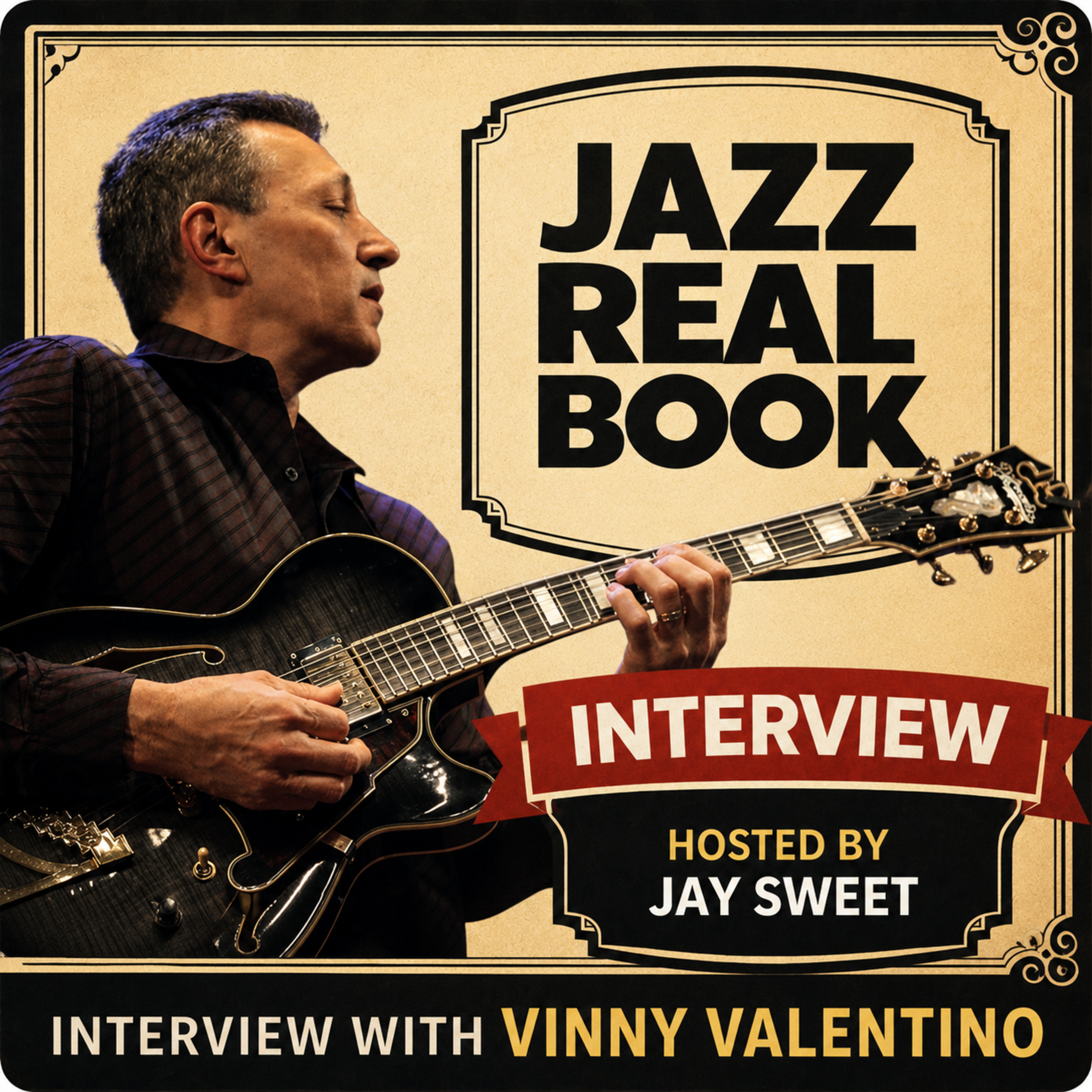
Also: Vinny Valentino
Audience Interest
Podcast Focus
Publishing Consistency
Insights are generated by CastFox AI using publicly available data, episode content, and proprietary models.
Most discussed topics
Brands & references
Total monthly reach
Based on 1 signal.
Built from
By chart position
- 🇦🇺Australia · Music Commentary#139286 to 1.5K
- 🇹🇷TR · Music Commentary#77270 to 1.4K
- 🇧🇪BE · Music Commentary#73224 to 1.2K
- 🇦🇹AT · Music Commentary#12661 to 320
- Per-Episode Audience
Est. listeners per new episode within ~30 days
841 to 4.5K🎙 Weekly cadence·200 episodes·Last published 4d ago - Monthly Reach
Unique listeners across all episodes (30 days)
1.7K to 8.9K🇺🇸71%🇦🇺10%🇹🇷9%+2 more - Active Followers
Loyal subscribers who consistently listen
925 to 4.9K
Market Insights
Platform Distribution
Reach across major podcast platforms, updated hourly
Total Followers
—
Total Plays
—
Total Reviews
—
* Data sourced directly from platform APIs and aggregated hourly across all major podcast directories.
| Date | Episode | Topics | Guests | Brands | Places | Keywords | Sponsor | Length | |
|---|---|---|---|---|---|---|---|---|---|
| 10/18/26 | 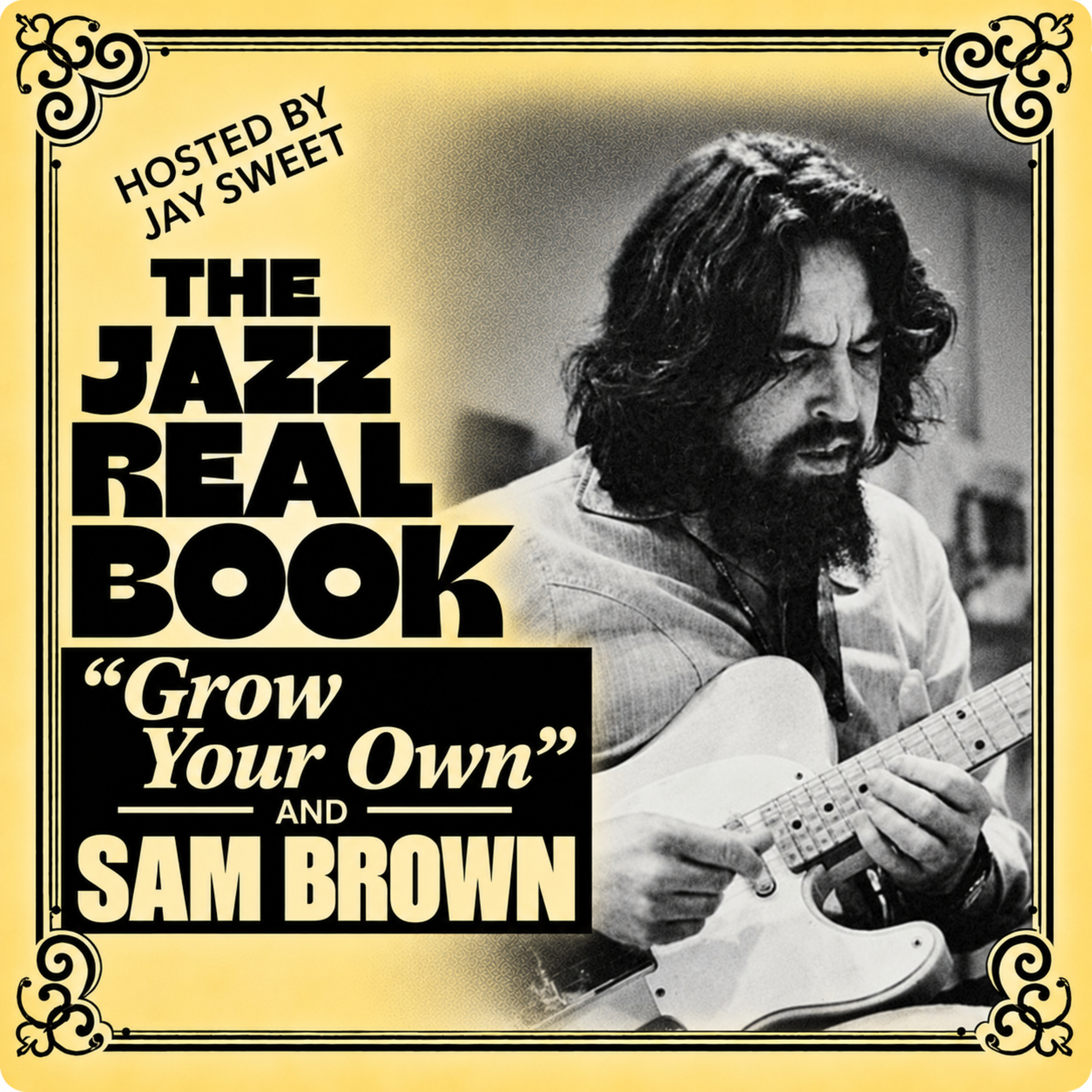 Grow Your Own and Sam Brown | “Grow Your Own” and Sam Brown (139) Keith Jarrett’s “Grow Your Own,” recorded by Gary Burton’s quintet for the 1971 album Gary Burton & Keith Jarrett, captures the adventurous spirit of early jazz-rock fusion. Featuring Burton on vibraphone, Jarrett on electric piano and soprano saxophone, Sam Brown on guitar, Steve Swallow on bass, and Bill Goodwin on drums, the composition combines intricate rhythms with unconventional harmony. Its unusual structure includes a 15-bar A section, a funky two-bar B section, and a lyrical eight-bar C section. Syncopated melodies, unexpected chord changes, and shifting harmonic rhythms give the piece an exciting, unpredictable character.Guitarist Sam Brown (1939–1977) was a remarkably versatile musician whose career crossed jazz, rock, and experimental music. Beyond his work with Burton and Jarrett, he recorded with Charlie Haden, Bill Evans, Carla Bley, and Paul Motian. Although largely overlooked today, Brown’s creativity and adaptability made him an important contributor to jazz’s evolving sound during the 1970s.Gary Burton and Keith Jarrett Gary Burton -Live The Jazz Real Book Podcast Playlist | 19m 16s | ||||||
| 10/14/26 | 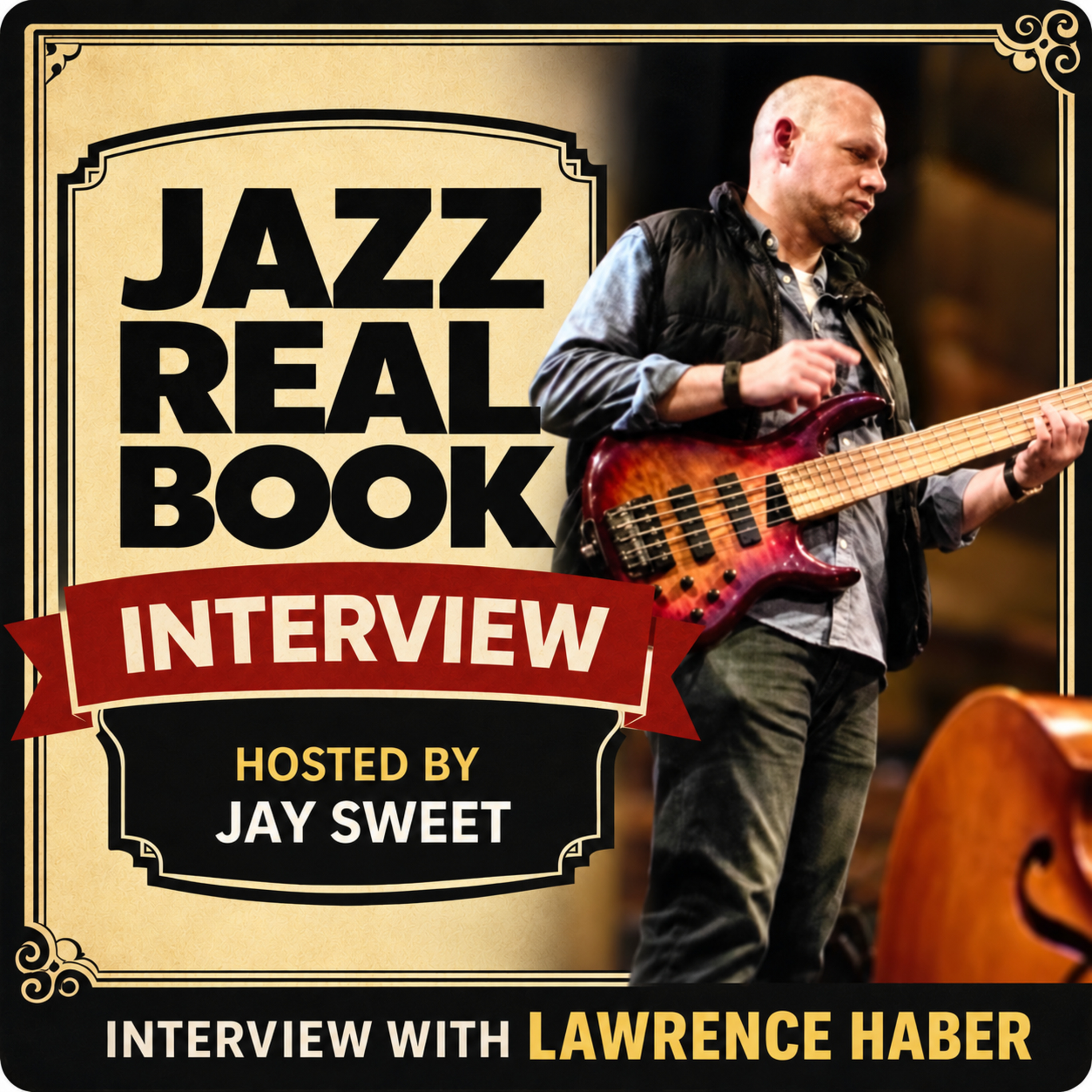 Lawrence Haber Interview | Lawrence Haber — Bassist, Composer & BandleaderLawrence Haber is an accomplished electric and upright bassist, composer, and bandleader with over 25 years of experience performing and recording throughout the New York metropolitan area and Jersey Shore. In 2026, Haber released, Subtle Moves In Silence his first album as a bandleader, showcasing his original compositions, sophisticated musicianship, and collaborations with outstanding New York-area musicians. The project highlights his creative vision and versatility as a composer and bassist. | 1h 08m 45s | ||||||
| 10/11/26 | 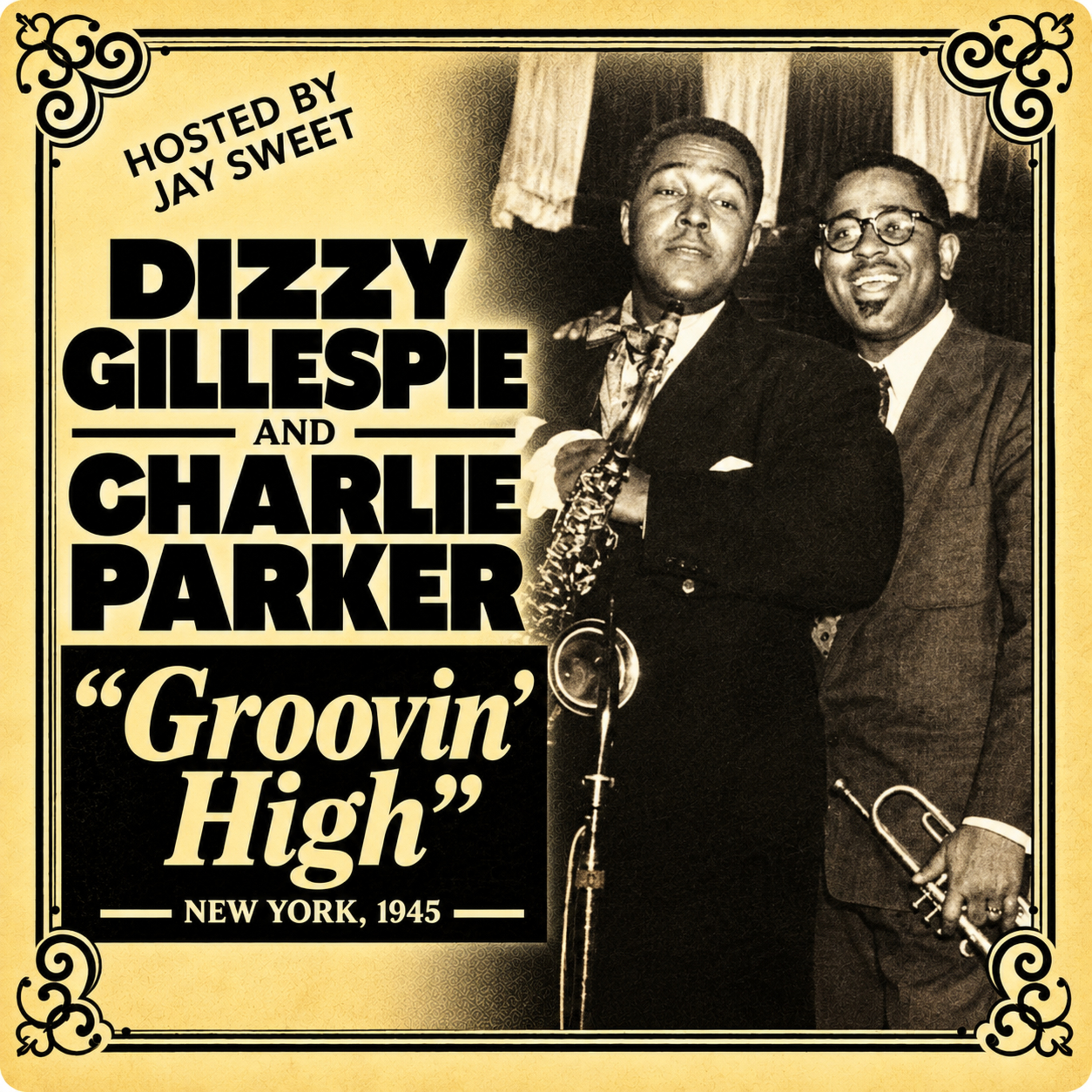 Groovin 'High and Diz and Bird in 1945 (138) | “Groovin High’ and Diz and Bird in 1945 (138) 1945 was a landmark year for bebop, with Charlie Parker and Dizzy Gillespie establishing a revolutionary new direction in jazz. Their recording of “Groovin’ High,” based on the chord changes of the 1920 popular song “Whispering,” demonstrated bebop’s harmonic and melodic sophistication. Gillespie’s arrangement featured a six-bar introduction, three key changes, and a half-time coda. The 32-bar composition uses two 16-bar sections with different endings, incorporating syncopated eighth-note runs, melodic leaps, chromatic movement, and unexpected ii–V progressions. Parker and Gillespie’s remarkable unison playing and improvisations highlighted their musical chemistry. Their partnership flourished throughout 1945 but weakened following their California engagement, largely because of professional differences and Parker’s addiction. Although they pursued separate careers, their collaboration helped establish the foundation of modern jazz.Dizzy Gillespie 1945 Dizzy Gillespie 1947The Jazz Real Book Playlist Podcast | 23m 27s | ||||||
| 10/8/26 | 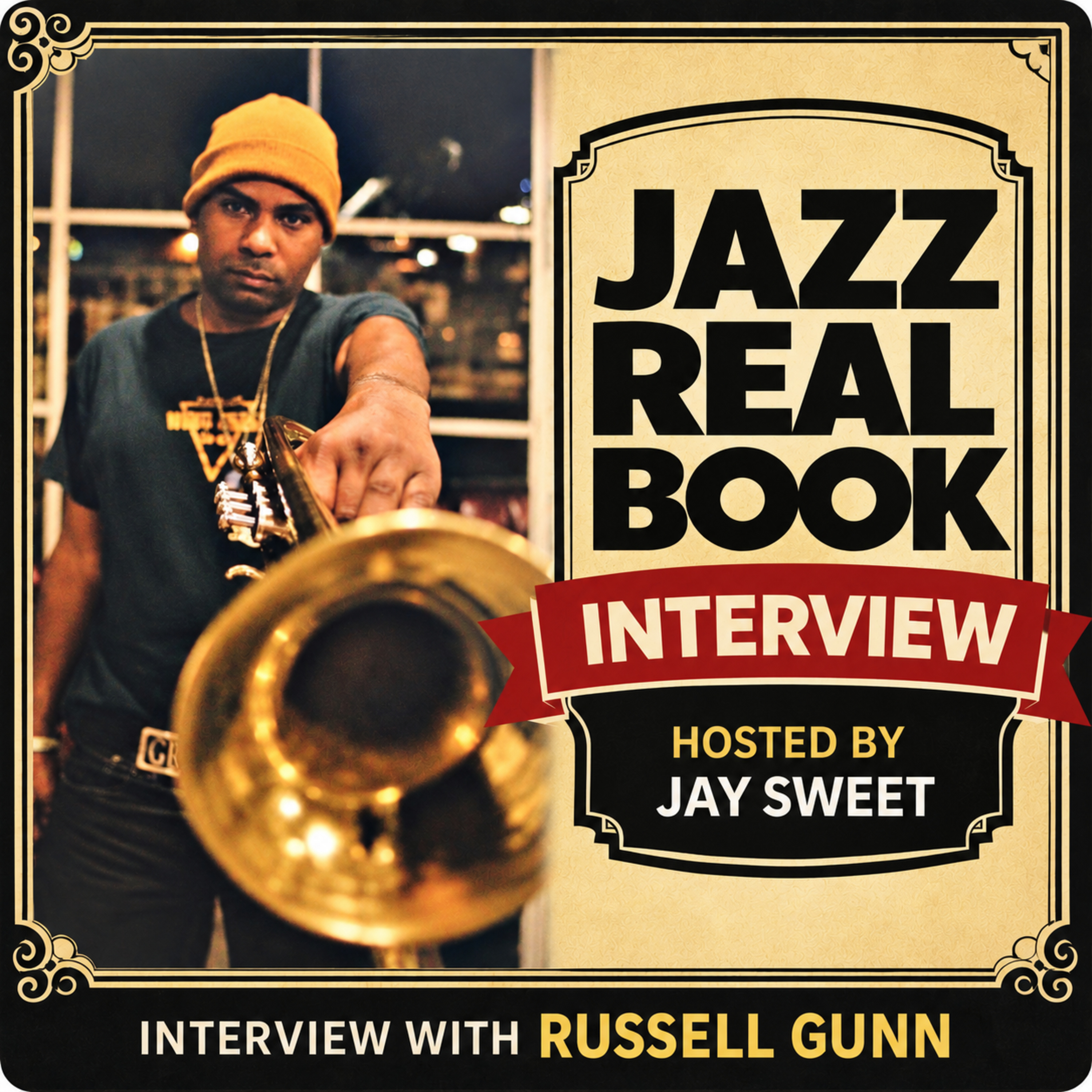 Russell Gunn Interview | Russell Gunn Interview Born in Chicago in 1971 and raised in East St. Louis, trumpeter Russell Gunn developed a musical identity that bridges hard bop, hip-hop, funk, and R&B. Beginning trumpet at age ten, he was influenced by jazz legends and hip-hop artists such as LL Cool J. Encouraged by band director Ron Carter (not the bassist R) Gunn attended Jackson State University before working with Oliver Lake, Wynton Marsalis on Blood on the Fields, and Branford Marsalis’ Buckshot LeFonque.His solo career began with Young Gunn (1994), while the Grammy-nominated Ethnomusicology series established his innovative fusion of jazz and contemporary Black music. Based in Atlanta, he later formed the Royal Krunk Jazz Orkestra.His latest project, Afrikan-Amerikan Book of the Dead, introduces his sextet Blackhawk and explores cultural identity, historical understanding, and empowerment. Inspired by ancient Egyptian spiritual traditions, the album encourages listeners to embrace their heritage and find fulfillment in the present, combining powerful improvisation with social commentary. | 1h 03m 43s | ||||||
| 10/4/26 | 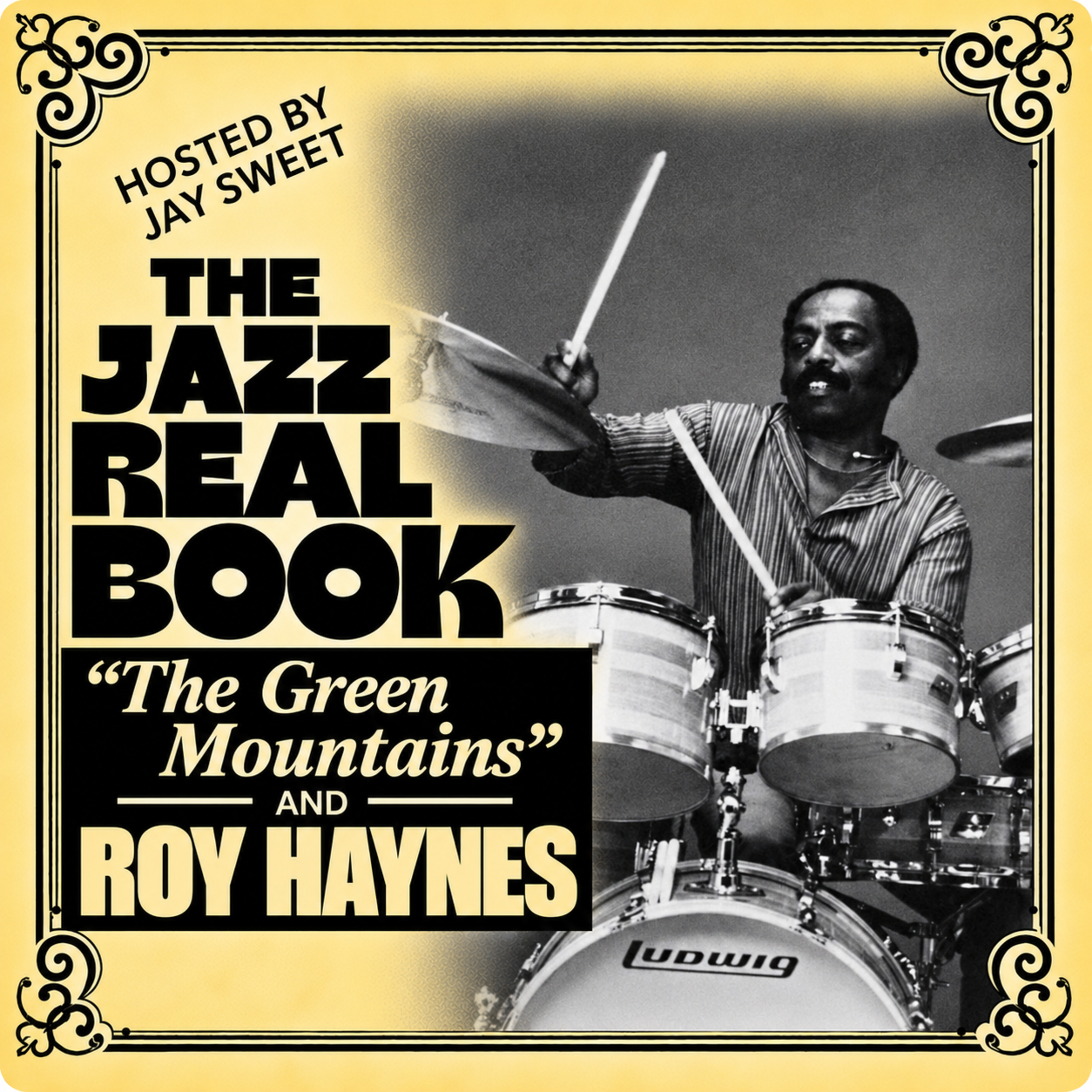 The Green Mountains and Roy Haynes | “The Green Mountains” and Roy Haynes (137)“The Green Mountains,” from Gary Burton’s 1969 album Country Roads & Other Places, features guitarist Jerry Hahn, bassist Steve Swallow, and legendary drummer Roy Haynes. The composition stands out for its open harmonic sound, moving between major seventh and suspended chords, along with syncopated melodies and smooth descending bass lines. Haynes brings his unmistakable rhythmic personality to the recording, using crisp cymbal work, unexpected accents, and constant interaction with the ensemble. A veteran of groups led by Charlie Parker, Sarah Vaughan, John Coltrane, and others, Haynes helped connect several generations of jazz while continually adapting his distinctive drumming style.Gary Burton Francesco ChiapperiniThe Jazz Real Book Playlist Vol.2 | 14m 19s | ||||||
| 10/1/26 | 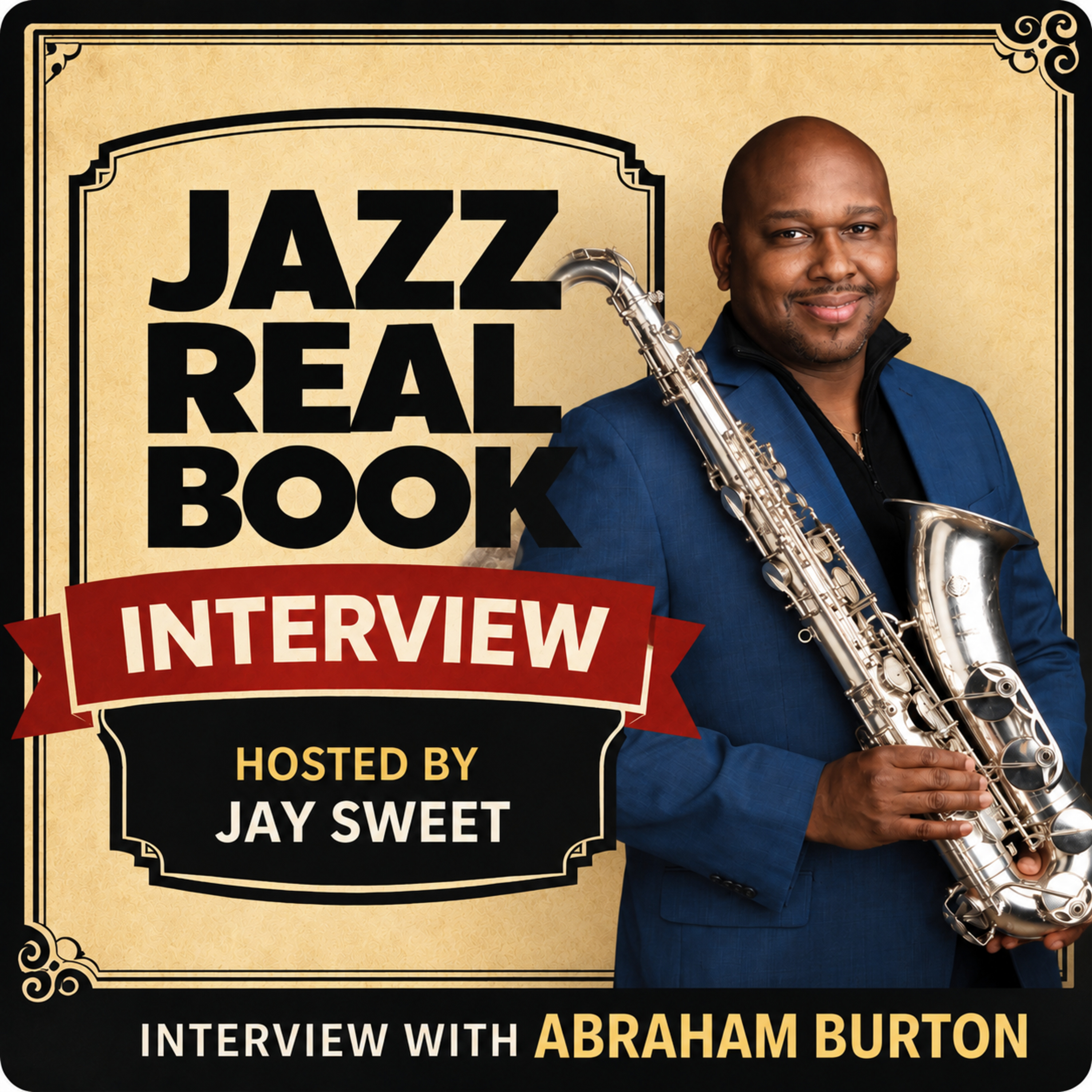 Abraham Burton Interview | Abraham Burton Interview Saxophonist Abraham Burton has developed a reputation for a powerful and expressive sound rooted in the jazz tradition while maintaining a voice distinctly his own. Growing up in Greenwich Village, Burton was surrounded by music from an early age. His most important mentors were Jackie McLean and drummer Arthur Taylor taught him one of his most important lessons: technical ability means little if it does not serve the music. Today, Burton carries those experiences into his work as an educator at Rutgers University and with organizations such as Jazz House Kids. | 1h 18m 23s | ||||||
| 9/27/26 | 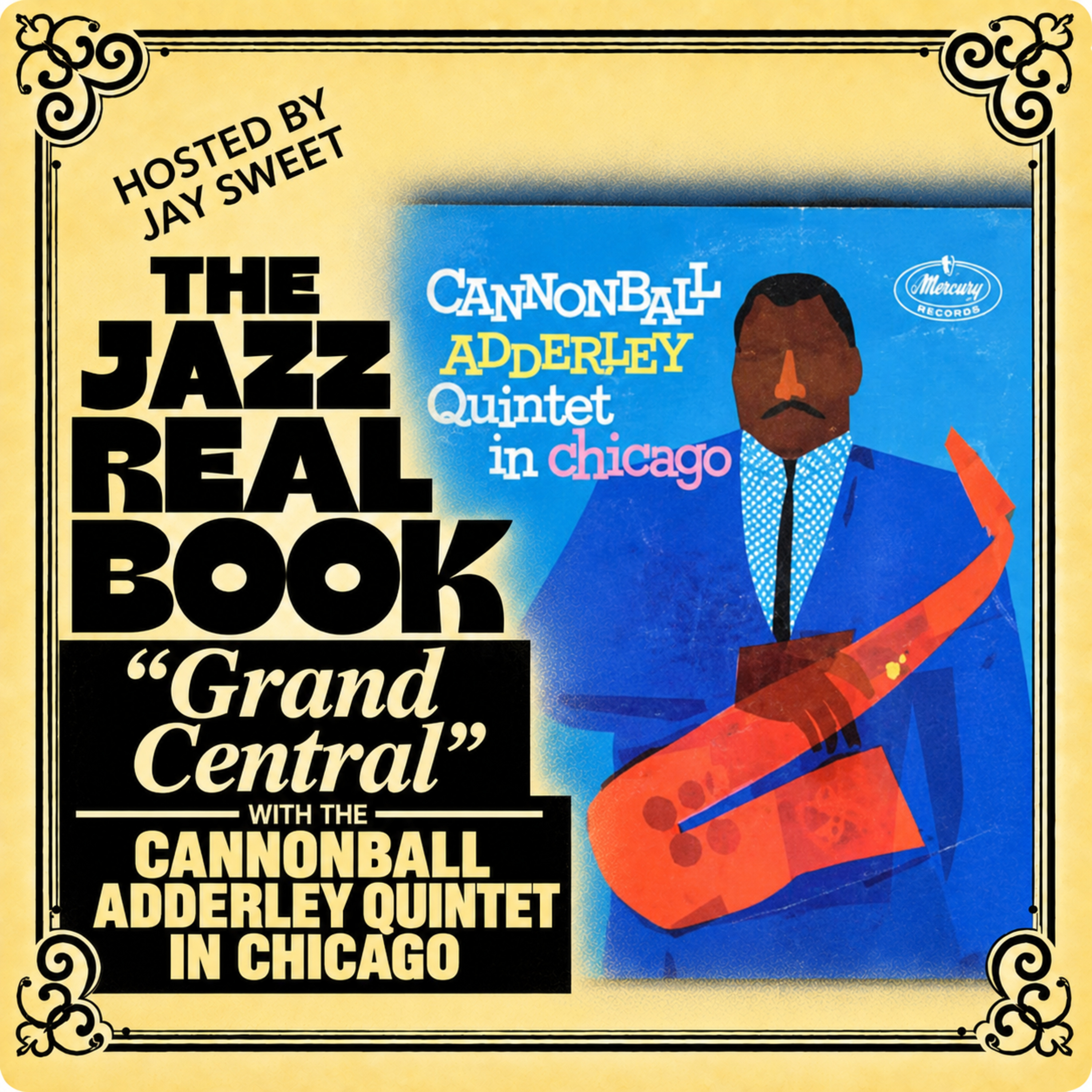 Grand Central and Cannonball Adderley Quintet In Chicago | “Grand Central” and Cannonball Adderley Quintet In Chicago (136) “Grand Central” is a John Coltrane composition recorded on February 3, 1959, for Cannonball Adderley Quintet in Chicago. The session featured Cannonball Adderley, Coltrane, Wynton Kelly, Paul Chambers, and Jimmy Cobb—the same core musicians who, less than a month later, would participate in Miles Davis’s Kind of Blue. Played at approximately 256 BPM, the melody mixes rapid eighth-note lines with longer resting notes. Harmonically, Coltrane moves through a series of ii–V progressions that frequently avoid their expected resolutions. The result is a tune that is constantly moving forward, both melodically and harmonically, offering an early glimpse of the increasingly complex harmonic language Coltrane would explore over the next several years.Coltrane and Cannonball Pancho Sachez The Jazz Real Book Podcast Vol 2. | 11m 31s | ||||||
| 9/20/26 | 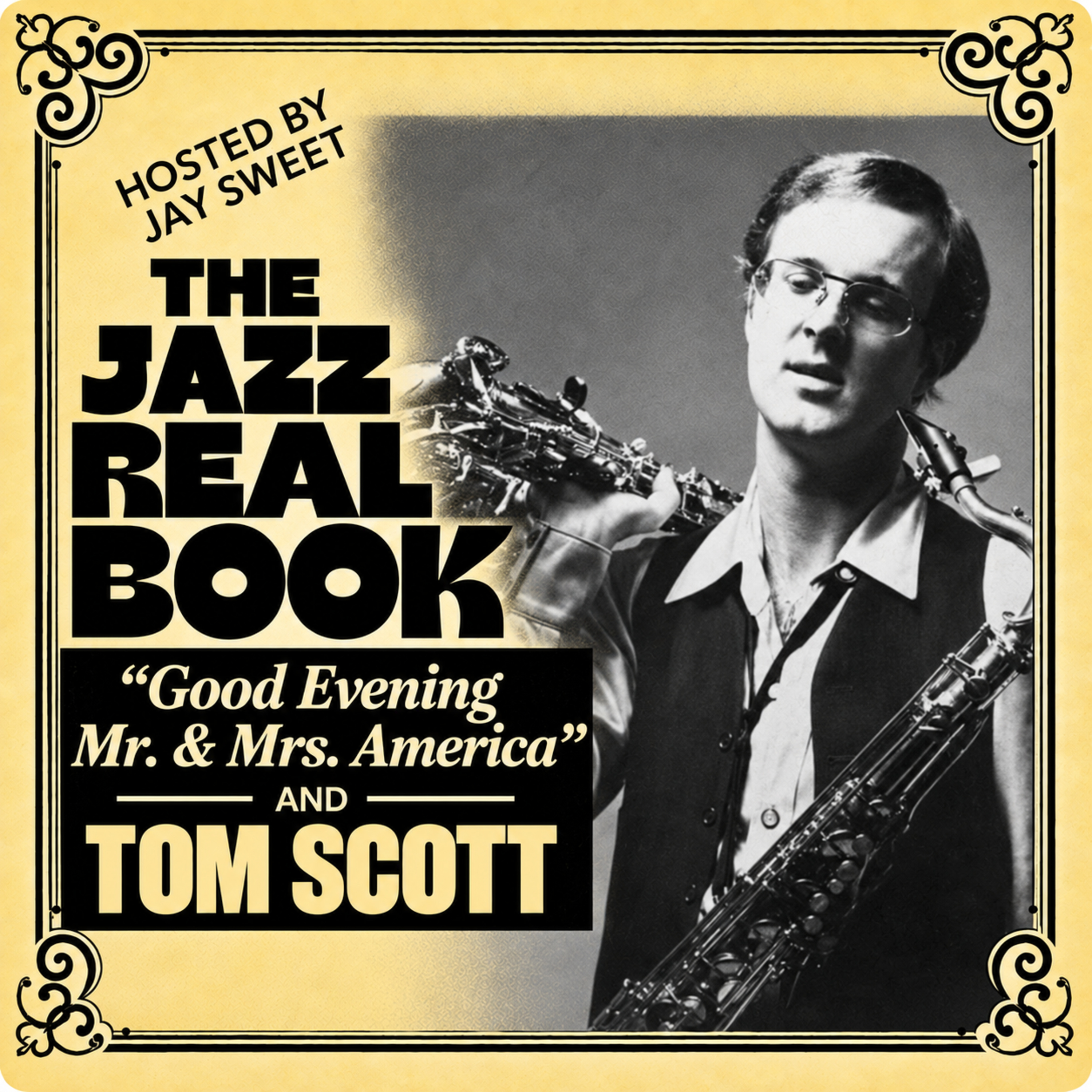 Good Evening Mr. & Mrs. America & All the Ships at Sea and Tom Scott | “Good Evening Mr. & Mrs. America & All the Ships at Sea” and Tom Scott (135)“Good Evening Mr. & Mrs. America & All the Ships at Sea” was composed by drummer John Guerin and recorded by Tom Scott and the L.A. Express for the 1975 album Tom Cat. The title references broadcaster Walter Winchell’s famous opening line. The track is a great example of 1970s jazz fusion, combining jazz harmony and improvisation with funk and rock rhythms. It is also a tune you rarely hear called at a jam session—and for good reason. Compared with most jazz standards, its form, melody, harmony, and rhythms are unusually demanding. The arrangement moves through several contrasting sections, including an extended solo form. Much of the piece is built around a funky bass line and unique chord movement. Later sections introduce dominant chords loaded with tensions, shifting meters of harmonic activity, challenging sixteenth-note figures, and unexpected movement. Guerin’s driving backbeat and Scott’s saxophone ultimately hold the complicated arrangement together. Tom Scott and L.A. Express The Jazz Real Book Podcast Vol. 2 | 18m 55s | ||||||
| 9/13/26 |  Ben Allison Interview | Ben Allison Interview Ben Allison is an American jazz bassist, composer, bandleader, and educator known for bringing a distinctive contemporary voice to the acoustic bass. Born in New Haven, Connecticut, in 1966, Allison studied jazz at New York University before becoming an important figure in New York’s downtown jazz scene. In 1992, he co-founded the Jazz Composers Collective, an influential organization that provided musicians with opportunities to perform and develop original music outside the traditional jazz-club system.As a bandleader, Allison blends jazz with rock, funk, folk, and contemporary classical influences. His playing emphasizes groove, melodic invention, and interaction rather than simply serving as a traditional rhythm-section foundation. He has recorded numerous albums, including Buzz, Cowboy Justice, Little Things Run the World, and Action-Refraction. Allison has also championed the music of overlooked jazz composer Herbie Nichols. His work demonstrates how the modern bassist can function equally as accompanist, composer, bandleader, and musical innovator. | 1h 32m 49s | ||||||
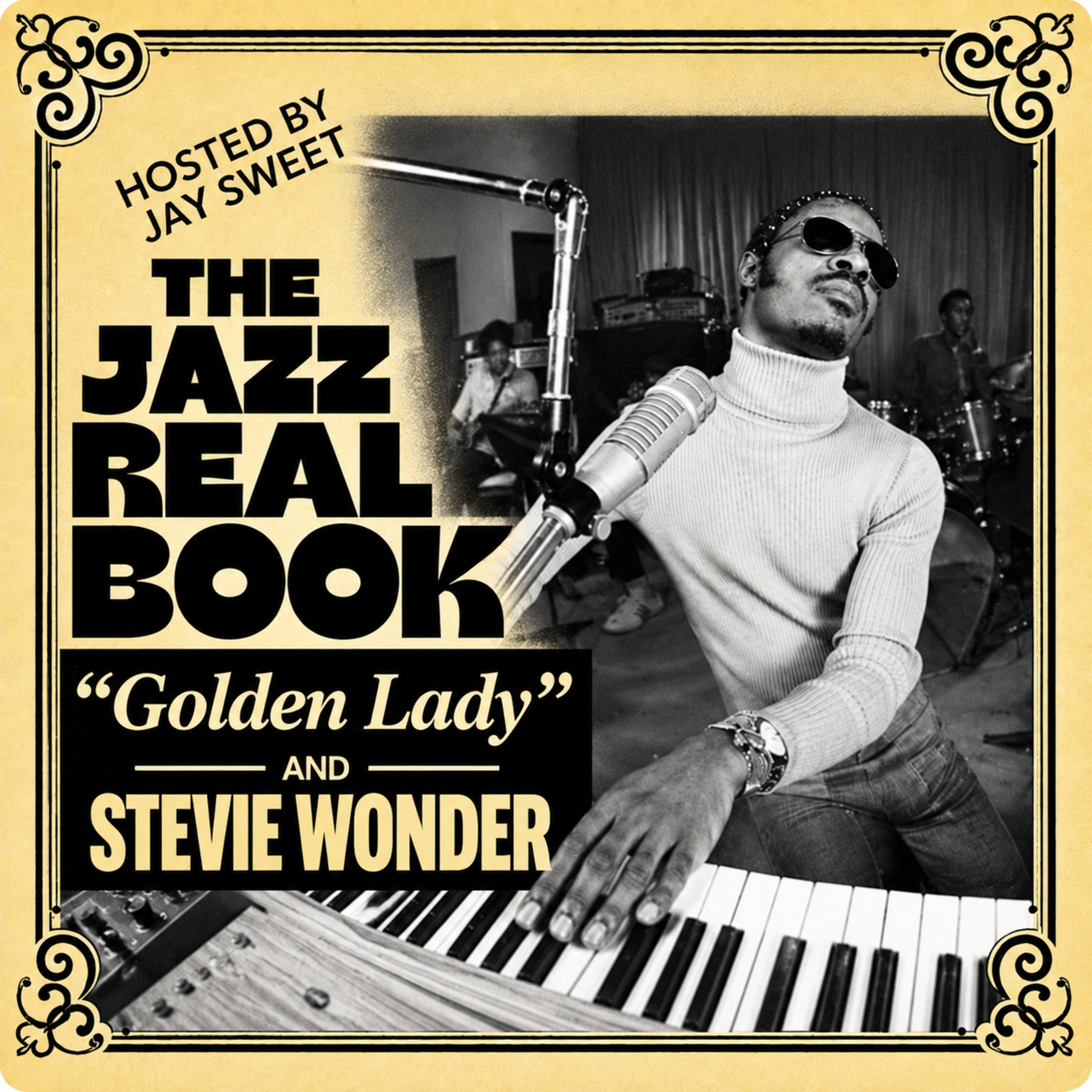
| 9/6/26 | Stevie Wondermusic analysis+5 | — | SouliveThe Jazz Real Book+2 | — | Stevie WonderGolden Lady+5 | — | 20m 23s | ||
Want analysis for the episodes below?Free for Pro Submit a request, we'll have your selected episodes analyzed within an hour. Free, at no cost to you, for Pro users. | |||||||||
| 8/29/26 | Boris KozlovCharles Mingus+5 | Boris Kozlov | Mingus Big BandMingus Ah Um+1 | — | Boris KozlovCharles Mingus+5 | — | 56m 22s | ||
| 8/17/26 | 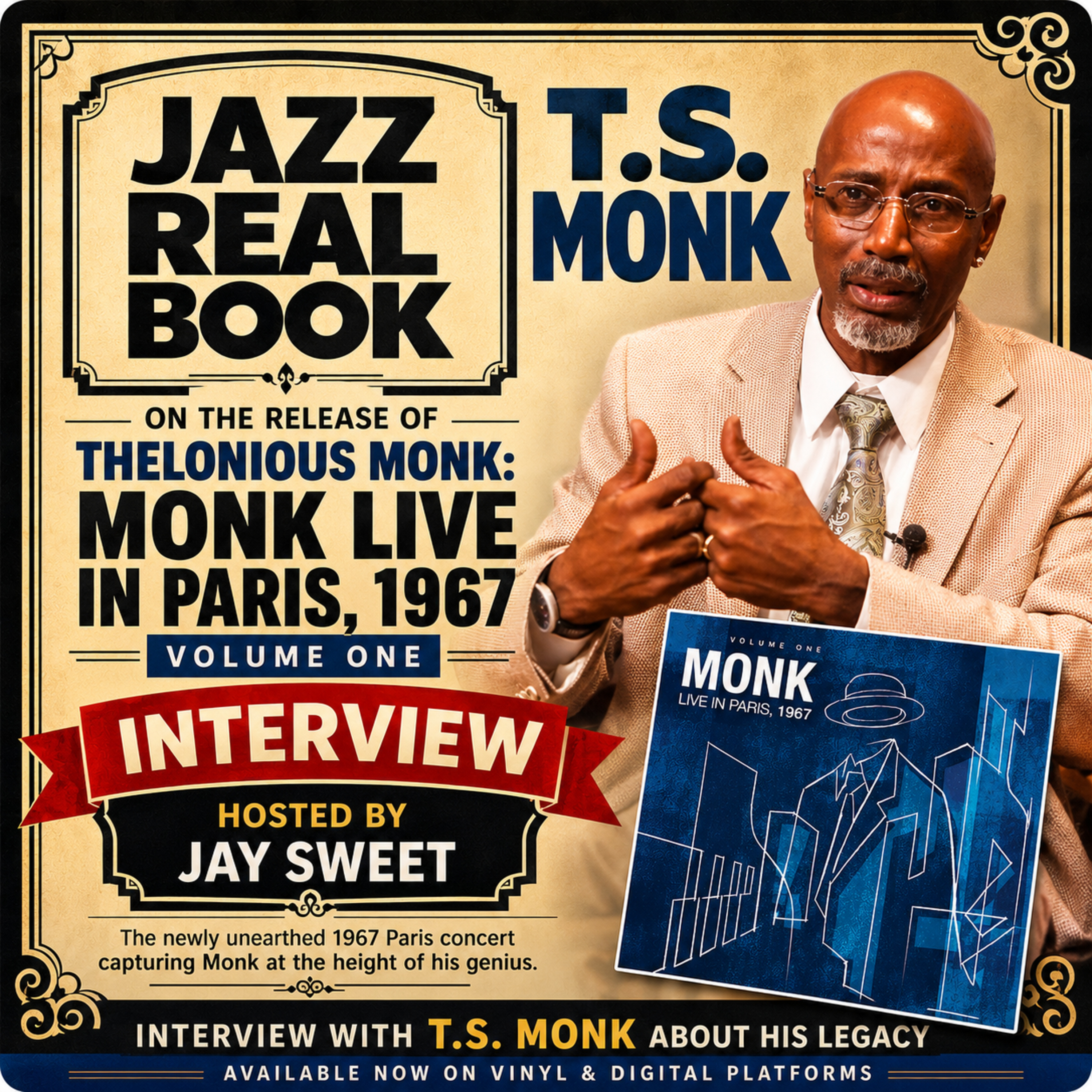 T.S. Monk Interview | T.S. Monk Interview T.S. Monk has built a remarkable career both as a musician and as the steward of his father Thelonious Monk’s extraordinary legacy. A respected drummer, bandleader, composer, and recording artist, he performed with his father as a young musician before establishing his own career, eventually devoting significant energy to preserving and expanding awareness of Monk’s music.Today, T.S. Monk is helping lead an important new chapter through the Thelonious Monk Estate and Rhythm-A-Ning Entertainment. The newly unearthed and fully restored Monk Live in Paris, 1967 Volume One represents the first official release from the Monk Estate and launches a series devoted to reclaiming rare and previously unauthorized archival recordings.The Paris recording captures Monk with Charlie Rouse, Larry Gales, and Ben Riley, joined by guests including Phil Woods, Jimmy Cleveland, Ray Copeland, and Johnny Griffin. Volume Two, featuring Clark Terry, is scheduled for October 9, 2026. For T.S. Monk, these releases are about more than rediscovery—they represent preserving, protecting, and reintroducing his father’s revolutionary music for future generations. | 1h 15m 50s | ||||||
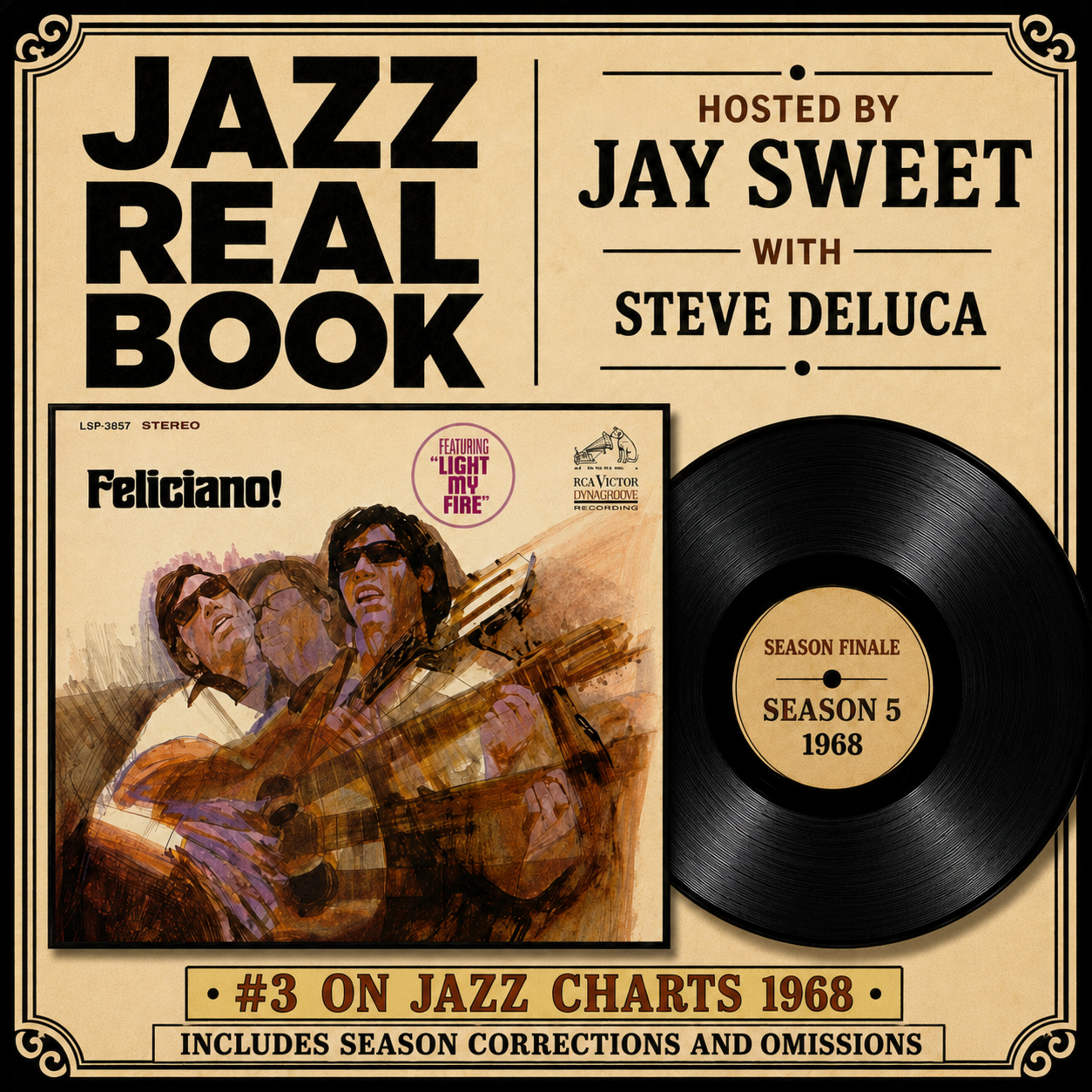
| 8/15/26 | music interpretationalbum review+4 | — | RCA-VictorFeliciano! | — | José FelicianoFeliciano!+6 | — | 1h 33m 35s | ||
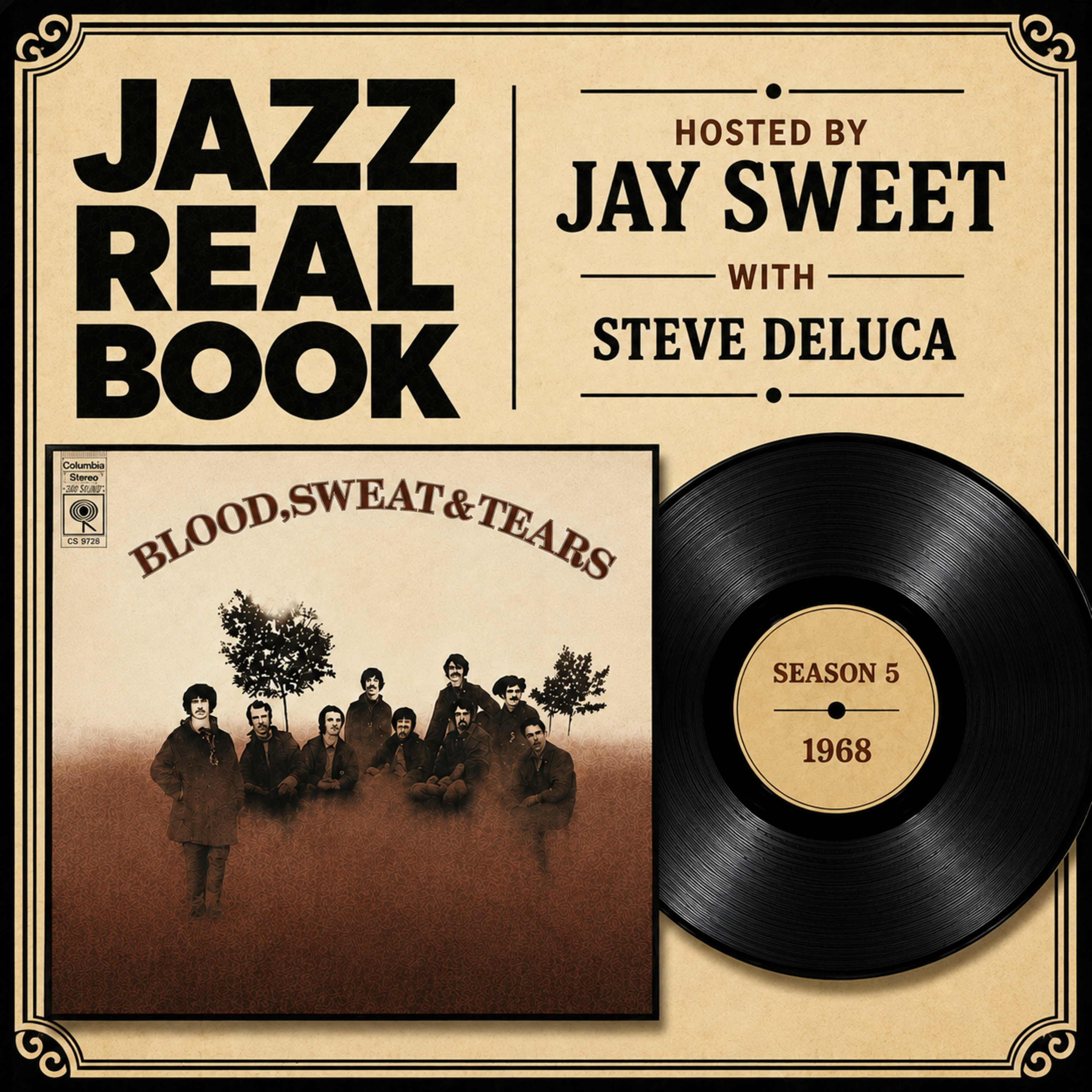
| 8/12/26 | jazz-rockalbum analysis+3 | — | Columbia RecordsBlood, Sweat & Tears+5 | — | Blood, Sweat & Tearsjazz-rock+3 | — | 1h 09m 03s | ||
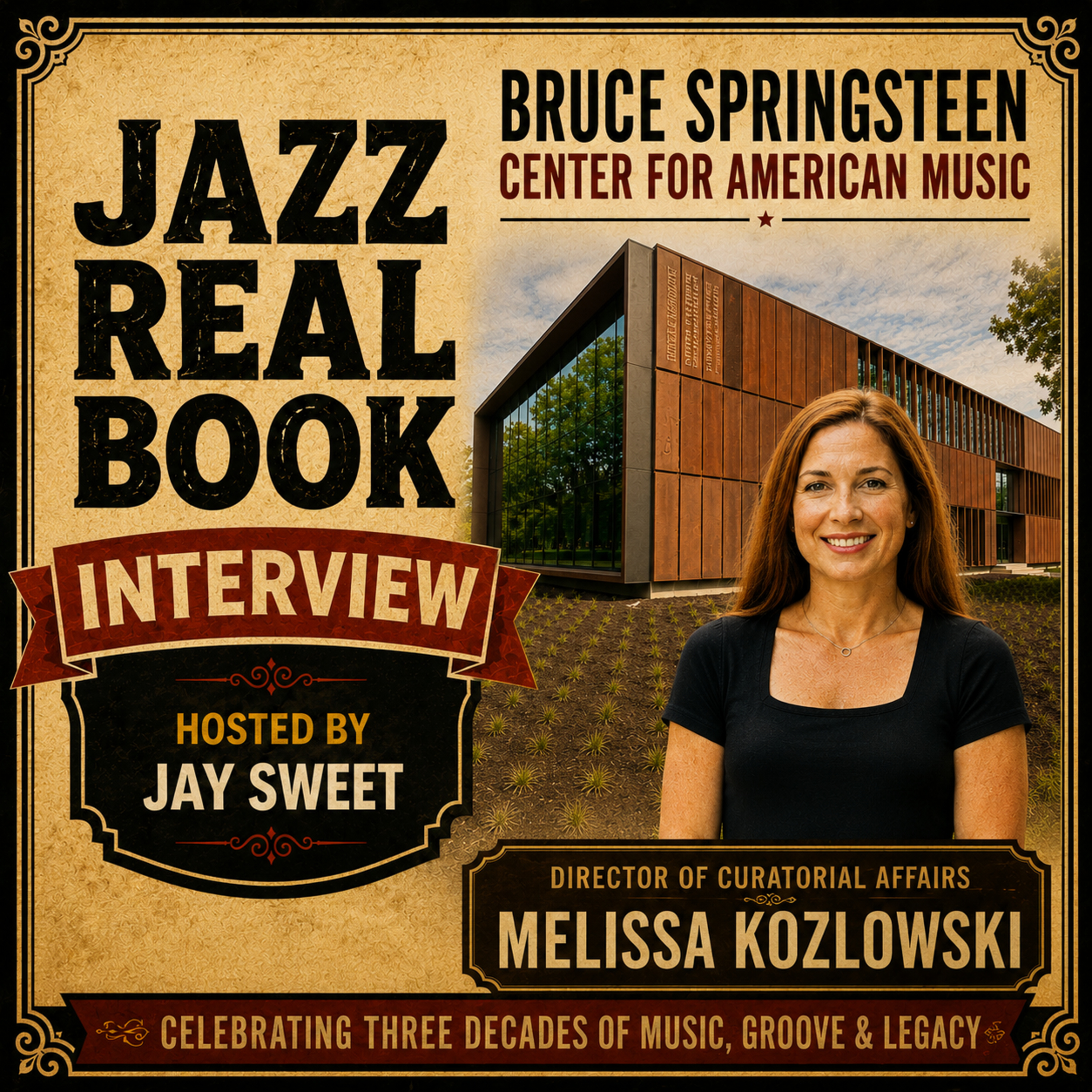
| 8/8/26 | Bruce SpringsteenAmerican music+4 | Melissa Kozlowski | Bruce Springsteen Center for American MusicMonmouth University+1 | United States | Bruce SpringsteenAmerican music+4 | — | 29m 07s | ||
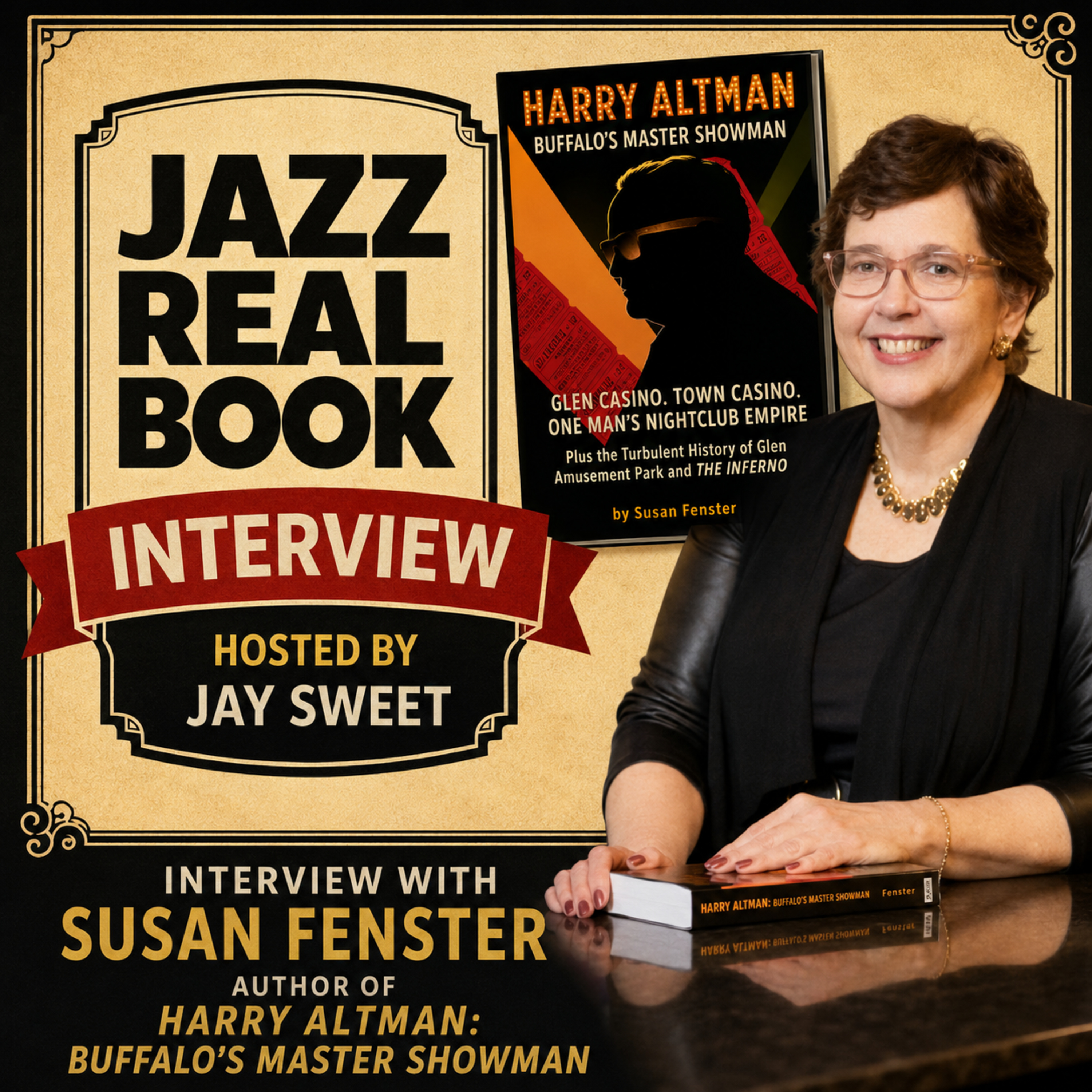
| 8/2/26 | historical biographyentertainment history+3 | Susan Fenster | Williamsville Historical Preservation CommissionWilliamsville Historical Society+1 | BuffaloWestern New York | Susan FensterHarry Altman+6 | — | 1h 10m 02s | ||
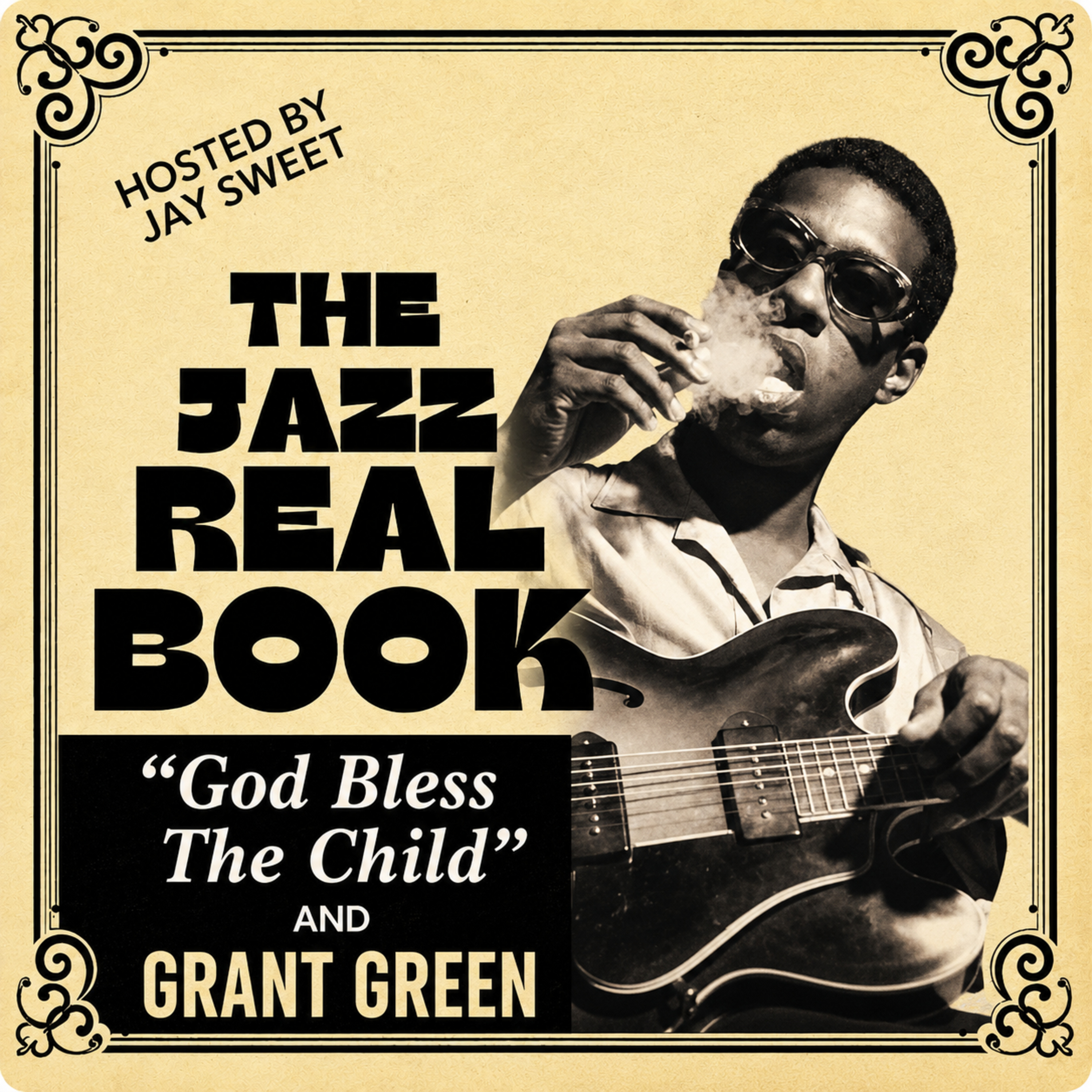
| 7/26/26 | jazzmusic history+3 | — | Blue Note RecordsGod Bless The Child+1 | — | God Bless The ChildGrant Green+5 | — | 18m 27s | ||
| 7/22/26 | jazz guitarmusic education+3 | Vinny Valentino | Vinny.comDrum Fantasy Camp+3 | — | Vinny Valentinojazz guitarist+3 | — | 53m 44s | ||
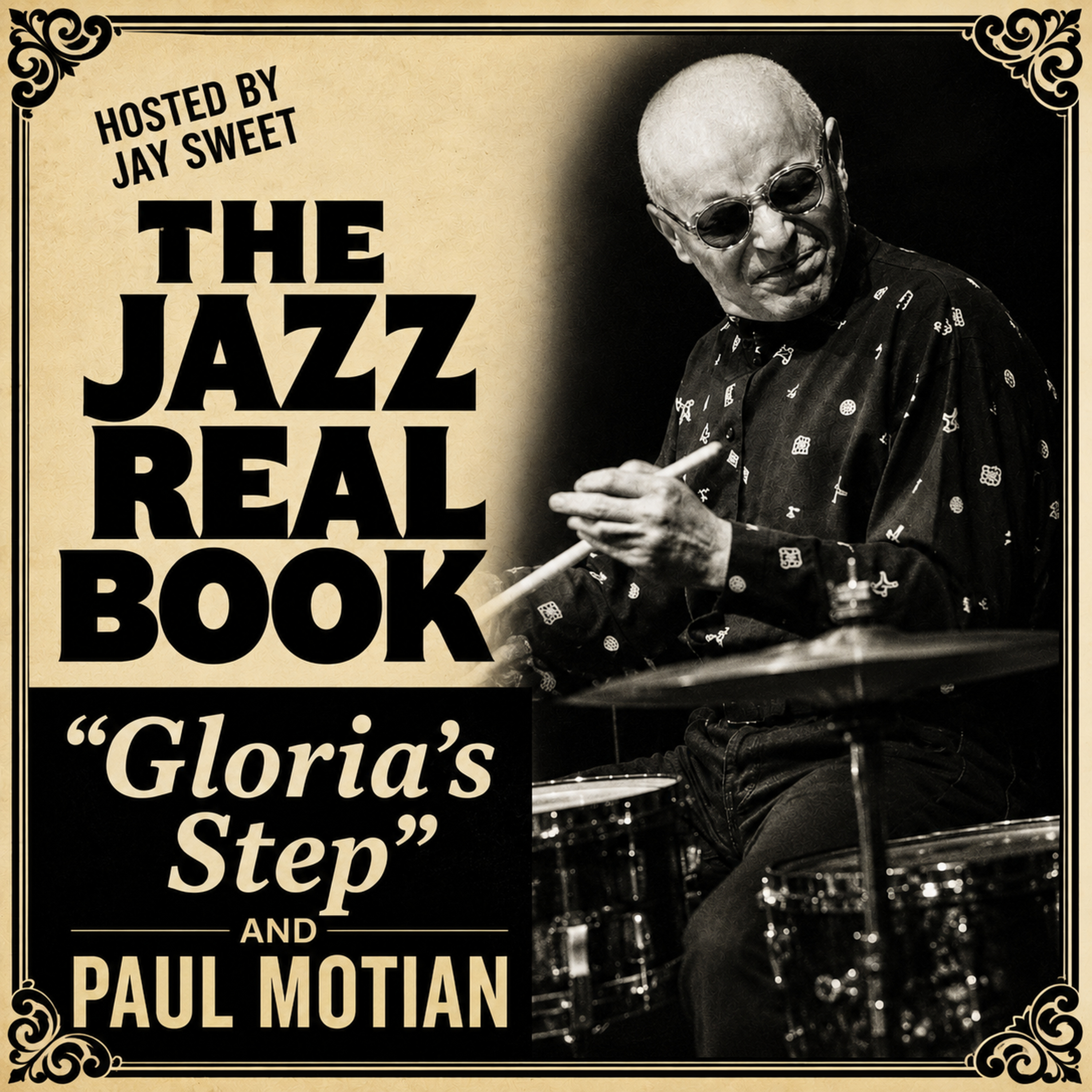
| 7/19/26 | modern jazzcomposition+3 | — | Bill Evans TrioChick Corea+3 | — | Gloria's StepScott LaFaro+5 | — | 20m 36s | ||
| 7/15/26 | 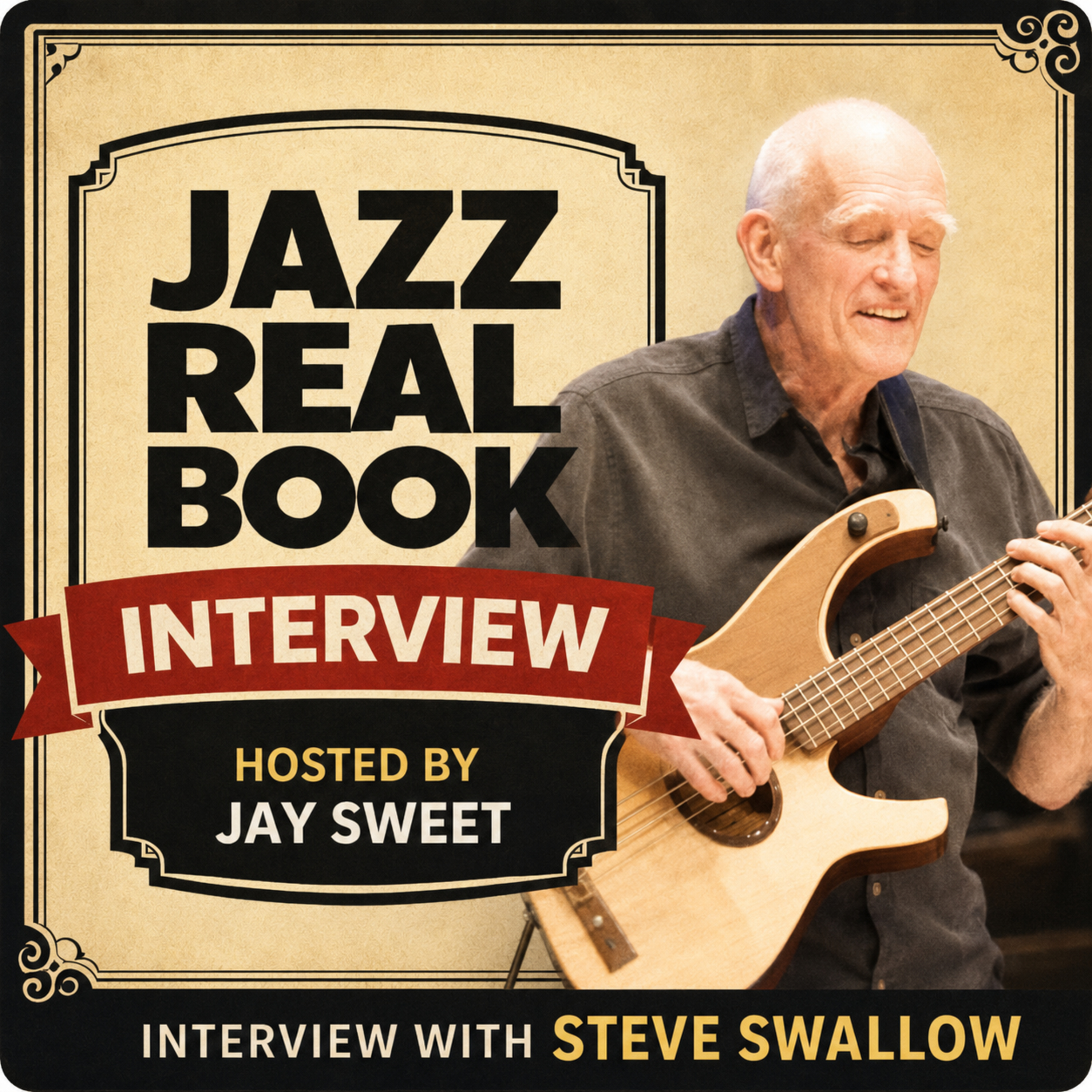 Steve Swallow Interview | Steve Swallow is one of the most influential electric bassists and composers in jazz history. Born in Fair Lawn, New Jersey, in 1940, he began on acoustic bass before pioneering the use of electric bass in a jazz context, developing his signature pick technique and lyrical improvisational style. Throughout his remarkable career, he has collaborated with artists including Carla Bley, Gary Burton, John Scofield, Pat Metheny, Jimmy Giuffre, Stan Getz, Chick Corea, and John Abercrombie. His compositions, including "Falling Grace," "Eiderdown," and "Chelsea Bells," have become modern jazz standards. Swallow also played a significant role in the creation of The Real Book while teaching at Berklee College of Music, contributing compositions and helping shape one of jazz education's most influential publications. His latest ECM release, Winter Songs (2026), features Gil Goldstein, Chris Cheek, Steve Cardenas, Mike Rodriguez, and Adam Nussbaum, presenting nine lyrical originals that reaffirm Swallow's enduring creativity and unmistakable voice. | 1h 05m 36s | ||||||
| 7/12/26 | 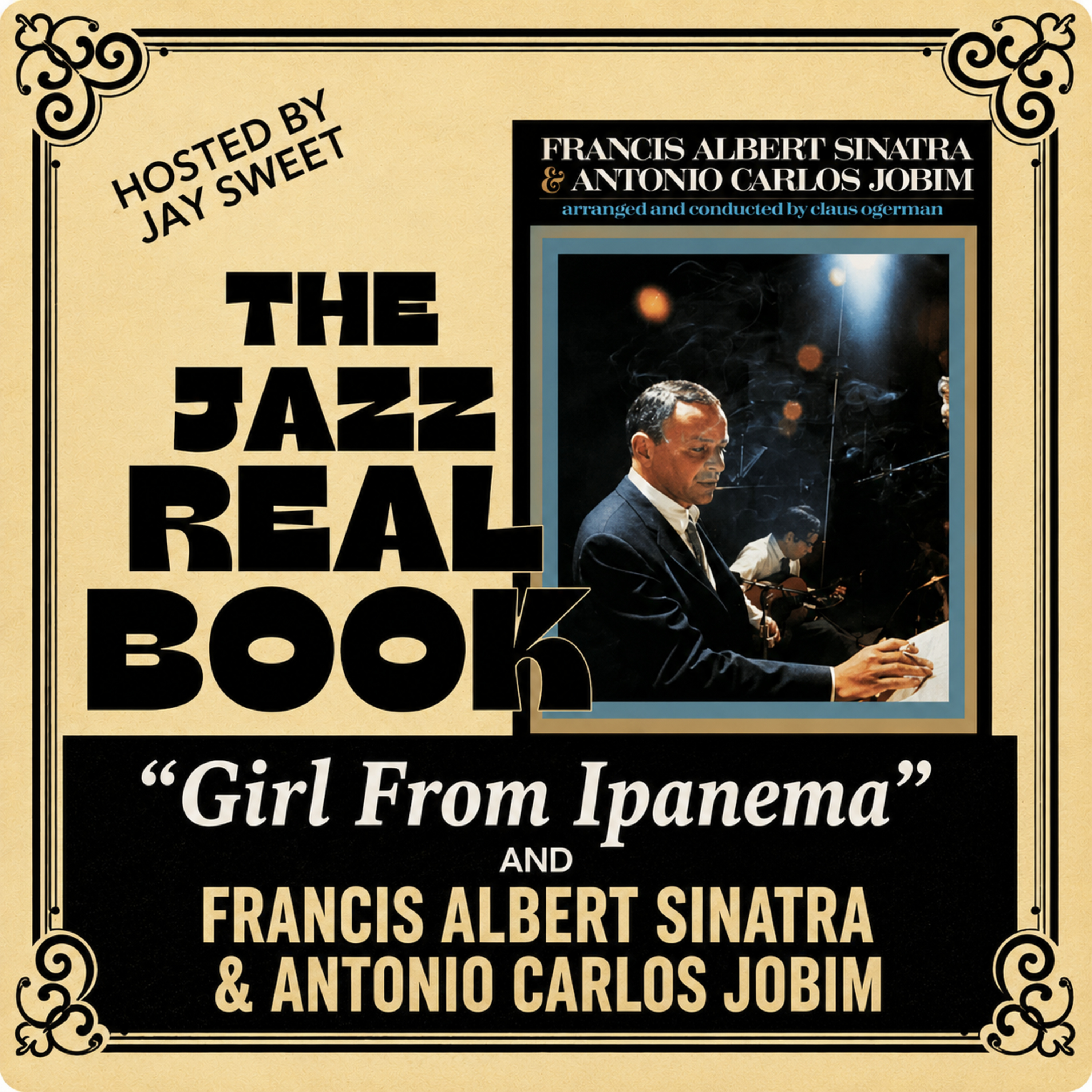 The Girl From Ipanema and the album Francis Albert Sinatra & Antônio Carlos Jobim (131) | “The Girl From Ipanema” and the album Francis Albert Sinatra & Antônio Carlos Jobim (131) “The Girl from Ipanema” one of the most performed and beloved jazz standards reached its definitive artistic expression through two landmark recordings. The 1964 Verve release Getz/Gilberto introduced bossa nova to an international audience, pairing Stan Getz’s lyrical tenor saxophone with João Gilberto’s understated guitar and vocals, Antônio Carlos Jobim’s elegant piano, and Astrud Gilberto’s unforgettable English-language debut. The album became a historic success, winning the 1965 Grammy Award for Album of the Year while the single earned Record of the Year, firmly establishing Brazilian music within the jazz mainstream. Three years later, Francis Albert Sinatra & Antonio Carlos Jobim presented a more intimate and orchestrated interpretation. Claus Ogerman’s lush yet restrained arrangements allowed Sinatra’s relaxed phrasing to blend seamlessly with Jobim’s nylon-string guitar and piano. The performance becomes especially memorable when Jobim sings in Portuguese before the two artists trade lines in both languages, creating a graceful musical dialogue that remains one of the finest cross-cultural collaborations in jazz history.Getz/Gilberto Sinatra/Jobim The Jazz Real Book Vol 2 | 21m 22s | ||||||
| 7/5/26 | 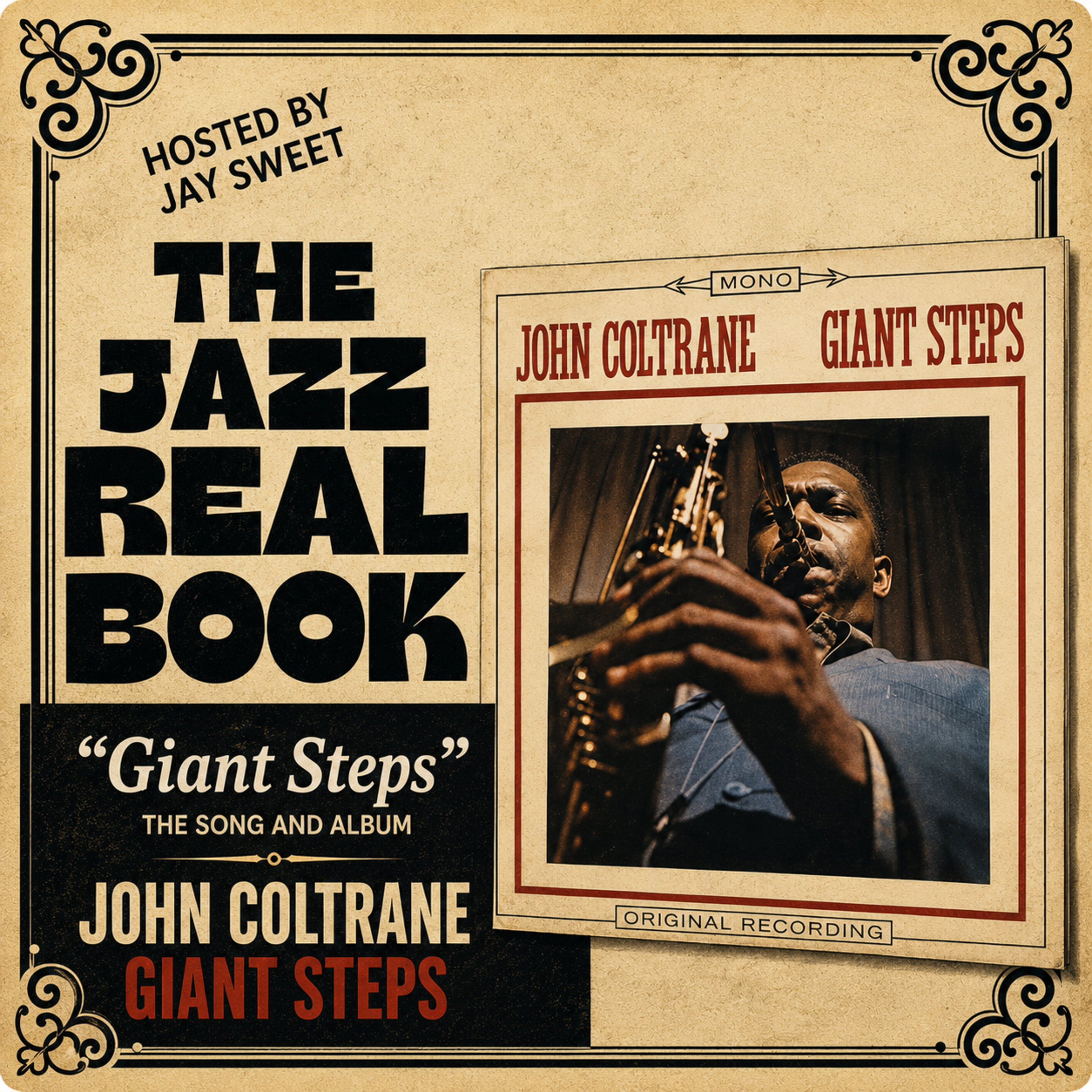 Giant Steps and the album John Coltrane Giant Steps (131) | “Giant Steps” and the album John Coltrane Giant Steps (131) Released in 1960, Giant Steps is one of the defining albums in jazz history, showcasing John Coltrane's extraordinary growth as both a composer and improviser. The title track introduced the revolutionary harmonic system now known as the "Coltrane Changes," cycling through the distant key centers of B, G, and E-flat major with unprecedented speed and precision. Its angular melody outlines each chord through arpeggios and guide tones, making the complex harmony surprisingly clear while presenting one of jazz's greatest improvisational challenges. The remainder of the album reveals Coltrane's remarkable versatility, balancing the harmonic intensity of "Giant Steps" and "Countdown" with the bluesy warmth of "Cousin Mary," the lyrical beauty of "Naima," and the driving minor blues "Mr. P.C." Together, the album bridges hard bop and the more adventurous musical directions Coltrane would soon pursue, establishing a new vocabulary that continues to shape jazz performance, composition, and education today.John Coltrane Pat Metheny The Jazz Real Book Playlist Vol. 2 | 21m 46s | ||||||
| 6/28/26 | 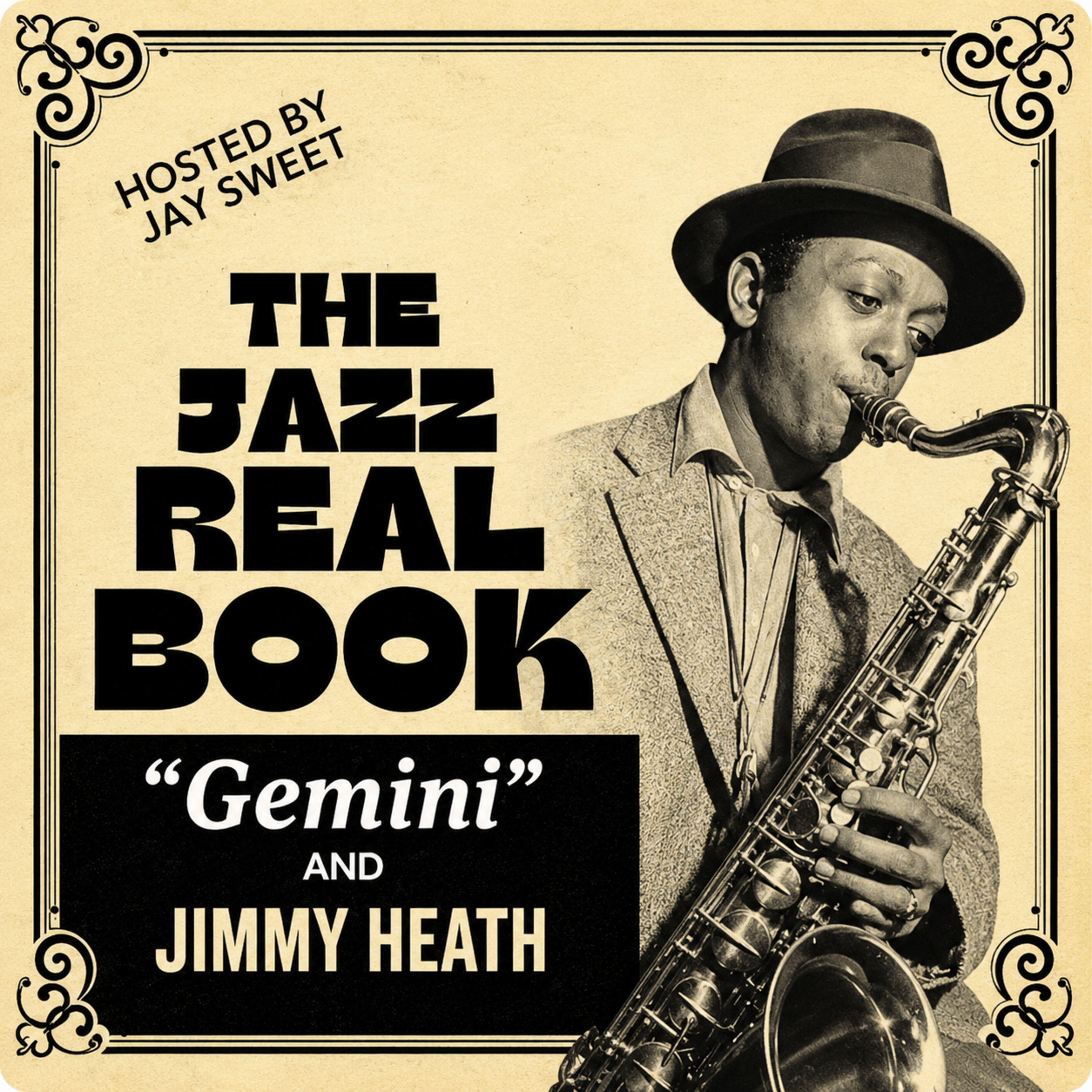 Gemini and Jimmy Heath | “Gemini” and Jimmy Heath (130) “Gemini” is one of Jimmy Heath’s finest and most enduring compositions, a graceful 24-bar waltz that reflects his gift for memorable melodies and sophisticated harmony. Built around a spacious, lyrical theme and unexpected harmonic movement, the tune combines bebop vocabulary with Heath’s unmistakable melodic elegance. Since its debut on the 1962 album Triple Threat, “Gemini” has become a favorite among jazz musicians, admired for its flowing melody, subtle use of harmonic tension, and improvisational possibilities. The composition perfectly illustrates Heath’s ability to write music that is intellectually engaging while remaining highly singable.Born in Philadelphia in 1926, Jimmy Heath became one of the most respected tenor saxophonists, composers, arrangers, and educators in jazz history. A member of the legendary Heath musical family with brothers Percy and Albert “Tootie” Heath, he overcame personal setbacks to build a remarkable career spanning more than seven decades. His compositions, including “Gingerbread Boy,” “CTA,” “For Minors Only,” and “Gemini,” have become modern jazz standards. As a performer, bandleader, and longtime professor at Queens College, Heath influenced generations of musicians with his lyrical playing, masterful writing, and deep commitment to preserving and advancing the jazz tradition.Jimmy Heath Small Group Version Jimmy Heath Big Band The Jazz Real Book Playlist Vol.2 | 15m 43s | ||||||
| 6/25/26 |  Al MacSween from Your Brother's Keeper | Al MacSween continues to emerge as one of the most creative voices in London's contemporary jazz scene with Where Rivers Meet, a remarkable collaboration between his collective Your Brother's Keeper and legendary saxophonist Gary Bartz. As pianist, synthesist, composer, and producer, MacSween creates a rich sonic landscape that blends acoustic jazz with modular synthesis and live electronics, allowing Bartz's iconic saxophone to interact with modern textures while preserving its emotional depth. Originally developing through collaborations in Maisha, the project reflects years of shared performance and musical trust. McSween's vision places collective improvisation at the center, bringing together trumpeter Axel Kaner-Lidstrom, bassist Twm Dylan, percussionist Tim Doyle, and saxophonist Chelsea Carmichael. Rather than simply accompanying a jazz legend, Your Brother's Keeper engages Bartz in a genuine artistic dialogue, demonstrating MacSween's gift for connecting generations while pushing the boundaries of spiritual and contemporary jazz. | 43m 29s | ||||||
| 6/20/26 | 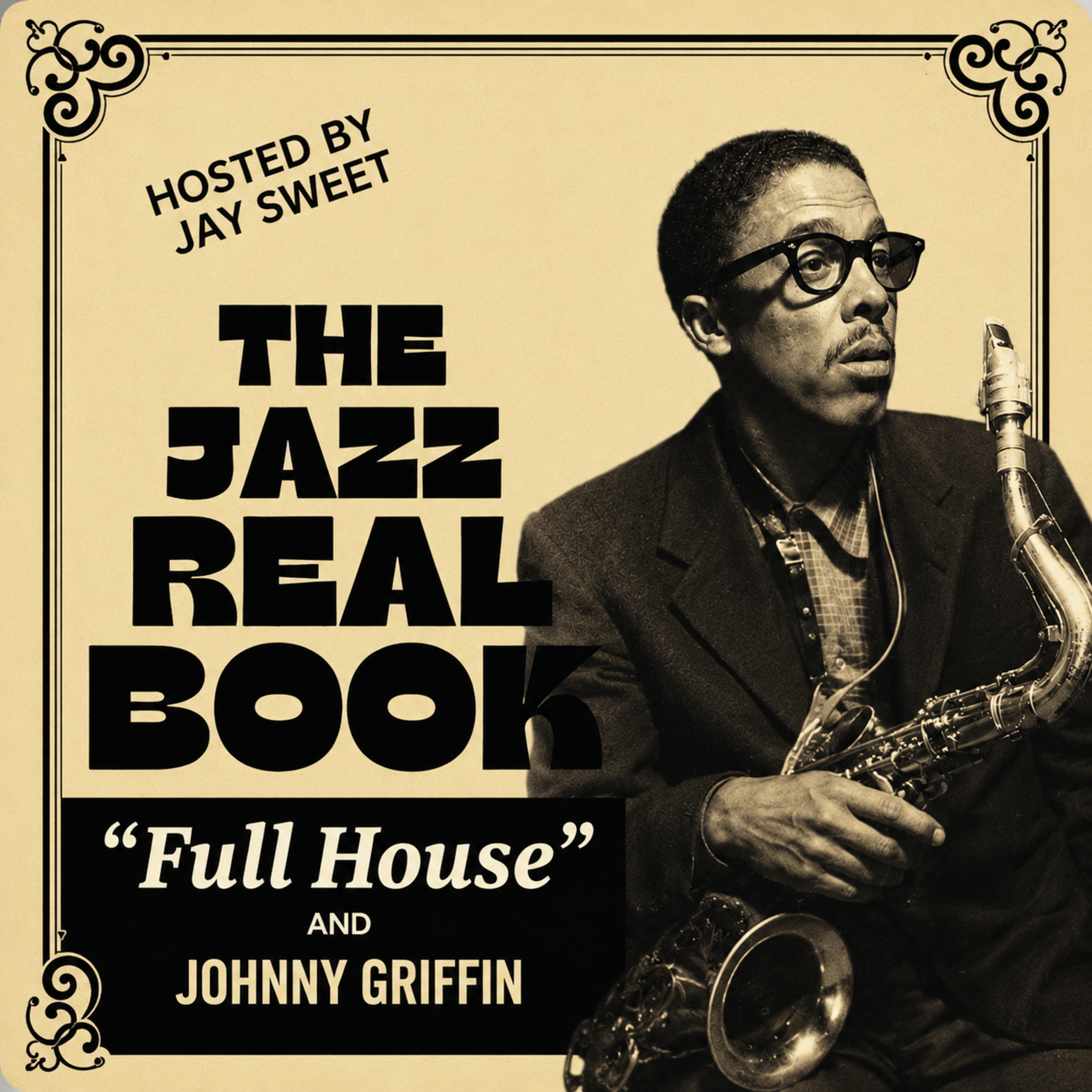 Full House and Johnny Griffin | “Full House” and Johnny Griffin (129) Johnny Griffin’s appearance on Wes Montgomery’s “Full House” remains one of the great examples of hard bop improvisation captured live. Recorded on June 25, 1962, at Tsubo in Berkeley, California, the performance features Montgomery with an extraordinary rhythm section of Wynton Kelly, Paul Chambers, and Jimmy Cobb, along with Griffin on tenor saxophone. The tune itself, a bluesy jazz waltz in F minor composed by Montgomery, combines a Latin-flavored introduction, a memorable AABA melody, and extended solo sections that allow each musician to stretch out. Montgomery’s warm thumb-picked lines and signature octave passages are complemented perfectly by Griffin’s explosive tenor work. Nicknamed “The Little Giant,” Johnny Griffin was one of the most technically dazzling saxophonists of the hard bop era. His powerful tone, breathtaking speed, and deep bebop vocabulary made him a favorite collaborator of Thelonious Monk, Art Blakey, and many others. On “Full House,” Griffin’s soulful, swinging improvisation helps elevate the performance into one of the finest live recordings in jazz history.Wes Montgomery Christian McBride Jazz Real Book Playlist Vol 2 | 18m 07s | ||||||

Showing 25 of 200
Pitch Fit is a Pro feature
See how bookable this show is for guests, which brands already advertise, the per-episode ad value, and the best-fit guest and sponsor profile. The numbers are blurred on the free plan.
How readily this show books outside guests like you.
How proven this show is for host-read sponsorships.
For Guests
ProFor Advertisers
ProUpgrade to Pro to unlock guest cadence, sponsor categories, fit scores, and per-episode ad value for this show.
Similar Audience Demographics
Podcasts that attract a similar listener profile



Chart history for The Jazz Real Book
Peaked at #73 in BE, currently #73 in BE.
| Market | Genre | Peak | Current | Trend |
|---|---|---|---|---|
| BE | — | #73 | #73 | — |
| TR | — | #77 | #77 | — |
| AT | — | #126 | #126 | — |
| Australia | — | #139 | #139 | — |
Chart Positions
4 placements across 4 markets.
Chart Positions
4 placements across 4 markets.