The John Batchelor Show
by John Batchelor
Is this your podcast?Insights from recent episode analysis
Audience Interest
Podcast Focus
Publishing Consistency
Platform Reach
Insights are generated by CastFox AI using publicly available data, episode content, and proprietary models.
Most discussed topics
Brands & references
Total monthly reach
Estimated from 1 chart position in 1 market.
By chart position
- 🇺🇸US · News#1825K to 30K
- Per-Episode Audience
Est. listeners per new episode within ~30 days
1.5K to 9K🎙 Daily cadence·500 episodes·Last published today - Monthly Reach
Unique listeners across all episodes (30 days)
5K to 30K🇺🇸100% - Active Followers
Loyal subscribers who consistently listen
1.5K to 9K
Market Insights
Platform Distribution
Reach across major podcast platforms, updated hourly
Total Followers
—
Total Plays
—
Total Reviews
—
* Data sourced directly from platform APIs and aggregated hourly across all major podcast directories.
On the show
From 80 epsHost
Recent guests
Recent episodes
CONTENTS OF THE JOHN BATCHELOR SHOW, 9-4-2026.
Sep 5, 2026
13m 30s
STREAMING THE MAKING OF THE JOHN BATCHELOR SHOW, 8-9 AM ET, 9-4-2026.
Sep 5, 2026
58m 23s
8. Spaceflight Ventures and Saturn's Ten-Sided Rings: BOB ZIMMERMAN 090426
Sep 5, 2026
19m 41s
7. Oversight Loopholes in Saudi Nuclear Deal: HENRY SOKOLSKI 090426
Sep 5, 2026
17m 51s
6. Historical Myths Shape America's Divided Identity: DAVID REYNOLDS (HOUR TWO)
Sep 5, 2026
37m 31s
Social Links & Contact
Official channels & resources
Official Website
Login
RSS Feed
Login
| Date | Episode | Topics | Guests | Brands | Places | Keywords | Sponsor | Length | |
|---|---|---|---|---|---|---|---|---|---|
| 9/5/26 | 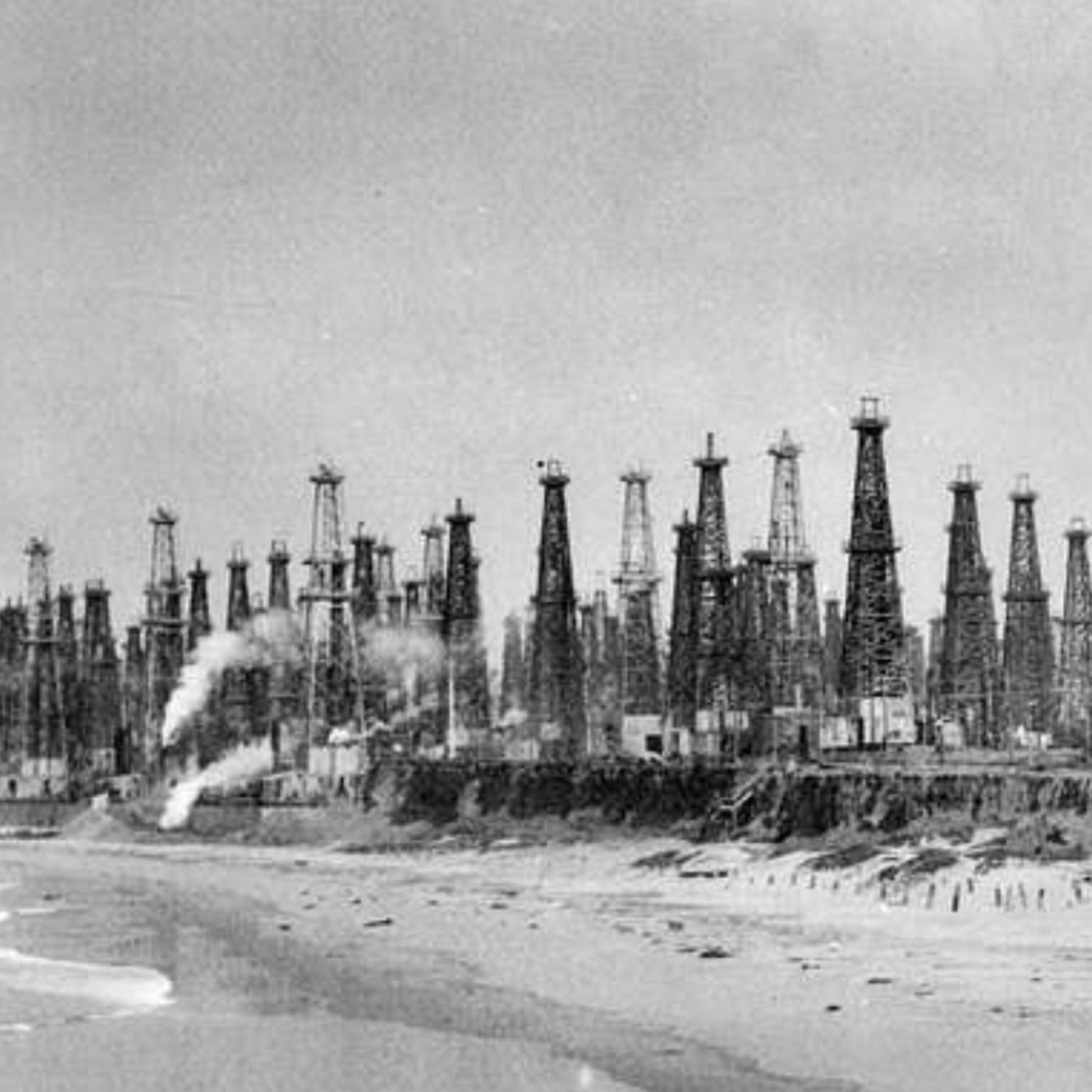 CONTENTS OF THE JOHN BATCHELOR SHOW, 9-4-2026. | CAPTION 1926 HUNTINGDON BEACH, CALIFORNIACONTENTS OF THE JOHN BATCHELOR SHOW, 9-4-2026.California Waves, Wildfires, and Financial DefaultsJeff Bliss reports on various events across California. Hurricane Marie has generated spectacular and dangerous waves at the Wedge in Newport Beach, drawing crowds but causing major beach erosion. Meanwhile, Monterey Countybattles the uncontained Timber and Placet wildfires in steep, inaccessible terrain. Infrastructure issues persist in Los Angeles, where temporary fixes address frequent water main breaks. A meat storage fire has left an odor and vermin, angering residents as waste is relocated. Lastly, Hollywood faces financial trouble, highlighted by Deutsche Bank's troubled loans and studios leaving California for cheaper, less-regulated states. (1)Voting Rules and Birthright Citizenship BattlesRichard Epstein discusses constitutional legal battles surrounding mail-in voting and birthright citizenship. On mail-in voting, the Trump administration asked the Supreme Court to allow postal restrictions preserving custody. Epstein believes the court will support this neutral federal regulation. On birthright citizenship, a Maryland judge blocked an executive order narrowing citizenship eligibility, calling it unconstitutional. Epstein critiques her historical reasoning but acknowledges the Chief Justice shares her view. He explores complexities including diplomatic immunity, territorial status, and whether the government can restrict pregnant foreign nationals from entry to prevent birthright citizenship tourism. (2)Canada and United States Trade NegotiationsConrad Black analyzes trade tensions between Canada and the United States, hoping cooler heads will prevail to avoid a trade war. Canada relies heavily on American trade, as US politicians face pressure from tight border state elections in Michigan and Ohio. Black outlines three major unresolved issues: Canadian content disputes in auto and truck manufacturing, Canadian trade deals with China, and American objections to French language packaging. Black urges a spirit of mutual compromise rather than table-pounding, emphasizing that both friendly nations ultimately stand to benefit from a swift resolution. (3)Lancaster County Economic Trends: Labor Day, Inflation, and Local RealitiesJim McTague and host John Batchelor discuss the economic landscape of Lancaster County, Pennsylvania, ahead of Labor Day. Despite strong national jobs data—the US economy beat expectations by adding 162,000 jobs in August, prompting Wall Street to anticipate a Federal Reserve interest rate hike of a quarter point—rising Costco gasoline prices reveal the immediate pressure of inflation on local residents, surging to $4.03 per gallon from $3.93 a week prior and triggering long lines reminiscent of the 1970s fuel shortage. Meanwhile, local tourism remains strong and steady despite a highly rainy year that has occasionally caused uneven day-to-day retail activity, and the 100-year-old Charles family farm stand in East Petersburg boasts a thriving season, drawing polite crowds for exceptionally sweet corn and tomatoes despite excessive precipitation. Finally, McTague debunks false claims about the nearby industrial park's data center being noisy, noting it is actually quieter than typical lawnmowers or birds, with zero negative impact on adjacent property values or lifestyle. (4)Deterrence Essential Amid Treaty Oversight CrisesPeter Huessy discusses the modern challenges of nuclear deterrence and arms control treaties involving the United States, Russia, and China. A three-party treaty limiting overall warhead numbers is highly unlikely due to competing strategic interests. Banning specific destabilizing technologies, like multiple-warhead ICBMs or space-based weapons, is much more feasible. Huessy highlights Russia's persistent objectives of using nuclear blackmail to weaken NATO and dismantle American missile defense systems. China's absolute lack of transparency and Russia's evasion of inspections since 2020 require the United States to prioritize robust, active nuclear modernization to maintain deterrence. (5)Historical Myths Shape America's Divided IdentityDavid S. Reynolds, author of Two Ships: Jamestown 1619, Plymouth 1620, and the Struggle for the Soul of America, Part Two: Reynolds analyzes the historical and cultural myths shaping America's division. Pre-war, romanticized Southern fiction revived a Cavalier identity defending slavery, while Northern abolitionists drew on Puritan ideals. Though many used a two-ships metaphor—contrasting Jamestown's hierarchy with Plymouth's democracy—Abraham Lincolnrejected division, fighting for one nation founded on equality. After the war, Edward Pollard's book romanticized the plantation South as the Lost Cause, a myth later popularized by Hollywood. Reynolds also notes positive legacies, like Rhode Island Quaker abolitionist Moses Brown and early suffragists. (6)Oversight Loopholes in Saudi Nuclear DealHenry Sokolski outlines concerns regarding the unclassified but heavily redacted Saudi Arabian nuclear agreement. Government documents printed on September first reveal provisions for uranium enrichment up to twenty percent on Saudi territory. Crucially, the agreement limits atomic inspections to declared sites, presenting a loophole for covert parallel operations. Sokolski also addresses Iran's war crime accusations against the United States following a fatal off-target missile strike near the Strait of Hormuz. He attributes such tragic military targeting errors to outdated intelligence and the misuse of artificial intelligence to accelerate high-stakes decision-making in active war zones. (7)Spaceflight Ventures and Saturn's Ten-Sided RingsBob Zimmerman covers several developments in aerospace, astronomy, and planetary science. SpaceX secured an exchange deal with Brownsville for a shipping port, while Blue Origin won a Mars communication satellite relay contract. Meanwhile, SpaceX's Dragon capsule leaked, and Sierra Space remains un-flown after a decade. In astronomy, NASA's Dragonfly mission to Titan named its landing site, and scientists using Hubble discovered a unique ten-sided cloud ring around Saturn's south pole. Finally, Ukraine's drone strikes on Russian rocket factories and Russia's failing satellite constellation highlight ongoing military conflicts in orbit. (8) | 13m 30s | ||||||
| 9/5/26 |  STREAMING THE MAKING OF THE JOHN BATCHELOR SHOW, 8-9 AM ET, 9-4-2026. | CAPTION 1947 CALIFORNIASTREAMING THE MAKING OF THE JOHN BATCHELOR SHOW, 8-9 AM ET, 9-4-2026.This transcript captures a wide-ranging conversation between John Bachelor, Jeff Bliss, and a commentator named Germanicus, focusing on the intersecting natural and social crises facing California and the broader world. The discussion begins with the environmental impact of Hurricane Marie on Southern California’s coast, highlighting severe erosion alongside the dangerous, spectacular waves at the wedge. Shifting to urban instability, the speakers detail infrastructure failures in Los Angeles, including water main breaks and the relocation of rotting food following a warehouse fire. Economic concerns are raised through the lens of troubled real estate and the migration of film production away from high-tax states. In the final segment, the dialogue adopts a historical metaphor, comparing modern American leadership struggles and military leadership gaps to the decline of the Roman Empire. This overview contrasts the local struggles of the Golden State with a grim assessment of shifting global power dynamics. | 58m 23s | ||||||
| 9/5/26 | 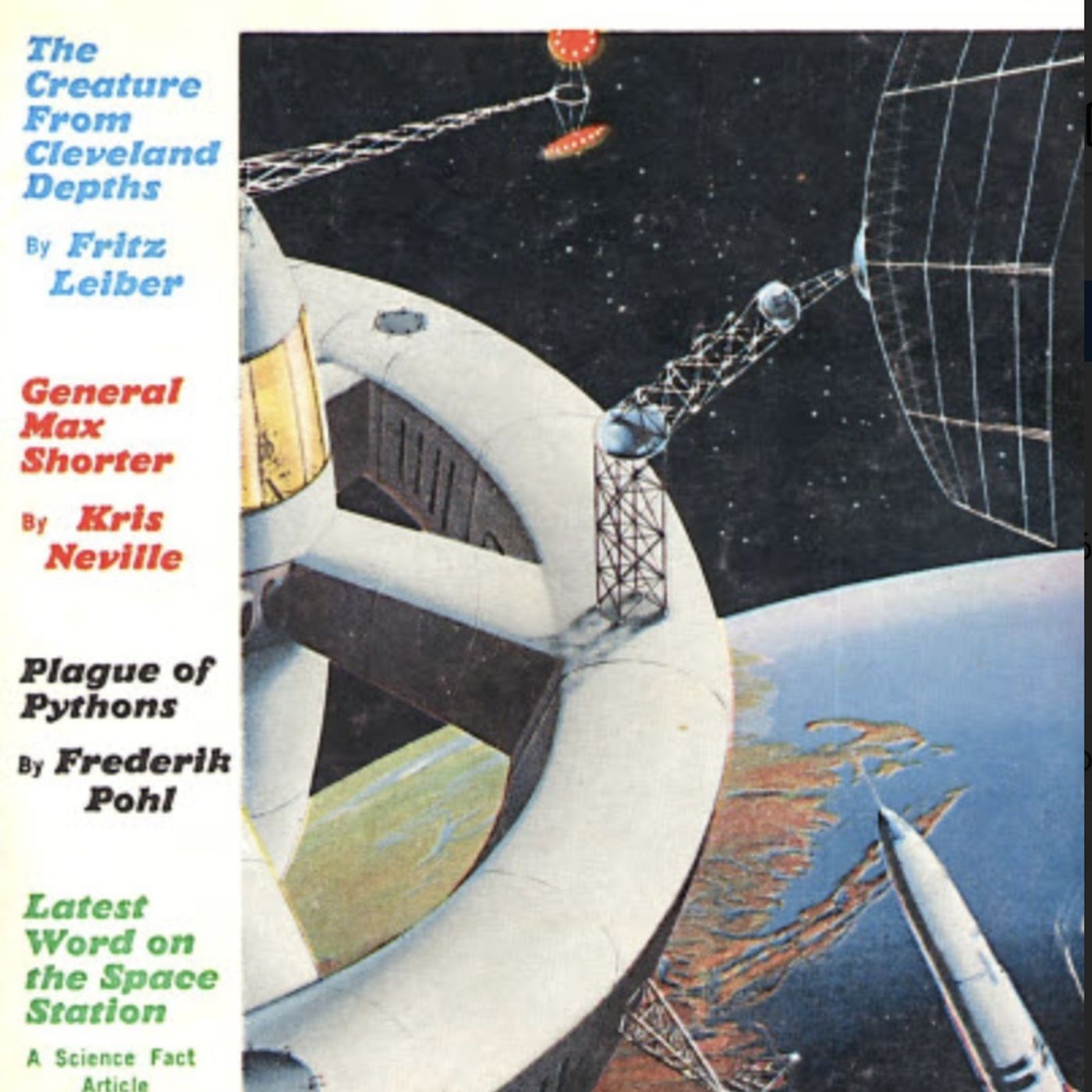 8. Spaceflight Ventures and Saturn's Ten-Sided Rings: BOB ZIMMERMAN 090426 | CAPTION 1962Spaceflight Ventures and Saturn's Ten-Sided RingsBob Zimmerman covers several developments in aerospace, astronomy, and planetary science. SpaceX secured an exchange deal with Brownsville for a shipping port, while Blue Origin won a Mars communication satellite relay contract. Meanwhile, SpaceX's Dragon capsule leaked, and Sierra Space remains un-flown after a decade. In astronomy, NASA's Dragonfly mission to Titan named its landing site, and scientists using Hubble discovered a unique ten-sided cloud ring around Saturn's south pole. Finally, Ukraine's drone strikes on Russian rocket factories and Russia's failing satellite constellation highlight ongoing military conflicts in orbit. (7) | 19m 41s | ||||||
| 9/5/26 | 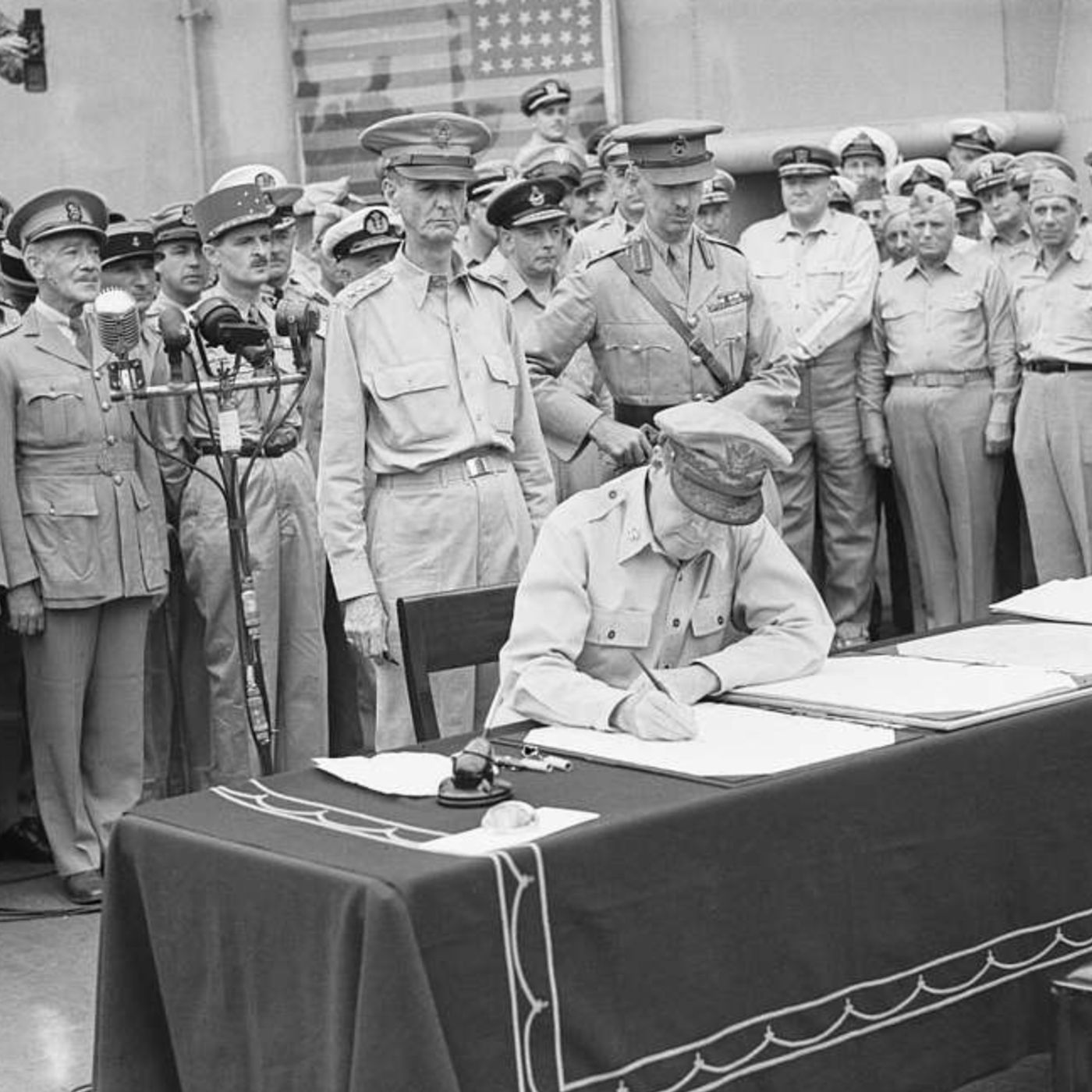 7. Oversight Loopholes in Saudi Nuclear Deal: HENRY SOKOLSKI 090426 | CAPTION 1945 tokyo Oversight Loopholes in Saudi Nuclear DealHenry Sokolski outlines concerns regarding the unclassified but heavily redacted Saudi Arabian nuclear agreement. Government documents printed on September first reveal provisions for uranium enrichment up to twenty percent on Saudi territory. Crucially, the agreement limits atomic inspections to declared sites, presenting a loophole for covert parallel operations. Sokolski also addresses Iran's war crime accusations against the United States following a fatal off-target missile strike near the Strait of Hormuz. He attributes such tragic military targeting errors to outdated intelligence and the misuse of artificial intelligence to accelerate high-stakes decision-making in active war zones. (7) | 17m 51s | ||||||
| 9/5/26 | 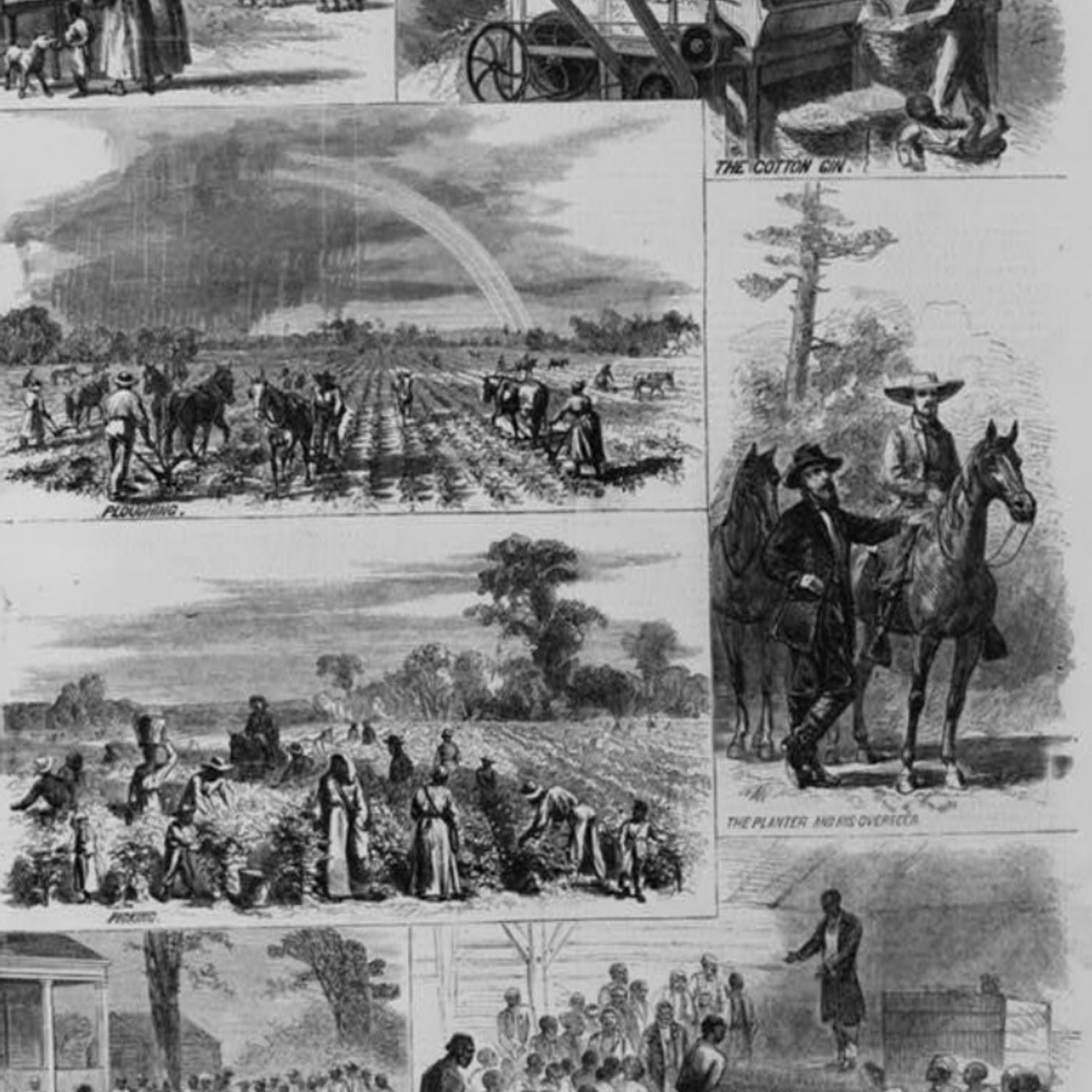 6. Historical Myths Shape America's Divided Identity: DAVID REYNOLDS (HOUR TWO) | CAPTION 1867 PLANTATION IMAGESHistorical Myths Shape America's Divided IdentityDavid S. Reynolds, author of Two Ships: Jamestown 1619, Plymouth 1620, and the Struggle for the Soul of America, Part Two: Reynolds analyzes the historical and cultural myths shaping America's division. Pre-war, romanticized Southern fiction revived a Cavalier identity defending slavery, while Northern abolitionists drew on Puritan ideals. Though many used a two-ships metaphor—contrasting Jamestown's hierarchy with Plymouth's democracy—Abraham Lincolnrejected division, fighting for one nation founded on equality. After the war, Edward Pollard's book romanticized the plantation South as the Lost Cause, a myth later popularized by Hollywood. Reynolds also notes positive legacies, like Rhode Island Quaker abolitionist Moses Brown and early suffragists. (5) | 37m 31s | ||||||
| 9/5/26 | 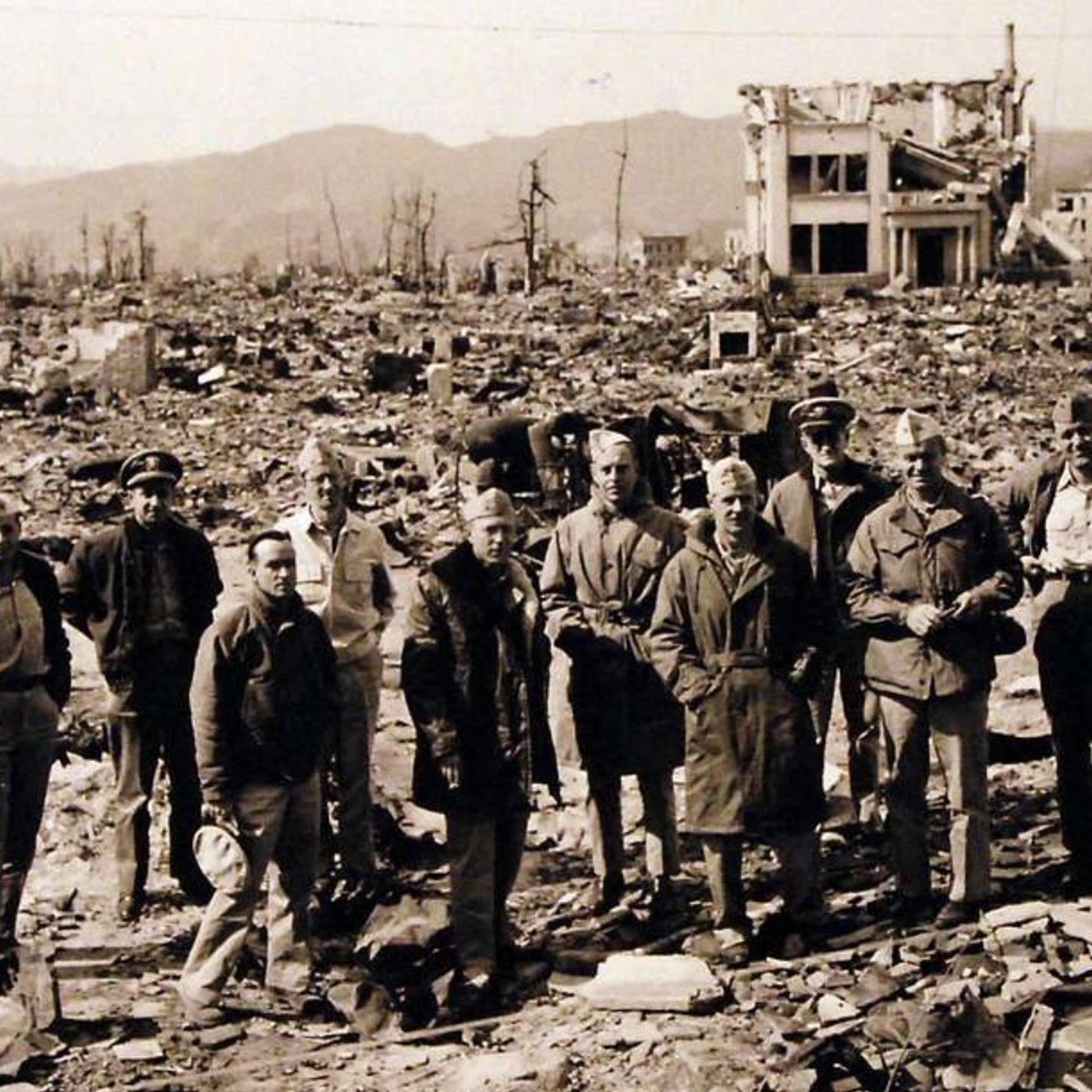 5. The he collapse of traditional arms treaties.: PETER HUESSY 090426 | CAPTION 1945 Hiroshima inspectionThe he collapse of traditional arms treaties.Peter Huessy, fellow at the National Institute for Deterrence Studies and the Gold Institute for International Strategy, outlines several critical perspectives on the modern landscape of nuclear weapons and the collapse of traditional arms treaties. Huessy argues that a trilateral arms control agreement between the US, Russia, and China is highly unlikely: the US Senate would not approve a treaty that permits Russia and China to hold a combined 3,000 warheads while restricting the US to 1,500, and neither adversary would agree to a deal where the US matches their combined total. Instead of numerical limits, he believes any future progress would have to focus on banning specific destabilizing systems, like multiple-warhead land-based ICBMs or space-based weapons. According to Huessy, Russia's core objectives have remained unchanged since the creation of NATO: to dismantle the NATO alliance and neutralize American missile defense. He explains that Russia utilized past bilateral treaties, such as the Moscow Treaty and New START, as a tactical pause to "catch up" and build up its arsenal. A major security threat is Russia's implementation of a 1999 decree to build highly accurate, low-yield theater nuclear weapons meant to win conventional battlefield conflicts; he warns that Russia (and increasingly China) uses these weapons as tools of nuclear blackmail to coerce the West into standing down. Unlike the US, which maintains a strict separation between conventional and nuclear platforms, both Russia and China deploy dual-capable systems that can easily be converted to carry nuclear payloads, and Russia has actively developed unconstrained, exotic technologies, including hypersonic glide vehicles, nuclear-armed satellites, nuclear-powered long-range cruise missiles, and an underwater system designed to generate massive tidal waves. Ultimately, Huessy emphasizes a fundamental divergence in nuclear philosophy: while the US views its nuclear triad strictly as a defensive extended deterrent to prevent war, Russia and China view their nuclear forces as tools of coercion designed to carve out "sanctuaries" to commit conventional aggression. (5) | 19m 41s | ||||||
| 9/5/26 | 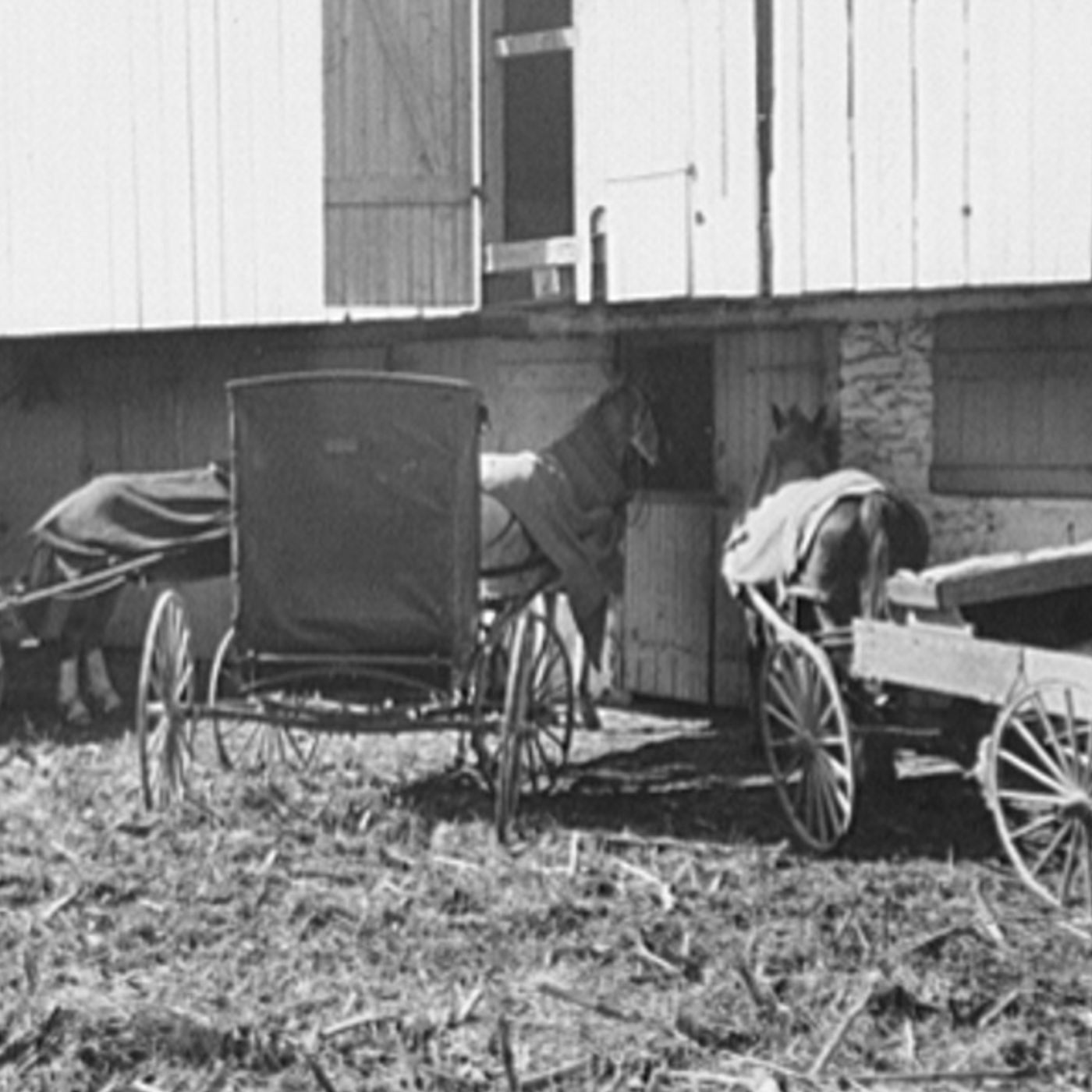 4. Lancaster County Economic Trends: Labor Day, Inflation, and Local Realities: JIM MCTAGUE 090426 | CAPTION 1942 lancasterLancaster County Economic Trends: Labor Day, Inflation, and Local RealitiesJim McTague and host John Batchelor discuss the economic landscape of Lancaster County, Pennsylvania, ahead of Labor Day. Despite strong national jobs data—the US economy beat expectations by adding 162,000 jobs in August, prompting Wall Street to anticipate a Federal Reserve interest rate hike of a quarter point—rising Costco gasoline prices reveal the immediate pressure of inflation on local residents, surging to $4.03 per gallon from $3.93 a week prior and triggering long lines reminiscent of the 1970s fuel shortage. Meanwhile, local tourism remains strong and steady despite a highly rainy year that has occasionally caused uneven day-to-day retail activity, and the 100-year-old Charles family farm stand in East Petersburg boasts a thriving season, drawing polite crowds for exceptionally sweet corn and tomatoes despite excessive precipitation. Finally, McTague debunks false claims about the nearby industrial park's data center being noisy, noting it is actually quieter than typical lawnmowers or birds, with zero negative impact on adjacent property values or lifestyle. (4) | 8m 55s | ||||||
| 9/5/26 | 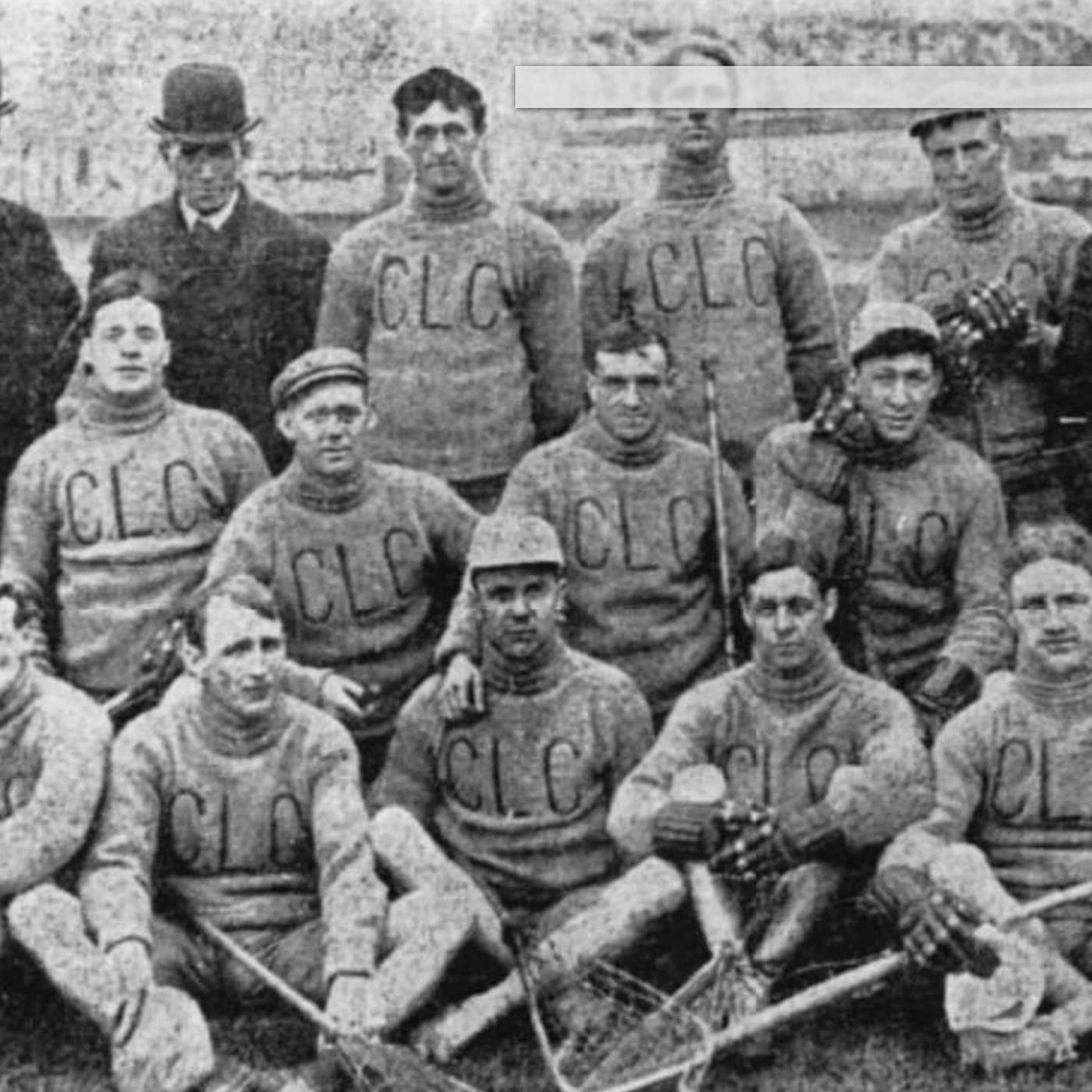 3. Canada and United States Trade Negotiations: CONRAD BLACK 090426 | CAPTION 1908 OTTAWA CAPITAL LACROSSECanada and United States Trade NegotiationsConrad Black analyzes trade tensions between Canada and the United States, hoping cooler heads will prevail to avoid a trade war. Canada relies heavily on American trade, as US politicians face pressure from tight border state elections in Michigan and Ohio. Black outlines three major unresolved issues: Canadian content disputes in auto and truck manufacturing, Canadian trade deals with China, and American objections to French language packaging. Black urges a spirit of mutual compromise rather than table-pounding, emphasizing that both friendly nations ultimately stand to benefit from a swift resolution. (3) | 8m 56s | ||||||
| 9/5/26 | 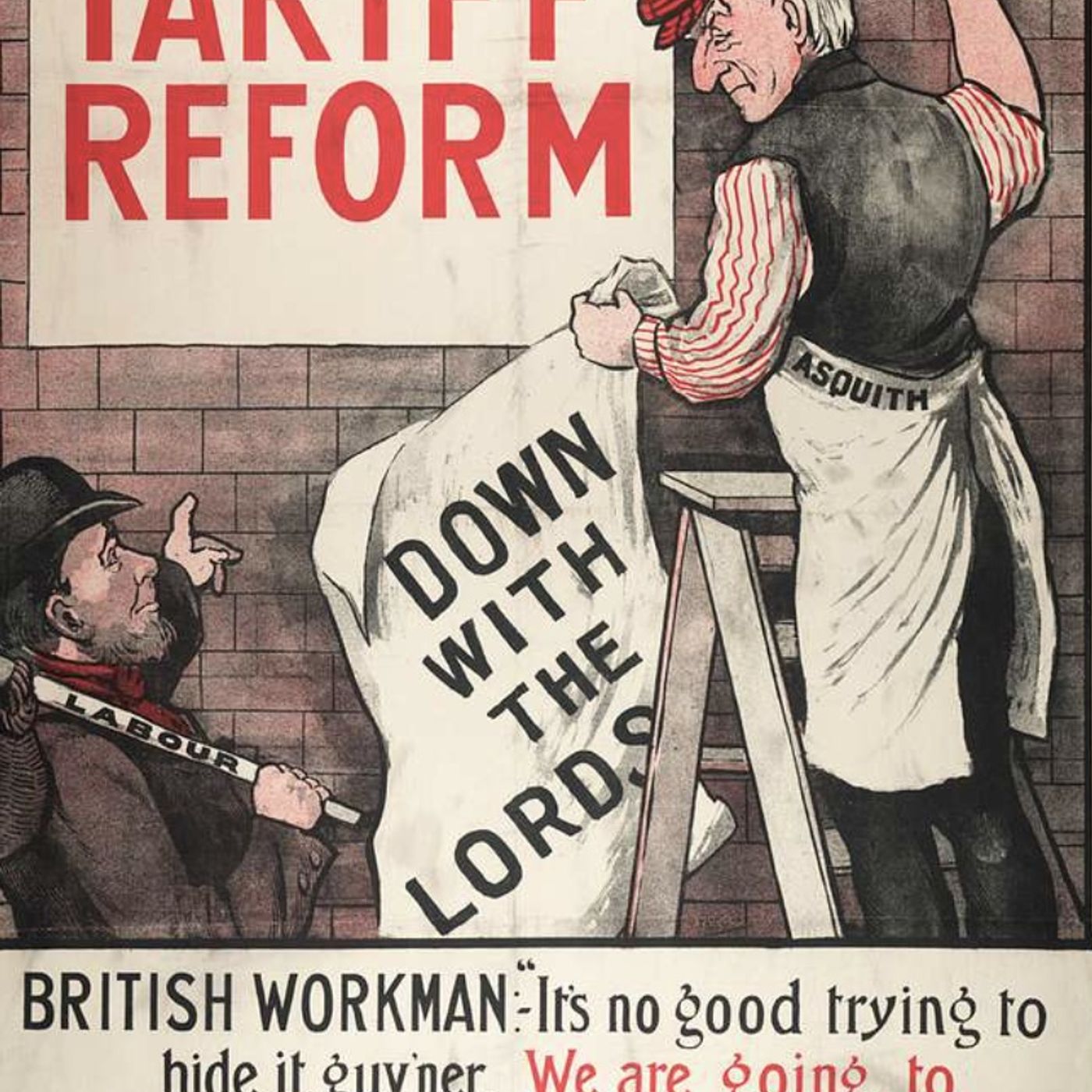 2. Voting Rules and Birthright Citizenship Battles: RICHARD EPSTEIN 090426 | CAPTION 1900 UKVoting Rules and Birthright Citizenship BattlesRichard Epstein discusses constitutional legal battles surrounding mail-in voting and birthright citizenship. On mail-in voting, the Trump administration asked the Supreme Court to allow postal restrictions preserving custody. Epstein believes the court will support this neutral federal regulation. On birthright citizenship, a Maryland judge blocked an executive order narrowing citizenship eligibility, calling it unconstitutional. Epstein critiques her historical reasoning but acknowledges the Chief Justice shares her view. He explores complexities including diplomatic immunity, territorial status, and whether the government can restrict pregnant foreign nationals from entry to prevent birthright citizenship tourism. (2)Ca | 19m 41s | ||||||
| 9/5/26 |  1. California Waves, Wildfires, and Financial Defaults: JEFF BLISS 090426 | CAPTION 1910 VENICE BEACHCalifornia Waves, Wildfires, and Financial DefaultsJeff Bliss reports on various events across California. Hurricane Marie has generated spectacular and dangerous waves at the Wedge in Newport Beach, drawing crowds but causing major beach erosion. Meanwhile, Monterey Countybattles the uncontained Timber and Placet wildfires in steep, inaccessible terrain. Infrastructure issues persist in Los Angeles, where temporary fixes address frequent water main breaks. A meat storage fire has left an odor and vermin, angering residents as waste is relocated. Lastly, Hollywood faces financial trouble, highlighted by Deutsche Bank's troubled loans and studios leaving California for cheaper, less-regulated states. (1) | 17m 51s | ||||||
Want analysis for the episodes below?Free for Pro Submit a request, we'll have your selected episodes analyzed within an hour. Free, at no cost to you, for Pro users. | |||||||||
| 9/4/26 | 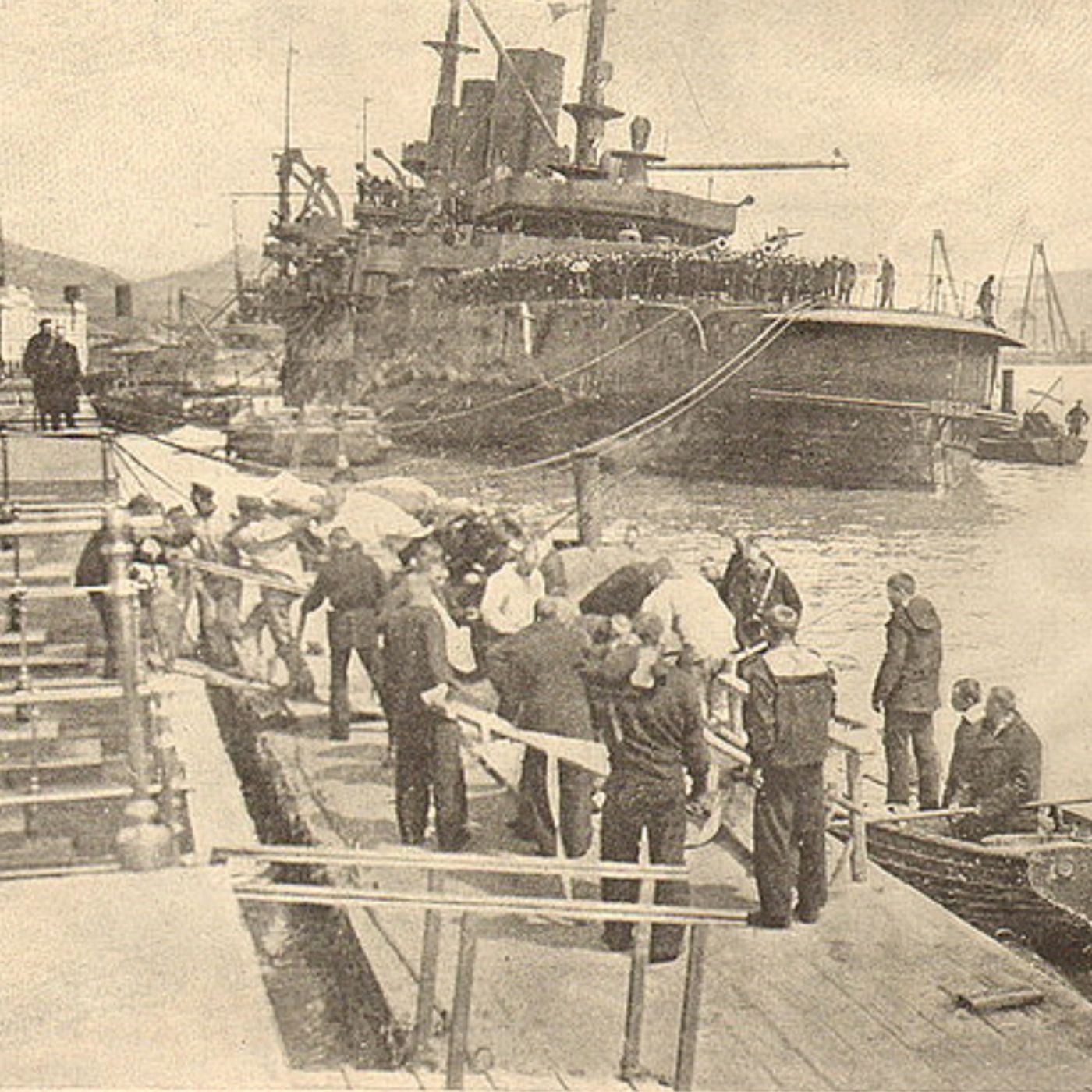 CONTENTS OF THE JOHN BATCHELOR SHOW, 9-3-2026. | CAPTION: 1905 RUSSO-JAPANESE WAR, PORT ARTHURCONTENTS OF THE JOHN BATCHELOR SHOW, 9-3-2026.Chinese Warships Provoke Japanese DefensesJames Fanell reports Chinese naval operations have expanded significantly closer to Japan's home islands, transiting critical straits near Kyushu to collect intelligence and apply psychological pressure. This aggressive encroachment occurs as Japan targets a record-high defense budget in response to the massive expansion of the Chinese Navy, now the largest globally. Additionally, China has secured control of the South China Sea and is surrounding Taiwan, recently executing oceanographic surveys east of the island to prepare for a potential invasion. Despite these escalating provocations, the US Navy faces severe resource constraints, having decreased to under 300 ships. (1)Tariff Dispute Shatters Canadian TrustMary Anastasia O'Grady examines the full-blown trade war that has erupted between the United States and Canadadue to Donald Trump's mercantilist policies and retaliatory tariffs. Though the Trump administration blames Canada for fentanyl and trade imbalances, the US actually maintains a trade surplus in manufactured goods once natural resource imports like oil are excluded. Canada is resource-rich, supplying crucial assets like hydroelectricity-powered aluminum. Decades of mutual trust have been shattered, leading Canadians to diversify their trade routes. Additionally, Canada faces pressure to increase its defense spending rather than acting as a security free rider. (2)Redefining Value In Higher EducationPaul Glastris presents the Washington Monthly's college rankings, which evaluate higher education institutions based on social mobility, civic engagement, and financial value, offering an alternative to traditional prestige-driven lists. Rather than prioritizing wealth and exclusivity, these metrics highlight schools that recruit and graduate modest-means students with minimal debt. Berea College, which charges zero tuition, and the University of West Alabama, which excels in training in-demand rural teachers, represent top-performing schools that are highly valuable to the 95% of average students. Glastris suggests a federal network system to cover educational costs in exchange for low-tuition policies. (3)Escalating Hybrid Warfare In EuropeAnatol Lieven reports tensions flaring as rumors of discrete diplomatic missions and allegations of Russian hybrid warfare circulate in Europe. The Wall Street Journal reported a secret CIA meeting in Moscow to warn against attacking NATO, while Germany accused Russia of directing an armed drone at Leipzig airport. British cruise missiles striking Russian soil risk triggering severe Russian retaliation, a dangerous escalation that Cold War standards would have deemed insane. Domestically, newly appointed Prime Minister Burnham remains politically constrained, caught between calls for increased military spending and a split public, complicating Britain's international standing. (4)Solar Dynamics Captured By PUNCHCraig DeForest and David Livingston: DeForest details NASA's PUNCH mission, which provides continuous, global 3D imaging of the young solar wind, mapping the hypersonic plasma sweeping across our solar neighborhood. By utilizing four synchronized, deeply baffled satellites, the mission observes extremely faint solar material against the sun's glare, creating artificial eclipses. PUNCH has successfully identified the outer boundary of the solar corona and drastically improved space weather forecasts tenfold, allowing better preparation for power-grid-disrupting geomagnetic storms. With an unlimited budget, DeForest advocates launching a polar-orbiting spacecraft to study the sun's unexplored poles and resolve key magnetic field mysteries. (5)America Shaped By Two ShipsDavid S. Reynolds argues America's cultural identity and historical divisions were forged by two symbolic ships: the Mayflower carrying Puritans seeking religious freedom in 1620, and the White Lion bringing the first enslaved Africans to Virginia in 1619. These events established distinct regional societies: the individualistic, anti-slavery North and the hierarchical, Cavalier-dominated South. Though New England grappled with religious intolerance, figureheads like Samuel Sewall pioneered early abolitionist arguments, while African-born Onesimus saved lives with smallpox inoculation. These foundational differences ultimately evolved into the ideological conflicts of the 19th-century American Civil War. (6)Strategic Insecurity Sweeps Latin AmericaEvan Ellis observes Latin America faces complex governance crises, organized crime, and rising Chinese influence, as seen in Peru under President Keiko Fujimori, who struggles to tackle illicit logging, mining, and urban gang warfare. In Nicaragua, Daniel Ortega's regime passed reforms extending presidential terms while banning political opposition, further consolidating a non-transparent dictatorship backed by China and Russia. Concurrently, the US has entered a massive, highly risky oil deal in Venezuela with Chevron and the corrupt Rodríguez regime. Finally, Costa Rica battles unprecedented drug-related homicide surges, while Panama continues vital canal defense exercises. (7) | 10m 33s | ||||||
| 9/4/26 |  SSTREAMING MAKING OF THE JOHN BATCHELOR SHOW, 8-9 AM ET, 9-3-2026. | CAPTION FIFTH AVENUE CORNER SUITE ASTORIA HOTEL.Homo Americanus and the Cultural Mirror of AI. Sep 3, 2026This dialogue between journalists John Batchelor and Jim McTague explores the evolving identity of the modern American person, whom they coin "Homo Americanus."They compare this figure to the state-molded "Homo Sovieticus" of the USSR, suggesting that today’s Americans are defined by an unprecedented appetite for luxury, a trend toward cultural uniformity, and a paradoxical embrace of lawlessness and corruption. The speakers also evaluate the public relations crisis facing the artificial intelligence industry, noting that despite the technology's potential for breakthroughs, most citizens remain deeply suspicious of its secrecy and corporate arrogance. Looking toward the future, they predict that younger generations may eventually view the Baby Boomers with resentment for hoarding wealth and resources. Ultimately, the conversation portrays a complex national character caught between a materialistic, boastful present and an uncertain future shaped by fiscal instabilityand technological disruption | 50m 08s | ||||||
| 9/4/26 | 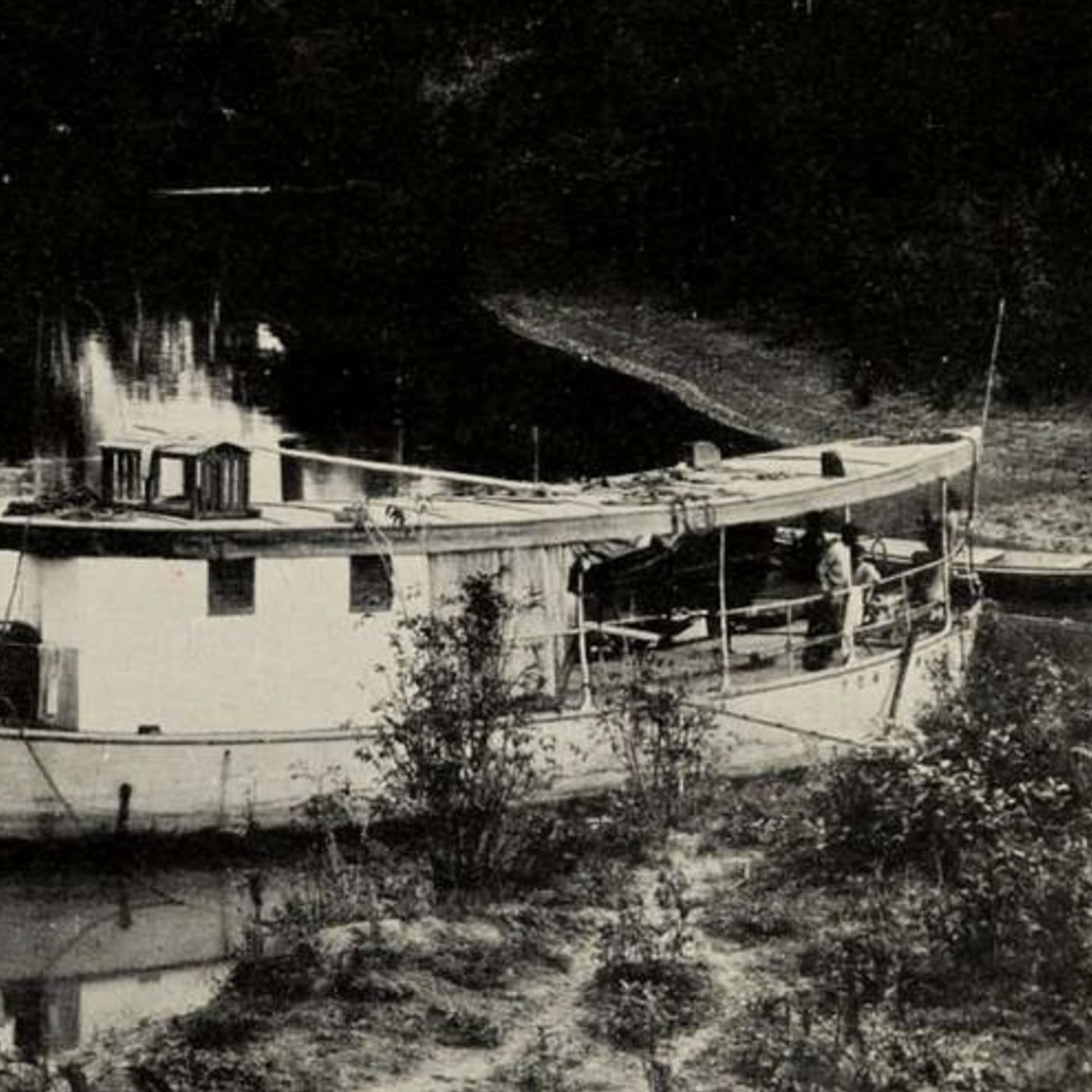 7. Strategic Insecurity Sweeps Latin America: EVAN ELLIS 090326 | CAPTION 1916 PERUVIAN AMAZONStrategic Insecurity Sweeps Latin AmericaEvan Ellis observes Latin America faces complex governance crises, organized crime, and rising Chinese influence, as seen in Peru under President Keiko Fujimori, who struggles to tackle illicit logging, mining, and urban gang warfare. In Nicaragua, Daniel Ortega's regime passed reforms extending presidential terms while banning political opposition, further consolidating a non-transparent dictatorship backed by China and Russia. Concurrently, the US has entered a massive, highly risky oil deal in Venezuela with Chevron and the corrupt Rodríguez regime. Finally, Costa Rica battles unprecedented drug-related homicide surges, while Panama continues vital canal defense exercises. (7) | 37m 31s | ||||||
| 9/4/26 | 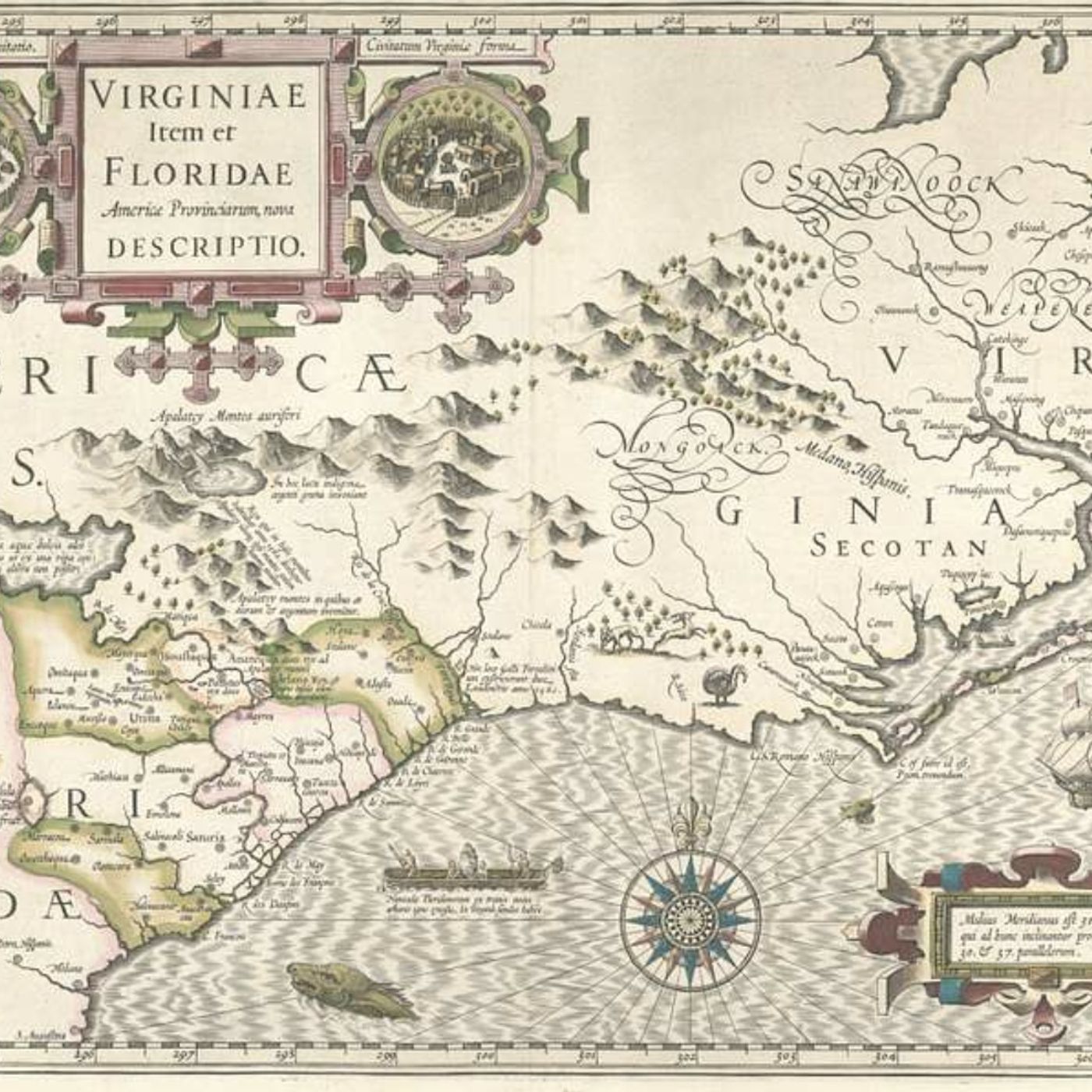 6. America Shaped By Two Ships PART ONE DAVID REYOLDS z90326 | CAPTION: 1663 VrginiaAmerica Shaped By Two Ships PART ONE David S. Reynolds argues America's cultural identity and historical divisions were forged by two symbolic ships: the Mayflower carrying Puritans seeking religious freedom in 1620, and the White Lion bringing the first enslaved Africans to Virginia in 1619. These events established distinct regional societies: the individualistic, anti-slavery North and the hierarchical, Cavalier-dominated South. Though New England grappled with religious intolerance, figureheads like Samuel Sewall pioneered early abolitionist arguments, while African-born Onesimus saved lives with smallpox inoculation. These foundational differences ultimately evolved into the ideological conflicts of the 19th-century American Civil War. (6) | 37m 31s | ||||||
| 9/4/26 |  5. Solar Dynamics Captured By PUNCH: CRAIG DEFOREST & DAVID LIVINGSTON HOTEL MARS 090326 | CAPTION 1955Solar Dynamics Captured By PUNCHCraig DeForest and David Livingston: DeForest details NASA's PUNCH mission, which provides continuous, global 3D imaging of the young solar wind, mapping the hypersonic plasma sweeping across our solar neighborhood. By utilizing four synchronized, deeply baffled satellites, the mission observes extremely faint solar material against the sun's glare, creating artificial eclipses. PUNCH has successfully identified the outer boundary of the solar corona and drastically improved space weather forecasts tenfold, allowing better preparation for power-grid-disrupting geomagnetic storms. With an unlimited budget, DeForest advocates launching a polar-orbiting spacecraft to study the sun's unexplored poles and resolve key magnetic field mysteries. (5) | 19m 41s | ||||||
| 9/4/26 |  4. Escalating Hybrid Warfare In Europe: ANATOL LIEVEN 090326 | CAPTION 1903 BRUSSELSEscalating Hybrid Warfare In EuropeAnatol Lieven reports tensions flaring as rumors of discrete diplomatic missions and allegations of Russian hybrid warfare circulate in Europe. The Wall Street Journal reported a secret CIA meeting in Moscow to warn against attacking NATO, while Germany accused Russia of directing an armed drone at Leipzig airport. British cruise missiles striking Russian soil risk triggering severe Russian retaliation, a dangerous escalation that Cold War standards would have deemed insane. Domestically, newly appointed Prime Minister Burnham remains politically constrained, caught between calls for increased military spending and a split public, complicating Britain's international standing. (4) | 17m 51s | ||||||
| 9/4/26 | 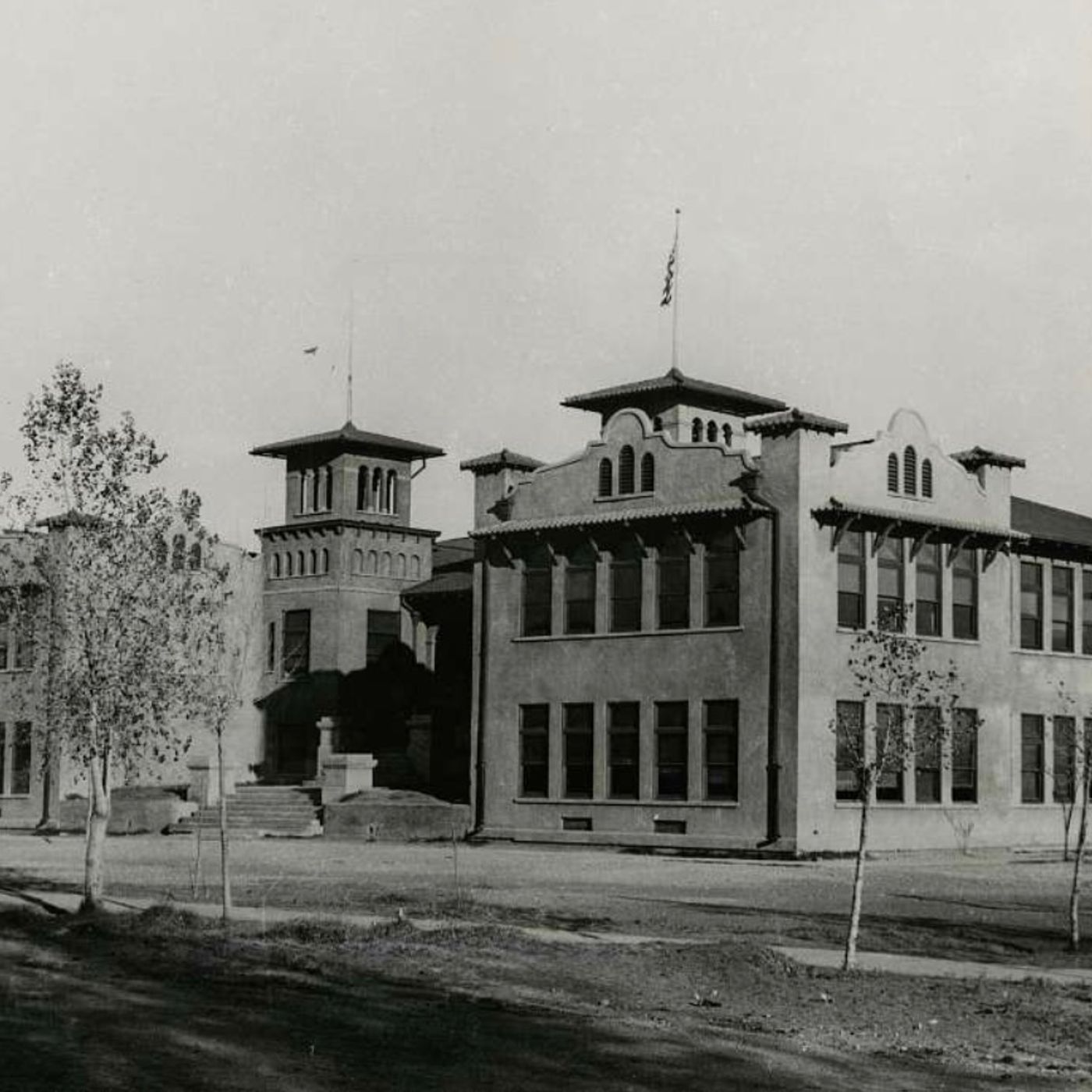 3. Redefining Value In Higher Education: PAUL GLASTRIS 090326 | CAPTION 1910 LAS VEGAS HIGH SCHOOLRedefining Value In Higher EducationPaul Glastris presents the Washington Monthly's college rankings, which evaluate higher education institutions based on social mobility, civic engagement, and financial value, offering an alternative to traditional prestige-driven lists. Rather than prioritizing wealth and exclusivity, these metrics highlight schools that recruit and graduate modest-means students with minimal debt. Berea College, which charges zero tuition, and the University of West Alabama, which excels in training in-demand rural teachers, represent top-performing schools that are highly valuable to the 95% of average students. Glastris suggests a federal network system to cover educational costs in exchange for low-tuition policies. (3) | 19m 41s | ||||||
| 9/4/26 |  2. Tariff Dispute Shatters Canadian Trust: MARY ANASTASIA O'GRADY 090326 | CAPTION 1898 OTTAWATariff Dispute Shatters Canadian TrustMary Anastasia O'Grady examines the full-blown trade war that has erupted between the United States and Canadadue to Donald Trump's mercantilist policies and retaliatory tariffs. Though the Trump administration blames Canada for fentanyl and trade imbalances, the US actually maintains a trade surplus in manufactured goods once natural resource imports like oil are excluded. Canada is resource-rich, supplying crucial assets like hydroelectricity-powered aluminum. Decades of mutual trust have been shattered, leading Canadians to diversify their trade routes. Additionally, Canada faces pressure to increase its defense spending rather than acting as a security free rider. (2) | 9m 04s | ||||||
| 9/4/26 | 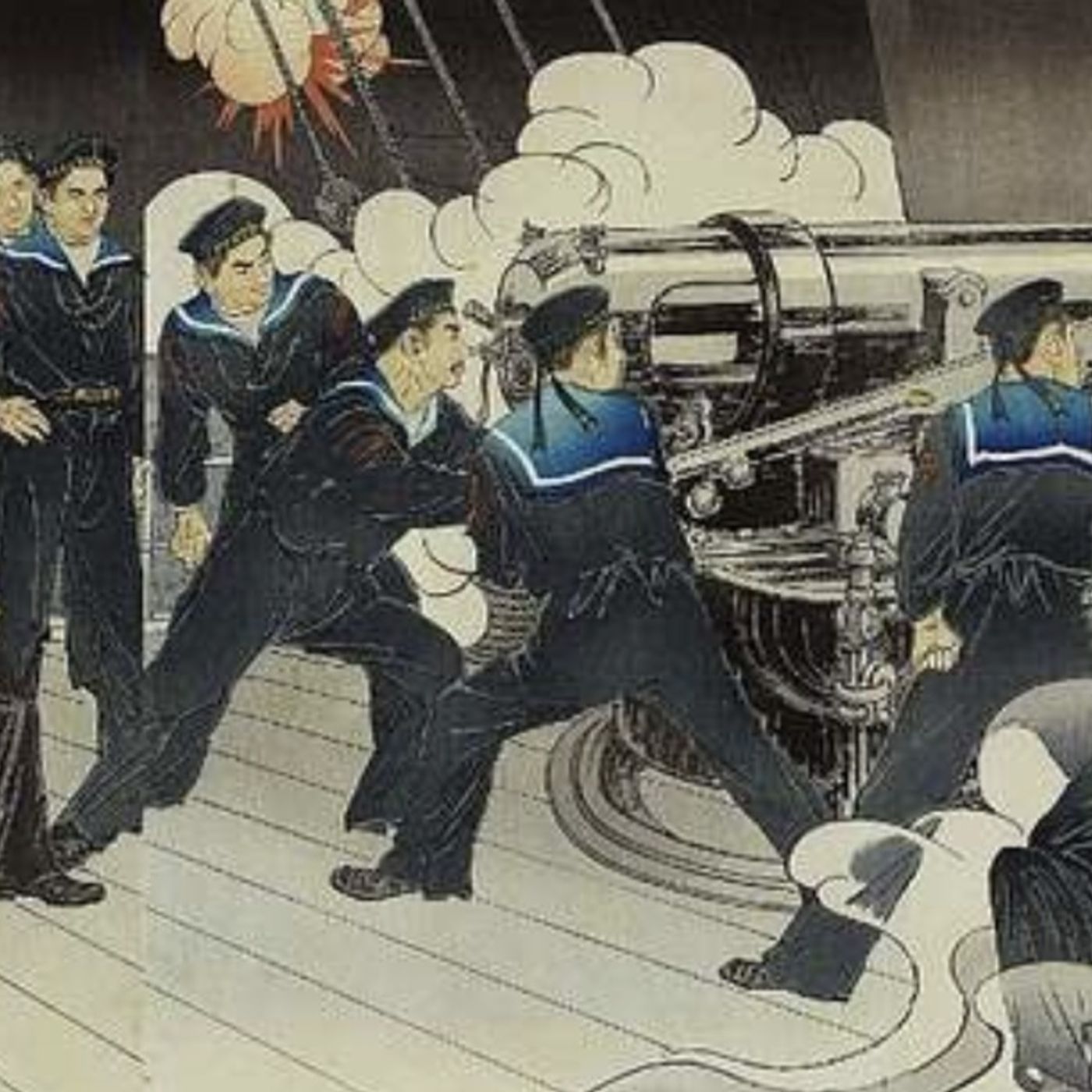 1. Chinese Warships Provoke Japanese DefensesJ: AMES FANELL 090326 | CAPTION 1905 RUSSO-JAPANESE WARChinese Warships Provoke Japanese DefensesJames Fanell reports Chinese naval operations have expanded significantly closer to Japan's home islands, transiting critical straits near Kyushu to collect intelligence and apply psychological pressure. This aggressive encroachment occurs as Japan targets a record-high defense budget in response to the massive expansion of the Chinese Navy, now the largest globally. Additionally, China has secured control of the South China Sea and is surrounding Taiwan, recently executing oceanographic surveys east of the island to prepare for a potential invasion. Despite these escalating provocations, the US Navy faces severe resource constraints, having decreased to under 300 ships. (1) | 8m 47s | ||||||
| 9/3/26 |  CONTENTS THE JOHN BATCHELOR SHOW, 9-2-2026 | CAPTION: 1955.CONTENTS THE JOHN BATCHELOR SHOW, 9-2-2026Saudi Arabia Seeks Nuclear EnrichmentAndrea Stricker discusses the Trump administration's submission of a Section 123 nuclear cooperation agreement with Saudi Arabia to Congress. This agreement could grant Saudi Arabia dual-use uranium enrichment and plutonium reprocessing capabilities, potentially enabling nuclear weapon development. A major concern is Saudi Arabia's refusal to sign the IAEA's Additional Protocol, which permits inspections of undeclared nuclear sites. Although Congress has 90 days to review and potentially block the accord, overcoming a presidential veto would require an unlikely two-thirds majority. Stricker notes the administration's claims about Chinese and Russian competition lack evidence. (1)China Rejects Global Trade ConsensusKamran Bokhari and Gordon Chang discuss China's refusal to sign a G20 finance ministers' consensus document, objecting to language targeting non-market policies that cause trade imbalances. Chang attributes this defiance to Xi Jinping's arrogance and belief in US decline. Bokhari explains that China is posturing ahead of a summit with Trump, utilizing command capitalism to flood global markets. Bokhari highlights a shifting security architecture in Asia, including Tokyo deploying fighter jets to India and Jakarta arming itself, driven by expectations of US retrenchment. Additionally, Xi Jinping maintains absolute control domestically through extensive military purges while building ties with Egypt. (2)Steve Yates Warns Of ConflictSteve Yates and Gordon Chang address China's refusal to sign the G20 finance ministers' statement, which criticized "non-market" policies. Yates views this as an honest admission that Beijing has no intention of conforming to international trade standards. He praises Treasury Secretary Bessent for maintaining a firm stance alongside allies. Anticipating the September 24th summit between Trump and Xi Jinping, Yates notes that Washington has delayed a $14 billion arms sale to Taiwan to preserve positive "mood music." Finally, Yates warns of the "CRINK" axis—comprising China, Russia, Iran, and North Korea—collaborating on military supply chains and conflicts. (3)Global Energy And Food CrisisMichael Bernstam outlines a compounding global energy and food crisis. Tensions between the US and Iran have halted critical oil shipments through the Strait of Hormuz, driving Brent crude prices up. Meanwhile, European winter natural gas prices have tripled due to storages being filled only to 62%. High gas prices also restrict fertilizer production, which, coupled with Black Sea port bombings by Russia and Ukraine, has caused a spike in global grain prices. Finally, despite US interest in Venezuelan heavy crude to produce diesel, decades of local mismanagement limit production. (4)Young Conservatives Embrace Nixon MaxingRyan Bangert explores the Gen Z trend of "Nixon maxing," where young conservatives view Richard Nixon as a heroic avatar resisting 1970s extremism. Bangert argues this aesthetic misinterprets Nixon as a revolutionary. In reality, Nixon was a counterrevolutionary who sought to preserve and revitalize established institutions based on the values of the American founding. Contrastingly, Bangert highlights the philosophical division between the destructive, post-Christian French Revolution and the enduring American Revolution. Ultimately, he urges young conservatives to appreciate Nixon's true legacy: conserving institutional checks and balances to temper flawed human nature. (5)Treasury Targets Iranian Sanctions EvasionMax Maizlish explains how the Treasury Department's FinCEN is penalizing five branches of an Egyptian bank in Dubai to curb illicit financial flows. FinCEN identified $1.8 billion in suspicious transactions linked to the Iranianregime. To effectively dismantle Iran's financial network, Maizlish argues the US must target Chinese institutions, as China purchases over 90% of Iran's crude oil. Specifically, he advocates for blacklisting the Bank of Kunlun—a state-owned Chinese entity heavily involved in Iranian sanctions evasion. Maizlish asserts that CNPC officials are fully aware of these illicit transactions, making decisive sanctions necessary. (6)El Niño Defies Weather ForecastsJeremy Zakis reports on the unpredictable impacts of the current super El Niño on Australian weather. Contrary to long-term dry forecasts, Sydney is experiencing unseasonable, rolling rain showers, while Western Australia faces extreme heat exceeding 100°F. Zakis warns that if droughts strike in late September rather than mid-October, Australia faces a catastrophic, extended bushfire season fueled by rapid undergrowth. Beyond Australia, extreme weather anomalies like French tornadoes and Southern California hurricane warnings are linked to historically high Pacific sea temperatures. Additionally, warm temperatures have caused dangerous eastern brown snakes to begin moving early. (7)brown snakes to begin moving early. (7)Axis Cooperates On Advanced WeaponryBradley Bowman and Mark Montgomery, authors of Axis of Aggressors, analyze the rising military coordination detailed in their book. They reveal a secret Russian program helping Iran build supersonic cruise missiles using ramjet engines, which pose a severe threat to US and merchant vessels in the Gulf. Furthermore, China assists Iran with chemical precursors and satellite targeting data. Beyond the Middle East, Russia engages in hybrid warfare in Europe, including attempted drone attacks in Germany. In response, Germany is significantly increasing defense spending and deploying a combat brigade to Lithuania to bolster deterrence. (8)Commodity Prices Spike Amid UnrestSimon Constable discusses recent extreme weather, including an unprecedented tornado in the south of France that damaged 300 homes. This disruption mirrors severe instability in the commodity markets, where Brent crude has surged to $94 a barrel, European gas has jumped 26%, and Black Sea grain prices have spiked up to 16%. Constable also critiques the new UK Prime Minister Andy Burnham for focusing on minor local issues rather than global crises. Finally, he reviews public backlash against data centers, which consume substantial water and over 4% of total US electricity. (9)SpaceX Builds Massive Private SpaceportBob Zimmerman highlights SpaceX's purchase of a massive plot in Louisiana to establish a private spaceport capable of hosting dozens of Starship flights daily. Zimmerman argues that SpaceX's market-driven approach ensures success, whereas state-sponsored space programs in the UK and Canada often flounder due to bureaucracy. He outlines SpaceX's progress, including recovering the prototype 13 Starship and preparing for flight 14. Finally, Zimmerman notes the successful, on-budget launch of the Nancy Grace Roman Space Telescope, upgrades to NASA's Deep Space Network, and the upcoming nuclear-powered Skyfall mission to Mars. (10) | 8m 46s | ||||||
| 9/3/26 | 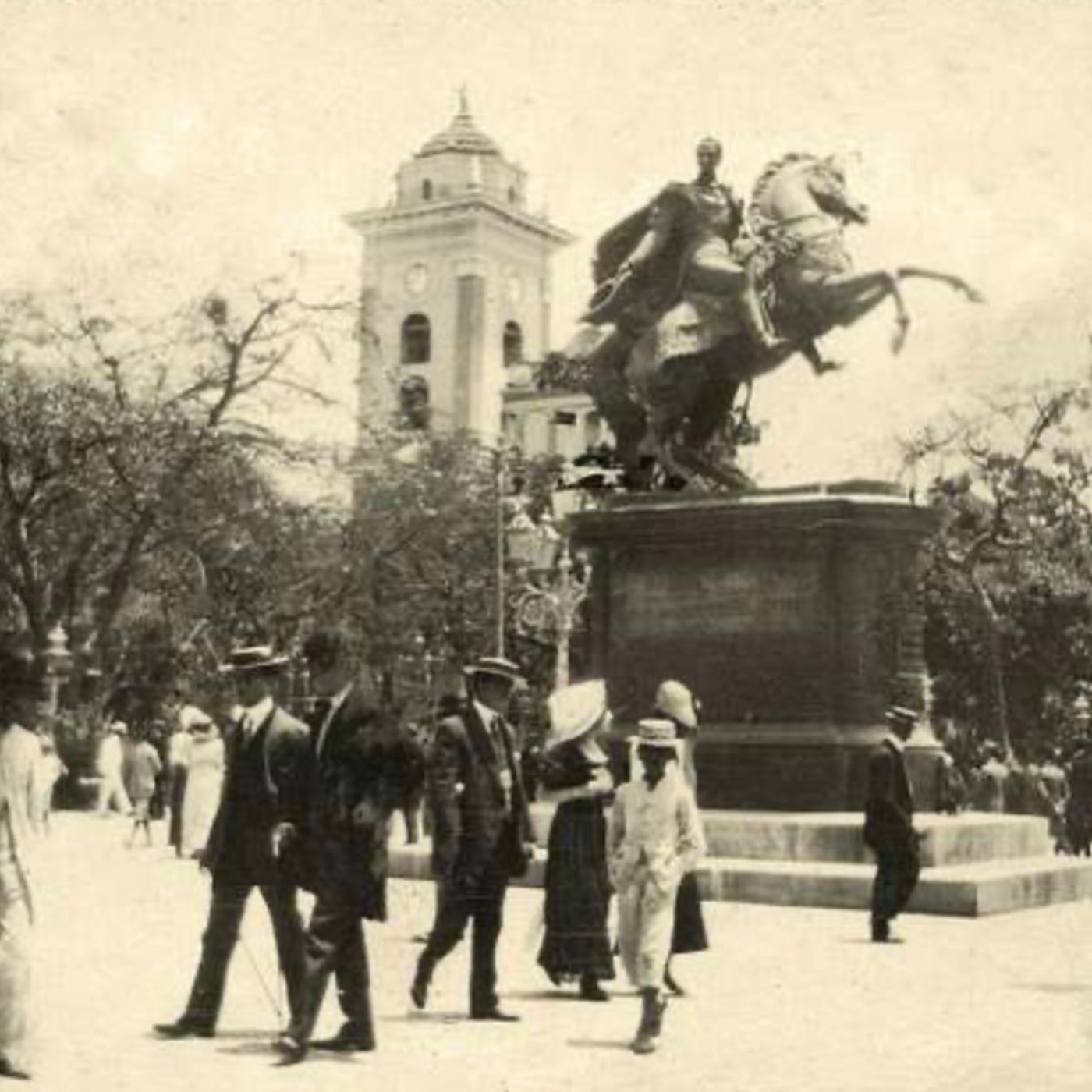 STREAMING THE MAKING OF THE JOHN BATCHELOR SHOW, 8-9 AM ET, 9-2-2026 | CAPTION: 1910 PLAZA BOLIVAR DE CARACASGeopolitics and Industry in a Changing Latin America 9-2-2026This transcript features a dialogue between John Batchelor and Professor Evan Ellis regarding the shifting political and economic landscape of Latin America. The conversation primarily focuses on Peru’s internal struggles, highlighting how systemic corruption, illegal mining, and significant Chinese investment in infrastructure challenge the nation’s stability. Moving through the region, they analyze Nicaragua’s constitutional reforms that tighten the Ortega regime’s grip on power and examine a controversial multi-billion dollar oil deal in Venezuela. The participants also address the dire humanitarian conditions in Cuba and the rising homicide rates in Costa Rica driven by drug trafficking. Ultimately, the source provides a comprehensive overview of how foreign influence and organized crime impact governance across the Western Hemisphere. | 52m 55s | ||||||
| 9/3/26 |  10. SpaceX Builds Massive Private Spaceport from the Correct Lesson BOB ZIMMERMAN 090226 | CAPTION OCTOBER 1957Bob Zimmerman highlights SpaceX's purchase of a massive plot in Louisiana to establish a private spaceport capable of hosting dozens of Starship flights daily. Zimmerman argues that SpaceX's market-driven approach ensures success, whereas state-sponsored space programs in the UK and Canada often flounder due to bureaucracy. He outlines SpaceX's progress, including recovering the prototype 13 Starship and preparing for flight 14. Finally, Zimmerman notes the successful, on-budget launch of the Nancy Grace Roman Space Telescope, upgrades to NASA's Deep Space Network, and the upcoming nuclear-powered Skyfall mission to Mars. (10) | 19m 41s | ||||||
| 9/3/26 | 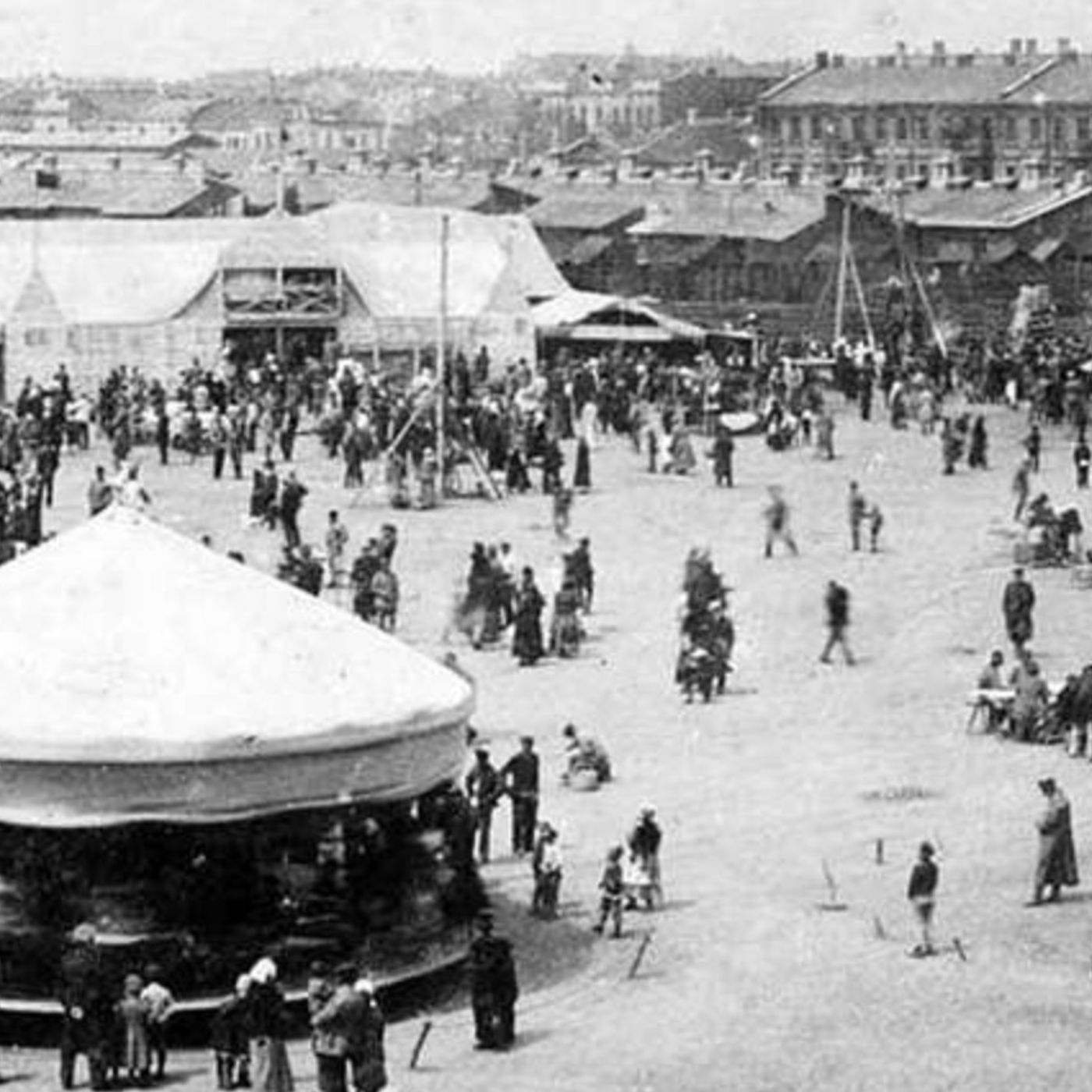 9. Commodity Prices Spike Amid Unres: SIMON CONSTABLE 090226 | CAPTION: 1917 ODESSA Simon Constable discusses recent extreme weather, including an unprecedented tornado in the south of France that damaged 300 homes. This disruption mirrors severe instability in the commodity markets, where Brent crude has surged to $94 a barrel, European gas has jumped 26%, and Black Sea grain prices have spiked up to 16%. Constable also critiques the new UK Prime Minister Andy Burnham for focusing on minor local issues rather than global crises. Finally, he reviews public backlash against data centers, which consume substantial water and over 4% of total US electricity. (9) | 17m 51s | ||||||
| 9/3/26 | 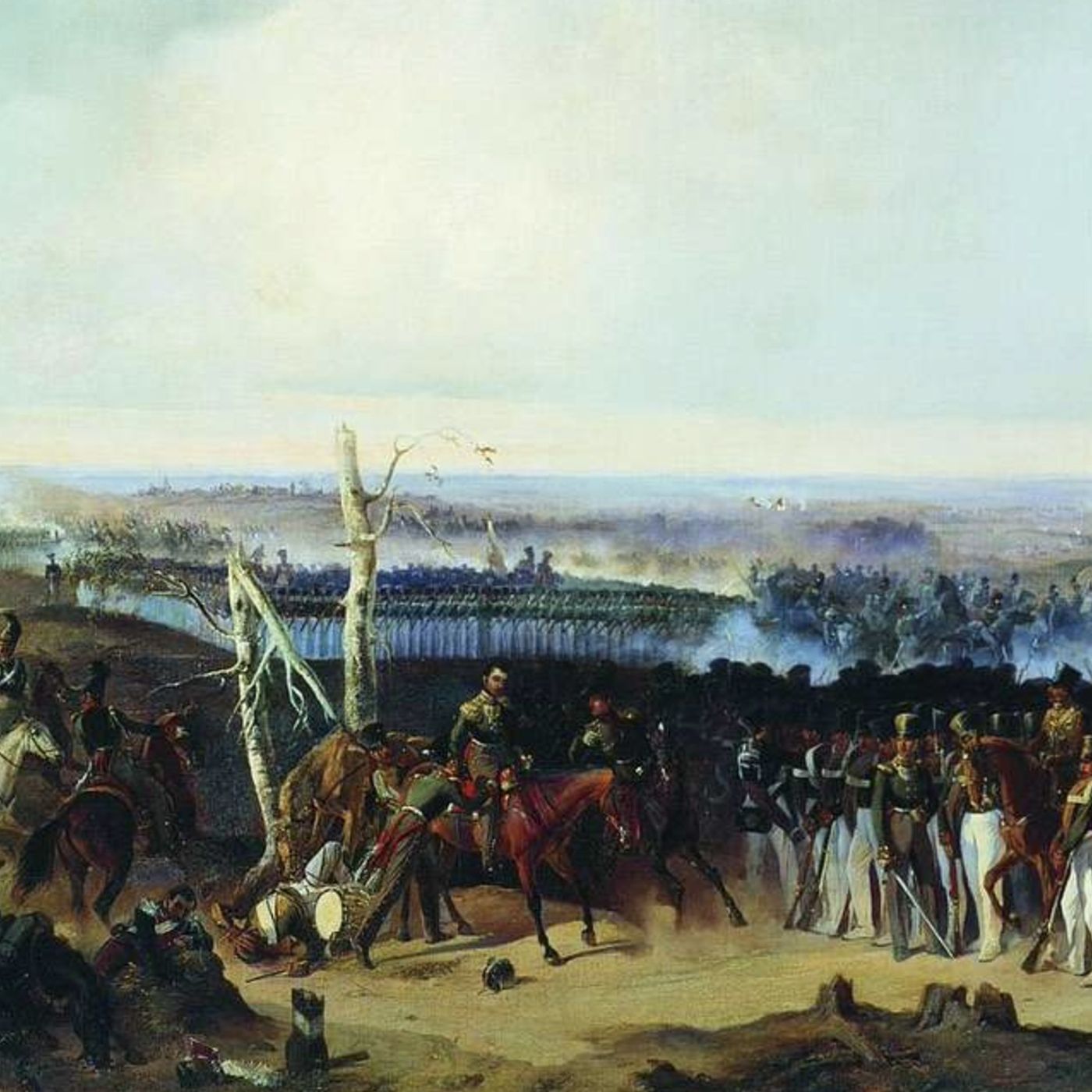 8. BRAD BOWMAN & MARK MONTGOMERY 090226 Axis Cooperates On Advanced Weaponry: | CAPTION: 1840 BORODINOAxis Cooperates On Advanced WeaponryBradley Bowman and Mark Montgomery, authors of Axis of Aggressors, analyze the rising military coordination detailed in their book. They reveal a secret Russian program helping Iran build supersonic cruise missiles using ramjet engines, which pose a severe threat to US and merchant vessels in the Gulf. Furthermore, China assists Iran with chemical precursors and satellite targeting data. Beyond the Middle East, Russia engages in hybrid warfare in Europe, including attempted drone attacks in Germany. In response, Germany is significantly increasing defense spending and deploying a combat brigade to Lithuania to bolster deterrence. (8) | 19m 41s | ||||||
| 9/3/26 | 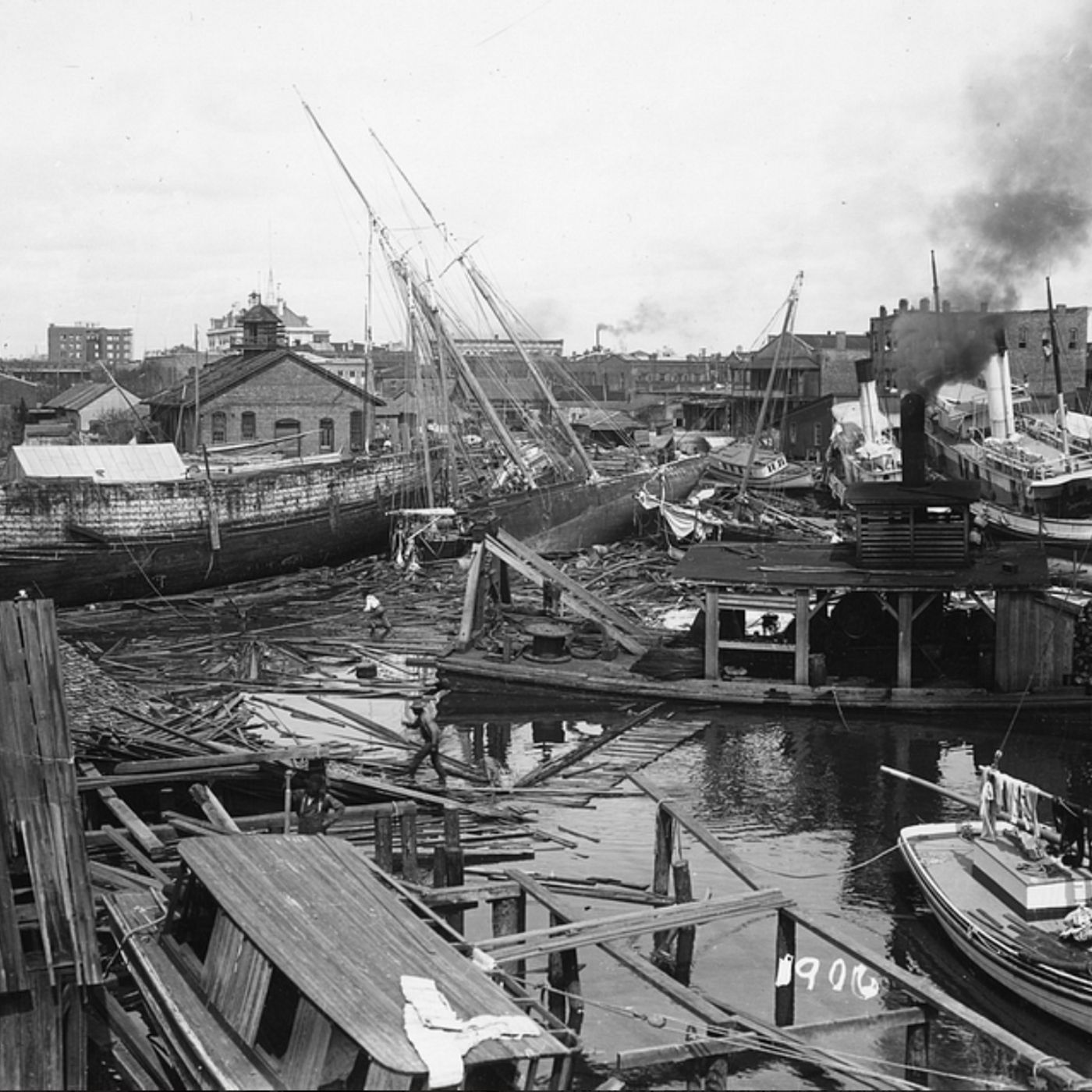 7. El Niño Defies Weather Forecasts; JEREMY ZAKIS 090226 | CAPTION 1906 BILOXI MISSISSIPPI.El Niño Defies Weather ForecastsJeremy Zakis reports on the unpredictable impacts of the current super El Niño on Australian weather. Contrary to long-term dry forecasts, Sydney is experiencing unseasonable, rolling rain showers, while Western Australia faces extreme heat exceeding 100°F. Zakis warns that if droughts strike in late September rather than mid-October, Australia faces a catastrophic, extended bushfire season fueled by rapid undergrowth. Beyond Australia, extreme weather anomalies like French tornadoes and Southern California hurricane warnings are linked to historically high Pacific sea temperatures. Additionally, warm temperatures have caused dangerous eastern brown snakes to begin moving early. (7) | 9m 01s | ||||||
Showing 25 of 1000
Pitch Fit is a Pro feature
See how bookable this show is for guests, which brands already advertise, the per-episode ad value, and the best-fit guest and sponsor profile. The numbers are blurred on the free plan.
How readily this show books outside guests like you.
How proven this show is for host-read sponsorships.
For Guests
ProFor Advertisers
ProUpgrade to Pro to unlock guest cadence, sponsor categories, fit scores, and per-episode ad value for this show.
Similar Audience Demographics
Podcasts that attract a similar listener profile

The Larry Kudlow Show
Podcast WABCRadio

Kudlow
Fox News Podcasts

The Libertarian
The Civitas Institute at the University of Texas at Austin

Newt's World
Gingrich 360
The Victor Davis Hanson Show
Victor Davis Hanson and Jack Fowler

Victor Davis Hanson: In His Own Words
Victor Davis Hanson | The Daily Signal

Federalist Radio Hour
Radio America
Chart history for The John Batchelor Show
Peaked at #182 in United States, currently #182 in United States.
| Market | Genre | Peak | Current | Trend |
|---|---|---|---|---|
| United States | — | #182 | #182 | — |
Chart Positions
1 placement across 1 market.
Chart Positions
1 placement across 1 market.