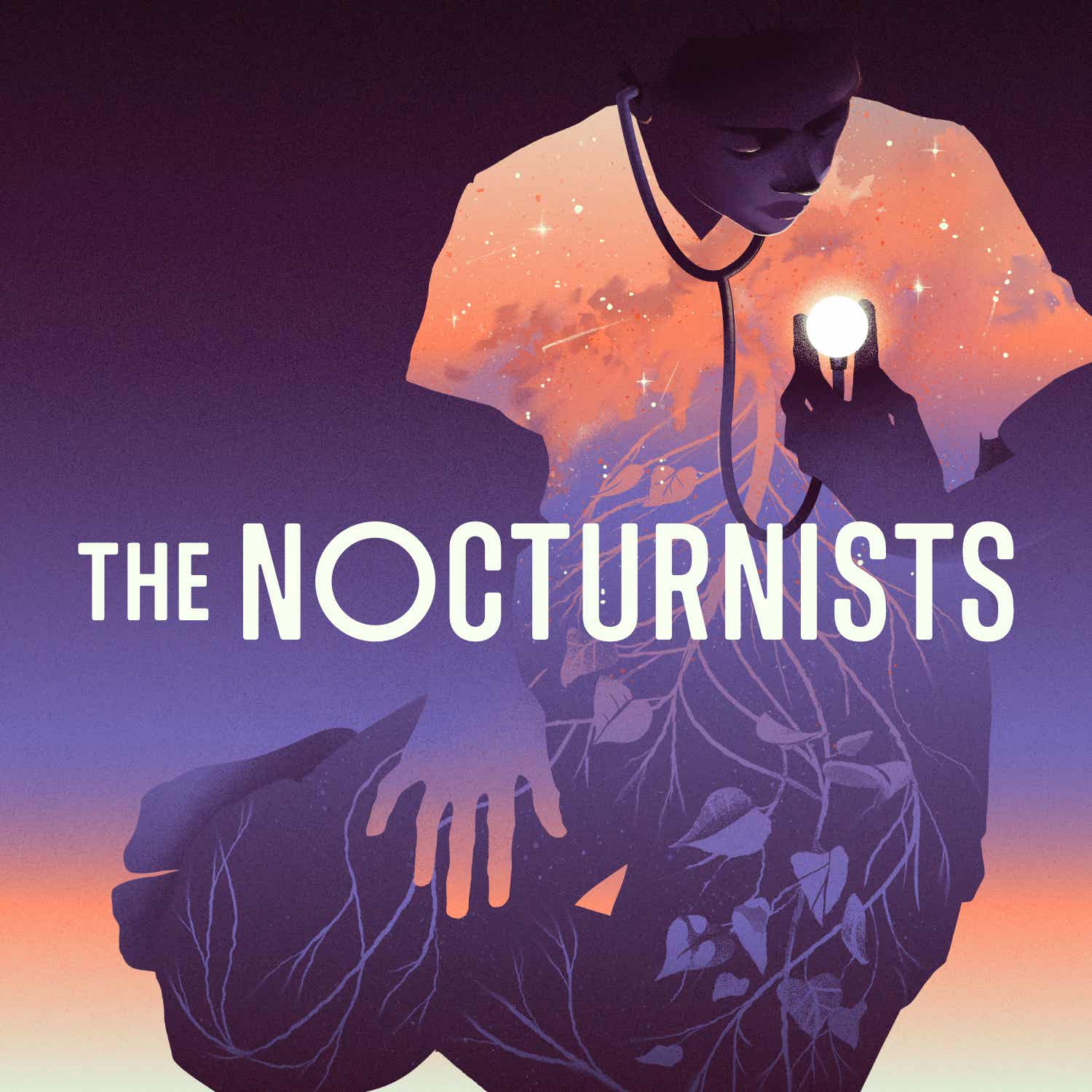
The Nocturnists
by Our mission is to humanize healthcare and foster joy, wonder, and curiosity among clinicians and patients alike.
Is this your podcast?Insights from recent episode analysis
Audience Interest
Podcast Focus
Publishing Consistency
Platform Reach
Insights are generated by CastFox AI using publicly available data, episode content, and proprietary models.
Most discussed topics
Brands & references
Total monthly reach
Estimated from 11 chart positions in 11 markets.
By chart position
- 🇦🇺AU · Medicine#5630K to 100K
- 🇬🇧GB · Medicine#1035K to 30K
- 🇰🇷KR · Medicine#1451K to 10K
- 🇮🇱IL · Medicine#5100K to 300K
- 🇹🇼TW · Medicine#4610K to 30K
- Per-Episode Audience
Est. listeners per new episode within ~30 days
76K to 248K🎙 Weekly cadence·208 episodes·Last published 5mo ago - Monthly Reach
Unique listeners across all episodes (30 days)
152K to 495K🇮🇱61%🇦🇺20%🇬🇧6%+8 more - Active Followers
Loyal subscribers who consistently listen
45K to 149K
Market Insights
Platform Distribution
Reach across major podcast platforms, updated hourly
Total Followers
—
Total Plays
—
Total Reviews
—
* Data sourced directly from platform APIs and aggregated hourly across all major podcast directories.
On the show
From 1 epsHost
Recent guests
Recent episodes
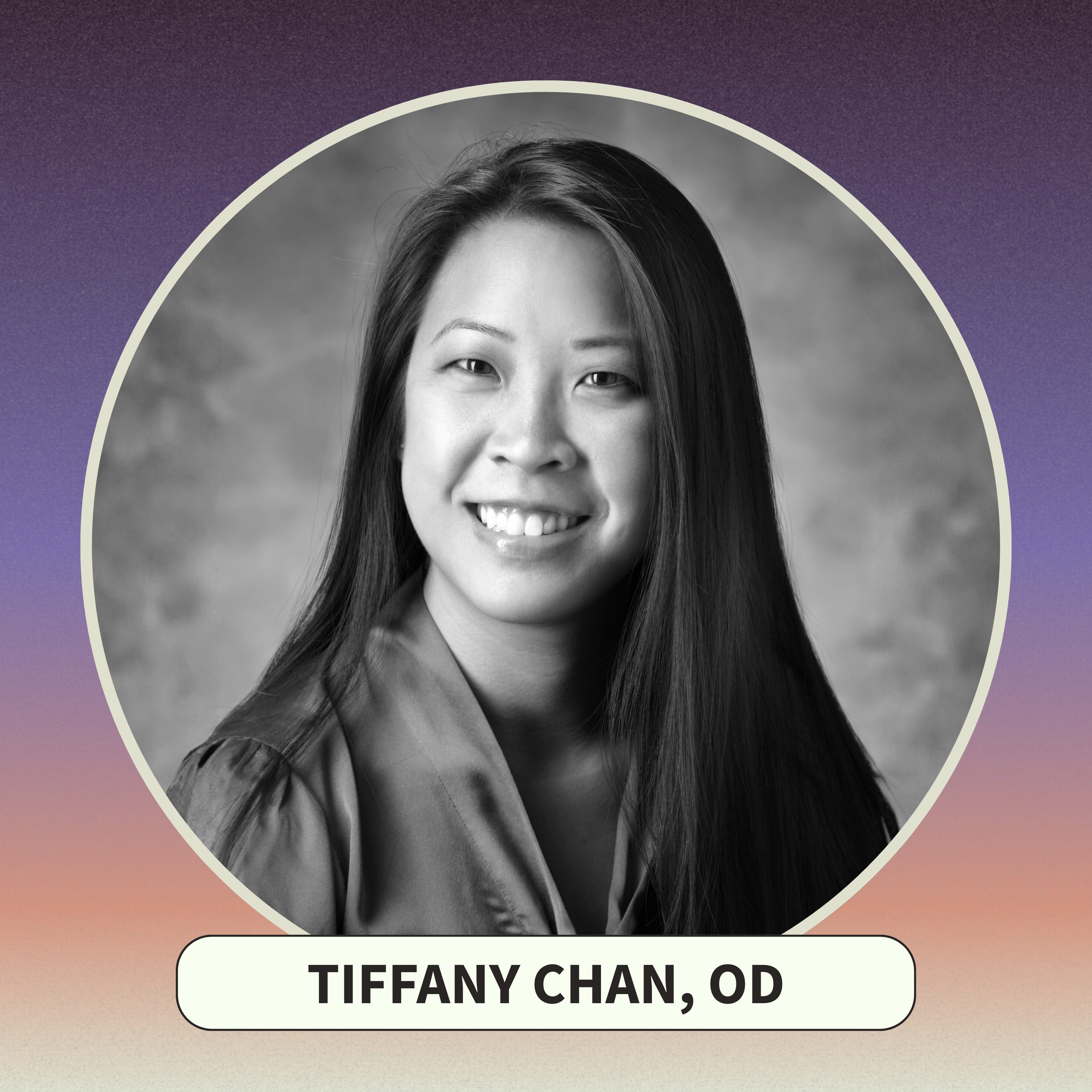
Choosing Home with Tiffany Chan, OD
Jan 8, 2026
1h 14m 03s
A Soft Place to Land with Frances Southwick, DO
Dec 19, 2025
1h 01m 36s
Medicine Beyond Medicine with Alicia Ashorn and Anthony Thigpen
Dec 12, 2025
53m 01s
Stories that Save Us with Sharon Fennix
Nov 28, 2025
51m 28s
The Nurse and the Nun with Linda Wick, DNP, APRN
Nov 17, 2025
38m 31s
Social Links & Contact
Official channels & resources
Official Website
Login
RSS Feed
Login
| Date | Episode | Topics | Guests | Brands | Places | Keywords | Sponsor | Length | |
|---|---|---|---|---|---|---|---|---|---|
| 1/8/26 | ![]() Choosing Home with Tiffany Chan, OD✨ | optometryhealthcare+3 | Tiffany Chan | Johns HopkinsCalifornia Health Care Foundation | Grass ValleyNevada City | optometristacademic medicine+3 | — | 1h 14m 03s | |
| 12/19/25 | ![]() A Soft Place to Land with Frances Southwick, DO | What if falling in love meant literally falling down?In this week’s episode of The Nocturnists, physician and writer Frances Southwick shares a story that begins in rural Colorado with unexplained episodes of paralysis. First performed live in Nevada City, this episode is about what it’s like to live inside a body that responds to emotion in unexpected ways, and how a late diagnosis can reframe an entire life.Frances originally told this story at “Medicine Story,” a Nocturnists Satellites event hosted by Dr. Rebecca George of Sierra Valley Family Health in Nevada City in 2025, made possible by a generous grant from the California Health Care Foundation.Enjoy,Emily and The Nocturnists TeamFavorite moments from this week’s episodeLove and Collapse“I was holding my notebooks to my chest, about to tell her how I felt, when suddenly I felt weak—not a little weak, but colossally weak. My notebooks tumbled to the floor, and then I did too. I couldn’t move my fingers, my legs, not even my eyes. Annie was holding my hand, asking if I was okay, and I couldn’t answer.”The Beautiful Things“For most people with cataplexy, the strongest triggers are strong emotions. But for me, the strongest triggers are the beautiful things in life—children laughing, earnest love, and maybe telling a bunch of strangers the most tender moments of my life.”Diagnosis as Narrative Rupture“Learning about narcolepsy forced me to reexamine my whole life retroactively. Being queer, processing trauma, understanding my gender, and then finally understanding this diagnosis—each stage reshaped the story I’d been telling myself. I love doing it, but it’s also tragic, because I see how much suffering might have been avoided.”Writing a Rule Book for Survival“Cataplexy isn’t in BLS or ACLS training, so I wrote my own rule book. We travel with a transport chair. I wear a Medic Alert necklace. I’ve taught my coworkers what to do when it happens. Living with this means planning constantly—but it also means staying alive.”Medicine After Falling“I’ve helped diagnose patients with narcolepsy now, and I have deep empathy for people with neurological conditions—locked-in syndrome, brain injury, autism. There’s a kind of physical empathy that comes from having lived inside a nervous system that doesn’t behave the way it’s supposed to. In that way, it’s been a gift.”Enjoying The Nocturnists? Check out a new podcast from our friends at Unleashed: Redesigning Health CareUnleashed: Redesigning Health Care is a new podcast features guests are clinician-innovators who have changed care on the front lines. Their stories, their voices, their ingenuity. Learn more at unleashedpodcast.org.Thank you to our sponsorsGet in touch with usRecommend a guest, become a sponsor, or give us feedback. This is a public episode. If you would like to discuss this with other subscribers or get access to bonus episodes, visit thenocturnists.substack.com | 1h 01m 36s | ||||||
| 12/12/25 | ![]() Medicine Beyond Medicine with Alicia Ashorn and Anthony Thigpen | This week on The Nocturnists, we hear from Alicia Ashorn and Anthony Thigpen, two community health workers with the Transitions Clinic Network who are redefining what care looks like beyond the hospital walls.Alicia and Anthony share their personal stories—Alicia’s journey through addiction and recovery, and Anthony’s path through grief, transformation, and reentry work—and how these experiences shape their care for people returning from incarceration. In our conversation, they explore the power of storytelling, the emotional complexity of supporting clients in crisis, and the wisdom required to balance compassion with boundaries. Through vivid anecdotes from the field, they illuminate the essential yet often unseen role of community health workers as bridges between the clinic and the community, offering trust, dignity, and hope to people navigating systems that routinely fail them.Alicia and Anthony originally told their stories at “Journeys of Healing: Stories of Resilience and Transformation,” a Nocturnists Satellites event hosted by Transitions Clinic Network in Los Angeles in 2025, made possible by a generous grant from the California Health Care Foundation.Enjoy,Emily and The Nocturnists TeamFavorite moments from this week’s episodeThe Chaos and the Calling“There’s no two days the same. I might be helping someone who’s hungry, someone who can’t get their medication, someone going to court, someone sleeping in their car. From the moment I open my eyes, my phone’s ringing. It’s busy—but this is what I’m called to do.” — AnthonySpeaking from the Heart“I had practiced my story for weeks, but when it came time to perform, I froze. Everything I’d written went out the window. So I just spoke from my heart. I still don’t remember everything I said, but I know it was real. And when people told me afterward they could relate—that’s when I understood the power of it.” — AliciaThe Gift and the Curse“Sometimes our clients look up to us so much they’re afraid to disappoint us. That’s the gift and the curse. They see us thriving, and they don’t want to let us down. But I tell them, I’m safe—come to me with the truth. We’ll get through it together.” — AnthonyFreedom in the Truth“This was the first job interview where I was proud to say I’d been to jail. For the first time, my past wasn’t something to hide—it was something that made me right for the job. It felt freeing.” — AliciaWe Are All We’ve Got“The resources are scarce, but we’ve learned to come together. The nonprofits, the community orgs—we’ve realized no one’s coming to save us but us. So we share what we have, we show up for each other, and somehow, we make it work.” — AnthonyEnjoying The Nocturnists? Check out a new podcast from our friends at Unleashed: Redesigning Health CareUnleashed: Redesigning Health Care is a new podcast features guests are clinician-innovators who have changed care on the front lines. Their stories, their voices, their ingenuity. Learn more at unleashedpodcast.org. Thank you to our sponsorsGet in touch with usRecommend a guest, become a sponsor, or give us feedback. This is a public episode. If you would like to discuss this with other subscribers or get access to bonus episodes, visit thenocturnists.substack.com | 53m 01s | ||||||
| 11/28/25 | ![]() Stories that Save Us with Sharon Fennix | This week, we’re joined by Sharon Fennix—a hotline coordinator with the Transitions Clinic Network (TCN), a community leader shaped by lived experience, and a storyteller whose creativity helped her survive 38 years of incarceration. Sharon’s journey has taken her from running fashion shows and directing original plays inside prison to becoming a trusted source of support for people navigating the vulnerable first steps of reentry. She brings wisdom, humor, honesty, and a remarkable ability to see the human story beneath the surface.In our conversation, Sharon reflects on how storytelling became her lifeline on the inside—how sewing costumes for fashion shows grew into writing and directing full productions that helped people connect across divides. She talks about the complexities of coming home after decades away, and how being met by someone who shared her lived experience helped her rebuild trust, autonomy, and a sense of possibility. Today, she offers that same grounding presence to others through the TCN hotline.Sharon also shares her experience co-producing “Journeys of Healing: Stories of Resilience and Transformation,” a Nocturnists Satellites event hosted by Transitions Clinic Network in Los Angeles in 2025, made possible by a generous grant from the California Health Care Foundation.Sharon’s story is full of courage, creativity, and hard-won wisdom. We hope you’ll listen and feel as inspired as we did.Enjoy,Emily and The Nocturnists TeamFavorite moments from this week’s episodeEach One Teach One“Inside, we used to say each one teach one. Go out, tell someone what you learned, and bring them back. That’s how I approached the parole board. I told them, I’m here to teach you who I am—not who I was. And when they said ‘found suitable,’ I hit the floor. Because I knew that storytelling had set me free.”Stories as Healing“Every show I did was someone’s story—women who’d been hurt, abandoned, trafficked, silenced. When they performed, they could finally see their lives from the outside. That’s what storytelling does—it shows you who you are and lets you start over.”The Power of Connection“When people call the hotline, I tell them right away—I did 38 years. I am you. You are my brother. You are my sister. That’s what makes the connection real. Because if you’ve been where I’ve been, you already know the language of survival.”Finding Faith in Art“I started to see that every costume I sewed, every scene I directed, was God showing me I was meant for more. The staff would stay late to watch my plays. Their kids came too. I realized: I was changing how people saw us.”Stories That Save Lives“Now I want to start a podcast called She Just Wants to Talk. Because that’s all it takes—talking. Listening. Meeting people where they are. I want others like me to know that their stories matter, that their voices can save someone else’s life.”Enjoying The Nocturnists? Check out a new podcast from our friends at Unleashed: Redesigning Health CareUnleashed: Redesigning Health Care is a new podcast features guests are clinician-innovators who have changed care on the front lines. Their stories, their voices, their ingenuity. Learn more at unleashedpodcast.org.Minneapolis: Upcoming call for storiesThe Center for the Art of Medicine will host their next live storytelling show, For the Moment, at the Parkway Theater on April 30, 2026. Their call for stories opens in early December, so if you or someone you know wants to share a story, reach out to cfam@umn.edu to join the email list and learn more.EXTENDED: Call for stories for Trust in Medicine seriesWe’re excited to announce our new podcast series, Trust in Medicine.This series explores how trust in healthcare is being built, broken, and reimagined in a rapidly changing world—where shifting guidelines, systemic inequities, and new digital voices all shape how patients and clinicians experience medicine today. Thank you to our sponsorsGet in touch with usRecommend a guest, become a sponsor, or give us feedback. This is a public episode. If you would like to discuss this with other subscribers or get access to bonus episodes, visit thenocturnists.substack.com | 51m 28s | ||||||
| 11/17/25 | ![]() The Nurse and the Nun with Linda Wick, DNP, APRN | Dear friends,Nurse practitioner Linda Wick has spent more than four decades in medicine, beginning her journey as a six-year-old watching nurses care for her injured brother. In today’s story, she recalls the early lessons that shaped her career—from the strict nuns who taught her at the College of St. Scholastica to the life-and-death responsibilities of the ICU and dialysis unit. When a medical emergency reunites her with one of her toughest teachers, Sister Helen, Linda is forced to confront the words that haunted her for years.We first heard Linda’s story on stage at Intersections, a live storytelling event produced by the Center for the Art of Medicine in Minneapolis in 2024 through our program, The Nocturnists Satellites. Below are a few excerpts from Linda’s story—on mentorship, mistakes, and the heart of nursing.Enjoy,Emily and The Nocturnists TeamFavorite moments from this week’s episodeA Six-Year-Old’s Awakening “I was six years old when my brother was in a terrible car accident. His legs were crushed between two cars, and he lay in traction for weeks. I remember the nurses—the ones who kept him from getting bedsores, who joked with him when he got cocky, and who comforted my mom. I watched them and thought, this is what I want to do. My nursing career started when I was six years old.”The Nuns of St. Scholastica “The College of St. Scholastica was run by Benedictine nuns—some like mothers, some like tyrants. Sister Agatha made us memorize the periodic table by heart. Sister Helen Claire taught skills and had no sense of humor. She once told me, ‘One day, you’re going to kill someone.’ I was twenty and thought she was just mean. I had no idea how long I’d remember those words.”Integrity When No One’s Watching “Sister Helen also said, ‘Integrity is what you do when nobody’s watching.’ Nursing gives you a thousand chances a day to prove that. You can make a mistake and hide it—and no one would ever know. I remember my first drug error. It wasn’t catastrophic, but I still called the physician. All I could think was: she was right. Integrity is what you do when nobody’s watching.”A Reunion in the Dialysis Unit “When I walked into the dialysis suite, there was blood everywhere. A patient’s fistula had ruptured. And then I saw her face. Sister Helen. My first thought was: Why does it have to be her? I went into ICU mode—calm, steady, focused. I told her she’d be okay, that the surgeon was good, that we’d take care of her. But inside I was thinking: Please don’t die on my watch.”Minneapolis: Upcoming call for storiesThe Center for the Art of Medicine will host their next live storytelling show, For the Moment, at the Parkway Theater on April 30, 2026. Their call for stories opens in early December, so if you or someone you know wants to share a story, reach out to cfam@umn.edu to join the email list and learn more.EXTENDED: Call for stories for Trust in Medicine seriesWe’re excited to announce our new podcast series, Trust in Medicine.This series explores how trust in healthcare is being built, broken, and reimagined in a rapidly changing world—where shifting guidelines, systemic inequities, and new digital voices all shape how patients and clinicians experience medicine today. Thank you to our sponsorsGet in touch with usRecommend a guest, become a sponsor, or give us feedback. This is a public episode. If you would like to discuss this with other subscribers or get access to bonus episodes, visit thenocturnists.substack.com | 38m 31s | ||||||
| 11/7/25 | ![]() Birth and Poetry with Doula Sarah Auna | This week, I’m joined by Sarah Auna, a birth doula whose story we first heard live on stage at Intersections, a live storytelling event produced by the Center for the Art of Medicine in Minneapolis in 2024 through our program, The Nocturnists Satellites.In her story, she takes us into a freestanding birth center, where chaplain Katie labors surrounded by her family, her midwives, and the steady encouragement of Sarah’s hands. The story captures what happens when the human body—guided by trust, safety, and love—takes over. It’s a reflection on lineage, nervous system regulation, and the quiet holiness of birth.Below are a few moments that stayed with me. Please enjoy!Enjoy,Emily and The Nocturnists TeamFavorite moments from this week’s episodeThe Sphincter Law “Humans have lots of sphincters in their bodies. Their eyes, their mouths, their cervix—all talking to each other like a walkie-talkie system. When the room feels safe, they open. When the room feels tense, they close. So oxytocin isn’t just about labor—it’s about love, safety, and belonging.”Lioness at the Birth Throne “Her curls have fallen out—tumbles of brown and gray ringlets. There’s not a scrap of clothing in sight. She stalks up to the silks, runs them between her hands, gets as low as she can, and bites down. The midwives’ headlamps tilt toward the floor. Her husband’s arms hold her like scaffolding. And then Jasper is there—all ten pounds of him.”A Birth that Healed a Family “Down the hill, Katie’s mother—an L&D charge nurse—is waiting, along with her two sisters, also charge nurses. Birth, for them, has always been a story of emergencies. But when Katie gave birth outside the hospital walls, their family’s story changed. It became one of joy.”Lioness Returns “Two years later, after a divorce and a pandemic, I walked into a bar for what I thought was a business meeting. I met Rachel—a musician, a single mom, a late-in-life bloomer like me. She told me she’d written a song called ‘Lioness.’ I laughed. That word had carried me through everything. And then I realized—I was falling in love.”The Song of Power “There’s nothing as dangerous as a woman who knows herself. There’s nothing as powerful as a woman who knows herself. That song made it safe for me to proceed on my journey of authenticity and love. It became my anthem, and tonight, it became the room’s.”Upcoming Satellites Live Storytelling EventsLost and Found: A Night of Physician StorytellingSunday, Nov 9 | The Box Riverside, Riverside CA | FreeHosted by the Riverside–San Bernardino Chapter of the California Academy of Family Physicians, this Nocturnists Satellites event brings together five local physicians to share stories of loss, discovery, and what it means to find one’s way in medicine.Free admission — RSVP required.UCSF Institute of Global Health Sciences: A Night of StorytellingWed Nov 12 | UCSF Institute of Global Health Sciences, San Francisco CA | FreeAs part of the UCSF Institute for Global Health Sciences’ 25th anniversary celebration, IGHS is hosting a special evening of live storytelling. Five members of the IGHS community will share personal narratives of challenge, connection, and humor, inviting us to reflect on the past and envision a more compassionate and inclusive future for global health. Free admission — RSVP required.EXTENDED: Call for stories for Trust in Medicine seriesWe’re excited to announce our new podcast series, Trust in Medicine.This series explores how trust in healthcare is being built, broken, and reimagined in a rapidly changing world—where shifting guidelines, systemic inequities, and new digital voices all shape how patients and clinicians experience medicine today. Thank you to our sponsorsGet in touch with usRecommend a guest, become a sponsor, or give us feedback. This is a public episode. If you would like to discuss this with other subscribers or get access to bonus episodes, visit thenocturnists.substack.com | 50m 34s | ||||||
| 10/31/25 | ![]() In This Body with Meghan Rothenberger, MD | This week, I’m joined by Dr. Meghan Rothenberger, an infectious disease doctor whose story we first heard live on stage at Intersections, a live storytelling event produced by the Center for the Art of Medicine in Minneapolis in 2024 through our program, The Nocturnists Satellites.Meghan grew up feeling uncertain and disconnected from her body. As a teenager, she struggled with an eating disorder, trying to make sense of the changes of adolescence and the cultural messages around her. Years later, as a medical student studying anatomy, she began to see the body not as something to control, but as something wondrous and worthy of care. In this conversation, Meghan talks with me about growing up, navigating an eating disorder, and finding healing through science, pregnancy, and the everyday miracle of being alive. Together, they explore how understanding the body can open the door to compassion, connection, and belonging within oneself.Enjoy,Emily and The Nocturnists TeamFavorite moments from this week’s episodeThe Poem That Stayed“The boy on the ski lift yelled, ‘Roses are red, violets are black—why is your chest as flat as your back?’ I laughed like it didn’t matter, but it did. That poem took root. It became a script I recited to myself for years—that my body was a problem to solve.”Control and Disappearing“When I started restricting food, it didn’t feel like punishment—it felt like control. I was good at disappearing. Praise poured in. I didn’t know then that disappearing was the thing I’d have to unlearn for the rest of my life.”The Body as Miracle“In anatomy lab, I looked down at this incredible architecture—nerves like threads of gold, arteries like rivers. I realized my body was doing all of this too. The sheer precision of it was awe-inspiring. It was the first time I thought: maybe my body isn’t ugly—it’s miraculous.”Motherhood as Reclamation“Pregnancy forced me to surrender control. My body was suddenly huge and capable and unapologetic. It was the first time I felt powerful in it, not despite it. I thought, this is what it means to inhabit a body instead of fight it.”The Miracle of Normal“Every day, I open a lab result and look straight at the red numbers—the ones that are off. But what about the ones in range? The ones that mean thousands of things went right today? We overlook the miracle of normal all the time.”Call for stories: Trust in Medicine seriesWe’re excited to announce our new podcast series, Trust in Medicine.This series explores how trust in healthcare is being built, broken, and reimagined in a rapidly changing world—where shifting guidelines, systemic inequities, and new digital voices all shape how patients and clinicians experience medicine today. Submissions close Oct 31 at 11:59pm Pacific.Upcoming Satellites Live Storytelling EventsLost and Found: A Night of Physician StorytellingSunday, Nov 9 | The Box Riverside, Riverside CA | FreeHosted by the Riverside–San Bernardino Chapter of the California Academy of Family Physicians, this Nocturnists Satellites event brings together five local physicians to share stories of loss, discovery, and what it means to find one’s way in medicine.Free admission — RSVP required.A Night of StorytellingWed Nov 12 | UCSF Institute of Global Health Sciences, San Francisco CA | FreeAs part of the UCSF Institute for Global Health Sciences’ 25th anniversary celebration, IGHS is hosting a special evening of live storytelling. Five members of the IGHS community will share personal narratives of challenge, connection, and humor, inviting us to reflect on the past and envision a more compassionate and inclusive future for global health. Free admission — RSVP required.Thank you to our sponsorsGet in touch with usRecommend a guest, become a sponsor, or give us feedback. This is a public episode. If you would like to discuss this with other subscribers or get access to bonus episodes, visit thenocturnists.substack.com | 47m 58s | ||||||
| 10/17/25 | ![]() The Chaplain and The Doctor with Chaplain Betty Clark & Jessica Zitter, MD | Today I’m joined by Chaplain Betty Clark, a hospital chaplain, community leader, and lifelong caregiver, and Dr. Jessica Zitter, a critical and palliative care physician, author of Extreme Measures, and filmmaker. Their friendship sits at the heart of the new documentary The Chaplain and the Doctor, born from years of working side by side at Oakland’s Highland Hospital. Together, they’ve built trust across lines of race, faith, and hierarchy, exploring what it really means to care for patients and for each other. In our conversation, Betty and Jessica reflect on the art of chaplaincy, the courage it takes to face bias and racism in medicine, the healing power of storytelling, and the idea of the “wounded healer.” What emerges is a moving portrait of friendship, honesty, and grace, an invitation to stay, as Betty put it, “blessed in the mess.”Warmly,Emily and The NocturnistsFavorite moments from this week’s episode“Look with your ears, listen with your eyes.”“I tell volunteer chaplains to look with your ears and listen with your eyes. You’re looking for things that may not mean what they seem. You might see a rosary hanging on the bed and think someone’s Catholic, but maybe it’s just decoration. Observation is sacred—it’s how we really hear people.” A Thunderbolt Realization“There are moments in life when you realize you’ve been thinking about something wrong. That’s what happened when I called Betty. I realized how much armor doctors wear—how scared we are, how defensive. Once you see that, it’s hard to unsee it. That’s when I opened up to her, and to friendship.” Language and Respect“There’s certain language you don’t use with African Americans. Don’t say ‘we’re going to wean you off this medicine’—that’s baby talk. Say, ‘we’ll lower your dose as your pain improves.’ Language matters. It’s about respect.”Bias at the Bedside“I’ve been that doctor at 3 a.m., thinking: oh, the patient in bed five with sickle cell, asking for more Dilaudid. Working with Betty made me realize—this is bias. It’s not about being a bad person. It’s about how the tired human brain works. But we have to see it to change it.” Blessed in the Mess“People ask how I’m doing, and I say: I’m blessed in the mess. Blessed in spite of the mess. Sometimes blessed because of the mess. However it goes, I’m blessed.” Join our free storytelling workshop: Trust in MedicineWe’re hosting a virtual workshop on October 29 from 5:30pm-7pm PT/8:30pm-10pm ET to introduce Trust in Medicine, our upcoming series. Come explore what it means to build, lose, and rediscover trust in healthcare, and learn how to share your own story for consideration on the podcast.Call for stories: Trust in Medicine seriesWe’re excited to announce our new podcast series, Trust in Medicine.This series explores how trust in healthcare is being built, broken, and reimagined in a rapidly changing world—where shifting guidelines, systemic inequities, and new digital voices all shape how patients and clinicians experience medicine today. Submit your story today. Uncertainty in Medicine is a 2025 Signal Award winner!We’re thrilled to share that The Nocturnists: Uncertainty in Medicine has won two Signal Awards! Visit the links below to view the official listing. Gold in Indie Podcast, Limited Series & SpecialsSilver in Health & Wellness, Limited Series & SpecialsThank you to our sponsorsGet in touch with usRecommend a guest, become a sponsor, or give us feedback. This is a public episode. If you would like to discuss this with other subscribers or get access to bonus episodes, visit thenocturnists.substack.com | 56m 54s | ||||||
| 10/6/25 | ![]() Questions Without Answers with Sarah Manguso | Dear Friends,What does it mean to write about illness in fragments? How can children’s questions reveal a kind of collective philosophy? On our 70th episode of Conversations, I speak with the writer Sarah Manguso, whose work moves effortlessly between memoir, aphorism, and essay.I first encountered Sarah’s writing in Two Kinds of Decay, her account of living with CIDP, a rare neurological disease. The book, composed of crystalline fragments, became a formative text for me as a young doctor-in-training. In this conversation, Sarah reflects on that early work, shares how her perspective has changed with time, and introduces her latest book Questions Without Answers, a collaboration with illustrator Liana Fink.Below you’ll find a few excerpts from our talk—on illness, writing, and the surprising wisdom of children’s voices.Warmly,Emily and The NocturnistsFavorite moments from this week’s episodeFrench Fries and Apheresis“You’re sitting there having the procedure, eating the french fries, and then you watch as the blood products actually get more greasy and fatty and filled with fat particles. They get cloudy and opaque. That always stayed with me.”Writing the First Memoir“As a younger person, writing before the memoir boom, I was asked more than once, what is a young person like you doing writing her memoirs? You’ve barely lived. And I said, it’s just a memoir of this one experience. I was only remembering one thing. In retrospect, I look at the book and think, this is just blissfully uncomplicated and clear, because that’s how my life felt at the time.”Children as Philosophy Machines“These little creatures are art machines. They’re philosophy machines. Almost supernatural, because they dwell in both worlds. My son’s mind was as interesting as the most interesting adults I knew, but with so little life experience that his questions were just bananas. When he asked, ‘When I was inside your body, did you know me? Did you want to meet me? Did I make the world?’ I thought: these are questions that deserve to be literature.”The Mystery of Necks and Chins“There were so many questions about necks and chins. One reader suggested it’s because children are always looking up at adults, so they see our necks and chins more. Or maybe it’s because a chin has a name but no obvious function. Or maybe it’s just something in the zeitgeist. One of my favorites was simply: How important are necks?”Stories of Resilience: An Evening of Live StorytellingOn October 8 & 9, the Center for Care Innovations is marking 25 years with their 2025 Safety Net Innovation Summit in Berkeley. The gathering kicks off with Wayfinders: An Evening of Live Storytelling on Resilience and Discovery — where health care workers from across the safety net will share journeys of uncertainty, renewal, and resilience, alongside live music, food, and community. Tickets are $99 for the storytelling evening, or $200 for the full two-day summit of workshops, panels, and conversations exploring how disruption can spark equity and connection.Call for Stories: Trust in Medicine SeriesWe’re excited to announce our new podcast series, Trust in Medicine.This series explores how trust in healthcare is being built, broken, and reimagined in a rapidly changing world—where shifting guidelines, systemic inequities, and new digital voices all shape how patients and clinicians experience medicine today. Submit your story today. Thank You Our SponsorsGet in touch with us.Recommend a guest, become a sponsor, or give us feedback. This is a public episode. If you would like to discuss this with other subscribers or get access to bonus episodes, visit thenocturnists.substack.com | 45m 08s | ||||||
| 7/3/25 | ![]() BONUS - Managing Uncertainty: A Path to Better Patient Care | Today, we're releasing a special bonus episode featuring Emily and our "uncertainty correspondent" Alexa Miller, in conversation with the ABIM Foundation. Together, they reflect on the key insights from creating the Uncertainty in Medicine series. Thank you to the ABIM Foundation for hosting and recording this webinar. To sign up for a webinar in the future, visit buildingtrust.org/webinars. Find show notes, transcripts, and more at thenocturnists.org, and subscribe to our substack. The "Uncertainty in Medicine" series is generously funded by the ABIM Foundation, by the Josiah Macy Jr. Foundation, and the Gordon & Betty Moore Foundation. The Nocturnists is supported by The California Medical Association and donations from listeners like you. Host: Pamela Browner White Uncertainty Correspondent: Alexa Miller Series Illustrations by Eleni Debo This is a public episode. If you would like to discuss this with other subscribers or get access to bonus episodes, visit thenocturnists.substack.com | 55m 03s | ||||||
Want analysis for the episodes below?Free for Pro Submit a request, we'll have your selected episodes analyzed within an hour. Free, at no cost to you, for Pro users. | |||||||||
| 6/26/25 | ![]() Uncertainty in Medicine: Denial and Acceptance | In the series finale, we explore a different type of uncertainty—the uncertainty that arises around the healthcare system itself. This episode follows Ed Stratton, a stage IV cancer patient who beat his cancer, only to be denied a life-saving liver transplant by his insurance provider. His daughter Erin, armed with industry knowledge and unshakable determination, teams up with a healthcare whistleblower and an AI-powered startup to wage an extraordinary battle for his life. We end with a quiet reflection on uncertainty, and what it means to keep going. Find show notes, transcripts, and more at thenocturnists.org, and subscribe to our substack. The "Uncertainty in Medicine" series is generously funded by the ABIM Foundation, by the Josiah Macy Jr. Foundation, and the Gordon & Betty Moore Foundation. The Nocturnists is supported by The California Medical Association and donations from listeners like you. Host: Emily Silverman, MD Uncertainty Correspondent: Alexa Miller Series Illustrations by Eleni Debo This is a public episode. If you would like to discuss this with other subscribers or get access to bonus episodes, visit thenocturnists.substack.com | 44m 33s | ||||||
| 6/19/25 | ![]() Uncertainty in Medicine: The Good Life | What does it mean to live well in a world where nothing is certain — not in medicine, not in life? In this episode, we follow a high school teacher who asks his students to examine “the good life” through philosophy, Buddhism, and existential inquiry. We meet two women — a Buddhist monk and a disability rights advocate — who bring spiritual wisdom to the messy realities of illness, caregiving, and embodiment. Their stories, woven with reflections on impermanence, suffering, and compassion, offer a new way of thinking about uncertainty: not as something to fix, but as something to live with. Find show notes, transcripts, and more at thenocturnists.org, and subscribe to our substack. The "Uncertainty in Medicine" series is generously funded by the ABIM Foundation, by the Josiah Macy Jr. Foundation, and the Gordon & Betty Moore Foundation. The Nocturnists is supported by The California Medical Association and donations from listeners like you. Host: Emily Silverman, MD Uncertainty Correspondent: Alexa Miller Series Illustrations by Eleni Debo This is a public episode. If you would like to discuss this with other subscribers or get access to bonus episodes, visit thenocturnists.substack.com | 38m 12s | ||||||
| 6/12/25 | ![]() Uncertainty in Medicine: How We Die | Today, we explore the paradox of mortality: something both certain and utterly unknowable. Through a haunting parable from Ursula K. Le Guin and stories from doctors and loved ones, we hear what happens when people try to plan for death—or avoid it. A daughter processes her mother’s calm decision to pursue assisted dying. A physician grapples with an ambiguous advance directive. A neurointensivist weighs the line between hope and false hope. What do we do when clear answers are impossible? And what happens when our attempts to control death only bring more suffering? And in the midst of all this uncertainty, how do we find peace? Find show notes, transcripts, and more at thenocturnists.org, and subscribe to our substack. The "Uncertainty in Medicine" series is generously funded by the ABIM Foundation, by the Josiah Macy Jr. Foundation, and the Gordon & Betty Moore Foundation. The Nocturnists is supported by The California Medical Association and donations from listeners like you. Host: Emily Silverman, MD Series Illustrations by Eleni Debo This is a public episode. If you would like to discuss this with other subscribers or get access to bonus episodes, visit thenocturnists.substack.com | 40m 16s | ||||||
| 6/5/25 | ![]() Uncertainty in Medicine: Trusting the Process with Leila Simon Hayes | Today, we step inside the studio of visual artist Leila Simon Hayes, whose bold, shape-driven designs are born from a process rooted in imperfection, intuition, and trust. Through her story, we explore how Leila’s creative practice helped her navigate decades of chronic pain and medical dismissal, eventually leading her to healing not through certainty, but through listening—both to her art and her body. Her journey invites us to reconsider our own relationship with uncertainty, and to ask: what happens when we stop demanding answers and start embracing the unknown? Find show notes, transcripts, and more at thenocturnists.org, and subscribe to our substack. The "Uncertainty in Medicine" series is generously funded by the ABIM Foundation, by the Josiah Macy Jr. Foundation, and the Gordon & Betty Moore Foundation. The Nocturnists is supported by The California Medical Association and donations from listeners like you. Host: Emily Silverman, MD Uncertainty Correspondent: Alexa Miller Series Illustrations by Eleni Debo This is a public episode. If you would like to discuss this with other subscribers or get access to bonus episodes, visit thenocturnists.substack.com | 21m 07s | ||||||
| 5/29/25 | ![]() Uncertainty in Medicine: Off Script | Today, we explore the hidden layers of communication in medicine—what gets said, what doesn’t, and how uncertainty lives not just in the clinical data, but in the space between people. From a telemedicine encounter with a stubbornly independent patient in the Santa Cruz mountains, to a deeply personal story of navigating breast cancer risk, and finally to the ICU, where one physician is trying to revolutionize how teams talk about the unknown, this episode invites listeners into the gray zones of uncertainty and the doctor-patient relationship. Find show notes, transcripts, and more at thenocturnists.org, and subscribe to our substack. The "Uncertainty in Medicine" series is generously funded by the ABIM Foundation, by the Josiah Macy Jr. Foundation, and the Gordon & Betty Moore Foundation. The Nocturnists is supported by The California Medical Association and donations from listeners like you. Host: Emily Silverman, MD Uncertainty Correspondent: Alexa Miller Series Illustrations by Eleni Debo This is a public episode. If you would like to discuss this with other subscribers or get access to bonus episodes, visit thenocturnists.substack.com | 36m 04s | ||||||
| 5/22/25 | ![]() Uncertainty in Medicine: Precision in Motion with Chris Aiken | Today, we step into the dance studio with improvisational dance artist Chris Aiken, whose work lives at the intersection of uncertainty, movement, and presence. With insights that resonate far beyond the dance studio, Chris explores how attention, poetic instinct, and even failure are essential tools for responding creatively under pressure—much like an ER doctor at a moment of crisis. Find show notes, transcripts, and more at thenocturnists.org, and subscribe to our substack. The "Uncertainty in Medicine" series is generously funded by the ABIM Foundation, by the Josiah Macy Jr. Foundation, and the Gordon & Betty Moore Foundation. The Nocturnists is supported by The California Medical Association and donations from listeners like you. Host: Emily Silverman, MD Uncertainty Correspondent: Alexa Miller Series Illustrations by Eleni Debo This is a public episode. If you would like to discuss this with other subscribers or get access to bonus episodes, visit thenocturnists.substack.com | 29m 18s | ||||||
| 5/15/25 | ![]() Uncertainty in Medicine: A Matter of Time | This week, we explore how time and uncertainty are intertwined in the practice of medicine. A toxicologist faces a split-second decision in the ER that could mean life or death for a young patient. A woman with chronic ankle pain spends years searching for answers as dozens of doctors offer snap diagnoses and failed treatments. A rheumatologist navigates the slow, murky waters of autoimmune disease, where diagnosis and treatment often unfold over months or years. And a couple reckons with the long-term implications of a rare and unpredictable heart condition. Through these stories, we see how uncertainty can stretch time out endlessly or collapse it into a single moment and how, in medicine, working with time rather than fighting against it is often the only way forward. Find show notes, transcripts, and more at thenocturnists.org, and subscribe to our substack. The "Uncertainty in Medicine" series is generously funded by the ABIM Foundation, by the Josiah Macy Jr. Foundation, and the Gordon & Betty Moore Foundation. The Nocturnists is supported by The California Medical Association and donations from listeners like you. Host: Emily Silverman, MD Uncertainty Correspondent: Alexa Miller Series Illustrations by Eleni Debo This is a public episode. If you would like to discuss this with other subscribers or get access to bonus episodes, visit thenocturnists.substack.com | 33m 07s | ||||||
| 5/8/25 | ![]() Uncertainty in Medicine: Navigating Uncertainty with Admiral Mike LeFever | When a 7.6 magnitude earthquake leveled entire villages in Pakistan, retired U.S. Navy Admiral Mike LeFever was thrust into the heart of the disaster with no playbook and a simple directive: provide humanitarian aid and strengthen U.S.-Pakistan relations. In this episode, LeFever recounts what it was like to lead a massive relief effort in the chaotic aftermath—coordinating aid, rebuilding schools, and navigating diplomacy in a country where his presence was politically charged. As his mission evolved from emergency response to long-term relationship-building, including during the fallout of the Bin Laden raid, LeFever shares hard-won lessons on leadership, humility, and decision-making in extreme uncertainty. Find show notes, transcripts, and more at thenocturnists.org, and subscribe to our substack. The "Uncertainty in Medicine" series is generously funded by the ABIM Foundation, by the Josiah Macy Jr. Foundation, and the Gordon & Betty Moore Foundation. The Nocturnists is supported by The California Medical Association and donations from listeners like you. Host: Emily Silverman, MD Uncertainty Correspondent: Alexa Miller Series Illustrations by Eleni Debo This is a public episode. If you would like to discuss this with other subscribers or get access to bonus episodes, visit thenocturnists.substack.com | 18m 01s | ||||||
| 5/1/25 | ![]() Uncertainty in Medicine: Leaps of Faith | What happens when doctors have to make life-or-death decisions in an evidence-free zone — and patients are left to navigate the unknown? In episode 5 of “Uncertainty in Medicine", we bring you three gripping, real-life stories: a neurosurgeon weighing impossible risks in the operating room, a palliative care doctor facing a young man’s quiet resolve to die, and a patient whose long-awaited kidney transplant vanishes in a single phone call. These are high-stakes moments where instinct takes over, control slips away, and the only way forward is a leap of faith. Find show notes, transcripts, and more at thenocturnists.org, and subscribe to our substack. The "Uncertainty in Medicine" series is generously funded by the ABIM Foundation, by the Josiah Macy Jr. Foundation, and the Gordon & Betty Moore Foundation. The Nocturnists is supported by The California Medical Association and donations from listeners like you. This episode is sponsored by a new podcast that fans of the Nocturnists are sure to love. Unleashed: Redesigning Health Care features clinician-innovators who have changed care on the front lines. Their stories, their voices, their ingenuity. Learn more at unleashedpodcast.org. Host: Emily Silverman, MD Uncertainty Correspondent: Alexa Miller Series Illustrations by Eleni Debo This is a public episode. If you would like to discuss this with other subscribers or get access to bonus episodes, visit thenocturnists.substack.com | 28m 04s | ||||||
| 4/24/25 | ![]() Uncertainty in Medicine: Root Causes with Ronald Wyatt, MD | What does uncertainty in medicine have to do with Chernobyl? According to patient safety officer Dr. Ron Wyatt, more than we might think. In the fourth episode of our "Uncertainty in Medicine" series, he draws a chilling connection between one of history’s worst nuclear disasters and the quiet, preventable tragedies that unfold in hospitals every day. In both cases, the warning signs were there. People sensed something was wrong. But no one spoke up—or if they did, no one listened. Through his work at the Joint Commission, Dr. Wyatt has spent decades investigating sentinel events, the most serious and avoidable medical errors. What he’s found is deeply unsettling: the root causes rarely come down to lack of knowledge. They come from cultures where fear, hierarchy, and silence override curiosity and caution. And time and again, he’s seen how racism and bias magnify that silence. Here, Dr. Wyatt reveals what truly makes healthcare safe—and what has to change to protect every patient, equally. Find show notes, transcripts, and more at thenocturnists.org, and subscribe to our substack. The "Uncertainty in Medicine" series is generously funded by the ABIM Foundation, by the Josiah Macy Jr. Foundation, and the Gordon & Betty Moore Foundation. The Nocturnists is supported by The California Medical Association and donations from listeners like you. This episode is sponsored by a new podcast that fans of the Nocturnists are sure to love. Unleashed: Redesigning Health Care features clinician-innovators who have changed care on the front lines. Their stories, their voices, their ingenuity. Learn more at unleashedpodcast.org. Host: Emily Silverman, MD Uncertainty Correspondent: Alexa Miller Series Illustrations by Eleni Debo This is a public episode. If you would like to discuss this with other subscribers or get access to bonus episodes, visit thenocturnists.substack.com | 21m 18s | ||||||
| 4/17/25 | ![]() Uncertainty in Medicine: Through Thick and Thin | In episode 3 of the "Uncertainty in Medicine" series, patient Dana undergoes a routine knee replacement and expects a straightforward recovery. Instead, she’s plunged into a baffling and relentless illness—one that defies diagnosis and leaves her life in limbo. As her symptoms intensify and specialists write her off, Dana finds an unwavering ally in her primary care doctor, the one person who refuses to let her fall through the cracks. This episode traces their year-long search for answers, revealing the emotional cost of medical uncertainty and the rare power of a clinician who stays the course. Along the way, we visit Lewiston, Maine, where a small, intentional change to residents’ schedules is making the uncertainty of primary care more manageable and helping keep young doctors in the field. Find show notes, transcripts, and more at thenocturnists.org, and subscribe to our substack. The "Uncertainty in Medicine" series is generously funded by the ABIM Foundation, by the Josiah Macy Jr. Foundation, and the Gordon & Betty Moore Foundation. The Nocturnists is supported by The California Medical Association and donations from listeners like you. This episode is sponsored by a new podcast that fans of the Nocturnists are sure to love. Unleashed: Redesigning Health Care features clinician-innovators who have changed care on the front lines. Their stories, their voices, their ingenuity. Learn more at unleashedpodcast.org. Host: Emily Silverman, MD Uncertainty Correspondent: Alexa Miller Series Illustrations by Eleni Debo This is a public episode. If you would like to discuss this with other subscribers or get access to bonus episodes, visit thenocturnists.substack.com | 32m 04s | ||||||
| 4/15/25 | ![]() BONUS: Behind the Scenes of The Pitt with Gemmill, Sachs, and Herbert | On this episode of Conversations, Emily sits down with the creative team behind The Pitt—a gripping new medical drama on HBO Max that’s making waves in the healthcare world and beyond. Joining her are showrunner R. Scott Gemmill (ER, NCIS: LA), physician-writer Dr. Joe Sachs (ER), and emergency medicine educator and EM:RAP founder Dr. Mel Herbert. Together, they go behind the scenes of the show, discussing characters, medical cases, set design, and the creative team’s relentless pursuit of medical authenticity. Find show notes, transcript, and more at thenocturnists.org. The Nocturnists is made possible by the California Medical Association and donations from listeners like you. This is a public episode. If you would like to discuss this with other subscribers or get access to bonus episodes, visit thenocturnists.substack.com | 53m 38s | ||||||
| 4/10/25 | ![]() Uncertainty in Medicine: Looking with Uncertainty with Alexa Miller | Step inside Alexa Miller’s classroom, where paintings become portals and doctors learn to see like patients. In this episode, Alexa leads a powerful exercise called the “image circle,” where clinicians reflect on their own experiences of medical uncertainty and choose artworks that speak to those moments. What follows is anything but abstract—through close looking and deep conversation, participants begin to feel what it’s like to sit on the other side of the exam table. Alexa, a trailblazer at the crossroads of art and medicine, shares frameworks for understanding uncertainty and introduces her BOLD framework for navigating uncertainty in healthcare. Find show notes, transcripts, and more at thenocturnists.org, and subscribe to our substack. The "Uncertainty in Medicine" series is generously funded by the ABIM Foundation, by the Josiah Macy Jr. Foundation, and the Gordon & Betty Moore Foundation. The Nocturnists is supported by The California Medical Association and donations from listeners like you. Host: Emily Silverman, MD Uncertainty Correspondent: Alexa Miller Series Illustrations by Eleni Debo This is a public episode. If you would like to discuss this with other subscribers or get access to bonus episodes, visit thenocturnists.substack.com | 20m 38s | ||||||
| 4/3/25 | ![]() Uncertainty in Medicine: The Art of Not Knowing | In the premiere of the "Uncertainty in Medicine" series, The Nocturnists explore medicine’s uneasy relationship with not knowing. From the clean resolutions of medical dramas to the structured rituals of case conferences, the culture of medicine often treats uncertainty as something to be avoided, resolved, or explained away. But what happens when uncertainty is not just a temporary gap in knowledge—but a constant, lived reality? Through story and reflection, this episode invites listeners to reconsider the role of uncertainty in clinical care. What if the goal isn’t to eliminate it, but to navigate it skillfully? And what if doing so makes us not only better clinicians, but better collaborators, listeners, and humans? Find show notes, transcripts, and more at thenocturnists.org, and subscribe to our substack. The "Uncertainty in Medicine" series is generously funded by the ABIM Foundation, by the Josiah Macy Jr. Foundation, and the Gordon & Betty Moore Foundation. The Nocturnists is supported by The California Medical Association and donations from listeners like you. Host: Emily Silverman, MD Uncertainty Correspondent: Alexa Miller Series Illustrations by Eleni Debo This is a public episode. If you would like to discuss this with other subscribers or get access to bonus episodes, visit thenocturnists.substack.com | 28m 12s | ||||||
| 3/27/25 | ![]() Re-Release: The Uncertain World of Chronic Lyme with Ross Douthat | Our Uncertainty in Medicine series launches next week, and to set the stage, we’re sharing one of our favorite episodes from the archives - a heartfelt conversation with New York Times columnist Ross Douthat about his journey through the healthcare system while living with chronic Lyme disease. Medicine likes certainty - diseases we can see and test for and treat. But what do we do when we can't see? When we can't help? Do we keep searching? Or do we look away? In this episode, Emily speaks with New York Times columnist Ross Douthat about his book The Deep Places, which tells the harrowing story of his experience with Lyme disease, and what it's like to navigate a chronic illness that mainstream medicine hasn’t yet fully explained. Find show notes, transcript, and more at thenocturnists.org. The Nocturnists is made possible by the California Medical Association and donations from listeners like you. This is a public episode. If you would like to discuss this with other subscribers or get access to bonus episodes, visit thenocturnists.substack.com | 50m 48s | ||||||
Showing 25 of 208
Pitch Fit is a Pro feature
See how bookable this show is for guests, which brands already advertise, the per-episode ad value, and the best-fit guest and sponsor profile. The numbers are blurred on the free plan.
How readily this show books outside guests like you.
How proven this show is for host-read sponsorships.
For Guests
ProFor Advertisers
ProUpgrade to Pro to unlock guest cadence, sponsor categories, fit scores, and per-episode ad value for this show.
Chart Positions
12 placements across 11 markets.
Chart Positions
12 placements across 11 markets.


