Insights from recent episode analysis
Audience Interest
Podcast Focus
Publishing Consistency
Platform Reach
Insights are generated by CastFox AI using publicly available data, episode content, and proprietary models.
Most discussed topics
Brands & references
Total monthly reach
Estimated from 1 chart position in 1 market.
By chart position
- 🇫🇷FR · Science#1851K to 10K
- Per-Episode Audience
Est. listeners per new episode within ~30 days
500 to 5K🎙 ~2x weekly·92 episodes·Last published 1w ago - Monthly Reach
Unique listeners across all episodes (30 days)
1K to 10K🇫🇷100% - Active Followers
Loyal subscribers who consistently listen
400 to 4K
Market Insights
Platform Distribution
Reach across major podcast platforms, updated hourly
Total Followers
—
Total Plays
—
Total Reviews
—
* Data sourced directly from platform APIs and aggregated hourly across all major podcast directories.
On the show
From 12 epsHosts
Recent guests
Recent episodes
Making Sure Open Science Stays Open
Jun 16, 2026
Unknown duration
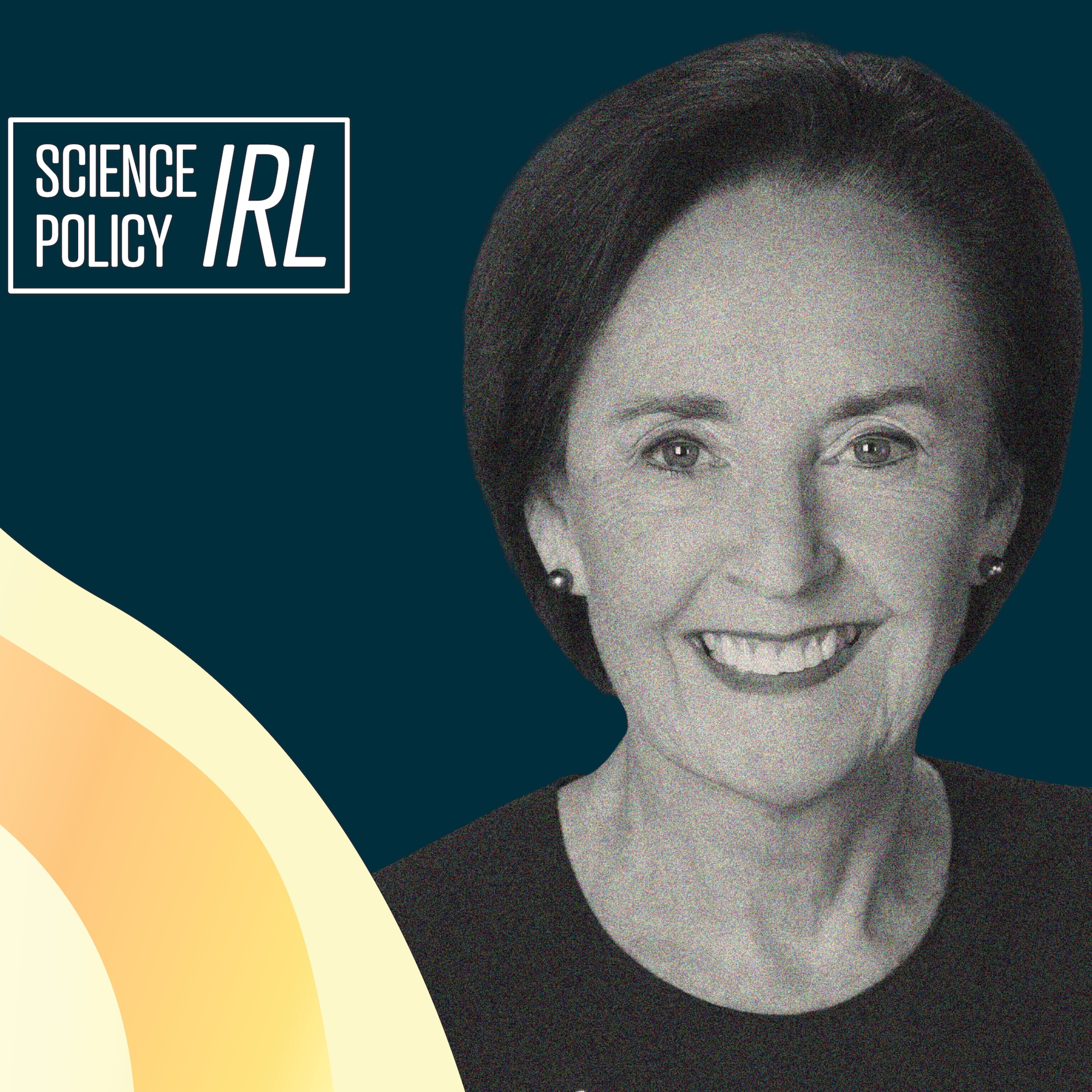
Mary Woolley Advocates for American Research
Jun 2, 2026
29m 42s
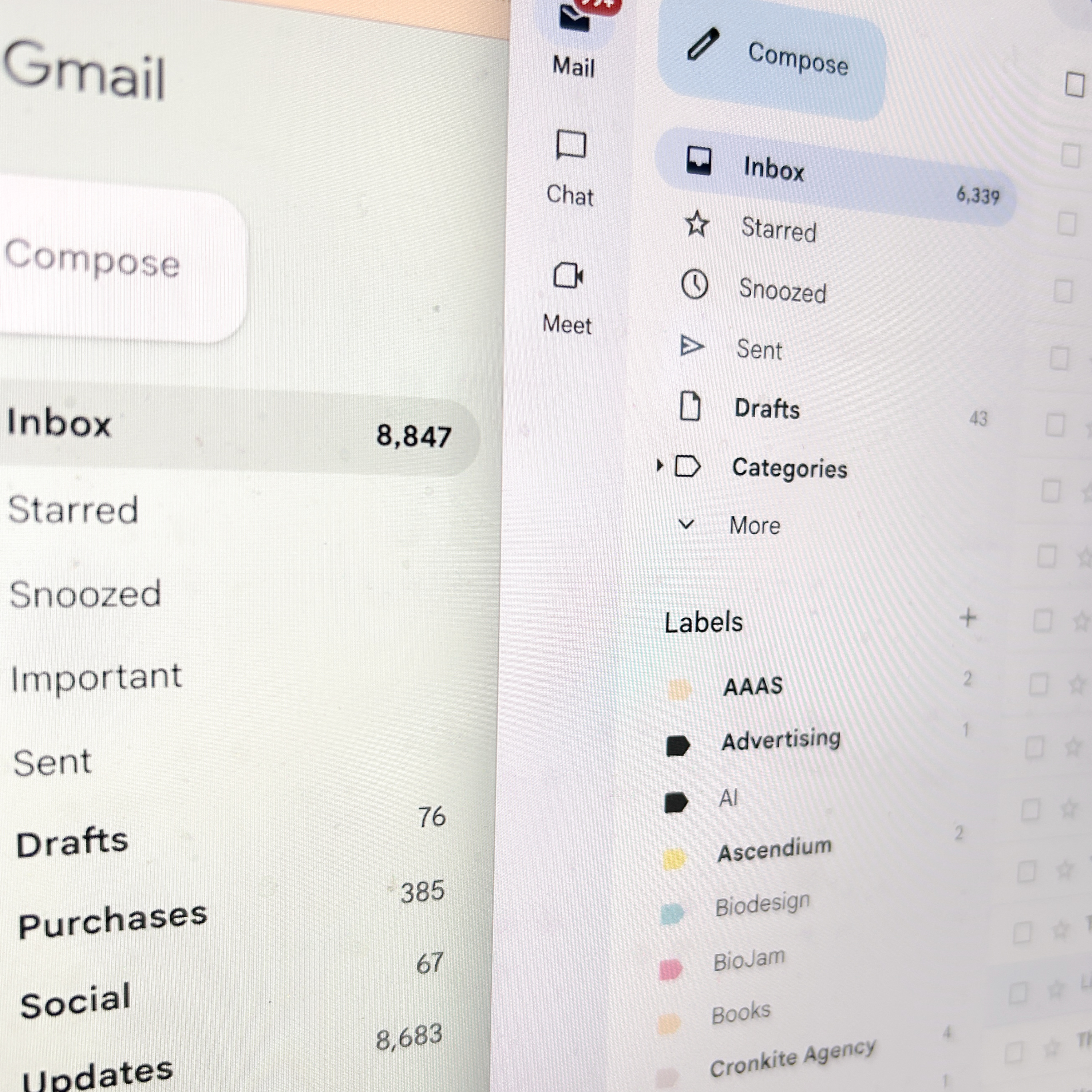
You Have 9,870 Unread Messages
May 19, 2026
22m 17s
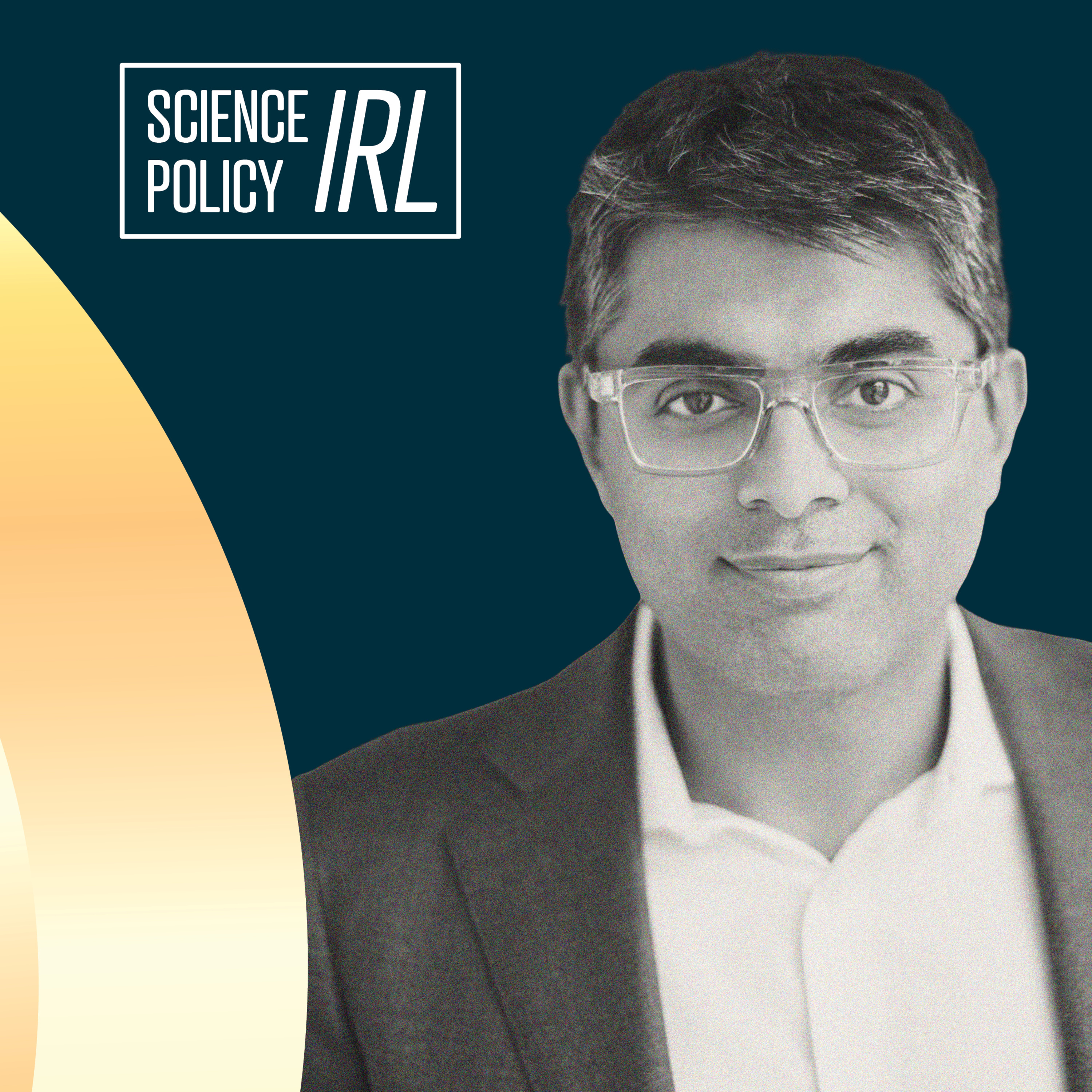
Kumar Garg Funds Ideas That Are “Big, if True”
May 5, 2026
25m 44s
Untangling the “Cosmic Coincidence” of the Job Market
Apr 21, 2026
27m 07s
Social Links & Contact
Official channels & resources
Official Website
Login
RSS Feed
Login
| Date | Episode | Topics | Guests | Brands | Places | Keywords | Sponsor | Length | |
|---|---|---|---|---|---|---|---|---|---|
| 6/16/26 | ![]() Making Sure Open Science Stays Open | There was a time when everything on the internet seemed like it would be there forever, whether a Facebook status or a government website. But today the prospect of maintaining massive amounts of digital history is in doubt. This poses a particular issue for the open science movement, which has advocated for wide access to scientific data and papers over the last 25 years. The movement’s successes have led to the creation of digital research infrastructure such as data libraries and preservation systems that serve large and small research communities. Now, as the system is maturing, it’s becoming clear that open science isn’t free: it requires investment and significant effort to stay alive. Without it, open research cannot be verified or advanced. On this episode, host Megan Nicholson is joined by Jen Gibson and Kaitlin Thaney, authors of “Who Will Keep Research Data Infrastructure Open and Running?” in our Spring 2026 issue. Gibson is the executive director of Dryad, an open-access international research data repository and curation service. Thaney is the executive director of Invest in Open Infrastructure, a nonprofit that advances open-source solutions and systems for research communities. Resources:Read “Who Will Keep Research Data Infrastructure Open and Running?” for more on the importance of maintaining digital infrastructure.Visit Dryad and Invest in Open Infrastructure’s websites to learn more about open data, open infrastructure, and how you can support their work. | — | ||||||
| 6/2/26 | ![]() Mary Woolley Advocates for American Research✨ | science policyresearch advocacy+3 | Mary Woolley | Research!AmericaNational Institutes of Health+2 | — | Mary WoolleyResearch!America+5 | — | 29m 42s | |
| 5/19/26 | ![]() You Have 9,870 Unread Messages✨ | spamemail traffic+3 | Rebecca Coyne | University of MichiganCenter for American Progress+4 | — | spamemail+3 | — | 22m 17s | |
| 5/5/26 | ![]() Kumar Garg Funds Ideas That Are “Big, if True”✨ | science policyphilanthropy+3 | Kumar Garg | Renaissance PhilanthropyWhite House Office of Science and Technology Policy+1 | — | science policyphilanthropy+3 | — | 25m 44s | |
| 4/21/26 | ![]() Untangling the “Cosmic Coincidence” of the Job Market✨ | job marketartificial intelligence+3 | Matt Sigelman | Burning Glass InstituteLightcast | — | job marketartificial intelligence+3 | — | 27m 07s | |
| 4/7/26 | ![]() The Future of Making Babies✨ | assistive reproductive technologiesegg donors+3 | Emily Packard Dawson | University of Michigan Medical SchoolNational Academies+2 | — | egg donorsin vitro fertilization+4 | — | 20m 35s | |
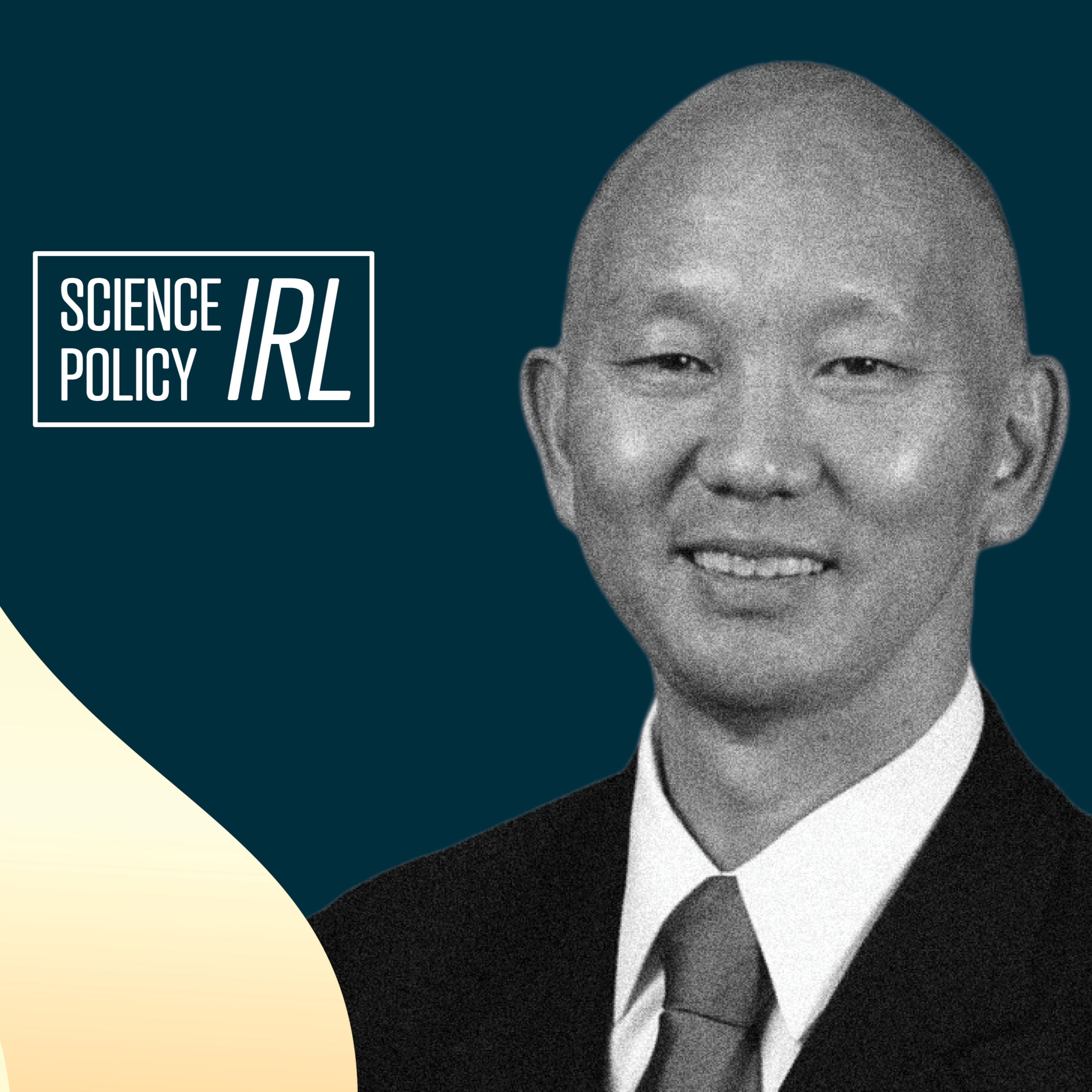
| 3/24/26 | ![]() Edward You Protected America From Bioterror✨ | bioterrorismbiosecurity+4 | Edward You | Federal Bureau of InvestigationMIT Technology Review+3 | — | bioterrorismFBI+4 | — | 43m 47s | |
| 3/3/26 | ![]() Building a Tech Innovation Ecosystem in Newark✨ | tech innovationentrepreneurship+3 | Fay Cobb PaytonLyneir Richardson | Rutgers UniversityInstitute for Data, Research, and Innovation Science+3 | NewarkNew Jersey+1 | Newarktech innovation+4 | — | 33m 18s | |
| 2/17/26 | ![]() Who Sets the Standard?✨ | technical standardspublic safety+3 | Laurie Locascio | American National Standards InstituteNational Institute of Standards and Technology+2 | — | technical standardsANSI+4 | — | 31m 28s | |
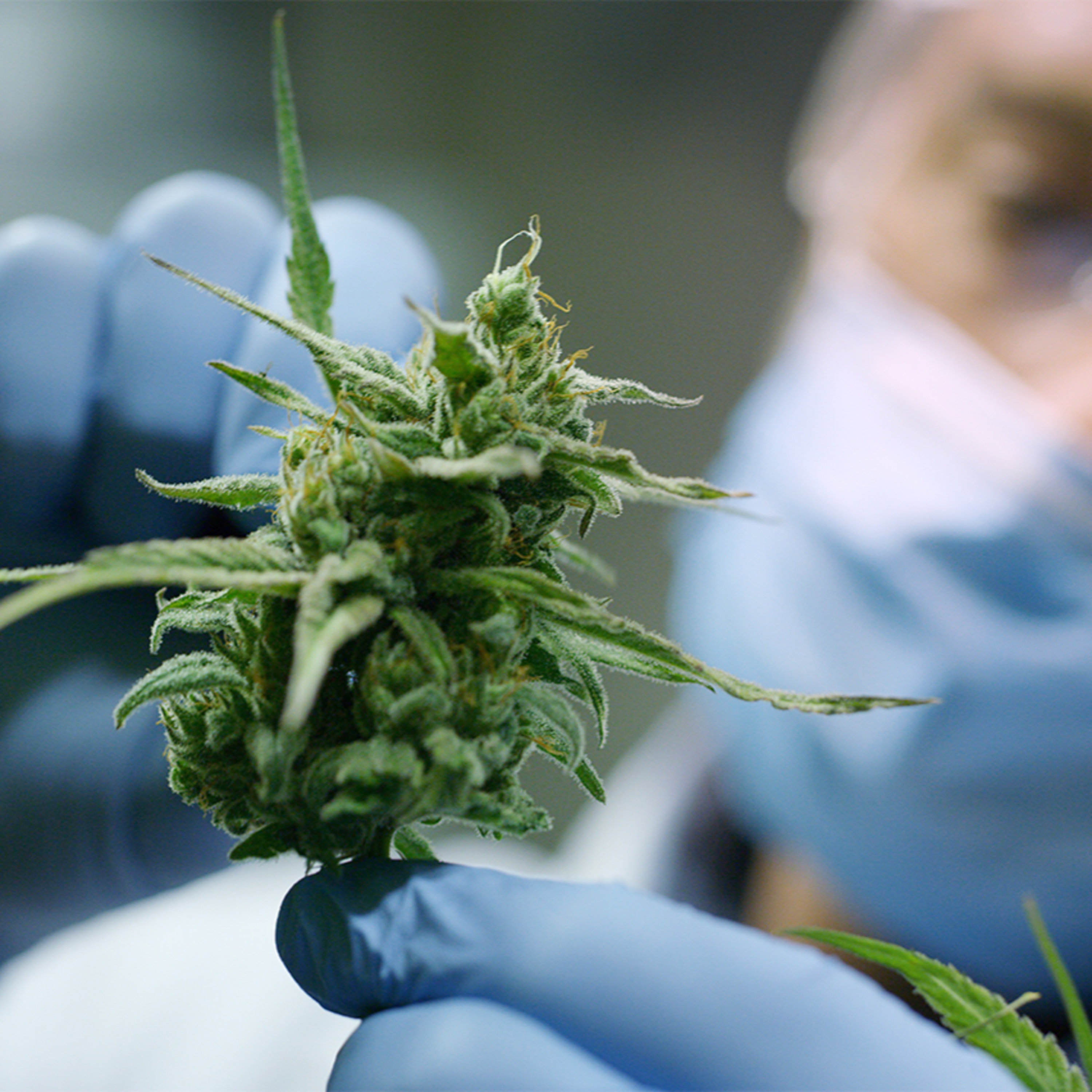
| 2/3/26 | ![]() How Cannabis Regulation Became a Giant Experiment✨ | cannabis regulationfederal-state legal divide+4 | Maxwell C. K. LeungSymone T. Griffith | Arizona State UniversityASU Cannabis Analytics, Safety and Health Initiative+1 | — | cannabisregulation+7 | — | 31m 31s | |
Want analysis for the episodes below?Free for Pro Submit a request, we'll have your selected episodes analyzed within an hour. Free, at no cost to you, for Pro users. | |||||||||
| 1/13/26 | ![]() How Is AI Shaping the Future of Work?✨ | AIfuture of work+4 | David Autor | Massachusetts Institute of TechnologyNoema Magazine+4 | — | artificial intelligencelabor market+3 | — | 31m 36s | |
| 12/9/25 | ![]() Science Policy IRL: Bhavya Lal Charts a Future for Humans in Space✨ | science policyspace policy+4 | Bhavya Lal | NASARAND School of Public Policy+4 | — | science policyspace leadership+5 | — | 30m 41s | |
| 11/25/25 | ![]() Making AI Chatbots Safer✨ | AI chatbotsregulation+3 | J. B. Branch | Public CitizenCommon Sense Media+2 | — | AI chatbotsregulation+4 | — | 32m 43s | |

| 7/1/25 | ![]() What Does a Cormorant Feel? | People know that their pets are unique individuals. Each dog has his or her own quirks, likes, and dislikes. But what about cormorants? Research reveals that wild animals are just as uniquely individual as our pets. Rats show empathy. Crows can hold grudges. Even termites have different personalities. What would it mean if society took animal intelligence and self-awareness seriously? Lisa Margonelli explores this question with Brandon Keim, author of the recent book Meet the Neighbors: Animal Minds and Life in a More-than-Human World. Keim also wrote about animal intelligence and what it might mean for policy for Issues in the Spring 2025 issue. In this episode, Keim discusses animal personhood, movements around animal representation, and cormorants—one named Cosmos in particular. This is our last episode before our summer break, but we will be back in September with a miniseries about rethinking disasters. Write to us at podcast@issues.org with your thoughts on this season and other ideas you’d like us to explore. Subscribe to the podcast and our newsletter to be the first to hear when we return. Resources: Learn more about animal individuality by reading Brandon Keim’s book, Meet the Neighbors: Animal Minds and Life in a More-than-Human World.Keim explores the policy impacts of new research on animal intelligence in his Issues piece, “When That Chickadee Is No Longer ‘A Machine With Feathers.’”Visit Keim’s website to find more of his work. | — | ||||||
| 6/17/25 | ![]() Neil Chilson Helps Turn Knowledge into Benefits for Humanity | Think tanks are a vital part of the policy ecosystem, but what do they do? In this installment of Science Policy IRL, host Jason Lloyd talks to Neil Chilson, head of AI policy at the Abundance Institute. He has been involved in science and technology policy for his whole career, previously practicing telecommunications law and serving as the Federal Trade Commission’s chief technologist.In this episode, Chilson discusses what it’s like to work at a policy think tank, the questions about artificial intelligence that motivate his work, and why he is optimistic about our technological future. ResourcesCheck out Neil Chilson’s book, Getting Out Of Control: Emergent Leadership in a Complex World.Find more of Chilson’s work on his website and explore his Substack, including: “Red Teaming AI Legislation: Lessons from SB 1047”: How the concept of “red teaming” can be applied to creating legislation. “10 Years After the Best Tech Policy Movie Ever”: Lessons from The Lego Movie for emergent leadership.Learn more about the Abundance Institute’s vision for artificial intelligence policy by reading their recommendations here. | — | ||||||
| 6/3/25 | ![]() How ADHD Affects Adults | Attention-deficit/hyperactivity disorder (ADHD) was once thought of as a condition that affects only children. The belief was that children would grow out of it, but research has shown that the condition often persists throughout life. In fact, ADHD is the second most prevalent psychiatric disorder in adults, but many misconceptions still exist about it. On this episode, host Sara Frueh is joined by David Goodman, an assistant professor at Johns Hopkins University School of Medicine and director of the Adult Attention Deficit Disorder Center of Maryland. Goodman has treated adults with ADHD for over 40 years. Goodman explains how ADHD affects adults, the complexities in how it’s diagnosed and treated, and open questions for research in the field. Resources: Visit the Adult Attention Deficit Disorder Center of Maryland’s website to learn more about adult ADHD, and find links to more of David Goodman’s research, interviews, and publications. The American Professional Society of ADHD and Related Disorders will release guidelines for diagnosis and treatment of ADHD in late 2025. Check out their website to learn more. Read the New York Times article “Have We Been Thinking About ADHD All Wrong?,” which was discussed during the podcast episode. | — | ||||||
| 5/20/25 | ![]() Kelvin Droegemeier Articulates a Vision for American Science | Kelvin Droegemeier, a longtime leader in science policy, joins host Megan Nicholson for this installment of Science Policy IRL. Droegemeier began his career as a research meteorologist and went on to serve in many different leadership roles in state and federal government. He directed the White House Office of Science and Technology Policy from 2019–2021, served on the National Science Board from 2004–2016, and served on the Oklahoma Governor’s Science and Technology Council from 2011–2019. He is currently a professor and Special Advisor to the Chancellor for Science and Policy at the University of Illinois at Urbana-Champaign. On this episode, Droegemeier shares what it’s like to work on science policy at the state and federal levels, discusses what he sees as the pressing science policy issues of our time, and reflects on his leadership roles in academia and government. Resources:Read Kelvin Droegemier’s book, Demystifying the Academic Research Enterprise: Becoming a Successful Scholar in a Complex and Competitive Environment, to gain a better understanding of how the academic research enterprise works. Check out the National Academies of Sciences, Engineering, and Medicine project on Improving the Regulatory Efficiency and Reducing Administrative Workload to Strengthen Competitiveness and Productivity of US Research. Read Science, the Endless Frontier by Vannevar Bush and Issues’s project marking the anniversary of that report, The Next 75 Years of Science Policy, to learn more about the structure of scientific research in the United States. The National Science Board’s Science and Engineering Indicators provide important metrics to understand the current state of science and engineering. What is the future of American science and technology? Check out Vision for American Science and Technology (VAST) for a potential roadmap. | — | ||||||
| 5/6/25 | ![]() Using Storytelling to Investigate Scientific Questions | Fiction can be an important tool to explore complex science and technology questions: Would our legal system be more equitable if an AI delivered verdicts rather than judges and juries? What will happen to future climate refugees? Is human consciousness just another algorithm? That’s why Issues has partnered with ASU’s Center for Science and the Imagination to publish Future Tense Fiction, a speculative fiction series that uses imagination to explore science and technology questions like these ones. On this episode, host Mia Armstrong-López, an editor of Future Tense, talks to Arula Ratnakar, a computational neuroscience PhD student at Boston University and author of “Coda,” a recent Future Tense Fiction story about computing, consciousness, and cryptography. They discuss how Ratnakar’s work as a writer enhances her work as a scientist and vice versa, and how storytelling can help both experts and nonexperts think about complex technical issues and enhance the practice of science. Resources: Read Arula Ratnakar’s story, “Coda,” and Cristopher Moore’s response essay, “Computing Consciousness.” Check out the paper that inspired “Coda”: “An RNA-based theory of natural universal computation.”Find more of Ratnakar’s stories and research on her website. Check out Future Tense Fiction to find more stories! | — | ||||||
| 4/22/25 | ![]() Taylor Spicer Empowers Scientists and Engineers to Engage Locally | On Science Policy IRL, we talk to people in science policy about what they do and how they got there. We’ve shared stories of how people have found their way into science policy careers at places like the White House, Congress, and federal agencies. In this episode, we’re exploring a different way into science policy: getting involved with your local government. Taylor Spicer, the executive director of Engineers and Scientists Acting Locally (ESAL), shares how her organization helps scientists and engineers get involved in local policy. In a discussion with host Lisa Margonelli, Spicer talks about her path from international development to leading an organization dedicated to local civic engagement. She emphasizes that it’s important for people with STEM backgrounds to get involved with policy in their backyards, and describes how ESAL’s network can help you get started. Resources: Visit the Engineers and Scientists Acting Locally (ESAL) website to learn more about making a difference where you live, and subscribe to the newsletter to find opportunities in your area. Want to join ESAL’s online community-building platform? Sign up here to be the first to hear when it launches in July. | — | ||||||
| 4/8/25 | ![]() Music and Health: Your Brain on Music | What happens in your brain when you hear your favorite song? In our Music and Health podcast miniseries, we’re exploring how music affects our minds, bodies, and communities. On this episode, host J. D. Talasek is joined by Sweta Adatia, a neurologist practicing in Dubai, and Fred Johnson, a community engagement specialist and artist in residence at both the National Academy of Sciences and the Straz Center for Performing Arts. They discuss their paths into combining music and science, how music impacts the brain, and how music can go beyond entertainment to create stronger, healthier communities. This series is produced in collaboration with Susan Magsamen and Leonardo journal.Resources:Listen to Fred Johnson’s version of “Nature Boy,” and check out his website and his Instagram to listen to more of his music and mantras, and to see Johnson in an upcoming show. Visit Sweta Adatia’s website to learn more about her work. Listen to previous miniseries episodes: The Creative Arts and Healing with Renée Fleming and Susan Magsamen.Dancing Together with David Leventhal and Constantina Theofanopoulou. | — | ||||||
| 3/25/25 | ![]() The Rise of Deadly Fungal Pathogens | Fungi are ubiquitous in nature—in fact, you’re likely breathing in fungal spores as you read this. Most fungi are harmless to healthy people. But changes in the global climate, in human settlement patterns, and even in our own body temperatures have made fungal pathogens an increasing health threat.On this episode, host Jason Lloyd interviews Angel Desai, an infectious disease specialist and associate professor at the University of California Davis Medical Center. Desai and George R. Thompson III cowrote “Foiling the Growing Threat of Fungal Pathogens” in the Winter 2025 Issues. Desai discusses what fungal pathogens are, why they are becoming more dangerous, and how the public health community can respond. Resources: Learn more about fungal pathogens by reading Angel Desai and George R. Thompson III’s Issues article, “Foiling the Growing Threat of Fungal Pathogens.” Angel Desai and Maimuna S. Majumder’s October 2020 Issues article, “How Contact Tracing Apps Could Help Prevent COVID-19 Super-Spreader Events,” offers lessons about contact tracing and disease surveillance that can be applied to future outbreaks. How can wildfire smoke spread disease? Read Leda N. Kobziar and George R. Thompson III’s “Wildfire Smoke, a Potential Infectious Agent” in Science to learn more. Check out “Infectious Diseases in a Changing Climate” by Matthew C. Phillips, Regina C. LaRocque, and George R. Thompson III in JAMA to read more about the impact of climate change on infectious diseases. | — | ||||||
| 3/11/25 | ![]() Minimizing Cannabis' Harms to Public Health | More than half of US states have legalized cannabis for recreational or medical use. Regulations on cultivation, production, and marketing vary from state to state, and most of these policies were developed without a robust public health strategy. Because it is not federally legal, Washington has provided only limited guidance to states on how to control the variety of cannabis products on the market. What’s more, the dazzling arrays of gummies, vapes, and chocolates are available with much higher concentrations of THC (the psychoactive component of cannabis) than have been previously available.A recent National Academies of Sciences, Engineering, and Medicine report, Cannabis Policy Impacts Public Health and Health Equity, examines the connections between public health and marijuana legalization. On this episode, host Sara Frueh talks to Yasmin Hurd, vice-chair of the report committee, Ward-Coleman Chair of Translational Neuroscience, and director of the Addiction Institute at Mount Sinai. They discuss the research on the complex landscape of modern cannabis products, what’s known about their public health impacts, and strategies policymakers could use to minimize harms. ResourcesRead the National Academies’ report, Cannabis Policy Impacts Public Health and Health Equity.Visit the Hurd Lab and Addiction Institute websites to learn more about Yasmin Hurd’s work on addiction. | — | ||||||
| 2/25/25 | ![]() Music and Health: Dancing Together | “People always say, ‘Well, if I could only do one art form, what would it be?’ And I always say dance.” —Susan Magsamen In our podcast miniseries Music and Health, we’re exploring how music impacts our minds, bodies, and communities. In this installment, we’re learning about the power of dance. Host J. D. Talasek is joined by David Leventhal and ConstantinaTheofanopoulou. Both began their careers as dancers and use dance to inform their current work. Leventhal is a program director and one of the founding teachers of Dance for PD, a program that offers people with Parkinson’s disease research-backed dance classes. Theofanopoulou is a research assistant professor at Rockefeller University. Her research focuses on understanding the neuroscience of complex sensory motor behaviors. They discuss how dance is helping patients regain movement abilities, and what neuroscience research says about dance as a form of healing. This series is produced in collaboration with Susan Magsamen and Leonardo journal.Resources: Listen to the first episode of the mini-series, Music and Health: The Creative Arts and Healing, featuring Renée Fleming and Susan Magsamen. Visit the Dance for PD website to learn more about the program, and find classes in your area or virtually. Learn more about Constantina Theofanopoulou’s research by visiting her website. | — | ||||||
| 2/11/25 | ![]() How Do You Solve a Problem Like Misinformation? | Vaccines, oil spills, genetic engineering, and stem cells—anywhere there’s science, there’s also misinformation. It muddies our ability to make good decisions, ranging from far-reaching ones like creating policy to simple ones like what to buy at the grocery store. Misinformation also undermines trust in scientific institutions and across society. The National Academies of Sciences, Engineering, and Medicine tasked an expert committee with addressing misinformation. Their report,Understanding and Addressing Misinformation About Science, is out now. On this episode, hostMonya Baker is joined byAsheley Landrum, one of the authors of the report and an associate professor at Arizona State University’s Walter Cronkite School of Journalism & Mass Communication. Landrum’s research focuses on science, communication, and media psychology. She discusses what exactly science misinformation is, how to tackle it, and the unexpected places it can arise. Resources: Learn more about science misinformation by reading the full National Academies of Sciences, Engineering, and Medicine report, Understanding and Addressing Misinformation About Science.ReadIssues’ collection of articles about “Navigating a Polluted Information System.”Check out thePsychology of Misinformation special issue to learn more about misinformation in different domains, including Landrum’s research on “Entertainment media as a source of relationship misinformation.”VisitAsheley Landrum’s website to learn more about her work. | — | ||||||
| 1/28/25 | ![]() Music and Health: The Creative Arts and Healing | From lullabies to movie soundtracks to workout playlists, music has the capacity to change how we feel. But what is the evidence that music’s effects can transform physical health? On our new podcast miniseries, Music and Health, we’ll explore the power of music to heal our minds, bodies, and even communities. On the first episode of this series, host J. D. Talasek is joined by Renée Fleming and Susan Magsamen. Fleming is an opera soprano, actress, and long time advocate for the healing powers of the arts. She recently edited a book called Music and Mind: Harnessing the Arts for Health and Wellness. Magsamen founded the International Arts + Mind Lab, and created the NeuroArts Blueprint. They discuss health and arts research, current initiatives to use the arts to heal, and how this vital approach to care can be expanded. This series is produced in collaboration with Susan Magsamen and Leonardo journal. Resources Read Renée Fleming’s book, Music and Mind: Harnessing the Arts for Health and Wellness, to learn more about how music and the creative arts are being used for health. The book was also recently reviewed in Issues by Susan Fitzpatrick, who called Fleming’s introduction “beautifully written, providing a lyrical and comprehensive summary of the main ideas in the book.” Learn more about Susan Magsamen’s work by visiting the International Arts + Mind Lab website, and check out Magsamen and Ivy Ross’s book, Your Brain on Art: How the Arts Transform Us. Visit the NeuroArts Blueprint website to find information on how the creative arts impact the brain. You can also find more information about and apply for the Renée Fleming Neuroarts Investigator Award. Visit the Sound Health Initiative website to learn more about the partnership between the National Institutes of Health and the Kennedy Center to research the potential of music to treat a wide range of conditions. Listen to the Real Young Prodigys’ song “Where My Bus At” and learn more about how the song helped inspire change in Louisville. Thank you to the Real Young Prodigys for allowing use of their song in this episode! | — | ||||||
Showing 25 of 91
Pitch Fit is a Pro feature
See how bookable this show is for guests, which brands already advertise, the per-episode ad value, and the best-fit guest and sponsor profile. The numbers are blurred on the free plan.
How readily this show books outside guests like you.
How proven this show is for host-read sponsorships.
For Guests
ProFor Advertisers
ProUpgrade to Pro to unlock guest cadence, sponsor categories, fit scores, and per-episode ad value for this show.
Chart Positions
1 placement across 1 market.
Chart Positions
1 placement across 1 market.