

Insights from recent episode analysis
Audience Interest
Podcast Focus
Publishing Consistency
Platform Reach
Insights are generated by CastFox AI using publicly available data, episode content, and proprietary models.
Most discussed topics
Brands & references
Total monthly reach
Estimated from 1 chart position in 1 market.
By chart position
- 🇬🇷GR · Nutrition#633K to 10K
- Per-Episode Audience
Est. listeners per new episode within ~30 days
900 to 3K🎙 Daily cadence·134 episodes·Last published 5d ago - Monthly Reach
Unique listeners across all episodes (30 days)
3K to 10K🇬🇷100% - Active Followers
Loyal subscribers who consistently listen
1.2K to 4K
Market Insights
Platform Distribution
Reach across major podcast platforms, updated hourly
Total Followers
—
Total Plays
—
Total Reviews
—
* Data sourced directly from platform APIs and aggregated hourly across all major podcast directories.
On the show
From 10 epsHost
Recent guests
Recent episodes
143: I Stopped Eating by the Clock. Here's What Happened
Jun 24, 2026
Unknown duration
142: You Don't Need Expensive Meat to Eat Well
Jun 17, 2026
Unknown duration
141: The Protein Mistake That's Costing You Muscle
Jun 10, 2026
Unknown duration
140: How to Support Your Immune System With a Mushroom Compound Backed by 100+ Studies
May 27, 2026
Unknown duration
138: Why Eating Cheap Is the Worst Financial Decision
May 13, 2026
Unknown duration
Social Links & Contact
Official channels & resources
Official Website
Login
RSS Feed
Login
| Date | Episode | Topics | Guests | Brands | Places | Keywords | Sponsor | Length | |
|---|---|---|---|---|---|---|---|---|---|
| 6/24/26 |  143: I Stopped Eating by the Clock. Here's What Happened | Most of us eat by the clock, not by hunger. In this episode, I break down the difference between real physiological hunger and the cravings, habits, and schedules that drive most of our eating decisions — and why that distinction matters more than any diet. I share what happened when I skipped breakfast before a photo shoot in Miami, how ghrelin trains itself to your schedule, and why fasting for a day might be the simplest recalibration tool you're not using. If you can't skip a meal without falling apart, your metabolic flexibility needs work. This episode is about fixing that — no supplements, no apps, no cost. Thank you to this episode's sponsor, Peluva! Peluva makes minimalist shoes to support optimal foot, back and joint health. I started wearing Peluvas several months ago, and I haven't worn regular shoes since. I encourage you to consider trading your sneakers or training shoes for a pair of Peluvas, and then watch the health of your feet and lower back improve while reducing your risk of injury. To learn more about why I love Peluva barefoot shoes, check out my in-depth review: https://michaelkummer.com/health/peluva-review/ And use code MICHAEL to get 10% off your first pair: https://michaelkummer.com/go/peluva In this episode: 00:00 Intro 01:53 Miami breakfast decision 03:02 Ghrelin and cravings 07:24 Skip meals benefits 10:08 24-hour fast calibration 11:44 Stress hunger waves 13:32 Protein fat safety net 15:07 Eat to true hunger 17:13 Final thoughts Find me on social media for more health and wellness content: Website: https://michaelkummer.com/ YouTube: https://www.youtube.com/@MichaelKummer Instagram: https://www.instagram.com/primalshiftpodcast/ Pinterest: https://www.pinterest.com/michaelkummer/ Twitter/X: https://twitter.com/mkummer82 Facebook: https://www.facebook.com/realmichaelkummer/ [Medical Disclaimer] The information shared on this video is for educational purposes only, is not a substitute for the advice of medical doctors or registered dietitians (which I am not) and should not be used to prevent, diagnose, or treat any condition. Consult with a physician before starting a fitness regimen, adding supplements to your diet, or making other changes that may affect your medications, treatment plan, or overall health. [Affiliate Disclaimer] I earn affiliate commissions from some of the brands and products I review on this channel. While that doesn't change my editorial integrity, it helps make this channel happen. If you'd like to support me, please use my affiliate links or discount code. | — | ||||||
| 6/17/26 |  142: You Don't Need Expensive Meat to Eat Well | Most people hear "buy the best meat you can afford" and immediately picture the $30 pasture-raised ribeye at Whole Foods — and then conclude that eating well is simply out of reach. But that's not a fair test of what quality meat actually costs. Ribeye is the most expensive cut at the highest tier, and comparing it to cheap conventional ground beef is like comparing a BMW to a used Corolla and deciding all cars are unaffordable. The more useful question is what "good enough" looks like across different categories of meat, because the answer isn't the same for beef as it is for pork or poultry. In this episode, I lay out a tiered framework you can use when buying meat, explain why I draw a hard line at industrial pork and poultry (even though I'm more forgiving about conventional beef), and share my honest reaction to a specific product launch that put the whole question in sharp relief. On the beef side, the tiers are fairly forgiving. Grass-fed, grass-finished ground beef from a local regenerative farm often runs around $10 a pound — and you can find it cheaper than that at Aldi or Walmart. That's not far from conventional at all, and it's where most families actually spend their beef budget anyway. The $30 ribeye is real, but it's also not the only option in the category. Pork and poultry are a harder conversation. Roughly 93% of US pigs are raised in factory farms where pregnant sows spend most of their adult lives in gestation crates too narrow to turn around in, standing on concrete under artificial light. Beyond the animal welfare problem, pigs and chickens are monogastric animals — unlike cattle, they don't have the ruminant digestive system that buffers against poor feed inputs. Whatever is in their feed shows up directly in the meat and fat, including pesticide residues, soy isoflavones, and rendered animal byproducts that are still legally used in US monogastric feed. That's a problem conventional beef simply doesn't have to the same degree. Carnivore Bar recently reached out to introduce me to a new lower-cost version of their product called the Everyday Bar, priced at around $5 versus their original $16 bar. The catch is that it uses grain-finished beef. My gut reaction was to say "no," but after sitting with it for a few days, I settled on a more pragmatic: if the choice is between this and a conventional protein bar packed with lab-derived ingredients, the Everyday Bar wins. Grain-finished beef is still significantly better than industrial pork, industrial poultry, or anything plant-based. But if you can afford the original, that's the one I'd buy. Thank you to this episode's sponsor, Carnivore Bar! Carnivore Bar makes some of the highest quality meat bars I've ever had — grass-fed, grass-finished beef, tallow, and salt. No fillers, no seed oils, no nonsense. I've been eating them for a while now, and the Apple Pie flavor is still my go-to when I need something portable and actually satiating. If you're looking for a real food snack that travels well and doesn't compromise on ingredients, I encourage you to give Carnivore Bar a try. To learn more about why I recommend them, check out my in-depth review: https://michaelkummer.com/health/carnivore-bar-review/ And use code MICHAELKUMMER to get 10% off your order: https://endlss.io/sl/the-carnivore-bar/kummer In this episode: 00:00 Intro 01:16 What good meat means 01:38 Steak vs. ground beef 03:30 Three-tier framework 05:27 Why pork and poultry are worse 06:33 Factory farm reality check 08:08 Feed matters for monogastrics 09:50 Carnivore Bar dilemma 12:23 Pragmatic buying advice 16:59 Final thoughts Find me on social media for more health and wellness content: Website: https://michaelkummer.com/ YouTube: https://www.youtube.com/@MichaelKummer Instagram: https://www.instagram.com/primalshiftpodcast/ Pinterest: https://www.pinterest.com/michaelkummer/ Twitter/X: https://twitter.com/mkummer82 Facebook: https://www.facebook.com/realmichaelkummer/ [Medical Disclaimer] The information shared on this video is for educational purposes only, is not a substitute for the advice of medical doctors or registered dietitians (which I am not) and should not be used to prevent, diagnose, or treat any condition. Consult with a physician before starting a fitness regimen, adding supplements to your diet, or making other changes that may affect your medications, treatment plan, or overall health. [Affiliate Disclaimer] I earn affiliate commissions from some of the brands and products I review on this channel. While that doesn't change my editorial integrity, it helps make this channel happen. If you'd like to support me, please use my affiliate links or discount code. | — | ||||||
| 6/10/26 |  141: The Protein Mistake That's Costing You Muscle | Most people treat the recommended daily protein intake as a target. It's not; it's the bare minimum to avoid getting sick, and I've been eating well above it for years without gaining fat or damaging my kidneys. In this episode, I break down how much protein you actually need per day, why protein timing for muscle matters less than how you dose it, and the one variable almost nobody talks about: the leucine threshold. Hit it per meal and you trigger muscle protein synthesis. Miss it and nothing happens — no matter how much you eat across the day. I also get into why animal protein vs plant protein isn't even a close comparison when it comes to bioavailability and amino acid completeness, and why your protein intake for aging should go up, not down, as you get older. If you want to know how to maintain muscle mass without living in the gym or counting every gram, this one's for you. Thank you to this episode's sponsor, Peluva! Peluva makes minimalist shoes to support optimal foot, back and joint health. I started wearing Peluvas several months ago, and I haven't worn regular shoes since. I encourage you to consider trading your sneakers or training shoes for a pair of Peluvas, and then watch the health of your feet and lower back improve while reducing your risk of injury. To learn more about why I love Peluva barefoot shoes, check out my in-depth review: https://michaelkummer.com/health/peluva-review/ And use code MICHAEL to get 10% off your first pair: https://michaelkummer.com/go/peluva In this episode: 00:00 Intro 01:31 Muscle health benefits 04:02 How much to eat 06:10 Protein dosing basics 09:22 Leucine and quality 12:17 Protein myths busted 15:37 Practical protein tips 18:50 Final thoughts Find me on social media for more health and wellness content: Website: https://michaelkummer.com/ YouTube: https://www.youtube.com/@MichaelKummer Instagram: https://www.instagram.com/primalshiftpodcast/ Pinterest: https://www.pinterest.com/michaelkummer/ Twitter/X: https://twitter.com/mkummer82 Facebook: https://www.facebook.com/realmichaelkummer/ [Medical Disclaimer] The information shared on this video is for educational purposes only, is not a substitute for the advice of medical doctors or registered dietitians (which I am not) and should not be used to prevent, diagnose, or treat any condition. Consult with a physician before starting a fitness regimen, adding supplements to your diet, or making other changes that may affect your medications, treatment plan, or overall health. [Affiliate Disclaimer] I earn affiliate commissions from some of the brands and products I review on this channel. While that doesn't change my editorial integrity, it helps make this channel happen. If you'd like to support me, please use my affiliate links or discount code. | — | ||||||
| 5/27/26 |  140: How to Support Your Immune System With a Mushroom Compound Backed by 100+ Studies | Most of the mushroom supplements you'll find on Amazon are ground-up fruiting bodies or myceliated grain in a capsule. AHCC is something entirely different. It's a patented fermented extract from shiitake mycelia that has been used in over 1,000 cancer clinics worldwide, backed by more than 100 published studies, and studied specifically for its effects on natural killer cells, HPV clearance, autoimmune conditions, and liver disease. I'd never heard of it until Mimi Lindquist introduced me to it. Lindquist is the co-founder of The Medicine alongside her husband, Chase. She started as a clinical dental hygienist in Seattle, where she observed firsthand how oral health mirrors systemic health, and eventually followed a thread from a patient's HPV recovery all the way to a research compound developed at the University of Tokyo in 1986. In this episode, Lindquist explains what AHCC actually is, how its manufacturing process makes it fundamentally different from any other mushroom product on the market, and why the clinical research behind it is unusually robust for a supplement. The mechanism that makes AHCC interesting is that it doesn't just boost the immune system indiscriminately. It modulates it. For healthy individuals with normal NK cell counts, it doesn't artificially raise them. For people dealing with HPV, cancerous tumors, or autoimmune conditions where the immune system needs more information, it does. This adaptogenic quality is why AHCC can support both an overactive immune response (as in autoimmune) and an underactive one (as in immune suppression from chronic illness or aging) without contradicting itself. I pushed back on this in the conversation because AHCC is a processed product that requires industrial manufacturing to produce, which doesn't fit neatly into an ancestral framework. Lindquist's response was honest: if we were living 100 years ago without microplastics, glyphosate in the rain, and the chronic stress loads of modern life, we probably wouldn't need it. But that's not the world we live in, and the thousands of testimonials she's received from people who had tried everything else and found relief with AHCC are hard to dismiss. Dosing is two capsules daily for general immune support, four for conditions like HPV, Lyme, or autoimmune, and six to eight for serious situations like tumors or advanced liver disease. Their product, Immune Intel AHCC, uses 750 milligrams per capsule with nothing else added. About Mimi Lindquist: Meagan (Mimi) Lindquist is the co-founder of The Medicin, alongside her husband Chase. With her background as a clinical dental hygienist, culinary nutrition guide, and AHCC educator, she has been helping others prevent disease for over 12 years. Now, Mimi has dedicated herself entirely to sharing the benefits of Immune Intel AHCC, a mushroom supplement unlike any other, to as many people as possible. Instagram: https://www.instagram.com/mimi_themedicin/ Website: https://www.themedicin.com Podcast: https://feeds.captivate.fm/themedicin/ [Discount Code] Use code PRIMALSHIFT for 10% off Mimi's products → https://www.themedicin.com Thank you to this episode's sponsor, Peluva! Peluva makes minimalist shoes to support optimal foot, back and joint health. I started wearing Peluvas several months ago, and I haven't worn regular shoes since. I encourage you to consider trading your sneakers or training shoes for a pair of Peluvas, and then watch the health of your feet and lower back improve while reducing your risk of injury. To learn more about why I love Peluva barefoot shoes, check out my in-depth review: https://michaelkummer.com/health/peluva-review/ And use code MICHAEL to get 10% off your first pair: https://michaelkummer.com/go/peluva In this episode: 00:00 Intro 04:24 From dental health to holistic 07:47 Oral microbiome and inflammation 11:58 How AHCC entered her life 16:58 What AHCC actually is 19:17 Origins and NK cell research 28:13 Immune modulation explained 30:40 Fungal network intelligence 32:30 Primal vs processed supplements 36:15 Modern stress and immune support 40:10 Dosing for different needs 41:19 Kids and pets success stories 43:13 Industrial consistency vs foraging 47:37 How long until results 56:10 Final thoughts Find me on social media for more health and wellness content: Website: https://michaelkummer.com/ YouTube: https://www.youtube.com/@MichaelKummer Instagram: https://www.instagram.com/primalshiftpodcast/ Pinterest: https://www.pinterest.com/michaelkummer/ Twitter/X: https://twitter.com/mkummer82 Facebook: https://www.facebook.com/realmichaelkummer/ [Medical Disclaimer] The information shared on this video is for educational purposes only, is not a substitute for the advice of medical doctors or registered dietitians (which I am not) and should not be used to prevent, diagnose, or treat any condition. Consult with a physician before starting a fitness regimen, adding supplements to your diet, or making other changes that may affect your medications, treatment plan, or overall health. [Affiliate Disclaimer] I earn affiliate commissions from some of the brands and products I review on this channel. While that doesn't change my editorial integrity, it helps make this channel happen. If you'd like to support me, please use my affiliate links or discount code. | — | ||||||
| 5/13/26 |  138: Why Eating Cheap Is the Worst Financial Decision | Most people think healthy food is expensive. But when you factor in healthcare costs, tax-funded subsidies, and environmental damage, you're actually paying three times what the price tag shows. In this episode, I break down the hidden cost of processed food, how food subsidies and health outcomes are directly connected, and why the real food vs junk food cost comparison looks nothing like what you see at the register. I also make the case for regenerative farming, the grass-fed beef vs factory farmed debate, and how to eat healthy on a budget by buying whole animals and cutting out what isn't actually food. Thank you to this episode's sponsor, DeltaG Ketones! DeltaG gives your brain a cleaner, more efficient fuel source than glucose. I mix it into my morning coffee on days I'm recording or doing anything that requires sustained focus — and the difference is noticeable. Unlike stimulants or nootropic stacks, this is a single molecule your body already knows how to use, just delivered on demand. To learn more about DeltaG ketones and why I use them, check the link below. Use code MICHAELKUMMER to get 10% off: https://www.deltagketones.com/MICHAELKUMMER In this episode: 00:00 Intro 00:36 Food cheaper, healthcare higher 02:43 True cost hidden ledger 03:51 Health and environmental toll 05:58 Subsidies rig the market 09:04 Vote with your dollars 13:16 Bulk buying whole animals 16:19 Junk food cost comparison 17:28 Four practical takeaways 18:19 Final thoughts Find me on social media for more health and wellness content: Website: https://michaelkummer.com/ YouTube: https://www.youtube.com/@MichaelKummer Instagram: https://www.instagram.com/primalshiftpodcast/ Pinterest: https://www.pinterest.com/michaelkummer/ Twitter/X: https://twitter.com/mkummer82 Facebook: https://www.facebook.com/realmichaelkummer/ [Medical Disclaimer] The information shared on this video is for educational purposes only, is not a substitute for the advice of medical doctors or registered dietitians (which I am not) and should not be used to prevent, diagnose, or treat any condition. Consult with a physician before starting a fitness regimen, adding supplements to your diet, or making other changes that may affect your medications, treatment plan, or overall health. [Affiliate Disclaimer] I earn affiliate commissions from some of the brands and products I review on this channel. While that doesn't change my editorial integrity, it helps make this channel happen. If you'd like to support me, please use my affiliate links or discount code. | — | ||||||
| 5/6/26 |  137: The Nutrient Gap Most Carnivores Don't Know About | Why bother with organ meat when you can just have a ribeye? After all, steak is already one of the most nutrient-dense foods on the planet. It's a fair question, and one I get all the time. The ancestral health world has generally answered it with "because our ancestors did" or "because predators eat the organs first," and while those things are true, they don't actually tell you what you need to know. The real question is how much more nutritious is an organ than a steak. Is it 10% more? Twice as much? Because if the gap is small, eat the steak and move on. But if it's enormous, that changes things. In this episode, I share the results of a lab analysis that finally answers the question with actual data, nutrient by nutrient. Our freeze-drying partner sent samples of freeze-dried beef organs alongside grass-fed and grain-finished ribeye to the Center for Human Nutrition Studies at Utah State University, where Dr. Stephan van Vliet led the project. They accounted for water content across all samples so the comparison would be fair. And the results weren't subtle. For example, compared to ribeye, 100 grams of freeze-dried beef liver had… 73 times more B12 42 times more preformed Vitamin A 430 times more folate 280 times more Vitamin D 55 times more copper 7 times more choline. Perhaps what was most interesting, though, is that the study revealed that no single organ does it all. Liver wins on fat-soluble vitamins and B vitamins. Heart dominates in CoQ10. Kidney leads with folate and choline. Spleen owns iron by a wide margin. Together, they cover virtually every essential nutrient your body needs. Ribeye is a great food and by far my favorite cut, but it's not complete food. The animal as a whole is. In the episode, I also go into why eggs can help narrow the nutritional gap but can't fully close it, why a traditional Sami reindeer herder in Norway told me they feed the organs to the dogs, and why declining soil fertility makes concentrated nutrient sources like organs even more important than they were a generation ago. Learn More: Top Health Benefits of Consuming Organ Meat: https://www.youtube.com/watch?v=WytdCdykAaA Beef Liver: Benefits of Consumption and Supplementation: https://michaelkummer.com/beef-liver-benefits/ The Health Benefits of Eating 15 Different Organ Meats: https://michaelkummer.com/organ-meat-benefits/ Thank you to this episode's sponsor, Apollo Neuro! Apollo is a wearable that delivers gentle vibrations to calm your nervous system and help your body stay in a restful state through the night. I've been wearing it for years and still notice a measurable difference — higher HRV and a lower resting heart rate on nights I use it. That's not placebo. That's my nervous system responding differently. If your sleep issues feel stress-related — and honestly, most of them are — Apollo is worth trying. To learn more, visit apolloneuro.com/michaelkummer and use code PRIMALSHIFT for $60 off. In this episode: 00:00 Why organs matter 02:06 Modern meat habits 02:46 Sami reindeer lesson 04:40 Eggs versus organs 09:19 Lab test setup 11:11 Liver nutrient bomb 13:46 Heart, kidney, spleen 16:27 How to eat organs 19:42 Soil nutrients decline 21:21 Final thoughts Find me on social media for more health and wellness content: Website: https://michaelkummer.com/ YouTube: https://www.youtube.com/@MichaelKummer Instagram: https://www.instagram.com/primalshiftpodcast/ Pinterest: https://www.pinterest.com/michaelkummer/ Twitter/X: https://twitter.com/mkummer82 Facebook: https://www.facebook.com/realmichaelkummer/ [Medical Disclaimer] The information shared on this video is for educational purposes only, is not a substitute for the advice of medical doctors or registered dietitians (which I am not) and should not be used to prevent, diagnose, or treat any condition. Consult with a physician before starting a fitness regimen, adding supplements to your diet, or making other changes that may affect your medications, treatment plan, or overall health. [Affiliate Disclaimer] I earn affiliate commissions from some of the brands and products I review on this channel. While that doesn't change my editorial integrity, it helps make this channel happen. If you'd like to support me, please use my affiliate links or discount code. | — | ||||||
| 4/29/26 |  136: Rethinking Sun Exposure From Scratch✨ | sun exposureUV tolerance+4 | — | OneSkin SunscreenDeltaG ketones | — | sun exposureUV stress+3 | Delta GMICHAELKUMMER | 20m 27s | |
| 4/22/26 |  135: The Milk Problem Nobody Talks About✨ | raw milklactose intolerance+4 | — | The Pros and Cons of Drinking MilkPeluva review | — | milk digestionbody odor+5 | PeluvaMICHAEL | 25m 47s | |
| 4/15/26 |  134: The 7 Health Rules I No Longer Follow✨ | health rulesdiet+4 | — | — | — | diethealth rules+7 | — | 28m 27s | |
| 4/8/26 |  133: Your Food Isn't as Nutritious as You Think✨ | nutrient densitysoil health+3 | — | University of TexasUK | — | nutrient densitysoil pH+3 | — | 19m 24s | |
Want analysis for the episodes below?Free for Pro Submit a request, we'll have your selected episodes analyzed within an hour. Free, at no cost to you, for Pro users. | |||||||||
| 3/25/26 |  132: I Tested a Fasting Supplement for a Year — Here's What It Did to My Biological Age | Chris Rhodes, CEO of Mimio Health✨ | fastingbiological age+3 | Chris Rhodes | MimioMimio Health+1 | — | fastingbiological age+3 | — | 58m 56s | |
| 3/18/26 |  131: The Best and Worst Plants to Eat on an Animal-Based Diet (And How to Prepare Them)✨ | animal-based dietplant foods+3 | — | kale | — | animal-based dietplants+3 | — | 33m 26s | |
| 3/11/26 | 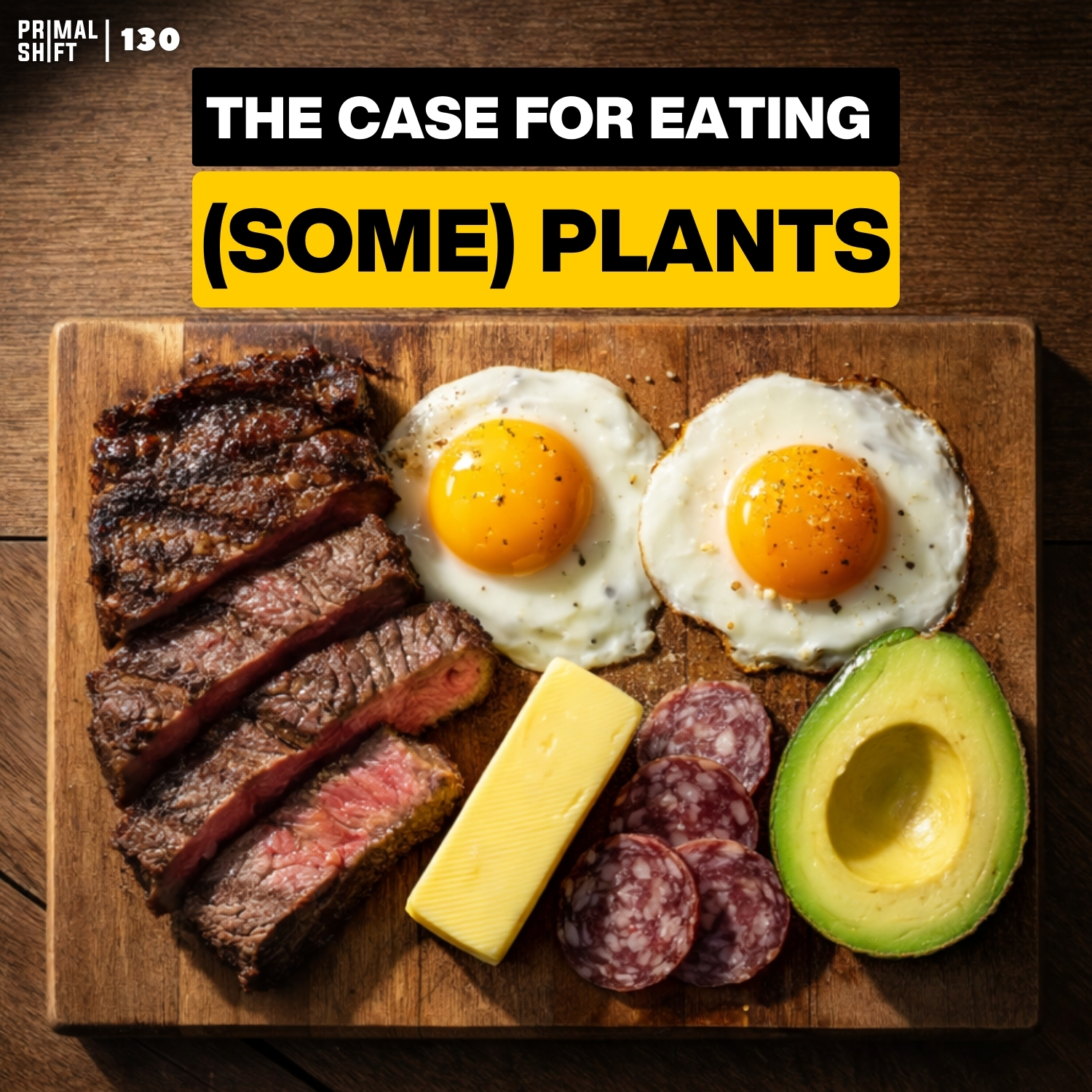 130: What Role Should Plants Play In An Animal-Based Lifestyle?✨ | animal-based dietplant toxicity+3 | — | salvesbeeswax+7 | FranceItaly | animal-based dietplants+3 | — | 18m 03s | |
| 2/25/26 |  129: How Humans Actually Slept!✨ | sleep patternsbiphasic sleep+3 | — | Sleep Before Midnight: Does It Really Matter?Why You Can't Sleep: The Surprising Truth with Nicholas Stewart | — | sleepbiphasic sleep+3 | Peluva | 15m 09s | |
| 2/18/26 | 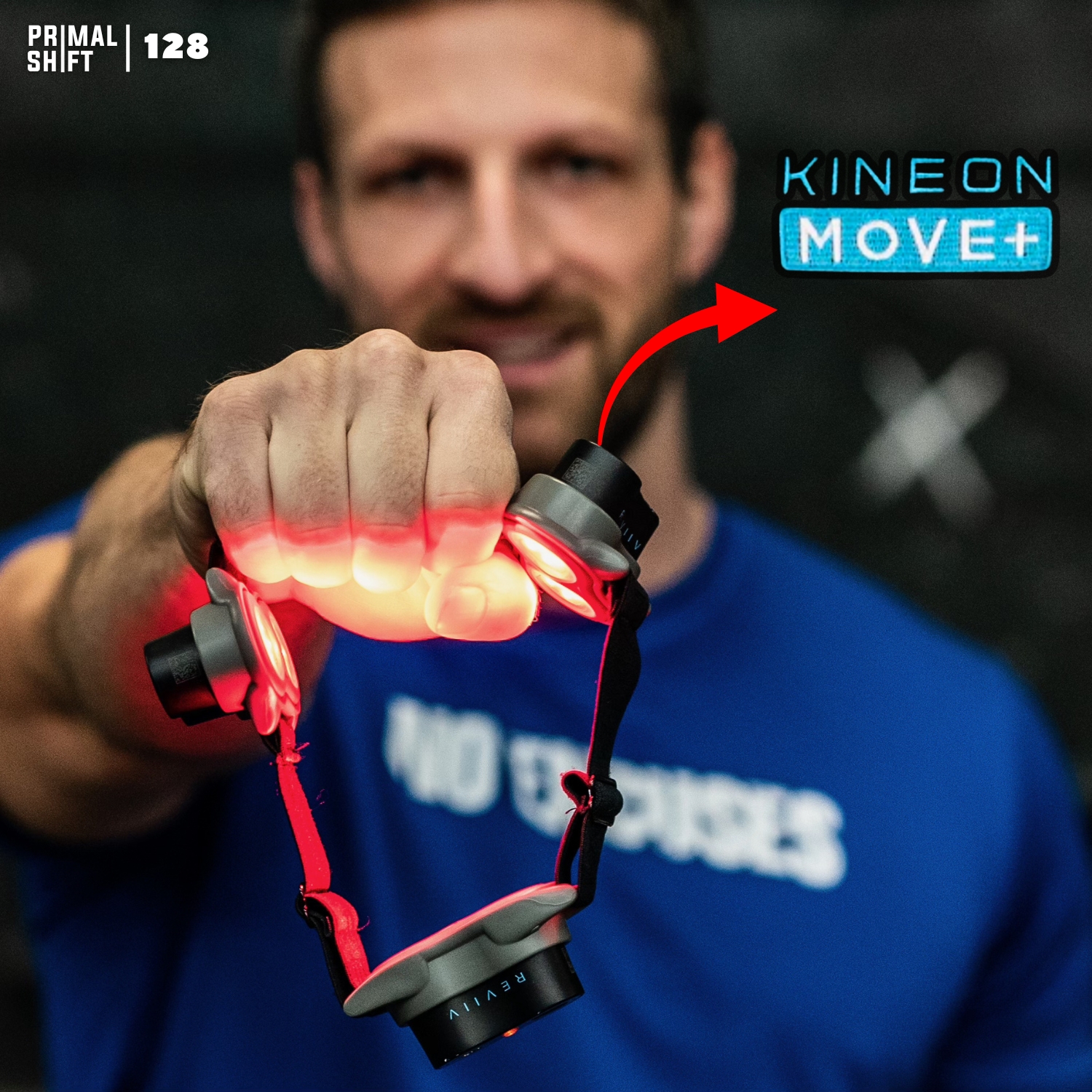 128: Red Light Therapy Protocol for Knee Pain and Recovery with Forrest Smith CEO of Kineon✨ | knee painred light therapy+3 | Forrest Smith | Kineon Labs | — | knee injurycartilage degradation+3 | — | 35m 51s | |
| 2/11/26 | 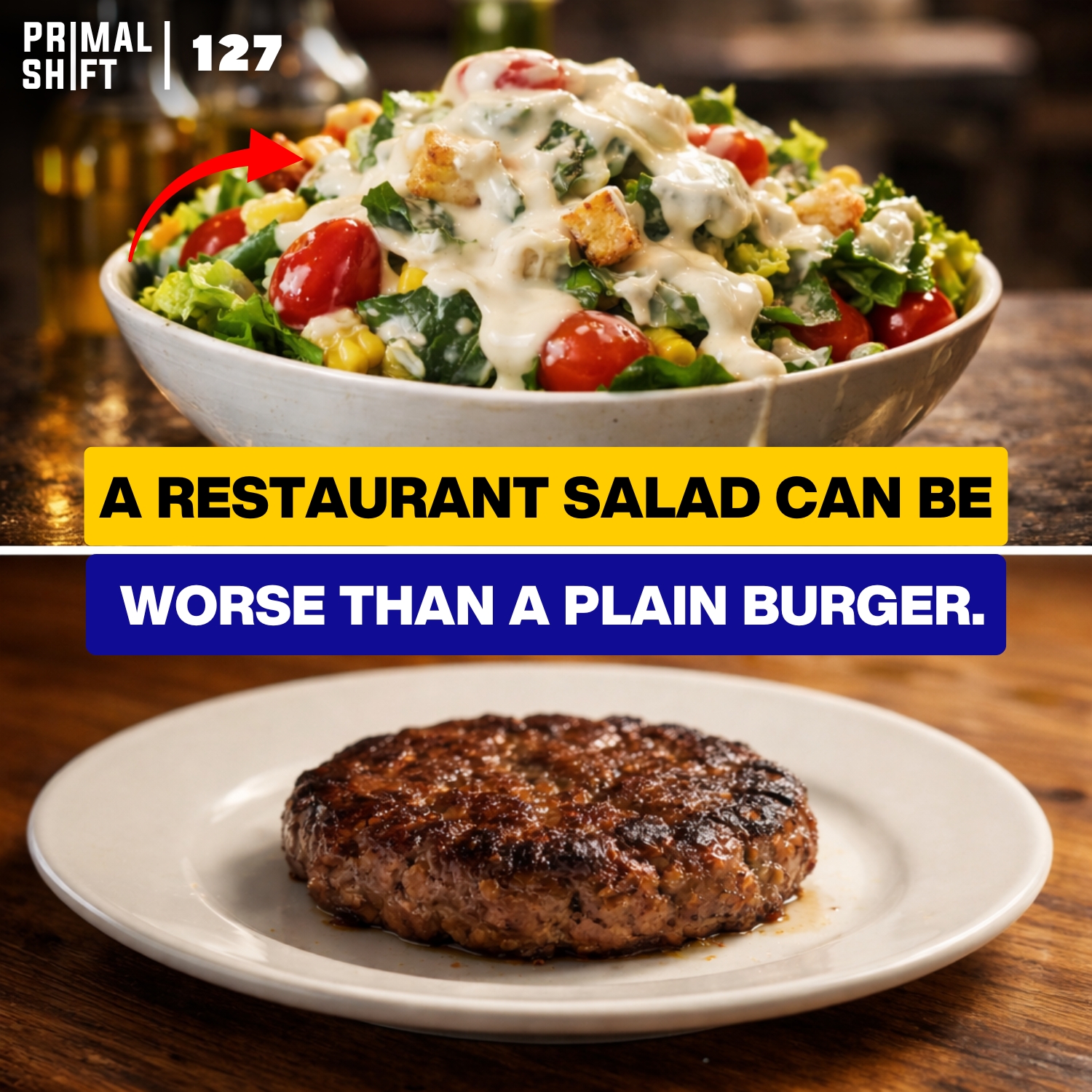 127: Why "Healthy" Restaurant Meals Quietly Backfire✨ | restaurant mealshealth+4 | — | — | — | healthy eatingrestaurant food+5 | — | 7m 37s | |
| 2/4/26 |  126: The Nutrition Question Almost Everyone Gets Wrong! | Most nutrition debates revolve around the wrong questions: Should we eat vegetables or not? Grains or no grains? Animal-based or plant-based? But as I discuss in this episode, framing nutrition solely by food categories overlooks the single most crucial factor: food quality. Modern debates often miss that eggs aren't simply eggs, grains aren't just grains, and vegetables aren't uniformly nutritious. The way food is grown, raised, processed, and prepared makes an enormous difference — far greater than the simplified categories we typically argue about. I had this realization vividly when comparing an airport lounge breakfast in Atlanta to one in Norway. On the surface, both offered similar categories of foods – eggs, meat, fruit, yogurt — but the underlying reality was starkly different. One was laden with industrial additives, pesticides and inflammatory oils, while the other represented cleaner sourcing and superior quality. In practical terms, I've learned it's often simpler to cut out entire food groups than to consistently source high-quality versions within them. Avoiding grains or poultry entirely can sometimes yield better health outcomes than struggling to find properly raised, chemical-free options. Real health doesn't live in nutrition dogma but in understanding nuance. The same food can either support your metabolic health or quietly undermine it, entirely depending on how it was produced. In other words, sometimes quality matters more than category. At the Kummer Household, we center our diet around animal-based foods — ideally raised ourselves or sourced from trusted farmers — and selectively incorporate plant-based options we've grown ourselves. Tune in to shift your nutritional focus from "which foods to eat" to the far more critical question: "where did this food come from, and what's in it?" Learn More: 124: The Glyphosate Study That Had to Be Retracted: https://www.primalshiftpodcast.com/124-the-glyphosate-study-that-had-to-be-retracted/ 121: The Hidden Contaminant in Even the Best Meat: https://www.primalshiftpodcast.com/121-the-hidden-contaminant-in-even-the-best-meat/ Thank you to this episode's sponsor, Peluva! Peluva makes minimalist shoes to support optimal foot, back and joint health. I started wearing Peluvas several months ago, and I haven't worn regular shoes since. I encourage you to consider trading your sneakers or training shoes for a pair of Peluvas, and then watch the health of your feet and lower back improve while reducing your risk of injury. To learn more about why I love Peluva barefoot shoes, check out my in-depth review: https://michaelkummer.com/health/peluva-review/ And use code MICHAEL to get 10% off your first pair: https://michaelkummer.com/go/peluva In this episode: 00:00 Intro 01:06 The airport lounge revelation 02:13 The importance of food quality 05:28 Practical takeaways for healthier eating 06:30 Personal approach to nutrition 07:18 Final thoughts Find me on social media for more health and wellness content: Website: https://michaelkummer.com/ YouTube: https://www.youtube.com/@MichaelKummer Instagram: https://www.instagram.com/primalshiftpodcast/ Pinterest: https://www.pinterest.com/michaelkummer/ Twitter/X: https://twitter.com/mkummer82 Facebook: https://www.facebook.com/realmichaelkummer/ [Medical Disclaimer] The information shared on this video is for educational purposes only, is not a substitute for the advice of medical doctors or registered dietitians (which I am not) and should not be used to prevent, diagnose, or treat any condition. Consult with a physician before starting a fitness regimen, adding supplements to your diet, or making other changes that may affect your medications, treatment plan, or overall health. [Affiliate Disclaimer] I earn affiliate commissions from some of the brands and products I review on this channel. While that doesn't change my editorial integrity, it helps make this channel happen. If you'd like to support me, please use my affiliate links or discount code. | — | ||||||
| 1/28/26 | 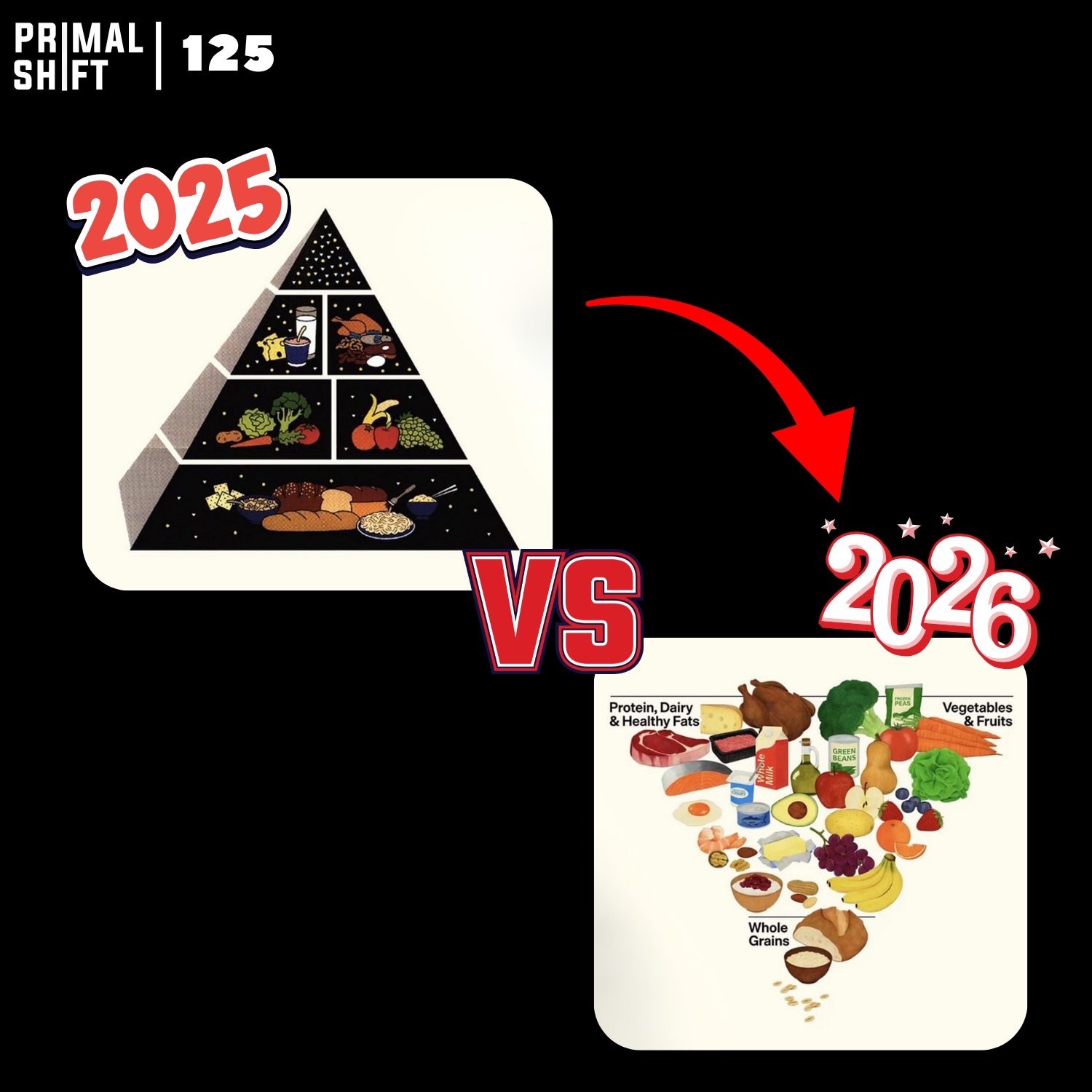 125: The New Food Pyramid 2026 Looks Better… But It's Still Not Good Enough | Every five years, the U.S. dietary guidelines get updated. Usually, that update triggers some mix of frustration, disbelief and déjà vu. This time was different… not because the guidelines suddenly got human nutrition right, but because they moved slightly closer to reality. There's finally more emphasis on whole foods and less on ultra-processed junk. The old grain-heavy food pyramid has effectively been flipped. That alone is meaningful progress. If someone followed these guidelines instead of the Standard American Diet, they'd likely see improvements in weight, blood sugar and overall metabolic health. But "better than before" isn't the same as optimal. In this episode, I walk through what the new guidelines get right, and where they still fall short – especially for people who care about metabolic health, fertility, pregnancy, breastfeeding and raising resilient kids. One major issue is immediately evident: nutrient density and bioavailability are largely ignored. The pyramid's Vitamin A recommendations focus on plant sources that require conversion, while the most reliable sources — animal foods like liver, eggs and dairy — are absent from the conversation. Meanwhile, protein sources are treated as interchangeable, even though amino acid profiles, micronutrients, and absorption differ dramatically between animal and plant foods. Dairy is included, but without meaningful context around processing methods and individual tolerance. Baby formula is framed as an "alternative" to breast milk, without acknowledging the trade-offs. Fruits and vegetables are encouraged "throughout the day," quietly endorsing constant snacking while ignoring metabolic rest. None of this is accidental. These guidelines are political compromises more than they're based on physiological reality. They're designed to be broadly acceptable, not metabolically precise. The takeaway isn't to blindly reject the guidelines — it's to treat them as a starting point, not a finish line. Real health requires understanding food quality, preparation, sourcing, and context — not just categories on a chart. This episode is about learning where to think for yourself, where nuance matters, and why trusting labels or authority without questioning incentives has never been a winning strategy. Learn More: Everything you need to learn about the new food pyramid guidelines: https://www.usda.gov/about-usda/news/press-releases/2026/01/07/kennedy-rollins-unveil-historic-reset-us-nutrition-policy-put-real-food-back-center-health We use MK Supplements organ meats to support nutrient density beyond the 2026 Food Pyramid. Use code YOUTUBE for 20% off your first order: 👉 https://mksupps.com Thank you to this episode's sponsor, Peluva! Peluva makes minimalist shoes to support optimal foot, back and joint health. I started wearing Peluvas several months ago, and I haven't worn regular shoes since. I encourage you to consider trading your sneakers or training shoes for a pair of Peluvas, and then watch the health of your feet and lower back improve while reducing your risk of injury. To learn more about why I love Peluva barefoot shoes, check out my in-depth review: https://michaelkummer.com/health/peluva-review/ And use code MICHAEL to get 10% off your first pair: https://michaelkummer.com/go/peluva In this episode: 00:00 Introduction to the new dietary guidelines 01:08 Positive changes in the guidelines 01:58 Critique on vitamin A recommendations 03:58 Political compromises in dietary guidelines 05:32 Protein quality and misconceptions 06:25 Dairy: A half win with missing context 07:44 The issue with constant snacking 08:22 Formula vs. Breast milk 09:46 Missing elements in the guidelines 11:39 Final thoughts Find me on social media for more health and wellness content: Website: https://michaelkummer.com/ YouTube: https://www.youtube.com/@MichaelKummer Instagram: https://www.instagram.com/primalshiftpodcast/ Pinterest: https://www.pinterest.com/michaelkummer/ Twitter/X: https://twitter.com/mkummer82 Facebook: https://www.facebook.com/realmichaelkummer/ [Medical Disclaimer] The information shared on this video is for educational purposes only, is not a substitute for the advice of medical doctors or registered dietitians (which I am not) and should not be used to prevent, diagnose, or treat any condition. Consult with a physician before starting a fitness regimen, adding supplements to your diet, or making other changes that may affect your medications, treatment plan, or overall health. [Affiliate Disclaimer] I earn affiliate commissions from some of the brands and products I review on this channel. While that doesn't change my editorial integrity, it helps make this channel happen. If you'd like to support me, please use my affiliate links or discount code. #FoodPyramid #USHealth | — | ||||||
| 1/21/26 |  124: The Glyphosate Study That Had to Be Retracted! | Learn More: Support your nutritional foundation in a toxic modern world with MK Supplements: Use code YOUTUBE for 20% off your first purchase → https://mksupps.com New York Times Article: https://www.nytimes.com/2026/01/02/climate/glyphosate-roundup-retracted-study.html Thank you to this episode's sponsor, Peluva! Peluva makes minimalist shoes to support optimal foot, back and joint health. I started wearing Peluvas several months ago, and I haven't worn regular shoes since. I encourage you to consider trading your sneakers or training shoes for a pair of Peluvas, and then watch the health of your feet and lower back improve while reducing your risk of injury. To learn more about why I love Peluva barefoot shoes, check out my in-depth review: https://michaelkummer.com/health/peluva-review/ And use code MICHAEL to get 10% off your first pair: https://michaelkummer.com/go/peluva In this episode:00:00 Intro 01:05 Understanding glyphosate: What it is and why it matters 01:29 The trust issue in scientific research 02:26 Glyphosate's mechanism and impact on health 03:35 Economic dependence and objectivity erosion 04:32 Chronic exposure concerns and scientific debate 07:29 Practical tips to reduce glyphosate exposure 11:18 The bigger picture: Systemic issues and personal responsibility 13:14 Conclusion: Questioning incentives and making informed choices Find me on social media for more health and wellness content: Website: https://michaelkummer.com/ YouTube: https://www.youtube.com/@MichaelKummer Instagram: https://www.instagram.com/primalshiftpodcast/ Pinterest: https://www.pinterest.com/michaelkummer/ Twitter/X: https://twitter.com/mkummer82 Facebook: https://www.facebook.com/realmichaelkummer/ [Medical Disclaimer] The information shared on this video is for educational purposes only, is not a substitute for the advice of medical doctors or registered dietitians (which I am not) and should not be used to prevent, diagnose, or treat any condition. Consult with a physician before starting a fitness regimen, adding supplements to your diet, or making other changes that may affect your medications, treatment plan, or overall health. [Affiliate Disclaimer] I earn affiliate commissions from some of the brands and products I review on this channel. While that doesn't change my editorial integrity, it helps make this channel happen. If you'd like to support me, please use my affiliate links or discount code. #Glyphosate #WeedKiller | — | ||||||
| 1/14/26 | 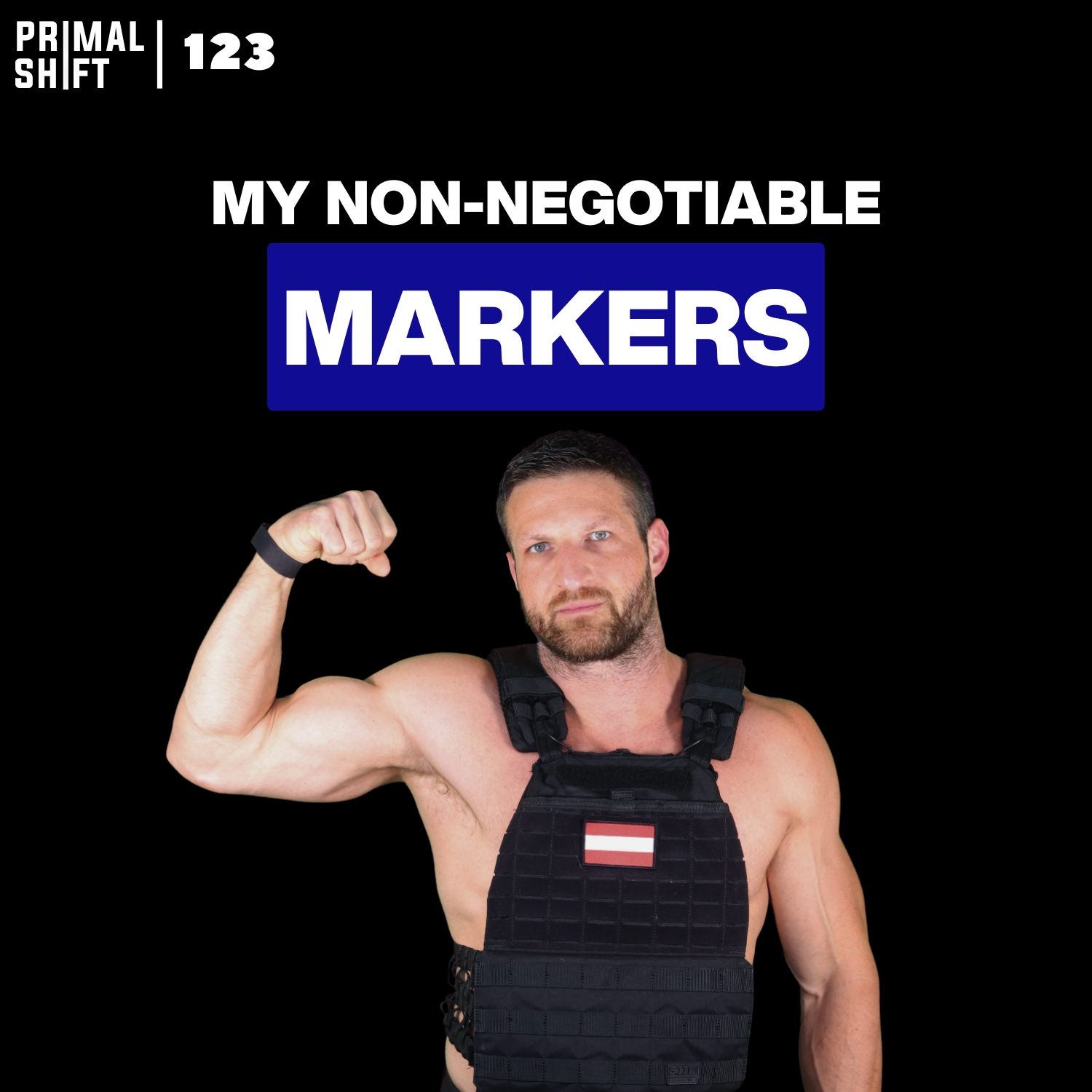 123: Where I get my blood panels and what to look out for | Most people assume they're being proactive about their health because they get an annual physical and a standard blood panel. A few numbers come back "normal," the doctor gives a thumbs-up, and that's the end of the conversation. The problem is that those labs are often incomplete and disconnected from how people actually live, train, eat and recover. Many of the markers that matter most for long-term metabolic health and inflammation — like fasting insulin and high-sensitivity CRP — are routinely excluded. So what you're left with are numbers that often only flag problems once things are already far off track. On top of that, testing once a year gives you no meaningful sense of trends, context, or direction. This episode looks at a more practical approach: identifying the biomarkers that actually reflect metabolic health, inflammation, hormonal balance and recovery, and finding ways to test them regularly without relying on one-off lab work. It also addresses why timing, training load, and recent stress matter when you get blood drawn — and how ignoring those variables can lead to misleading results and unnecessary concern. The broader point is simple: meaningful blood work isn't just about collecting more data. It's about measuring the right things, testing often enough to see patterns, and interpreting results in the context of your lifestyle. When you do that, blood work becomes a useful feedback tool instead of a once-a-year formality that tells you very little about where your health is actually headed. Learn more: What It Means to Be Metabolically Healthy [Blog Post]: https://michaelkummer.com/metabolic-health/ Affordable At-Home Blood Testing with SiPhox Health [Video]: https://youtu.be/R7qRLzBcp94 63: HbA1c Levels Explained: Why They May Be High Without High Blood Sugar: https://www.primalshiftpodcast.com/63-hba1c-levels-explained-why-they-may-be-high-without-high-blood-sugar/ Thank you to this episode's sponsor, OneSkin! What sold me was seeing real results. My wife started using OneSkin, and the improvement in her skin was obvious — not subtle, not hype. OneSkin products are built around their patented OS-01 peptide, developed from longevity research and tested for sensitive skin. Full review here: https://michaelkummer.com/health/oneskin-review/ For a limited time, get up to 30% off your first three subscription orders — no code required: https://oneskin.pxf.io/c/1289595/3445782/31050 In this episode: 00:00 Intro 02:19 The importance of comprehensive blood panels 05:36 Key biomarkers to monitor 09:43 Affordable and convenient blood testing options 18:03 Final thoughts Find me on social media for more health and wellness content: Website: https://michaelkummer.com/ YouTube: https://www.youtube.com/@MichaelKummer Instagram: https://www.instagram.com/primalshiftpodcast/ Pinterest: https://www.pinterest.com/michaelkummer/ Twitter/X: https://twitter.com/mkummer82 Facebook: https://www.facebook.com/realmichaelkummer/ [Medical Disclaimer] The information shared on this video is for educational purposes only, is not a substitute for the advice of medical doctors or registered dietitians (which I am not) and should not be used to prevent, diagnose, or treat any condition. Consult with a physician before starting a fitness regimen, adding supplements to your diet, or making other changes that may affect your medications, treatment plan, or overall health. [Affiliate Disclaimer] I earn affiliate commissions from some of the brands and products I review on this channel. While that doesn't change my editorial integrity, it helps make this channel happen. If you'd like to support me, please use my affiliate links or discount code. | — | ||||||
| 1/7/26 | 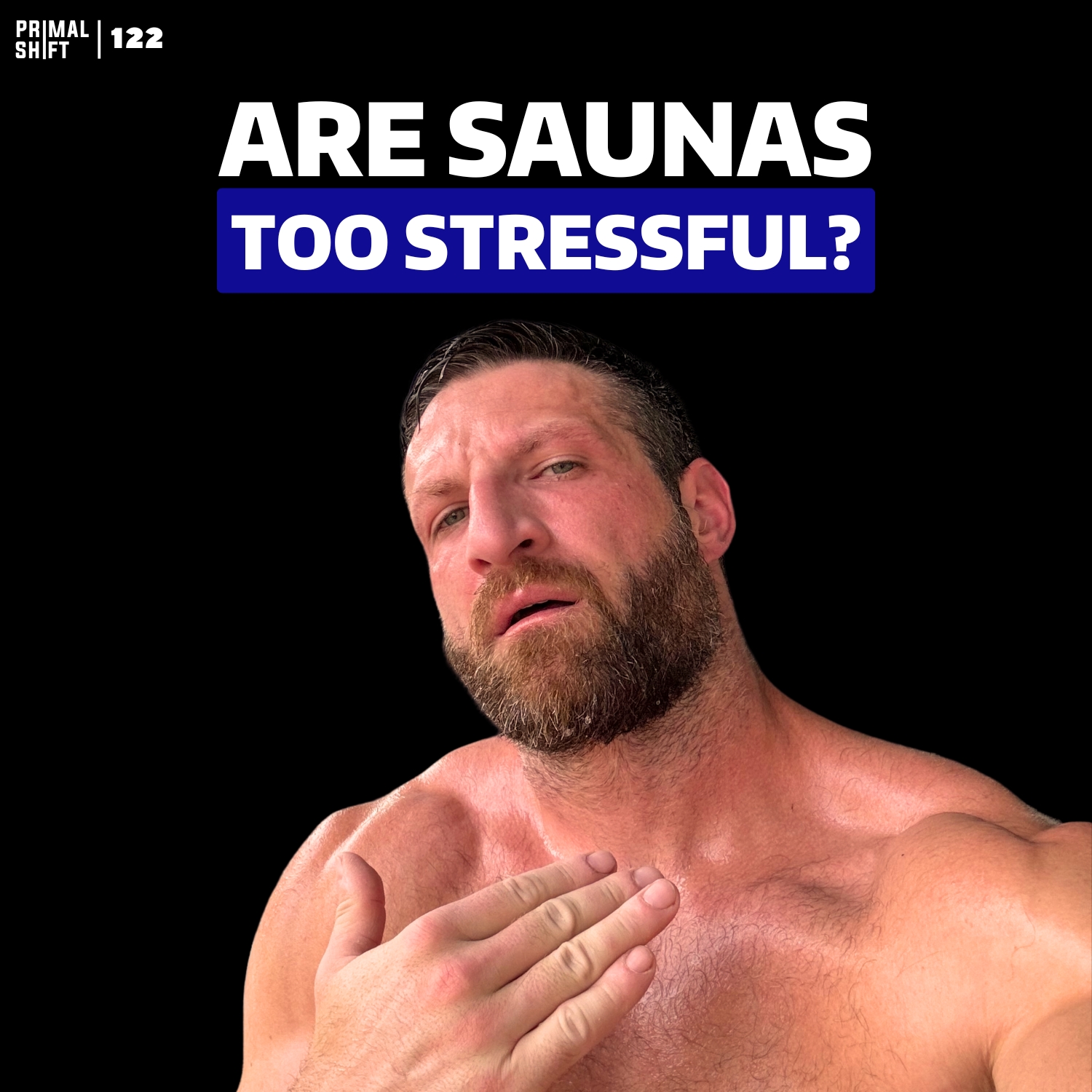 122: Paul Saladino Is Not a Fan of Sauna Anymore | The general consensus on sauna bathing is that it's a powerful tool for longevity, recovery and metabolic health. More sessions, higher heat, longer durations — all of these strategies are commonly assumed to produce better outcomes. But after hearing Paul Saladino question whether sauna use can add unnecessary stress for people who already train hard or live under chronic pressure, I felt it was worth taking a closer look at when sauna therapy is best leveraged and when it might do more harm than good. Here's the core issue: sauna use is a physiological stressor. It raises core temperature, increases cortisol, can lower HRV in the short term, and often causes temporary spikes in blood glucose. And if your overall stress load is already high, adding another stressor on top of that won't necessarily improve recovery. In other words, the thing you should be concerned about is total stress load. When hard training, poor sleep, work pressure, and everyday life are already consuming most of your recovery capacity, spending long periods in very hot saunas can stop being adaptive and start competing with recovery. At the same time, when you zoom out, the long-term evidence supporting sauna bathing remains strong — even for people who train regularly. These benefits – including improvements in cardiovascular function, insulin sensitivity, heat tolerance and sleep quality – play out over years and decades, not session by session. And I suspect the number of people who train so hard that their system is pushed to its limit is relatively low. So in my view, discouraging sauna use is the wrong overall approach; for most people in most scenarios, the benefits far outweigh the risks. Still, it can be beneficial to pay attention to dosage and timing. Long, very hot sauna sessions layered onto hard training and inadequate recovery can overwhelm your ability to recover, rather than support it. Used more deliberately — i.e., shorter sessions, reasonable temperatures, and better placement within the week — time in the sauna often has the opposite effect, helping people unwind, sleep better, and recover more fully – even when their fitness trackers show short-term fluctuations. Learn more: Paul Saladino's Video: Why I Changed My Mind on Saunas: https://www.youtube.com/watch?v=IF4ID6_4BGY Infrared vs Traditional Saunas [Blog Post]: https://michaelkummer.com/infrared-vs-traditional-saunas/ Benefits of Using a Sauna and Ice Bath Together [Blog Post]: https://michaelkummer.com/ice-bath-and-sauna/ Thank you to this episode's sponsor, OneSkin! OneSkin's lineup of topical skin health products leverage the power of the company's proprietary OS-01 peptide to remove dead skin cells, improve collagen production, increase skin hydration and more. Check out my before and after photos in my OneSkin review: https://michaelkummer.com/health/oneskin-review/ Get 15% off with my discount code MKUMMER: https://michaelkummer.com/go/oneskinshop In this episode: 00:00 Introduction: Can sauna hurt your recovery? 00:45 Paul Saladino's arguments against sauna 05:27 Scientific perspective on sauna benefits 07:20 Debunking sauna myths 14:52 Practical sauna guidelines 20:21 Cold plunging insights 22:44 Conclusion: Finding the right balance Find me on social media for more health and wellness content: Website: https://michaelkummer.com/ YouTube: https://www.youtube.com/@MichaelKummer Instagram: https://www.instagram.com/primalshiftpodcast/ Pinterest: https://www.pinterest.com/michaelkummer/ Twitter/X: https://twitter.com/mkummer82 Facebook: https://www.facebook.com/realmichaelkummer/ [Medical Disclaimer] The information shared on this video is for educational purposes only, is not a substitute for the advice of medical doctors or registered dietitians (which I am not) and should not be used to prevent, diagnose, or treat any condition. Consult with a physician before starting a fitness regimen, adding supplements to your diet, or making other changes that may affect your medications, treatment plan, or overall health. [Affiliate Disclaimer] I earn affiliate commissions from some of the brands and products I review on this channel. While that doesn't change my editorial integrity, it helps make this channel happen. If you'd like to support me, please use my affiliate links or discount code. | — | ||||||
| 12/17/25 | 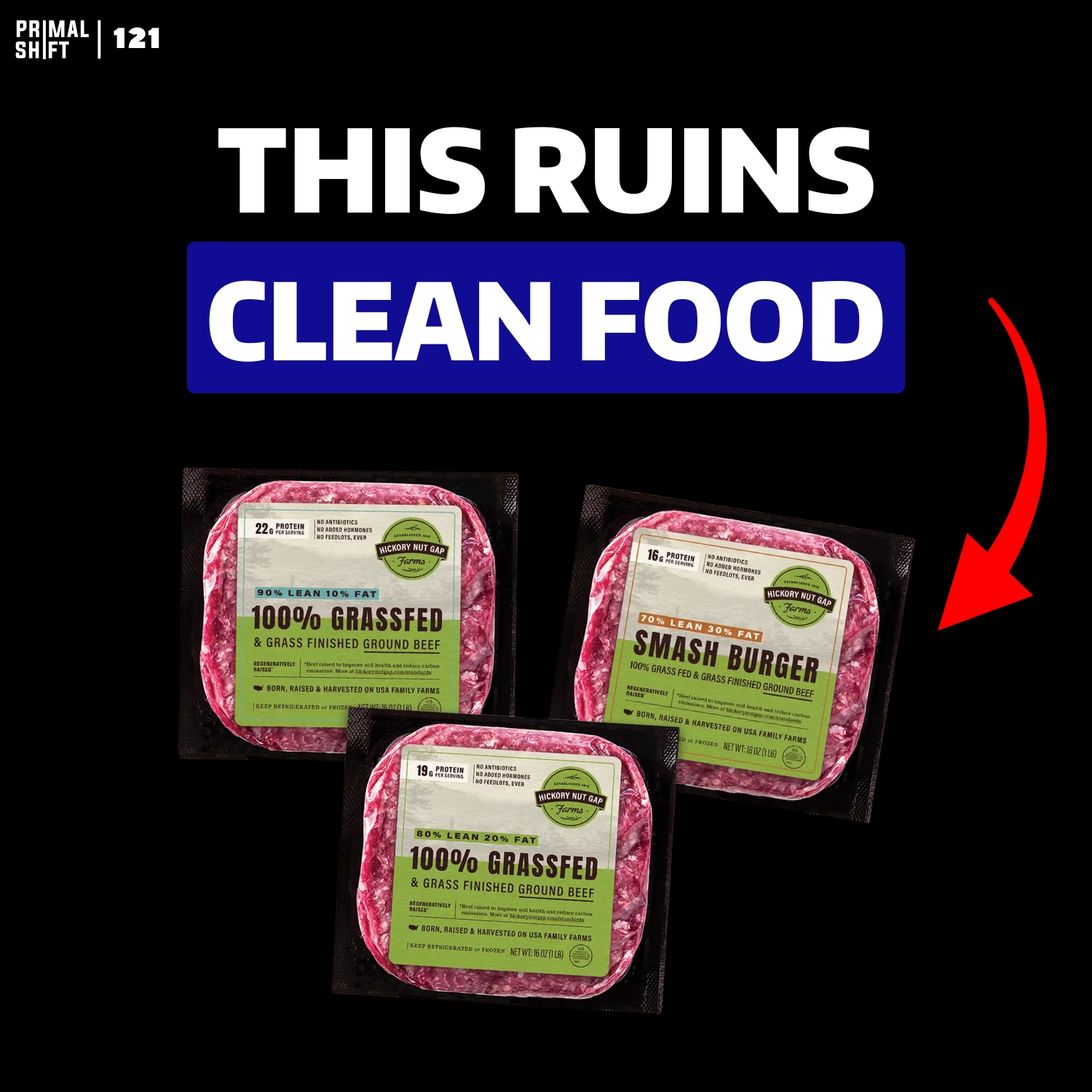 121: The Hidden Contaminant in Even the Best Meat | You can do everything right on paper — organic, grass-fed, pasture-raised, regenerative — and still end up eating the very compounds you were trying to avoid. That's the blind spot I'm digging into in this episode: the ways food gets contaminated during processing and packaging… often without the consumer noticing, and without small farmers even realizing they're doing it. The most vivid example is something most people would never question: A turkey can be raised well, harvested cleanly, and still get compromised at the finish line when it's put into a plastic bag and then heat shrink-wrapped in hot water. Combined, heat, fat and soft plastic create the perfect conditions for microplastics and chemicals like phthalates to migrate into meat. The label still looks perfect. The outcome isn't. From there, I widen the lens to other "healthy" foods that carry hidden landmines. Pastured poultry can still be built on genetics designed for rapid weight gain, and the feed can still be heavy in polyunsaturated fats that end up stored in the meat. Grass-fed beef can still pick up microplastics during processing and packaging. Even when the animal was raised well, the last steps can quietly undo a lot of the benefit. The point isn't perfection. It's awareness. Once you understand where contamination can happen, you can ask better questions and make smarter trade-offs — like requesting butcher paper before plastic, avoiding heat shrink-wrapping, or choosing producers who are willing to adjust their process when you explain why it matters. In many cases, the only way to reduce these risks is to shorten the distance between you and your food – whether that means buying from someone local you can talk to, getting involved in the process, or raising even a small amount of food yourself just to learn what actually happens behind the scenes. This episode is my attempt to give you that lens without turning food sourcing into a new anxiety. You don't need to chase purity. But you do need to understand what labels can't tell you. Learn more: 15: Dr. Anthony Gustin: The Shocking Truth Behind Pasture-Raised Chicken and Pork: https://www.primalshiftpodcast.com/dr-anthony-gustin-the-shocking-truth-behind-pasture-raised-chicken-and-pork/ The Truth About 16% Protein Feed [Chicken Feed]: https://youtu.be/ctGBMwMEG1U Thank you to this episode's sponsor, Peluva! Peluva makes minimalist shoes to support optimal foot, back and joint health. I started wearing Peluvas several months ago, and I haven't worn regular shoes since. I encourage you to consider trading your sneakers or training shoes for a pair of Peluvas, and then watch the health of your feet and lower back improve while reducing your risk of injury. To learn more about why I love Peluva barefoot shoes, check out my in-depth review: https://michaelkummer.com/health/peluva-review/ And use code MICHAEL to get 10% off your first pair: https://michaelkummer.com/go/peluva In this episode: 00:00 Intro: Hidden dangers in organic food 00:47 Biohacking conference insights 02:56 Thanksgiving turkey: A case study 04:34 The problem with plastic packaging 07:32 Issues with pastured poultry 10:51 Grass-fed beef: Not always safe 11:32 Practical tips for safer food 13:47 The importance of knowing your food source 18:43 Conclusion: Take control of your food Find me on social media for more health and wellness content: Website: https://michaelkummer.com/ YouTube: https://www.youtube.com/@MichaelKummer Instagram: https://www.instagram.com/primalshiftpodcast/ Pinterest: https://www.pinterest.com/michaelkummer/ Twitter/X: https://twitter.com/mkummer82 Facebook: https://www.facebook.com/realmichaelkummer/ [Medical Disclaimer] The information shared on this video is for educational purposes only, is not a substitute for the advice of medical doctors or registered dietitians (which I am not) and should not be used to prevent, diagnose, or treat any condition. Consult with a physician before starting a fitness regimen, adding supplements to your diet, or making other changes that may affect your medications, treatment plan, or overall health. [Affiliate Disclaimer] I earn affiliate commissions from some of the brands and products I review on this channel. While that doesn't change my editorial integrity, it helps make this channel happen. If you'd like to support me, please use my affiliate links or discount code. | — | ||||||
| 12/10/25 | 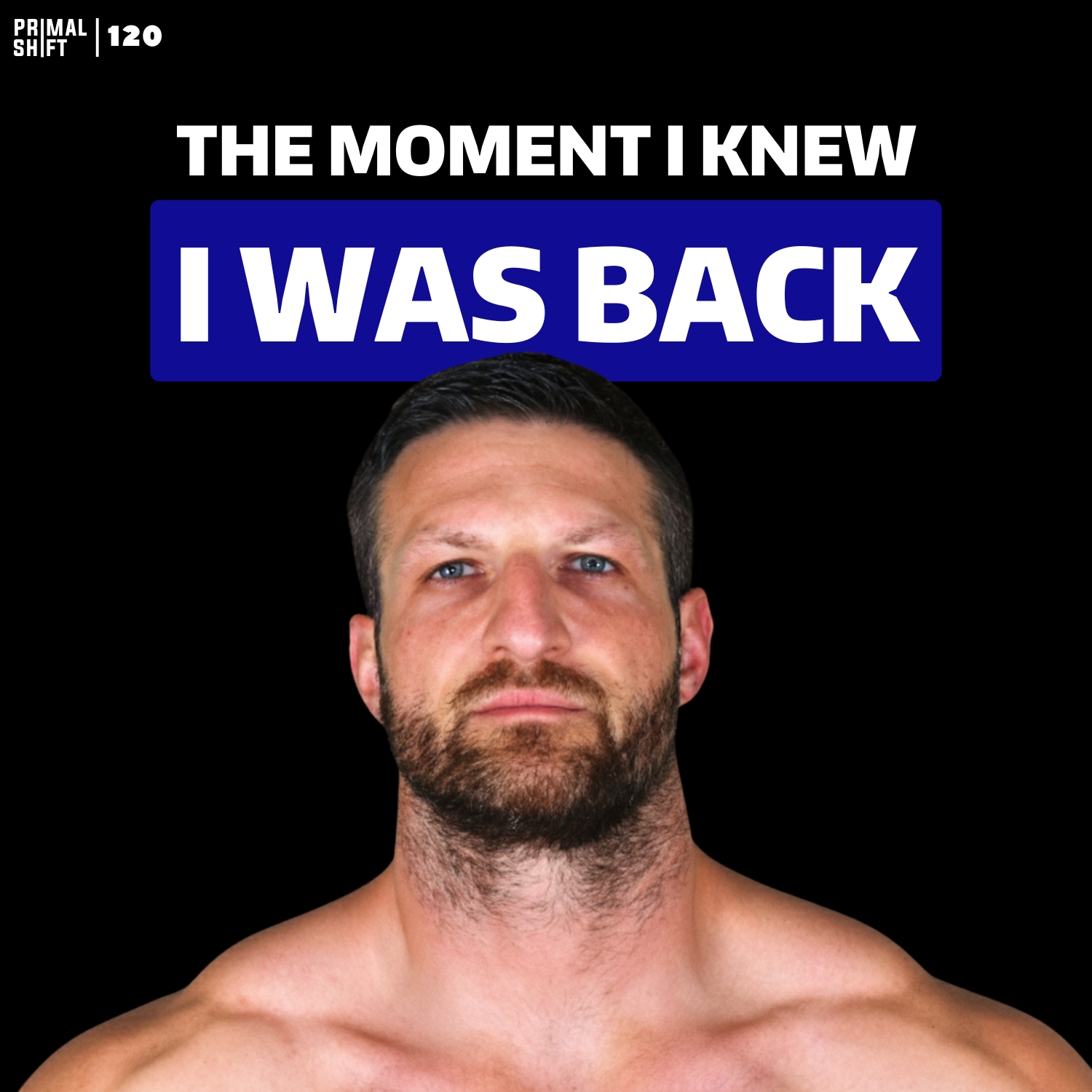 120: Meniscus Surgery Recovery Update | It's been just over eight weeks since my meniscus surgery, and I wanted to share a transparent update on what's been working, what hasn't, and how my knee is performing now. In this episode, I walk you through the entire healing process: the early tightness and inflammation, what I learned from ignoring recovery during our homestead move, how my MCL tear is progressing, and why rotational stress is still the last piece I'm rebuilding. I also highlight the recovery tools, supplements, movement patterns, and lifestyle choices that made the biggest difference. If you're preparing for knee surgery, recovering from one, or just want to improve joint health and healing, this breakdown should give you a clear, real-world perspective — without sugar-coating what actually happens on the path back to full performance. Learn more: I Tried This After My Meniscus Surgery [Youtube Video]: https://youtu.be/Dkakw_h8Yi4 8 Key Primal Shifts for Ancestral Living: https://www.primalshiftpodcast.com/8-key-primal-shifts-for-ancestral-living/ Thank you to this episode's sponsor, Peluva! Peluva makes minimalist shoes to support optimal foot, back and joint health. I started wearing Peluvas several months ago, and I haven't worn regular shoes since. I encourage you to consider trading your sneakers or training shoes for a pair of Peluvas, and then watch the health of your feet and lower back improve while reducing your risk of injury. To learn more about why I love Peluva barefoot shoes, check out my in-depth review: https://michaelkummer.com/health/peluva-review/ And use code MICHAEL to get 10% off your first pair: https://michaelkummer.com/go/peluva In this episode: 00:00 Intro 00:24 Surgery details and initial recovery 01:55 Ignored MCL tear and self-managed recovery 02:42 Progress and physical activities 04:24 Continued recovery and moving challenges 06:59 Rediscovering knee health 10:25 Current status and future plans 12:47 Conclusion and final thoughts Find me on social media for more health and wellness content: Website: https://michaelkummer.com/ YouTube: https://www.youtube.com/@MichaelKummer Instagram: https://www.instagram.com/primalshiftpodcast/ Pinterest: https://www.pinterest.com/michaelkummer/ Twitter/X: https://twitter.com/mkummer82 Facebook: https://www.facebook.com/realmichaelkummer/ [Medical Disclaimer] The information shared on this video is for educational purposes only, is not a substitute for the advice of medical doctors or registered dietitians (which I am not) and should not be used to prevent, diagnose, or treat any condition. Consult with a physician before starting a fitness regimen, adding supplements to your diet, or making other changes that may affect your medications, treatment plan, or overall health. [Affiliate Disclaimer] I earn affiliate commissions from some of the brands and products I review on this channel. While that doesn't change my editorial integrity, it helps make this channel happen. If you'd like to support me, please use my affiliate links or discount code. | — | ||||||
| 12/3/25 | 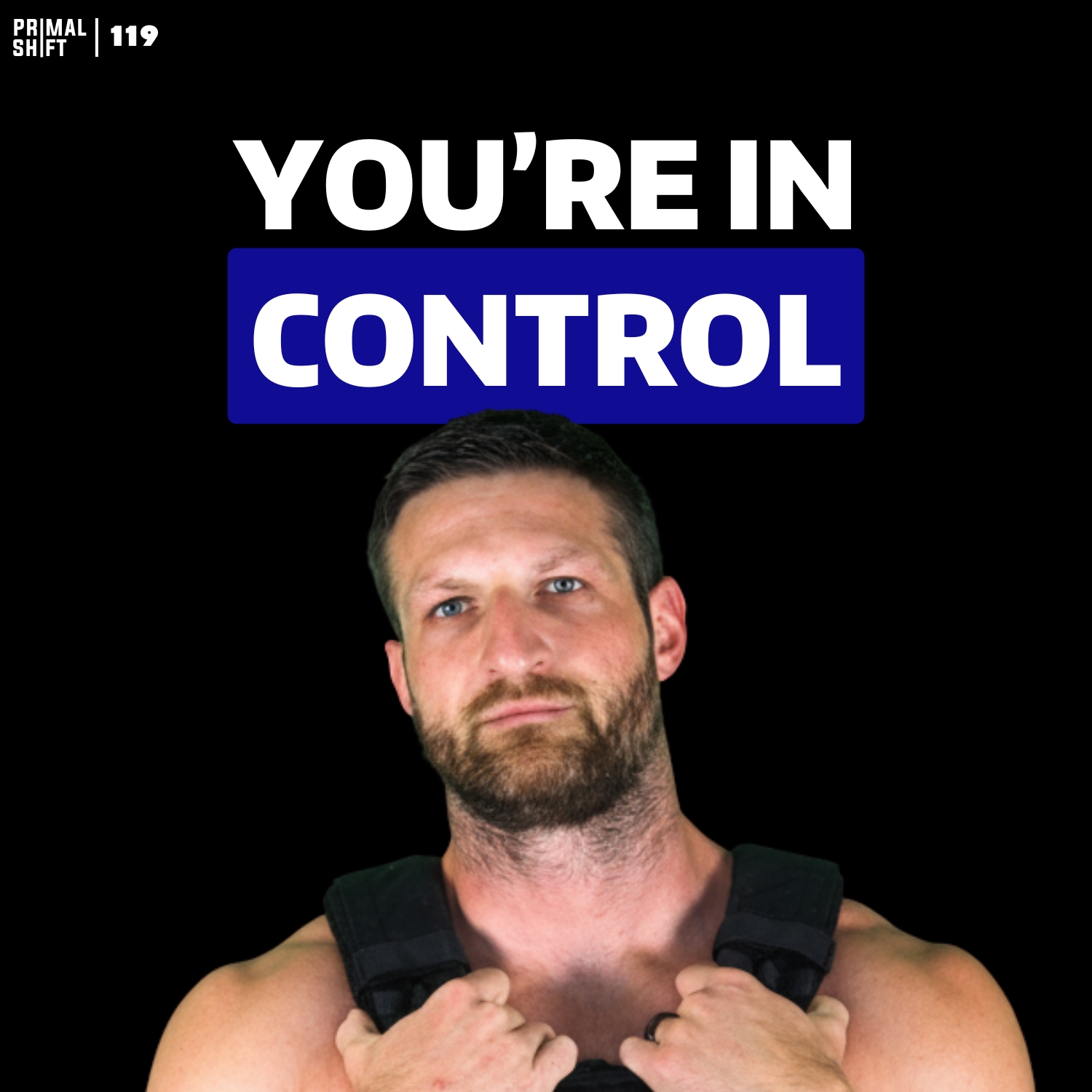 119: This Habit is Quietly Destroying Your Discipline | Most of us don't realize how quickly the urge hits. You sit down at the DMV, nothing is happening yet, and your hand is already halfway to your pocket. Reaching for our phone has become so automatic that we barely notice it, even though it shapes much more of our behavior than we'd like to admit. In this episode, I look at that micro-moment — the half-second between feeling an urge and acting on it. Your brain wants relief from boredom or discomfort, and the phone promises it instantly. But the urge isn't the problem; what matters is the choice that comes after it. When you pause for even a few seconds, you start to notice the familiar restlessness in your body, the mental chatter, the little spike of anxiety that says, "Just check it once." And if you sit with it long enough, something interesting happens: it peaks, and then it fades. You realize you don't actually have to obey it. That's the skill. Once you see that pattern, you start to see it everywhere. The same reflex that sends your hand to your phone is the reflex that sends you to the pantry when you're stressed, to the couch when you're tired, or to Netflix when you don't want to feel something uncomfortable. A lot of what we call "discipline" comes down to this one micro-moment. The phone just happens to be the perfect training ground. Low stakes, constant reps, and hundreds of chances every day to practice not acting on an impulse. If you can sit through that tiny discomfort without reaching for a screen, you're building the same muscle you need for better nutrition, better sleep, and more consistent training. That muscle shows up at night when you feel the pull to scroll instead of winding down. It shows up in the morning when you're tempted to skip a workout. It shows up any time you feel restless, anxious or overwhelmed, and want something to distract you from the feeling. The more you practice, the more you realize that discomfort isn't danger, and you're still the one making decisions. What I love about this approach is how accessible it is. You don't need a plan, or equipment, or willpower. Just pick one situation — waiting rooms, red lights, the minutes before bed — and let the urge come and go without acting on it. Let your nervous system learn that it's safe without stimulation. When you do that, you're not just breaking a phone habit. You're retraining how you respond to cravings, stress, and fatigue across your entire life. That's the whole point of this episode: to show you how a tiny pause can become one of the most powerful tools you have for changing your behavior, strengthening your attention, and living in a way that feels more intentional and less reactive. Thank you to this episode's sponsor, Peluva! Peluva makes minimalist shoes to support optimal foot, back and joint health. I started wearing Peluvas several months ago, and I haven't worn regular shoes since. I encourage you to consider trading your sneakers or training shoes for a pair of Peluvas, and then watch the health of your feet and lower back improve while reducing your risk of injury. To learn more about why I love Peluva barefoot shoes, check out my in-depth review: https://michaelkummer.com/health/peluva-review/ And use code MICHAEL to get 10% off your first pair: https://michaelkummer.com/go/peluva In this episode: 00:00 Intro 01:26 Understanding the automatic urge 02:20 Experiment: Resist the urge 02:56 The impact of impulse control 05:37 Mindfulness and meditation in everyday life 07:49 Connecting impulse control to nutrition 09:29 Improving sleep by managing phone use 12:01 Training and exercise: Overcoming morning impulses 15:21 Practical challenges to improve impulse control 16:33 Conclusion: Taking control of your impulses Find me on social media for more health and wellness content: Website: https://michaelkummer.com/ YouTube: https://www.youtube.com/@MichaelKummer Instagram: https://www.instagram.com/primalshiftpodcast/ Pinterest: https://www.pinterest.com/michaelkummer/ Twitter/X: https://twitter.com/mkummer82 Facebook: https://www.facebook.com/realmichaelkummer/ [Medical Disclaimer] The information shared on this video is for educational purposes only, is not a substitute for the advice of medical doctors or registered dietitians (which I am not) and should not be used to prevent, diagnose, or treat any condition. Consult with a physician before starting a fitness regimen, adding supplements to your diet, or making other changes that may affect your medications, treatment plan, or overall health. [Affiliate Disclaimer] I earn affiliate commissions from some of the brands and products I review on this channel. While that doesn't change my editorial integrity, it helps make this channel happen. If you'd like to support me, please use my affiliate links or discount code. | — | ||||||
| 11/26/25 | 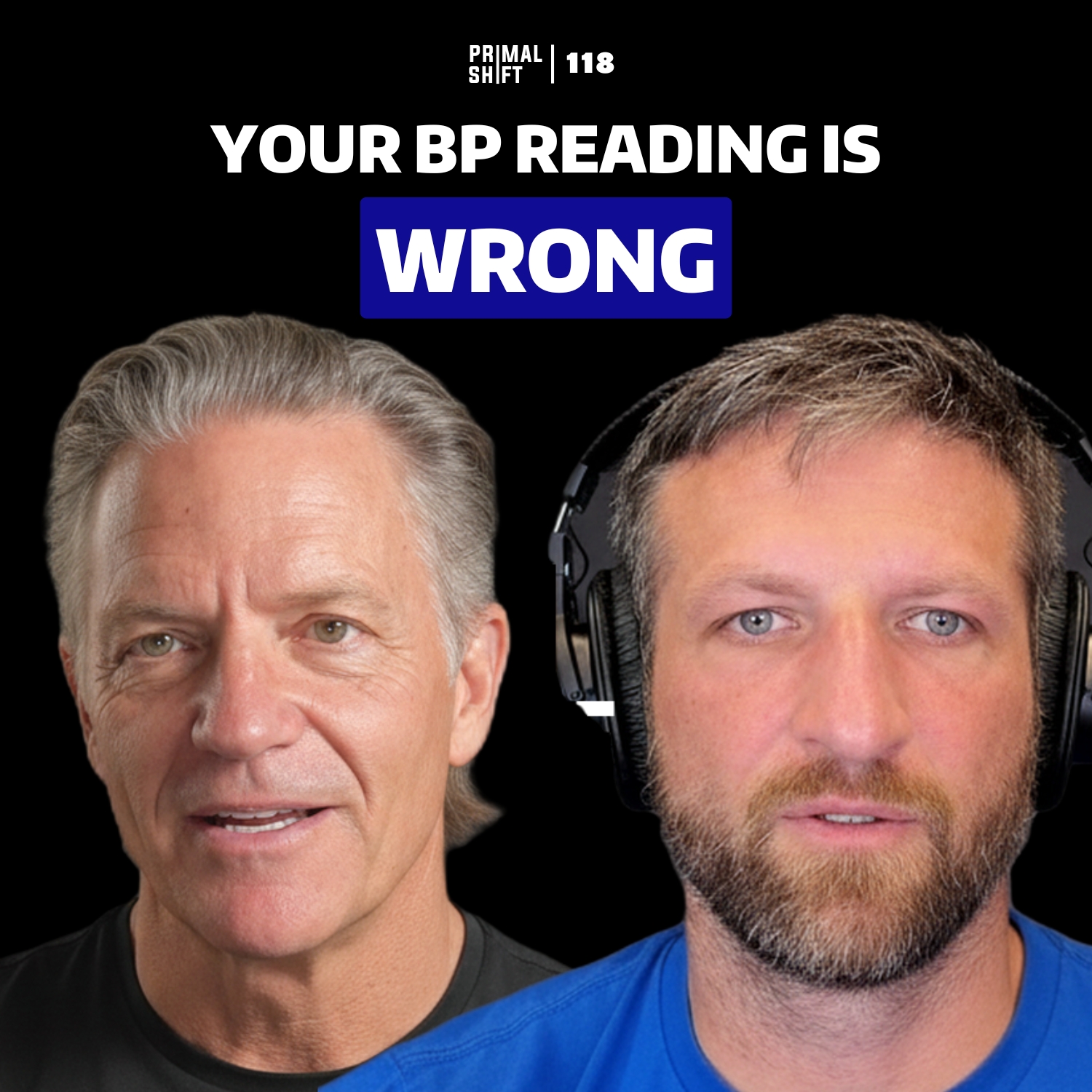 118: The blood pressure number your doctor ignores with Craig Cooper CEO of CONNEQT | For years, my blood pressure readings at routine checkups came back higher than I expected, even though I train hard, sleep well, and pay close attention to recovery. I wasn't hypertensive, but those numbers never matched how I actually felt — and the rushed way they were taken didn't inspire confidence. After all, when a measurement happens over a sweater, with no rest period, and within seconds of walking through the door, it's hard to trust the result. That disconnect is what led me to today's guest, Craig Cooper. Craig is the CEO of CardieX, the company behind the Conneqt blood pressure monitor, and he's spent decades in cardiovascular technology — including bringing hospital-grade central blood pressure measurements into clinical trials and specialist practices. His perspective matters because he understands what's happening in the arteries closest to the heart, not just what a quick cuff at the arm can capture. When I started using Conneqt at home, things finally made sense. My central blood pressure — the pressure that actually reflects what the heart and major vessels are experiencing — was lower and healthier than my brachial readings suggested. The numbers aligned with my calcium scan, my fitness level, and how I feel day to day. It showed me that the "elevated" arm readings weren't a sign of a problem; they were a sign of poor measurement. From there, Craig and I zoom out into the bigger question: what does it look like to take ownership of your cardiovascular health without disappearing into gadget culture or depending on outdated tools in the medical system? His view is refreshingly grounded: better data helps, but only when it sits on top of simple habits — moving more, building strength, managing stress, and paying attention to long-term trends instead of one-off numbers. This episode isn't about turning yourself into a cardiologist. It's about getting a clearer picture of what your blood pressure actually represents, why the right measurement matters, and how a small shift in awareness can keep you ahead of problems instead of reacting once they've already shown up. About Craig Cooper: Craig Cooper, CEO of CardieX, the company behind the Conneqt blood pressure monitor and a longtime health-tech entrepreneur. He focuses on bringing clinical-grade cardiovascular monitoring—like central blood pressure and arterial stiffness tracking—to everyday consumers. His mission is simple: make advanced heart-health insights accessible at home. Website: conneqthealth.com Learn more: 👉 Get the Conneqt Pulse monitor — the device I use to track central blood pressure and arterial stiffness: https://michaelkummer.com/go/conneqt What It Means to Be Metabolically Healthy: https://michaelkummer.com/metabolic-health/ 110: Why Your Blood Pressure Reading Might Be Totally Wrong: https://www.primalshiftpodcast.com/110-why-your-blood-pressure-reading-might-be-totally-wrong/ Thank you to this episode's sponsor, OneSkin! OneSkin's lineup of topical skin health products leverage the power of the company's proprietary OS-01 peptide to remove dead skin cells, improve collagen production, increase skin hydration and more. Check out my before and after photos in my OneSkin review: https://michaelkummer.com/health/oneskin-review/ Get 15% off with my discount code MKUMMER: https://michaelkummer.com/go/oneskinshop In this episode: 00:00 Intro 00:56 The importance of blood pressure monitoring 03:10 Challenges with traditional blood pressure readings 04:36 Innovations in blood pressure technology 10:26 Using the new blood pressure device 21:04 The future of healthcare and self-monitoring 25:53 Self-diagnosis and medical education gaps 27:06 Trust issues in medical advice 28:57 Affordability and accessibility in health 31:04 Back to basics: Simple health practices 34:44 Longevity trends and personal health 39:11 Introduction to the CONNEQT device 42:14 Conclusion and final thoughts Find me on social media for more health and wellness content: Website: https://michaelkummer.com/ YouTube: https://www.youtube.com/@MichaelKummer Instagram: https://www.instagram.com/primalshiftpodcast/ Pinterest: https://www.pinterest.com/michaelkummer/ Twitter/X: https://twitter.com/mkummer82 Facebook: https://www.facebook.com/realmichaelkummer/ [Medical Disclaimer] The information shared on this video is for educational purposes only, is not a substitute for the advice of medical doctors or registered dietitians (which I am not) and should not be used to prevent, diagnose, or treat any condition. Consult with a physician before starting a fitness regimen, adding supplements to your diet, or making other changes that may affect your medications, treatment plan, or overall health. [Affiliate Disclaimer] I earn affiliate commissions from some of the brands and products I review on this channel. While that doesn't change my editorial integrity, it helps make this channel happen. If you'd like to support me, please use my affiliate links or discount code. #Conneqt #CardiovascularHealth | — | ||||||
Showing 25 of 140
Pitch Fit is a Pro feature
See how bookable this show is for guests, which brands already advertise, the per-episode ad value, and the best-fit guest and sponsor profile. The numbers are blurred on the free plan.
How readily this show books outside guests like you.
How proven this show is for host-read sponsorships.
For Guests
ProFor Advertisers
ProUpgrade to Pro to unlock guest cadence, sponsor categories, fit scores, and per-episode ad value for this show.
Chart Positions
1 placement across 1 market.
Chart Positions
1 placement across 1 market.