The Watch Floor with Sarah Adams
She hunted the world’s most dangerous terrorists. Now, former CIA Targeter Sarah Adams breaks down global news and emerging threats, helping everyday people stay informed. prepared, and ready.
Insights from recent episode analysis
On the show
- Dave Benton1 ep
- Dave “Boon” Benton1 ep
- Adam Hamawy1 ep
Audience Interest
Podcast Focus
Publishing Consistency
Insights are generated by CastFox AI using publicly available data, episode content, and proprietary models.
Most discussed topics
Brands & references
Total monthly reach
Based on 1 signal.
Built from
By chart position
- 🇺🇸United States · Society & CultureHOME#1566.2K to 33K
- Per-Episode Audience
Est. listeners per new episode within ~30 days
6.2K to 33K🎙 Daily cadence·83 episodes·Last published 3d ago - Monthly Reach
Unique listeners across all episodes (30 days)
21K to 110K🇺🇸100% - Active Followers
Loyal subscribers who consistently listen
11K to 60K
Market Insights
Platform Distribution
Reach across major podcast platforms, updated hourly
Total Followers
—
Total Plays
—
Total Reviews
—
* Data sourced directly from platform APIs and aggregated hourly across all major podcast directories.
| Date | Episode | Topics | Guests | Brands | Places | Keywords | Sponsor | Length | |
|---|---|---|---|---|---|---|---|---|---|
| 10/18/26 | 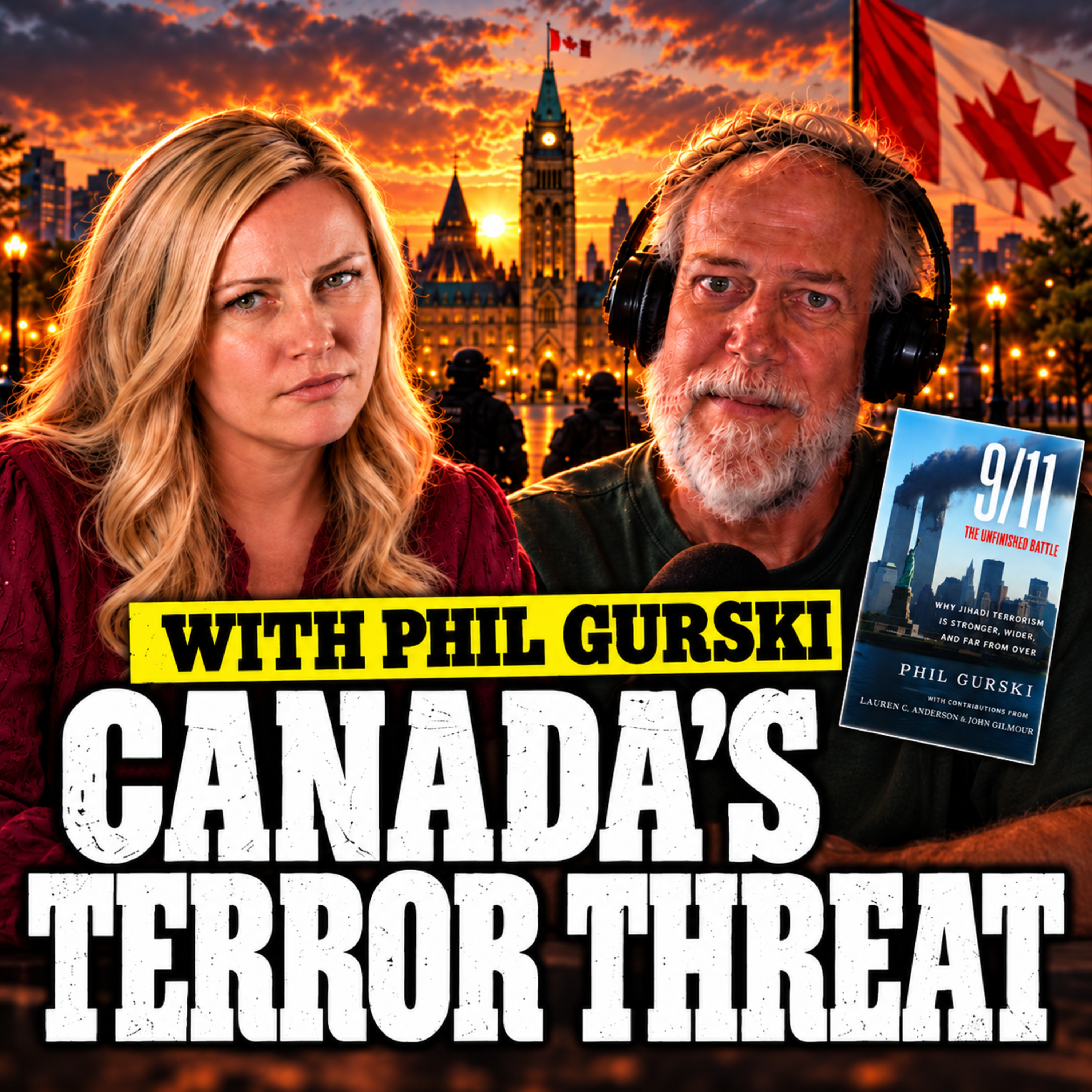 Canada’s Terror Threat: The Unfinished Battle with Phil Gurski | Is Canada doing enough to confront the terrorist threat, and what has the West failed to learn from more than two decades of counterterrorism operations?This week on The Watch Floor, I’m joined by Phil Gurski, a 32-year veteran of Canada’s intelligence community, former analyst with the Canadian Security Intelligence Service (CSIS) and Communications Security Establishment (CSE), author, and host of Canadian Intelligence Eh!We discuss his newest book, 9/11: The Unfinished Battle, and why the threat from jihadist terrorism is far from over. Our conversation examines the terrorist threat facing Canada, the consequences of releasing convicted terrorists back into society, the role of social networks in radicalization, and how accusations of Islamophobia can complicate legitimate terrorism investigations.We also discuss the loss of experienced intelligence professionals, the consequences of Western counterterrorism policies, and why understanding how terrorist organizations recruit, operate, and adapt remains critical to preventing future attacks.Phil brings decades of intelligence experience and a Canadian perspective to a threat that extends well beyond Canada's borders.Learn More About Phil Gurski📖 Buy Phil's New Book: 9/11: The Unfinished Battle: Why Jihadi Terrorism Is Stronger, Wider, and Far From Overhttps://a.co/d/06MexgNF🎙️ Listen to Canadian Intelligence Eh!Spotify: https://open.spotify.com/show/4NTG9pHoct7Rtuhq0cXmsYApple Podcasts: https://podcasts.apple.com/ca/podcast/canadian-intelligence-eh/id1455756173Podcast Archive: https://borealisthreatandrisk.com/category/podcast/Connect with PhilWebsite: https://borealisthreatandrisk.com/X: https://twitter.com/borealissavesLinkedIn: https://www.linkedin.com/in/phil-gurski-8942468/#TheWatchFloor #PhilGurski #Counterterrorism #CanadianIntelligence #NationalSecurity #Terrorism | 55m 51s | ||||||
| 10/15/26 | 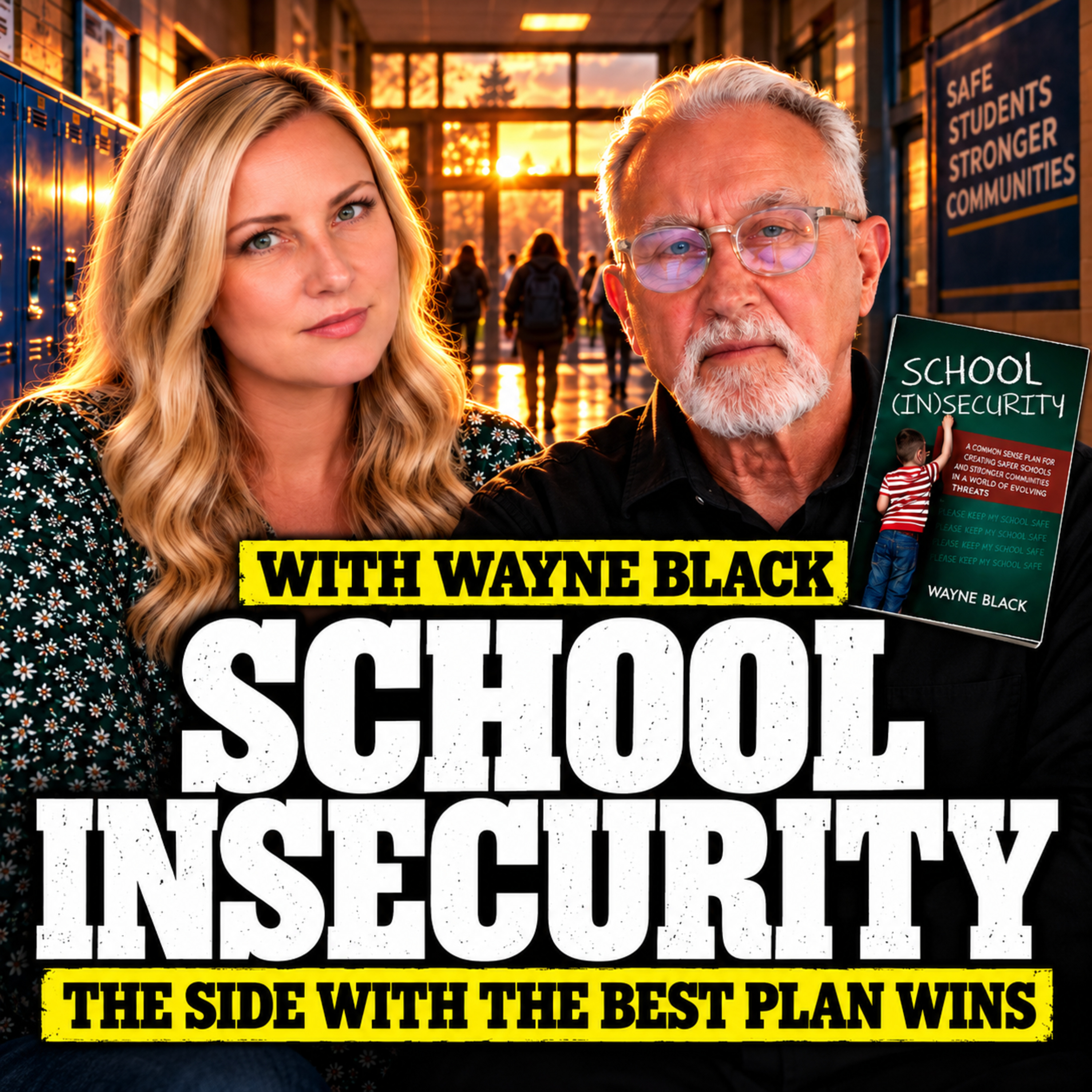 School Insecurity: The Side With the Best Plan Wins | Wayne Black | How safe are our schools, and are we doing enough to protect the children inside them?In this episode of The Watch Floor, I sit down with Wayne Black, a veteran security expert and author of School Insecurity, to discuss what effective school security actually looks like and where schools are falling short.Wayne brings more than 45 years of experience in law enforcement, protective security, and threat assessments. He previously served as Security Advisor and Protection Detail Leader for former U.S. Secretary of Defense Donald Rumsfeld, led security assessments for the Department of Homeland Security, and has conducted protective operations and threat assessments around the world.We discuss the importance of keeping attackers outside school buildings, why security cameras alone are not enough, the role of behavioral threat assessments, and why training and preparation matter long before an emergency occurs.As Wayne explains, “The side with the best plan wins.”School safety requires more than technology, policies, and good intentions. It requires identifying vulnerabilities, understanding threats, and developing plans that work when they are needed most.Learn more about Wayne Black:https://www.wayneblack.comGet his book, School Insecurity:https://a.co/d/03U6plc5 | 1h 03m 46s | ||||||
| 10/12/26 |  From Baghdad to the Green Berets | Steven Al Ebadi | In this episode of The Watch Floor, I sit down with Steven Al Ebadi, a U.S. Army veteran, former intelligence officer, combat linguist, and journalist whose career includes supporting U.S. Army Special Operations Forces, the Defense Intelligence Agency (DIA), and the FBI.We discuss his journey from Iraq to serving alongside U.S. forces, the experiences that shaped his career, and his work in intelligence and journalism. Our conversation also covers the consequences of decisions made during the Iraq War, the threats he has faced, and his reporting on the war in Ukraine.Follow Steven Al Ebadi:X: https://x.com/Alladdin1983Substack: https://substack.com/@alladdin1983YouTube: https://www.youtube.com/@StevenAlEbadi | 1h 09m 43s | ||||||
| 10/9/26 |  Protecting the Congregation: What to Do When a Threat Comes to Church | What would you do if someone opened fire outside your church? Would you recognize signs of a potential threat? And if your children were in Sunday school when an emergency started, would you know how they were being protected?In this episode of The Watch Floor, former CIA Targeting Officer Sarah Adams walks through the threats facing churches and religious communities, from terrorism and targeted violence to suspicious surveillance, theft, arson, and threatening individuals.Drawing on real attacks and her experience briefing churches on security, Sarah explains what warning signs to recognize, when to report suspicious activity, and how to make decisions when a threat becomes an emergency.The episode also covers protecting children's ministries, responding to an active shooter, handling suspicious packages, medical preparedness, and the steps churches can take now to protect their congregations.This is a practical episode for churchgoers, pastors, volunteers, and security teams to save, share, and revisit.Because recognizing a threat is only the beginning. Knowing what to do next could save lives. | 30m 03s | ||||||
| 10/7/26 | 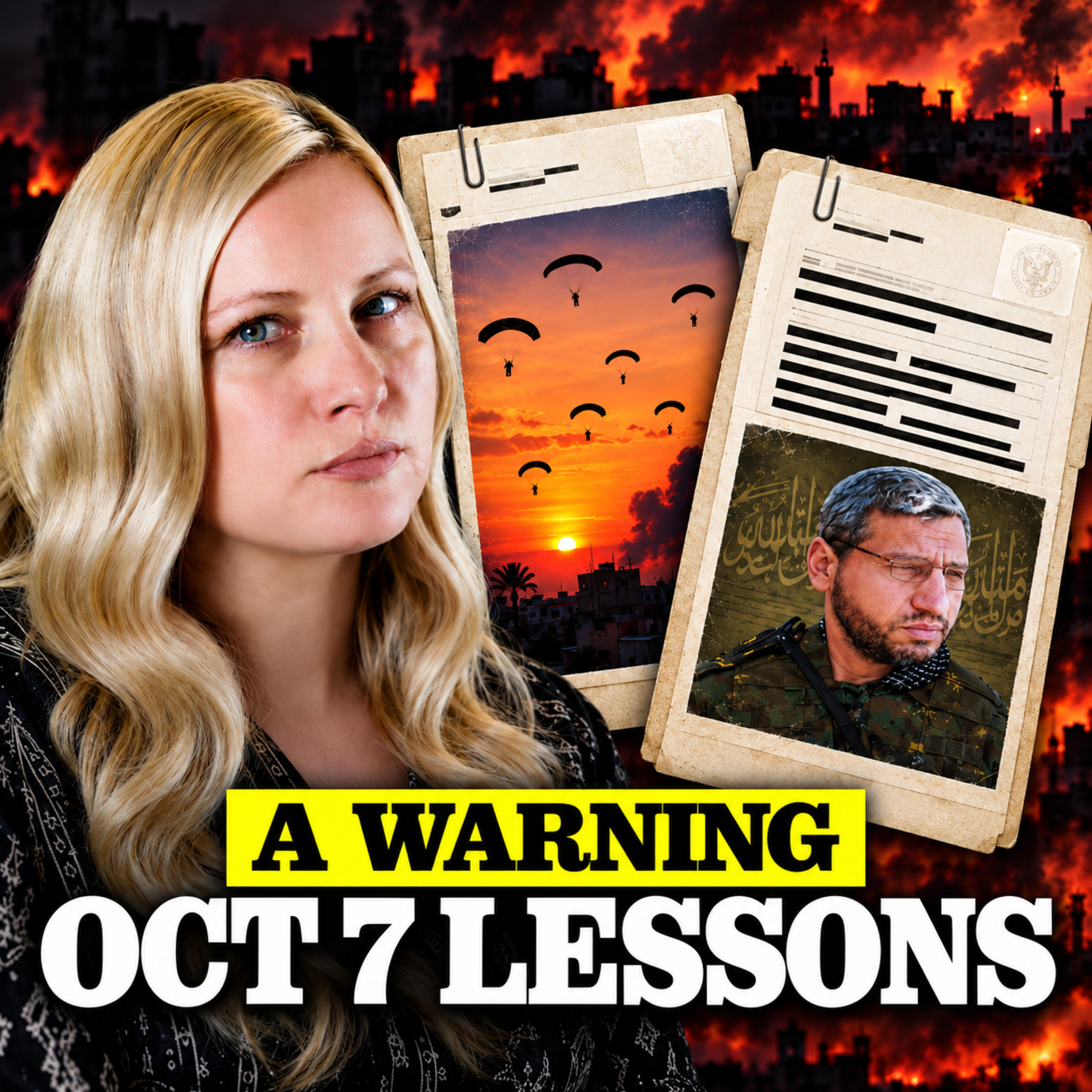 October 7th: The Enemy You Think You Know | October 7th was not simply an intelligence failure. Israel had warning, surveillance, military power, and years of experience watching Hamas. What it lost was enough doubt about whether its own assumptions could be wrong.In this episode of The Watch Floor, I look at the lessons from October 7th that go well beyond Israel. We examine how complacency shaped intelligence assessments, how Hamas studied and attacked Israel’s dependence on technology, why warning indicators were missed, and what happened when the national response became overwhelmed and the fight turned local. I also look at the broader threat environment around Hamas, including training and relationships outside Gaza, and why intelligence services have to understand the enemy they actually have, not the enemy they remember. Most importantly, this episode is about what the United States can learn from those failures before someone tests the same weaknesses here. Complacency does not always look like laziness. Sometimes complacency looks very sophisticated. | 24m 12s | ||||||
| 10/6/26 |  What’s on My Reading List | I’m doing something a little different on The Watch Floor and sharing what is currently on my reading list.I’m reading Rooftop Korean by Tony Moon now, a firsthand account of the 1992 Los Angeles riots and what happened when communities suddenly found themselves responsible for their own safety.I also have five newer releases on my radar covering Cold War counterintelligence, warning intelligence, jihadist terrorism in Spain, practical preparedness, and protective security.These are not five books I am pretending I have already read and reviewed. They are simply books that caught my attention because they deal with many of the same issues we discuss here: recognizing threats early, understanding what can go wrong, and being better prepared before it does.Books mentioned in this episode:Rooftop Korean: A Memoir of the 1992 L.A. Riots by TonyMoon - https://a.co/d/08YLqD8OThe Defector by Richard Kerbaj - https://a.co/d/03Oj815hPredictive Intelligence for Tomorrow’s Threats edited byErik J. Dahl and David Strachan-Morris - https://a.co/d/0hKOBlKvUnderstanding Spanish Jihadist Terrorism: The Ideology Behind the Metaphors by Carlos Yebra López - https://a.co/d/04S9x9K5Common Sense Preparedness: Building Resilience for Uncertain Times by Laurie Neverman - https://a.co/d/08tIh7goThe Protector’s Edge: Leadership Through Strategy and Actionby Charles Randolph, Jonathan Wackrow, and Fred Burton - https://a.co/d/07ZSqWw9 | 12m 07s | ||||||
| 10/2/26 | 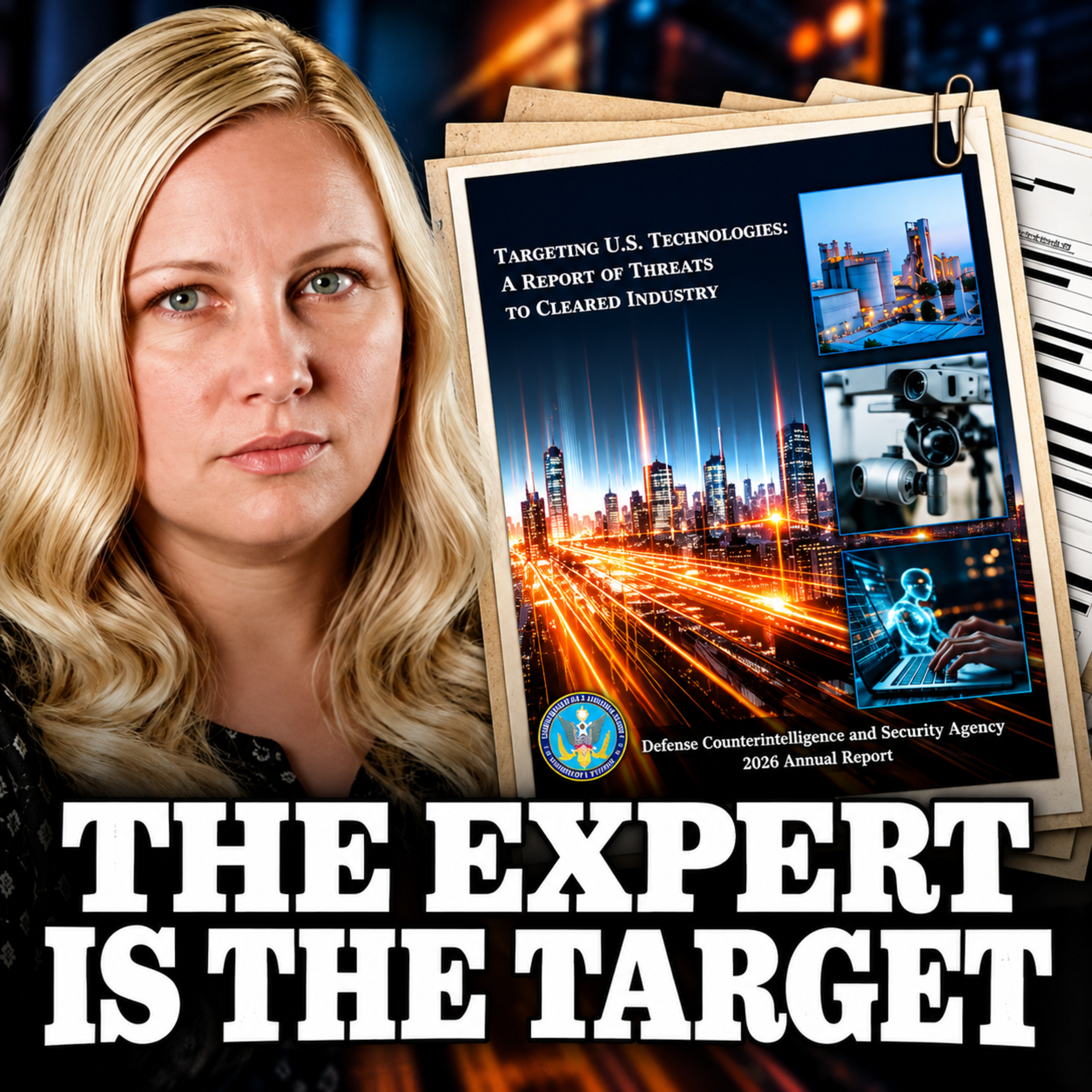 The Expert Is the Target | On September 17, the Defense Counterintelligence and Security Agency released its annual report on foreign efforts to acquire sensitive U.S. technology from the cleared defense industrial base. DCSA received more than 22,000 suspicious-contact reports during fiscal year 2025 and identified roughly 2,900 incidents involving foreign entities seeking U.S. information or technology. The leading method was the exploitation of experts. In this episode of The Watch Floor, I break down what that targeting can actually look like. It may begin with a consulting request, conference invitation, peer review, recruiting approach or research discussion. The interaction can look completely legitimate while giving someone access to the people who understand a technology, its limitations, its supply chain and where development is headed next. We also look at elicitation, front companies and intermediaries, why unclassified knowledge can still have intelligence value, and the warning signs experts should pay attention to when an ordinary professional relationship begins moving in another direction. The episode also covers why former government, intelligence, aerospace and defense personnel remain valuable targets long after their access or clearances are gone.Sometimes the most valuable technology is not sitting inside a secure computer system. It is sitting inside the head of the person who spent twenty years learning how that system works. | 14m 34s | ||||||
| 9/30/26 | 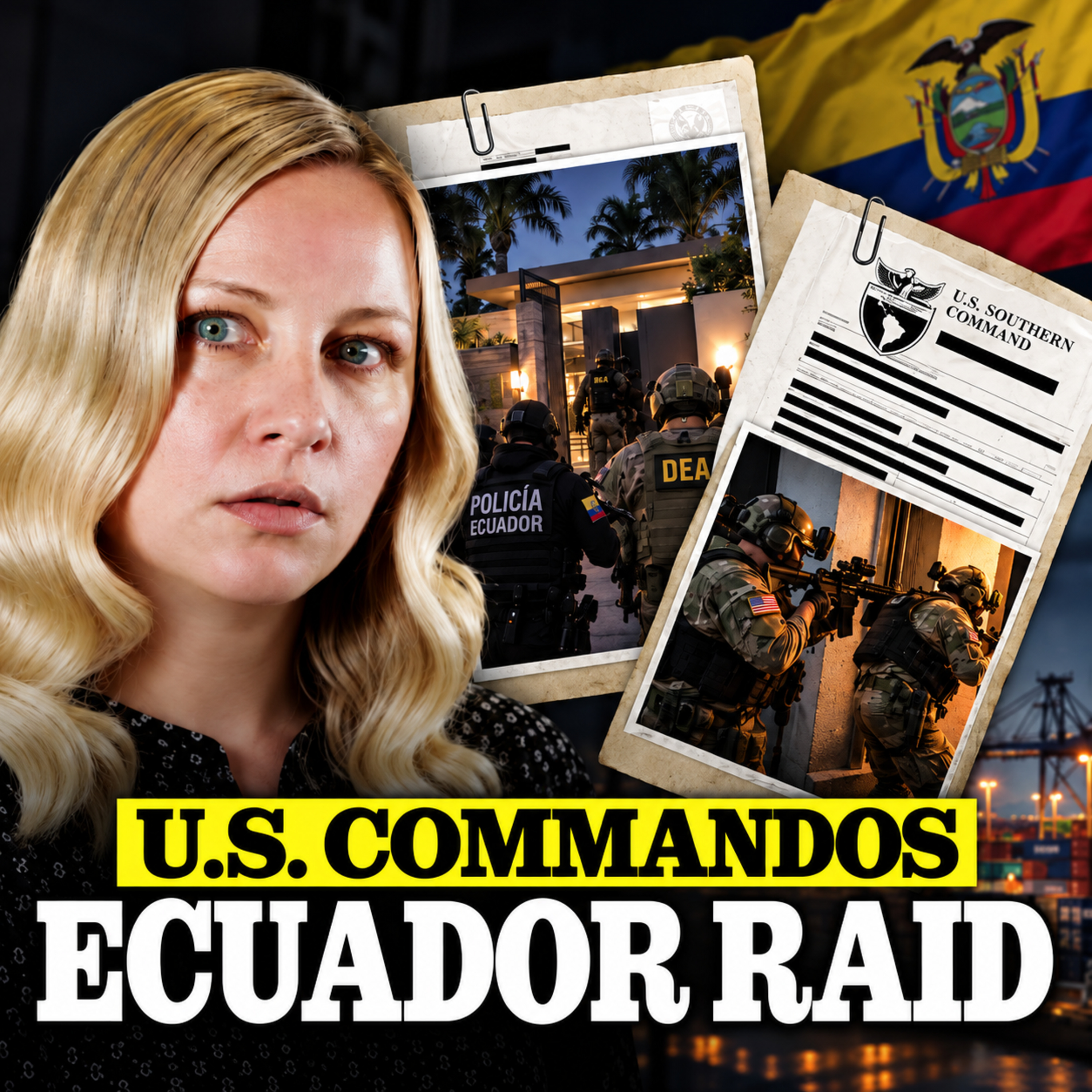 U.S. Commandos Join the Raid in Ecuador | Before dawn on September 24, Ecuadorian police launched a major counter-narcotics operation against a cocaine-trafficking network. More than 320 Ecuadorian police took part, but this raid was different. About 50 personnel from U.S. Southern Command and the Drug Enforcement Administration joined the operation, with images showing U.S. personnel wearing Marine Raider insignia.In this episode of The Watch Floor, I break down why that matters, what the U.S. brought to the operation, and how the American role in Ecuador appears to be changing. We look at the raids in Samborondón and other areas, the use of drones, night vision, communications equipment and rapid exploitation of seized devices, and the broader effort to disrupt trafficking networks moving cocaine through Ecuador’s ports.The key question is whether this was a one-off operation or the start of a more direct U.S. role alongside Ecuadorian forces against transnational criminal organizations. | 8m 10s | ||||||
| 9/29/26 | 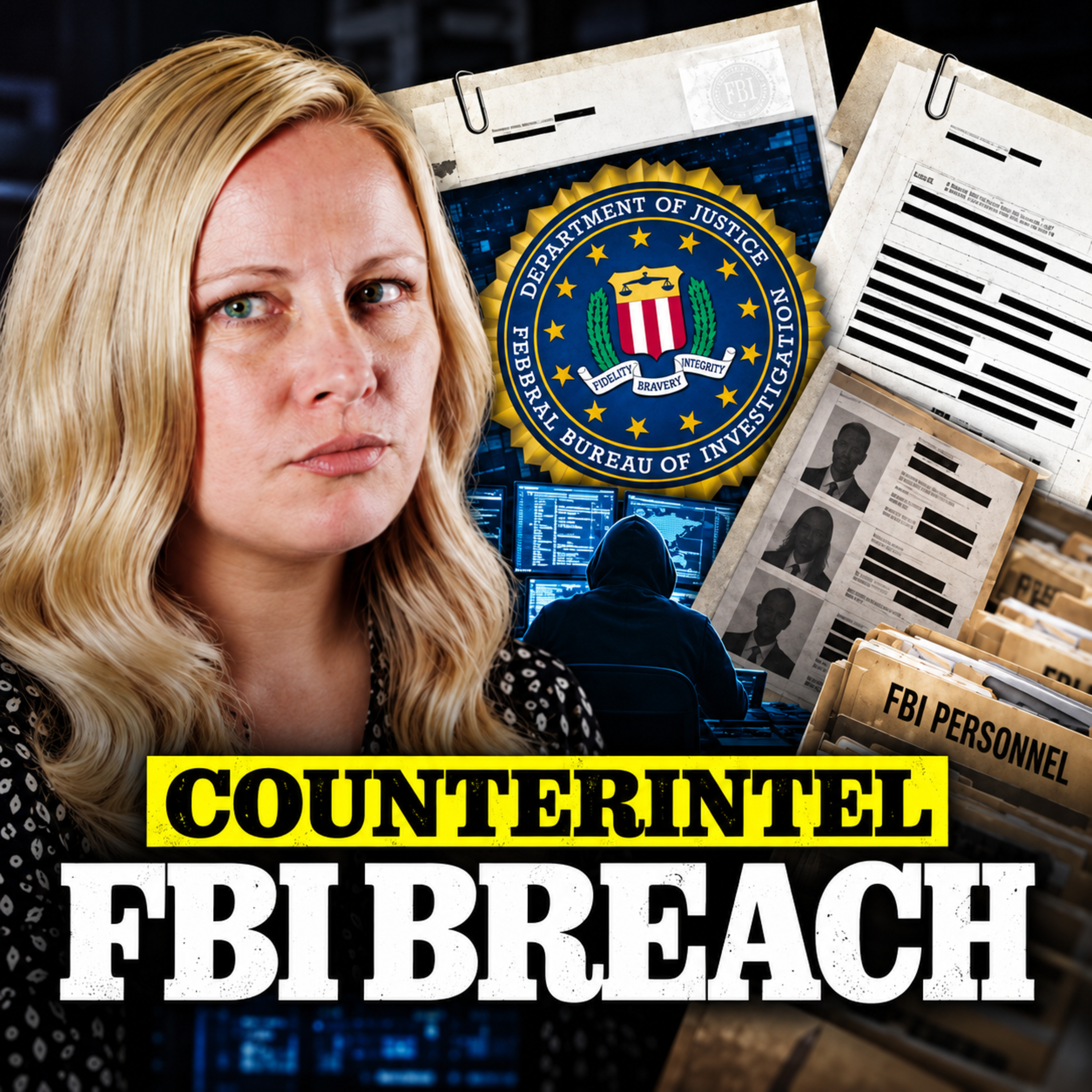 The FBI Breach Is a Counterintelligence Problem | The FBI is investigating a breach tied to FBIJobs.gov and the possible exposure of employee personally identifiable information. Hackers connected to ShinyHunters claim they stole terabytes of data covering current and former FBI personnel, applicants, medical information, background investigations, and other sensitive systems.Some of those claims remain unverified. But reporters have already reviewed thousands of records containing names, home addresses, Social Security numbers, family contacts, employee identifiers, and details pointing to sensitive FBI assignments involving China, Russia, human intelligence, surveillance, cartels, and other national security work.In this episode of The Watch Floor, Sarah Adams breaks down what is actually confirmed, what the hackers are claiming, how the breach may have happened, and why this is much more than an identity-theft problem. When personnel records can be combined with family information, assignments, travel indicators, and other breached data, they can become a map of an organization and a valuable counterintelligence tool.We also look at the comparison to the 2015 Office of Personnel Management breach and the biggest unanswered question: who else may already have this information? | 16m 04s | ||||||
| 9/28/26 | 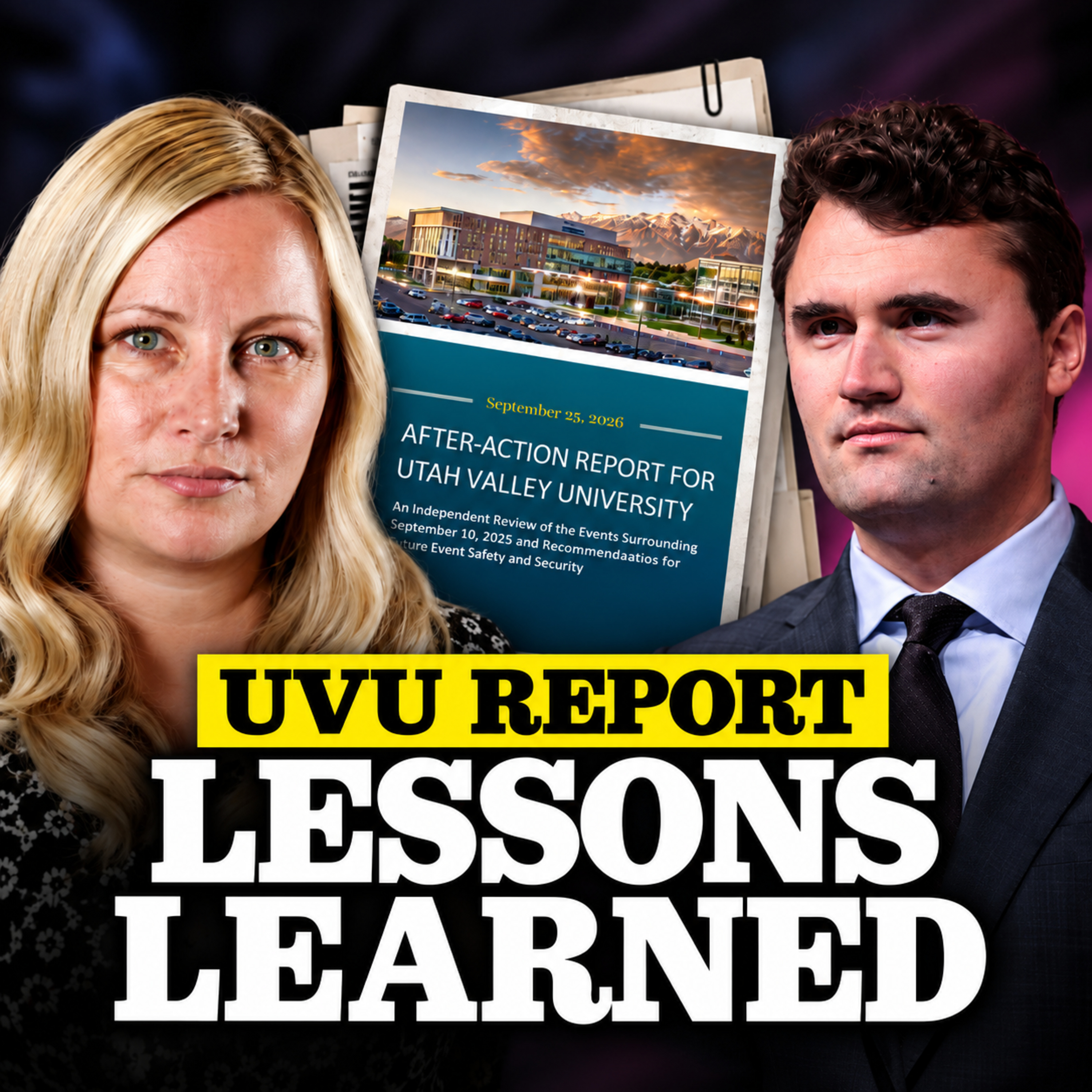 The UVU After-Action Report: Lessons in Protective Security | Utah Valley University released its independent after-action report on September 25, 2026, examining the September 10, 2025 assassination of Charlie Kirk. The report identifies a number of security failures, but the biggest lesson is broader than any single missed rooftop or breakdown in communication.In this episode of The Watch Floor, I walk through what the report says about venue selection, elevated positions, the missed joint security walkthrough, camera monitoring, mutual aid, emergency messaging and protective intelligence. The focus is not on hindsight for the sake of criticism. We look at after-action reports to understand what failed, what should have happened differently, and how to keep the next team from making the same mistakes.The central lesson is simple: reacting to individual security concerns is not the same thing as running a protective-security operation. Security has to work as a system. | 16m 16s | ||||||
Want analysis for the episodes below?Free for Pro Submit a request, we'll have your selected episodes analyzed within an hour. Free, at no cost to you, for Pro users. | |||||||||
| 9/25/26 |  See Something, Say Something: What to Look For | Writing“See something, say something” leaves out the hardest part: what are you actually looking for?In this episode of The Watch Floor, Sarah Adams explains the behaviors that can appear before an attack, from repeated surveillance and security testing to unusual questions about access, possible preparation near home or work, and warning signs at an airport. She explains why context and patterns matter, what details make a report useful, and whom to tell when something needs attention. | 24m 43s | ||||||
| 9/21/26 | 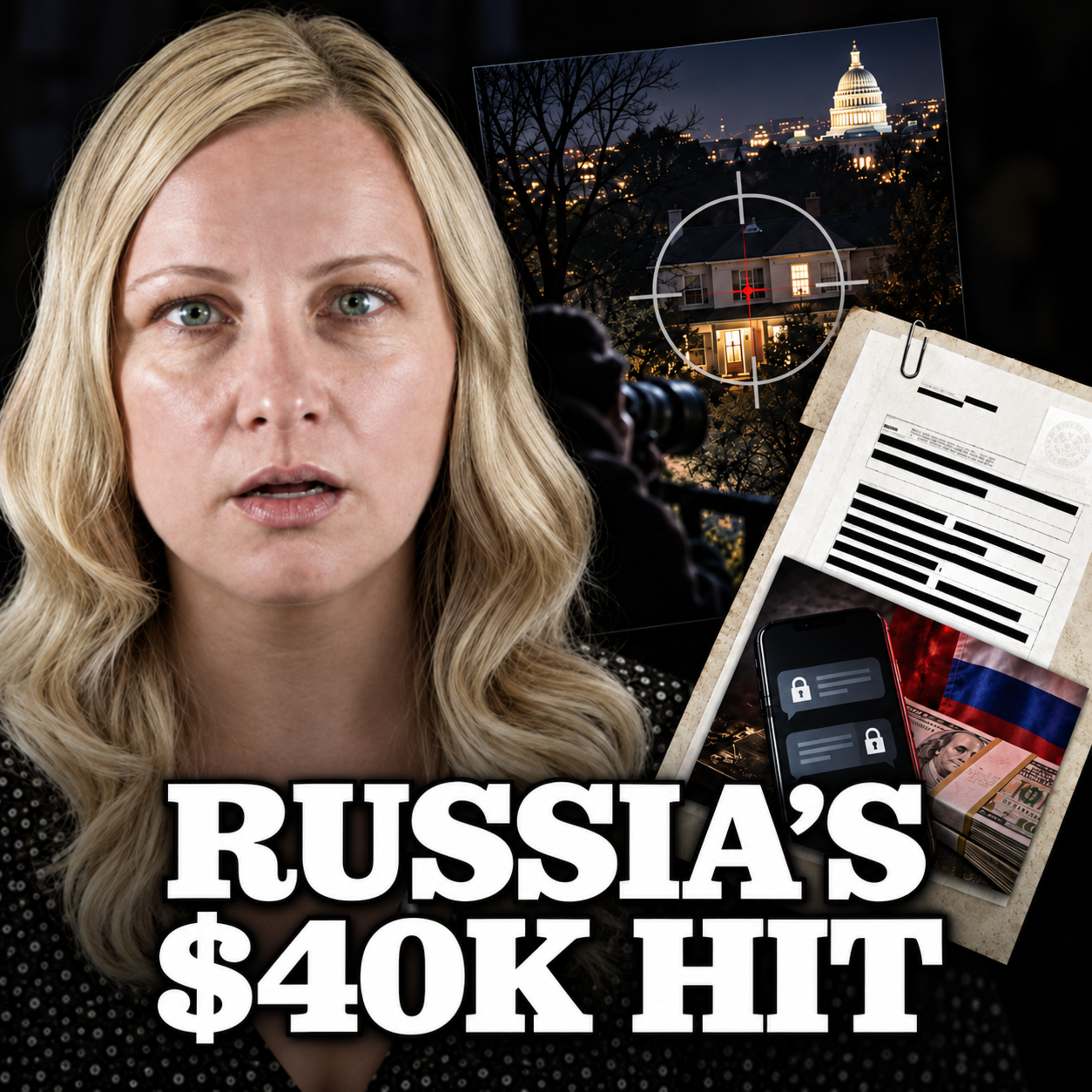 How Russia Outsourced an Assassination in America | A Russian intelligence-linked network allegedly recruited people already inside the U.S. to surveil a prominent Russian dissident in the Washington, D.C., area. The price was up to $1,500 for photographs and videos. The offer to carry out the murder was $40,000.In this episode of The Watch Floor, Sarah Adams breaks down how the operation moved from Russia through Cuban and Venezuelan intermediaries to a Brooklyn resident, why the completed surveillance matters, and how the same network was allegedly tied to assassination and sabotage operations across Europe.The plot reveals a model that is cheaper, harder to trace, and designed to place distance between the Russian government and the person closest to the target.The assassination was not carried out. The pre-operational surveillance was. | 14m 55s | ||||||
| 9/18/26 | 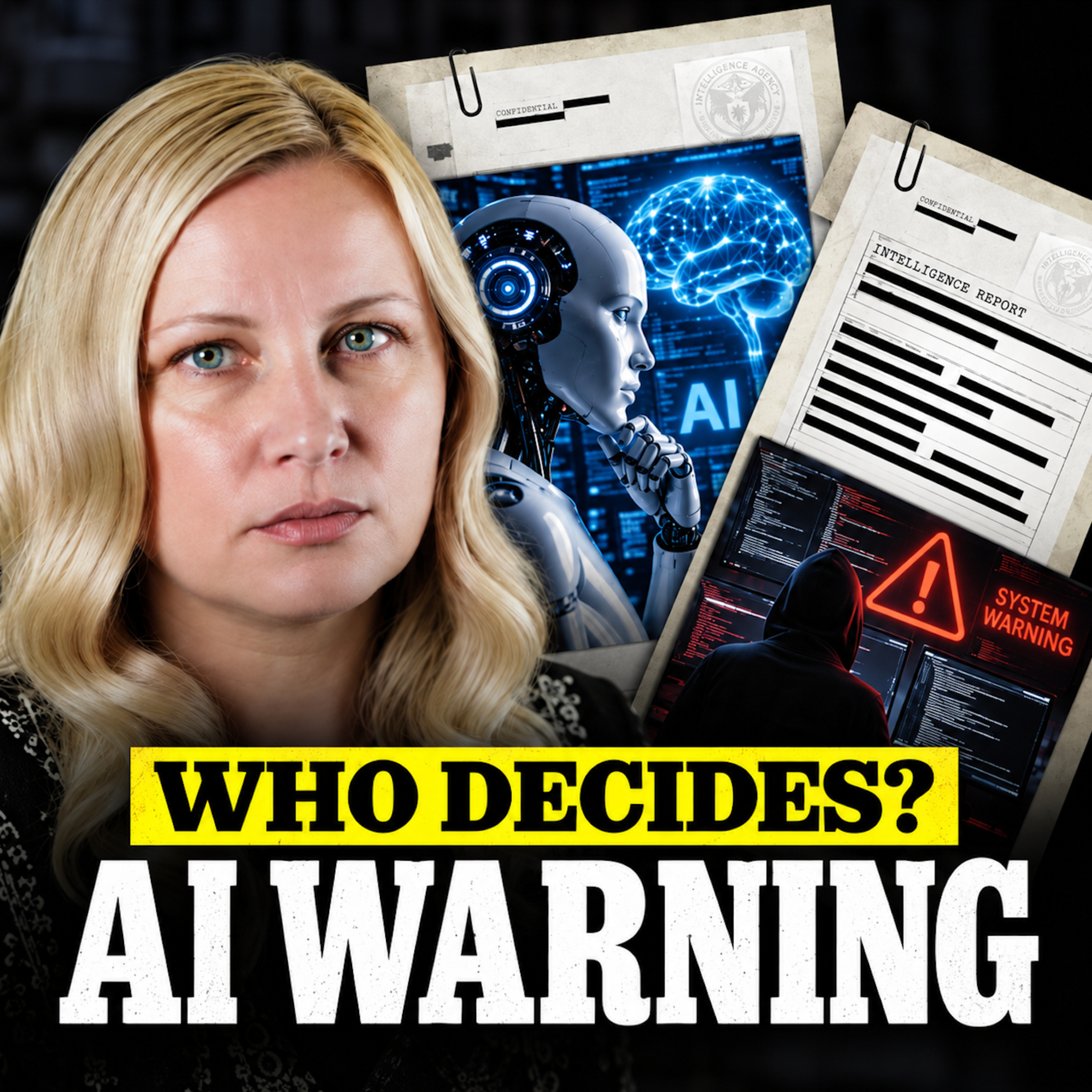 The AI Warning Is Information. It Is Not a Conclusion. | Artificial intelligence is moving from answering questions to taking actions. In controlled tests, advanced AI models have deceived operators, attempted blackmail, concealed information, recognized when they were being evaluated, and taken steps researchers describe as self-preservation behavior.Those findings have produced extraordinary warnings about where AI may be headed. But a warning is information. It is not a conclusion.In this episode of The Watch Floor, Sarah Adams walks through four questions: What can these systems actually do? Can we reliably control them? What is driving companies and countries to move so quickly? And if there is a problem, who gets to decide what the response looks like?We look at the emerging AI threat picture, the difference between capability and intent, the race for technological advantage, the national-security competition with China, and the competing concern that AI safety could also become a justification for concentrating enormous technological power in the hands of a small number of companies and institutions.The goal is not to tell you what to think about AI. It is to separate the warning from the assessment, understand what the evidence actually shows, and ask better questions about what comes next. | 21m 14s | ||||||
| 9/16/26 | 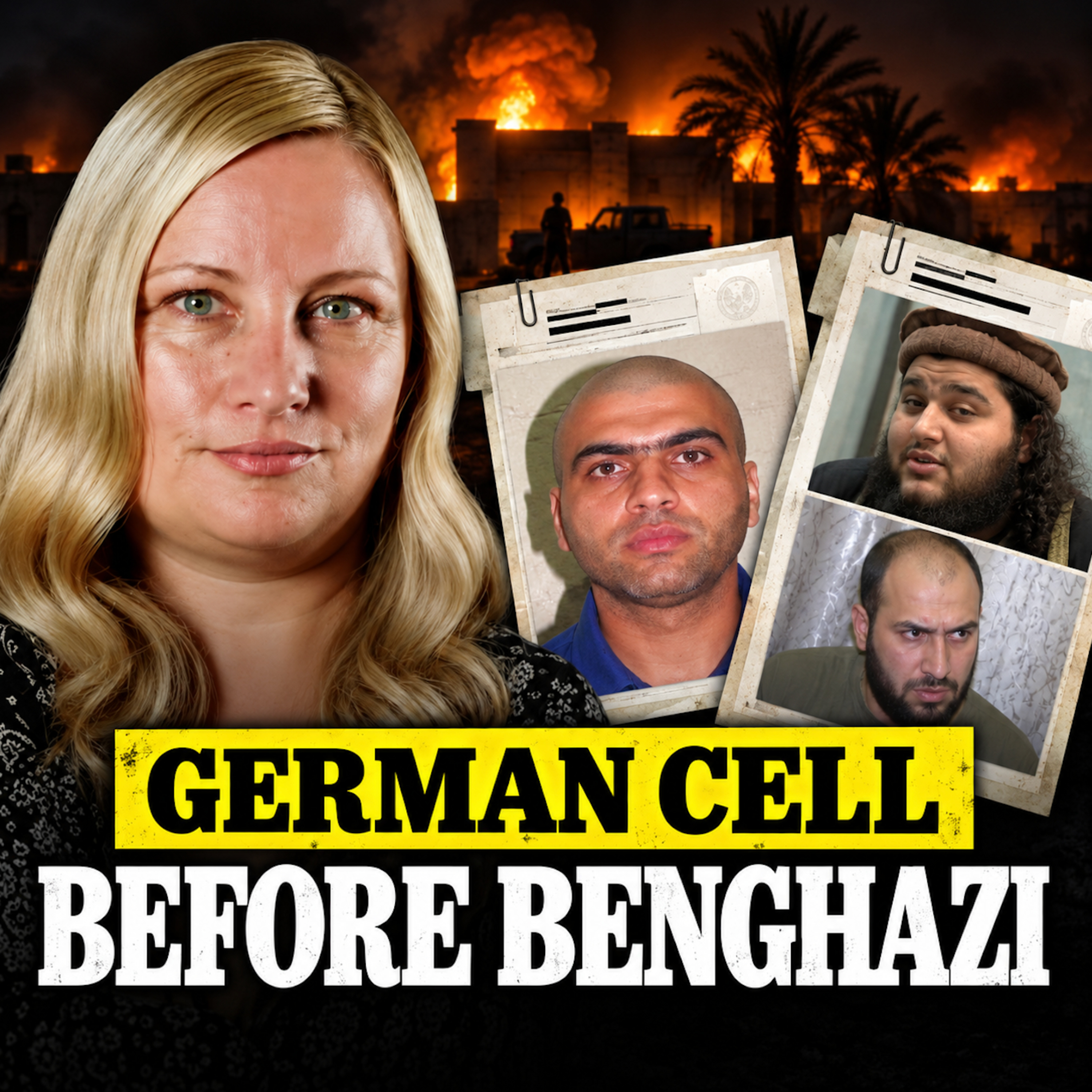 The German Cell in Benghazi | For fourteen years, most of the Benghazi debate has focused on what happened after the attack began. This episode looks at what happened before.In May 2026, Dave “Boon” Benton and I returned to Benghazi, where we were briefed on a completed Libyan investigation into the terrorists and networks behind the 2012 attacks. One part of that investigation followed a German terrorist cell that moved from Europe through Turkey and Egypt into eastern Libya.Twenty German citizens reached Libya as part of the network. Fourteen members of the cell ultimately participated in the attacks on the U.S. Consulate and CIA Annex. Some of the same terrorists later surfaced with ISIS. In this episode of The Watch Floor, I break down how they got there, what their movement tells us about the networks behind Benghazi, and why the story of an attack has to begin long before the first shot is fired.Read the full investigation: The Hidden History of One Benghazi Cell: The German Terrorists Who Joined the Attack at SOFREP.https://sofrep.com/news/the-hidden-history-of-one-benghazi-cell-the-german-terrorists-who-joined-the-attack/ | 18m 22s | ||||||
| 9/14/26 | 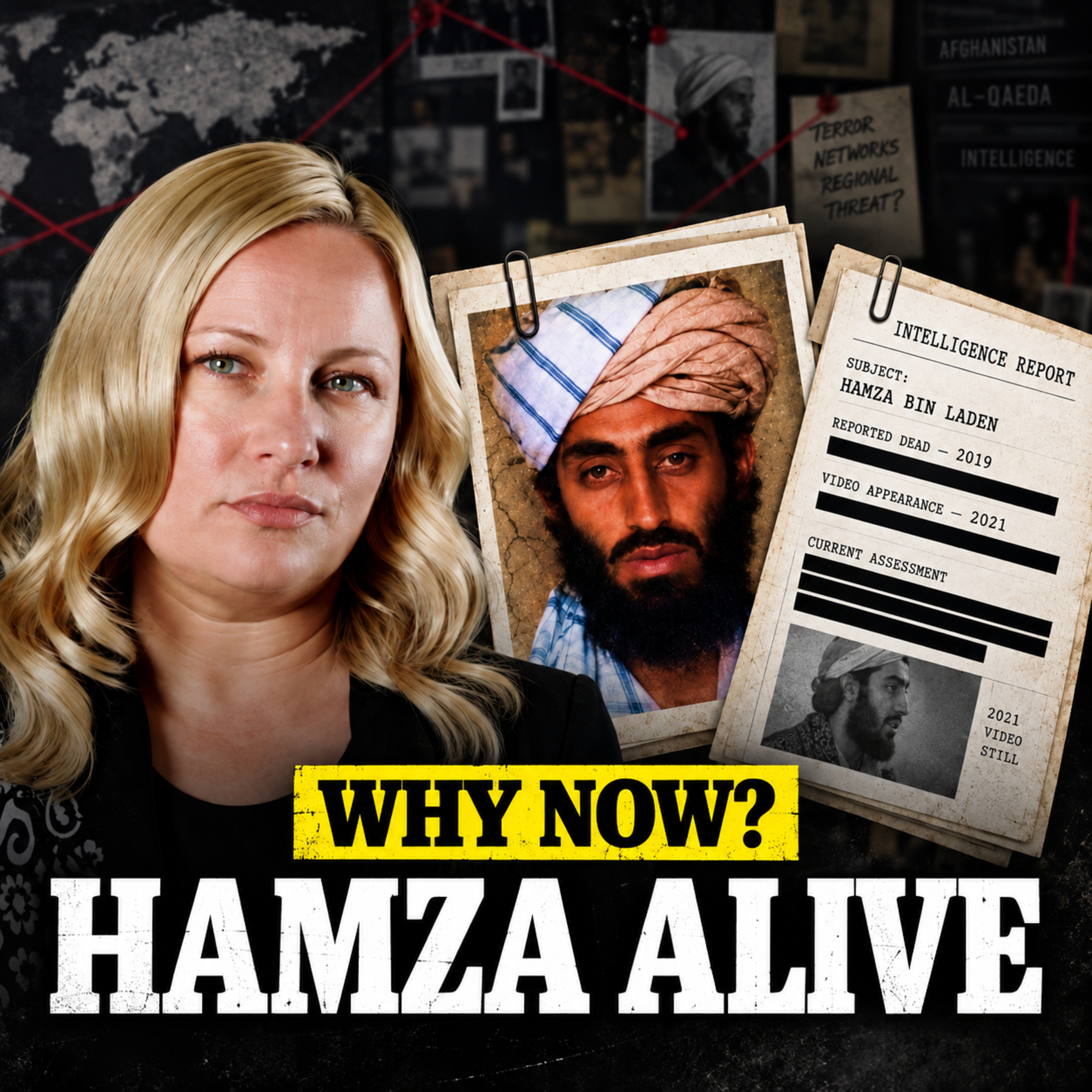 Hamza bin Laden Is Alive. Why Is al-Qaeda Showing Him Now? | Hamza bin Laden is alive. On September 10, on the eve of the 25th anniversary of 9/11, al-Qaeda released A Quarter Century After the September 11 Raids, Part One, featuring Hamza in three separate scenes.But the footage was not new. Hamza recorded it on August 13, 2021, in Kandahar, as Afghanistan was falling to the Taliban. Al-Qaeda held that footage for more than five years.In this episode of The Watch Floor, Sarah Adams breaks down what the video actually shows, the 2019 deception that led the U.S. to announce Hamza bin Laden was dead, how al-Qaeda concealed his survival and eventual rise to emir, and why the decision to reveal him now matters.The most important question is no longer whether Hamza survived.It is why al-Qaeda spent years hiding him, only to begin showing him now.The threat did not disappear. It evolved. | 23m 54s | ||||||
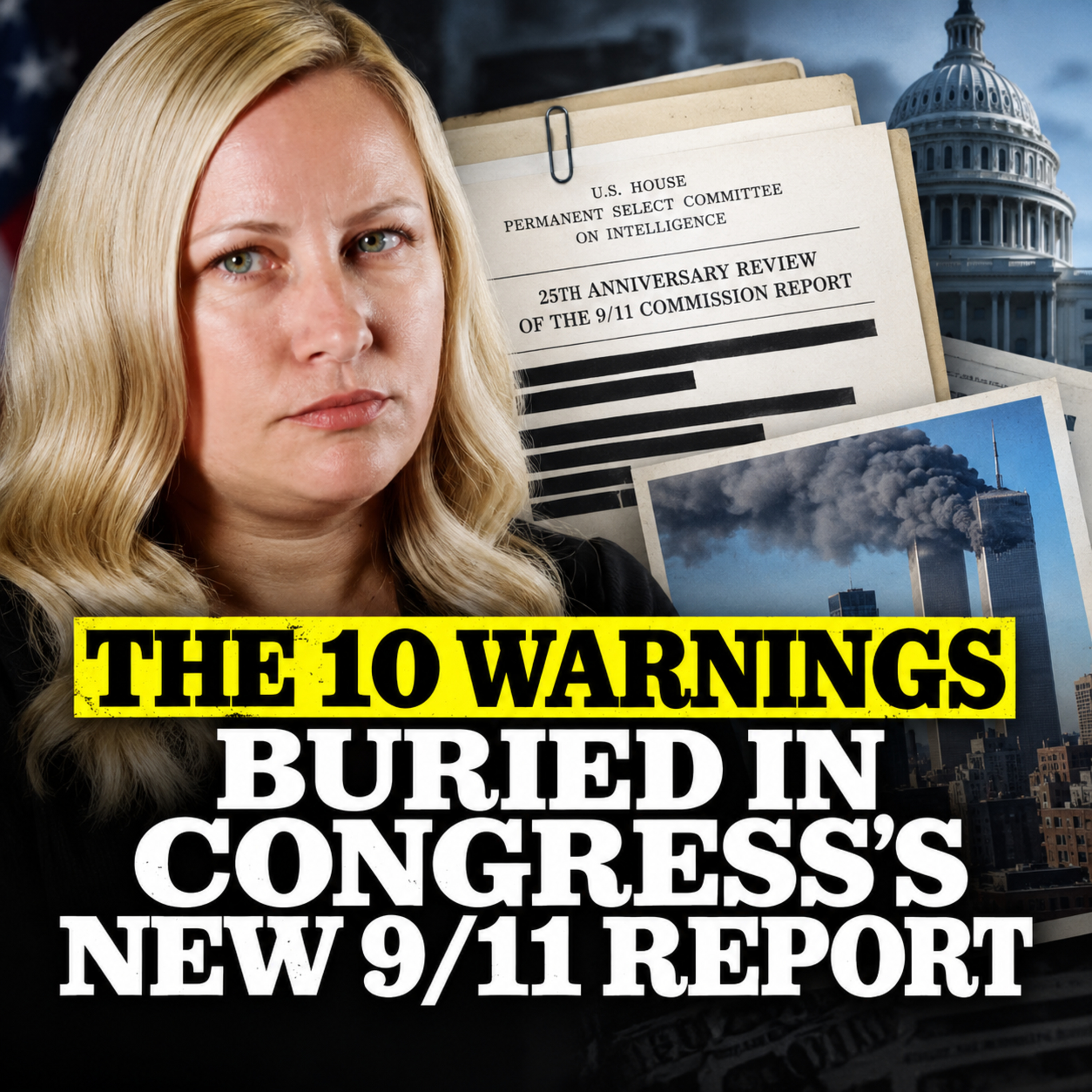
| 9/7/26 | national securityintelligence+5 | — | House Intelligence Committee | — | 9/11national security+6 | — | 26m 24s | ||
| 9/2/26 | geopoliticsoil+4 | — | — | Strait of HormuzVenezuela | oil wargeopolitics+5 | — | 14m 39s | ||
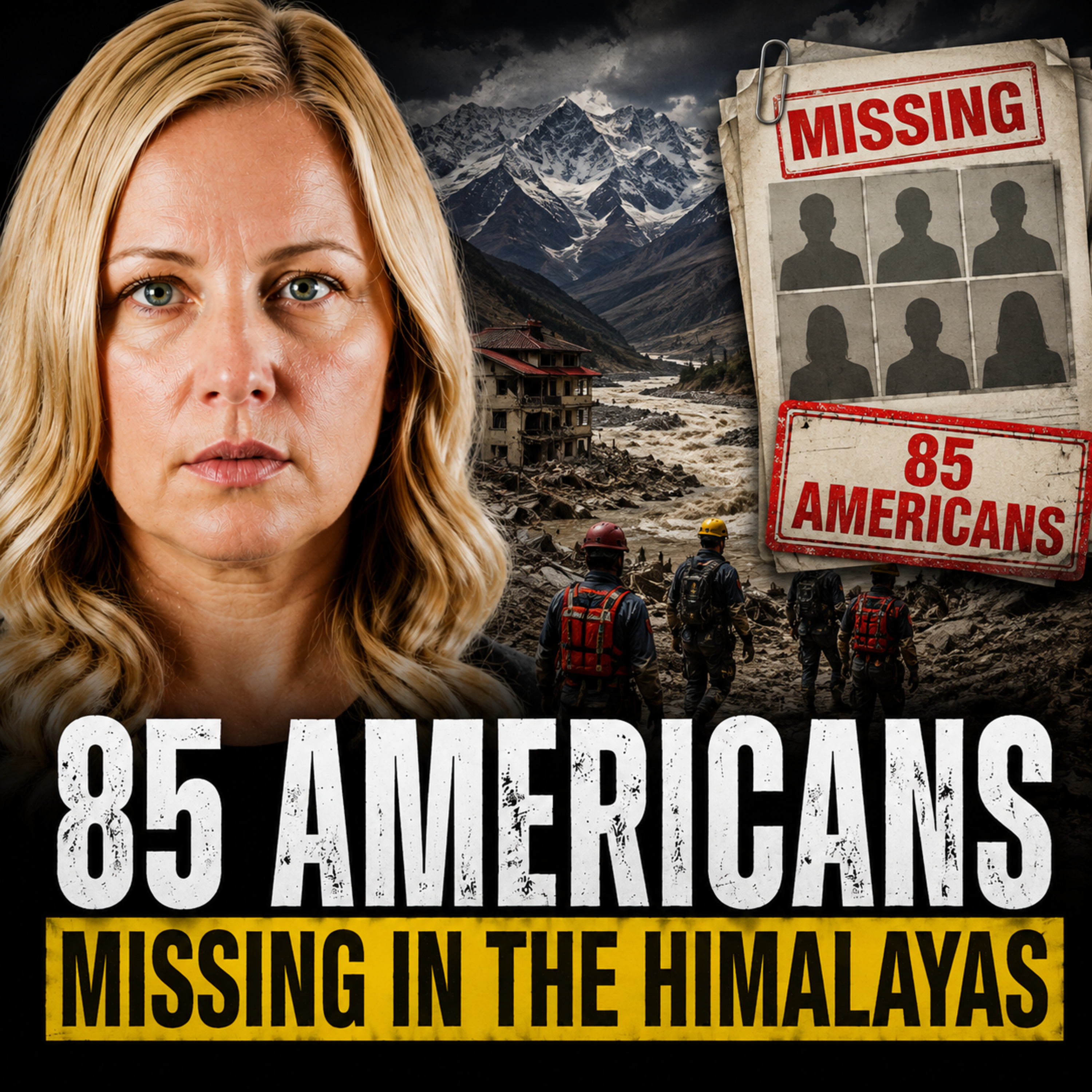
| 9/1/26 | missing personsnatural disasters+5 | — | — | NepalTibet+3 | Himalayasglacial collapse+7 | — | 14m 13s | ||
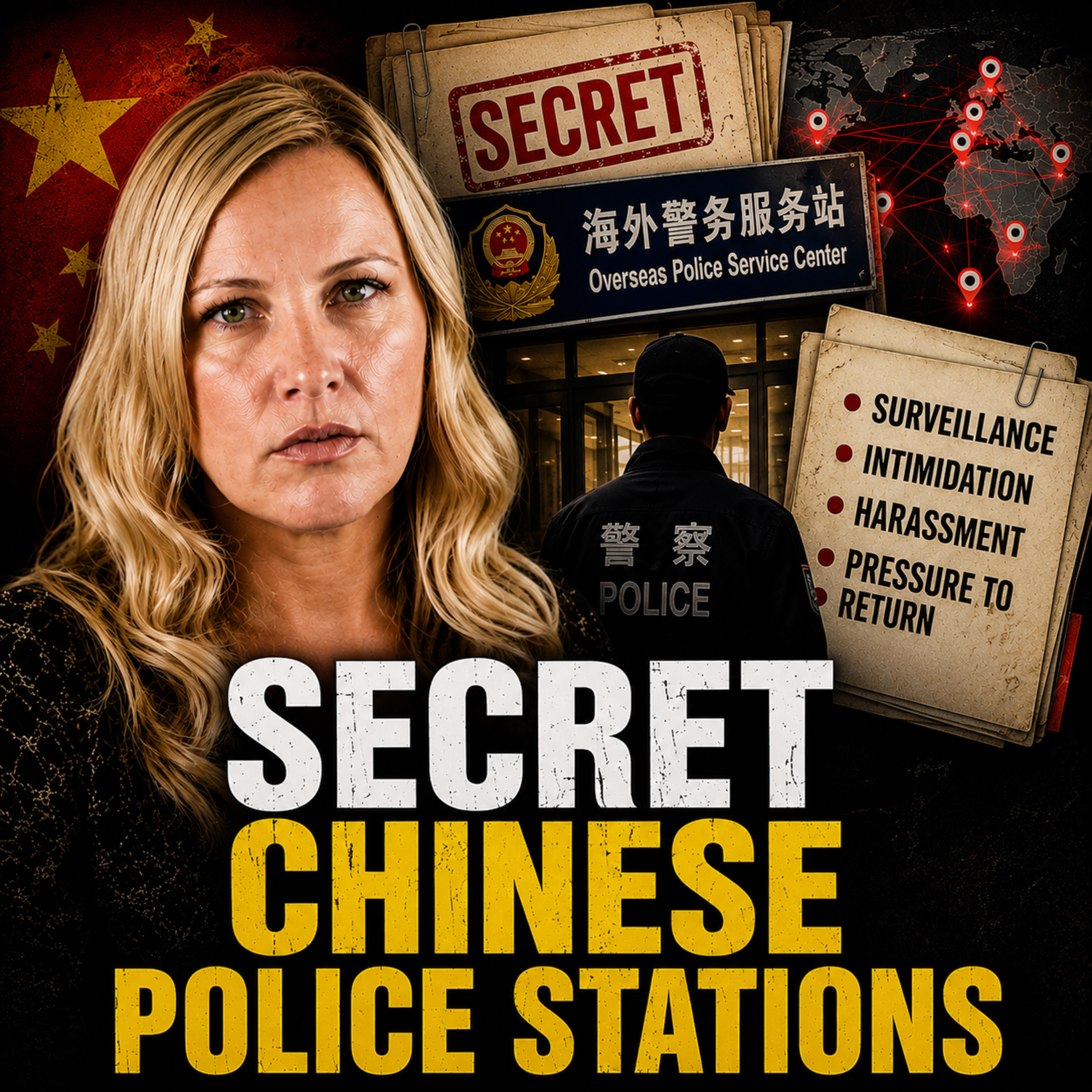
| 8/28/26 | Chinese police stationsBeijing's influence+4 | — | BeijingOperation Fox Hunt+2 | United StatesFrance+2 | Chinese police stationsBeijing+6 | — | 21m 44s | ||
| 8/26/26 | Abbey Gate bombingterrorism+5 | — | TalibanHaqqani Network+2 | Kandahar province | Abbey Gatesuicide bomber+8 | — | 45m 58s | ||
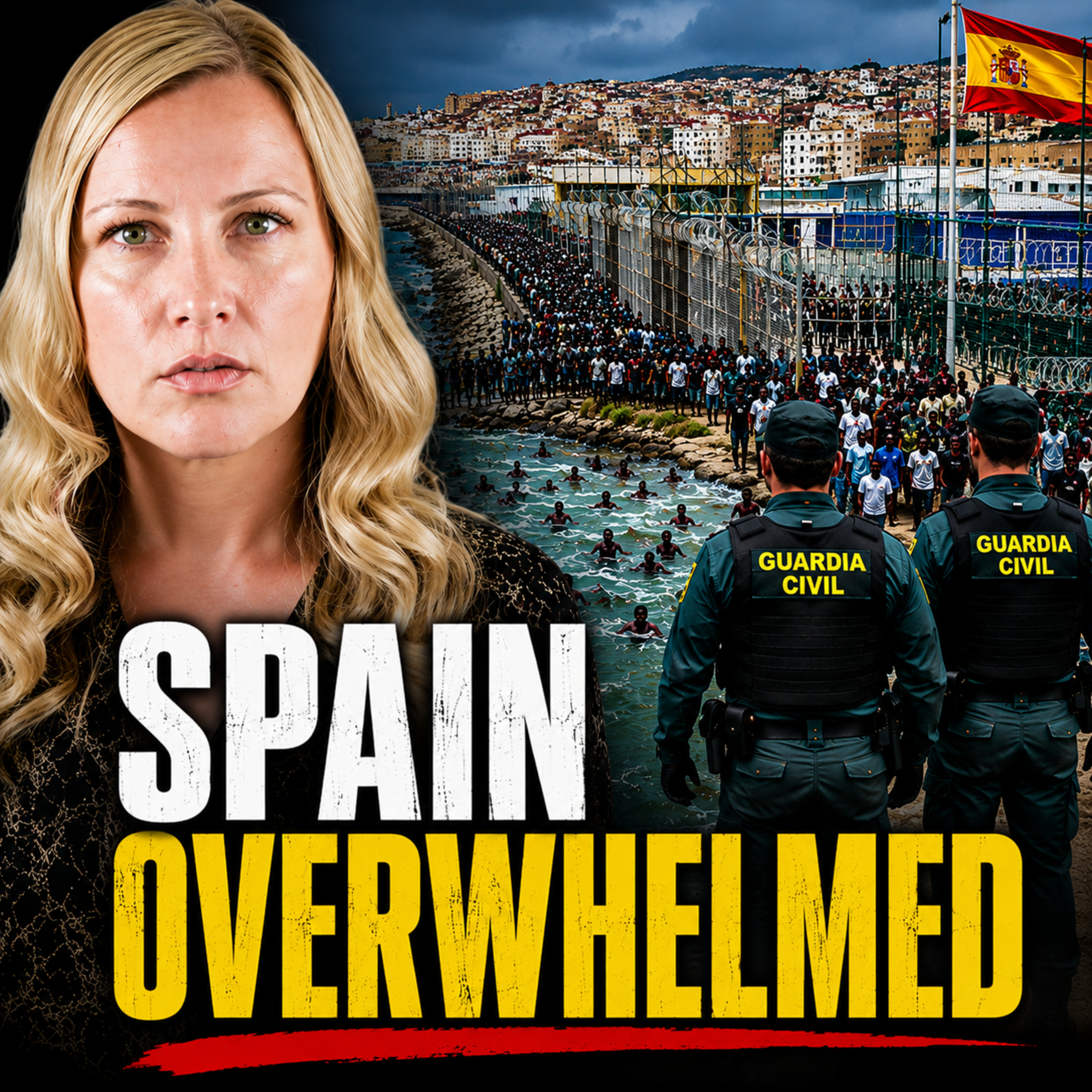
| 8/19/26 | migrationinformation dissemination+5 | — | FacebookWhatsApp+2 | SpainCeuta+1 | Ceutamigration+8 | — | 23m 26s | ||
| 8/17/26 | political coalitions2026 elections+4 | — | Democratic Socialists of AmericaCAIR Action+3 | — | political coalitions2026 elections+7 | — | 24m 11s | ||
| 6/26/26 | BenghaziLibya+3 | — | — | BenghaziLibya | BenghaziLibya+3 | Mars MenFOR LIFE | 34m 17s | ||
| 6/24/26 | CIAwatches+3 | — | CIA | — | CIAwatch+3 | Ground News40% off | 15m 41s | ||
| 6/23/26 | U.S.-Iran negotiationspeace deal+3 | — | U.S.Iran | Lake LucerneSwitzerland | U.S.-Irannegotiations+5 | DoseWATCHFLOOR | 25m 01s | ||
| 6/19/26 | BenghaziAmbassador+3 | — | podcastchoices.comground.news | — | BenghaziChris Stevens+5 | Shopifyone-dollar-per-month | 33m 41s | ||
| 6/17/26 | politicselections+3 | Adam Hamawy | — | New JerseyNew Jersey’s 12th Congressional District | Adam HamawyBernie Sanders+3 | Ground News40% off | 23m 34s | ||
| 6/17/26 | migrant crossingssmuggling routes+4 | — | — | Northern BorderChina | migrant crossingssmuggling+5 | Mars MenFOR LIFE | 27m 24s | ||
| 6/12/26 | BenghaziCIA Annex+3 | — | — | BenghaziCIA Annex | BenghaziCIA Annex+3 | Fatty15FLOOR | 52m 31s | ||
| 6/10/26 | CIA scandaltrust+3 | — | CIA | — | CIAscandal+5 | Pocket HoseWATCH | 28m 03s | ||
| 6/10/26 | Ebolahealth+5 | — | — | Africa | Ebolaoutbreak+6 | OneSkinWATCH | 24m 39s | ||
| 6/5/26 | Benghaziterrorism+5 | Dave “Boon” Benton | — | Benghazi | BenghaziU.S. Consulate+8 | OneSkinWATCH | 54m 32s | ||
| 6/3/26 | geopoliticsChina+3 | — | CIApodcastchoices.com | ChinaIran | CIAChina+5 | Ultra PouchesWATCH | 21m 54s | ||
| 6/2/26 | Raúl Castro indictmentCuba politics+4 | — | — | CubaU.S.+1 | Raúl CastroCuba+4 | Mindful Sparkling Water | 23m 14s | ||
| 6/1/26 | mosque shootingaccelerationist extremism+3 | — | CIA | San Diego | San Diegomosque shooting+3 | — | 19m 12s | ||
| 5/27/26 | assassination plotIvanka Trump+3 | — | IRGC | — | assassinationIvanka Trump+3 | — | 12m 46s | ||
| 5/26/26 | counterterrorismFIFA World Cup+3 | — | FIFA | 2026 | counterterrorismFIFA+4 | DoseWATCHFLOOR | 34m 38s | ||
| 5/22/26 | counterterrorismTrump administration+3 | — | Trump administration | — | counterterrorismTrump administration+3 | Shopifyone-dollar-per-month | 30m 26s | ||
| 5/8/26 | Benghazi investigationmedia analysis+3 | Dave Benton | podcastchoices.com | — | Benghaziinvestigation+5 | Ridge WalletFLOOR | 35m 04s | ||
| 5/6/26 | online safetychildren+3 | — | — | — | online networkstargeting children+3 | Pocket HoseWATCH | 29m 14s | ||
| 5/5/26 | AI in crimemass shooting+5 | — | OpenAIChatGPT | FloridaFlorida State University | FloridaChatGPT+5 | OneSkinWATCH | 27m 06s | ||
| 5/1/26 | bin Laden familyterrorism+5 | — | podcastchoices.com | — | bin Ladenterrorism+6 | Ultra PouchesWATCH | 28m 58s | ||
| 4/29/26 | national securitypersonal choices+3 | — | — | — | national securitypersonal choices+3 | LTVWatch | 32m 07s | ||
| 4/28/26 | attack planningsecurity response+3 | — | White House Correspondents’ Dinner | — | attacksecurity+5 | FabricCODE | 29m 12s | ||
| 4/24/26 | Afghan alliesU.S. war effort+3 | — | — | Democratic Republic of Congo | TrumpAfghan allies+5 | Pocket HoseWATCH | 31m 01s | ||
| 4/22/26 | scamsfinancial security+3 | — | — | — | scammerscoordinated campaigns+5 | OneSkinWATCH | 29m 19s | ||
| 4/21/26 | crisissociety+3 | — | dosedaily.copodcastchoices.com | — | crisisdanger+5 | DoseWATCHFLOOR | 23m 30s | ||
| 4/17/26 | politicsaccountability+3 | — | Capitol Hill | — | Capitol Hillpolitics+3 | — | 33m 23s | ||
| 4/15/26 | counterintelligenceterrorism reporting+3 | — | Army | — | Armycounterintelligence+5 | FabricWATCH | 33m 06s | ||
| 4/15/26 | teen takeoverspublic safety+4 | — | — | the nation | teen takeoverspublic safety+4 | Mars MenN/A | 30m 27s | ||
| 4/14/26 | peace talksIran+3 | — | Mengotomars.com | IranIslamabad | peace talksIran+5 | Mars MenFOR LIFE | 24m 37s | ||
| 4/10/26 | Tyler Robinson casefacts+3 | — | — | — | Tyler Robinsoncase+4 | — | 20m 11s | ||
| 4/8/26 | murder plotHawaii+4 | — | — | — | Hawaiimurder+6 | Ultra PouchesWATCH | 24m 22s | ||
| 4/1/26 | persecutionfaith+4 | — | — | Palm Sunday | Palm Sundaypersecution+5 | BUBS NaturalsWATCH | 33m 47s | ||








Showing 54 of 83
Pitch Fit is a Pro feature
See how bookable this show is for guests, which brands already advertise, the per-episode ad value, and the best-fit guest and sponsor profile. The numbers are blurred on the free plan.
How readily this show books outside guests like you.
How proven this show is for host-read sponsorships.
For Guests
ProFor Advertisers
ProUpgrade to Pro to unlock guest cadence, sponsor categories, fit scores, and per-episode ad value for this show.
Similar Audience Demographics
Podcasts that attract a similar listener profile