Insights from recent episode analysis
Audience Interest
Podcast Focus
Publishing Consistency
Platform Reach
Insights are generated by CastFox AI using publicly available data, episode content, and proprietary models.
Most discussed topics
Brands & references
Est. Listeners
Insufficient chart data. Estimates will improve as the show charts.
- Per-Episode Audience
Est. listeners per new episode within ~30 days
N/A🎙 ~2x weekly·131 episodes·Last published 3d ago - Monthly Reach
Unique listeners across all episodes (30 days)
N/A - Active Followers
Loyal subscribers who consistently listen
N/A
Market Insights
Platform Distribution
Reach across major podcast platforms, updated hourly
Total Followers
—
Total Plays
—
Total Reviews
—
* Data sourced directly from platform APIs and aggregated hourly across all major podcast directories.
On the show
From 16 epsHosts
Recent guests
No guests detected in recent episodes.
Recent episodes
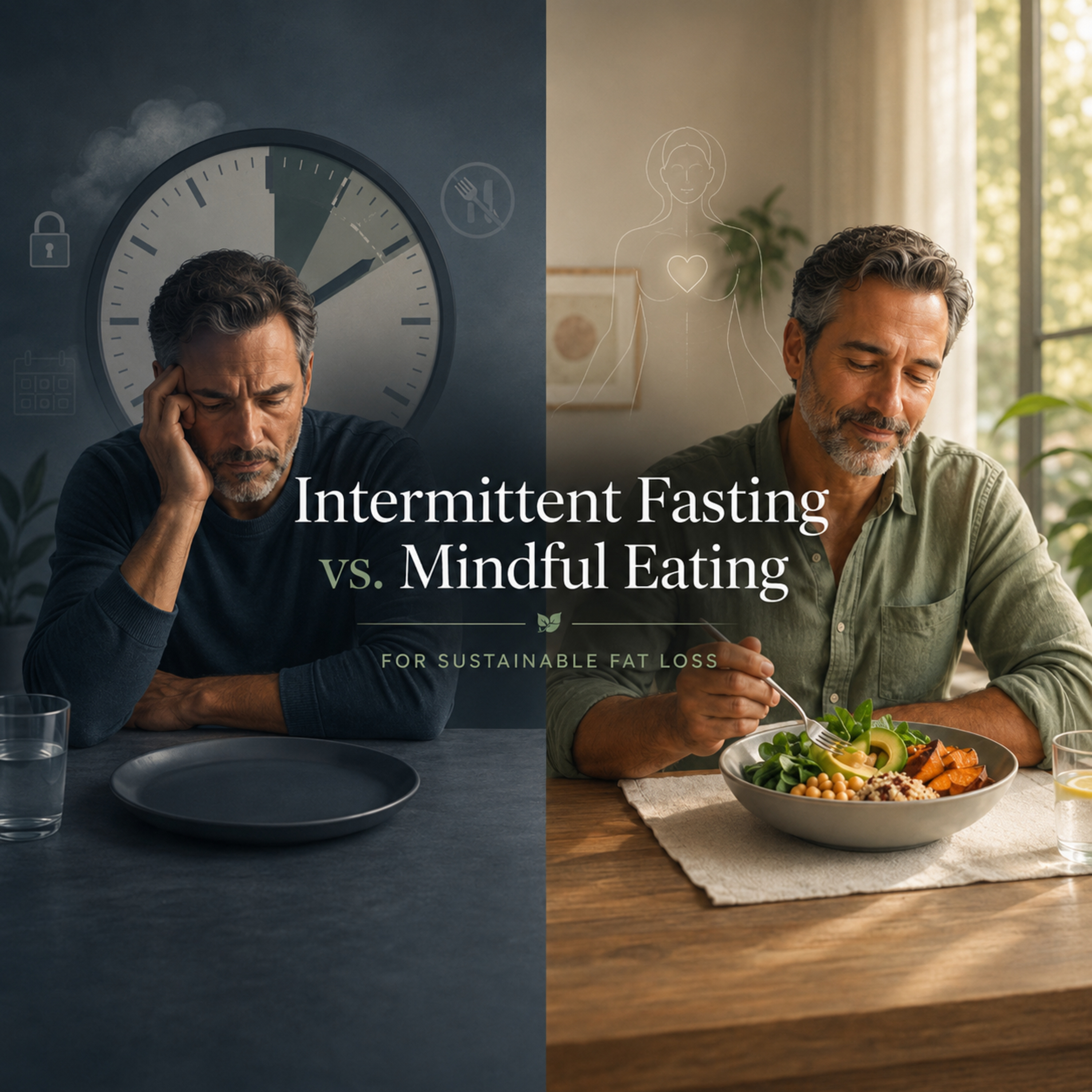
Intermittent Fasting vs. Mindful Eating for Sustainable Fat Loss
Jun 21, 2026
Unknown duration
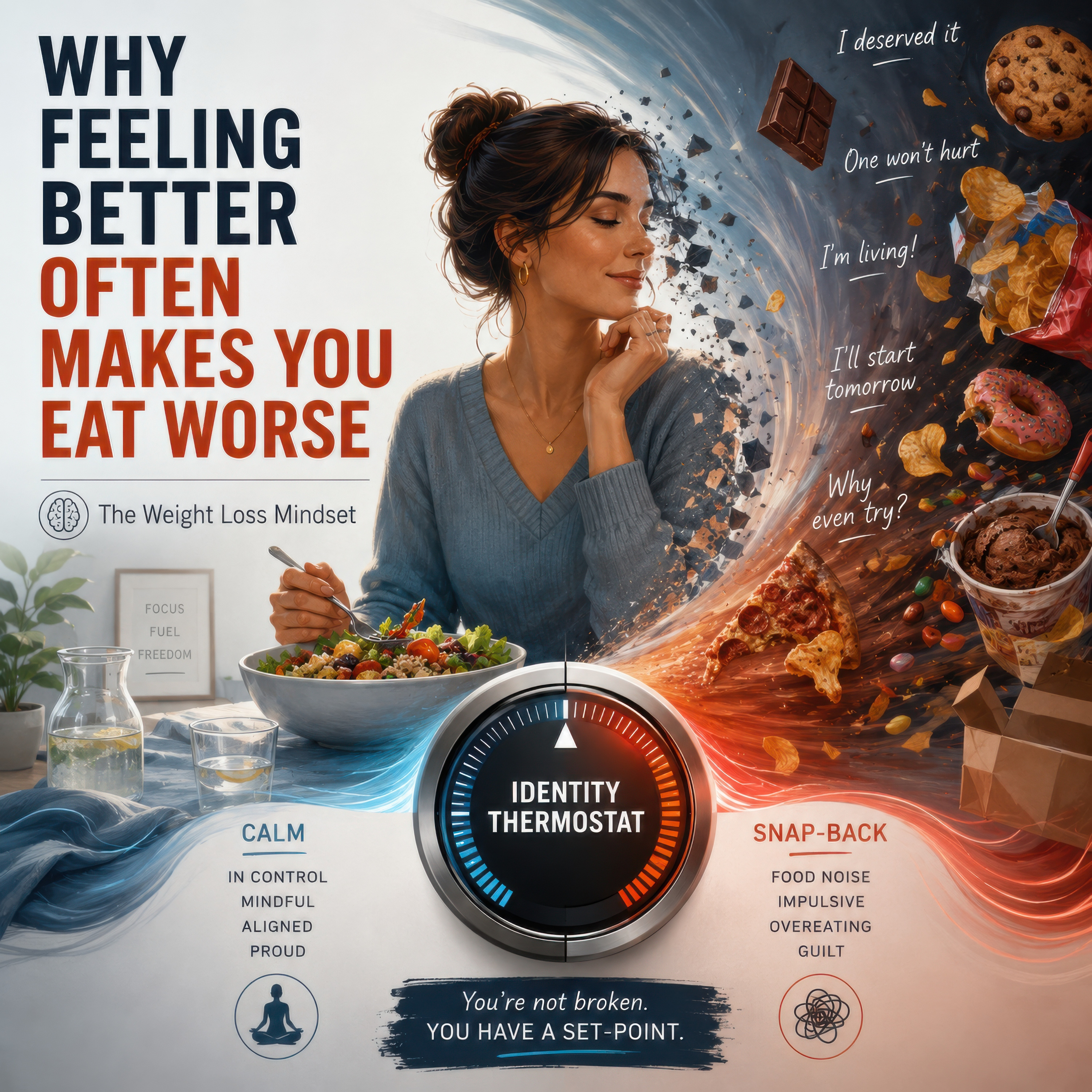
Why Feeling Better Often Makes You Eat Worse
Jun 9, 2026
13m 01s
Why Your Brain Fights You Harder the Closer You Get to Your Goal
Jun 2, 2026
12m 54s
Nobody Taught You to Soothe Yourself. So Your Brain Found Food.
May 26, 2026
13m 07s
7 Mistakes People Make Trying to Think Their Way Out of a Food Spiral (And the One Shift That Works Instead)
May 11, 2026
12m 45s
Social Links & Contact
Official channels & resources
Official Website
Login
RSS Feed
Login
| Date | Episode | Topics | Guests | Brands | Places | Keywords | Sponsor | Length | |
|---|---|---|---|---|---|---|---|---|---|
| 6/21/26 | ![]() Intermittent Fasting vs. Mindful Eating for Sustainable Fat Loss | The diet world just picked another champion. This time it's intermittent fasting. The case for it is real, and so is the 38% dropout rate. This episode looks at what the data shows about both approaches, what the neuroscience says about where sustainable fat loss lives, and what question every protocol conversation is actually trying to ask. In This Episode: 1. The debate is a setup. Comparing protocols means staying inside the diet industry's frame. The tool isn't the problem. The relationship underneath it is. 2. Intermittent fasting works for one reason: total calorie reduction. Clinical trials confirm real results and a 38% dropout rate, higher than participants who cut calories with no time-based structure at all.3. The body reads a fasting window as a starvation signal. Cortisol rises. Ghrelin surges. When the eating window opens on a system flooded with hunger chemistry, control doesn't just get harder. Biology takes over. The body is running exactly the software it was designed to run. 4. Years of restriction damage the one skill mindful eating depends on. Interoception: the ability to feel hunger and fullness accurately. Every rule followed in place of an internal signal trains us further from our own bodies. Mindful eating's job is to recalibrate the compass that dieting broke. 5. The neuroscience is direct. Mindful eating doesn't manage cravings from above. It changes the wiring below. Neuroimaging shows it physically quiets the brain's reward pathway and strengthens the circuits where deliberate choice lives. The food noise gets quieter because the brain has changed its response to the signal. 6. Every conversation about fat loss eventually arrives at the same question. Not which protocol to follow. Who do you want to be in relationship with food? The thermostat is always an identity question. Mindful eating works at that level. Everything else reaches around it. Ready to go deeper? If this one landed, the next step isn't another protocol. It's a different target entirely. Escape the Willpower Trap is where we do this work, changing the relationship with food, not the meal schedule. The quiet mind is waiting. The door is open: https://news.weightlossmindset.co/subscribe | — | ||||||
| 6/9/26 | ![]() Why Feeling Better Often Makes You Eat Worse✨ | self-sabotageidentity change+3 | — | — | — | self-sabotage mythidentity thermostat+3 | — | 13m 01s | |
| 6/2/26 | ![]() Why Your Brain Fights You Harder the Closer You Get to Your Goal✨ | Proximity Trapbrain resistance+3 | — | Escape the Willpower TrapThe Weight Loss Mindset | — | Proximity Trapbrain+5 | — | 12m 54s | |
| 5/26/26 | ![]() Nobody Taught You to Soothe Yourself. So Your Brain Found Food.✨ | emotional eatingnervous system+4 | — | The Weight Loss Mindset | — | emotional eatingnervous system+5 | — | 13m 07s | |
| 5/11/26 | ![]() 7 Mistakes People Make Trying to Think Their Way Out of a Food Spiral (And the One Shift That Works Instead)✨ | food spiralcravings+4 | — | — | — | food spiralcravings+6 | — | 12m 45s | |
| 4/7/26 | ![]() You Didn't Choose This Identity - A Scared Child Did✨ | childhood identityfood relationship+3 | — | — | — | hungerearly imprinting+3 | — | 12m 29s | |
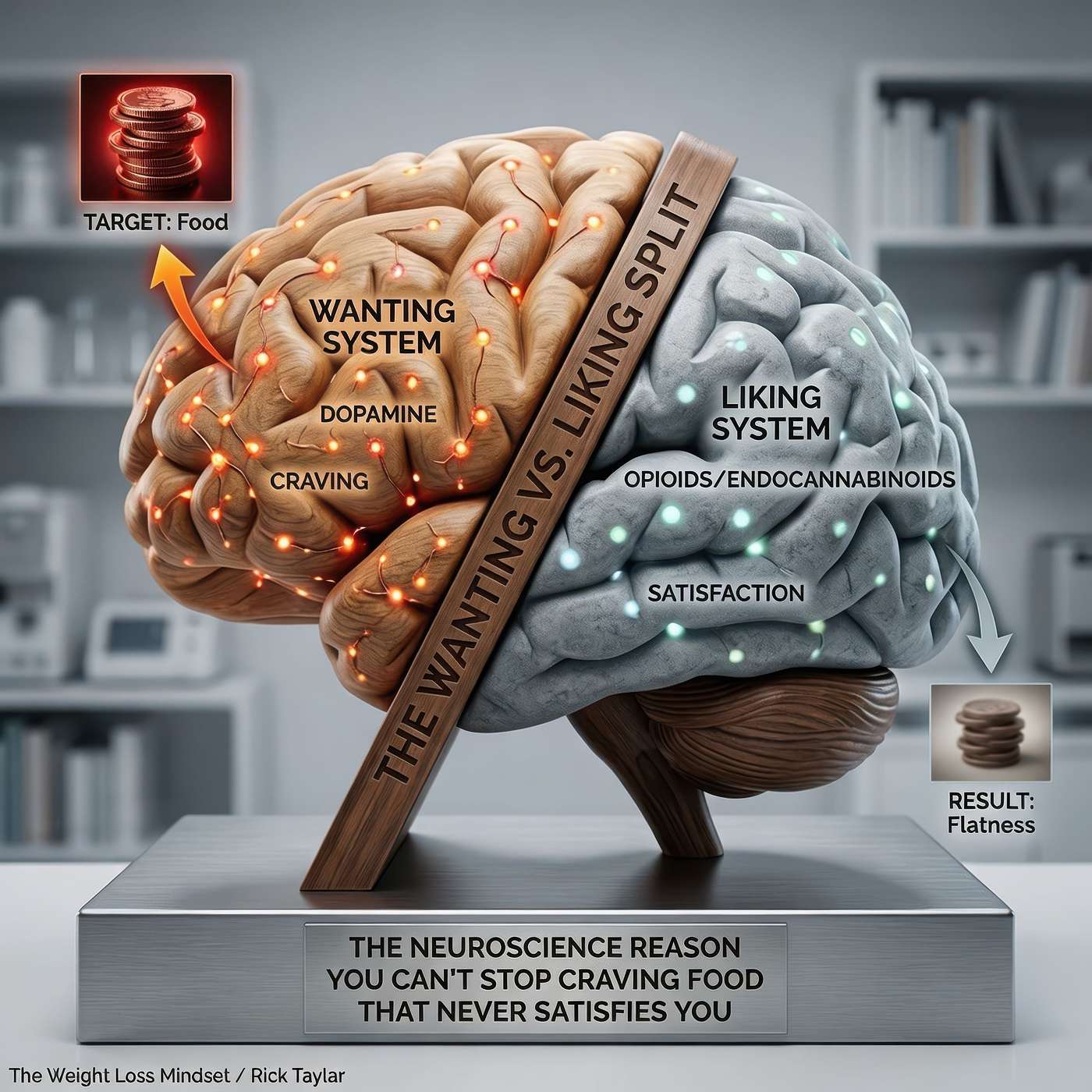
| 3/30/26 | ![]() The Wanting vs. Liking Split: The Neuroscience Reason You Can't Stop Craving Food That Never Even Satisfies You✨ | neurosciencecravings+4 | — | University of Michigan | — | cravingsneuroscience+6 | — | 14m 29s | |
| 3/24/26 | ![]() 7 Mental Traits of People Who Never Obsess Over Food (And How to Rewire Your Brain to Think the Same Way)✨ | mental traitsfood relationship+4 | — | — | — | food neutralityhunger signals+5 | — | 12m 58s | |
| 3/16/26 | ![]() 5 Reasons Self-Compassion Without Identity Change Keeps You Trapped in the Binge-Forgive-Repeat Cycle✨ | self-compassionidentity change+4 | — | — | — | self-compassionbinge eating+5 | — | 18m 09s | |
| 3/10/26 | ![]() The Hidden Narrative Running Your Eating Habits — And How to Rewrite It Before It Costs You Another Decade✨ | narrative identityeating habits+4 | — | — | — | eating habitsnarrative identity+6 | — | 12m 01s | |
Want analysis for the episodes below?Free for Pro Submit a request, we'll have your selected episodes analyzed within an hour. Free, at no cost to you, for Pro users. | |||||||||
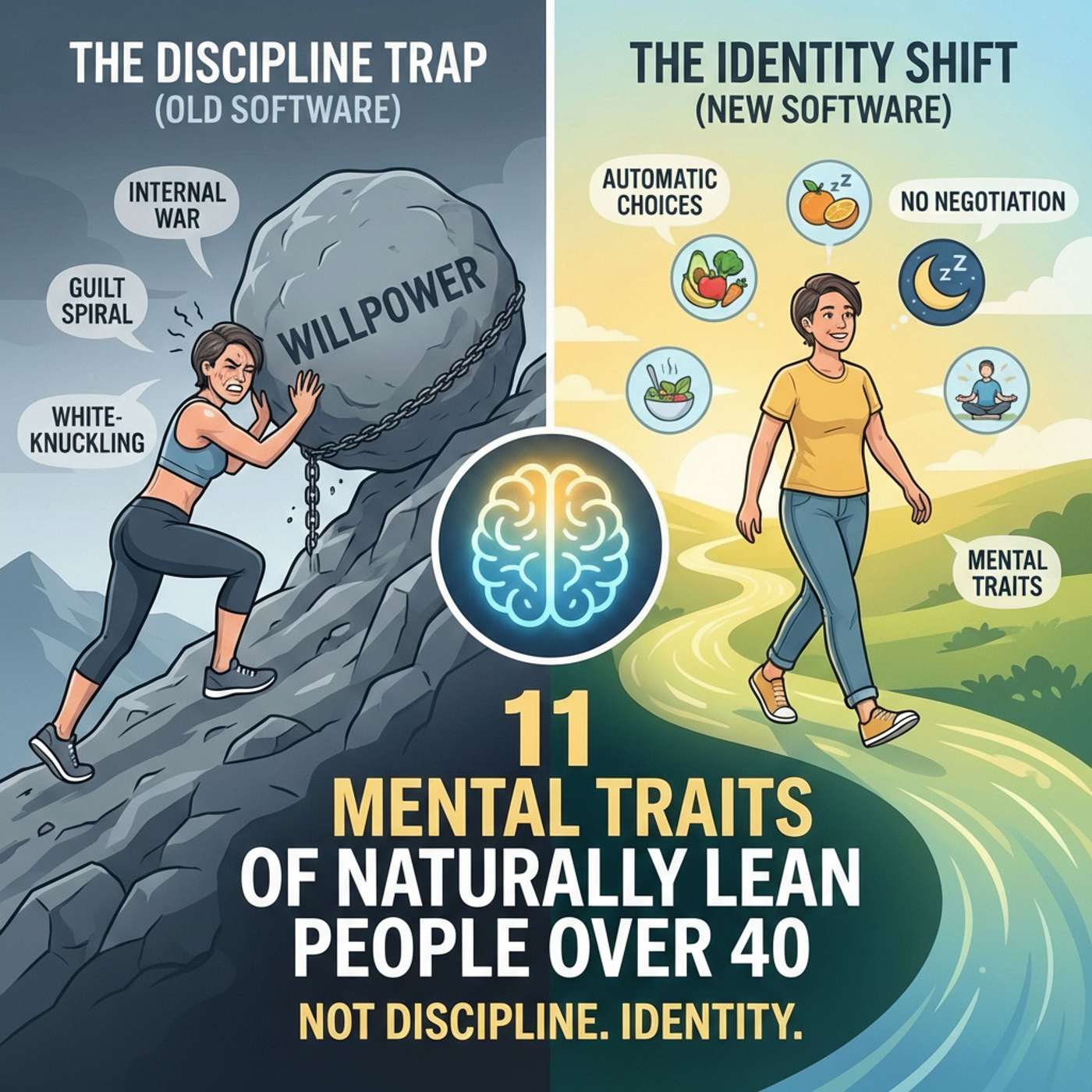
| 2/9/26 | ![]() 11 Mental Traits of Naturally Lean People Over 40 That Have Nothing to Do With Discipline And Everything to Do With Identity✨ | mental traitsidentity+4 | — | — | — | mental softwarefood identity+3 | — | 18m 49s | |
| 12/18/25 | ![]() Q&A16 "I Feel Numb," The Fear of Deleting Calorie Apps & Why You Feel Hungry 24/7✨ | interoceptionhunger cues+4 | — | MyFitnessPal | — | interoceptionhunger+5 | — | 6m 45s | |
| 12/11/25 | ![]() Q&A15 The Evening Crash, "Faking It," and The Grief of Change✨ | Identity vs. DisciplineEvening Binge+4 | — | The Weight Loss Mindset | — | Evening CrashDiscipline+5 | — | 7m 34s | |
| 12/8/25 | ![]() Why I Stopped Relying on "Discipline" (And Why You Should Too) | We are taught that weight loss is a test of character. If you are overweight, society tells you it’s because you lack the willpower to say "no." You likely believe this too. You wake up every Monday promising to be "better," to white-knuckle your way through cravings, and to force your body into submission. But by Friday (or Tuesday night), you’re exhausted, and the binge feels inevitable.In this episode, I’m challenging the holy grail of diet culture: Discipline. I explain why relying on willpower is actually a symptom of a misaligned identity, not a solution. We discuss why discipline is a finite battery that will always fail you when you are tired, and how to shift into an "Identity Mindset" where making healthy choices feels as natural as brushing your teeth.Important points from episode:The Battery Problem: Discipline is a finite resource. Every time you stifle an emotion, focus on a hard task, or say "no" to a donut, you drain the battery. By 8:00 PM, you aren't weak—you are depleted.Identity vs. Acting: Most dieters are "actors" playing the role of a healthy person. It takes immense energy to stay in character. The goal is to stop acting and start being.The Rubber Band Effect: Trying to change your body without changing your identity is like running against a rubber band attached to a post. Eventually, the tension snaps you back. Identity work moves the post.Friction vs. Flow: Discipline asks, "How can I force myself to do this?" Identity asks, "Who do I believe I am?"Action Step: Next time you feel the need to use "discipline" to make a choice, pause. Ask yourself: "What would the version of me who has already succeeded do in this moment?" Borrow that identity for just ten seconds. This is a public episode. If you would like to discuss this with other subscribers or get access to bonus episodes, visit news.weightlossmindset.co This is a public episode. If you'd like to discuss this with other subscribers or get access to bonus episodes, visit news.weightlossmindset.co/subscribe | — | ||||||
| 12/4/25 | ![]() Q&A14 Your Nervous System Questions Answered (Polyvagal Theory)✨ | nervous system regulationself-compassion+4 | — | Polyvagal Theory | — | nervous systemPolyvagal Theory+5 | — | 8m 34s | |
| 12/1/25 | ![]() The Polyvagal Theory of Binge Eating: Why Your Nervous System Makes You Overeat | In this episode, we explore the biological reason why willpower so often fails in the face of binge eating. We dive into Polyvagal Theory to understand how your autonomic nervous system hijacks your decision-making to keep you safe, explaining why you can't simply "discipline" your way out of a survival response. You'll discover why your body is actually trying to protect you when it demands food, and how to create true safety without relying on the pantry.Important Points CoveredWhy Willpower is No Match for Biology We discuss the uncomfortable truth that binge eating is often a biological safety response, not a character flaw. When your nervous system senses a threat, it shuts down the logical part of your brain (the prefrontal cortex), making it physically impossible to access your "willpower" or long-term goals during a stress response.The Three States of Your Nervous System We break down the "traffic light" system of your body: the Green State (safe and social), the Red State (fight or flight), and the Blue State (freeze or shutdown). You'll learn how to identify which state you are in based on whether you are craving crunchy, aggressive foods (Red State) or soft, comforting foods (Blue State).Reframing the Binge as a Safety Solution Here is the part most people don't want to hear: your bingeing is actually a functional solution your body found to regulate your nervous system. We explain how the physical act of eating massages the Vagus nerve, providing immediate chemical relief from anxiety or numbness, which is why it feels so addictive.The Danger of Restriction We look at why the standard advice to "go on a diet" inevitably backfires for emotional eaters. To your primitive brain, restriction looks like starvation, which acts as a massive danger signal. This pushes you right back into the "Red State," creating a vicious cycle where trying to be "good" actually triggers the next binge.Practical Tools for Somatic Safety We move beyond theory into action with "Somatic Resourcing"—using your body to change your state instead of food. You'll learn specific physical movements to discharge anxious energy (like shaking or pushing) and gentle techniques to wake up from a shutdown (like humming or weighted blankets).Your body has never been your enemy; it has been your protector, working overtime to help you survive stress. If this episode resonated with you, I'd love to hear which "state" you find yourself in most often—Red or Blue? Reply to this week's newsletter. I'll see you Thursday for our Q&A, where we'll dive deeper into how to navigate these nervous system storms in real-time.Key Takeaway Binge eating is not a sign that you are broken or weak; it is a sign that your nervous system is desperately trying to regulate itself to keep you safe. This is a public episode. If you would like to discuss this with other subscribers or get access to bonus episodes, visit news.weightlossmindset.co This is a public episode. If you'd like to discuss this with other subscribers or get access to bonus episodes, visit news.weightlossmindset.co/subscribe | — | ||||||
| 11/24/25 | ![]() The Identity Grief No One Warns You About✨ | identity grieftransformation+3 | — | — | — | identity lossgrief+3 | — | 10m 06s | |
| 11/20/25 | ![]() Q&A 12 Your Questions About Becoming Someone Who Naturally Stays Healthy✨ | identity transformationfood-related identity+4 | — | — | — | identity transformationfood struggles+3 | — | 10m 42s | |
| 11/17/25 | ![]() The Identity Shift That Makes Everything Else Automatic | Discover why you can't out-behavior a limiting identity and learn the exact 5-step process for becoming someone who naturally takes care of their body. This episode reveals how to bridge the gap between knowing what to do and actually becoming the person who does it automatically.Important Points Covered1. The Identity ProblemMost people try to change behaviors without changing identity. Your behaviors will always align with your identity beliefs - if you see yourself as someone who "struggles with food," you'll prove that belief right even when trying to change.2. The Evidence Collection MethodIdentity shifts happen through proving it to yourself, not positive thinking. Start collecting small pieces of evidence that support your new identity: "I am someone who naturally takes care of my body."3. Bridge Your Existing IdentitiesYou're already the person you want to become in other areas of life. If you're reliable at work or caring with family, those same traits apply to self-care - you just need to extend them to food.4. Act From Your New IdentityInstead of asking "What should I do?" ask "What would someone who naturally takes care of their body do in this situation?" Make decisions from your new identity, not old patterns.5. Why This Creates Automatic ChangeWhen identity and behaviors align, there's no internal conflict or willpower required. Taking care of yourself becomes as automatic as brushing your teeth - it's just who you are.Complete the 7-day identity transformation challenge:Days 1-2: Audit your current food identity beliefsDays 3-4: Choose your new identity statementDays 5-7: Start collecting evidence of moments you act like your new identityKeep a simple list: "Evidence I'm someone who naturally takes care of my body." No moment is too small - you're building a new identity one piece of evidence at a time.Key Takeaway"You can't out-behavior a limiting identity. When you shift your identity to someone who naturally takes care of their body, the behaviors follow automatically. Your transformation starts with your identity - everything else follows." This is a public episode. If you would like to discuss this with other subscribers or get access to bonus episodes, visit news.weightlossmindset.co This is a public episode. If you'd like to discuss this with other subscribers or get access to bonus episodes, visit news.weightlossmindset.co/subscribe | — | ||||||
| 11/13/25 | ![]() Q&A11 Your Questions About Developing Food Freedom Traits | This Q&A episode addresses the practical implementation questions from Monday's "Mental Traits" episode. Listeners asked how to actually develop food freedom traits when they feel like they're starting from zero, especially transferring skills they already have in other life areas to their relationship with food.IMPORTANT POINTS COVERED1. Transferring Systems Thinking to Food2. Rebuilding Trust in Hunger Signals3. Moving from Intellectual to Emotional Food Neutrality4. Building Stress Coping Tools Beyond Food5. Realistic Timeline for Developing These TraitsPick one trait to focus on this week and practice it when you're calm so it's available when you need it. Keep sending questions about applying these concepts in real life.KEY TAKEAWAYYou already have these food freedom capabilities in other areas of your life. The work is extending that existing wisdom to your relationship with food, one conscious choice at a time. This is a public episode. If you would like to discuss this with other subscribers or get access to bonus episodes, visit news.weightlossmindset.co This is a public episode. If you'd like to discuss this with other subscribers or get access to bonus episodes, visit news.weightlossmindset.co/subscribe | — | ||||||
| 11/10/25 | ![]() The Mental Traits of People Who Never Struggle With Food | Discover the five specific mental traits that separate people with food freedom from those who constantly struggle. These aren't personality traits you're born with - they're learnable mental habits that anyone can develop, no matter where you're starting from.Important Points Covered1. Systems vs. Events Thinking People with food freedom see eating experiences as data points in a larger system, not isolated failures or successes. They ask "What pattern led to this?" instead of judging individual moments.2. Internal Trust Over External Rules They've reconnected with their body's hunger and satisfaction signals instead of relying on external eating rules. They trust their internal guidance system more than diet culture's restrictions.3. Food Neutrality All food is seen as neutral - no "good" or "bad" categories. This removes the emotional charge from food choices and eliminates guilt-driven eating patterns.4. Emotional Regulation Without Food They've developed multiple tools for handling emotions that don't revolve around eating. Food becomes one conscious option among many, not the automatic response to every feeling.5. Internal Focus Over External Outcomes Instead of focusing on how they want to look, they focus on how they want to feel - energized, peaceful around food, and trusting of themselves.Pick ONE trait to focus on developing this week. You already demonstrate these capabilities in other areas of your life - the goal is extending that wisdom to your relationship with food. Start small and notice where you already show these traits.Key TakeawayThe person with food freedom already exists inside you. These five traits aren't about becoming someone new - they're about strengthening the wisdom you already possess and applying it to your relationship with food. This is a public episode. If you would like to discuss this with other subscribers or get access to bonus episodes, visit news.weightlossmindset.co This is a public episode. If you'd like to discuss this with other subscribers or get access to bonus episodes, visit news.weightlossmindset.co/subscribe | — | ||||||
| 11/7/25 | ![]() MV19 Your Weekend Freedom Challenge✨ | weekend eatingfood freedom+3 | — | — | — | weekend challengeeating habits+3 | — | 7m 36s | |

| 11/6/25 | ![]() MV18 You Already Know What Your Body Needs | This episode explores how we're all born with natural body wisdom that gets buried under years of diet culture and external rules. It empowers listeners to reconnect with their innate ability to know what, when, and how much to eat by trusting their body's signals instead of following external guidelines.Important Points Covered• Natural Body Wisdom Exists - You were born knowing when to eat and when to stop, but diet culture taught you to ignore these signals in favor of external rules• Your Body Still Knows - Despite years of override, your body continues to send signals about hunger, satisfaction, energy needs, and which foods serve you best• Trust vs. Rules - People who maintain healthy relationships with food trust their body's signals rather than following rigid meal plans or calorie counting• Reconnection Process - Start by asking your body "What do you need right now?" before eating, focusing on physical sensations rather than mental rules• One Meal Experiment - Begin rebuilding this connection by practicing body awareness with just one meal per day to avoid overwhelmStart small this week by choosing one meal where you pause and ask your body what it needs. Listen to the physical sensations and try to honor what your body is requesting. Notice how it feels different to eat what your body wants versus what you think you "should" eat.Key TakeawayYou don't need another expert to tell you what to eat - you need to remember and trust the body wisdom you were born with. Your body has been trying to communicate with you all along; you just need to start listening again. This is a public episode. If you would like to discuss this with other subscribers or get access to bonus episodes, visit news.weightlossmindset.co This is a public episode. If you'd like to discuss this with other subscribers or get access to bonus episodes, visit news.weightlossmindset.co/subscribe | — | ||||||
| 11/5/25 | ![]() Q&A10 Your Questions About Ditching Bad Weight Loss Advice | This Q&A episode addresses listener questions following Monday's "Bad Advice vs Good Advice" episode.We dive into practical implementation strategies for moving away from willpower-based approaches to psychologically sound methods that work with human nature instead of against it.Important Points CoveredBuilding Systems vs. Relying on WillpowerCreating Flexible Boundaries Without Losing ControlPreparing for Obstacles vs. Negative ThinkingBuilding Momentum with Small ChangesDistinguishing Self-Trust from Making ExcusesMeasuring Progress DifferentlyMoving from bad advice to good advice requires changing not just what you do, but how you think about the entire process. You're not broken for struggling with willpower-based approaches - you're human. Start with one system-building approach and practice it consistently before adding more complexity.Key Takeaway"Progress isn't perfection - it's consciousness." The goal isn't to never struggle with food choices, but to make those choices from a place of awareness rather than unconscious reaction. Building systems that work with your psychology creates sustainable change that doesn't require superhuman willpower. This is a public episode. If you would like to discuss this with other subscribers or get access to bonus episodes, visit news.weightlossmindset.co This is a public episode. If you'd like to discuss this with other subscribers or get access to bonus episodes, visit news.weightlossmindset.co/subscribe | — | ||||||
| 11/3/25 | ![]() The Weight Loss Advice That's Keeping You Stuck (And What Actually Works) | This episode exposes five pieces of popular weight loss advice that sound good but actually sabotage your progress. Instead of just pointing out what's wrong, we dive into psychologically-sound alternatives that work with human nature, not against it. If you've been struggling despite "doing everything right," this episode will show you why - and what to do instead.Important Points CoveredWillpower is a limited resource - "Just have more discipline" fails because willpower depletes throughout the day. Build systems that make healthy choices automatic instead of relying on mental strength.Complete restriction creates obsession - Forbidden foods become more desirable, leading to the restrict-binge cycle. Create flexible boundaries with conscious choices rather than rigid rules.Positive thinking without skills is wishful thinking - Visualizing success doesn't prepare you for real challenges. Plan for obstacles and rehearse your responses instead.Dramatic overhauls overwhelm your brain - Trying to change everything at once leads to rebellion and failure. Start with one small habit and build momentum gradually.Generic advice ignores your unique psychology - "Trust the process" treats you like a robot. Trust yourself and adjust based on what you learn about your patterns and triggers.Bad advice spreads because it's simple and shifts blame - Quick fixes and motivational platitudes are easier to sell than complex, psychology-based solutions that actually work.Pick one piece of bad advice you've been following and replace it with the good alternative this week. Don't try to change everything at once, choose one shift and practice it consistently. When you start following advice that works with your psychology instead of against it, transformation becomes sustainable.Key TakeawayYou're not failing because you lack willpower or discipline, you're struggling because you've been following advice that works against human psychology. The solution isn't trying harder with bad advice; it's switching to approaches that understand how your brain actually works. This is a public episode. If you would like to discuss this with other subscribers or get access to bonus episodes, visit news.weightlossmindset.co This is a public episode. If you'd like to discuss this with other subscribers or get access to bonus episodes, visit news.weightlossmindset.co/subscribe | — | ||||||
Showing 25 of 120
Pitch Fit is a Pro feature
See how bookable this show is for guests, which brands already advertise, the per-episode ad value, and the best-fit guest and sponsor profile. The numbers are blurred on the free plan.
How readily this show books outside guests like you.
How proven this show is for host-read sponsorships.
For Guests
ProFor Advertisers
ProUpgrade to Pro to unlock guest cadence, sponsor categories, fit scores, and per-episode ad value for this show.