
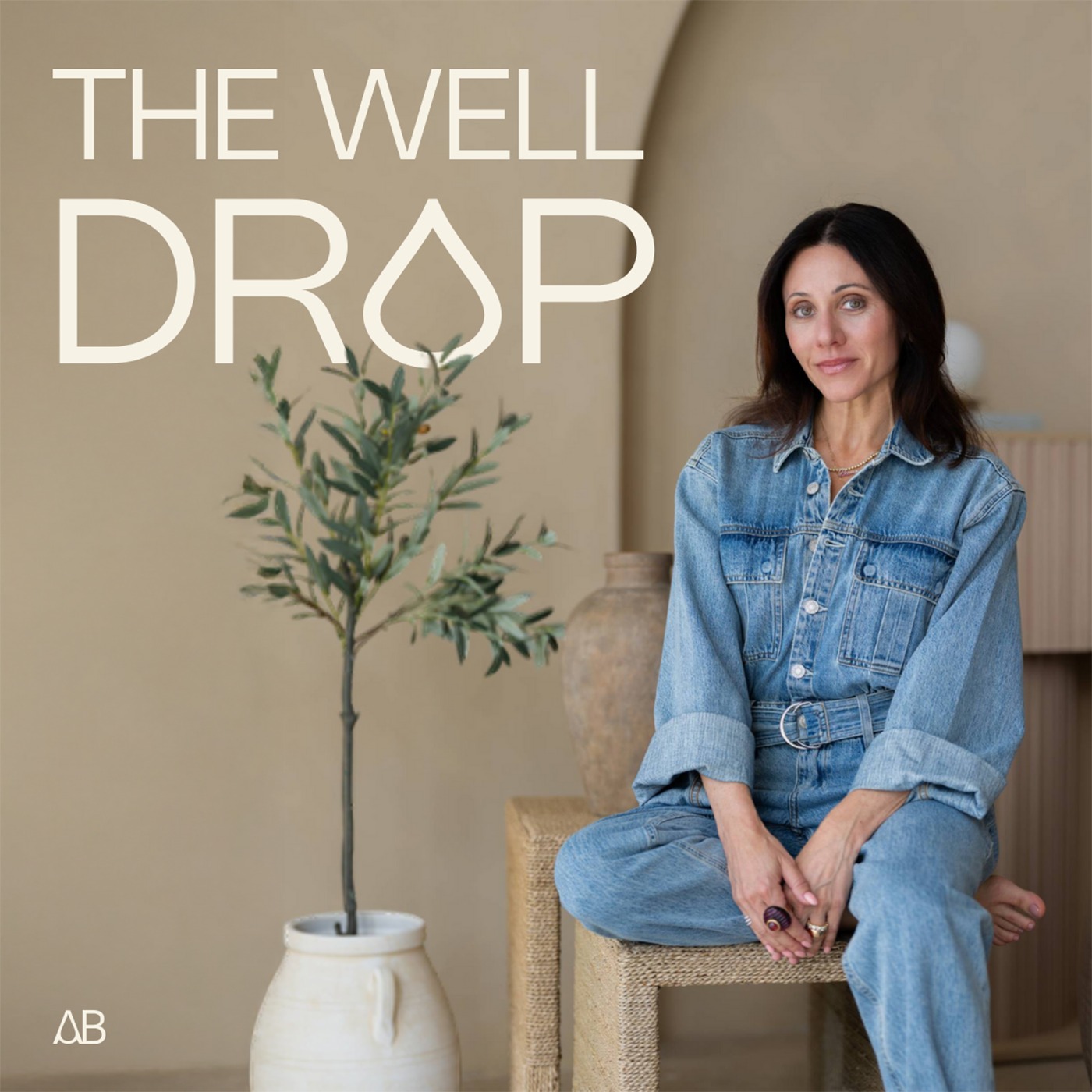
Insights from recent episode analysis
Audience Interest
Podcast Focus
Publishing Consistency
Platform Reach
Insights are generated by CastFox AI using publicly available data, episode content, and proprietary models.
Total monthly reach
Estimated from 4 chart positions in 4 markets.
By chart position
- 🇮🇹IT · Alternative Health#1061K to 10K
- 🇲🇽MX · Alternative Health#1691K to 10K
- 🇻🇳VN · Alternative Health#883K to 10K
- 🇨🇭CH · Alternative Health#111500 to 3K
- Per-Episode Audience
Est. listeners per new episode within ~30 days
2.8K to 17K🎙 ~2x weekly·124 episodes·Last published 1w ago - Monthly Reach
Unique listeners across all episodes (30 days)
5.5K to 33K🇮🇹30%🇲🇽30%🇻🇳30%+1 more - Active Followers
Loyal subscribers who consistently listen
2.2K to 13K
Market Insights
Platform Distribution
Reach across major podcast platforms, updated hourly
Total Followers
—
Total Plays
—
Total Reviews
—
* Data sourced directly from platform APIs and aggregated hourly across all major podcast directories.
On the show
Recent episodes
Wellness Real Estate: How Your Home's Light, Air & Water Change How You Feel — Diana Ulis (Ep 128)
Jun 15, 2026
32m 18s
Cellular Health First: Why Your Supplements Aren't Working — Jessica Kane Berman, BodyBio (Ep 127)
Jun 1, 2026
37m 57s
Why Intimacy Changes in Midlife (and What to Do About It) Low Libido & Vaginal Dryness— Sally Mueller, Womaness (Ep 126)
May 18, 2026
39m 57s
Why Your Supplements Don't Work: Oral Peptides & Precision Nutrition for Midlife — Michael Antonelli, Healthgevity (Ep 125)
May 4, 2026
39m 05s
Frequency Therapy for Sleep, Pain & Hormones: 100-Year-Old Science — Linda Bamber-Olson, WAVwatch (Ep 124)
Apr 20, 2026
39m 18s
Social Links & Contact
Official channels & resources
Official Website
Login
RSS Feed
Login
| Date | Episode | Description | Length | ||||||
|---|---|---|---|---|---|---|---|---|---|
| 6/15/26 | Wellness Real Estate: How Your Home's Light, Air & Water Change How You Feel — Diana Ulis (Ep 128) | Wellness does not have to be another appointment, routine, or thing you have to squeeze into an already full day. Sometimes the biggest shift starts with the environment you come home to: the light in your space, the air you breathe, the water you drink, the materials around you, and whether your home helps your body soften or stay on alert.In this episode of The Well Drop, I sit down with Diana Ulis to talk about a part of wellness we do not always think about first: the home. We get into wellness real estate, invisible wellness, and why feeling better does not always have to come from doing more. Sometimes it comes from changing the signals your environment is sending you every single day.Diana Ulis is the developer behind The Ritz-Carlton Residences, Fort Lauderdale Beach, a project I have had the privilege of helping shape as Chief Wellness Advisor. Her approach to this residence is rooted in intentional living, from natural light, clean water, better air, calming materials, and indoor/outdoor flow to privacy, community, and the kind of effortless wellness that works quietly in the background.What’s Discussed:(01:21) How Diana’s personal approach to intentional living shaped the wellness vision behind the project.(02:40) Why wellness real estate needs to move beyond the spa and gym.(04:18) How light, water, air, layout, flow, and materials became part of the residence design.(07:08) Why clean, mineralized, and structured water became one of the biggest wellness upgrades.(12:14) What invisible wellness means and why the healthiest parts of a home often work quietly in the background.(20:06) How boutique privacy, community spaces, water access, and walkability support a more connected lifestyle.Sign up for The Well Drop NewsletterCheck out The Well Drop approved products and brands at amberberger.me/productsFind out more about Amber Berger: Website: http://thewelldrop.comInstagram: @thewelldropFind out more about The Ritz-Carlton Residences : Website: theresidencesfortlauderdalebeach.com/ Instagram: theresidencesftlbeach THE WELL DROP | 32m 18s | ||||||
| 6/1/26 | Cellular Health First: Why Your Supplements Aren't Working — Jessica Kane Berman, BodyBio (Ep 127) | Wellness advice can make it feel like there is always one more thing you should be taking. Electrolytes for hydration. NAD for longevity. Hormone support for perimenopause. Probiotics for gut health. But when you are already doing the things and still feel tired, foggy, bloated, inflamed, hormonally off, or like your body is not bouncing back the way it used to, it brings up the question most people are quietly asking: Why is none of this working the way I thought it would?In this episode of The Well Drop, I sit down with Jessica Kane Berman of BodyBio to unpack that question through the lens of cellular health. We talk about why your cell membranes, mitochondria, minerals, gut lining, fatty acids, and liver support may affect how your body responds to everything else you are doing, from hormone support and electrolytes to NAD, gut health, detox, and longevity tools.Jessica Kane Berman is the Chief Brand Officer and co-owner of BodyBio, a third-generation family business focused on science-backed supplements that support health at the cellular level. With a background in brand building, wellness, and family business, Jess helps make complex cellular health science easier to understand so you can make more informed decisions about what you put in your body.What’s Discussed:(05:35) Why cellular health matters for energy, resilience, prevention, and longevity.(08:01) Why quick fixes may not work if your cells need support first.(11:21) How cellular health connects to perimenopause, menopause, and hormone processing.(14:02) What to look for in electrolytes and why liquid minerals may matter.(20:13) What PC is and why cell membranes matter for toxins, mitochondria, and aging.(22:46) Why NAD and other longevity tools may not work well if your cell membranes are damaged.(31:30) How to choose better supplements in a crowded wellness space.Listen to this episode of The Well Drop to understand why your supplements may not be giving you the results you expected, how cellular health affects energy, hormones, gut health, and longevity, and what to look at before adding another wellness trend to your routine.Sign up for The Well Drop NewsletterFind out more about Amber Berger: Website: http://thewelldrop.comInstagram: @thewelldropCheck out inside THE NETWORK: Well Drop approved products at amberberger.me/productsFind Out More About Jessica Kane Berman: Instagram: @jesskaneCheck out inside THE NETWORK: Well Drop approved products at amberberger.me/productsTHE WELL DROP | 37m 57s | ||||||
| 5/18/26 | Why Intimacy Changes in Midlife (and What to Do About It) Low Libido & Vaginal Dryness— Sally Mueller, Womaness (Ep 126) | If your body has started feeling unfamiliar in midlife, your sleep is off, your libido has changed, your skin feels drier, or intimacy feels different, it is easy to think it is stress, aging, or something wrong with you. But the harder truth is that no one prepared you for how much estrogen decline can affect your body, your confidence, and even your relationship, so you are left trying to make sense of changes that should have been explained to you years ago.We dive deeper into this in The Well Drop with Sally Mueller. We also chat about how to recognize which symptoms may actually be tied to hormonal changes, what vaginal and skin care should look like in midlife, and how to find the right support, products, and conversations so you stop guessing and start caring for your body with clarity.Sally Mueller is the co-founder of Womaness and spent over 24 years building and scaling major consumer brands, including leadership roles at Target. After experiencing perimenopause herself and seeing how few modern, effective solutions existed for women in midlife, she built Womaness to address the symptoms women were not being prepared for, making her a credible voice on what women actually need during this stage.What’s Discussed: (3:50) Why libido loss is the most unspoken struggle(5:10) The connection between estrogen, dryness, and UTIs(6:25) Why these changes are affecting relationships more than women realize(9:14) How estrogen impacts your skin from head to toe(11:36) Why midlife skin suddenly feels dry and harder to manage(17:06) The difference between lubricants and vaginal moisturizers(18:35) Why vaginal hydration should be part of daily care(21:15) Reframing midlife as a powerful second chapter(24:46) The first steps to take when your body starts to feel off(26:21) Why you may need to find a different doctor(27:30) How hormones affect your entire body, not just one symptom(31:00) The role of community and real support in midlifeListen to this episode of The Well Drop and finally connect the dots on why your body feels different, why certain symptoms are showing up now, and what you can actually do about them so you are not left second-guessing yourself, your health, or your relationship. Sign up for The Well Drop NewsletterCheck out The Well Drop approved products and brands at amberberger.me/productsFind out more about Amber Berger: Website: http://thewelldrop.comInstagram: @thewelldropFind Out More About Sally Mueller: Instagram: @thesallymTHE WELL DROP | 39m 57s | ||||||
| 5/4/26 | Why Your Supplements Don't Work: Oral Peptides & Precision Nutrition for Midlife — Michael Antonelli, Healthgevity (Ep 125) | If you have been doing everything right in midlife and still struggling with weight gain, brain fog, and fatigue that nothing seems to fix, you are not failing your health. Your health is being failed by an industry selling you supplements that are poorly formulated, not bioavailable, and never getting to the root cause of what is actually driving how you feel.In this episode of The Well Drop, I sit down with Michael Antonelli, founder of Healthgevity, to break down what is actually happening in your body and what precision formulated natural bioactives and oral peptides can do, that most supplements never will. Walk away understanding exactly why nothing has fully worked and what to reach for instead.Michael Antonelli is the founder of Healthgevity with over 19 years of experience at the intersection of longevity science, hormone health, and advanced therapeutics. He has spent nearly two decades working alongside leading physicians and researchers to develop clinically validated personalized protocols. His expertise in oral peptides and precision formulated bioactives across the practitioner channel makes him one of the most credible voices on what actually works and why.What's discussed:(5:33) Why eight or nine out of every ten people are metabolically sick and what that actually means for your body.(8:06) What longevity and health span actually mean and why anti-aging is the wrong way to think about it.(14:31) How Ignite was formulated, what makes it different, and why it works when most metabolic supplements do not.(17:49) What oral peptides are, why they are a complete game changer, and how DNF-10 quietly eliminates food noise.(26:51) Why bioavailability matters more than most people realize and how to know if what you are taking is actually working.(28:02) The role of muscle in healthy aging and why it is the most overlooked biomarker in midlife wellness.(36:09) The two brain formulas that work from the very first dose for focus, energy, anxiety, and stress.(37:33) How to think about cycling peptides and supplements and what the right protocol actually looks like.Listen to this episode of The Well Drop and finally understand why everything you have been taking may not be doing what you think it is, what is actually driving your metabolic dysfunction in midlife, and what precision formulated bioactives and oral peptides can do that most supplements never will.Sign up for The Well Drop NewsletterFind out more about Amber Berger: Website: http://thewelldrop.comInstagram: @thewelldropCheck out inside THE NETWORK: Well Drop approved products at amberberger.me/productsFind out more about Michael Antonelli: Linkedin: www.linkedin.com/in/michael-antonelliCheck out inside THE NETWORK: Well Drop approved products at amberberger.me/productsTHE WELL DROP | 39m 05s | ||||||
| 4/20/26 | Frequency Therapy for Sleep, Pain & Hormones: 100-Year-Old Science — Linda Bamber-Olson, WAVwatch (Ep 124) | Are you in your 40s or 50s and feeling exhausted, in pain, struggling with hormonal imbalance, inflammation, sleep issues, and breast health concerns? You have probably tried pill after pill, supplement after supplement, spent money on multiple wellness tools, and booked appointments you waited months for, and still not feeling any better.If that sounds familiar, this episode of The Well Drop with Linda Bamber-Olson is going to completely change the way you think about healing. Walk away finally understanding why everything you have been reaching for has not been fully working, and how wearing a single device on your wrist for just minutes a day could shift your sleep, your pain, your hormones, and your breast health in ways that no pill ever could.Linda Bamber-Olson is a certified nutritionist, Indy-certified health practitioner, and founder of BRAS, Breast Research Awareness and Support, a nationwide breast health education and prevention platform. She is the co-founder and inventor of WaveWatch, a wearable therapeutic frequency device now used by thousands of people worldwide. Her work pioneering accessible frequency therapy for women makes her one of the most uniquely credible voices in non-invasive healing today.What's Discussed:(7:18) What frequency therapy actually is and how sound frequencies interact with your body at a cellular level.(15:01) Why nine women reported their breast lumps changed drastically in just 30 minutes.(17:16) Why sound frequencies are 100% absorbed by the body while pills are only 2% absorbed.(22:03) How the WaveWatch supports sleep by working with your body's natural hormonal rhythm through the night.(29:29) The shocking connection between everyday devices like cell phones and breast cancer risk.(34:41) How frequency therapy addresses midlife concerns including bloating, burnout, thyroid support, and metabolic health.(36:44) Why the right salt may be the most underrated mineral for women in midlife.Listen to this episode of The WellDrop and finally understand why everything you have been reaching for has not been fully working, what your everyday devices may be doing to your body, and how something as simple as wearing a frequency device on your wrist could be the missing piece your healing has been waiting for.Sign up for The Well Drop NewsletterFind out more about Amber Berger: Website: thewelldrop.comInstagram: @thewelldrop Check out inside THE NETWORK: Well Drop approved products at amberberger.me/productsFind out more about Linda Bamber-Olson: Instagram: @linda.bamber Check out inside THE NETWORK: Well Drop approved products at amberberger.me/productsTHE WELL DROP | 39m 18s | ||||||
| 4/6/26 | The Menopause Gut: Why Fixing Hormones Without Your Gut Never Works — Cynthia Thurlow (Ep 123) | Somewhere between the broken sleep, the shifting weight, the brain fog, and the feeling that their body no longer responds the way it used to, women in midlife are told their labs look normal and that this is simply what aging feels like. So they eat less, exercise more, push harder, and blame themselves, not realizing that the “healthy” fixes they have been told to rely on may be making an already strained system even harder to stabilize.What nobody warned them about is that the gut microbiome shifts right alongside hormones in midlife, and that shift is quietly driving every symptom they cannot get a straight answer for. Fixing the hormones without fixing the gut is like patching one hole in a sinking boat, and the boat is still going down. In this episode of The Well Drop, I sit down with Cynthia Thurlow to unpack what is actually happening during this transition, why hormones are only part of the story, and what women need to do differently if they want to start feeling like themselves again instead of just being told to tolerate it.Cynthia Thurlow is a nurse practitioner who trained at Johns Hopkins, spent 16 years in clinical cardiology, and has worked with tens of thousands of women navigating perimenopause and menopause over the last decade. She is the host of the Everyday Wellness podcast and the author of the new book The Menopause Gut. That depth of both conventional medical training and real world clinical experience with women's midlife health is exactly what makes everything she shares in this episode worth trusting.What's Discussed:(04:07) Why women are rarely told that the gut changes as hormones change in midlife.(04:27) What the gut microbiome is and why it influences far more than digestion.(05:51) Why so many women grew up knowing menopause, but not perimenopause.(06:15) The six- to ten-year window of chaos that catches women off guard.(07:36) Why heavy cycles and midlife symptoms are often treated without addressing the root cause.(09:33) How the conventional medical model handles symptoms well, but often misses prevention and deeper chronic patterns.(12:20) What women are rarely told about the gut’s role in immunity, bone health, and hormone-related change.(15:33) Why sleep, stress, and nutrition matter more than a “magic” gut fix.(18:17) Why perimenopause becomes a litmus test for how well your lifestyle is actually supporting you.(22:42) Why women feel so blindsided when what used to work suddenly stops working.(23:33) Cynthia’s early signs of perimenopause, from anxiety and poor sleep to irritability and weight resistance.(26:54) Why midlife weight gain often shows up in the midsection, and the role cortisol plays in that shift.(29:07) How chronic stress, leaky gut, autoimmunity, and midlife symptoms become deeply connected.(31:23) Why less can be more in midlife when it comes to exercise, recovery, and cortisol load.(40:40) How generational stress, childhood adversity, and a dysregulated nervous system can shape gut health and menopause timing.If your labs are normal but your body still feels off, this episode is for you.Sign up for The Well Drop NewsletterFind out more about Amber Berger: Website: http://thewelldrop.comInstagram: @thewelldrop Find out more about Cynthia Thurlow: Website: https://www.cynthiathurlow.com/ Instagram: @cynthia_thurlow LinkedIn: https://www.linkedin.com/in/cynthia-thurlow THE WELL DROP | 48m 42s | ||||||
| 3/23/26 | Blood Sugar: The Hidden Driver of Belly Fat, Brain Fog & 3am Wake-Ups in Midlife — Boris Berjan, Theia Health (Ep 122) | When women in midlife experience afternoon energy crashes, wake up at 3am for no reason, or watch belly fat accumulate despite nothing changing, the first thing we blame is hormones. But what if your hormones are not the root cause, and everything you have been chasing has been one step removed from what is actually driving it all?In this episode of The Well Drop, I sat down with Boris Berjan, co-founder of Theia Health, to talk about the real root cause behind the most frustrating midlife symptoms. It starts with your blood sugar, and once you understand how quietly it shifts without you ever feeling it, the way you think about every symptom you have been trying to fix will never be the same.Boris Berjan is the co-founder of Theia Health and has spent years studying glucose patterns across thousands of users, giving him a rare front-row seat to how blood sugar dysregulation actually shows up in real women's bodies before it ever appears on a lab result. His work sits at the intersection of metabolic science, wearable technology, and behavior change, making him one of the most practical voices in the space for women who want answers, not just data.What's discusses:(00:44) Why stubborn belly fat, brain fog, afternoon crashes, and 3am wake-ups are not just hormonal(04:59) Why you cannot feel when blood sugar dysregulation begins and why that is the problem(06:31) The scientific studies showing women age most at 44 and again at 60(09:15) Boris's personal health journey and what led him to build Theia(23:04) How Theia's scoring system makes metabolic data immediately understandable(33:51) Why fasting the same way every day works against your cycle and your blood sugar(35:09) Why your glucose spikes even when you eat zero carbs(37:01) How sleep, stress, and a difficult conversation before a meal affect your blood sugar(39:08) Where CGM technology is heading and what it will mean for women in midlife(42:30) Boris's one drop of wellness wisdom for every woman listeningIf your labs are normal but your body still feels off, this episode is for you.Sign up for The Well Drop NewsletterFind out more about Amber Berger: Website: http://thewelldrop.comInstagram: @thewelldropCheck out CGM inside THE NETWORK: Well Drop approved products at amberberger.me/productsTHE WELL DROP | 44m 02s | ||||||
| 3/9/26 | Infrared Sauna for Midlife: Hormone Balance, Better Sleep & Stress Reset — Connie Zack, Sunlighten (Ep 121) | Many people think of infrared saunas as a luxury wellness add-on. In reality, specific wavelengths of light can influence inflammation, circulation, detox pathways, and how the nervous system recovers from daily stress.I’m joined by Connie Zack, Co-Owner of Sunlighten, to break down how infrared actually works inside the body. We also talk about what makes infrared different from traditional saunas, why consistent heat exposure may support cortisol balance and sleep, and how to build a simple infrared routine at home.Connie Zack is the co-owner of Sunlighten and Sunlighten Day Spa. She previously worked as an executive marketer in the pharmaceutical division at Procter & Gamble. She helped build Sunlighten into one of the pioneers of infrared sauna technology incorporating near, mid, and far infrared wavelengths.What’s Discussed:(00:00) Why light and energy may be one of the most overlooked tools for midlife health(03:09) The personal health crisis that led to building an infrared sauna company(08:33) How infrared saunas work differently than traditional heat-based saunas(14:44) Why hotter isn’t always better, especially for women’s hormonal health(18:44) How infrared exposure may help regulate inflammation and support circulation(21:04) Why cortisol, stress tolerance, and sleep become harder in midlife(28:05) A simple infrared routine beginners can follow at home(33:23) The most common sauna mistakes including hydration and mineral lossThank You to Our Sponsors:Sign up for The Well Drop NewsletterFind out more about Amber Berger: Website: http://thewelldrop.comInstagram: @thewelldropCheck out inside THE NETWORK: Well Drop approved products at amberberger.me/productsFind out more about Connie Zack (from Sunlighten):LinkedIn: @conniezackCheck out inside THE NETWORK: Well Drop approved products at amberberger.me/productsTHE WELL DROP | 51m 59s | ||||||
| 2/23/26 | 120. Debra Whitman: How Mindset and Relationships Shape Midlife Health and Happiness | Research shows that happiness reaches its lowest point in midlife, even while life is still very much in motion.What if this uneasy chapter is not a sign that something is wrong, but a shift in perspective, as expectations change and women begin questioning how they want the second half of life to feel?For this conversation, I’m joined by aging expert Debra Whitman. We talk about why mindset can influence longevity, why relationships shape long-term health more than diet or exercise, and how aging can become a period of clarity and choice.Debra Whitman is Chief Public Policy Officer at AARP and author of The Second Fifty: Answers to the 7 Biggest Questions of Mid-Life and Beyond. She is a PhD economist and former Staff Director for the U.S. Senate Special Committee on Aging. She currently leads national and global policy and research initiatives focused on aging, longevity, and economic and health security.What’s Discussed:(02:38) Why aging is framed as decline and what research reveals instead(04:17) The U-shaped happiness curve and why midlife often feels hardest(09:32) How early money and health choices shape the second half of life(10:35) Five lifestyle behaviors tied to longer life and why small changes count(14:54) Why divorce rates peak in midlife and what hormones have to do with it(18:06) Caregiving and the sandwich generation when responsibility accelerates(22:54) Why relationship quality predicts long-term health more than habits alone(29:56) How mindset about aging affects longevity, brain health, and heart healthThank You to Our Sponsors:Sign up for The Well Drop NewsletterFind out more about Amber Berger: Website: http://thewelldrop.com Instagram: @thewelldropFind out more about Debra Whitman:LinkedIn: @debra-whitmanInstagram: @drdebwhitmanTHE WELL DROP | 38m 21s | ||||||
| 2/9/26 | 119. Jane Emma (Goodfor Co. Founder): Wellness at Home Through Water Quality and Hydration | Drinking more water does not automatically mean you are better hydrated, especially when that water cannot actually enter the cell. For many women in midlife, fatigue, bloating, and persistent water retention can show up even when intake looks right.We dive deeper into this in the latest The Well Drop Podcast episode with Jane Emma. We also chat about the real difference between filtered and purified water, why daily electrolyte use can backfire, and how hydration efficiency at the cellular level shapes how the body handles water.Jane Emma is the founder and CEO of The Goodfor Company, a water wellness company rethinking water quality, hydration, and how the systems we use at home impact overall health. She is a speaker in the wellness and environmental health space and has extensive experience working with purification standards.What’s Discussed:(00:00) Why drinking more water doesn’t actually fix hydration for most women(06:02) Filtered vs purified water and what most systems fail to remove(09:00) Hydration vs intake and why electrolytes alone don’t hydrate cells(10:12) The daily electrolyte habit and how it can worsen thirst and hormones(16:05) Chlorine exposure through showers and skin absorption(25:52) Pharmaceuticals and contaminants in municipal water(31:38) Structured water and cellular hydration efficiency(40:05) Bloating and water retention as hydration issues in midlifeThank You to Our Sponsors:Wellness at Home Starts with Water: Use code WELLDROP at https://thegoodforco.com/thewelldrop Sign up for The Well Drop Newsletter: hereFind out more about Amber Berger: Website: http://thewelldrop.com Instagram: @thewelldropFind out more about Jane Emma (The Goodfor Co.): Website: https://thegoodforco.com/thewelldrop Instagram: @thegoodforcoFacebook: https://facebook.com/thegoodforco THE WELL DROP | 44m 22s | ||||||
Want analysis for the episodes below?Free for Pro Submit a request, we'll have your selected episodes analyzed within an hour. Free, at no cost to you, for Pro users. | |||||||||
| 1/26/26 | 118. 3 Habits To Upgrade Right Now In Perimenopause | Energy crashes, broken sleep, and brain fog often show up long before anything looks “wrong” on paper. When that happens, women are left pushing harder instead of realizing that everyday habits may be sending the wrong signals to the body.We dive deeper into this topic in the latest The Well Drop episode. We also talk about why morning light matters more than people realize, what waking between 2 and 3 a.m. can tell you about blood sugar and sleep, and how having your phone in the bedroom affects your ability to truly downshift at night.If your sleep feels off, your energy feels inconsistent, or your body just isn’t responding the way it used to, this episode will help you understand where to start. It’s for women who want clear direction instead of more guesswork.What’s Discussed:(01:02) Why energy and mood shifts are often the earliest signs of perimenopause(08:19) Why morning light matters more than supplements for daily energy(10:54) The unexpected impact of wearing sunglasses early in the day(15:01) How phones in the bedroom keep the nervous system in a heightened state(17:05) What waking between 2–3 a.m. can signal about blood sugar and sleep quality(19:53) Why insulin resistance drives inflammation long before it appears on labs(25:40) The three foundational habits that support energy, sleep, and hormone resilienceThank You to Our Sponsors:Sign up for The Well Drop NewsletterFind out more about Amber Berger: Website: http://thewelldrop.com Instagram: @thewelldrop THE WELL DROP | 30m 27s | ||||||
| 1/12/26 | 117. How to Use Peptides in Midlife and Why Cycling Matters with Sarah Morgan | Did you know that using peptides the wrong way can actually decrease their effectiveness, and that most people are missing the foundational steps that make them work?In this episode of The Well Drop, I sit down with Sarah Morgan, clinical nutritionist and founder of InstaMed, to explore how peptides truly function, when to use them, and why cycling is the key to long-term effectiveness.We dive into differences between oral, injectable, and buccal peptide delivery methods, unpack GHK‑Cu, the most underrated beauty peptide for skin and hair, and discuss how to slot peptides into your midlife health stack without skipping the basics. We also break down why “more” isn’t always better, how to recognize peptide burnout, and why lifestyle, hormones, and supplements should support each other, not compete.Sarah Morgan brings over a decade of clinical nutrition practice in Denver, combined with her expertise launching InstaMed’s buccal peptide technology. As a health innovation expert and founder, she’s translating complex science into accessible, practical wellness tools and helping shift the peptide narrative from hype to real, lasting results.What's Discussed: (00:00) The real role of peptides in health and longevity(04:38) How oral peptide delivery works, and why it's a game-changer(17:09) The right way to cycle peptides for long-term results(25:27) GHK-Cu, CJC-1295, and the peptides transforming skin, sleep, and strength(37:53) What responsible peptide use actually looks like(44:13) Why play is just as essential as any protocolThank You to Our Sponsors:Sign up for The Well Drop NewsletterFind out more about Amber Berger: Website: www.thewelldrop.com Instagram: www.instagram.com/thewelldropFind out more about Sarah Morgan:Website: https://getinstamed.com/ Instagram: https://www.instagram.com/instamedstrips/ Instagram: https://www.instagram.com/sarahmorgan.co Website: https://www.sarahmorgan.co/ THE WELL DROP | 46m 43s | ||||||
| 12/29/25 | 116. Alisa DiLorenzo: Sexual Wellness, Desire Shifts, and Reconnecting in Midlife | Somewhere between kids, career stress and shifting hormones, many couples realize their intimacy doesn’t feel the way it used to. We talk about perimenopause and hormones, but we rarely talk about how these midlife transitions reshape desire, connection and the daily rhythm of long-term relationships.In this conversation, sexual wellness coach Alisa DiLorenzo shares simple ways to revive curiosity, bring back playfulness and rebuild closeness without adding pressure. She also names the emotional patterns that tend to surface in this season, from old frustrations to the feeling of not being fully seen.If you want to feel closer to your partner and move through this moment with more presence and intention, this episode offers a gentle place to start and a reminder that you don’t need a new relationship, just a new chapter inside the one you already have.Alisa DiLorenzo is an international marriage coach, speaker, best-selling author and the co-host of the ONE Extraordinary Marriage Show, downloaded in 180 countries. She is the author of The 6 Pillars of Intimacy, and her work has helped couples rebuild emotional and sexual connection for over a decade.We Also Discuss:(04:54) Why desire often shifts for both partners in midlife(05:32) How men also experience hormonal changes that affect intimacy(07:02) When sexual challenges signal physical issues versus relational ones(08:58) Rediscovering pleasure and bringing curiosity back into intimacy(10:19) How communication shifts in midlife and ways couples can reconnect(18:02) The impact of emotional patterns, frustrations and feeling unseen(35:43) Simple micro-habits that rebuild connection in long-term relationshipsThank You to Our Sponsors:Sign up for The Well Drop NewsletterFind out more about Amber Berger: Website: www.thewelldrop.com Instagram: @thewelldropFind out more about Alisa DiLorenzo:Website: www.oneextraordinarymarriage.comInstagram: @alisadilorenzo THE WELL DROP | 36m 08s | ||||||
| 12/15/25 | 115. The WellDrop Method: Your New Midlife Roadmap | Midlife has a way of showing up without warning, and suddenly the habits that carried you for years stop working. That happened to me. My sleep vanished, my metabolism shifted, my stress tolerance bottomed out, and the only guidance I got was “welcome to perimenopause.” That moment is what pushed me to create the roadmap I couldn’t find anywhere.In this episode, I’m sharing the five frameworks behind the WellDrop Method and why so many of us are doing things in the wrong order. When you stop guessing and start tracking what actually matters, your body finally starts working with you again.You’ll hear how data, cycle syncing, upgraded daily habits, a healthier home environment, and an honest look at hormones come together to form the foundation most women never get. These are the exact steps that helped me feel stronger and clearer in midlife than I did in my thirties.If you’re tired of trial-and-error and want a system that finally supports the way your body works now, this is where to begin. We Also Discuss:(00:49) The moment midlife symptoms show up and how fast everything can shift(02:36) Why the right order matters more than the intensity of your effort(03:16) Tracking glucose, body composition and key labs so you stop relying on guesswork(06:04) How syncing with your cycle supports you through midlife shifts(07:25) The daily habits that calm cortisol and help you sleep again(09:41) The small triggers inside your home that disrupt hormones and energy(11:14) When to look at hormones or peptides and what needs to come firstThank You to Our Sponsors:Sign up for The Well Drop NewsletterFind out more about Amber Berger: Website: www.thewelldrop.com Instagram: @thewelldrop THE WELL DROP | 18m 49s | ||||||
| 12/8/25 | 114. Deb Ross, MS: What Your Midlife Mood and Blood Sugar Are Really Trying to Tell You | Midlife can feel confusing when your body stops responding to the habits that always worked. You’re eating well, training, supporting hormones and still sensing shifts you can’t name. For this conversation, I am joined by acupuncturist and integrative medicine practitioner Deb Ross, who shares how those quiet changes built up long before she understood what her body was asking for. In this episode, we explore the emotional shifts that often show up first, why stress and hormones can feel identical and how pain or burnout becomes the turning point for many women. We also break down what Deb learned from wearing a continuous glucose monitor, the surprising foods that spiked her and how timing and protein transformed her energy, cravings and body. This episode is practical, grounded and full of clarity for anyone who has felt “different” lately and can’t explain why. Deb Ross is a licensed acupuncturist, board-certified herbalist and founder of The Well Center. With over fifteen years of clinical experience, she blends Chinese medicine, somatic work and lifestyle support. Her work spans women’s health, pain, autoimmune conditions and emotional well-being. Deb is known for her individualized, integrative approach to care.We Also Discuss:(00:00) The subtle midlife shifts that show up long before women name them(04:38) Why “feeling off” emotionally is often the first hormonal clue(07:21) How pain, burnout or injury can force us to slow down(12:11) Food patterns from our twenties and thirties that stop working(15:47) What Deb learned from wearing a continuous glucose monitor(18:00) How timing and protein reshape glucose responses(32:58) Why walking and strength training serve women better than cardio(42:27) How small adjustments lowered cravings and improved energyThank You to Our Sponsors:Sign up for The Well Drop NewsletterFind out more about Amber Berger: Website: www.thewelldrop.comInstagram: @thewelldropFind out more about Deb Ross: Website: www.thewellcenter.com THE WELL DROP | 48m 16s | ||||||
| 11/24/25 | 113. Lauren Tetenbaum: How to Recognize Perimenopause Before It Disrupts Your Life | Most of us got the puberty talk and the pregnancy talk, but the midlife talk simply never came. And yet this is the chapter where women need clarity the most.In this week’s episode, psychotherapist and author Lauren Tetenbaum brings language, compassion, and depth to the messy middle, the years when hormones start to shift long before 50 and long before most women think to call it perimenopause.We explore the emotional symptoms that often show up first, why so many women are dismissed in this phase, and how lifestyle, therapy, and hormone options can work together to help you feel grounded again.Lauren Tetenbaum is a psychotherapist and advocate whose work focuses on helping women navigate the emotional and psychological shifts of early midlife with clarity and compassion. She is also the author of Millennial Menopause, a relatable and informative guide that has quickly become a must-read for women who want understanding instead of guessing.We Also Discuss:(00:00) Early perimenopause and why it starts sooner than most women realize(04:26) The emotional symptoms that show up first(06:15) Why so many clinicians still miss early hormone shifts(10:40) The surprising symptoms no one associates with perimenopause(11:36) Antidepressants in midlife and how to tell what’s hormonal(14:01) The lifestyle and hormone tools that actually help(20:27) How to communicate midlife mood shifts to your partner(24:12) The identity shifts of midlife and the end of people-pleasingThank You to Our Sponsors:Sign up for The Well Drop NewsletterFind out more about Amber Berger: Website: www.thewelldrop.com Instagram: @thewelldropFind out more about Lauren Tetenbaum:Website: www.thecounselaur.comInstagram: @thecounselaur THE WELL DROP | 33m 51s | ||||||
| 11/10/25 | 112. Boris Berjan: Empowering Women Through Intuitive Glucose | So many women in midlife are doing everything right (eating clean, exercising, managing stress) yet still feeling off. The missing link? Blood sugar.In this episode of The Well Drop, I sit down with Boris Berjan to explore how continuous glucose monitoring (CGM) is changing the way women understand their metabolism, hormones, and energy.We talk about why most CGMs give you numbers without context, how Theia translates those readings into clear daily scores, and the hidden ways stress, sleep, and even emotional triggers can spike glucose just like food.You’ll learn how to spot early signs of blood sugar imbalance, how syncing your fasting and nutrition with your cycle can help balance hormones, and why data only matters when it’s personal and easy to act on.Boris Berjan is the co-founder of Theia Health, a company reimagining continuous glucose monitoring (CGM) for women. He also shares his own healing journey and how it inspired him to build tech that puts real insight and power back into women’s hands.What’s Discussed:(00:00) Why midlife symptoms aren’t just hormonal and how glucose plays a hidden role(04:49) The real reason most CGMs fail women in midlife(08:55) A personal story that inspired a smarter health tech(18:26) How this app turns confusing glucose data into simple, actionable insights(25:41) The role of AI in making nutrition and tracking more personal and easier(35:10) How stress, sleep, and emotions can spike glucose like carbs(38:20) The future of CGM technology and what’s coming next(42:42) Making health data personal and empoweringThank You to Our Sponsors:Theia Health: https://theiahealth.ai/c/thewelldrop Find out more about Amber Berger:Website: www.thewelldrop.comInstagram: @thewelldropFind out more about Boris Berjan:Instagram: @borisberjan/Theia Health: https://theiahealth.ai/ THE WELL DROP | 43m 23s | ||||||
| 10/27/25 | 111. Dr. Mark Horowitz: The Safe Way to Get Off Antidepressants | What if the fatigue, anxiety, and sleeplessness you feel when tapering off antidepressants aren’t a “relapse,” but withdrawal your doctor was never trained to recognize?In this episode of The Well Drop, I sit down with psychiatrist and researcher Dr. Mark Horowitz, co-founder of Outro Health, a telehealth clinic dedicated to science-backed tapering support. Together we unpack why traditional guidelines fail long-term users, how hyperbolic tapering works, and what a personalized, monitored taper actually looks like.You’ll learn the five questions to ask before starting or stopping any medication, the difference between withdrawal and relapse, and why the smallest doses can still have powerful effects on your brain. Dr. Mark Horowitz is a psychiatrist, researcher, and co-founder of Outro Health, a telehealth clinic for safe, science-backed antidepressant tapering. After experiencing withdrawal himself, he pioneered the concept of hyperbolic tapering, now endorsed by UK health authorities.What's Discussed:00:00 — The hidden problem with antidepressant withdrawal06:20 — Mark’s personal journey: when tapering goes wrong10:45 — Why short-term studies misled long-term patients13:50 — Doctors aren’t trained to stop antidepressants—here’s why17:30 — The five questions to ask before starting or stopping a medication24:10 — How hyperbolic tapering works (and why it’s safer)29:30 — The truth about withdrawal vs. relapse35:40 — Natural supports that match antidepressants in long-term resultsThank You to Our Sponsors:Sign up for The Well Drop NewsletterFind out about Outro: https://www.outro.com/?TheWellDropFind out more about Amber Berger: Website: www.thewelldrop.com Instagram: @thewelldropFind out more about Dr. Mark Horowitz:Website: https://markhorowitz.org/Website: https://www.outro.com/Instagram: @outrohealth THE WELL DROP | 38m 45s | ||||||
| 10/13/25 | 110. Linda Bamber: How Frequency Therapy Is Rewriting Midlife Wellness | What if the brain fog, restless nights, creeping fatigue, or stubborn aches weren’t just “getting older,” but a sign your body’s natural rhythm is out of tune?In this episode of The Well Drop, I sit down with Linda Bamber, co-founder of WavWatch, to explore how acoustical frequency therapy can help recalibrate your body from the inside out. WavWatch is a wearable device that delivers sound frequencies directly through the skin, making it one of the simplest and most non-invasive tools for midlife wellness.We break down what frequencies actually are, why frequency therapy is backed by decades of science, and how WavWatch’s 1,100+ programs support sleep, stress, pain, hormones, inflammation, and more. You’ll also learn how to integrate it into daily routines, why it’s EMF-free, and how it’s being used by women, families, and even pets.Linda Bamber is the co-founder of WavWatch, a wearable frequency-based device designed to make wellness simple, accessible, and non-invasive. After years of working in women’s health education, she continues to pioneer practical tools that empower women to take charge of their midlife health.We Also Discuss:(00:00) Healing through frequency: how your body responds to vibration(04:41) Frequencies decoded: what they are and why they matter(09:57) Sound as medicine: tapping into your body’s natural resonance(23:25) Everyday wellness made simple with frequency therapy(28:09) Can frequencies shift stress, sleep, and hormones?(33:04) WaveWatch technology: bringing 1,100+ wellness programs to your wrist(37:39) The mineral connection: why Himalayan salt supports midlife healthThank You to Our Sponsors:Sign up for The Well Drop NewsletterCheck out: WavWatchFind out more about Amber Berger: Website: www.thewelldrop.com Instagram: www.instagram.com/thewelldrop THE WELL DROP | 38m 38s | ||||||
| 9/29/25 | 109. Growing Up in Wellness: A Child’s Perspective on Food, Skincare & Listening to Your Body | Most people think wellness is something you learn later in life. But what if a 10-year-old could show us how small daily choices, around food, skincare, and bedtime routines, shape lifelong health?In this episode of The Well Drop, I sit down with my daughter Camila to talk about what it’s like to grow up in a wellness-focused home. From kindergarten breathwork sessions with stuffed animals to navigating peer pressure around snacks and Sephora, Camila shares her unfiltered perspective on wellness at school, with friends, and at home.We dive into why she chose to go gluten and dairy free, how she handles feeling “different” when her lunchbox doesn’t match her friends’, and why listening to your body matters at any age.Camila Berger is a 10-year-old student, jiu-jitsu enthusiast, and budding wellness advocate learning that health starts with everyday choices.What's Discussed:(00:01) Learning Wellness at Home: Food, Oils & Breathwork(08:17) Teaching Kids to Make Healthy Choices Early(18:57) Family Wellness Adventures & Gluten-Free Living(22:18) A 10-Year-Old’s Skincare Struggles & Solutions(26:49) Tech Boundaries, Social Media & Peer Pressure(32:31) Listening to Your Body & Trusting Your InstinctsThank You to Our Sponsors:Sign up for The Well Drop NewsletterFind out more about Amber Berger: Website: www.thewelldrop.com Instagram: www.instagram.com/thewelldrop THE WELL DROP | 29m 14s | ||||||
| 9/15/25 | 108. Dr. Melissa Cano: Spermidine Benefits in Foods Supplements + The Science You Need to Know | What if the brain fog, restless nights, creeping weight changes, or that tired-all-the-time feeling weren’t just “getting older”, but a clue your body’s clean-up system isn’t working as well as it should?In this episode of The Well Drop, I sit down with Dr. Melissa Cano, Director of Science at spermidineLIFE®, to discuss one of the most fascinating discoveries in longevity: spermidine. We explore how this natural compound, found abundantly in wheat germ extract, works as your body’s spring cleaning crew by activating the cellular clean-up process that keeps energy, hormones, and metabolism humming.We also break down why spermidine supplementation becomes more important in midlife, how it supports women through mid-life, and what to look for in a quality product. You’ll also learn how to stack this simple daily habit with daily practices and why it’s a powerful tool for true healthy aging.Dr. Melissa Cano, Ph.D., is the Director of Science at spermidineLIFE® by Longevity Labs. With a background in molecular biology and biochemistry, her published research spans photosynthesis, gene editing, and cellular longevity. What's Discussed:(00:00) Spermidine and Women’s Health: Why Midlife Cells Need Extra Support(05:06) Autophagy Unlocked: How Spermidine Fuels Cellular Health and Renewal(13:54) Spermidine Supplementation: Wheat Germ Extract vs. Synthetic Options(24:10) Protein, Spermidine, and Longevity: Finding the Balance for Healthy Aging(34:26) SpermidineLIFE® Tips: Simple Daily Habits for Cellular Health and WellnessThank You to Our Sponsors:Sign up for The Well Drop NewsletterSpermidine: Shop at this LINKFind out more about Amber Berger: Website: www.thewelldrop.com Instagram: www.instagram.com/thewelldrop Find out more about Dr. Melissa Cano:Website: https://spermidinelife.usInstagram: https://www.instagram.com/spermidinelife.us/ THE WELL DROP | 36m 26s | ||||||
| 9/1/25 | 107. Dr. Sarah Daccarett: The Hormone Fix Women Need (and Why We Can’t Wait for Menopause) | Most women don’t realize that brain fog, weight gain, anxiety, low libido, and fatigue in their 30s or 40s can be early signs of perimenopause — not just stress or aging.In this episode of The Well Drop, I sit down with Dr. Sarah Daccarett, to explore why waiting until menopause for hormone therapy leaves women struggling for years. We unpack the early warning signs of hormone decline, why “progesterone-only” therapy falls short, and how bioidentical hormones can transform health.We discuss why the delivery method matters and what realistic results look like from month one to six. Dr. Sarah Daccarett is a physician, researcher, and founder of Oestra and Inner Balance, two groundbreaking platforms dedicated to modernizing women’s hormone care. Her work blends the latest science with a deep understanding of how hormones impact every system in the body.What's Discussed:(00:00) The Hormone Changes No One Warns You About in Midlife(12:24) Why Most Women’s HRT Plans Are Outdated — And How to Fix Them(22:39) The 3 Hormones Every Woman Needs (and the Right Ratios)(27:19) Pills, Patches, Creams… or Something Better? The Truth About Delivery Methods(35:35) How to Avoid the Biggest Mistakes with Hormone Delivery(46:40) From Healing to Thriving: What Real HRT Results Look Like(49:44) Stacking Your Wellness: Hormones, Longevity, and the Power of Nature(53:26) Inside Oestra: The All-in-One Hormone Therapy Changing Women’s HealthThank You to Our Sponsors:Sign up for The Well Drop NewsletterInner Balance: Shop at this LINKFind out more about Amber Berger: Website: www.thewelldrop.com Instagram: www.instagram.com/thewelldrop Find out more about Dr. Sarah Daccarett:Website: https://www.innerbalance.com/ Instagram: https://www.instagram.com/sarahdaccarettmdInstagram: https://www.instagram.com/innerbalancemd THE WELL DROP | 53m 40s | ||||||
| 8/18/25 | 106. Chad Wall: The Dirty Truth About “Clean” Meat and Why Labels Lie | Did you know that even organic meat can contain hidden toxins like heavy metals and hormone-disrupting residues?In this episode of The Well Drop, I sit down with Chad Wall, fifth generation regenerative farmer and founder of Proven Proteins, to reveal what most people don’t know about their protein and why clean eating starts with clean soil.We explore how conventional agriculture strips our food of nutrients, how misleading labels like “organic” and “grass-fed” often hide inflammatory ingredients, and what it really takes to raise protein that supports your hormones, energy, and longevity.Chad shares why his fermented beef sticks serve as a gut-friendly, kid-approved alternative to typical snacks, and how anyone, yes, even on a budget, sources better meat that truly nourishes.Chad Wall is the founder of Ripley Cove Farms and Proven Proteins, a regenerative farming operation focused on nutrient-dense meat, soil restoration, and conscious food systems. With deep roots in agriculture and a mission to create transparency in the protein space, Chad leads the charge in redefining what clean protein really means, from farm to label to plate.We Also Discuss:(00:00) The Dirty Truth About “Clean” Meat and Why Labels Lie(04:18) How Chemical Farming Took Over, and the Movement Taking It Back(20:19) The Nutrient Gap No One Talks About (And How to Fix It Through Food)(27:11) Can You Really Eat Regeneratively on a Budget? Here’s How(38:06) How to Save Your Health and a Farmer at the Same TimeThank You to Our Sponsor:Sign up for The Well Drop NewsletterProven Proteins: Shop at this LINKFind out more about Amber Berger: Website: www.thewelldrop.com Instagram: www.instagram.com/thewelldropFind out more about Chad Wall: Website: https://ripleycovefarms.com/https://provenproteins.com/Instagram: @ripleycovefarms THE WELL DROP | 38m 13s | ||||||
| 8/4/25 | 105. Sarah Morgan: The Truth About Peptides and How to Use Them Right | Did you know that using peptides the wrong way can actually decrease their effectiveness, and that most people are missing the foundational steps that make them work?In this episode of The Well Drop, I sit down with Sarah Morgan, clinical nutritionist and founder of InstaMed, to explore how peptides truly function, when to use them, and why cycling is the key to long-term effectiveness.We dive into differences between oral, injectable, and buccal peptide delivery methods, unpack GHK‑Cu, the most underrated beauty peptide for skin and hair, and discuss how to slot peptides into your midlife health stack without skipping the basics. We also break down why “more” isn’t always better, how to recognize peptide burnout, and why lifestyle, hormones, and supplements should support each other, not compete.Sarah Morgan brings over a decade of clinical nutrition practice in Denver, combined with her expertise launching InstaMed’s buccal peptide technology. As a health innovation expert and founder, she’s translating complex science into accessible, practical wellness tools and helping shift the peptide narrative from hype to real, lasting results.What's Discussed: (00:00) The real role of peptides in health and longevity(04:38) How oral peptide delivery works, and why it's a game-changer(17:09) The right way to cycle peptides for long-term results(25:27) GHK-Cu, CJC-1295, and the peptides transforming skin, sleep, and strength(37:53) What responsible peptide use actually looks like(44:13) Why play is just as essential as any protocolThank You to Our Sponsors:Sign up for The Well Drop NewsletterInstaMed: Shop at this LINKFind out more about Amber Berger: Website: www.thewelldrop.com Instagram: www.instagram.com/thewelldropFind out more about Sarah Morgan:Instagram: https://www.instagram.com/instamedstrips/ Instagram: https://www.instagram.com/sarahmorgan.co Website: https://www.sarahmorgan.co/ THE WELL DROP | 46m 43s | ||||||
| 7/21/25 | 104. My Son’s Crohn’s Stack: Ayurvedic Herbs, Kate Farms & Peptides That Worked | Most people think Crohn’s is all about pain. But what if the real issue is inflammation you can’t feel, and what if healing it doesn’t have to start with pharmaceuticals?In this episode of The Well Drop, I sit down with my 13-year-old son, Brandon, to talk about his journey with Crohn’s disease, from diagnosis at age 8 to trying every healing modality under the sun: liquid diets, Ayurveda, stool testing, peptides, and more. We dive into what it’s really like to manage a chronic condition as a kid, why his labs looked terrible even when he felt fine, and how one immune-modulating peptide changed everything.Brandon shares his unfiltered perspective on mindset, medical systems, and what it’s like to be the kid who brings beetroot crystals and Kate Farms to school lunch. Whether you’re a parent, a practitioner, or just curious about what’s possible outside of conventional care, this conversation is honest, surprising, and full of insights that could shift how you think about inflammation and healing.Brandon Berger is a 13-year-old student, foodie, and wellness warrior who was diagnosed with Crohn’s disease at age 8. Since then, he’s taken on everything from liquid diets and Ayurvedic treatments to peptides and personalized gut protocols, with resilience, humor, and zero drama. We Also Discuss:(00:00) What It’s Like Growing Up in a Wellness-Obsessed Household(04:55) From Diagnosis to Liquid Diet: Brandon’s Crohn’s Journey Begins(11:47) Colonoscopies, Pill Cameras, and Finding Humor in Hard Things(19:44) Why We Took Our 10-Year-Old to India for Panchakarma(28:36) The Ayurvedic Protocol That Shifted Everything (and What We Actually Ate)(42:26) How Peptides Dropped Brandon’s Inflammation by 80%(51:02) Brandon’s Daily Wellness Routine, PEMF Rituals, and Go-To SnacksThank You to Our Sponsor:Sign up for The Well Drop NewsletterFind out more about Amber Berger: Website: www.thewelldrop.com Instagram: www.instagram.com/thewelldrop THE WELL DROP | 46m 46s | ||||||
Showing 25 of 129
Sponsor Intelligence
Sign in to see which brands sponsor this podcast, their ad offers, and promo codes.
Chart Positions
4 placements across 4 markets.
Chart Positions
4 placements across 4 markets.