

Insights from recent episode analysis
Audience Interest
Podcast Focus
Publishing Consistency
Platform Reach
Insights are generated by CastFox AI using publicly available data, episode content, and proprietary models.
Most discussed topics
Brands & references
Est. Listeners
Insufficient chart data. Estimates will improve as the show charts.
- Per-Episode Audience
Est. listeners per new episode within ~30 days
N/A🎙 ~2x weekly·111 episodes·Last published 4w ago - Monthly Reach
Unique listeners across all episodes (30 days)
N/A - Active Followers
Loyal subscribers who consistently listen
N/A
Market Insights
Platform Distribution
Reach across major podcast platforms, updated hourly
Total Followers
—
Total Plays
—
Total Reviews
—
* Data sourced directly from platform APIs and aggregated hourly across all major podcast directories.
On the show
From 13 epsHosts
Recent guests
Recent episodes
Smile Makeover Cost & What to Expect
May 27, 2026
28m 54s
I Regret My Veneers: What Nobody Tells You Before Getting Them
May 20, 2026
30m 03s
Grinding Teeth at Night: 10-Year Jaw Damage
May 13, 2026
37m 46s
Why Are Front Teeth Fracturing? The Hidden Link to Sleep Apnea
Apr 22, 2026
14m 46s
The Hidden Reason Kids Can’t Focus at School may not be what you think.
Apr 15, 2026
26m 13s
Social Links & Contact
Official channels & resources
Official Website
Login
RSS Feed
Login
| Date | Episode | Topics | Guests | Brands | Places | Keywords | Sponsor | Length | |
|---|---|---|---|---|---|---|---|---|---|
| 5/27/26 | 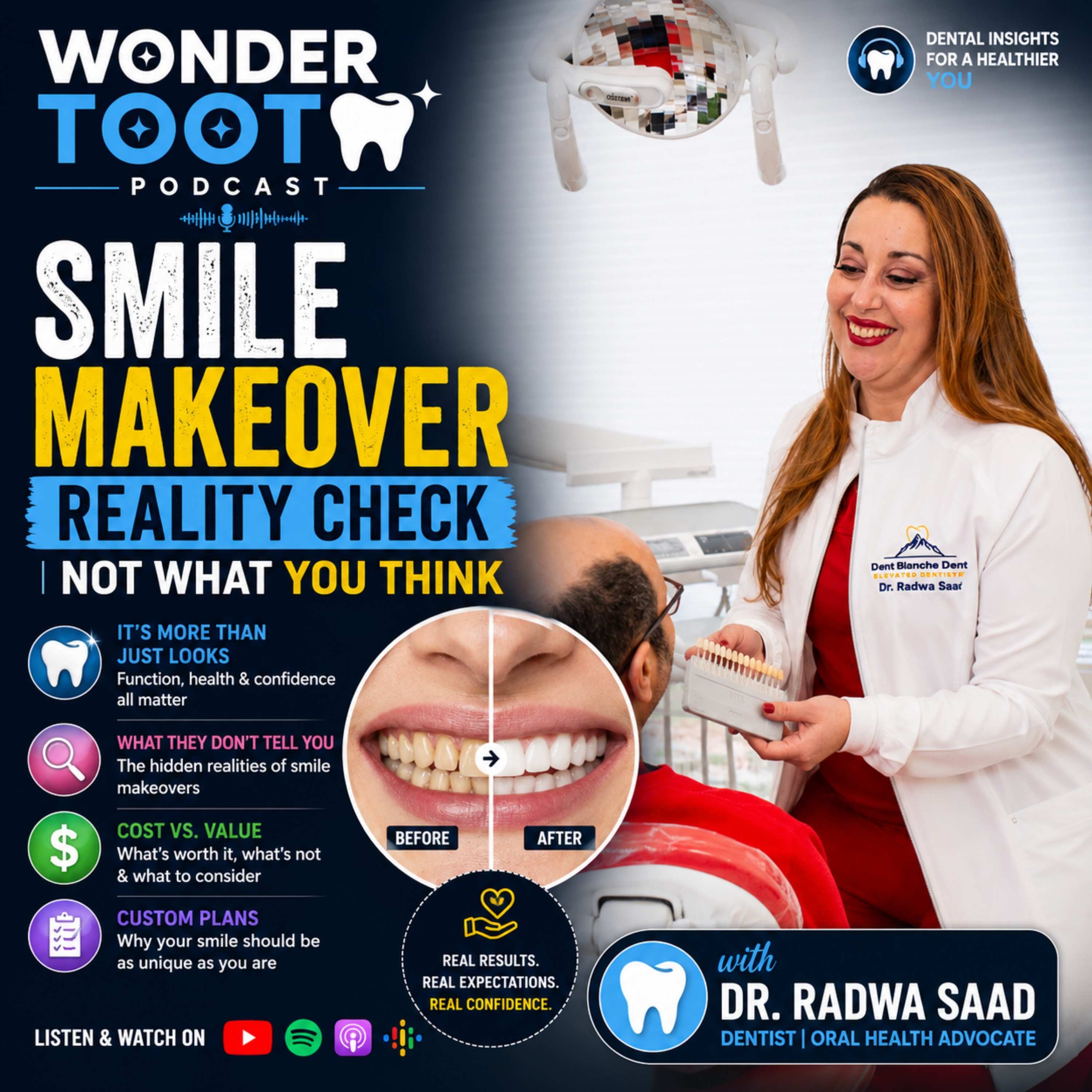 Smile Makeover Cost & What to Expect✨ | smile makeovercosmetic dentistry+3 | — | Dent Blanche Dental | — | smile makeovercosmetic treatments+5 | — | 28m 54s | |
| 5/20/26 | 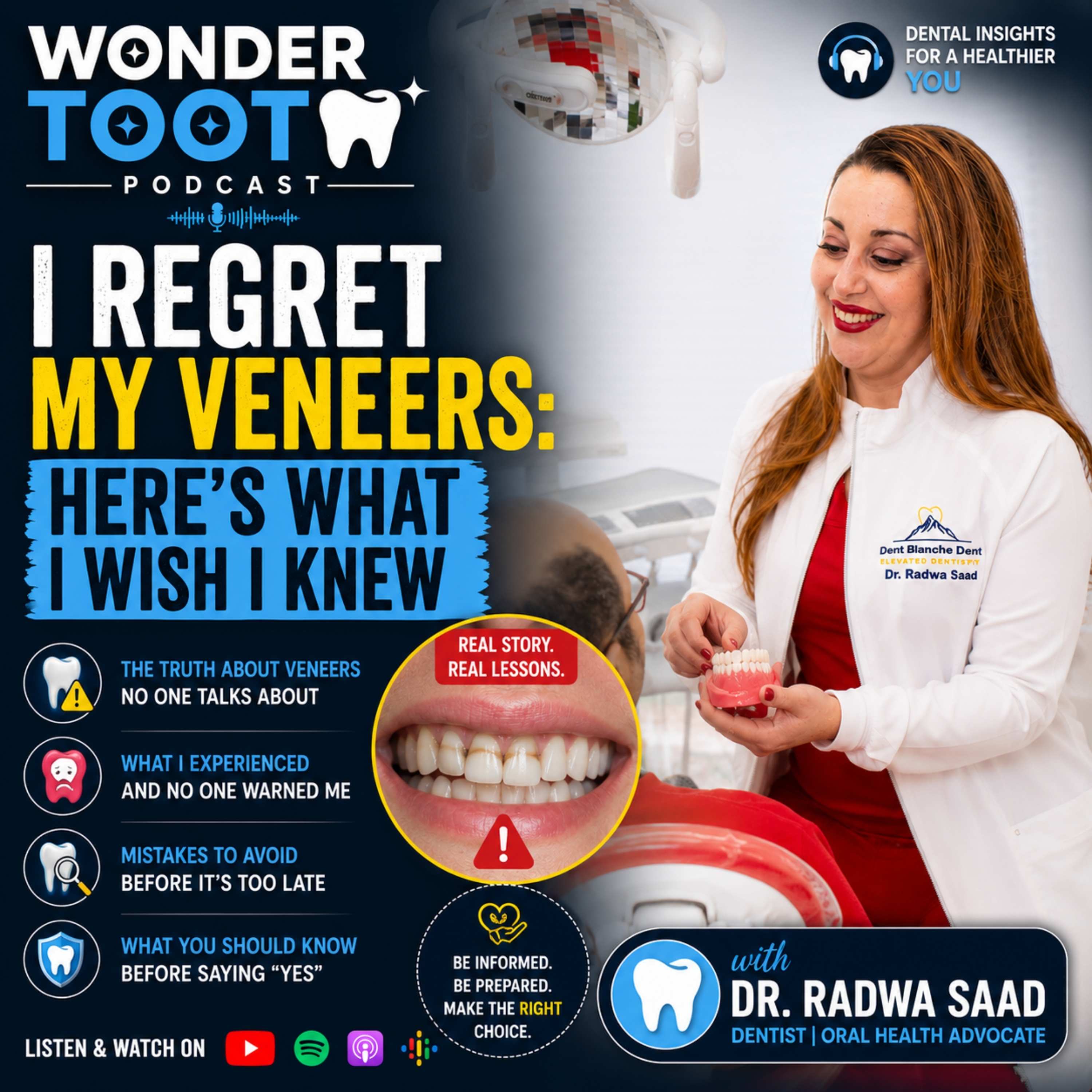 I Regret My Veneers: What Nobody Tells You Before Getting Them✨ | veneerscosmetic dentistry+3 | — | — | — | veneersdental health+5 | — | 30m 03s | |
| 5/13/26 |  Grinding Teeth at Night: 10-Year Jaw Damage✨ | bruxismoral health+4 | — | — | — | teeth grindingbruxism+8 | — | 37m 46s | |
| 4/22/26 | 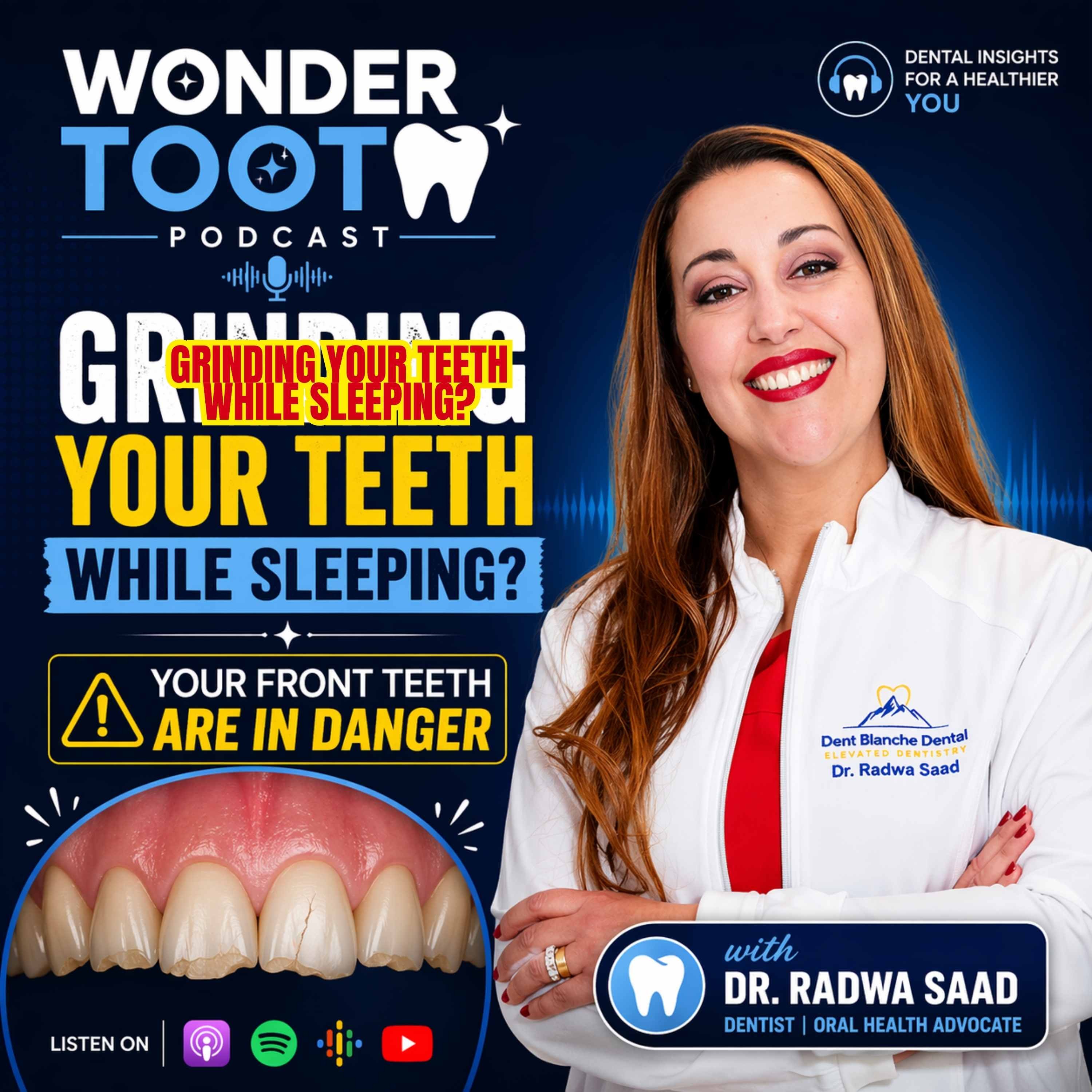 Why Are Front Teeth Fracturing? The Hidden Link to Sleep Apnea✨ | front tooth fracturessleep apnea+4 | Dr. Grace Simco | Case Western Reserve University School of Dental Medicine | — | front teethfractures+5 | — | 14m 46s | |
| 4/15/26 | 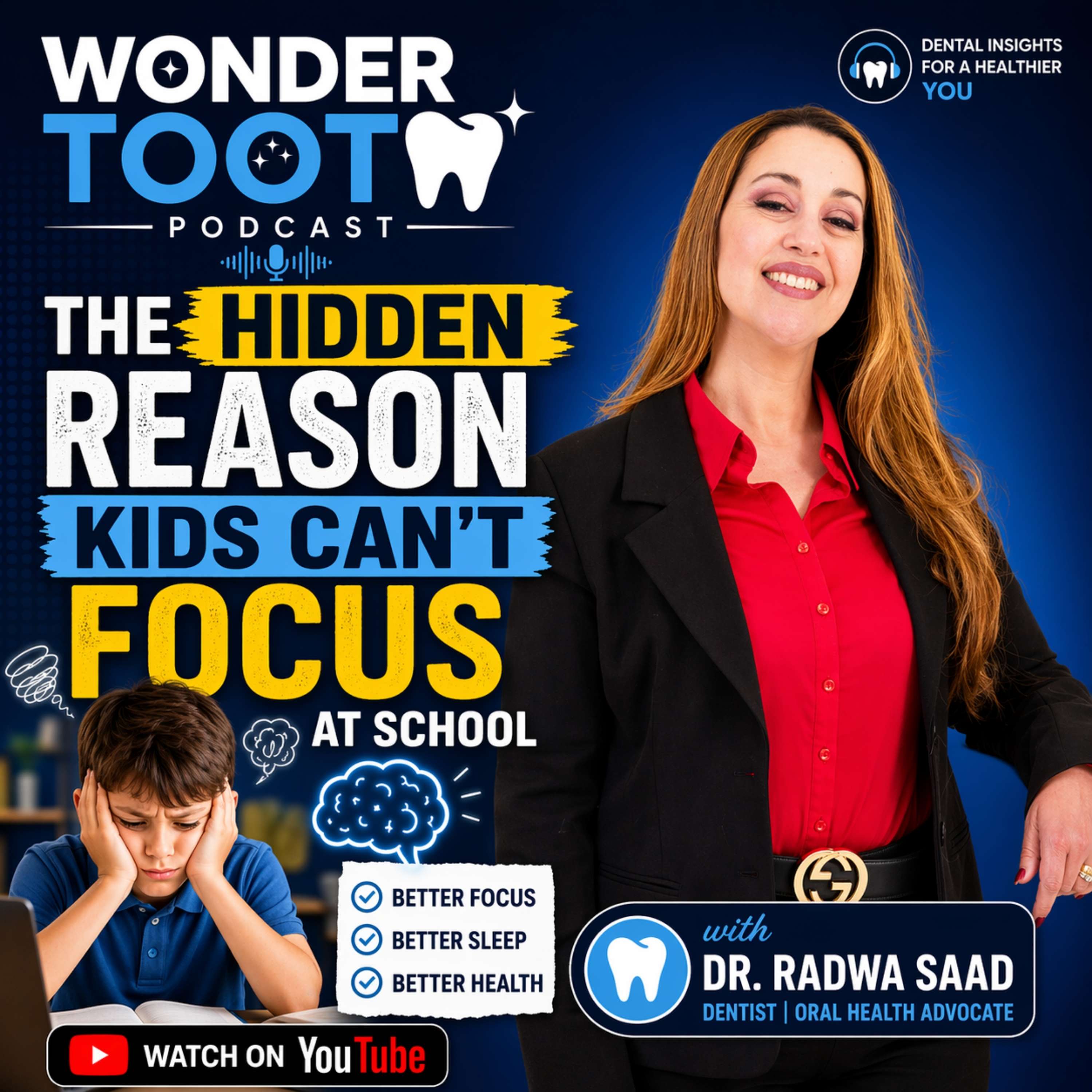 The Hidden Reason Kids Can’t Focus at School may not be what you think.✨ | children's focus issuessleep apnea+4 | Dr. Grace Simco | The Wonder Tooth Podcast | — | sleep apneaADHD+6 | — | 26m 13s | |
| 3/25/26 |  Chronic Inflammation Starts Where You Think It Doesn’t✨ | oxidative stressoral health+4 | François Vix | The Wonder Tooth Podcast | — | oxidative stressoral health+6 | — | 12m 03s | |
| 3/18/26 |  The One Inflammation Marker Connecting Your Mouth to Disease✨ | oral healthsystemic inflammation+5 | François Vix | Isocell | — | oral-systemic linkchronic inflammation+6 | — | 29m 50s | |
| 2/11/26 |  Dental Implants & Bone Grafting: How to Maintain Implants Long-Term✨ | dental implantsbone grafting+3 | Ilhan Uzel | The Wonder Tooth PodcastBoard-Certified Periodontist | — | dental implantsbone grafting+3 | — | 26m 53s | |
| 2/4/26 |  How Gum Disease destroys your Heart and Brain✨ | gum diseaseheart health+4 | Dr. Ilhan Uzel | dentblanchedental.commercerimplantperio.com | — | gum diseaseperiodontitis+6 | — | 28m 28s | |
| 1/28/26 |  Botox for Grinding, TMJ, Jaw Pain & Facial Aesthetics✨ | BotoxTMJ+4 | Dr. Erine Kupetsky | Wellness Dermatologydentblanchedental.com | — | Botox for GrindingTMJ treatment+5 | — | 37m 40s | |
Want analysis for the episodes below?Free for Pro Submit a request, we'll have your selected episodes analyzed within an hour. Free, at no cost to you, for Pro users. | |||||||||
| 1/21/26 |  104 Mouth Sores, Skin Health & What Your Body Is Telling You✨ | mouth soresskin health+3 | Dr. Erine Kupetsky | Wellness DermatologyDent Blanche Dental | — | mouth soresskin health+6 | — | 21m 48s | |
| 1/21/26 | Mouth Sores, Skin Health & What Your Body Is Telling You | Mouth Sores: When Should You Worry? | The Wonder Tooth PodcastAlmost everyone experiences a mouth sore at some point in life. Some disappear quickly and cause only mild irritation. Others become painful, persistent, or concerning enough to interfere with eating, speaking, and daily comfort.Many patients ask:“Is this just a canker sore, or should I be worried?”The truth is that mouth sores can have many different causes. Some are harmless and temporary. Others may signal irritation, infection, immune responses, nutritional deficiencies, stress, or more serious health concerns.Knowing when to seek professional evaluation matters.In this episode of The Wonder Tooth Podcast, Dr. Radwa Saad explains common causes of mouth sores, warning signs to watch for, treatment approaches, and when oral lesions should never be ignored.Watch the full episode here:https://youtu.be/TNz-7Gv2pIgRead the episode:https://blog.dentblanchedental.com/episodes/mouth-sores/Listen on Apple Podcasts, Spotify, iHeartRadio, Audible, Pandora, and all major podcast platforms.Subscribe to The Wonder Tooth Podcast for weekly educational episodes designed to help patients understand oral health, wellness, and modern dentistry.What Are Mouth Sores?Mouth sores are irritated or damaged areas inside the mouth.They may appear on:GumsTongueLipsCheeksRoof of the mouthUnder the tongueSymptoms may include:PainBurningSensitivityRednessSwellingUlcer-like areasThe cause may vary significantly.Common Types of Mouth SoresSeveral different conditions may create oral sores.Canker soresThese are among the most common.They often appear as small painful ulcers inside the mouth.Cold soresCold sores commonly affect the lips and may involve viral causes.Traumatic soresBiting the cheek or irritation from appliances may create ulcers.Irritation-related soresSharp teeth, dental appliances, or restorations may contribute to irritation.Common Causes of Mouth SoresMany factors may contribute.Examples include:StressTraumaViral infectionsNutritional deficienciesHormonal changesImmune responsesPoorly fitting appliancesGrinding habitsAcidic foodsSometimes several factors overlap.Stress and Oral HealthStress affects the body in many ways.Some patients notice increased:Mouth soresGrindingJaw tensionDry mouthInflammationThe oral-systemic connection continues becoming more important in modern dentistry.Learn more:Teeth Grinding InformationWhen Mouth Sores Become ConcerningMany sores heal naturally within a short time.However, certain warning signs deserve professional evaluation.Examples include:Sores lasting more than two weeksSevere painDifficulty swallowingPersistent swellingBleedingWhite or red patchesRapid growthRecurrent unexplained lesionsEarly diagnosis matters.Schedule an evaluation:Request an AppointmentWhy Oral Cancer Screenings MatterRoutine dental visits often include oral tissue evaluation.Dentists may examine:TongueGumsSoft tissuesCheeksThroat areasEarly detection remains extremely important.Regular screenings help identify abnormal tissue changes early.Dry Mouth Can Increase IrritationSaliva helps protect oral tissues.Dry mouth may contribute to:IrritationBurning sensationsIncreased sorenessDifficulty healingHydration and identifying contributing causes matter.Mouth Sores and Dental AppliancesSometimes irritation develops from:BracesDenturesAlignersSharp restorationsBroken teethAdjustments may improve comfort.Learn more:Denture InformationTechnology Improves Oral EvaluationModern dentistry increasingly relies on advanced diagnostic tools.Technology may include:Digital imagingIntraoral camerasEnhanced visualizationDigital diagnosticsTechnology supports more precise evaluation and patient education.Dent Blanche Dental combines elevated patient-centered care with advanced digital dentistry.Learn more:Dent Blanche Dental Official WebsiteHow to Reduce Mouth Sore IrritationHelpful recommendations may include:Avoid spicy or acidic foodsIrritated tissues may become more sensitive.Stay hydratedHealthy saliva flow supports oral tissues.Maintain excellent oral hygieneClean tissues heal more effectively.Avoid further traumaReduce irritation from biting or sharp foods.Seek evaluation if sores persistPersistent symptoms should never be ignored.Frequently Asked QuestionsAre mouth sores contagious?Some types may involve viral causes, while others are not contagious.How long should mouth sores last?Many improve within one to two weeks.Can stress cause mouth sores?Stress may contribute to outbreaks in some patients.Should I worry about recurring mouth sores?Recurring or persistent lesions deserve evaluation.Can dentists diagnose mouth sores?Dentists regularly evaluate oral tissues and oral lesions.Final ThoughtsMouth sores are common, but they should never be ignored when symptoms persist or worsen.Your mouth often provides important clues about overall health and wellness.Modern dentistry focuses not only on teeth, but also on the health of all oral tissues.Early evaluation and professional guidance help protect both comfort and long-term health.If you have persistent mouth sores, irritation, or oral discomfort, schedule a consultation.Schedule Your Appointment TodayDent Blanche Dental proudly serves Princeton, NJ and Fifth Avenue NYC with advanced digital dentistry and elevated patient-centered care.Support The Wonder Tooth PodcastIf you enjoy The Wonder Tooth Podcast, please support our mission to educate patients around the world about oral health, wellness, cosmetic dentistry, and modern dental innovations.You can support the podcast by:Subscribing on YouTubeFollowing on Apple Podcasts and SpotifyLeaving a 5-star reviewSharing episodes with friends and familyHelping spread oral health awareness onlineEvery review, share, subscription, and comment helps us continue creating valuable educational content for patients everywhere.Experiencing painful mouth sores, oral irritation, dry mouth, or lesions that are not healing?Do not ignore persistent symptoms.Schedule your comprehensive oral health evaluation with Dr. Radwa Saad and the team at Dent Blanche Dental today.Request Your Appointment NowDiscover advanced digital diagnostics, personalized oral care, and elevated dentistry in Princeton, NJ and Fifth Avenue NYC.Like, Share, Follow and SubscribeEnjoyed this episode of The Wonder Tooth Podcast?Please Like, Share, Follow, and Subscribe on YouTube, Apple Podcasts, Spotify, Audible, Pandora, and iHeartRadio.Help us educate more patients and break myths surrounding oral health and mouth sores.Need a consultation?Request an Appointment at Dent Blanche DentalCall: (609) 890-1888Mouth Sores, Skin Health & What Your Body Is Telling YouIn this episode of The Wonder Tooth Podcast, Dr. Radwa Saad sits down with Dr. Erine Kupetsky, a board-certified dermatologist and founder of Wellness Dermatology, to explore mouth sores, their causes, symptoms, and treatment. They explain why mouth sores form on the tongue, gums, lips, cheeks, and roof of the mouth, and how oral infection, stress, braces, dentures, viral infection, and vitamin deficiency play a role.Learn more about the importance of Dental check up here:https://dentblanchedental.com/dental-services/dental-check-up/You will learn how to recognize symptoms of thrush in mouth, oral thrush on roof of mouth, and thrush in gums. The episode also reveals the powerful link between mouth sores and skin diseases such as lupus, psoriasis, lichen planus, Crohn’s disease, and autoimmune disorders. Dr. Kupetsky shares when mouth sores... | — | ||||||
| 12/10/25 |  103 Brush Like a Dentist: Stop Tooth Decay Before It Starts-Part2✨ | tooth decaybrushing techniques+4 | — | The Wonder Tooth Podcast | — | tooth decaybrushing techniques+6 | — | 23m 43s | |
| 12/10/25 | Brush Like a Dentist: Stop Tooth Decay Before It Starts-Part2 | How to Brush Your Teeth Properly: Most People Are Doing It Wrong | The Wonder Tooth PodcastBrushing your teeth seems simple. Most people do it every day without thinking twice about technique, timing, or effectiveness.But here is the surprising truth:Many people brush incorrectly.Poor brushing habits may contribute to cavities, gum disease, enamel wear, bad breath, tooth sensitivity, and long-term oral health problems. Even patients who brush twice daily may still miss important areas or use techniques that damage teeth and gums over time.The good news is that small changes can make a major difference.In this episode of The Wonder Tooth Podcast, Dr. Radwa Saad explains how to brush your teeth properly, common brushing mistakes, and how better daily habits can protect your smile for years to come.Watch the full episode here:https://youtu.be/JrBpZyIbjoIRead the episode:https://blog.dentblanchedental.com/episodes/how-to-brush-your-teeth-2/Listen on Apple Podcasts, Spotify, iHeartRadio, Audible, Pandora, and all major podcast platforms.Subscribe to The Wonder Tooth Podcast for weekly educational episodes designed to help patients improve oral health and understand modern dentistry.Why Proper Brushing MattersBrushing does much more than freshen breath.Daily brushing helps remove:PlaqueFood debrisBacteriaAcid buildupGood brushing habits help reduce risk for:CavitiesGum diseaseBad breathTooth sensitivityTartar buildupConsistent oral hygiene supports long-term health.What Happens If Plaque Is Not Removed?Plaque constantly forms on teeth.If plaque remains too long, it may contribute to:Tooth decayGum inflammationBleeding gumsTartar buildupBone lossLearn more:How Dental Plaque WorksCommon Brushing MistakesMany patients unknowingly damage teeth and gums through poor technique.Common mistakes include:Brushing too hardAggressive brushing may wear enamel and irritate gums.Brushing too quicklyMany people brush for far less than recommended time.Missing gumline areasPlaque commonly accumulates near gums.Using old toothbrushesWorn bristles clean less effectively.Forgetting the tongueBacteria also collect on the tongue surface.How Long Should You Brush?Most dentists recommend brushing for about two minutes.This allows better coverage of all tooth surfaces.Rushing through brushing may leave plaque behind.Proper Tooth Brushing TechniqueGood technique matters more than force.Helpful recommendations include:Use gentle circular motionsAvoid aggressive scrubbing.Angle the brush toward the gumsThis helps clean the gumline.Brush all surfacesClean front, back, and chewing surfaces.Brush your tongueTongue cleaning may improve breath and hygiene.Replace toothbrushes regularlyOld bristles lose effectiveness over time.Soft Toothbrushes Usually Work BestMany patients assume harder bristles clean better.In reality, soft bristles often provide safer and more effective cleaning when used properly.Aggressive brushing may contribute to:Gum recessionEnamel wearSensitivityGentle consistency matters.Electric vs Manual ToothbrushesBoth may work effectively when used correctly.Electric toothbrushes may help some patients improve consistency and plaque removal.The best toothbrush is often the one you use properly every day.Why Flossing Still MattersBrushing alone cannot fully clean between teeth.Flossing helps remove plaque and debris from areas toothbrushes may miss.Many cavities and gum problems begin between teeth.Learn more:How Gum Disease Affects Overall HealthTooth Brushing and Overall HealthOral health connects closely to overall wellness.Healthy hygiene habits may help support:Gum healthFresh breathReduced inflammationLong-term tooth preservationPreventive care matters.Children Need Proper Brushing Habits EarlyHealthy routines begin young.Parents should help children learn:Proper techniqueConsistencyGentle brushing habitsRoutine oral careEarly education may shape lifelong habits.Technology Helps Modern Preventive DentistryModern dentistry increasingly relies on digital technology.Advanced tools may include:Digital imagingIntraoral camerasEarly diagnosticsPreventive evaluationsTechnology helps identify problems early.Dent Blanche Dental combines advanced digital dentistry with elevated patient-centered care.Learn more:Dent Blanche Dental Official WebsiteFrequently Asked QuestionsHow many times should I brush daily?Most dentists recommend brushing twice daily.Can brushing too hard damage teeth?Yes.Aggressive brushing may contribute to enamel wear and gum recession.Should I brush after every meal?Recommendations vary depending on diet and oral health needs.Are electric toothbrushes better?Both electric and manual brushes may work effectively with proper technique.How often should toothbrushes be replaced?Brushes should generally be replaced when bristles become worn.Final ThoughtsBrushing your teeth correctly remains one of the most important habits for protecting your oral health.Small improvements in daily technique may help prevent cavities, gum disease, and costly dental problems later.Consistency matters more than perfection.Healthy brushing habits support healthy smiles for life.If you have questions about oral hygiene, sensitivity, bleeding gums, or preventive care, schedule a consultation.Schedule Your Appointment TodayDent Blanche Dental proudly serves Princeton, NJ and Fifth Avenue NYC with advanced preventive dentistry and elevated patient-centered care.Support The Wonder Tooth PodcastIf you enjoy The Wonder Tooth Podcast, please support our mission to educate patients around the world about oral health, wellness, cosmetic dentistry, and modern dental innovations.You can support the podcast by:Subscribing on YouTubeFollowing on Apple Podcasts and SpotifyLeaving a 5-star reviewSharing episodes with friends and familyHelping spread oral health education onlineEvery review, share, subscription, and comment helps us continue creating valuable educational dental content for patients worldwide.Strong Transactional CTAWant healthier teeth, fresher breath, and stronger gums?Schedule your professional dental cleaning and preventive care consultation with Dr. Radwa Saad and the team at Dent Blanche Dental today.Request Your Appointment NowExperience elevated preventive dentistry, advanced digital care, and personalized oral health treatment in Princeton, NJ and Fifth Avenue NYC.Like, Share, Follow and SubscribeEnjoyed this episode of The Wonder Tooth Podcast?Please Like, Share, Follow, and Subscribe on YouTube, Apple Podcasts, Spotify, Audible, Pandora, and iHeartRadio.Help us educate more patients and improve oral health awareness worldwide.Need a consultation?Request an Appointment at Dent Blanche DentalCall: (609) 890-1888Brush Like a Dentist: Stop Tooth Decay Before It StartsWhy Most People Still Get Cavities Even When They Brush DailyBrushing your teeth every day does not automatically protect you from tooth decay. Many people brush incorrectly, at the wrong time, or with the wrong technique, which slowly damages enamel and allows bacteria to thrive. In this episode of The Wonder Tooth Podcast, you will learn why brushing alone does not guarantee healthy teeth and how small daily mistakes can lead to cavities, sensitivity, and long-term dental problems.Dentist-Approved Brushing Techniques That Protect Your TeethThis episode explains the professional techniques dentists use to clean teeth safely and effectively. You will learn how long you should brush, which surfaces need the most attention, how much toothpaste to use, and when brushing actually causes harm instead of benefit. A dentist walks you through proper brushing habits that strengthen enamel, reduce harmful bacteria, and prevent decay before it starts.The Hidden Habits That Secretly Damage Your TeethMany common habits damage teeth without... | — | ||||||
| 12/3/25 |  102 The Hidden Contributors to Your Tooth Decay-Part 1✨ | tooth decaydental health+5 | — | The Wonder Tooth Podcast | — | tooth decaycavities+8 | — | 21m 08s | |
| 12/3/25 | The Hidden Contributors to Your Tooth Decay-Part 1 | Tooth Decay: The Silent Disease Destroying Your Teeth | The Wonder Tooth PodcastTooth decay is one of the most common health conditions in the world, yet many people underestimate how serious it can become.A cavity may start small and painless. Many patients do not notice any symptoms in the beginning. But beneath the surface, bacteria may continue destroying tooth structure day after day.What begins as mild enamel damage may eventually lead to:Severe tooth painInfectionRoot canal treatmentTooth fracturesTooth lossThe good news is that tooth decay is often preventable and treatable when detected early.In this episode of The Wonder Tooth Podcast, Dr. Radwa Saad explains how tooth decay develops, warning signs you should never ignore, and modern treatment options designed to protect your smile.Watch the full episode here:https://youtu.be/mewstXdBYJQRead the episode:https://blog.dentblanchedental.com/episodes/tooth-decay/Listen on Apple Podcasts, Spotify, iHeartRadio, Audible, Pandora, and all major podcast platforms.Subscribe to The Wonder Tooth Podcast for weekly educational episodes focused on oral health, preventive dentistry, cosmetic dentistry, and modern digital dental innovations.What Is Tooth Decay?Tooth decay occurs when bacteria produce acids that gradually damage tooth structure.These acids weaken enamel over time.Without treatment, decay may spread deeper into the tooth and eventually affect:EnamelDentinTooth nervesRootsSupporting structuresTooth decay does not heal on its own once significant damage develops.How Tooth Decay StartsThe process begins with plaque.Plaque is a sticky bacterial film that constantly forms on teeth.When bacteria interact with sugars and carbohydrates, acids develop.Repeated acid exposure may weaken enamel and create cavities.Learn more:How Dental Plaque WorksCommon Causes of Tooth DecaySeveral factors increase risk.Examples include:Frequent sugar intakePoor oral hygieneDry mouthAcidic beveragesFrequent snackingGrinding habitsDeep grooves in teethLack of preventive careMany patients experience multiple contributing factors simultaneously.Early Signs of Tooth DecayEarly decay may not cause pain.As damage progresses, patients may notice:Tooth sensitivitySweet sensitivityPain while chewingVisible dark spotsSmall holesBad breathLingering discomfortRoutine dental visits often detect problems before severe symptoms develop.Schedule your preventive evaluation:Request an AppointmentWhy Early Treatment MattersSmall cavities often require simpler treatment.Ignoring decay may increase the need for:Larger fillingsDental crownsRoot canal treatmentExtractionsDental implantsEarly intervention often protects more natural tooth structure.Learn more:Dental Cavities Treatment InformationModern Tooth Decay Treatment OptionsTreatment depends on the severity of the damage.Tooth-Colored FillingsSmall cavities may receive composite restorations.Benefits include:Natural appearanceConservative treatmentMercury-free materialsLearn more:White Fillings and Cosmetic RestorationsDental Crowns for Weakened TeethLarge areas of decay may weaken teeth significantly.Crowns help restore:StrengthFunctionAppearanceLearn more:Same-Day Dental CrownsRoot Canal Treatment for Deep DecayIf decay reaches the nerve, root canal treatment may become necessary.Root canals help preserve natural teeth and reduce infection risk.Learn more:Root Canal Treatment InformationTooth Loss and Dental ImplantsSeverely damaged teeth may sometimes require extraction.Modern implant dentistry allows replacement of missing teeth with highly aesthetic and functional restorations.Learn more:Dental Implant SolutionsTooth Decay and Overall HealthOral health affects more than your teeth.Research increasingly supports connections involving:Gum diseaseInflammationOverall wellnessCardiovascular healthDiabetesHealthy oral habits support overall health.Learn more:How Gum Disease Affects Your HealthDigital Dentistry Improves Early DetectionModern dentistry increasingly relies on advanced technology.Tools may include:Digital X-raysIntraoral cameras3D CBCT imagingDigital diagnosticsPreventive evaluationsTechnology allows earlier and more precise diagnosis.Dent Blanche Dental combines elevated patient care with advanced digital dentistry.Learn more:Dent Blanche Dental Official WebsiteHow to Reduce Your Risk of Tooth DecayDaily habits matter.Helpful recommendations include:Brush twice dailyConsistency protects enamel.Floss every dayMany cavities begin between teeth.Limit frequent sugar exposureRepeated acid attacks damage teeth.Drink more waterHydration supports healthy saliva flow.Schedule regular dental visitsPreventive care matters.Learn more:Preventive Dental Care ServicesChildren and Adults Both Get Tooth DecayDecay affects all ages.Children may experience:Snack-related cavitiesBaby bottle decayDifficult brushing habitsAdults may experience:Root decayDry mouth-related cavitiesWear-related damagePreventive care remains important throughout life.Frequently Asked QuestionsCan tooth decay heal naturally?Early enamel changes may stabilize, but established cavities generally require treatment.Is tooth sensitivity always a cavity?No.Several conditions may cause sensitivity.Are white fillings safe?Composite materials are widely used in modern dentistry.Can tooth decay spread?Yes.Untreated decay often progresses deeper into teeth.How often should I see a dentist?Professional recommendations vary depending on oral health needs.Final ThoughtsTooth decay may begin silently, but delaying treatment can create major dental problems over time.Modern dentistry offers advanced preventive care, digital diagnostics, and minimally invasive treatment designed to protect your smile.Early diagnosis often means healthier teeth, lower costs, and simpler treatment.If you are experiencing sensitivity, tooth pain, or concerns about cavities, schedule an evaluation today.Schedule Your Appointment TodayDent Blanche Dental proudly serves Princeton, NJ and Fifth Avenue NYC with elevated preventive dentistry, advanced digital technology, and personalized patient care.Support The Wonder Tooth PodcastIf you enjoy The Wonder Tooth Podcast, please support our mission to educate patients worldwide about oral health, preventive dentistry, cosmetic dentistry, sleep wellness, and modern dental innovations.You can support the podcast by:Subscribing on YouTubeFollowing on Apple Podcasts and SpotifyLeaving a 5-star reviewSharing episodes with family and friendsHelping spread oral health awareness onlineEvery review, share, and subscription helps us continue creating educational content for patients around the world.Strong Transactional CTAExperiencing tooth sensitivity, cavities, bad breath, or dental pain?Do not wait until tooth decay becomes a larger problem.Schedule your comprehensive dental evaluation with Dr. Radwa Saad and the team at Dent Blanche Dental today.Request Your Appointment NowExperience advanced preventive dentistry, digital diagnostics, same-day treatment options, and elevated patient care in Princeton, NJ and Fifth Avenue NYC.Like,... | — | ||||||
| 11/12/25 |  Dentures vs. Dental Implants: Pros and Cons Compared | Dentures vs Dental Implants: Pros and Cons ExplainedWhy More Patients Are Comparing Dentures vs Dental ImplantsMissing teeth can affect much more than your smile. Tooth loss changes how you eat, speak, smile, and even how confident you feel in social situations. Today, many patients are searching for the best long-term solution between dentures and dental implants.In this episode of The Wonder Tooth Podcast, Dr. Radwa Saad explains the real pros and cons of dentures vs dental implants, what most patients regret, and how modern digital dentistry is changing the patient experience.Watch the full episode here:Dentures vs Dental Implants: Pros and Cons ComparedYou can also listen on:Apple PodcastsSpotifyiHeartRadioDentures vs Dental Implants: What Is the Difference?Dentures are removable prosthetic teeth designed to replace multiple missing teeth or a full arch of teeth. Dental implants are permanent titanium posts surgically placed into the jawbone to support crowns, bridges, or implant-supported dentures.Both treatments restore function and appearance, but they work very differently.What Are Traditional Dentures?Traditional dentures sit on top of the gums and rely on suction, adhesives, or surrounding tissues for support.Types of DenturesFull DenturesReplace all teeth in the upper or lower arch.Partial DenturesReplace several missing teeth while attaching to remaining natural teeth.Implant-Supported DenturesA hybrid option where dentures snap onto dental implants for greater stability.Learn more about dentures and restorative dentistry at:Dent Blanche Dental Restorative DentistryWhat Are Dental Implants?Dental implants replace missing tooth roots with titanium posts that integrate with the jawbone. After healing, custom crowns or bridges attach to the implants to create a natural-looking smile.Modern implants look, feel, and function very similarly to natural teeth.Learn more here:Dental Implants in Princeton NJPros and Cons of DenturesPros of DenturesLower Upfront CostDentures typically cost less initially compared to implants.Faster Treatment TimelineMost denture cases can be completed faster than implant procedures.Non-Surgical OptionPatients who cannot undergo surgery may qualify for dentures more easily.Improved AppearanceModern dentures can restore facial support and improve your smile.Cons of DenturesDentures Can Slip or MoveMany patients complain about dentures moving while eating or speaking.Bone Loss ContinuesDentures do not stimulate the jawbone. Over time, bone shrinkage can change facial appearance and cause dentures to loosen.Reduced Chewing AbilityHard or sticky foods may become difficult to eat comfortably.Ongoing AdjustmentsDentures often require relines, repairs, or replacements over time.Adhesives May Be NeededSome patients rely on denture adhesives daily for stability.Pros and Cons of Dental ImplantsPros of Dental ImplantsNatural Look and FeelImplants closely mimic natural teeth.Preserve JawboneDental implants stimulate the jawbone and help prevent bone loss.Long-Term DurabilityWith proper care, implants can last decades.Stronger Bite ForcePatients can comfortably enjoy foods they may avoid with dentures.No Adhesives RequiredImplants stay securely in place.Improved ConfidenceMany patients report better speech and confidence after implant treatment.Learn about same-day digital dentistry:Same-Day Dental Crowns and Digital DentistryCons of Dental ImplantsHigher Initial InvestmentImplants cost more upfront than traditional dentures.Surgical Procedure RequiredImplant placement involves oral surgery.Healing TimeThe implant process may take several months depending on bone healing and grafting needs.Not Everyone Is an Immediate CandidatePatients with severe bone loss, uncontrolled diabetes, or smoking habits may need additional treatment first.Which Option Feels More Natural?Dental implants generally provide the most natural experience because they integrate with the jawbone. Patients often say implants feel very similar to their original teeth.Traditional dentures may feel bulky at first and can affect taste, speech, and comfort.Dentures vs Implants for Bone LossOne of the biggest differences between dentures and implants is how they affect the jawbone.Why Bone Loss Happens After Tooth LossWhen teeth are missing, the jawbone no longer receives stimulation from chewing forces. Over time, the bone shrinks.This can lead to:Sunken facial appearanceLoose denturesWrinkles around the mouthDifficulty chewingChanges in facial profileDental implants help preserve bone because they replace the tooth root structure.Learn more about advanced implant technology:Guided Dental Implant TechnologyImplant-Supported Dentures: The Best of Both Worlds?Many patients today choose implant-supported dentures.This option combines:The affordability of denturesThe stability of implantsBetter chewing functionReduced slippingImproved confidenceImplant-supported dentures can dramatically improve quality of life compared to traditional removable dentures.How Digital Dentistry Improves Dentures and ImplantsAt Dent Blanche Dental, advanced digital dentistry improves precision, comfort, and aesthetics.Technology may include:3D CBCT imagingDigital scanningGuided implant surgeryCAD/CAM same-day restorationsDigital smile designHigh-end porcelain restorationsThese technologies help patients receive more accurate and comfortable treatment.Who Is a Good Candidate for Dentures?Dentures may work well for patients who:Need a lower-cost solutionPrefer a non-surgical optionHave significant medical limitationsNeed a faster tooth replacement solutionWho Is a Good Candidate for Dental Implants?Dental implants are often ideal for patients who:Want a long-term solutionWant maximum stabilityWant to preserve boneWant the most natural feelWant stronger chewing abilityValue long-term comfort and aestheticsWhat Most Patients Regret About DenturesMany patients initially choose dentures because of the lower upfront cost. However, some later regret:Movement while eatingDifficulty chewing certain foodsBone loss over timeFrequent adjustmentsReduced confidence in social settingsThis is why many patients eventually transition from dentures to implants.The Emotional Impact of Tooth ReplacementReplacing missing teeth is not only about function. It also affects confidence, mental health, and quality of life.Patients often report:Improved self-esteemBetter social confidenceYounger facial appearanceBetter nutritionMore comfort during speaking and eatingWhy Patients Choose Dent Blanche DentalPatients searching for dental implants or dentures in Princeton NJ choose Dent Blanche Dental because of:Luxury dental experienceAdvanced digital dentistrySame-day technologyCosmetic dentistry expertisePersonalized treatment planningNatural-looking smile restorationsRequest an appointment here:Schedule Your ConsultationFrequently Asked Questions About Dentures vs Dental ImplantsAre dental implants better than dentures?Dental implants generally provide better stability, comfort, and long-term bone preservation compared to traditional dentures.How long do dentures last?Most dentures require adjustments and replacement over time due to jawbone changes and wear.How long do dental implants last?With proper care and maintenance, dental implants can last decades.Are dental implants painful?Most patients report minimal discomfort during implant procedures thanks to modern technology and anesthesia.Can dentures look natural?Yes. Modern dentures can look highly aesthetic when properly designed.Do dental implants prevent bone loss?Yes. Dental implants stimulate the jawbone and help preserve bone structure.Are... | — | ||||||
| 11/5/25 |  Everything you need to know about Dentures | Everything You Need to Know About DenturesThe Complete Guide to Dentures, Comfort, Cost, and Modern Tooth ReplacementMissing teeth can affect your confidence, speech, nutrition, and overall quality of life. Fortunately, modern dentures have evolved dramatically and now offer more comfortable, natural-looking, and functional solutions than ever before.In this episode of The Wonder Tooth Podcast, Dr. Radwa Saad explains everything patients need to know about dentures, including:Different types of denturesPros and cons of denturesImplant-supported denturesHow dentures affect bone lossWhat most patients wish they knew before treatmentHow digital dentistry improves dentures todayWatch the full episode here:Everything You Need to Know About DenturesListen on:Apple PodcastsSpotifyiHeartRadioWhat Are Dentures?Dentures are custom-made prosthetic teeth designed to replace missing teeth and restore your smile, bite, and facial appearance.Modern dentures are far more advanced than older versions. Today’s dentures can look highly aesthetic and natural while improving speech and chewing ability.Patients who lose teeth due to:Gum diseaseTooth decayTraumaAgingBone lossFailed dental workmay become candidates for dentures.Learn more about restorative dentistry:Restorative Dentistry at Dent Blanche DentalTypes of DenturesFull DenturesFull dentures replace all teeth in the upper or lower arch.These dentures sit on the gums and restore:Facial supportChewing functionSpeechSmile appearancePartial DenturesPartial dentures replace several missing teeth while using remaining natural teeth for support.They are ideal for patients who still have healthy natural teeth remaining.Immediate DenturesImmediate dentures are delivered right after tooth extraction so patients do not go without teeth during healing.However, adjustments are often needed as the gums heal and bone changes occur.Implant-Supported DenturesImplant-supported dentures attach securely to dental implants for improved stability and comfort.Benefits include:Less slippingBetter chewingIncreased confidenceImproved bone preservationBetter long-term comfortLearn more:Dental Implants Princeton NJWhy Do People Need Dentures?Tooth loss affects much more than appearance.Missing teeth can lead to:Difficulty eatingPoor nutritionSpeech problemsReduced confidenceFacial collapseJawbone lossPremature aging appearanceDentures help restore function and aesthetics while improving quality of life.Pros of DenturesAffordable Tooth ReplacementTraditional dentures usually cost less upfront than dental implants.Faster TreatmentDentures can often be completed faster than implant procedures.Non-Surgical OptionPatients who cannot undergo surgery may qualify for dentures more easily.Improved Smile AppearanceModern dentures can restore:Facial fullnessLip supportSmile aestheticsConfidenceCustomizable DesignToday’s dentures come in many shades, shapes, and designs to create a natural appearance.Cons of DenturesDentures May Move or SlipOne of the biggest complaints about dentures is instability while:EatingSpeakingLaughingBone Loss ContinuesTraditional dentures do not stop jawbone shrinkage.This can eventually lead to:Loose denturesFacial collapseFrequent relinesChanges in fitReduced Bite ForceMany patients cannot chew hard foods comfortably with removable dentures.Ongoing MaintenanceDentures often require:AdjustmentsRepairsRelinesReplacement over timeAdhesives May Be NeededSome patients rely on denture adhesives daily for stability.What Most Patients Wish They Knew Before Getting DenturesMany denture patients are surprised by:The adjustment periodSpeech adaptationEating limitationsChanges in tasteJawbone shrinkage over timeThis is why education and proper treatment planning are critical before making a decision.Implant-Supported Dentures: A Modern UpgradeMany patients today are choosing implant-supported dentures because they offer more stability and comfort.Benefits of Implant-Supported DenturesBetter StabilityDentures snap securely onto implants.Improved ConfidencePatients feel more comfortable speaking and smiling.Better Chewing AbilityEnjoy more foods comfortably.Reduced Bone LossImplants help stimulate the jawbone.More Natural FeelImplant-supported dentures often feel closer to natural teeth.How Digital Dentistry Improves DenturesAt Dent Blanche Dental, advanced digital dentistry helps improve precision and comfort.Technology may include:3D CBCT imagingDigital scanningCAD/CAM technologyDigital smile designGuided implant surgerySame-day dentistryThese technologies help create dentures with improved:FitComfortAppearanceFunctionLearn more about same-day dentistry:Same-Day Dental Crowns and Digital DentistryDentures vs Dental ImplantsMany patients compare dentures to implants when replacing missing teeth.DenturesLower upfront costFaster treatmentRemovableLess stableMore maintenanceDental ImplantsHigher upfront investmentPermanent solutionPreserve boneMore natural feelLong-term durabilityRead more:Dentures vs Dental Implants GuideHow to Care for DenturesProper denture care is essential for oral health and longevity.Daily Denture Care TipsClean Dentures DailyUse a denture brush and non-abrasive cleanser.Remove Dentures at NightAllow gums to rest overnight.Keep Dentures MoistStore dentures in water or denture solution.Maintain Oral HygieneBrush gums and tongue regularly.Visit Your Dentist RegularlyRoutine evaluations help ensure proper fit and oral health.Signs Your Dentures May Need ReplacementOver time, dentures may become loose or worn.Common signs include:Difficulty chewingClicking soundsGum irritationSlipping denturesChanges in facial appearanceCracks or wearWhy Patients Choose Dent Blanche DentalPatients choose Dent Blanche Dental because of:Luxury dental experienceAdvanced digital technologyCosmetic dentistry expertisePersonalized careSame-day dentistryImplant dentistry solutionsNatural-looking smile restorationsFrequently Asked Questions About DenturesHow long do dentures last?Dentures typically require replacement or adjustments over time due to wear and jawbone changes.Are dentures uncomfortable?There is often an adjustment period, but properly fitted dentures should become comfortable with time.Can dentures look natural?Yes. Modern dentures can look highly realistic and aesthetic.Do dentures affect eating?Some foods may become more difficult with traditional dentures, especially hard or sticky foods.What are implant-supported dentures?These are dentures secured by dental implants for improved stability and comfort.Do dentures cause bone loss?Traditional dentures do not stop jawbone shrinkage after tooth loss.Are dentures covered by insurance?Many dental insurance plans may provide partial coverage depending on the policy.Ready to Restore Your Smile?Whether you are considering traditional dentures or implant-supported dentures, choosing the right treatment can transform your confidence and quality of life.At Dent Blanche Dental, Dr. Radwa Saad combines advanced digital dentistry with personalized care to create beautiful, functional smiles.Schedule Your Consultation TodayIf you are searching for:Dentures in Princeton NJImplant-supported... | — | ||||||
| 10/29/25 | Platelet Rich Fibrin (PRF) in Dentistry: Unlocking the Power of Natural Healing | Platelet Rich Fibrin (PRF) in Dentistry: Unlocking the Power of Natural HealingHow PRF Is Transforming Modern Dentistry and Healing NaturallyModern dentistry is evolving rapidly, and one of the most exciting advancements is Platelet Rich Fibrin (PRF). PRF uses the body’s own healing properties to accelerate recovery, improve tissue regeneration, and enhance patient outcomes after dental procedures.In this episode of The Wonder Tooth Podcast, Dr. Radwa Saad explains how Platelet Rich Fibrin works, why it is becoming increasingly popular in advanced dentistry, and how it supports faster, healthier healing after procedures like dental implants, extractions, bone grafting, and gum treatments.Watch the full episode here:Platelet Rich Fibrin (PRF) in Dentistry: Unlocking the Power of Natural HealingListen on:Apple PodcastsSpotifyiHeartRadioWhat Is Platelet Rich Fibrin (PRF)?Platelet Rich Fibrin, commonly called PRF, is a natural regenerative treatment created from the patient’s own blood.PRF contains:PlateletsGrowth factorsWhite blood cellsFibrin matrix proteinsThese natural components help accelerate healing and tissue regeneration after dental procedures.Unlike synthetic materials, PRF uses your body’s own biology to support recovery naturally.How PRF Works in DentistryThe process begins with a simple blood draw.The blood is then spun in a centrifuge to separate healing components and create a concentrated fibrin matrix rich in growth factors.This PRF material can then be placed into treatment areas to support:Faster healingBone regenerationSoft tissue healingReduced inflammationImproved surgical outcomesWhy PRF Is Becoming Popular in Modern DentistryPatients and dentists increasingly prefer PRF because it is:NaturalBiocompatibleMinimally invasiveDrug-freeDerived from the patient’s own bloodPRF supports the body’s natural healing process without foreign chemicals or additives.Benefits of Platelet Rich Fibrin in DentistryFaster HealingPRF helps accelerate tissue recovery after oral surgery and dental procedures.Patients may experience:Faster recoveryReduced swellingImproved comfortBetter tissue regenerationImproved Bone RegenerationPRF is commonly used during:Dental implant proceduresBone graftingTooth extractionsSinus liftsGrowth factors in PRF support bone formation and healing.Learn more about implants:Dental Implants Princeton NJReduced Risk of Dry SocketAfter tooth extractions, PRF may help protect the extraction site and improve healing.This may reduce the risk of complications such as dry socket.Enhanced Soft Tissue HealingPRF supports healthy gum tissue regeneration and may improve healing after periodontal procedures.Natural Alternative to Synthetic AdditivesBecause PRF comes from the patient’s own blood, it eliminates concerns about allergic reactions or foreign materials.Procedures That May Benefit From PRFDental ImplantsPRF is commonly used around dental implants to support healing and bone integration.Tooth ExtractionsPRF may help extraction sites heal faster and more comfortably.Learn more:Same-Day Tooth ExtractionBone GraftingPRF can improve healing and support bone graft stability.Gum SurgeryPRF may enhance soft tissue healing following periodontal procedures.Cosmetic Dentistry ProceduresSome cosmetic and restorative procedures may also benefit from PRF-enhanced healing.PRF vs PRP: What Is the Difference?Many patients confuse PRF with PRP (Platelet Rich Plasma).PRFSlower release of growth factorsNo anticoagulants requiredCreates a fibrin matrixMore natural healing supportPRPFaster release of growth factorsUses additives or anticoagulantsLiquid consistencyPRF is often preferred in dentistry because of its longer-lasting regenerative effects.Is PRF Safe?PRF is considered very safe because it uses the patient’s own blood.There are:No synthetic chemicalsNo foreign materialsMinimal risk of allergic reactionPRF is widely used in advanced dentistry and regenerative medicine.How Digital Dentistry Enhances PRF TreatmentAt Dent Blanche Dental, PRF may be combined with advanced digital dentistry technology for more precise treatment planning and surgical outcomes.Technology may include:3D CBCT imagingDigital implant planningGuided implant surgeryCAD/CAM dentistryDigital smile designThese technologies help improve:AccuracyComfortHealingLong-term outcomesWhy Natural Healing Matters in DentistryThe future of dentistry is moving toward biologically driven healing solutions.Patients increasingly seek:Minimally invasive proceduresFaster healingReduced downtimeNatural regenerative therapiesBetter long-term outcomesPRF aligns perfectly with this modern approach.Who May Be a Candidate for PRF?Many patients undergoing dental procedures may benefit from PRF, including those receiving:Dental implantsTooth extractionsBone graftsGum surgeryFull mouth reconstructionCosmetic dental proceduresA consultation with an experienced dentist can help determine candidacy.Why Patients Choose Dent Blanche DentalPatients choose Dent Blanche Dental because of:Luxury dental experienceAdvanced regenerative dentistryDigital dentistry expertiseSame-day technologyCosmetic dentistry excellencePersonalized patient careLed by Dr. Radwa Saad, the practice combines innovation with patient-centered treatment.Frequently Asked Questions About PRF in DentistryWhat does PRF stand for?PRF stands for Platelet Rich Fibrin.Is PRF natural?Yes. PRF is created from the patient’s own blood and contains natural healing components.Does PRF speed up healing?PRF may help accelerate healing and improve tissue regeneration after dental procedures.Is PRF used for dental implants?Yes. PRF is commonly used during implant surgery to support bone and tissue healing.Is PRF painful?The process typically involves only a simple blood draw in addition to the dental procedure itself.Is PRF safe?PRF is generally considered very safe because it uses the patient’s own biological material.How long does PRF healing take?Healing varies by procedure and patient, but PRF may help accelerate the natural healing timeline.Ready to Experience Advanced Natural Healing Dentistry?If you are considering dental implants, extractions, bone grafting, or advanced restorative treatment, Platelet Rich Fibrin may help support faster and healthier healing.At Dent Blanche Dental, Dr. Radwa Saad combines regenerative dentistry with advanced digital technology to provide elevated patient care.Schedule Your Consultation TodayIf you are searching for:PRF dentistry Princeton NJPlatelet Rich Fibrin treatmentDental implants Princeton NJBone graftingRegenerative dentistryAdvanced cosmetic dentistryOur team is here to help.Call today: (609) 890-1888Request an appointment online:Book Your Appointment at Dent Blanche DentalSubscribe, Follow, and Share The Wonder Tooth PodcastEnjoyed this episode?Help us continue bringing expert dental education and advanced oral health insights to patients worldwide.Follow The Wonder Tooth PodcastYouTube ChannelApple PodcastsSpotifyiHeartRadioPlease Support the PodcastSubscribe to the podcastLeave a 5-star reviewShare this episode with family and friendsFollow for weekly dental education and oral health contentWatch the full episode: Platelet Rich Fibrin (PRF) in Dentistry: Unlocking the Power of Natural HealingWhat is Platelet Rich Fibrin (PRF)?PRF is created from your own blood. Here’s how it works:A small sample of your blood is drawn during your appointment.The sample is placed into a special centrifuge.The machine separates platelets,... | — | ||||||
| 10/22/25 | Bone Grafts in Implant Dentistry Explained | Bone Grafts in Implant DentistryWhy Bone Grafting Is Often the Key to Successful Dental ImplantsDental implants have transformed modern dentistry, but many patients are surprised to learn that healthy jawbone is essential for long-term implant success. When bone loss occurs after missing teeth, gum disease, trauma, or aging, bone grafting may become necessary before implants can be placed safely and predictably.In this episode of The Wonder Tooth Podcast, Dr. Radwa Saad explains everything patients need to know about bone grafts in implant dentistry, including:Why bone loss happensTypes of bone graftsBone graft healingDental implant preparationSinus liftsPRF and regenerative dentistryModern digital implant technologyWatch the full episode here:Bone Grafts in Implant DentistryListen on:Apple PodcastsSpotifyiHeartRadioWhat Is a Bone Graft in Dentistry?A bone graft is a regenerative dental procedure used to rebuild or strengthen jawbone in areas where bone loss has occurred.Bone grafting is commonly performed before:Dental implantsFull mouth reconstructionImplant-supported denturesSinus liftsAdvanced restorative proceduresBone grafts help create a stable foundation for dental implants and long-term oral health.Learn more about implant dentistry:Dental Implants Princeton NJWhy Bone Loss Happens After Tooth LossWhen a tooth is missing, the jawbone no longer receives stimulation from chewing forces.Over time, the bone begins to shrink.This process is called bone resorption.Common Causes of Bone LossMissing TeethThe most common reason for jawbone shrinkage.Gum DiseaseAdvanced periodontal disease can destroy bone around teeth.Trauma or InjuryAccidents can damage surrounding bone structures.Long-Term Denture UseTraditional dentures do not stimulate the jawbone.InfectionUntreated dental infections may contribute to bone deterioration.Why Bone Grafting Matters for Dental ImplantsDental implants require adequate bone support for stability and long-term success.Without sufficient bone:Implants may failStability may decreaseAesthetic results may sufferFunction may become compromisedBone grafting helps rebuild lost bone and improve implant predictability.Types of Bone Grafts in DentistrySocket Preservation Bone GraftPerformed immediately after tooth extraction to preserve bone volume.This may help prepare the area for future implants.Learn more:Same-Day Tooth ExtractionRidge AugmentationUsed to rebuild narrow or collapsed jawbone areas.This procedure improves implant support and aesthetics.Sinus Lift Bone GraftPerformed in the upper back jaw when insufficient bone exists below the sinus cavity.A sinus lift creates space for implant placement.Block Bone GraftUsed in cases of severe bone loss requiring larger bone reconstruction.Types of Bone Graft MaterialsAutograftBone taken from the patient’s own body.AllograftProcessed donor bone material commonly used in dentistry.XenograftBone material derived from animal sources and processed for dental use.Synthetic Bone Graft MaterialsBiocompatible materials designed to support bone regeneration.How Platelet Rich Fibrin (PRF) Supports Bone GraftingMany modern implant procedures now incorporate Platelet Rich Fibrin (PRF) to enhance healing.PRF contains:Growth factorsPlateletsHealing proteinsBenefits may include:Faster healingImproved tissue regenerationEnhanced bone formationReduced inflammationLearn more:PRF and Regenerative DentistryBone Graft Healing TimelineHealing varies depending on:Type of graftSize of the graftPatient healthSmoking statusBone qualitySome bone grafts heal in a few months, while larger grafts may require additional healing time before implant placement.Signs You May Need a Bone GraftSome patients may need a bone graft if they experience:Long-term missing teethBone shrinkageLoose denturesSevere gum diseaseFailed implantsFacial collapse from tooth lossA comprehensive dental evaluation can determine whether bone grafting is necessary.Does Bone Grafting Hurt?Many patients are surprised to learn that bone grafting is often more comfortable than expected.Modern dentistry uses:Local anesthesiaSedation optionsDigital technologyMinimally invasive techniquesThese advancements improve patient comfort and recovery.Learn more about advanced dentistry:Dent Blanche DentalHow Digital Dentistry Improves Bone Grafting and Implant PlanningAt Dent Blanche Dental, advanced digital technology improves precision and outcomes for implant and grafting procedures.Technology may include:3D CBCT imagingGuided implant surgeryDigital scanningCAD/CAM dentistryDigital treatment planningThese tools help improve:AccuracyPredictabilityHealing outcomesImplant placement precisionBone Grafting and Facial AestheticsBone loss does not only affect dental health.It can also contribute to:Premature facial agingSunken cheeksWrinkles around the mouthFacial collapseChanges in facial profileBone grafting and implants may help support facial structure and aesthetics.Bone Grafting vs DenturesTraditional dentures may restore appearance temporarily but do not stop bone loss.Dental implants supported by healthy bone can:Preserve jawboneImprove stabilityImprove chewing functionSupport long-term oral healthRead more:Dentures vs Dental ImplantsWhy Patients Choose Dent Blanche DentalPatients choose Dent Blanche Dental because of:Advanced implant dentistryLuxury patient experienceDigital dentistry expertisePersonalized treatment planningCosmetic smile restorationSame-day dentistry technologyLed by Dr. Radwa Saad, the practice focuses on precision, aesthetics, and patient comfort.Frequently Asked Questions About Bone Grafts in DentistryWhy do I need a bone graft before dental implants?Bone grafting helps rebuild bone support necessary for stable implant placement.Is bone grafting safe?Yes. Bone grafting is a common and predictable dental procedure when performed properly.How long does a bone graft take to heal?Healing times vary depending on the procedure and patient factors.Does everyone need a bone graft for implants?No. Some patients have adequate natural bone for implant placement without grafting.Can bone loss happen after tooth extraction?Yes. Jawbone shrinkage commonly occurs after missing teeth.What is a sinus lift?A sinus lift is a bone graft procedure performed in the upper back jaw to create space for implants.Does PRF help bone graft healing?PRF may support faster healing and improved tissue regeneration.Ready to Restore Your Smile With Advanced Implant Dentistry?If you are considering dental implants, bone grafting, or full mouth restoration, choosing an experienced digital dentistry team is essential.At Dent Blanche Dental, Dr. Radwa Saad combines advanced implant technology, regenerative dentistry, and luxury patient care to deliver elevated treatment experiences.Schedule Your Consultation TodayIf you are searching for:Bone grafting Princeton NJDental implants Princeton NJFull mouth restorationImplant-supported denturesRegenerative dentistryCosmetic dentistryOur team is here to help.Call today: (609) 890-1888Request an appointment online:Book Your Appointment at Dent Blanche DentalSubscribe, Follow, and Share The Wonder Tooth PodcastEnjoyed this episode?Help us continue bringing expert dental education and advanced oral health insights to patients worldwide.Follow The Wonder Tooth PodcastYouTube ChannelApple PodcastsSpotifyiHeartRadioPlease Support the PodcastSubscribe to the podcastLeave a 5-star reviewShare this episode with family and... | — | ||||||
| 9/24/25 | Advances in Root Canal Treatment | Modern Dentistry | Your Root Canal Doesn't Have to Be Scary AnymoreThe Truth About Modern Root Canal Treatment and Why Patients Should Not Fear ItFor decades, root canals have been one of the most feared dental procedures. Many patients associate root canals with pain, discomfort, and anxiety. However, modern dentistry has completely transformed the root canal experience. Today’s advanced technology, digital imaging, and modern anesthesia techniques make root canal therapy far more comfortable, precise, and efficient than ever before. In this episode of The Wonder Tooth Podcast, Dr. Radwa Saad explains why root canals no longer deserve their scary reputation and how modern endodontic treatment can actually relieve severe tooth pain while saving your natural tooth. Watch the full episode here: Your Root Canal Doesn't Have to Be Scary Anymore Listen on:Apple PodcastsSpotifyiHeartRadioWhat Is a Root Canal?A root canal is a dental procedure used to treat infection or inflammation inside the tooth. Inside every tooth is soft tissue called the dental pulp, which contains:NervesBlood vesselsConnective tissueWhen the pulp becomes infected or damaged, patients may experience:Severe tooth painSensitivity to hot or coldSwellingInfectionAbscess formationRoot canal treatment removes the infected tissue, disinfects the tooth, and seals it to prevent further infection. Learn more about restorative dentistry: Restorative Dentistry at Dent Blanche DentalWhy Root Canals Have a Bad ReputationMany root canal fears come from outdated stories and old dental experiences. In reality, modern root canals are designed to:Relieve painSave natural teethEliminate infectionPrevent extractionsRestore comfort and functionMost patients today say the procedure feels similar to receiving a dental filling.Signs You May Need a Root CanalPersistent Tooth PainOngoing pain may indicate infection inside the tooth.Sensitivity to Hot or ColdLingering sensitivity after eating or drinking may signal nerve inflammation.Swelling or Gum TendernessSwelling around the tooth may indicate infection or abscess formation.Darkening of the ToothTrauma or infection can sometimes discolor the tooth.Pain While ChewingPressure sensitivity may indicate internal tooth damage.What Causes a Tooth to Need a Root Canal?Deep CavitiesUntreated tooth decay can spread into the pulp. Learn more: How Cavities Affect TeethCracked TeethCracks may allow bacteria to enter the pulp chamber.Trauma or InjurySports injuries or accidents can damage the nerve inside the tooth.Repeated Dental ProceduresMultiple restorations on the same tooth may irritate the pulp over time.Severe InfectionUntreated infections can spread deeper into the tooth structure.How Modern Root Canals WorkDigital Imaging and DiagnosisModern dentistry uses advanced imaging to diagnose problems more accurately. Technology may include:Digital X-rays3D CBCT imagingHigh-magnification visualizationLocal Anesthesia for ComfortModern anesthetic techniques help keep patients comfortable during treatment. Many patients are surprised at how painless root canal therapy can feel today.Cleaning and DisinfectionThe infected pulp is carefully removed, and the inside of the tooth is disinfected.Sealing the ToothThe canals are sealed to prevent bacteria from re-entering.Final RestorationMost root canal-treated teeth receive a dental crown for strength and protection. Learn more: Same-Day Dental CrownsRoot Canal vs Tooth ExtractionMany patients wonder whether they should save the tooth or remove it.Benefits of Saving the Natural ToothBetter Bite FunctionNatural teeth help maintain chewing efficiency.Prevents Bone LossKeeping natural teeth helps preserve jawbone structure.Avoids Tooth ShiftingNeighboring teeth may shift after extractions.More Conservative TreatmentSaving the natural tooth is often the preferred long-term option.Are Root Canals Painful?One of the biggest myths about root canals is that they are painful. In reality:The infection causes painThe root canal relieves painModern dentistry has dramatically improved patient comfort through:Advanced anesthesiaDigital technologyFaster treatment methodsImproved precisionWhat Happens If You Avoid a Root Canal?Ignoring an infected tooth can lead to:Severe painSwellingAbscess formationBone lossTooth lossSpread of infectionEarly treatment helps prevent more serious complications.How Technology Has Changed EndodonticsAt Dent Blanche Dental, modern digital dentistry improves diagnosis and treatment precision. Technology may include:3D CBCT imagingDigital scanningHigh-precision restorationsCAD/CAM same-day crownsAdvanced imaging systemsThese tools help improve:AccuracyEfficiencyComfortLong-term successSedation Dentistry for Nervous PatientsPatients with dental anxiety may benefit from sedation options. Sedation dentistry can help patients feel:More relaxedMore comfortableLess anxious during treatmentLearn more: Sedation Dentistry at Dent Blanche DentalHow to Prevent Root CanalsPreventive dentistry plays a major role in avoiding severe tooth infections.Preventive TipsBrush and Floss DailyMaintain proper oral hygiene habits.Schedule Regular Dental VisitsRoutine exams help detect problems early.Treat Cavities EarlyEarly treatment prevents deeper infections.Wear a Night Guard if NeededGrinding can damage teeth over time. Learn more about bruxism: Teeth Grinding and BruxismWhy Patients Choose Dent Blanche DentalPatients choose Dent Blanche Dental because of:Luxury patient experienceAdvanced digital dentistrySame-day dentistry technologyCosmetic dentistry expertisePersonalized treatment planningComfortable patient-centered careLed by Dr. Radwa Saad, the practice focuses on elevated dentistry with modern technology and compassionate care.Frequently Asked Questions About Root CanalsIs a root canal painful?Modern root canals are generally very comfortable due to advanced anesthesia and technology.How long does a root canal take?Treatment time varies depending on the complexity of the tooth and infection.Can a root canal save my tooth?Yes. Root canals are designed to preserve the natural tooth whenever possible.Will I need a crown after a root canal?Many teeth require crowns after root canal treatment for strength and protection.What happens if I delay treatment?Delaying treatment may worsen infection and increase the risk of tooth loss.Can a root canal fail?Although highly successful, retreatment may occasionally be necessary in some cases.Is extraction better than a root canal?Saving the natural tooth is often the preferred option when possible.Ready to Relieve Tooth Pain and Save Your Smile?If you are experiencing tooth pain, sensitivity, swelling, or dental infection symptoms, early treatment can help save your tooth and prevent complications. At Dent Blanche Dental, Dr. Radwa Saad combines advanced digital dentistry with compassionate patient care to make root canal treatment more comfortable than ever before.Schedule Your Consultation TodayIf you are searching for:Root canal treatment Princeton NJEmergency dentist Princeton NJTooth pain reliefSame-day dental crownsCosmetic dentistryDigital dentistryOur team is here to help. Call today: (609) 890-1888 Request an appointment online: Book Your Appointment at Dent Blanche... | — | ||||||
| 9/17/25 |  Root Canal Myths vs. Facts | Pain-Free Dentistry | Extraction and Implants Better Than Root Canals?Should You Save Your Tooth or Replace It With a Dental Implant?One of the biggest questions patients ask in modern dentistry is whether it is better to save a tooth with a root canal or extract it and replace it with a dental implant. The answer is not always simple. Every case depends on:Tooth conditionBone supportInfection severityLong-term prognosisOverall oral healthPatient goalsIn this episode of The Wonder Tooth Podcast, Dr. Radwa Saad explains the real differences between root canals, extractions, and dental implants — including when saving the natural tooth is best and when extraction and implants may offer a better long-term outcome. Watch the full episode here: Extraction and Implants Better Than Root Canals? Listen on:Apple PodcastsSpotifyiHeartRadioWhat Is a Root Canal?A root canal is a procedure used to save a tooth that has infected or damaged pulp tissue. During treatment:Infected tissue is removedThe tooth is disinfectedThe canals are sealedA crown is often placed for protectionRoot canals are designed to preserve the natural tooth whenever possible. Learn more: Same-Day Dental Crowns and Restorative DentistryWhat Is a Dental Implant?A dental implant is a titanium post surgically placed into the jawbone to replace a missing tooth root. After healing:A crown attaches to the implantThe implant functions like a natural toothBone stimulation helps preserve the jawboneLearn more: Dental Implants Princeton NJIs It Better to Save the Tooth or Extract It?In many situations, preserving the natural tooth is the preferred option. However, some teeth may have:Severe fracturesAdvanced infectionExtensive bone lossPoor long-term prognosisFailed previous treatmentIn these cases, extraction and implants may provide a more predictable solution.Benefits of Root Canal TreatmentPreserves the Natural ToothSaving your own tooth is often ideal when possible.Maintains Natural Bite FunctionNatural teeth help preserve chewing efficiency and alignment.Less Invasive Than Extraction and Implant SurgeryRoot canal treatment may avoid surgical extraction procedures.Faster Overall TreatmentSome root canal cases may be completed more quickly than implant therapy.Helps Preserve JawboneKeeping a natural tooth helps maintain bone stimulation.When Root Canals May Not Be the Best OptionSome teeth may not be ideal candidates for long-term root canal success.Vertical Root FracturesCracked roots often require extraction.Severe Bone LossAdvanced periodontal disease may compromise support around the tooth. Learn more: Periodontal Disease and Gum HealthRecurrent InfectionPreviously treated teeth may occasionally develop reinfection.Extensive Structural DamageTeeth with minimal remaining structure may not support long-term restoration.Benefits of Dental ImplantsLong-Term StabilityDental implants offer strong, stable tooth replacement.Bone PreservationImplants stimulate the jawbone and help reduce bone loss.Natural AppearanceModern implants look and feel highly natural.High Success RatesWhen properly planned and maintained, implants have excellent long-term outcomes.No Risk of Future Root Canal InfectionThe implant itself cannot develop decay or nerve infection.Downsides of Extraction and Dental ImplantsSurgical Procedure RequiredImplants require surgery and healing time.Higher Initial InvestmentImplants generally cost more upfront than root canals.Bone Grafting May Be NeededPatients with bone loss may require grafting before implant placement. Learn more: Bone Grafts in Implant DentistryLonger Treatment TimelineImplant healing can take several months depending on the case.Root Canal vs Implant: Which Lasts Longer?Both treatments can last many years with proper care. Success depends on:Oral hygieneGum healthBite forcesSmoking statusTreatment qualityRegular dental careModern dentistry focuses on choosing the option with the best long-term prognosis for each individual patient.What Happens If You Delay Treatment?Ignoring an infected or damaged tooth may lead to:Severe painSwellingBone lossTooth fractureSpread of infectionMore complex treatment laterEarly diagnosis and treatment improve outcomes.How Digital Dentistry Improves Diagnosis and Treatment PlanningAt Dent Blanche Dental, advanced digital technology helps evaluate whether a tooth should be saved or replaced. Technology may include:3D CBCT imagingDigital X-raysGuided implant surgeryCAD/CAM same-day restorationsDigital treatment planningThese tools improve:Diagnostic precisionTreatment predictabilityPatient comfortLong-term outcomesThe Emotional Side of Saving a ToothMany patients feel emotionally connected to preserving their natural teeth. Others prefer the predictability and stability of implants after years of dental problems. Every patient’s priorities are different. The best treatment plan is individualized based on:HealthFunctionAestheticsBudgetLong-term goalsWhy Patients Choose Dent Blanche DentalPatients choose Dent Blanche Dental because of:Advanced digital dentistryLuxury patient experienceCosmetic dentistry expertiseImplant dentistry solutionsSame-day technologyPersonalized treatment planningLed by Dr. Radwa Saad, the practice focuses on elevated patient-centered care.Frequently Asked Questions About Root Canals vs Dental ImplantsIs a root canal better than an implant?Saving the natural tooth is often preferred when the tooth has a good long-term prognosis.Are implants safer than root canals?Both treatments are considered safe and effective when properly planned and performed.Can a root canal fail?Although root canals have high success rates, retreatment may occasionally be necessary.How long do dental implants last?With proper care, implants may last decades.Does extraction hurt more than a root canal?Modern dentistry focuses heavily on patient comfort for both procedures.Do implants feel like real teeth?Most patients report implants feel very natural and stable.What if I wait too long?Delaying treatment may worsen infection, bone loss, and treatment complexity.Ready to Find the Best Solution for Your Smile?Whether you need a root canal, tooth extraction, or dental implant, choosing the right treatment starts with a comprehensive evaluation and personalized treatment plan. At Dent Blanche Dental, Dr. Radwa Saad combines advanced digital dentistry, implant expertise, and cosmetic smile restoration to help patients make informed long-term decisions.Schedule Your Consultation TodayIf you are searching for:Root canal treatment Princeton NJDental implants Princeton NJTooth extractionEmergency dentist Princeton NJCosmetic dentistryFull mouth restorationOur team is here to help.Call today: (609) 890-1888Request an appointment online: Book Your Appointment at Dent Blanche DentalSubscribe, Follow, and Share The Wonder Tooth PodcastEnjoyed this episode? Help us continue bringing expert dental education and advanced oral health insights to patients worldwide.Follow The Wonder Tooth PodcastYouTube ChannelApple PodcastsSpotifyiHeartRadioPlease Support the PodcastSubscribe to the podcastLeave a 5-star reviewShare this episode with family and friendsFollow for weekly dental education and oral health insightsWatch the full episode:Extraction and Implants Better Than Root Canals?Root Canal Myths vs. Facts: An Interview with Dr. Nadia Liss, EndodontistIntroductionWhen it comes to dental care, few treatments are as misunderstood as the root canal. Many patients at our Princeton dental office arrive with fear, driven by myths passed down for... | — | ||||||
| 9/10/25 | What is a Root Canal? All you need to know! | What is a Root Canal? All You Need to Know!Everything Patients Need to Know About Root Canal TreatmentRoot canals are one of the most misunderstood procedures in dentistry. Many patients fear root canal treatment because of outdated myths and misinformation. In reality, modern root canal therapy is designed to relieve pain, save natural teeth, and restore oral health comfortably and efficiently.In this episode of The Wonder Tooth Podcast, Dr. Radwa Saad explains everything patients need to know about root canals, including:What a root canal isWhy root canals are neededSigns of tooth infectionRoot canal procedure stepsModern root canal technologyRecovery and aftercareRoot canal vs extractionHow to prevent needing a root canalWatch the full episode here:What is a Root Canal? All You Need to Know!Listen on:Apple PodcastsSpotifyiHeartRadioWhat Is a Root Canal?A root canal is a dental procedure used to treat infection or inflammation inside the tooth.Inside each tooth is soft tissue called the pulp, which contains:NervesBlood vesselsConnective tissueWhen bacteria reach the pulp due to decay, cracks, trauma, or infection, the tooth can become painful and infected.Root canal treatment removes the infected pulp, disinfects the inside of the tooth, and seals it to prevent future infection.Why Would Someone Need a Root Canal?Deep Tooth DecayUntreated cavities can spread into the inner part of the tooth.Learn more: Cavities Between Teeth ExplainedCracked or Broken TeethCracks can allow bacteria to enter the pulp chamber.Trauma or InjurySports injuries or accidents may damage the nerve inside the tooth.Severe Tooth InfectionAn untreated infection can spread deeper into the root structure.Repeated Dental ProceduresMultiple restorations on the same tooth can irritate the pulp over time.Signs You May Need a Root CanalPersistent Tooth PainPain that lingers or worsens may indicate pulp inflammation or infection.Sensitivity to Hot or ColdLingering sensitivity after eating or drinking may signal nerve damage.Swelling or Tender GumsSwelling around a tooth may indicate infection or abscess formation.Tooth DiscolorationDarkening of the tooth may occur after trauma or infection.Pain While ChewingPressure sensitivity often indicates internal tooth damage.What Happens During a Root Canal?Step 1: Diagnosis and ImagingThe dentist evaluates the tooth using:Digital X-raysClinical examinationAdvanced imaging when neededModern technology helps diagnose infection more accurately.Step 2: Local AnesthesiaThe area is numbed to keep the patient comfortable during treatment.Most patients are surprised at how painless root canals feel today.Step 3: Removing the InfectionThe infected pulp tissue is carefully removed from inside the tooth.Step 4: Cleaning and DisinfectionThe canals are disinfected thoroughly to eliminate bacteria.Step 5: Sealing the ToothThe cleaned canals are sealed to prevent reinfection.Step 6: Restoring the ToothMost root canal-treated teeth receive a dental crown for protection and strength.Learn more: Same-Day Dental CrownsAre Root Canals Painful?One of the biggest myths in dentistry is that root canals are painful.In reality:The infection causes painThe root canal relieves painModern dentistry uses:Advanced anesthesiaDigital imagingImproved instrumentsFaster treatment techniquesThese advancements make treatment far more comfortable than many patients expect.Root Canal vs Tooth ExtractionSome patients wonder whether it is better to remove the tooth instead.Benefits of Saving the Natural ToothMaintains Natural Bite FunctionNatural teeth help preserve chewing efficiency.Prevents Tooth ShiftingNeighboring teeth may shift after extraction.Helps Preserve BoneNatural tooth roots stimulate the jawbone.Conservative TreatmentSaving the tooth is often preferred when possible.Learn more about implants: Dental Implants Princeton NJWhat Happens If You Ignore an Infected Tooth?Delaying treatment may lead to:Severe painSwellingBone lossAbscess formationTooth lossSpread of infectionEarly treatment improves outcomes and may help save the tooth.Recovery After a Root CanalMost patients return to normal activities quickly after treatment.Recovery TipsAvoid Hard Foods TemporarilyProtect the treated tooth until fully restored.Maintain Good Oral HygieneBrush and floss regularly.Attend Follow-Up VisitsProper restoration is essential for long-term success.Get the Recommended CrownCrowns help strengthen and protect the treated tooth.How Technology Has Changed Root Canal TreatmentAt Dent Blanche Dental, advanced digital dentistry improves diagnosis and patient comfort.Technology may include:Digital X-rays3D CBCT imagingCAD/CAM same-day crownsDigital scanningPrecision restorative dentistryThese tools help improve:AccuracyComfortEfficiencyLong-term outcomesSedation Dentistry for Nervous PatientsPatients with dental anxiety may benefit from sedation options.Sedation dentistry helps many patients feel:RelaxedComfortableLess fearful during treatmentLearn more: Dent Blanche Dental ServicesHow to Prevent Root CanalsPreventive care remains the best defense against severe tooth infection.Prevention TipsBrush and Floss DailyGood oral hygiene reduces decay risk.Schedule Routine Dental ExamsEarly detection prevents major problems.Treat Cavities EarlySmall cavities are easier to treat before infection develops.Wear a Night Guard if NeededGrinding can crack and damage teeth.Learn more: Teeth Grinding and BruxismWhy Patients Choose Dent Blanche DentalPatients choose Dent Blanche Dental because of:Advanced digital dentistryLuxury patient experienceSame-day dentistry technologyPersonalized treatment planningCosmetic dentistry expertiseComfortable, compassionate careLed by Dr. Radwa Saad, the practice focuses on elevated patient-centered dentistry.Frequently Asked Questions About Root CanalsWhat is the purpose of a root canal?A root canal removes infection inside the tooth and helps save the natural tooth.Are root canals painful?Modern root canals are generally very comfortable due to advanced anesthesia and technology.How long does a root canal take?Treatment time depends on the complexity of the case and the tooth involved.Will I need a crown after a root canal?Many teeth require crowns after treatment for strength and protection.Can a root canal save my tooth?Yes. Root canal therapy is designed to preserve natural teeth whenever possible.What happens if I delay treatment?Delaying treatment may worsen infection and increase the risk of tooth loss.Is extraction better than a root canal?Saving the natural tooth is often preferred if the tooth has a good long-term prognosis.Ready to Relieve Tooth Pain and Save Your Tooth?If you are experiencing tooth pain, swelling, sensitivity, or signs of infection, early treatment can help prevent complications and preserve your smile.At Dent Blanche Dental, Dr. Radwa Saad combines advanced digital dentistry with compassionate care to make root canal treatment more comfortable than ever before.Schedule Your Consultation TodayIf you are searching for:Root canal treatment Princeton NJEmergency dentist Princeton NJTooth pain reliefSame-day dental crownsCosmetic dentistryDigital dentistryOur team is here to help.Call today: (609) 890-1888Request an appointment online: Book Your Appointment at Dent Blanche... | — | ||||||
| 8/27/25 |  Dentist talks about Mental Health and Teeth | Mental Health Affects Dental HealthIn this powerful episode of The Wonder Tooth Podcast, Dr. Radwa Saad, DMD sits down with Tricia and Kurt Baker, the founders of the Princeton-based nonprofit Attitudes in Reverse, to discuss a deeply personal and critical issue: the impact of mental health on our children.The Bakers share their heartbreaking story of how mental illness affected their son and ultimately led to his passing. Out of tragedy, they built a movement—Attitudes in Reverse (AIR)—with the mission of breaking the stigma, increasing awareness, and providing education about mental health, especially among youth.Dentist Talks About Mental Health and Teeth | The Wonder Tooth PodcastMental health and oral health share a stronger connection than many people realize. Stress, anxiety, depression, sleep problems, and emotional health challenges can affect much more than mood. They can influence how people eat, sleep, care for themselves, and even how they protect their teeth.Many dental symptoms begin outside the mouth. Teeth grinding, jaw pain, dry mouth, cavities, gum disease, mouth sores, and dental neglect may all connect back to emotional and mental wellness.In this episode of The Wonder Tooth Podcast, Dr. Radwa Saad discusses the powerful relationship between mental health and oral health, explores warning signs patients often overlook, and explains how protecting your emotional wellbeing can also protect your smile.Watch the full episode here:https://youtu.be/_3VAKZWP_rYListen on Apple Podcasts, Spotify, iHeartRadio, Audible, Pandora, and all major podcast platforms.Subscribe to The Wonder Tooth Podcast for educational episodes designed to help patients understand the surprising connection between overall health and oral wellness.The Connection Between Mental Health and Oral HealthYour body does not separate mental health from physical health.Stress and emotional wellbeing affect:Sleep qualityImmune responseHormone levelsInflammationDaily routinesSelf-care habitsOral health often reflects what is happening elsewhere in the body.Dentists frequently notice signs that may suggest elevated stress levels or changes in wellbeing.How Stress Can Affect TeethStress creates physical responses throughout the body.Many people unknowingly clench or grind their teeth during stressful periods.This condition is called bruxism.Symptoms may include:Jaw painHeadachesFacial sorenessTooth sensitivityCracked teethWorn enamelNeck tensionTMJ discomfortLearn more:Bruxism and Tooth Grinding InformationTeeth Grinding Can Cause Serious DamageMany people grind their teeth while sleeping.Nighttime grinding often goes unnoticed for years.Over time, teeth may develop:Small fracturesCraze linesFlattened biting surfacesGum recessionTooth wearBroken restorationsLong-term grinding can create expensive dental problems.Early treatment matters.Mental Health and TMJ DisordersStress can increase tension in jaw muscles.This tension sometimes contributes to problems involving the temporomandibular joint.Symptoms may include:Jaw clickingLimited openingFacial painEar discomfortTension headachesJaw lockingPatients frequently do not realize these symptoms may connect to stress.Depression and Oral HealthDepression can affect motivation and daily habits.During difficult periods, patients may struggle with:Regular brushingFlossingDental visitsHealthy eatingSleep patternsReduced oral care increases risks for:CavitiesGum diseaseTooth decayOral infectionsBad breathMental health challenges sometimes create physical changes that appear in the mouth.Anxiety and Dental HealthAnxiety affects millions of people.Some people experience:Dry mouthMouth soresIncreased acid exposureTooth clenchingNail bitingCheek bitingReduced saliva may increase cavity risk.Saliva protects teeth by neutralizing acids and reducing bacterial growth.Dry Mouth and Mental Health MedicationsCertain medications used to manage mental health conditions may contribute to dry mouth.Examples include medications sometimes used for:AnxietyDepressionMood disordersSleep conditionsDry mouth can increase risk for:CavitiesGum diseaseOral discomfortTooth sensitivityBad breathHydration and preventive dental care become especially important.Sleep Problems and Oral HealthStress and emotional strain frequently affect sleep.Poor sleep may contribute to:Teeth grindingJaw clenchingInflammationReduced healingFatigue-related neglect of oral careSleep quality plays a major role in overall wellness.Mental Health and Gum DiseaseChronic stress may influence immune function and inflammation.Inflammation affects gum tissues.Research continues exploring connections between stress, immune response, and periodontal disease.Learn more:How Gum Disease Affects Overall HealthSigns Your Dentist May Notice FirstDentists sometimes detect physical clues that suggest elevated stress.Possible signs include:Worn teethCracked fillingsGum recessionMouth ulcersTooth fracturesJaw tendernessBite changesMany patients feel surprised when oral symptoms reveal broader health patterns.Protecting Your Smile During Stressful TimesMental health deserves the same attention as physical health.Small habits may help:Prioritize sleepHealthy sleep supports healing and recovery.Stay hydratedWater helps protect against dry mouth.Wear a night guard if recommendedNight guards may help reduce grinding damage.Maintain routine dental visitsPrevention often catches problems early.Schedule your visit:Request an AppointmentContinue daily oral careSimple routines create long-term benefits.Modern Dentistry Supports Whole-Body WellnessToday's dentistry extends beyond cavities and cleanings.Dentists increasingly understand the relationship between:Oral healthSleepStressInflammationSystemic healthLifestyle factorsAt Dent Blanche Dental, advanced dentistry combines technology, wellness, and personalized care.Explore more:Dent Blanche Dental Official WebsiteFrequently Asked QuestionsCan stress really damage teeth?Yes.Chronic stress may contribute to grinding, clenching, fractures, jaw pain, and enamel wear.Can anxiety cause tooth pain?Anxiety may contribute indirectly through grinding, clenching, or muscle tension.Does depression increase cavity risk?Changes in routines and self-care habits may increase oral health risks.Can medications affect dental health?Some medications may reduce saliva flow and contribute to dry mouth.Can dentists identify stress-related damage?Dentists often recognize wear patterns and symptoms linked to stress.Final ThoughtsMental health affects much more than emotions.Your mouth often reflects what your body experiences.Stress, anxiety, depression, sleep problems, and emotional wellbeing can affect teeth in ways many people never expect.Protecting your smile means protecting your whole health.If you experience jaw pain, headaches, tooth wear, grinding, or changes in your oral health, early evaluation matters.Schedule Your Appointment TodayDent Blanche Dental proudly serves Princeton, NJ and Fifth Avenue NYC with advanced digital dentistry and elevated patient care.Website ExcerptCan stress, anxiety, and mental health affect your teeth? Learn how emotional wellness connects with grinding, jaw pain, cavities, and oral health.Like, Share, Follow and SubscribeEnjoyed this episode of The Wonder Tooth Podcast?Please Like, Share, Follow, and Subscribe on YouTube, Apple Podcasts, Spotify, Audible, Pandora, and iHeartRadio.Help us educate more people and break myths surrounding oral and overall... | — | ||||||
| 8/20/25 |  Prevent and Eliminate Tartar Before It Harms Your Smile | How to Get Rid of Tartar | The Wonder Tooth PodcastBrushing every day is important. Flossing matters too. But even patients with good habits can still develop tartar buildup. Once tartar forms, your toothbrush cannot remove it.Many people confuse plaque and tartar. They often use the words interchangeably. They are not the same. Plaque can be removed at home. Tartar cannot.In this episode of The Wonder Tooth Podcast, Dr. Radwa Saad explains what tartar is, how it develops, why it becomes dangerous for your teeth and gums, and what you can do to prevent it.Watch the full episode here:https://youtu.be/TbyZ00OMdooListen on Apple Podcasts, Spotify, iHeartRadio, Audible, Pandora, Apple Podcasts, and all major podcast platforms.Subscribe to The Wonder Tooth Podcast for weekly dental education designed to help patients protect their smile and understand oral health beyond the basics.What Is Tartar?Tartar, also called dental calculus, is hardened plaque.Plaque is a sticky layer of bacteria constantly forming on teeth.When plaque stays on the teeth too long, minerals from saliva combine with it. Over time, plaque hardens into tartar.Once this happens, brushing alone usually cannot remove it.Tartar commonly forms:Along the gumlineBehind lower front teethAround upper molarsBetween teethAround dental restorationsTartar creates rough surfaces that attract even more plaque and bacteria.Plaque vs Tartar: Understanding the DifferencePeople often ask whether plaque and tartar are identical.They are not.PlaquePlaque:Forms dailyFeels soft and stickyContains bacteriaCan be removed with brushing and flossingTartarTartar:Hardens over timeBonds strongly to teethFeels roughOften appears yellow or brownRequires professional treatmentUnderstanding the difference helps explain why regular dental cleanings remain important.Learn more:How Dental Plaque WorksWhat Causes Tartar Buildup?Several factors increase tartar accumulation.Inadequate BrushingMissing plaque allows it to harden.Skipping FlossingPlaque between teeth often goes untouched.SmokingSmoking increases tartar formation significantly.Dry MouthReduced saliva flow changes the oral environment.Diet High in SugarSugar feeds bacteria.Crowded TeethTight areas make cleaning more difficult.Orthodontic AppliancesBraces and attachments create additional plaque-retention areas.Signs You May Have TartarPatients often cannot see tartar in early stages.Common signs include:Yellow buildup near gumsBrown stainsBleeding while brushingPersistent bad breathRough tooth surfacesGum swellingGum recessionIncreased sensitivityEarly tartar buildup may remain painless.That is why regular examinations matter.Schedule your visit:Request an AppointmentWhy Tartar Is More Dangerous Than Many People ThinkTartar does more than affect appearance.It creates an ideal environment for harmful bacteria.These bacteria increase risks for:GingivitisGum diseaseBad breathCavitiesBone lossTooth lossAs tartar grows beneath the gums, inflammation increases.Learn more about periodontal health:Periodontal Disease InformationCan You Remove Tartar at Home?This question appears constantly online.The simple answer:No.Once plaque hardens into tartar, professional treatment becomes necessary.Many internet trends recommend:Baking soda combinationsVinegar treatmentsScraping toolsDIY instrumentsAcidic solutionsThese approaches may damage enamel and irritate gums.Sharp objects can injure tissue or scratch teeth.Professional care remains safer.How Dentists Remove TartarDental professionals use specialized instruments and technology.Treatment may include:Professional Dental CleaningRoutine cleanings remove visible tartar buildup.Ultrasonic ScalingModern scaling instruments use vibration and water technology.Hand InstrumentsPrecise tools remove difficult deposits.Deep CleaningAdvanced buildup below the gums may require scaling and root planing.What Is Scaling and Root Planing?Scaling and root planing is often called deep cleaning.This treatment removes bacteria and tartar beneath the gums.Deep cleanings help reduce:InflammationBacterial growthPocket depthGum bleedingEarly treatment may help prevent advanced periodontal disease.How to Prevent Tartar FormationPrevention remains easier than treatment.Protect your smile with these habits:Brush Twice DailyBrush for two full minutes.Floss Every DayFloss removes plaque where brushes cannot reach.Use Fluoride ToothpasteFluoride helps strengthen enamel.Consider Electric ToothbrushesElectric brushes may improve plaque removal.Drink More WaterHydration supports saliva production.Reduce Sugary SnacksFrequent sugar exposure feeds bacteria.Schedule Regular Dental VisitsRoutine maintenance matters.Request an appointment:Schedule Your Visit TodayTechnology Makes Preventive Dentistry BetterModern dentistry continues evolving.Advanced practices may use:Digital imagingIntraoral cameras3D technologyPreventive diagnosticsLaser dentistryThese tools improve diagnosis and patient education.Dent Blanche Dental combines advanced technology with elevated dentistry and personalized care.Explore more:Dent Blanche Dental Official WebsiteFrequently Asked QuestionsIs tartar the same as plaque?No.Plaque remains soft and removable.Tartar becomes hardened and requires professional treatment.Can mouthwash remove tartar?Mouthwash may reduce bacteria but cannot remove existing tartar.Why do I get tartar even when brushing?Saliva composition, genetics, technique, and anatomy may contribute.Does tartar cause bad breath?Yes.Bacteria associated with tartar frequently contribute to persistent bad breath.How often should tartar be removed?Frequency varies by patient.Many patients benefit from visits every six months.Some may require more frequent maintenance.Final ThoughtsTartar buildup affects more than appearance.If you notice buildup, bleeding gums, or persistent bad breath, schedule an evaluation today.Book Your Appointment TodayDent Blanche Dental proudly serves Princeton, NJ and Fifth Avenue NYC with luxury, technology-driven dentistry.Like, Share, Follow and SubscribeEnjoyed this episode of The Wonder Tooth Podcast?Please Like, Share, Follow and Subscribe on YouTube, Apple Podcasts, Spotify, iHeartRadio, Audible, and Pandora.Help us educate more people and break dental myths.Need a consultation?Request an Appointment at Dent Blanche DentalCall: (609) 890-1888Taming Tartar: How to Prevent and Eliminate Buildup Before It Harms Your SmileWhat Is Tartar?In this new episode of the wonder tooth podcast, Dr. Radwa Saad | Cosmetic Dentist & Host of The Wonder Tooth Podcast and founder of Dent Blanche DentalTartar, also known as dental calculus, is a hardened form of dental plaque. Plaque is the soft, sticky film that forms on your teeth throughout the day, composed of bacteria, food particles, and saliva. When plaque is not removed regularly, it combines with minerals in your saliva and hardens—usually within 24 to 72 hours—into tartar.Tartar forms both above and below the gumline, and while plaque can be removed with daily brushing and flossing, tartar cannot. It requires professional dental cleaning to be removed effectively.Why Is Tartar a... | — | ||||||
Showing 25 of 115
Sponsor Intelligence
Sign in to see which brands sponsor this podcast, their ad offers, and promo codes.