Insights from recent episode analysis
Audience Interest
Podcast Focus
Publishing Consistency
Platform Reach
Insights are generated by CastFox AI using publicly available data, episode content, and proprietary models.
Most discussed topics
Brands & references
Est. Listeners
Based on iTunes & Spotify (publisher stats).
- Per-Episode Audience
Est. listeners per new episode within ~30 days
25,001 - 50,000 - Monthly Reach
Unique listeners across all episodes (30 days)
25,001 - 75,000 - Active Followers
Loyal subscribers who consistently listen
15,001 - 40,000
Market Insights
Platform Distribution
Reach across major podcast platforms, updated hourly
Total Followers
—
Total Plays
—
Total Reviews
—
* Data sourced directly from platform APIs and aggregated hourly across all major podcast directories.
On the show
From 11 epsHost
Recent guests
Recent episodes
Shame & Conditioning: When Silence Was the Price of Belonging — Part 2 with Ingrid Hu Dahl
May 3, 2026
55m 21s
Shame & Nervous System Regulation with Elizabeth Kipp
Apr 26, 2026
1h 00m 34s
🎙️Ask Me Anything – E46: When They Change After You Leave (And Why It Hurts More)
Apr 22, 2026
5m 18s
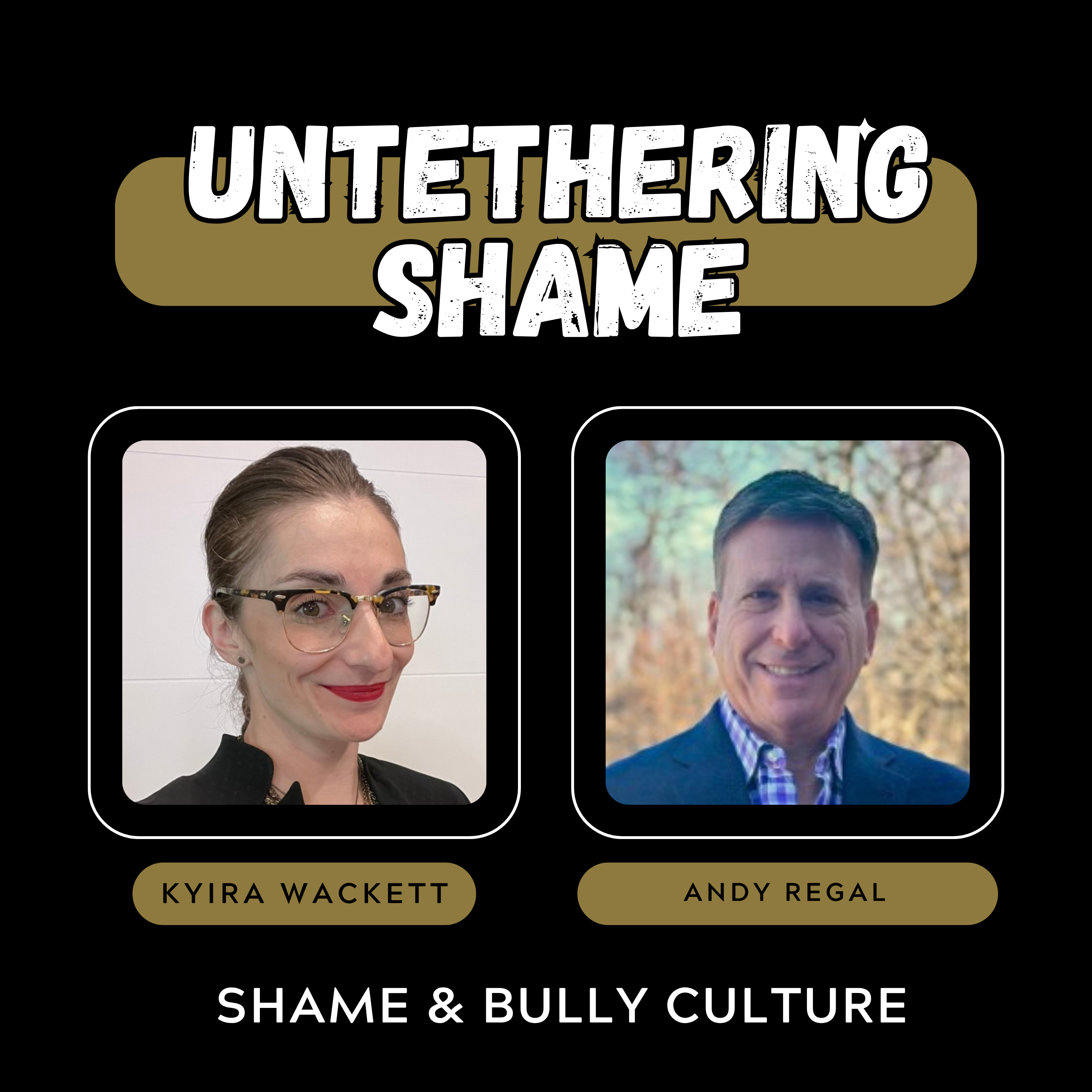
Shame & Bully Culture: The Silence That Protects Toxic Leaders with Andy Regal
Apr 19, 2026
51m 17s
🎙️Ask Me Anything – E45: Why Doesn’t Anything Ever Actually Fix Me?
Apr 15, 2026
6m 40s
Social Links & Contact
Official channels & resources
Official Website
Login
RSS Feed
Login
| Date | Episode | Topics | Guests | Brands | Places | Keywords | Sponsor | Length | |
|---|---|---|---|---|---|---|---|---|---|
| 5/3/26 | ![]() Shame & Conditioning: When Silence Was the Price of Belonging — Part 2 with Ingrid Hu Dahl✨ | shameconditional love+4 | Ingrid Hu Dahl | — | — | shamesurvival strategies+5 | — | 55m 21s | |
| 4/26/26 | ![]() Shame & Nervous System Regulation with Elizabeth Kipp✨ | shamenervous system regulation+5 | Elizabeth Kipp | — | — | shamenervous system+8 | — | 1h 00m 34s | |
| 4/22/26 | ![]() 🎙️Ask Me Anything – E46: When They Change After You Leave (And Why It Hurts More)✨ | separationemotional safety+4 | — | — | — | separationemotional safety+7 | — | 5m 18s | |
| 4/19/26 | ![]() Shame & Bully Culture: The Silence That Protects Toxic Leaders with Andy Regal✨ | workplace bullyingtoxic leadership+4 | Andy Regal | MSNBCCNBC+1 | — | bullyingtoxic culture+5 | — | 51m 17s | |
| 4/15/26 | ![]() 🎙️Ask Me Anything – E45: Why Doesn’t Anything Ever Actually Fix Me?✨ | shameradical acceptance+4 | — | — | — | burnoutloneliness+5 | — | 6m 40s | |
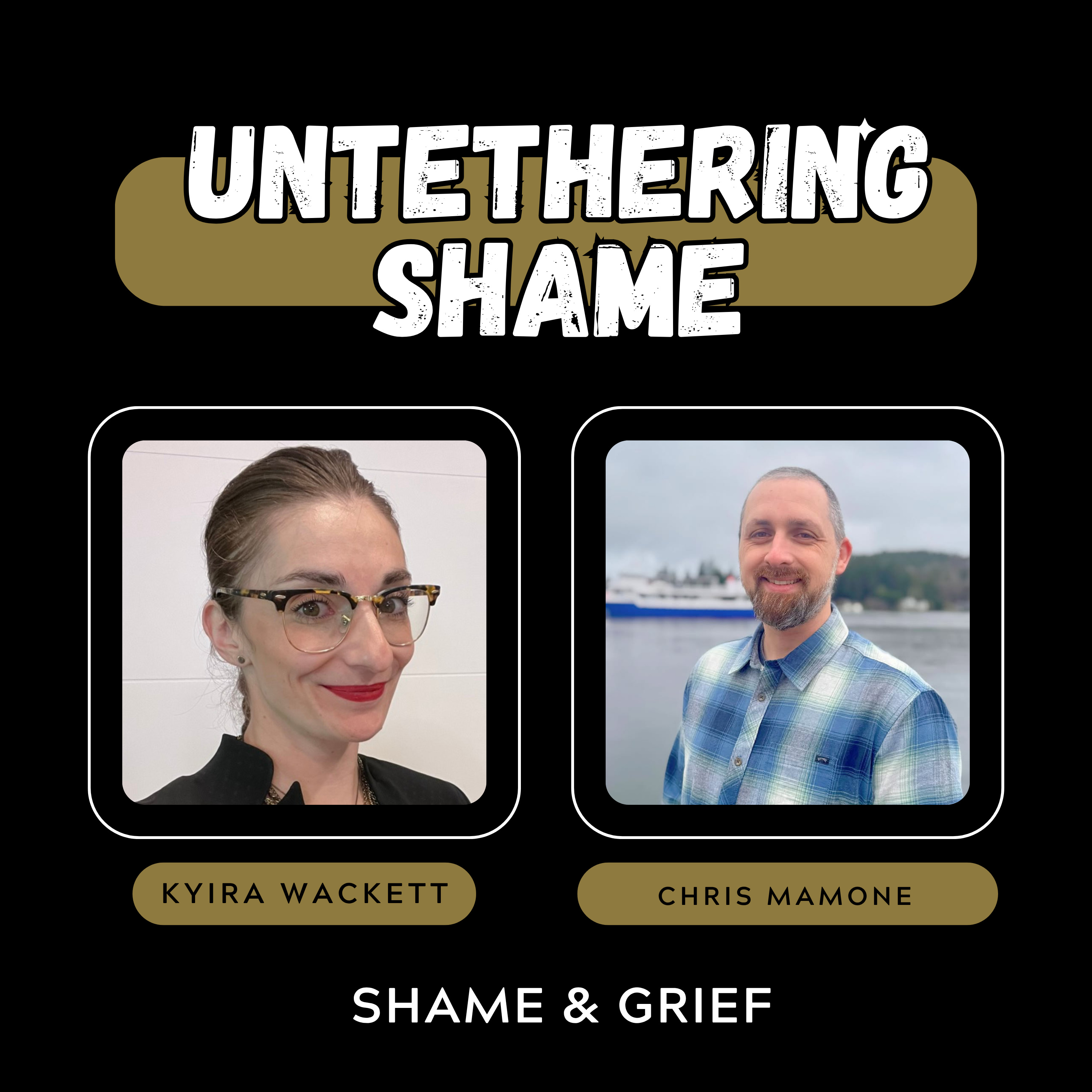
| 4/12/26 | ![]() Shame & Grief: The Hidden Cost of Self-Blame with Chris Mamone✨ | shamegrief+4 | Chris Mamone | The Empowered Journey | — | shamegrief+5 | — | 52m 05s | |

| 4/9/26 | ![]() 🎙️Ask Me Anything – E44: How the F*ck Are We Supposed to Be Mentally Well in a World Like This?✨ | mental healthshame+3 | — | — | — | mental well-beingshame+5 | — | 7m 38s | |
| 4/5/26 | ![]() Shame & Strength: Reclaiming Power Beyond Diet Culture with Clarissa Gannon✨ | shamestrength training+4 | Clarissa Gannon | EmpowerHER Wellness | — | shamestrength training+6 | — | 44m 59s | |
| 4/3/26 | ![]() 🎙️Ask Me Anything – E43: Gentle Parenting, Boundaries, and Parental Guilt✨ | gentle parentingparental guilt+4 | — | — | — | gentle parentingparental guilt+4 | — | 7m 32s | |
| 3/29/26 | ![]() Shame & Recovery: Naming the Space Between Sick and Well with Mallary Tenore Tarpley✨ | recoveryeating disorders+4 | Mallary Tenore-Tarpley | — | — | recoveryeating disorder+5 | — | 1h 02m 08s | |
Want analysis for the episodes below?Free for Pro Submit a request, we'll have your selected episodes analyzed within an hour. Free, at no cost to you, for Pro users. | |||||||||
| 3/21/26 | ![]() Shame & Success: Why So Many High Performers are Exhausted, Lonely, and Quietly Falling Apart with Garrett Wood✨ | high performanceshame+4 | Garrett Wood | Gnosis Therapy | — | high achieversburnout+5 | — | 53m 34s | |
| 3/15/26 | ![]() Shame, Screens, and the Nervous System: Why Willpower Isn’t the Problem with Abby Payne | I am so excited for this conversation today because it’s one I have personally been sitting with, wrestling with, and actively experimenting with over the past few weeks.We are welcoming back the incredible Abby Payne, who many of you remember from our first episode together on people-pleasing, self-worth wounds, and the nervous system. And today, we’re exploring a topic that affects every single one of us (sometimes quietly, sometimes loudly) and almost always with shame: our relationship with screens.Abby has recently shifted her work to focus on screen time and nervous system coaching, and her Digital Detox program is one of the most compassionate, science-backed approaches I’ve ever seen. She teaches that screen struggles aren’t about willpower; they’re about dopamine, nervous system regulation, and the parts of us that use screens for safety, escape, comfort, or protection. And that shift alone was so freeing.Because here’s the thing: our devices are built to keep us hooked. Our brains adapt. Our nervous system learns. And when we try to “just stop scrolling,” we’re not battling laziness: we’re bumping up against actual neurobiology.And I can tell you from my own experience working with Abby these last few weeks, the shame we feel around screen use (the guilt, the hiding, the beating ourselves up for not sticking to limits) actually makes everything worse. She helped me understand why the patterns I had with my phone made perfect sense given my nervous system, my habits, my lifestyle, and the stress I carry.Today, we’re unpacking:Why screens feel addictiveHow shame deepens the cycleWhy willpower doesn’t workHow to use compassion and structure to create a different kind of relationshipAnd how to build a system where you own your device, not the other way aroundWhether you’ve felt tethered to your phone, overwhelmed by notifications, guilty about scrolling at night, or frustrated with the constant pull to “just check one more thing,” this episode is going to make you feel so much less alone, and so much more empowered.Let’s get into it.More About AbbyAbby Payne is a Screen Time & Nervous System Coach, registered nurse, and creator of the Digital Detox course, a science-backed, spiritually grounded program that helps overwhelmed professionals rebuild a healthier relationship with their devices. As someone who has helped countless people step out of shame and into intentional living, Abby specializes in showing that screen time struggles aren’t a willpower issue; they’re a strategy issue. She blends neuroscience, habit change, nervous system regulation, and spiritual presence to help people understand why they get pulled into their screens and how to break the cycle with compassion instead of guilt.Connect with AbbyDigital Detox Program: https://www.nurseabbyllc.com/digital-detoxScreenZen Setup Video: https://ko-fi.com/s/45d20c5be0Substack: https://mossontherocks.substack.com/App & Resources MentionedScreenZen App (Apple App Store): https://apps.apple.com/us/app/screenzen-screen-time-control/id1541027222Get Connected.★ Subscribe to my YouTube channel★ Sign up for my email list: https://adversityrising.com/email-list★ Listen to my Podcast: https://open.spotify.com/show/2AouludJr7EweOkMIN9s42?si=d8cdfcb925ce4c9c Take the Next Step.★ Download the FREE handout, "5 Things Shame Resilient People do Every Day" and start making those daily shifts to break that shame cycle that's keeping you stuck in that negative headspace. www.adversityrising.com/become-shame-resilient ★ Book a free 25-minute discovery call to discuss different program options and find the support best fits your needs. https://calendly.com/adversityrising/discovery-call★ Are you a people pleaser? Ruminator? Over-extender? Sign up for the next round of Liberated Living and implement the radical 3 practice — Radical Acceptance, Radical Responsibility & Radical Authorship: https://adversityrising.com/liberated-living | — | ||||||
| 3/8/26 | ![]() Shame & Loss: Holding Space for What Can’t Be Fixed with Chris Mamone | In this episode, I sit down with Chris Mamone to talk about the complex reality of grief. Chris shares his personal experience of losing his son to stillbirth in 2022, and he explains how this massive loss forced him to re-evaluate everything he knew about processing pain. We discuss why grief goes far beyond just losing a loved one, noting that it can include job loss, moving, or losing relationships. Chris and I also explore the societal pressure to "get over it," the damage caused by shame, and how we can show up better for ourselves and those around us.We Covered:Grief is not a problem to be fixed; it is a process of personal transformation.The danger of the "yo-yo effect" happens when we let societal shame disconnect us from our true feelings.We must stop comparing our losses to the losses of others, as every experience is unique.You can support a grieving friend by simply being present and holding space instead of trying to offer solutions.It is possible to navigate the loss of connection and friendships in today's divisive social and political climate by focusing on what you can control.Memorable Quotes:"Most of us walk around with it and don't even know it." "Grievers don't need to be fixed. They don't need to be told what to do." "Grief does not discriminate in any capacity."More About Chris: Chris Mamone is an Acceptance Coach and the Founder of The Empowered Grief Coaching Practice and Podcast. He helps individuals move from a place of pain into a place of hope and empowerment through their grief. Chris supports those navigating grief, loss, and trauma to rediscover self-acceptance and step into their personal power so they can create an inspiring future grounded in healing, truth, and purpose. He is also releasing a book featuring 23 stories of grief this coming November.Connect with Chris:Website: http://www.empoweredgriefjourney.com/Podcast: https://empoweredgriefjourney.podbean.com/Facebook: https://www.facebook.com/thechrismamoneInstagram: https://www.instagram.com/empoweredgriefjourney/TikTok: https://www.tiktok.com/@empoweredgriefjourneyLinkedIn: https://www.linkedin.com/in/empoweredgriefjourney/ | — | ||||||
| 3/1/26 | ![]() Shame & Money: Rewriting the Rules of Wealth with Mel Dorman | I am equal parts curious, interested, and a little scared because of the incredible things we talk about today. In this episode, I sit down with Mel Dorman to explore how we can heal our toxic beliefs about wealth and redefine what it means to be financially secure.Mel shares an incredible path, starting from living in a slum in Kolkata, India, helping women escape sex trafficking on a dollar a day. At the time, Mel despised the capitalist system. But everything changed when Mel's father was diagnosed with Alzheimer's. Facing a $7,000 monthly care bill while earning only $2,000 to $3,000 a month as a social worker forced Mel to rethink everything.We discuss how Mel read "Rich Dad, Poor Dad" while working at the LA County Jail, eventually buying 34 rental units in five years using seller financing. Mel challenges the anti-landlord sentiment we see so often, reminding us that local, mom-and-pop housing providers are vital to keeping communities intact against corporate hedge funds.Key TakeawaysHealing Subconscious Beliefs: We discuss how to identify the shame and negative stories we hold about people who have wealth.Generative vs. Extractive Capital: Mel learned in India that business can equal freedom, teaching us that wealth does not have to be extractive.Seller Financing: We learn about creating mutually beneficial real estate deals directly with neighbors, which bypasses traditional bank loans and relies on social capital.Community Interdependence: By building local wealth, we can support each other without over-relying on the government or distant corporations.More about MelMel Dorman went from dumpster scavenging in their twenties to building a multimillion-dollar real estate portfolio in their thirties, combining traditional bank loans with creative seller financing to acquire 34 rental units in just five years. A former social worker turned financial activist, Mel shows that wealth doesn’t have to flow through Wall Street to grow.As the founder of the Seller Financing Academy and author of Bank on Your Neighbor, Mel teaches everyday people how to use both conventional tools and community-based financing strategies to buy property, build equity, and keep wealth circulating locally instead of siphoned upward to billionaires. Their TEDx talk on creative finance became an Editor’s Pick and has reached hundreds of thousands of viewers hungry for an alternative to the corporate grind.Mel’s mission is simple: decentralize wealth, empower neighbors, and prove that ordinary people can rewrite the rules of finance one seller-financed deal at a time.Connect with MelBook a Consult Session: https://oncehub.com/PAGE-A67D0D68E5?utm_campaign=unshame&utm_source=podWebsite: https://www.meldorman.com/TEDx Talk: https://www.youtube.com/watch?v=ptadc1hNEi8Free Audio Book: As a little gift, here is the link to her book on audio for free: https://www.buzzsprout.com/2528303/aboutGet Connected★ Subscribe to my YouTube channel★ Sign up for my email list: https://adversityrising.com/email-list★ Listen to my Podcast: https://open.spotify.com/show/2AouludJr7EweOkMIN9s42?si=d8cdfcb925ce4c9c Take the Next Step★ Download the FREE handout, "5 Things Shame Resilient People do Every Day" and start making those daily shifts to break that shame cycle that's keeping you stuck in that negative headspace: www.adversityrising.com/become-shame-resilient★ Book a free 25-minute discovery call to discuss different program options and find the support that best fits your needs: https://calendly.com/adversityrising/discovery-call★ Are you a people pleaser? Ruminator? Over-extender? Sign up for the next round of Liberated Living and implement the radical 3 practice (Radical Acceptance, Radical Responsibility & Radical Authorship): https://adversityrising.com/liberated-living | — | ||||||
| 2/22/26 | ![]() Shame & Narcissistic Abuse: When Love Slowly Turns Into Self-Abandonment with Kathy Wisniewski | In this episode, I am joined by Kathy Wisniewski, certified health coach, owner of True and Lasting Wellness, and host of the Tragically Beautiful podcast, for an honest conversation about shame, abuse, and reclaiming personal power.We unpack why abusive and disempowering relationships are often misunderstood, how shame keeps people silent, and why leaving is not the same as healing. Kathy shares her personal experience through narcissistic abuse, perfectionism, and loss of self, and how learning to love herself enough to set boundaries changed everything.During our conversation, we discuss how narcissistic personalities often cast themselves as either the victim or the hero. They may begin a relationship with intense love bombing, giving all their attention and affection, before their mask slips and they begin to distance themselves and withhold affection. Kathy opens up about how shame acts as a silencer. She kept her experience a secret because she had bought into the narrative that her relationship was a meant-to-be fairy tale that started in high school.We also explore the painful emotions of shame and embarrassment. Overcoming this requires confronting lonely moments and doing inner child healing. A major realization for Kathy was understanding that her lack of boundaries stemmed from not loving herself enough. Often, people feel inherently defective or broken, leading them to believe they do not deserve to set boundaries. By overcoming this double dose of shame, the shame of the abuse itself and the shame of feeling like she should have known better, Kathy was able to channel her energy into serving others.If you have ever questioned your worth, stayed too long, or wondered why setting boundaries feels so hard, this conversation will meet you with clarity and compassion.Key TakeawaysAbuse thrives in silence, shame, and perfectionism.Narcissistic relationships often start with intense affection and love bombing before the partner becomes distant and withdrawn.Leaving a relationship does not automatically heal the nervous system.A lack of personal boundaries often comes from not loving oneself enough and feeling inherently broken.Shame acts as a silencer, keeping people trapped in a false narrative about their relationship.Victims often experience a double dose of shame because they believe they should have known better.Healing involves turning painful energy into a desire to provide service to others.About Kathy WisniewskiKathy Wisniewski is a passionate and dedicated health coach certified through the Institute for Integrative Nutrition and the owner of True and Lasting Wellness. With a deep commitment to comprehensive healing, she specializes in empowering survivors of abuse to rewrite their stories and reclaim their wellbeing across all key areas of their lives. Kathy is also the host of the Tragically Beautiful podcast, a platform dedicated to helping abuse survivors share their stories while celebrating the beautiful things that life can offer beyond trauma. Through candid conversations and inspiring narratives, Kathy and her guests shed light on the transformative power of healing and a positive mindset.Connect with KathyYouTube: https://www.youtube.com/@tragicallybeautifulpodcastInstagram (Podcast): https://www.instagram.com/tragicallybeautifulpodcastInstagram (Kathy): https://www.instagram.com/coachkathywisniewskiGet Connected. Subscribe to my YouTube channelSign up for my email list: https://adversityrising.com/email-list Listen to my Podcast: https://open.spotify.com/show/2AouludJr7EweOkMIN9s42?si=d8cdfcb925ce4c9cTake the Next Step. Download the FREE handout, "5 Things Shame Resilient People do Every Day" and start making those daily shifts to break that shame cycle that's keeping you stuck in that negative headspace. www.adversityrising.com/become-shame-resilient | — | ||||||
| 2/19/26 | ![]() Ask Me Anything – E41: Radical Acceptance of Imperfection | In this Ask Me Anything episode, I am pressing pause on specific listener questions to unpack a theme that has been showing up constantly in my work: the radical acceptance of imperfection. I have been thinking a lot about mistakes lately, from the tiny ones to the parenting moments that replay in my head at 2 AM.I discuss why being human means we are imperfect and why that imperfection is actually a feature, not a flaw. We live in a culture that tells us we should rise above our humanity through optimization and therapy, but I want to challenge that. I explore why there is no finish line where we stay healed forever and how rupture and repair not perfection are what actually deepen our connections.Key Topics & TakeawaysImperfection as a Feature: I explain why our inability to be perfect is not a bug in the system but simply how our nervous systems and brains function.The Trap of "More": I talk about the resistance we feel and how we often confuse healthy growth with the impossible standard of never letting anyone down.Rupture and Repair: I share why my relationships, including my marriage and parenting, are stronger because we move through conflict rather than avoiding it.Personal Reflections: I admit that no matter how much I study shame resilience, shame still shows up in my life, and I am learning to be okay with that.Shift to Curiosity: I ask you to shift your focus from "I need to fix this" to "I want to understand myself better".Memorable Quotes"Being human means we're imperfect, and our imperfection is not a flaw, it's a feature.""The moments where we stumble, where we fail, where we have rupture and repair, those are the moments where connection deepens.""You are allowed to be a work in progress and a person of worth at the same time.""We're not a project to complete. You're a process to participate in." 📝 Want to submit a question for a future episode?Nothing is off-limits (well, almost nothing).Submit your question anonymously or with your name — whatever feels safest for you.👉 https://forms.gle/1uYJ87Y2Vag6KYCeA💬 If this episode spoke to you, drop a comment and share what resonated or shifted for you.Ready to take the next step?Download the FREE handout, “5 Things Shame Resilient People Do Every Day” to begin building safety and trust with yourself.Book a free 25-minute discovery call to explore coaching or program options that support healing beyond survival mode.★ Subscribe to my YouTube channel★ Sign up for my email list: https://adversityrising.com/email-list★ Listen to my Podcast: https://open.spotify.com/show/2AouludJr7EweOkMIN9s42?si=d8cdfcb925ce4c9c Take the Next Step.★ Download the FREE handout, "5 Things Shame Resilient People do Every Day" and start making those daily shifts to break that shame cycle that's keeping you stuck in that negative headspace. www.adversityrising.com/become-shame-resilient ★ Book a free 25-minute discovery call to discuss different program options and find the support best fits your needs. https://calendly.com/adversityrising/discovery-call★ Are you a people pleaser? Ruminator? Over-extender? Sign up for the next round of Liberated Living and implement the radical 3 practice — Radical Acceptance, Radical Responsibility & Radical Authorship: https://adversityrising.com/liberated-living### SHOUT-OUTS:★ All video editing done by my wonderful husband, Jordan Wackett. Check him out at @jordanwackett. | — | ||||||
| 2/15/26 | ![]() Shame & Body Confidence: How the Binge-Restrict Cycle Transfers to Work, Life, and Hustle Culture with Jemma Haythorne | In this conversation, Kyira Wackett and Jemma discuss the complex relationship between body confidence and shame, exploring personal journeys and societal influences. They delve into the importance of self-worth, the impact of societal standards on body image, and the journey towards body acceptance. Jemma shares insights on intuitive eating, the significance of body neutrality, and the challenges posed by hustle culture. The discussion emphasizes the need for empathy and understanding in addressing body image issues across all body types.TakeawaysBody confidence is a journey that requires self-trust and self-belief.Shame often stems from societal conditioning and influences our body image.Intuitive eating can help separate self-worth from body image.Body neutrality is a more achievable goal for many individuals.Societal standards create pressure to conform to certain body types.The hustle culture can lead to unhealthy patterns in various aspects of life.Recognizing patterns of behavior can help in addressing body image issues.Building body confidence involves taking small, actionable steps.Empathy and acceptance for all body types can lead to a more inclusive society.The journey to body acceptance is ongoing and requires continuous effort.More about Jemma:Jemma Haythorne is a Confidence Coach on a mission to help women build unshakeable confidence, break free from body shame, silence their inner critic and make true self-love their default setting. After years of struggling with her body image, food, and self-doubt, she found true freedom - and now she's on a mission to empower others to do the same. She teaches women how to take up space, love their bodies, say yes to their dreams, and trust themselves fully. Whether through coaching, speaking, writing or her podcast, she's here to be your certified hype girl and the biggest advocate for lasting self-love.Connect with Jemma:Instagram: https://www.instagram.com/inspire__wellnessWebsite: https://www.inspirewellnessau.com.auPodcast: https://open.spotify.com/show/3TxBxkB8ITxfhwmtN8Atwb?si=a1550204d6224d50Get Connected.★ Subscribe to my YouTube channel★ Sign up for my email list: https://adversityrising.com/email-list★ Listen to my Podcast: https://open.spotify.com/show/2AouludJr7EweOkMIN9s42?si=d8cdfcb925ce4c9c Take the Next Step.★ Download the FREE handout, "5 Things Shame Resilient People do Every Day" and start making those daily shifts to break that shame cycle that's keeping you stuck in that negative headspace. www.adversityrising.com/become-shame-resilient ★ Book a free 25-minute discovery call to discuss different program options and find the support best fits your needs. https://calendly.com/adversityrising/discovery-call★ Are you a people pleaser? Ruminator? Over-extender? Sign up for the next round of Liberated Living and implement the radical 3 practice — Radical Acceptance, Radical Responsibility & Radical Authorship: https://adversityrising.com/liberated-livingSHOUT-OUTS★ All video editing done by my wonderful husband, Jordan Wackett. Check him out at @jordanwackett. | — | ||||||
| 2/12/26 | ![]() Ask Me Anything – E40: You’re Not Behind — Letting Go of the Myth of Enough Time | In this episode, I am continuing our topic-driven conversations by tackling a feeling I know we all share: the tension between everything we want to do and what we actually have the capacity for. We live in a world that constantly tells us to do more, be more, and optimize more, creating a quiet, shame-filled narrative that if we can't keep up, something is wrong with us.I explore the radical acceptance that you are never going to have enough time. We discuss how "hustle culture" tricks us into treating rest and joy like rewards we have to earn, and why "later" never actually arrives. Instead of trying to optimize our nervous systems, I share the questions I use to cut through the urgency and return to intentionality.Key Topics & TakeawaysThe Myth of "Getting Ahead": I discuss why we constantly feel like we need to "get ahead" before we can rest, and why that finish line keeps moving.Infinite Inputs: How the endless stream of podcasts, courses, and "shoulds" creates a false urgency that erodes our presence.Brené Brown’s Two Questions: I share a framework I learned from Brené Brown to manage demands: 1) Who and what do I want to be held accountable to? and 2) Does that decision align with my values?.Alignment Over Hustle: Why we need to stop asking if we can do something and start asking if it aligns with the life we want to design.The 10-Minute Audit: I issue a gentle challenge to look at your to-do list and ask: "Is this something I genuinely want or need to do?" and "What am I saying no to by saying yes here?".Memorable Quotes"What if the problem isn't you? What if the problem is actually the story that we've been sold... about time, worth and productivity?""Your worth is not measured by how efficiently you use every single minute. Your life is not a productivity project.""Your nervous system does not exist to be optimized.""Choosing alignment is an act of self-love and quiet rebellion."📝 Want to submit a question for a future episode?Nothing is off-limits (well, almost nothing).Submit your question anonymously or with your name — whatever feels safest for you.👉 https://forms.gle/1uYJ87Y2Vag6KYCeA💬 If this episode spoke to you, drop a comment and share what resonated or shifted for you.Ready to take the next step?Download the FREE handout, “5 Things Shame Resilient People Do Every Day” to begin building safety and trust with yourself.Book a free 25-minute discovery call to explore coaching or program options that support healing beyond survival mode.★ Subscribe to my YouTube channel★ Sign up for my email list: https://adversityrising.com/email-list★ Listen to my Podcast: https://open.spotify.com/show/2AouludJr7EweOkMIN9s42?si=d8cdfcb925ce4c9c Take the Next Step.★ Download the FREE handout, "5 Things Shame Resilient People do Every Day" and start making those daily shifts to break that shame cycle that's keeping you stuck in that negative headspace. www.adversityrising.com/become-shame-resilient ★ Book a free 25-minute discovery call to discuss different program options and find the support best fits your needs. https://calendly.com/adversityrising/discovery-call★ Are you a people pleaser? Ruminator? Over-extender? Sign up for the next round of Liberated Living and implement the radical 3 practice — Radical Acceptance, Radical Responsibility & Radical Authorship: https://adversityrising.com/liberated-living### SHOUT-OUTS:★ All video editing done by my wonderful husband, Jordan Wackett. Check him out at @jordanwackett. | — | ||||||
| 2/8/26 | ![]() Shame & Parts Work: Understanding the Inner Voices Behind Binge Eating with Jane Pilger | In this episode, we welcome back Jane Pilger to explore the nervous system, shame, and the internal "parts" that drive our behaviors. While many believe binge eating stems from a lack of discipline, Jane explains that it is actually a nervous system response designed for protection. When we feel unsafe or overwhelmed, our bodies often turn to food as a way to regulate energy and numb difficult feelings.Jane breaks down the concept of the "Safety Paradox," where we seek safety in food even though it ultimately makes us feel unsafe. We also discuss Internal Family Systems (IFS) and how to distinguish between our "protector" parts and our "young" parts. By shifting from judgment to compassionate curiosity, we can begin to understand the protective role these behaviors play and learn to lead our internal parts with the wisdom of a "kindergarten teacher".We covered:The Nervous System & Safety: How the body constantly scans for danger (neuroception) and uses food to regulate excess energy from the "fight or flight" response.The Binge Feedback Loop: Understanding how we bounce between high-energy anxiety and low-energy collapse, using food to manage the transition.Shame as a Driver: How shame fuels the binge cycle by keeping the nervous system in a state of threat, which leads to more eating for relief.Parts Work (IFS): Identifying "Protector" parts that try to shield "Young" parts from pain, rejection, or trauma.The Safety Paradox: Why we turn to food for comfort even when we know it causes distress.Practical Strategies:Asking "How does this make sense?" to replace judgment with understanding.Creating a "Moments that Matter" list to track small victories.Using the "Kindergarten Teacher" analogy to guide internal parts with patience rather than criticism.More about Jane:Jane helps women understand why they binge eat and how to stop. She guides women who have been struggling, often for decades, to find the missing link to go from fighting with their bodies to working with them.Whether someone is a binge eater, doesn't trust themselves with certain foods, or just doesn't understand why they behave the way they do sometimes, she's got them. She teaches her clients how to understand their behavior, how to develop trust with themselves and how to cultivate the safety that they need to navigate life. Her approach is rooted in the science of the brain and body, trauma informed, and filled with compassion.Connect with Jane:Website: www.janepilger.comInstagram and Facebook: @janepilgercoachingSubstack: janepilger.substack.com💬 If this episode spoke to you, drop a comment and share what resonated or shifted for you.Ready to take the next step?Download the FREE handout, “5 Things Shame Resilient People Do Every Day” to begin building safety and trust with yourself.Book a free 25-minute discovery call to explore coaching or program options that support healing beyond survival mode.★ Subscribe to my YouTube channel★ Sign up for my email list: https://adversityrising.com/email-list★ Listen to my Podcast: https://open.spotify.com/show/2AouludJr7EweOkMIN9s42?si=d8cdfcb925ce4c9c Take the Next Step.★ Download the FREE handout, "5 Things Shame Resilient People do Every Day" and start making those daily shifts to break that shame cycle that's keeping you stuck in that negative headspace. www.adversityrising.com/become-shame-resilient ★ Book a free 25-minute discovery call to discuss different program options and find the support best fits your needs. https://calendly.com/adversityrising/discovery-call★ Are you a people pleaser? Ruminator? Over-extender? Sign up for the next round of Liberated Living and implement the radical 3 practice — Radical Acceptance, Radical Responsibility & Radical Authorship: https://adversityrising.com/liberated-living### SHOUT-OUTS:★ All video editing done by my wonderful husband, Jordan Wackett. Check him out at @jordanwackett. | — | ||||||
| 2/5/26 | ![]() Ask Me Anything – E39: Trauma Bonding Isn’t What the Internet Says It Is | In this episode, I step back from individual listener questions to address a topic that’s generating a lot of confusion right now: trauma bonding.We explore the intersection of shame, attachment, and survival and why trauma bonds are so often misunderstood as “poor choices” or “lack of boundaries.” Inside this episode, we’ll talk about:What trauma bonding actually is (and what it’s not)Why our brains form these bonds in the first placeHow intermittent reinforcement keeps people stuckWhat healing looks like beyond “just leaving”If you’ve ever felt trapped in a relationship that hurt but also felt impossible to walk away from, this episode will help you understand what was happening — without judgment or blame.📝 Want to submit a question for a future episode?Nothing is off-limits (well, almost nothing).Submit your question anonymously or with your name — whatever feels safest for you.👉 https://forms.gle/1uYJ87Y2Vag6KYCeA💬 If this episode spoke to you, drop a comment and share what resonated or shifted for you.Ready to take the next step?Download the FREE handout, “5 Things Shame Resilient People Do Every Day” to begin building safety and trust with yourself.Book a free 25-minute discovery call to explore coaching or program options that support healing beyond survival mode.★ Subscribe to my YouTube channel★ Sign up for my email list: https://adversityrising.com/email-list★ Listen to my Podcast: https://open.spotify.com/show/2AouludJr7EweOkMIN9s42?si=d8cdfcb925ce4c9c Take the Next Step.★ Download the FREE handout, "5 Things Shame Resilient People do Every Day" and start making those daily shifts to break that shame cycle that's keeping you stuck in that negative headspace. www.adversityrising.com/become-shame-resilient ★ Book a free 25-minute discovery call to discuss different program options and find the support best fits your needs. https://calendly.com/adversityrising/discovery-call★ Are you a people pleaser? Ruminator? Over-extender? Sign up for the next round of Liberated Living and implement the radical 3 practice — Radical Acceptance, Radical Responsibility & Radical Authorship: https://adversityrising.com/liberated-living### SHOUT-OUTS:★ All video editing done by my wonderful husband, Jordan Wackett. Check him out at @jordanwackett. | — | ||||||
| 2/1/26 | ![]() Shame & Getting Scammed: How Scammers Hijack Your Nervous System with Michele Ilich-Daubas. Part 2 | Welcome back to the second half of this crucial conversation.If you haven’t listened to Part 1 yet, I highly recommend hitting pause and going back to listen to that episode first [LINK TO PART 1 HERE]. In that first episode, we laid the foundation—defining what "pig butchering" actually is and exploring the global machinery behind these scams. You really need that context for this episode to hit home.In Part 2, Michele Ilich-Daubas and I move from awareness into application. We are breaking down exactly how people get deceived in real time, what happens in the aftermath, and—most importantly for this podcast—how shame keeps victims silent.We discuss the specific mechanics of deception, like phishing and "smishing," and how scammers rely on our brains’ natural tendency to "fill in the blanks" when we are stressed or fearful. Michele shares some truly eye-opening examples, including how law enforcement impersonation scams are specifically targeting licensed professionals like therapists and doctors. It was a humbling reminder that intelligence and education do not make us immune to fear-based tunnel vision.But we don’t just stay in the problem. We talk about the solution. We explore how to shift our language from "I fell for it" to "I was deceived," why we need to stop judging our aging parents and start empowering them, and how community connection is ultimately our strongest defense.Key TakeawaysThis episode is about compassion. It’s about slowing down. And it’s about remembering that under the right circumstances, anyone can be deceived.Deception works by hijacking fear, not logic Urgency, authority, secrecy, and intimidation shut down our critical thinking and kick our "lizard brain" into overdrive.Phishing and smishing rely on “filling in the blanks” Scams feel believable when they intersect with our real-life stressors, shame stories, or existing fears (like missing a toll, a tax payment, or fearing arrest).Professionals are actively targeted Michele reveals how therapists, doctors, and nurses are frequent targets of sophisticated law enforcement impersonation scams.Scams don’t just steal money — they steal self-trust The emotional aftermath often includes grief, isolation, and a devastating loss of independence that is harder to recover from than the financial loss.Language matters We discuss why shifting from "I fell for it" (which implies stupidity) to "I was deceived" (which acknowledges the crime) is critical for reducing shame.Silence protects scammers Talking openly about scams helps others recognize red flags before harm occurs.Prevention starts with slowing down Hanging up, verifying independently, and simply pausing when fear spikes can interrupt the cycle of deception.Grace is essential Being deceived is not a moral failure — it’s a human response to sophisticated manipulation.About Michele Ilich-DaubasMichele Ilich-Daubas is a fraud fighter, public speaker, and educator dedicated to exposing and preventing sophisticated online scams, including the devastating crime known as pig butchering. A former Meta employee turned advocate, Michele now leads public awareness efforts through her organizations Deception Code and Operation Shamrock, empowering individuals—especially older adults—to recognize, report, and recover from financial and emotional exploitation. Her work blends education, empathy, and advocacy to dismantle the shame that keeps victims silent and to shine a light on how scammers manipulate trust and connection to deceive even the most vigilant among us.Connect with MicheleWebsite: http://www.deceptioncode.com/LinkedIn: https://www.linkedin.com/in/milichdaubas/Organization: http://www.operationshamrock.org/Resources MentionedPart 1 of this Interview: [LINK TO PART 1 HERE]Operation Shamrock: operationshamrock.org – A resource for survivor stories and scam prevention. | — | ||||||
| 1/28/26 | ![]() 🎙️ Ask Me Anything – E38: “When Helping Others Triggers Your Own Imposter Syndrome” | In this episode, I respond to a question from an anonymous therapist who writes:“Sometimes it’s hard not to feel like a fraud when you’re helping clients through things you’re still struggling with yourself. How do you reconcile the shame of being seen as the expert when you’re still learning?”We explore the intersection of shame, imposter syndrome, and the myth of the “fully healed helper” — and how this expectation quietly erodes connection in the therapy room. Inside this episode, we’ll talk about:Why struggling doesn’t disqualify you from helping othersHow appropriate self-disclosure can strengthen the therapeutic allianceThe power of saying “I’m still learning” without undermining your roleReframing shame as a signal of integrity, not inadequacyIf you’ve ever felt pressure to perform competence rather than embody presence, this episode will help you reconnect with what actually makes therapy effective: honesty, reflection, and humanity.📝 Want to submit a question for a future episode?Nothing is off-limits (well, almost nothing).Submit your question anonymously or with your name — whatever feels safest for you.👉 https://forms.gle/1uYJ87Y2Vag6KYCeA💬 If this episode spoke to you, drop a comment and share what it stirred up — especially if you’re a therapist navigating your own learning edges.Ready to take the next step?Download the FREE handout, “5 Things Shame Resilient People Do Every Day” to begin building trust with yourself, not just your role.Book a free 25-minute discovery call to explore coaching or program support that honors both your humanity and your profession.Stay Connected:Subscribe on Spotify or Apple PodcastsWatch on YouTubeVisit www.adversityrising.com💬 You don’t have to be finished to be trustworthy. | — | ||||||
| 1/25/26 | ![]() Shame & Scams: The Psychology of Deception with Michele Ilich-Daubas. Part 1. | In Part 1 of this two-part conversation, Kyira sits down with Michele Ilich-Daubas, a former senior legal analyst at Meta and scam-prevention advocate, to unpack the psychology behind modern scams — particularly “pig butchering,” a highly sophisticated form of financial and emotional exploitation.Rather than framing scams as random or obvious, this episode reveals how they are long-term psychological operations built on connection, trust, urgency, and fear. Michele explains how global crime syndicates operate, how trafficked individuals are often forced to carry out these scams, and why COVID-era isolation and digital dependence dramatically increased vulnerability.Together, they challenge a dangerous myth: that scams only happen to the “naive” or “elderly.” Instead, listeners are invited to consider a more honest and protective question: What would it take to deceive you?Key TakeawaysThis episode lays the groundwork for understanding scams through a shame-resilient, human lens — setting the stage for prevention, compassion, and awareness in Part 2.Scams are psychological, not intellectual failures Victims are masterfully deceived using fear, urgency, secrecy, and intimacy.Pig butchering is a long con These scams often unfold over weeks or months through fake friendships or romantic connections (a term derived from the concept of "fattening a pig before the kill").Anyone can be targeted Victims include professionals, therapists, and financially literate individuals — not just older adults.Isolation increases susceptibility COVID, social fragmentation, and loneliness created ideal conditions for exploitation.Your biggest vulnerability is tied to what you value most Children, safety, belonging, money, or being chosen are common entry points.Shame keeps people silent — and silence protects scammers Shifting language from “falling for a scam” to “being deceived” is critical for prevention.Prevention starts with slowing down Pausing, questioning urgency, and verifying through trusted channels can interrupt manipulation.About Michele Ilich-DaubasMichele Ilich-Daubas is a fraud fighter, public speaker, and educator dedicated to exposing and preventing sophisticated online scams, including the devastating crime known as pig butchering. A former Meta employee turned advocate, Michele now leads public awareness efforts through her organizations Deception Code and Operation Shamrock, empowering individuals—especially older adults—to recognize, report, and recover from financial and emotional exploitation. Her work blends education, empathy, and advocacy to dismantle the shame that keeps victims silent and to shine a light on how scammers manipulate trust and connection to deceive even the most vigilant among us.Connect with michelleWebsite: https://www.deceptioncode.com/LinkedIn:https://www.linkedin.com/in/milichdaubas/Organization: https://www.operationshamrock.org/Operation Shamrock: operationshamrock.org – A resource for survivor stories and scam prevention.Get Connected.★ Subscribe to my YouTube channel★ Sign up for my email list: https://adversityrising.com/email-list★ Listen to my Podcast: https://open.spotify.com/show/2AouludJr7EweOkMIN9s42?si=d8cdfcb925ce4c9c Take the Next Step.★ Download the FREE handout, "5 Things Shame Resilient People do Every Day" and start making those daily shifts to break that shame cycle that's keeping you stuck in that negative headspace. www.adversityrising.com/become-shame-resilient ★ Book a free 25-minute discovery call to discuss different program options and find the support best fits your needs. https://calendly.com/adversityrising/discovery-call★ Are you a people pleaser? Ruminator? Over-extender? Sign up for the next round of Liberated Living and implement the radical 3 practice — Radical Acceptance, Radical Responsibility & Radical Authorship: https://adversityrising.com/liberated-living | — | ||||||
| 1/21/26 | ![]() 🎙️Ask Me Anything – E37: When You Feel Guilty Saying No | In this episode, I respond to a question from an anonymous listener who writes:“I always say yes to requests from my friends, family, and coworkers — even when I really don’t want to or don’t have the capacity. Then I end up resentful, tired, or feeling like I’m the bad friend or partner for refusing. How do I actually learn to say no without drowning in guilt?”We explore the tension between compassion and people-pleasing — and why guilt often shows up the moment we try to take care of ourselves. Inside this episode, we’ll talk about:Why guilt doesn’t always mean you’ve done something wrongHow shame and fear of rejection keep you stuck in over-givingWhat it really means to say “no” from self-respect instead of self-protectionHow to start unlearning the belief that saying no makes you a bad personIf you’ve ever felt the weight of guilt after setting a boundary, this episode is your permission slip to honor your limits without apology.📝 Want to submit a question for a future episode?Nothing is off-limits (well, almost nothing).Submit your question anonymously or with your name — whatever feels safest for you.👉 https://forms.gle/1uYJ87Y2Vag6KYCeA💬 If this episode spoke to you, drop a comment and share your biggest takeaway or reflection — I’d love to hear what came up for you.Ready to take the next step?Download the FREE handout, “5 Things Shame Resilient People Do Every Day” to start grounding yourself in boundaries and self-trust.Book a free 25-minute discovery call to explore coaching or program options that meet you where you are.Stay Connected:Subscribe on Spotify or Apple, and leave a review to share your thoughts.YouTubeWebsite💭 Guilt is just a sign that you’re breaking an old pattern — not that you’re doing something wrong.#AskMeAnything #Boundaries #SayingNo #ShameResilience #AdversityRising | — | ||||||
| 1/18/26 | ![]() Shame & The Inner Critic: Befriending the Bully and Awakening the Coach | In this episode of Untethering Shame, I am joined by Jessica Fern, a therapist, educator, and the internationally recognized author of Polysecure, Polywise, and her newest book, Transforming the Shame Triangle.Together, we explore the Shame Triangle: the internal loop that occurs between the inner critic, the shame part, and the inner escaper. Jessica explains how we internalize the "drama triangle" of persecutor, victim, and rescuer, turning them into internal parts that drive self-criticism and disconnection.We discuss the origins of shame in our early needs for belonging and why our coping strategies often act like "expired milk": methods that were once adaptive and nourishing but have become toxic over time. This conversation offers a framework for moving from the Shame Triangle to the Self-Love Triangle, transforming the inner critic into an inner coach.Key TakeawaysThe Shame Triangle Defined: The internal dynamic consisting of the inner critic (the bully), the shame part (the victim), and the escaper (the rescuer).Escaper Behaviors: How we use over-functioning, perfectionism, under-functioning, or aggression to mute the inner critic.Expired Strategies: Understanding that our protective parts have good intentions but use distorted methods that no longer serve us as adults.From Critic to Coach: The process of the Self-Love Triangle involves updating our internal parts and teaching the inner critic to encourage rather than attack.Navigating Relationships: How healing our internal shame often requires shifting dynamics with parents, partners, or friends who may still be stuck in their own triangles.Radical Acceptance: The goal is not to eliminate shame entirely but to change the story we tell ourselves about it.About Jessica Fern: Jessica Fern holds a Master’s degree in Conflict Resolution, is a Certified Clinical Trauma Professional, a trained Internal Family Systems (IFS) practitioner, and an integrative therapist drawing on 25 years of experience in somatic, narrative, psychotherapeutic, and spiritual healing modalities. She is the author of Polysecure: Attachment, Trauma, and Nonmonogamy, The Polysecure Workbook, and Polywise: A Deeper Dive Into Navigating Open Relationships. Through her international private practice, Jessica works with individuals, couples, and multi-partner relationships to break free from reactive patterns, cultural conditioning, insecure attachment, and past trauma.Website: https://www.jessicafern.comRestorative Relationships: https://www.restorativerelationship.com/Instagram: https://www.instagram.com/jessicafern411/?hl=enGet Connected.Subscribe to my YouTube channelSign up for my email list: https://adversityrising.com/email-listListen to my Podcast: https://open.spotify.com/show/2AouludJr7EweOkMIN9s42?si=d8cdfcb925ce4c9c Take the Next Step.★ Download the FREE handout, "5 Things Shame Resilient People do Every Day" and start making those daily shifts to break that shame cycle that's keeping you stuck in that negative headspace. https:/www.adversityrising.com/become-shame-resilient ★ Book a free 25-minute discovery call to discuss different program options and find the support best fits your needs. https://calendly.com/adversityrising/discovery-call★ Are you a people pleaser? Ruminator? Over-extender? Sign up for the next round of Liberated Living and implement the radical 3 practice — Radical Acceptance, Radical Responsibility & Radical Authorship: https://adversityrising.com/liberated-living | — | ||||||
Showing 25 of 233
Sponsor Intelligence
Sign in to see which brands sponsor this podcast, their ad offers, and promo codes.
Chart Positions
2 placements across 1 market.
Chart Positions
2 placements across 1 market.