

Insights from recent episode analysis
Audience Interest
Podcast Focus
Publishing Consistency
Platform Reach
Insights are generated by CastFox AI using publicly available data, episode content, and proprietary models.
Total monthly reach
Estimated from 2 chart positions in 2 markets.
By chart position
- 🇵🇹PT · Medicine#143500 to 3K
- 🇳🇿NZ · Medicine#163500 to 3K
- Per-Episode Audience
Est. listeners per new episode within ~30 days
300 to 1.8K🎙 Daily cadence·381 episodes·Last published 4d ago - Monthly Reach
Unique listeners across all episodes (30 days)
1K to 6K🇵🇹50%🇳🇿50% - Active Followers
Loyal subscribers who consistently listen
400 to 2.4K
Market Insights
Platform Distribution
Reach across major podcast platforms, updated hourly
Total Followers
—
Total Plays
—
Total Reviews
—
* Data sourced directly from platform APIs and aggregated hourly across all major podcast directories.
On the show
Recent episodes
Episode 385: #90-1 Pediatric Neurology: FND
Jun 2, 2026
28m 02s
Episode 387: #89-4 Infant Formula: Q & A
May 26, 2026
13m 13s
Episode 384: #89-3 Infant Formula: Understanding Recalls
May 19, 2026
18m 44s
Episode 383: #89-2 Infant Formula: Regulatory Changes
May 12, 2026
26m 14s
Episode 382: #89-1 Infant Formula: Regulations & Safety
May 5, 2026
21m 01s
Social Links & Contact
Official channels & resources
Official Website
Login
RSS Feed
Login
| Date | Episode | Description | Length | ||||||
|---|---|---|---|---|---|---|---|---|---|
| 6/2/26 |  Episode 385: #90-1 Pediatric Neurology: FND | This month we begin a new series on pediatric neurology issues, starting with a discussion with Josh Bonkowsky, MD, PhD, about his book Dancing Eyes, Dancing Feet. In this episode, our host Paul Wirkus, MD, FAAP and Dr. Bonkowsky trace the evolution of how clinicians understand and approach unexplained events in infants and children - from Sudden Infant Death Syndrome (SIDS) to Apparent Life-Threatening Events (ALTE), and more recently, Brief Resolved Unexplained Events (BRUE) and Functional Neurological Disorder (FND).The conversation explores how terminology, diagnostic approaches, and clinical thinking have changed over time, as well as the challenges providers face when balancing reassurance, evaluation, and uncertainty. We also discuss the important roles of the child’s pediatrician and pediatric hospitalists in coordinating care, supporting families, and guiding follow-up after these often frightening events.Have a question? Email questions@vcurb.com. Listener questions will be answered in episode four. For more information about available credit, visit vCurb.com.ACCME Accreditation StatementThis activity has been planned and implemented in accordance with the accreditation requirements and policies of the Colorado Medical Society through the joint providership of Kansas Chapter, American Academy of Pediatrics and Utah Chapter, AAP. Kansas Chapter, American Academy of Pediatrics is accredited by the Colorado Medical Society to provide continuing medical education for physicians. AMA Credit Designation StatementKansas Chapter, American Academy of Pediatrics designates this live activity for a maximum of 1.0 AMA PRA Category 1 Credits™. Physicians should claim only the credit commensurate with the extent of their participation in the activity. | 28m 02s | ||||||
| 5/26/26 |  Episode 387: #89-4 Infant Formula: Q & A | In this Q&A episode of our infant formula and nutrition series, host Paul Wirkus, MD, FAAP and guest Steve Abrams, MD address common questions pediatricians hear from families during the newborn period. The discussion explores the role of lactose in infant formula, including when lactose-free options may - or may not - be appropriate. We also talk about normal newborn fussiness in the first weeks of life and how clinicians can help families distinguish typical infant behavior from signs that warrant further evaluation.The episode also reviews formula fortification, with a focus on preterm and NICU infants who may require additional nutritional support for growth and development. Our guests discuss when fortification is indicated, practical considerations for outpatient follow-up, and how pediatricians can guide families through feeding decisions with clear, evidence-based counseling.Have a question? Email questions@vcurb.com. For more information about available credit, visit vCurb.com.ACCME Accreditation StatementThis activity has been planned and implemented in accordance with the accreditation requirements and policies of the Colorado Medical Society through the joint providership of Kansas Chapter, American Academy of Pediatrics and Utah Chapter, AAP. Kansas Chapter, American Academy of Pediatrics is accredited by the Colorado Medical Society to provide continuing medical education for physicians. AMA Credit Designation StatementKansas Chapter, American Academy of Pediatrics designates this live activity for a maximum of 1.0 AMA PRA Category 1 Credits™. Physicians should claim only the credit commensurate with the extent of their participation in the activity. | 13m 13s | ||||||
| 5/19/26 |  Episode 384: #89-3 Infant Formula: Understanding Recalls | In this episode of our infant formula and nutrition series, host Paul Wirkus, MD, FAAP and guest Steve Abrams, MD take a closer look at formula regulation, importation, and the growing influence of social media on infant feeding decisions. Our guests discuss the FDA registration process for infant formulas, what it means when products are not FDA registered, and the potential benefits and limitations of imported formulas. The conversation also explores how manufacturing and safety standards differ across countries and whether imported formulas are necessarily “cleaner” or safer.We also address the powerful role social media plays in shaping parent perceptions, including marketing claims that certain formulas can “cure” common infant concerns such as reflux, colic, or fussiness. Finally, the episode emphasizes the significant dangers of homemade formula and provides guidance on how pediatricians can counsel families using clear, evidence-based information while acknowledging the pressures and confusion many parents experience.Have a question? Email questions@vcurb.com. Listener questions will be answered next week. For more information about available credit, visit vCurb.com.ACCME Accreditation StatementThis activity has been planned and implemented in accordance with the accreditation requirements and policies of the Colorado Medical Society through the joint providership of Kansas Chapter, American Academy of Pediatrics and Utah Chapter, AAP. Kansas Chapter, American Academy of Pediatrics is accredited by the Colorado Medical Society to provide continuing medical education for physicians. AMA Credit Designation StatementKansas Chapter, American Academy of Pediatrics designates this live activity for a maximum of 1.0 AMA PRA Category 1 Credits™. Physicians should claim only the credit commensurate with the extent of their participation in the activity. | 18m 44s | ||||||
| 5/12/26 |  Episode 383: #89-2 Infant Formula: Regulatory Changes | In Episode 2 of our infant formula and nutrition series, host Paul Wirkus, MD, FAAP and guest Steve Abrams, MD explore the question many families ask: how closely should infant formula resemble breast milk, and does it matter? Our guests discuss the science behind common formula ingredients, including oligosaccharides, prebiotics, postbiotics, and lactose, and review what evidence currently tells us about their role in infant nutrition and gut health.The conversation also compares different protein sources - including cow’s milk, goat’s milk, and plant-based formulas - and addresses common parent questions about specialty, premium, and organic products. We examine whether higher-cost formulas offer meaningful advantages and how pediatricians can help families make informed, practical decisions without unnecessary pressure or confusion. Throughout the episode, the emphasis remains on evidence-based guidance and supporting families in choosing safe, nutritionally appropriate options for their infants.Have a question? Email questions@vcurb.com. Listener questions will be answered in episode four. For more information about available credit, visit vCurb.com.ACCME Accreditation StatementThis activity has been planned and implemented in accordance with the accreditation requirements and policies of the Colorado Medical Society through the joint providership of Kansas Chapter, American Academy of Pediatrics and Utah Chapter, AAP. Kansas Chapter, American Academy of Pediatrics is accredited by the Colorado Medical Society to provide continuing medical education for physicians. AMA Credit Designation StatementKansas Chapter, American Academy of Pediatrics designates this live activity for a maximum of 1.0 AMA PRA Category 1 Credits™. Physicians should claim only the credit commensurate with the extent of their participation in the activity. | 26m 14s | ||||||
| 5/5/26 |  Episode 382: #89-1 Infant Formula: Regulations & Safety | This month we turn our focus to infant formula and nutrition, beginning with a discussion of formula safety and supply. In this episode, our host Paul Wirkus, MD, FAAP and guest Steve Abrams, MD revisit Operation Fly Formula and the broader challenges of maintaining a safe and reliable formula supply in the U.S. We review safety concerns related to contamination - including bacteria, viruses, and rare but serious risks such as botulism - and discuss why recalls, while essential, can be complex for both families and providers to navigate.The conversation also explores differences between liquid and powdered formulas, with an emphasis on preparation practices and how improper bottle hygiene can increase contamination risk. We highlight current FDA guidance on boiling and cooling water for formula preparation and provide practical tips for counseling families. Importantly, our guests strongly caution against homemade formula and offer strategies for pediatricians to have clear, supportive conversations with caregivers.Finally, we touch on concerns about heavy metals in infant nutrition, including ongoing efforts such as the Closer to Zero initiative, and what clinicians should know when addressing parent questions about safety and quality.Have a question? Email questions@vcurb.com. Listener questions will be answered in episode four. For more information about available credit, visit vCurb.com.ACCME Accreditation StatementThis activity has been planned and implemented in accordance with the accreditation requirements and policies of the Colorado Medical Society through the joint providership of Kansas Chapter, American Academy of Pediatrics and Utah Chapter, AAP. Kansas Chapter, American Academy of Pediatrics is accredited by the Colorado Medical Society to provide continuing medical education for physicians. AMA Credit Designation StatementKansas Chapter, American Academy of Pediatrics designates this live activity for a maximum of 1.0 AMA PRA Category 1 Credits™. Physicians should claim only the credit commensurate with the extent of their participation in the activity. | 21m 01s | ||||||
| 4/28/26 |  Episode 381: #88-4 Psychiatric Grab Bag: Q&A | In this Q&A episode of our psychiatric “grab bag” series, host Paul Wirkus, MD, FAAP and Jeremy Kendrick, MD tackle common and challenging scenarios related to panic and anxiety in pediatric patients. The discussion clarifies how panic disorders differ from OCD, helping clinicians distinguish overlapping symptoms and guide appropriate treatment.We also address school refusal, exploring how anxiety and panic can manifest in avoidance behaviors and how to support families in getting children back to school. The panel shares practical, real-time strategies for managing panic in the clinic setting - including in the office, hallway, or waiting room - so providers can respond effectively in the moment.Additional topics include medication selection based on specific clinical presentations and when to consider higher levels of care, including the role and value of inpatient services. This episode offers actionable insights to help clinicians confidently assess and manage complex anxiety-related concerns.Utah Psychiatric Consultation Line (801-587-3636) for real-time guidance.Have a question? Email questions@vcurb.com.For more information about available credit, visit vCurb.com.ACCME Accreditation StatementThis activity has been planned and implemented in accordance with the accreditation requirements and policies of the Colorado Medical Society through the joint providership of Kansas Chapter, American Academy of Pediatrics and Utah Chapter, AAP. Kansas Chapter, American Academy of Pediatrics is accredited by the Colorado Medical Society to provide continuing medical education for physicians. AMA Credit Designation StatementKansas Chapter, American Academy of Pediatrics designates this live activity for a maximum of 1.0 AMA PRA Category 1 Credits™. Physicians should claim only the credit commensurate with the extent of their participation in the activity. | 18m 21s | ||||||
| 4/21/26 |  Episode 380: #88-3 Psychiatric Grab Bag: Angry Adolescents | In the third episode of our psychiatric “grab bag” series, we focus on the “angry adolescent” and the complex factors that can drive irritability and behavioral outbursts. Host Paul Wirkus, MD, FAAP and Jeremy Kendrick, MD discuss Disruptive Mood Dysregulation Disorder (DMDD) and how it differs from other mood and behavioral conditions. We explore how coexisting factors—such as substance use, trauma, and ADHD—can influence presentation, severity, and treatment outcomes.The conversation emphasizes the importance of identifying the underlying cause of a teen’s anger to guide appropriate, individualized treatment. Evidence-based approaches, including cognitive behavioral therapy (CBT), are reviewed alongside practical considerations for management in primary care. We also discuss when it’s appropriate to refer to a specialist or seek additional support, including use of the Utah Psychiatric Consultation Line (801-587-3636) for real-time guidance.Have a question? Email questions@vcurb.com. They will be answered next week.For more information about available credit, visit vCurb.com.ACCME Accreditation StatementThis activity has been planned and implemented in accordance with the accreditation requirements and policies of the Colorado Medical Society through the joint providership of Kansas Chapter, American Academy of Pediatrics and Utah Chapter, AAP. Kansas Chapter, American Academy of Pediatrics is accredited by the Colorado Medical Society to provide continuing medical education for physicians. AMA Credit Designation StatementKansas Chapter, American Academy of Pediatrics designates this live activity for a maximum of 1.0 AMA PRA Category 1 Credits™. Physicians should claim only the credit commensurate with the extent of their participation in the activity. | 24m 28s | ||||||
| 4/14/26 |  Episode 379: #88-2 Psychiatric Grab Bag: Panic Disorder | In this episode of our psychiatric “grab bag” series, we focus on panic disorders and how they present in pediatric patients. Host Paul Wirkus, MD, FAAP and Jeremy Kendrick, MD discuss the differences between panic and general anxiety, helping clinicians recognize key features that distinguish acute panic episodes from broader anxiety conditions.The conversation also explores the role of family dynamics in both the development and management of symptoms, along with evidence-based treatment approaches. These include cognitive behavioral therapy (CBT), the use of rescue and maintenance medications, and practical strategies such as deep breathing exercises to help patients manage symptoms in real time.We also highlight an important local resource for clinicians: the Utah Psychiatric Consultation Line at 801-587-3636, which provides support for managing pediatric mental health concerns in practice.Have a question? Email questions@vcurb.com. They will be answered in week four.For more information about available credit, visit vCurb.com.ACCME Accreditation StatementThis activity has been planned and implemented in accordance with the accreditation requirements and policies of the Colorado Medical Society through the joint providership of Kansas Chapter, American Academy of Pediatrics and Utah Chapter, AAP. Kansas Chapter, American Academy of Pediatrics is accredited by the Colorado Medical Society to provide continuing medical education for physicians. AMA Credit Designation StatementKansas Chapter, American Academy of Pediatrics designates this live activity for a maximum of 1.0 AMA PRA Category 1 Credits™. Physicians should claim only the credit commensurate with the extent of their participation in the activity. | 23m 45s | ||||||
| 4/7/26 |  Episode 378: #88-1 Psychiatric Grab Bag: Risk Assessment | This month we shift to a psychiatric “grab bag” series, beginning with a focused discussion on suicide risk assessment in pediatric practice. Host Paul Wirkus, MD, FAAP and Jeremy Kendrick, MD review how to ask about suicide in a direct, developmentally appropriate way and explore the differences between passive thoughts and active risk. The conversation also addresses the limits of risk prediction, emphasizing the importance of ongoing assessment rather than relying on a single point in time.We conclude with practical guidance on creating safety action plans, including how to engage patients and families, reduce immediate risk, and connect to appropriate resources. This episode equips clinicians with clear, compassionate strategies to navigate one of the most critical aspects of pediatric mental health care.Utah Psychiatric Call Up Line: 801.587.3636Have a question? Email questions@vcurb.com. They will be answered in week four.For more information about available credit, visit vCurb.com.ACCME Accreditation StatementThis activity has been planned and implemented in accordance with the accreditation requirements and policies of the Colorado Medical Society through the joint providership of Kansas Chapter, American Academy of Pediatrics and Utah Chapter, AAP. Kansas Chapter, American Academy of Pediatrics is accredited by the Colorado Medical Society to provide continuing medical education for physicians. AMA Credit Designation StatementKansas Chapter, American Academy of Pediatrics designates this live activity for a maximum of 1.0 AMA PRA Category 1 Credits™. Physicians should claim only the credit commensurate with the extent of their participation in the activity. | 26m 55s | ||||||
| 3/31/26 |  Episode 377: #87 Angelo's Book Club | In months with five weeks, The Virtual Curbside steps away from clinical topics for a pediatric book club discussion. In this month’s book club episode, we explore Humbitious: The Power of Low-Ego, High-Drive Leadership by Amer Kaissi. Our hosts Paul Wirkus, MD, FAAP and Angelo Giardino, MD, FAAP reflect on the concept of “humbition” - balancing humility with ambition - and discuss how these leadership principles apply to pediatric practice. The conversation highlights how low-ego, high-drive leadership can strengthen team dynamics, improve patient care, and support more collaborative, compassionate healthcare environments. No credit available for this episode. See vcurb.com for additional episodes. | 19m 16s | ||||||
Want analysis for the episodes below?Free for Pro Submit a request, we'll have your selected episodes analyzed within an hour. Free, at no cost to you, for Pro users. | |||||||||
| 3/24/26 |  Episode 376: #87-4 Poison Control: Q & A | In this Q&A episode of our Poison Control series, Host Paul Wirkus, MD, FAAP and guest Michael Moss, MD address emerging trends and high-risk behaviors contributing to pediatric and adolescent poison exposures. Our experts discuss substances sometimes used in social media challenges - including diphenhydramine, combination cold medications like NyQuil, and household items such as salt, nutmeg, cinnamon, and detergent pods - and the real dangers associated with these ingestions.The conversation also highlights serious risks tied to everyday household products, including tiki torch fuel and inhalant (“huffing”) exposures. Throughout the episode, we emphasize early recognition of concerning symptoms, proactive counseling for families and adolescents, and the importance of open, nonjudgmental conversations about risk-taking behaviors.If there is ever a concern about a possible poisoning, contact Poison Control at 1-800-222-1222 for immediate guidance anywhere in the United States.Have a question? Email questions@vcurb.com. For more information about available credit, visit vCurb.com.ACCME Accreditation StatementThis activity has been planned and implemented in accordance with the accreditation requirements and policies of the Colorado Medical Society through the joint providership of Kansas Chapter, American Academy of Pediatrics and Utah Chapter, AAP. Kansas Chapter, American Academy of Pediatrics is accredited by the Colorado Medical Society to provide continuing medical education for physicians. AMA Credit Designation StatementKansas Chapter, American Academy of Pediatrics designates this live activity for a maximum of 1.0 AMA PRA Category 1 Credits™. Physicians should claim only the credit commensurate with the extent of their participation in the activity. | 17m 38s | ||||||
| 3/17/26 |  Episode 375: #87-3 Poison Control: Prevention | In recognition of Poison Prevention Week, this episode of our Poison Control series focuses on practical strategies to prevent pediatric poison exposures. Host Paul Wirkus, MD, FAAP and guest Michael Moss, MD, discuss the importance of safe medication and household product storage, correct medication dosing, and how tools such as pill imprint codes can help identify unknown medications. The conversation also highlights common pitfalls, including the risks of relying on internet searches or AI tools for guidance during a potential poisoning event. Instead, clinicians and families are encouraged to use trusted, expert resources when questions arise.If there is ever a concern about a possible poisoning, contact Poison Control at 1-800-222-1222 for immediate guidance anywhere in the United States.Have a question? Email questions@vcurb.com. They will be answered next week.For more information about available credit, visit vCurb.com.ACCME Accreditation StatementThis activity has been planned and implemented in accordance with the accreditation requirements and policies of the Colorado Medical Society through the joint providership of Kansas Chapter, American Academy of Pediatrics and Utah Chapter, AAP. Kansas Chapter, American Academy of Pediatrics is accredited by the Colorado Medical Society to provide continuing medical education for physicians. AMA Credit Designation StatementKansas Chapter, American Academy of Pediatrics designates this live activity for a maximum of 1.0 AMA PRA Category 1 Credits™. Physicians should claim only the credit commensurate with the extent of their participation in the activity. | 18m 15s | ||||||
| 3/10/26 |  Episode 374: #87-2 Poison Control: High Risk Substances | In this episode of our Poison Control series, host, Paul Wirkus, MD, FAAP and guest Michael Moss, MD, focus on several high-risk exposures commonly encountered in pediatrics. Our guests review toxic thresholds for medications such as acetaminophen, discuss the dangers of prescription medication ingestions, and highlight particularly hazardous household items, including button batteries, magnets, hydrocarbons, and cleaning agents. The conversation emphasizes early recognition, appropriate initial management, and when to seek expert guidance. Listeners will gain practical insights to help prevent serious injury and respond effectively when exposures occur.If there is ever a concern about a possible poisoning, contact Poison Control at 1-800-222-1222 for immediate guidance anywhere in the United States.Have a question? Email questions@vcurb.com. They will be answered in week four.For more information about available credit, visit vCurb.com.ACCME Accreditation StatementThis activity has been planned and implemented in accordance with the accreditation requirements and policies of the Colorado Medical Society through the joint providership of Kansas Chapter, American Academy of Pediatrics and Utah Chapter, AAP. Kansas Chapter, American Academy of Pediatrics is accredited by the Colorado Medical Society to provide continuing medical education for physicians. AMA Credit Designation StatementKansas Chapter, American Academy of Pediatrics designates this live activity for a maximum of 1.0 AMA PRA Category 1 Credits™. Physicians should claim only the credit commensurate with the extent of their participation in the activity. | 33m 45s | ||||||
| 3/3/26 |  Episode 373: #87-1 Poison Control: How it Works | This month we turn our attention to Poison Control, beginning with an overview of why children are uniquely vulnerable to toxic exposures. In this episode, our host, Paul Wirkus, MD, FAAP and guest Michael Moss, MD review common pediatric ingestions, household risks, and explain factors that increase children's vulnerabilities.We also take a behind-the-scenes look at how the nation’s poison control system works - how calls are triaged, who provides guidance, and how centers collaborate across the country to deliver real-time, evidence-based recommendations. Most importantly, we emphasize when and how to use this invaluable resource.If you have a concern about a possible poisoning, call 1-800-222-1222 to reach your local poison control center anywhere in the United States.Have a question? Email questions@vcurb.com. They will be answered in week four.For more information about available credit, visit vCurb.com.ACCME Accreditation StatementThis activity has been planned and implemented in accordance with the accreditation requirements and policies of the Colorado Medical Society through the joint providership of Kansas Chapter, American Academy of Pediatrics and Utah Chapter, AAP. Kansas Chapter, American Academy of Pediatrics is accredited by the Colorado Medical Society to provide continuing medical education for physicians. AMA Credit Designation StatementKansas Chapter, American Academy of Pediatrics designates this live activity for a maximum of 1.0 AMA PRA Category 1 Credits™. Physicians should claim only the credit commensurate with the extent of their participation in the activity. | 20m 10s | ||||||
| 2/24/26 |  Episode 372: #86-4 NOWS: Q & A | In this Q&A episode of our neonatal opioid withdrawal syndrome (NOWS) series, we address challenging and nuanced clinical questions surrounding withdrawal, toxicology testing, and newborn exposures. Our host, Paul Wirkus, MD, FAAP, and guest Camille Fung, MD, review the early signs of withdrawal and discuss the process of obtaining consent for neonatal toxicology screening, clarifying when testing is considered diagnostic and how results may have reporting implications.We also explore common clinical scenarios, including the impact of maternal fentanyl administered via epidural on newborn toxicology results, and how in utero SSRI exposure may present with symptoms such as apnea, posturing, or seizure-like activity. The conversation further examines the effects of prenatal THC exposure, addressing common misconceptions, potential neonatal impacts, and the persistence of THC in breastmilk.Throughout the discussion, the emphasis remains on careful clinical assessment, clear communication with families, and a nonjudgmental, evidence-based approach to care.Have a question? Email questions@vcurb.com.For more information about available credit, visit vCurb.com.ACCME Accreditation StatementThis activity has been planned and implemented in accordance with the accreditation requirements and policies of the Colorado Medical Society through the joint providership of Kansas Chapter, American Academy of Pediatrics and Utah Chapter, AAP. Kansas Chapter, American Academy of Pediatrics is accredited by the Colorado Medical Society to provide continuing medical education for physicians. AMA Credit Designation StatementKansas Chapter, American Academy of Pediatrics designates this live activity for a maximum of 1.0 AMA PRA Category 1 Credits™. Physicians should claim only the credit commensurate with the extent of their participation in the activity. | 18m 04s | ||||||
| 2/17/26 |  Episode 371: #86-3 NOWS: Management and Discharge Protocols | In this episode, we continue our series on neonatal opioid withdrawal syndrome (NOWS) with a discussion of substance exposure in the perinatal period and the practical considerations surrounding testing and discharge planning. Our host, Paul Wirkus, MD, FAAP and guest Camille Fung, MD review the fundamentals of prenatal substance exposure and the rationale for testing, including what different methods - such as urine, meconium, and umbilical cord testing - can and cannot tell us. The conversation explores the limitations of testing and how results should be interpreted in the clinical and social context of each family.We also discuss discharge planning, including referrals to primary care pediatricians and child welfare agencies when appropriate, and what clinicians and families can expect regarding developmental follow-up. Throughout the episode, Dr. Fung emphasizes the importance of a nonjudgmental, supportive approach that fosters trust and promotes the best outcomes for infants and their caregivers.Have a question? Email questions@vcurb.com. They will be answered in week four.For more information about available credit, visit vCurb.com.ACCME Accreditation StatementThis activity has been planned and implemented in accordance with the accreditation requirements and policies of the Colorado Medical Society through the joint providership of Kansas Chapter, American Academy of Pediatrics and Utah Chapter, AAP. Kansas Chapter, American Academy of Pediatrics is accredited by the Colorado Medical Society to provide continuing medical education for physicians. AMA Credit Designation StatementKansas Chapter, American Academy of Pediatrics designates this live activity for a maximum of 1.0 AMA PRA Category 1 Credits™. Physicians should claim only the credit commensurate with the extent of their participation in the activity. | 19m 28s | ||||||
| 2/17/26 |  Episode 371: #86-2 NOWS: Management and Discharge Protocols | In this episode, we continue our series on neonatal opioid withdrawal syndrome (NOWS) with a discussion of substance exposure in the perinatal period and the practical considerations surrounding testing and discharge planning. Our host, Paul Wirkus, MD, FAAP and guest Camille Fung, MD review the fundamentals of prenatal substance exposure and the rationale for testing, including what different methods - such as urine, meconium, and umbilical cord testing - can and cannot tell us. The conversation explores the limitations of testing and how results should be interpreted in the clinical and social context of each family.We also discuss discharge planning, including referrals to primary care pediatricians and child welfare agencies when appropriate, and what clinicians and families can expect regarding developmental follow-up. Throughout the episode, Dr. Fung emphasizes the importance of a nonjudgmental, supportive approach that fosters trust and promotes the best outcomes for infants and their caregivers.Have a question? Email questions@vcurb.com. They will be answered in week four.For more information about available credit, visit vCurb.com.ACCME Accreditation StatementThis activity has been planned and implemented in accordance with the accreditation requirements and policies of the Colorado Medical Society through the joint providership of Kansas Chapter, American Academy of Pediatrics and Utah Chapter, AAP. Kansas Chapter, American Academy of Pediatrics is accredited by the Colorado Medical Society to provide continuing medical education for physicians. AMA Credit Designation StatementKansas Chapter, American Academy of Pediatrics designates this live activity for a maximum of 1.0 AMA PRA Category 1 Credits™. Physicians should claim only the credit commensurate with the extent of their participation in the activity. | 19m 28s | ||||||
| 2/10/26 |  Episode 370: #86-2 NOWS: Clinical Features of NOWS | In this episode, we continue our discussion of neonatal opioid withdrawal syndrome (NOWS), focusing on clinical features, treatment, and care after discharge. Our host, Paul Wirkus, MD, FAAP and guest Camille Fung, MD review the signs and symptoms clinicians use to recognize and assess withdrawal, along with current approaches to medication management and supportive care in the hospital setting. The conversation also addresses discharge planning, including criteria for safe transition home and coordination with caregivers. Finally, we explore the important role of the primary care pediatrician in follow-up—monitoring growth and development, supporting families, and coordinating ongoing services to promote the best possible outcomes for these infants. Have a question? Email questions@vcurb.com. They will be answered in week four.For more information about available credit, visit vCurb.com.ACCME Accreditation StatementThis activity has been planned and implemented in accordance with the accreditation requirements and policies of the Colorado Medical Society through the joint providership of Kansas Chapter, American Academy of Pediatrics and Utah Chapter, AAP. Kansas Chapter, American Academy of Pediatrics is accredited by the Colorado Medical Society to provide continuing medical education for physicians. AMA Credit Designation StatementKansas Chapter, American Academy of Pediatrics designates this live activity for a maximum of 1.0 AMA PRA Category 1 Credits™. Physicians should claim only the credit commensurate with the extent of their participation in the activity. | 25m 13s | ||||||
| 2/3/26 |  Episode 369: #86-1 NOWS: Scope, Features and Clinical Presentation | This month we are focusing on neonatal opioid withdrawal syndrome (NOWS), with an emphasis on the underlying physiology and clinical presentation. Our host, Paul Wirkus, MD, FAAP and guest Camille Fung, MD review the mechanisms of opioid exposure and withdrawal, including neuroexcitability and the gastrointestinal and autonomic manifestations commonly seen in affected newborns. The discussion also highlights the role of specialized clinics and coordinated care models that support mothers during pregnancy and the postpartum period. Together, this episode provides a foundational understanding of NOWS to help clinicians recognize symptoms early and deliver informed, compassionate care to both infants and their families. Have a question? Email questions@vcurb.com. They will be answered in week four.For more information about available credit, visit vCurb.com.ACCME Accreditation StatementThis activity has been planned and implemented in accordance with the accreditation requirements and policies of the Colorado Medical Society through the joint providership of Kansas Chapter, American Academy of Pediatrics and Utah Chapter, AAP. Kansas Chapter, American Academy of Pediatrics is accredited by the Colorado Medical Society to provide continuing medical education for physicians. AMA Credit Designation StatementKansas Chapter, American Academy of Pediatrics designates this live activity for a maximum of 1.0 AMA PRA Category 1 Credits™. Physicians should claim only the credit commensurate with the extent of their participation in the activity. | 24m 14s | ||||||
| 1/27/26 |  Episode 368: #85-4 Common Eye Issues: Q & A | In this Q&A episode, Host Paul Wirkus, MD, FAAP and Ophthalmologist Mitchell Strominger, MD address common clinical questions related to pediatric red eye presentations. The discussion covers key elements of the differential diagnosis, including how to approach cloudy corneas and other concerning findings. We also review practical questions pediatricians frequently encounter, such as whether massage is effective for clearing duct obstruction and important considerations for contact lens use in children and adolescents. This episode offers clear, practical guidance to support safe evaluation, counseling, and management of pediatric eye concerns. Have a question? Email questions@vcurb.com. We will have a new topic next week.For more information about available credit, visit vCurb.com.ACCME Accreditation StatementThis activity has been planned and implemented in accordance with the accreditation requirements and policies of the Colorado Medical Society through the joint providership of Kansas Chapter, American Academy of Pediatrics and Utah Chapter, AAP. Kansas Chapter, American Academy of Pediatrics is accredited by the Colorado Medical Society to provide continuing medical education for physicians. AMA Credit Designation StatementKansas Chapter, American Academy of Pediatrics designates this live activity for a maximum of 1.0 AMA PRA Category 1 Credits™. Physicians should claim only the credit commensurate with the extent of their participation in the activity. | 22m 15s | ||||||
| 1/20/26 |  Episode 367: #85-3 Common Eye Issues: Allergic Conjunctivitis | In this episode, we turn our focus to allergic conjunctivitis. Host Paul Wirkus, MD, FAAP and Ophthalmologist Mitchell Strominger, MD guests review the clinical features of ocular allergy and discuss how characteristics such as discharge and symptom patterns can help distinguish allergic conjunctivitis from viral, bacterial, and other etiologies. The conversation also covers important mimics and red flags, including chemical conjunctivitis, corneal abrasions, and foreign bodies, with guidance on evaluation and management. This episode equips pediatricians with practical tools to accurately assess red eye complaints and determine when further intervention is needed. Have a question? Email questions@vcurb.com. They will be answered next week.For more information about available credit, visit vCurb.com.ACCME Accreditation StatementThis activity has been planned and implemented in accordance with the accreditation requirements and policies of the Colorado Medical Society through the joint providership of Kansas Chapter, American Academy of Pediatrics and Utah Chapter, AAP. Kansas Chapter, American Academy of Pediatrics is accredited by the Colorado Medical Society to provide continuing medical education for physicians. AMA Credit Designation StatementKansas Chapter, American Academy of Pediatrics designates this live activity for a maximum of 1.0 AMA PRA Category 1 Credits™. Physicians should claim only the credit commensurate with the extent of their participation in the activity. | 34m 08s | ||||||
| 1/13/26 |  Episode 366: #85-2 Common Eye Issues: Bacterial Conjunctivitis | This week’s episode focuses on bacterial conjunctivitis and practical considerations for pediatric care. Host Paul Wirkus, MD, FAAP and Ophthalmologist Mitchell Strominger, MD discuss key principles of infection control, how to recognize concerning findings and distinguish uncomplicated conjunctivitis from more serious conditions such as orbital cellulitis, and when escalation of care is necessary. We also review the appropriate use of antibiotics, including selection, administration, and common pitfalls—highlighting how improper dosing or technique can limit effectiveness. This discussion is designed to support evidence-based decision-making and safe, effective management of bacterial conjunctivitis in children. Have a question? Email questions@vcurb.com. They will be answered in week four.For more information about available credit, visit vCurb.com.ACCME Accreditation StatementThis activity has been planned and implemented in accordance with the accreditation requirements and policies of the Colorado Medical Society through the joint providership of Kansas Chapter, American Academy of Pediatrics and Utah Chapter, AAP. Kansas Chapter, American Academy of Pediatrics is accredited by the Colorado Medical Society to provide continuing medical education for physicians. AMA Credit Designation StatementKansas Chapter, American Academy of Pediatrics designates this live activity for a maximum of 1.0 AMA PRA Category 1 Credits™. Physicians should claim only the credit commensurate with the extent of their participation in the activity. | 24m 08s | ||||||
| 1/6/26 |  Episode 365: #85-1 Common Eye Issues: Viral Conjunctivitis | This month we begin a new series on common pediatric eye issues, starting with viral conjunctivitis. In this episode, host Paul Wirkus, MD, FAAP and Ophthalmologist Mitchell Strominger, MD review the clinical features that help distinguish viral conjunctivitis from other causes of red and pink eye, discuss typical disease course, and address common misconceptions around treatment and contagion. They also explore practical counseling points for families, including symptom management, infection control, and guidance on school and daycare attendance. This discussion is designed to help pediatricians confidently diagnose viral conjunctivitis and provide clear, evidence-based reassurance to families. Have a question? Email questions@vcurb.com. They will be answered in week four.For more information about available credit, visit vCurb.com.ACCME Accreditation StatementThis activity has been planned and implemented in accordance with the accreditation requirements and policies of the Colorado Medical Society through the joint providership of Kansas Chapter, American Academy of Pediatrics and Utah Chapter, AAP. Kansas Chapter, American Academy of Pediatrics is accredited by the Colorado Medical Society to provide continuing medical education for physicians. AMA Credit Designation StatementKansas Chapter, American Academy of Pediatrics designates this live activity for a maximum of 1.0 AMA PRA Category 1 Credits™. Physicians should claim only the credit commensurate with the extent of their participation in the activity. | 20m 53s | ||||||
| 12/30/25 |  Episode 363: #84 Angelo's Book Club | In months with five weeks, The Virtual Curbside steps away from clinical topics for a pediatric book club discussion. This month, we explore The Self-Driven Child: The Science and Sense of Giving Your Kids More Control Over Their Lives by Ned Johnson and William Stixrud.Our hosts Paul Wirkus, MD, FAAP and Angelo Giardino, MD, FAAP, reflect on the science behind autonomy, stress, and motivation, and discuss how the book’s core themes intersect with pediatric care, parenting, and adolescent development. The conversation examines how well-intentioned adult control can sometimes undermine resilience, and how supporting a child’s sense of agency can improve mental health, learning, and long-term well-being. Listeners will gain practical insights into how pediatricians can reinforce these principles in conversations with families—and how clinicians themselves can think differently about success, pressure, and development in children and teens.No credit available for this episode. See vcurb.com for additional episodes. | 22m 49s | ||||||
| 12/23/25 | 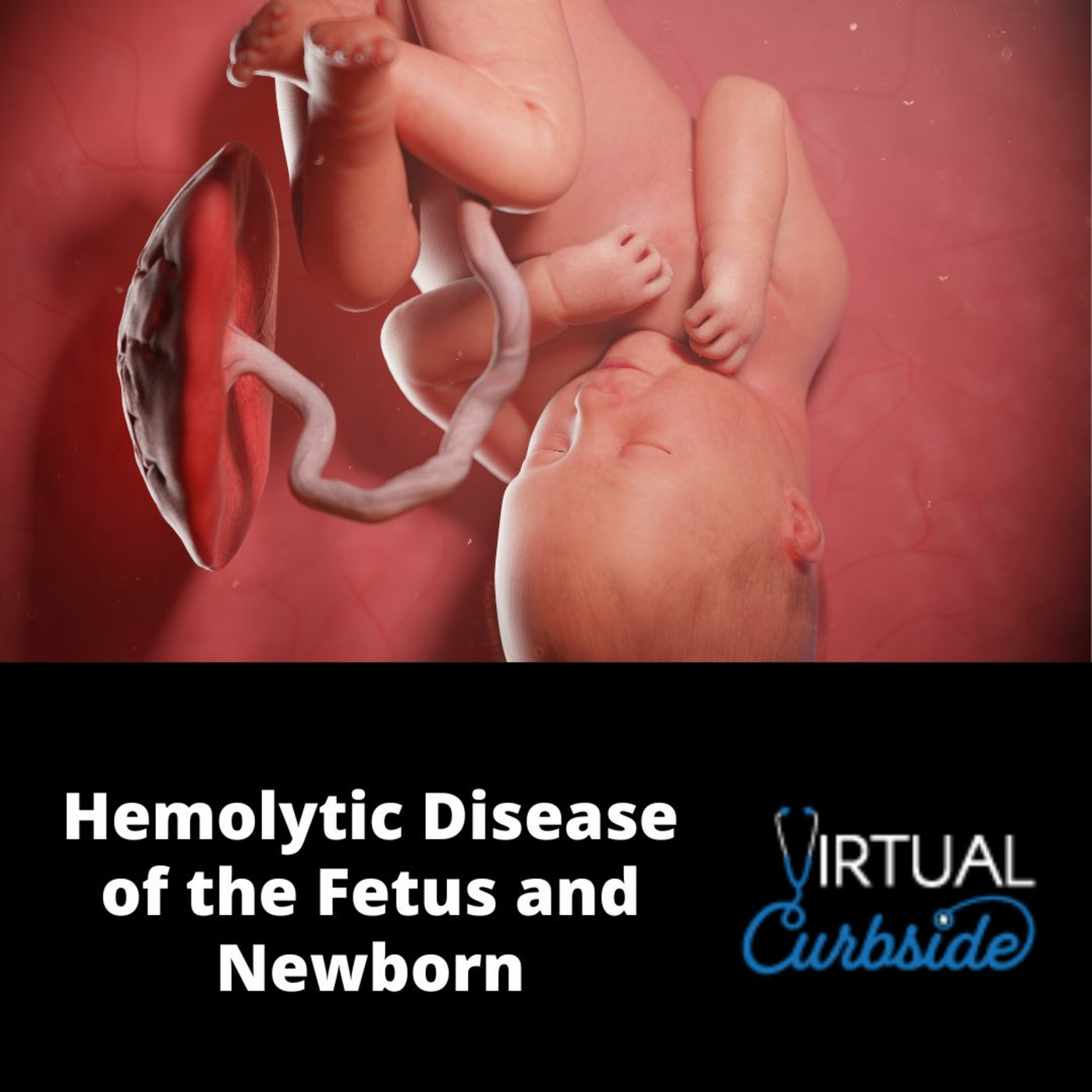 Episode 364: #84-4 Hemolytic Disease of the Fetus and Newborn: Q & A | In this Q&A episode, host Paul Wirkus, MD, FAAP and guest Tim Bahr, MD, FAAP address important clinical questions surrounding hyperbilirubinemia, with a focus on longer-term complications and complex presentations. The discussion explores outcomes associated with severe or prolonged hyperbilirubinemia, including cases with late presentation or persistent jaundice, and how these scenarios may differ from typical newborn courses. We also review key considerations for escalation of care, including when transfer to a higher level of care is warranted and how to make those decisions in real-world practice. This episode offers practical guidance to support timely recognition, appropriate management, and improved outcomes for infants at risk. For more information about available credit, visit vCurb.com.ACCME Accreditation StatementThis activity has been planned and implemented in accordance with the accreditation requirements and policies of the Colorado Medical Society through the joint providership of Kansas Chapter, American Academy of Pediatrics and Utah Chapter, AAP. Kansas Chapter, American Academy of Pediatrics is accredited by the Colorado Medical Society to provide continuing medical education for physicians. AMA Credit Designation StatementKansas Chapter, American Academy of Pediatrics designates this live activity for a maximum of 1.0 AMA PRA Category 1 Credits™. Physicians should claim only the credit commensurate with the extent of their participation in the activity. | 16m 00s | ||||||
Showing 25 of 388
Sponsor Intelligence
Sign in to see which brands sponsor this podcast, their ad offers, and promo codes.
Chart Positions
2 placements across 2 markets.
Chart Positions
2 placements across 2 markets.