

We Fixed It. You're Welcome.
by info@wefixeditpod.com
Is this your podcast?The podcast "We Fixed It. You're Welcome." is hosted by an independent podcast creator known for engaging discussions on business and management topics. The host utilizes an armchair quarterbacking approach, which invites listeners to consi…
Insights from recent episode analysis
Audience Interest
- business strategies and solutions
- management challenges and insights
Podcast Focus
- debating company issues
- self-critique of solutions
Publishing Consistency
- 71 episodes released
- active for 1 year
Platform Reach
- specific platforms not detected
- total followers unknown
Insights are generated by CastFox AI using publicly available data, episode content, and proprietary models.
Most discussed topics
Brands & references
Total monthly reach
Estimated from 9 chart positions in 9 markets.
By chart position
- 🇺🇸US · Management#41M to 3M
- 🇬🇧GB · Management#8330K to 100K
- 🇦🇺AU · Management#9930K to 100K
- 🇮🇳IN · Management#2130K to 100K
- 🇸🇪SE · Management#3630K to 100K
- Per-Episode Audience
Est. listeners per new episode within ~30 days
338K to 1.0M🎙 Daily cadence·71 episodes·Last published 5d ago - Monthly Reach
Unique listeners across all episodes (30 days)
1.1M to 3.4M🇺🇸88%🇬🇧3%🇦🇺3%+6 more - Active Followers
Loyal subscribers who consistently listen
451K to 1.4M72 real followers tracked across platforms
Market Insights
Platform Distribution
Reach across major podcast platforms, updated hourly
Total Followers
—
Total Plays
—
Total Reviews
—
* Data sourced directly from platform APIs and aggregated hourly across all major podcast directories.
On the show
From 12 epsHosts
Recent guests
Recent episodes
7-Eleven’s Egg Salad Experiment
May 19, 2026
49m 34s
Spirit Airlines Out of Runway: What Happens From Here?
May 12, 2026
53m 54s
Allbirds’ AI Reboot: Bold Leap or Giant Misstep
May 7, 2026
1h 04m 50s
Napster’s Confusing Comeback
May 7, 2026
51m 32s
Replay: Lego’s Grown Up Gamble
Apr 21, 2026
46m 18s
Social Links & Contact
Official channels & resources
Official Website
Login
RSS Feed
Login
| Date | Episode | Topics | Guests | Brands | Places | Keywords | Sponsor | Length | |
|---|---|---|---|---|---|---|---|---|---|
| 5/19/26 | 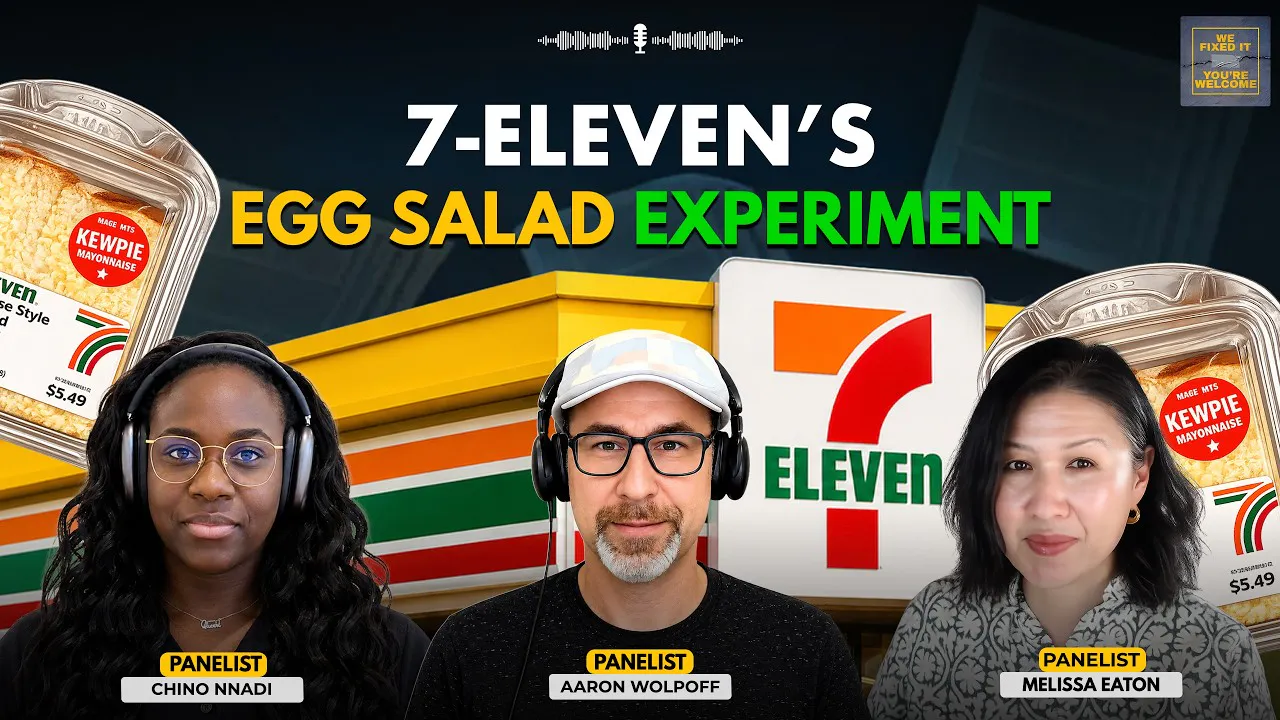 7-Eleven’s Egg Salad Experiment | 7-Eleven has been working on a big comeback for a while. Their first big attempt at reinvention might surprise you: egg salad sandwiches. While quite popular in Japan, 7-Eleven’s big gamble on egg salad sandwiches throughout United States stores is head scratching. In this episode, our panel wonders what led to this decision, discusses the larger business challenges at play, and proposes our own fixes for what 7-Eleven should do next. Along the way, we unpack convenience store culture, customer behavior, retail psychology, operational execution, and take a hard look at how brands can misfire when they try to import global trends without adapting them locally. The team also debates: ● Why Japan’s 7-Eleven experience feels completely different than anywhere else ● Whether North American consumers trust convenience store “fresh food” ● Why the U.S. $5.50 sandwich may already be positioned incorrectly ● How pop-up experiences and cultural immersion could help revive the brand ● Why iced coffee might actually be a smarter gateway product than egg salad ● How brands can retrain customer behavior instead of chasing viral moments Plus, Chino gives a firsthand review after testing the North American version of the sandwich in Toronto and shares her unfiltered reaction to it. Key Takeaways ● Convenience stores in Japan function as an everyday food ecosystem, not just gas station stops ● Freshness perception matters more than novelty ● Viral products alone don’t build long-term customer habits ● 7-Eleven may need a full retail experience redesign, not just a menu upgrade ● Limited-time cultural pop-ups could create stronger consumer engagement ● Coffee and customizable experiences may offer a lower-risk path to changing customer behavior If you enjoyed the episode, leave a review and share it with another Fixaholic. And next time you walk into a 7-Eleven, ask yourself: are you there out of habit, convenience, or because the brand actually gave you a reason to come back? Subscribe for more deep dives where we fix big business problems with fresh perspectives. • Website – www.wefixeditpod.com • Follow us on: Instagram – https://www.instagram.com/wefixeditpod LinkedIn – https://www.linkedin.com/company/wefixeditpod YouTube – https://www.youtube.com/@WeFixedItPod If you liked this episode, don’t forget to subscribe, leave a review, and share it with your friends! Keep listening to find out how we fix companies and put them back better than we found them. Disclaimer A quick disclaimer. We are going into this somewhat cold and nothing we say should be construed as legal advice, financial advice or anything that would get us in trouble. These are our views and opinions. We’re here to ask the kinds of questions everyone’s thinking, have an engaging conversation and maybe come to some conclusions that we feel are worth exploring. By the end, if we fixed it, you’re welcome.All trademarks, IP and brand elements discussed are property of their respective owners. Learn more about your ad choices. Visit megaphone.fm/adchoices | 49m 34s | ||||||
| 5/12/26 |  Spirit Airlines Out of Runway: What Happens From Here? | What happens when a major airline simply runs out of money? In this episode, USA Today’s consumer travel reporter Zach Wichter joins the conversation to break down the shocking collapse of Spirit Airlines and its impact on passengers, employees, competitors, and the future of budget air travel. After years of financial instability, failed merger attempts, mounting debt, and rising fuel costs, Spirit Airlines officially ceased operations on May 2, 2026, leaving travelers stranded and thousands of employees without jobs. But while the shutdown felt sudden to customers, the warning signs had been visible for years. Together, we unpack how the airline industry handles collapse, why ultra low cost carriers are becoming harder to sustain, and whether Spirit’s downfall signals a much bigger shift in the economics of air travel. In This Episode, We Cover Why Spirit Airlines officially shut down operations How fuel prices accelerated the company’s collapse The real reason ultra low cost airlines struggle long term What happened to stranded passengers and canceled flights Why airline shutdowns often happen abruptly The WARN Act and employee notification responsibilities How airline creditors influence shutdown decisions Why Spirit’s collapse could lead to higher airfare industry-wide The hidden role Spirit played in keeping ticket prices low The rise of premium travel after the pandemic How other airlines are responding to Spirit’s disappearance What happens to loyalty points and travel rewards after an airline dies Key Insight from the Episode Spirit Airlines may be gone, but its impact on pricing across the airline industry was enormous. As discussed during the episode: Whether or not you flew Spirit, you benefited from Spirit Airlines because they helped drive down prices in every market they touched. Without that pressure, travelers may soon face significantly higher airfare across the board. About the Guest: Zach Wichter Zach Wichter is a consumer travel reporter at USA Today, where he covers aviation, travel trends, airlines, and passenger experience through his column Cruising Altitude. Previously, Zach reported for: The New York Times The Points Guy He was also part of the reporting team recognized with a Loeb Award for coverage of the Boeing 737 MAX crisis. Connect with Zach on LinkedIn:https://www.linkedin.com/in/zlwichter/ Subscribe for more deep dives where we fix big business problems with fresh perspectives. • Website – www.wefixeditpod.com • Follow us on: Instagram – https://www.instagram.com/wefixeditpod LinkedIn – https://www.linkedin.com/company/wefixeditpod YouTube – https://www.youtube.com/@WeFixedItPod If you liked this episode, don’t forget to subscribe, leave a review, and share it with your friends! Keep listening to find out how we fix companies and put them back better than we found them. Disclaimer A quick disclaimer. We are going into this somewhat cold and nothing we say should be construed as legal advice, financial advice or anything that would get us in trouble. These are our views and opinions. We’re here to ask the kinds of questions everyone’s thinking, have an engaging conversation and maybe come to some conclusions that we feel are worth exploring. Learn more about your ad choices. Visit megaphone.fm/adchoices | 53m 54s | ||||||
| 5/7/26 | Allbirds’ AI Reboot: Bold Leap or Giant Misstep✨ | AI pivotcorporate strategy+4 | Todd M. Schoenberger | Allbirds | — | AllbirdsAI infrastructure+5 | — | 1h 04m 50s | |
| 5/7/26 | 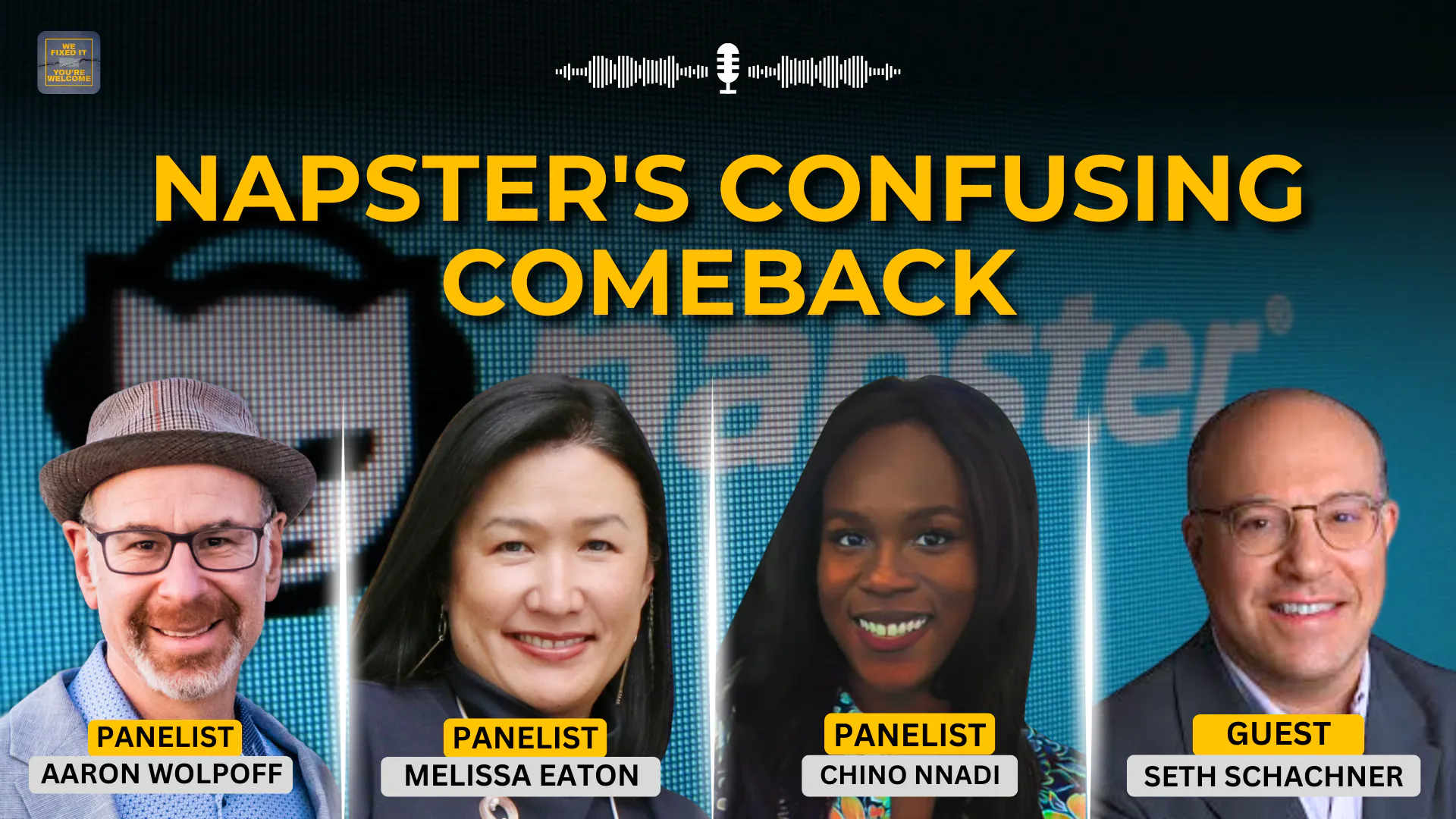 Napster’s Confusing Comeback✨ | music industryAI music platforms+5 | Seth Schachner | NapsterSony Music+5 | — | NapsterAI music+7 | — | 51m 32s | |
| 4/21/26 |  Replay: Lego’s Grown Up Gamble✨ | LEGO brand evolutionadult collectors+4 | Leo Battersby | LEGO | — | LEGOadult fans+5 | — | 46m 18s | |
| 4/14/26 |  Replay: Southwest’s LUV Lost✨ | customer loyaltybrand equity+4 | Rene Huey-Lipton | Southwest AirlinesThe Dame Collective | — | Southwest Airlinescustomer loyalty+4 | — | 58m 55s | |
| 4/7/26 |  Are There Too Many Managers?✨ | management structureleadership roles+4 | Ron Hetrick | Lightcast | — | managementleadership+5 | — | 49m 54s | |
| 3/31/26 | 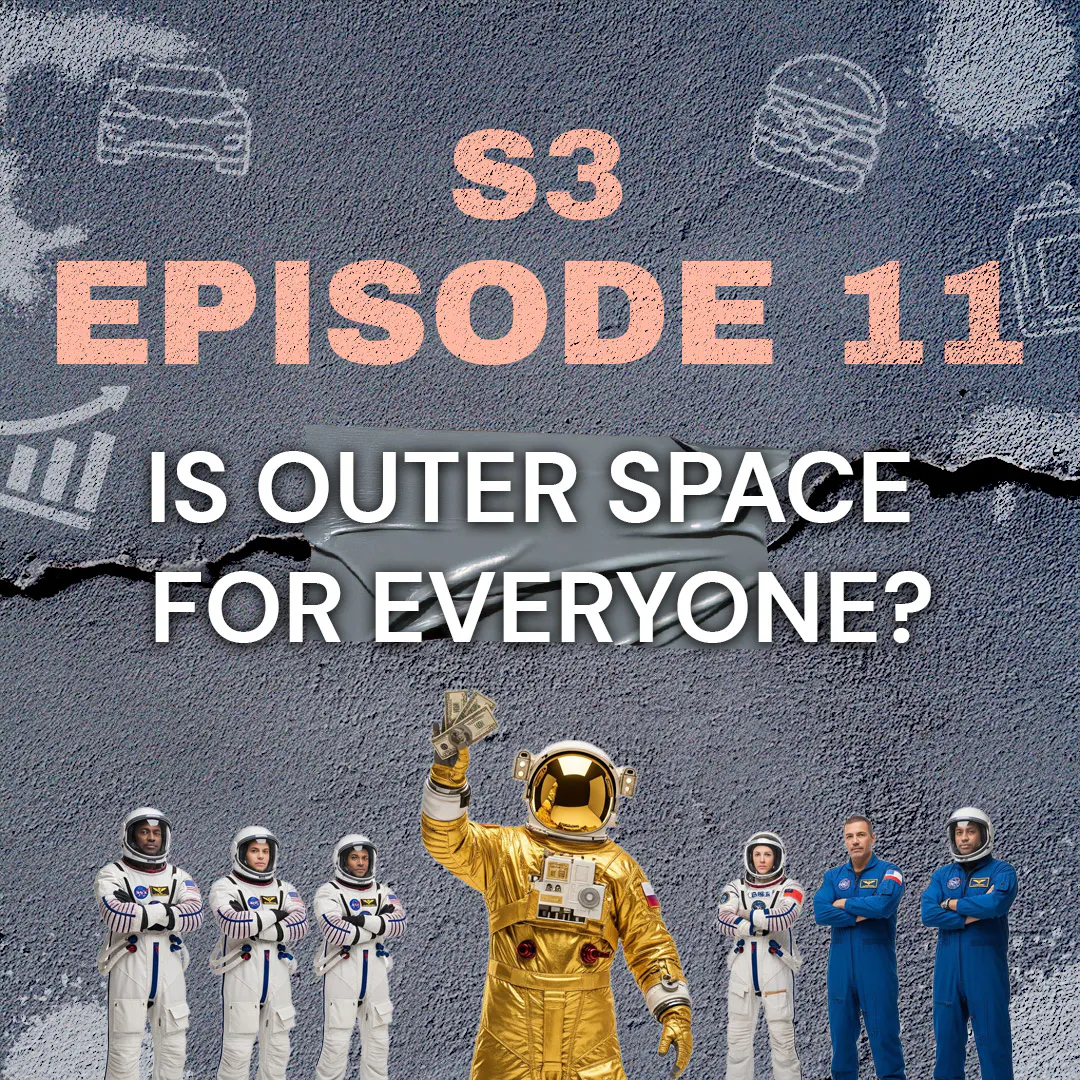 Is Outer Space for Everyone?✨ | space explorationcommercial spaceflight+4 | Christopher Hearsey | SpaceXBlue Origin+3 | — | space explorationcommercial spaceflight+7 | — | 42m 53s | |
| 3/24/26 |  Can Target Hit the Bullseye Again?✨ | retail strategycustomer loyalty+3 | — | Target | — | Targetprice cuts+5 | — | 1h 01m 03s | |
| 3/17/26 |  Hired or Hustled? Avoiding Job Search Predators✨ | job marketjob seekers+3 | Melissa Eaton | — | — | job searchrecruiters+3 | — | 1h 01m 09s | |
Want analysis for the episodes below?Free for Pro Submit a request, we'll have your selected episodes analyzed within an hour. Free, at no cost to you, for Pro users. | |||||||||
| 3/10/26 |  Southwest’s LUV Lost✨ | customer loyaltybrand equity+4 | Rene Huey-Lipton | Southwest AirlinesThe Dame Collective | — | Southwest Airlinescustomer loyalty+5 | — | 51m 56s | |
| 3/3/26 | 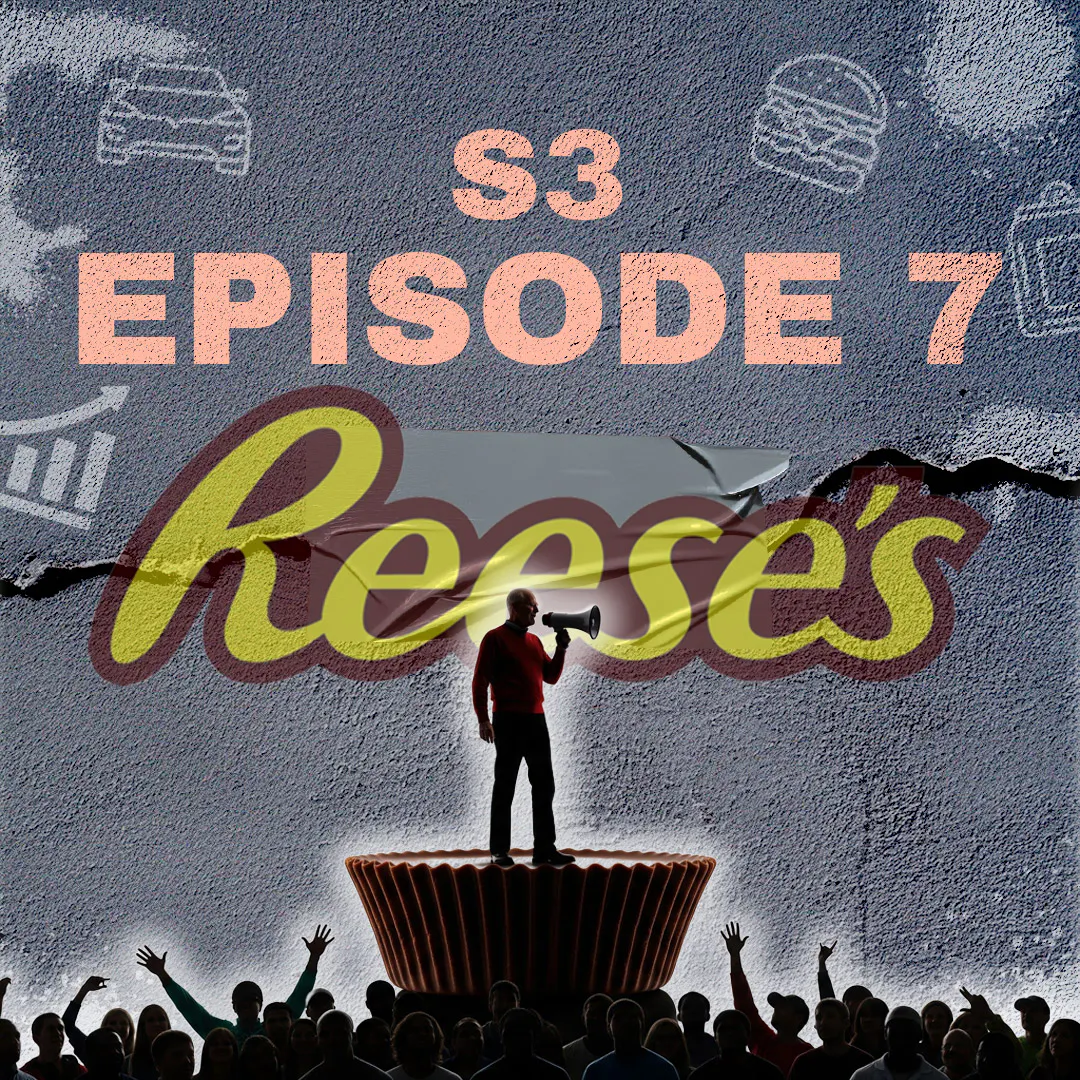 The Reese’s Controversy with Brad Reese✨ | Reese's controversybrand integrity+3 | Brad Reese | Reese’s Peanut Butter CupFeastibles+2 | — | Reese'sHershey's+3 | — | 1h 08m 45s | |
| 2/24/26 |  The Tipflation Trap – Who Eats the Cost?✨ | tippinghospitality economy+3 | Mark Moeller | The Recipe of Success | — | tippingtipflation+5 | — | 51m 42s | |
| 2/17/26 |  The Automation Irony: Why Are We Still Working So Hard?✨ | automation ironyAI strategy+4 | Steve Ferman | 4pillarcoach.com | — | automationAI+5 | — | 58m 41s | |
| 2/10/26 |  Super Bowl Commercials – Do They Really Work? | This year, companies spent $8–10 million for a single 30-second Super Bowl commercial, before production, celebrity fees, and amplification even begin. It’s one of the biggest marketing bets any company can make, and one of the few remaining moments of true mass, real-time cultural attention. In this episode, the panel tackles the real question behind the hype: Do Super Bowl commercials actually work, or are brands gambling millions on a flashy coin flip? To answer this question, we're joined by featured guests and ad agency experts Anaka Kobzev (main episode and included post-show) and Amelea Renshaw (post-show) who have both been instrumental in shaping Super Bowl campaigns, among other things: - Anaka has led global communications for legendary agencies like McCann and TBWA and is Founder and Principal of Through Line Advisory, helping brands to elevate their visibility through strategic communications and content. - Amelea is Head of Strategy at Lucky Generals NY, spearheading brand positioning, award-winning creative campaigns, and comms thinking for brands such as Universal (with a 2026 ad spot), Ally, Google, Peloton, Pinterest, and Girls Who Code. Recorded in two parts, the episode opens with a pre-game breakdown, where the panel evaluates the economics, risks, and strategic rationale behind Super Bowl advertising. After the game, the conversation continues with a bonus after-show, analyzing what actually aired, which ads cut through, which ones missed, and what patterns emerged across categories like AI, finance, health, food and beverage. With perspectives from brand strategy, communications leadership, and deep agency experience, the group goes beyond “Was it funny?” and instead evaluates ROI, readiness, cultural fit, and long-term brand impact. Key Topics & Takeaways Why Super Bowl ads now cost 2–3× more than a decade ago The difference between awareness, engagement, and actual business impact When Super Bowl ads amplify strength vs expose weakness Why creative misalignment can erase millions in value The danger of confusing celebrity recognition with brand recall How layoffs, market timing, and internal morale affect ad perception Why some brands win with one ad and others disappear entirely The rise of AI, health, and fintech themes in this year’s game How pre-game leaks and post-game amplification now matter as much as game night Strategic Frameworks Discussed Readiness Test: If your operations can’t handle the spike, don’t buy the spot Lifecycle Fit: Super Bowl ads work best at inflection points, not desperation moments Creative Discipline: Entertainment alone is not strategy Before / During / After: The ad is the spark, not the fire Internal Alignment: Employees must understand the “why,” not just see the spend Cultural Context: Tone matters as much as message Who This Episode Is For CMOs and brand leaders Marketing and communications executives Agency strategists and creatives Founders considering big-budget awareness plays Anyone curious why some Super Bowl ads become legendary and others become memes The Big Question This Episode Answers Is a Super Bowl commercial a smart investment or a very expensive ego play? Final Take Super Bowl commercials can work, but only when the entire business is ready to support the moment. Without operational strength, creative clarity, and strategic intent, the biggest stage in advertising doesn’t save brands, it exposes them. The real win isn’t airtime. It’s alignment, execution, and what happens after the confetti settles. Main Panel Aaron Wolpoff Melissa Eaton Chino Nnadi Anaka Kobzev (Special Guest) Anaka's LinkedIn: https://www.linkedin.com/in/anakakobzev/ Bonus After-Show Panel (Post-game analysis only) Aaron Wolpoff Melissa Eaton Anaka Kobzev (Special Guest) Amelea Renshaw (Special Guest) Amelea's LinkedIn: https://www.linkedin.com/in/amelearenshaw/ Subscribe for more deep dives where we fix big business problems with fresh perspectives. • Website – www.wefixeditpod.com • Follow us on: Instagram – https://www.instagram.com/wefixeditpod LinkedIn – https://www.linkedin.com/company/wefixeditpod YouTube – https://www.youtube.com/@WeFixedItPod If you liked this episode, don’t forget to subscribe, leave a review, and share it with your friends! Keep listening to find out how we fix companies and put them back better than we found them. Disclaimer A quick disclaimer. We are going into this somewhat cold and nothing we say should be construed as legal advice, financial advice or anything that would get us in trouble. These are our views and opinions. We're here to ask the kinds of questions everyone's thinking, have an engaging conversation, and maybe come to some conclusions that we feel are worth exploring. By the end, if we fixed it, you're welcome. All trademarks, IP and brand elements discussed are property of their respective owners. See Privacy Policy at https://art19.com/privacy and California Privacy Notice at https://art19.com/privacy#do-not-sell-my-info. Learn more about your ad choices. Visit megaphone.fm/adchoices | 1h 37m 26s | ||||||
| 2/3/26 |  The Pinterest Paradox: From Pins to Purchases | Pinterest was once the quiet corner of the internet. A place for inspiration, planning, and imagination. No shouting. No doom-scrolling. No constant pressure to buy. That version of Pinterest is now under threat. In this episode, we unpack The Pinterest Paradox. Can a platform built on slow inspiration successfully pivot to fast commerce without breaking user trust? Pinterest is laying off staff, cutting costs, investing heavily in AI, and pushing aggressively into e-commerce. With TikTok Shop, Amazon, and Instagram all competing for attention and dollars, Pinterest is betting that inspiration should lead directly to purchase. Joined by Leon Lin, former Head of Discovery Product at Pinterest and current CEO of 1stCollab, we go inside how Pinterest’s algorithms actually worked and why monetization is harder than it looks. We explore: Browsing vs buying and where Pinterest truly belongs When monetization feels helpful vs exploitative Why affiliate links and sponsored content can break authenticity How timing and intent matter more than ad volume Why small and local businesses are Pinterest’s biggest opportunity Inspo Mode vs Shop Mode as a potential product fix How Pinterest can evolve without losing its soul This is not an anti-commerce conversation. Pinterest is a business. But the real question is whether platforms can monetize without alienating the very users who made them valuable in the first place. If Pinterest gets this right, it doesn’t just become another shopping app. It becomes the most trusted bridge between imagination and action. Subscribe for more deep dives where we fix big business problems with fresh perspectives. • Website – www.wefixeditpod.com • Follow us on: Instagram – https://www.instagram.com/wefixeditpod LinkedIn – https://www.linkedin.com/company/wefixeditpod YouTube – https://www.youtube.com/@WeFixedItPod If you liked this episode, don’t forget to subscribe, leave a review, and share it with your friends! Keep listening to find out how we fix companies and put them back better than we found them. Disclaimer A quick disclaimer. We are going into this somewhat cold and nothing we say should be construed as legal advice, financial advice or anything that would get us in trouble. These are our views and opinions. We're here to ask the kinds of questions everyone's thinking. Have an engaging conversation and maybe come to some conclusions that we feel are worth exploring. By the end, if we fixed it, you're welcome. All trademarks, IP and brand elements discussed are property of their respective owners. See Privacy Policy at https://art19.com/privacy and California Privacy Notice at https://art19.com/privacy#do-not-sell-my-info. Learn more about your ad choices. Visit megaphone.fm/adchoices | 53m 23s | ||||||
| 1/27/26 |  Lego’s Grown Up Gamble | LEGO built one of the most iconic brands in history by standing for children, creativity, and open-ended play. But in recent years, a major shift has taken hold. The company is increasingly chasing adult fans with premium, expensive, highly detailed sets, licensed IP, and collector-focused experiences. In this episode, the panel is joined by toy industry veteran Leo Battersby to examine whether LEGO’s pivot toward adults is a smart growth strategy or a dangerous drift away from the very thing that made the brand legendary. The conversation explores the deep tension between imagination vs instruction, open-ended creativity vs rigid build-by-numbers kits, and long-term cultural pipeline vs short-term revenue growth. With declining birth rates, rising screen time, and changing childhood behavior, LEGO is navigating a radically different world than the one it helped shape. The group debates whether LEGO is slowly turning from a system of play into a premium model-building brand and what that means for future generations of builders. Key Topics & Takeaways Why adult collectors now make up ~25–30% of the toy market How LEGO’s “Adults Welcome” strategy and 18+ sets changed the brand The shift from imaginative play to instruction-following construction Why modern LEGO sets leave less room for creative reinterpretation The impact of screens, media, and IP on how kids play today Declining birth rates and what that means for toy company pipelines The difference between “paint by numbers” and a blank canvas Why nostalgia is powerful but not a long-term growth strategy How LEGO risks losing the next generation of builders The hidden danger of optimizing only for adult money The Strategic Tension Is LEGO still teaching kids how to imagine… or mostly teaching them how to follow instructions? The panel argues that LEGO is not wrong to pursue adults and licensed IP. The real risk is over-indexing on precision, perfection, and display pieces at the cost of the messy, experimental, imaginative play that originally made LEGO magical. The Big Fix Proposed A “LEGO for Life” ecosystem, including: A subscription-based building journey that grows with the child An “Anything Box” starter kit with no instructions, just imagination Age-and-stage based kits that evolve from free play → STEM → advanced builds A community layer where kids and families share creations and challenges A “Pass the Brick” system for reused bricks to improve accessibility Clear separation between: Kid-first creative play LEGO Adult premium collectible LEGO The goal: Use adult profits to subsidize kid-first innovation and rebuild the long-term pipeline of LEGO fans. The Big Question This Episode Answers Is LEGO building the future of imagination, or just really expensive shelf art? Final Take LEGO doesn’t have an adult problem. It has a pipeline problem. The brand must protect the emotional and creative experiences that make people become adult LEGO fans in the first place, or the nostalgia engine eventually runs dry. Panel Aaron Wolpoff Melissa Eaton Chino Nnadi Guest Leo Battersby Former Mattel executive and co-founder of Mattel Creations, the adult collectibles business that scaled from zero to $110M. Currently founder of Midnight Rally Club and VP of Brand Creative at Fluid Logic. Subscribe for more deep dives where we fix big business problems with fresh perspectives. • Website – www.wefixeditpod.com • Follow us on: Instagram – https://www.instagram.com/wefixeditpod LinkedIn – https://www.linkedin.com/company/wefixeditpod YouTube – https://www.youtube.com/@WeFixedItPod If you liked this episode, don’t forget to subscribe, leave a review, and share it with your friends! Keep listening to find out how we fix companies and put them back better than we found them. Disclaimer A quick disclaimer. We are going into this somewhat cold and nothing we say should be construed as legal advice, financial advice or anything that would get us in trouble. These are our views and opinions. We're here to ask the kinds of questions everyone's thinking. Have an engaging conversation and maybe come to some conclusions that we feel are worth exploring. By the end, if we fixed it, you're welcome. All trademarks, IP and brand elements discussed are property of their respective owners. See Privacy Policy at https://art19.com/privacy and California Privacy Notice at https://art19.com/privacy#do-not-sell-my-info. Learn more about your ad choices. Visit megaphone.fm/adchoices | 42m 07s | ||||||
| 1/20/26 |  Dry January: The Business of Not Drinking | Season 3 kicks off with a timely and culture-shifting question: Is Dry January actually good for business, or is it a self-inflicted economic slowdown? Every January, millions of people across the U.S. and the world voluntarily press pause on alcohol. What started as a small UK health initiative has become a global behavioral shift, with nearly 1 in 5 adults now participating and overall alcohol consumption at its lowest level in nearly 90 years. But this is not just a personal wellness trend. It’s a market disruption. In this episode, our panel explores how Dry January impacts bars, restaurants, beverage brands, corporate culture, and consumer behavior. We break down whether this movement is just a temporary reset that snaps back in February or a signal of a much deeper shift toward mindful consumption, wellness, and long-term habit change. From inventory planning and staffing challenges to the rise of non-alcoholic beverages, sober-curious culture, and experience-driven hospitality, the conversation reframes Dry January as not just a month, but a strategic testing ground for the future of food, beverage, and social culture. Key Topics & Takeaways Why alcohol consumption is at a 90-year low and what that signals Is Dry January a meaningful reset or just behavioral whiplash? The business impact of 20% of customers disappearing for a month How Gen Z and wellness culture are reshaping social drinking norms Why “mindful consumption” is becoming mainstream The rise of non-alcoholic, zero-proof, and better-for-you beverages How bars and restaurants should rethink menus, experiences, and inventory Using January as an R&D lab instead of a dead month Corporate culture, team bonding, and moving beyond “happy hour culture” The danger of over-indexing on one month instead of building evergreen options Strategic Business Ideas Explored Treating Dry January as a season, not a stunt Designing non-alcoholic experiences that feel premium, not like an afterthought Using January to test new menus, pairings, formats, and partnerships Diversifying revenue beyond alcohol without alienating core customers Reframing internal culture toward wellness, inclusion, and balance Building experiences around activities, not just drinking Avoiding the January 1st / January 30th consumer behavior whiplash Who This Episode Is For Consumer brand marketers and strategists Operators dealing with seasonality and demand swings HR and culture leaders rethinking workplace social norms Food & beverage brand leaders Bar, restaurant, and hospitality owners Anyone interested in how wellness trends reshape entire industries The Big Question This Episode Answers Is Dry January something businesses should fight, ignore, or design for? Final Take Dry January is not the problem. Ignoring the long-term shift in consumer behavior is. Subscribe for more deep dives where we fix big business problems with fresh perspectives. • Website – www.wefixeditpod.com • Follow us on: Instagram – https://www.instagram.com/wefixeditpod LinkedIn – https://www.linkedin.com/company/wefixeditpod YouTube – https://www.youtube.com/@WeFixedItPod If you liked this episode, don’t forget to subscribe, leave a review, and share it with your friends! Keep listening to find out how we fix companies and put them back better than we found them. Disclaimer A quick disclaimer. We are going into this somewhat cold and nothing we say should be construed as legal advice, financial advice or anything that would get us in trouble. These are our views and opinions. We're here to ask the kinds of questions everyone's thinking. Have an engaging conversation and maybe come to some conclusions that we feel are worth exploring. By the end, if we fixed it, you're welcome. All trademarks, IP and brand elements discussed are property of their respective owners. See Privacy Policy at https://art19.com/privacy and California Privacy Notice at https://art19.com/privacy#do-not-sell-my-info. Learn more about your ad choices. Visit megaphone.fm/adchoices | 51m 19s | ||||||
| 1/13/26 |  REPLAY: How Much Are Our Fixes Worth? Let's Find Out Together! | In this special episode of We Fixed It, You’re Welcome, the team welcomes back financial expert Lukas Sundahl to put real numbers behind our hypothetical business fixes. What’s the actual value of “fixing” a struggling company? Lukas analyzes three big names—Southwest Airlines, Party City, and Jaguar—and shows how our proposed strategies could have meant millions in revenue, survival, and long-term brand strength. Expect insights on: Why Southwest’s baggage fees could still work without killing loyalty? How Party City could have survived with community-driven retail? What Jaguar missed in its EV pivot and how to reclaim brand trust? This episode blends strategy + financial modeling, proving that fixing companies isn’t just theory—it’s measurable impact. Listen, learn, and maybe rethink how YOU approach business pivots. We dive deep into the real numbers behind our “fixes.” With returning guest Lukas Sundahl (CFO, financial strategist, LinkedIn thought leader), we analyze three case studies: Southwest Airlines: Would baggage fees really alienate customers? Or could they generate $350M–$450M while keeping loyalty intact? Party City: How localized inventory and community tie-ins might have saved them from bankruptcy—potentially adding $43M–$130M in value. Jaguar: The pitfalls of abandoning brand heritage in the EV race—and how aligning EVs with Jaguar’s legacy could mean $35M–$179M in gains. Chapters 0:00 – Welcome to We Fixed It, You’re Welcome 1:20 – Meet our guest: Lukas Sundahl 2:40 – How we quantify “fixes” 4:20 – Case Study 1: Southwest Airlines 8:00 – Case Study 2: Party City 14:40 – Case Study 3: Jaguar 18:20 – The power of the pivot 23:00 – Why grounding fixes in real companies works 25:45 – Closing thoughts & where to find Lukas Key Themes: The financial impact of strategic pivots Brand loyalty vs revenue growth The “power of the pivot” in corporate turnarounds Why storytelling + numbers matter in fixing companies Key Pull Quote “The numbers—whether worst or best case—prove the power of the pivot. Even small strategic shifts could have meant hundreds of millions in value.” – Lukas Sundahl Subscribe for more deep dives where we fix big business problems with fresh perspectives. Links: • Website - www.wefixeditpod.com • Follow us on: Instagram: @wefixeditpod LinkedIn: https://www.linkedin.com/company/wefixeditpod YouTube: @wefixeditpod If you liked this episode, don’t forget to subscribe, leave a review, and share it with your friends! Keep listening to find out how we fix companies and put them back better than we found them. See Privacy Policy at https://art19.com/privacy and California Privacy Notice at https://art19.com/privacy#do-not-sell-my-info. Learn more about your ad choices. Visit megaphone.fm/adchoices | 29m 41s | ||||||
| 1/6/26 |  REPLAY: Jaguar’s EV Rebrand — How to Fix a Luxury Icon | Jaguar’s EV rebrand was meant to redefine the luxury car brand — but instead, it sparked massive backlash, confused loyal customers, and even led to their CEO stepping down. In this episode, we break down exactly what went wrong with Jaguar’s electric vehicle strategy, why their marketing campaign failed, and how they can fix their brand without losing their iconic heritage. Discover the key lessons every business can learn from Jaguar’s rebranding mistake, the reality of competing in the EV market, and the blueprint to reconnect with loyal buyers while attracting a new generation. 📌 Topics Covered: Jaguar EV rebrand failure explained Why the marketing campaign missed the mark The danger of abandoning brand heritage How to merge tradition with EV innovation Strategies to win back luxury car buyers If you’re interested in brand strategy, luxury cars, electric vehicles, or marketing case studies, this breakdown is a must-watch. https://wefixeditpod.com/ A quick disclaimer. We are going into this somewhat cold and nothing we say should be construed as legal advice, financial advice or anything that would get us in trouble. These are our views and opinions. We're here to ask the kinds of questions everyone's thinking. Have an engaging conversation and maybe come to some conclusions that we feel are worth exploring. By the end, if we fixed it, you're welcome. All trademarks, IP and brand elements discussed are property of their respective owners. See Privacy Policy at https://art19.com/privacy and California Privacy Notice at https://art19.com/privacy#do-not-sell-my-info. Learn more about your ad choices. Visit megaphone.fm/adchoices | 49m 15s | ||||||
| 12/30/25 |  REPLAY: American Eagle: Jeans, Genes, and Controversy | In this episode of "We Fixed It, You're Welcome" the hosts tackle American Eagle's controversial ad campaign featuring Sydney Sweeney. Marketing expert Lola Bakare joins to dissect the brand's misstep, exploring the importance of inclusive marketing and authentic consumer engagement. The discussion delves into the risks of shock marketing, the power of Gen Z consumers, and the need for diverse voices in decision-making processes. The panel offers strategic advice for American Eagle to regain trust, emphasizing accountability, employee engagement, and aligning actions with stated values. This episode challenges conventional marketing approaches and provides insights on navigating brand crises in the age of cancel culture. https://wefixeditpod.com/ A quick disclaimer. We are going into this somewhat cold and nothing we say should be construed as legal advice, financial advice or anything that would get us in trouble. These are our views and opinions. We're here to ask the kinds of questions everyone's thinking. Have an engaging conversation and maybe come to some conclusions that we feel are worth exploring. By the end, if we fixed it, you're welcome. All trademarks, IP and brand elements discussed are property of their respective owners. See Privacy Policy at https://art19.com/privacy and California Privacy Notice at https://art19.com/privacy#do-not-sell-my-info. Learn more about your ad choices. Visit megaphone.fm/adchoices | 54m 33s | ||||||
| 12/23/25 |  Crowdsourced Fixes Vol. 2 | In this episode, our panelists discuss crowd-sourced fixes that were submitted to our show, an end-of-season tradition. We talk about various companies that are top of mind for our episode contributors, focusing on loyalty programs and customer experiences. We explore the implications of changes in loyalty programs like Carnival's, emphasizing the importance of communication and customer engagement. The conversation also touches on innovative ideas for Amazon's delivery services and Uber's potential loyalty tiers, highlighting the need for personalization and enhanced customer experiences. The episode wraps up with reflections on the season and gratitude towards listeners. Takeaways The holiday season is a time for reflection and engagement with listeners. Crowd-sourced fixes provide valuable insights into customer expectations. Effective communication is crucial when changing loyalty programs. Phased approaches can ease customer transitions during program changes. Personalization in loyalty programs can enhance customer satisfaction. Delaying shipping for registries can address space and timing issues for customers. Innovative delivery solutions can improve customer convenience. Uber's loyalty program could benefit from tiered rewards and personalization. Partnerships with local businesses can enhance service offerings. The importance of accountability and corporate responsibility in customer relations. Chapters 00:00 Holiday Traditions and Listener Engagement 00:59 Crowd-Sourced Fix: Carnival Rewards Program 14:10 Crowd-Sourced Fix: Amazon Baby Registries 23:09 Exploring Loyalty Programs and Customer Expectations 23:35 Rethinking Postal Services: Innovative Partnerships 31:12 Amazon's Delivery Ambitions: A New Era for Logistics 35:20 Uber Loyalty Programs: Enhancing Customer Experience Subscribe for more deep dives where we fix big business problems with fresh perspectives. • Website – www.wefixeditpod.com • Follow us on: Instagram – https://www.instagram.com/wefixeditpod LinkedIn – https://www.linkedin.com/company/wefixeditpod YouTube – https://www.youtube.com/@WeFixedItPod If you liked this episode, don’t forget to subscribe, leave a review, and share it with your friends! Keep listening to find out how we fix companies and put them back better than we found them. Disclaimer A quick disclaimer. We are going into this somewhat cold and nothing we say should be construed as legal advice, financial advice or anything that would get us in trouble. These are our views and opinions. We're here to ask the kinds of questions everyone's thinking. Have an engaging conversation and maybe come to some conclusions that we feel are worth exploring. By the end, if we fixed it, you're welcome. All trademarks, IP and brand elements discussed are property of their respective owners. See Privacy Policy at https://art19.com/privacy and California Privacy Notice at https://art19.com/privacy#do-not-sell-my-info. Learn more about your ad choices. Visit megaphone.fm/adchoices | 43m 58s | ||||||
| 12/16/25 |  Campbell’s in Hot Water: Simmering the Brand Back Down | A beloved American brand finds itself in boiling hot water after a senior executive at Campbell’s is secretly recorded making racist remarks, mocking customers, disparaging the company’s products, and boasting about substance use at work. The recording goes public, the executive is fired, and Campbell’s stock hits a 52-week low. But the real question is not whether the executive deserved to go, it’s what this incident reveals about leadership, culture, and accountability inside the organization. In this episode, our panel is joined by brand growth advisor Javier Farfan (NFL, New Balance, PepsiCo, McDonald's, Anheuser Busch) to unpack what happens when private behavior becomes public, how quickly trust can erode, and why firing one executive is rarely enough to fix a systemic problem. The discussion explores the internal cultural damage, the external brand risk, and the opportunity Campbell’s now has to reset its values, reconnect with consumers, and rebuild trust from the inside out. Rather than debating whether the scandal will blow over, the conversation focuses on what meaningful recovery actually looks like and what brands must do when values, leadership behavior, and public perception collide. Key Topics & Takeaways Why this incident may be more than a single “bad apple” How lower-level employees can change the balance of power inside companies The internal ripple effects of executive misconduct on morale and quality Psychological safety, retaliation, and why employees stop speaking up Culture as a system, not a slogan on the wall The difference between cosmetic fixes and structural change Why silence and minimal PR responses no longer work How consumer trust, nostalgia, and brand legacy can be rebuilt Turning a crisis into a catalyst for reinvention Strategic Fixes Explored Isolating the incident without denying systemic responsibility Holding executives to higher character and integrity standards Making leadership behavior measurable, not theoretical Reinforcing internal accountability and psychological safety Re-centering the brand around community, care, and accessibility Leveraging nostalgia and emotional connection without being performative Using crisis moments as opportunities for product and brand evolution Who This Episode Is For Brand, marketing, and communications leaders Executives and people managers HR and culture leaders Crisis management and PR professionals Anyone interested in how power, culture, and trust intersect inside large organizations Disclaimer A quick disclaimer. We are going into this somewhat cold and nothing we say should be construed as legal advice, financial advice or anything that would get us in trouble. These are our views and opinions. We're here to ask the kinds of questions everyone's thinking. Have an engaging conversation and maybe come to some conclusions that we feel are worth exploring. By the end, if we fixed it, you're welcome. All trademarks, IP and brand elements discussed are property of their respective owners. See Privacy Policy at https://art19.com/privacy and California Privacy Notice at https://art19.com/privacy#do-not-sell-my-info. Learn more about your ad choices. Visit megaphone.fm/adchoices | 43m 22s | ||||||
| 12/9/25 |  Avoiding the Culture Shrug | Some movies and products flop so badly they become infamous. Others become instant classics. But then there are the ones in the middle. The ones with hype that launch and then disappear without a trace. No cultural impact. No lasting impression. Just a collective… “meh.” This episode examines that dangerous middle ground we’re calling a culture shrug and why, for companies and creators, it can be worse than outright failure. Aaron, Melissa, and Qadira explore why projects that check every box still vanish instantly, how companies misread cultural signals, and what it really takes to make something with staying power in an era where trends can shift on a dime. What we cover • What a “culture shrug” is and why it can be more painful than a flop • Why effort, budget, and talent don’t guarantee cultural relevance • How movies, brands, and products fail when they aim for everyone • What happens when creativity gets diluted by committees • Why companies often misunderstand what audiences actually want • The timing problem between culture speed and corporate speed • How nostalgia, remakes, and algorithms fail to ignite connection • The danger of creative teams being shielded from real cultural insight • Why safety ideas can be instantly forgettable • Why younger audiences don’t react the way companies assume • The power of niche enthusiasm and true believers • How internal culture determines whether bold ideas survive THE FIX: How to Avoid the Culture Shrug 1. Start with “So what?” If you cannot answer it clearly, the idea is not ready. 2. Treat data as input, not instruction Algorithms reveal behavior, not soul, and never the “why now.” 3. Test, but don’t sand down the edges Over testing destroys personality and guts. 4. Put a trusted tastemaker in charge of final decisions Not a tyrant, not a committee — a clear, culturally aware leader. 5. Build emotional stickiness If people don’t feel it, they won’t remember it. 6. Re-evaluate cultural resonance throughout long development cycles Eighteen months is a lifetime in cultural terms. 7. Find and nurture your early believer community They amplify when the project finally launches. 8. Leave room for weirdness The unexpected idea might be the one culture remembers. 9. Conduct a pre mortem Write the “if this flopped, here’s why” memo before you build. 10. Add delight Great creative work has soul, not just structure. Subscribe for more deep dives where we fix big business problems with fresh perspectives. • Website – www.wefixeditpod.com • Follow us on: Instagram – https://www.instagram.com/wefixeditpod LinkedIn – https://www.linkedin.com/company/wefixeditpod YouTube – https://www.youtube.com/@WeFixedItPod If you liked this episode, don’t forget to subscribe, leave a review, and share it with your friends! Keep listening to find out how we fix companies and put them back better than we found them. See Privacy Policy at https://art19.com/privacy and California Privacy Notice at https://art19.com/privacy#do-not-sell-my-info. Learn more about your ad choices. Visit megaphone.fm/adchoices | 42m 25s | ||||||
| 12/2/25 |  Wendy's "Vanilla" Shakeup: Let's Get Bolder & Back on Top | Wendy’s was once the fresh, honest, slightly rebellious burger chain. Today it’s stuck between fast food giants on one side and premium burger rivals on the other. Prices match McDonald’s, but the brand isn’t perceived as a value leader. Quality is decent, but not elevated enough to compete with Five Guys or Shake Shack. So what is Wendy’s now? We sit down with Paul Tuscano, former Chief Digital Officer at KFC US, the man behind their massive digital reinvention. He shares insights from decades in QSR, hospitality, and customer experience to break down why Wendy’s is struggling and how to fix it. What we cover • Why Wendy’s lost its lane • Whether Project Fresh will work • The strengths and weaknesses of the Wendy’s menu • How loyalty, kiosks, personalization, and AI can change QSR • Why Wendy’s social media works, but the stores don’t reflect it • Why legacy brands need clarity and simplicity • How to make Dave Thomas relevant to Gen Z • Why culture and franchise alignment matter more than new tech • How Chick fil A wins with consistency, not complexity • A step by step strategy to rebuild Wendy’s This episode is a must watch for anyone interested in branding, food, marketing, digital transformation, or turning around legacy companies. Guest: Paul Tuscano Former Chief Digital Officer, KFC US LinkedIn: https://www.linkedin.com/in/paultuscano/ Subscribe for more deep dives where we fix big business problems with fresh perspectives. • Website – www.wefixeditpod.com • Follow us on: Instagram – https://www.instagram.com/wefixeditpod LinkedIn – https://www.linkedin.com/company/wefixeditpod YouTube – https://www.youtube.com/@WeFixedItPod If you liked this episode, don’t forget to subscribe, leave a review, and share it with your friends! Keep listening to find out how we fix companies and put them back better than we found them. See Privacy Policy at https://art19.com/privacy and California Privacy Notice at https://art19.com/privacy#do-not-sell-my-info. Learn more about your ad choices. Visit megaphone.fm/adchoices | 50m 08s | ||||||
Showing 25 of 76
Sponsor Intelligence
Sign in to see which brands sponsor this podcast, their ad offers, and promo codes.
Similar Audience Demographics
Podcasts that attract a similar listener profile




Chart Positions
10 placements across 9 markets.
Chart Positions
10 placements across 9 markets.