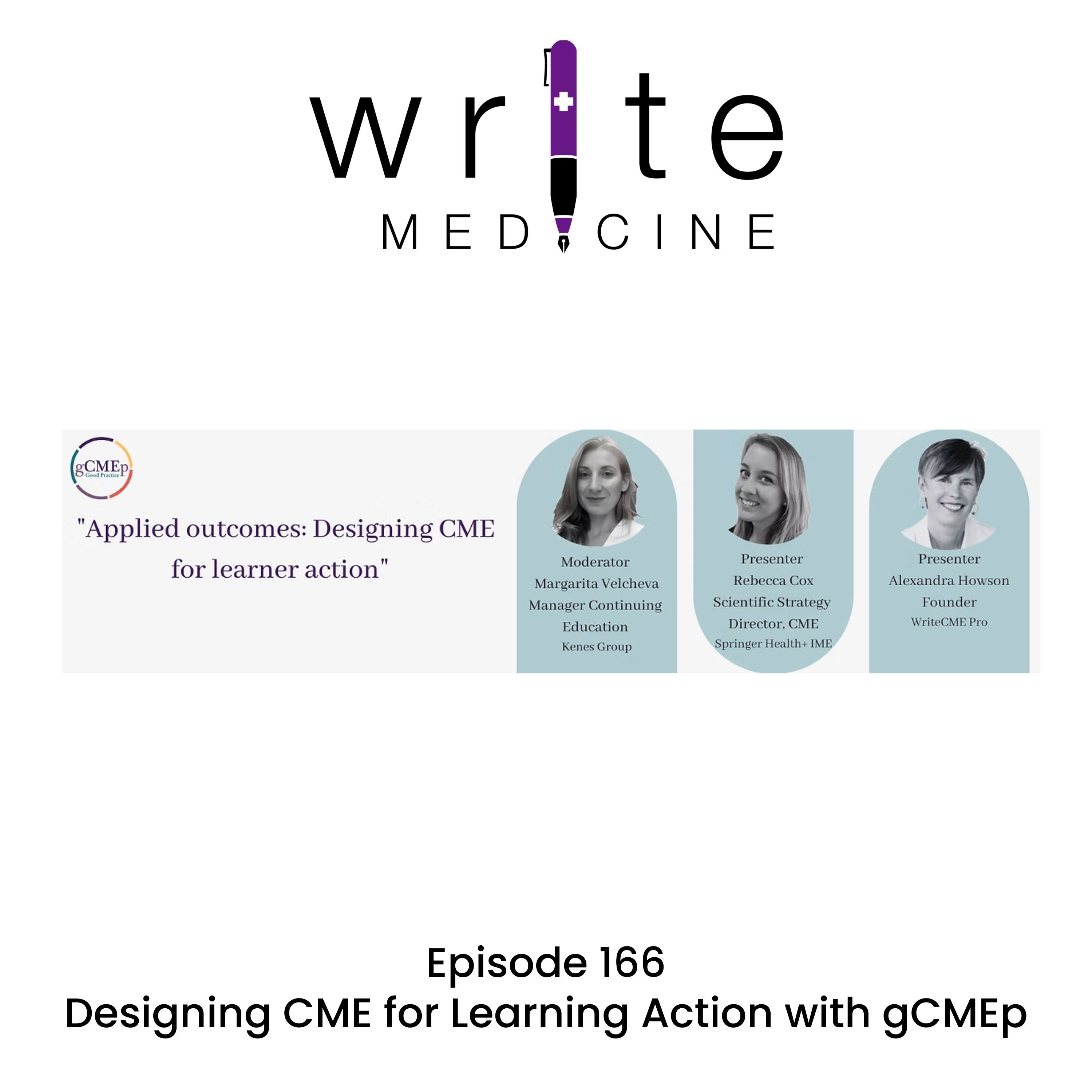
Applied Outcomes: Designing CME for Learner Action
About this episode
This episode explores the deeper aspects of designing CME learning objectives to ensure they lead to actionable clinical tasks and behavior change.
You already know how to write learning objectives. You reference Bloom’s taxonomy. You understand Moore’s outcomes framework. But here’s the real question: When you write a learning objective, can you clearly identify the two to three specific clinical tasks that must happen for that objective to be achieved? In this episode—based on a webinar I participated in with the Good CME Practice Group—we go deeper than frameworks. We unpack what actually sits underneath a learning objective and how that layer determines whether your CME changes practice… or simply delivers information. What We Explore in This Episode Why learning objectives are signposts—not the design itself How to break each objective into 2–3 concrete clinical tasks The role of workflow, format, and audience context in determining granularity How learning science (cognitive load, retrieval practice, feedback) strengthens action-focused design Where CME programs most commonly lose alignment between need, content, assessment, and outcomes Key Takeaway If you can’t name the specific clinical actions required to meet an objective, the content won’t drive behavior change. Design lives underneath the objective. Next Step If…
More episodes of Write Medicine
- Rewrite Your Power: Who This Retreat Is For and What You'll Walk Away With
- Why Retreats Work: Disconnection, Body Wisdom, and the Science of Letting Go
- The CME Writing Skills No One Teaches—but Every Writer Needs
- If CME Writers Had an Advent Calendar…
- Your Clinical Lens Is Gold: How to Grow From Beginner to Trusted CME Writer
- When the Inbox Goes Quiet: How to Thrive in the Fallow Seasons of Freelance CME Writing Life
Explore listener stats, chart rankings, contacts and more on the Write Medicine podcast page.