
Cat & Nat Unfiltered
by Cat & Nat
Is this your podcast?On the show
From 44 epsHosts
Recent guests
Recent episodes
When Your Kid Outsmarts Screen Time
Oct 19, 2026
32m 02s
When Parents Forget It’s Just Kids’ Sports
Oct 16, 2026
39m 23s
Stop Buying This with Ali Budd
Oct 13, 2026
54m 15s
Inside Roblox: Why Parents Should Be Paying Attention
Oct 12, 2026
27m 25s
Hockey Parents… It’s Already Started
Oct 9, 2026
35m 18s
Insights from recent episode analysis
Audience Interest
Podcast Focus
Publishing Consistency
Platform Reach
Insights are generated by CastFox AI using publicly available data, episode content, and proprietary models.
Most discussed topics
Brands & references
Total monthly reach
Based on the show's feed history.
Built from
By chart position
- 🇷🇴RO · Comedy#1879.6K to 118K
- Per-Episode Audience
Est. listeners per new episode within ~30 days
9.6K to 118K🎙 Daily cadence·1,000 episodes·Last published today - Monthly Reach
Unique listeners across all episodes (30 days)
32K to 392K🇨🇦71%🇷🇴29% - Active Followers
Loyal subscribers who consistently listen
18K to 216K
Market Insights
Platform Distribution
Reach across major podcast platforms, updated hourly
Total Followers
—
Total Plays
—
Total Reviews
—
* Data sourced directly from platform APIs and aggregated hourly across all major podcast directories.
Social Links & Contact
Official channels & resources
Official Website
Login
RSS Feed
Login
| Date | Episode | Topics | Guests | Brands | Places | Keywords | Sponsor | Length | |
|---|---|---|---|---|---|---|---|---|---|
| 10/19/26 | When Your Kid Outsmarts Screen Time | Life is kind of life-ing over here so we are bringing you a repeat episode today of one of your faves! We are talking about screens, kids, and the chaos that comes with both. Remember when we thought parenthood would be easy? Between SnapMaps showing everyone's location, and the cesspool that is Snapchat, it’s enough to fry your brain. We’re talking about how to protect your kids from themselves, why monitoring their digital world is a full-time job, and how even with our ScreenSense guide (that breaks it ALL down for you in a super easy and digestible way) our own kids still managed to get around screen time. Because of course they did. Parenting is a full-time job—you put in all this effort, and now the extra work isn’t carpools or lunches, it’s keeping up with what they’re doing online. That's exactly why we created https://www.thecommonparent.com/screen-sense-ebook. Hosted on Acast. See acast.com/privacy for more information. | 32m 02s | ||||||
| 10/16/26 | When Parents Forget It’s Just Kids’ Sports | If you’ve ever watched parents lose their minds over a kids’ sports game, this episode is for you. We reveal the secret to spotting the most attractive parents and the truth about how the crazy loud ones often have the least self-awareness, and also get into the obsession with pickleball outfits and visors, and whether you really need to tell everyone your kid is “the smartest in the class.” Because apparently, kids’ sports come with their own set of rules, rivalries and completely unhinged adults.It’s funny, it’s ridiculous, and if you’ve ever questioned your sanity sitting on the sidelines, you’ll feel right at home. Kids’ sports: where the kids are playing the game, but the parents are having a full-blown competition. Hosted on Acast. See acast.com/privacy for more information. | 39m 23s | ||||||
| 10/13/26 |  Stop Buying This with Ali Budd | Ali Budd of Ali Budd Interiors joined us once again to talk about what it’s really like to put your life, your work and your voice out there for everyone to judge. From the unexpected backlash over her voice on House of Ali to why she refused to make the show unless she could do it her way, Ali gets into building a business, trusting your gut and why having haters might actually mean you’re doing something right.Ali breaks down where to splurge and where to save, why your cheap couch might be costing you more in the long run, and the one thing you can do to change a room without spending a fortune. She also shares her very honest take on why you should stop chasing trends, and how to make your home feel like you.We talk about designing dorm rooms, and the judgment moms face over how they set their kids up for university. Ali is funny, refreshingly direct and full of opinions, and we get into all of it.Ali hosts Home Network’s House of Ali, which is back for Season 2, following Ali and her female-led team as they tackle million-dollar renovations, demanding clients and the ups and downs of running a design business. With her unfiltered honesty and one-of-a-kind creativity, Ali wins over even the pickiest clients. House of Ali Season 2 airs Thursdays at 9 p.m. ET/PT on Home Network and streaming on STACKTV. Follow Ali @alibuddinteriors.Keywordsinterior design, TV show, branding, authenticity, women support, home decor, design tips, Ali BuddKey Topics• Ali Budd's journey into TV and design• The importance of authenticity and self-confidence• Supporting women and celebrating success• Design principles: personal style over trends• Using AI as a communication tool in design• Balancing work, family, and personal growth Hosted on Acast. See acast.com/privacy for more information. | 54m 15s | ||||||
| 10/12/26 | Inside Roblox: Why Parents Should Be Paying Attention | While our Canadian friends are enjoying Thanksgiving, we are bringing you a repeat of one of your faves! Before we did the research on Roblox, we honestly thought it was just a simple video game. Most parents probably do. But the reality is far more complicated. Roblox is a massive gaming platform with millions of user-created games inside it. Anyone can build a game, and kids can jump in and play — which means there’s essentially no real regulation. And because kids are kids, they don’t always recognize what’s happening. Groomers often pretend to be the same age as the child they’re interacting with, and they know exactly how to move conversations off the platform where they can’t be traced. These people are highly skilled at what they do, which is why parents need to know what’s really happening behind the scenes. We created a guide to help you navigate it all at https://www.thecommonparent.com/. Hosted on Acast. See acast.com/privacy for more information. | 27m 25s | ||||||
| 10/9/26 |  Hockey Parents… It’s Already Started | Hockey season is officially here, which means we’re back in the rink, yelling from the stands and trying to understand birth years and rankings. We’re talking tryouts that feel like The Bachelor, the pressure to win, and learning how to lose without rage-quitting.We also have strong opinions on hockey celebrations, including the mysterious post-goal “woo” that Cat absolutely cannot stand, and cowbells that should be reserved for championship games (Cat can't stand those either).Plus, we get into what it’s really like watching our kids compete, the highs and lows of being way too invested, and why one of us is already planning a post-hockey career as a DJ.Keywordsyouth hockey, Canadian hockey, American hockey, youth sports, parenting, team dynamics, sports culture, hockey tournaments, reclassing, sportsmanshipKey topicsDifferences between Canadian and American youth hockey systemsThe significance of hockey in Canadian cultureParenting strategies and experiences in youth hockeyTeam dynamics and player developmentThe process of reclassing and its impact on young athletesThe emotional aspects of youth sports and sportsmanshipThe role of community and identity in hockeyInsights into youth tournaments and team selection Hosted on Acast. See acast.com/privacy for more information. | 35m 18s | ||||||
| 10/6/26 |  Would Your Son Speak Up? with Dr. Nina Mafrici | As moms raising boys, how do we talk to our kids about sexual assault, consent, peer pressure and the bystander effect without making them feel ashamed of being boys? We brought in Registered Clinical Psychologist and Co-Founder of Toronto Psychology Wellness Group, Dr. Nina Mafrici to help us unpack what is happening when a group of young people knows something is wrong but nobody speaks up. We get into pack mentality, group chats, alcohol and drugs, consent, the freeze response, and why “just speak up” can be much harder for a teenager than it sounds. What we can actually do as parents? How do we prepare our kids for situations before they happen? How do we teach them to trust their gut, look out for their friends, stand up when something feels wrong and choose people who share their values?Sometimes the bravest thing you can do is be the one who says, “Guys, this is not okay.”Keywordsparenting, consent, sexual violence, peer pressure, adolescent development, mental health, values, safety, communication, teenage boys and girlsKey TopicsThe impact of high-profile sexual violence cases on youthHow to talk to children about consent and boundariesThe role of peer pressure and group dynamics in risky behaviorsStrategies for fostering values of respect and integrity in boys and girlsThe importance of early and ongoing conversations about safety and moralityHow to empower boys to be responsible and respectfulThe influence of social media and group chats on behaviorThe neurobiology of trauma and dissociation in assault casesNatural consequences and learning from mistakesBuilding a home environment of trust and open communication Hosted on Acast. See acast.com/privacy for more information. | 44m 32s | ||||||
| 10/5/26 | 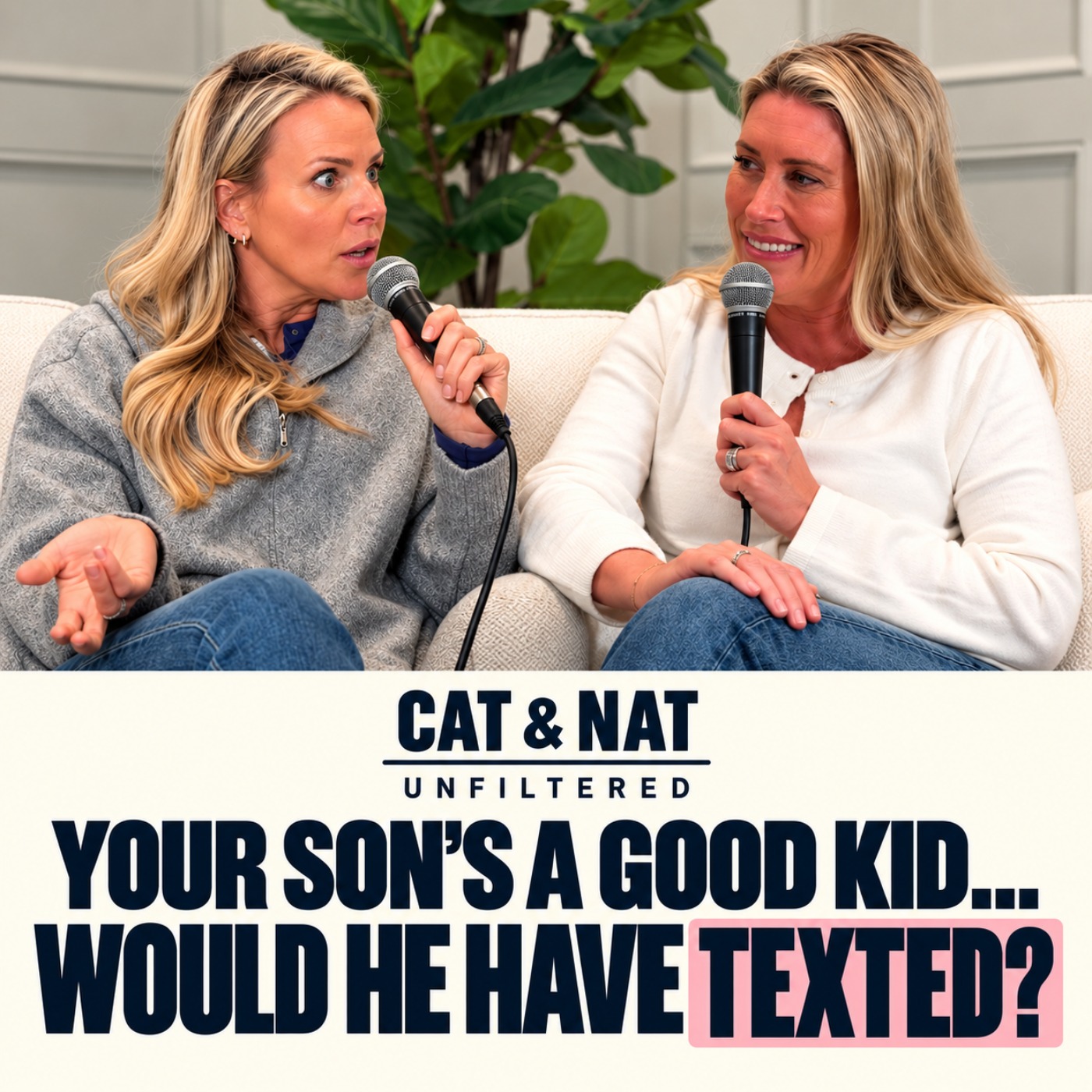 What Happens When Boys Don’t Speak Up? | *Trigger Warning: This episode discuss The Cornell 7The Cornell 7 case has us asking some difficult questions as moms raising boys. How do we teach our sons about consent, respect and accountability without making them feel like they're being blamed for the actions of other men? And what happens when boys witness something wrong but stay silent?We discuss the importance of male friendships, peer pressure and the responsibility of being a good friend, including having the courage to call out bad behaviour. We also explore what we might be missing as parents, why boys need more opportunities for honest conversations and how we can help our sons navigate difficult situations without simply telling them what not to do.Keywordsfriendship, social dynamics, respect, accountability, relationships, parenting, teenage behavior, social media, consent, educationKey Topics • The concept of 'insignificant' friends and social inclusion • The importance of mutual respect and understanding in friendships • How societal and media influences shape perceptions of relationships • Teaching children and teens about consent and accountability • The role of open dialogue in fostering healthy social behaviours • Differences in friendship dynamics between genders • The impact of social media on social interactions and accountability • Strategies for parents to teach respect and responsibility • The importance of standing up against peer pressure and misconduct • The challenges of navigating social hierarchies and peer influence Hosted on Acast. See acast.com/privacy for more information. | 40m 44s | ||||||
| 10/2/26 |  The Crock Pot Has Entered the Hockey Rink | How far would you go to help your kid make it to the big leagues? After watching Team Moms, we’re questioning the world of ultra-competitive youth sports, where kids are spending their childhood training for the MLB, parents are dissecting every practice, and sometimes an entire family seems to revolve around one athlete. We get into the pressure and whether all of it is worth it. We also get into Cat's latest hockey rink obsession, the crock pot!Keywordsyouth sports, parenting, early specialization, athlete development, sports culture, jersey customization, social dynamics, youth athleticsKey Topics• The intense dedication of parents to youth sports• Average retirement age of professional athletes and its implications• The culture of early specialization and its impact on childhood• The social dynamics and peer relationships among young athletes• The quirks of youth sports culture, including jersey customization and nicknames• The physical and emotional toll of early sports specialization• The role of social media in following young athletes' careers• The importance of balance and mental health for young athletes Hosted on Acast. See acast.com/privacy for more information. | 35m 53s | ||||||
| 9/29/26 | You Want Your Kids to Go Pro?? Part 2 | We couldn't wait to bring you part two of our conversation with Dr. Jeremy Alland! In part two we ask the question, is your kid actually loving their sport, or have we turned it into a full-time job? We’re talking youth sports, burnout, the pressure to go “elite,” endless tournaments and the growing expectation that more training always means better athletes. Dr. Jeremy Alland talks about how much is too much, why kids need real downtime, and how parents can support their kids without making their sport their entire identity. Plus, the simple thing he says every parent should tell their kid after a game. If you haven't watched part 1 go back and check it out! And for more on Dr. Jeremy find him @jeremyallandmd.Keywordsyouth sports, parenting, athlete development, sports system, burnout, competition, fun in sports, youth athlete health, sports parenting, sports system reformKey Topics • The impact of year-round sports on children's health and happiness • Balancing competition and fun in youth sports • The influence of social media and marketing on youth sports • Strategies for parents to support their children's sports journey • Understanding the real chances of making it professionally in sports • The importance of communication and setting expectations • The role of systemic change in youth sports reform Hosted on Acast. See acast.com/privacy for more information. | 35m 26s | ||||||
| 9/28/26 | The Pressure of Youth Sports with Dr. Jeremy Alland Part 1 | Youth sports have officially gotten out of control. We’re talking year-round training, travel teams, rankings, social media, parents spending a small fortune and the pressure to figure out your kid’s “next level” before they’ve even hit puberty.We sit down with Dr. Jeremy Alland, a sports medicine physician in Chicago where he serves as a team physician for the Chicago Bulls and Chicago White Sox. He’s also the voice behind Play the Long Game, a youth sports platform built on the belief that every kid deserves the chance to play sports, stay in sports, and develop a lifelong love of the game. Now a dad of young athletes himself, he gets both the medical side and the very real parent side of trying to keep your kids healthy, happy, and actually enjoying the game.We get into what’s really happening in youth sports and whether we’re pushing our kids too hard. When does encouraging them become pressure? When is quitting actually quitting, and when does a kid just need a break? And do they really need to be playing their sport 10 months a year to keep up? We also get into the ridiculous idea that if your eight-year-old isn’t already on an elite team, they’re somehow falling behind. Are we actually listening to what our kids want from sports, or are we projecting what we think they should want?We loved this conversation so much we had to break it up into two parts! Tune in for part two tomorrow and follow Dr. Jeremy Alland @jeremyallandmd.Keywordsyouth sports, parenting, athlete development, sports system, burnout, competition, fun in sports, youth athlete health, sports parenting, sports system reformKey Topics• The impact of year-round sports on children's health and happiness• Balancing competition and fun in youth sports• The influence of social media and marketing on youth sports• Strategies for parents to support their children's sports journey• Understanding the real chances of making it professionally in sports• The importance of communication and setting expectations• The role of systemic change in youth sports reform Hosted on Acast. See acast.com/privacy for more information. | 28m 42s | ||||||
Want analysis for the episodes below?Free for Pro Submit a request, we'll have your selected episodes analyzed within an hour. Free, at no cost to you, for Pro users. | |||||||||
| 9/25/26 | Social Media, Fame and Athletes | We’re talking college athletes making millions, kids becoming “famous” on Instagram, parents turning into sports managers, and somehow… Taylor Swift sitting beside Tom Cruise at a football game. Just your average day with ADHD.College sports have changed, and athletes can now make money from their name, image and likeness, which naturally leads us down the rabbit hole of whether parents should help a kid who’s training to be an athlete build a following. Is Instagram part of the job if you’re a young athlete?Key wordscelebrity gossip, social media influence, AI in fame, youth sports, college scholarships, social media for kids, digital identity, sports marketing, celebrity relationships, online trollingKey topicsCelebrity gossip and behind-the-scenes storiesThe role of social media in shaping youth sports and fameThe impact of AI on online reputation and trollingThe economics of college sports and athlete compensationCelebrity relationships and privacy issues Hosted on Acast. See acast.com/privacy for more information. | 31m 10s | ||||||
| 9/22/26 | University Drop Off & The Dorm Room Debate | Natalie sent her daughter off to university and, surprisingly, she’s… fine? We’re talking about the reality of sending your kid away, why the transition can sometimes be easier than you expect, and how university forces kids to figure things out for themselves. Then, of course, we get into Taylor's Pottery Barn dorm room makeover which sparked plenty of opinions. Some loved it and saw it as a fun opportunity, while others felt it was unrealistic and questioned the expectations we’re setting for kids heading off to university. Plus, we share all the dorm hacks we learned along the way.Keywordsuniversity, dorm room, parenting, independence, student life, college prep, room decor, transition, parenting tipsKey topicsDorm room decor tips and tricksParenting and managing expectations during college transitionThe importance of independence and self-reliance for studentsPractical advice for creating inspiring and functional dorm spacesInsights into university housing and student life Hosted on Acast. See acast.com/privacy for more information. | 34m 21s | ||||||
| 9/21/26 | Who Thought AI Was a Good Idea? | We’re feeling a little overwhelmed by the world right now. AI is moving faster than we can keep up, and somehow we’re supposed to teach our kids how to navigate all of this when we’re still trying to figure it out ourselves. We’re talking about schools going back to pen and paper, kids using AI, algorithms deciding what we see, and whether we’re actually losing some of our ability to think, focus and trust our own instincts. We also get into AI scams, voice cloning and why every family might need a secret code word. And somewhere along the way, we decide that maybe the only reasonable solution is to move to a farm, raise baby chickens and completely opt out of modern life.KeywordsAI, education, parenting, online betting, NFTs, digital assets, technology, AI safety, social media, internet cultureKey topicsAI safety and escape from sandboxImpact of technology on education and note-takingParenting challenges with digital and social mediaThe rise and fall of NFTs and online assetsOnline betting and gambling risks for teensAI literacy and education policiesThe speed of technological change and societal adaptationParental strategies for digital safety and awareness Hosted on Acast. See acast.com/privacy for more information. | 36m 04s | ||||||
| 9/18/26 | Do They Love the Sport or Do We Love It for Them? | Youth sports can start out so innocently: your kid loves the game, you sign them up, and suddenly you’re spending your weekends at rinks, tournaments and fields, rearranging vacations and wondering how one sport became a full-time job. We get into the reality of competitive youth sports, from the time, money and commitment to the bigger question: How do you know when your kid really wants it, and when you’re the one who wants it for them?We talk about kids who love the sport but hate the grind, knowing when to let them quit, giving kids room to change their minds, and the importance of making sure their entire identity doesn’t become their team, their level or their performance. It’s a very real conversation about letting our kids find their own version of success, while trying not to lose our minds getting them there.Keywordsyouth sports, parenting, life balance, sports psychology, family life, sports commitment, youth activities, sports expenses, parenting tipsKey topicsThe emotional and financial commitment of youth sportsHow sports influence family dynamics and parent-child relationshipsRecognizing when to support or step back from a child's sports ambitionsThe importance of allowing children to explore and choose their passionsManaging expectations and avoiding over-scheduling childrenThe role of sports in identity formation and social developmentBalancing competitiveness with enjoyment in youth sportsThe impact of sports on mental health and well-being Hosted on Acast. See acast.com/privacy for more information. | 38m 40s | ||||||
| 9/15/26 | Raising Conscious Sons and Conscious Daughters with Dr. Shefali | We couldn’t have asked for a better way to kick off a new season than with an incredible interview with Dr. Shefali! Dr. Shefali is a clinical psychologist, New York Times bestselling author, and founder of the Conscious Parenting movement. She helps parents break generational cycles, build deeper connections with their kids, and raise emotionally resilient humans. In her new books, Raising Conscious Sons and Raising Conscious Daughters, she challenges parents to rethink what it means to raise children in today's world, from social media and emotional health to raising confident, connected adults. We absolutely loved this interview and think you will too! Both books are available now wherever you buy books or at https://www.drshefali.com/raisingconscious-daughters-sons/. For more on Dr. Shefali find her @doctorshefali.Keywordsconscious parenting, gender differences, resilience, emotional health, parenting strategies, social media impact, childhood developmentKey Topics• The importance of conscious parenting and self-awareness• Gender-specific needs and hormonal influences in children• Strategies to reduce screen time and increase outdoor activity• The impact of social media and algorithms on children's development• The role of physical activity and real-world experiences in mental health• Parenting challenges and how to foster resilience and independence• The importance of community, contribution, and interdependence in raising children• Addressing the mental health crisis and the need for authentic human connection Hosted on Acast. See acast.com/privacy for more information. | 46m 29s | ||||||
| 9/14/26 | Work Smarter, Not Harder | Back to school has us questioning everything. How much should we be helping our kids? When does supporting them turn into micromanaging? We get into learning differences, accommodations, executive function and the very real challenge of helping our kids figure out how to work smarter, not harder. We talk about building systems that actually work for your child, knowing when to step in, when to back off and why protecting their confidence may be just as important as their grades. We’re talking about using tools like Claude to help kids get organized, understand what they’re learning and build systems around the areas where they struggle, without doing the work for them. Is it cheating? Or is it just another tool to help our kids learn how to learn?KeywordsAI in education, personalized learning, special education, Claude AI, ChatGPT, educational planning, learning differences, homeschooling, student organizationKey topicsUsing AI to create personalized educational plansUnderstanding and supporting learning differencesOrganizing schoolwork and curriculum with AIThe role of accommodations and IEPs in educationLeveraging AI for executive function and organizationEthical use of AI in educationBuilding systems for academic successSupporting emotional well-being through structured learning Hosted on Acast. See acast.com/privacy for more information. | 31m 03s | ||||||
| 9/11/26 | Figuring Out the Opposite Sex | In this repeat episode we’re diving back into the ’90s classic Men Are From Mars, Women Are From Venus because, honestly, some things about the opposite sex will never make sense. Men try to fix our feelings. Women try to fix the men. Everyone ends up feeling misunderstood, unappreciated and annoyed. This book spent 121 weeks on The New York Times bestseller list, and somehow, decades later, we still don’t have the opposite sex figured out.So… should we bring this ’90s classic back? Hosted on Acast. See acast.com/privacy for more information. | 29m 43s | ||||||
| 9/8/26 | emotional impact of children leaving for universityunderstanding university life+3 | — | — | — | universityparenting+7 | — | 36m 39s | ||
| 9/7/26 | doomscrollingmental health+3 | — | Acast | — | doomscrollingmental health+5 | — | 39m 17s | ||
| 9/4/26 | sexbody glitches+3 | — | — | — | orgasmbody reactions+3 | — | 26m 03s | ||
| 9/1/26 | parentingteenagers+3 | — | — | Canada | teenagersparenting+5 | — | 36m 36s | ||
| 8/31/26 | child developmentlearning differences+3 | — | — | — | kidsIEP+3 | — | 25m 54s | ||
| 8/28/26 | happinesssuccess+5 | — | — | — | happinesssuccess+8 | — | 27m 40s | ||
| 8/25/26 | Parenting transitions and communicationEmotional impact of children leaving home+3 | — | — | — | university move-incollege prep+5 | — | 36m 35s | ||
| 8/24/26 | university pressuredecision making+3 | — | Acast | — | universitypressure+5 | — | 25m 38s | ||
| 8/21/26 | relationshipsparenting+5 | — | — | — | intimacyparenting+5 | — | 28m 54s | ||
| 8/18/26 | teenagersparenting+3 | — | — | — | teenagersparenting+5 | — | 35m 05s | ||
| 7/21/26 | parentingemotional transition+3 | — | — | university | parentinguniversity+5 | — | 26m 23s | ||
| 7/20/26 | parentingteens+4 | — | Acast | — | parentingteens+5 | — | 36m 57s | ||
| 7/17/26 | youth sportsparenting+5 | — | Acast | — | youth sportsparenting+6 | — | 38m 11s | ||
| 7/14/26 | summer breakfamily travel+3 | — | — | — | summervacation+5 | Betadine | 20m 53s | ||
| 7/13/26 | parentingchild development+3 | — | — | — | parentinggood parenting+3 | — | 33m 26s | ||
| 7/10/26 | desiresexuality+3 | — | — | — | sexual desiremidlife+3 | — | 28m 12s | ||
| 7/7/26 | Concussion symptoms and misdiagnosisLack of information and medical support+4 | Olivia | — | — | concussionbrain injury+8 | — | 37m 04s | ||
| 7/6/26 | parentingself-reflection+3 | — | — | — | parentingmoms+3 | — | 32m 03s | ||
| 7/3/26 | youth sportsparenting+4 | — | Acast | — | youth sportsparenting+5 | — | 22m 32s | ||
| 6/30/26 | perimenopausewomen's healthcare+3 | — | AcastIs This Perimenopause or Just Life? | — | family cookingcultural food differences+5 | — | 29m 06s | ||
| 6/12/26 | youth hockeyparenting+3 | — | Acast | — | youth sportshockey parents+3 | — | 37m 02s | ||
| 6/9/26 | healthhormones+5 | — | Acast | — | hormonesmammograms+6 | — | 31m 23s | ||
| 6/8/26 | Teen mental health and social mediaImpact of phones on anxiety and self-esteem+2 | — | Acast | — | teen mental healthsocial media+7 | — | 31m 18s | ||
| 6/5/26 | Hockey's influence in pop cultureThe appeal of hockey-related shows+1 | Max Valiquette | Heated RivalryShoresy | — | hockey culturepop culture+4 | — | 35m 55s | ||
| 6/2/26 | Parenting through life phasesBalancing discipline and fun+3 | — | — | — | parentinglife phases+8 | — | 35m 14s | ||
| 6/1/26 | screen time managementparental controls+4 | — | Acast | — | screen timeparenting+6 | — | 30m 06s | ||
| 5/29/26 | hockeyromance+4 | — | Wild World of HockeyOff Campus+1 | — | hockeyromance+5 | — | 23m 29s | ||
| 5/26/26 | Postpartum body changes and acceptanceSocietal pressures on women's bodies+1 | — | Acast | — | body imagepostpartum+8 | — | 33m 19s | ||
| 5/25/26 | Traditional vs. modern education approachesNeurodivergent learning styles and creativity+3 | — | Girl Guides | Toronto | educationparenting+8 | — | 34m 41s | ||
| 5/22/26 | youth hockeysports parenting+3 | — | NHL | — | hockeysports moms+3 | — | 34m 10s | ||
| 5/8/26 | empty nestingidentity+3 | — | — | — | empty nestmotherhood+3 | — | 35m 03s | ||
| 5/5/26 | optimismnature versus nurture+4 | — | — | — | optimismpessimism+4 | — | 31m 40s | ||
| 5/4/26 | educationauthenticity+5 | — | Acast | — | educationAI+6 | — | 29m 03s | ||
| 5/1/26 | family dynamicsidentity+3 | — | — | — | kids leaving homefamily relationships+3 | — | 34m 18s | ||
| 4/28/26 | intuitive psychologyself-trust+3 | — | — | — | intuitionpsychology+3 | — | 27m 20s | ||
| 4/27/26 | intuitionpsychology+3 | Sarah GreggJill Ritchie | Intuitive Psychology AssociationAcast+2 | — | intuitionpsychology+3 | — | 30m 47s | ||
| 4/24/26 | adultinggender roles+4 | — | Acast | — | adultinggender roles+5 | — | 29m 40s | ||
| 4/21/26 | betrayalmarriage+3 | — | Acast | — | betrayalmarriage+3 | — | 41m 48s | ||
| 4/20/26 | parentinglife lessons+5 | — | Acast | — | parenting advicelife skills+5 | — | 22m 44s | ||
| 4/17/26 | pop culturedrama+3 | ReneeAriana | Friends of PodcastCall Her Daddy | — | Alex vs AlixCall Her Daddy+3 | — | 28m 59s | ||
| 4/13/26 | parentingteens+4 | — | — | — | summer jobteens+5 | — | 38m 51s | ||
| 4/13/26 | relationshipsparenthood+5 | — | — | — | relationshipsparenthood+7 | — | 32m 57s | ||
| 4/10/26 | parentinghumor+4 | — | Nutella | space | parentinghumor+4 | — | 36m 01s | ||
| 4/7/26 | youth sportsparenting+4 | — | Acast | — | youth sportsparenting+6 | — | 39m 23s | ||


Showing 61 of 1000
Pitch Fit is a Pro feature
See how bookable this show is for guests, which brands already advertise, the per-episode ad value, and the best-fit guest and sponsor profile. The numbers are blurred on the free plan.
How readily this show books outside guests like you.
How proven this show is for host-read sponsorships.
For Guests
ProFor Advertisers
ProUpgrade to Pro to unlock guest cadence, sponsor categories, fit scores, and per-episode ad value for this show.
Similar Audience Demographics
Podcasts that attract a similar listener profile




Chart history for Cat & Nat Unfiltered
Peaked at #187 in RO, currently #187 in RO.
| Market | Genre | Peak | Current | Trend |
|---|---|---|---|---|
| RO | — | #187 | #187 | — |
Chart Positions
1 placement across 1 market.
Chart Positions
1 placement across 1 market.