
Elk Hunt
by Cody Rich
Is this your podcast?On the show
From 19 epsHost
Recent guests
Recent episodes
Why Jack Lander Left the Compound for a Recurve
Oct 9, 2026
51m 56s
Reading the Shot Clock: Cliff Gray's Lessons from 40 Elk Hunters
Sep 18, 2026
56m 27s
201 vs. 301: What It Really Takes to Target a Big Bull
Aug 18, 2026
50m 30s
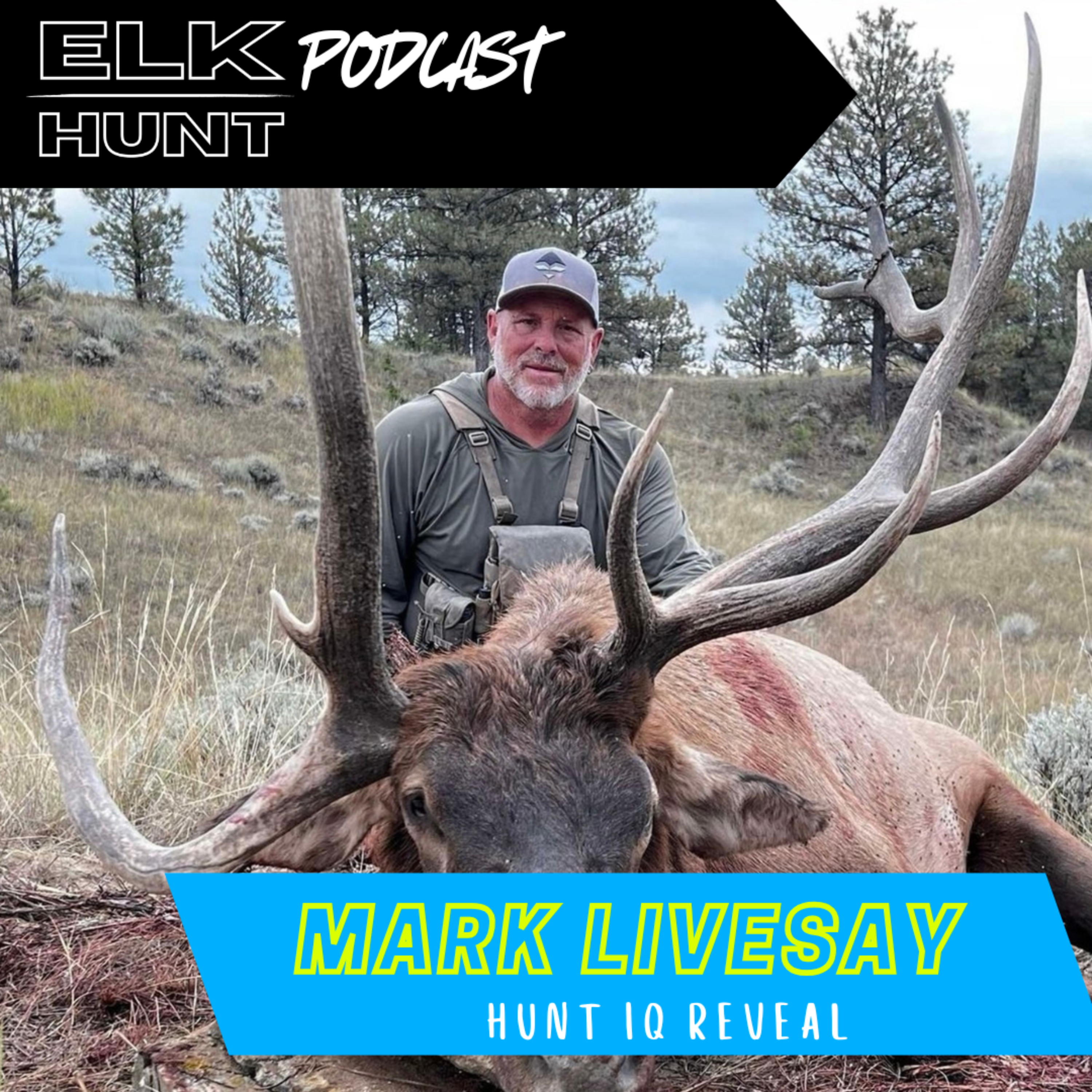
Most Insane Elk Research Tool We've Ever Seen — Mark Livesay Reveals Hunt Research IQ
Aug 14, 2026
1h 40m 59s
22 Elk in 23 Seasons: Public Land Lessons w/ Kevin Gower
Aug 13, 2026
1h 02m 51s
Insights from recent episode analysis
Audience Interest
Podcast Focus
Publishing Consistency
Platform Reach
Insights are generated by CastFox AI using publicly available data, episode content, and proprietary models.
Most discussed topics
Brands & references
Total monthly reach
Blended from 1 signal.
Built from
By chart position
- 🇺🇸United States · WildernessHOME#8613K to 78K
- 🇮🇱IL · Wilderness#40176 to 1.1K
- Per-Episode Audience
Est. listeners per new episode within ~30 days
13K to 79K🎙 ~2x weekly·161 episodes·Last published 1w ago - Monthly Reach
Unique listeners across all episodes (30 days)
25K to 159K🇺🇸99%🇮🇱1% - Active Followers
Loyal subscribers who consistently listen
10K to 63K
Market Insights
Platform Distribution
Reach across major podcast platforms, updated hourly
Total Followers
—
Total Plays
—
Total Reviews
—
* Data sourced directly from platform APIs and aggregated hourly across all major podcast directories.
Social Links & Contact
Official channels & resources
Official Website
Login
RSS Feed
Login
| Date | Episode | Topics | Guests | Brands | Places | Keywords | Sponsor | Length | |
|---|---|---|---|---|---|---|---|---|---|
| 10/9/26 | Why Jack Lander Left the Compound for a Recurve | Eight years ago, Jack Lander and I did a podcast right after he killed a bull with his compound. This time he's back after another absolutely nuts season with a longbow and a recurve in the thick Roosevelt country of the Pacific Northwest. If you've heard that this was a rough year to find elk, Jack's crew still managed to put four bulls on the ground, and some of those were at seven yards. We start with why Jack walked away from the compound. He says it comes down to the challenge, and he found that nothing beats a trad kill when it all comes together. From there we get into what makes Roosevelt hunting so different from Rockies and sagebrush country. Think 18 yards without ever seeing the elk, tunnels you have to crawl through like a rabbit, and bulls that will actually come to a terrible little squeal after they've pegged you. Then Jack walks me through his season. He and his buddy Sam killed two bulls in the same day, an hour apart, and I can't name another person I know who's done that. We also dig into hunting pressure and the road-rig bugle circus, why cow and calf calling into good habitat might be the move, and how finding a canyon with a hot cow can change everything. Jack also tells the story of the time he lost Larry D. Jones in the woods (search and rescue included). We wrap with a last-day-of-season bull that died in 13 seconds on camera. Whether you chase Roosevelts, Rockies, or just want to understand how to hunt pressured elk, there's a lot to take away here. Go subscribe to Jack's YouTube channel, Golden Rosie Outdoors. And if you want a free hunt planning tool to track your hunts, plans, and points, grab it through the link in the show notes or at elkhunt201.com. If you liked the episode, send it to one of your hunting buddies. Sponsors Tricer – Lightweight, packable gear built for guys who actually put miles on it. If your tripod system is bulky and overbuilt, you're working too hard. Drew is a good friend and a mad scientist, and the whole system is worth a look. 🔗 tricer.com – use code EH for 10% off Maven Optics – A Wyoming, direct-to-consumer company that I'll always say is the best bang for your buck. From rifle scopes to spotters to binos, I love their stuff. The B6 is my go-to binocular. I run the 12x50, and the 10x42 is awesome too. 🔗 mavenbuilt.com Bridger Watch – The smartwatch I've spent the last three years developing, built by hunters for hunters. Health, sleep, and fitness tracking, plus offline mapping, onX Waypoint integration, Hornady and Sierra ballistics integration, Red Shift night-vision-friendly red light, and a flashlight. Check out the Bridger Rekon. 🔗 bridgerwatch.com Chapters (estimated) 0:00 – Intro and sponsors 2:15 – Welcome, Jack 4:00 – Why Jack switched from compound to traditional 7:00 – What makes Roosevelt elk hunting different 12:00 – Season goals and a repeat of last year's success 14:30 – Two bulls in one day: Sam's bull and Jack's seven-yard bull 18:30 – Hunting pressure, road rigs, and cow/calf calling 24:00 – Hot cows, rut timing, and Bigfoot bulls 29:00 – The story of losing Larry D. Jones in the woods 33:30 – Mid-roll: Bridger Watch 35:00 – The smart old six-point and Brendan's bull 38:00 – Last day of season: Mason's bull on camera 43:00 – Covering ground, timing, and locating hot bulls 47:00 – How many days to kill a Roosevelt, and the role of luck 49:30 – Where to find Jack's films and wrap-up Three Key Takeaways When bulls go quiet, slip in and cow call. In pressured country, Jack and Cody both found that quiet cow and calf calling in good habitat can pull in bulls that won't answer a bugle. Plenty of bulls came in silent and never said a word. Timing and a hot cow matter more than the canyon. A canyon can be dead for two weeks and then have four bulls screaming when a cow comes into estrus. Moving around and covering country until you find the hot pocket is the real game. Skill gets you in position, but luck closes the deal. Jack figures about 10 days of hunting gives you a shot opportunity. Wind, cows, and brush all have to line up, so you need to hunt hard, stay patient, and be ready to capitalize on the one chance you get. | 51m 56s | ||||||
| 9/18/26 | Reading the Shot Clock: Cliff Gray's Lessons from 40 Elk Hunters | Man, this one's a good one. Cliff Gray's back on the show — if you remember, Cliff and I try to link up around this time every year, and it's turning into a bit of a tradition. This time we're diving deep into what he's picked up from running his Elk Hunting Masterclass this season — 35, 40 guys through scenario-based training — and honestly, some of the patterns he's seeing are gonna hit home for a lot of you. We get into why indecision kills more hunts than bad luck does, how to actually recognize when you're sitting in a 0% probability situation (and why guys freeze up instead of doing something about it), and the exact playbook for what to do when a bull hangs up and starts barking at you. Cliff breaks down solo tactics for getting a bull raking and using that window to close the distance, why he's skeptical on rattling but won't rule it out, and a mountain goat stalk story of mine that gets into precision at distance versus just "getting close enough." We also talk about why knowing the exact location of a bedded animal is one of the biggest differentiators between guys who close the deal and guys who don't, the "it's always right where you left it" mindset, why playing peekaboo on a stalk will get you busted every time, and the psychology behind why we all feel the urge to rush a shot the second an opportunity shows up — even when patience would serve us better. Cliff and I also get into the whole calf-calling-only debate that's been floating around elk hunting circles, and why having a system beats bouncing between tactics every single sit. If you've ever wanted to sit in on one of Cliff's in-person scenario trainings, he tells you exactly how to find it. Grab a coffee, this one's packed. Sponsors onX Hunt This episode is brought to you by onX Hunt — check out their new Share feature in the Go Track section of the app. You can now share your live location with your hunting buddy right on the map (when you've got service), which is a huge upgrade for staying coordinated in the field.onxmaps.com Maven Optics Also brought to you by Maven Optics — a direct-to-consumer optics company out of Wyoming making binos, rangefinders, and rifle scopes. Great glass, great price point, because you're skipping the big-box markup.mavenbuilt.com — use code TRO at checkout for a special gift. Chapter Timestamps (estimated from content pacing across the 56-minute episode) Time Chapter 0:00 Intro — Welcome to the Elk Hunt Podcast 0:30 Sponsor: onX Hunt's new Share feature 2:00 Sponsor: Maven Optics 3:30 Welcoming Cliff Gray back to the show 5:00 What Cliff's learned coaching 35-40 students this year 8:00 Indecision and the 0% probability trap 12:00 The "bull hangs up and barks" scenario, breaking it down 18:00 Solo tactics — getting a bull raking and closing distance 23:00 Does rattling actually work? 27:00 Biggest rifle-hunting mistakes: knowing exactly where the animal is 33:00 Trusting your mark — "it's always right where you left it" 37:00 The peekaboo mistake on a stalk 40:00 Precision at distance — the mountain goat stalk story 45:00 Fighting the urge to rush a shot 49:00 Building a consistent system vs. jumping tactics 52:00 The calf-calling-only debate 55:00 Cliff's Elk Hunting Masterclass and how to sign up Three Key Takeaways Indecision is the silent killer. When a hunter is stuck between a low-probability option and doing nothing, doing nothing is almost always the worse choice — a 10-15% chance beats a guaranteed 0%. Know exactly where the animal is before you commit to a stalk. Vague landmarks ("that big stump") fail in the field — pick a precise, trackable reference point, and trust that the animal is still there even when things go quiet. The urge to rush a shot is often just your body wanting the stress to be over — not a real signal that time is up. Learning to distinguish genuine time-sensitive moments from manufactured urgency leads to better decisions and better shots. | 56m 27s | ||||||
| 8/18/26 | elk huntinghunting strategies+3 | Jaden Bales | — | — | elkhunting+5 | — | 50m 30s | ||
| 8/14/26 | elk huntinghunting technology+3 | Mark Livesay | Hunt Research IQTreeline Academy | Montana | elk researchhunting data+3 | MarkTRO | 1h 40m 59s | ||
| 8/13/26 | elk huntingpublic land+3 | Kevin Gower | — | — | elkpublic land+5 | onX Hunt | 1h 02m 51s | ||
| 8/6/26 | elk huntingoutdoor survival+3 | Brian Rae | — | Idaho | elkhunting+5 | — | 1h 19m 51s | ||
| 7/24/26 | elk huntinghunting strategies+3 | Dillon Ness | — | — | elk huntershunting strategies+3 | Maven Optics | 1h 14m 43s | ||
| 7/17/26 | elk huntingmindset+4 | Darin Hardy | — | — | elk huntingDarin Hardy+5 | — | 1h 16m 21s | ||
| 7/4/26 | elk huntinghunting tactics+3 | Tate Bradfield | Process Based Hunter | — | elk huntinghunting courses+3 | Maven Optics | 53m 59s | ||
| 6/5/26 | elk huntingbackcountry stories+4 | Brandon Schmitz | — | North IdahoWest | elk huntingBrandon Schmitz+6 | — | 1h 21m 49s | ||
Want analysis for the episodes below?Free for Pro Submit a request, we'll have your selected episodes analyzed within an hour. Free, at no cost to you, for Pro users. | |||||||||
| 5/15/26 | elk huntinghunting tactics+4 | Matt Hartsky | Backbone Unlimited | Wyomingsoutheast Wyoming | elk hunthunting public land+6 | — | 59m 08s | ||
| 5/8/26 | elk huntingMontana hunting strategies+4 | Gibson Butler | — | MontanaTreasure State | elk huntingMontana+5 | — | 1h 11m 11s | ||
| 4/24/26 | glassingelk hunting+3 | Cody Nelson | TricerDrew | — | glassingelk hunting+3 | — | 1h 25m 49s | ||
| 4/17/26 | first-time huntershunting education+3 | Dillon Deitz | — | — | huntingrookie season+3 | — | 1h 00m 58s | ||
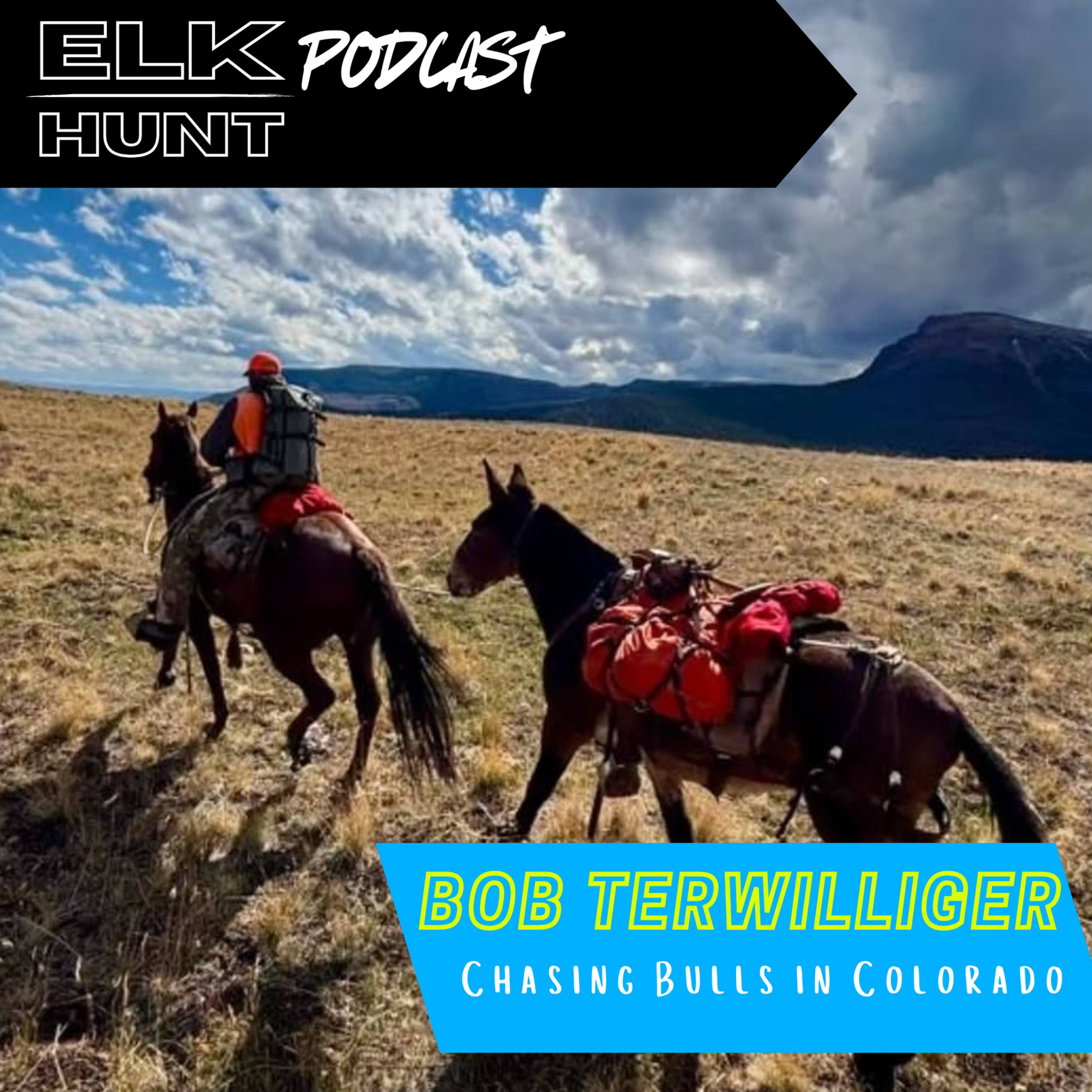
| 4/10/26 | elk huntinghunting stories+3 | Bob Terilliger | OnX Maps | ColoradoNew York | elk huntingBob Terilliger+3 | Tricer TripodsTRO | 1h 06m 27s | ||
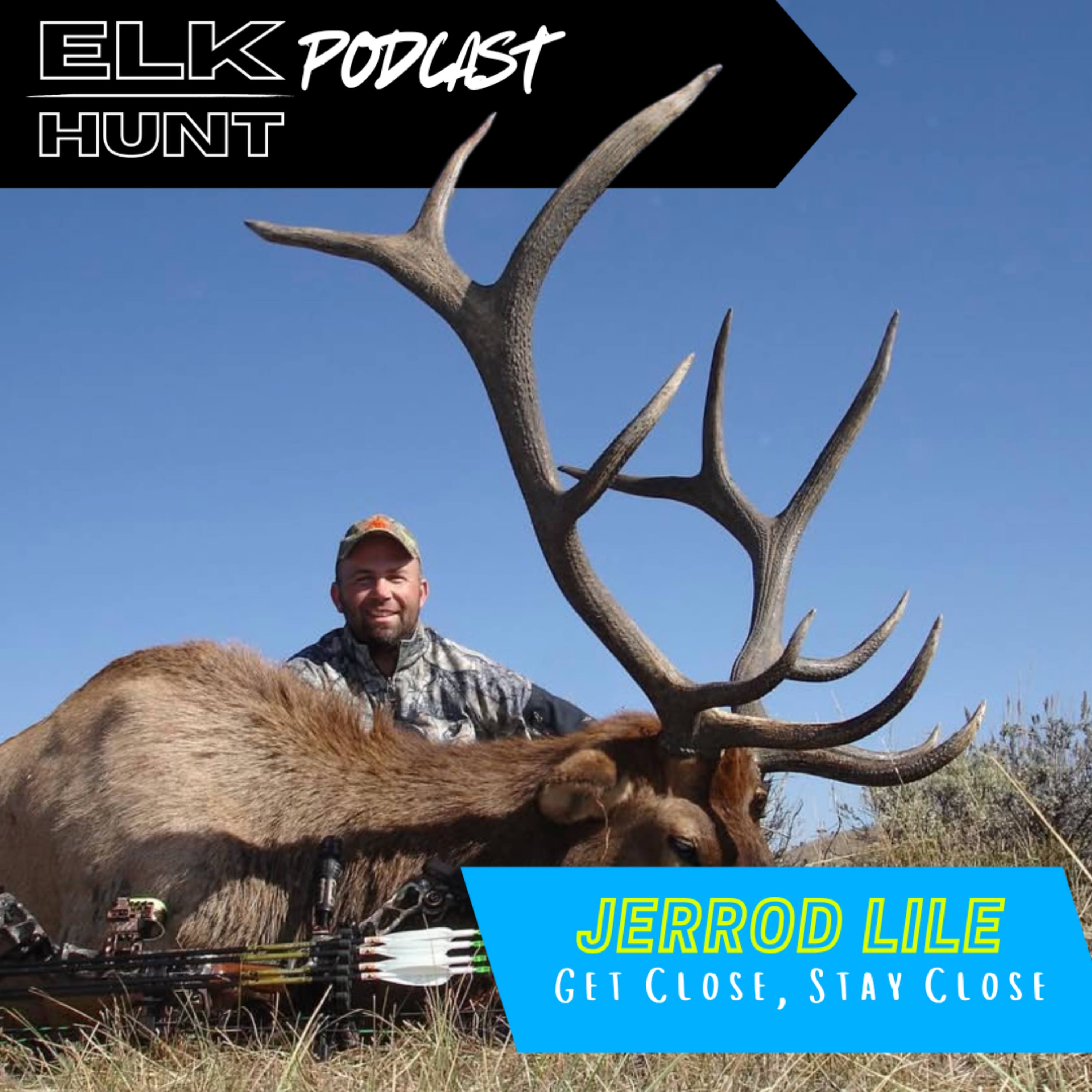
| 3/13/26 | elk huntinghunting philosophy+4 | Jerrod Lile | Hunting Fool | — | elk huntingarchery+3 | — | 1h 00m 24s | ||
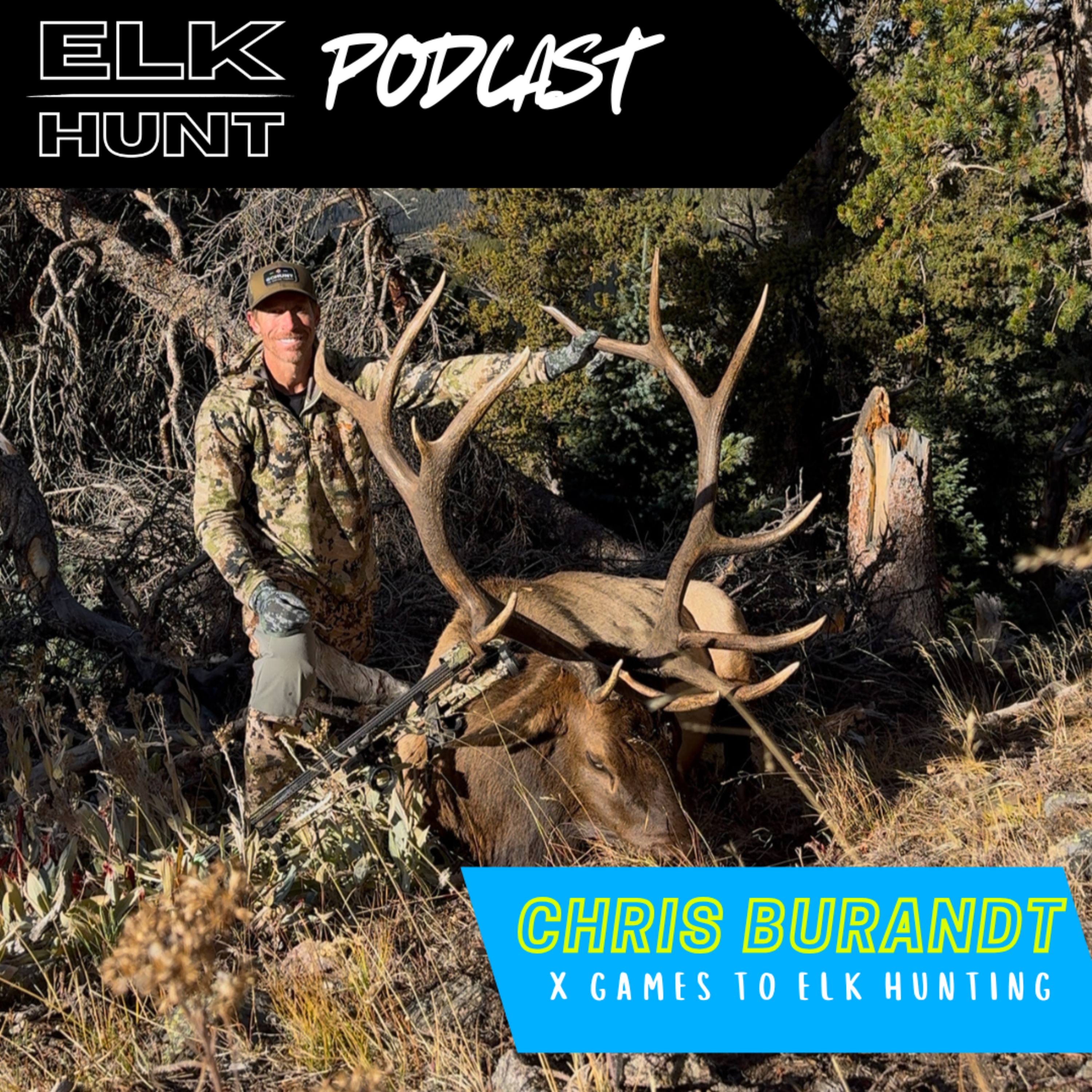
| 2/25/26 | elk huntingbowhunting+3 | Chris Burandt | Cam Hanes' book | Colorado | elk huntingbowhunting+5 | — | 1h 07m 38s | ||
| 1/9/26 | elk huntinghunting strategy+3 | Jace Guymon | 394" bull | NevadaUtah | elk huntingNevada+5 | — | 58m 32s | ||
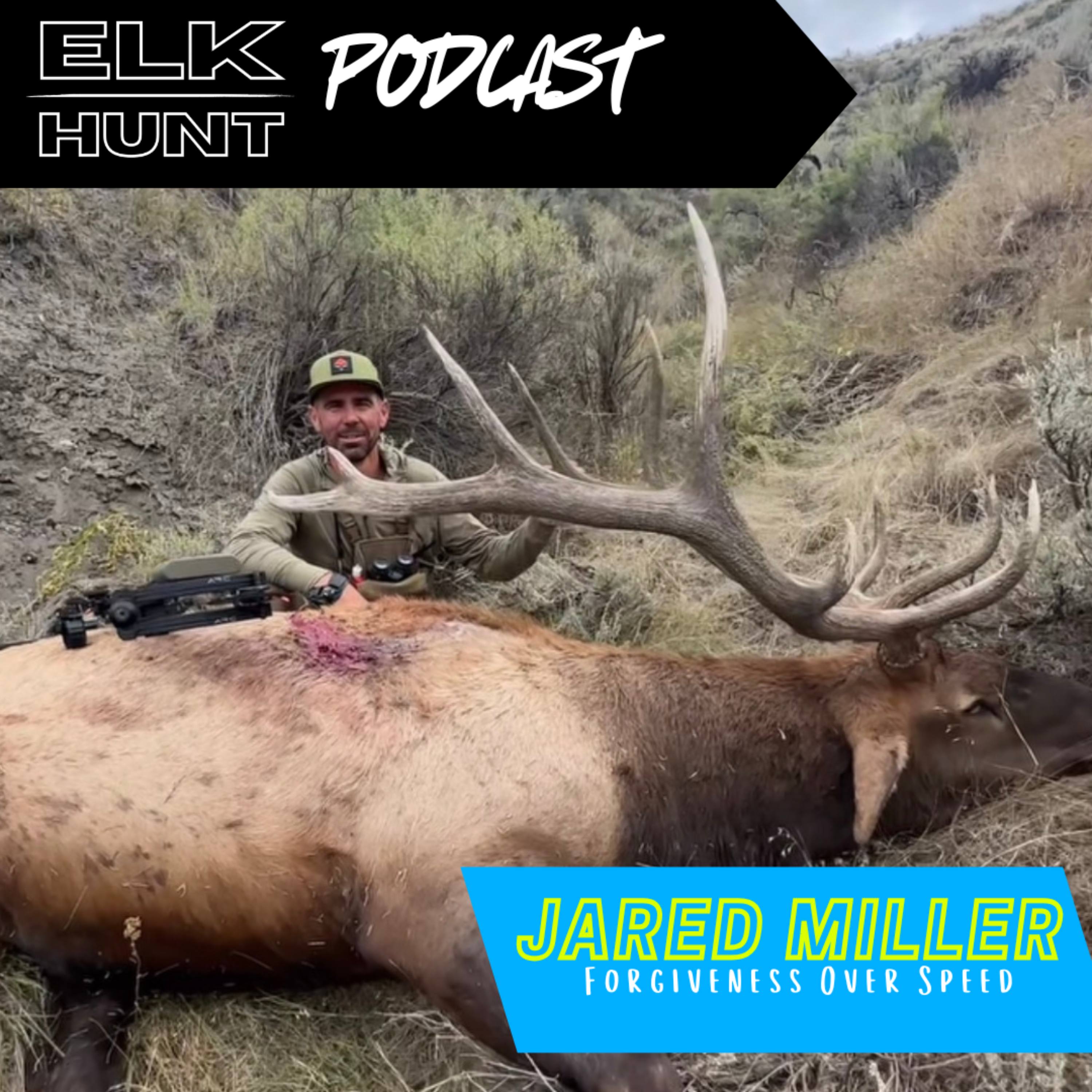
| 12/22/25 | elk huntingarchery philosophy+3 | Jared Miller | Reckon Founder Series | Montana | elk voucherguided hunt+4 | Hunting Fool AdventuresHF | 1h 12m 45s | ||
| 12/19/25 | elk huntingmapping for hunters+3 | Jeremy Gilbertson | Bridger Reckon WatchBridger Watch | MinnesotaColorado+1 | elk huntinghunting maps+3 | Huntin' Fool AdventuresHF | 1h 15m 58s | ||
| 12/8/25 | Idaho draw systemelk hunting strategy+5 | Jayden Bales | — | IdahoNew Mexico+2 | Idaho draw systemelk hunting+5 | — | 57m 21s | ||
| 11/28/25 |  Unpressured Bulls in the Alpine: Finding Elk Gold | What's up, elk hunters! This week I'm sitting down with Jacob Winn, and let me tell you—this guy had an absolutely banner year. We're talking about a double bull season: a great six-point with his bow AND another six-point during rifle season. Jacob takes us through his entire 2024 elk hunting journey, from chasing big bulls in Idaho's rugged backcountry to navigating the ups and downs that come with archery season. We dive deep into his strategies, the mistakes he made (and learned from), and how persistence and putting in the days is what really separates successful elk hunters from everyone else. This episode is packed with action—we're talking multiple close encounters, blown opportunities, and some absolutely clutch moments that'll get you fired up for next season. Jacob breaks down everything from scouting tactics to reading bull behavior, hunting with buddies, and knowing when to leave elk to find better elk. Whether you're a DIY archery hunter grinding it out or a rifle hunter trying to find bulls in nasty late-season country, there's something in this episode for you. Let's get into it! OnX Hunt - If you're not using the new LiDAR feature on OnX yet, you're leaving elk on the mountain. LiDAR gives you the ability to see micro-terrain in your topo maps—those hidden benches and terrain features that make all the difference in finding elk. Upgrade to OnX Elite and take your mapping to the next level. Better maps make you a better hunter. Head to onxmaps.com and use code TRO to save 20% off your membership. Stone Glacier - Jacob and I both run Stone Glacier packs, and for good reason. The new Sky Archer 6400 is versatile enough to handle an 8-day backpack hunt or work as a lightweight day pack for bow hunting. These packs are built tough but weigh almost nothing. Check out the full line of Stone Glacier packs at stoneglacier.com—they've got something for every style of hunter. Tricer - Fast, light, and simple—that's what Tricer is all about. From amazing tripods to bino mounts and their new bipods, Tricer makes gear that just works. I've been using the heck out of their bipod and it's helped me kill a lot of critters. Head over to tricer.com and use code TRO to save 10% at checkout. Chapter Timestamps 0:00 - Intro & Meat Processing Talk 2:45 - Jacob's Epic Double Bull Season 5:30 - Getting Started: Jacob's Elk Hunting Background 8:15 - First Archery Season (2021) - 25 Days of Learning 12:00 - Adapting Tactics: From Calling to Open Country 16:30 - The Banner 2023 Season & Double Bull Success 20:45 - Learning from Failure: The Tough 2024 Archery Season 24:00 - Planning for 2024: Scouting & Drawing the Control Hunt Tag 28:15 - Opening Day Drama: The 348" Bull 32:00 - Noah Tags Out in 30 Minutes 35:30 - September Gets Tough: Reading Bull Behavior 39:00 - The Move to New Country 42:15 - Discovering the Mother Lode Basin 46:30 - Ten At-Bats in One Evening 50:00 - The Final Morning: Persistence Pays Off 54:00 - The Perfect Shot at 43 Yards 56:30 - Rifle Season: Finding Elk After the Storm 1:00:00 - Last Evening Magic: Double Bulls Again 1:03:30 - Advice for Becoming a Better Elk Hunter 1:05:15 - Wrap Up & Where to Follow Jacob Three Key Takeaways Volume of Opportunities Matters More Than Perfect Execution - Jacob's success came from getting 10+ close encounters with bulls rather than making every shot count. The more you can put yourself in position with elk, the higher your odds of success. Hunt as many days as possible and stay persistent. Don't Be Afraid to Leave Elk to Find Better Elk - Especially in archery season, pressured or difficult-to-hunt elk aren't worth grinding on forever. Jacob's best success came when he was willing to move to new basins and find unpressured bulls that were actually killable. Combat hunting changes the game. Bulls Have Different Personalities and Situations Change Daily - Not every rutting bull acts the same way. Some go crazy on opening day, others stay cautious all season. Wind, cow cycles, pressure from other bulls, and even individual personality all factor in. Stay adaptable and don't expect bulls to behave like they do in hunting videos. | 1h 06m 15s | ||||||
| 11/20/25 |  16 Days Solo: How Lydia Smith Hunted Down Idaho's 'Growler Bull | What's up everyone! This week I'm sitting down with Lydia Smith, and honestly, I'm blown away by this woman. She's one of the most consistently successful elk hunters I've ever met—killing big bulls year after year like it's no big deal. And here's the kicker: she's completely self-taught. No dad taking her out as a kid, no mentor guiding her through it. Just pure grit, determination, and an obsession with figuring it out. In this episode, Lydia breaks down her 2024 hunt where she spent 16 days solo in the backcountry chasing what she called "the growler bull"—a massive Idaho six-point that she'd been hearing bugle outside her tent for two weeks. We dive deep into her stalking tactics (spoiler: she barely calls at all), how she slow-plays opportunities most hunters would rush, and why she believes elk on public land are getting conditioned to human calling. But this conversation goes way beyond tactics. Lydia opens up about the emotional weight of taking an animal's life, dealing with criticism for showing her emotions on camera, and some seriously intense experiences in the backcountry—including a moose attack at 17 that could've ended very differently. We also talk about what it takes to go solo as a woman in the mountains, building confidence through experience, and why she chooses to live a life centered around hunting even when it means sacrificing the conventional path. If you're someone who's grinding it out on public land, trying to learn this game without a mentor, or just want to hear from someone who's mastered the art of patience and persistence in the elk woods, this episode is for you. Lydia's story is proof that you don't need anyone's permission or guidance to become exceptional—you just need to refuse to quit. OnX Hunt - The ultimate hunting app just keeps getting better. Their new weather feature is a game-changer—tap anywhere on the map and get hyperlocal weather data that actually takes topography into account. No more guessing based on the nearest town. See wind variations across different parts of your hunting area and plan accordingly. Become an Elite member and get all the premium features. Head to onxmaps.com and use code TRO to save 20%. Tricer - Fast, light, and simple gear from tripods to bino mounts, panheads, truck mounts, and now even bipods. If you're looking for a new system for better glassing or a rock-solid shooting platform, Tricer delivers. I've been using the heck out of their bipod this season and killed a lot of critters with it. Check them out at tricer.com and use code TRO to save 10% at checkout. Stone Glacier - Check out their Black Label Program. When you purchase a black label product (like the Grumman Down Hoodie or Hardwall Soft Shell), you get automatic free shipping, early access to exclusive new gear, a dedicated customer service rep, and you're entered into the Back in Black giveaway featuring a Hoyt RX-9 Bow, Sig P320, Sky Archer Pack, and more. Head to stoneglaciergear.com/blacklabel to check it out. Timestamps 00:00 - Intro 03:45 - Lydia's background: Self-taught and starting at 18 08:30 - The 2024 hunt setup: 16 days solo in the backcountry 12:15 - "The growler bull" - Two weeks of hearing him bugle 18:20 - The perfect storm and the final stalk 24:40 - The two-hour chase and getting within range 28:50 - The shot and the agonizing overnight wait 32:10 - Finding him 300 yards away 35:45 - Why this bull was so special 38:20 - Solo hunting: The magic and the terror 42:00 - Her second bull story: Watching him take his last breath 46:15 - Dealing with criticism for showing emotions 50:30 - The moose attack at 17 and other backcountry close calls 54:20 - Her stalking philosophy: Why she barely calls anymore 58:40 - Daily tactics and being strategically patient 1:02:15 - Hunting new areas vs. local knowledge 1:04:30 - Outfitting business info and closing thoughts Three Key Takeaways Strategic Patience Beats Aggressive Calling on Pressured Elk - Lydia has found that on heavily hunted public land, elk are becoming conditioned to human calling and often respond negatively. Her approach focuses on silent stalking, using terrain and wind to her advantage, and only calling when she's within 75 yards of a herd bull. She'll pass on opportunities if the wind isn't perfect, understanding that pushing elk prematurely can blow them out of an area entirely. Time is the Ultimate Advantage in Public Land Elk Hunting - Lydia spent 16 days in the backcountry on this hunt, and she emphasizes that consistent success on public land archery elk requires dedicating serious time. She believes out-of-state hunters with only 5 days have less than a 10% success rate. The ability to wait for the perfect conditions, study elk patterns over multiple days, and be in position when everything aligns is what separates consistent success from occasional luck. You Don't Need a Mentor to Become Exceptional - Lydia is completely self-taught, starting elk hunting at 18 with no family background in it. She ate four or five tags before killing her first bull, learning entirely through trial and error, scar tissue, and refusing to quit. Her story proves that while mentorship is valuable, pure determination, willingness to learn from mistakes, and putting in the days can make you just as deadly in the mountains. | 1h 09m 59s | ||||||
| 11/14/25 |  Reading Elk Like a Pro: Herd Dynamics and Solo Strategies with Tom Schneider | Hey everyone, Cody Rich here from The Elk Hunt Podcast, your go-to spot for all things elk hunting. From DIY backcountry grinds to chats with the legends who've been stacking up big bulls for years, we've got the stories, tips, and tactics to fire you up for September. In this killer episode, I sit down with Tom – an absolute beast in the woods who's one of the most underrated elk slayers out there. We dive deep into his solo hunt this year where he arrows a solid herd bull in thick timber, sharing the play-by-play on how he closed the deal without a caller. Tom breaks down his evolution from chasing runners as a kid to mastering herd bull setups, reading elk behavior like a book, and turning midday lulls into prime opportunities. We talk real talk on solo strategies – from minimal bugling to let curiosity do the work, to raking, wind plays, and picking your battlefield. If you're grinding solo or just want to level up your game, this one's packed with nuggets that'll have you rethinking your next setup. Seriously, bookmark this ep and spin it a couple times – it's one of my favorites all year. Don't forget to drop a review if you're digging the show, it helps big time. And hey, we're running a massive giveaway: a Weatherby Alpine CT rifle, Maven scope, and Tricer bipod – 100% free entry, just hit up the website and toss in your email for a shot at it. Let's get after it!Learn More from Tom Episode Sponsors Big shoutout to our partners who keep the hunts rolling – gear up with these and use code TRO for sweet discounts: OnX Hunt: The must-have app for e-scouting, marking boundaries, and navigating like a pro in elk country. Elite membership unlocks next-level tools to crush your hunts. Check 'em out at https://www.onxmaps.com/hunt and use code TRO for 20% off. Tricer Tripods: Fast, light, and simple gear built for the backcountry. Their tripods and bipods are game-changers for glassing and steady shots – I run 'em hard and they hold up. Head to https://tricerusa.com/ and snag the discount with code TRO. Stone Glacier: Minimalist, high-quality mountain gear from packs and tents to clothing and sleeping bags – lightweight and bombproof for those deep elk pursuits. I've trusted their stuff for years. Visit https://www.stoneglacier.com/ and apply code TRO to save. Episode Chapters 00:00 - Intro & Episode Tease: Cody kicks off the show, hyping the chat with Tom and why it's a must-listen for hardcore elk hunters.03:15 - Sponsor Shoutouts: Quick hits on Tricer, Stone Glacier, and the giveaway details. 06:30 - Solo Hunting Origins: Tom shares his early days learning from his dad, chasing runners, and his first solo herd bull kill 15 years ago.12:45 - Reading Elk Behavior: Breaking down herd bulls vs. satellites, why cows often lead the run, and using bugles to gauge intent.19:20 - Minimal Calling Tactics: Tips on curiosity killing the cat, raking for comfort noise, and avoiding over-bugling to close the deal.25:40 - This Year's Solo Hunt Story: The play-by-play on Tom's Idaho bull – setup, wind plays, raking exchanges, and the 20-yard shot.33:15 - Challenges of Solo Calling: Getting shots without getting pinned, using mouth reeds to stop bulls, and directing bugles for better approaches.39:50 - Midday Magic & Persistence: Stories of working bulls all day, bedding areas, and turning "runners" into kills once cows settle.46:30 - Decoys & Adaptations: When and how decoys shine (or don't), plus lessons from open country vs. thick timber.52:10 - More Bull Encounters: Tom's seven solo calls this season, reading scenarios, and a deep backcountry midday setup that almost paid off.58:25 - Wrapping Up & Lessons Learned: Final thoughts on always improving, post-setup reviews, and intro to Tom's courses.1:04:00 - Outro & Plugs: Cody's sign-off, giveaway reminder, and where to find more resources. Key Takeaways Let Curiosity Work for You: Instead of constant bugling duels, go silent or minimal after initial contact – elk often come in closer when they're unsure of your exact location, giving you better shot opportunities without getting pinned. Read the Herd Dynamics: Not all "runners" are the bull fleeing; often it's the cows leading the charge. Listen to bugle types to tell if the bull's talking to you or just herding cows, and wait for midday bedding to force a confrontation. Persistence Pays in Midday Lulls: Don't bail after morning action quiets – stick on a herd all day, pack food/water, and capitalize on bedding areas. Bulls are more callable once cows settle, turning long chases into kills. | 1h 08m 25s | ||||||
| 11/5/25 |  Elk Hunting Lessons Learned from the Field (Cody gets Interviewed) | In this episode of the Run the Rack Outdoors Podcast, host Weston Homa sits down with elk hunting expert and podcast veteran Cody Rich for an in-depth dive into the highs and lows of September archery elk hunting. Drawing from Weston's recent Idaho hunt and Cody's decades of backcountry experience, they unpack hard-earned lessons on managing hunting pressure, mastering midday strategies, refining calling tactics, and building the mental toughness to turn close calls into success. From choosing your battlefield wisely to embracing the grind of multiple setups, this conversation is packed with actionable advice for aspiring elk hunters. Plus, Cody shares thrilling stories from his epic mountain goat hunt in British Columbia and teases his innovative new hunting smartwatch. Whether you're prepping for your first rut chase or fine-tuning your skills, this episode will leave you motivated to "run the rack" harder than ever. This episode is sponsored by Tricer and Stone Glacier—essential gear for going deeper in the backcountry. Detailed Show Notes with Timestamps 00:00 - Introduction and Welcome Host Weston Hoa welcomes Cody Rich to the Run the Rack Outdoors Podcast, sharing excitement about Cody's reputation in the hunting podcast world. They kick off with light banter about the bittersweet end of archery season and the shift to late-season pursuits in Montana and Idaho. 01:30 - East vs. West: Whitetail vs. Mule Deer Debate Cody and Weston geek out on their deer preferences—Cody leans whitetail despite being in mule deer country, while Weston declares himself a "mule guy" obsessed with their elusive dance. They touch on blacktail influences and shoutout Braxton Hamilton's Wyoming mule deer insights. 04:45 - Elk Hunting Focus and Goals Shifting to elk, Weston recaps his second year bowhunting: a solo cow success in Colorado last year, and this year's two-week Idaho rut hunt chasing a 4-point bull or better. Cody shares his big-bull aspirations and the universal "aha" moments of adapting plans when reality punches back (à la Mike Tyson). 07:20 - Biggest Lesson: Hunting Pressure Trumps All Weston's top takeaway: No amount of gear, calls, or tactics beats avoiding human pressure. Cody agrees, emphasizing e-scouting and weather planning must prioritize low-pressure zones for peak elk action. 10:15 - Midday Strategies: What to Do with Your Hands The classic backcountry dilemma—morning/evening action spikes, but midday boredom hits. Cody breaks down the pros/cons of deep camping (limited radius vs. solitude), advising patience over forcing setups. He stresses watching bedding areas, scouting for Plan B elk, and avoiding 20-mile death marches; instead, focus on 80/20 opportunities. 18:40 - Choosing Battles: Patience in the Rut Cody recounts a hunt where he resisted chasing a close-but-fading bull, instead waiting for a distant one with cows—resulting in a bow-range approach. Weston shares a similar ridge-top decision, highlighting macro views over impulsive stalks. 23:10 - Calling Tactics: Distance Matters Weston contrasts bugling at range vs. "in the bedroom," sharing two stories: a drawn-out midday ping-pong that fired up but didn't close, and a close-quarters blow-up in thick reprod. Cody advises softer cow/calf calls early, saving challenges for sub-100 yards, and using partners for silent slips. 32:50 - When to Leave Elk to Find Elk Tackling the frustration of tough hunts with few sightings, Cody explains hunting killable setups over obsessing one herd. Emphasize sign-reading, blind calling in sign-rich areas, and accepting silent approaches—expect 10 solid setups for a shot opportunity. 41:20 - Mindset: Focus on Skills, Not Kills Drawing running analogies, they discuss embracing "micro wins" (e.g., finding elk, entering the red zone) to build confidence and gut intuition. Cody's superpower? Carefree execution—treat busts like bad golf shots to stay deadly under pressure. 52:10 - After-Action Reviews and Gut Intuition Cody pushes post-hunt map audits: Review wind, terrain, and timing to sharpen when-to-attack instincts. Trade-offs like deep camping are inevitable—woodsmanship comes from screwing up and learning. 58:30 - Cody's Epic Hunts: Elk with Jayden Bell and BC Goat Adventure Cody recaps a multi-bull Wyoming success with Jayden Bell and dives into his dream BC mountain goat hunt: planes, canoes, glaciers, and a gnarly pack-out after a perfect Billy stalk amid endless rain. He teases stunning footage from the adventure. 1:06:45 - Sneak Peek: Bridger Watch Reveal Cody unveils his 3-year passion project—a hunter-built smartwatch with offline mapping, superior fitness tracking, and backcountry edge over Garmin. Big reveal November 1st at bridgerwatch.com; beta testing underway for 2026 launch. 1:12:20 - Podcast Cross-Promo and Run the Rack Origins Mutual shoutouts: Cody plugs The Elk Hunt Podcast and The Rich Outdoors; Weston shares his one-man passion for backcountry hunting, running ultras, and deep convos. Teases Boston Marathon plans and fitness for hunts. 1:15:40 - Closing: Mental Toughness and Hard Things Wrapping on longevity—Cody eyes 60-year-old grinders like Mark Livesay; Weston stresses evidence-based confidence from consistent hard efforts. Call to action: Embrace the journey, stack skills, and run the rack. Sponsor Copies Tricer Gear up for the backcountry with Tricer—the fast, light, and simple hunting systems designed by hunters, for hunters. From their ultra-light HK tripod kit for precise shots on the move to packs that shave ounces without sacrificing strength, Tricer helps you go deeper and hunt harder. Born from real-field necessities, every product challenges the status quo. Head to tricer.com and elevate your setup today. Use code RUNTHERACK for 10% off your first order. Stone Glacier Stone Glacier crafts ultralight, technical hunting gear built to withstand the mountains' toughest demands. Their modular packs, versatile apparel, and shelters—like the Grumman down system for unbeatable warmth-to-weight—let you transition seamlessly from hunt to pack-out. Engineered for backcountry endurance, it's the system serious hunters trust. Download their app for exclusive deals and free shipping on your first order. Visit stoneglacier.com now and gear up for your next pursuit. 3 Key Takeaways Prioritize Pressure Over Tactics: Hunting pressure overrides gear and calls—e-scout low-traffic drainages first, then adapt everything else. Patience in bedding areas often yields better odds than forcing midday moves. Master the 80/20 Rule: Focus prime-time efforts (morning/evening) on killable setups; use midday for scouting Plan B elk or soft cow calls. Expect 10 solid encounters for a shot—embrace micro wins like red-zone entries to build unbreakable confidence. Softer Hands Win in High-Pressure Rut: Start with calf/cow calls to locate without spooking; save bugle challenges for fired-up bulls under 100 yards. Post-hunt, audit maps and encounters to hone gut intuition for choosing battlefields. | 1h 18m 43s | ||||||



Showing 25 of 161
Pitch Fit is a Pro feature
See how bookable this show is for guests, which brands already advertise, the per-episode ad value, and the best-fit guest and sponsor profile. The numbers are blurred on the free plan.
How readily this show books outside guests like you.
How proven this show is for host-read sponsorships.
For Guests
ProFor Advertisers
ProUpgrade to Pro to unlock guest cadence, sponsor categories, fit scores, and per-episode ad value for this show.
Similar Audience Demographics
Podcasts that attract a similar listener profile




Chart history for Elk Hunt
Peaked at #40 in IL, currently #40 in IL.
| Market | Genre | Peak | Current | Trend |
|---|---|---|---|---|
| IL | — | #40 | #40 | — |
| United States | — | #86 | #86 | — |
Chart Positions
2 placements across 2 markets.
Chart Positions
2 placements across 2 markets.