

Insights from recent episode analysis
Audience Interest
Podcast Focus
Publishing Consistency
Platform Reach
Insights are generated by CastFox AI using publicly available data, episode content, and proprietary models.
Est. Listeners
Based on iTunes & Spotify (publisher stats).
- Per-Episode Audience
Est. listeners per new episode within ~30 days
25,001 - 50,000 - Monthly Reach
Unique listeners across all episodes (30 days)
75,001 - 150,000 - Active Followers
Loyal subscribers who consistently listen
15,001 - 40,000
Market Insights
Platform Distribution
Reach across major podcast platforms, updated hourly
Total Followers
—
Total Plays
—
Total Reviews
—
* Data sourced directly from platform APIs and aggregated hourly across all major podcast directories.
On the show
Recent episodes
The Surprising Power of Wanting Less with Bob Lotich
May 5, 2026
Unknown duration
Spending Reflects Our Values
May 4, 2026
Unknown duration
Should You Change Your Financial Finish Line? with Cody Hobelmann
May 1, 2026
Unknown duration
The Hidden Asset in Your Retirement Plan with Harlan Accola
Apr 30, 2026
Unknown duration
Finding Freedom by Defining Enough
Apr 29, 2026
Unknown duration
Social Links & Contact
Official channels & resources
Official Website
Login
RSS Feed
Login
| Date | Episode | Description | Length | ||||||
|---|---|---|---|---|---|---|---|---|---|
| 5/5/26 |  The Surprising Power of Wanting Less with Bob Lotich The Surprising Power of Wanting Less with Bob Lotich | Greek philosopher Epictetus once said, “Wealth consists not in having great possessions, but in having few wants.” That insight may be more relevant today than ever. We live in a world constantly urging us to want more, upgrade more, and pursue more. But what if that endless pursuit is costing us something far more valuable than money? What if wanting less is one of the most powerful financial decisions we can make? On today’s episode of Faith & Finance, financial coach and author Bob Lotich joined the show to discuss why contentment creates freedom—and how learning to want less can reshape our financial lives. | — | ||||||
| 5/4/26 |  Spending Reflects Our Values Spending Reflects Our Values | Billy Graham once said, “A checkbook is a theological document. It tells you who and what you worship.” It’s a striking statement—but an important one. Most of us make financial decisions every day without thinking much about them. We buy groceries, renew subscriptions, grab coffee, replace something that broke, or make an impulse purchase that feels harmless in the moment. These choices can seem ordinary and disconnected from our spiritual lives. But Scripture invites us to look deeper. Our spending habits often reveal more about our hearts than we realize. They can uncover what we value, what we pursue, and where we place our trust. | — | ||||||
| 5/1/26 | 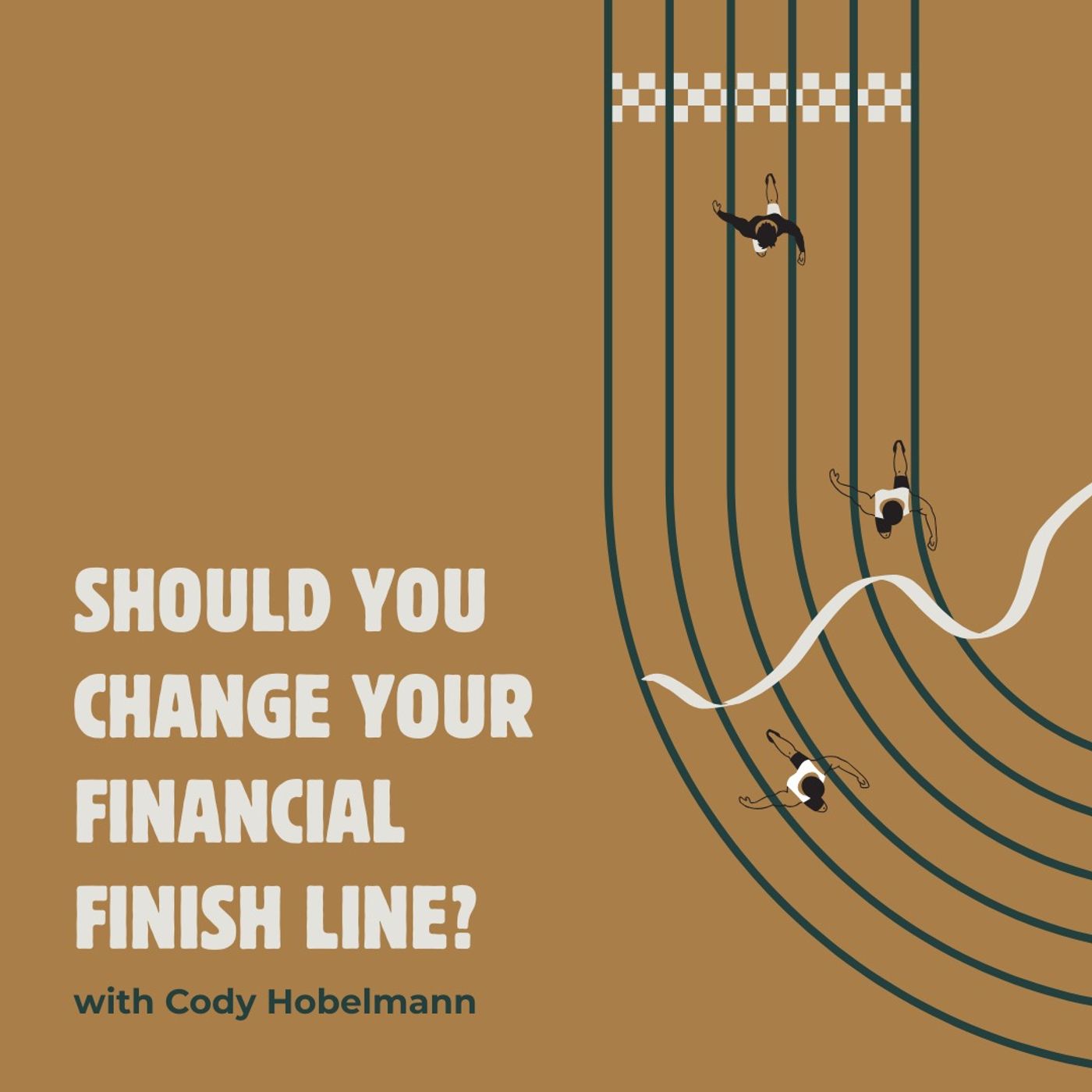 Should You Change Your Financial Finish Line? with Cody Hobelmann Should You Change Your Financial Finish Line? with Cody Hobelmann | “For everything there is a season, and a time for every matter under heaven.” - Ecclesiastes 3:1 Life moves in seasons—and with each season often comes new challenges, new opportunities, and sometimes new financial finish lines. On today’s episode of Faith and Finance, we were joined by Cody Hobelmann, a Certified Financial Planner® (CFP), Certified Kingdom Advisor® (CKA), and co-founder of Finish Line Pledge, to discuss why adjusting your financial finish line is not only okay—it can be wise and faithful. | — | ||||||
| 4/30/26 |  The Hidden Asset in Your Retirement Plan with Harlan Accola The Hidden Asset in Your Retirement Plan with Harlan Accola | For many retirees, their home is their largest asset. Yet in countless financial plans, that asset is treated as if it barely exists. Retirement conversations often focus on Social Security, pensions, IRAs, and investment accounts while overlooking the value built up in a home over decades. On today’s episode of Faith and Finance, Harlan Accola of Movement Mortgage joins to discuss why home equity may deserve a more thoughtful place in retirement planning—and how a reverse mortgage, when used wisely, can become one tool among many. | — | ||||||
| 4/29/26 |  Finding Freedom by Defining Enough Finding Freedom by Defining Enough | How much is enough—and why does it always seem just beyond our grasp? Many people assume the answer is a number: a savings goal, a retirement target, or an income level that will finally bring peace. But Scripture offers a different perspective. What if “enough” isn’t something you reach, but something you define? That question matters more than we may realize, because how we answer it shapes our contentment, our decisions, and our generosity. | — | ||||||
| 4/28/26 | 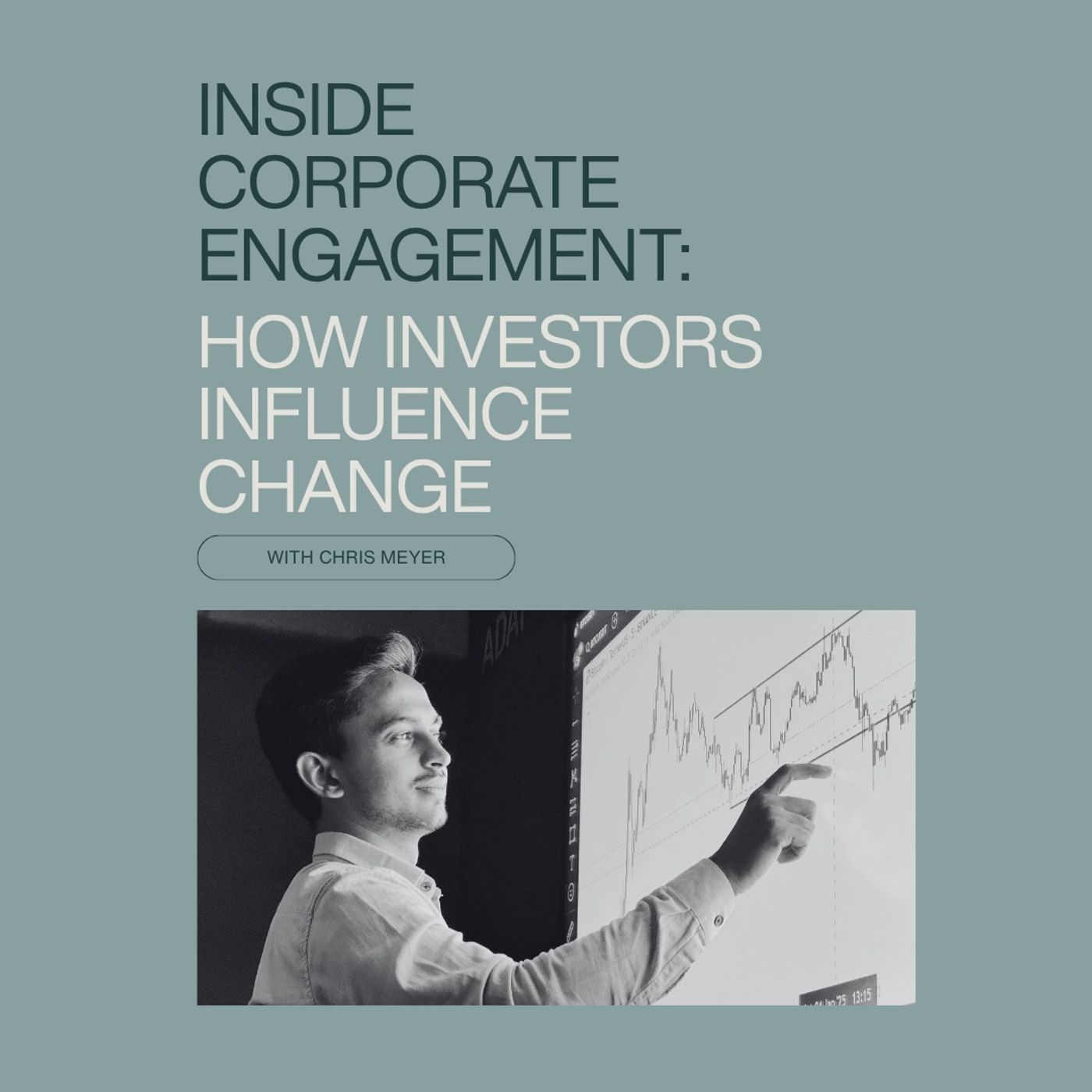 Inside Corporate Engagement: How Investors Influence Change with Chris Meyer Inside Corporate Engagement: How Investors Influence Change with Chris Meyer | Many investors think about what they own, but not always about how that ownership can be used for good. Yet investing is not only about returns—it can also be about responsibility. For those who want their financial decisions to reflect their values, one important tool is something called corporate engagement. Today, we were joined by Chris Meyer, Stewardship Investing, Research, and Advocacy Manager at Praxis Investment Management, who shared how this process works and why it matters for everyday investors. | — | ||||||
| 4/27/26 |  The Paradox of Planning The Paradox of Planning | “Many are the plans in the mind of a man, but it is the purpose of the Lord that will stand.” - Proverbs 19:21 We’re often told to plan for the future. Build a budget. Set retirement goals. Create a roadmap for success. And those things can be wise and helpful. But what happens when the future doesn’t follow the plan? That’s a tension many people experience but rarely talk about: the paradox of planning. Scripture teaches that planning matters—but it also reminds us that even our best plans are never the final word. | — | ||||||
| 4/24/26 |  Setting Your First Finish Line with Cody Hobelmann Setting Your First Finish Line with Cody Hobelmann | “Beware lest you say in your heart, ‘My power and the might of my hand have gotten me this wealth.’ You shall remember the Lord your God, for it is he who gives you power to get wealth.” — Deuteronomy 8:17–18 How much money is enough? It’s a question that quietly shapes many of our financial decisions, yet few people ever stop to answer it. On today’s episode of Faith and Finance, we were joined by Cody Hobelmann, a Certified Financial Planner® (CFP), Certified Kingdom Advisor® (CKA), and co-founder of Finish Line Pledge, to explore a practical and deeply biblical framework for answering that question. | — | ||||||
| 4/23/26 | 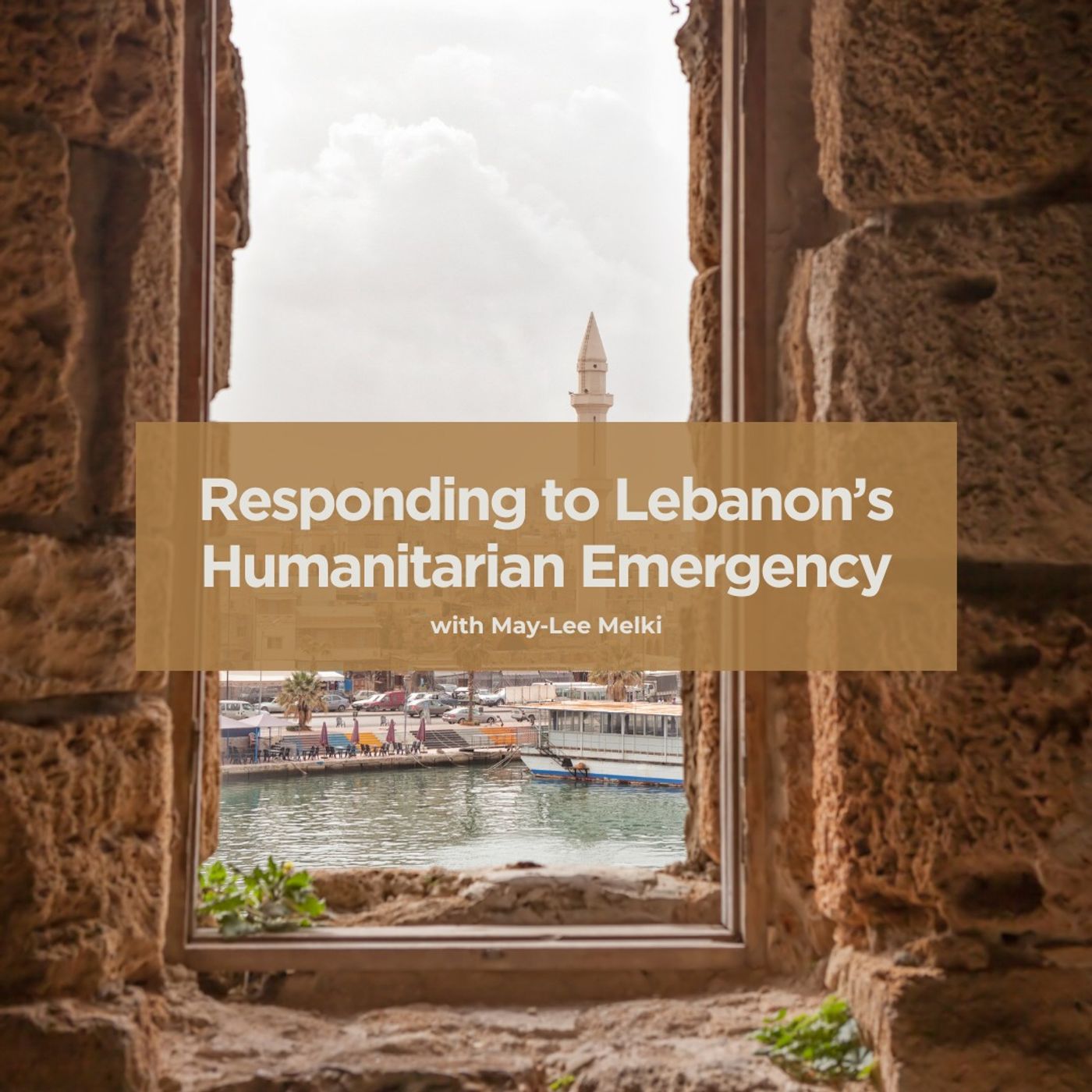 Responding to Lebanon’s Humanitarian Emergency with May-Lee Melki Responding to Lebanon’s Humanitarian Emergency with May-Lee Melki | A humanitarian crisis is unfolding right now in Lebanon, and for hundreds of thousands of families, survival has become a daily question. As conflict intensifies once again, the impact on families—especially women and children—is overwhelming. In today’s conversation on Faith and Finance, May-Lee Melki of Heart for Lebanon shared what is happening on the ground, how their team is responding, and how believers can help bring both urgent relief and lasting hope. | — | ||||||
| 4/22/26 |  Financial Advice Built Around What Matters to You with Sharon Epps Financial Advice Built Around What Matters to You with Sharon Epps | What if the most important factor in choosing a financial advisor isn’t performance alone, but alignment? Many people assume the primary role of a financial advisor is to maximize returns. While wise investing certainly matters, new research suggests something deeper may be at work. When financial advice aligns with your values, it doesn’t just affect your portfolio—it can reshape how you think about money altogether. That was the focus of today’s conversation with Sharon Epps, president of Kingdom Advisors, who shared insights from a new study conducted in partnership with Pinkston Research. | — | ||||||
Want analysis for the episodes below?Free for Pro Submit a request, we'll have your selected episodes analyzed within an hour. Free, at no cost to you, for Pro users. | |||||||||
| 4/21/26 |  Revisiting the “4% Rule” with Mark Biller Revisiting the “4% Rule” with Mark Biller | How much can you safely spend in retirement without running out of money? It’s one of the biggest questions retirees face. For years, many people have looked to the well-known “4% rule” for guidance. But as helpful as that rule may be, it’s not as simple—or as reliable—as many assume. Today, Mark Biller, Executive Editor and Senior Portfolio Manager at Sound Mind Investing, joined us to revisit this widely used guideline and explain why a more flexible, personalized approach may better serve retirees. | — | ||||||
| 4/20/26 |  Investing with Purpose Investing with Purpose | What if investing wasn’t just about returns—but about redemption? For many people, investing can feel impersonal. It’s often framed as something tied to markets, retirement accounts, and long-term financial goals rather than spiritual growth. But Scripture invites us to see it differently. God calls His people to use what they have in ways that serve others, reflect His character, and advance His purposes in the world. When viewed through a biblical lens, investing can become an act of worship and a tool for human flourishing. | — | ||||||
| 4/17/26 |  Women of Worth with Bethany Frymire Women of Worth with Bethany Frymire | Money conversations often center on numbers, strategies, and outcomes. But underneath those practical concerns lie deeper questions—questions about identity, worth, and purpose. For many women, financial confidence isn’t just about knowledge. It’s deeply connected to how they see themselves and their role in God’s story. That’s why conversations about money must go beyond budgets and investing—they must address the heart. On today’s show, financial advisor and author Bethany Frymire shared how faith, identity, and financial decision-making are deeply intertwined—and why that connection matters. | — | ||||||
| 4/16/26 | 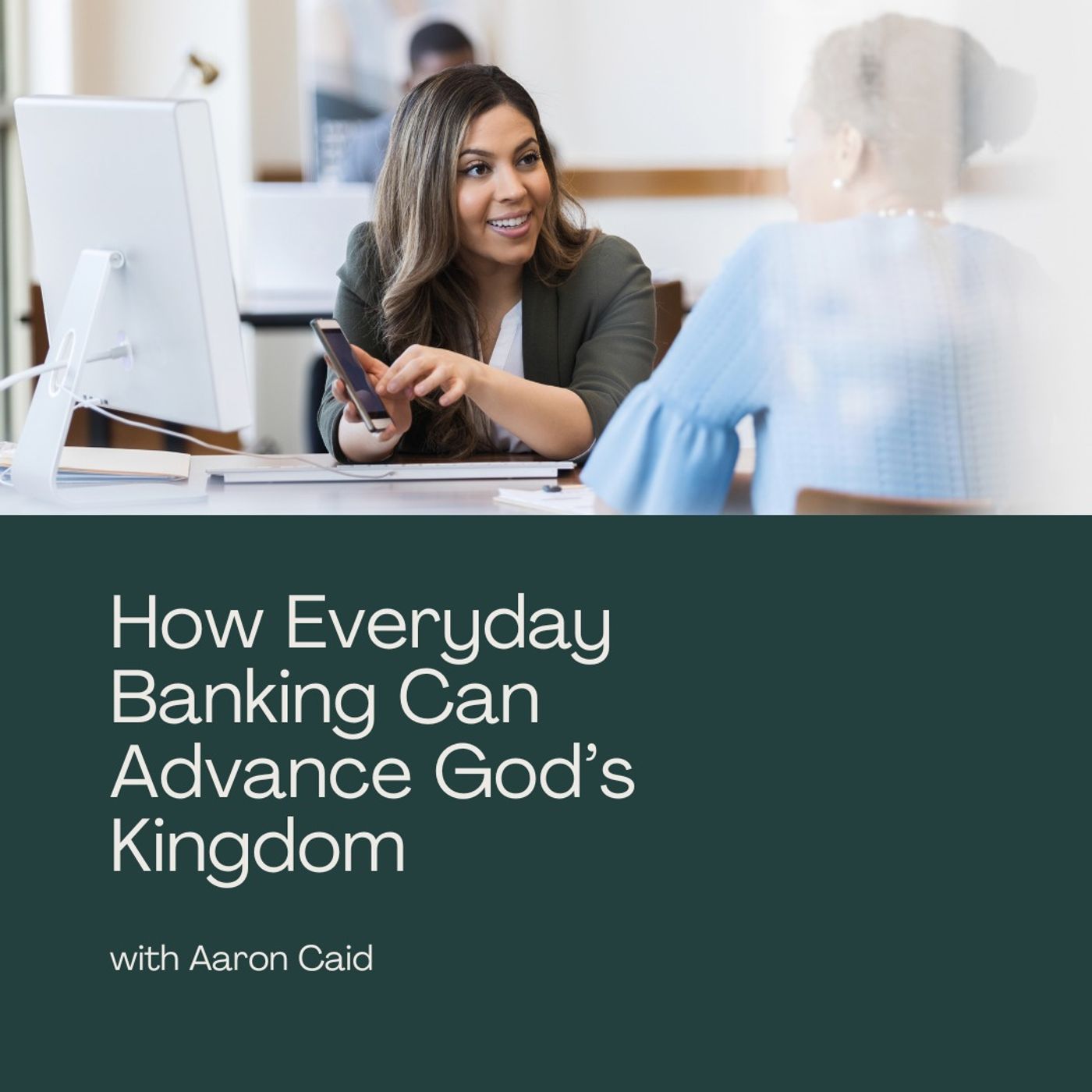 How Everyday Banking Can Advance God’s Kingdom with Aaron Caid How Everyday Banking Can Advance God’s Kingdom with Aaron Caid | What if your everyday banking could help fuel ministry—without changing how you manage your money? That’s the question at the heart of a growing movement to rethink financial stewardship. For many of us, banking feels purely transactional. But what if it could become a tool for Kingdom impact? On today’s episode of Faith & Finance, Aaron Caid joined us to share how a unique approach to banking is helping support churches, families, and ministries around the world. | — | ||||||
| 4/15/26 |  Freedom from Borrowing Freedom from Borrowing | What if debt isn’t just a financial issue—but a discipleship one? We often view borrowing through a practical lens: interest rates, monthly payments, and payoff timelines. But Scripture invites us to look deeper. Debt doesn’t just affect our wallets—it can shape our freedom, influence our generosity, and impact our ability to respond when God calls. Understanding debt through a biblical perspective helps us see why it matters far beyond the numbers. | — | ||||||
| 4/14/26 |  Finding True Hope Beyond the Prosperity Gospel with John Cortines Finding True Hope Beyond the Prosperity Gospel with John Cortines | Many believers wrestle with a quiet but important question: If I truly follow Christ, shouldn’t life go better for me? It’s a tension that often surfaces when life doesn’t unfold as expected—when financial strain, illness, or hardship interrupts our plans. At the heart of that struggle is a deeper issue: how we understand God’s promises and what we believe the Christian life is meant to produce. In today’s conversation with John Cortines, Director of Partnership and Growth at the McClellan Foundation, we explored how the “prosperity gospel” shapes this conversation—and how Scripture offers a better, more faithful perspective. | — | ||||||
| 4/13/26 | 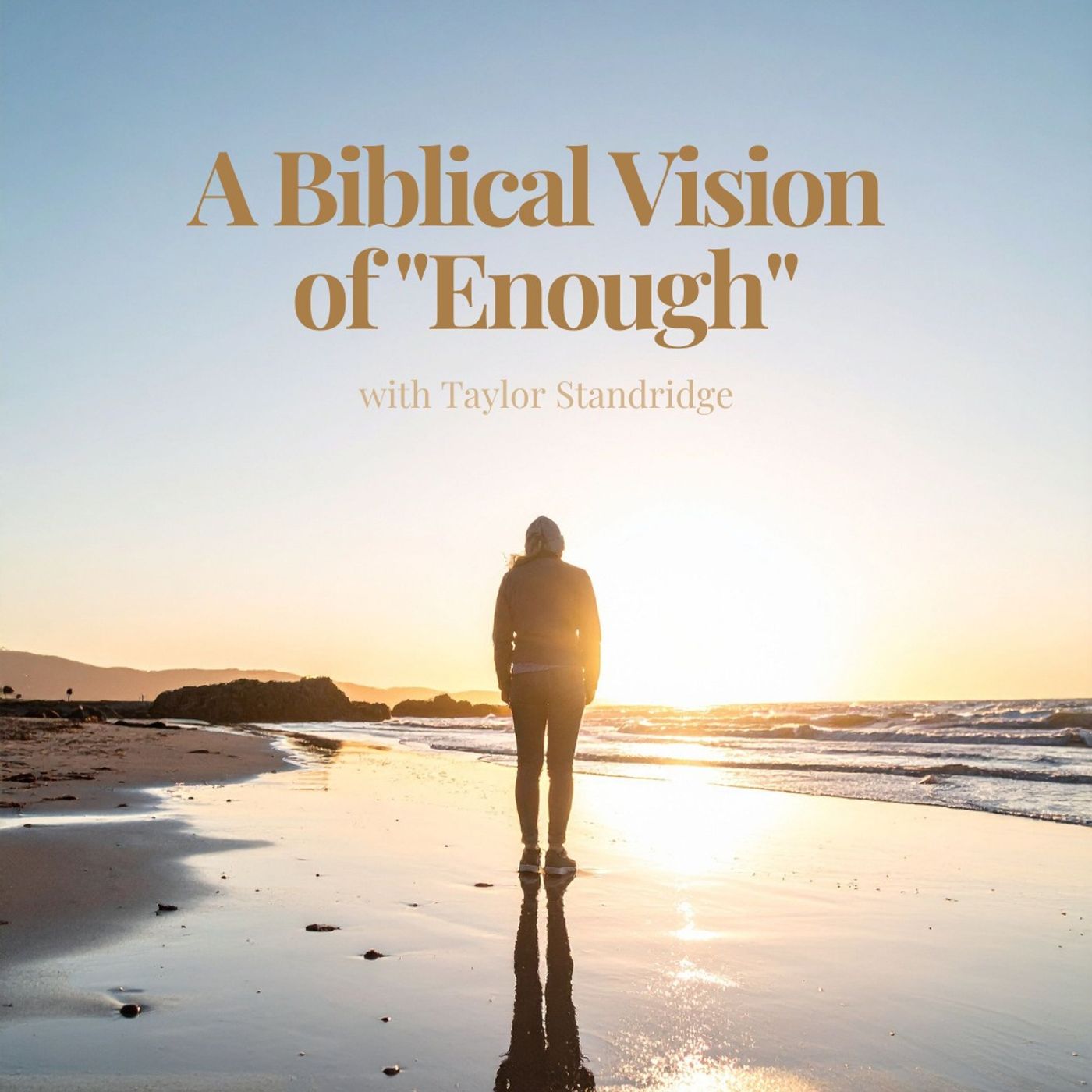 A Biblical Vision of "Enough" with Taylor Standridge A Biblical Vision of "Enough" with Taylor Standridge | What if the question “How much is enough?” isn’t really about money at all? On today’s episode of Faith & Finance, we’re joined by Taylor Standridge, FaithFi’s Production Manager and a key contributor to the ministry’s new field guide on this very question. He explored why enough has less to do with numbers—and far more to do with the heart. Because in the end, enough is not a financial equation. It’s a spiritual one. | — | ||||||
| 4/10/26 | 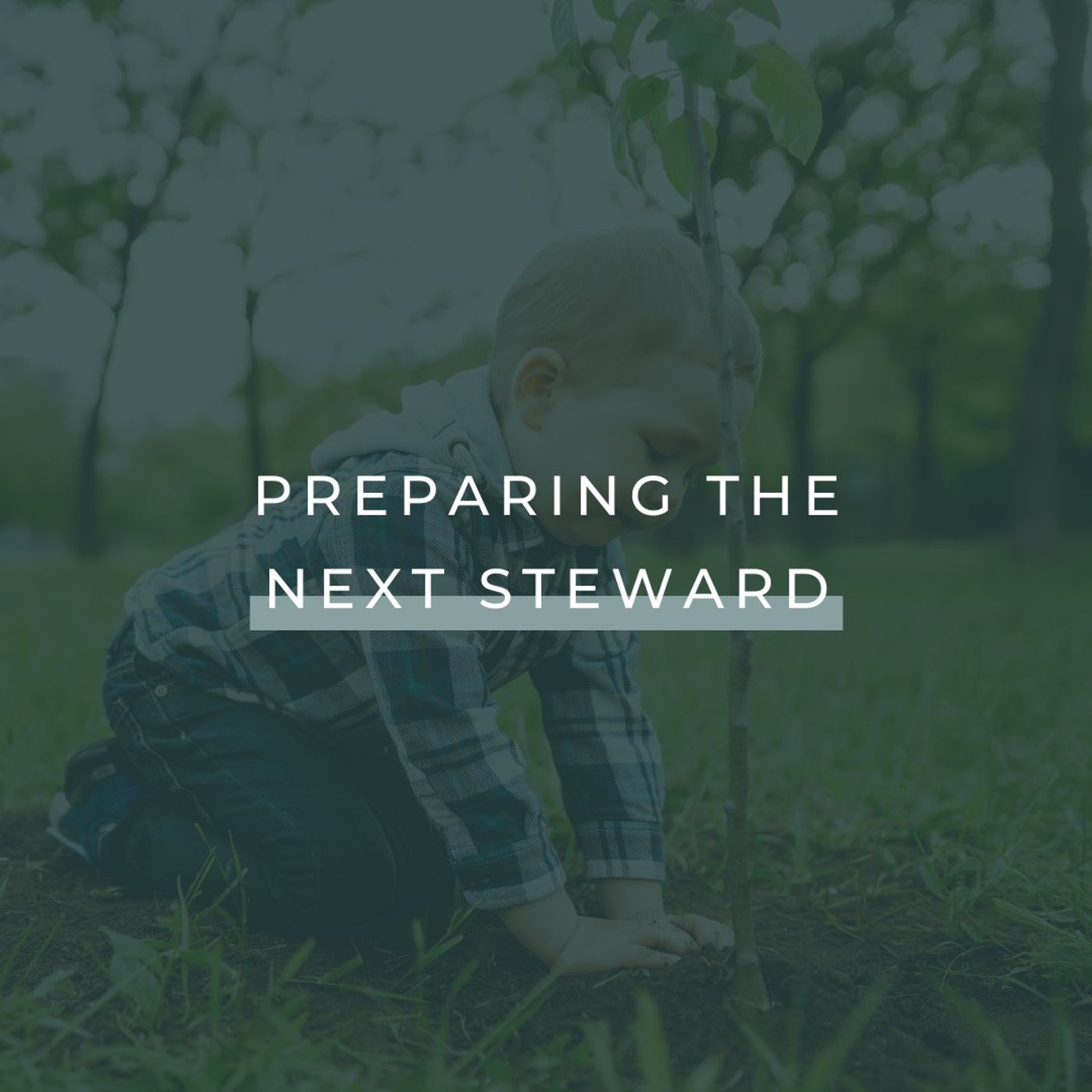 Preparing the Next Steward Preparing the Next Steward | Jonathan Edwards once said, “True legacy consists not of what we leave behind, but of what we instill in others.” That insight cuts against the grain of how many of us think about inheritance. We often focus on leaving behind money, assets, or property. But Scripture calls us to think bigger. What we pass on isn’t just wealth—it’s wisdom, character, and a legacy of faithfulness. So the real question isn’t simply, "What will I leave behind?" It’s, “Who am I preparing to receive it?” | — | ||||||
| 4/9/26 |  Powerful Financial Principles from God’s Word with Sharon Epps Powerful Financial Principles from God’s Word with Sharon Epps | God’s Word doesn’t just tell us how to manage money—it transforms how we see it. Too often, we approach finances as a purely practical matter: budgets, investments, and goals. But Scripture invites us into something deeper. It reframes money not as something we own, but something entrusted to us by God. When we begin to see money through that lens, everything changes. Today, Sharon Epps, President of Kingdom Advisors, joined the show to unpack several powerful, biblical principles that shape faithful stewardship. These aren’t just financial tips—they’re spiritual truths that guide how we live. Let’s explore them. | — | ||||||
| 4/8/26 |  The Cycle of Grateful Living with John Cortines The Cycle of Grateful Living with John Cortines | “Everyone also to whom God has given wealth and possessions and the power to enjoy them…this is the gift of God.” — Ecclesiastes 5:19 What if true joy doesn’t come from gaining more—but from gratefully receiving what God has already provided? That’s the invitation we find in Ecclesiastes, and it’s the focus of a powerful conversation with John Cortines, Director of Partnerships and Growth at the McClellan Foundation and author of FaithFi’s study on the book of Ecclesiastes called, Wisdom Over Wealth: 12 Lessons from Ecclesiastes on Money. His insight centers on what he calls the cycle of grateful living—a biblical framework that reshapes how we view money, work, and contentment. | — | ||||||
| 4/7/26 |  Our Ultimate Treasure: Intentional Giving Our Ultimate Treasure: Intentional Giving | Every day, we make decisions about money—but not every decision is made on purpose. When it comes to generosity, many of us wrestle with familiar questions: Where should I give? How much is enough? Does my giving really make a difference? But Scripture invites us to see generosity differently—not as a financial habit, but as an act of discipleship. Intentional giving connects our everyday resources to God’s redemptive work in the world. | — | ||||||
| 4/6/26 |  Common Misconceptions about Faith-Based Investing with Brian Mumbert Common Misconceptions about Faith-Based Investing with Brian Mumbert | Faith-based investing has been around for decades, yet many investors still wrestle with an important question: Does aligning your investments with your values mean sacrificing performance or diversification? As more people seek to steward their resources in ways that reflect their convictions, it’s worth taking a closer look at what faith-based investing really is—and what it isn’t. On today’s show, Brian Mumbert, President of Timothy Plan—a pioneer in faith-based mutual funds—joined us to help clear up some of the most common misconceptions and offered a clearer picture of how values-driven investing really works. | — | ||||||
| 4/3/26 |  It Is Finished It Is Finished | “For you know the grace of our Lord Jesus Christ, that though he was rich, yet for your sake he became poor, so that you by his poverty might become rich.” - 2 Corinthians 8:9 Good Friday invites us into a sacred tension—one marked by sorrow, gratitude, and deep hope. It is the day we remember the crucifixion of Jesus Christ, when the Son of God bore the weight of our sin on the cross. And yet, for centuries, Christians have called this day good. Not because the events were easy or lighthearted—but because of what Christ accomplished through them. | — | ||||||
| 4/2/26 |  Clearing Up Reverse Mortgage Myths with Harlan Accola Clearing Up Reverse Mortgage Myths with Harlan Accola | Reverse mortgages often trigger strong reactions—especially among believers who want to honor God with their finances. But are those reactions grounded in biblical wisdom…or outdated information? When it comes to debt and home equity, emotions can run high. Yet Scripture calls us to something deeper than instinct—it calls us to understanding. As Proverbs 19:20 reminds us, “Listen to advice and accept instruction, that you may gain wisdom in the future.” To help bring clarity to this often misunderstood topic, Harlan Accola—who leads the reverse mortgage team at Movement Mortgage—joins the show today to separate fact from fiction. | — | ||||||
| 4/1/26 |  Do Your Finances Need Scam-Proofing? Do Your Finances Need Scam-Proofing? | “The simple believe everything, but the prudent give thought to their steps.” — Proverbs 14:15 In a world where scams are increasingly sophisticated, Scripture reminds us that precaution is not paranoia—it’s stewardship. Protecting the resources God has entrusted to us isn’t just practical; it’s spiritual. Today’s threats may come through phone calls, emails, text messages, or even impersonations of people we trust. But as followers of Christ, we are not called to live in fear—we are called to walk in wisdom. So what does wise, faithful stewardship look like in a digital age? | — | ||||||
Showing 25 of 317
Sponsor Intelligence
Sign in to see which brands sponsor this podcast, their ad offers, and promo codes.
Similar Audience Demographics
Podcasts that attract a similar listener profile

Focus on the Family with Jim Daly
Focus on the Family

FamilyLife Today®
FamilyLife Network

Focus on the Family Parenting Podcast
Focus on the Family

Crazy Little Thing Called Marriage
Focus on the Family

Living on the Edge with Chip Ingram Daily Podcast
Living on the Edge
Andy Stanley Leadership Podcast
Andy Stanley

The Village Church - Sermons
The Village Church
Chart Positions
1 placement across 1 market.
Chart Positions
1 placement across 1 market.