
Planet Money
Wanna see a trick? Give us any topic and we can tie it back to the economy. At Planet Money, we explore the forces that shape our lives and bring you along for the ride. Don't just understand the economy – understand the...
AI overview.NPR, or National Public Radio, is a well-respected American media organization known for its in-depth reporting and storytelling across various subjects, includ…
Insights from recent episode analysis
On the show
- Jack Clark1 ep
- Daryl Fairweather1 ep
- Kristin Johnson1 ep
Also: Brad Reese, Ben Baldanza, Alysha Clark, property developer, Ashish Malhotra, Simon Kuper, Stefan Szymanski, Cory Turner, Arin Dube, Fede Álvarez, José Ángel Pereira Ruimwyk
Audience Interest
- economics and its impact
- current business news
Podcast Focus
- explores economic forces
- relates topics to economy
Publishing Consistency
- 355 episodes produced
- active for 3 years
Insights are generated by CastFox AI using publicly available data, episode content, and proprietary models.
Most discussed topics
Brands & references
Total monthly reach
Based on 3 signals.
Built from
By chart position
- 🇺🇸United States · BusinessHOME#22407K to 1.2M
- 🇨🇦Canada · Business#781K to 233K
- 🇮🇳India · Business#1342K to 122K
- 🇦🇺Australia · Business#1233K to 95K
- 🇰🇷South Korea · Business#1317K to 49K
- Per-Episode Audience
Est. listeners per new episode within ~30 days
740K to 2.1M🎙 ~2x weekly·355 episodes·Last published 2d ago - Monthly Reach
Unique listeners across all episodes (30 days)
1.5M to 4.3M🇺🇸55%🇨🇦11%🇮🇳6%+19 more - Active Followers
Loyal subscribers who consistently listen
814K to 2.4M868K real followers tracked across platforms
Market Insights
Platform Distribution
Reach across major podcast platforms, updated hourly
Total Followers
—
Total Plays
—
Total Reviews
—
* Data sourced directly from platform APIs and aggregated hourly across all major podcast directories.
| Date | Episode | Topics | Guests | Brands | Places | Keywords | Sponsor | Length | |
|---|---|---|---|---|---|---|---|---|---|
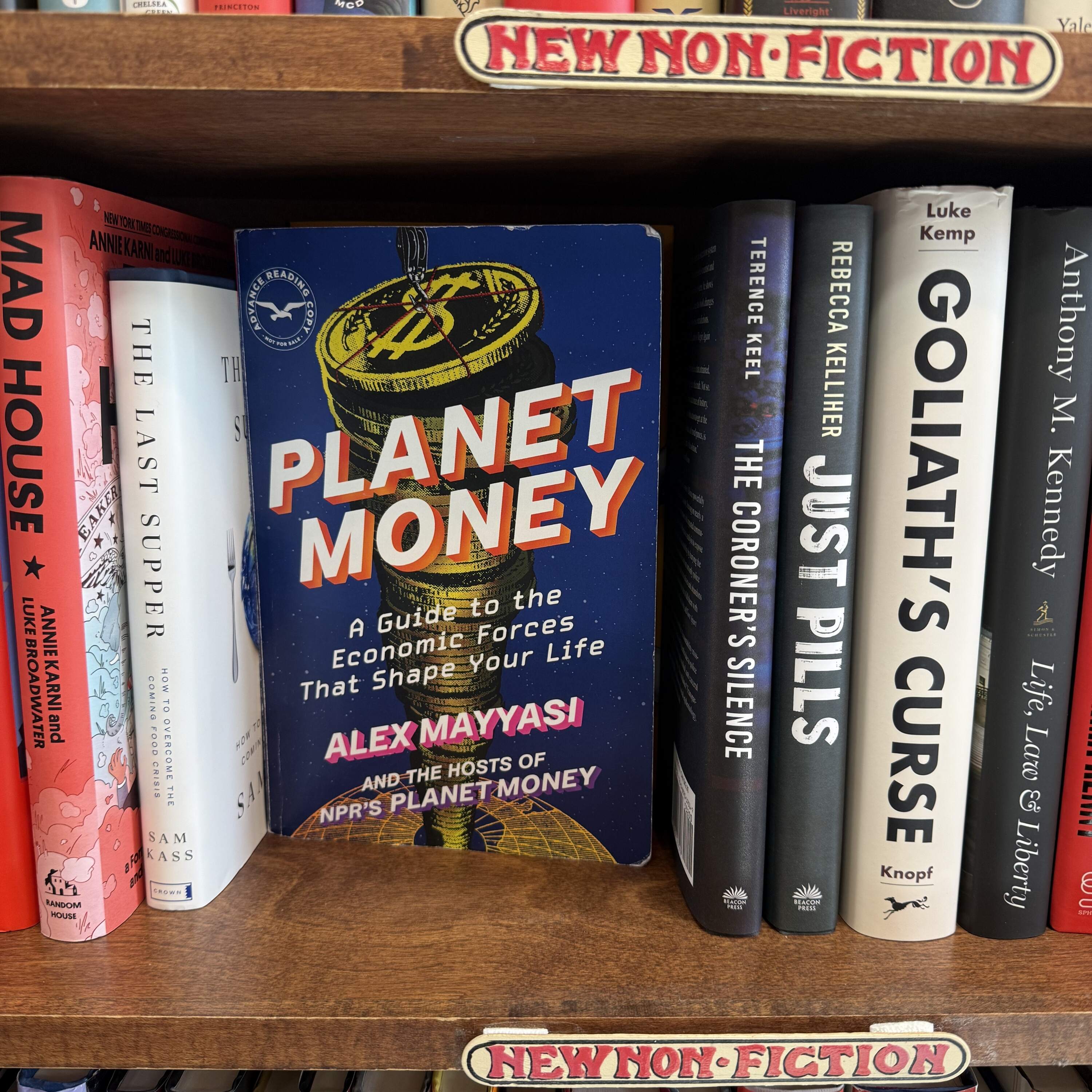
| 10/23/26 | 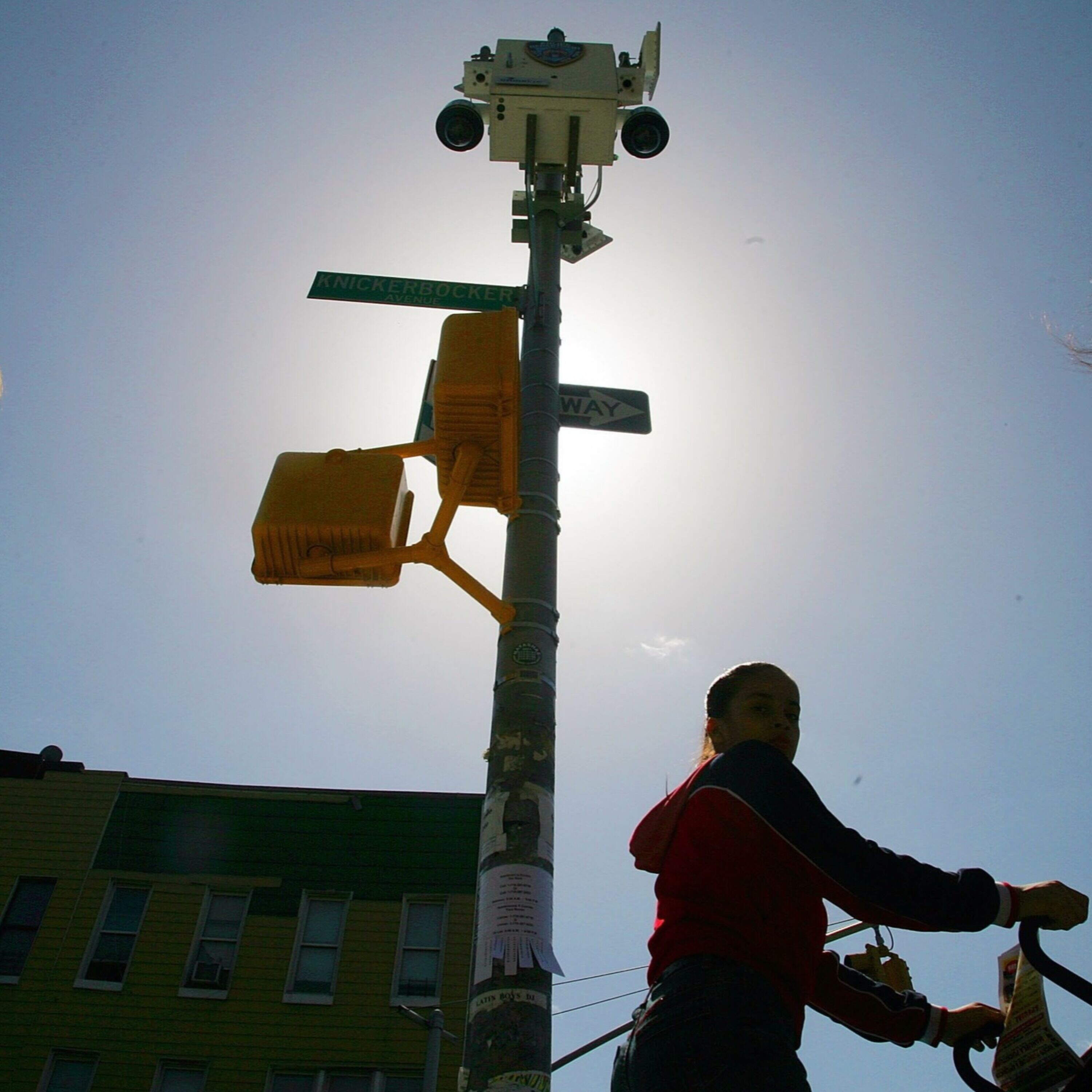 How surveillance crept up on us | For years, police have spent billions of tax dollars on watching us, tracking us, and recording us. In the largest police department in the country, these surveillance systems were paid for and adopted without the kind of public oversight cities usually require. In the wake of 9/11, the New York Police Department built one of the most sophisticated and omnipresent surveillance systems in the country. And while decisions were being made about what tech to adopt and how much to pay for it, few outside the NYPD were consulted. Not the City Council nor the public. For over a decade, the only paper trail of these purchases were offline, stored in filing cabinets, inaccessible to the public. Today on the show, how the country’s largest police department built its surveillance system, and the fight to get police everywhere to tell us how they’re watching us. Read: Our book: Planet Money: A Guide to the Economic Forces That Shape Your Life Our weekly longform Planet Money newsletterOur weekly Indicator round-up newsletterFollow: InstagramTikTokYouTubeFacebookSupport public media with NPR+ and enjoy perks for over 25 podcasts like this one. This show’s perks include bonus episodes and sponsor-free listening. Learn more at plus.npr.org.This episode was produced by Vito Emanuel and edited by Marianne McCune. It was fact-checked by Sierra Juarez and engineered by Cena Loffredo. Alex Goldmark is our executive producer.Music: NPR Source Audio - "Funky Space Mama," "Sunday Lights," and "Blammo"See pcm.adswizz.com for information about our collection and use of personal data for sponsorship and to manage your podcast sponsorship preferences.NPR Privacy Policy | 34m 36s | ||||||
| 10/21/26 | 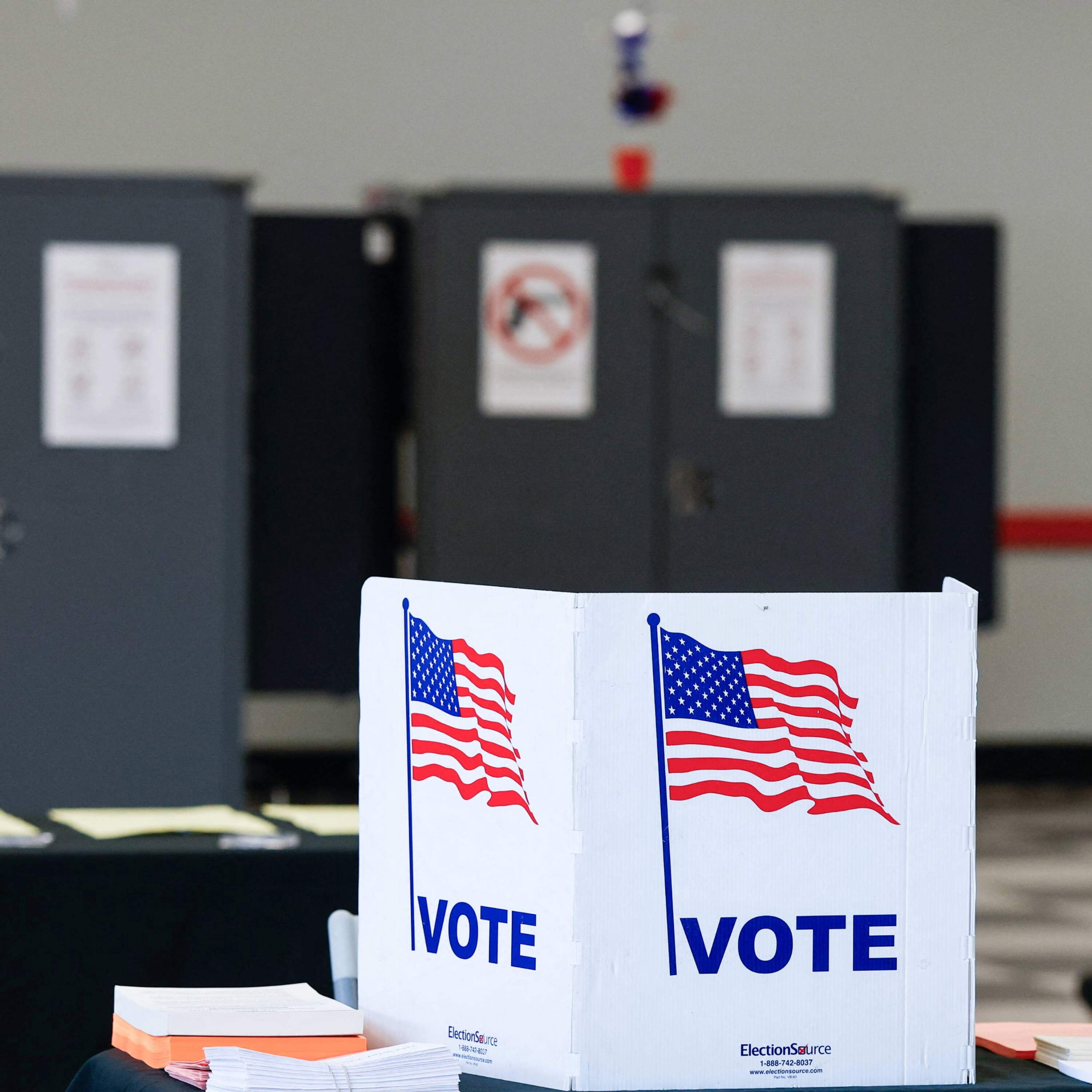 We try to fix election polling (update) | Polling is facing an existential crisis. People aren't picking up the phone. Nobody wants to talk to pollsters. Trust is on the line. We pluck a solution from the economics canon and convince a polling firm to let us test it. Today on the show, we head to Marist College — home of the Marist Poll — to learn how to be pollsters ourselves. We learn the great moments in polling history, the latest science of polling, and find out all the tricks that pollsters use to get people to finish their surveys. Then we get on the phone and give it a try ourselves. And offer some of our own solutions. This episode was originally published before the 2022 midterm elections. We have an update on our idea to save polling, which Marist is still testing, and we find out what it might be able to tell us about the 2026 midterms. Music: "Partyline, "The Danzig Connection, and "Saku"Read: Our book: Planet Money: A Guide to the Economic Forces That Shape Your Life Our weekly longform Planet Money newsletterOur weekly Indicator round-up newsletterFollow: InstagramTikTokYouTubeFacebookThis update was produced by Emma Peaslee with help from Sam Yellowhorse Kesler. It was mastered by Gilly Moon with help from Cena Loffredo. The original episode was edited by Jess Jiang. Alex Goldmark is Planet Money’s executive producer. Support public media with NPR+ and enjoy perks for over 25 podcasts like this one. This show’s perks include bonus episodes and sponsor-free listening. Learn more at plus.npr.org.See pcm.adswizz.com for information about our collection and use of personal data for sponsorship and to manage your podcast sponsorship preferences.NPR Privacy Policy | 29m 59s | ||||||
| 10/16/26 | 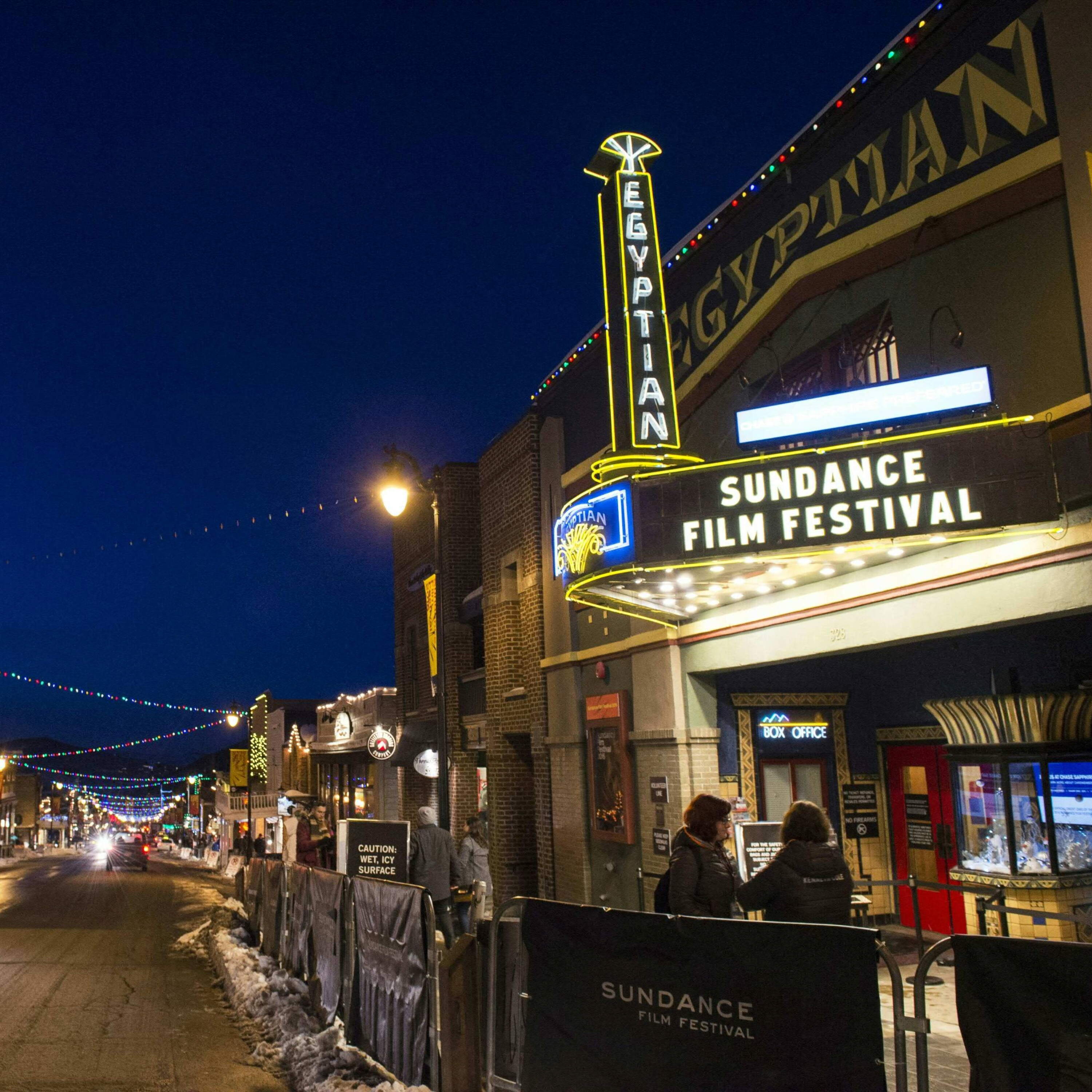 Anatomy of a movie market | Before an independent movie makes it to a streaming platform or a theater near you, it first needs to survive an artistic and economic gauntlet. And even for those movies that make it into elite film festivals like Sundance – it can take everything from performance stunts to corporate spycraft to seal the deal. Today on the show, we follow the ‘King of Sundance’ as he and his team try to sell their slate of movies to distributors like Netflix and Sony and Apple. We hear the behind the scenes stories about how films like Little Miss Sunshine, Napoleon Dynamite and Precious got sold. And we learn the strategies that might make the difference in whether or not a film makes it onto screens around the world. For more episodes about the entertainment industry: "Based on a true story"On the Oscars campaign trailWhy platforms like HBO Max are removing streaming TV showsThe summer I turned binge-yThe Writers Revolt (UPDATE)Read: Our book: Planet Money: A Guide to the Economic Forces That Shape Your Life Our weekly longform Planet Money newsletterOur weekly Indicator round-up newsletterFollow: InstagramTikTokYouTubeFacebookSupport public media with NPR+ and enjoy perks for over 25 podcasts like this one. This show’s perks include bonus episodes and sponsor-free listening. Learn more at plus.npr.org.This episode of Planet Money was produced by Emma Peaslee. It was edited by Jess Jiang. It was fact checked by Sierra Juarez and engineered by Annlie Huang. Alex Goldmark is Planet Money’s executive producer.Music: NPR Source Audio - "Lone Star Desert Surfer," "The Westerners," and "Tucson Arizona"See pcm.adswizz.com for information about our collection and use of personal data for sponsorship and to manage your podcast sponsorship preferences.NPR Privacy Policy | 32m 09s | ||||||
| 10/14/26 | 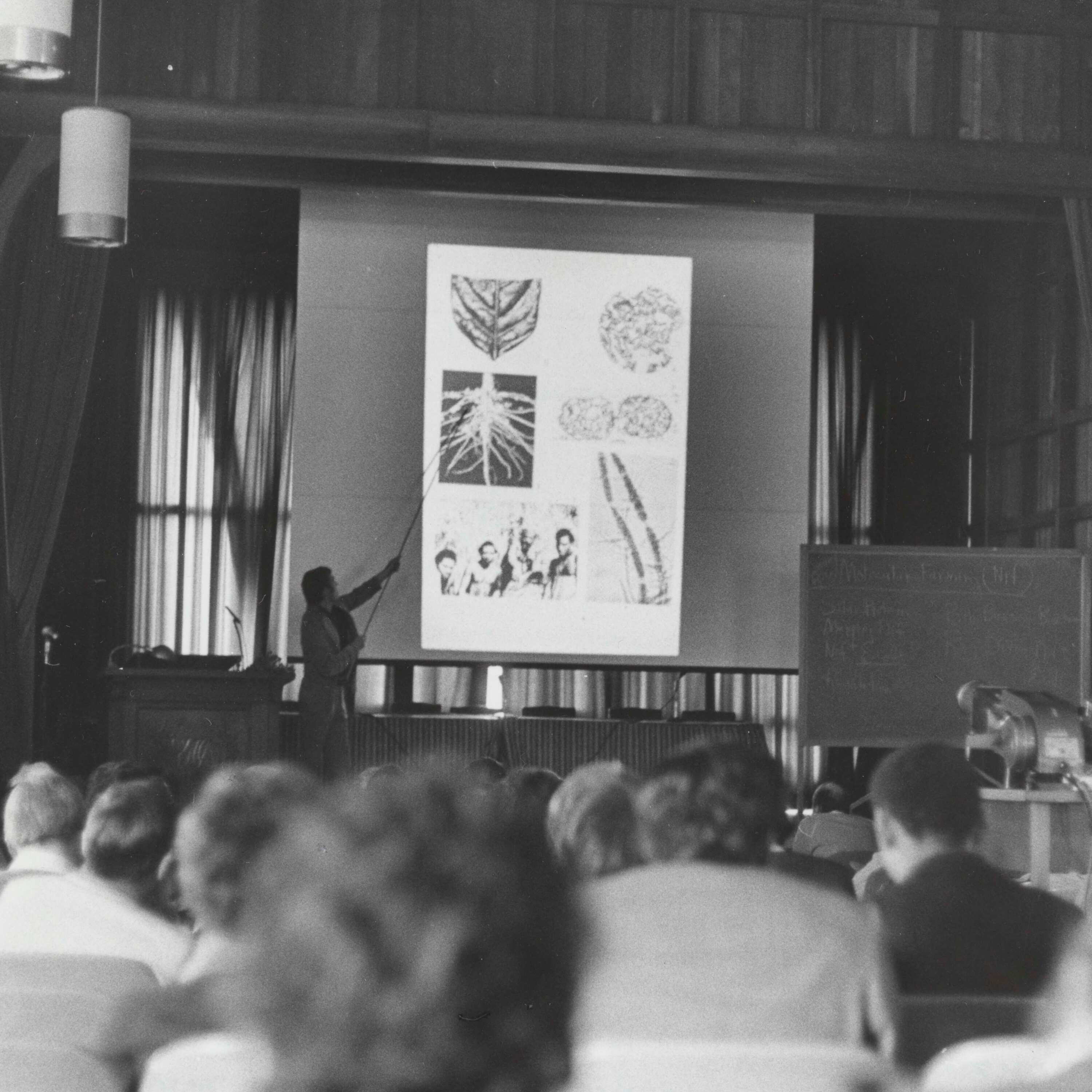 Wanna slow down AI? These biologists can help. | Fifty years ago, scientists pioneering a terrifying gene-splicing technology figured out a way to collectively hit pause. Can we do it again with AI? We ask because some top AI industry leaders are saying the technology they’re pushing forward is moving too quickly … and might kill us all. They’re effectively saying, ‘Please, please regulate us! Slow us down! Tie our hands!’ But, by and large, they’re not slowing down, because they don’t want to be left behind. In other words, it’s a classic collective action problem. A type of problem that’s scary, but solvable. We’ve been here before. In 1975, a group of scientists holed up for four days on California's foggy Central Coast to stop the runaway technology of their generation: a new DNA splicing technology that they feared could cause mass death. On today’s show, how they set aside ambition and competition to stop a runaway technology. Live Show: Planet Money Live at Kilkenomics. Kilkenny, Ireland Nov. 6th - 7thRead Planet Money: Our book: Planet Money: A Guide to the Economic Forces That Shape Your Life Our weekly longform Planet Money newsletterOur weekly Indicator round-up newsletterFollow Planet Money: InstagramTikTokYouTubeFacebookListen to more Planet Money: Our short, daily podcast, The Indicator from Planet MoneyOver 1,000 episodes in our archive on the NPR AppMerch: NPR ShopThe Planet Money game, Sell Me A SasquatchSupport public media with NPR+ and enjoy perks for over 25 podcasts like this one. This show’s perks include bonus episodes and sponsor-free listening. Learn more at plus.npr.org.This episode was produced by Vito Emanuel. It was edited by Marianne McCune and fact-checked by Sierra Juarez. It was engineered by Travis Hagan. Alex Goldmark is our executive producer. Music: NPR Source Audio - "Left Coastingg," "Going Nuts," and "Unsatisfied Reflection"See pcm.adswizz.com for information about our collection and use of personal data for sponsorship and to manage your podcast sponsorship preferences.NPR Privacy Policy | 29m 10s | ||||||
| 10/9/26 | 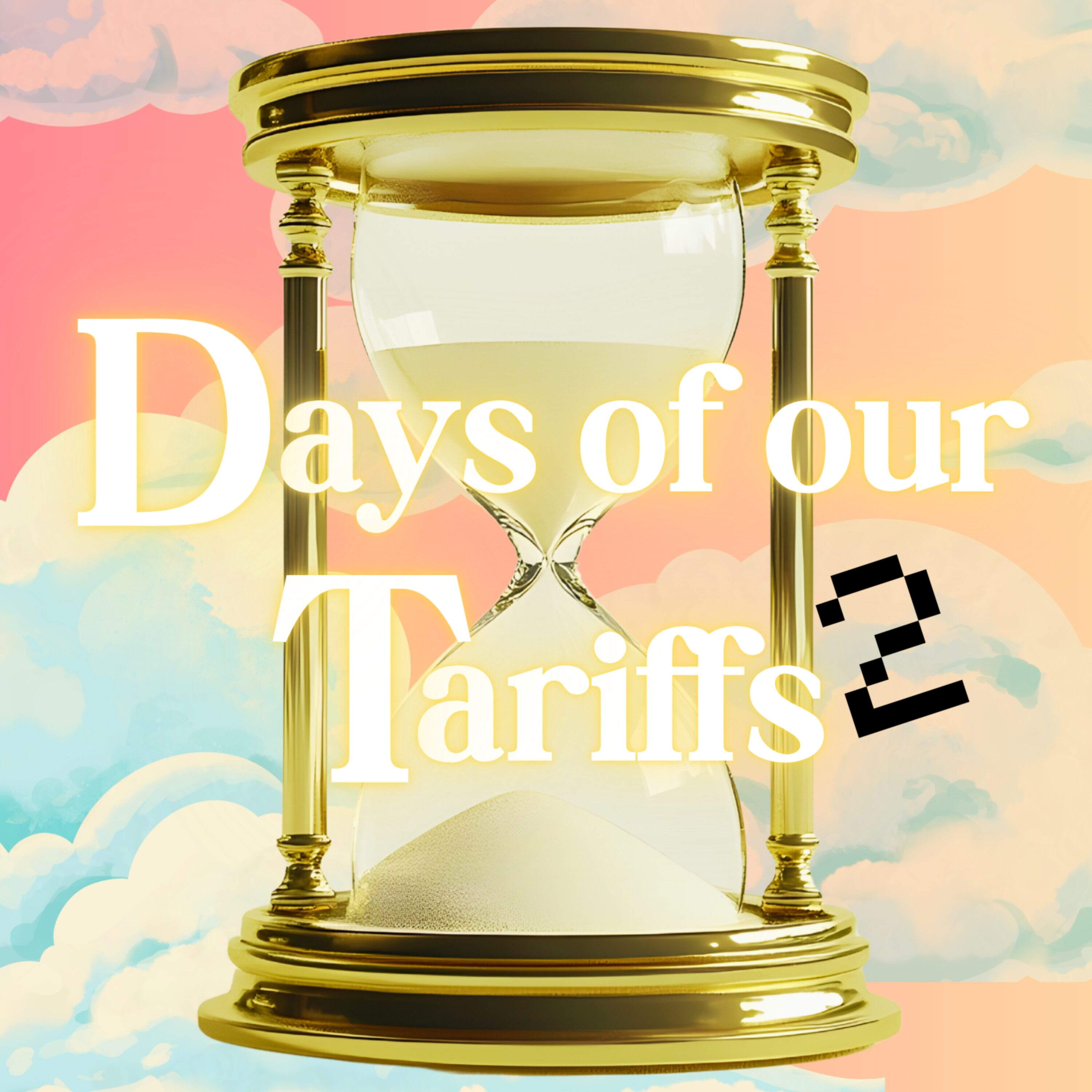 Should we all be getting tariff refunds right now? | Companies are getting billions of dollars back. How about us? It seems simple, right? We paid higher prices for imported goods because of tariffs. Then the tariffs were ruled illegal. Courts said the money paid to the U.S. government had to be refunded. Companies are getting that money now. It would seem like we, the customers, should get paid back, too. But … it’s not so simple. Once again, we’re dipping back into the drama of import tax law. We’re engrossed in the ups, downs, betrayal, and romance of … the Days of our Tariffs. In this edition: “Refunds and Regrets.” How and why some companies and people are getting their IEEPA tariff refunds and other people are out of luck. Live Show:- Planet Money Live at Kilkenomics. Kilkenny, Ireland Nov. 6th - 7thRead Planet Money: - Our book: Planet Money: A Guide to the Economic Forces That Shape Your Life - Our weekly longform Planet Money newsletter- Our weekly Indicator round-up newsletterFollow Planet Money: - Instagram- TikTok- YouTube- FacebookListen to more Planet Money: - Our short, daily podcast, The Indicator from Planet Money- Over 1,000 episodes in our archive on the NPR AppMerch: - NPR Shop- The Planet Money game, Sell Me A SasquatchSupport public media with NPR+ and enjoy perks for over 25 podcasts like this one. This show’s perks include bonus episodes and sponsor-free listening. Learn more at plus.npr.org.This episode was hosted by Kenny Malone. It was produced by Sam Yellowhorse Kesler and James Sneed. It was edited by our executive producer Alex Goldmark. It was fact-checked by Sierra Juarez and Sam Yellowhorse Kesler. It was engineered by Jimmy Keeley and Cena Loffredo. Special thanks this week to everyone who wrote in with a tale of tariff drama.See pcm.adswizz.com for information about our collection and use of personal data for sponsorship and to manage your podcast sponsorship preferences.NPR Privacy Policy | 30m 03s | ||||||
| 10/7/26 |  Charles Ponzi's scheme (plus a new scam) | Charles Ponzi was down on his luck. In 1919, the Italian immigrant had spent a decade and a half in the U.S. He was looking for a way to get rich and tried his hand at everything — including bookkeeping, sign painting, grocery clerk, dishwasher, and librarian.He caught a lucky break in August, when he received a letter from Europe. In the envelope was an International Reply Coupon, a clever way to prepay for international postage. Ponzi realized he might be able to use these coupons to make his fortune. All he needed was investors.What happened next made him a household name. This is the story of the man behind the eponymous Ponzi scheme — a tale of financial fraud that lives up to its linguistic legacy.(Note: The original version of this episode ran in 2023.)Read Planet Money: • Our book: Planet Money: A Guide to the Economic Forces That Shape Your Life • Our weekly longform Planet Money newsletter • Our weekly Indicator round-up newsletterFollow Planet Money: • Instagram • TikTok • YouTube • FacebookListen to more Planet Money: • Our short, daily podcast, The Indicator from Planet Money • Over 1,000 episodes in our archive on the NPR AppMerch: • NPR Shop • The Planet Money game, Sell Me A SasquatchSupport public media with NPR+ and enjoy perks for over 25 podcasts like this one. This show’s perks include bonus episodes and sponsor-free listening. Learn more at plus.npr.org.This episode was produced by James Sneed. It was fact checked by Sierra Juarez, mastered by Natasha Branch, and edited by Jess Jiang. It's based on the book Ponzi's Scheme, by Mitchell Zuckoff.See pcm.adswizz.com for information about our collection and use of personal data for sponsorship and to manage your podcast sponsorship preferences.NPR Privacy Policy | 25m 30s | ||||||
| 10/2/26 | 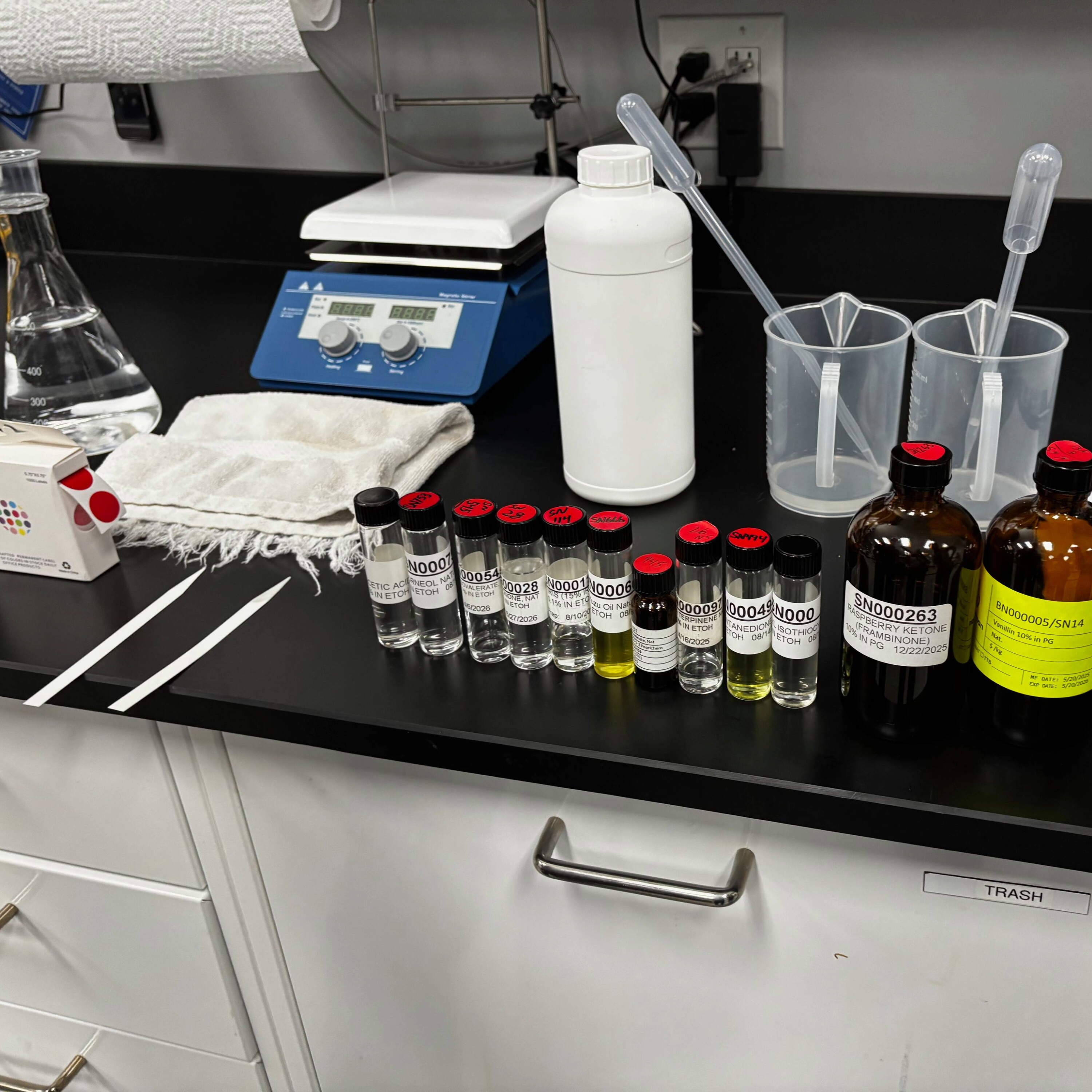 Where all those weird new drinks are coming from | It's getting pretty wild in the beverage aisle these days — from the rainbow wall of seltzers, to the increasingly strange flavors of Pepsi, to the new "functional" sodas with added fiber or supplements that supposedly offer health benefits. Where are all these new drinks coming from? And why does it seem like the options are multiplying faster than ever?Today on the show, we go behind the scenes at one of the nation’s top-secret beverage laboratories. The food scientists in this lab have quietly helped companies design many of the new drinks on the shelves these days. We taste things we have never tasted before, including a sports hydration … broth? We learn what a strawberry has in common with a block of cheese. And we discover why the business of beverages will never be the same again. Read: - Our book: Planet Money: A Guide to the Economic Forces That Shape Your Life - Our weekly longform Planet Money newsletter- Our weekly Indicator round-up newsletterFollow:- Instagram- TikTok- YouTube- FacebookSupport public media with NPR+ and enjoy perks for over 25 podcasts like this one. This show’s perks include bonus episodes and sponsor-free listening. Learn more at plus.npr.org.This episode of Planet Money was hosted by Jeff Guo. It was produced by James Sneed and Sam Yellowhorse Kesler, and edited by Jess Jiang. Vito Emanuel is our fact-checker, and Kwesi Lee engineered the show. Alex Goldmark is the executive producer of Planet Money.See pcm.adswizz.com for information about our collection and use of personal data for sponsorship and to manage your podcast sponsorship preferences.NPR Privacy Policy | 29m 40s | ||||||
| 9/30/26 |  Who’s gonna pay for your Social Security? | Very soon, Social Security may not have enough money to make full payments to retirees. Very soon. Like by 2032, just six years from now. So what are we gonna do about it? Today on the show, we look at some of the most talked about possible solutions; and exactly whose wallets we’ll have to rifle through to find the money to pay for each. Then we’ll run the options by the Social Security Administration's former Chief Actuary. The guy Congress used to call to crunch numbers and give them the bottom line. Read: - Our book: Planet Money: A Guide to the Economic Forces That Shape Your Life - Our weekly longform Planet Money newsletter- Our weekly Indicator round-up newsletterFollow: - Instagram- TikTok- YouTube- FacebookSupport public media with NPR+ and enjoy perks for over 25 podcasts like this one. This show’s perks include bonus episodes and sponsor-free listening. Learn more at plus.npr.org.This episode of Planet Money was hosted by Erika Beras and Jeff Guo, it was produced by James Sneed, and edited by Marianne McCune. Sierra Juarez is our fact-checker, and Annlie Huang & Robert Rodriguez engineered the show. Alex Goldmark is the executive producer of Planet Money.See pcm.adswizz.com for information about our collection and use of personal data for sponsorship and to manage your podcast sponsorship preferences.NPR Privacy Policy | 29m 13s | ||||||
| 9/25/26 |  Middlegarchs are the new Oligarchs | Wanna know who is really in the top 1%? And how they use their influence? It may not be who you think.Look beyond Silicon Valley. Look beyond Wall Street. Look beyond the “oligarchs”. There's a much larger class of wealthy Americans hiding in plain sight. And, often, they got rich in mundane ways. They own car dealerships. They sell hot dogs and frozen mini-quiches. They run waxing salons. They supply fabricated metal and urinal cakes. They are dentists.Collectively, these "Main Street millionaires" control much more wealth than the billionaire lightning rods who launch rockets into space, appear on manosphere podcasts, and have Hollywood movies made about them. Many of these millionaires have also grown rich enough to afford superyachts, 10,000-square-foot homes, and pet tigers. At the center of their story is a quiet revolution in the American economy: the rise of a particular kind of private business. On today’s show, how did the power of the “stealthy wealthy” millionaires come to rival that of the billionaire oligarchs? And, how are they shaping policies that lower their taxes and raise your prices?Read: Our book: Planet Money: A Guide to the Economic Forces That Shape Your Life Our weekly longform Planet Money newsletterOur weekly Indicator round-up newsletterFollow: InstagramTikTokYouTubeFacebookSupport public media with NPR+ and enjoy perks for over 25 podcasts like this one. This show’s perks include bonus episodes and sponsor-free listening. Learn more at plus.npr.org.This episode was hosted by Greg Rosalsky and Sarah Gonzalez. It was produced by Emma Peaslee. It was edited by Marianne McCune with fact checking help from Sierra Juarez. It was engineered by Kwesi Lee. Alex Goldmark is Planet Money’s executive producer. Music: NPR Source Audio - "Collectible Kicks," "Blazed and Emboldened," and "Arturo’s RevengeSee pcm.adswizz.com for information about our collection and use of personal data for sponsorship and to manage your podcast sponsorship preferences.NPR Privacy Policy | 30m 43s | ||||||
| 9/23/26 | 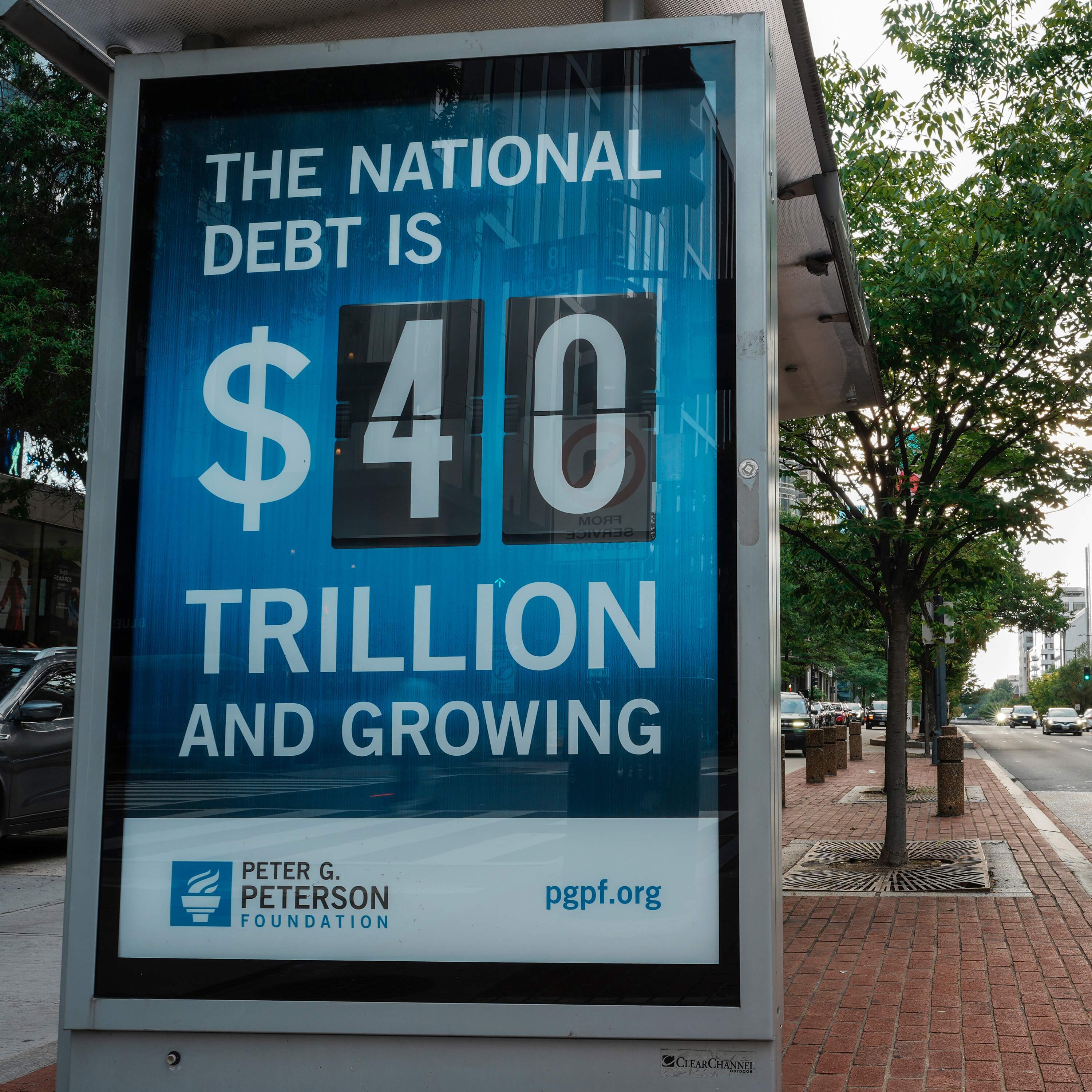 Is our national debt finally too much? (update) | (Note: A version of this episode originally ran in 2024.)$40,000,000,000,000. Four commas. Thirteen zeroes. It’s an eye-popping, almost infinite-sounding pile of money. And every time the debt passes a big round number, almost everyone asks the same question: How much debt is too much?It’s maybe the most important question in macroeconomics. It’s also surprisingly hard to answer. When two economists tried to answer it back in 2010, it ignited a research slugfest that lasted a decade. We did a show on this question in 2024, outlining everything we know and don’t know about when the national debt becomes a problem. But a lot has changed. Interest rates have risen and stayed high. Spending has steamrolled ahead. Doves have become hawks. So on today’s show, we update our 2024 episode to revisit the age-old question: Is our debt finally too much? Read Planet Money: Our book: Planet Money: A Guide to the Economic Forces That Shape Your Life Our weekly longform Planet Money newsletterOur weekly Indicator round-up newsletterFollow: InstagramTikTokYouTubeFacebookSupport public media with NPR+ and enjoy perks for over 25 podcasts like this one. This show’s perks include bonus episodes and sponsor-free listening. Learn more at plus.npr.org.Our original episode was produced by Willa Rubin and edited by Molly Messick. This update was reported and produced by Vito Emanuel. It was fact checked by Sierra Juarez. It was engineered by Kwesi Lee. And it was edited by Alex Goldmark, Planet Money’s executive producer. See pcm.adswizz.com for information about our collection and use of personal data for sponsorship and to manage your podcast sponsorship preferences.NPR Privacy Policy | 29m 49s | ||||||
Want analysis for the episodes below?Free for Pro Submit a request, we'll have your selected episodes analyzed within an hour. Free, at no cost to you, for Pro users. | |||||||||
| 9/18/26 |  The Domino’s Pizza Tracker Theory of Everything | Did a pizza restaurant’s humble status page change how we wait forever? When you order a Lyft or Uber, you get texts every few minutes about your car approaching and arriving. When you have a package coming, you get a notification when it’s shipped, when it’s en route, and when it’s out for delivery. Why do so many companies send these constant updates?We have a theory: It’s because of Domino’s. In 2008, Domino’s launched the Pizza Tracker, a novel tool that delighted customers by allowing them to obsessively monitor their pizza’s progress from order to oven to delivery. The Pizza Tracker became a canonical model for other companies trying to improve their customers’ experiences of waiting for all kinds of products and services. And now? Pizza Trackers are everywhere. On today’s show: how the Domino’s Pizza Tracker shaped the internet, and how trackers went from transparently sharing information with consumers to — in some cases — actively deceiving us. Support:— Planet Money+Read:— Our book: Planet Money: A Guide to the Economic Forces That Shape Your Life— Our weekly longform Planet Money newsletter— Our weekly Indicator round-up newsletterFollow:— Instagram— TikTok— YouTube— FacebookThis episode was hosted by Nick Fountain and Alex Mayyasi. It was produced by Sam Yellowhorse Kesler, edited by Liza Yeager, fact-checked by Sierra Juarez and engineered by Cena Loffredo and Jimmy Keeley. Alex Goldmark is Planet Money’s executive producer.Support public media with NPR+ and enjoy perks for over 25 podcasts like this one. This show’s perks include bonus episodes and sponsor-free listening. Learn more at plus.npr.org.See pcm.adswizz.com for information about our collection and use of personal data for sponsorship and to manage your podcast sponsorship preferences.NPR Privacy Policy | 32m 22s | ||||||
| 9/16/26 |  How investing is getting riskier (Two Indicators) | Margin borrowing and sports gambling “investments” are both on the rise! Today on the show, two stories from Planet Money’s daily podcast The Indicator about the ways investing is changing, and getting riskier.According to one study, more than half of Gen Zers are using investment dollars for sports gambling. On average, this is not a smart strategy for the long term. It might be that sports betting today is like day trading was for a previous generation of young investors: something a lot of young people, typically men, do, lose money at for a while, then quit. We review the early research on this trend and meet a state legislator proposing ways to stem problem gambling.More, generally younger people are also investing with borrowed money. Trading on margin is at an all time high of over $1.5 trillion. In the past, high levels of margin investing have led to crashes. We hear those stories and find out what the Fed might do to reign in the risk. Related Indicator episodes— How AI might mess with financial markets— Prediction markets are threatening national security. Who's gonna fix it?Connect with Planet Money & The Indicator— Sign up for The Indicator’s weekly link round up newsletter!— Sign up for Planet Money’s weekly longform newsletter!— Buy the Planet Money book— Find our socials, YouTube and more!— For sponsor-free episodes, subscribe to NPR+ Support public media with NPR+ and enjoy perks for over 25 podcasts like this one. This show’s perks include bonus episodes and sponsor-free listening. Learn more at plus.npr.org.These episodes of The Indicator from Planet Money were produced by Corey Bridges and Cooper Katz-McKim. They were engineered by Travis Hagan and Cena Loffredo, and fact-checked by Sierra Juarez. They were edited by Julia Ritchey and Kate Concannon. Support public media with NPR+ and enjoy perks for over 25 podcasts like this one. This show’s perks include bonus episodes and sponsor-free listening. Learn more at plus.npr.org.See pcm.adswizz.com for information about our collection and use of personal data for sponsorship and to manage your podcast sponsorship preferences.NPR Privacy Policy | 18m 05s | ||||||
| 9/11/26 |  The loan at the heart of a new foreclosure crisis | There is a new type of loan that is sweeping through the country right now. It’s advertised as a super quick and super easy way to get a mortgage to buy a home. In recent years, Wall Street has been funneling billions of dollars into these loans. But these loans are also raising questions. Are they a financial innovation that’s helping the housing market? Or ... a sign that Wall Street might be forgetting the mistakes that led to the Global Financial Crisis? On today’s show, we head to Baltimore, where abandoned rowhomes have become a familiar sight. Reporters Hallie Miller, Jack Bologna and Sahana Jayaraman from The Baltimore Banner have been following this new loan as it’s been bringing millions of dollars into some of Baltimore's most distressed neighborhoods. But, a few years ago, two local landlords quickly and quietly amassed what might be one of the largest private real estate portfolios in Baltimore: Over 700 homes and $100 million dollars in borrowed cash. Using this hot new loan. And then they tried to disappear. We talk with the Banner reporters about what they found at the heart of this mystery, and why it might have implications for the rest of the country. Read the Banner’s reporting:The housing hustle igniting a foreclosure crisis in BaltimoreBefore mass foreclosures, DSCR loans looked good for Baltimore Could a few 'bad actors' upend Baltimore's housing hopes?Baltimore will investigate New York investor group for housing discrimination Baltimore is striking fear into private lenders across the country From $3.7M to $9.9M: Federal probe focuses on 42 Baltimore homes sold again and againThe FBI is investigating the New York investors behind Baltimore’s foreclosure waveFake deeds, real money: New York investors accused of another Baltimore scamHow do you build a huge portfolio of Baltimore rentals? It helps to know a guy.The loans behind Baltimore’s foreclosure crisis are surging in cities across the nation Baltimore ballroom ‘icon’ survives a life of grit with glamourRead: Our book: Planet Money: A Guide to the Economic Forces That Shape Your Life Our weekly longform Planet Money newsletterOur weekly Indicator round-up newsletterFollow: InstagramTikTokYouTubeFacebookSupport public media with NPR+ and enjoy perks for over 25 podcasts like this one. This show’s perks include bonus episodes and sponsor-free listening. Learn more at plus.npr.org.This episode was hosted by Jeff Guo. It was produced by Sam Yellowhorse Kesler and edited by Jess Jiang. It was fact-checked by Sierra Juarez and engineered by Travis Hagen. Alex Goldmark is Planet Money’s executive producer. Music: Universal Production Music - "Slick Groove," "Seven Secrets," and "Jazz Move"See pcm.adswizz.com for information about our collection and use of personal data for sponsorship and to manage your podcast sponsorship preferences.NPR Privacy Policy | 29m 09s | ||||||
| 9/9/26 | economyinflation+4 | — | NPR | — | inflationeconomy+4 | — | 24m 06s | ||
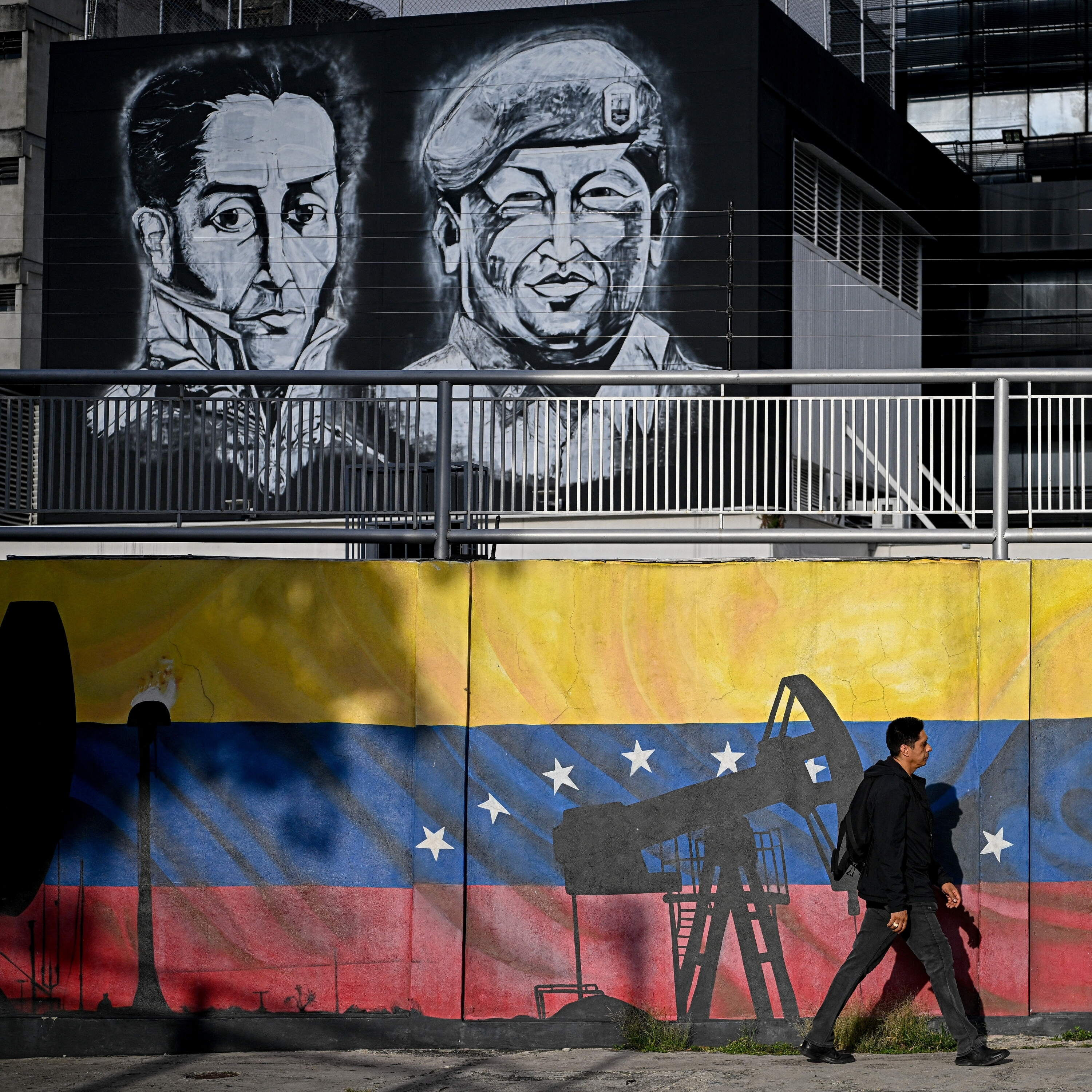
| 9/5/26 | Venezuelaoil reserves+4 | José Ángel Pereira Ruimwyk | NPR | VenezuelaU.S. | TrumpVenezuela+6 | — | 25m 27s | ||
| 9/2/26 | data analysisdating+4 | — | Palantir | Manhattan | Palantirbig data+5 | — | 25m 47s | ||
| 8/30/26 | Dolly Parton9 to 5+4 | — | NPR9to5+2 | Boston | Dolly Parton9 to 5+6 | — | 22m 54s | ||
| 8/28/26 | branded produceagriculture+3 | — | Honeycrisp appleCotton Candy grape+8 | — | branded fruitHoneycrisp+3 | — | 33m 43s | ||
| 8/26/26 | economicsAntarctica+4 | — | NPR | AntarcticaMcMurdo Station | Antarcticaeconomics+5 | — | 40m 44s | ||
| 8/21/26 | retail decisionsbig box stores+3 | — | Sell Me a SasquatchNPR+1 | — | big box storesretail products+3 | — | 37m 58s | ||
| 8/19/26 | entrepreneurshipeconomic growth+5 | — | NPRSamsung+1 | KoreaSouth Korea+2 | entrepreneurial classDonju+8 | — | 40m 08s | ||
| 8/14/26 | life insurancefinance+3 | — | NPR | — | life insuranceWall Street+3 | — | 38m 43s | ||
| 8/12/26 | inflationeconomic flexibility+3 | — | NPR | ArgentinaBuenos Aires | inflationcurrency chaos+5 | — | 39m 24s | ||
| 8/7/26 |  Older workers aren’t retiring. Should they be forced to? | When workers past retirement age can’t afford to retire — that’s one thing. When they can, and just don’t want to — that’s trickier.It used to be legal to force people to retire when they hit a certain age. The trend used to be earlier and earlier retirement. Now it’s later and later retirement. And younger workers say it’s impacting their career advancement and their ability to save for their own retirement.At the same time, older workers are living longer, Social Security and Medicare funding are less secure than ever … and many people want to keep working.Age in the workplace is a tricky thing to talk about. But today on the show, we’re talking about it. On the latest Planet Money, a law professor who says retirement should be mandatory at age 70. And an economist who says, actually … people should delay retirement even longer. Show notes: More of Planet Money’s coverage of the lump of labor fallacySamuel Moyn: Gerontocracy in America: How the Old Are Hoarding Power and Wealth? And What to Do About It.Gerhard Casper and Saunders Mac Lane: “Older Doesn’t Mean Wiser”Read: Our book: Planet Money: A Guide to the Economic Forces That Shape Your Life Our weekly long-form Planet Money newsletterOur weekly Indicator round-up newsletterFollow: InstagramTikTokYouTubeFacebookSupport public media with NPR+ and enjoy perks for over 25 podcasts like this one. This show’s perks include bonus episodes and sponsor-free listening. Learn more at plus.npr.org.This episode was reported by Sarah Gonzalez. It was produced by Willa Rubin, edited by Eric Misitzis Mennel, and fact-checked by Charlotte Isidore. It was engineered by Robert Rodriguez and Jimmy Keeley. Alex Goldmark is our executive producer. Music: NPR Source Audio: “Don’t Cross The Line,” “Aventure Burlesque,” and “Hollywood.”See pcm.adswizz.com for information about our collection and use of personal data for sponsorship and to manage your podcast sponsorship preferences.NPR Privacy Policy | 34m 03s | ||||||
| 8/5/26 |  Sand heists and property rights in the Caribbean (Summer School) | Imagine a nation where, for the residents, land is for the claiming. You walk down the street, pick out a nice looking plot of land, and just plop down a marker. No rent, no taxes, no deed – just free land. That’s the communal system of property rights that governed a small Caribbean island for over a century.This week on our Summer School World Tour we make port on the small economies of island nations, a great place to explore how different experiments play out. Every small change – the good and the bad – has big consequences.First, the fascinating test case on the island of Barbuda, where the people there have found a way to run things without the usual, formal land rights.Then, we consider the vulnerabilities of small nations as we dig into a mysterious sand heist in Jamaica. A stolen beach – yes, you read that right – and something called “sand forensics” reveal the importance of this seemingly infinite resource and the challenges of protecting public spaces when there’s money to be made.Along the way we found ourselves asking: Does property have to be private? What happens when it’s not? How can you protect scarce resources when they’re part of the vast, public spaces everyone shares?Featured Episodes:The Island No One Owns (2020)Peak Sand (2018)Featured Terms:Tragedy of the commonsProperty rightsPath dependenceOwnership in commonSupport:NPR+ (sponsor-free listening & bonus episodes) And please click “follow” in your podcast app so you don’t miss an episode. Read: Our book: Planet Money: A Guide to the Economic Forces That Shape Your Life (Audiobook here) Our weekly longform Planet Money newsletterOur weekly Indicator link round-up newsletterFollow: InstagramTikTokYouTubeFacebookThis episode of Planet Money Summer School is hosted by Robert Smith. It was produced by Sophia Paliza-Carre and edited by Planet Money Executive Producer Alex Goldmark. It was fact-checked by Leyla Doss and engineered by Annlie Huang.See pcm.adswizz.com for information about our collection and use of personal data for sponsorship and to manage your podcast sponsorship preferences.NPR Privacy Policy | 40m 16s | ||||||
| 7/17/26 | World CupMajor League Soccer+4 | — | Major League SoccerNPR | U.S.Canada | World CupMajor League Soccer+5 | — | 26m 07s | ||
| 7/15/26 | China's economic growthoverbuilding+3 | property developer | NPR | China | Chinaeconomic growth+5 | — | 38m 41s | ||
| 7/10/26 | luxury goodssecondhand market+3 | — | Chanel handbagGucci+5 | — | luxury brandssecondhand luxury+3 | — | 25m 38s | ||
| 7/8/26 | economic ideasglobal economics+4 | — | Planet Money: A Guide to the Economic Forces That Shape Your LifeNPR+2 | BarbudaNorway+2 | economic ideasinflation targeting+3 | — | 37m 12s | ||
| 7/3/26 | penalty shootoutgame theory+3 | Ashish MalhotraSimon Kuper+1 | NPRSoccernomics | — | penalty kicksgame theory+3 | — | 17m 57s | ||
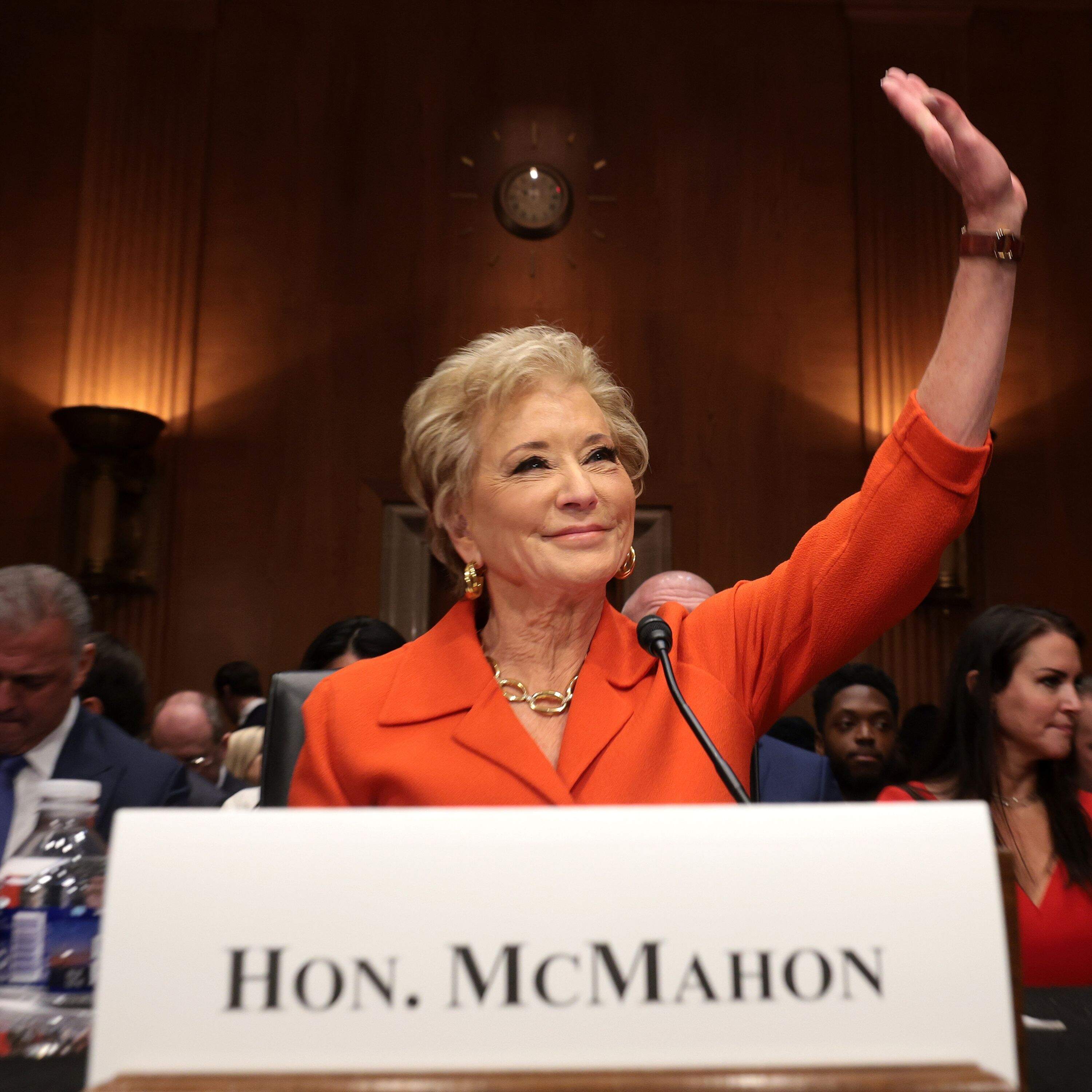
| 7/1/26 | college affordabilitystudent loans+4 | Cory Turner | Department of EducationNPR+2 | — | college tuitionstudent borrowing+5 | — | 28m 39s | ||
| 6/26/26 | smartphone historytechnology failure+3 | — | General MagicInside the Box: How Constraints Make Us Better+1 | — | General Magicsmartphone+3 | — | 26m 52s | ||
| 6/24/26 | prediction marketselection betting+4 | — | NPRThroughline | — | prediction marketsIowa Electronic Markets+5 | — | 22m 57s | ||
| 6/19/26 | monopsonylabor economics+4 | Arin DubeFede Álvarez | Weyland-YutaniNPR+3 | — | AlienWeyland-Yutani+7 | — | 32m 30s | ||
| 6/17/26 | cybersecuritynuclear conflict+4 | — | NPRPlanet Money+1 | U.S.Israel+1 | cyber weaponnuclear scientists+5 | — | 29m 42s | ||
| 6/10/26 | affordable housingboarding houses+4 | — | NPR | American | affordable housingboarding houses+4 | — | 17m 47s | ||
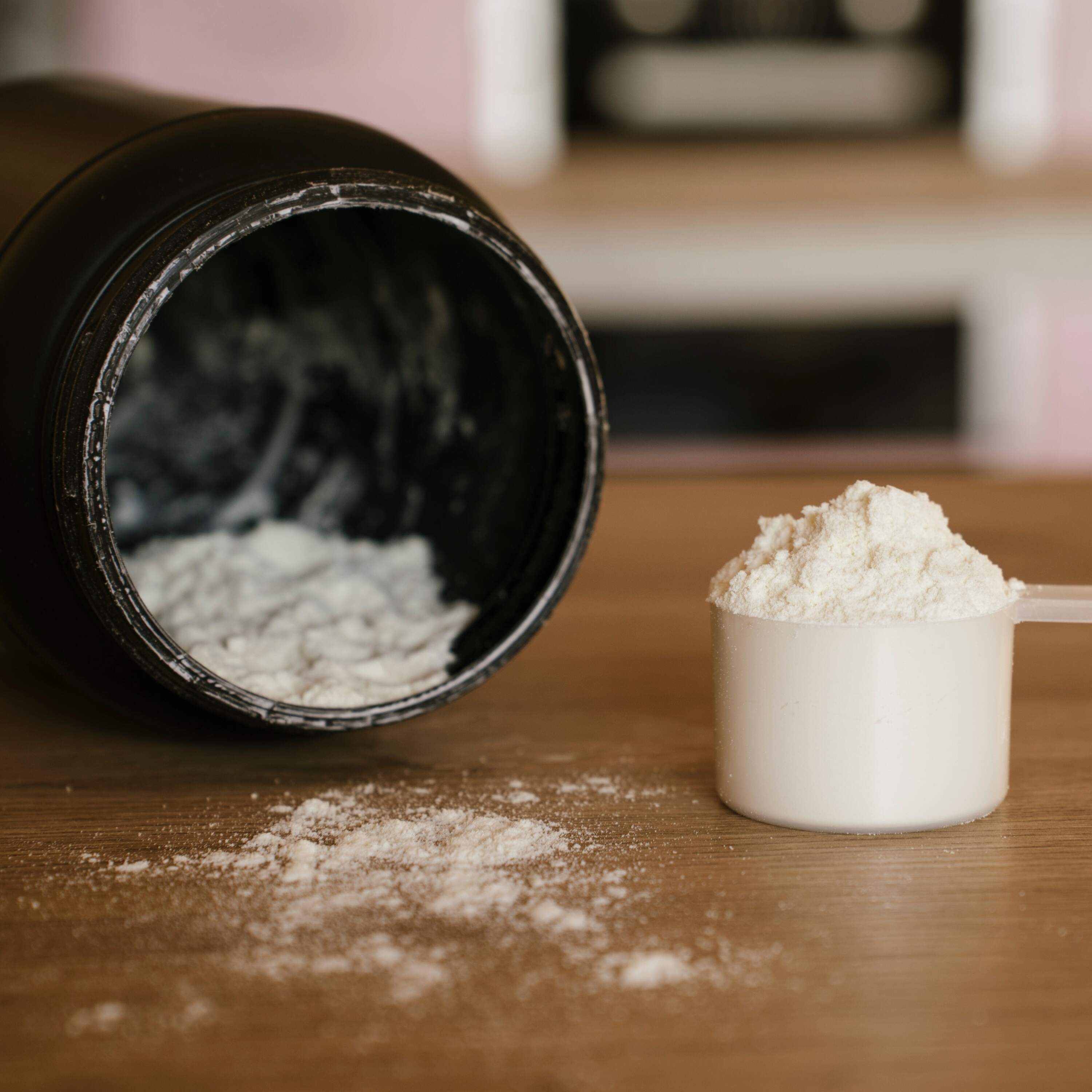
| 6/5/26 | supplement industryregulation+3 | — | Food PoliticsVitamania | — | supplementsprotein powders+6 | — | 34m 54s | ||
| 6/3/26 | franchise restaurantsbusiness strategy+3 | — | Wetzel’s PretzelsPlanet Money+1 | — | franchiseWetzel’s Pretzels+5 | — | 27m 23s | ||
| 5/29/26 | food safetychemical additives+4 | — | FDANPR | — | food chemicalsFDA loophole+4 | — | 35m 41s | ||
| 5/27/26 | tax avoidancetax evasion+4 | — | NPRTax Notes | — | tax avoidancetax evasion+4 | — | 26m 19s | ||
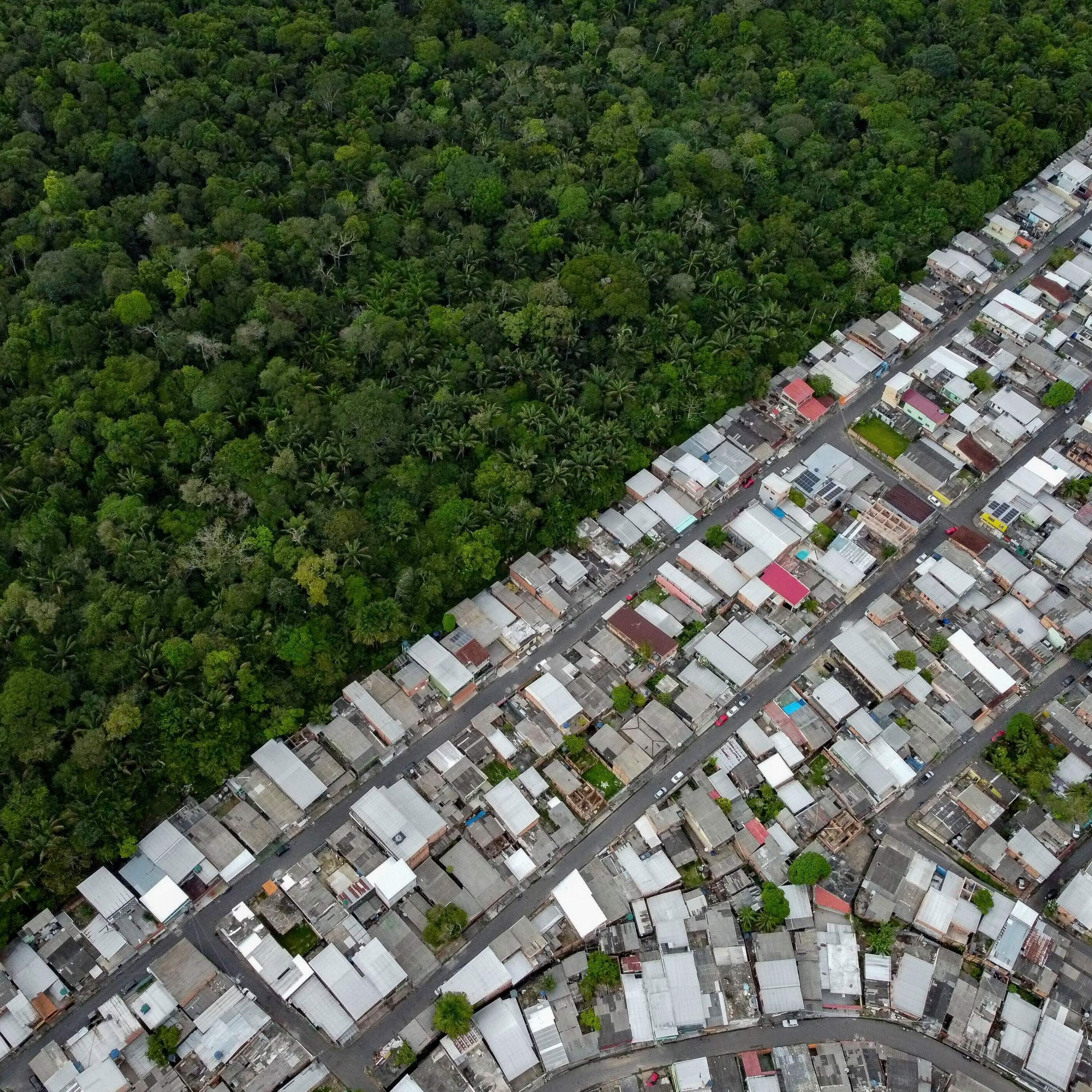
| 5/22/26 | economic developmentmiddle income trap+3 | — | World Bank | BrazilAmazon rainforest | Brazilmiddle income trap+3 | — | 26m 58s | ||
| 5/20/26 | vacationwork-life balance+4 | — | NPRNo Vacation Nation+2 | United StatesEuropean Union+7 | paid vacationU.S. labor laws+5 | — | 25m 09s | ||
| 5/15/26 | Fed independencemonetary policy+4 | — | Federal ReserveNPR | — | Federal ReserveJerome Powell+5 | — | 28m 53s | ||
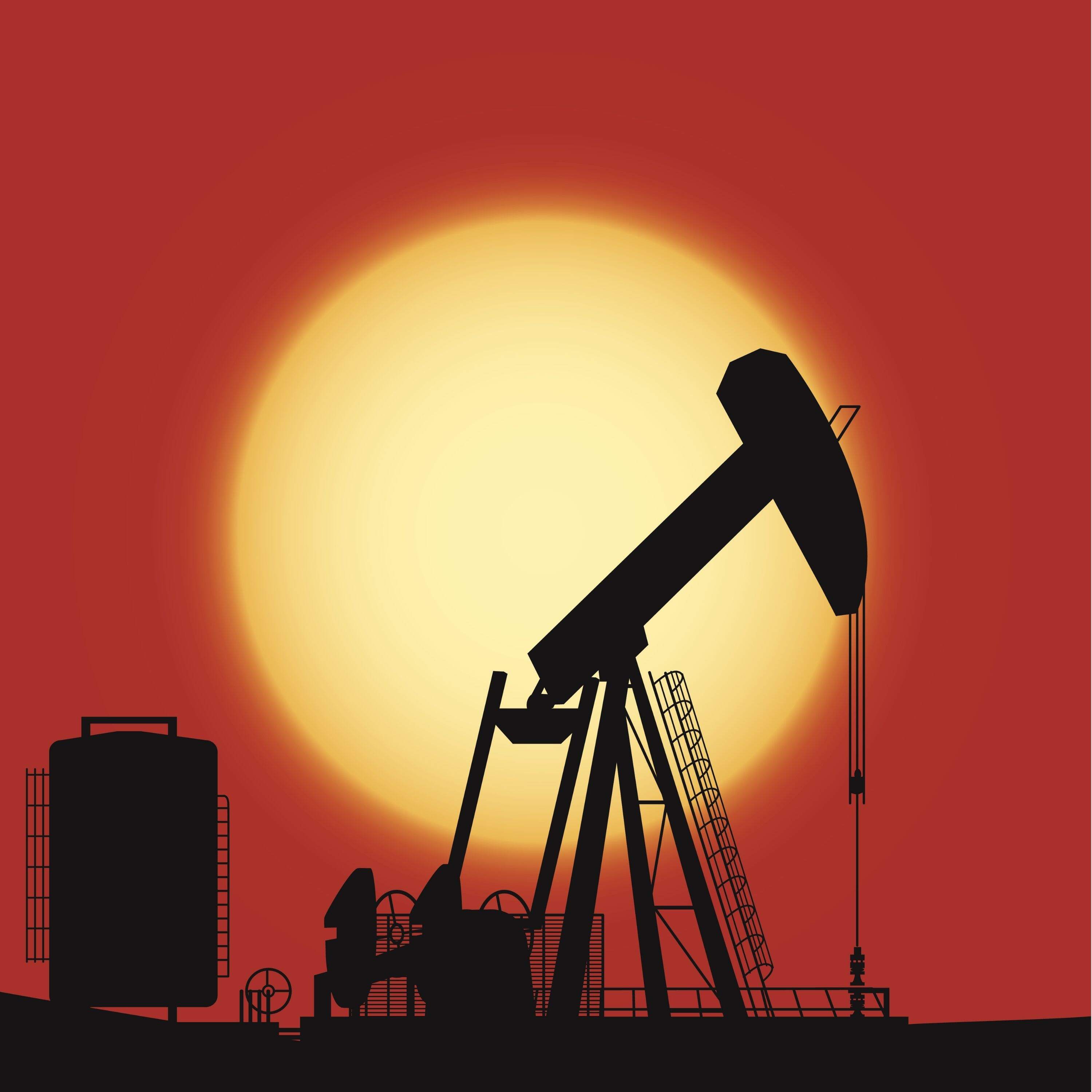
| 5/13/26 | OPECoil prices+3 | — | OPEC | United Arab Emirates | OPECoil prices+3 | — | 27m 33s | ||
| 5/9/26 | WNBAsports negotiation+4 | Alysha Clark | WNBANPR+5 | — | WNBAAlysha Clark+5 | — | 29m 18s | ||
| 5/6/26 | free agencybaseball history+4 | — | St. Louis CardinalsPhillies+2 | — | Curt Floodfree agency+5 | — | 28m 51s | ||
| 5/2/26 | book publishingbestsellers+4 | — | New York TimesBloomberg Businessweek+1 | — | bestsellerNew York Times+5 | — | 46m 45s | ||
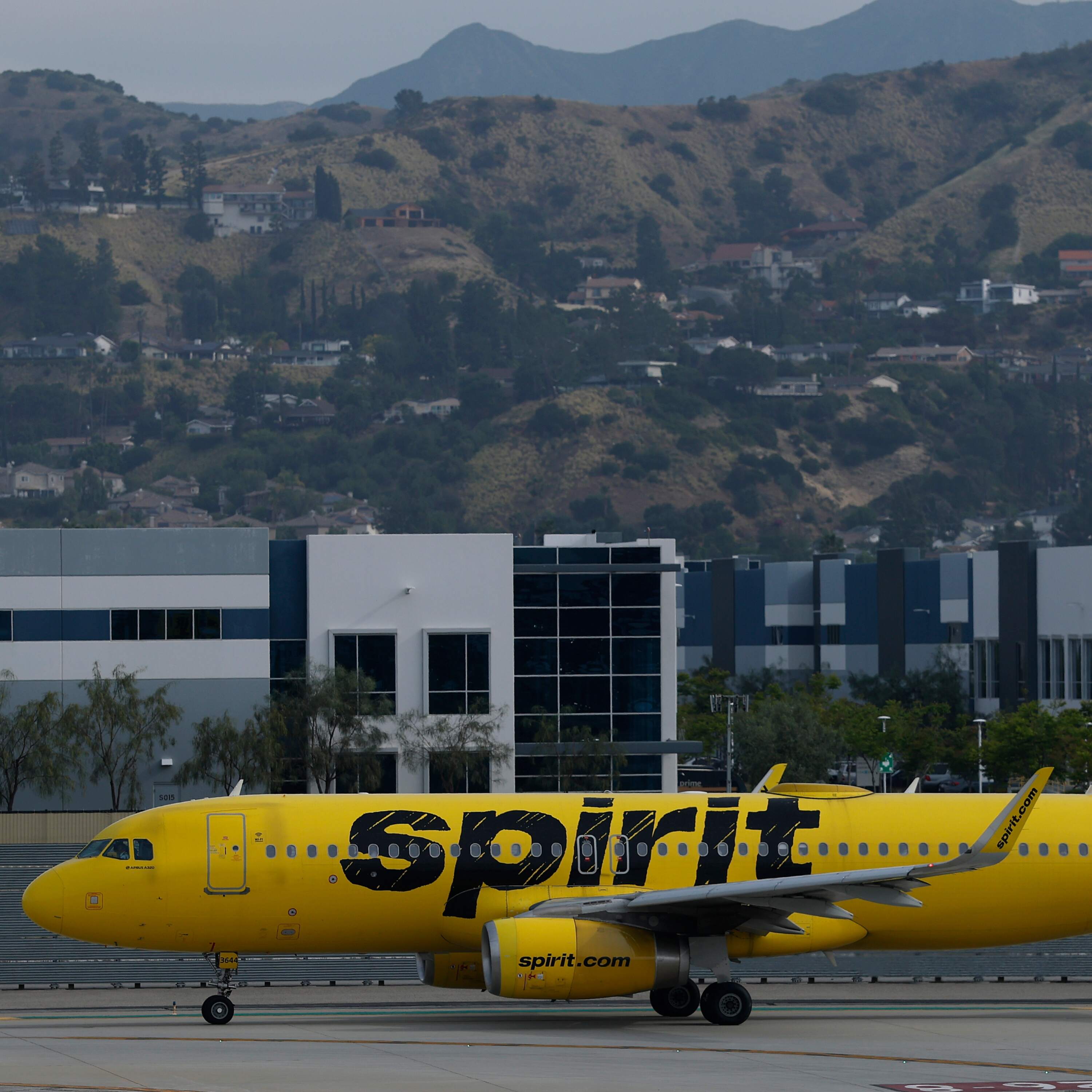
| 4/29/26 | cheap flightsairline industry+4 | Ben Baldanza | Spirit AirlinesPresident Trump+7 | — | Spirit Airlinescheap flights+5 | — | 25m 35s | ||
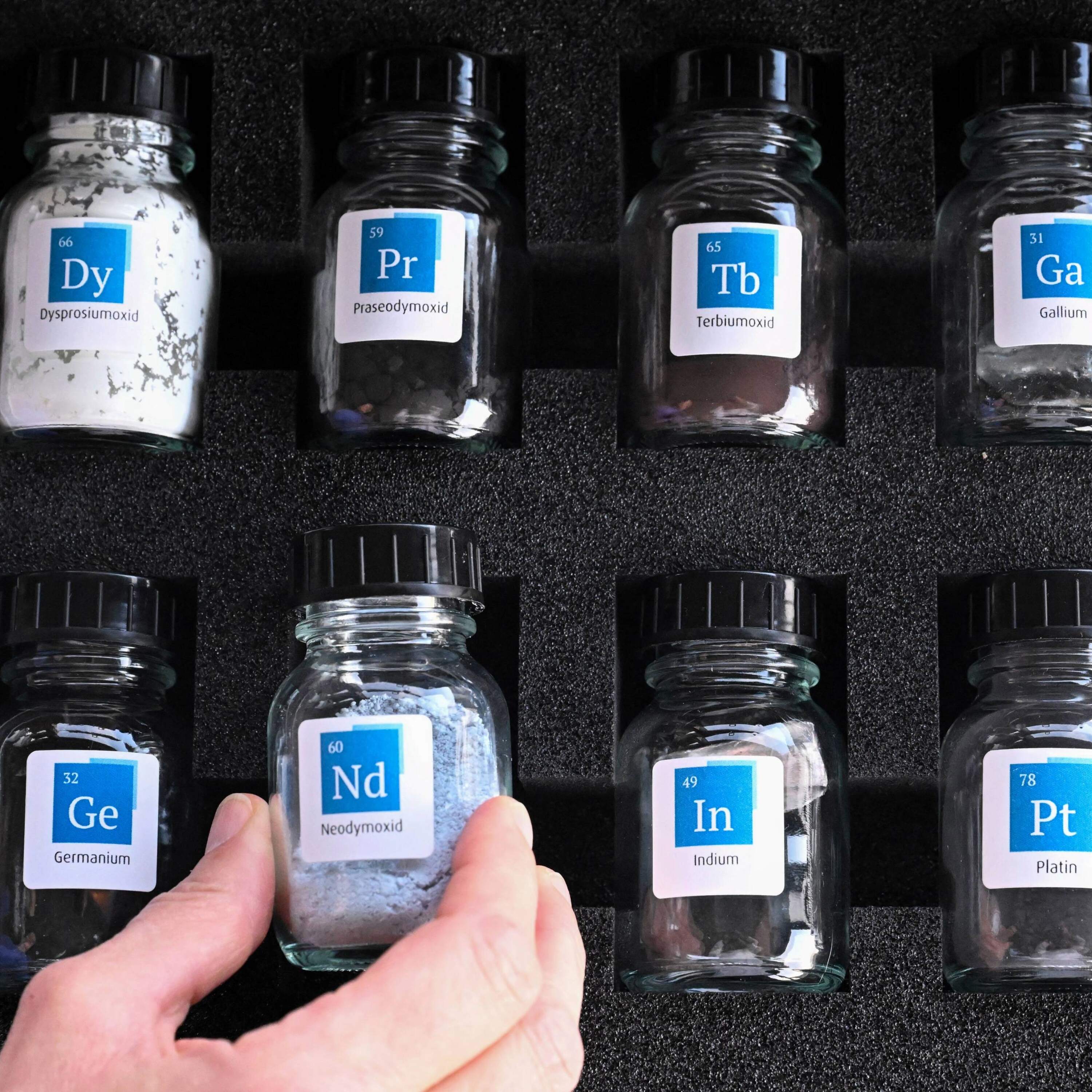
| 4/24/26 | rare earthsU.S. industry+4 | — | NPRPlanet Money | U.S.China | rare earthsU.S. industry+5 | — | 34m 15s | ||
| 4/22/26 | AIjobs+3 | Jack ClarkDaryl Fairweather | Planet MoneyRedfin+1 | — | AIjobs+5 | — | 29m 45s | ||
| 4/18/26 | prediction marketsgambling+4 | Kristin Johnson | CFTCPlanet Money+3 | — | prediction marketsgambling+5 | — | 32m 25s | ||
| 4/14/26 | IranStrait of Hormuz+4 | — | IranNPR | Strait of HormuzOman | Strait of HormuzIran+4 | — | 18m 53s | ||
| 4/10/26 | bookstorespublishing industry+4 | — | Planet MoneyNPR+2 | — | bookstorespublishing+5 | — | 40m 52s | ||
| 4/8/26 | private equityworker ownership+4 | — | NPRPlanet Money | — | private equityworker equity+4 | — | 25m 41s | ||
| 4/4/26 | chocolateskimpflation+4 | Brad Reese | Reese’s Peanut Butter CupHershey’s+1 | — | chocolate skimpflationHershey's+4 | — | 33m 42s | ||
| 4/2/26 | Cuba's economycommunism+5 | — | NPR | CubaUnited States | Cubaeconomy+6 | — | 27m 41s | ||
| 3/28/26 | real estate developmentzoning restrictions+4 | — | Squamish NationNPR | — | Squamish Nationreal estate+7 | — | 22m 24s | ||
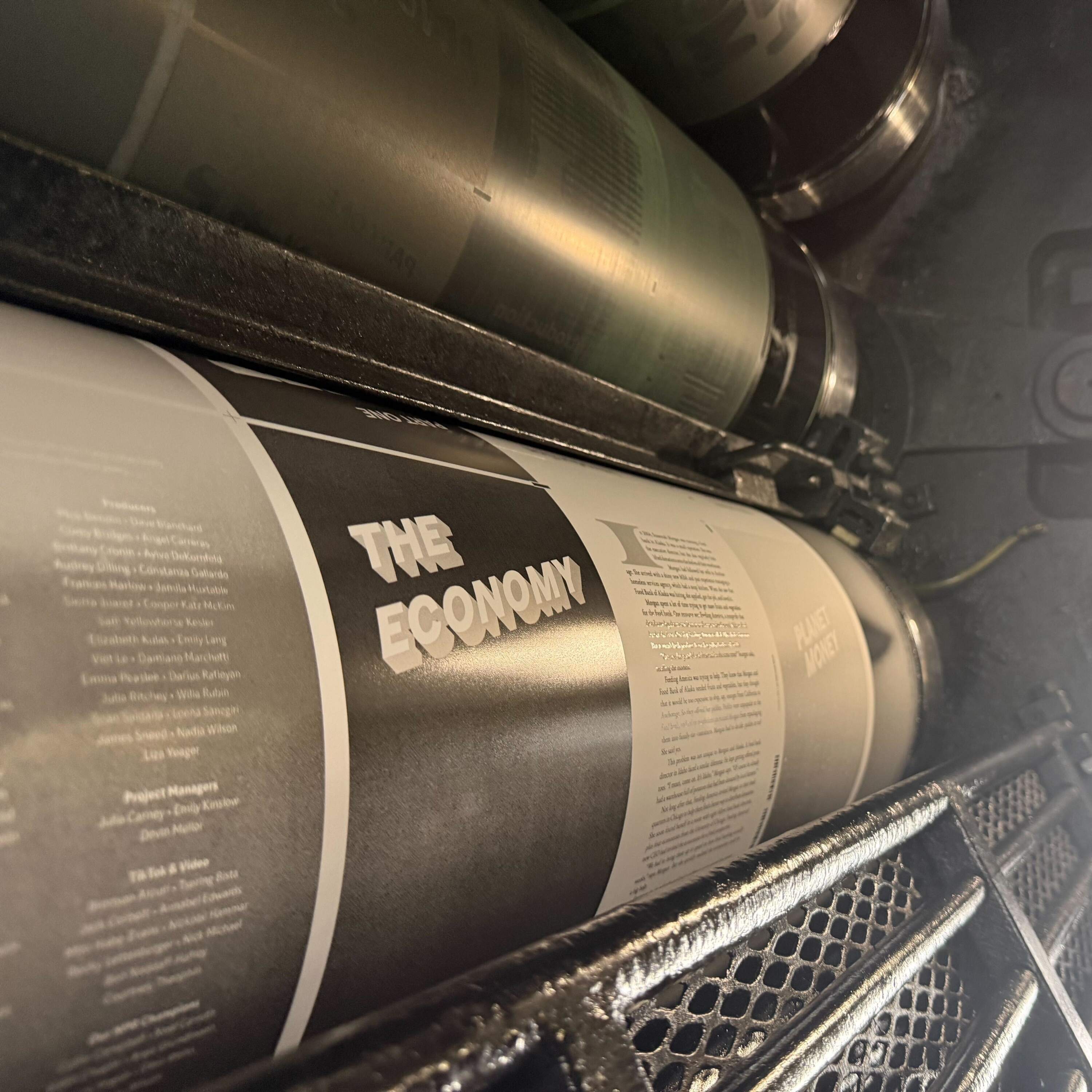
| 3/26/26 | publishing industrysupply chain+4 | — | NPRPlanet Money | — | book productionsupply chain+6 | — | 46m 30s | ||



























Showing 58 of 355
Pitch Fit is a Pro feature
See how bookable this show is for guests, which brands already advertise, the per-episode ad value, and the best-fit guest and sponsor profile. The numbers are blurred on the free plan.
How readily this show books outside guests like you.
How proven this show is for host-read sponsorships.
For Guests
ProFor Advertisers
ProUpgrade to Pro to unlock guest cadence, sponsor categories, fit scores, and per-episode ad value for this show.
Similar Audience Demographics
Podcasts that attract a similar listener profile



Distribution & Reach
About the show, platforms, and key insights.
Distribution & Reach
About the show, platforms, and key insights.
NPR, or National Public Radio, is a well-respected American media organization known for its in-depth reporting and storytelling across various subjects, including news, culture, and economics. They have a reputation for producing high-quality, informative programming that engages listeners on both local and national levels. "Planet Money" stands out by making complex economic concepts accessible and relatable to everyday life, tying various topics back to economic principles. The podcast employs a narrative format that blends storytelling with analysis, inviting listeners to explore how economic forces shape their lives. With 355 episodes, it covers a wide range of themes, from consumer behavior to global financial trends, often with a light-hearted approach. The podcast appeals to a diverse audience interested in understanding the economy and its impact on their daily lives. Listeners gain valuable insights that empower them to navigate economic discussions with confidence, making it a go-to resource for anyone wanting to connect broader economic concepts to real-world scenarios.
By the numbers
- Total followers: 963K
- Total plays: 42M
- Total reviews: 30K
Platforms
TuneIn
- Followers: 87K
Castbox
- Followers: 751K
- Plays: 19M
- Reviews: 810
YouTube
- Subscribers: 95K
- Views: 24M
- Videos: 393
Podcast App
- Followers: 31K
- Reviews: 30K
Podcast Republic
- Followers: 120
Audience
adults, general
Key insights
What the show covers
- explores economic forces
- relates topics to economy
- educational content on finance
- engaging storytelling about economics
Audience interests
- economics and its impact
- current business news
- financial literacy
- understanding global events
Platform reach
- available on major podcast platforms
- NPR distribution network
- potential for wide audience
- unknown follower count
Publishing consistency
- 355 episodes produced
- active for 3 years
- weekly or more episodes
- consistent release schedule
Chart history for Planet Money
Peaked at #5 in New Zealand, top 10 in 5 of 48 tracked markets, currently #5 in New Zealand.
| Market | Genre | Peak | Current | Trend |
|---|---|---|---|---|
| New Zealand | — | #5 | #5 | — |
| KE | — | #5 | #5 | — |
| Canada | — | #7 | #7 | — |
| RO | — | #8 | #8 | — |
| PH | — | #9 | #9 | — |
| PE | — | #11 | #11 | — |
| Australia | — | #12 | #12 | — |
| TR | — | #12 | #12 | — |
| SG | — | #12 | #12 | — |
| HK | — | #12 | #12 | — |
| MY | — | #12 | #12 | — |
| South Korea | — | #13 | #13 | — |
| India | — | #13 | #13 | — |
| ID | — | #13 | #13 | — |
| Ireland | — | #15 | #15 | — |
| Finland | — | #16 | #16 | — |
| TH | — | #17 | #17 | — |
| SA | — | #18 | #18 | — |
| IS | — | #19 | #19 | — |
| CL | — | #21 | #21 | — |
Chart Positions
48 placements across 48 markets.
Chart Positions
48 placements across 48 markets.