
Throughline
Throughline is a time machine. Each episode, we travel beyond the headlines to answer the question, "How did we get here?" We use sound and stories to bring history to life and put you into the middle of it. From ancient...
AI overview.NPR, a leading public radio organization, is renowned for its high-quality journalism and innovative storytelling across various platforms. With a commitment to…
Insights from recent episode analysis
On the show
- Atossa Araxia Abrahamian1 ep
- Wayne Gramlich1 ep
- Dan Girma1 ep
Also: Jacob Silverman, Karen Roggenkamp, W. Joseph Campbell, George Zarkadakis, Francis Collins, Stephanie Dick, Meredith Broussard, Joe Thorndike, Paul Camacho, Jason Scott Smith, Lawrence Reed, Goloka Bolte, Dr. Jana Scrivani, Racquel Gates, Dr. J'tia Hart, Jeff Jenkins, Viet Thanh Nguyen
Audience Interest
- history enthusiasts
- cultural insights
Podcast Focus
- historical events analysis
- cultural context exploration
Publishing Consistency
- weekly episodes
- active for seven years
Insights are generated by CastFox AI using publicly available data, episode content, and proprietary models.
Most discussed topics
Brands & references
Total monthly reach
Based on 3 signals.
Built from
By chart position
- 🇺🇸United States · HistoryHOME#12302K to 1.3M
- 🇰🇷South Korea · History#327K to 114K
- 🇮🇳India · History#314.1K to 17K
- 🇨🇦Canada · History#343.2K to 14K
- 🇵🇱PL · History#123.0K to 13K
- Per-Episode Audience
Est. listeners per new episode within ~30 days
355K to 1.5M🎙 Daily cadence·460 episodes·Last published 3d ago - Monthly Reach
Unique listeners across all episodes (30 days)
1.2M to 5.0M🇺🇸85%🇰🇷8%🇮🇳1%+4 more - Active Followers
Loyal subscribers who consistently listen
650K to 2.8M93K real followers tracked across platforms
Market Insights
Platform Distribution
Reach across major podcast platforms, updated hourly
Total Followers
—
Total Plays
—
Total Reviews
—
* Data sourced directly from platform APIs and aggregated hourly across all major podcast directories.
| Date | Episode | Topics | Guests | Brands | Places | Keywords | Sponsor | Length | |
|---|---|---|---|---|---|---|---|---|---|
| 10/22/26 | 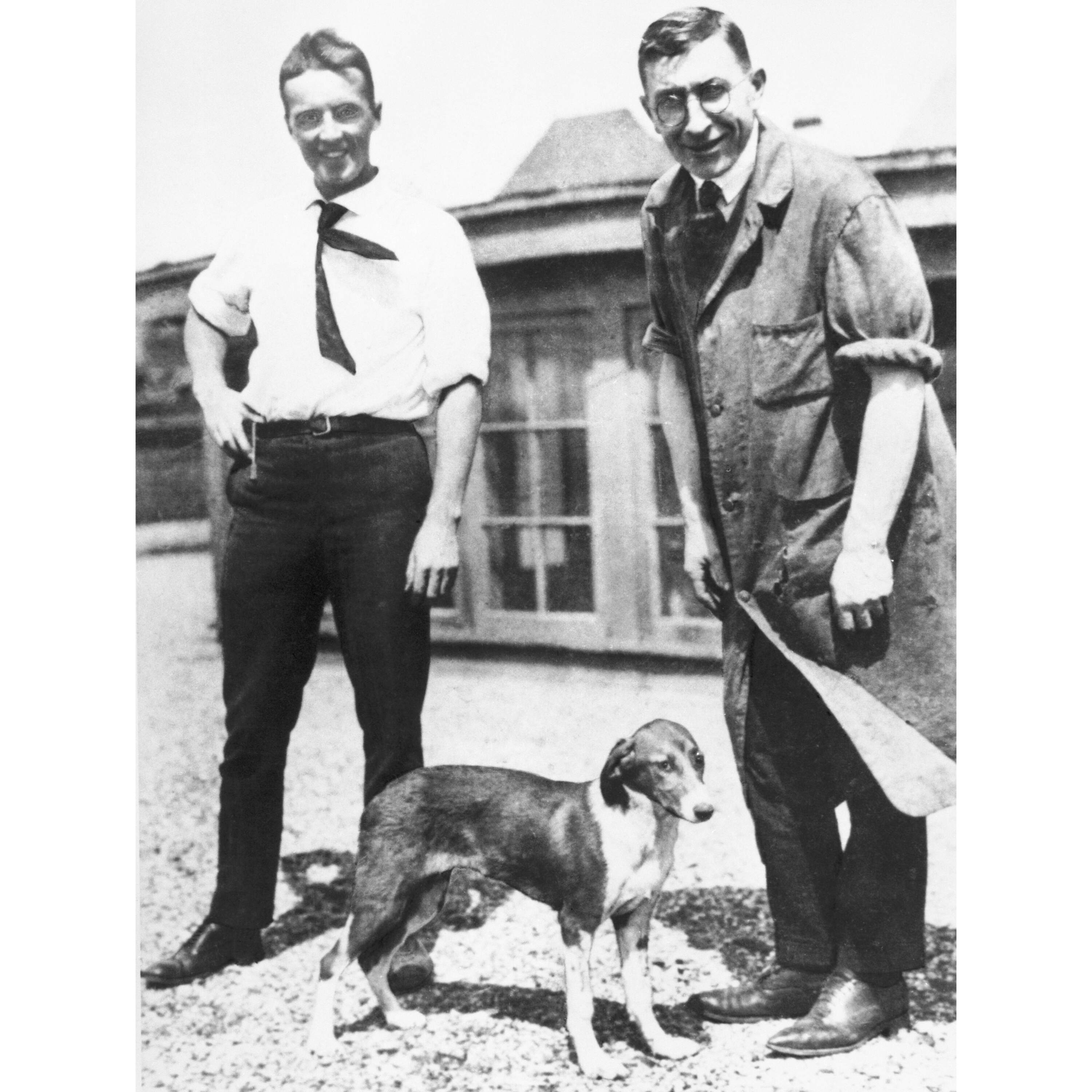 The dramatic race to discover Insulin | Looksmaxxing, weight loss, and muscle building have fueled a massive craze for injectable peptides. Some natural and some synthetic. These injectables have unleashed a multi-billion-dollar gray-market industry online and a high-stakes frontier for the pharmaceutical industry. Today, we reach back to the quest to manufacture the first peptide-based medicine: Insulin.Guests:Alison Li, historian of science and medicine, author of J. B. Collip and the Development of Medical Research in Canada: Extracts and EnterpriseGrant Maltman, curator of Banting House National Historic SiteSupport public media with NPR+ and enjoy perks for over 25 podcasts like this one. This show’s perks include sponsor-free listening. Learn more at plus.npr.org.See pcm.adswizz.com for information about our collection and use of personal data for sponsorship and to manage your podcast sponsorship preferences.NPR Privacy Policy | 37m 08s | ||||||
| 10/20/26 | 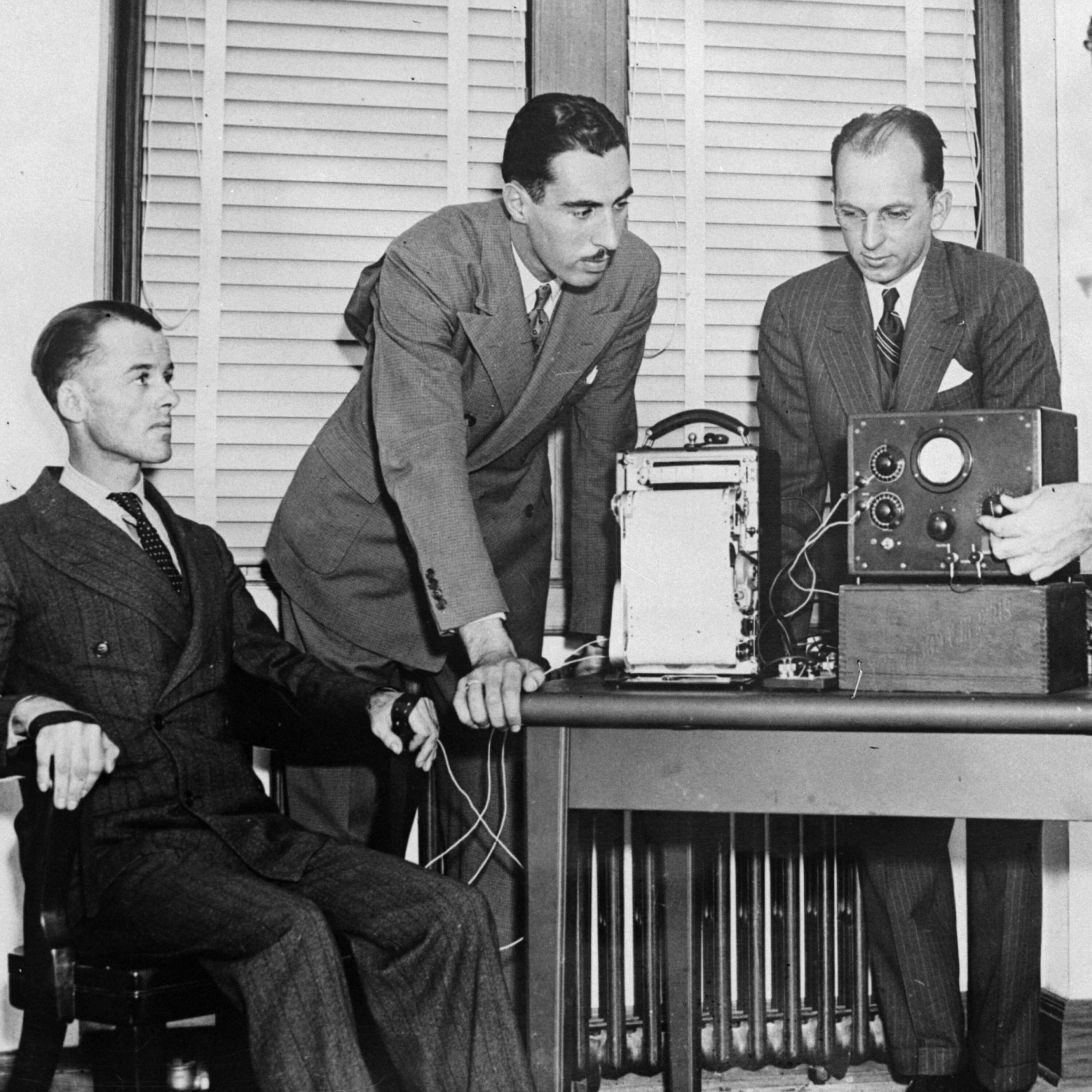 Can the polygraph test really spot a lie? | From dating shows to police interrogation rooms, the polygraph test has long been marketed as a way to detect deception. But can it really? And who decided we needed a truth machine in the first place? In this episode, a Throughline listener sends us on a quest to uncover the story of the lie detector.Guests:Ken Alder, professor of history at Northwestern University and author of The Lie Detectors: The History of an American ObsessionSupport public media with NPR+ and enjoy perks for over 25 podcasts like this one. This show’s perks include sponsor-free listening. Learn more at plus.npr.org.See pcm.adswizz.com for information about our collection and use of personal data for sponsorship and to manage your podcast sponsorship preferences.NPR Privacy Policy | 19m 34s | ||||||
| 10/15/26 | 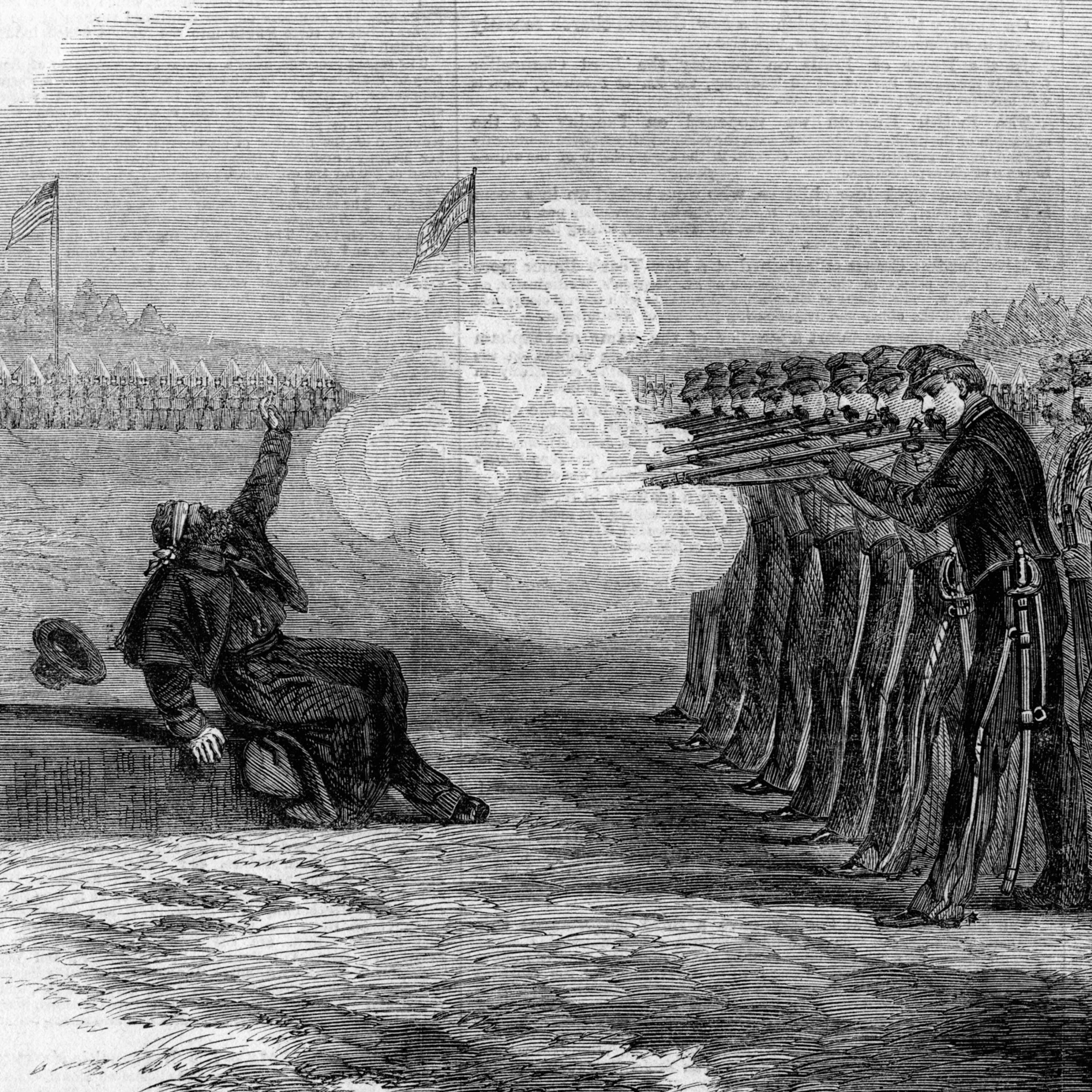 Is the death penalty cruel and unusual? | The Eighth Amendment. What is cruel and unusual punishment? Who gets to define and decide the amendment's boundaries? And how did the Constitution's authors imagine it might change? In this hour, the shifting definition of cruel and unusual punishment. This episode was originally published in January 2025. Guests:John Bessler, law professor at the University of Baltimore School of Law, and adjunct professor at the Georgetown University Law Center. Author of The Death Penalty's Denial of Fundamental Human Rights.Carol Steiker, law professor at Harvard Law School and author of Courting Death: the Supreme Court and Capital Punishment.Support public media with NPR+ and enjoy perks for over 25 podcasts like this one. This show’s perks include sponsor-free listening. Learn more at plus.npr.org.See pcm.adswizz.com for information about our collection and use of personal data for sponsorship and to manage your podcast sponsorship preferences.NPR Privacy Policy | 47m 51s | ||||||
| 10/13/26 |  Why does everything get a standing ovation now? | Call it standing ovation inflation: these days, it feels like it's mandatory to stand and clap for live performances. Has our please clap era gone too far? That's what one Throughline listener wanted to know. So we traced the winding road from Shakespeare’s epilogues to Broadway divas to ridiculously long film festival ovations… and how they helped engineer the way we applaud.Guests:Roger Gilbert, professor in the Department of Literatures in English at CornellKyle Buchanan, reporter and columnist for the New York TimesSupport public media with NPR+ and enjoy perks for over 25 podcasts like this one. This show’s perks include sponsor-free listening. Learn more at plus.npr.org.See pcm.adswizz.com for information about our collection and use of personal data for sponsorship and to manage your podcast sponsorship preferences.NPR Privacy Policy | 16m 22s | ||||||
| 10/8/26 | 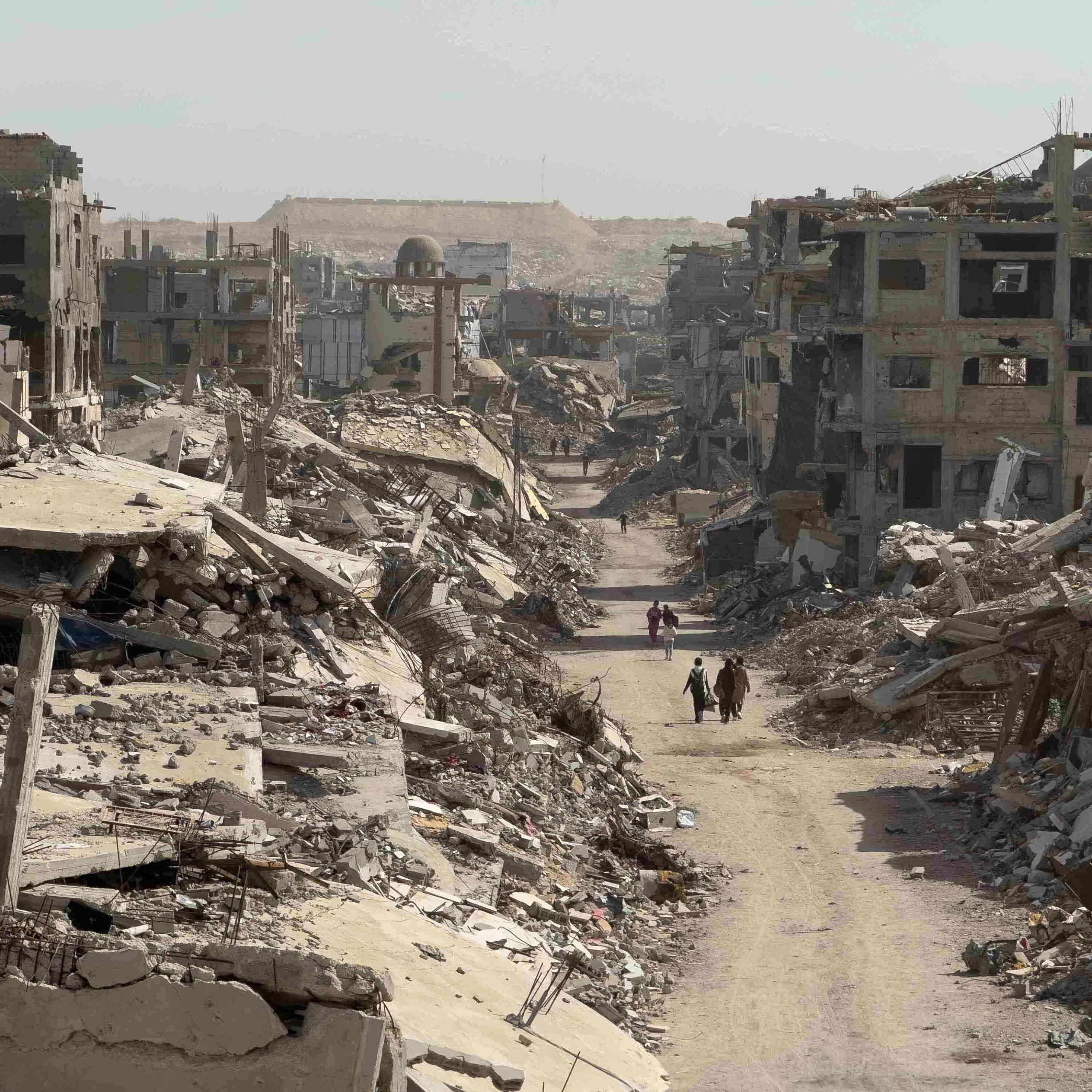 Four Seasons of Ceasefire in Gaza | NPR’s Anas Baba is one of the last remaining journalists in Gaza working full-time for an American news organization. A year into the ceasefire, more than 1400 people have been killed in Israeli attacks, nearly 5,000 injured. And those numbers rise nearly every day. What has the last year looked and felt like on the ground? In this episode, Baba takes us through four seasons of ceasefire—as both a resident trying to survive and a reporter trying to document reality.Guests:Anas Baba, NPR Gaza reporterSupport public media with NPR+ and enjoy perks for over 25 podcasts like this one. This show’s perks include sponsor-free listening. Learn more at plus.npr.org.See pcm.adswizz.com for information about our collection and use of personal data for sponsorship and to manage your podcast sponsorship preferences.NPR Privacy Policy | 43m 17s | ||||||
| 10/1/26 |  How To Avoid The End of the World | We live in a moment with almost daily reminders of how fragile life on Earth is whether it be from climate change, nuclear weapons or AI. In this episode, we bring you a story from the not-so-distant past when we learned what drove dinosaurs to extinction. And how it might have helped us avoid the same end. This episode was originally published in March 2025.Guests:David Sepkoski, Thomas M. Siebel Chair in History of Science at the University of Illinois and author of Catastrophic Thinking: Extinction and the Value of Diversity.Owen Brian Toon, professor of atmospheric and oceanic sciences at the University of Colorado Boulder.Alec Nevala-Lee, novelist, critic, and biographer and author of the forthcoming book Collisions: A Physicist's Journey from Hiroshima to the Death of the Dinosaurs.Ann Druyan, co-writer and co-creator of the television series Cosmos: A Personal Voyage.Andrew Revkin, science and environmental journalist.Support public media with NPR+ and enjoy perks for over 25 podcasts like this one. This show’s perks include sponsor-free listening. Learn more at plus.npr.org.See pcm.adswizz.com for information about our collection and use of personal data for sponsorship and to manage your podcast sponsorship preferences.NPR Privacy Policy | 52m 07s | ||||||
| 9/29/26 | 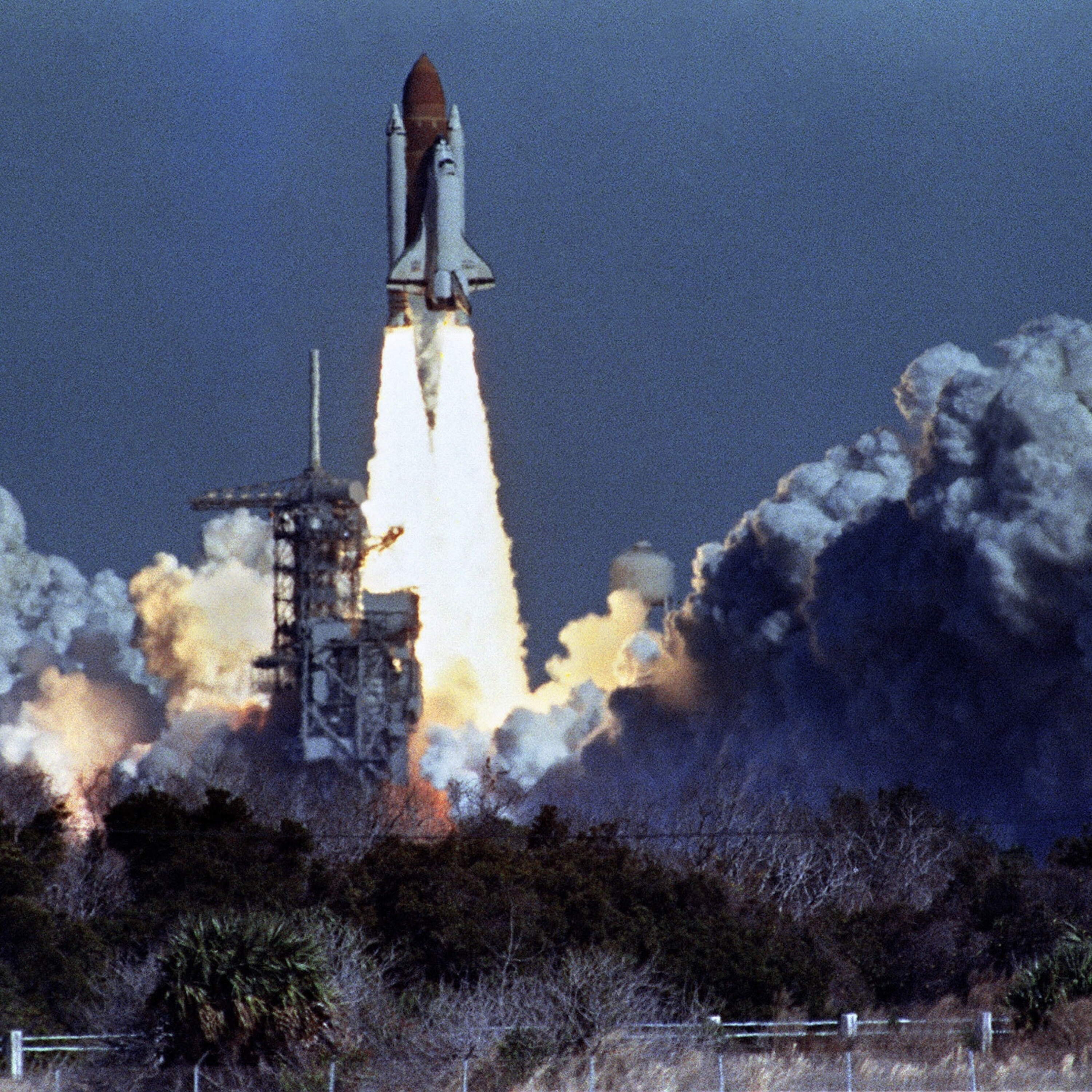 Forty years of what if | On January 28, 1986, the Space Shuttle Challenger exploded 73 seconds after liftoff. All seven astronauts onboard died. Brian Russell, an engineer who worked on the shuttle, had spent months warning NASA that freezing temperatures could cause a critical seal to fail. In this episode, Brian Russell takes us to the intense meeting where NASA had to decide whether to launch and the 40-year weight of a tragedy he tried to prevent.Support public media with NPR+ and enjoy perks for over 25 podcasts like this one. This show’s perks include sponsor-free listening. Learn more at plus.npr.org.See pcm.adswizz.com for information about our collection and use of personal data for sponsorship and to manage your podcast sponsorship preferences.NPR Privacy Policy | 21m 18s | ||||||
| 9/24/26 |  Democratic Socialism. Hope or Hopeless? | The Democratic Socialists of America (DSA) is having a big moment. Its candidates and its membership are both surging. Before Zohran Mamdani and AOC, there was its founder, Michael Harrington, a.k.a 'the man who discovered poverty.' In this episode, we dig into Harrington’s evolution from devout Catholic to revolutionary socialist to Democratic party loyalist, and ask: did his push to compromise delay the dream or pave the way for it? Guests:Maurice Isserman, Professor of History at Hamilton Collegeand author of The Other American: The Life of Michael Harrington.Doug Greene, author of A Failure of Vision: Michael Harrington and the Limits of Democratic Socialism.Support public media with NPR+ and enjoy perks for over 25 podcasts like this one. This show’s perks include sponsor-free listening. Learn more at plus.npr.org.See pcm.adswizz.com for information about our collection and use of personal data for sponsorship and to manage your podcast sponsorship preferences.NPR Privacy Policy | 50m 18s | ||||||
| 9/17/26 | 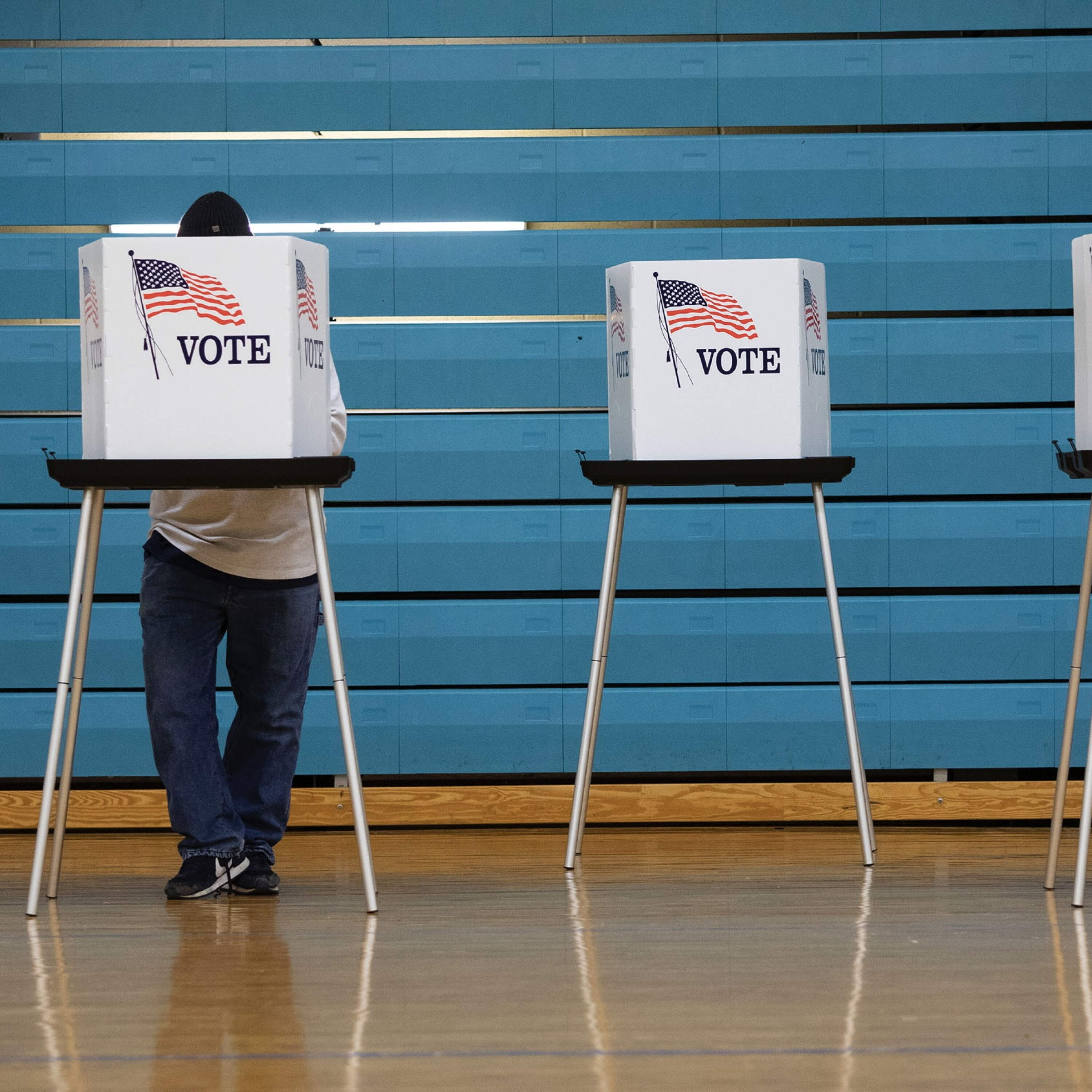 How two swing states changed American voting | Today on the show, the balance of Congressional power is up for grabs in this midterm election. It could be determined by a small number of voters in a few battleground states. Blueprints from the past could be the guide for big wins. The GOP has embraced a block-the-vote strategy set in motion in Arizona in the 1960s. And the Democrats are embracing a grassroots power base set up in Michigan in the 1970s.Guests:John A. Jenkins, author of The Partisan: The Life of William RehnquistTova Wang, Director of Research Projects in Democratic Practice at the Ash Center at the Harvard Kennedy School and author of The Politics of Voter Suppression: Defending and Expanding Americans' Right to Vote.Ismael Ahmed, co-founder of the Arab American Center for Economic and Social Services.Sally Howell, Professor of History with a focus on Arab American studies at the University of Michigan-Dearborn.Support public media with NPR+ and enjoy perks for over 25 podcasts like this one. This show’s perks include sponsor-free listening. Learn more at plus.npr.org.Correction: An earlier version of this episode incorrectly said that Michigan voters could send the first Arab American to the Senate. South Dakotan James Abourezk became the first Arab American U.S. senator in 1973.See pcm.adswizz.com for information about our collection and use of personal data for sponsorship and to manage your podcast sponsorship preferences.NPR Privacy Policy | 50m 11s | ||||||
| 9/10/26 | baseballmusic+3 | John ThornNancy Faust | Major League BaseballChicago White Sox+1 | — | baseballwalk-up music+3 | — | 32m 03s | ||
Want analysis for the episodes below?Free for Pro Submit a request, we'll have your selected episodes analyzed within an hour. Free, at no cost to you, for Pro users. | |||||||||
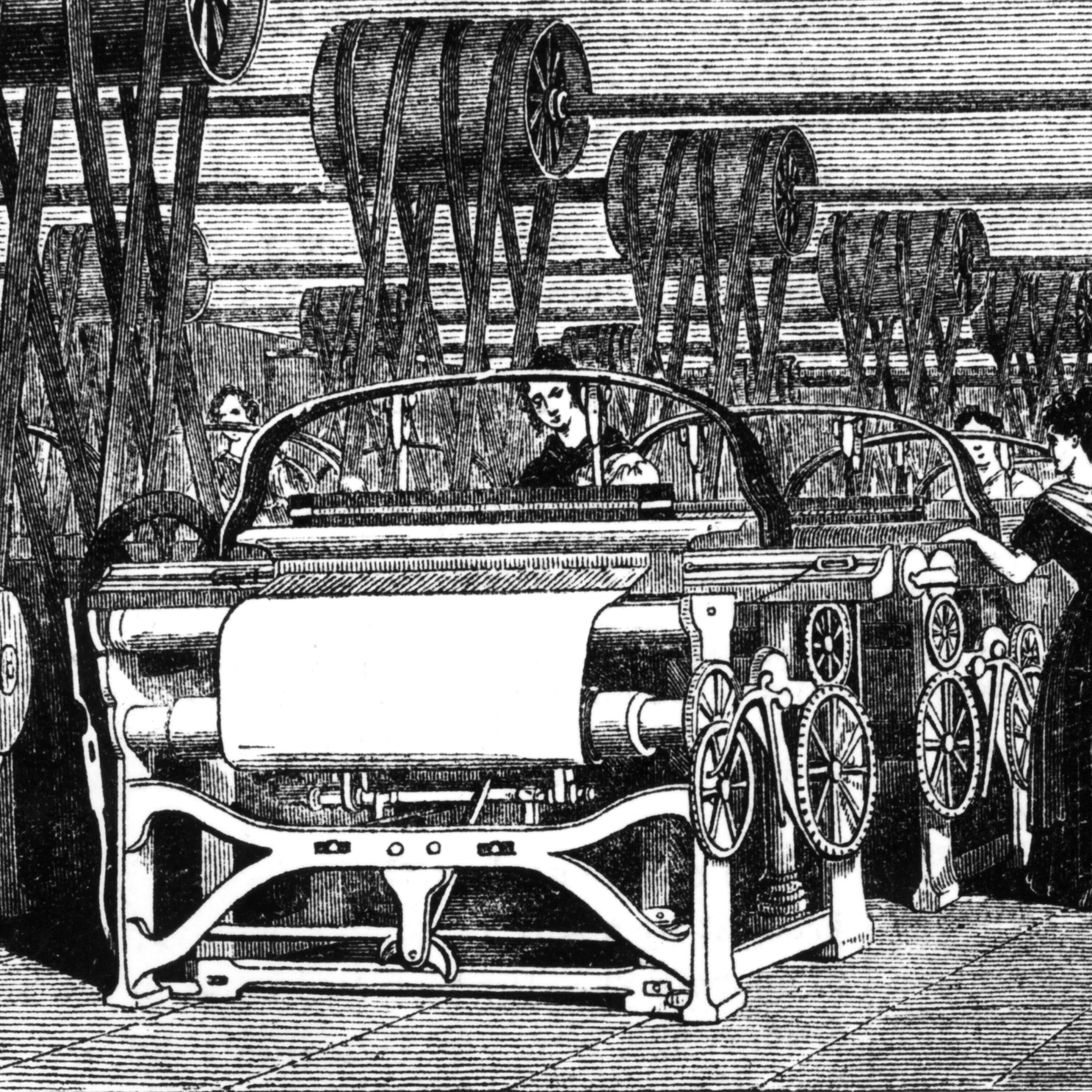
| 9/8/26 | Luddite movementtechnology+4 | Katrina Navickas | University of HertfordshireNPR+1 | — | LudditeAI+5 | — | 16m 46s | ||
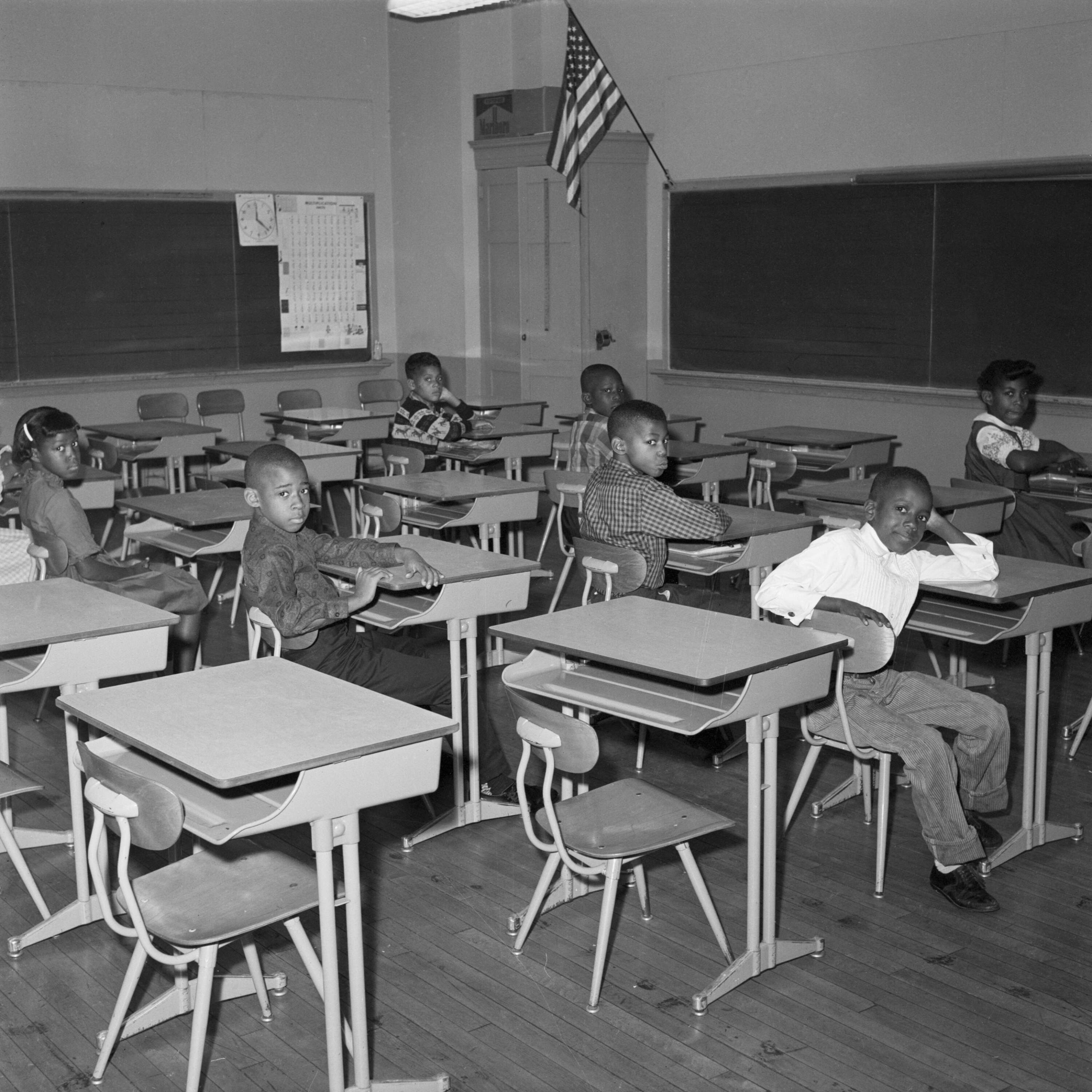
| 9/3/26 | educational inequalityColeman Report+3 | Victoria CainThomas Kane | NPRHarvard University+1 | — | Coleman Reporteducational inequality+3 | — | 36m 49s | ||
| 9/1/26 | SAThigher education+3 | Nicholas Lemann | NPRThe Big Test+1 | — | SATcollege admissions+3 | — | 18m 56s | ||
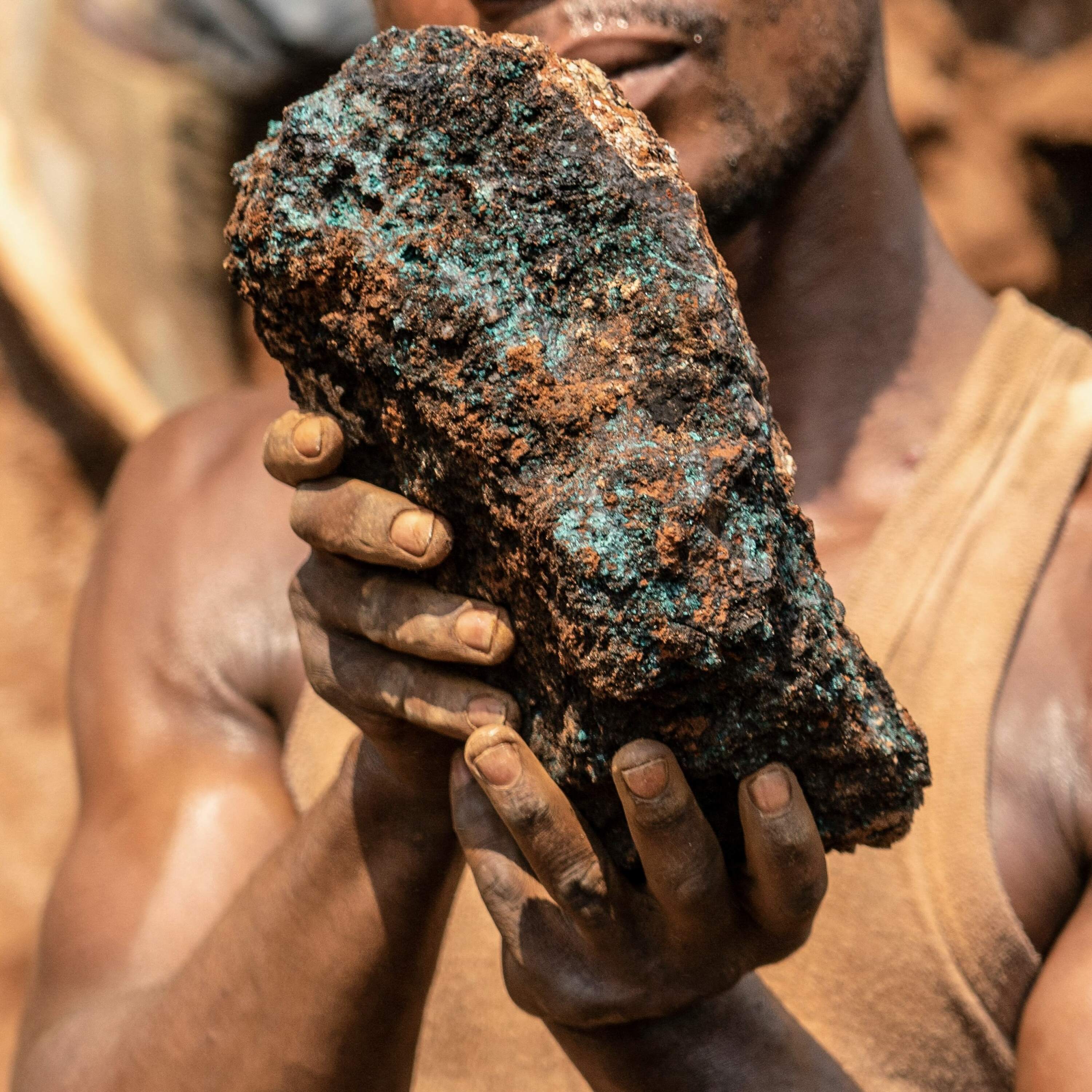
| 8/27/26 | cobalt miningtechnology+3 | Siddharth KaraAdam Hochschild+2 | NPRCobalt Red: How the Blood of the Congo Powers Our Lives+1 | Democratic Republic of Congo | cobaltmining+5 | — | 52m 18s | ||
| 8/20/26 | K-popcultural dominance+4 | Michael KimJohn Dimoia+1 | K-popNPR+5 | Korea | K-popcultural influence+5 | — | 48m 08s | ||
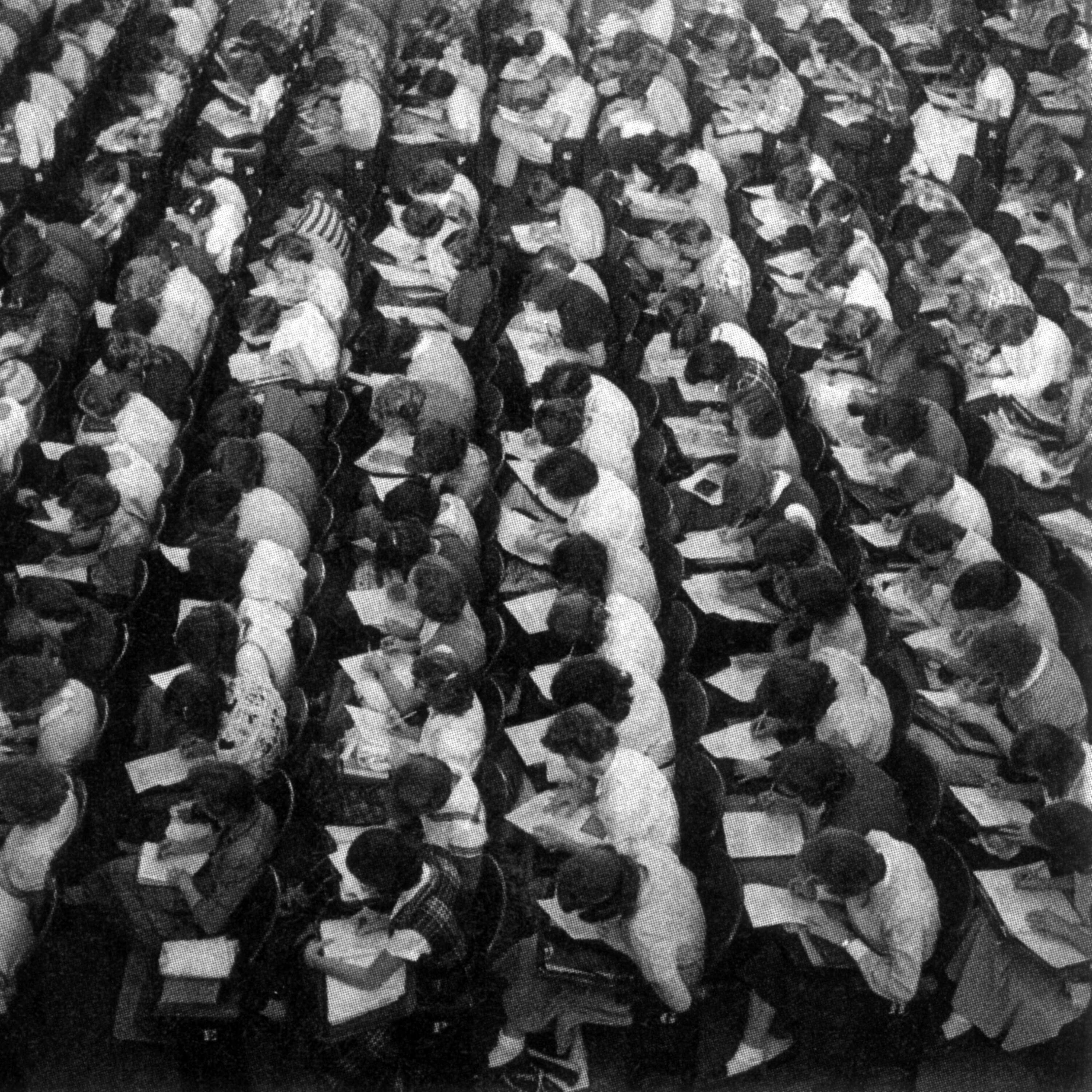
| 8/13/26 | corporate betrayalfemale executives+3 | Alison ClarkeBob Kealing | NPRTupperware, the Promise of Plastic in 1950s America+1 | — | Brownie WiseTupperware+5 | — | 49m 11s | ||
| 8/6/26 | Monopolyhistory+4 | Mary Pilon | NPRThe Monopolists: Obsession, Fury, and the Scandal Behind the World's Favorite Board Game | — | Monopolyboard game+5 | — | 49m 49s | ||
| 8/4/26 | protestslegacy+3 | — | NPRWe Shall Overcome | — | We Shall Overcomeprotests+5 | NPR+ | 19m 26s | ||
| 7/30/26 | lightbulb conspiracyconsumer economy+3 | Sally HelmMarkus Krajewski+1 | NPRThe Great Lightbulb Conspiracy+1 | — | lightbulbconspiracy+5 | — | 31m 49s | ||
| 7/28/26 |  The license to be funny in America | One of the most fundamental aspects of American democracy has been the public’s ability to critique power, whether that’s through protest, legislation, or a really funny joke. Today, we take a romp into the history of American comedy, showing no matter how crude, rude, or distasteful the humor may be, Americans have a constitutional right to stand up.To access bonus episodes and listen to Throughline sponsor-free, subscribe to Throughline+ via Apple Podcasts or at plus.npr.org/throughline.See pcm.adswizz.com for information about our collection and use of personal data for sponsorship and to manage your podcast sponsorship preferences.NPR Privacy Policy | 20m 01s | ||||||
| 7/23/26 |  The architect of modern China | From impoverishment to global superpower, China’s supremacy happened at a breakneck speed thanks to the visionary strategy of the man who took power in 1978. Over the next decade, under leader Deng Xiaoping’s firm leadership, China flirted with capitalism and transformed its socio-economic and political systems, effectively becoming the world’s factory.Guests:Kerry Brown, professor of Chinese Studies and Director of the Lau China Institute at King's College London and author of several books, including Xi: A Study in PowerDan Wang, a writer specializing in contemporary China and author of Breakneck: China's Quest to Engineer the FutureSupport shows like Throughline with NPR+. Sign up today at plus.npr.org.See pcm.adswizz.com for information about our collection and use of personal data for sponsorship and to manage your podcast sponsorship preferences.NPR Privacy Policy | 37m 41s | ||||||
| 7/21/26 | American retailChina+3 | Eileen Otis | NPRWalmart | ChinaNortheastern University | WalmartChina+3 | — | 17m 19s | ||
| 7/19/26 | racial justiceinvestigation+3 | — | NPRThe Seattle Times+3 | SeattleGeorge Floyd | Antonio Mays Jr.George Floyd+5 | — | 3m 02s | ||
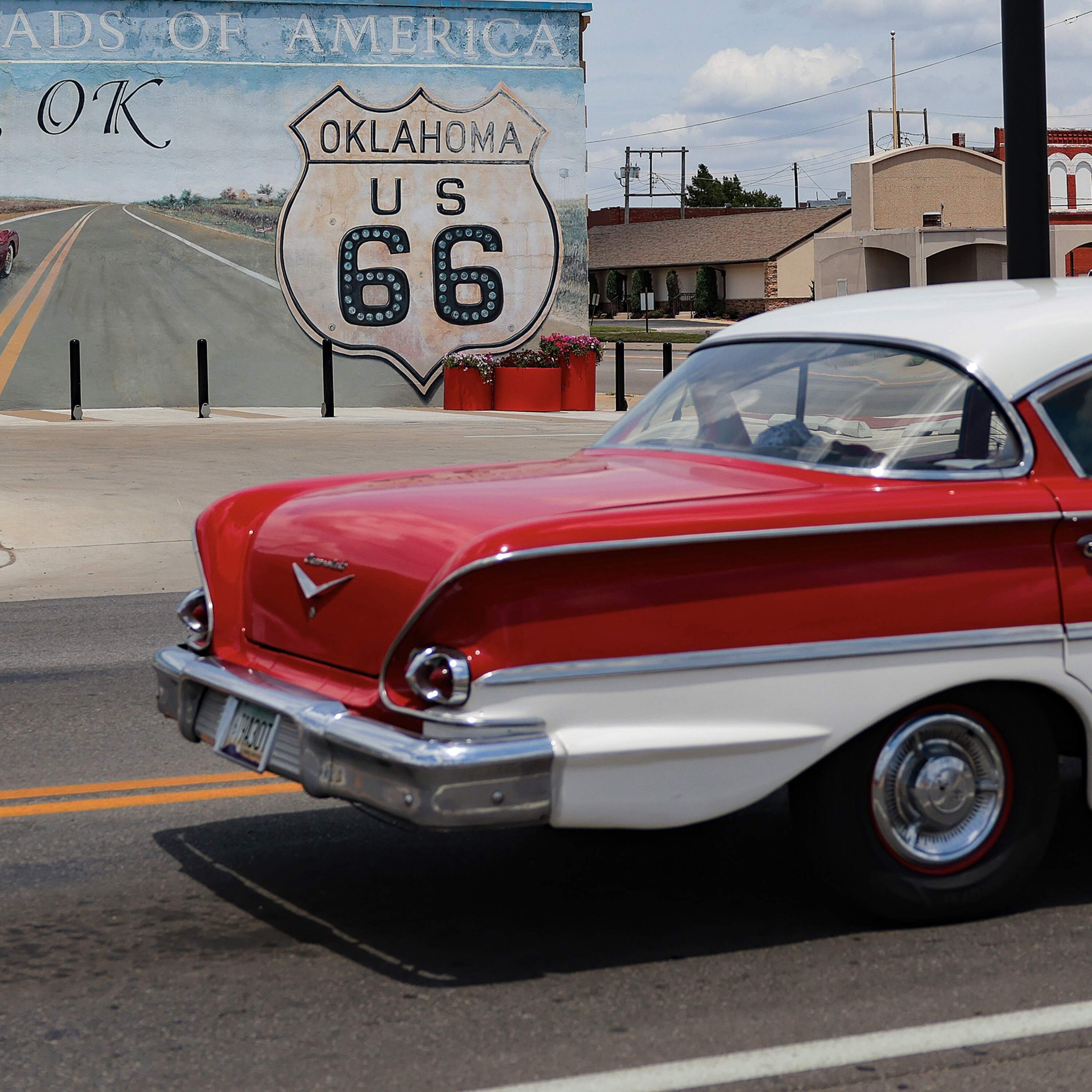
| 7/16/26 | Route 66American history+3 | Susan Croce Kelly | NPR | Route 66 | Route 66history+5 | — | 50m 15s | ||
| 7/14/26 | disability rightspublic transportation+3 | — | NPR1966 prime-time show | Denver, ColoradoMontgomery, Alabama | wheelchairsresistance+3 | — | 19m 59s | ||
| 7/9/26 | asylumimmigration+5 | Maria Cristina GarciaRuth Wasem | NPR | United StatesStatue of Liberty | asylumrefugees+6 | — | 53m 40s | ||
| 7/7/26 | American historymusic+3 | — | NPRApple Podcasts+2 | — | American historymusic+3 | — | 22m 18s | ||
| 7/2/26 | Declaration of IndependenceJuly 4th+3 | Walter IsaacsonDenise Kiernan | Tulane UniversityThe Greatest Sentence Ever Written+2 | — | July 4thDeclaration of Independence+3 | NPR+CODE | 34m 19s | ||
| 6/30/26 | ConstitutionAmerican history+4 | Heidi Schreck | NPRone-woman play about the Constitution | — | ConstitutionHeidi Schreck+4 | — | 21m 19s | ||
| 6/25/26 | global tradeMiddle East+4 | Alex Von TunzelmannHarold Lee Wise+1 | Chatham HouseBlood and Sand: Suez, Hungary, and Eisenhower's Campaign for Peace+1 | Suez CanalStrait of Hormuz+2 | Suez CanalStrait of Hormuz+5 | — | 50m 31s | ||
| 6/23/26 | prosperity gospelself-improvement+3 | — | NPRThroughline | American dream | prosperity gospelAmerican dream+3 | — | 15m 25s | ||
| 6/11/26 | free speechcriminal threats+4 | David L. Hudson, Jr.Mary Anne Franks | Belmont University Law SchoolThe George Washington Law School+1 | United States | free speechcriminal threat+5 | — | 36m 09s | ||
| 6/9/26 | Vietnam Warmedia coverage+3 | — | NPR | United States | Vietnammedia+6 | — | 17m 50s | ||
| 6/4/26 | World Cuphistory+4 | Jonathan WilsonSimon Kuper | The GuardianFinancial Times | Italy | World Cuphistory+5 | — | 52m 16s | ||
| 6/2/26 | civil rightshistorical figures+3 | — | NPR | — | Bayard RustinMarch on Washington+4 | — | 22m 33s | ||
| 5/28/26 | inflationeconomy+3 | John CochraneMeg Jacobs | Stanford University's Hoover InstitutionPrinceton School of Public and International Affairs | — | inflationeconomy+3 | — | 47m 20s | ||
| 5/26/26 | civil rightssocial justice+4 | — | NPR | — | Yuri Kochiyamaactivism+5 | — | 20m 52s | ||
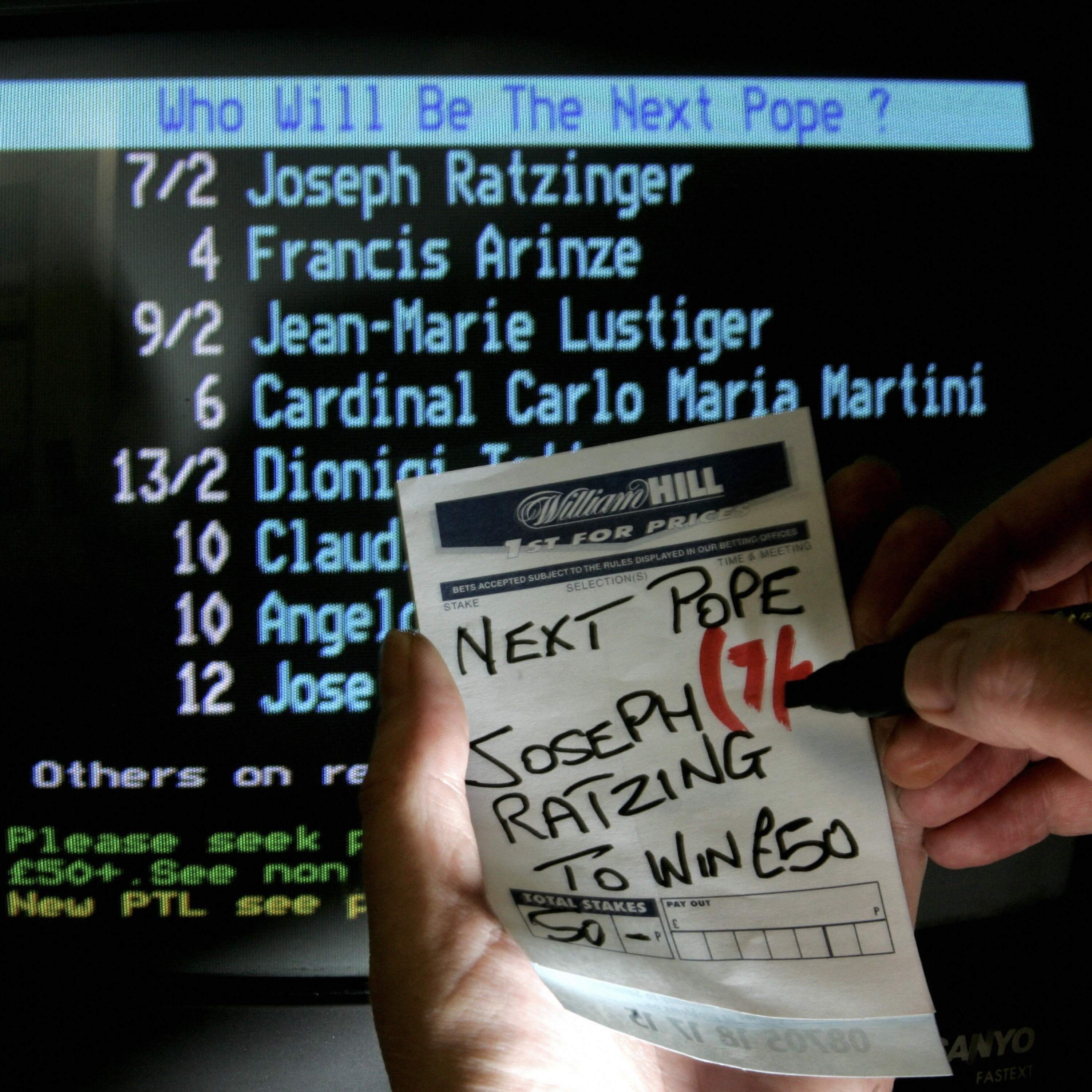
| 5/21/26 | prediction marketshistory+4 | Koleman StrumpfPaul Rhode+2 | Wake Forest UniversityUniversity of Michigan+3 | Iran | prediction marketsbetting+5 | — | 51m 34s | ||
| 5/19/26 | Frances PerkinsSecretary of Labor+4 | — | NPR | — | Frances PerkinsSecretary of Labor+4 | — | 16m 08s | ||
| 5/14/26 | drone warfaremodern warfare+3 | James Rodgers | NPRDrones: What Everyone Needs to Know | — | droneswarfare+5 | — | 50m 41s | ||
| 5/12/26 | Great Depressionpersonal stories+3 | — | NPR | — | Great Depressionhistory+3 | Throughline+ | 18m 33s | ||
| 5/7/26 | memory of warhistory+3 | Viet Thanh Nguyen | NPR | — | war memoryViet Thanh Nguyen+3 | — | 48m 55s | ||
| 5/5/26 | Socialist Partylabor rights+4 | — | American Socialist PartyNPR | — | Socialist PartyEugene Debs+5 | — | 17m 11s | ||
| 4/30/26 | reality televisionentertainment+4 | Goloka BolteDr. Jana Scrivani+3 | ThroughlineNPR | — | reality TVentertainment+6 | — | 51m 55s | ||
| 4/28/26 | boxingBlack athletes+3 | — | NPRThroughline | — | Jack Johnsonheavyweight champion+3 | — | 15m 03s | ||
| 4/23/26 | private citiesinterstellar colonies+2 | Atossa Araxia AbrahamianWayne Gramlich+2 | NPREmbedded+5 | CaliforniaMars+2 | Elon MuskPeter Thiel+3 | — | 48m 34s | ||
| 4/21/26 | US historyborder security+2 | — | ThroughlineThroughline+ via+2 | the United StatesUS | US Southern borderglobal superpower+1 | — | 13m 13s | ||
| 4/16/26 | clickbaitjournalism+2 | Karen RoggenkampW. Joseph Campbell | Throughline+East Texas A&M University+7 | — | William Randolph Hearst19th-century newspapers+2 | — | 48m 11s | ||
| 4/14/26 | US historyempire+2 | — | ThroughlineThroughline+ via+2 | USAmerica+2 | independence movementswars+1 | — | 15m 39s | ||
| 4/9/26 | artificial intelligencetechnology+2 | George ZarkadakisFrancis Collins+2 | In Our Own Image: Will Artificial Intelligence Save or Destroy Us?More Than a Glitch: Confronting Race, Gender and Ability Bias in Tech+9 | — | AIhuman-machine interaction+1 | — | 51m 18s | ||
| 4/7/26 | citizenship14th Amendment+2 | — | Supreme CourtThroughline+3 | San Francisco | birthright citizenshipCivil War+1 | — | 15m 26s | ||
| 4/2/26 | Al CaponeIRS+3 | Joe ThorndikePaul Camacho+2 | ThroughlineIRS+8 | U.S.Las Vegas | governmentpower+2 | — | 51m 37s | ||
| 3/31/26 | US historybananas+2 | — | bananasThroughline+2 | US | American staplebusiness+1 | — | 14m 35s | ||
| 3/26/26 | Saudi ArabiaSilicon Valley+3 | — | ThroughlineThroughline+ via+2 | Saudi ArabiaSilicon Valley+1 | Elon MuskDonald Trump+6 | — | 49m 39s | ||
| 3/24/26 | Ojibwe NationNative American history+2 | — | ThroughlineThroughline+ via+2 | The Ojibwe NationUnited States | OjibweNative people+1 | — | 16m 46s | ||













Showing 55 of 460
Pitch Fit is a Pro feature
See how bookable this show is for guests, which brands already advertise, the per-episode ad value, and the best-fit guest and sponsor profile. The numbers are blurred on the free plan.
How readily this show books outside guests like you.
How proven this show is for host-read sponsorships.
For Guests
ProFor Advertisers
ProUpgrade to Pro to unlock guest cadence, sponsor categories, fit scores, and per-episode ad value for this show.
Similar Audience Demographics
Podcasts that attract a similar listener profile


Distribution & Reach
About the show, platforms, and key insights.
Distribution & Reach
About the show, platforms, and key insights.
NPR, a leading public radio organization, is renowned for its high-quality journalism and innovative storytelling across various platforms. With a commitment to providing in-depth news and cultural programming, NPR serves as a trusted source for listeners seeking a deeper understanding of the world. "Throughline" stands out by transforming historical narratives into compelling audio experiences. The podcast delves into diverse topics, ranging from ancient civilizations to influential figures, using immersive soundscapes and storytelling to engage listeners. This documentary-style format invites audiences to explore the connections between past events and contemporary issues, effectively answering the question, “How did we get here?” The show appeals to a broad audience interested in history, society, and culture, offering valuable insights that encourage reflection on current events through a historical lens. Listeners gain a richer perspective, making the complexities of history accessible and relevant to their lives today.
By the numbers
- Total followers: 93K
- Total plays: 3.5M
- Total reviews: 16K
Platforms
TuneIn
- Followers: 7.1K
Castbox
- Followers: 70K
- Plays: 3.5M
- Reviews: 339
Podcast App
- Followers: 16K
- Reviews: 16K
Podcast Republic
- Followers: 2
Audience
seniors
Key insights
What the show covers
- historical events analysis
- cultural context exploration
- storytelling through sound
- connecting past to present
Audience interests
- history enthusiasts
- cultural insights
- societal issues
- documentary storytelling
Platform reach
- available on major podcast platforms
- NPR affiliated distribution
- growing listener base
- potential for sponsor-free content
Publishing consistency
- weekly episodes
- active for seven years
- 421 total episodes
- reliable release schedule
Chart history for Throughline
Peaked at #3 in South Korea, top 10 in 2 of 48 tracked markets, currently #3 in South Korea.
| Market | Genre | Peak | Current | Trend |
|---|---|---|---|---|
| South Korea | — | #3 | #3 | — |
| TH | — | #10 | #10 | — |
| United States | — | #12 | #12 | — |
| PL | — | #12 | #12 | — |
| SG | — | #14 | #14 | — |
| VN | — | #14 | #14 | — |
| IL | — | #25 | #25 | — |
| HK | — | #25 | #25 | — |
| India | — | #31 | #31 | — |
| Japan | — | #32 | #32 | — |
| Canada | — | #34 | #34 | — |
| PH | — | #34 | #34 | — |
| SA | — | #35 | #35 | — |
| MY | — | #36 | #36 | — |
| BE | — | #39 | #39 | — |
| CZ | — | #48 | #48 | — |
| New Zealand | — | #50 | #50 | — |
| CO | — | #58 | #58 | — |
| TW | — | #60 | #60 | — |
| CL | — | #60 | #60 | — |
Chart Positions
48 placements across 48 markets.
Chart Positions
48 placements across 48 markets.